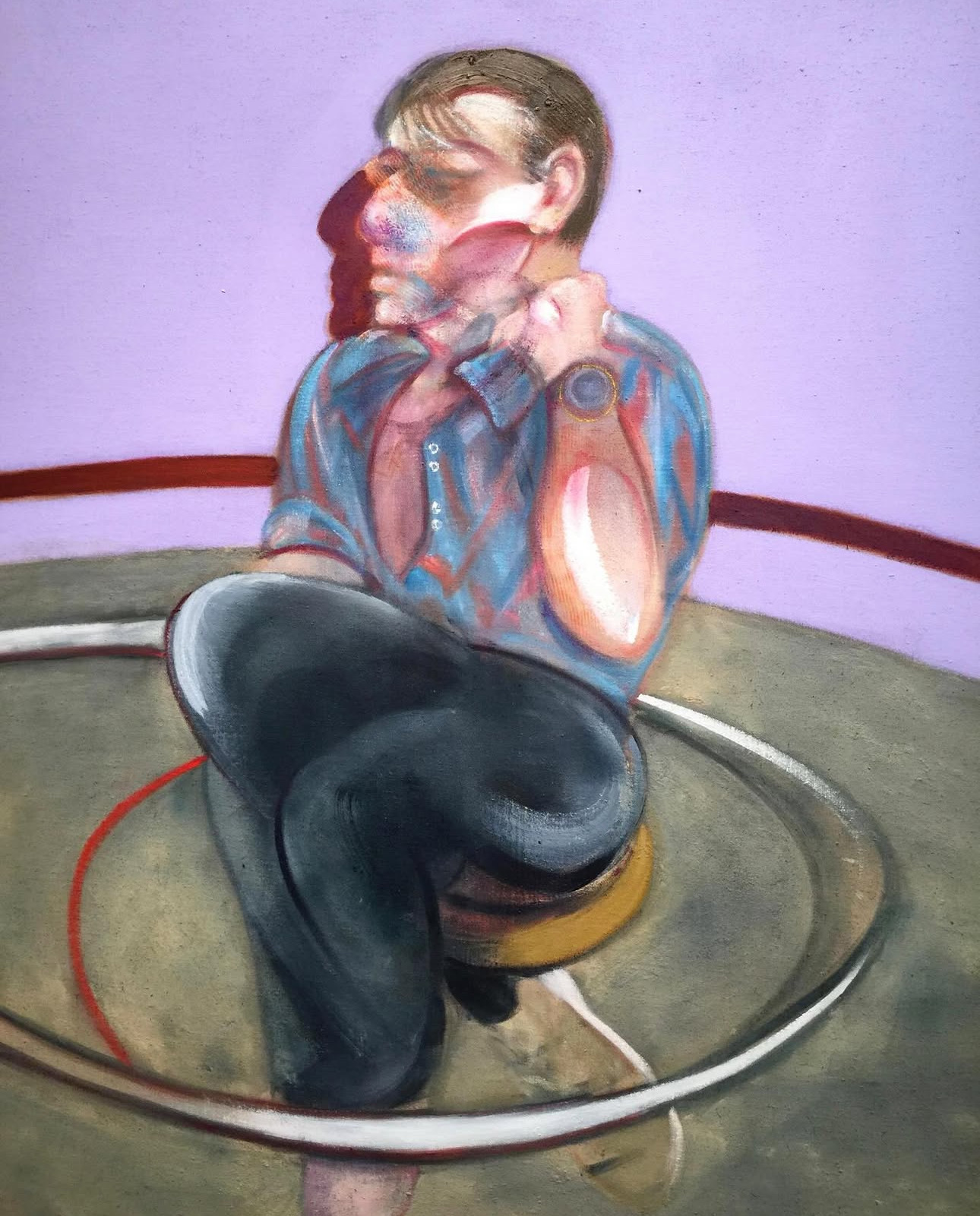
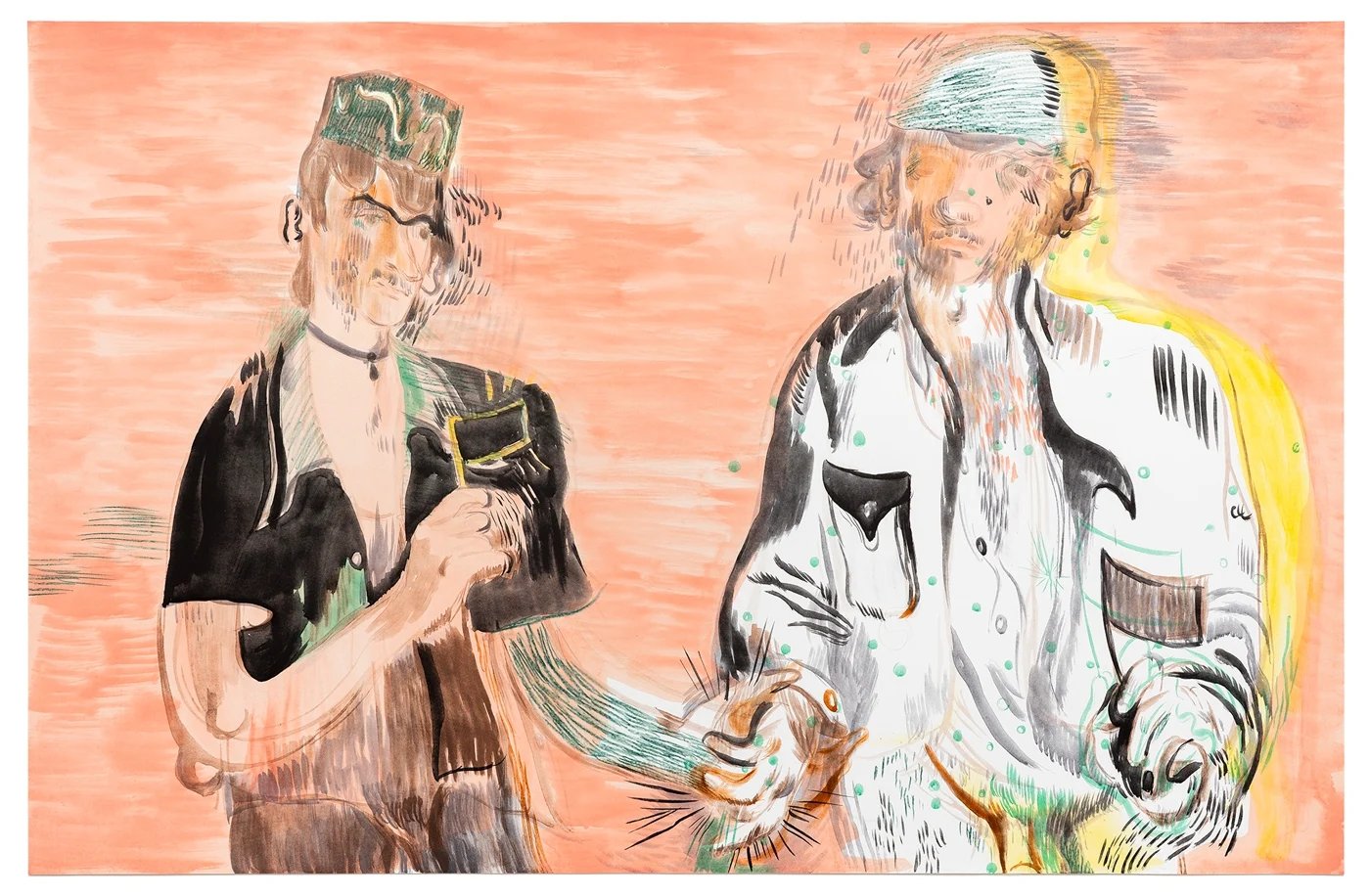
Painter
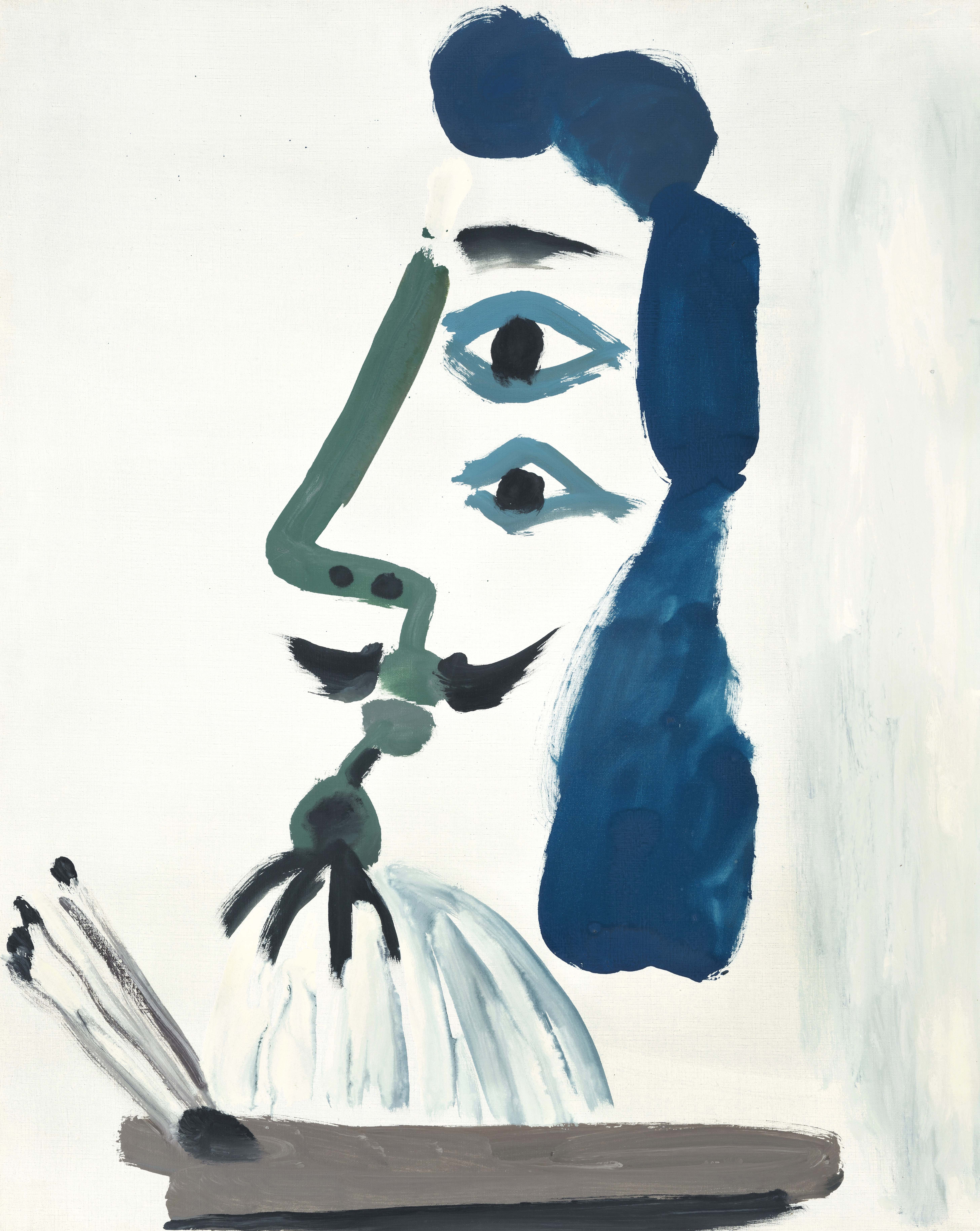
Unknown
Le Peintre. Tête de profil

Why Painting Still Owns the Room
There is something irreducible about living with a painting. Collectors who have built serious collections across multiple media almost universally say the same thing: photographs arrest you, sculptures command space, but a painting simply inhabits a room differently. It breathes. It changes with the light and with your mood and with the decade.
This quality, at once ineffable and completely real, is what draws people into painting as a collecting category and what keeps them there long after the initial excitement of acquisition has settled into something quieter and more sustaining. The appeal runs deeper than aesthetics. Painting carries with it an unbroken thread of human attention, the mark of a hand working through a problem in real time, revising, reconsidering, insisting. For a collector, that residue of thought and labor is part of what you are acquiring.
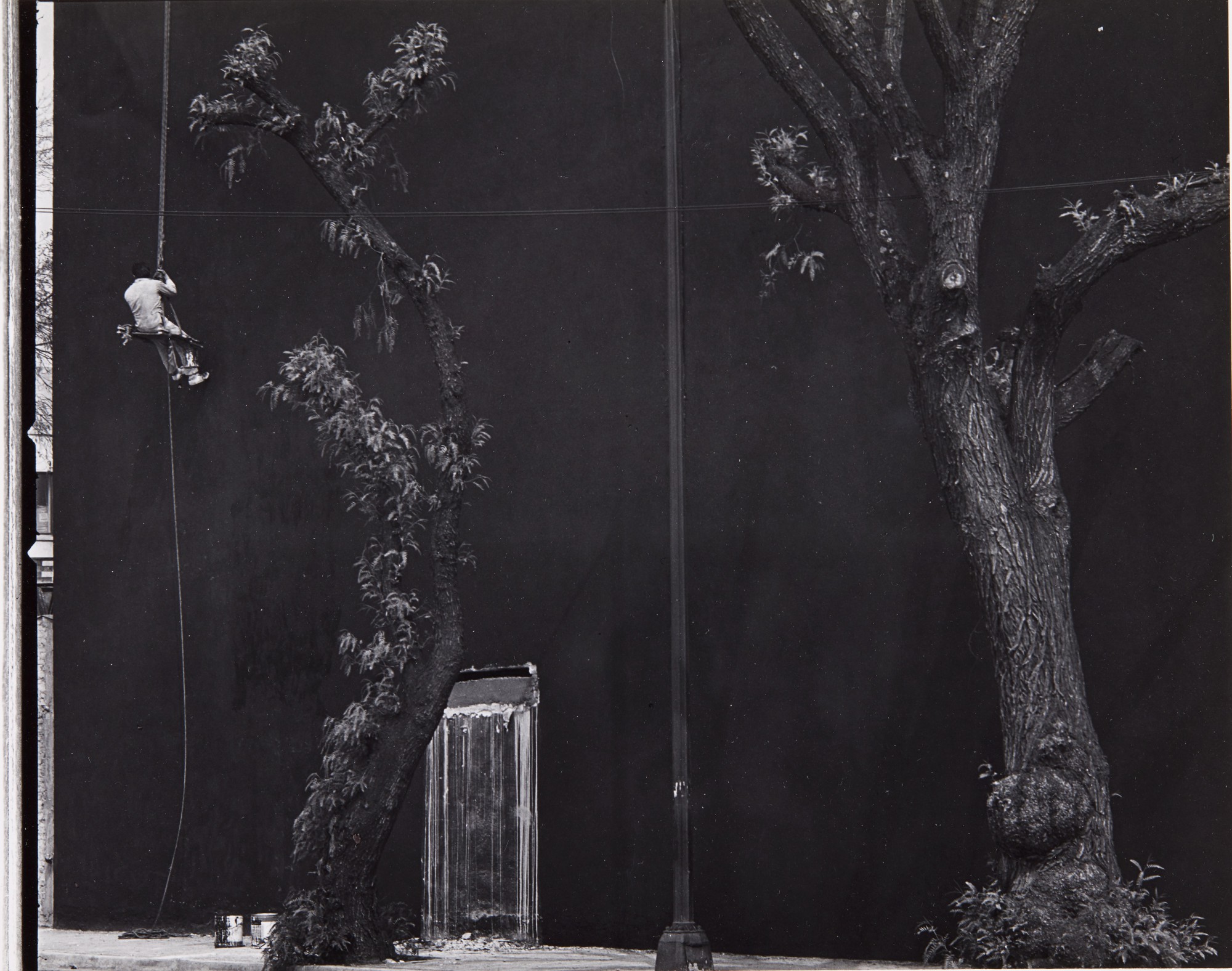
Manuel Álvarez Bravo
'Pintor de Negro', Mexico, 1971
You are not just buying an image. You are buying the record of someone looking very hard at the world, or inward, or both at once. That intimacy is hard to replicate in any other medium, and it is why painting continues to anchor even the most adventurous and multidisciplinary private collections. What separates a good painting from a great one is a question worth sitting with seriously, because the market does not always answer it honestly.
A good painting is resolved, it holds together formally, it rewards looking. A great painting does something more uncomfortable: it resists easy reading, it retains a quality of necessity, as though it could not have been made any other way by anyone else. Collectors should train themselves to ask not whether a work is beautiful but whether it is inevitable. The best paintings feel as though they arrived from somewhere specific and could not have been otherwise.
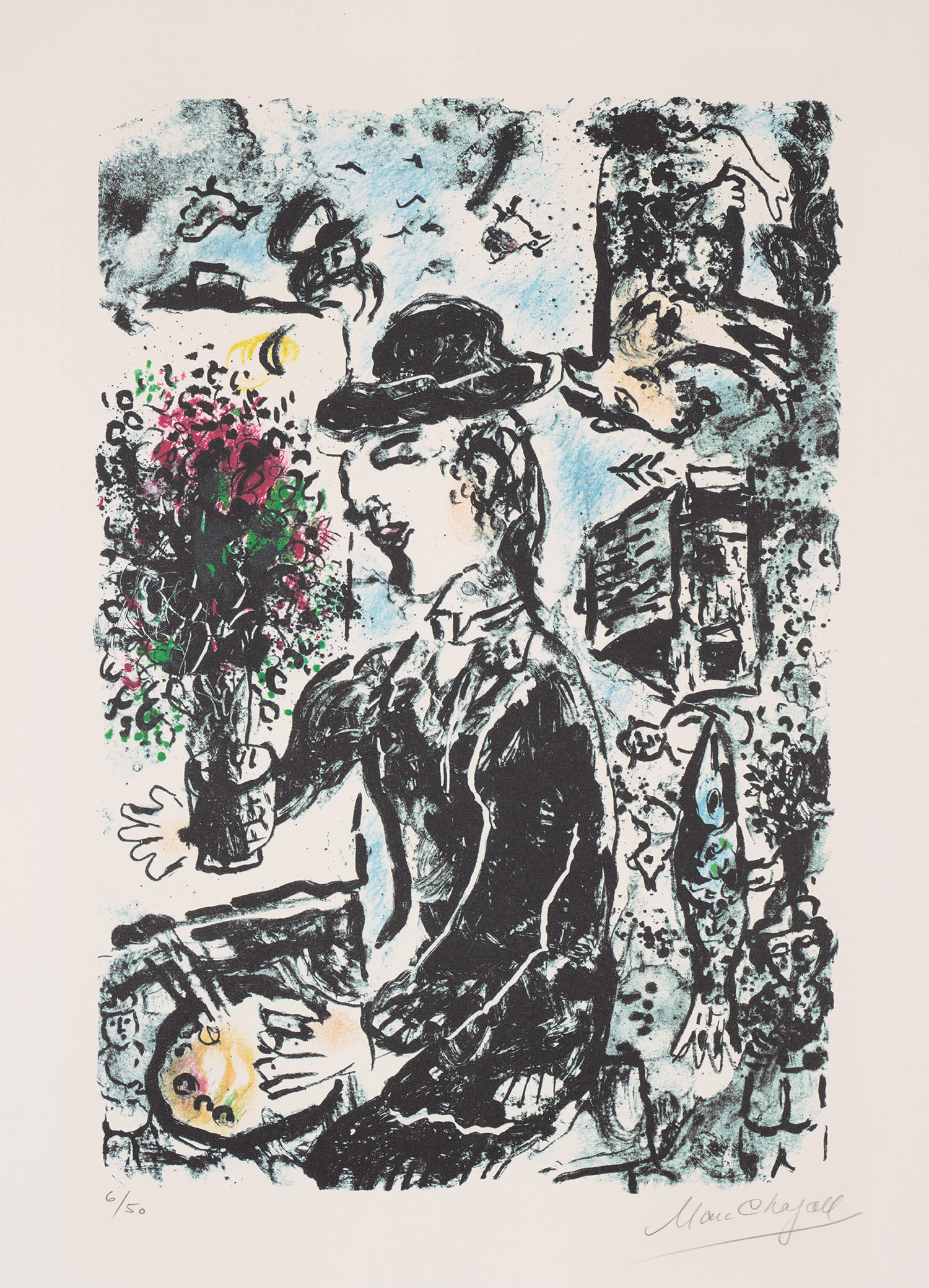
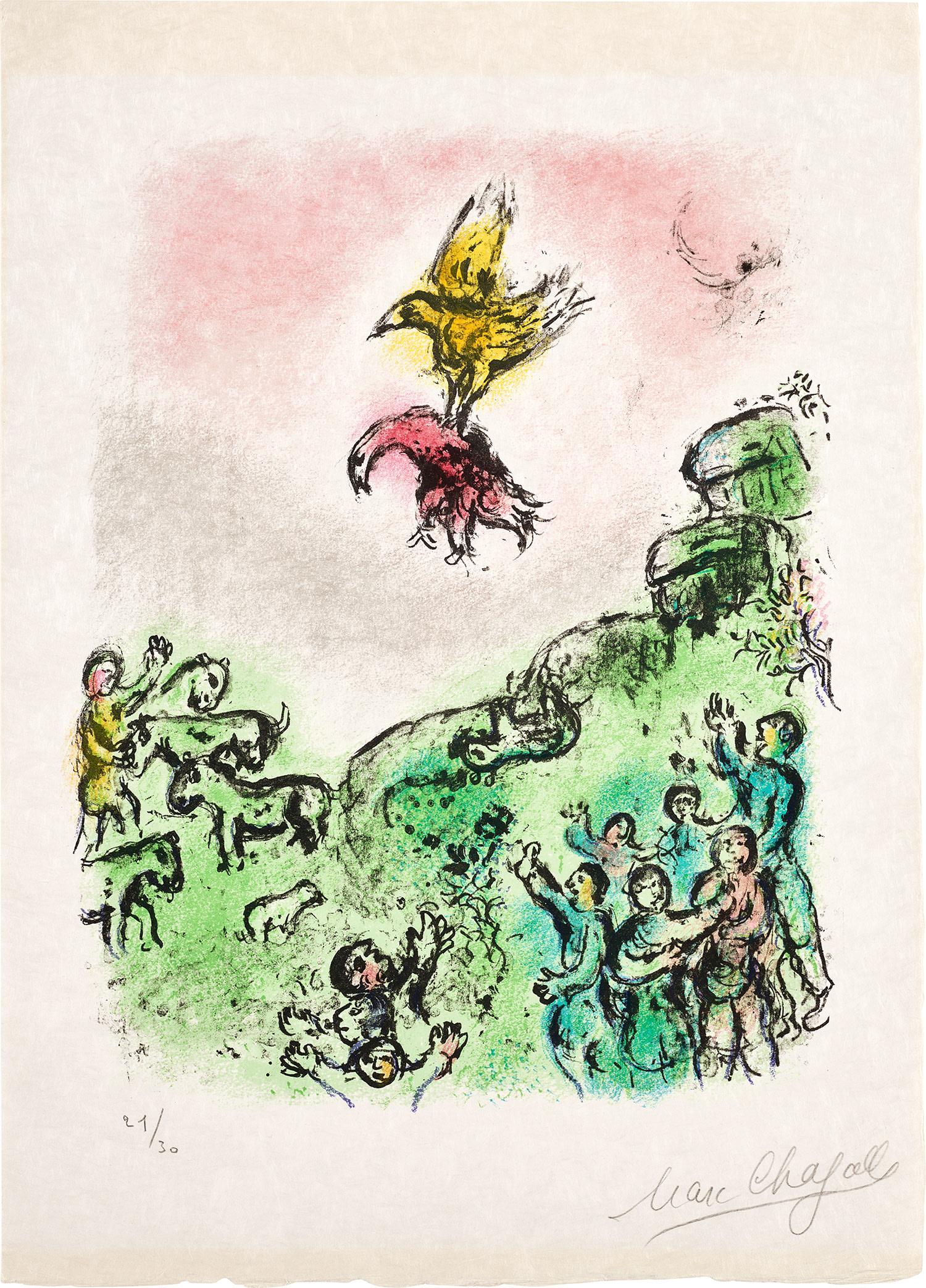
Marc Chagall
Le Peintre au chapeau (The Painter in Hat) (M. 1010)
Surface quality matters enormously too. The way paint is applied, whether it is worked into the canvas or laid on with confidence or built up over time, tells you something about the artist's conviction that no amount of catalog text can replace. When thinking about which painters represent the strongest long term value for a collection, the conversation quickly moves to artists whose practices are anchored in a singular vision rather than a responsiveness to trend. Marc Chagall is a useful figure to consider here not simply for his canonical status but because his work demonstrates how a deeply personal symbolic language, rooted in a specific cultural and emotional world, can sustain meaning across generations of collectors and institutions.
Works by Chagall well represented on The Collection carry with them the full weight of a practice that spanned nearly a century and remained stubbornly coherent even as the art world around him shifted dramatically. That kind of sustained inner logic is exactly what collectors should be looking for in any painter, emerging or established. The strongest collecting opportunities right now sit at an interesting intersection. On one side are artists whose historical reputations have been partially obscured by the way their work was categorized during their lifetimes, often by geography or gender or the particular critical fashions of their era.
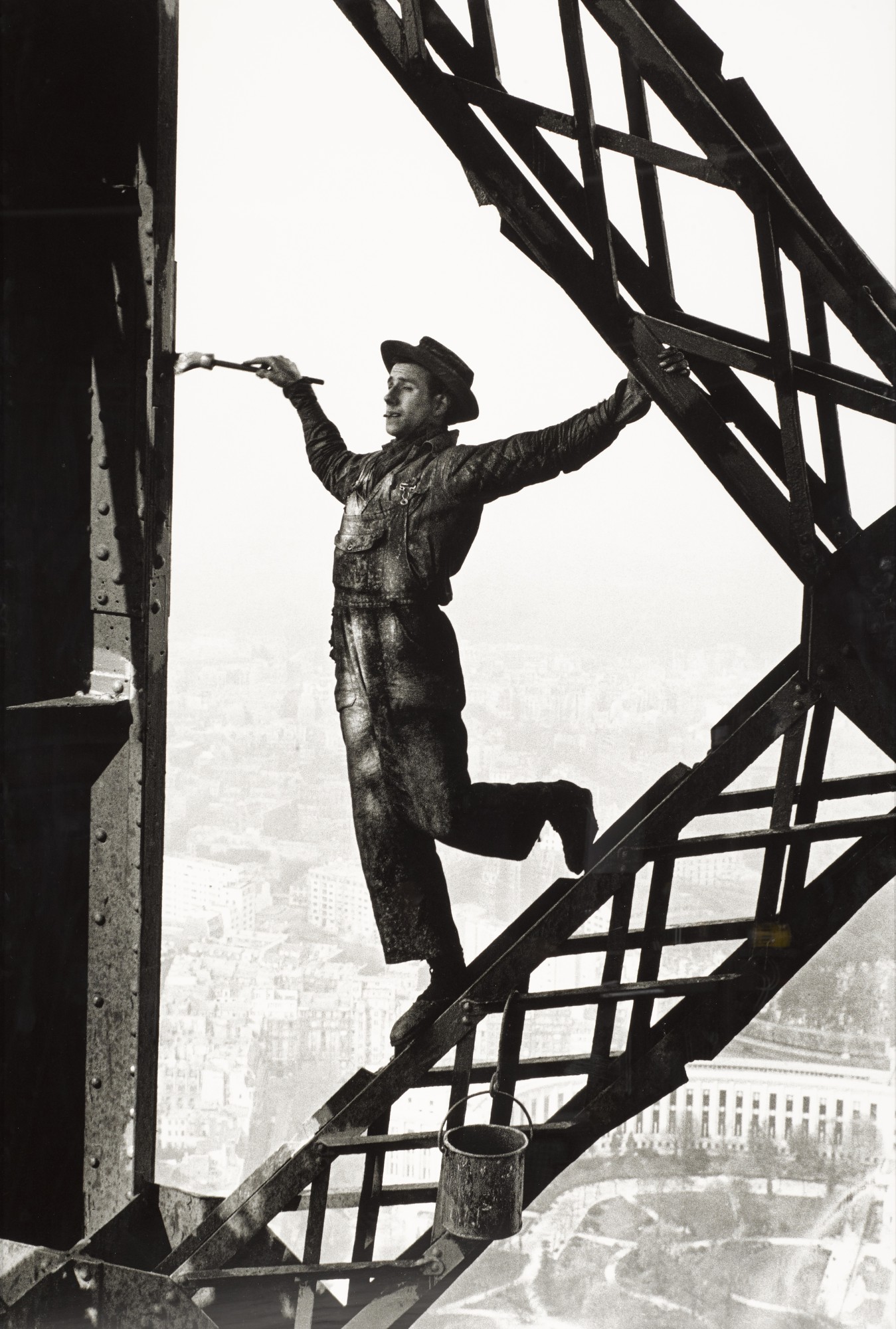
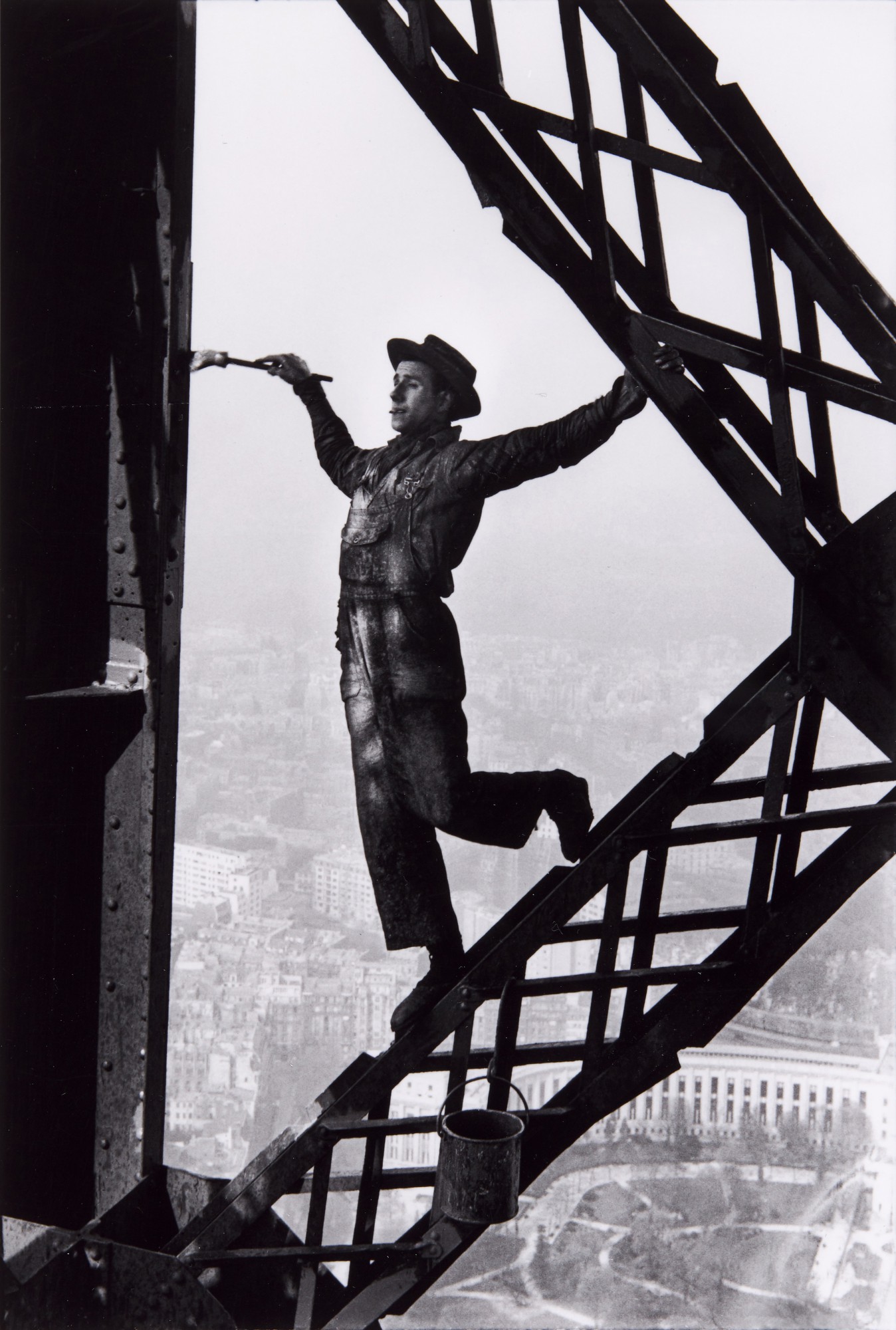
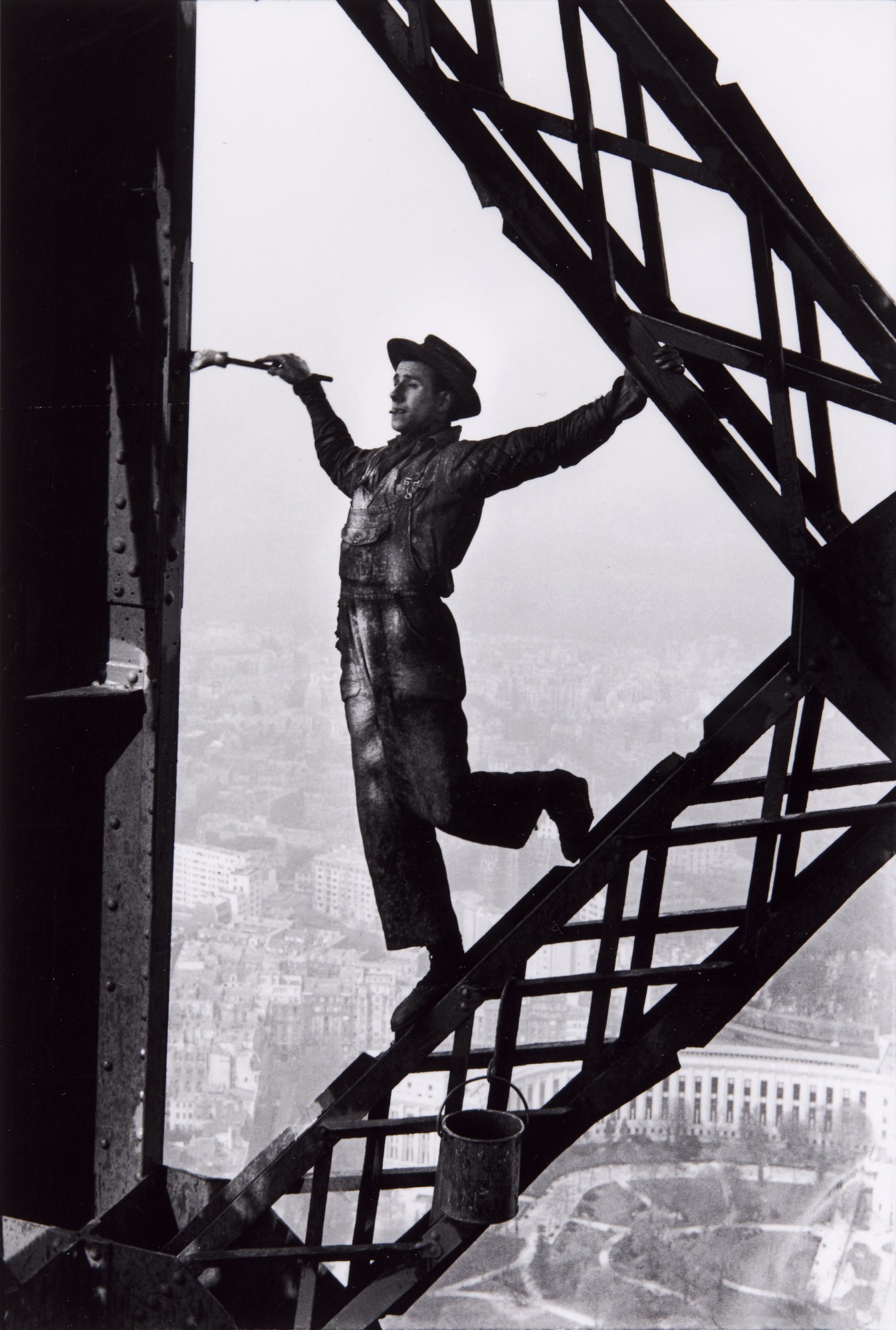
Marc Riboud
'The Painter of the Eiffel Tower', 1953
On the other side are younger painters who are working through questions about representation, surface, and pictorial space in ways that feel genuinely urgent rather than academically correct. The wisest collectors are moving in both directions simultaneously, building collections that create unexpected dialogues between the overlooked historical and the emerging contemporary. These juxtapositions tend to produce collections that feel alive rather than archival. Auction performance for painting is worth understanding clearly rather than romantically.
The secondary market for painting is the deepest and most liquid segment of the broader art market, which means both that prices can climb to extraordinary levels and that the spread between strong and weak examples of any given artist's work can be vertiginous. A mediocre work by a blue chip name will consistently underperform a strong work by an artist with a smaller market profile. Seasoned buyers know to resist the pull of a famous name attached to an unremarkable work. The records that get made at auction invariably belong to paintings that are not just attributable but exemplary, works that sit at the center of what an artist was doing rather than at the periphery.
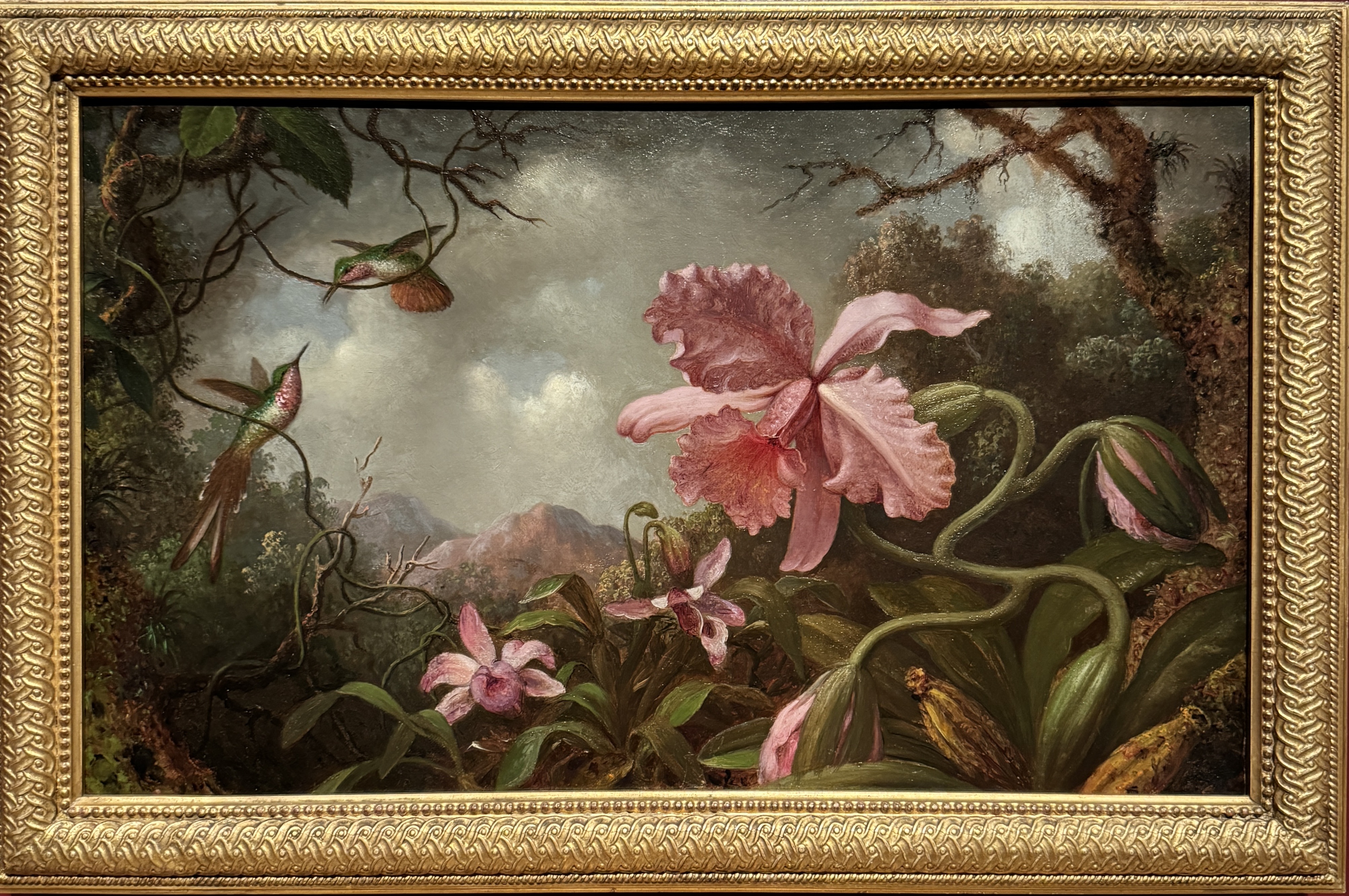
Unknown
Le Peintre. Tête de profil
Practical considerations for collectors entering or deepening a painting collection deserve as much attention as the art historical ones. Condition is paramount and more complex in painting than in almost any other medium. Ask specifically about lining, whether the canvas has been relined at any point and when, about any areas of inpainting or restoration, and about the painting's exhibition and loan history, which can indicate how much the work has traveled and under what conditions. Display matters in ways collectors sometimes underestimate.
Natural light is not always the friend of a painting. Ultraviolet exposure causes fading and embrittlement over time, and even ambient daylight can be damaging. Purpose built LED lighting with controlled color temperature is the current standard in serious collections and worth the investment. Galleries and dealers selling paintings should be able to answer detailed questions about provenance, conservation history, and the work's relationship to an artist's broader output.
If a dealer is reluctant to share condition reports or dismisses provenance questions as overly technical, that reluctance is itself meaningful information. The best advisors in this space know that an informed collector is a long term collector, and they cultivate that relationship accordingly. The works available on The Collection represent a range of practices and periods that reward exactly this kind of attentive, well informed engagement. Painting remains the category where the greatest risks and the greatest rewards in collecting tend to converge, and approaching it with knowledge and patience is not just prudent.
It is the only way to do it justice.