Outdoor Setting
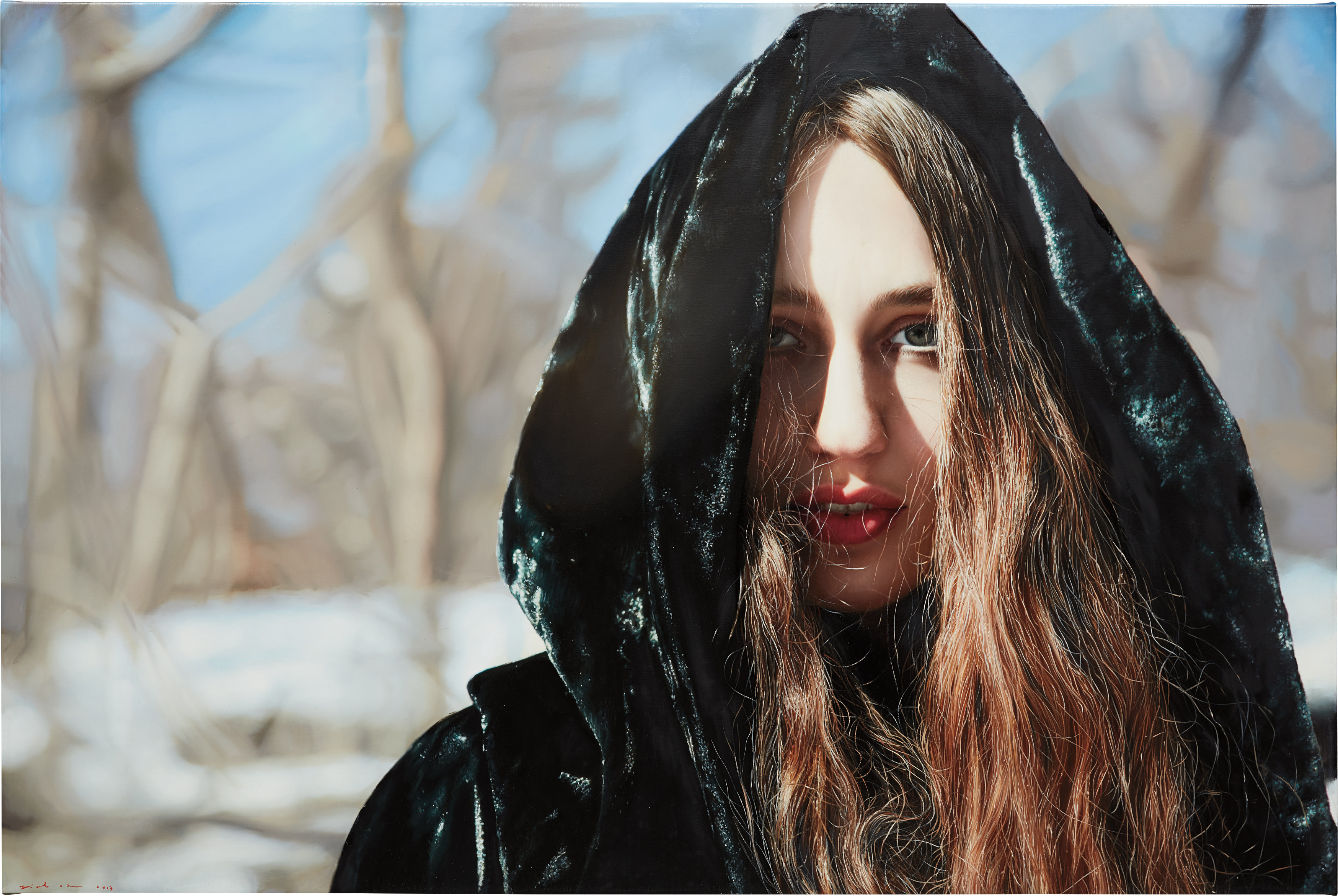
Yigal Ozeri
Lizzie in Snow, 2013
The Outside World, Painted Back In
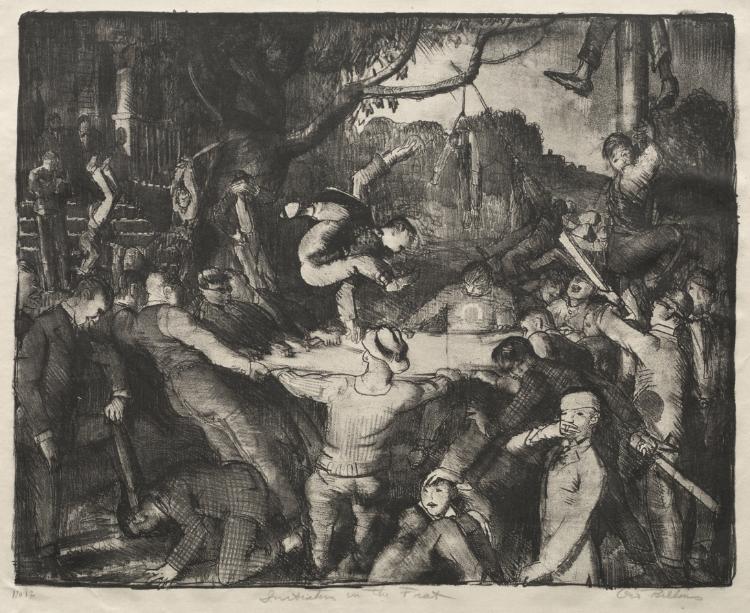
When Sotheby's offered a major George Bellows canvas in their American Art sale a few years back, the bidding moved with the kind of urgency that reminds you why certain categories never really go out of fashion. Bellows, who spent his career chronicling the raw social life of early twentieth century America, understood the outdoor setting not as backdrop but as protagonist. His scenes of swimmers, bathers, and figures caught in open air carry a psychological charge that feels, if anything, more resonant now than it did when critics first took notice. That sale was a signal: collectors are paying close attention to how artists have historically negotiated the space between the human figure and the natural world.
The outdoor setting as a sustained category of inquiry has been the subject of serious institutional reconsideration over the past decade. The Whitney Museum's ongoing commitment to American modernism has given Thomas Hart Benton renewed visibility, and rightly so. Benton's muscular regionalism, those sweeping landscapes populated by laborers and rural communities, asks questions about land, belonging, and the politics of the pastoral that feel urgently contemporary. Curators at institutions from the Nelson Atkins in Kansas City to the Smithsonian American Art Museum have been revisiting these works not as nostalgic Americana but as charged documents about who gets to inhabit outdoor space and under what terms.
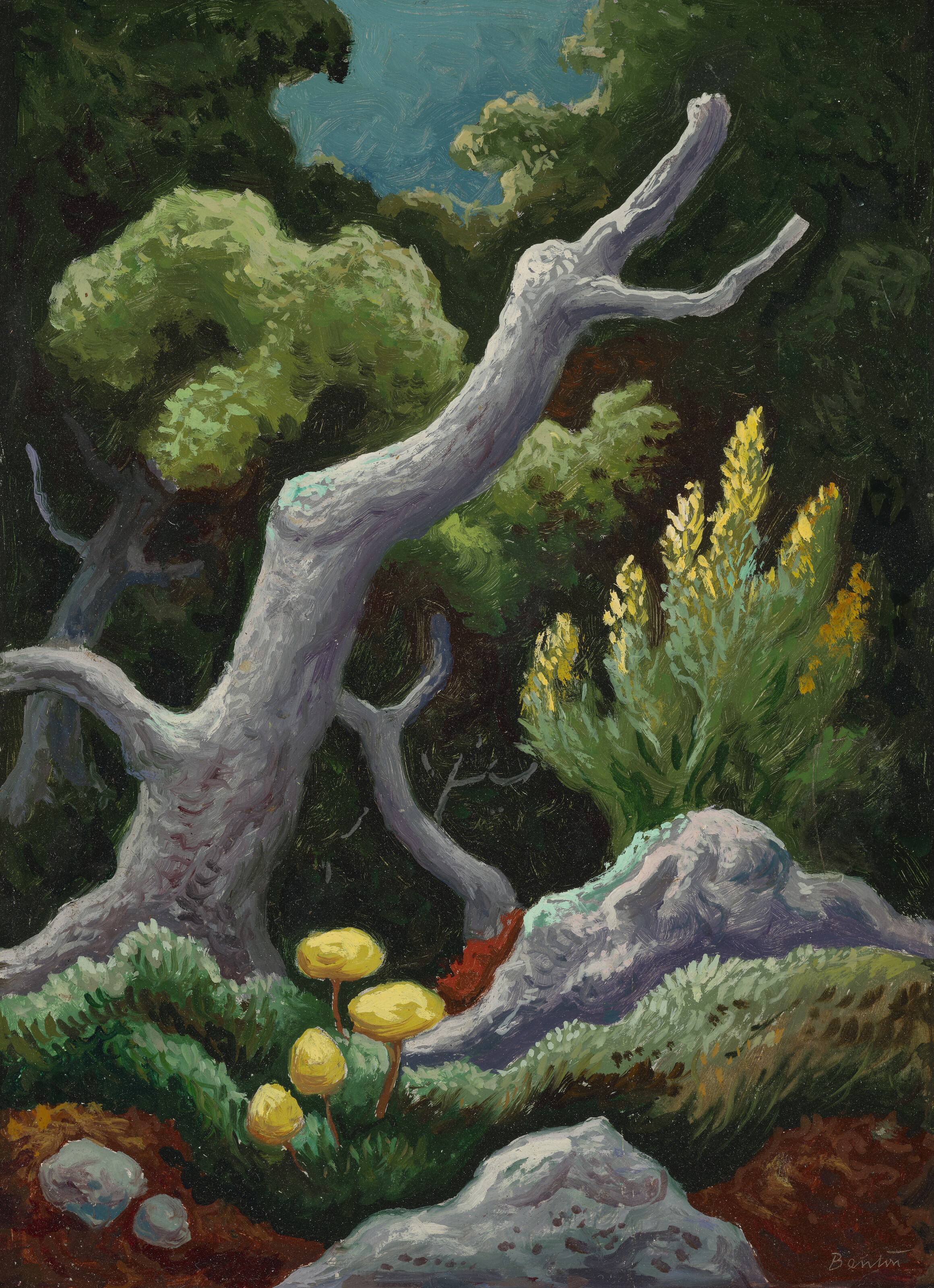
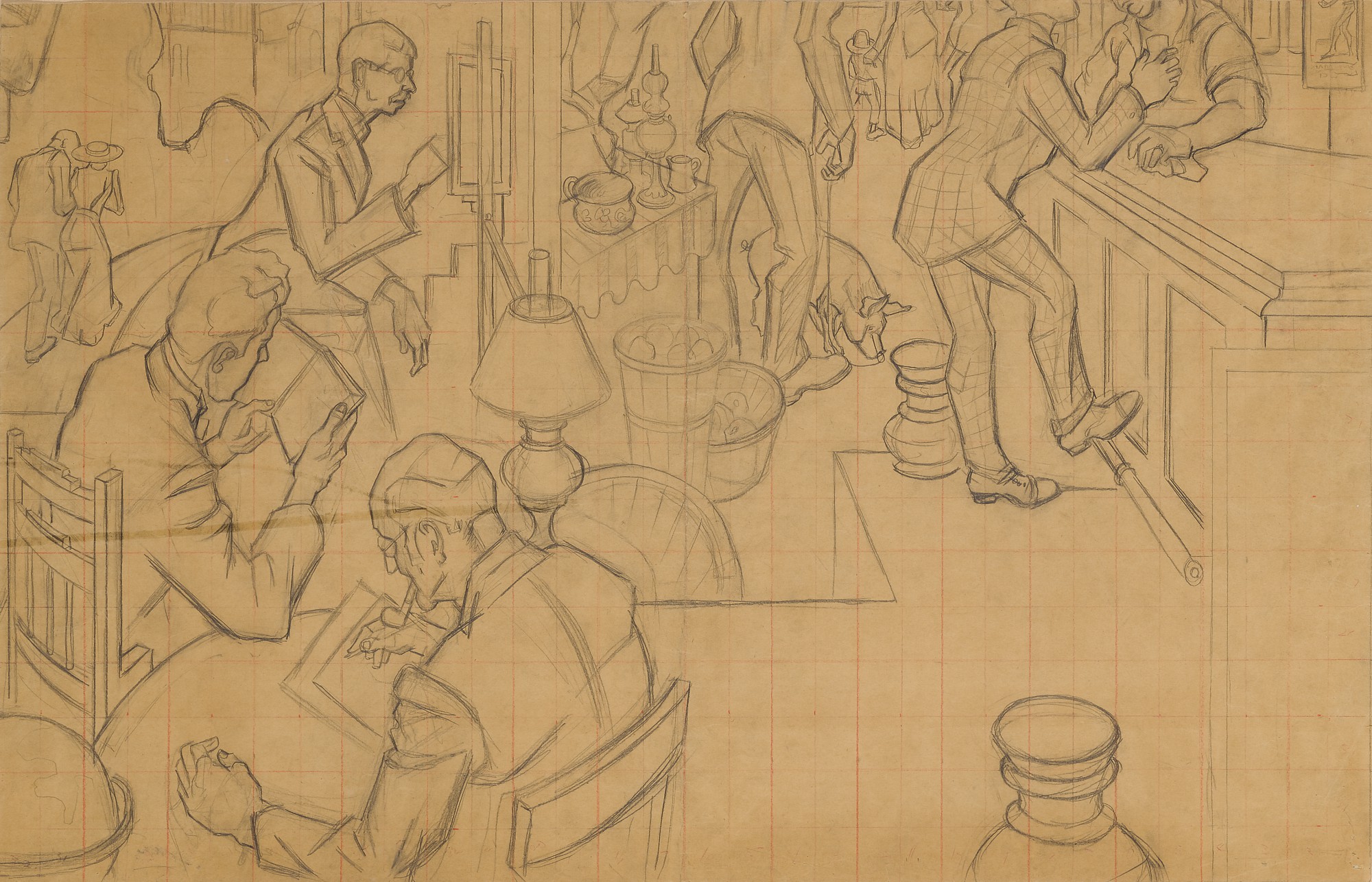
Thomas Hart Benton
Four Brothers (Woodland Chilmark)
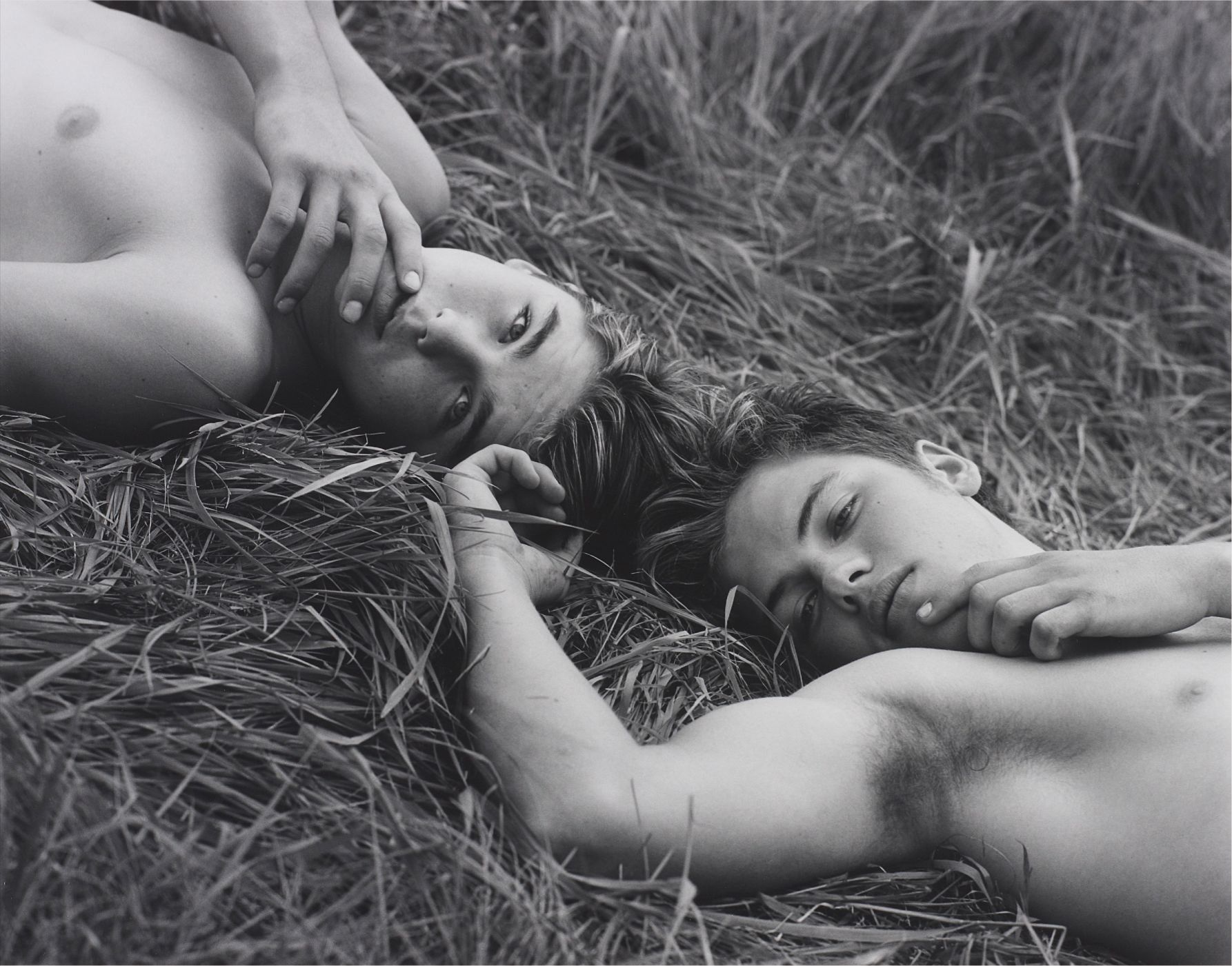
The photography world has had its own reckoning with similar questions. Rineke Dijkstra's beach portraits, which she began making in the early 1990s and which have never really left the critical conversation, remain among the most searching explorations of the body in outdoor light that contemporary photography has produced. Her subjects stand at the edge of the sea in a state of extraordinary exposure, and the work is collected by major museums including MoMA and the Tate precisely because it refuses easy resolution. Ryan McGinley operates on the opposite emotional register, his figures tumbling through forests and fields with an abandon that reads as both ecstatic and elegiac, and his prices at auction have reflected a growing recognition that his work documents something real about a particular American freedom that may already be passing.
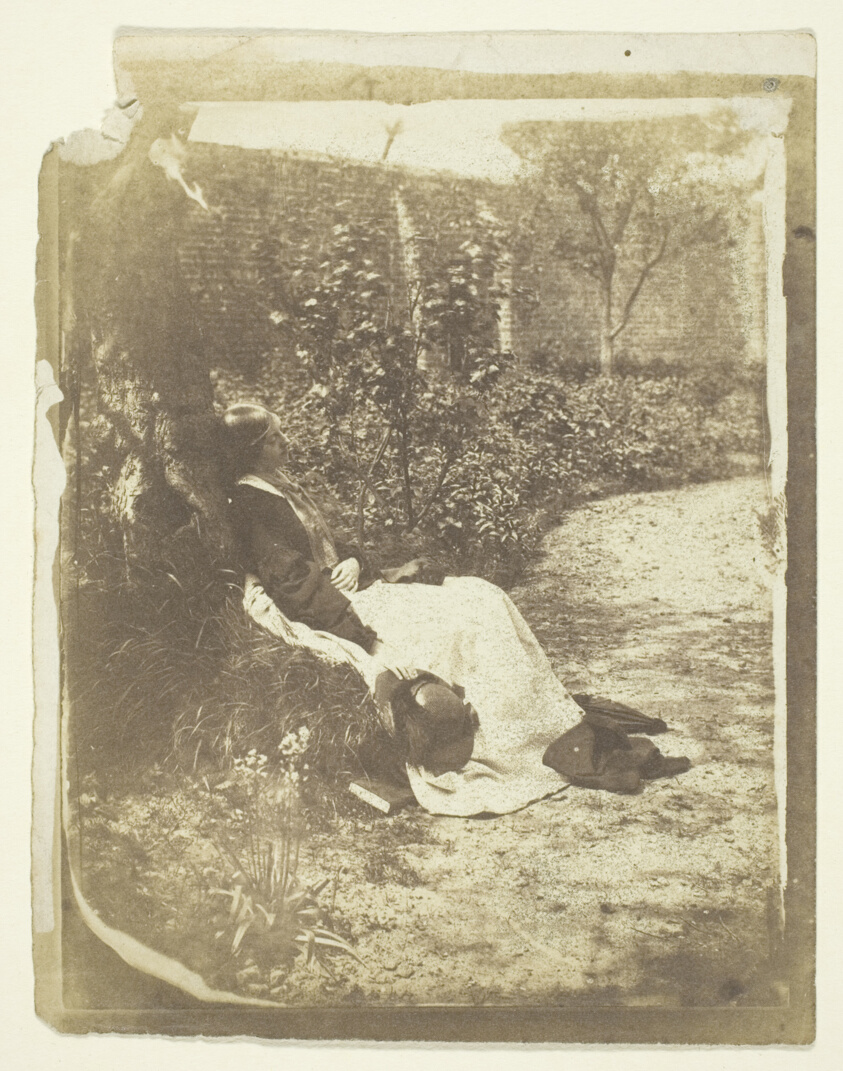
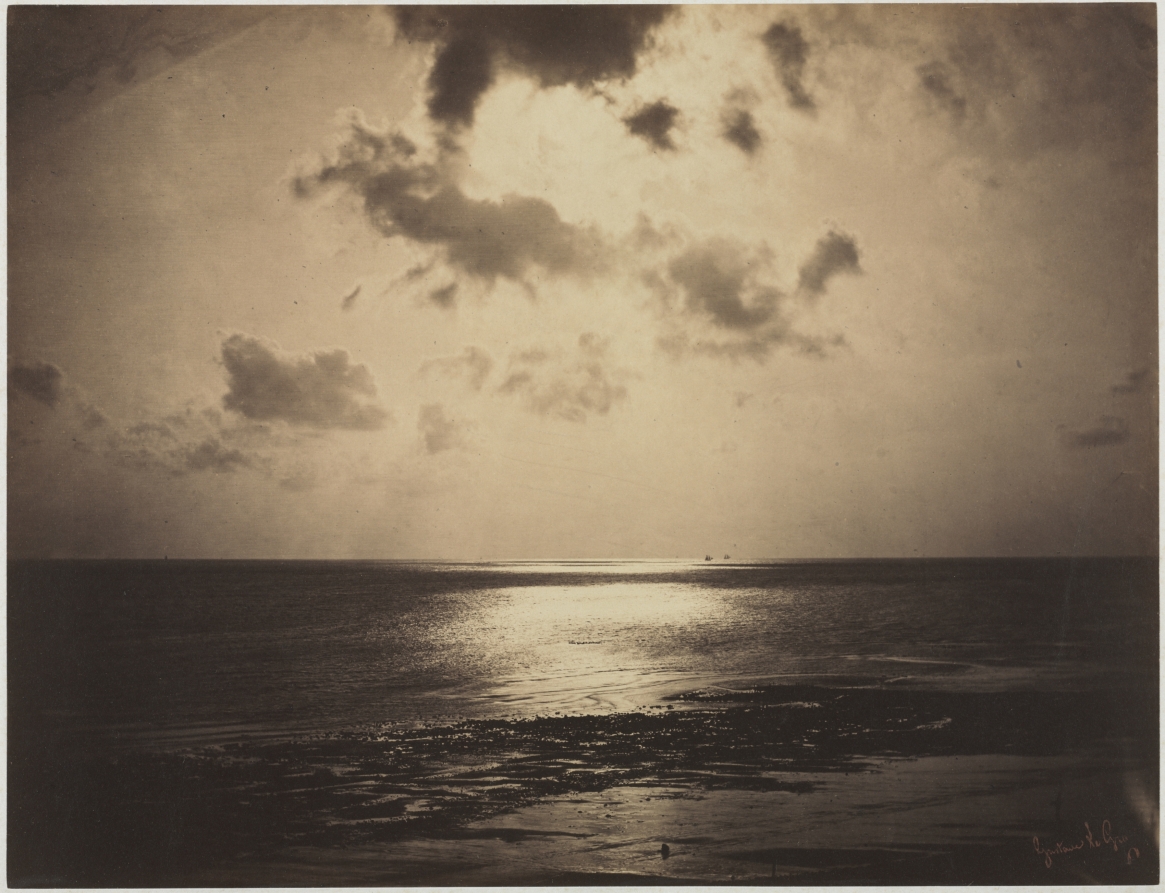
Among the artists represented on The Collection, the range of approaches to outdoor space is striking. Gustave Le Gray, the great nineteenth century French photographer whose seascapes remain technically astonishing, commands serious museum interest and strong results when works come to market. His ability to combine sky and sea through multiple negatives was not just a technical innovation but a philosophical statement about nature's scale and the smallness of human witness. Édouard Baldus, his near contemporary, brought similar ambitions to the documentation of French landscapes and architectural sites, and both photographers remind us that the impulse to bring the outside world into the frame is as old as the medium itself.
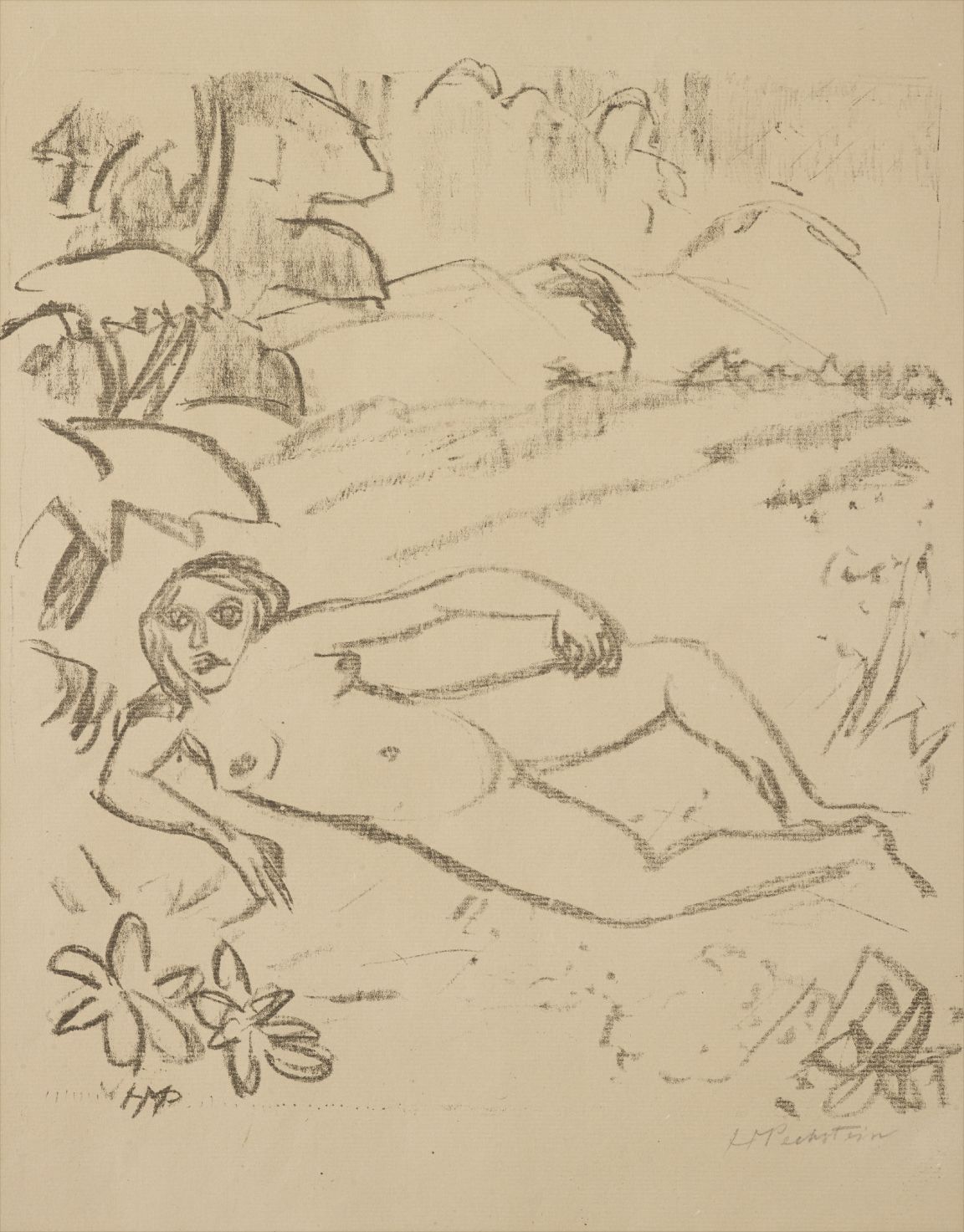
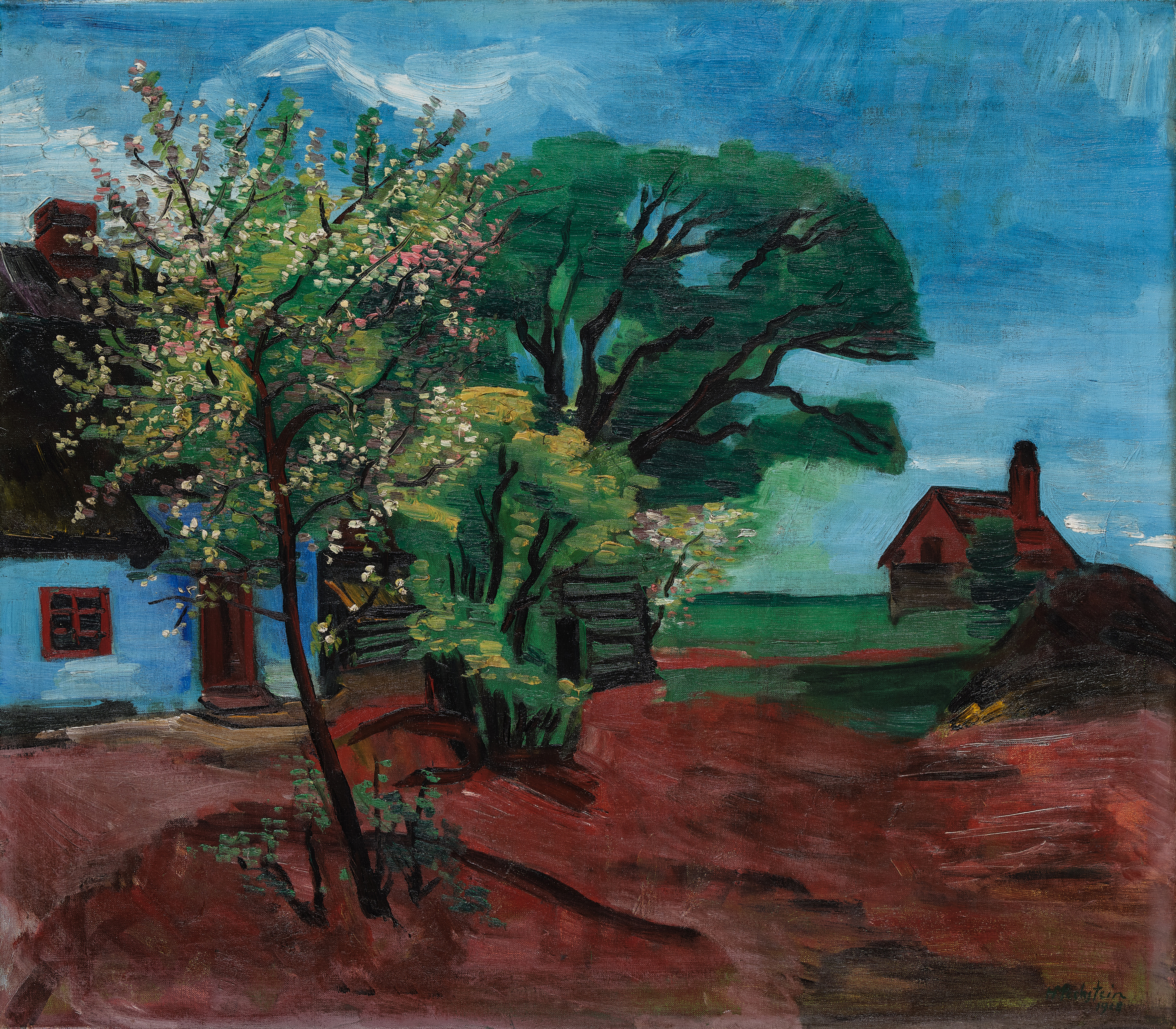
Max Pechstein
Akt in den Dünen (Woman in the Meadow), plate 7 from Paraphrasen zur Samländischen Ode
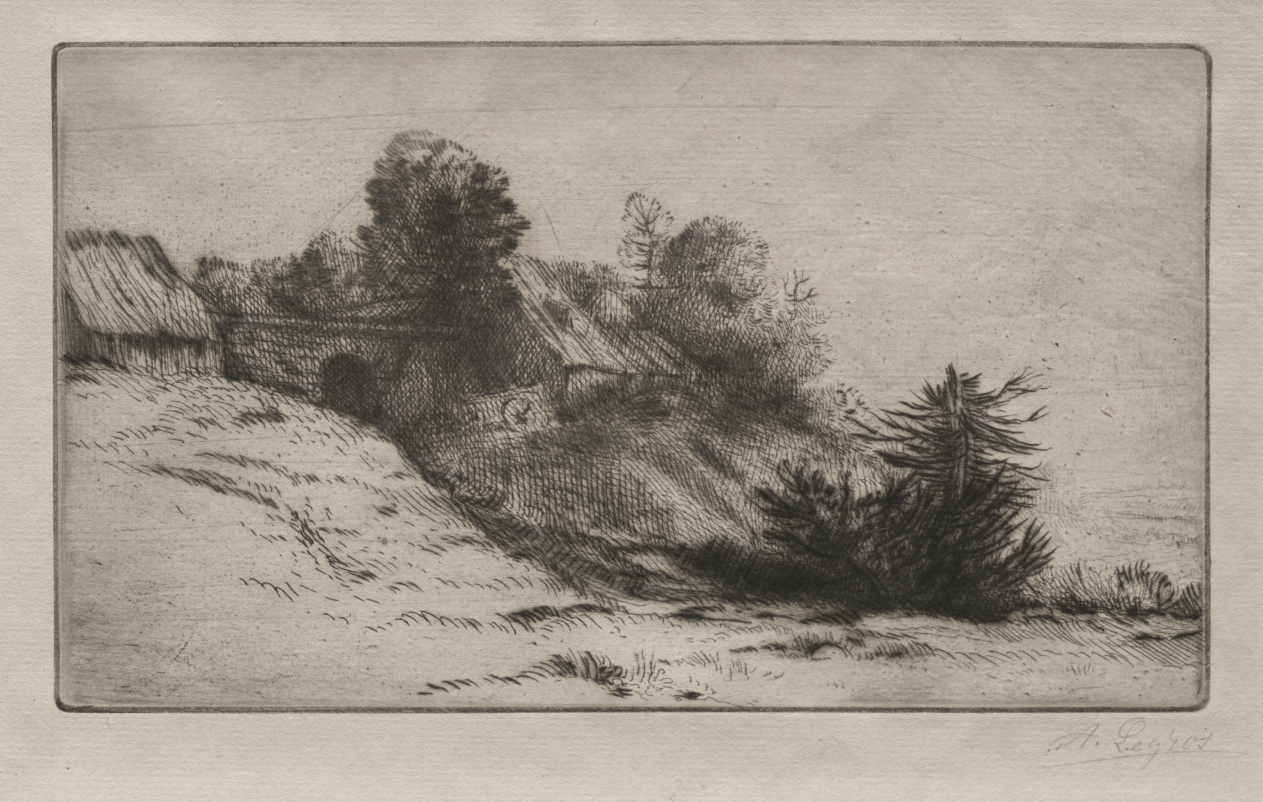
Max Pechstein's expressionist canvases, with their saturated color and figures absorbed into outdoor settings that feel almost primal, have seen sustained interest in the German market and beyond. His work connects to a broader early twentieth century anxiety about industrialization and the desire to find something authentic in nature, a conversation that has obvious contemporary echoes. Alphonse Legros, working in an earlier register, brought an etcher's discipline to outdoor figures and scenes, and his work continues to find a dedicated audience among collectors who appreciate draftsmanship as a form of attention. What connects these very different artists is a shared conviction that the outdoor setting reveals something about the human condition that interior scenes simply cannot access.
The critical conversation around all of this has been shaped in recent years by writers and curators willing to interrogate the politics embedded in pastoral imagery. Scholars like Angela Miller, whose work on American landscape tradition has been foundational, and critics writing in publications from Artforum to The Burlington Magazine have pushed back against any reading of outdoor imagery as innocent or purely aesthetic. The question of whose outdoor world is being depicted, who owns the land, who is welcome in the open air, has become central rather than peripheral. This shift in critical framing has made certain works suddenly more interesting and others more complicated, which is exactly the kind of pressure that serious collecting thrives on.
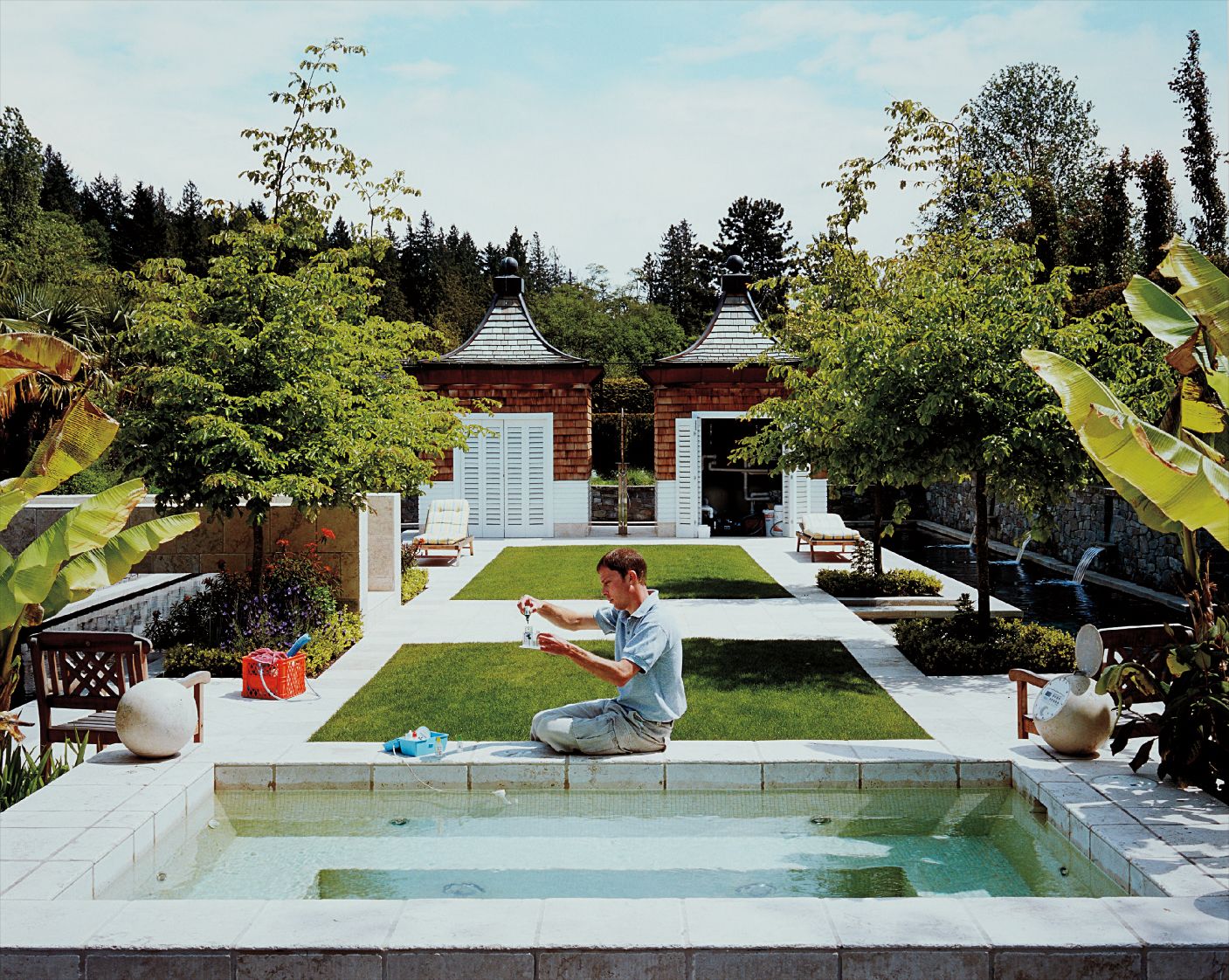
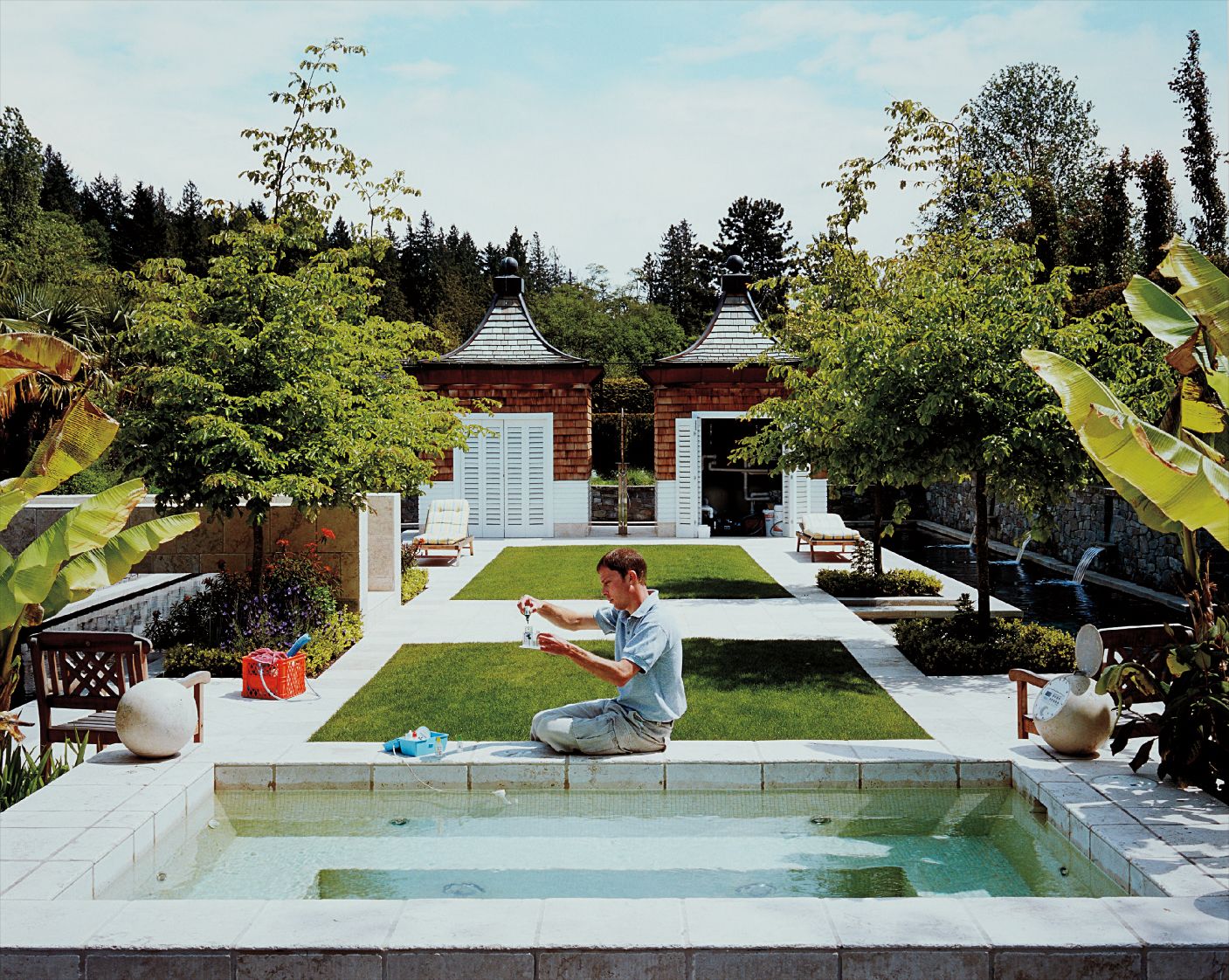
Scott McFarland
Analyzing, Ryan Otto Conducts Water Test
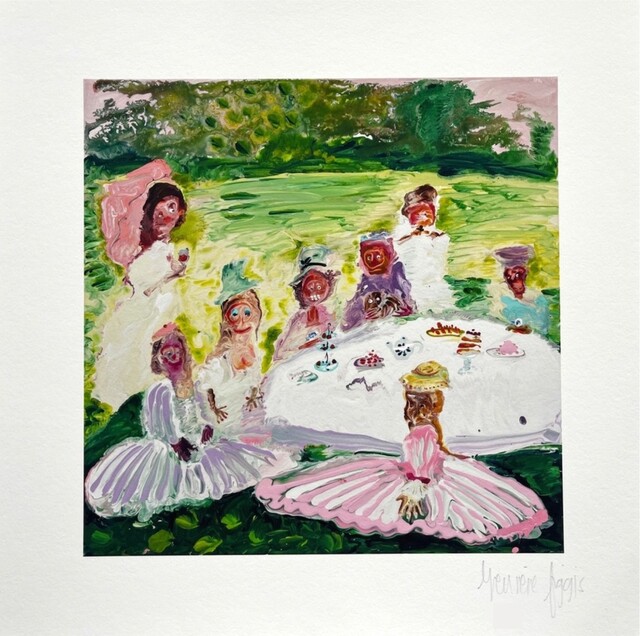
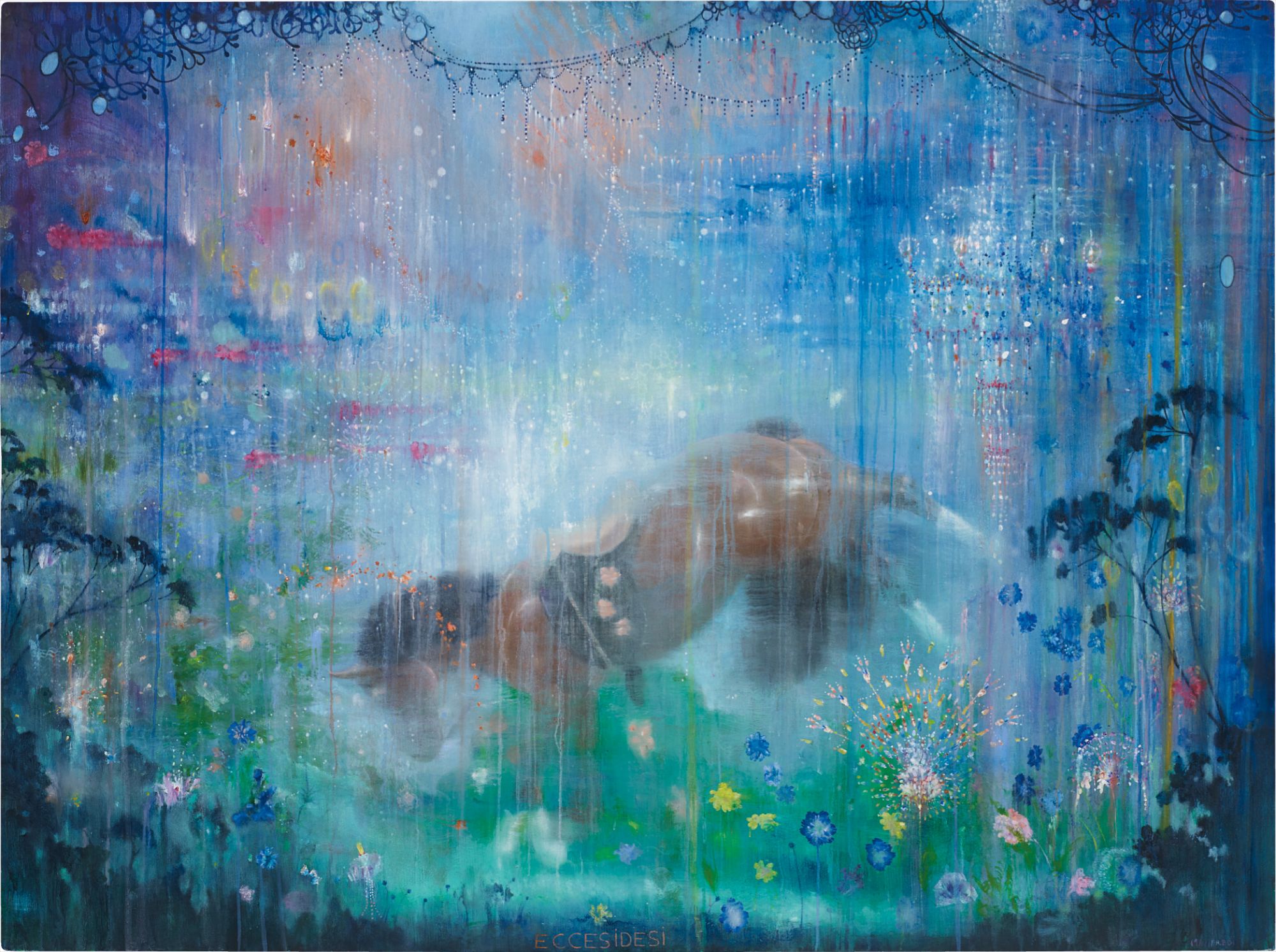
Genieve Figgis brings something entirely different to this conversation. Her loosely painted figures in outdoor settings, often drawing on the visual vocabulary of eighteenth century leisure painting, dissolve into their surroundings in ways that feel simultaneously joyful and unnerving. She has been collected by figures including Dasha Zhukova and has had significant gallery representation through Almine Rech, and her market has moved accordingly. Scott McFarland's elaborately constructed photographic works, which combine multiple exposures into dense images of gardens and outdoor spaces, sit at an interesting intersection of painting, photography, and conceptual practice.
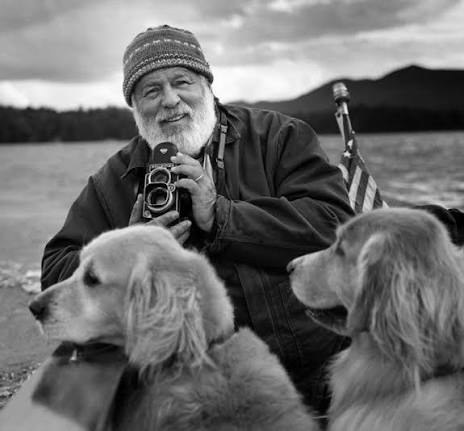
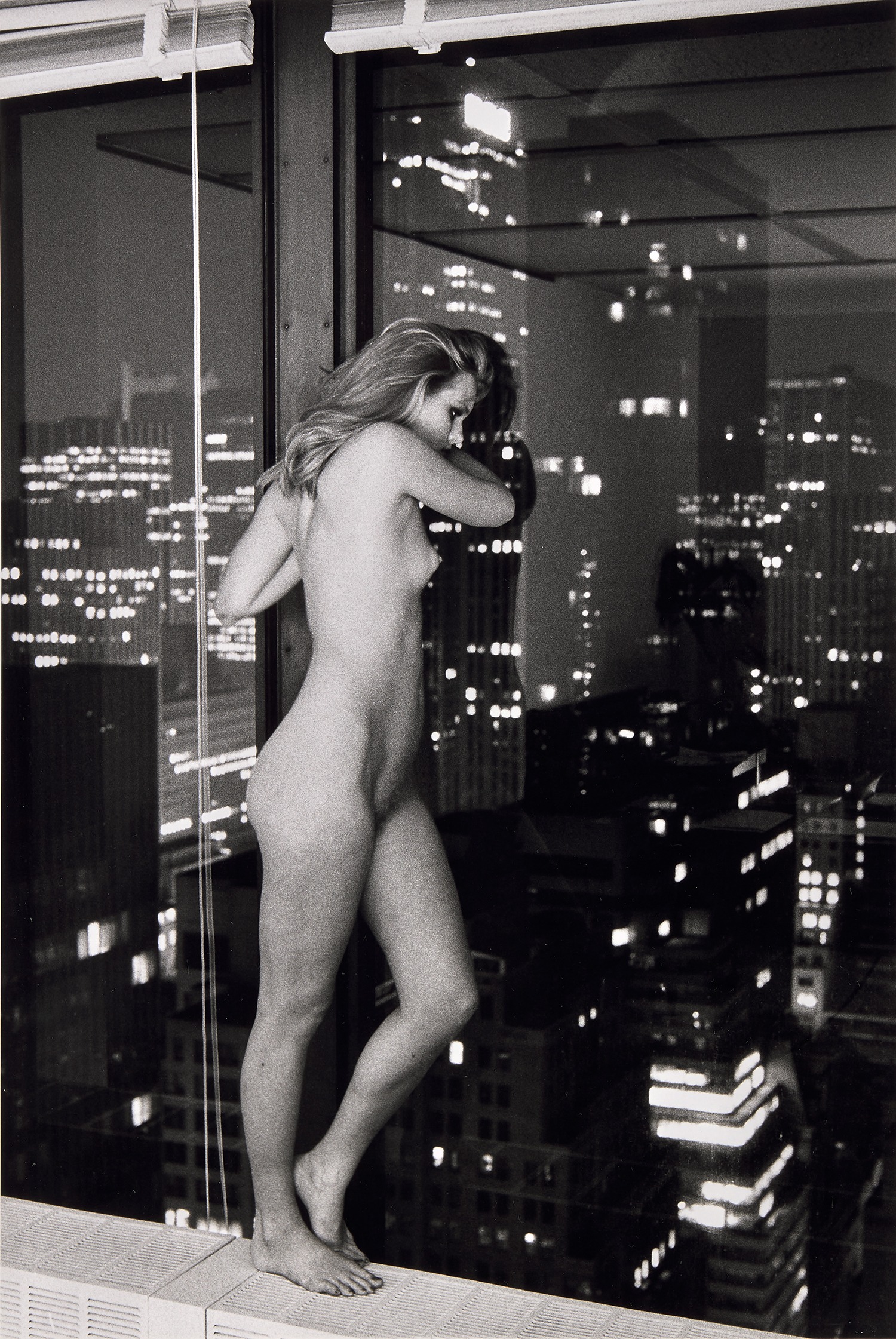
His institutional following has grown steadily, and there is a sense that his most ambitious works are undervalued relative to their complexity. Bruce Weber and Helmut Newton, both well represented on The Collection, approached outdoor settings from within fashion and commercial photography but with results that consistently exceeded their original context. Newton's nudes placed against the architecture of the French Riviera or the open desert carry an erotic and political charge that serious collectors and institutions have long recognized. Weber's sun drenched, athletically idealized outdoor scenes defined a particular visual language that has influenced photographers working today in ways they sometimes don't fully acknowledge.
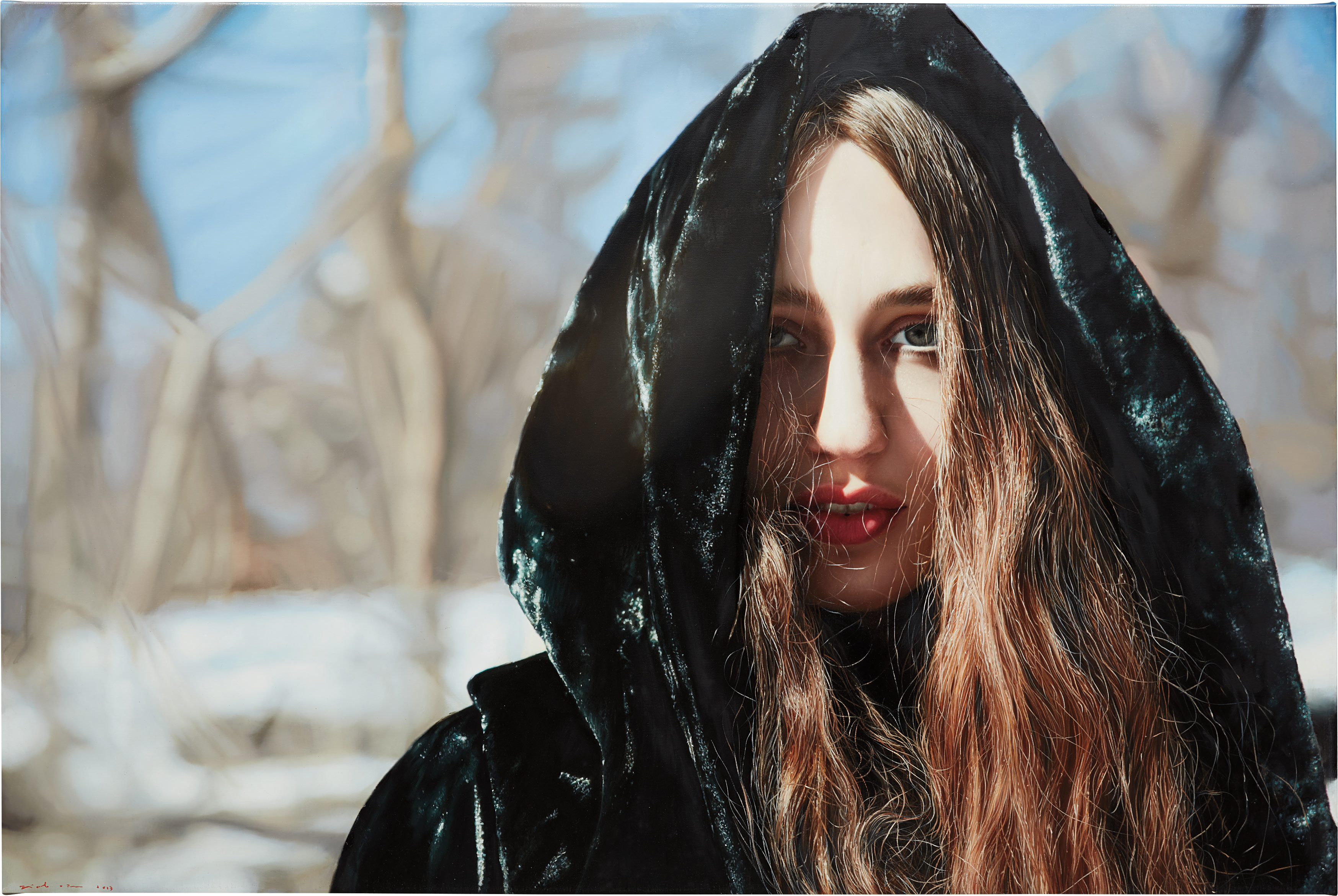
Yigal Ozeri
Lizzie in Snow, 2013
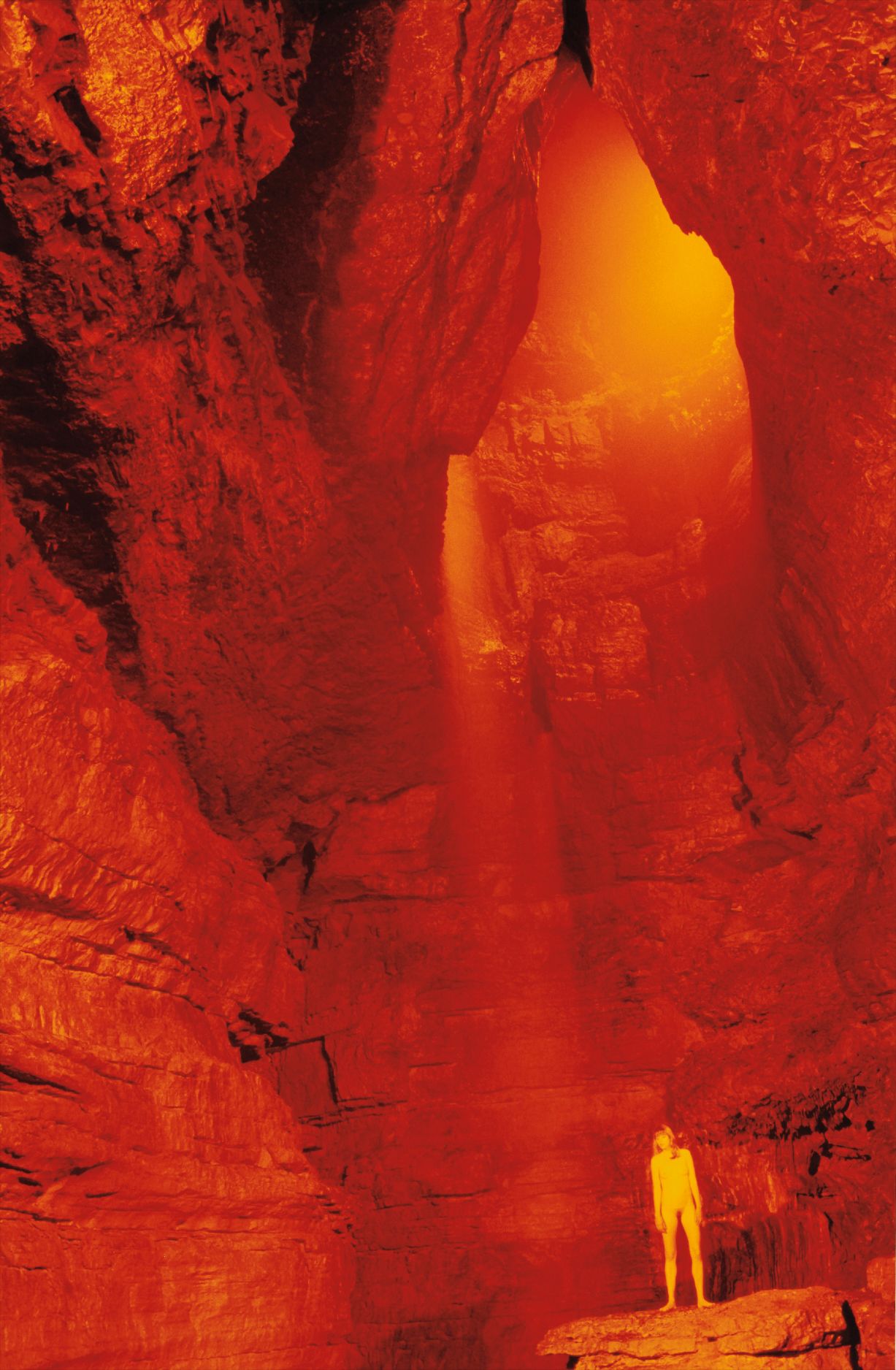
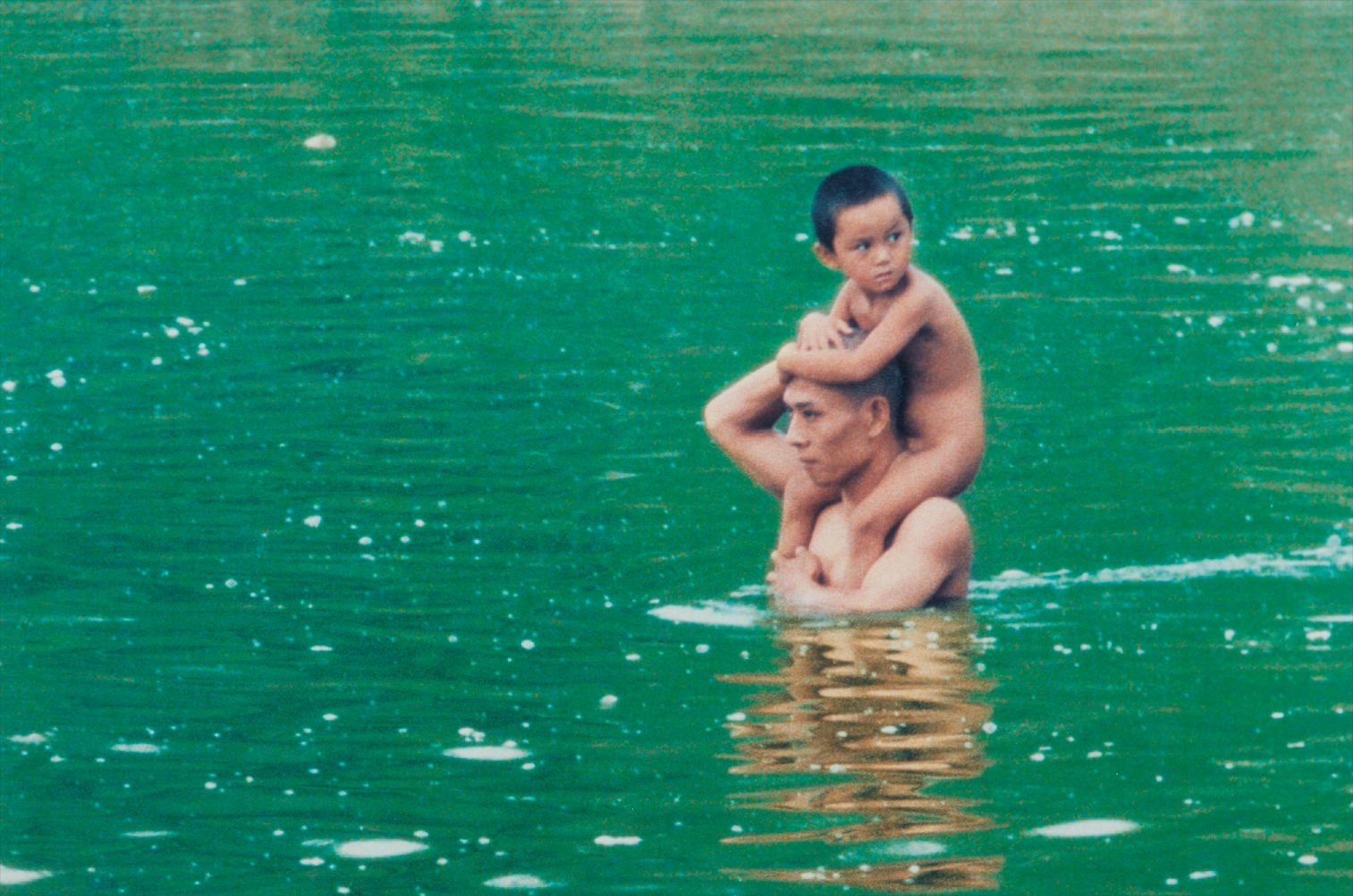
Yigal Ozeri's photorealist paintings of figures in lush natural settings, with their extraordinary surface detail, occupy a space between hyperrealism and romanticism that has found a committed collecting audience. Where does the energy go from here. The most interesting pressure in this category right now is coming from artists and scholars who are thinking about outdoor space in relation to ecology, climate anxiety, and a changed relationship to the natural world. Zhang Huan's work, which often involves the body in extreme outdoor conditions, points toward a more durational and ritualistic engagement with open space that feels like it belongs to the present moment.
The pastoral is not dead as a category but it is being seriously renegotiated, and the collectors paying attention to that renegotiation are the ones who will find themselves, in a decade, holding the works that defined this particular cultural turn.