Oil On Fabric
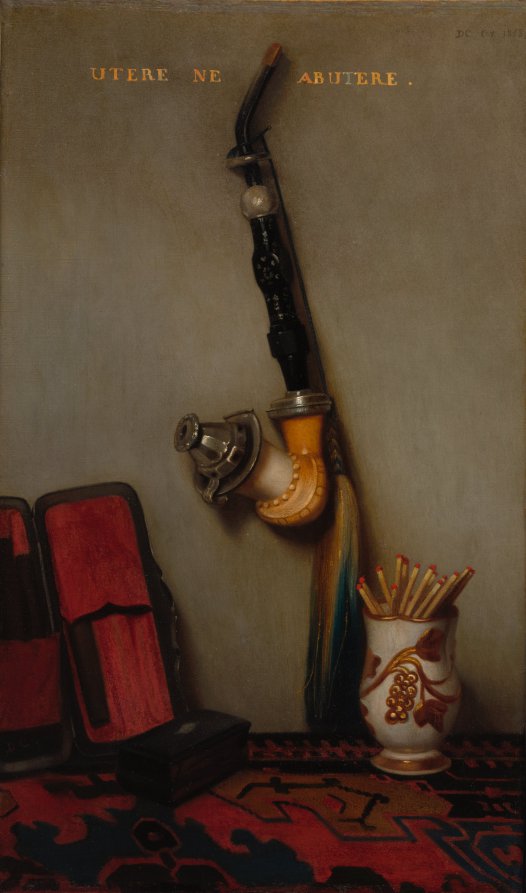
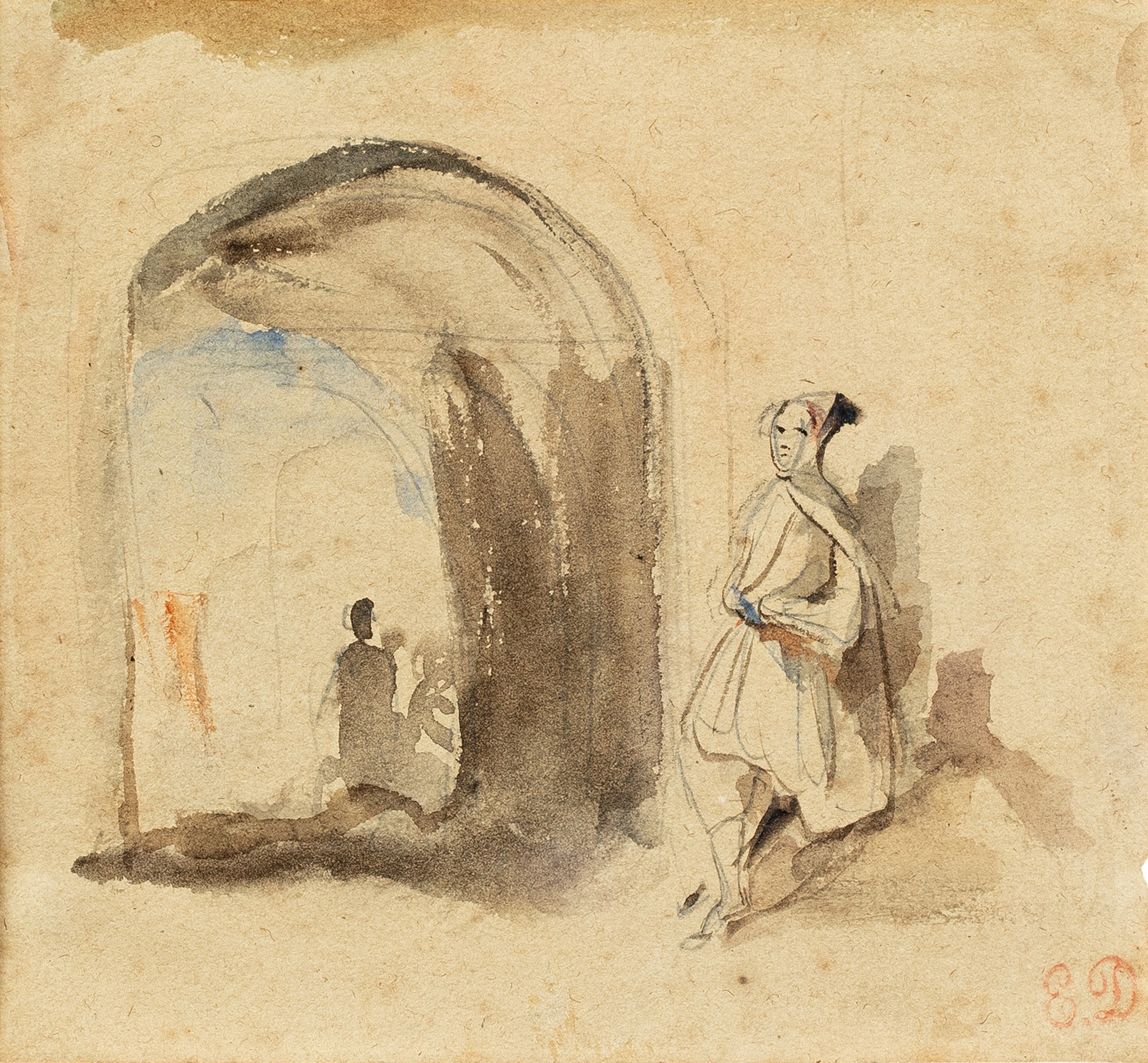
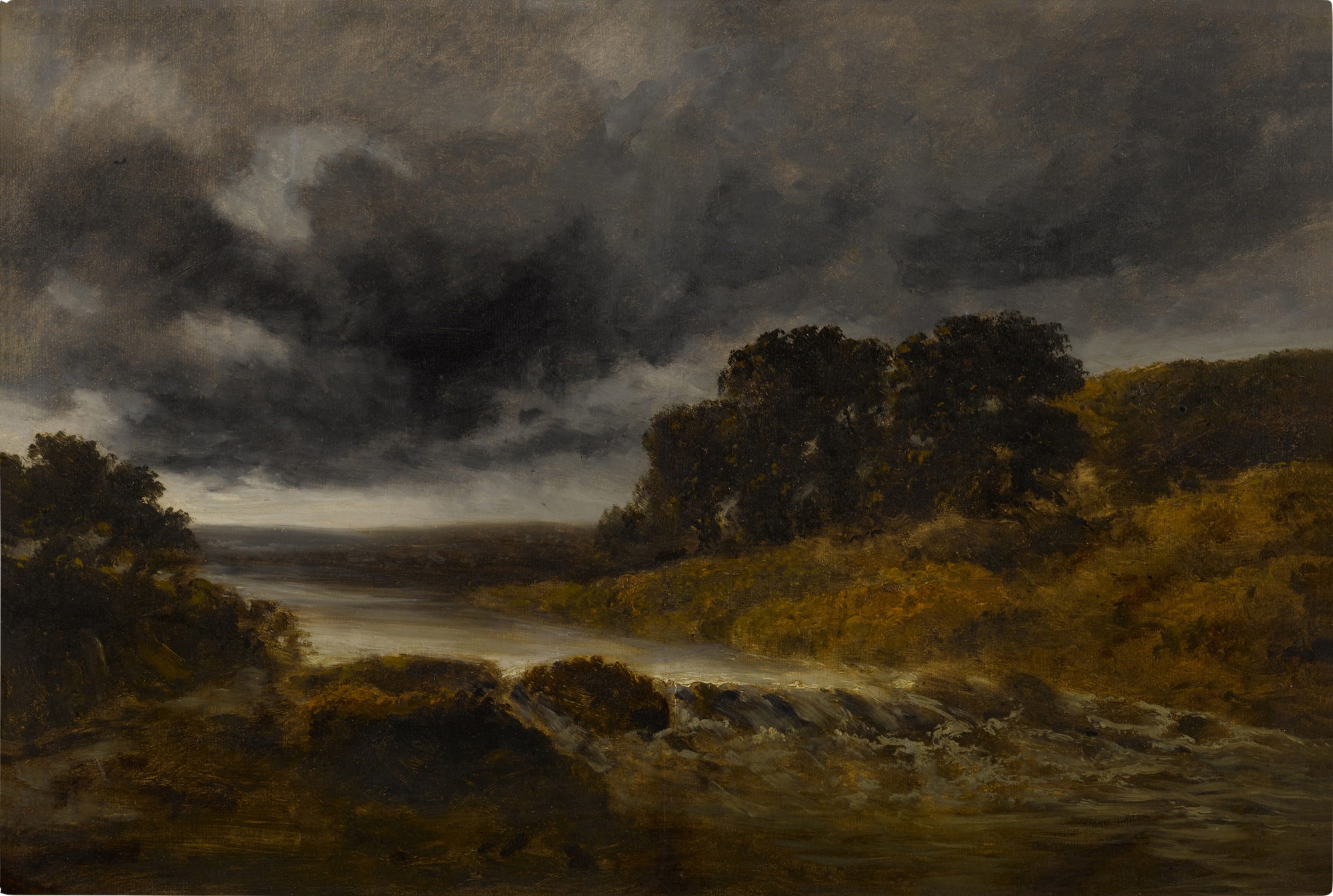
Alexandre-Gabriel Decamps
Still Life with Pipe and Matches, 1858
The Fabric Beneath the Paint Breathes
There is something almost alchemical about oil paint meeting woven cloth. The way pigment suspended in linseed or walnut oil sinks into the weave of a canvas, building up layer by layer until the surface holds both transparency and opacity at once, remains one of the most intimate negotiations in all of art making. Oil on fabric is not simply a technique. It is a relationship between two materials that have shaped the entire course of Western painting, and whose possibilities artists are still discovering today.
The shift from wooden panel to fabric support was one of the most consequential technological transitions in art history. By the fifteenth century, painters in Venice were increasingly working on canvas stretched over wooden frames, drawn by the material's portability, its ability to handle large formats without warping, and its responsiveness to the loaded brush. Titian's expansive mythologies and Tintoretto's churning narrative scenes would have been unthinkable on panel. Canvas allowed a new scale, a new looseness, a new urgency.
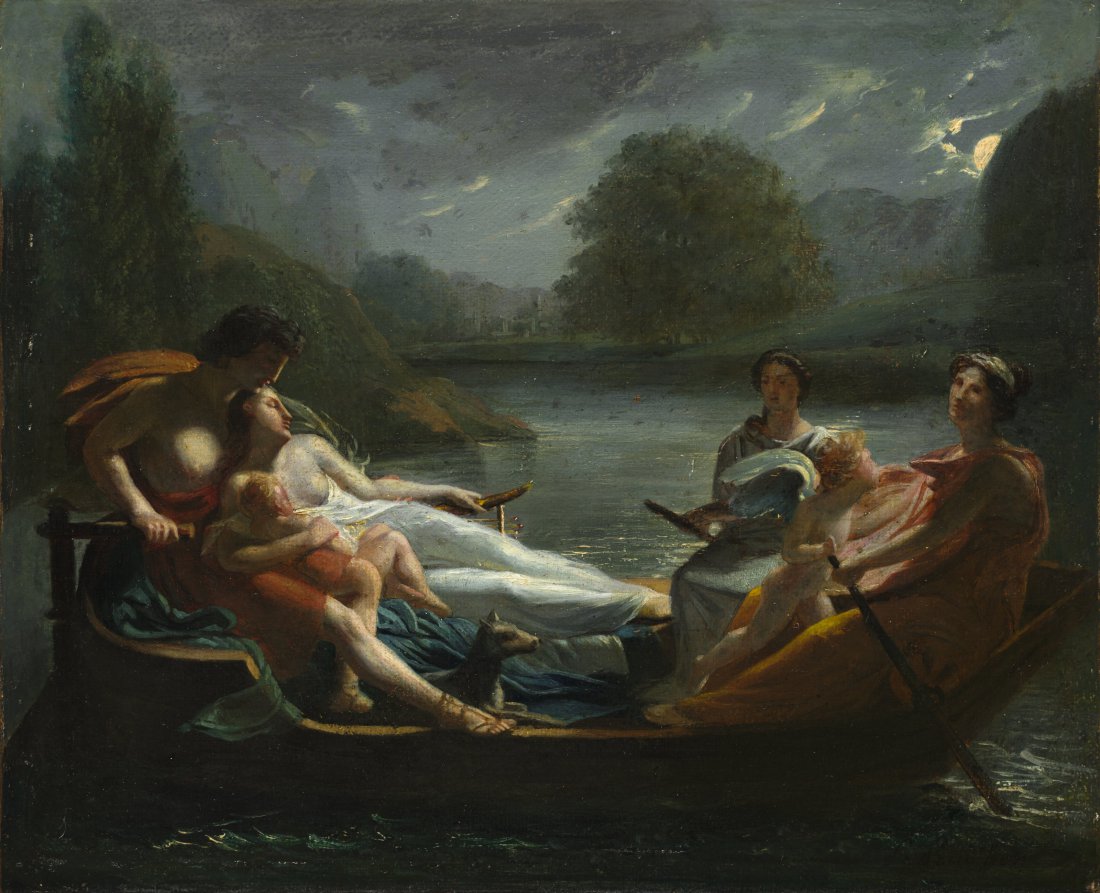
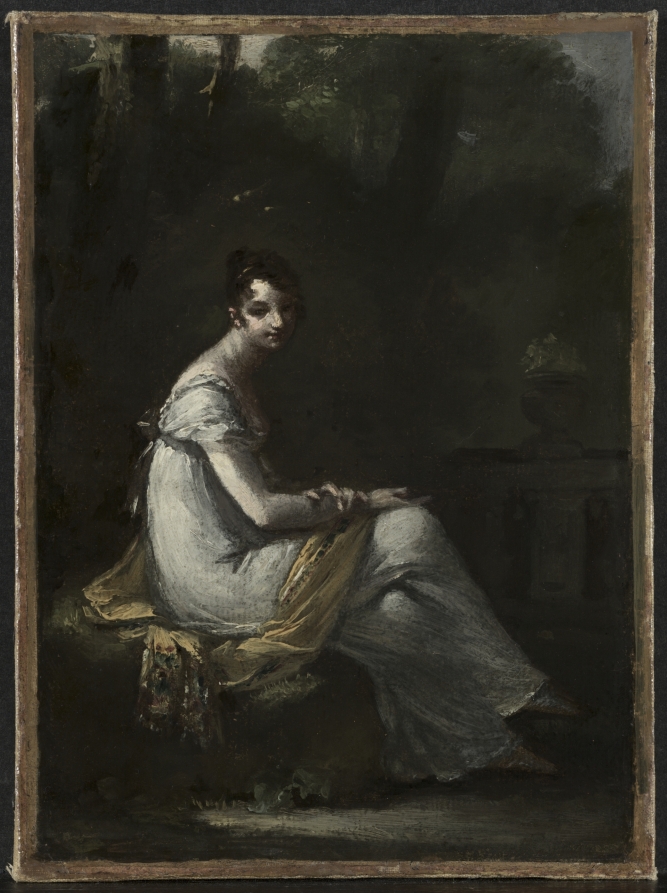
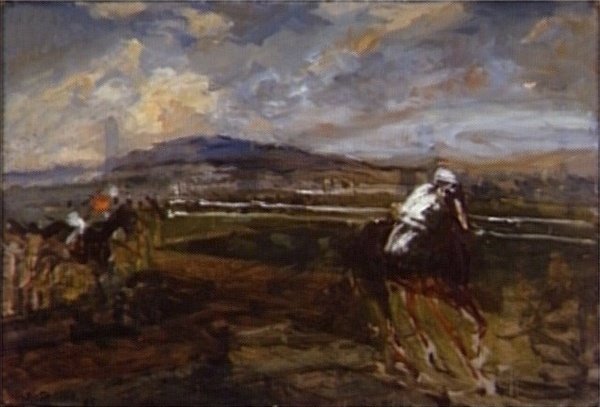
Pierre-Paul Prud'hon
The Dream of Happiness, 1819
The fabric ground didn't just support the paint. It invited a different kind of mark. The nineteenth century, perhaps more than any other period, represents the full flowering of what oil on fabric could become. French Romanticism in particular pushed the medium toward extremes of drama and sensuality.
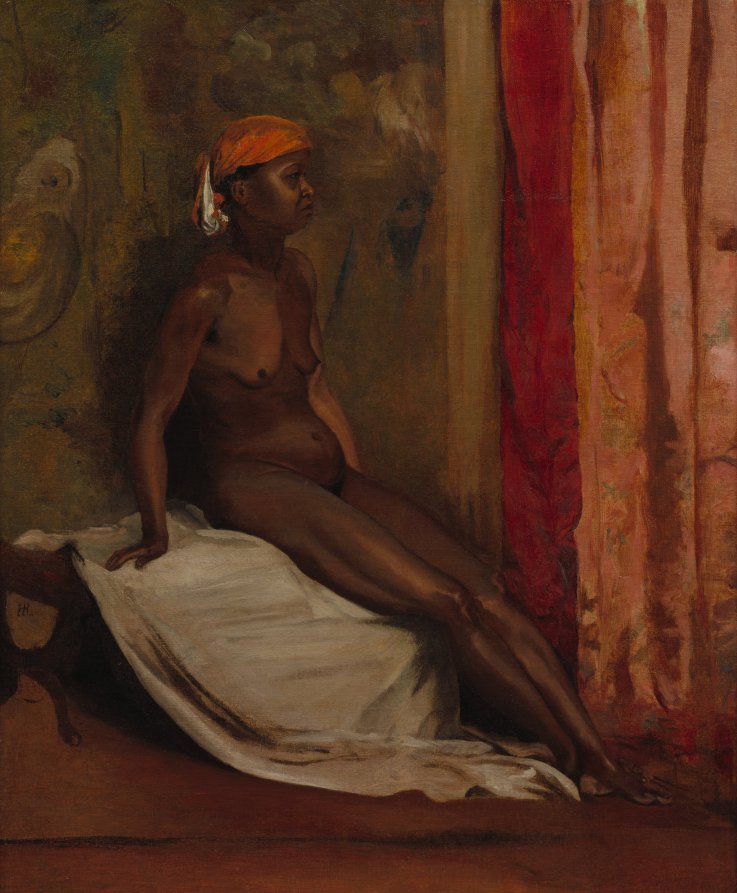
Eugène Delacroix, well represented on The Collection, is as central to this story as any painter in history. His surfaces crackle with energy, built through broken, directional brushwork that Baudelaire described as volcanic. Delacroix studied Rubens obsessively, absorbing how layered glazes could make flesh glow from within, and he brought that knowledge into an entirely modern sensibility. His notebooks document constant experimentation with pigment mixtures, varnishes, and the behavior of oil as it aged into the weave.
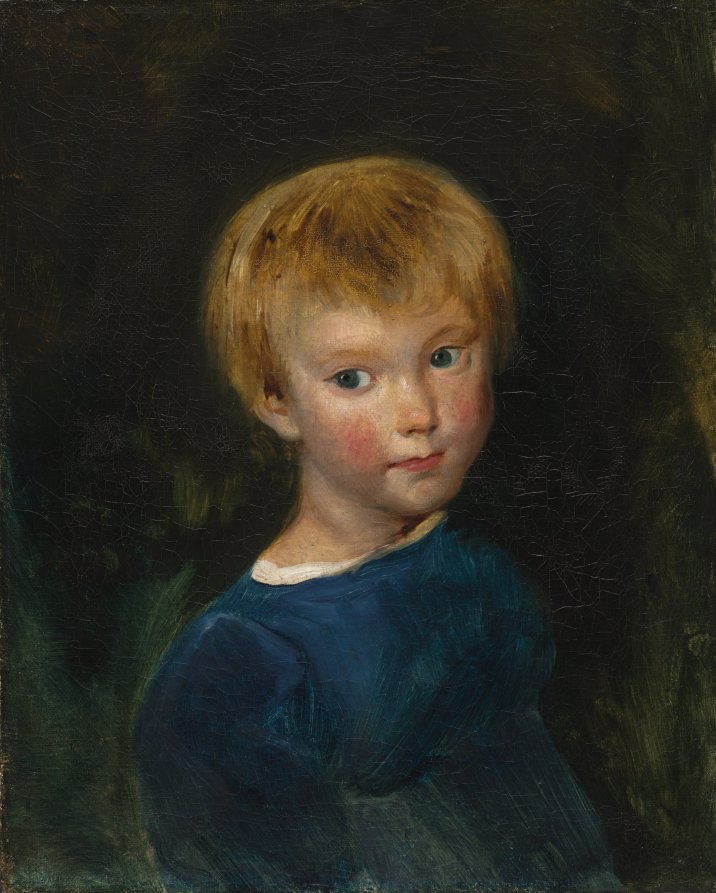
Eugène Delacroix
Marguerite-Juliette Pierret, 1827
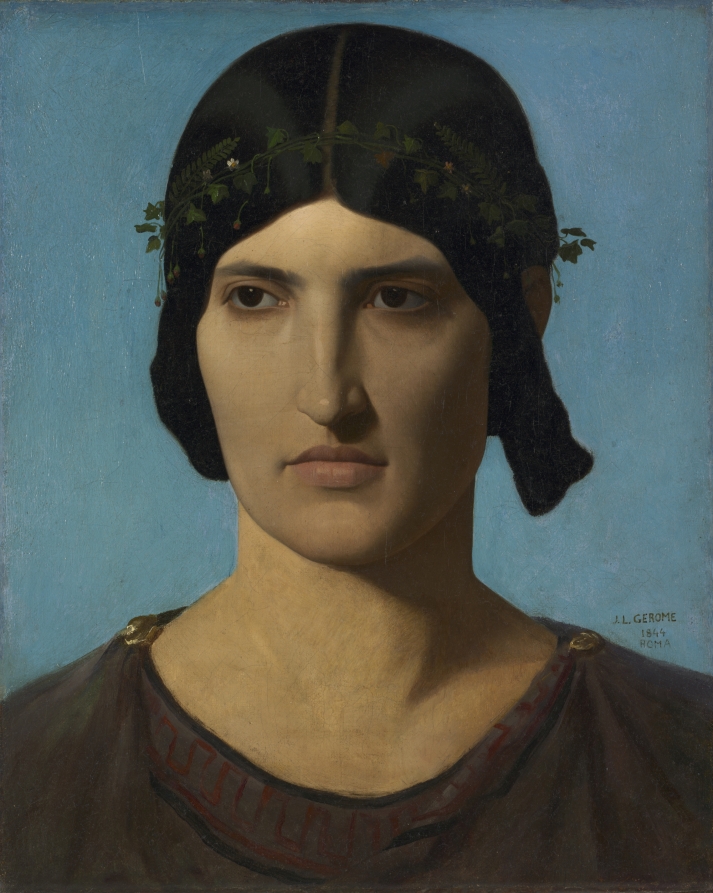
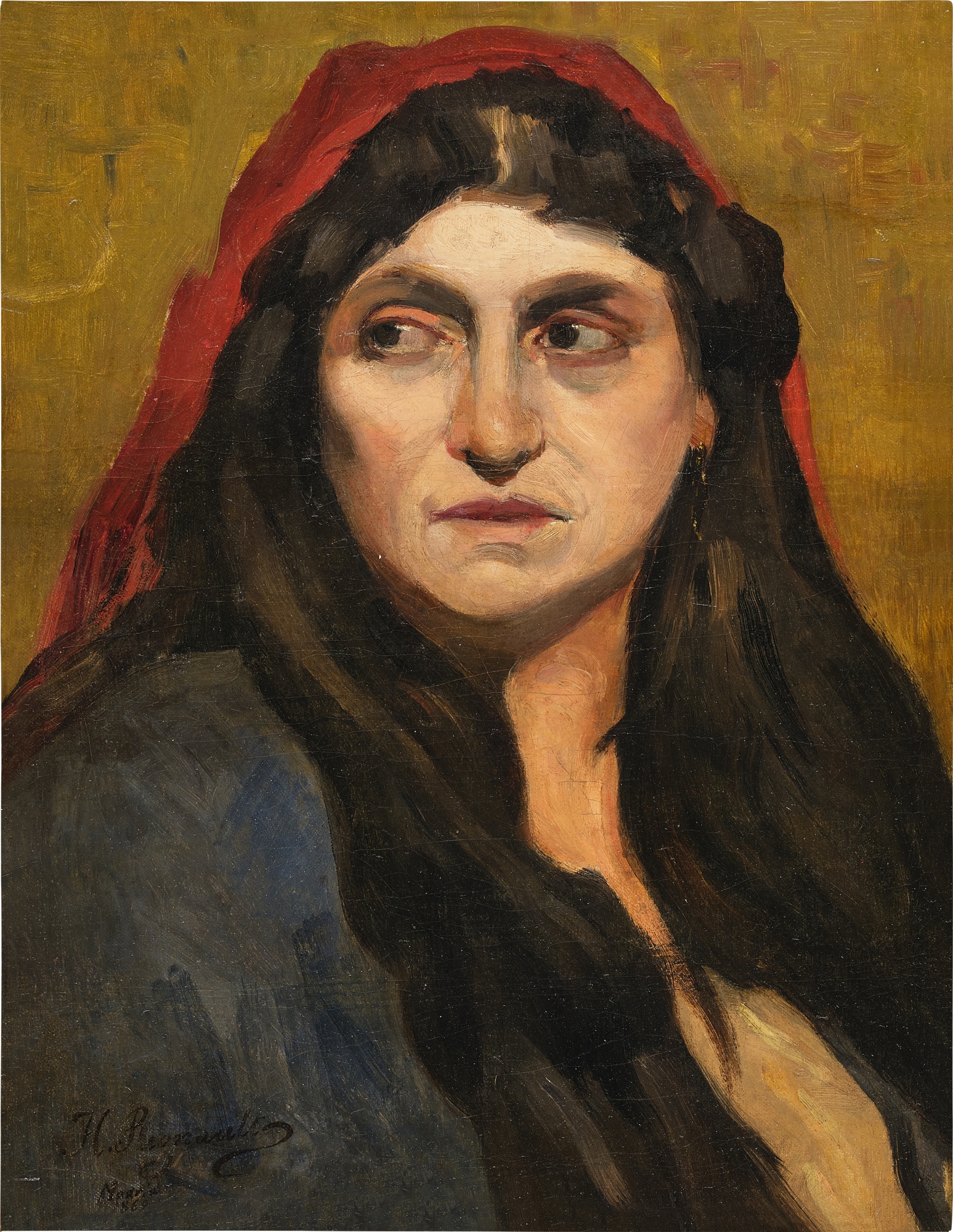
Alongside Delacroix, the Orientalist painters were pushing the medium in a different direction, toward meticulous surfaces that almost seemed to deny the presence of paint altogether. Jean Léon Gérôme, whose work appears on The Collection, developed a technique of extraordinary refinement, building up smooth, porcelain like surfaces that sought a kind of photographic truth before photography had fully asserted itself as a rival. His canvases were labored and layered, with final touches applied over dry underpaint to achieve transitions of light so gradual they seemed to dissolve. It was a use of oil on fabric that celebrated the medium's capacity for illusion above all else.
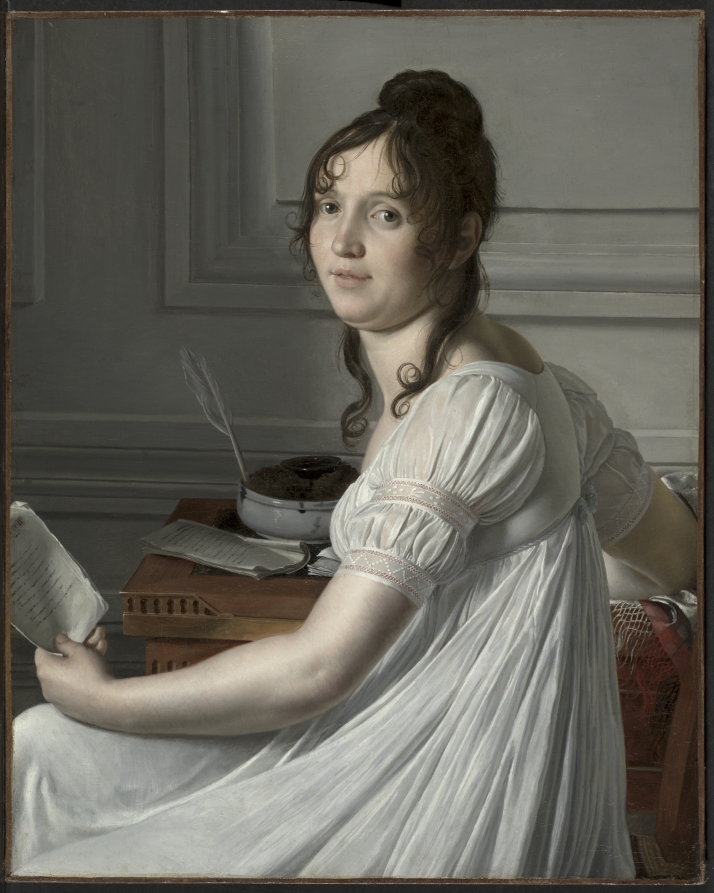
Not all practitioners of the period sought such finish. Alexandre Gabriel Decamps, represented on The Collection alongside Gérôme in this tradition of painters drawn to Mediterranean and Near Eastern subjects, brought a rougher, more instinctive touch to his canvases. His surfaces are alive with texture, the paint applied with palette knife as readily as brush, and the weave of the fabric allowed to breathe through thinner passages. Pierre Paul Prud'hon worked differently again, building up soft, almost powdery surfaces through a technique closer to the sfumato tradition, using the fabric as a field for gradation rather than texture.
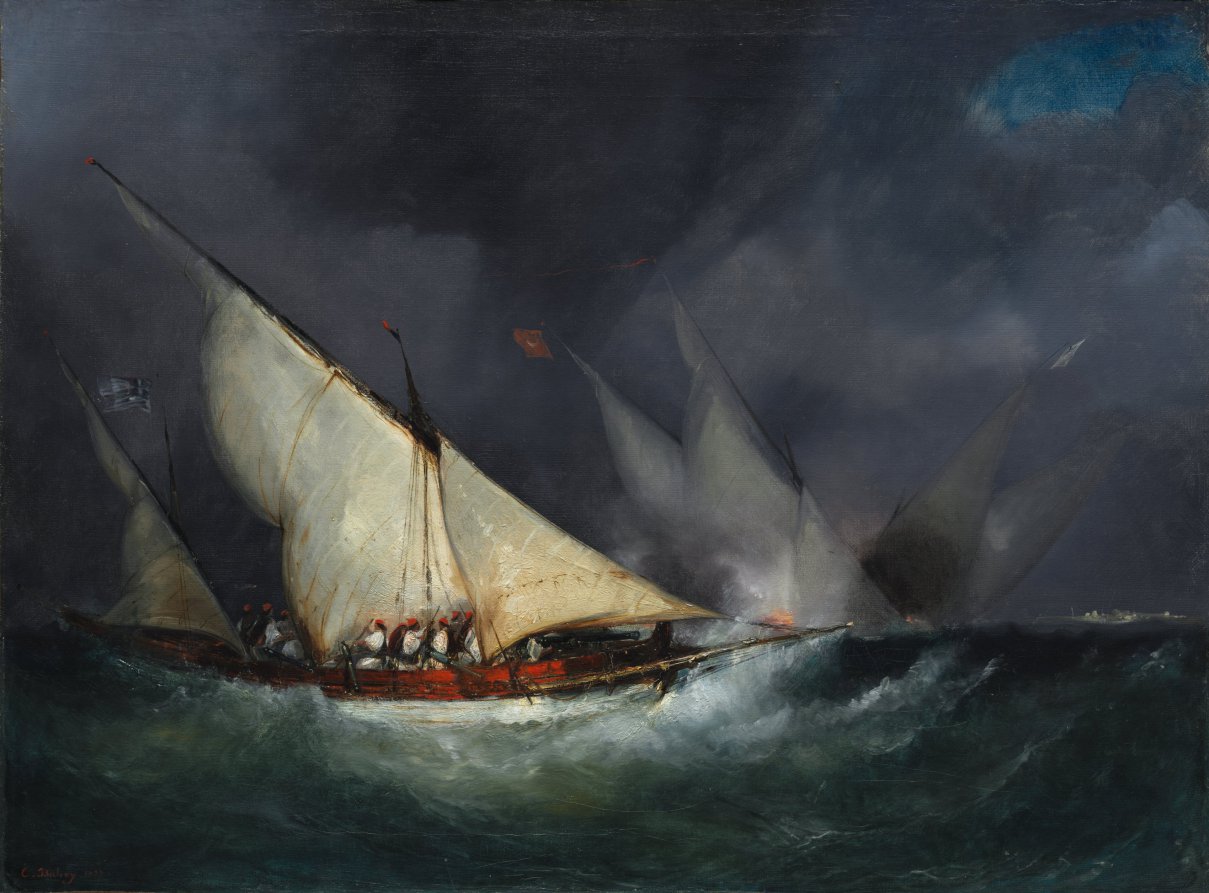
Unknown Artist
Greek Pirates Attacking a Turkish Vessel
The medium was never one thing even in a single generation. The Barbizon painters transformed the relationship between oil on fabric and the natural world. Jean Baptiste Camille Corot and Jean François Millet, both represented on The Collection, are central figures in this transformation. Working outdoors, or at least working from direct observation in ways that shaped the studio picture, they brought a new tonal intimacy to the fabric support.
Corot's silvery atmospheres depend on how thinly he could float paint across a primed canvas, letting the ground influence the final tone. Millet's peasant subjects demanded an earth bound gravity, and the rough weave of his fabrics suited his thick, worked surfaces perfectly. What these painters collectively discovered was that the fabric beneath the oil was itself a kind of content. The twentieth century broke open every assumption about what oil on fabric was supposed to do.
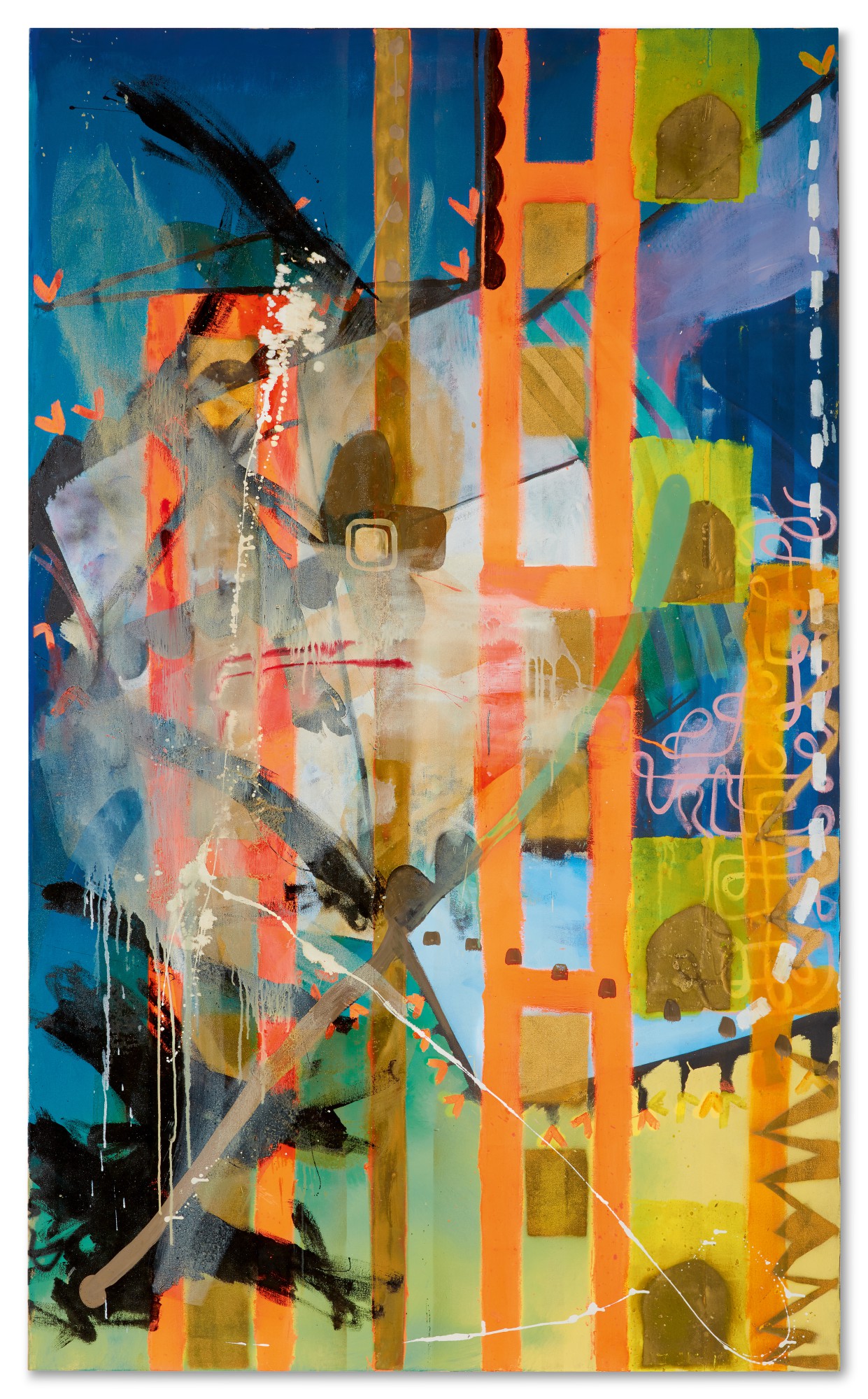
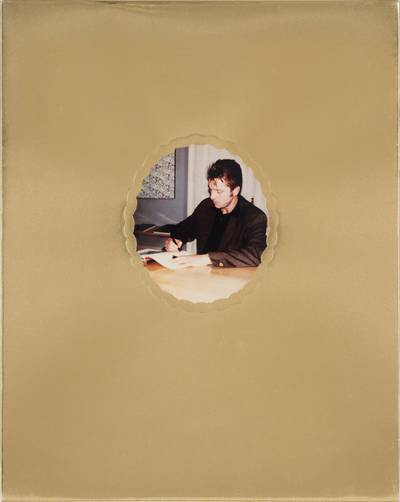
Albert Oehlen
Freeway Express, 1997
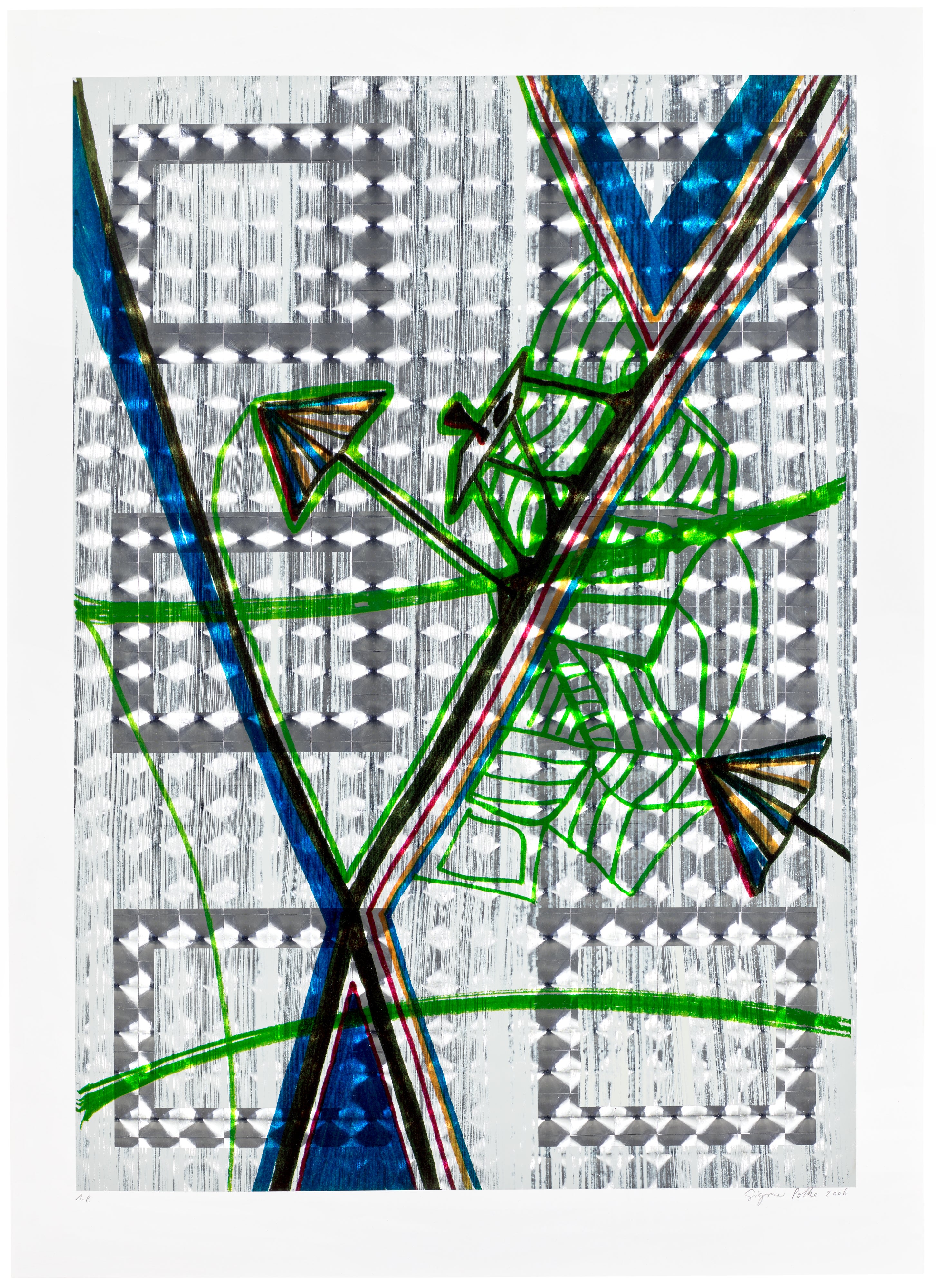
Sigmar Polke, whose work on The Collection represents one of the most radical investigations of the painted surface, used unconventional fabric supports as a central element of his practice. Polke worked on patterned fabrics, printed textiles, and translucent grounds where the weave itself became image, pattern, and ironic commentary all at once. His surfaces deliberately collapsed the distinction between support and painting, making visible the very structure that earlier painters had worked to obscure. Albert Oehlen, also present on The Collection, continued in this tradition of treating the canvas not as a neutral vehicle but as a participant in the painting's meaning.
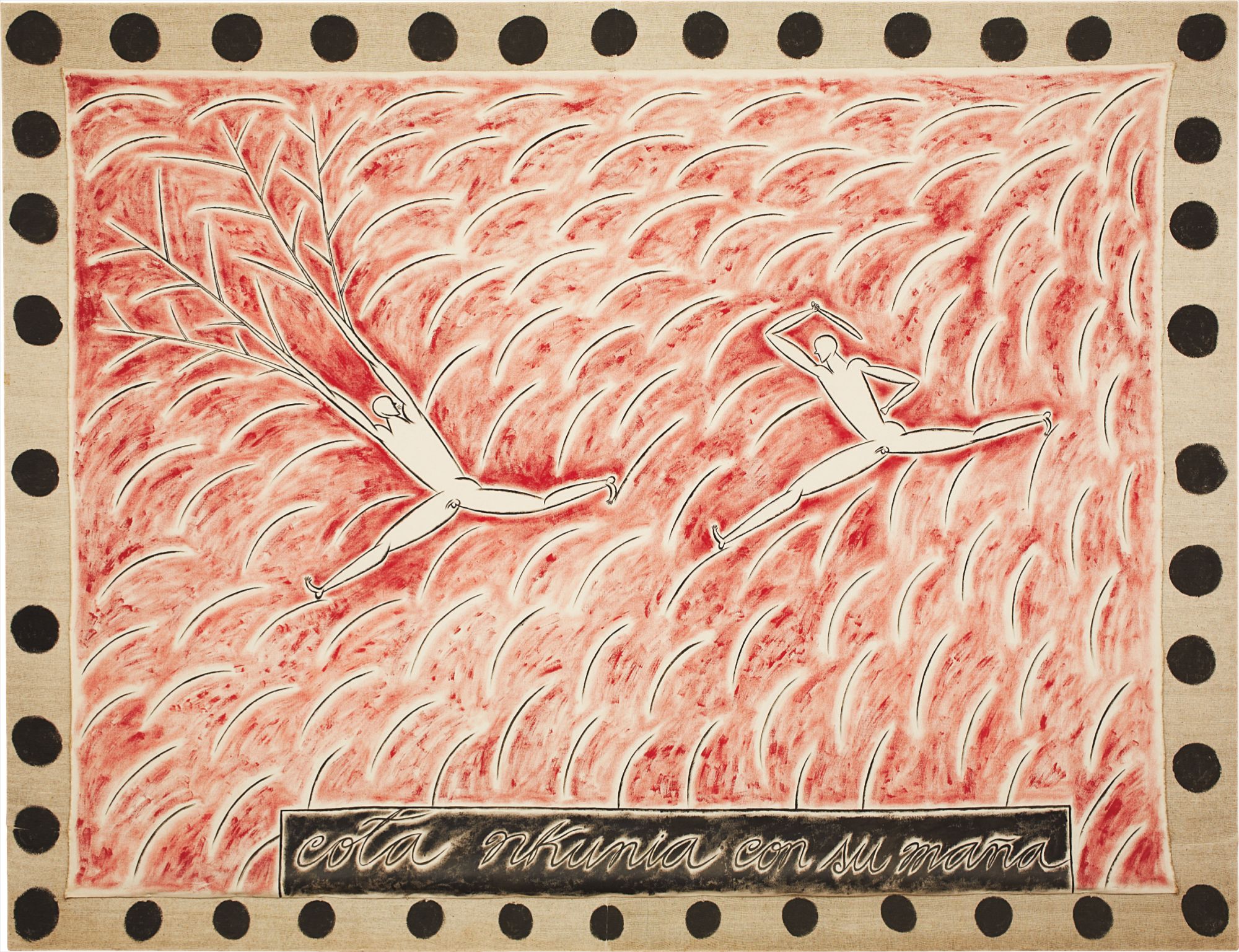
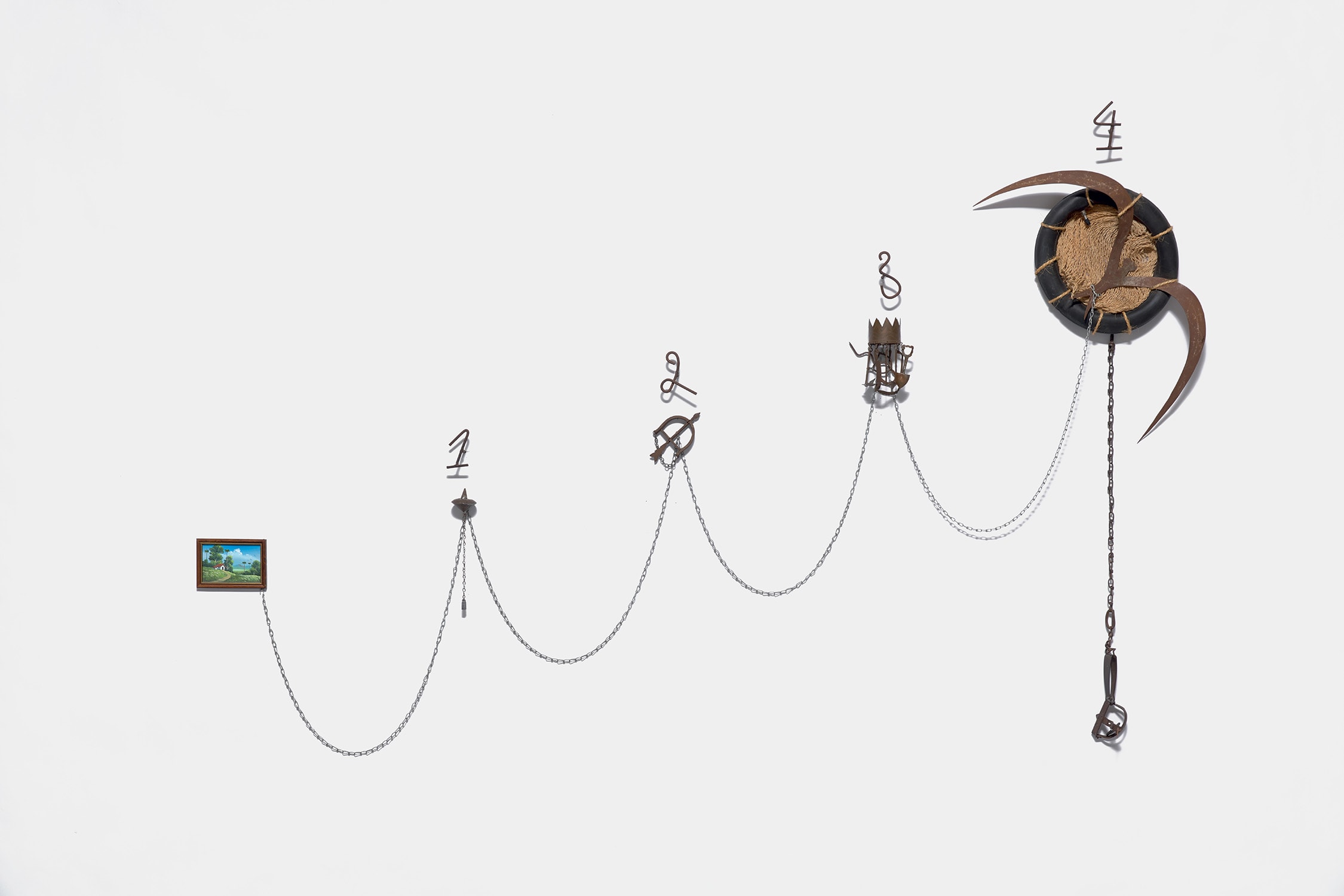
Cuban artist José Bedia, whose work appears on The Collection alongside these European modernists, demonstrates how oil on fabric is a genuinely global conversation. Drawing on Afro Cuban religious traditions and a conceptual approach shaped by his training in Havana and his encounters with indigenous American visual cultures, Bedia uses the painted surface as a space where cosmologies meet. The fabric support in his work carries associations that are spiritual as much as formal, the painted ground becoming closer to a ritual field than an exhibition object. His practice is a reminder that the history of painting on fabric extends far beyond the European academies, running through cultures that used painted cloth for ceremony, narrative, and belief long before Venetian merchants began stretching canvas over frames.
Today, oil on fabric remains at the center of some of the most serious conversations in contemporary art. The medium is neither conservative nor avant garde by nature. It is simply capacious, able to hold Delacroix's fire and Polke's skepticism with equal conviction. What the works on The Collection suggest, gathered from across two centuries and multiple continents, is that the relationship between oil and woven cloth is genuinely inexhaustible.
Every generation finds within it something new to say, some fresh argument with the surface, some way of making the fabric breathe again.