Oil And Pigment
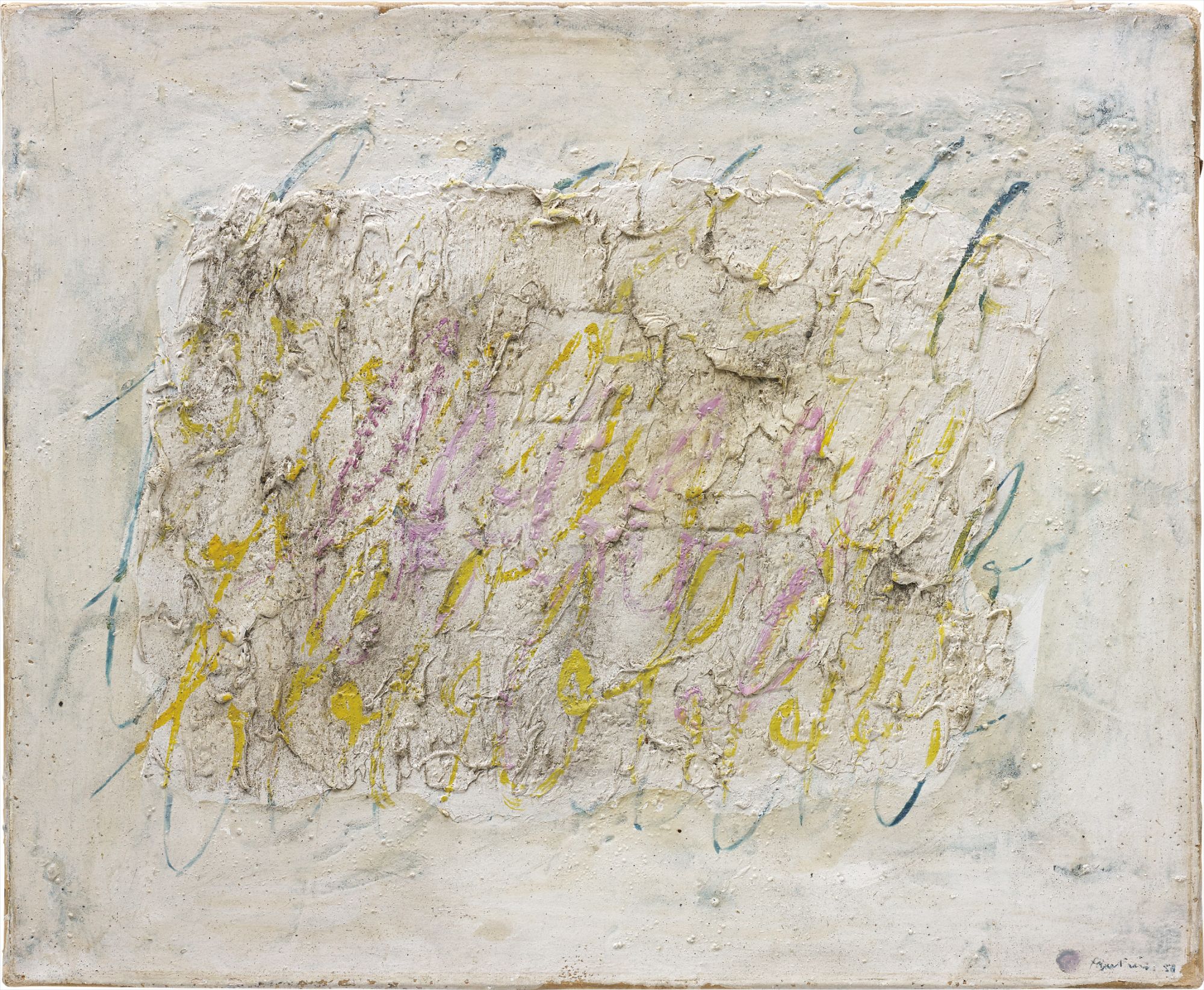
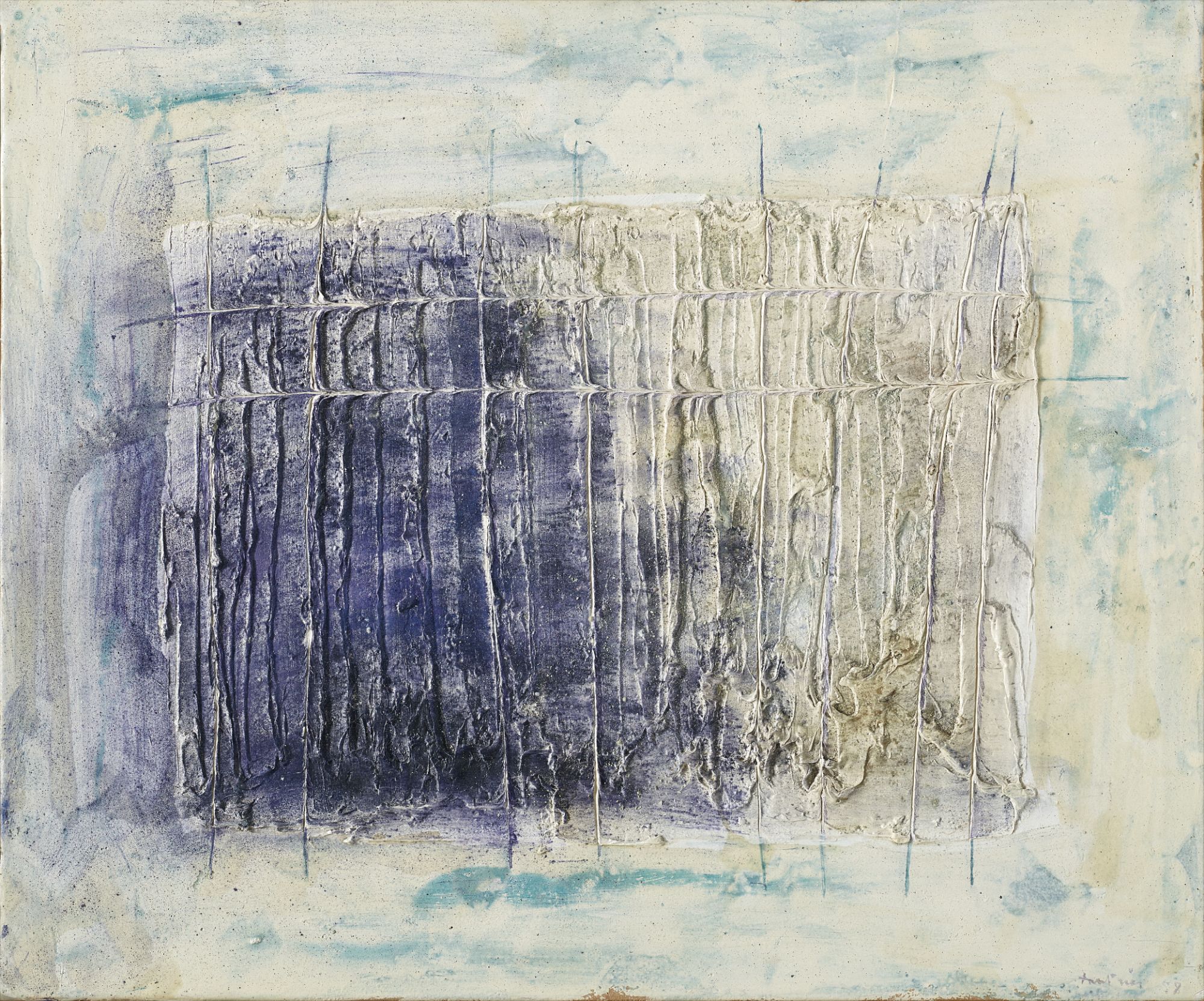
Jean Fautrier
Ba Be Bi Bo Bu
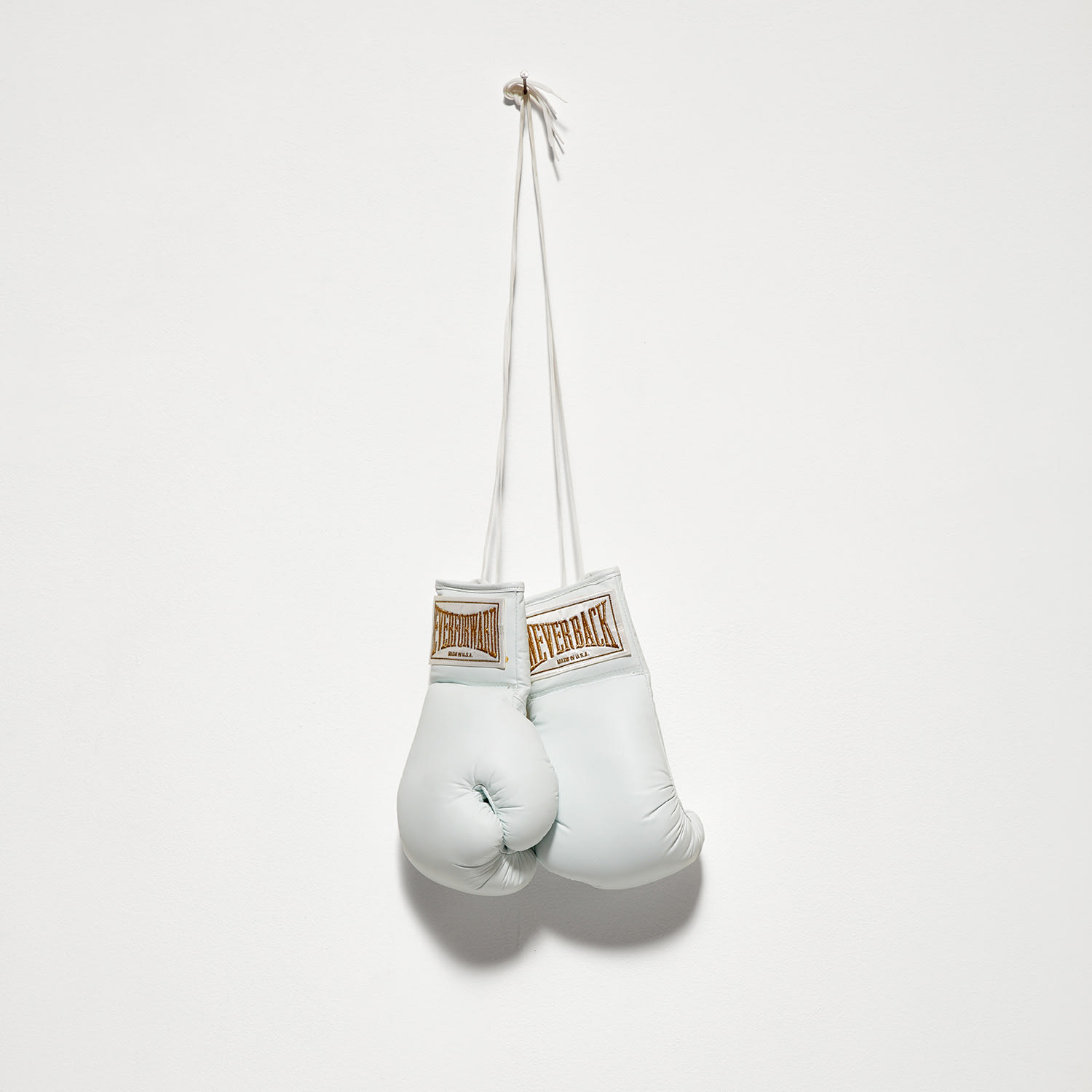
The Slow Burn of Oil and Pigment
When Jean Fautrier's "Tête d'otage" series came back into serious critical and commercial focus over the past decade, it reminded the market of something the academy had long understood: oil paint, pushed to its physical and emotional limits, produces a kind of meaning that no other medium quite replicates. At a Christie's Paris sale in recent years, a major Fautrier work from the late 1940s drew sustained bidding that surprised even seasoned observers, landing well above its high estimate. That result was not an anomaly. It was a signal.
The renewed appetite for oil and pigment as a category reflects something deeper than market fashion. We are living through a moment when painting has reasserted itself with unusual authority, not through a single movement or manifesto but through a plurality of voices working in the medium with genuine urgency. From the museum retrospective circuit to the fair booths in Basel and Frieze, paintings in oil and pigment are commanding the room in a way they did not, say, fifteen years ago, when the art world was still processing the theoretical aftermath of the Pictures Generation and asking whether painting needed defending at all. Fautrier remains one of the pivotal figures in understanding what oil and pigment can bear.
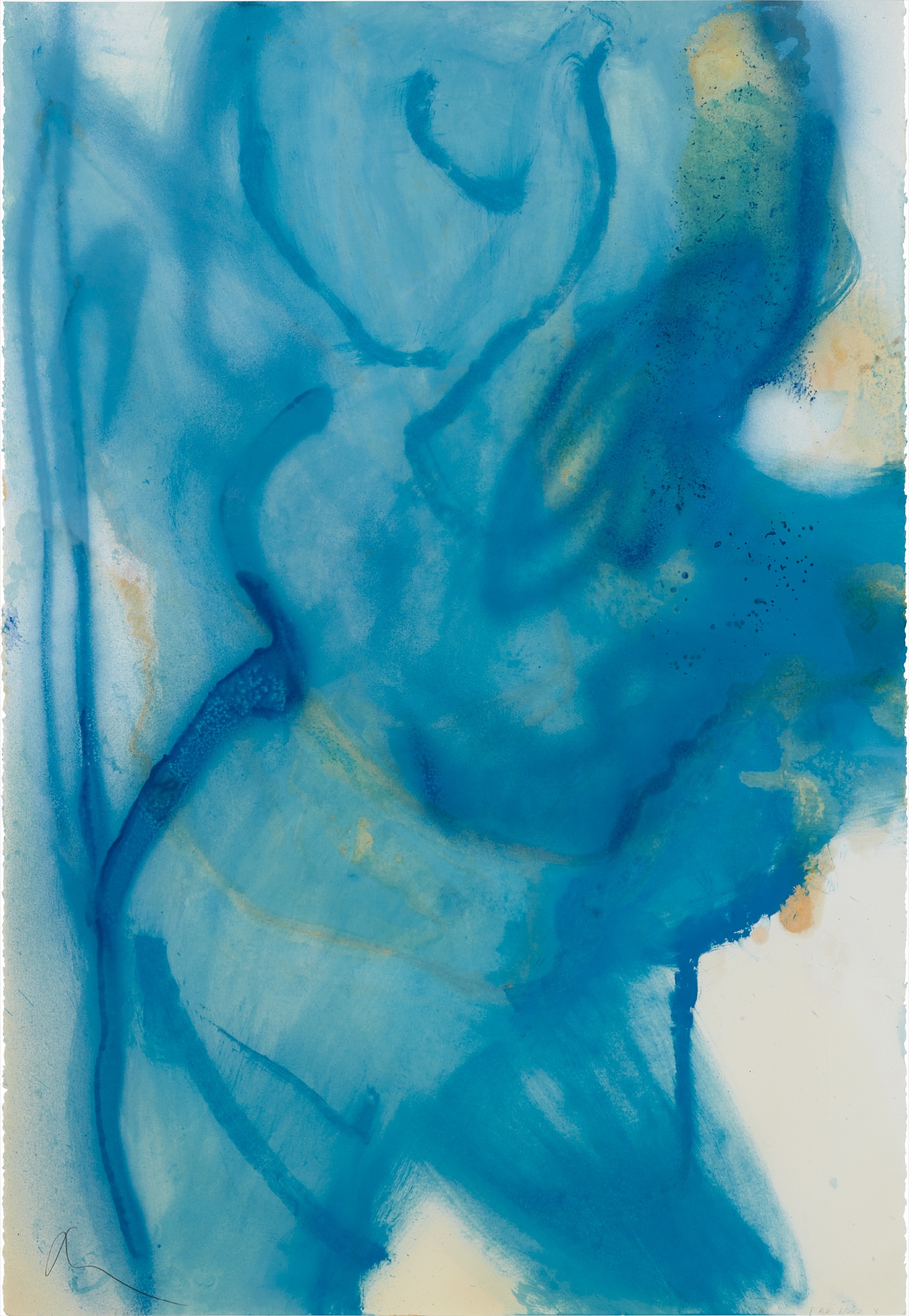
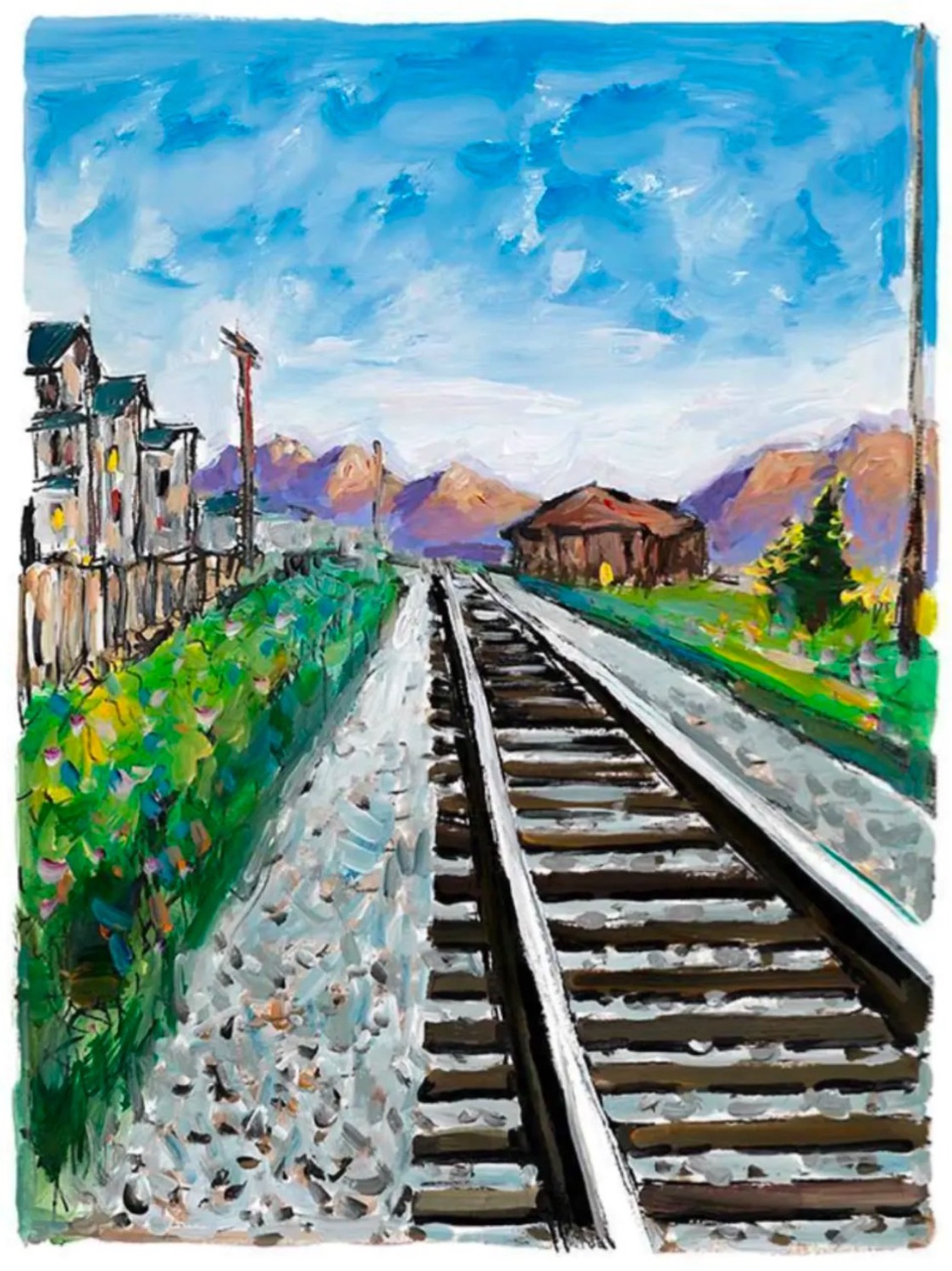
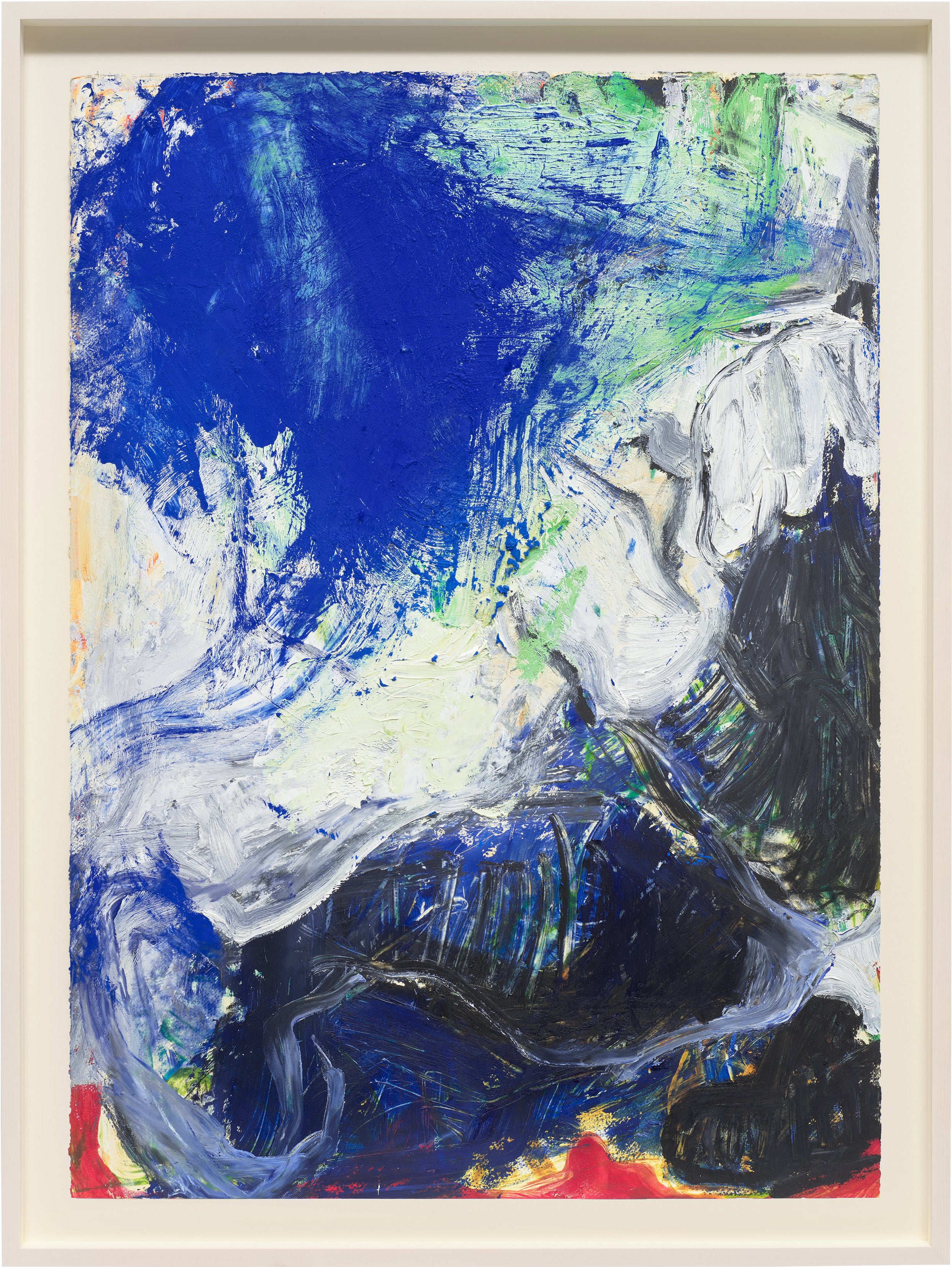
Rita Ackermann
Fire by Days Blues X, 2012
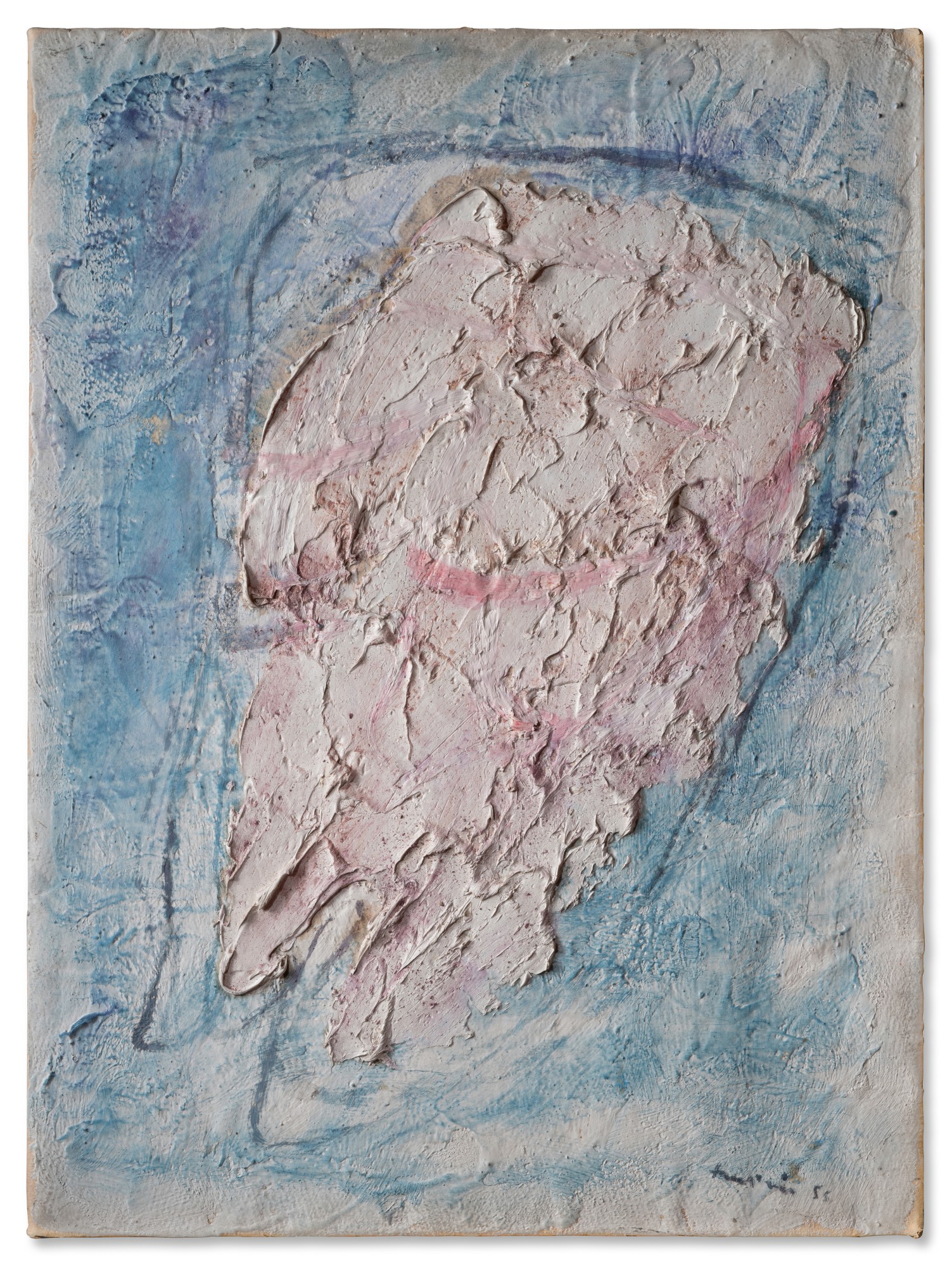
His "Informel" surfaces, built up with paste and pigment into dense, wounded masses, carry the trauma of occupied France into physical matter. The Museum of Modern Art and the Centre Pompidou have both given serious retrospective attention to Informel painting and its legacy, and the critical conversation around Fautrier specifically has been shaped by writers like Jean Paulhan, who collaborated with the artist, and more recently by curators revisiting postwar European abstraction with fresh eyes. His work on The Collection offers collectors a direct point of entry into one of the most morally and aesthetically serious chapters in the history of the medium. The exhibitions that have done the most to sharpen the current conversation include the Pompidou's ongoing commitment to postwar European abstraction and the Museum of Modern Art's 2015 survey "The Forever Now: Contemporary Painting in an Atemporal World," curated by Laura Hoptman.
That show was polarizing, which is exactly why it mattered. It put roughly seventeen painters in dialogue around the question of whether historical time still functions as a meaningful structure for understanding painting, and the critical fallout generated some of the most substantive writing about the medium in years. Roberta Smith's review in the New York Times and subsequent responses in Artforum and Frieze established a critical framework that collectors and curators are still working through. Thilo Heinzmann operates in a space where material intelligence is the primary language.
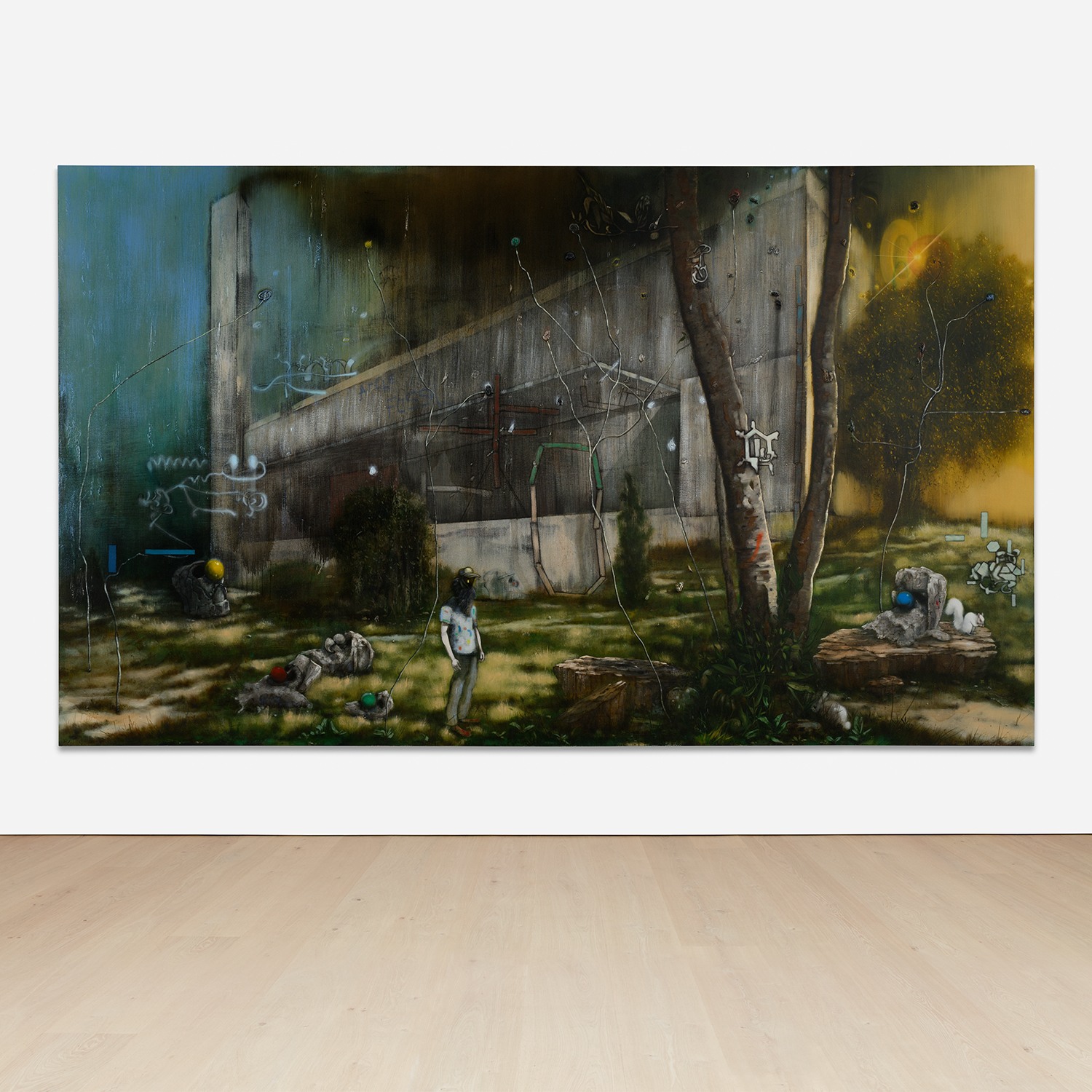
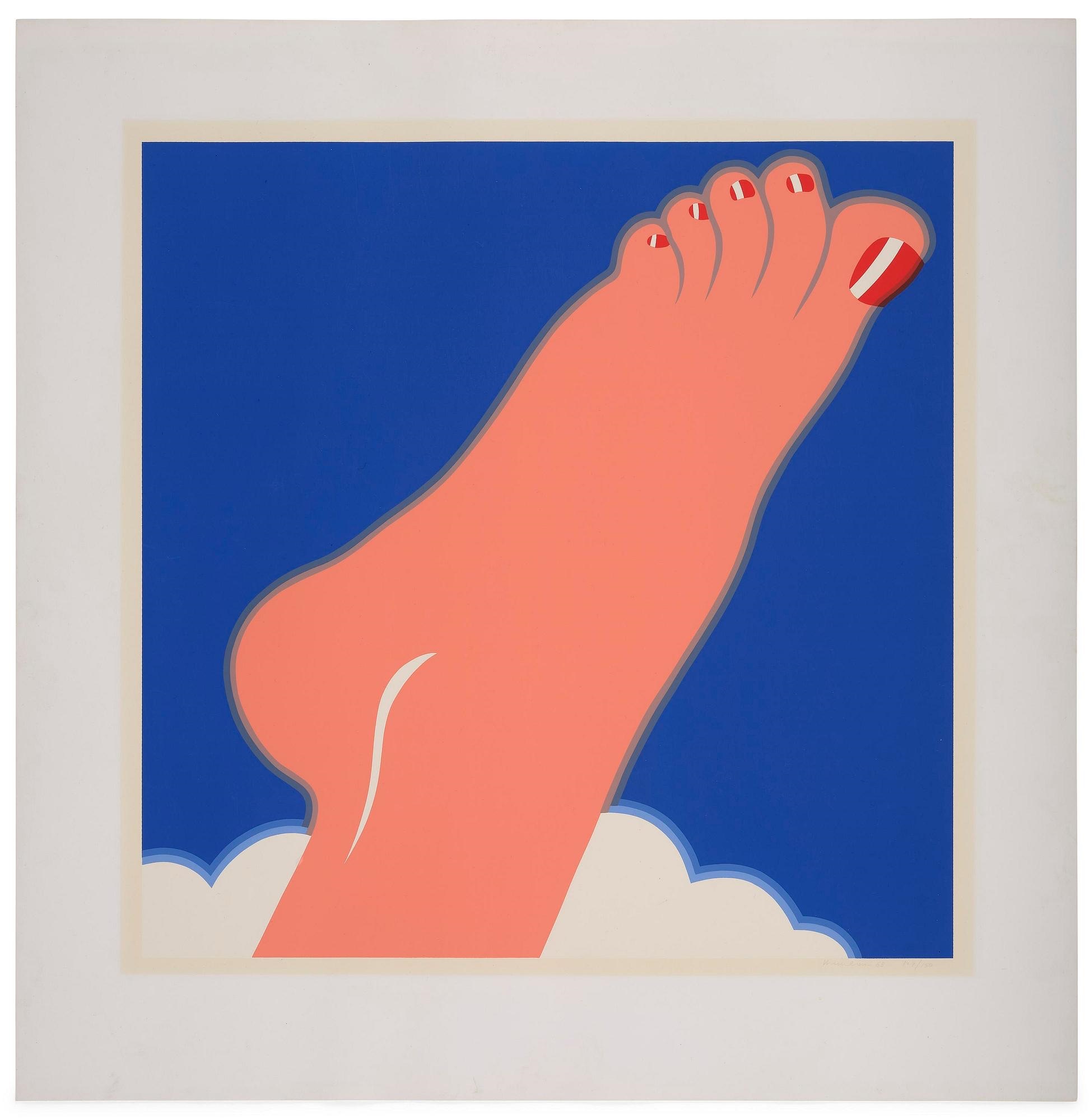
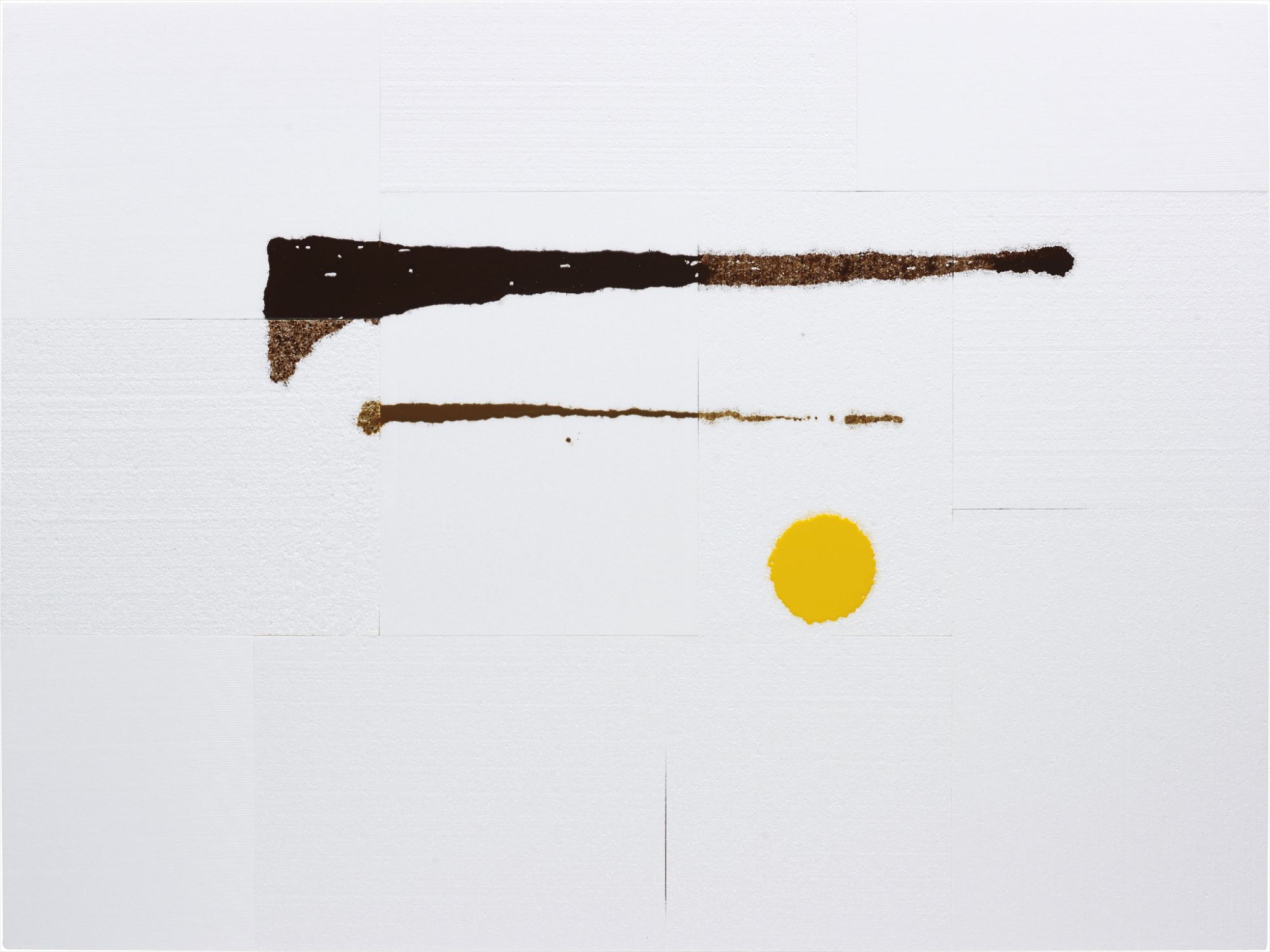
Thilo Heinzmann
O.T., 2013
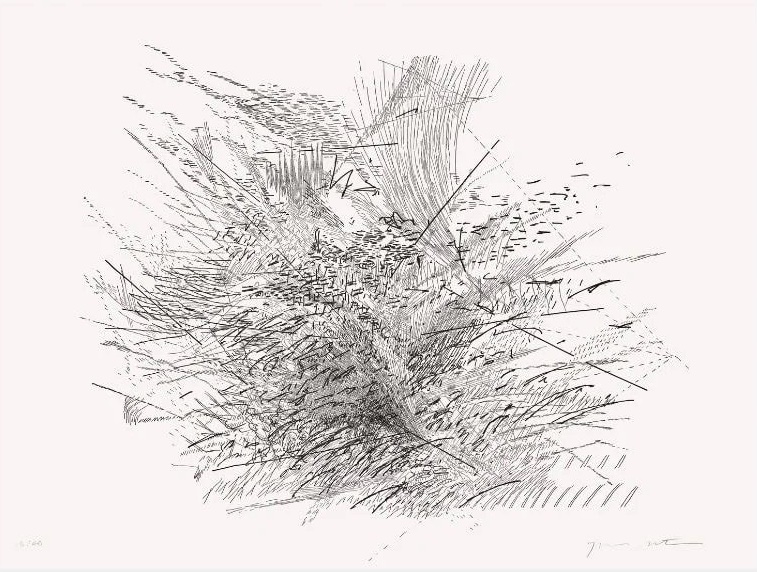
His canvases, which often incorporate pigment applied in ways that feel almost geological, have attracted serious institutional attention in Europe, and his presence in significant collections signals the kind of long term curatorial confidence that precedes market acceleration. Rita Ackermann brings a different energy entirely: her work moves between figuration and abstraction with a restlessness that feels genuinely alive rather than strategically positioned. Her solo exhibitions at Hauser and Wirth have introduced her to a broader institutional audience, and the critical response has consistently noted the paintings' refusal to settle into comfort. Gary Simmons, whose work often uses oil and pigment in conjunction with erasure and the trace, sits at a productive intersection between painting and conceptual practice, and his market has strengthened considerably as institutions have revisited the political dimensions of abstract painting.
On the auction floor, the results for oil and pigment works over the past several years have been striking for their consistency rather than their peaks. The headline numbers matter, but what is more telling is the depth of bidding and the geographic spread of interested buyers. Asian collectors, particularly from Hong Kong and mainland China, have entered the market for postwar European painting in significant numbers, and their presence has added competitive pressure at exactly the price points where Fautrier and his contemporaries once felt undervalued. American collectors have simultaneously deepened their engagement with contemporary painters working in oil, which has compressed the market in productive ways: there is less room between the artists the institutions are watching and the artists the auction houses are featuring.
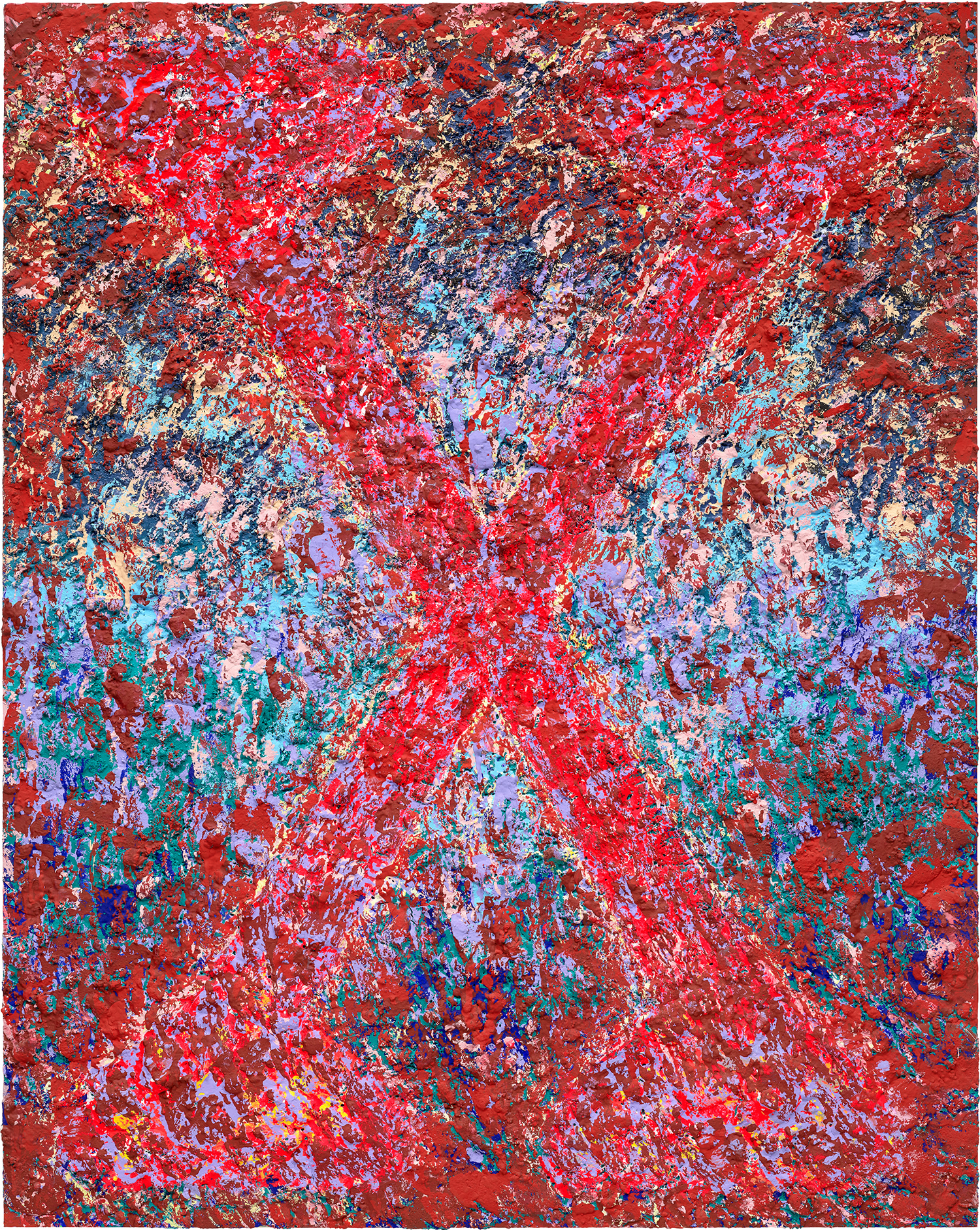
Gary Simmons
Study for Hollywood, 2008
The institutions doing the most interesting collecting in this space include the Fondation Louis Vuitton, which has built a serious postwar and contemporary painting collection, and a number of German Kunsthalles that have maintained their commitment to material painting through periods when it was less fashionable to do so. The Museum of Contemporary Art in Los Angeles has a long history with painters who push oil and pigment toward conceptual ends, and their collection decisions tend to function as a weather vane for West Coast taste. When these institutions acquire, they are not simply following the market. They are shaping the interpretive framework within which collectors operate.
The critical voices worth following are concentrated in a few key publications. Artforum's longer essay format continues to produce the most sustained writing on painting, and curators like Katy Siegel have done important work connecting postwar gesture to contemporary practice. The writing of Barry Schwabsky, who has covered painting with unusual consistency and depth over several decades, offers a long view that is genuinely useful when assessing where an artist sits in a larger arc. The Instagram era has not diminished the importance of this longer critical writing.
Jean Fautrier
Ba Be Bi Bo Bu
If anything, it has made it more valuable. What feels alive right now is the conversation around materiality itself. The question is not simply what an artist paints or even how, but what the physical substance of oil and pigment is capable of holding: memory, violence, desire, ambiguity, time. That question does not have a settled answer, which is precisely why the medium continues to generate new work that surprises.
The artists on The Collection working in oil and pigment are engaged with this question at different points and in different registers, and that range is itself instructive. The category is not a style. It is a set of possibilities that keeps opening.