Oceanic Art
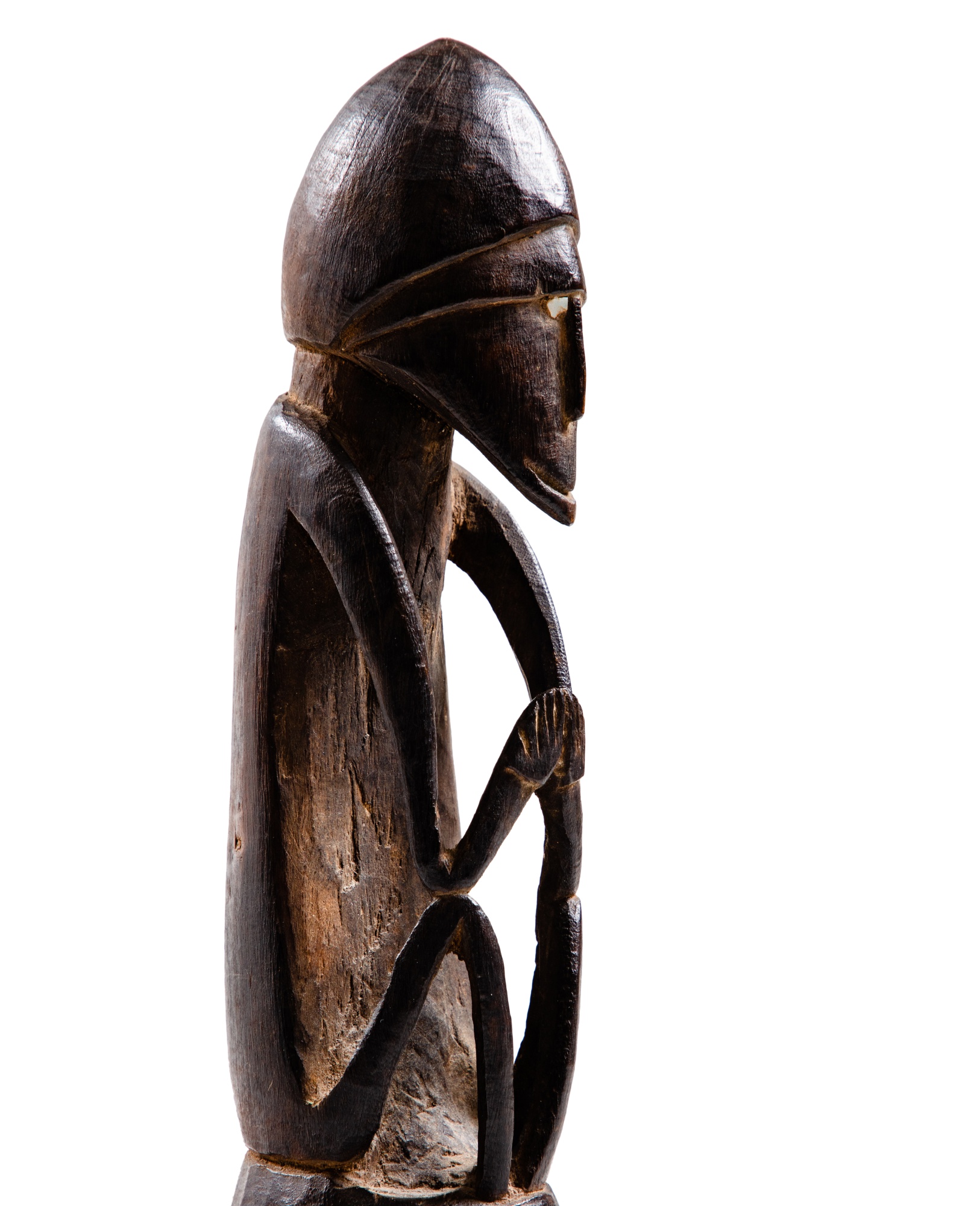
Unknown
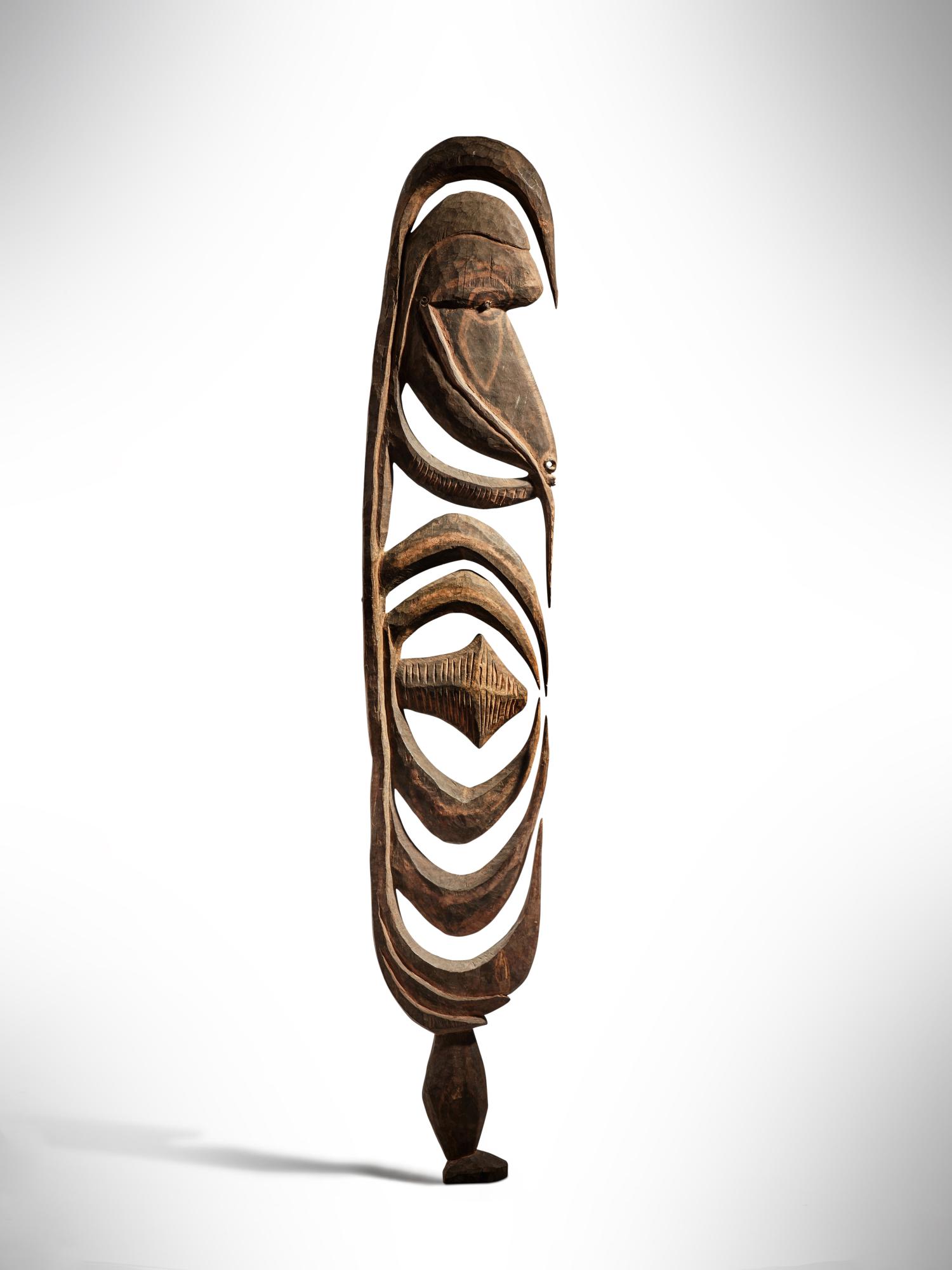
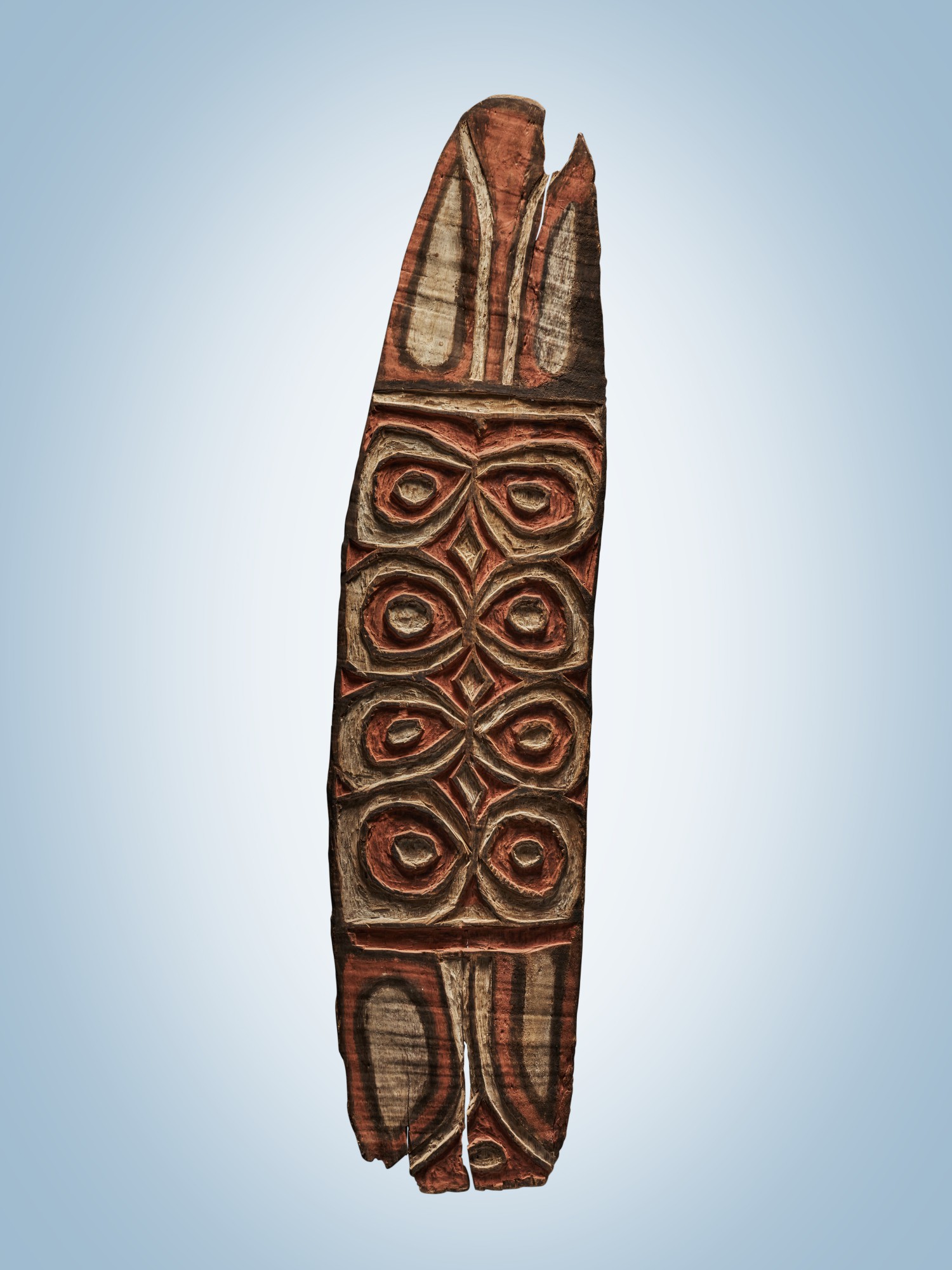
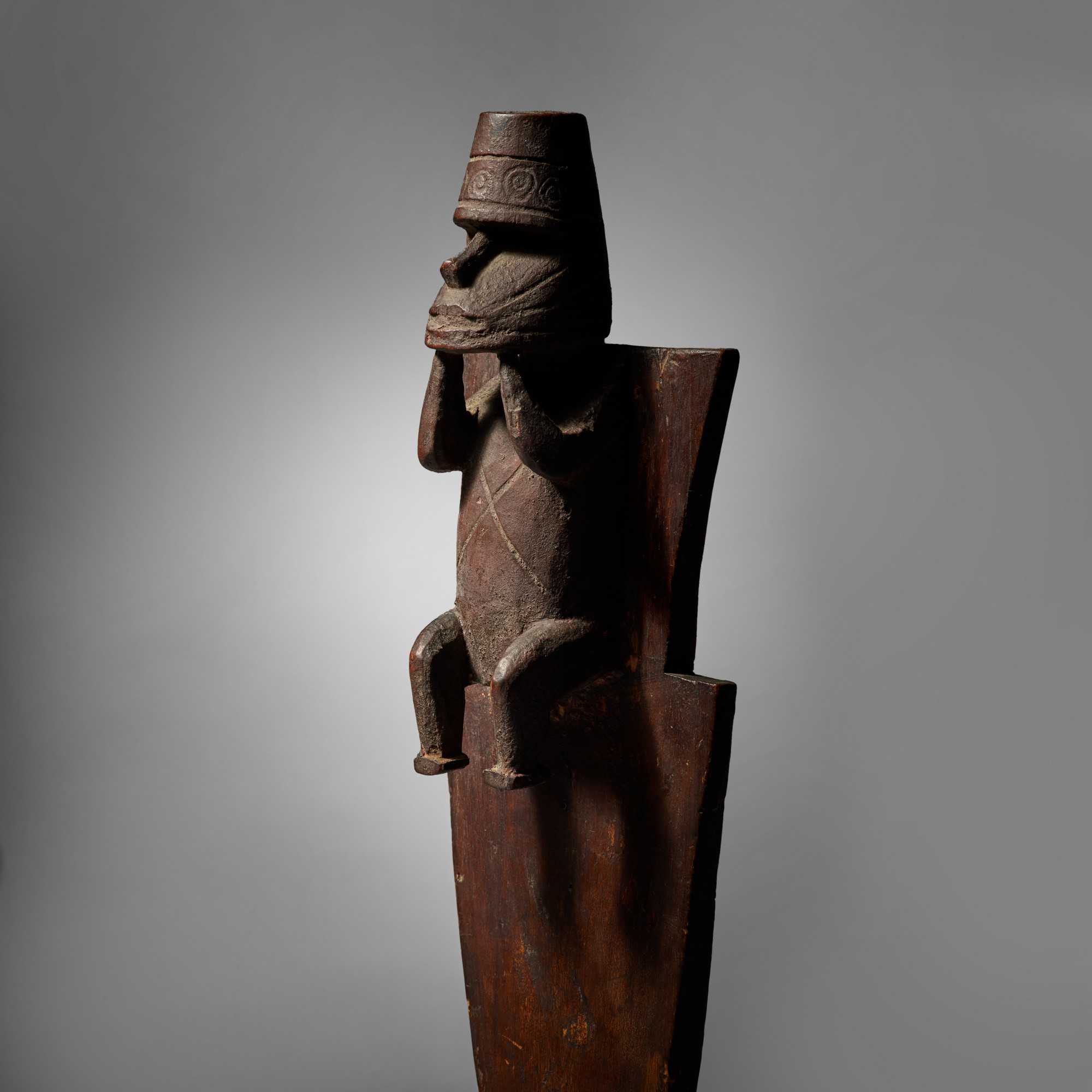
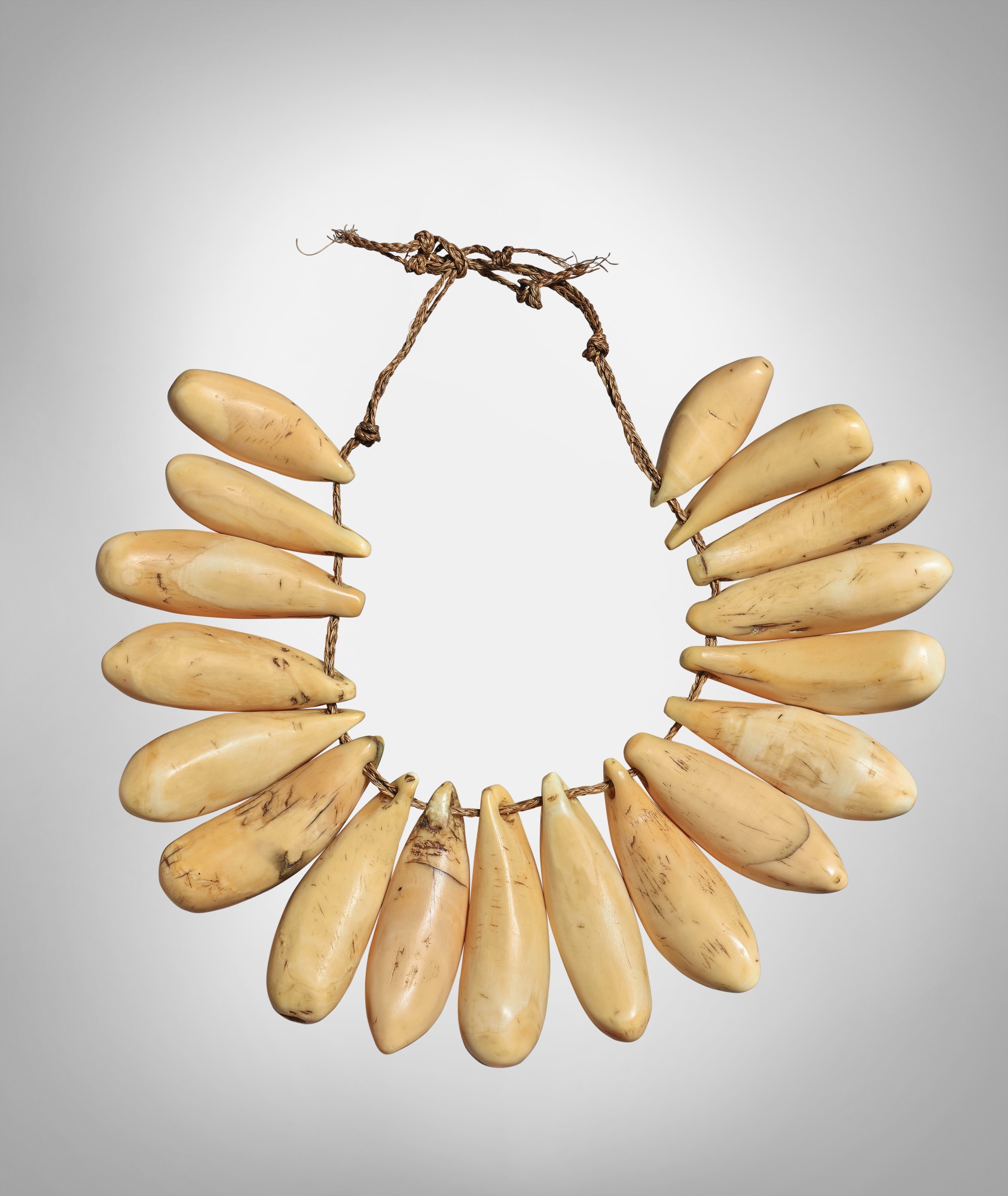
Massim Figure, Papua New Guinea
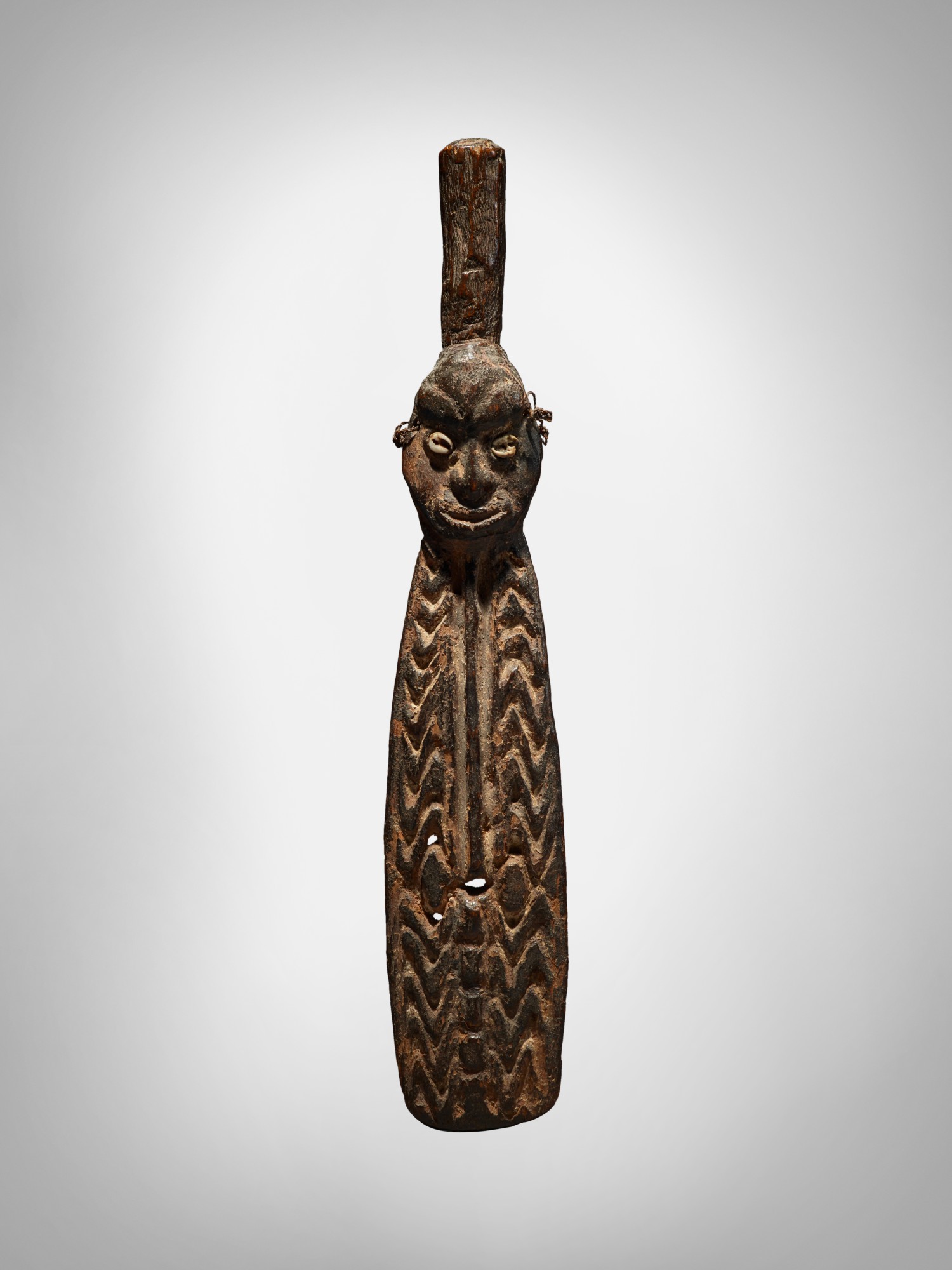
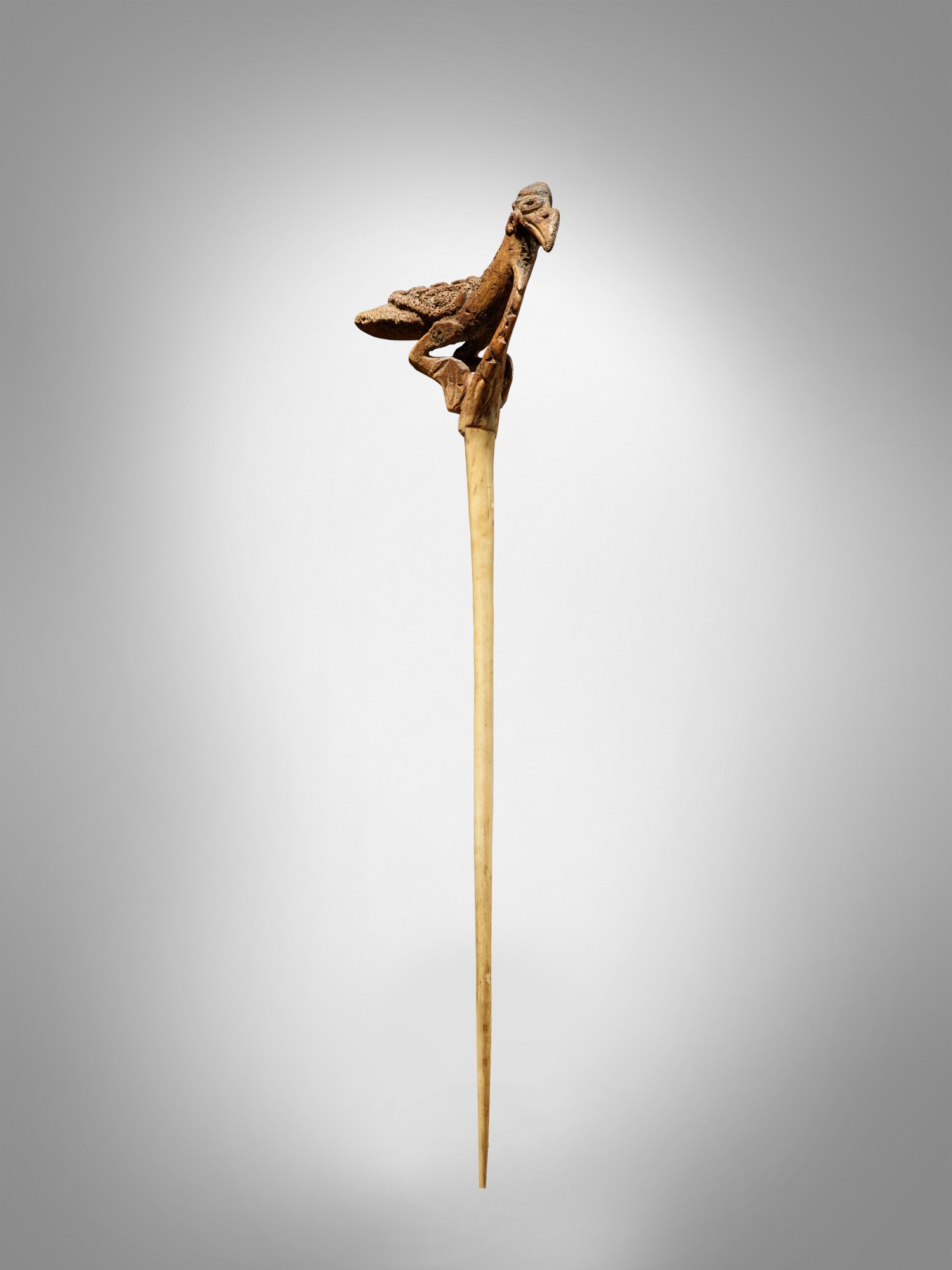
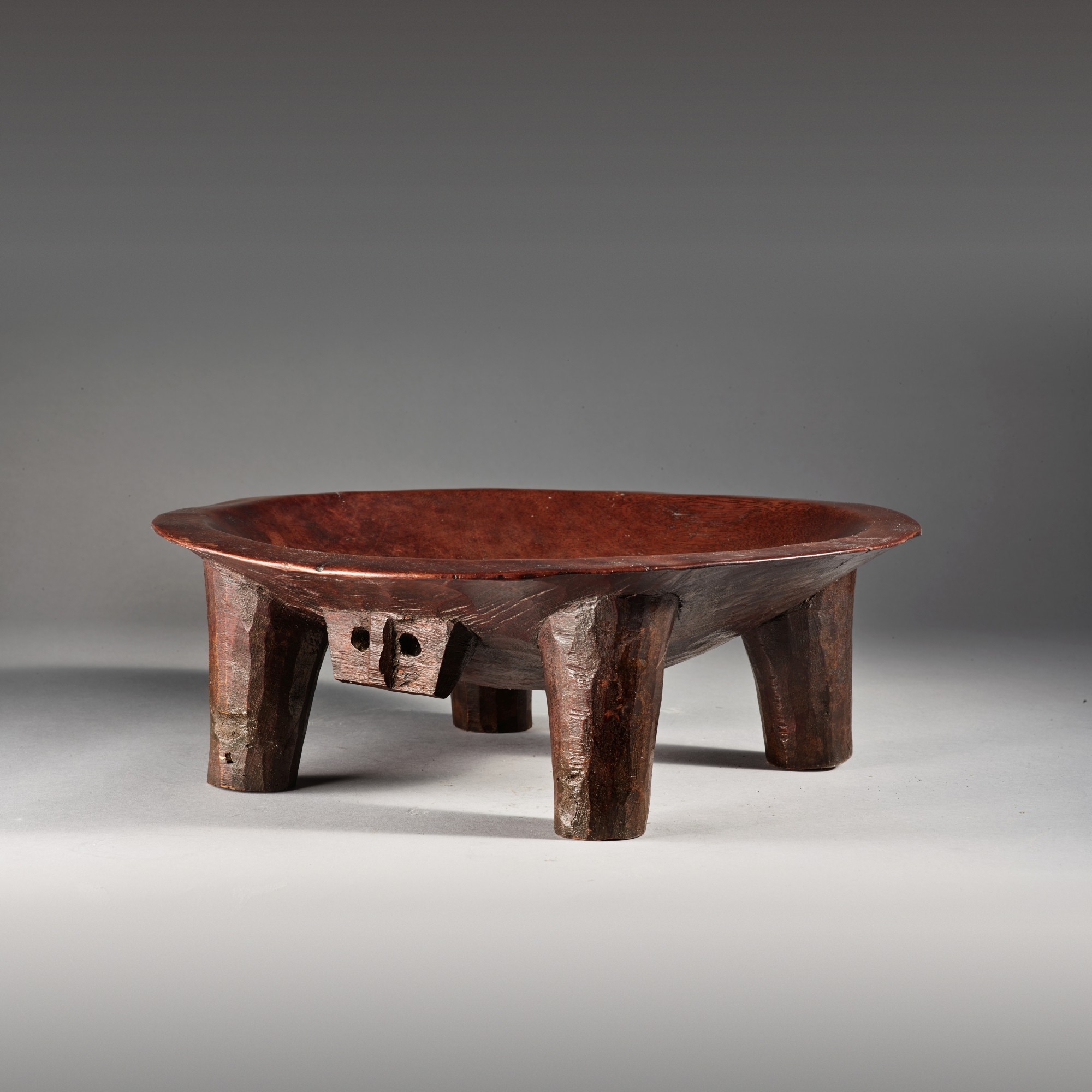
The Pacific Made Objects That Still Breathe
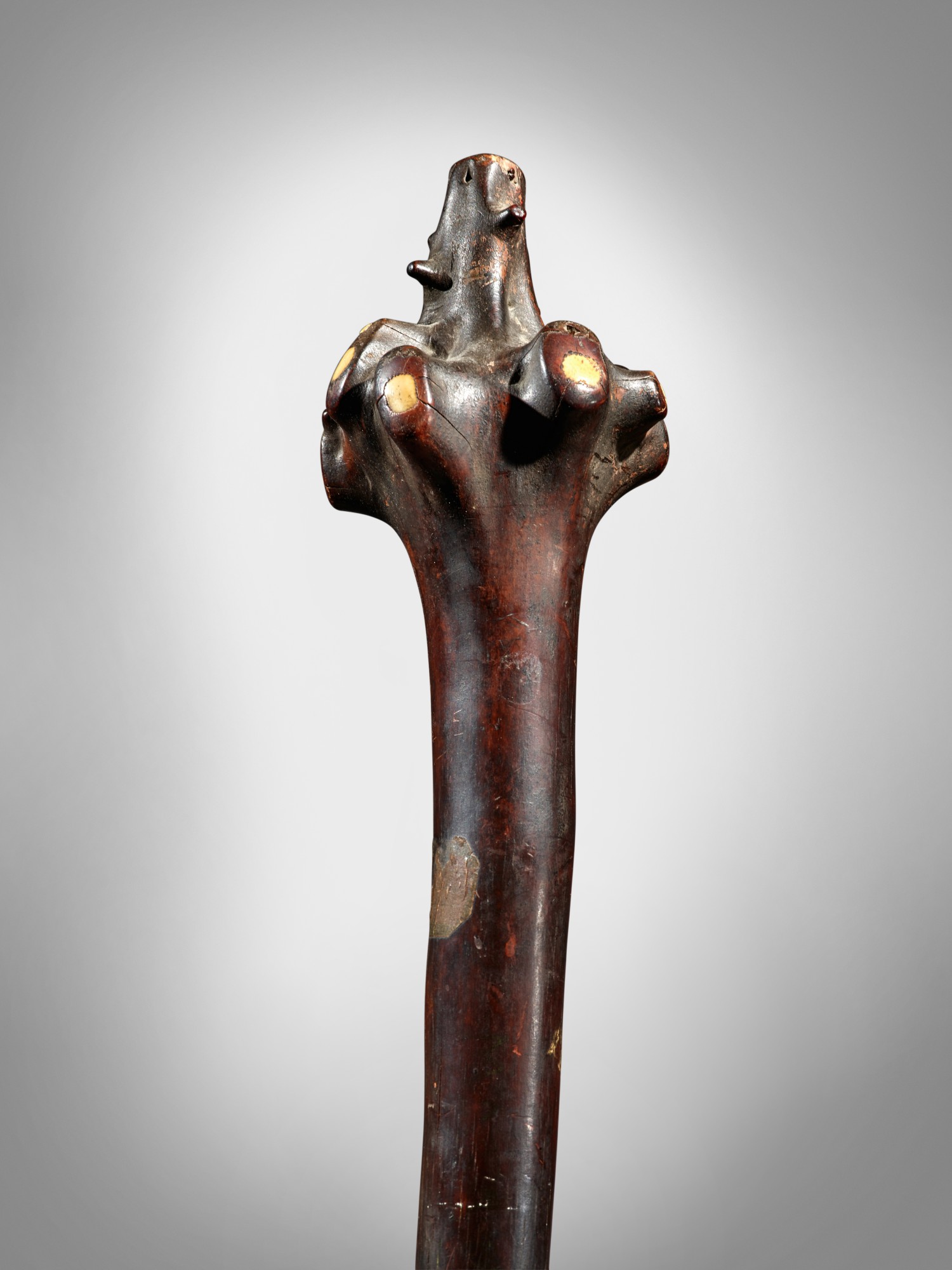
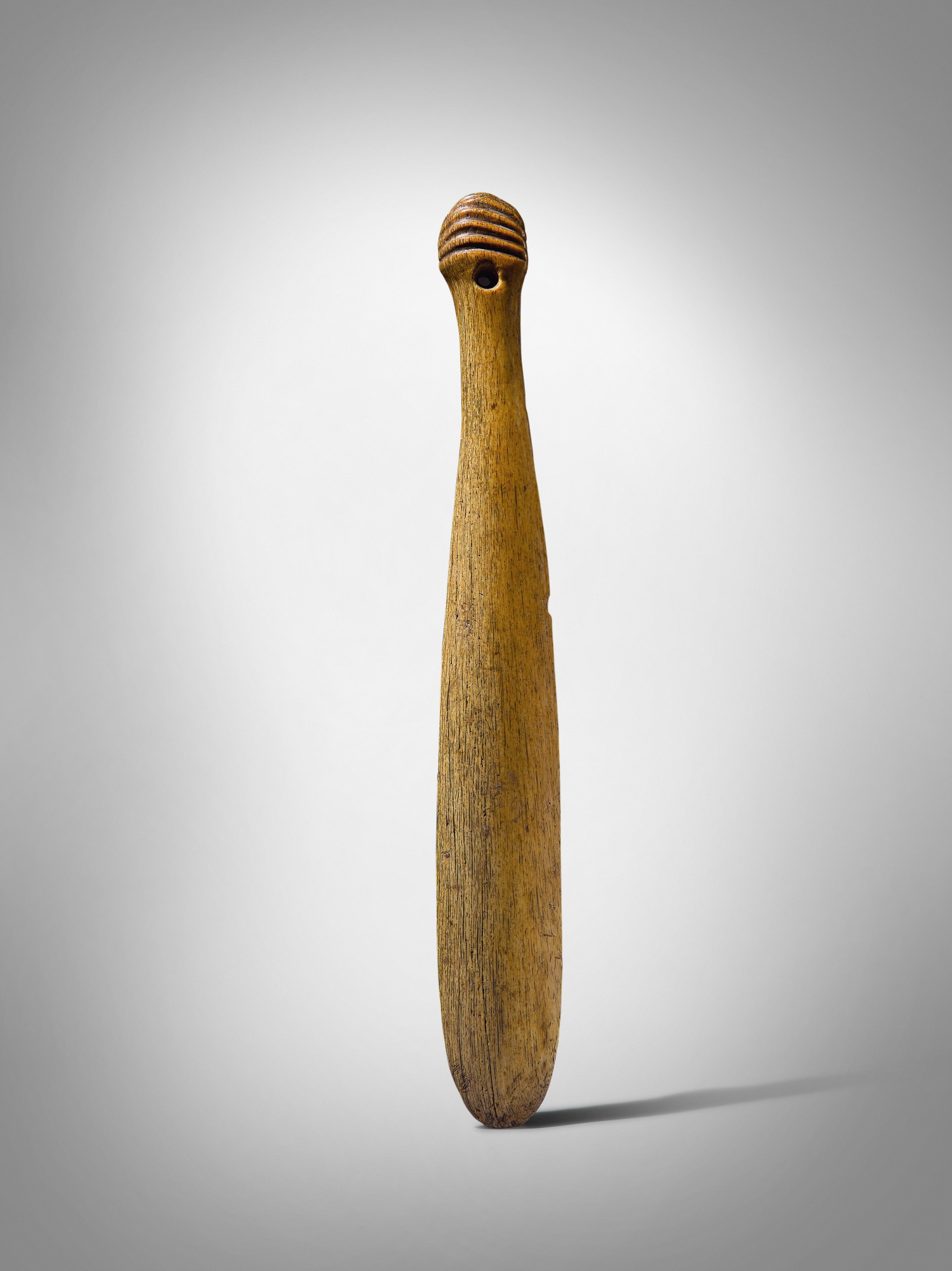
There is a particular quality of presence that certain objects carry across centuries and oceans. You feel it standing before a carved Maori club, or tracing the inlaid geometry of a Fijian war club, or considering a Marquesan headdress that seems to pulse with accumulated meaning. Oceanic art demands a different kind of attention than the Western canon typically trains us to offer. It asks not just for aesthetic appreciation but for a genuine reckoning with the intelligence, cosmology, and social life embedded in every cut of shell, every lashing of fiber, every deliberate curve of wood.
The Pacific Ocean covers roughly one third of the Earth's surface, and the cultures that arose across its islands developed artistic traditions as diverse as the ecosystems they inhabited. Broadly speaking, scholars divide Oceanic art into three geographic regions: Melanesia, encompassing Papua New Guinea, the Solomon Islands, Vanuatu, New Caledonia, and Fiji; Polynesia, stretching from Hawaii through New Zealand and the Cook Islands to Easter Island; and Micronesia, the smaller island groups to the north. Each region produced distinct visual languages, yet certain preoccupations recur across all of them, namely the relationship between the living and the ancestral dead, the mediation of spiritual power, and the social function of beauty itself. Western contact with these traditions was, to put it plainly, catastrophically disruptive.
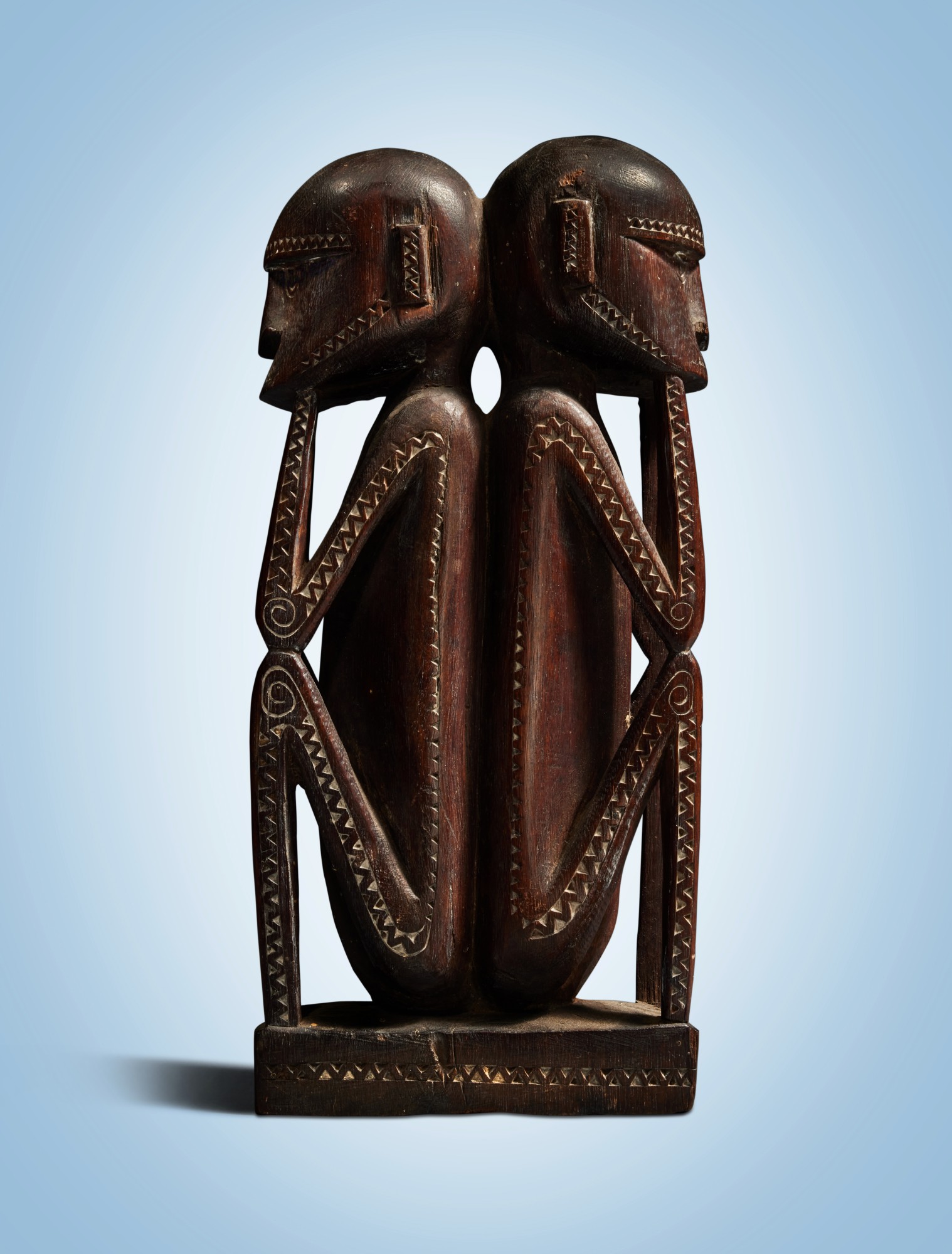
Unknown (Historical)
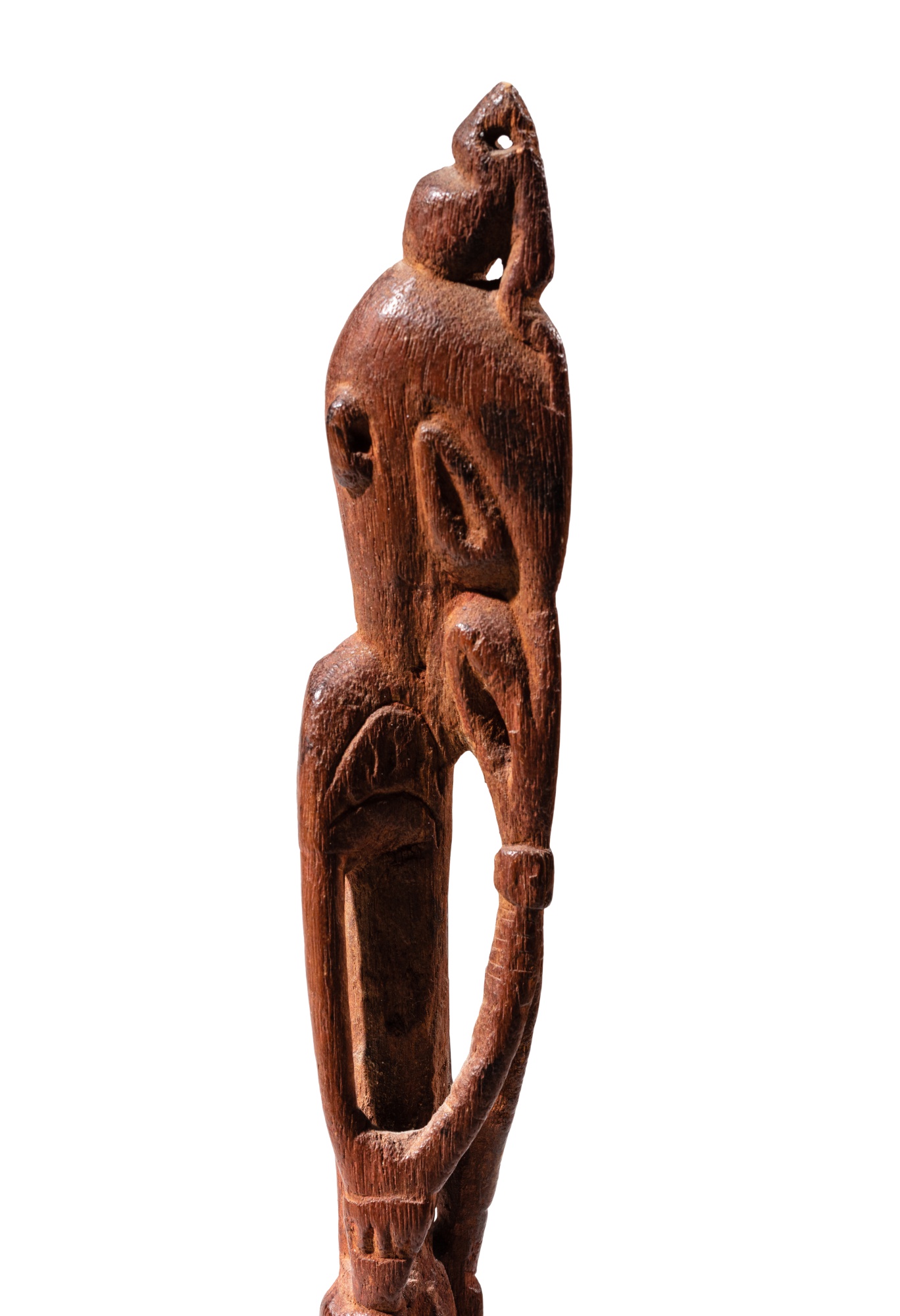
Massim Addorsed Double Figure, Trobriand Islands, Milne Bay Province, Papua New Guinea
European explorers and missionaries began arriving in the Pacific in earnest during the eighteenth century, and the objects they collected or confiscated entered European cabinets of curiosity as trophies or curiosities rather than as art. The British Museum's collection of Pacific material acquired through Captain Cook's voyages in the 1770s represents one of the earliest systematic accumulations of Oceanic work in the West, though the circumstances of acquisition were rarely benign. It was not until the early twentieth century that serious critical attention shifted toward these traditions on their own terms, largely through the interest of the European avant garde. Picasso, Matisse, and their contemporaries were electrified by African and Oceanic objects they encountered in Paris flea markets and the Trocadéro museum, though their reading of these works was filtered heavily through their own formal preoccupations.
The 1984 exhibition "Primitivism" in 20th Century Art at the Museum of Modern Art in New York was a watershed moment, though not an uncomplicated one. Curator William Rubin assembled formal pairings of Oceanic and African objects alongside works by Picasso, Giacometti, and others, arguing for the modernist relevance of non Western traditions. The show drew enormous crowds and serious critical fire in equal measure. Critics including Thomas McEvilley wrote pointedly about what the exhibition ignored: the cultural context, the spiritual function, the full personhood of the makers.
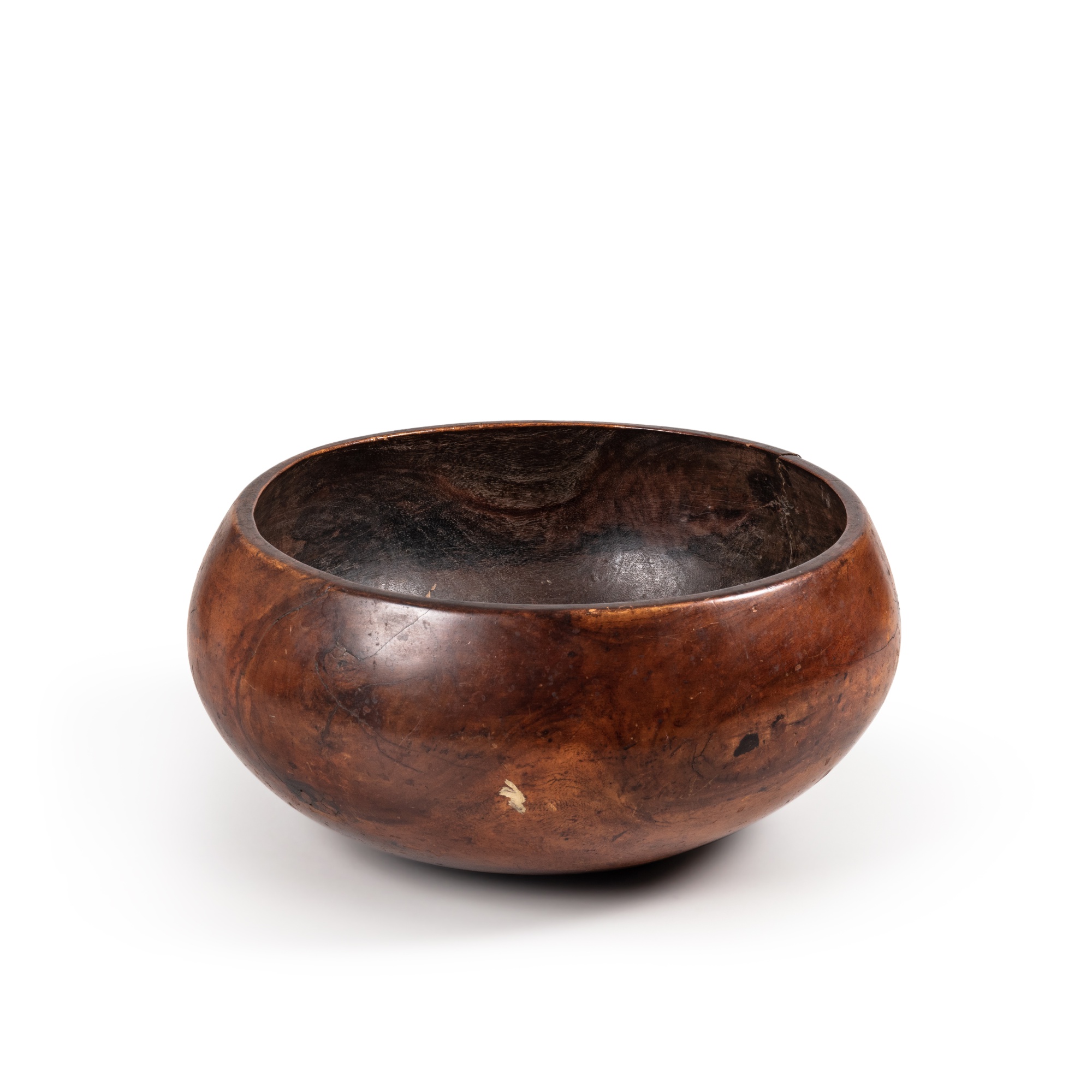
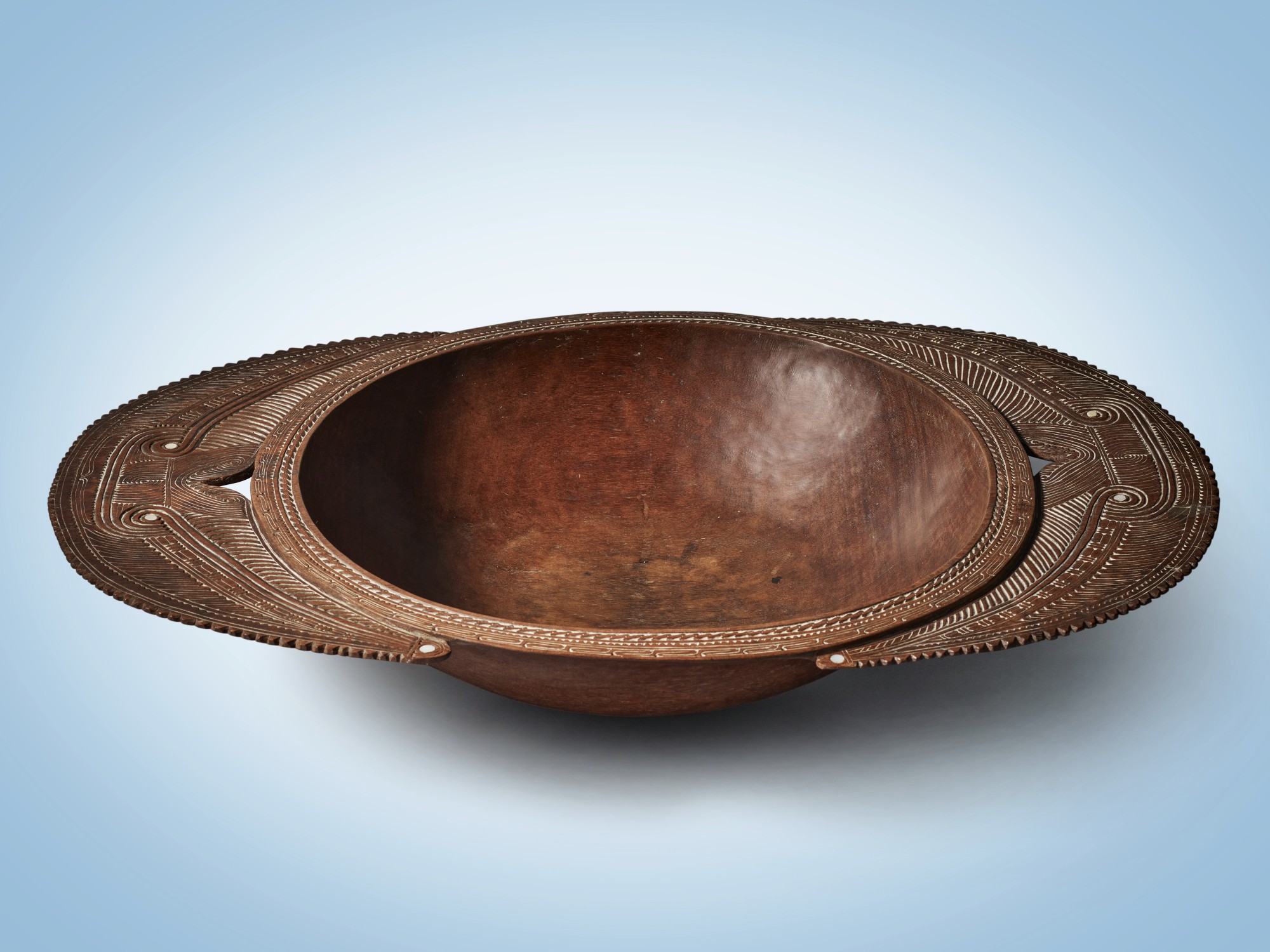
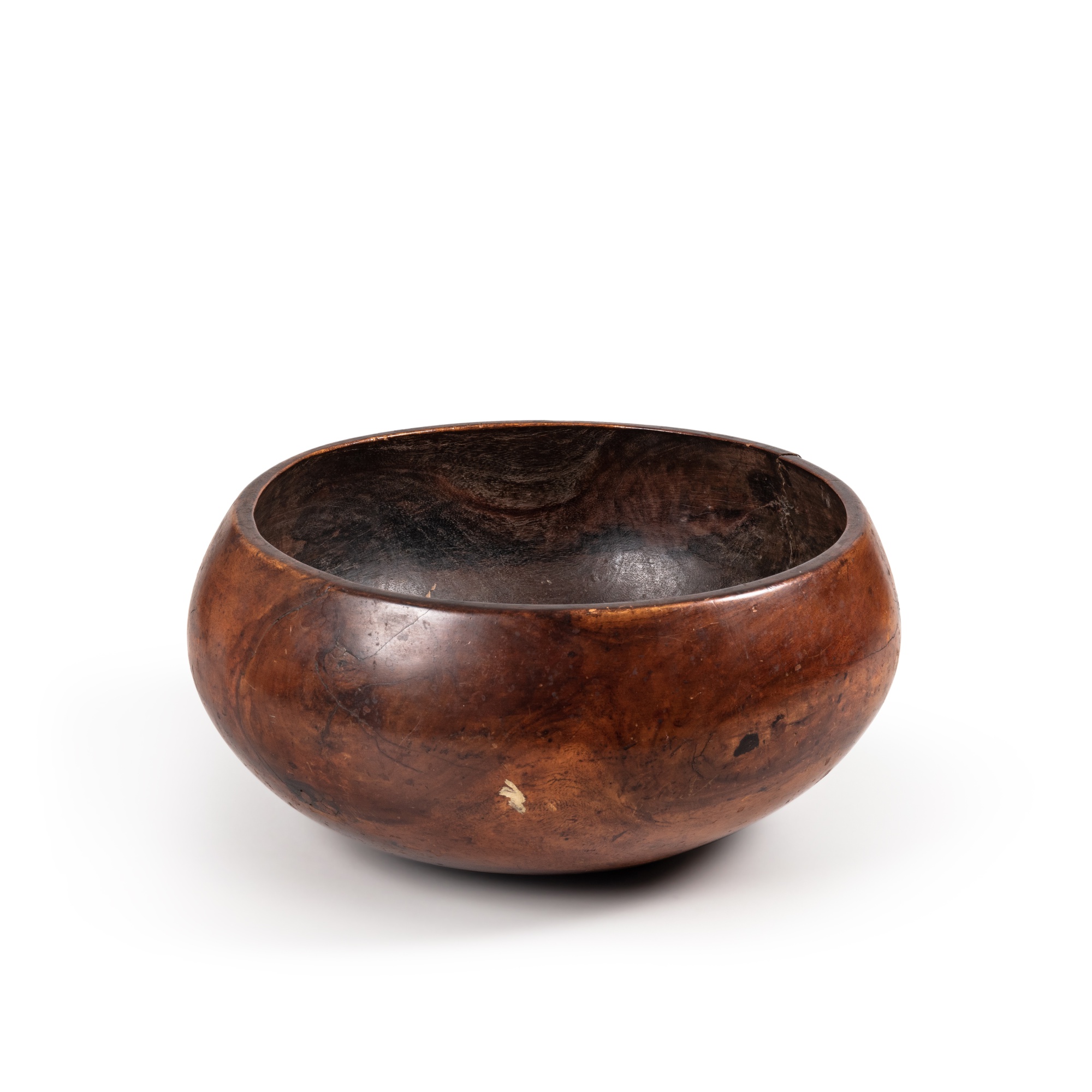
Bol umeke pakaka, Îles d'Hawaï
Umeke pakaka Bowl, Hawaï
That argument, which MoMA's framing made unavoidable, fundamentally changed how institutions handle Oceanic collections and how the art world speaks about them. The objects themselves reward sustained looking in ways that exceed any theoretical framing. Consider the formal sophistication of a Malagan figure from New Ireland, where intricate openwork carving creates a visual density that seems almost impossible given its medium. Malagan refers both to the ceremonial complex and the objects created for it, used during funerary rites to release and honor the spirits of the dead, and then typically destroyed or discarded after use.
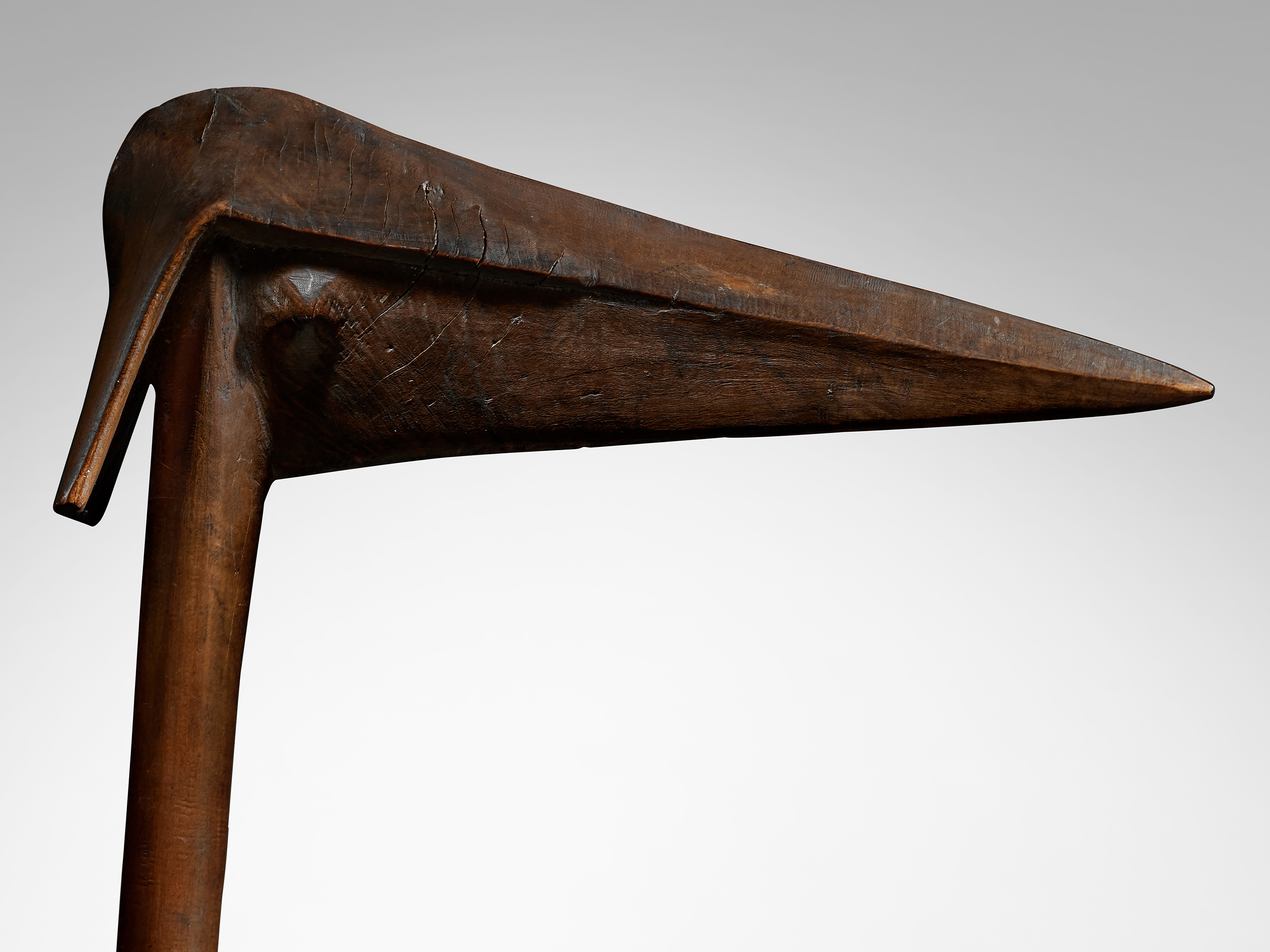
That the objects were never meant to last makes the ones that did survive feel particularly charged. Similarly, a Kanak bird head club from New Caledonia condenses cosmological meaning into a form of austere elegance, the avian imagery connecting to chiefly authority and ancestral power. The Admiralty Islands produced war charms of remarkable intricacy, while the Caroline Islands yielded carved figures of meditative stillness. All of these works appear on The Collection, speaking to a curatorial focus on material culture that was made to do serious work in the world.
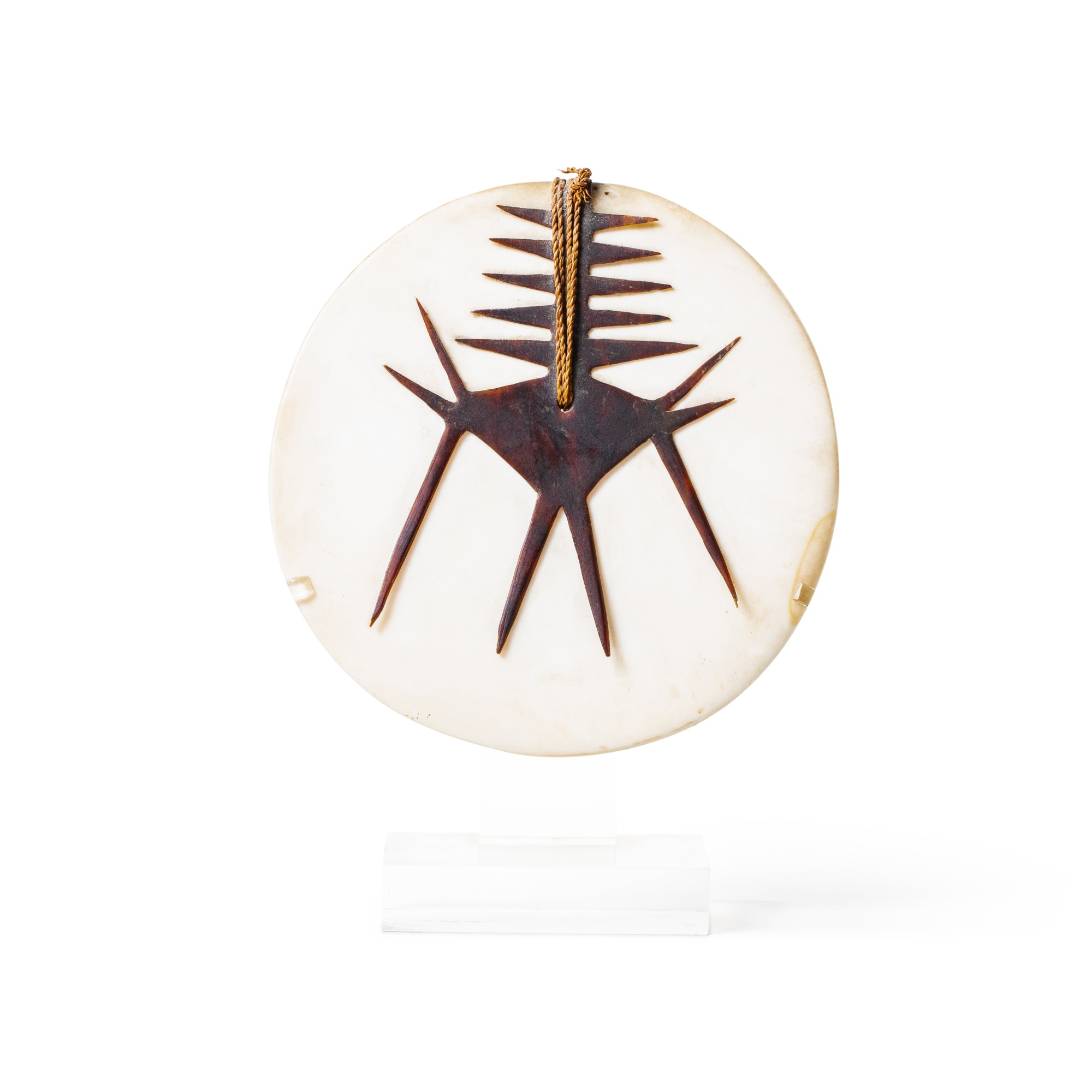
Pectoral tema, Île Santa Cruz, Îles Salomon
Tema Pectoral, Santa Cruz Island, Solomon Islands
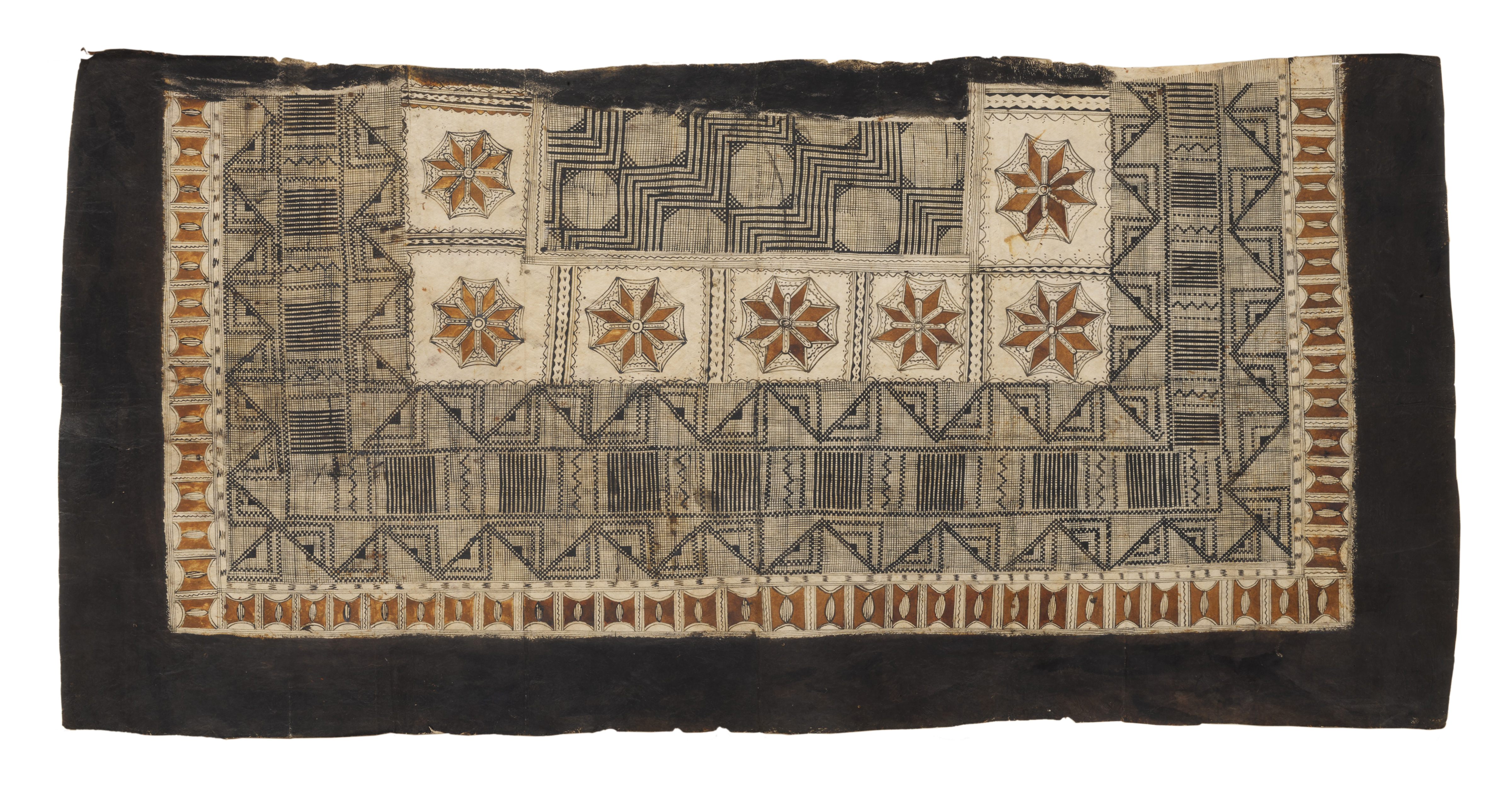
The technical mastery embedded in Oceanic objects deserves far more attention than it typically receives. Fijian artisans developed inlay techniques using ivory and shell that rival the finest decorative arts traditions anywhere in the world, as visible in inlaid war clubs and whale tooth necklaces that combine prestige display with genuine formal invention. Hawaiian woodworkers produced bowls of extraordinary refinement, their surfaces brought to a depth of finish that reveals the grain of the wood like a kind of slow internal light. Bark cloth, or tapa, represents one of the Pacific's most widespread and sophisticated textile traditions, with regional variations in pigmentation and pattern that encode identity, rank, and spiritual affiliation.
The headrests of Fiji and the Cook Islands are not merely functional objects but sculptural statements, and pieces like the headrest from Atiu in the Cook Islands demonstrate how even everyday objects were conceived within a unified aesthetic and spiritual framework. What makes Oceanic art so alive to contemporary collectors and curators is precisely its resistance to purely formal reading. These objects insist on their relational nature. A ceremonial paddle from the Austral Islands or a throwing club from Melanesia was never conceived as a thing to be looked at in isolation.
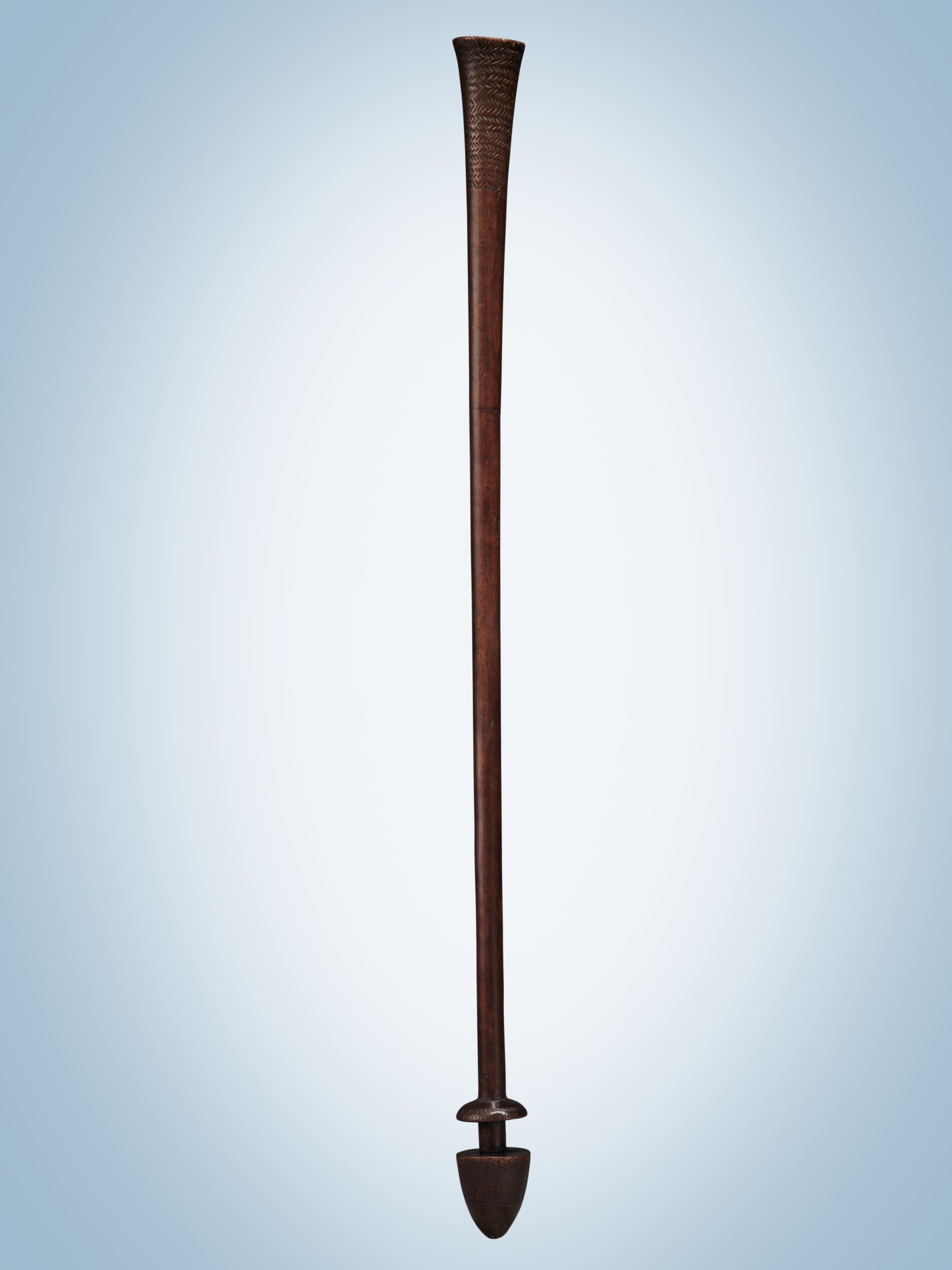
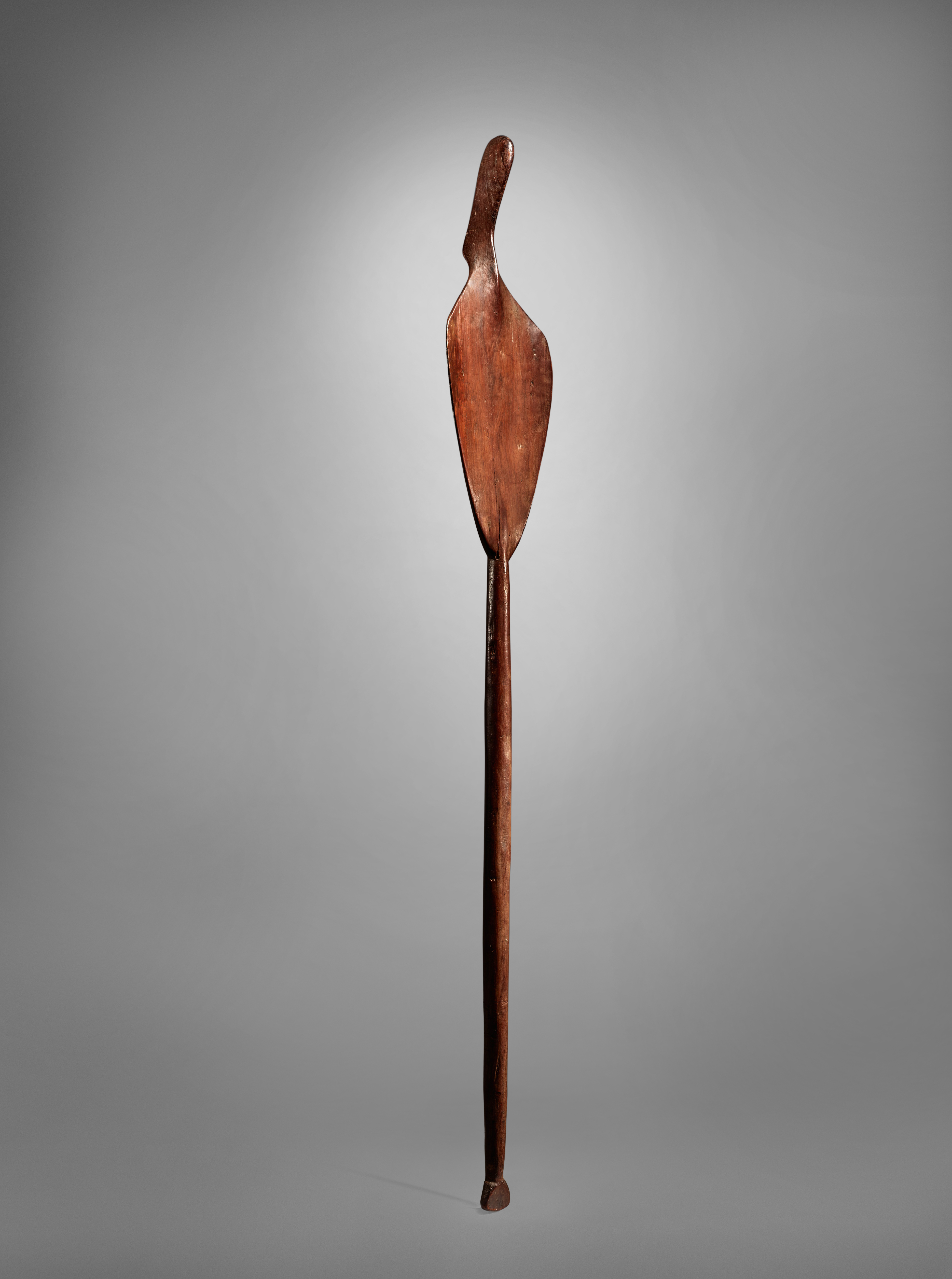
Club, Efate, Vanuatu
Club, Efate, Vanuatu
It existed within networks of exchange, obligation, and spiritual negotiation that gave it meaning. Understanding that context does not diminish the visual experience; it deepens it considerably. The best collectors of Oceanic work tend to be people who are genuinely curious about the world these objects came from, not just the objects themselves. The conversation around provenance and repatriation is now central to any serious engagement with Oceanic art, and rightly so.
Museums from Berlin to Paris to Auckland are renegotiating their relationships with Pacific communities and their cultural patrimony. This does not make collecting impossible or irresponsible, but it makes it more demanding. Works that passed through established collections in the late nineteenth and early twentieth centuries carry different histories than objects that entered the market more recently, and responsible collectors ask those questions carefully. The Pacific is not a past tense proposition.
The cultures that produced these extraordinary objects are living cultures, and their voices are increasingly shaping how this art is understood, displayed, and discussed. That is the most important development in Oceanic art right now, and it is a genuinely exciting one.