Multidisciplinary
Rashid Johnson
Ages 年齡, 2013

No Medium Left Behind: The Multidisciplinary Turn
There is a particular kind of artist who refuses to be contained. Not out of restlessness or commercial calculation, but because the work itself demands more than any single medium can hold. Multidisciplinary practice is not a style or a school. It is a fundamental orientation toward making, one that insists the idea comes first and the material follows wherever it leads.
To collect within this space is to engage with some of the most intellectually alive art being made today. The roots of multidisciplinary practice run deeper than the term itself, which only settled into common art world usage in the latter decades of the twentieth century. The Dadaists of the 1910s were among the first to treat the boundaries between disciplines as arbitrary constructs worth dismantling. Hugo Ball performed sound poetry in a cardboard costume at the Cabaret Voltaire in Zurich in 1916, while Marcel Duchamp was simultaneously interrogating the very definition of the art object.
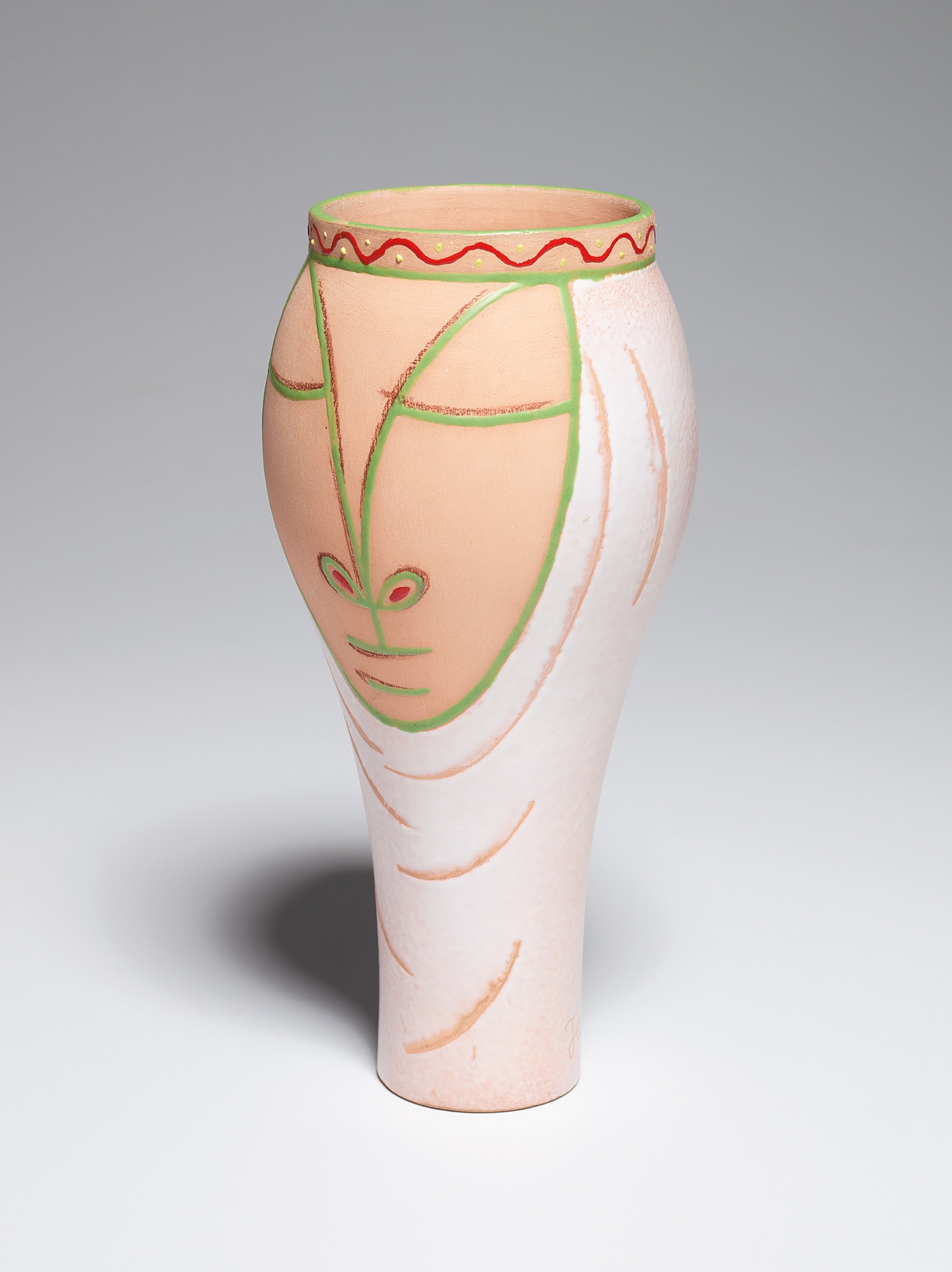
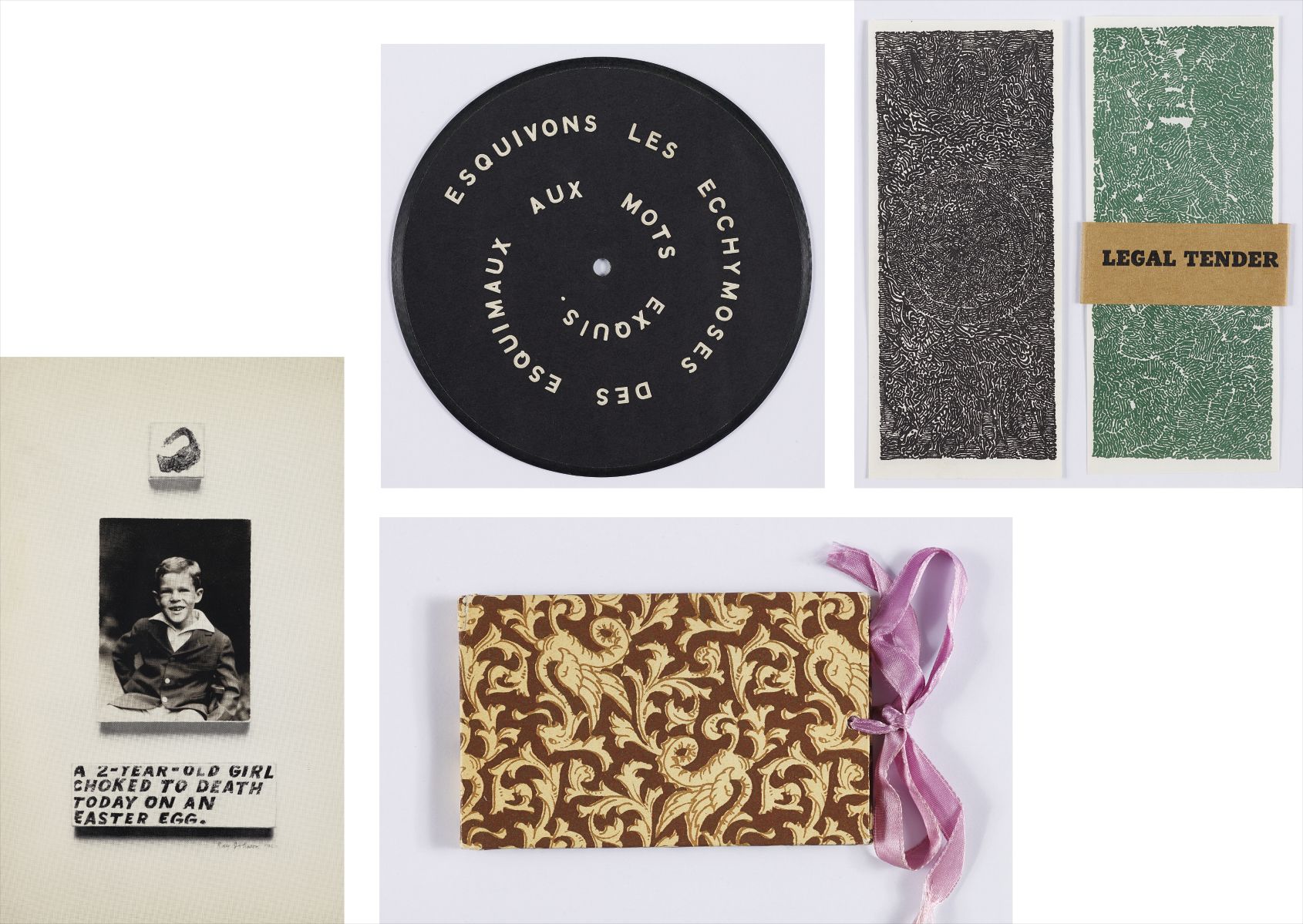
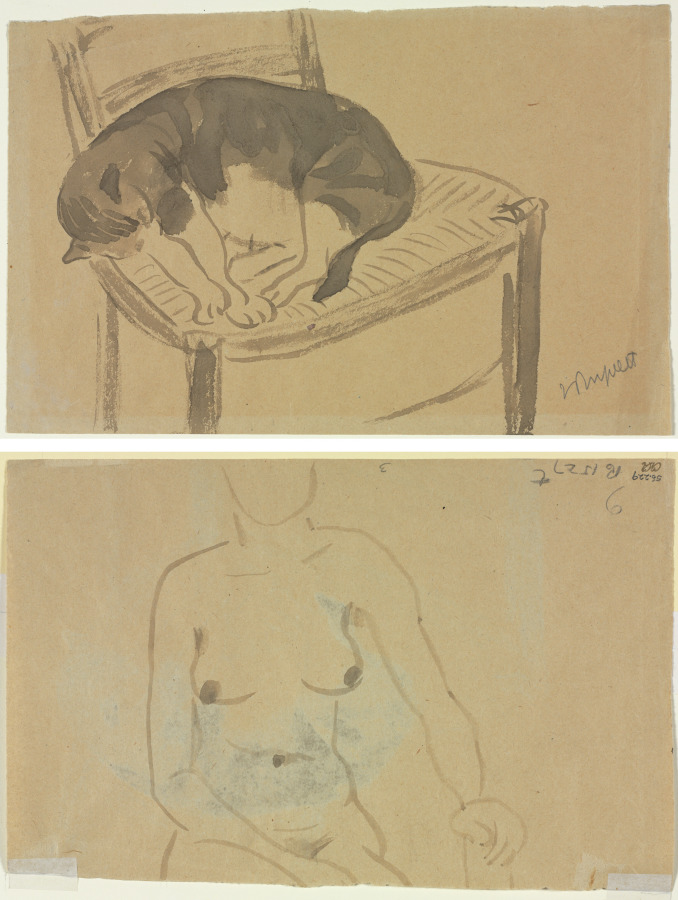
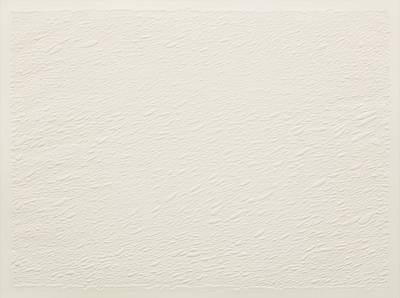
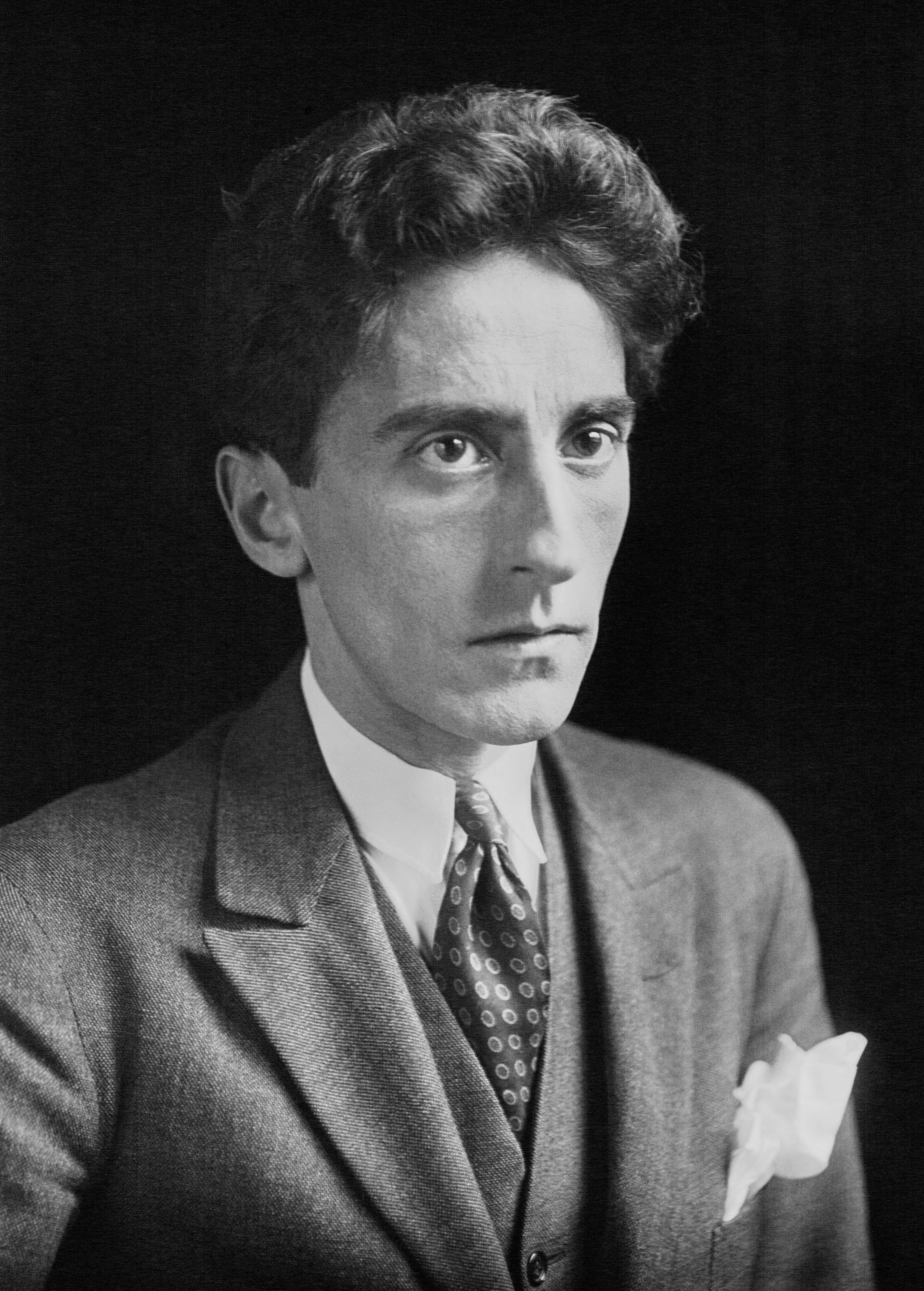
Jean Cocteau
Médiévale (Medieval)
These were not isolated gestures. They were the opening arguments in a century long case against medium specificity. Jean Cocteau, whose restless intelligence anticipated so much of what followed, worked across poetry, fiction, film, drawing, theater, and ceramics with an ease that seemed almost indecent to his contemporaries. He designed sets, wrote librettos, directed films, and drew portraits that read as quick dispatches from a mind perpetually in motion.
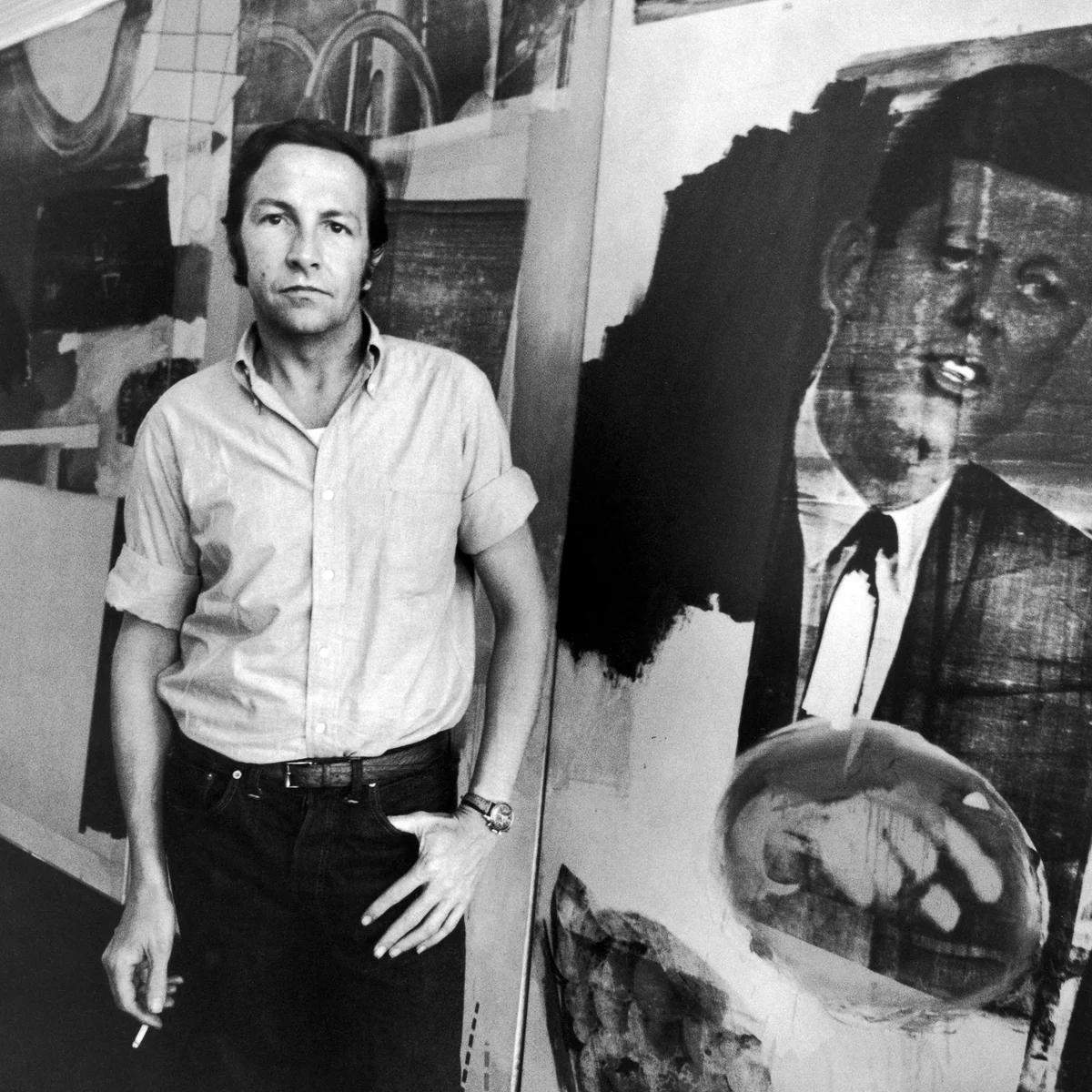
His 1930 film Blood of a Poet collapsed the boundary between visual art and cinema so thoroughly that critics are still untangling the implications. Cocteau understood that an idea belongs to no single form, and his presence on The Collection speaks to exactly the kind of range collectors increasingly seek out. Robert Rauschenberg brought this sensibility into the postwar American context with a force that transformed the entire landscape. His Combines of the mid 1950s and early 1960s incorporated newsprint, fabric, taxidermied animals, radio sets, and paint into works that refused every existing category.
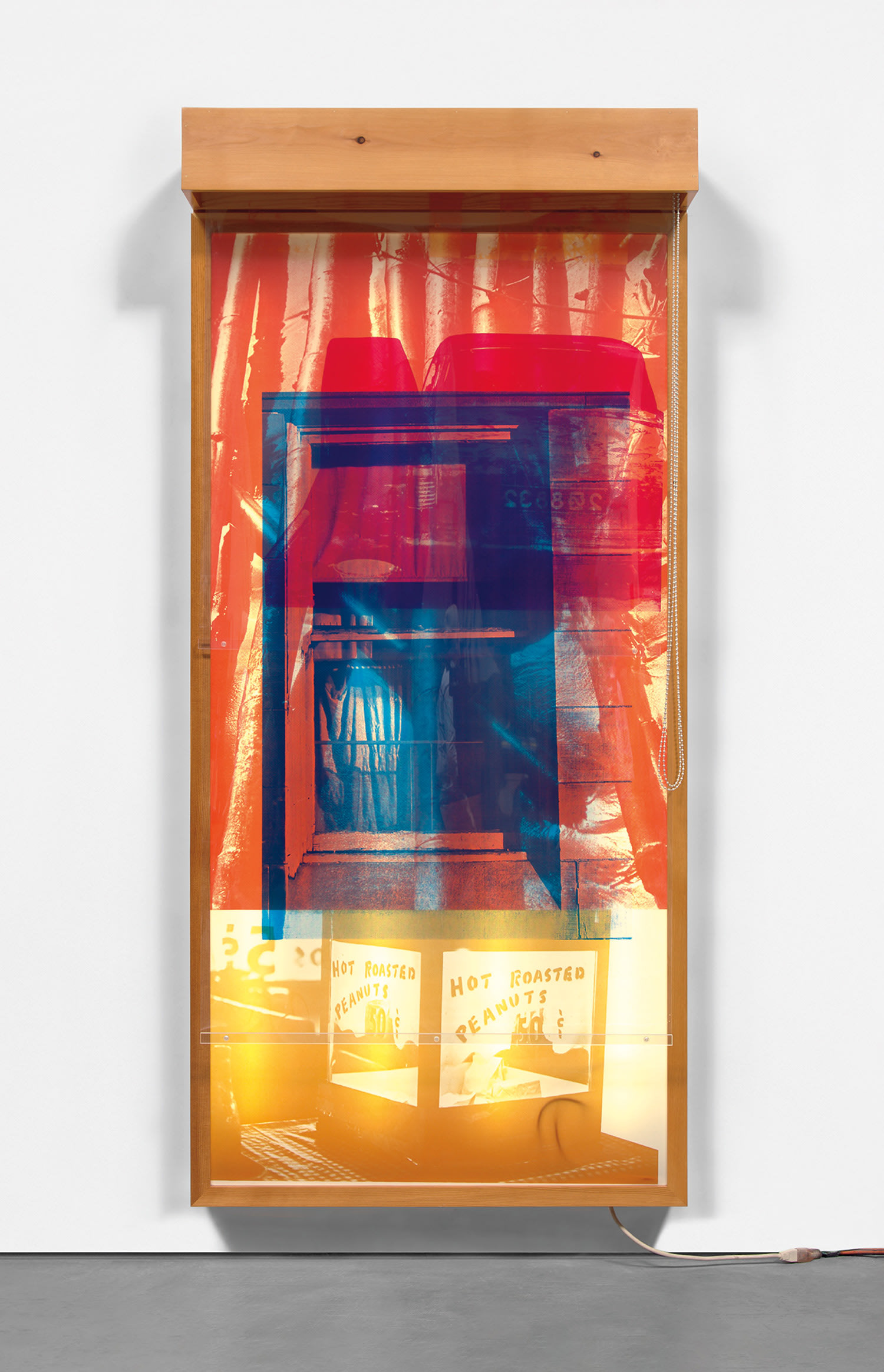
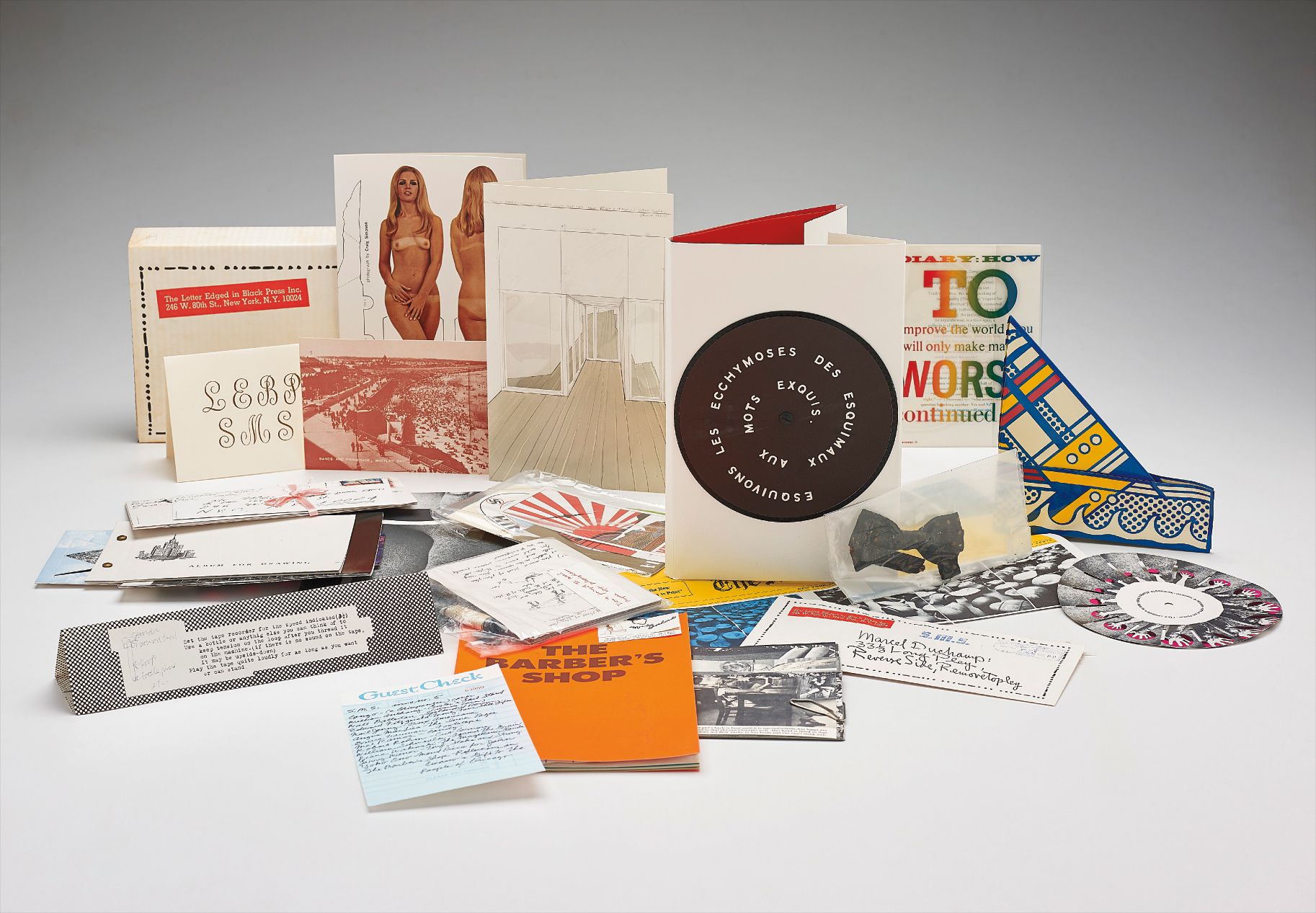
Robert Rauschenberg
Sling-Shots Lit #4
When he won the Grand Prize at the 1964 Venice Biennale, the European art establishment received it as a provocation. For Rauschenberg it was simply the logical outcome of following curiosity wherever it went. His collaborations with Merce Cunningham and John Cage extended this logic into performance and sound, proving that disciplines are not separate territories but overlapping frequencies. By the 1980s and into the 1990s, multidisciplinary practice had become the dominant mode for artists grappling with identity, politics, and the textures of lived experience.
Ann Hamilton emerged during this period as one of the most commanding presences in American art, constructing immersive environments that involved text, sound, labor, and the body in ways that no single word could adequately describe. Her large scale installations, including the celebrated indigo blue at the Seattle Art Museum in 1991, enrolled visitors as participants rather than observers. Hamilton's work asks what it means to be physically present in language, in history, in a room. That question cannot be answered in one medium.
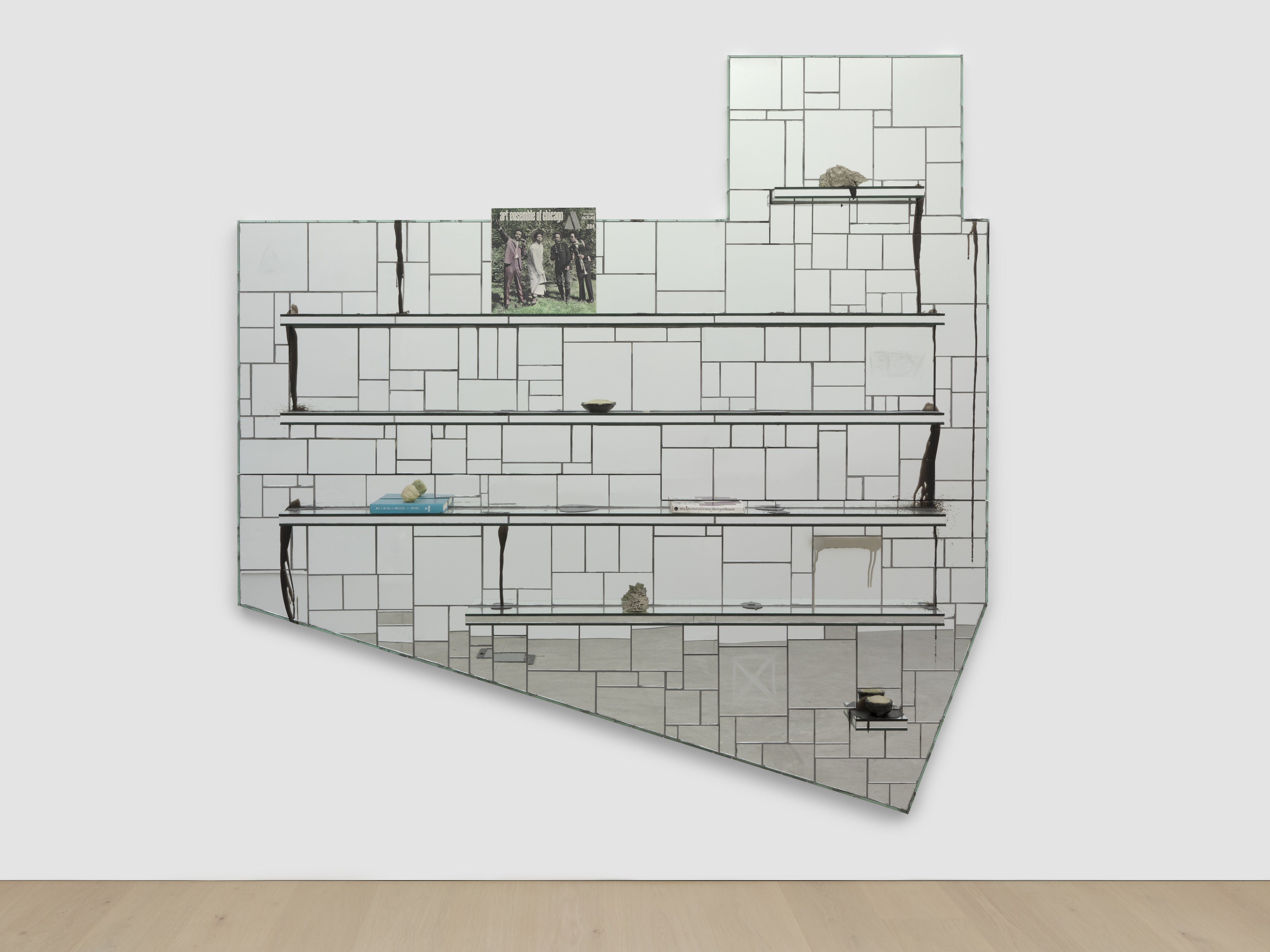
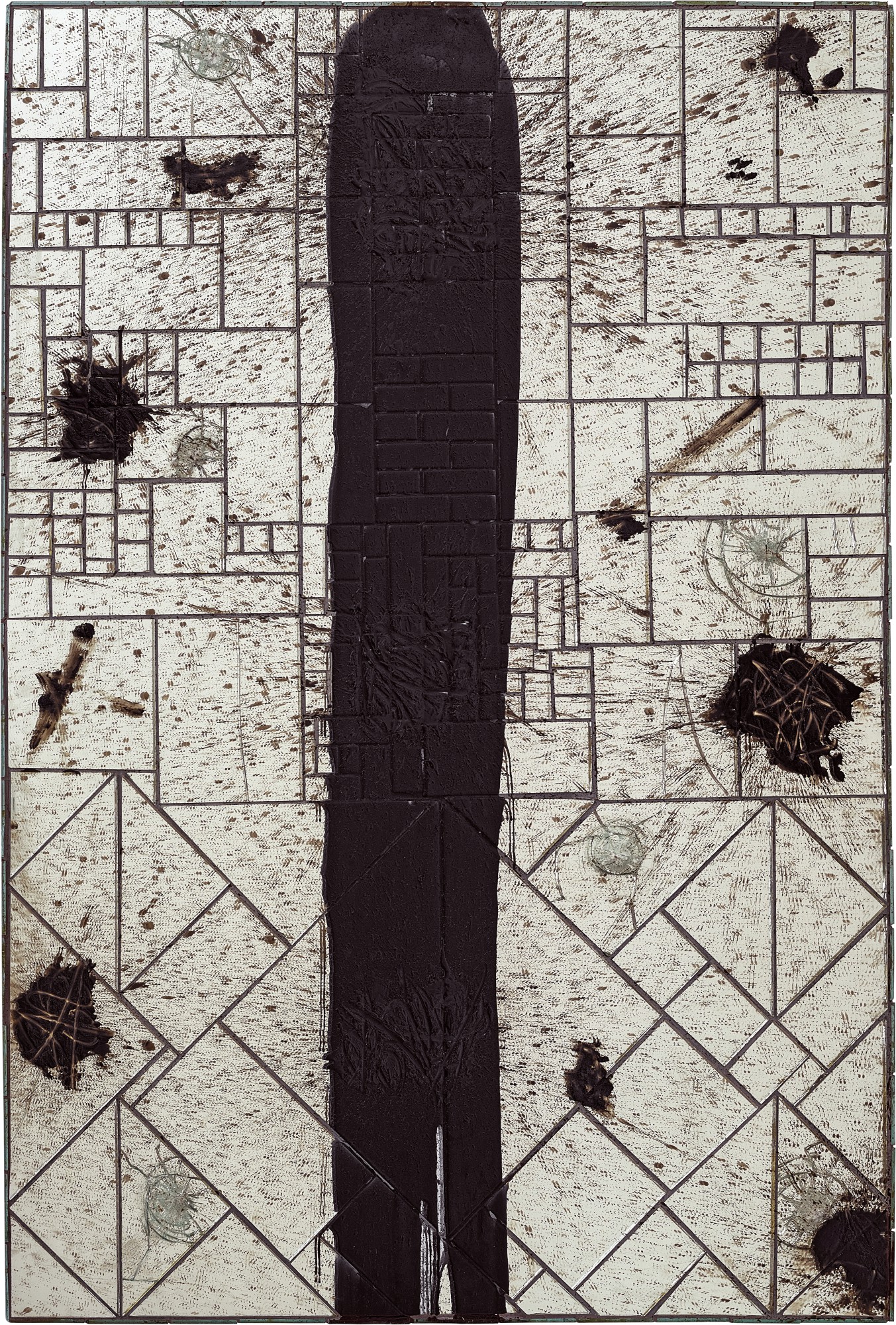
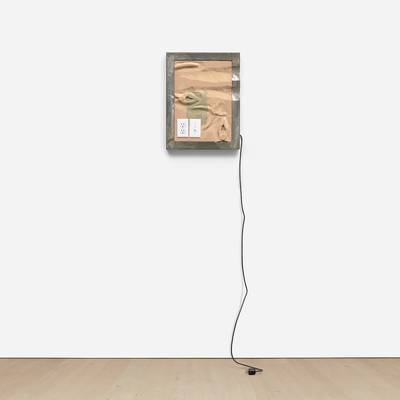
Rashid Johnson
Ages 年齡, 2013
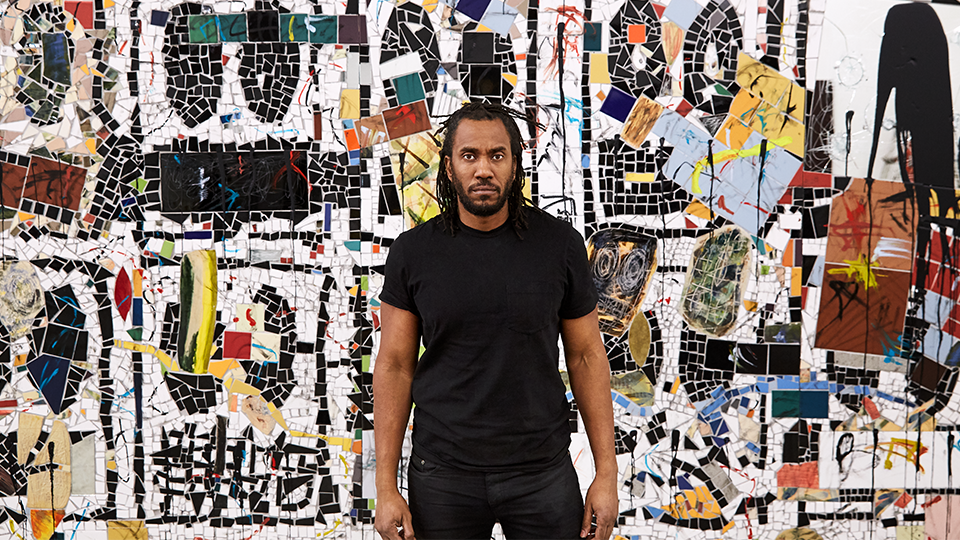
Rashid Johnson has carried this tradition forward with a visual vocabulary that is entirely his own. Working across sculpture, painting, photography, video, and performance, Johnson draws on a remarkably wide set of references: the writings of Amiri Baraka and Franz Fanon, the aesthetics of jazz, the material histories of shea butter and black soap, the psychic weight of anxiety and aspiration. His practice is multidisciplinary not because he cannot commit but because commitment to the ideas he is working with requires multiple registers simultaneously. The works on The Collection offer a window into that layered intelligence.
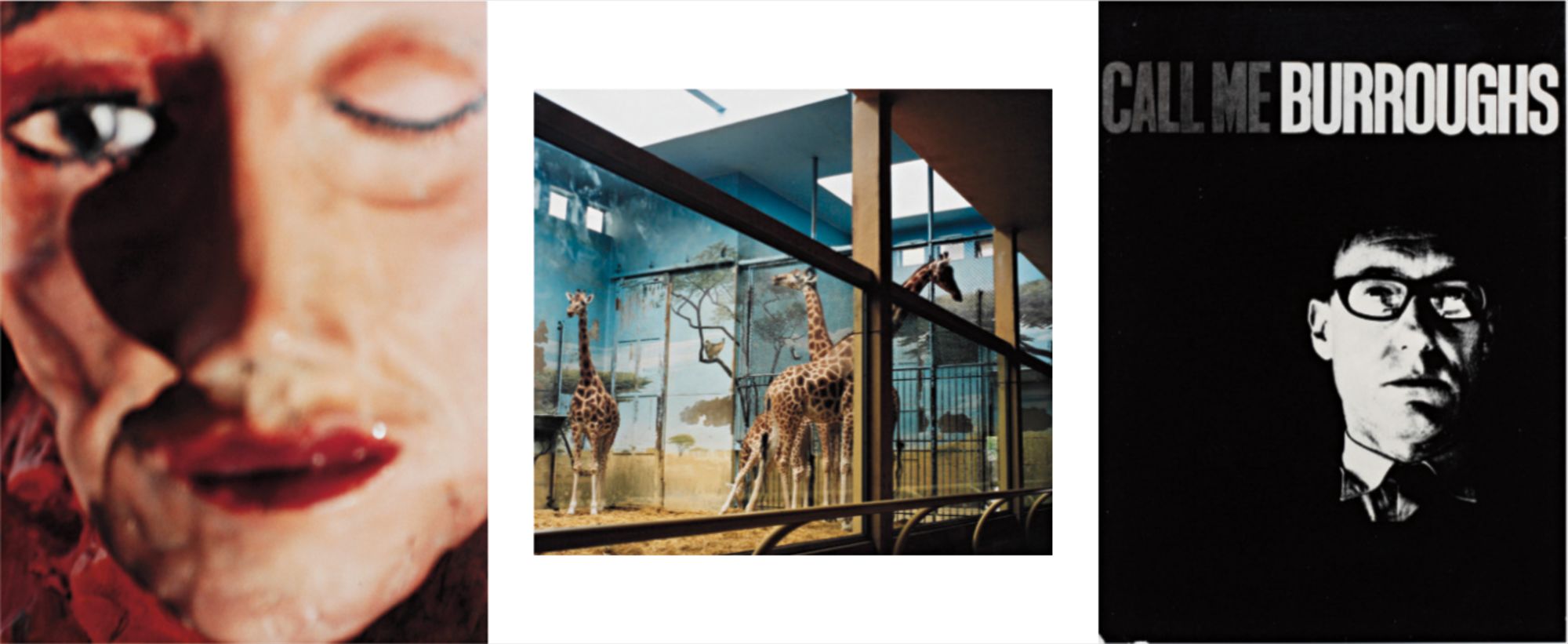
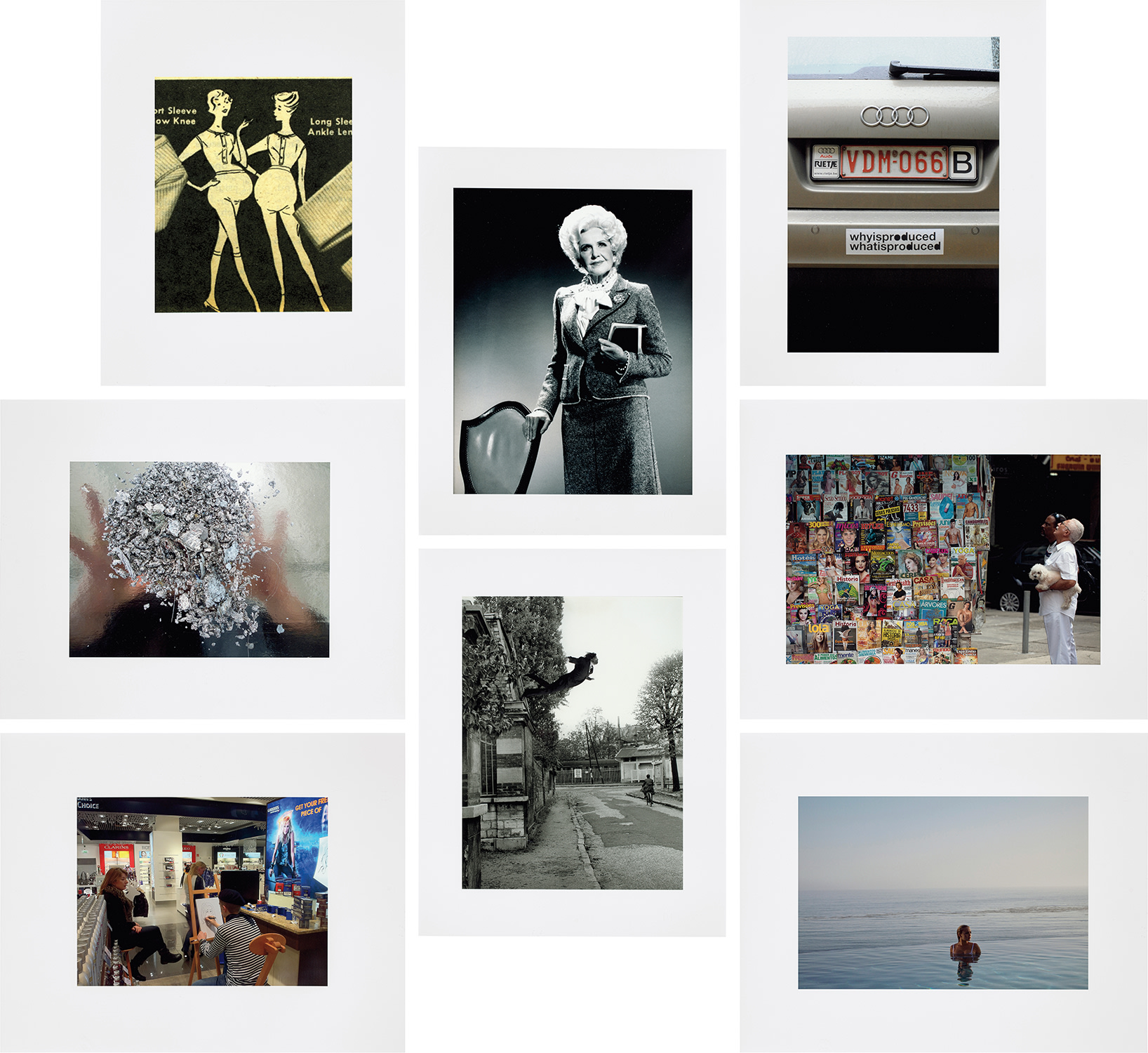
Neil Beloufa operates in a different register but with equally expansive ambition, making installations that incorporate video, sculpture, and custom fabricated structures to interrogate how images circulate and how meaning gets constructed in an age of screens. His exhibitions often feel like sets from films that have not been made, spaces that hover between the documentary and the fictional. Robert Gober, whose work in sculpture and installation draws on the uncanny textures of domestic objects and Catholic iconography, approaches multidisciplinarity through accumulation and implication, building worlds from sinks, newspapers, and hand cast wax figures that carry an almost unbearable emotional charge. These are artists who understand that resonance comes from the space between materials, not from any single one.
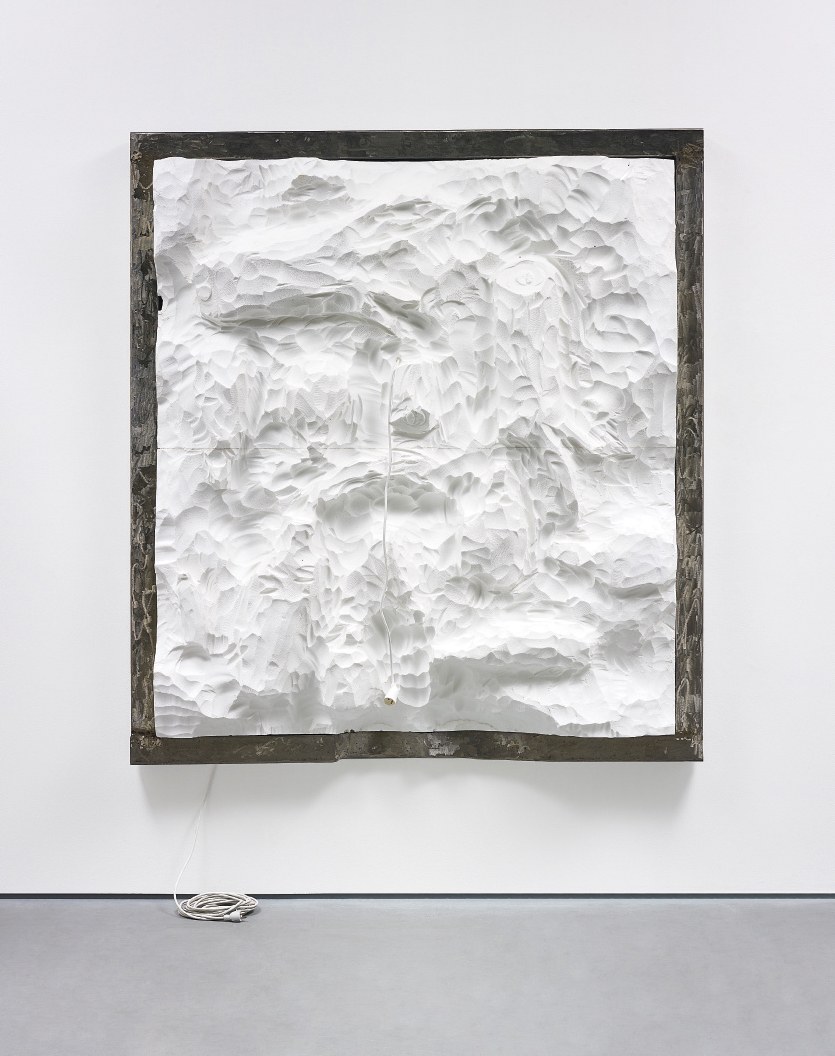
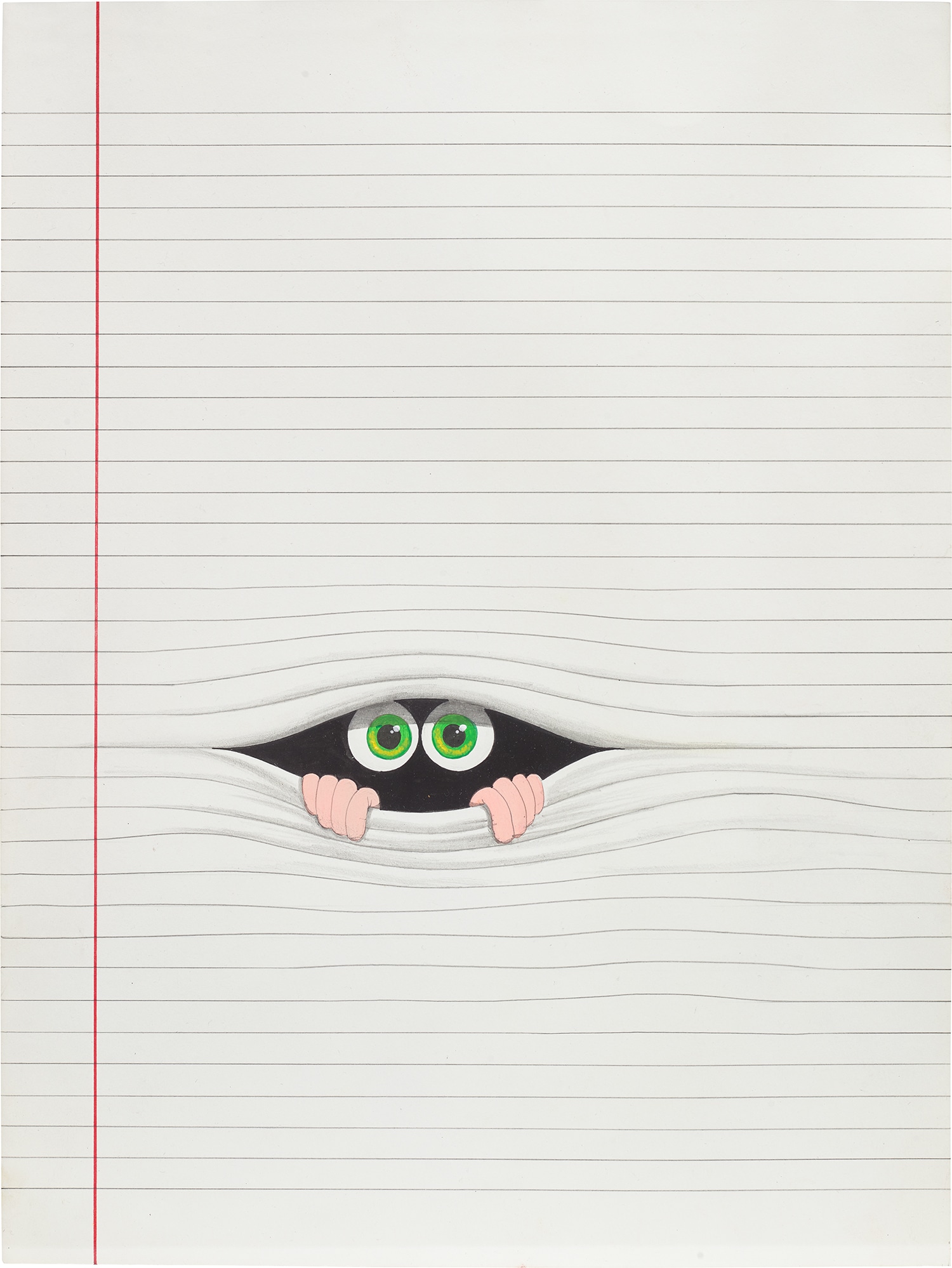
Neil Beloufa
Show off
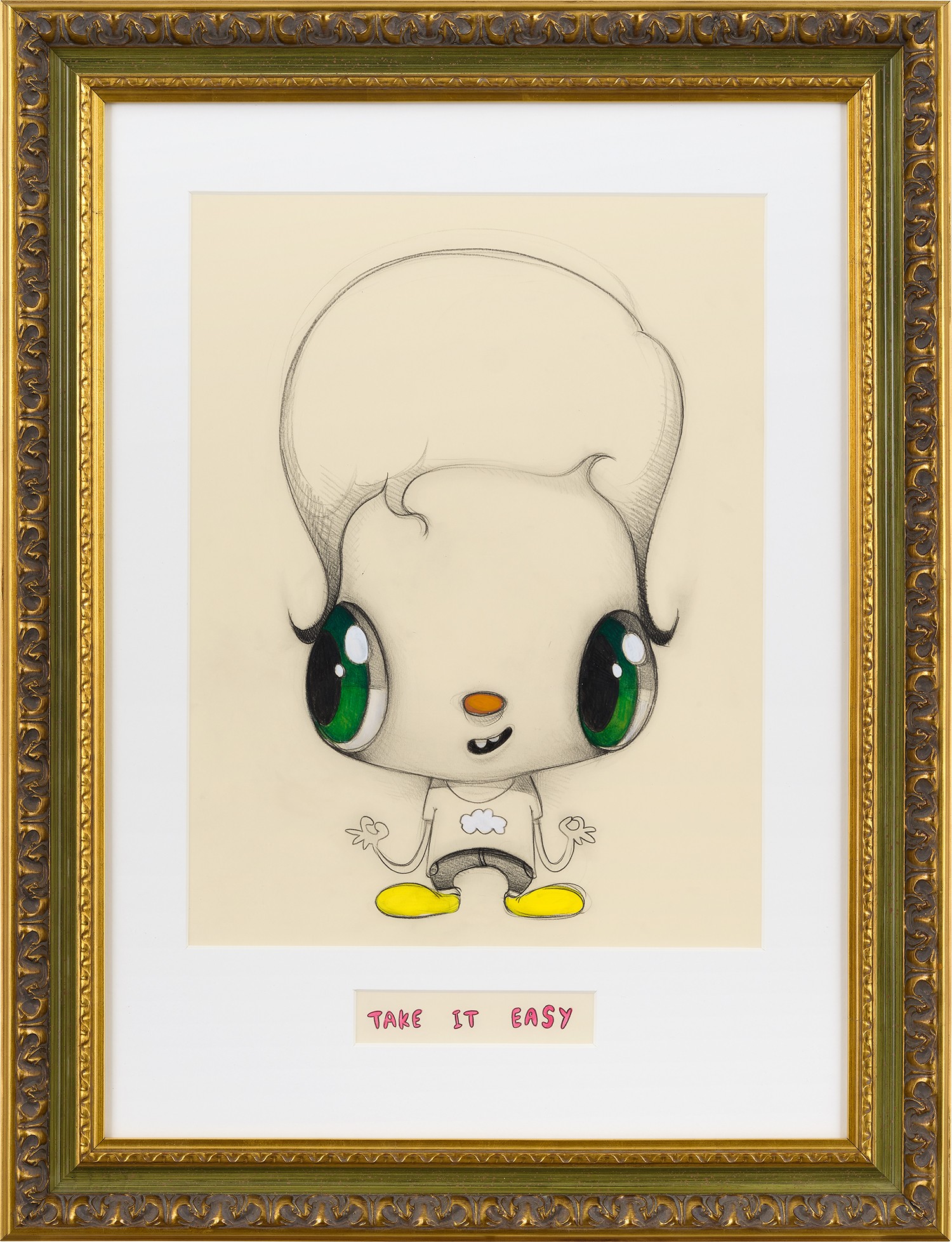
The conceptual framework underlying multidisciplinary practice often comes back to a single word: experience. The most compelling works in this mode do not ask you to look at something. They ask you to inhabit a set of conditions. Javier Calleja, whose work plays with scale, illustration, and the language of consumer culture and toy aesthetics, understands that surprise and intimacy can be strategic tools, that stepping between registers of high and low, commercial and fine art, can produce genuine feeling.
Each medium he employs is a different frequency on the same broadcast. What multidisciplinary practice has given the broader art world, beyond individual works and careers, is a new standard of ambition. It has made medium specificity look like a limitation rather than a virtue. It has expanded what counts as an art object, who counts as an artist, and what an encounter with art can feel like in the body.
The influence is visible everywhere: in the way biennials are programmed, in the expansion of collecting categories, in the conversations collectors are having about what they are actually acquiring when they acquire a work that arrives as video, as text, as sculpture, as all three at once. To collect multidisciplinary work is to accept a certain kind of productive uncertainty. You may not always be able to say exactly what something is. That uncertainty is not a weakness in the work.
It is usually where the work is most alive. The artists gathered on The Collection who work across disciplines are united not by a shared aesthetic but by a shared willingness to follow the idea past the edge of the known. That is, in the end, what collecting at its best has always been about.