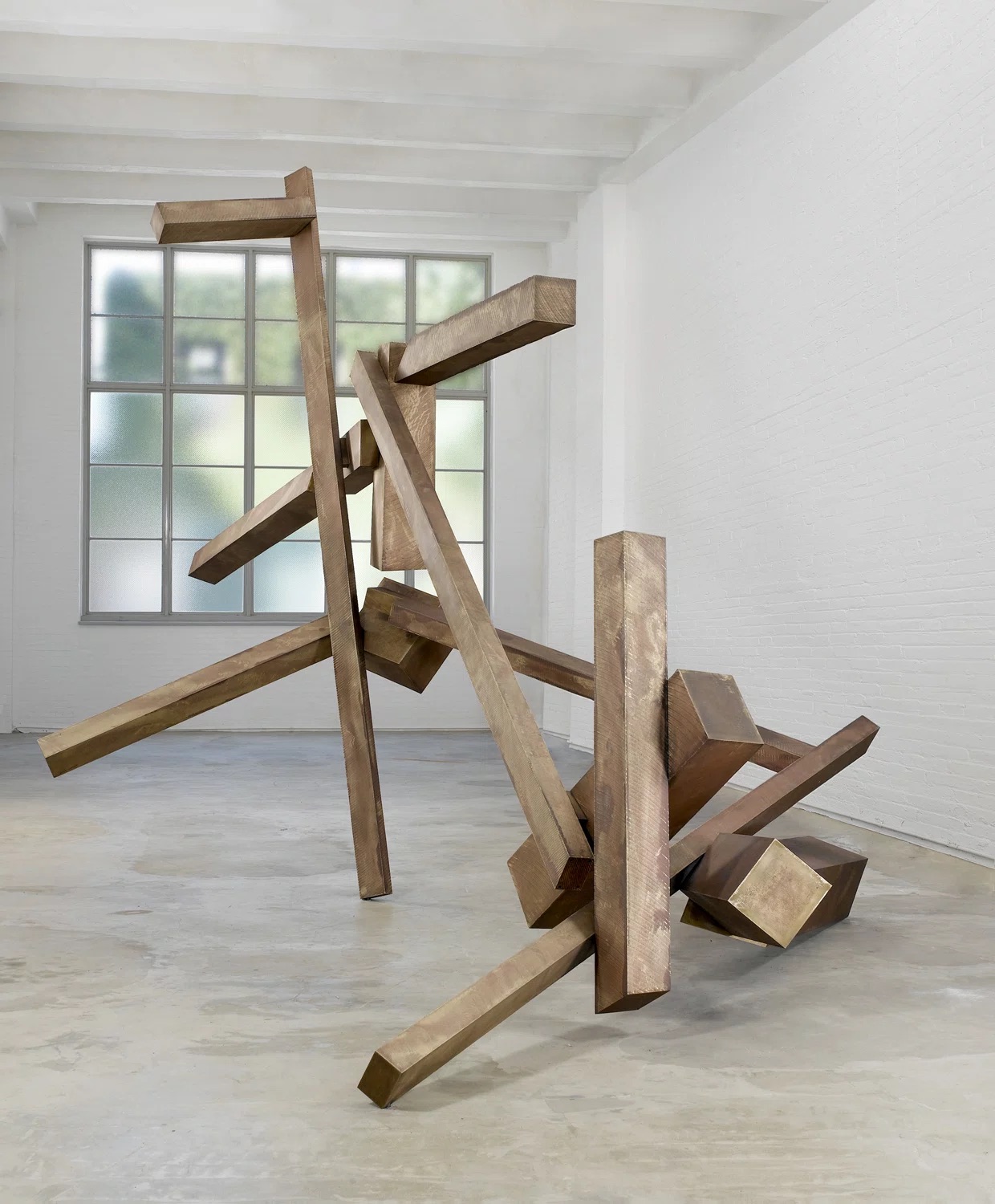
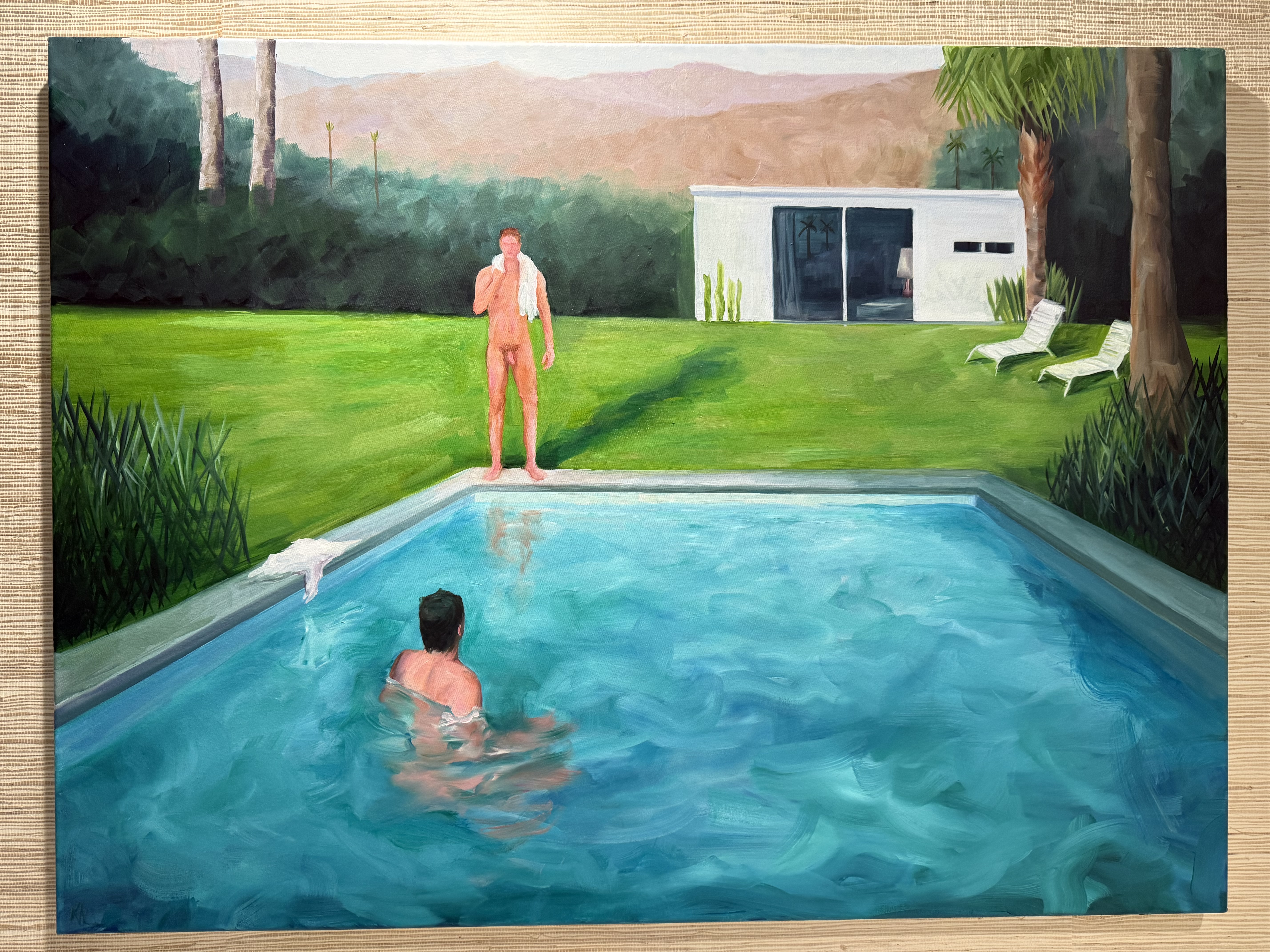
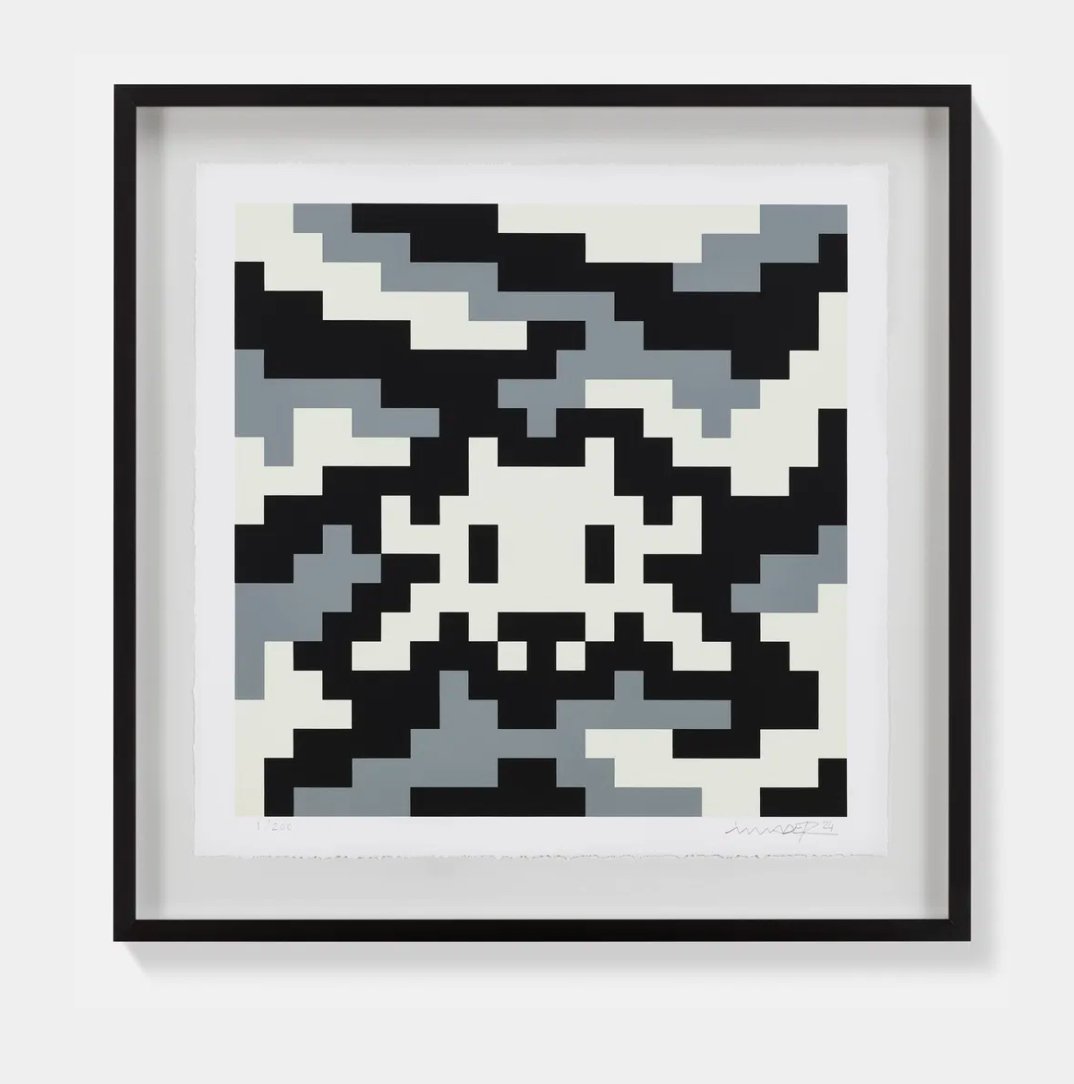
Modernist Sculpture
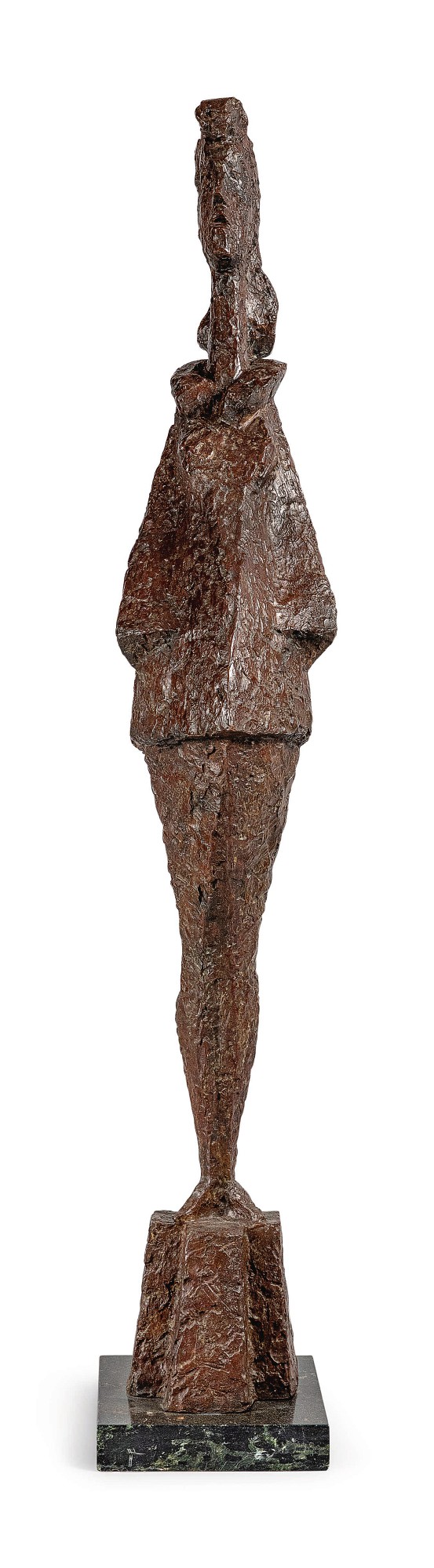
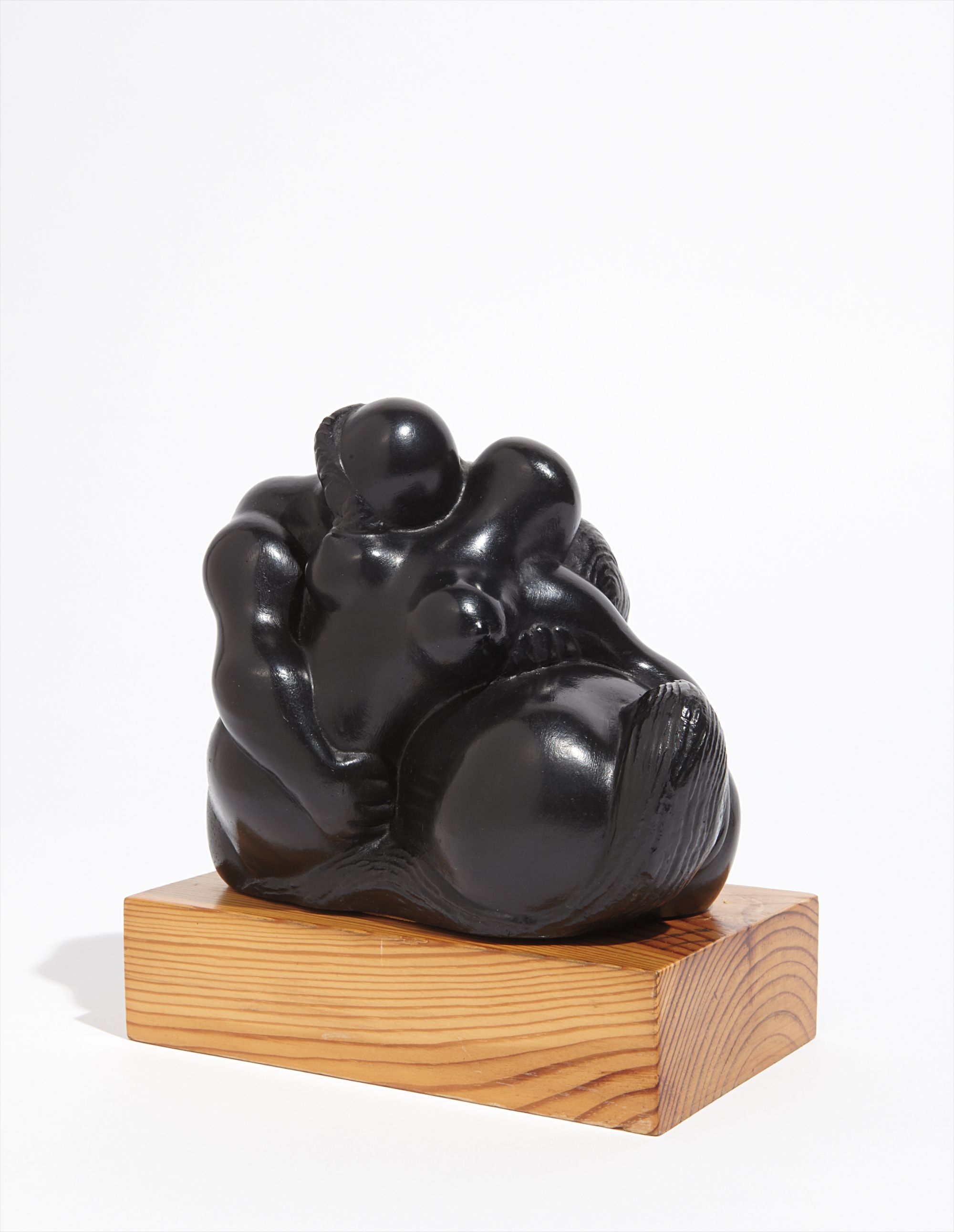
Chaim Gross
Young Mother
Form Freed From Stone: Sculpture Thinks
There is a moment when you stand before a great modernist sculpture and feel, almost physically, that something has shifted in the world. Not just the object in front of you, but the very idea of what an object can be, what it can mean, what it is allowed to do in space. That feeling is not accidental. It is the residue of one of the most radical transformations in the history of art, a century long argument about mass, void, material, and meaning that reshaped how human beings understand three dimensional form.
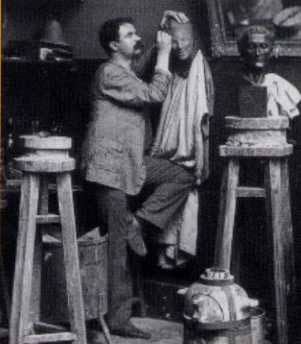
The roots of modernist sculpture reach back into the late nineteenth century, but the real rupture came in the first decades of the twentieth. Auguste Rodin had already loosened the grip of academic convention, allowing unfinished surfaces and psychological intensity to enter the tradition. But it was his Italian contemporary Medardo Rosso who pushed further still, dissolving solid form into light and atmosphere, making bronze and wax feel as provisional as a half remembered impression. Rosso worked in Paris in the 1880s and 1890s and his work anticipated much of what would come, treating the boundary between figure and environment as something porous and negotiable rather than fixed.
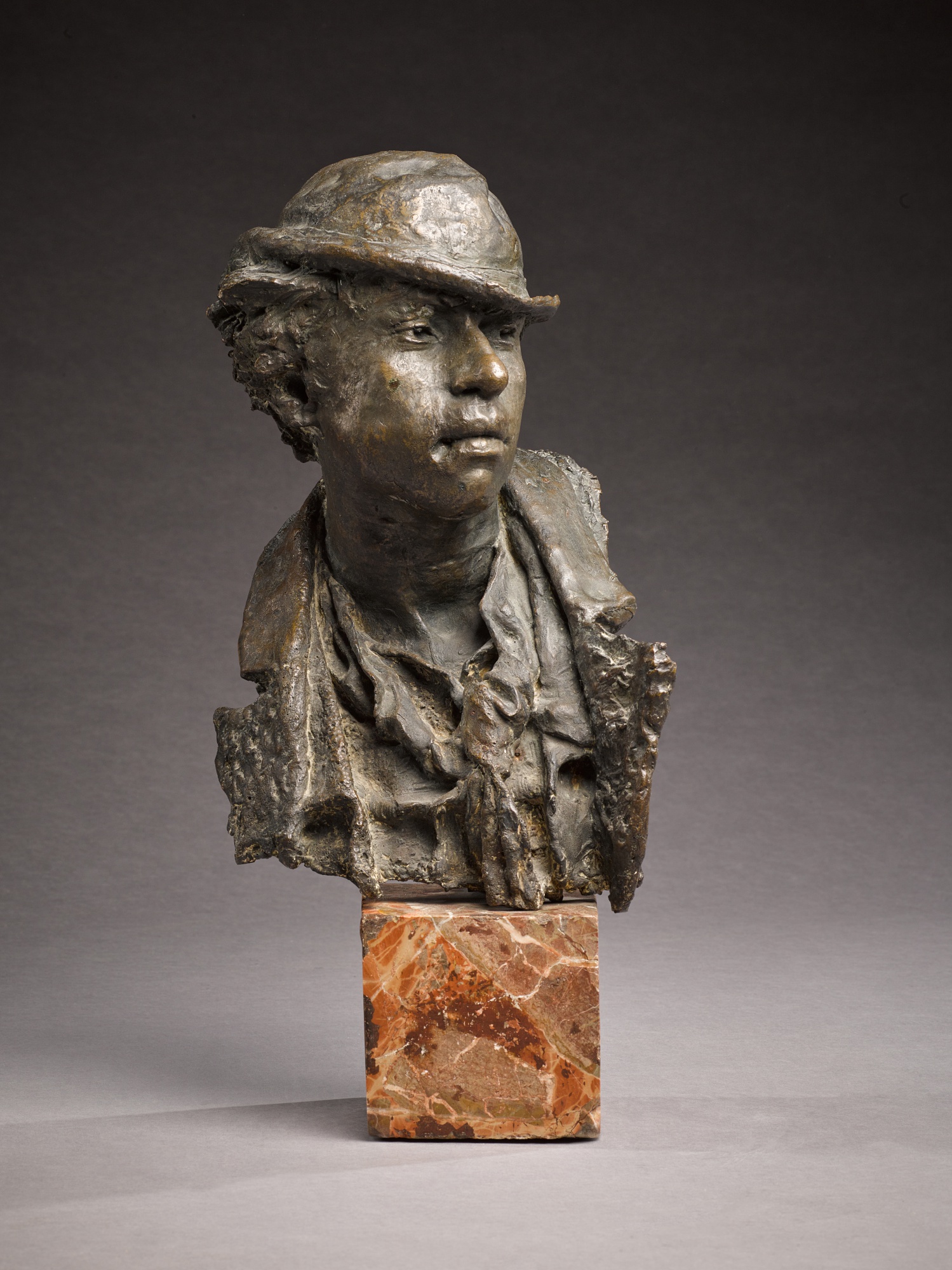
Medardo Rosso
El Locch
By the time the major avant garde movements crystallized around 1910 and into the 1920s, sculpture had become one of the most contested territories in modern art. Cubism gave sculptors permission to fracture form. Constructivism demanded that sculpture take on architectural ambition and engage with industrial materials. The result was an explosion of approaches that shared almost nothing except a refusal of the past.
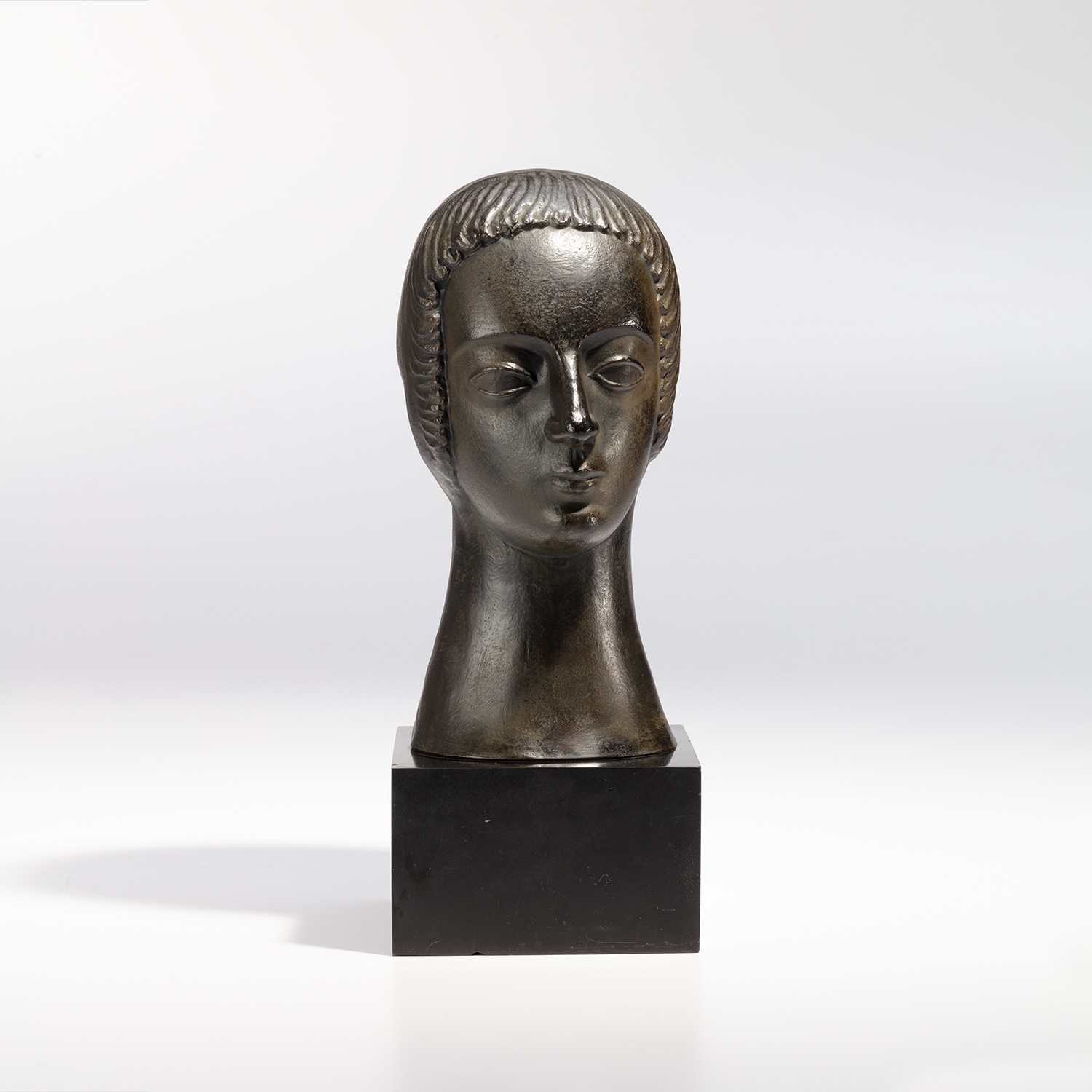
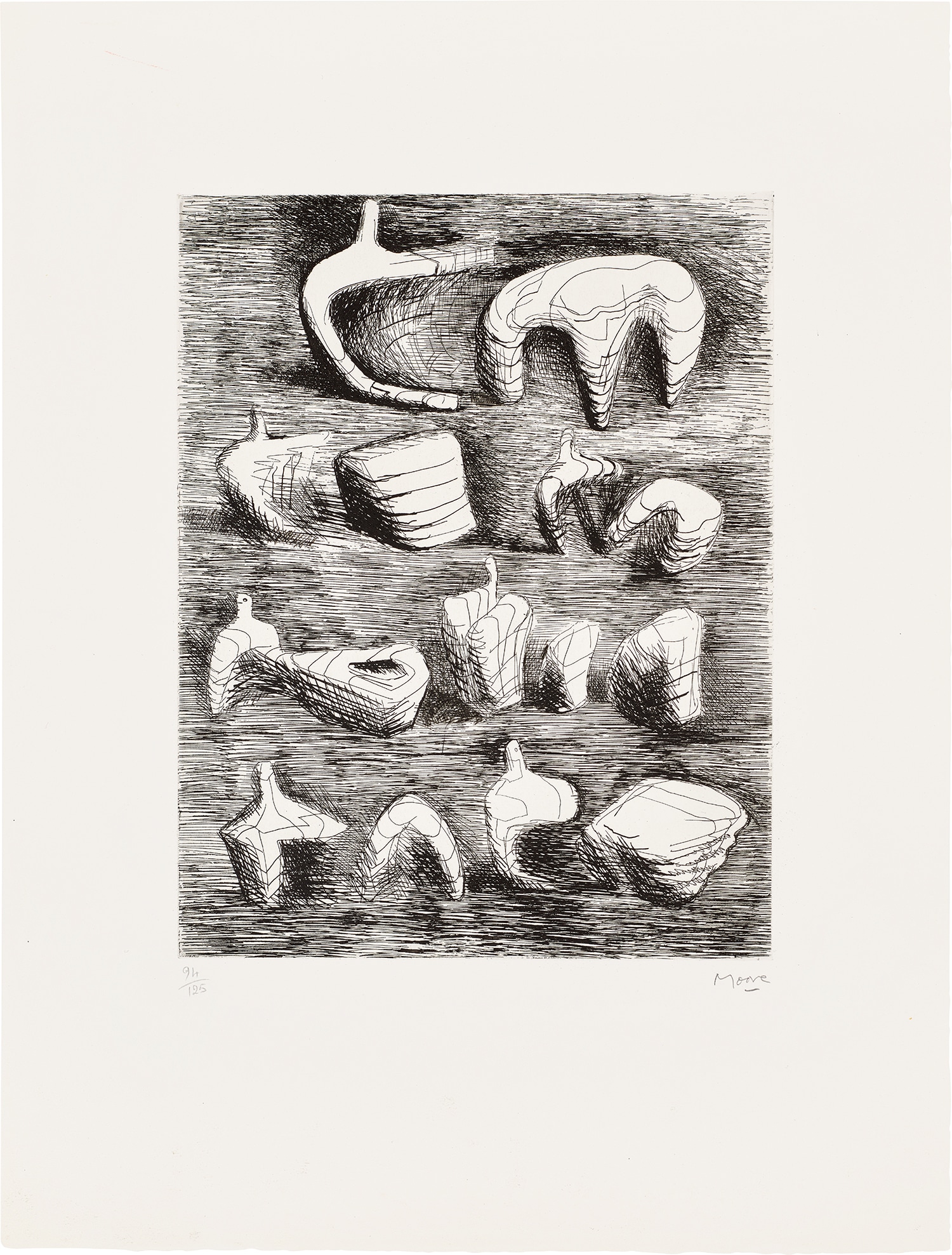
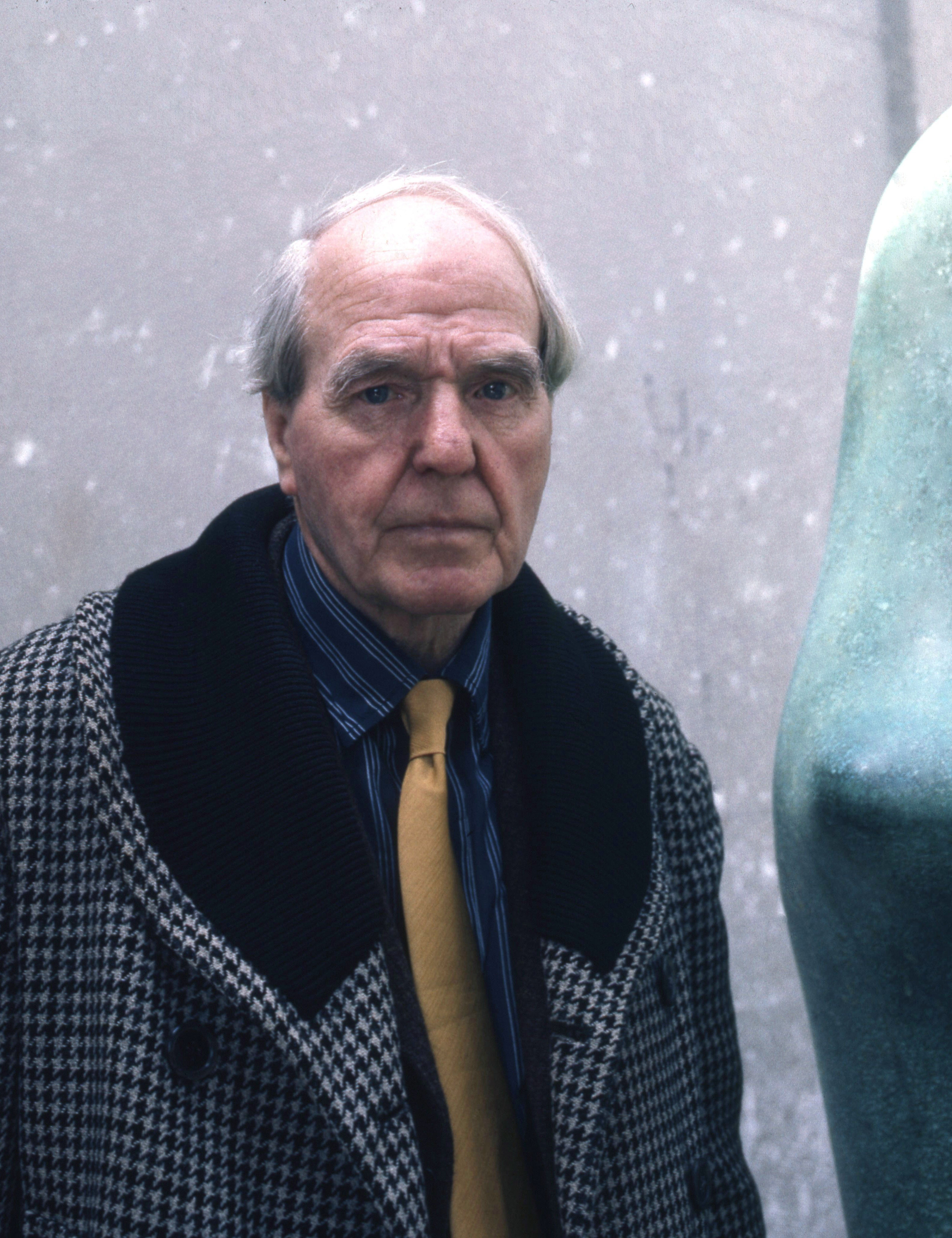
Moissey Kogan, working in the orbit of the German Expressionists and later the Paris School, brought a tender, almost archaic simplicity to the figure, proving that modernity did not require aggression. Around the same time, Renée Sintenis was carving out a remarkable career in Berlin, her small animal bronzes possessing an energy and nervous vitality that felt entirely of their moment, earned rather than decorative. The interwar years consolidated a generation of sculptors who would define the movement for decades. Henry Moore, working in Britain from the 1930s onward, transformed the reclining figure into a landscape unto itself, introducing voids and apertures that made the space inside and around a sculpture as meaningful as the material itself.
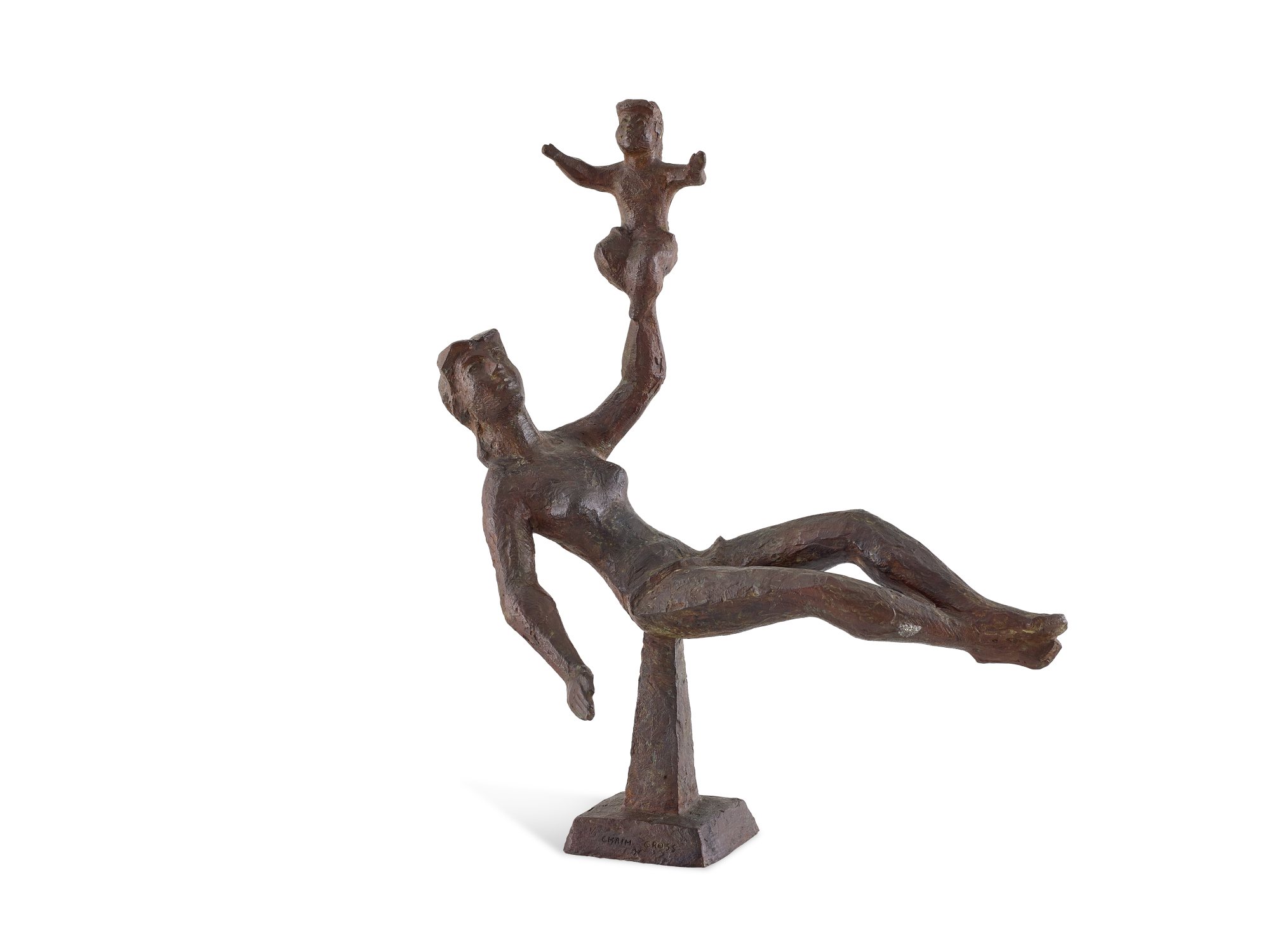
Chaim Gross
Young Mother
His 1948 Venice Biennale prize brought him international recognition and placed British sculpture firmly on the global map. Chaim Gross, working in New York during the same period, approached the figure with a joyful directness in carved wood, his work rooted in both Jewish cultural tradition and an American vernacular energy. These were not peripheral figures but architects of a new visual language. In Paris, the School of Paris gathered artists from across Europe and beyond, and sculpture benefited enormously from this cross pollination.
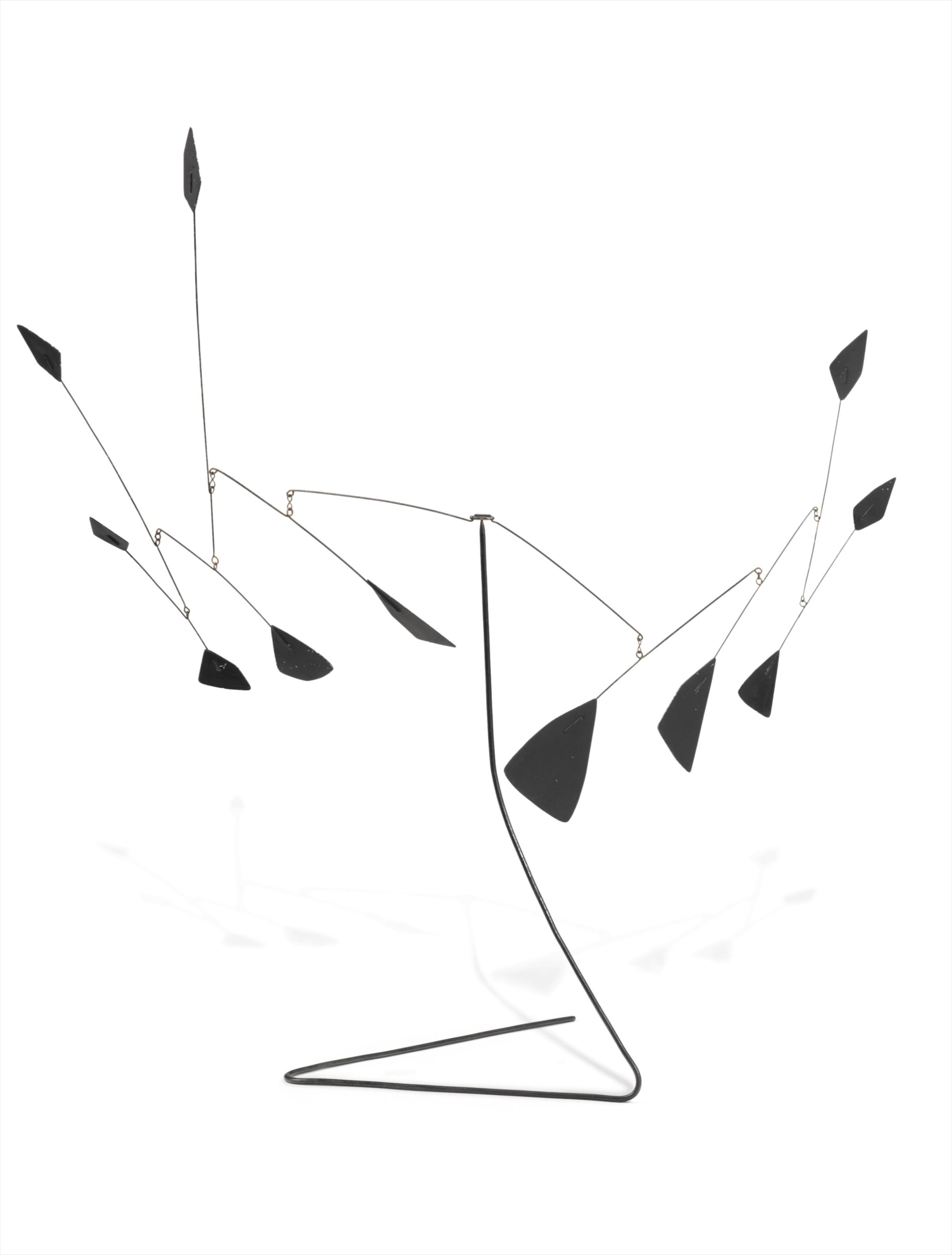
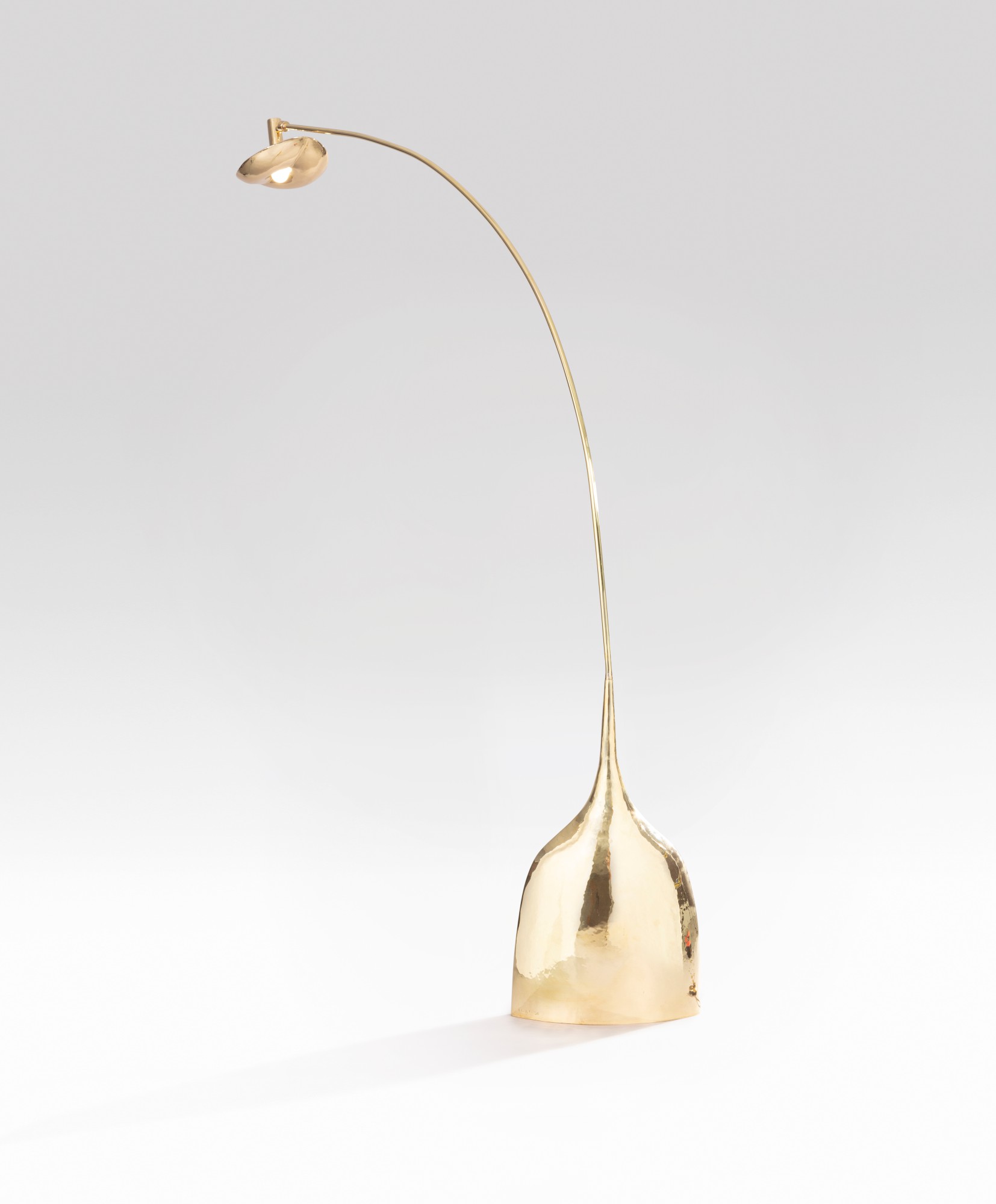
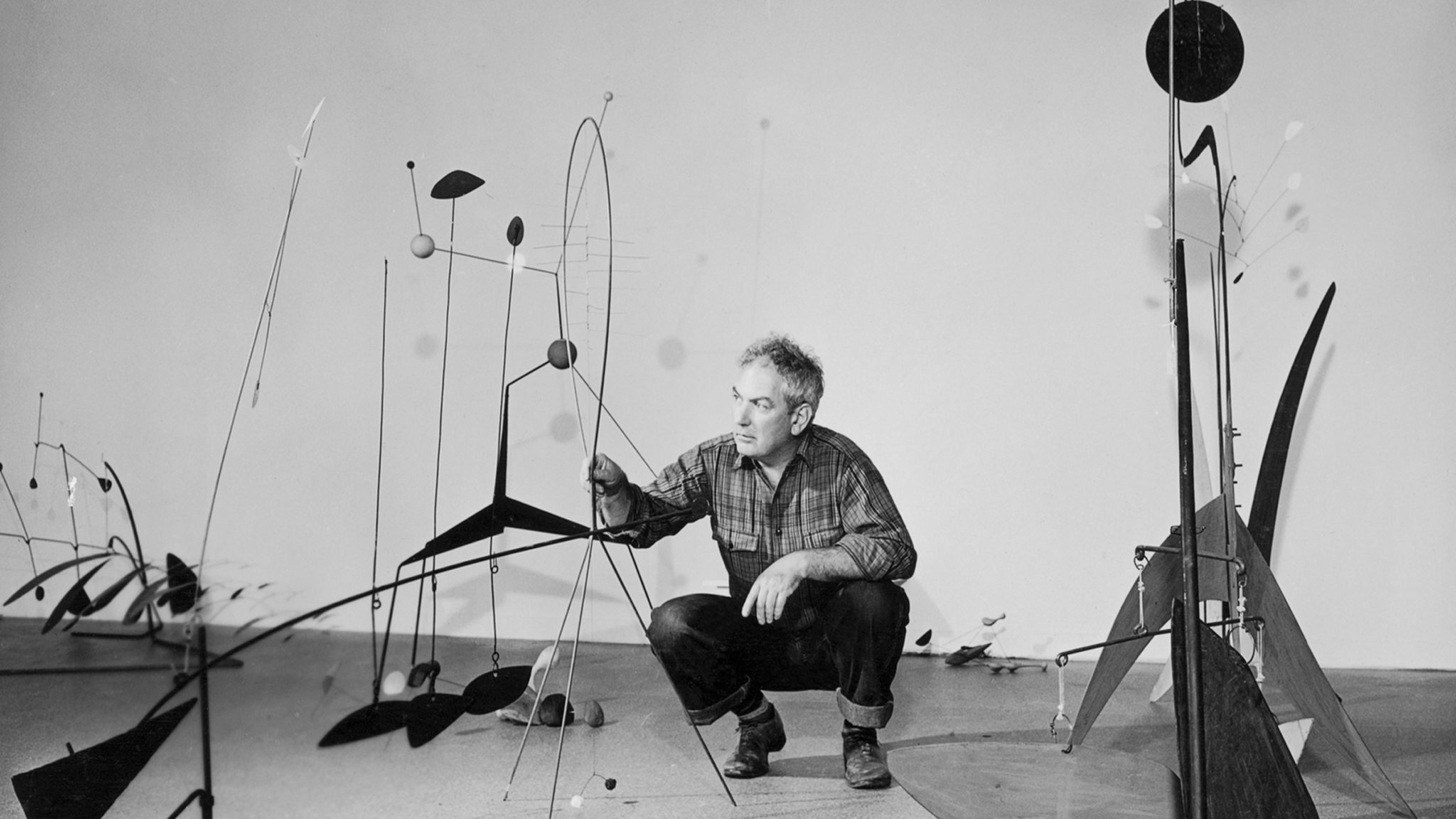
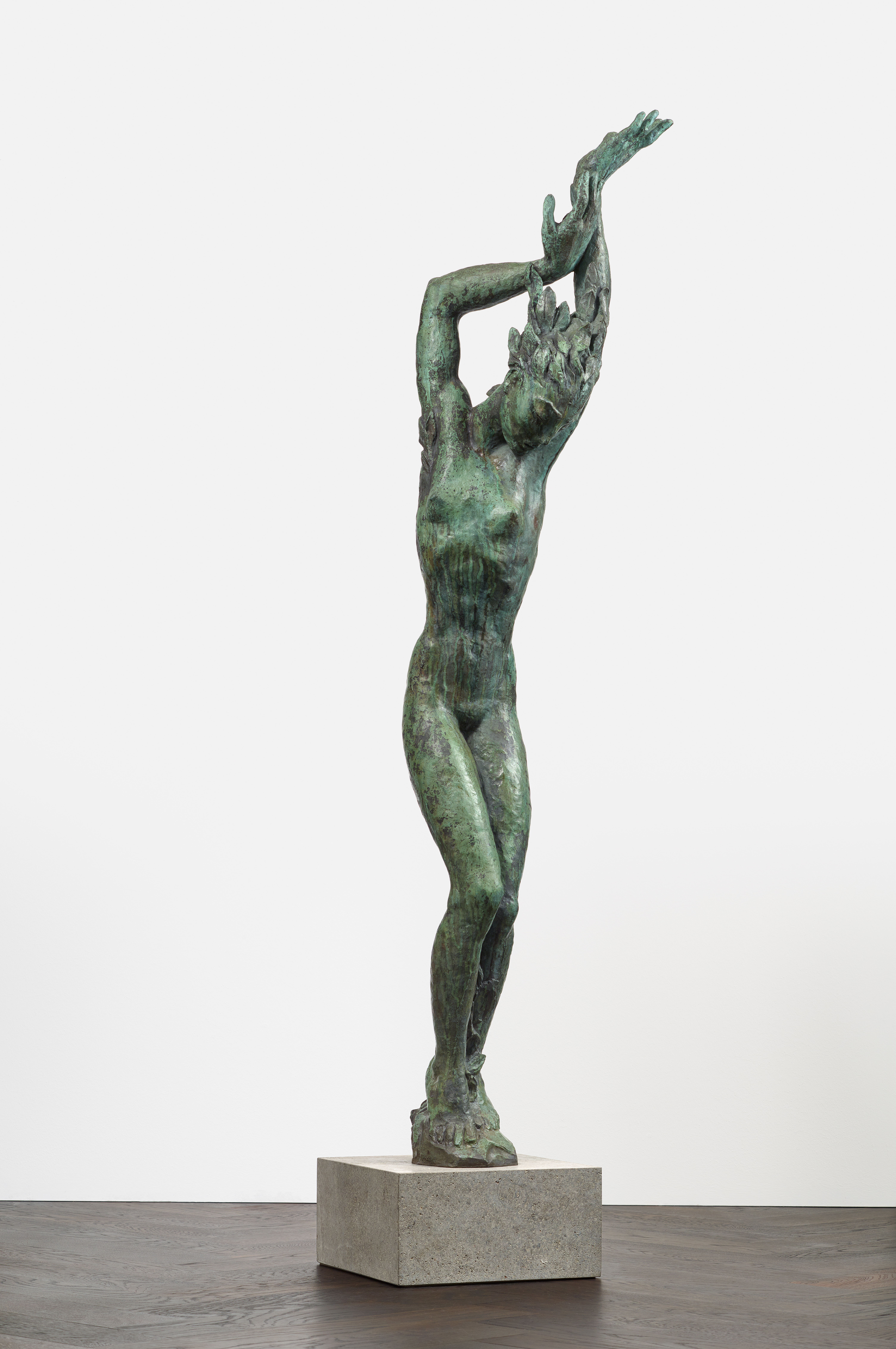
Baltasar Lobo, a Spanish sculptor who fled Franco and settled in France, developed a lyrical approach to the female form that owed debts to both Moore and Brancusi while remaining unmistakably his own. Alongside him, Philippe Hiquily was forging something more restless and erotically charged, his welded metal figures full of joints and pivots that recalled both the studio and the machine. Welding and direct metalwork had transformed what sculpture could be in the 1930s, and by the postwar period the torch had become as fundamental a tool as the chisel. Alexander Calder deserves his own consideration.
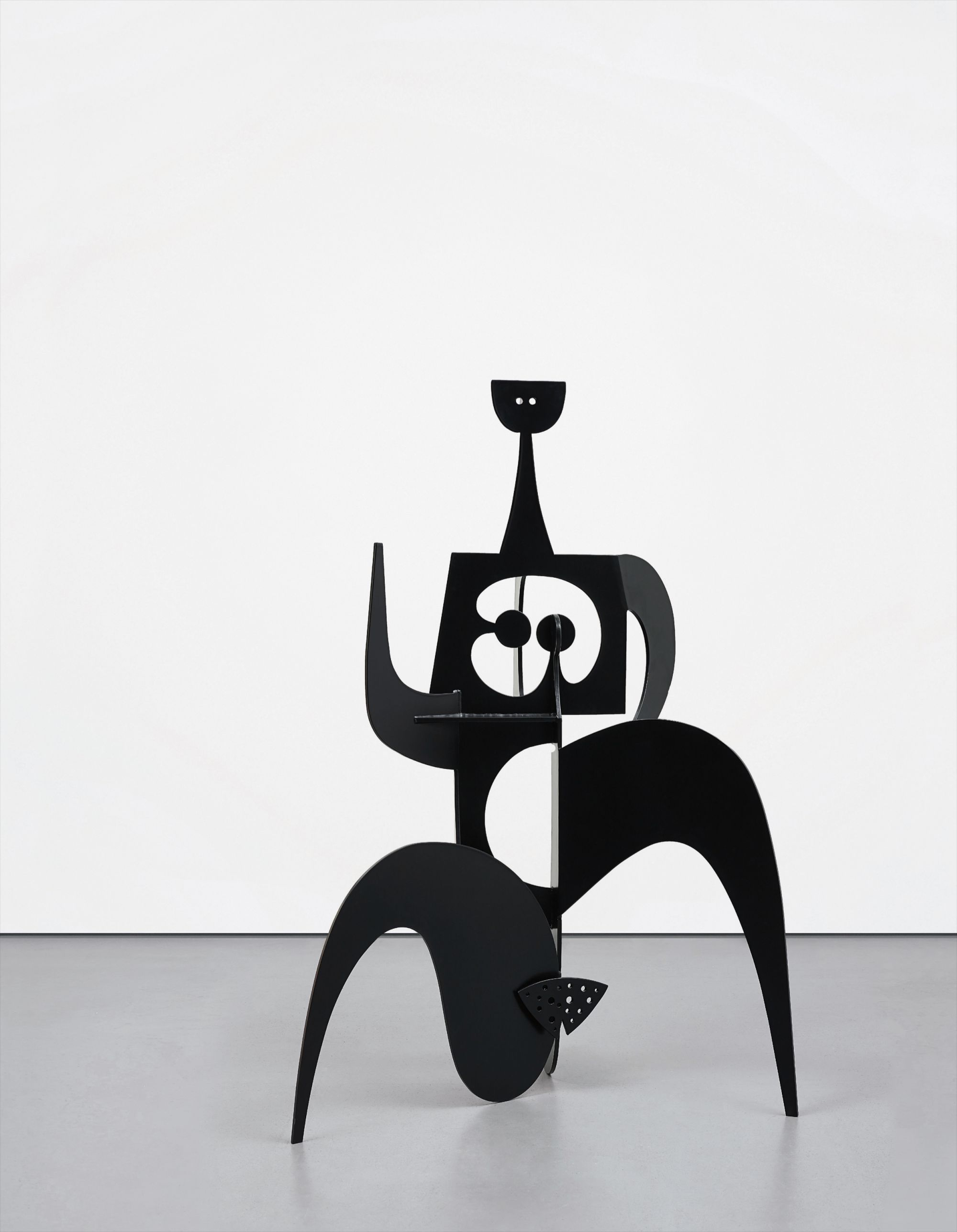
Philippe Hiquily
La Marathonienne
No other artist of the twentieth century so thoroughly reimagined what sculpture could do simply by insisting it could move. His mobiles, beginning in the early 1930s after his famous visit to Mondrian's studio in Paris, introduced time and chance as genuine sculptural materials. The work was never the same twice, which was entirely the point. Calder dissolved the distinction between painting and sculpture, between the static and the kinetic, and in doing so opened a door that subsequent generations have never fully closed.
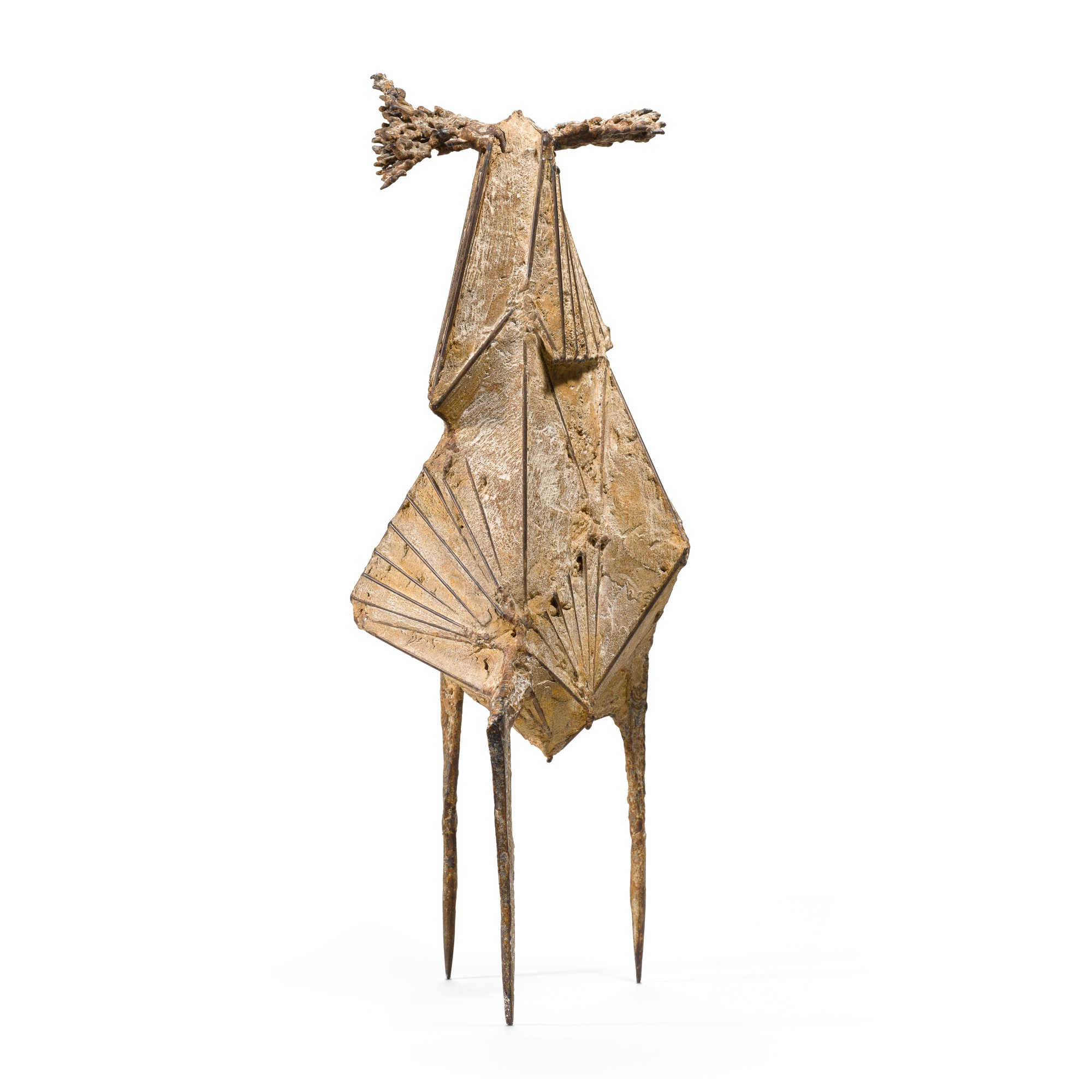
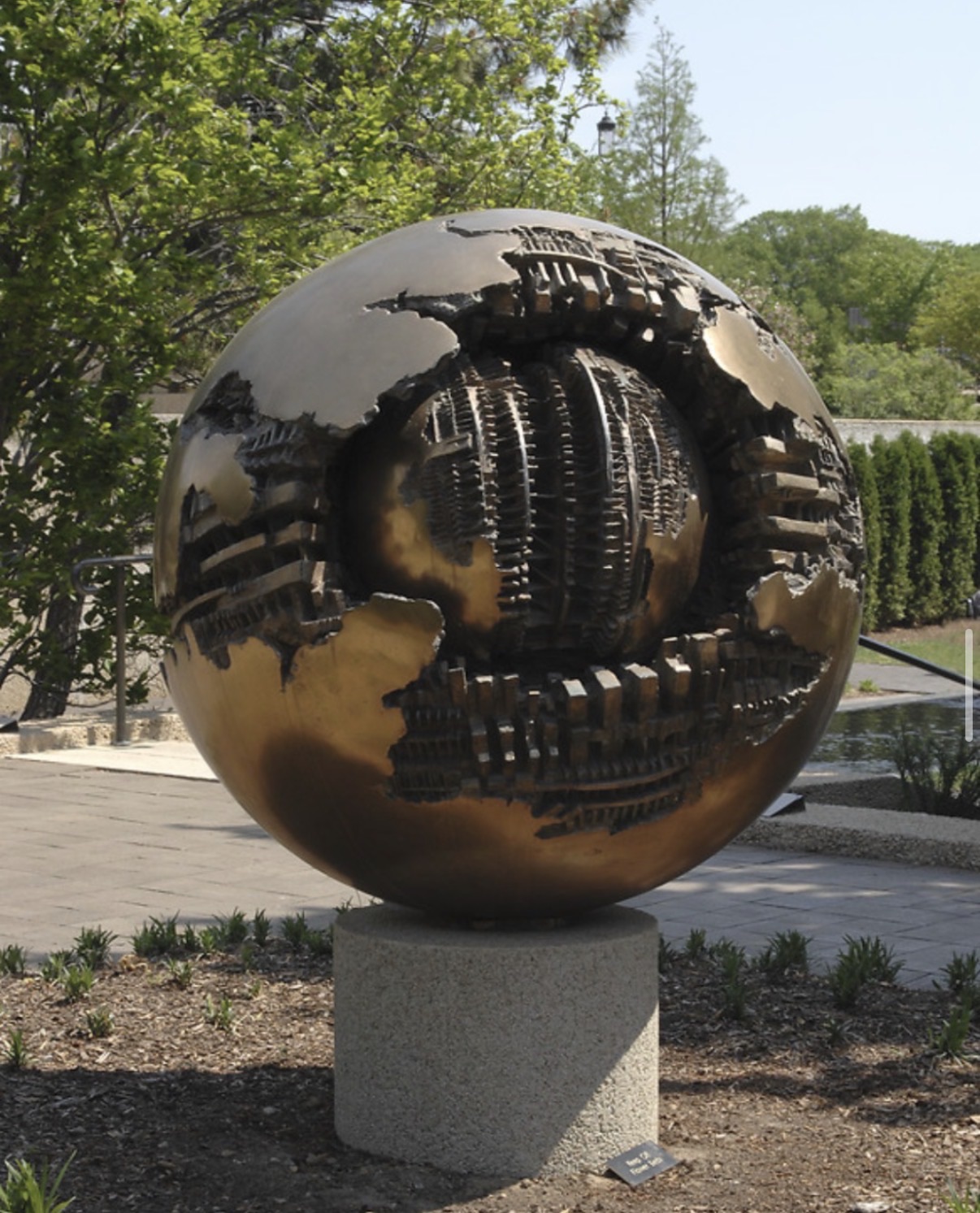
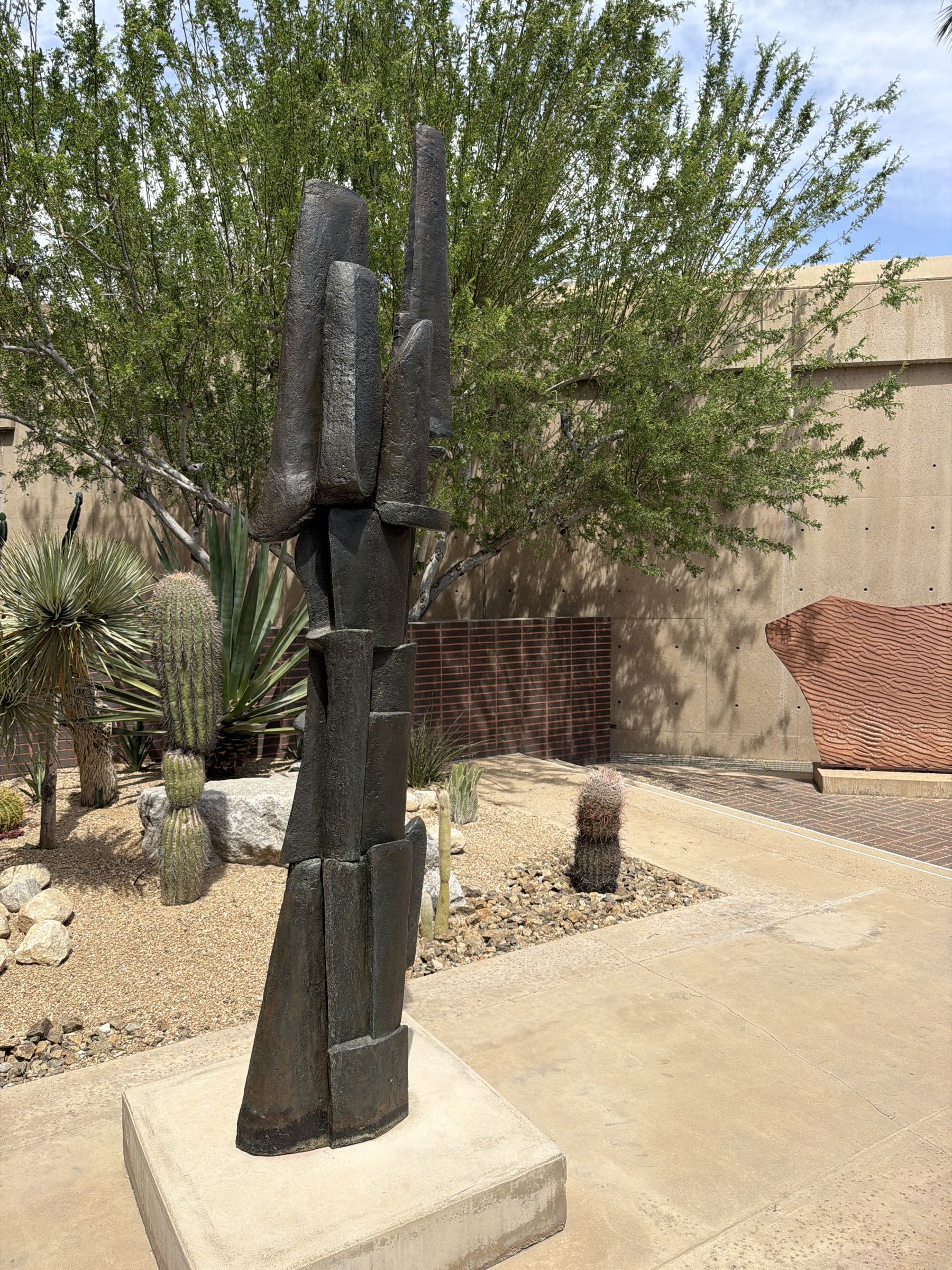
The postwar decades brought both consolidation and rupture. Lynn Chadwick emerged in Britain in the 1950s with angular, insect like figures in iron and bronze that felt alien and unsettling in ways that spoke directly to postwar anxiety. He won the Venice Biennale's International Sculpture Prize in 1956, a signal moment that confirmed a new generation was ready to inherit and challenge the tradition simultaneously. In Italy, Arnaldo Pomodoro took the sphere and the cylinder, those most classical of forms, and opened them to reveal complex interior worlds of gears and matrices, as though the smooth surface of civilization barely contained its own mechanisms.
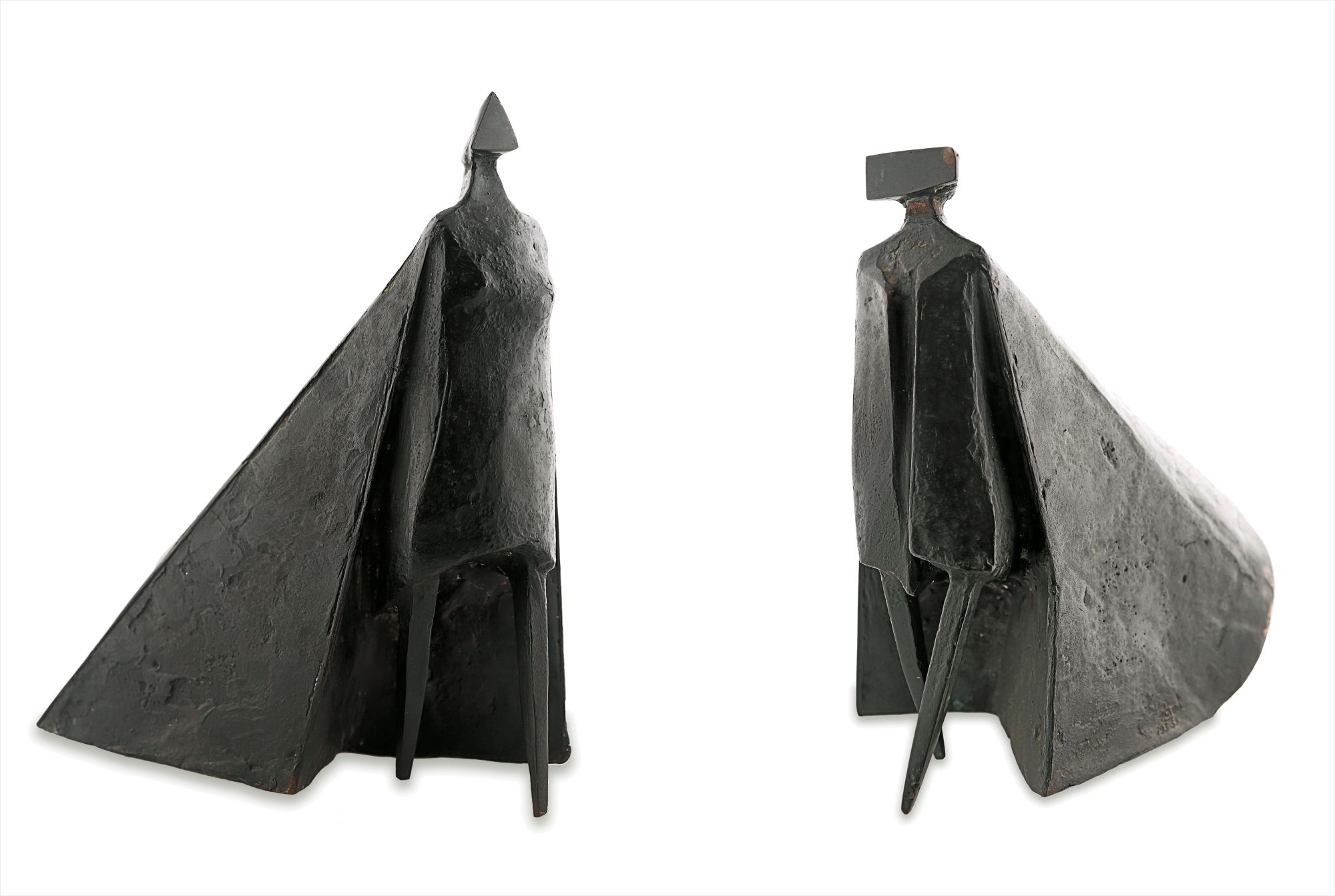
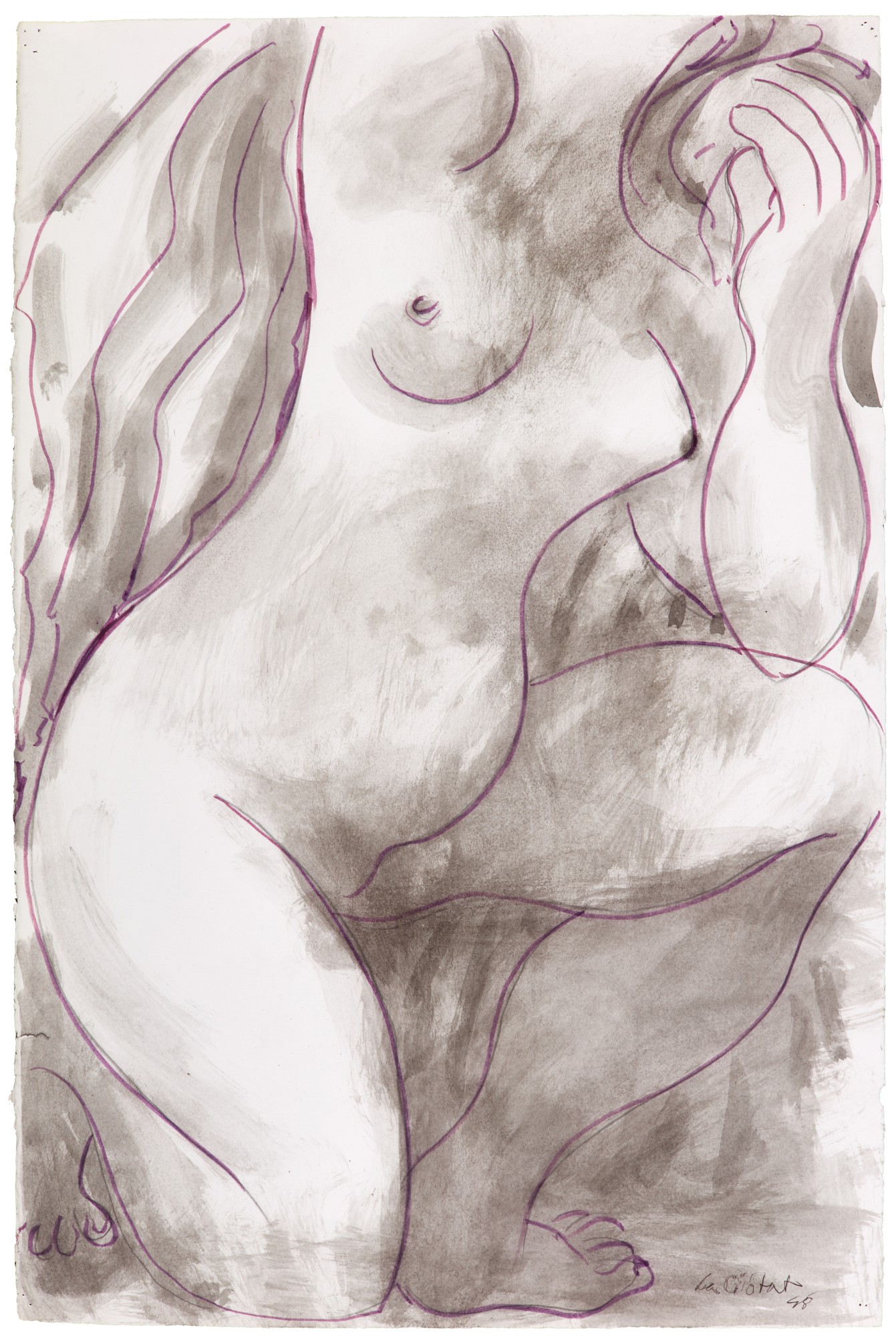
Lynn Chadwick
Walking Cloaked Figure VI
His work carries an almost philosophical weight, the kind of object that invites you to think about what lies beneath any polished exterior. The question of material has always been central to the story. Early modernists expanded the vocabulary from marble and bronze to wood, iron, wire, and found objects. By the late twentieth century, sculptors were working with everything from industrial steel to resin to light itself.
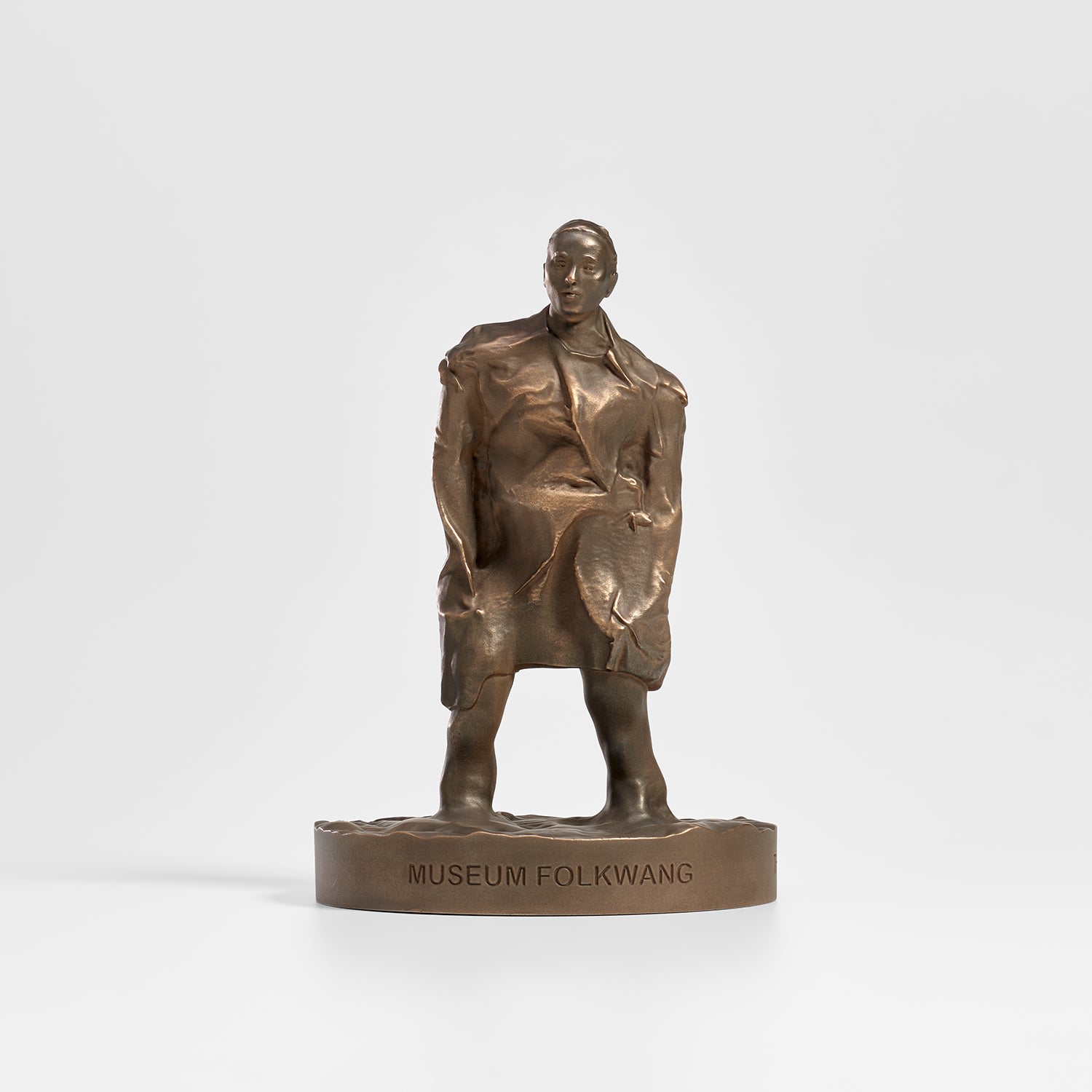
Thomas Schütte, one of the most thoughtful sculptors working today, moves between ceramics, steel, and architectural models with a conceptual fluency that reflects this inheritance fully absorbed. His figures are often unsettling, sometimes grotesque, always probing at the limits of what representation can bear. He is a reminder that modernist sculpture was never simply about form for its own sake but about what form is capable of saying. The works represented on The Collection span this entire arc, from the early intimacies of Rosso and Kogan through the monumental ambitions of Moore and the kinetic intelligence of Calder to the searching contemporary practice of Schütte.
What unites them is not style or material or even period, but a shared conviction that sculpture is a form of thought, that objects placed in space can carry argument, feeling, and memory in ways that no other medium can replicate. To collect in this area is to participate in one of the great ongoing conversations in art history, one that began over a century ago and shows no sign of resolution, which is precisely what makes it so alive.