Medieval
Archived article
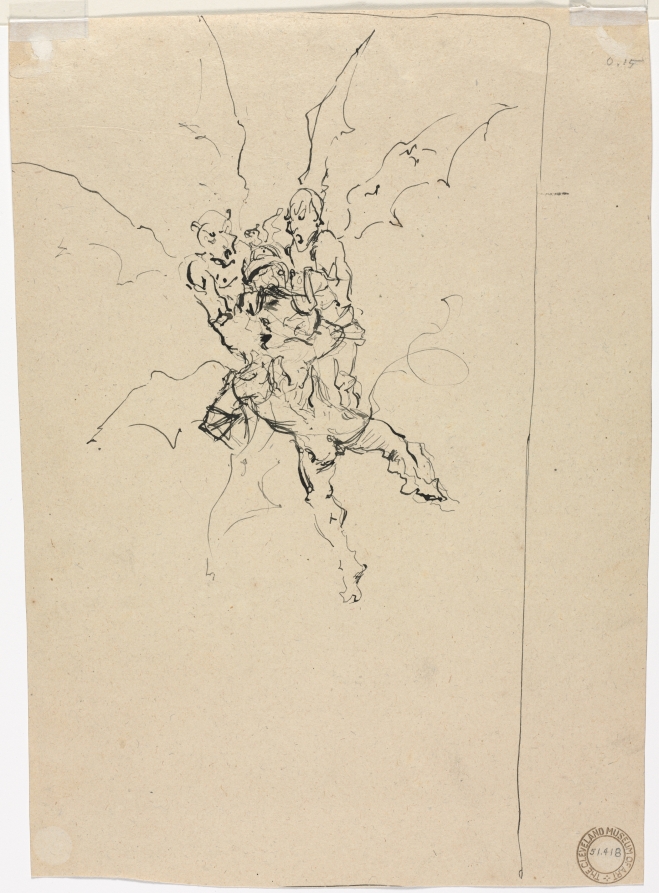
Unknown Artist
Three Demons Holding a Knight (verso)
You are reading a previous version of this article.
Read the latest version```json { "headline": "The Medieval Object Refuses to Stay in the Past", "body": "There is something almost irrational about the pull of medieval art, and collectors who have felt it tend to describe the experience in similar terms: a kind of recognition, as if the object were speaking across centuries in a register you did not know you understood. Part of this is material. A carved alabaster panel from Nottingham, a gilt copper figure worn smooth by devotional hands, a qingbai bowl whose glaze holds light the way still water does these things were made with an intensity of purpose that very little contemporary production can match. When you live with a medieval work, you are not displaying a commodity.
You are hosting a conviction.", "Collectors drawn to this period are often surprised to discover how broad the category actually is. The European tradition of panel painting, manuscript illumination, and devotional sculpture is only one corridor in a much larger house. Across the same centuries, Tibetan ritual bronzes were being cast with extraordinary sophistication, Chinese ceramics were reaching formal heights that would not be surpassed, and craftsmen in Limoges were developing enamelwork techniques that still astonish conservators today.
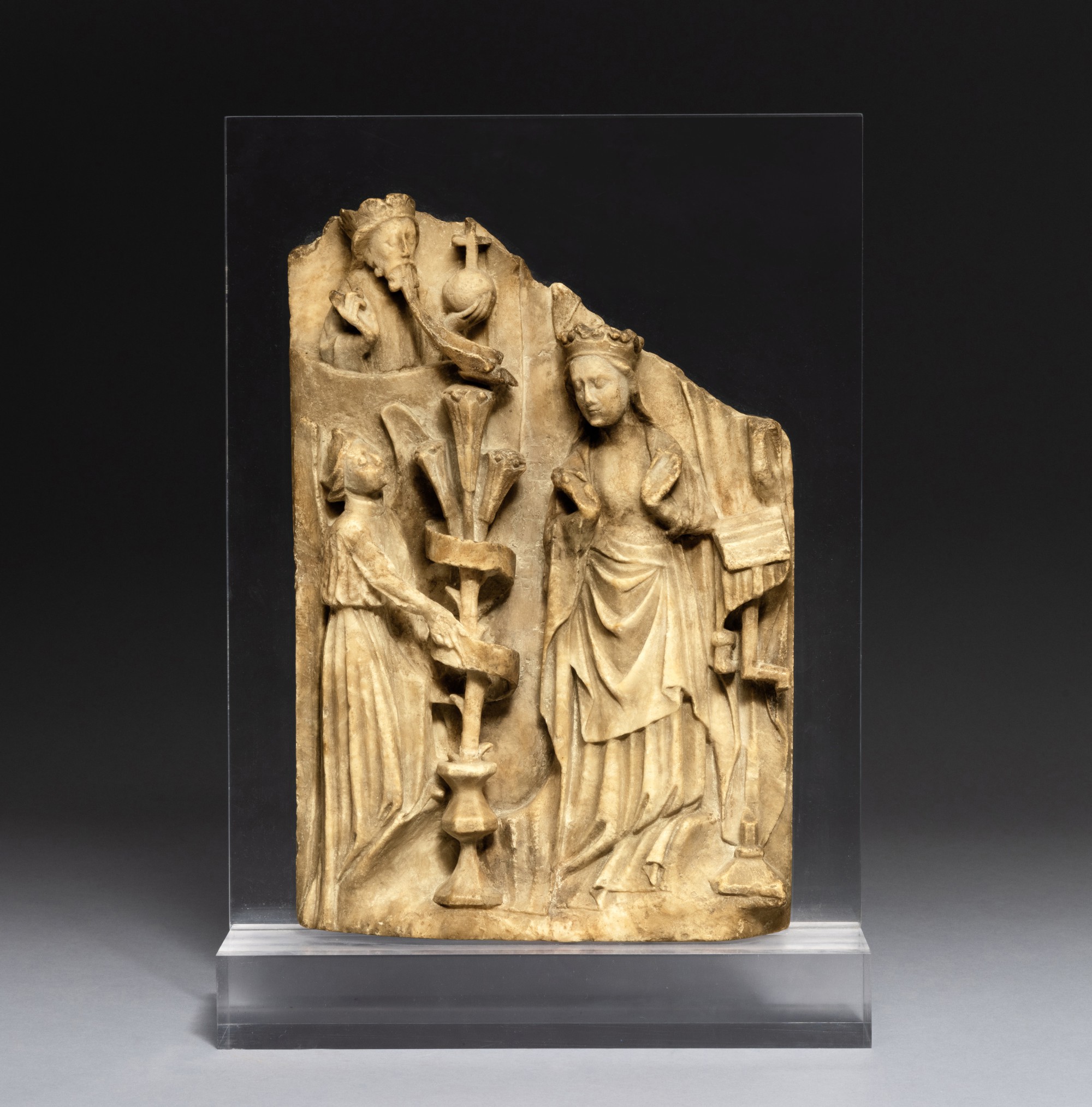
English, Nottingham, 15th century
The Annunciation
The diversity within the medieval period is one of its great attractions for the serious collector: a coherent chronological sensibility can accommodate wildly different aesthetic traditions, and the conversations between objects from different cultures can be genuinely revelatory.", "What separates a good medieval work from a great one is, above all, presence. This sounds vague until you stand in front of something that has it, at which point the concept becomes entirely concrete. Beyond presence, condition is paramount, but condition in the medieval context requires nuanced understanding.
A thirteenth century Limoges champlevé enamel that has lost some gilding is not necessarily compromised; the loss may itself be a form of honest biography. What damages a work fatally is intervention: over cleaning, repainting, structural repairs that alter proportion or surface. Collectors should always ask for condition reports from an independent conservator, not the selling gallery, and should ask specifically about past restorations. Provenance, particularly documentation predating 1970, the watershed year for international cultural property law, is now non negotiable for any serious acquisition.
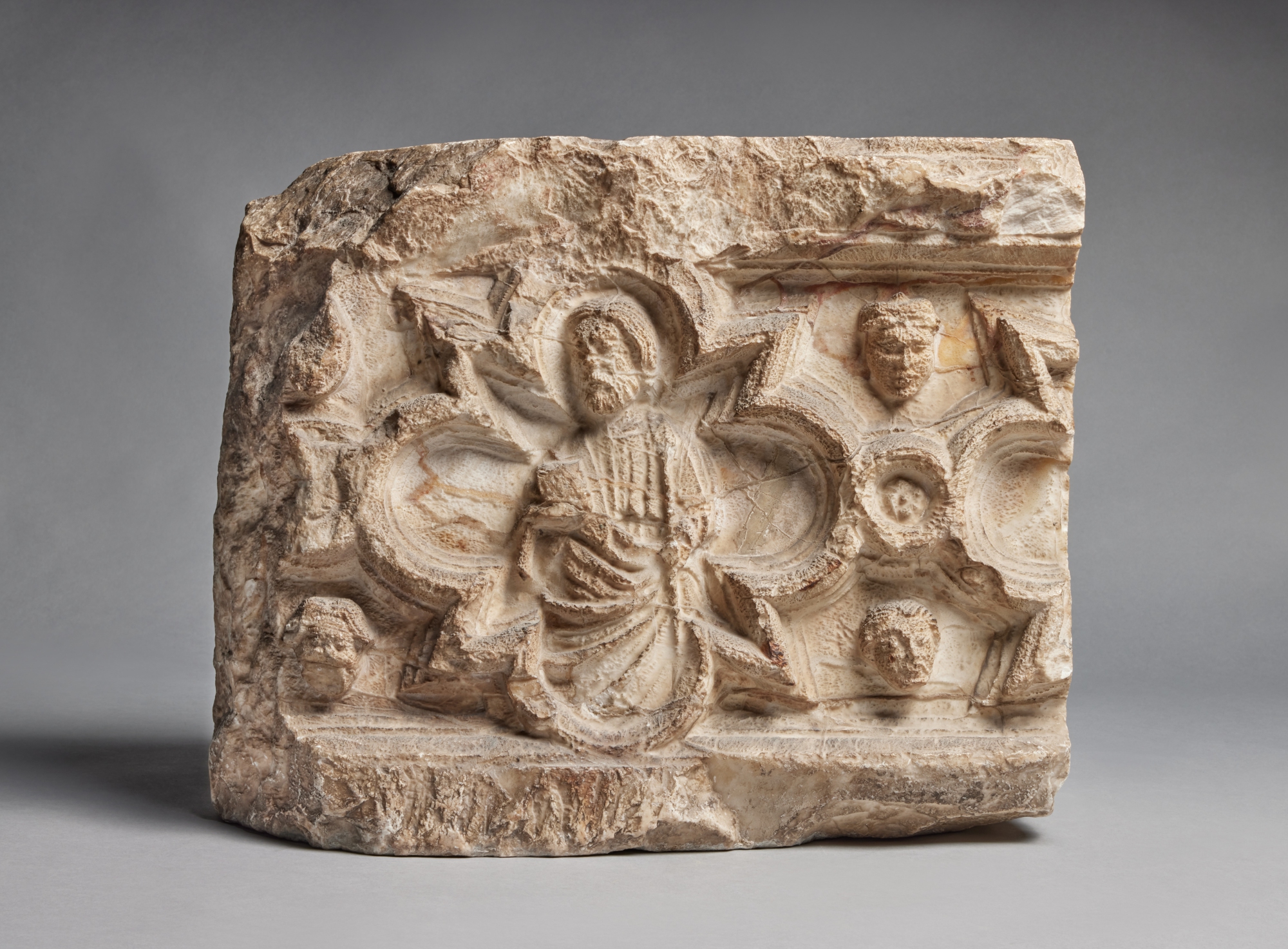
North Italian, 14th century
Architectural Fragment with a Saint
", "Within the works represented on The Collection, certain attributions reward close attention. The alabaster panels associated with English, probably Nottingham, fifteenth century production are among the most collectible objects in medieval European art. Nottingham workshops dominated the European market for devotional alabaster between roughly 1350 and 1530, exporting carved panels and altarpiece components as far as Scandinavia and Iberia. Works from this tradition carry a very specific cultural weight, and because they were produced in significant numbers for a broad market, they remain more accessible than equivalent French or Flemish work of the same period.
The Follower of Rogier van der Weyden is another designation worth understanding: works in this category were produced in the orbit of one of the most influential painters of the fifteenth century Flemish tradition, and they carry the compositional intelligence and emotional gravity of that lineage even when the master's own hand is absent.", "Niccolò di Pietro Gerini, the late fourteenth century Florentine painter active in the tradition bridging Orcagna and the early Renaissance, represents a different kind of opportunity. His work is documented, attributed with reasonable confidence, and sits at a moment of genuine historical pivot. Collectors interested in the transition from Byzantine inflected Gothic to the emerging naturalism of the Quattrocento will find Gerini a rewarding focus.
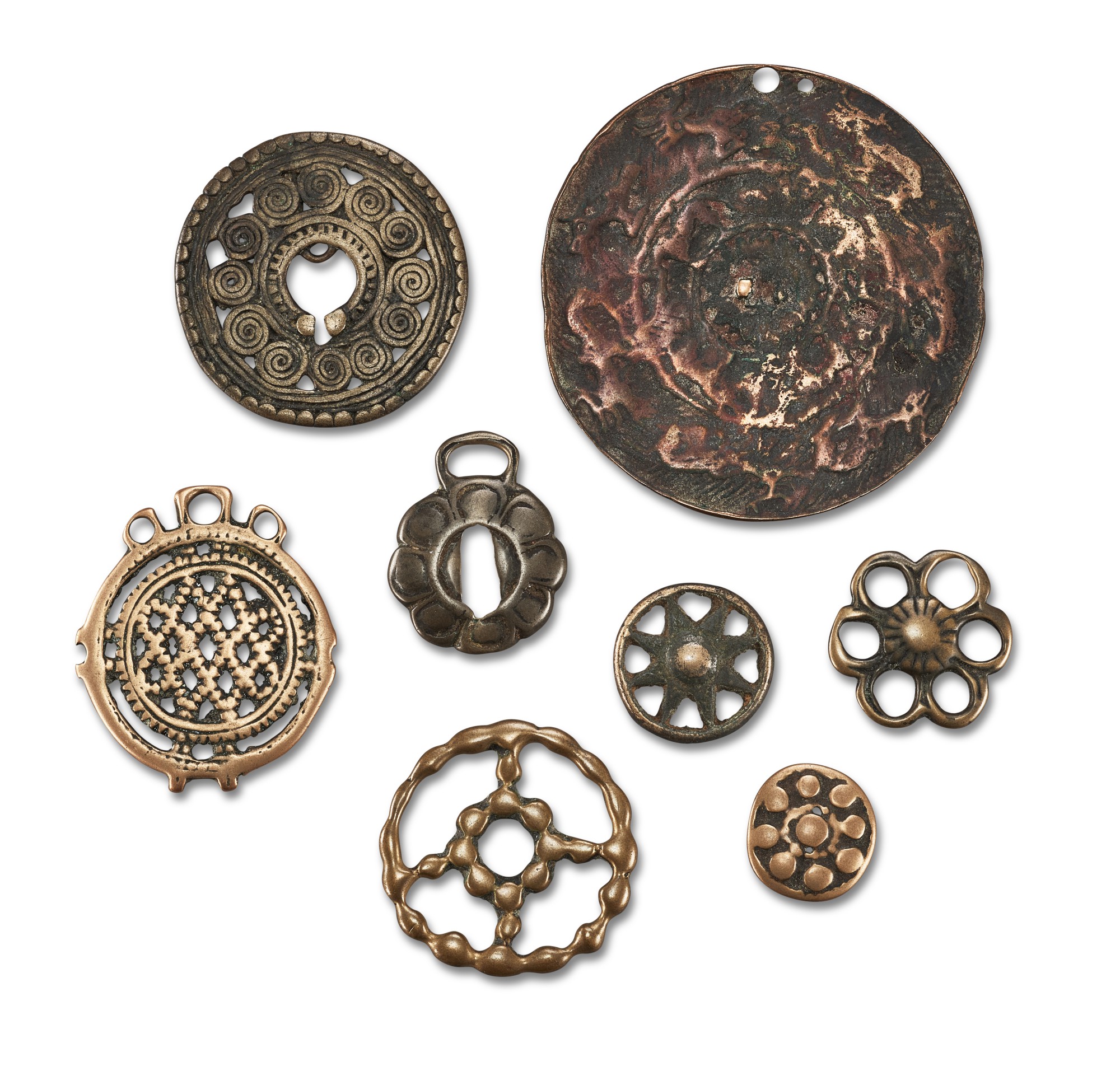
A group of 8 copper-alloy thogchags,
A group of 8 copper-alloy thogchags, Tibet, 12th - 15th century 十二至十五世紀 西藏 各式天鐵一組八件
Similarly, Albrecht Dürer and Martin Schongauer, both well represented in print culture at the threshold of the medieval and early modern, offer collectors entry into the graphic tradition at a level of quality and historical significance that is genuinely rare. Schongauer in particular, working in the 1470s and 1480s, produced engravings of a technical refinement that influenced Dürer directly and shaped the entire subsequent history of Northern European printmaking.", "On the subject of Tibetan and Himalayan material, the copper alloy figures and ritual objects in this category occupy a market that has matured considerably over the past two decades. A gilt copper alloy figure of Hevajra, for example, requires a collector to engage seriously with iconographic specificity, regional attribution, and dating criteria that are genuinely complex.
The thogchag tradition, small cast metal amulets used across the Tibetan plateau, represents a more accessible entry point: individual pieces can be acquired at relatively modest price points, but assembling a coherent group with consistent quality requires real knowledge and patience. The best advice here is to find a specialist dealer with a demonstrable track record in this area and to attend preview days at the major auction houses with enough frequency that you develop your own eye.", "At auction, medieval works perform with notable consistency at the top end and with considerable volatility in the middle market. Objects with impeccable provenance, strong scholarly documentation, and condition that does not require apology tend to find their buyers reliably, even in soft market conditions.
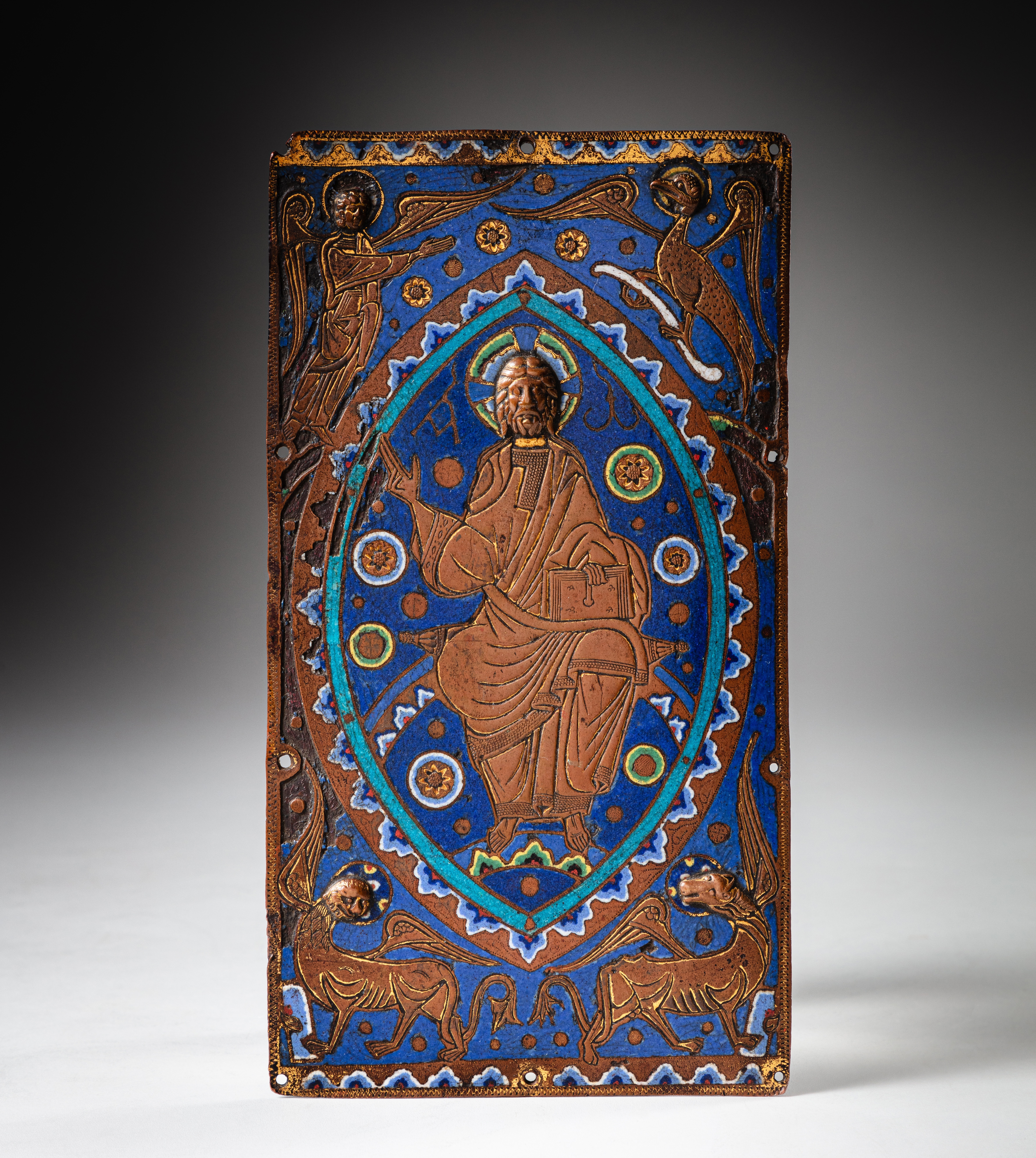
French, Limoges, circa 1200 - 1210
Limoges, vers 1200 - 1210
The difficulty is the middle tier, where attribution questions, condition issues, or incomplete provenance histories create genuine uncertainty about value. For collectors working in this range, patience is a competitive advantage: a work that does not sell at one auction can return six months later at a significantly different price, and private treaty sales through specialist dealers sometimes offer better value than the auction room for objects that carry complications.", "Practically speaking, medieval works require specific environmental care. Wooden panels are sensitive to humidity fluctuation in ways that can cause catastrophic cracking; the standard recommendation is to maintain relative humidity between 45 and 55 percent with minimal seasonal variation.
Stone and alabaster are comparatively robust but vulnerable to salt migration if displayed in environments with significant temperature cycling. Metals, particularly gilt copper alloys, should never be cleaned without professional advice. When approaching a gallery or dealer about a medieval acquisition, the questions that matter most are: who has examined this work, what is the complete provenance chain, and what is the current export and import documentation? A reputable dealer will answer all three without hesitation.
The ones who deflect or minimize are telling you something important.
Works tagged Medieval
North Italian, 14th century
Architectural Fragment with a Saint
French, Limoges, circa 1200 - 1210
Limoges, vers 1200 - 1210
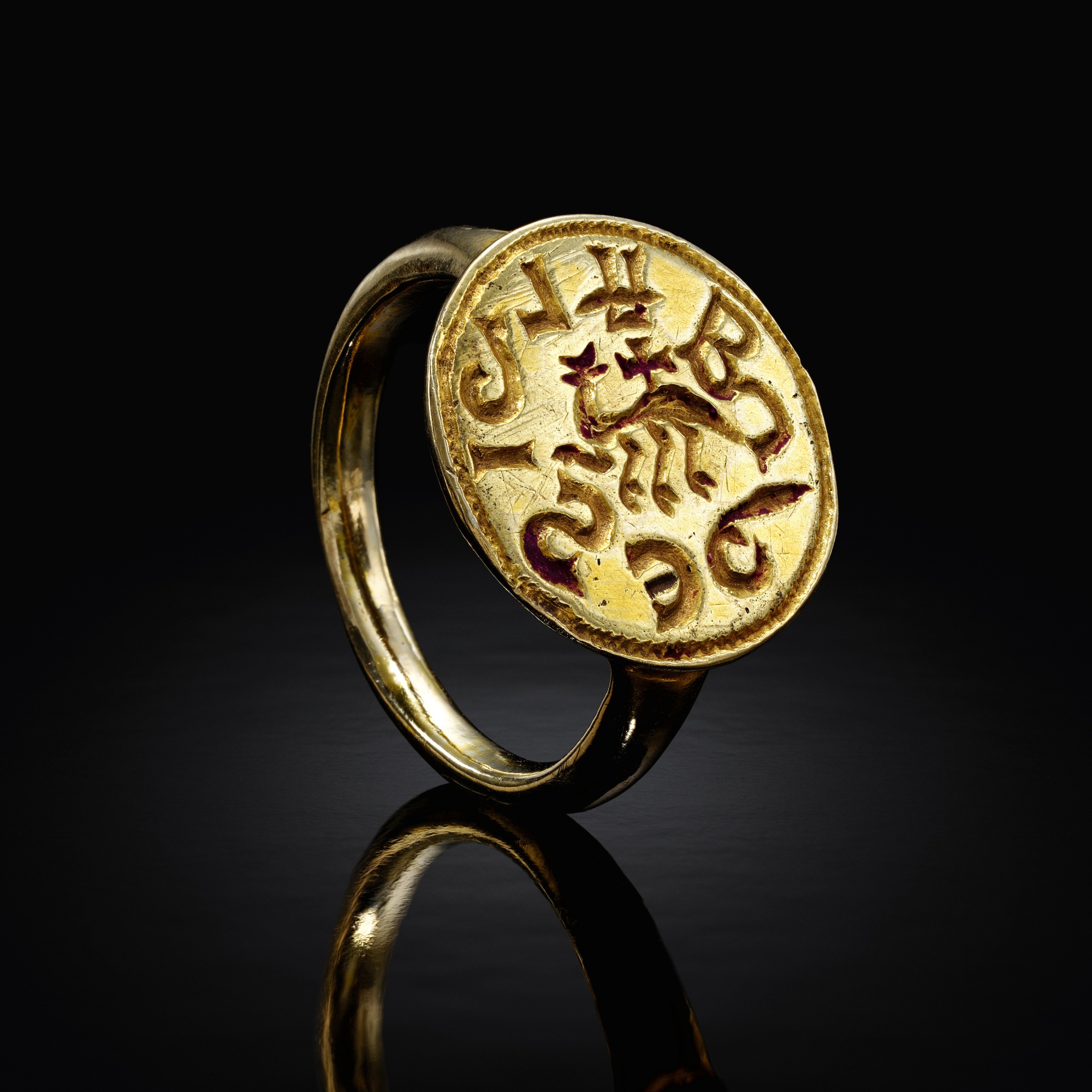
Carolingian, circa 800 A.D.
Ring
Unknown Artist
Three Demons Holding a Knight (verso)
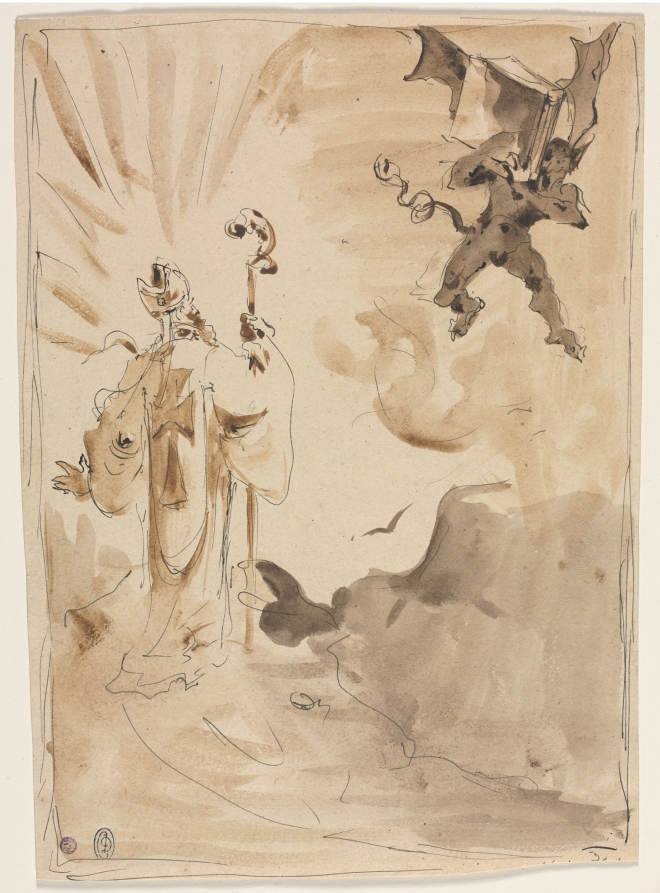
Unknown Artist
The Bishop and the Demon (recto)
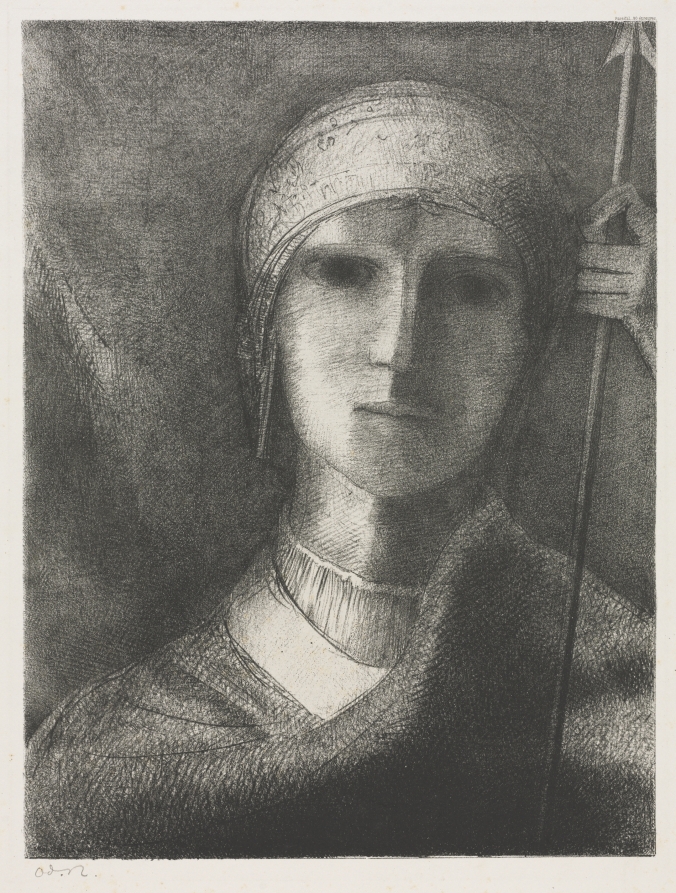
Odilon Redon
Parsifal
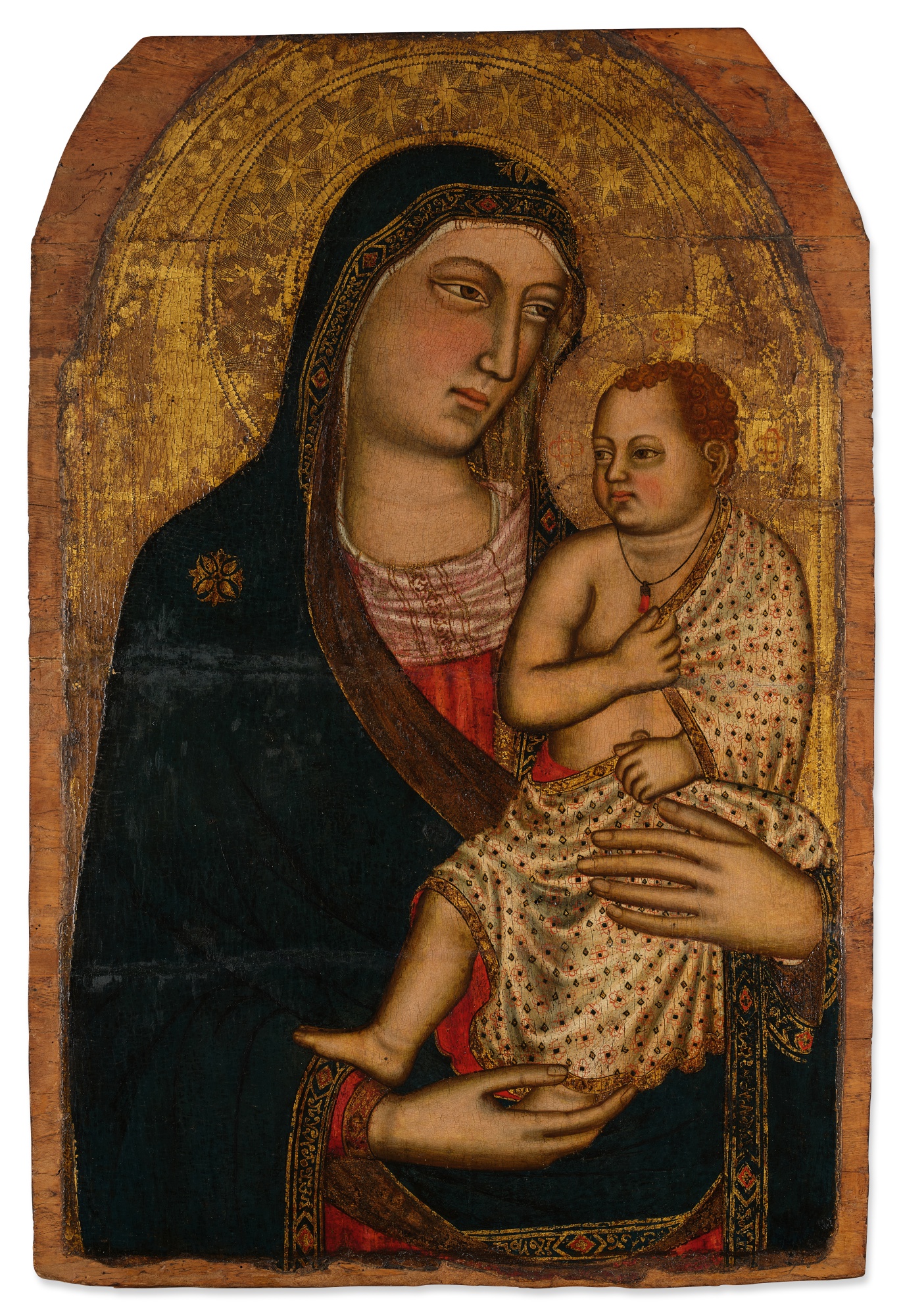
Master of Mezzana
Madonna and Child
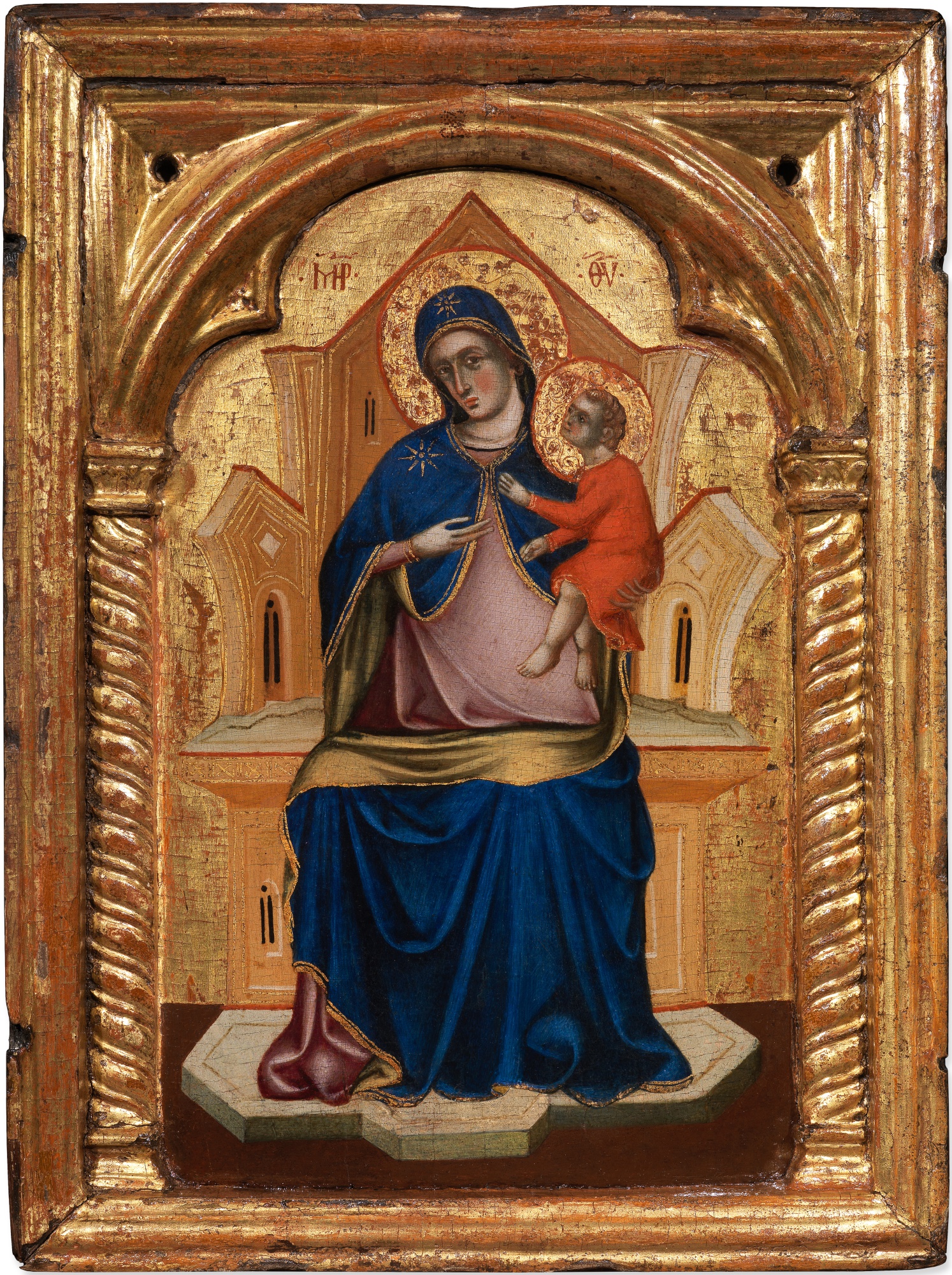
Nicoletto Semitecolo
The Virgin and Child enthroned

A paubha depicting Avalokiteshvara
A paubha depicting Avalokiteshvara, Nepal, circa 1300
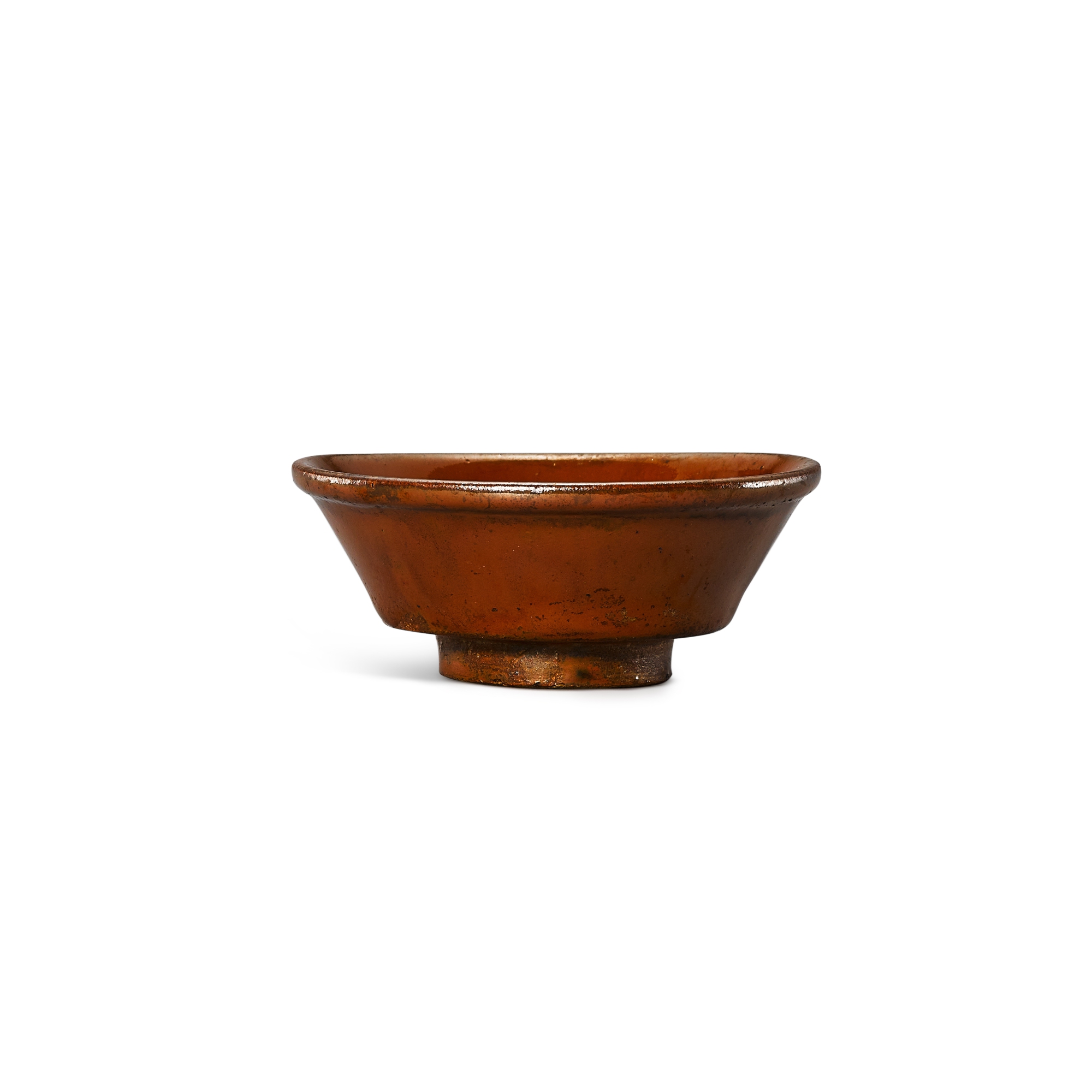
A persimmon-glazed dish,
A persimmon-glazed dish, Northern Song – Jin dynasty 北宋至金 柿釉敞口小盤
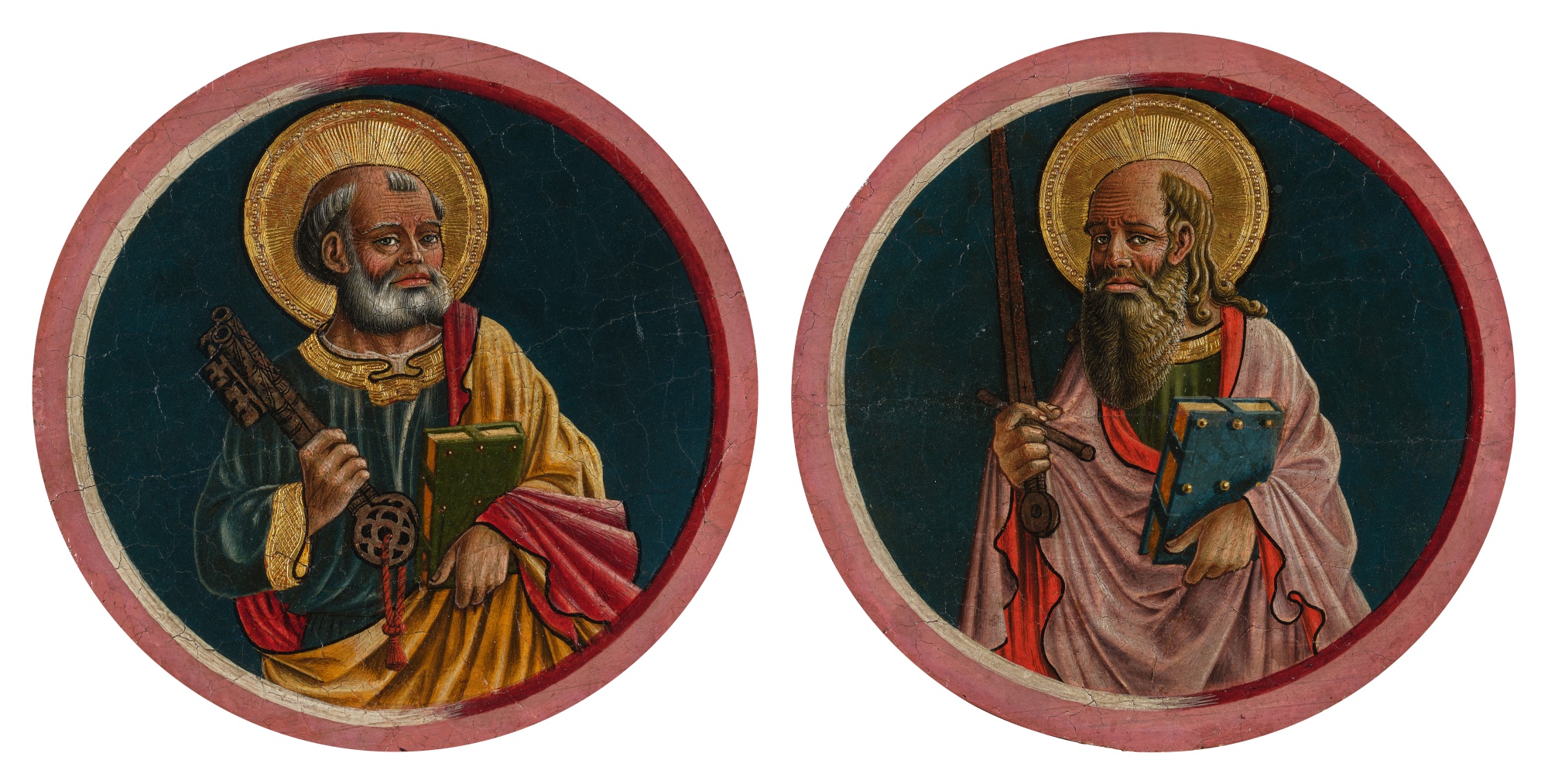
Bartolomeo di Segnolo Caporali
Saint Peter; Saint Paul
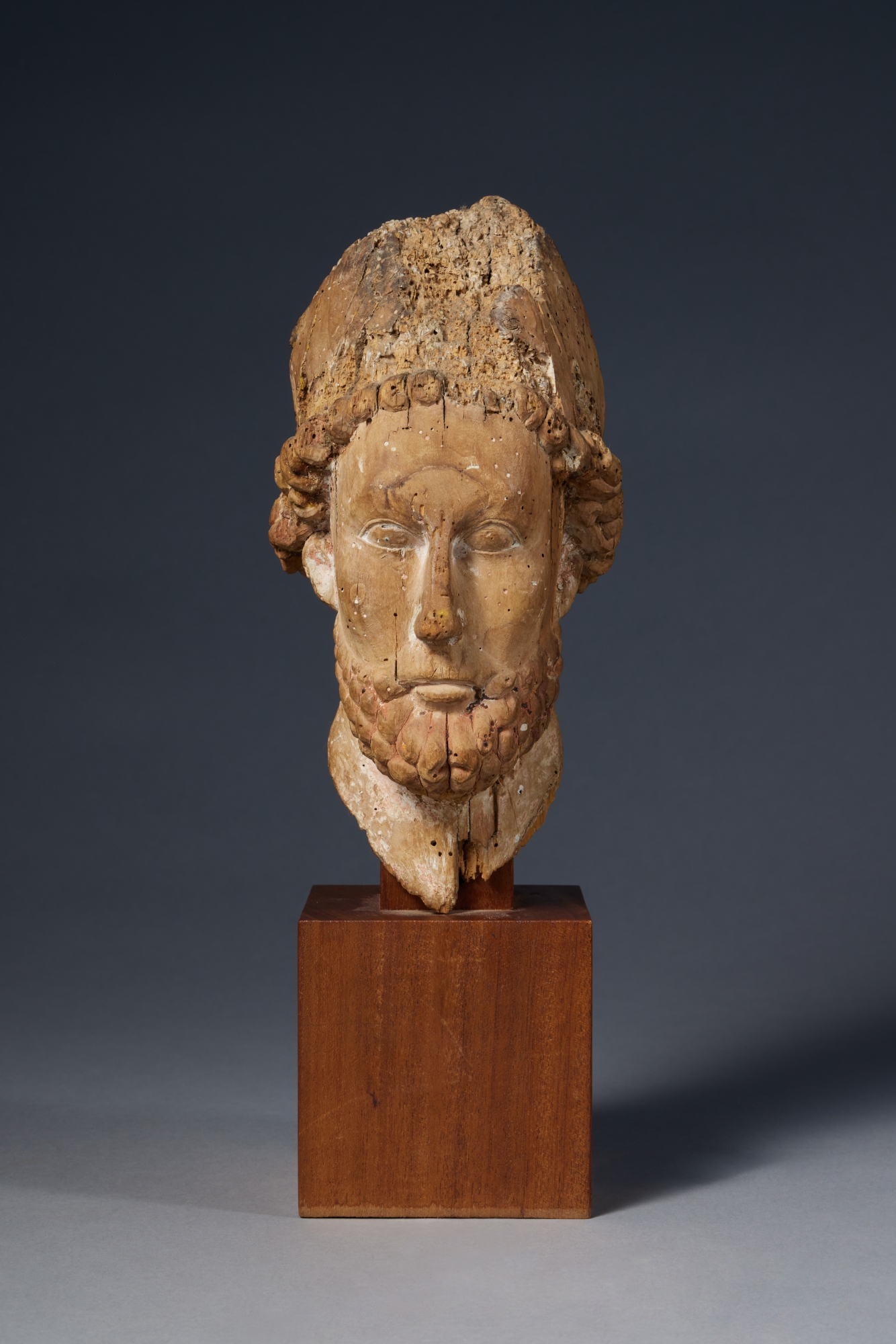
Probably Southern French, first half 13th century
Probably Southern French, first half 13th century
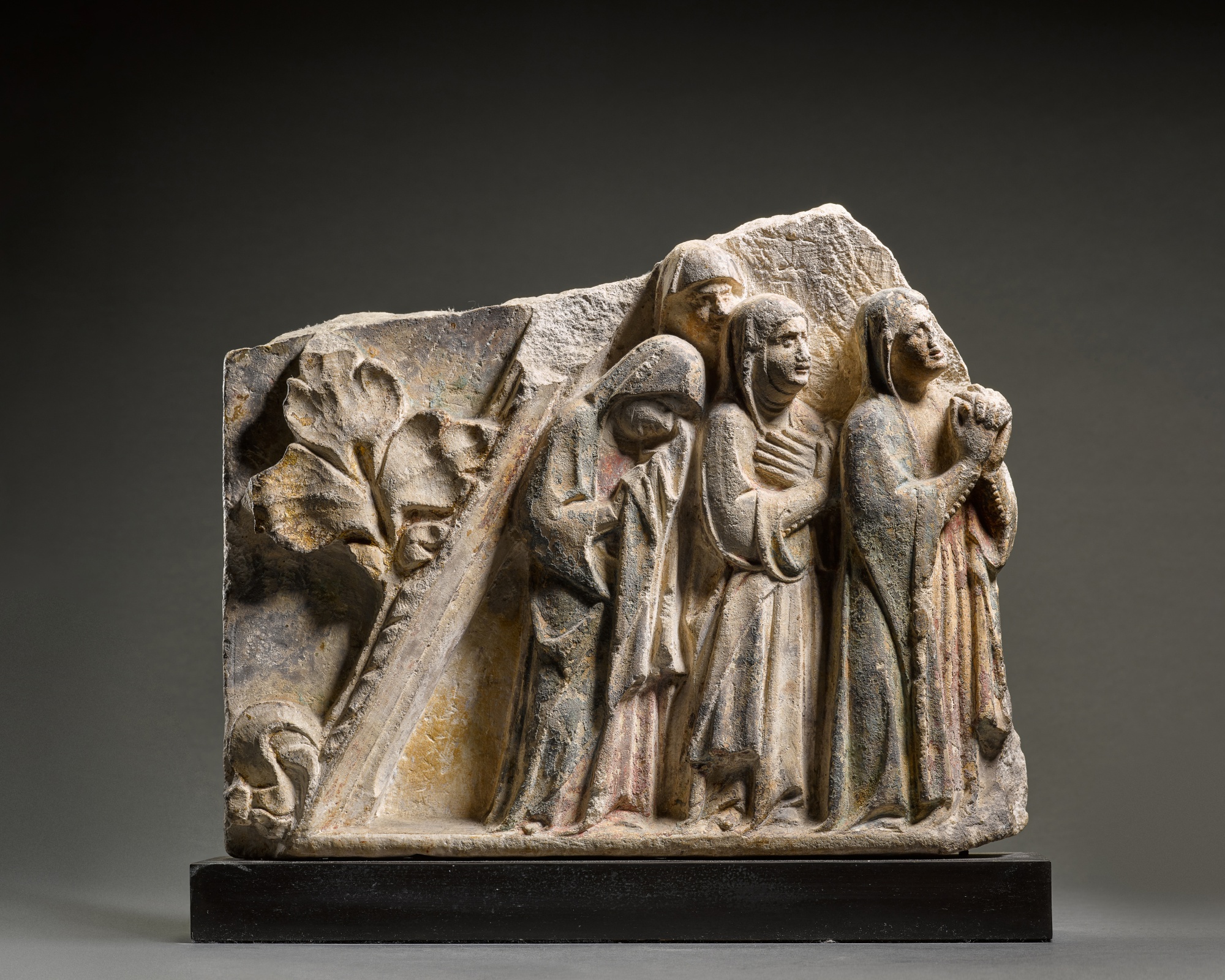
French, 15th century
Relief with Mourners from a Crucifixion

French, 15th century
The Guillelmus Ring
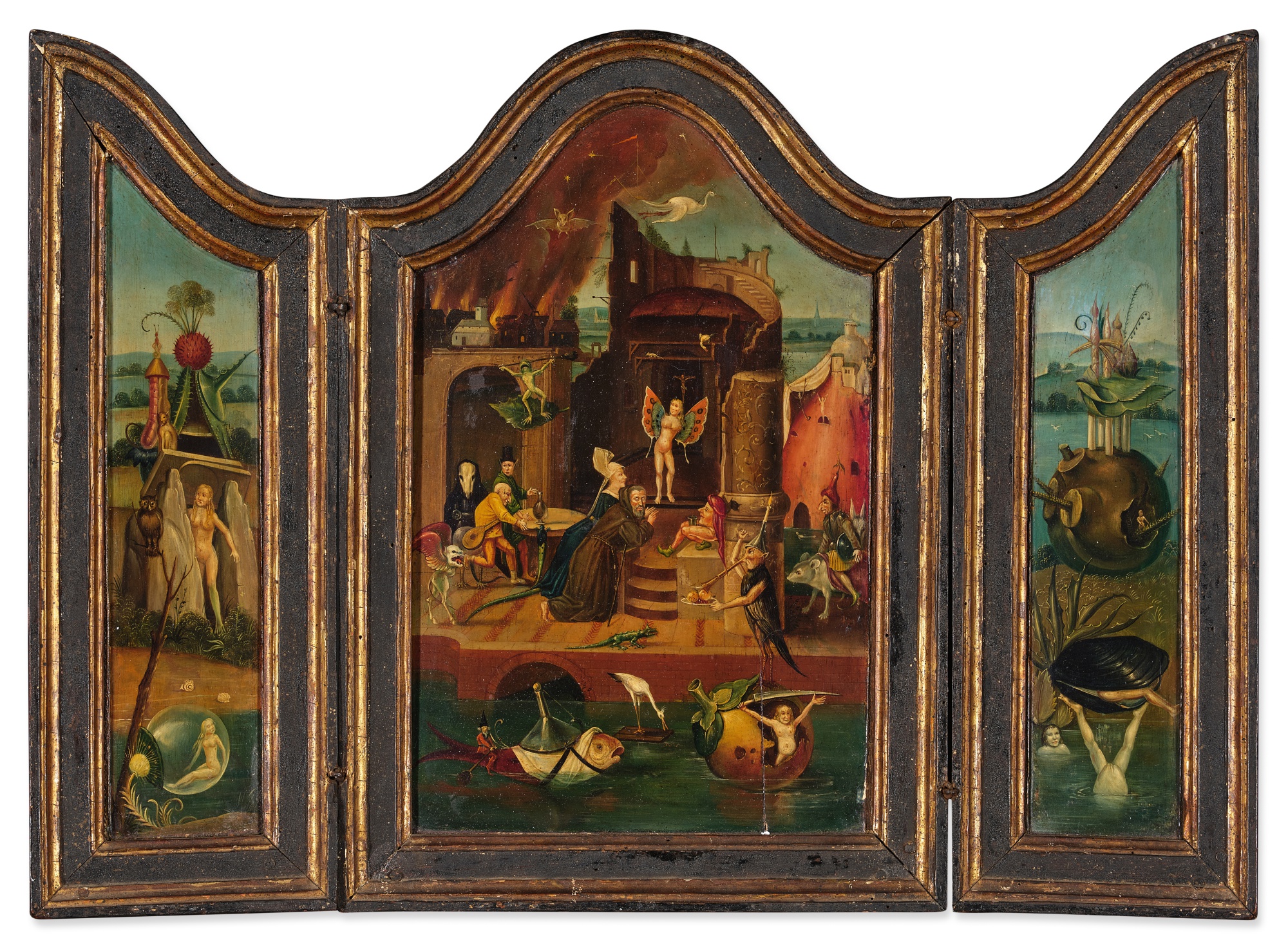
Manner of Hieronymus Bosch
Triptych: Temptation of Saint Anthony Abbot; Scenes from the Garden of Earthly Delights
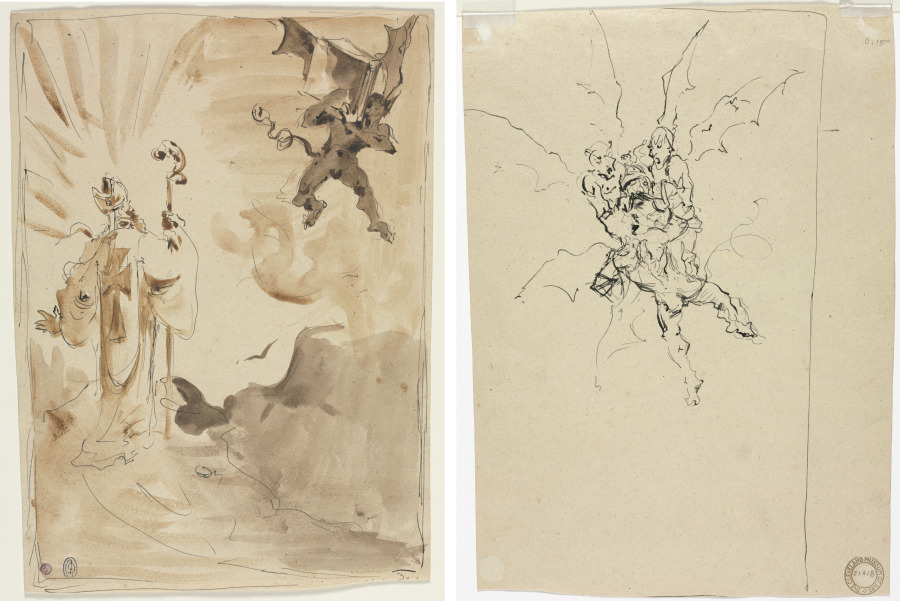
Unknown Artist
The Bishop and the Demon (recto); Three Demons Holding a Knight (verso)
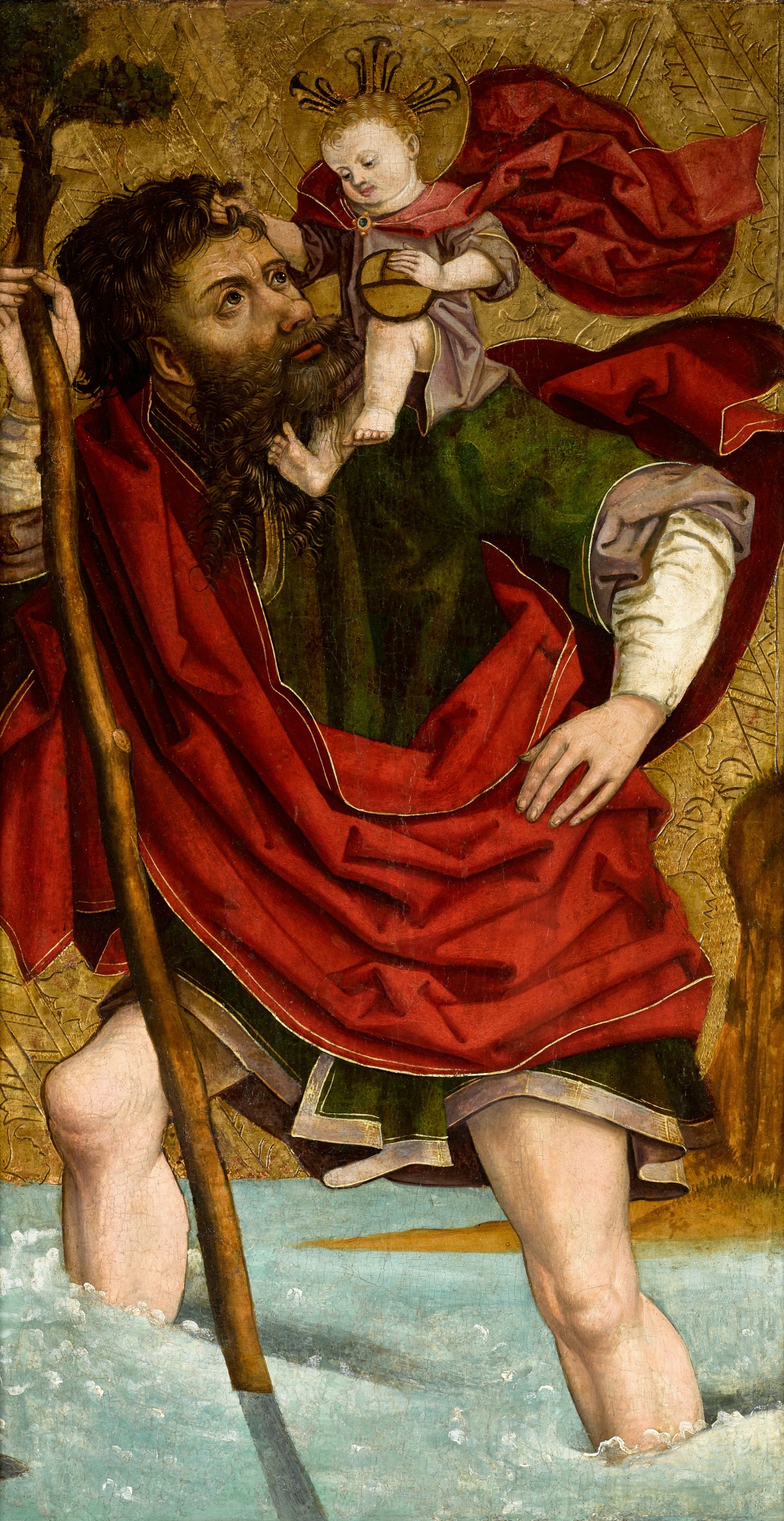
South German School, last quarter of the 15th century
Saint Christopher carrying the Christ Child
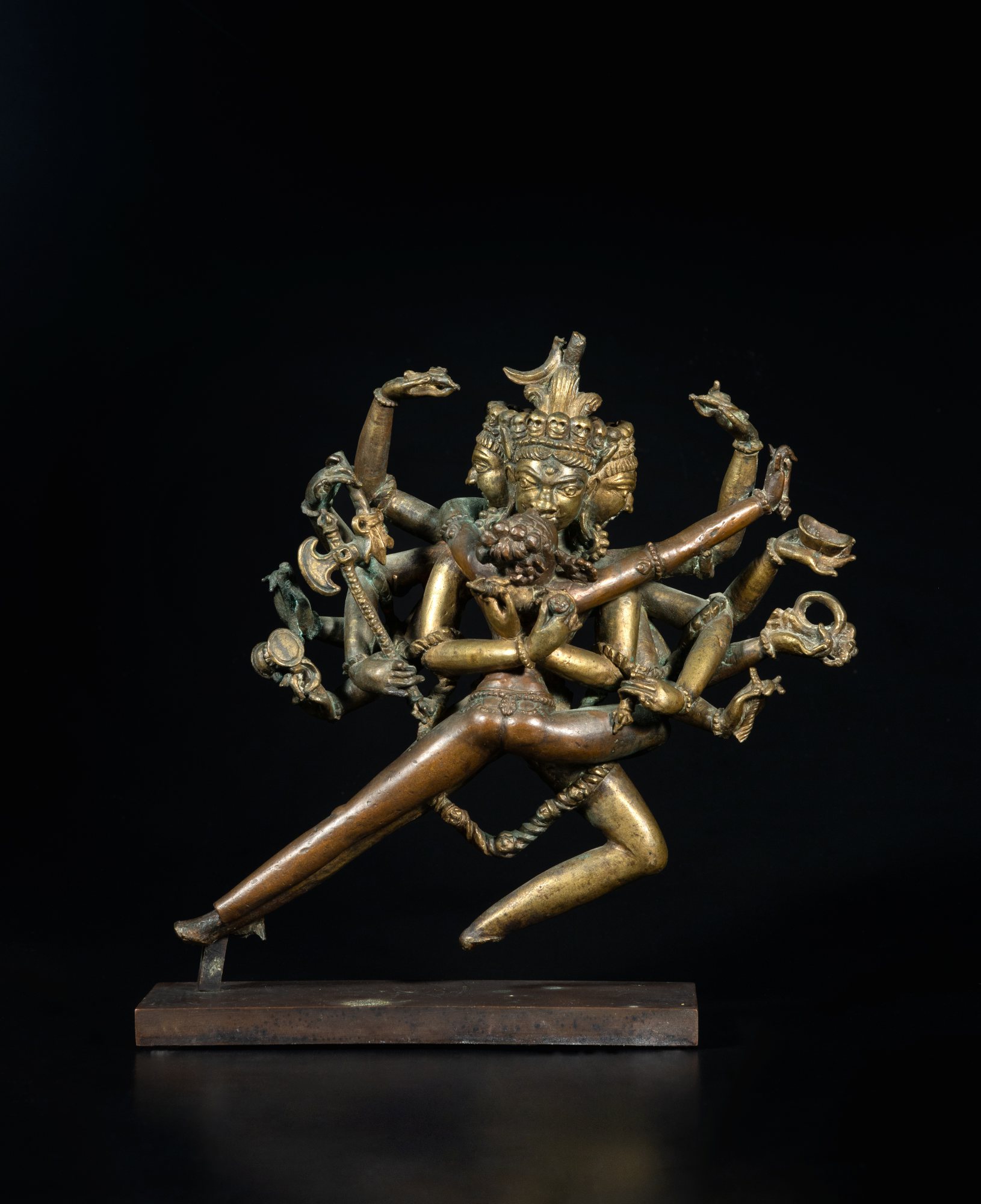
A copper alloy and brass figure of Chakrasamvara and Vajravarahi
A copper alloy and brass figure of Chakrasamvara and Vajravarahi, Kashmir, 9th / 10th century
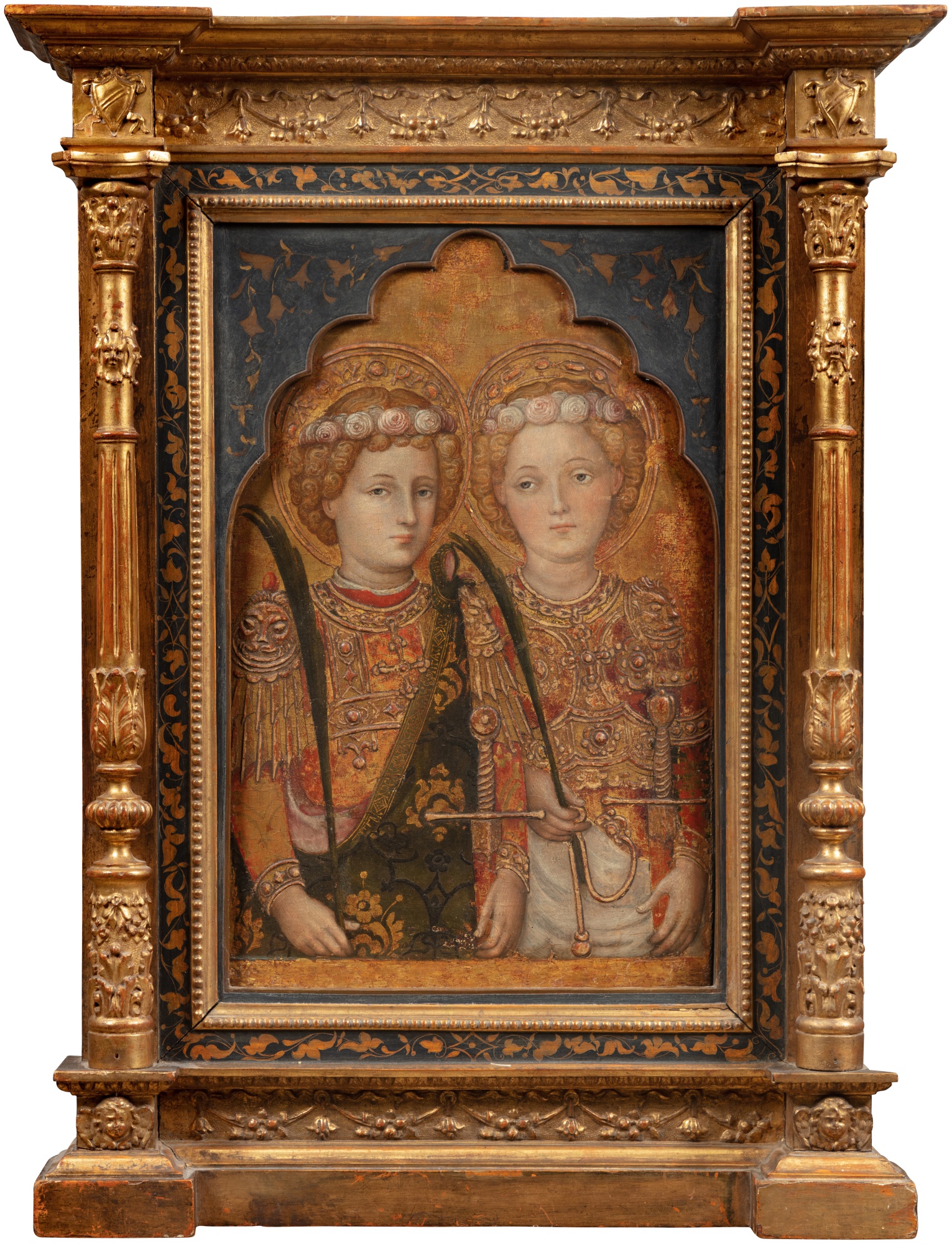
Workshop of Zavattari
Saints martyrs
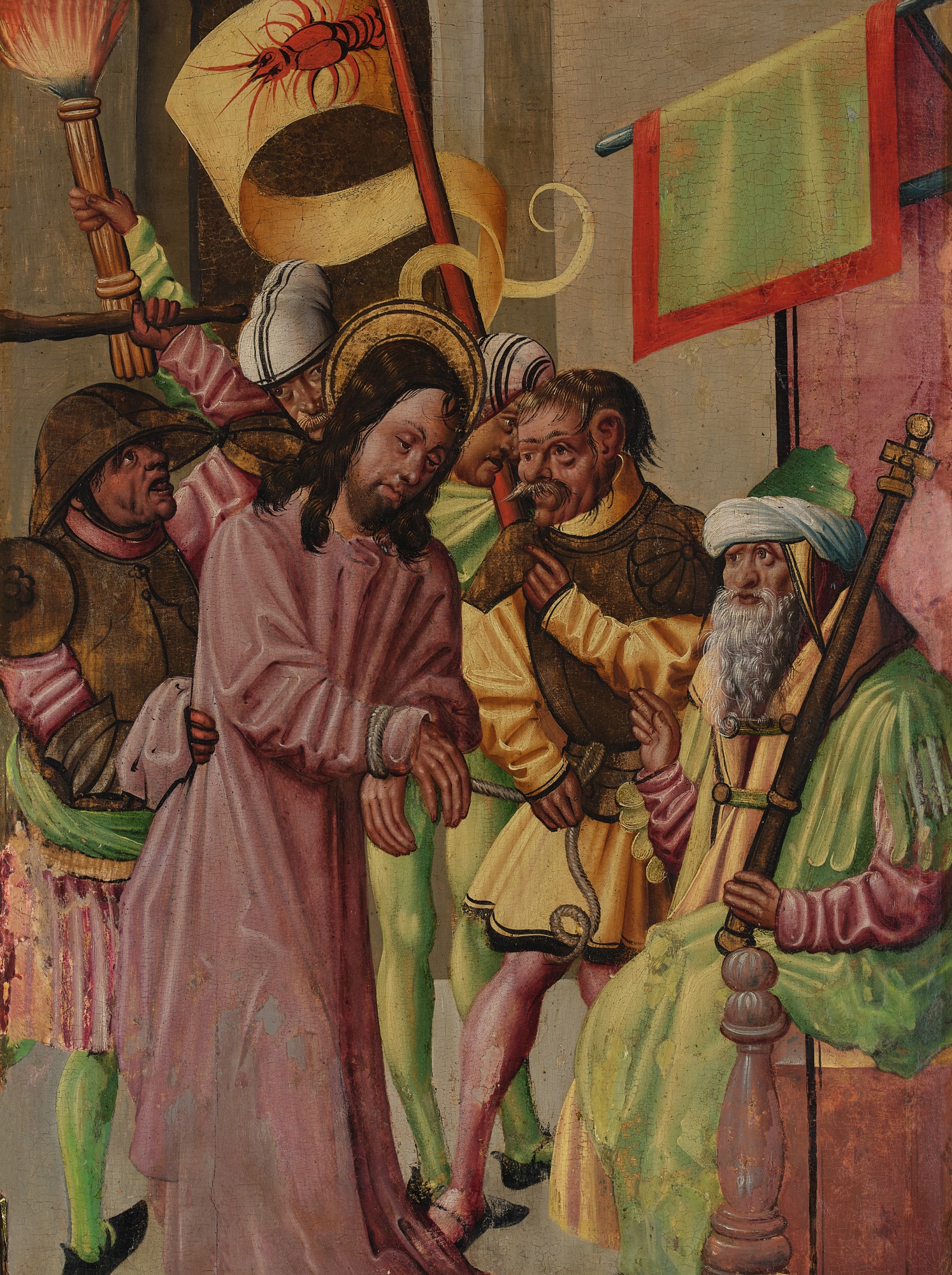
Austrian or South German School, 15th century
Christ Brought Before Caiaphas
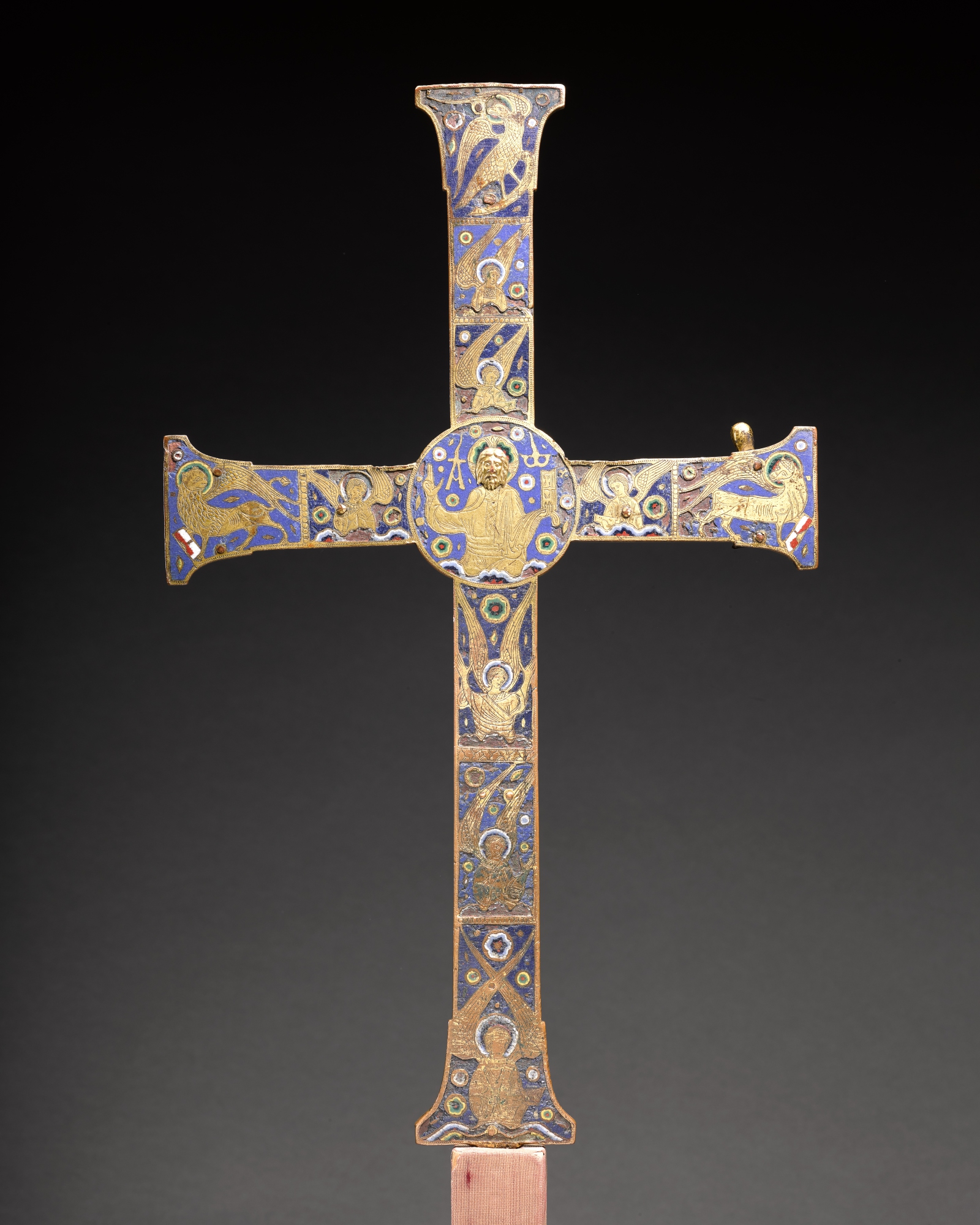
Unknown
Limoges, vers 1195 - 1215
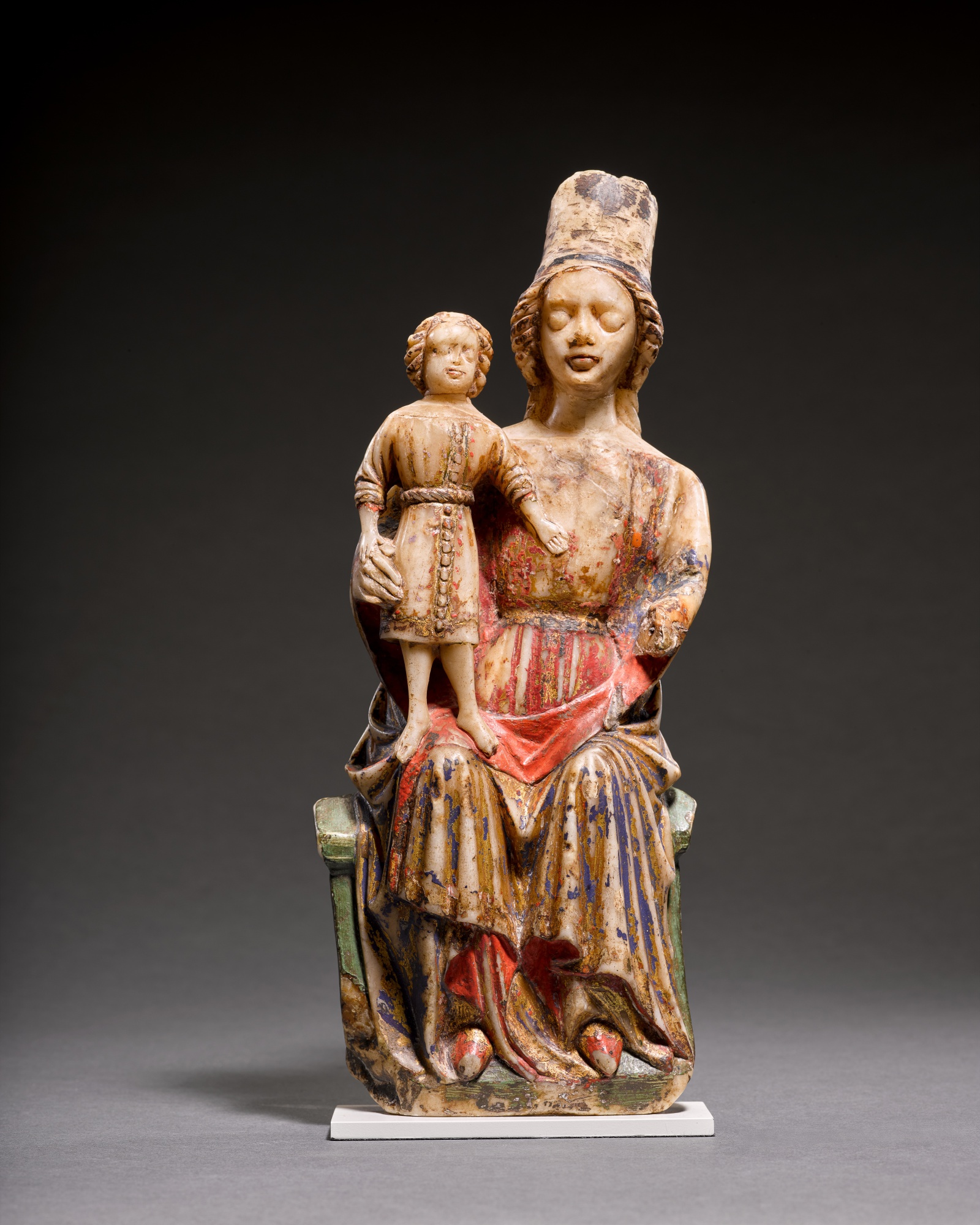
English, probably Nottingham, 15th century
The Virgin and Child
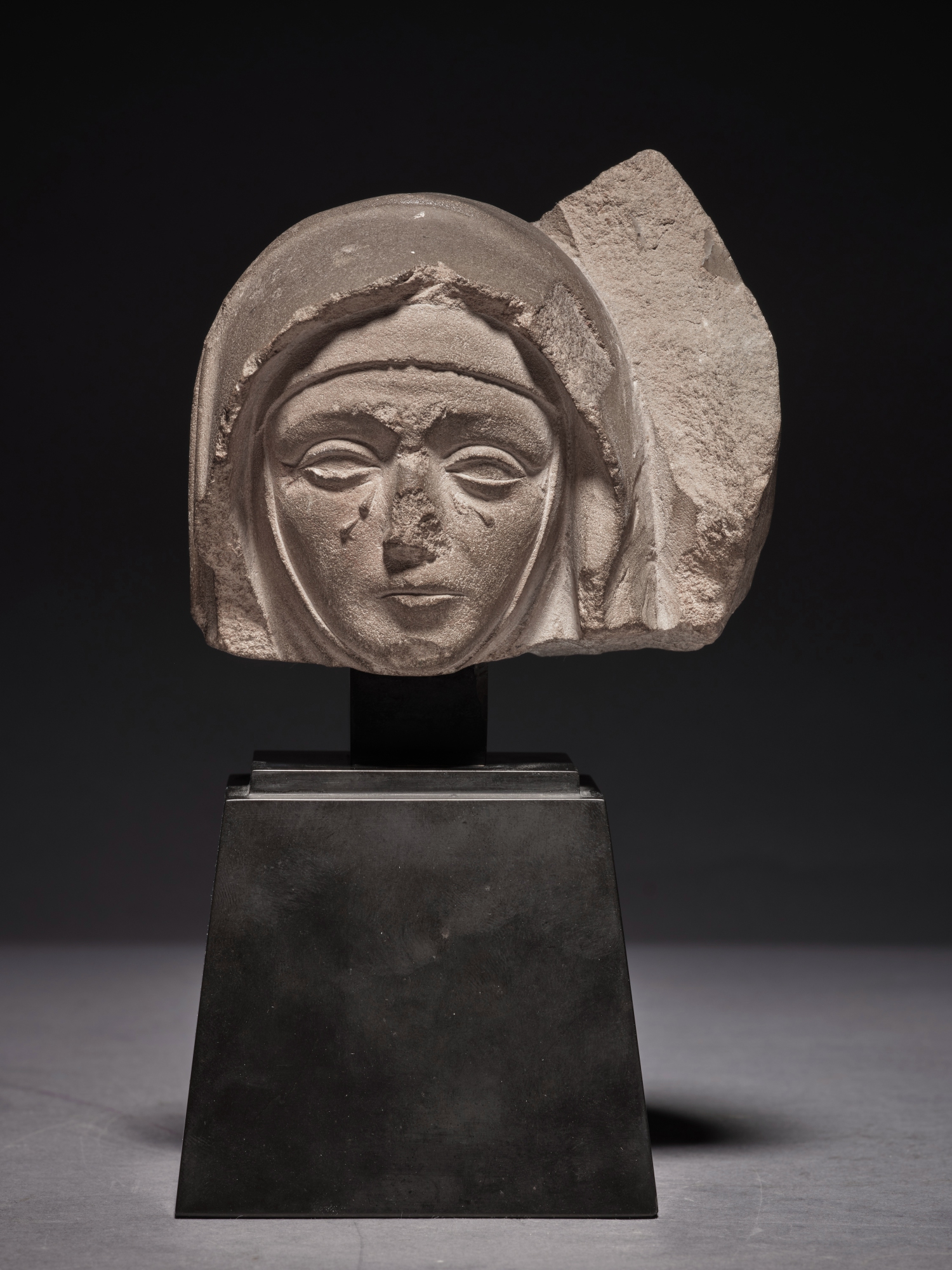
French, 14th century
Head of the Virgin
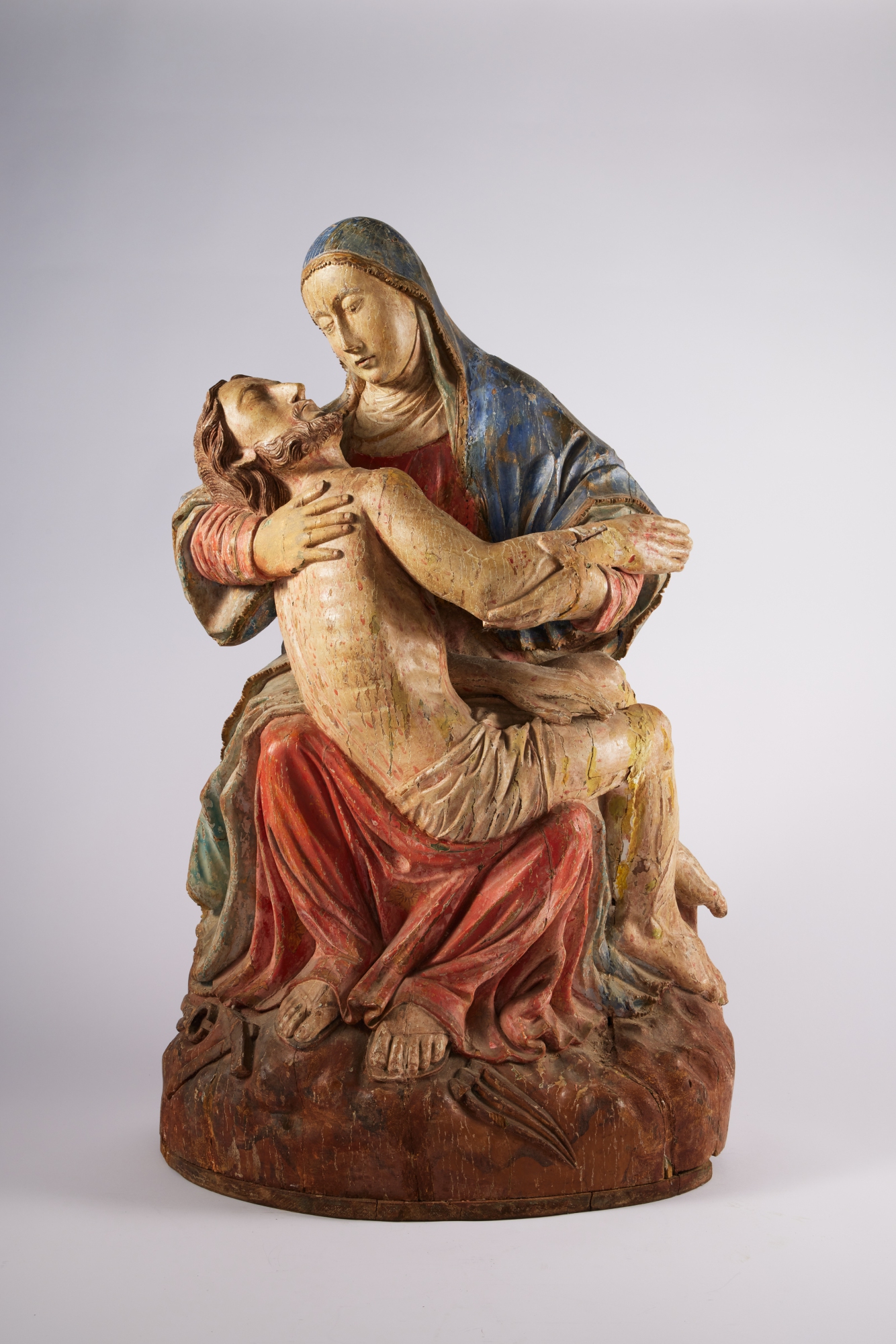
Probably North Italian, Early 16th Century
Probably North Italian, Early 16th Century