Mass Production Aesthetic
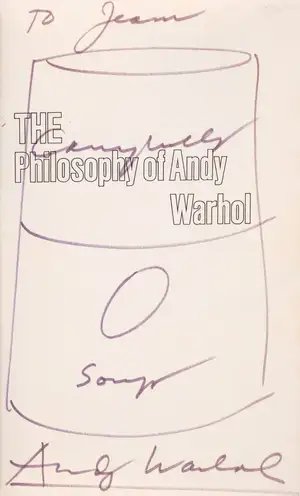
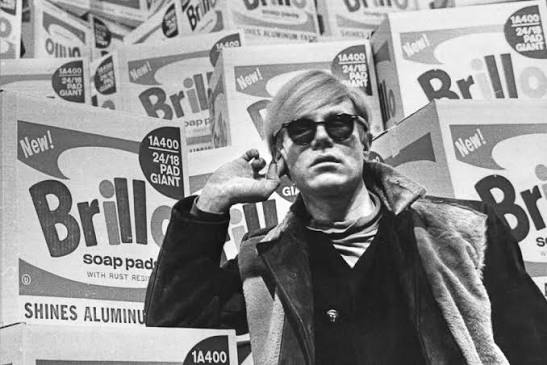
Andy Warhol
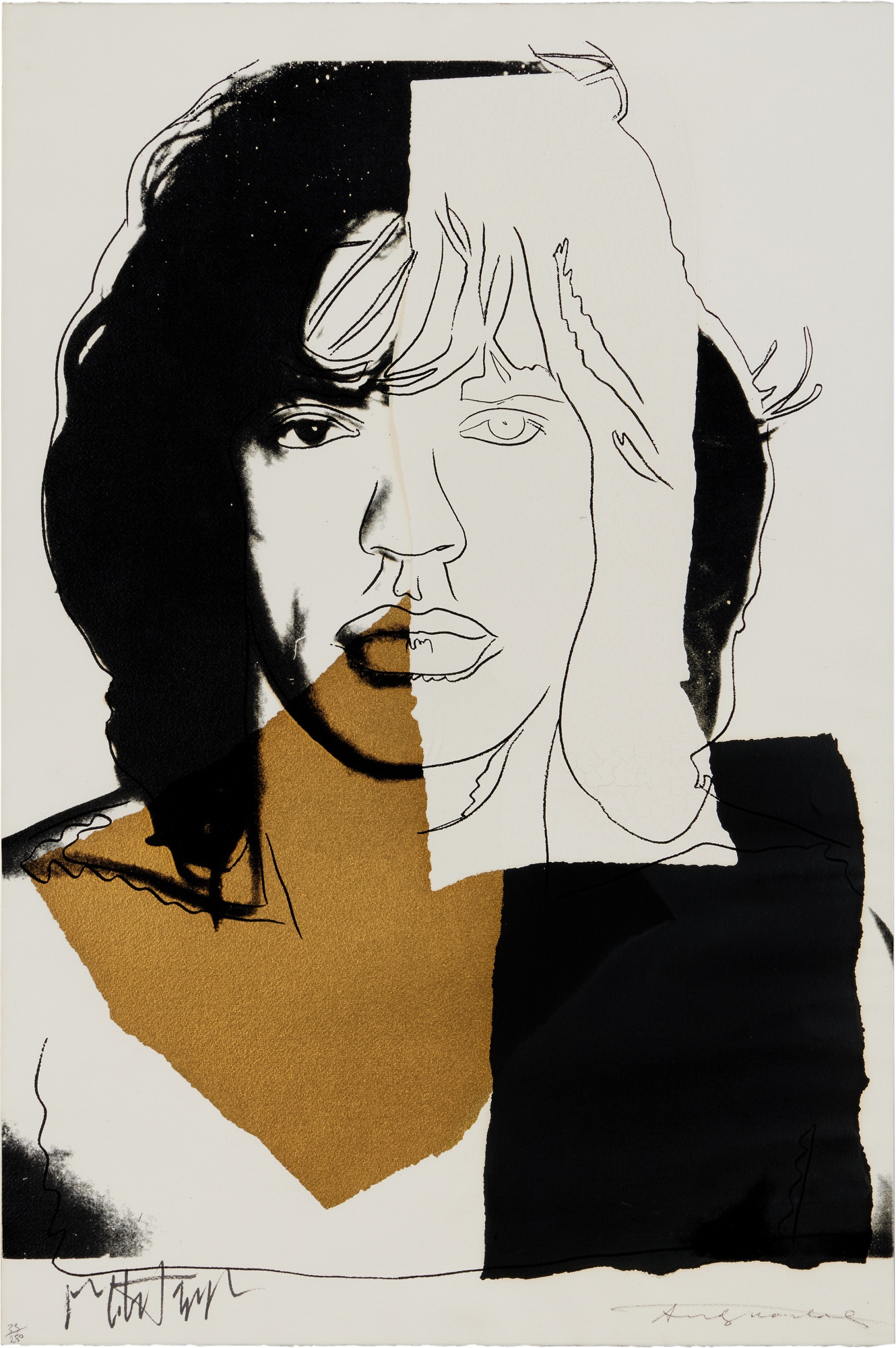
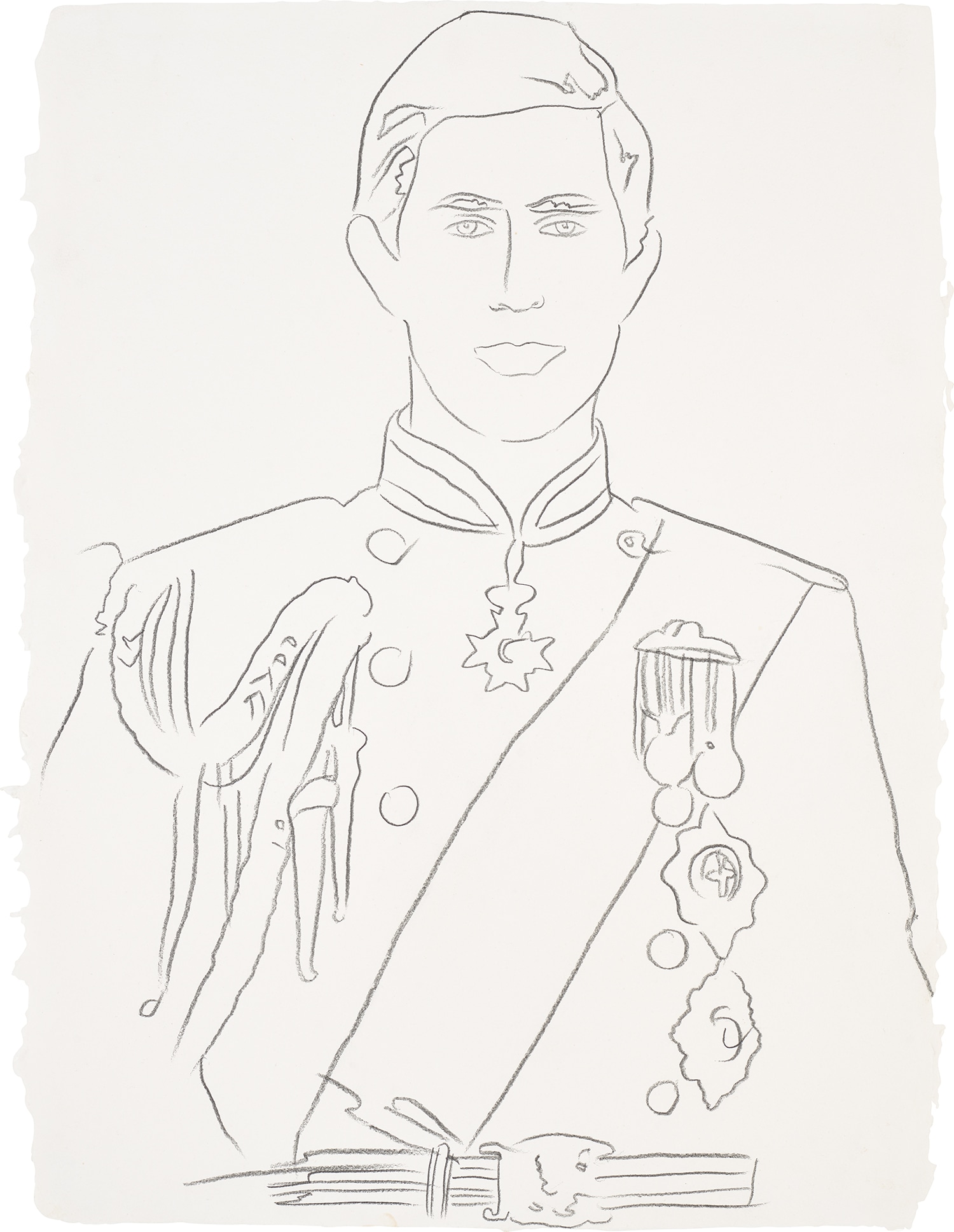
Prince Charles, 1982
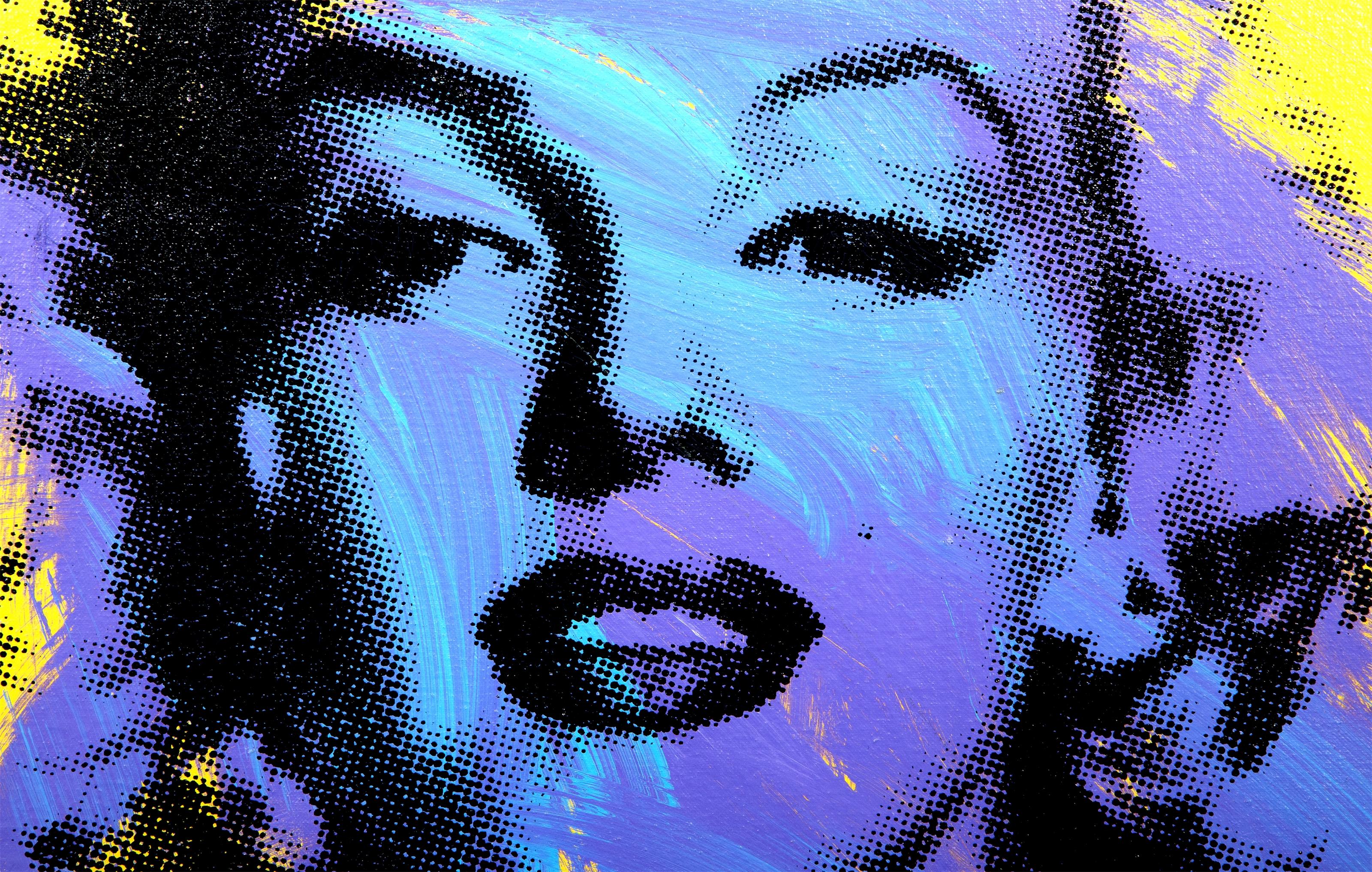
Everything Looks Like a Product Now
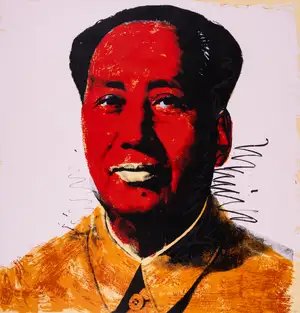
When Christie's New York brought a group of Andy Warhol's Mao silkscreens to auction in 2023, the room moved with a kind of muscle memory. Collectors who had never lived through the Pictures Generation knew exactly what they were bidding on, not just a painting but a worldview, a position, a particular way of seeing that has only grown more persuasive as the culture around it has caught up. The lots performed well above estimate. That almost goes without saying at this point.
What is worth saying is why rooms keep filling up for this work, decades after the critical arguments were supposedly settled. The mass production aesthetic is one of those categories that resists easy definition precisely because it was always more attitude than style. At its core it describes a body of work that borrows the visual language of industrial reproduction, consumer goods, advertising, and popular media, and then asks what happens when you look at those things slowly, seriously, and with the full weight of aesthetic attention. The question has never fully resolved itself, which is part of why the market and the museum world keep returning to it.
Andy Warhol
Prince Charles, 1982
The Whitney Museum's 2018 retrospective of Andy Warhol remains a touchstone for how institutions are framing this conversation now. Curated with a contemporary eye, the show resisted the mythology of the Factory and instead foregrounded the work itself, the repetition, the color decisions, the strange tension between the handmade and the mechanical that runs through even his most deliberately impersonal pieces. Critics writing for Artforum and The Brooklyn Rail used the occasion to reassess what Warhol was actually doing with seriality and whether the distance he put between himself and his imagery was an evasion or a philosophy. The answer, most agreed, was both.
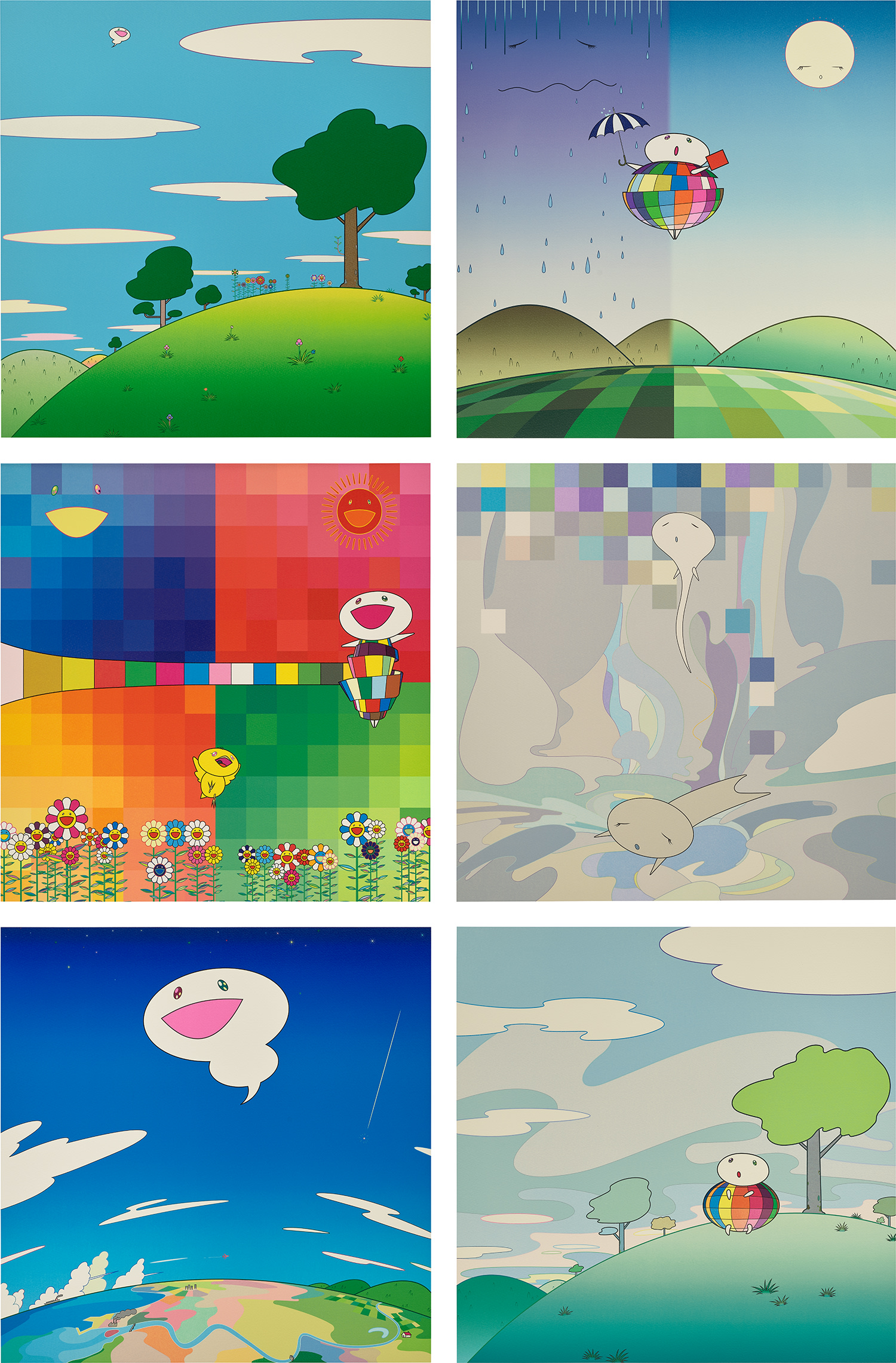
Takashi Murakami has complicated the conversation in ways that are still being absorbed. His superflat theory, articulated first in the 2000 exhibition of the same name at the Museum of Contemporary Art Los Angeles, proposed that the flattening of pictorial space in Japanese popular culture was not a deficit but a distinct visual intelligence shaped by postwar consumerism and American cultural influence. The shows that followed, including Little Boy at the Japan Society in New York in 2005, pushed that argument into political territory that made some Western curators uncomfortable. Murakami was saying that mass culture was not a degradation of something purer.
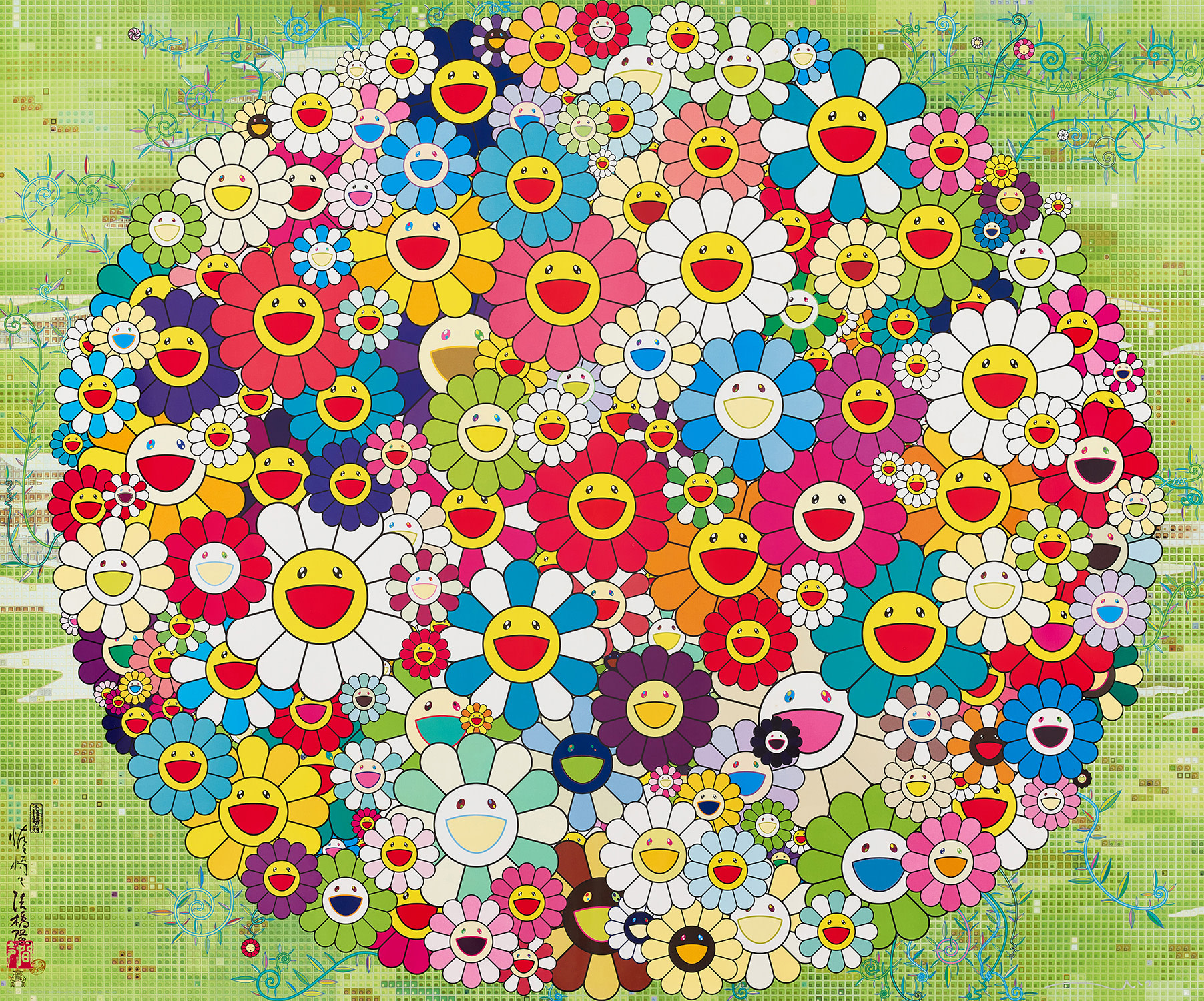
Takashi Murakami
Open Your Hands Wide
He was saying it was the primary language, and that ignoring it was a form of willful ignorance. His market has reflected the seriousness with which collectors have taken that claim. Works in his signature style have achieved significant results at Phillips and Sotheby's, particularly pieces from his Flowers and DOB series that sit at the intersection of fine art production and licensed merchandise without apologizing for the overlap. The auction market for this aesthetic rewards clarity of vision and strength of signature.
Warhol continues to represent the ceiling, with major works regularly appearing among the top lots of any contemporary sale. The price differential between a canonical silkscreen and a lesser known work from the same period tells you something important about how collectors understand this category. They are not simply buying the concept. They are buying the specific moment when a particular artist's thinking was sharpest and most fully formed.
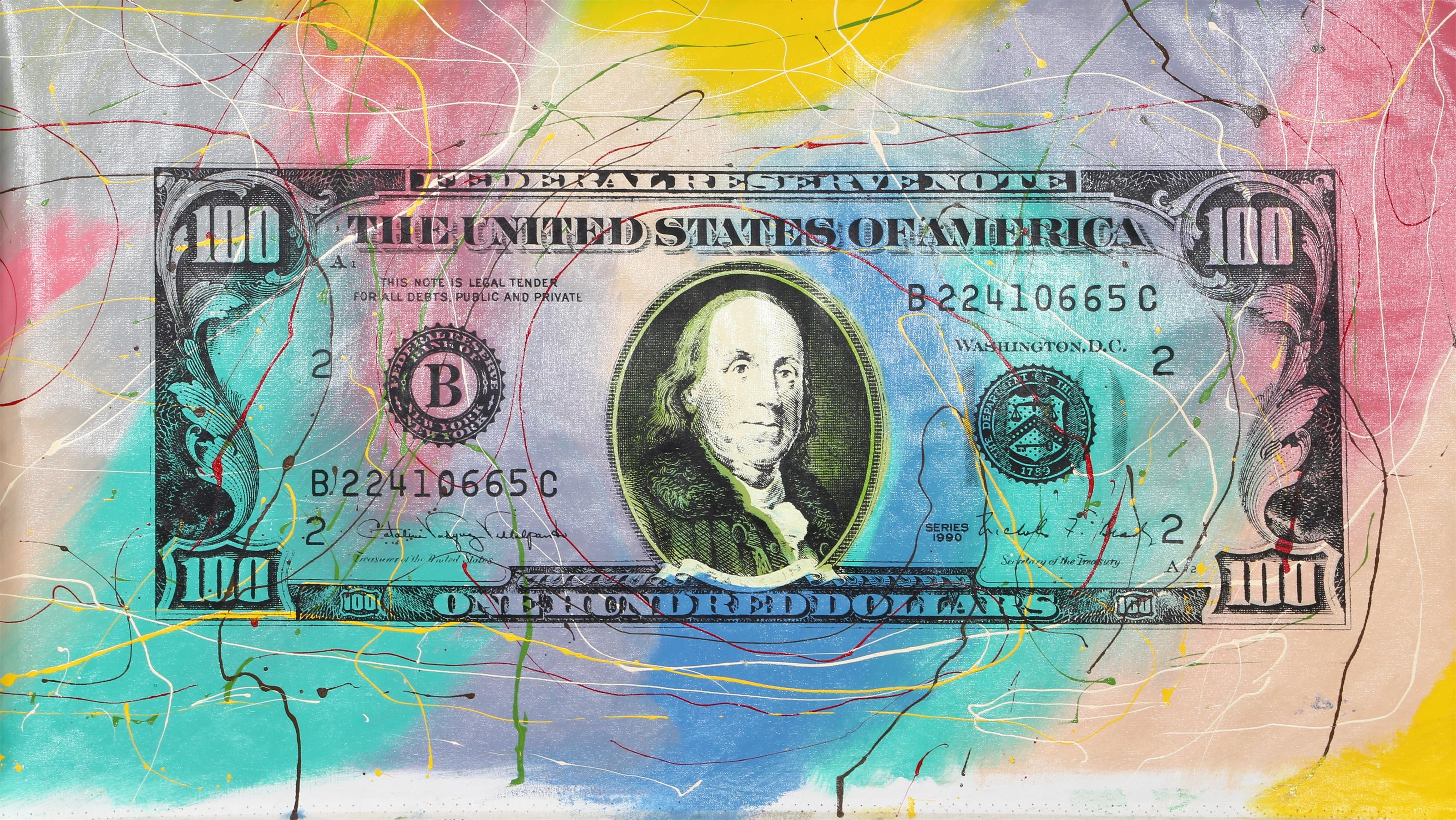
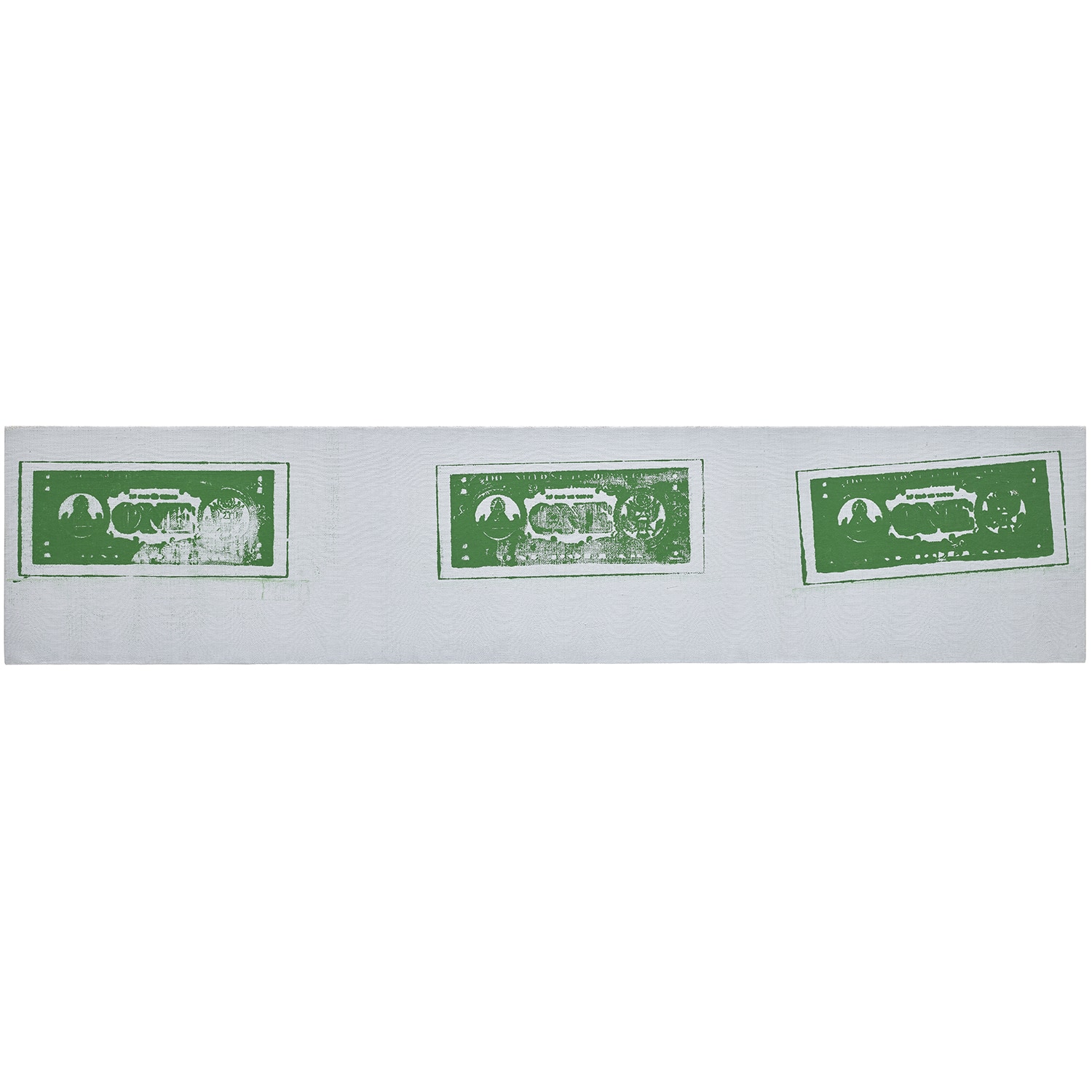
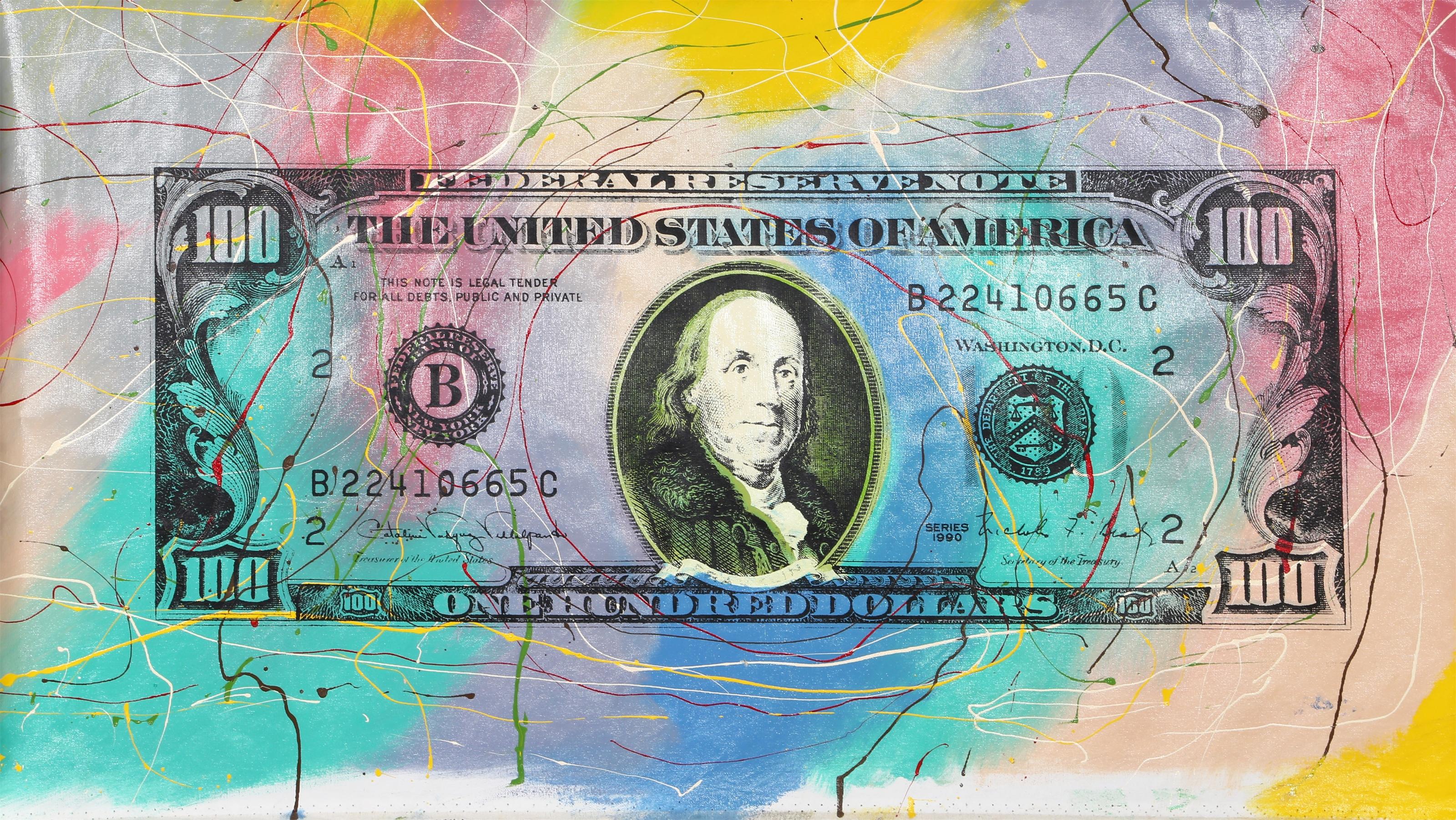
Steve Kaufman
$100 Dollar Bill
Steve Kaufman, who trained under Warhol and carried forward a closely related visual vocabulary, occupies a different but genuinely interesting position in the market. His work rewards collectors who want to understand the lineage of this aesthetic rather than simply collect its most famous examples. John Stango represents the contemporary continuation of these impulses, working with the visual rhetoric of mass culture in ways that feel current rather than referential. Institutional collecting in this space has accelerated in ways that signal long term confidence.
The Museum of Modern Art, the Broad in Los Angeles, and the Rubell Museum in Miami have all deepened their holdings in work that engages with commercial and industrial visual culture. The Rubell in particular has been consistent in supporting artists who use the aesthetics of mass production as both subject and method. When institutions at that level commit collecting resources to a category, they are making a statement about permanence. They are saying this is not a market trend but a historical fact.
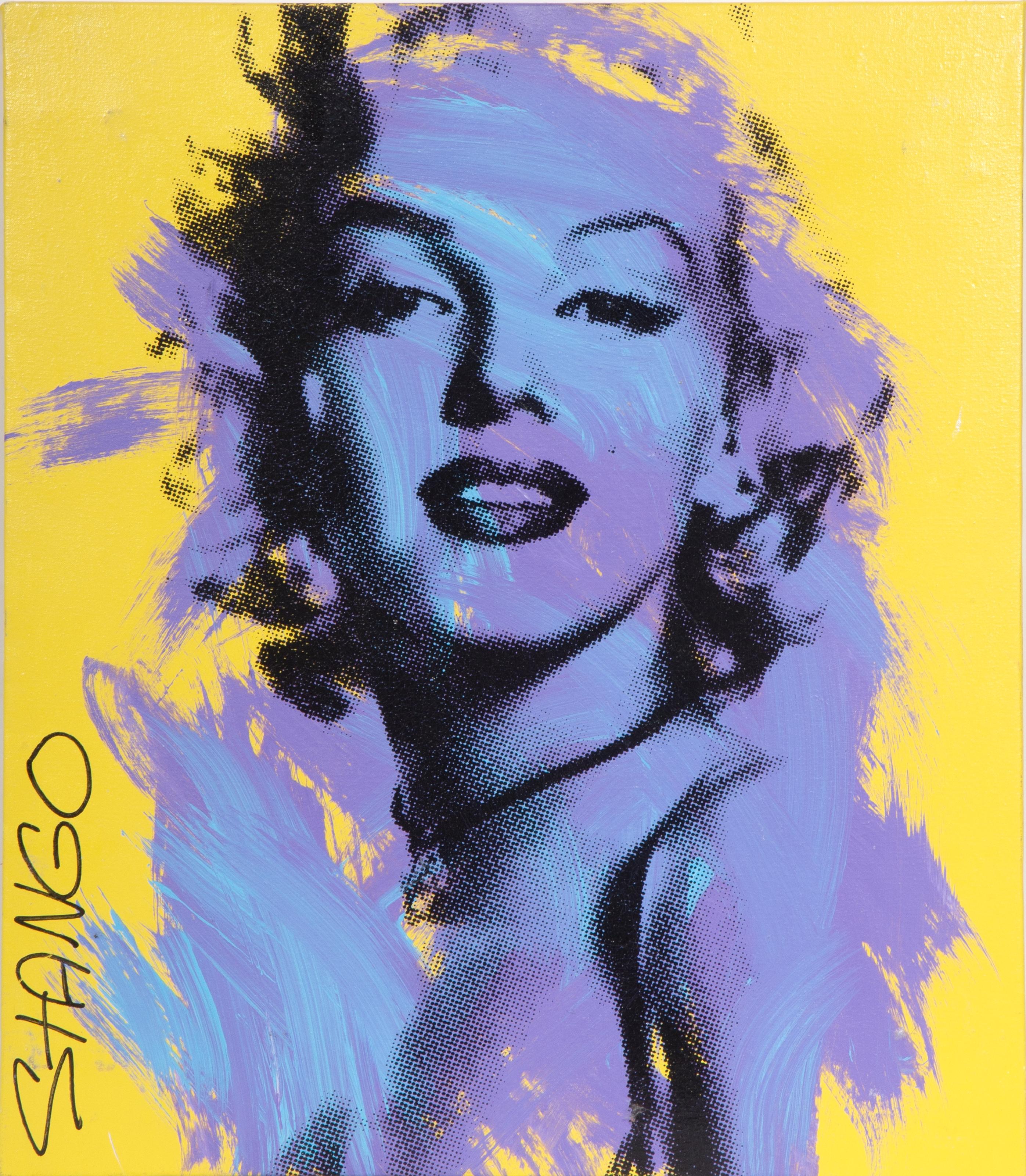
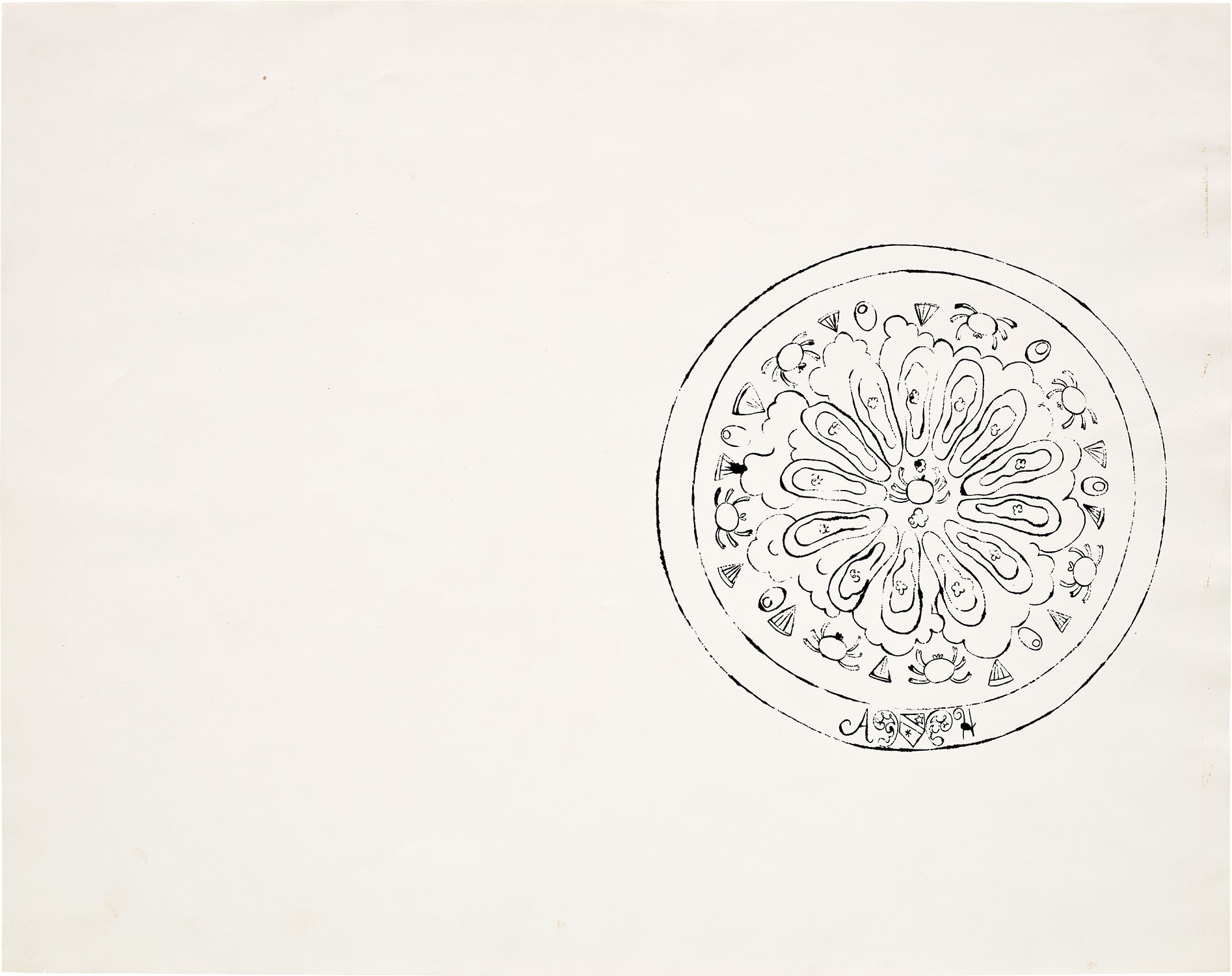
John Stango
Yellow, Blue Marilyn
The critical conversation has been shaped in recent years by a generation of writers who grew up inside consumer culture rather than observing it from outside. Curator Massimiliano Gioni has written compellingly about the way images that were once dismissed as merely decorative have developed into primary sources for understanding how power circulates visually. The scholar Hal Foster's work on the return of the real remains essential background reading for anyone serious about this space, as does the ongoing critical reassessment of Pop Art's relationship to conceptualism, a relationship that was more entangled than the standard art historical narrative suggests. Where is the energy heading?
The most alive conversations right now involve artists working at the intersection of digital production and physical objects, people who are asking whether the mass production aesthetic takes on new meaning when actual mass production is no longer required to create the look of it. Artificial intelligence and print on demand technologies are putting pressure on the category in ways that feel genuinely unresolved. That uncertainty is productive. It means the questions Warhol was asking in 1962 are not answered questions.
They are live ones. Collectors who understand that are not buying nostalgia. They are buying into an ongoing argument about what images are for and who they belong to, and that argument, if anything, is just getting interesting.