Light And Space Movement
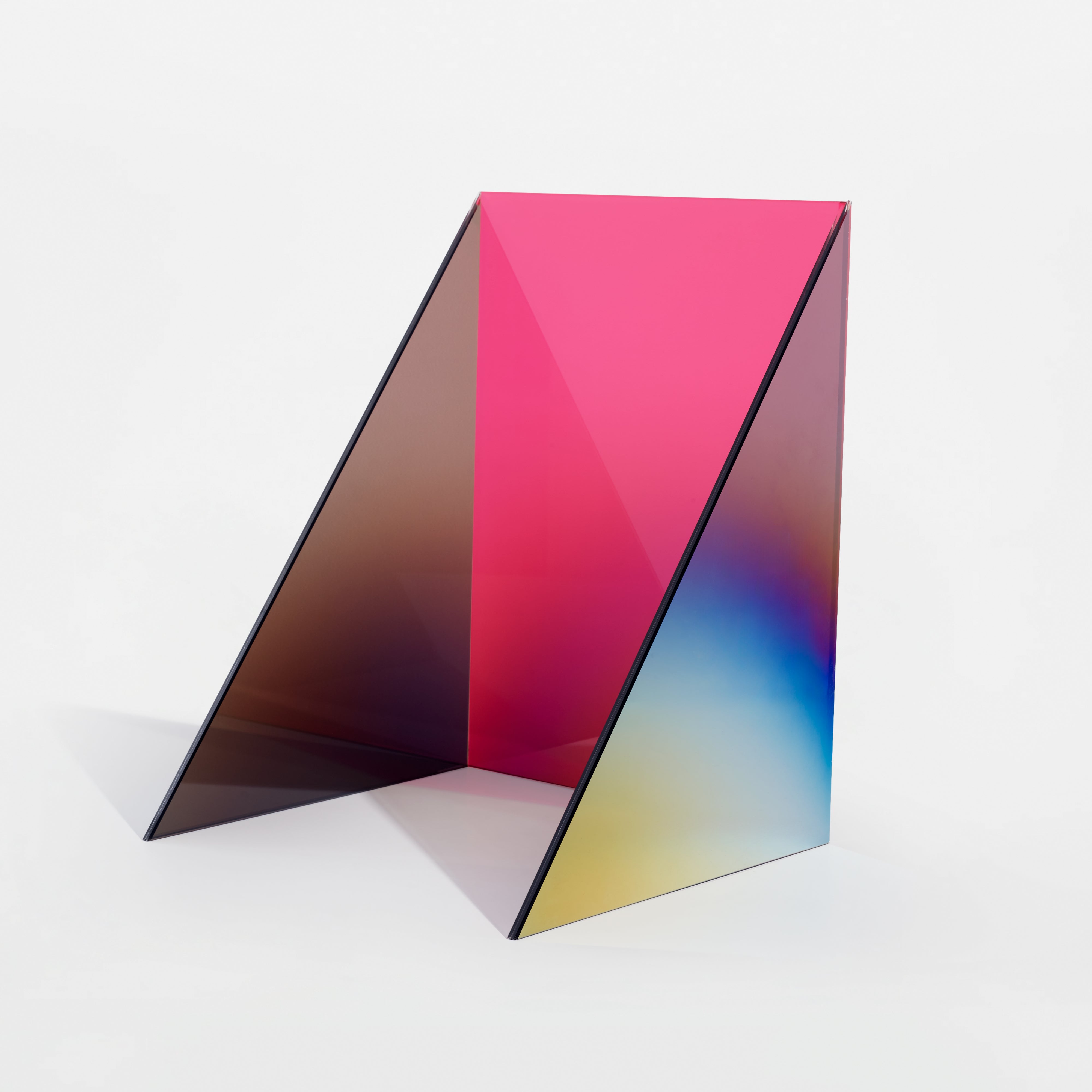
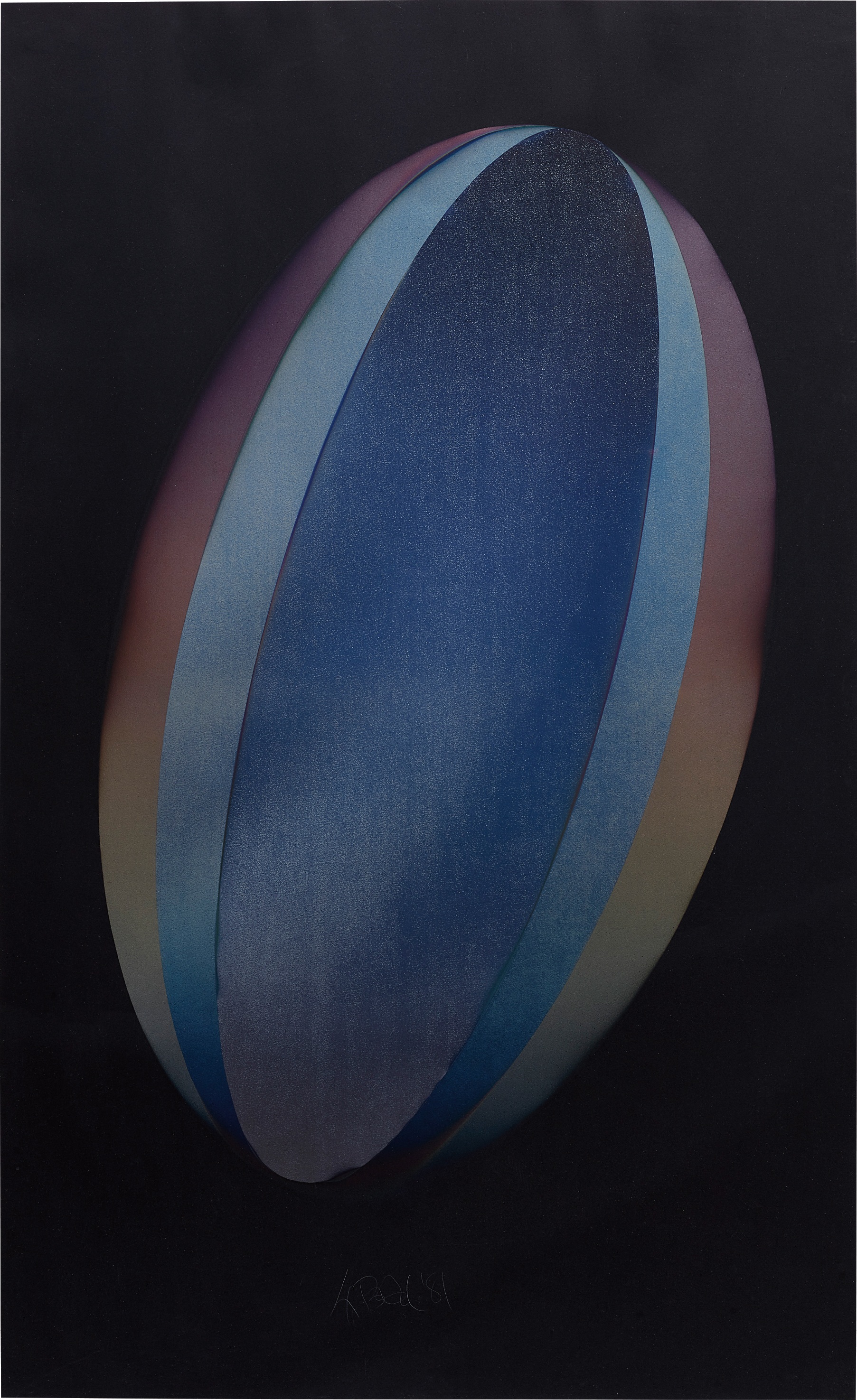
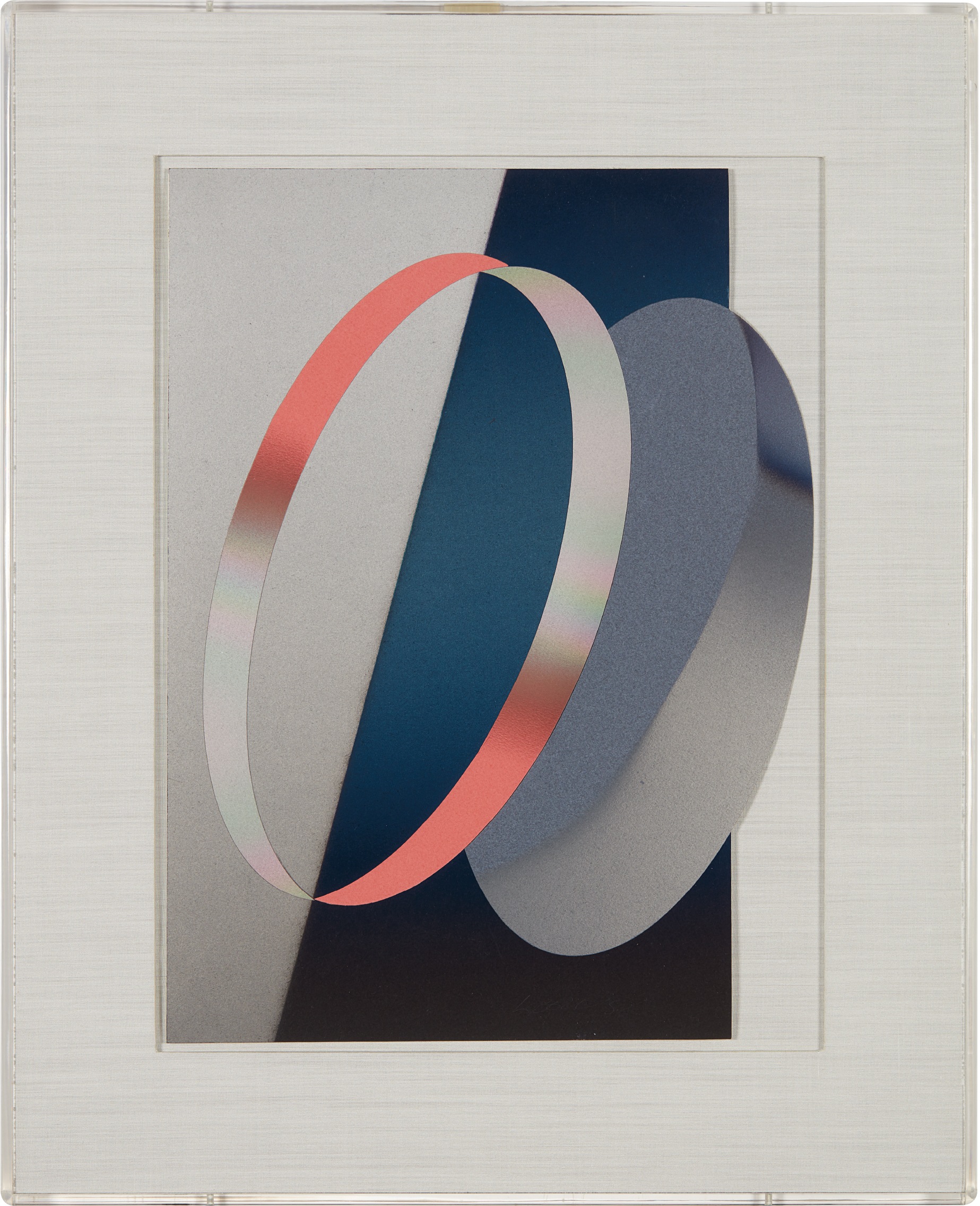
Larry Bell
Untitled Triolith C SS, 2020
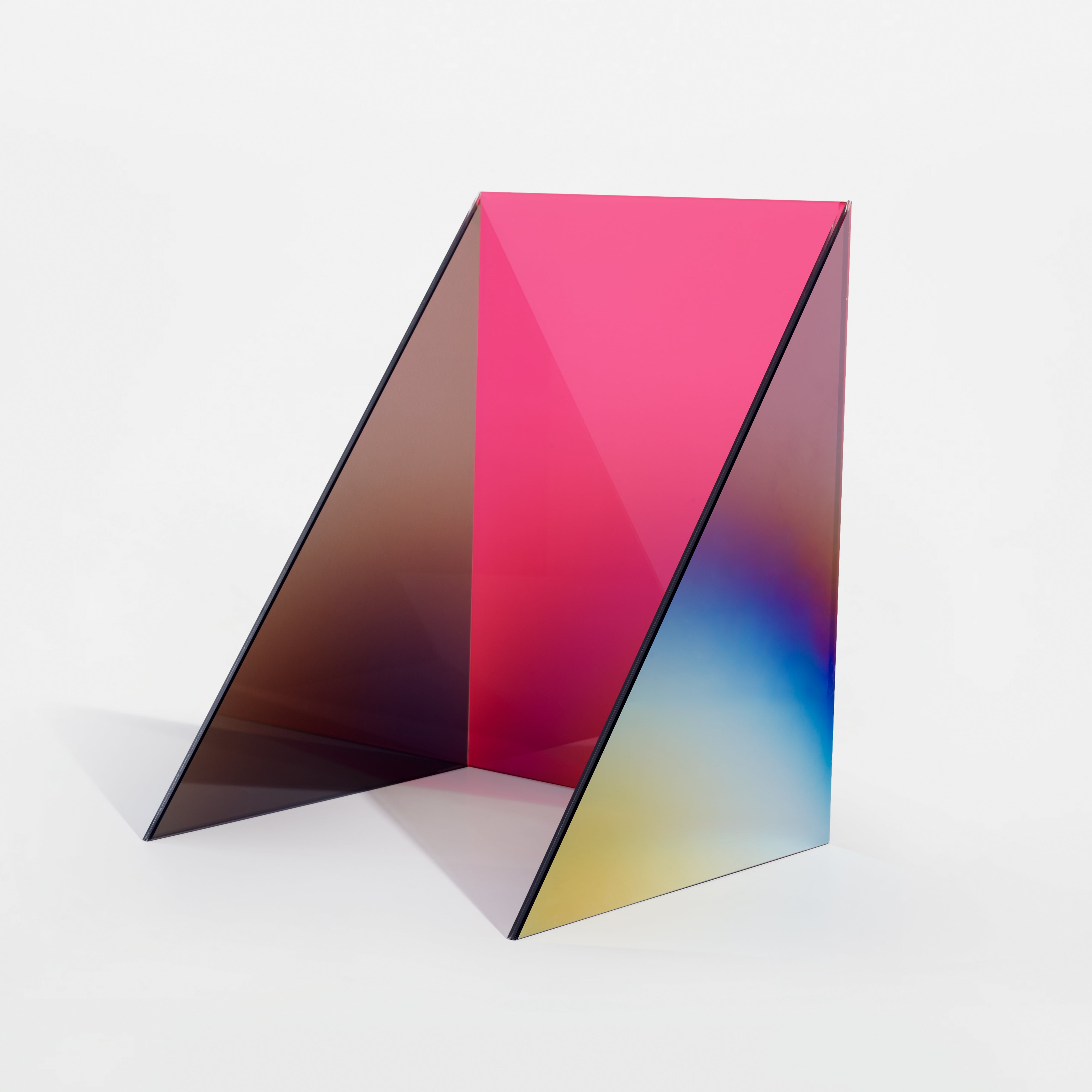

The Art That Makes Your Walls Disappear
There is a particular kind of collector who, once bitten by Light and Space, finds almost everything else too literal. The appeal is not immediately obvious from reproductions or even from description. You have to stand inside one of these works, feel the room shift around you, notice how your own perception becomes the subject. That experience of being implicated in the artwork, of having your senses gently destabilized by something that appears to be nothing more than light falling through a space, is precisely what keeps serious collectors returning to this movement with deepening conviction.
Living with Light and Space work is unlike living with almost any other category of contemporary art. These pieces do not simply hang on a wall and wait to be looked at. They change with the hour, with the season, with the quality of afternoon light in January versus July. A Larry Bell glass cube in morning sun is a different object by evening.
Larry Bell
Untitled Triolith C SS, 2020
Collectors who acquire in this space often describe a shift in how they inhabit their homes, a new attentiveness to light itself that the work quietly installs. That intimacy, that ongoing perceptual conversation with the object, is difficult to replicate and nearly impossible to walk away from once you have experienced it. What separates a good work from a great one in this category comes down to specificity of effect and the integrity of the perceptual proposition. The best works do not simply look beautiful or feel atmospheric.
They do something precise. They propose a particular experience of light or space or both, and they deliver that experience with conviction every time, under shifting conditions. Works that dazzle on first encounter but flatten over time are often the ones that prioritized visual spectacle over genuine perceptual complexity. When evaluating a work, ask yourself whether the experience deepens with repeated exposure or whether familiarity reduces it.
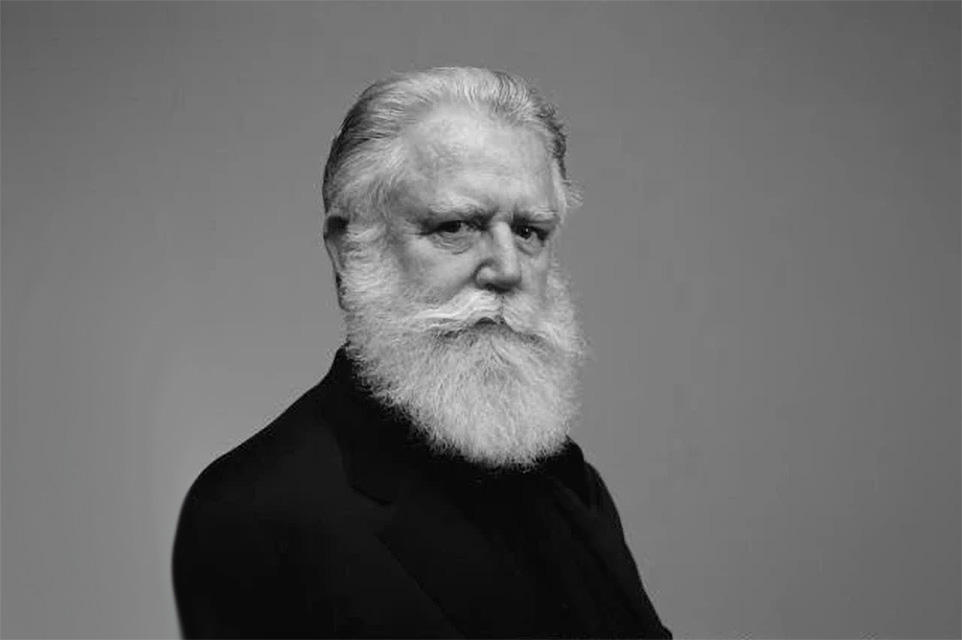
James Turrell
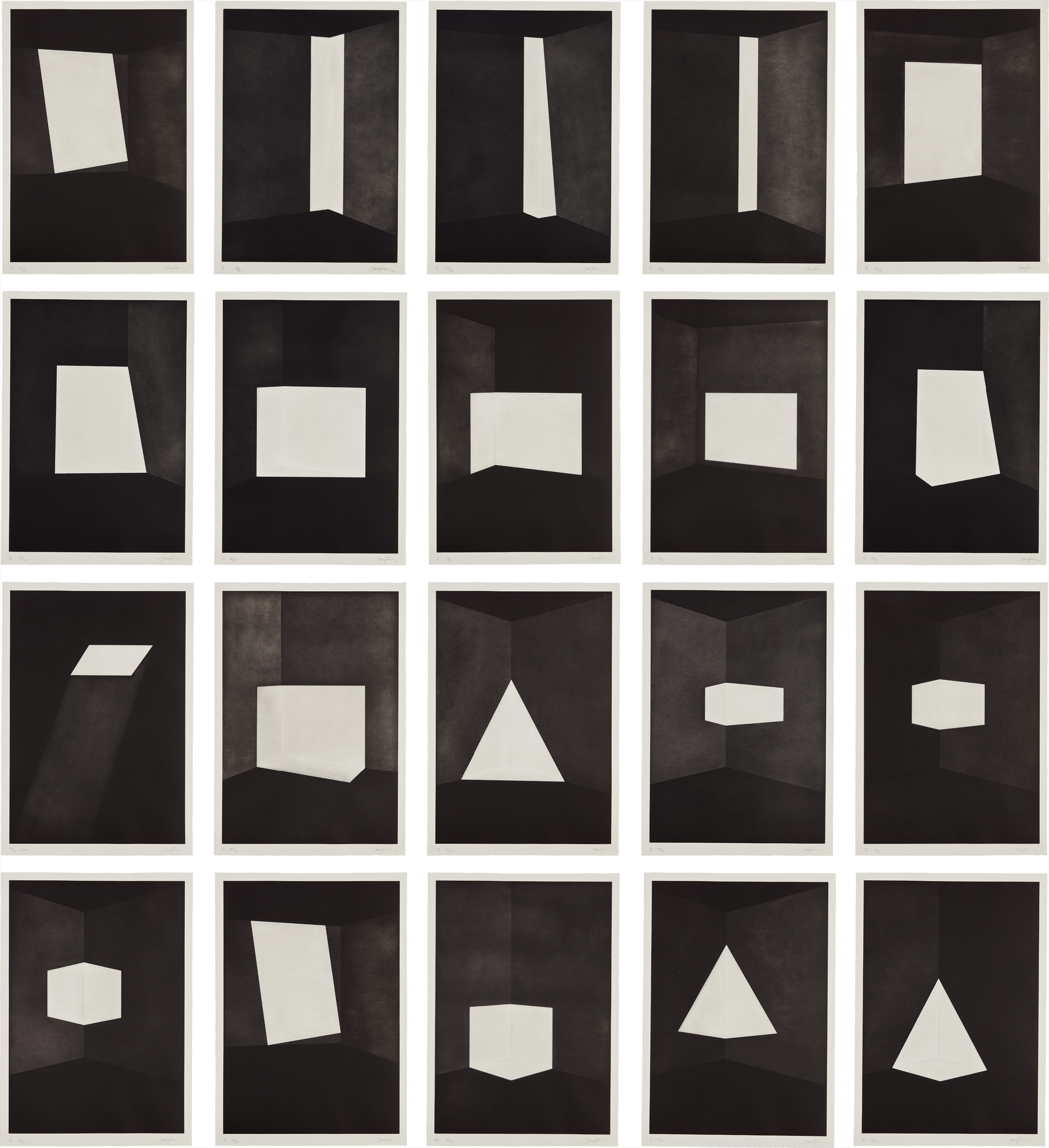
First Light
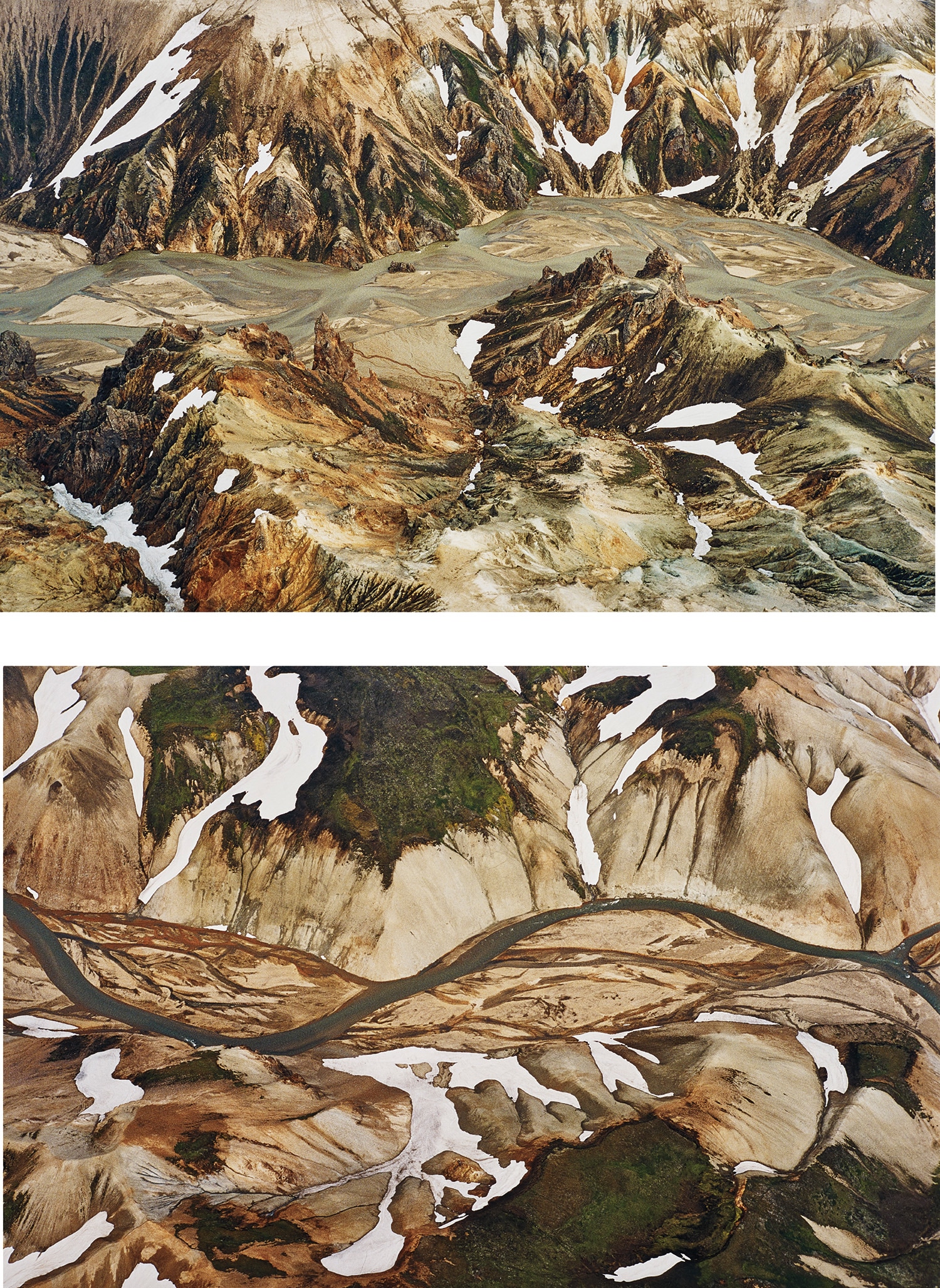
The strongest pieces in this canon reward sustained attention across years. Among the artists well represented on The Collection, Larry Bell stands as one of the most important market propositions in this space. Bell, whose work emerged out of the Ferus Gallery scene in Los Angeles in the 1960s, has spent decades refining his investigation into coated glass, light interference, and the phenomenology of transparent surfaces. His work holds serious institutional standing, with significant holdings at museums including the Museum of Modern Art and the Smithsonian.
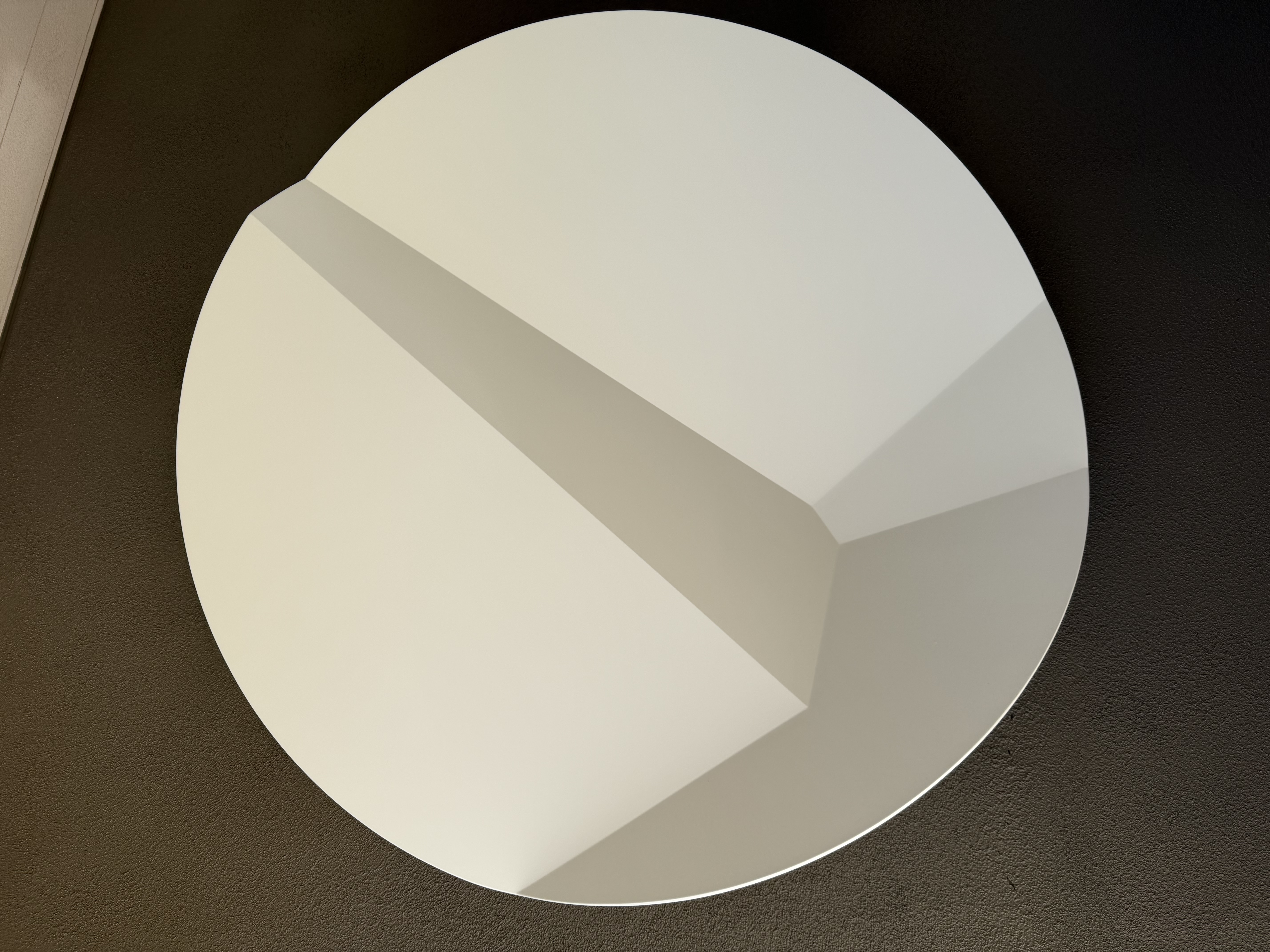
Phillip K. Smith III represents a compelling point of entry for collectors interested in the movement's contemporary extension. Smith engages with reflective surfaces, shifting color, and site responsiveness in ways that feel genuinely indebted to the California tradition while remaining wholly current. His large scale outdoor installations have brought considerable critical attention, and his gallery market reflects that momentum.
Phillip K. Smith III
Faceted Disc Variant #4, 2018
James Turrell is, of course, the name that anchors any serious conversation about Light and Space at the highest level. His Skyspaces and Ganzfeld environments have become among the most sought after experiential works in contemporary art, and his market has responded accordingly. Turrell editions and multiples represent one of the more interesting access points for collectors who want genuine engagement with his thinking without the scale and infrastructure demands of a major installation. Olafur Eliasson occupies a related but distinct position.
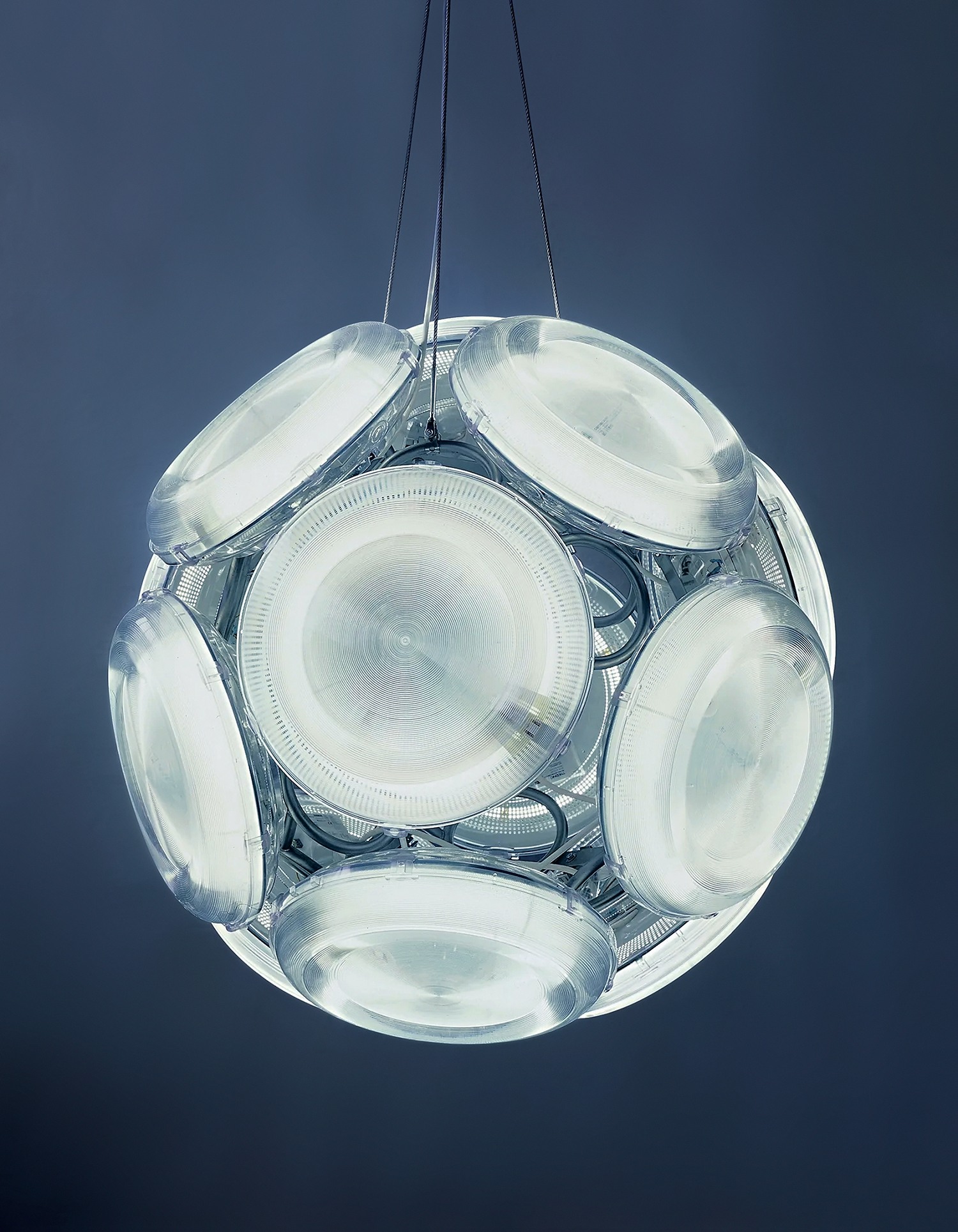
He brings a conceptual and ecological dimension to the manipulation of light and perception that has made his work central to both institutional collections and ambitious private ones. His auction results have been consistently strong, and his editions produced through his Studio Olafur Eliasson have introduced his practice to a broader collector base without diluting the rigor of the work itself. Beyond these established figures, there are younger artists working within this perceptual tradition who deserve serious attention. Artists engaging with LED technology, with architectural light, and with the intersection of environmental concern and phenomenological experience are producing work that feels genuinely urgent.
Ólafur Elíasson
Moonlight, 2003
The challenge for collectors is distinguishing between artists who are deploying light as aesthetic effect and those who are using it to pursue a genuine perceptual inquiry. Galleries in Los Angeles, Berlin, and New York are showing a generation of practitioners in their thirties and forties who came up through MFA programs with a rigorous understanding of the California movement's theoretical foundations. Those are the careers worth tracking early. At auction, Light and Space works perform with notable consistency at the upper end of the market, though the category rewards patience rather than short term speculation.
Bell's glass and vacuum coated works have seen sustained price growth over the past decade, particularly as institutional scholarship around the Ferus Gallery generation has intensified. Turrell's market remains one of the more complex in contemporary art, partly because the most significant works are site specific and exist outside the traditional auction system. When his editions and works on paper do appear, they tend to attract serious competition. One important market dynamic to understand is that the category's emphasis on experience and site specificity means that documentation, provenance, and installation history carry unusual weight in valuation.
Practically speaking, collecting in this space requires a different set of due diligence questions than you would bring to painting or sculpture. For works involving glass, ask about the stability of coatings over time and get detailed condition reports addressing any delamination or surface oxidation. For light works involving electrical components, understand the manufacturer's long term support position and the availability of replacement elements. The distinction between editions and unique works matters enormously here.
Many artists working in light produce both, and understanding where a given work sits within that structure affects both its market position and its relationship to the artist's broader practice. Ask the gallery for the full edition size, the number already placed, and whether the artist has given institutional works from the same edition. That information tells you a great deal about how the work will be understood over time.