Italian Renaissance
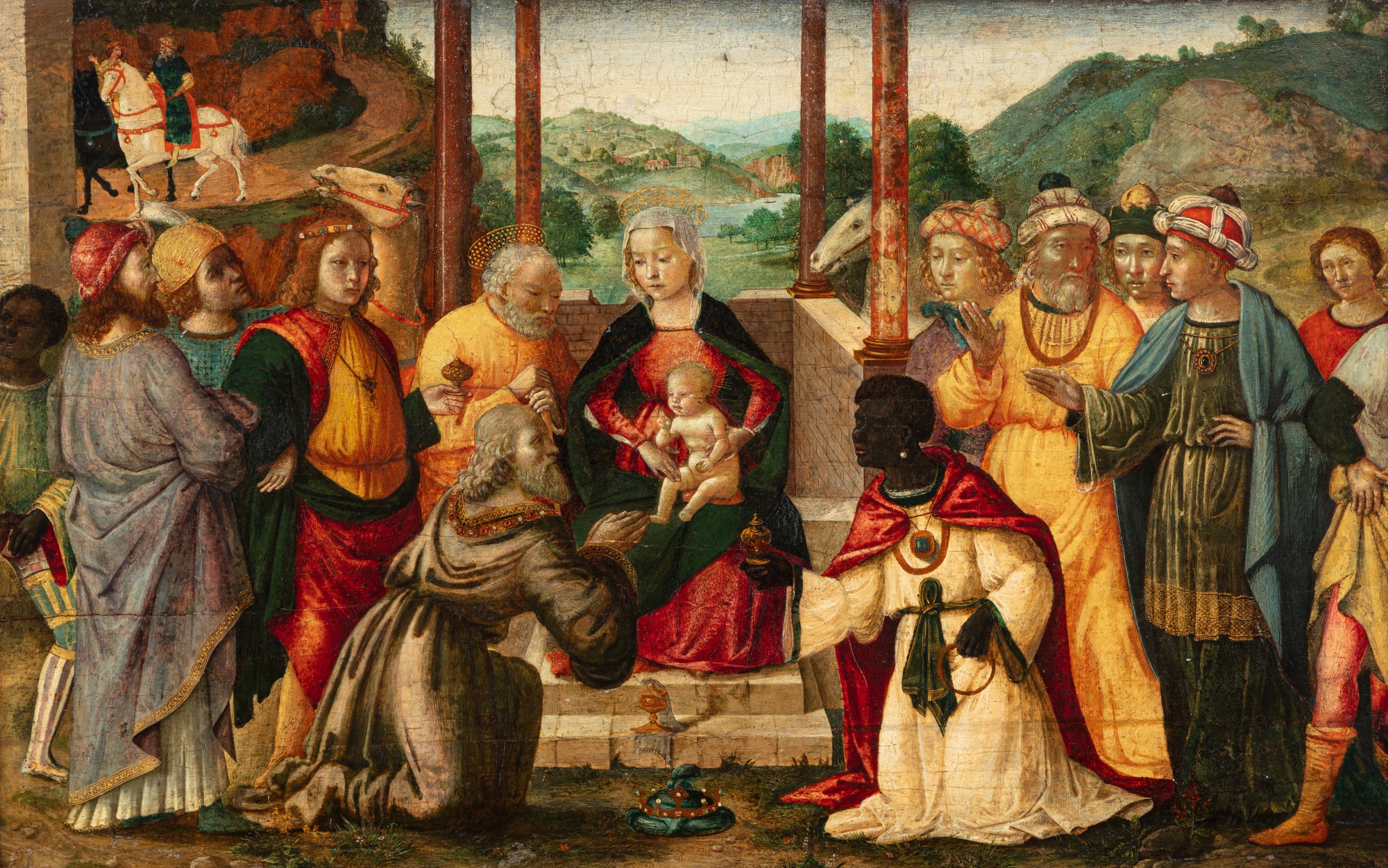
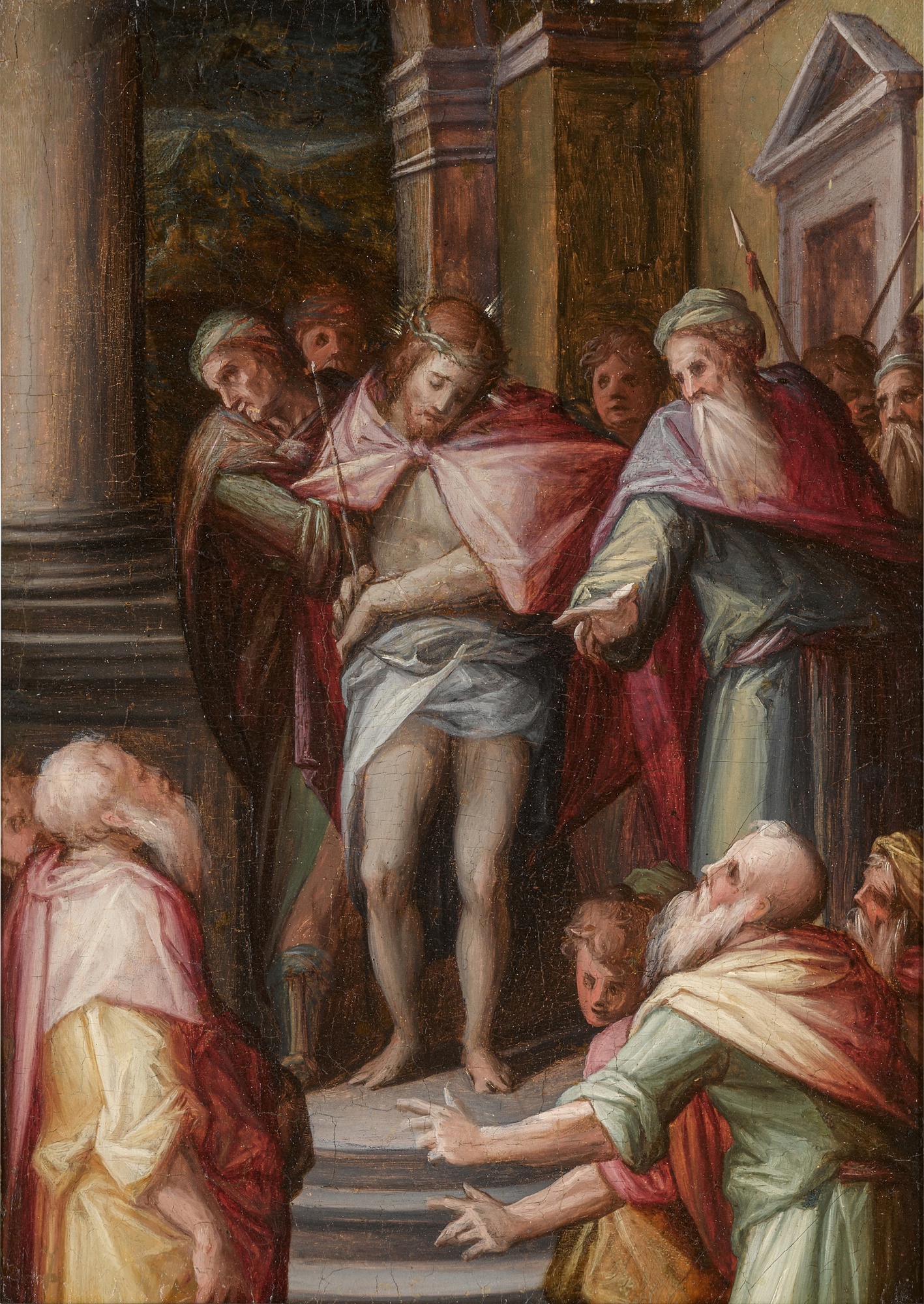
Pseudo-Granacci
L'Adoration des Mages
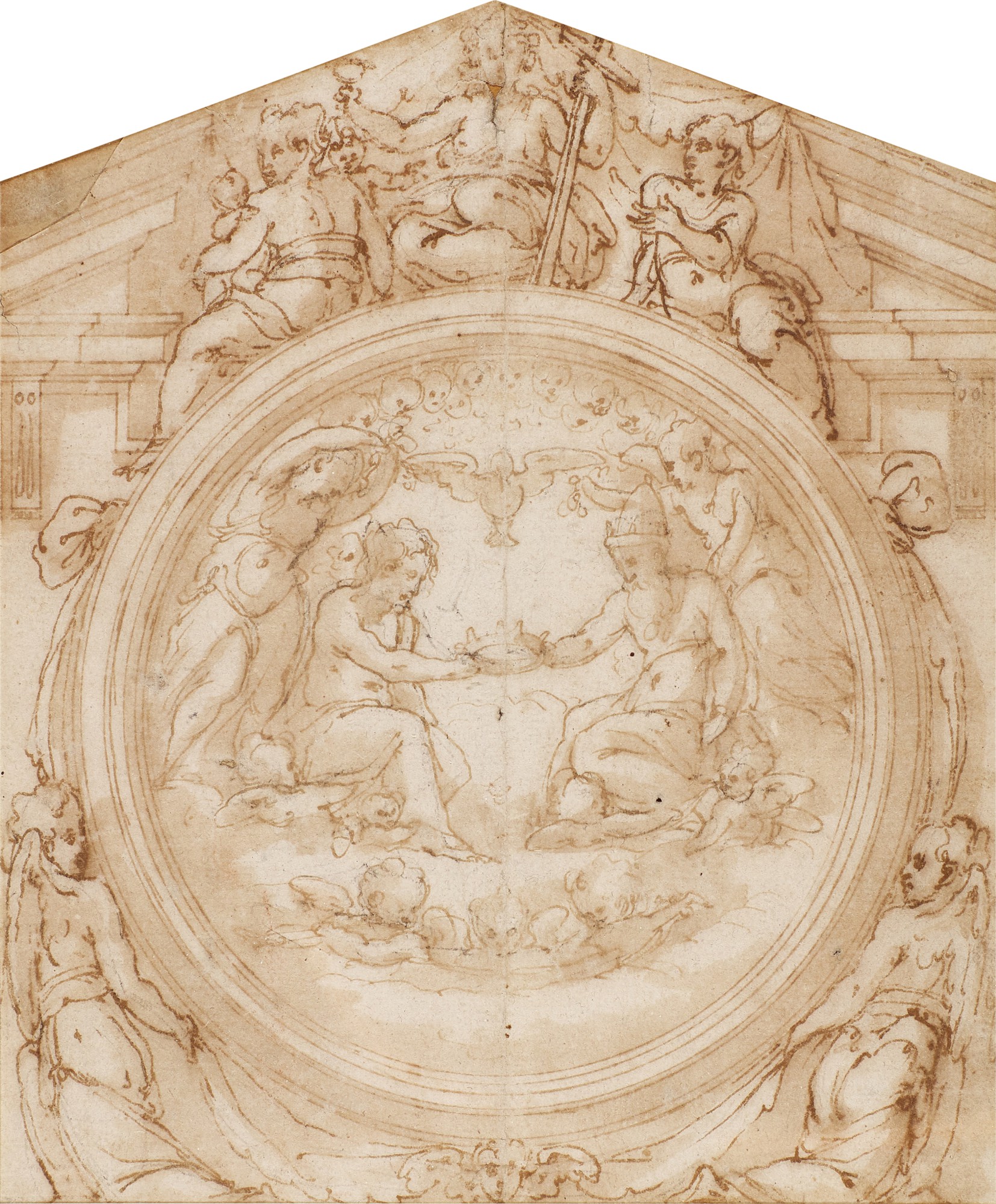
The Renaissance Never Actually Ended, Did It?
There is a moment, standing before a fifteenth century Florentine altarpiece, when the centuries simply collapse. The gold leaf still catches the light with the same intention its maker brought to the work. The eyes of a Madonna still hold that particular quality of weighted serenity that painters spent entire careers learning to render. The Italian Renaissance remains, more than five hundred years after its fullest flowering, not merely a historical episode but a living conversation about what painting can ask of the viewer and what the viewer owes in return.
The story begins, conventionally enough, in Florence around the early 1400s, when a confluence of wealth, civic ambition, theological complexity, and genuine intellectual restlessness produced something that had not existed before: an art rooted in the observation of the visible world while remaining entirely devoted to the invisible one. The Medici banking dynasty funded chapels and altarpieces not only out of piety but out of a sophisticated understanding that cultural patronage was a form of political currency. By the 1480s and 1490s, the movement had spread across the Italian peninsula, finding distinct voices in Venice, Ferrara, Siena, and Umbria, each city inflecting the shared visual grammar with its own materials, light, and theological preoccupations. Among the artists well represented on The Collection, the range of that geographic and stylistic spread is genuinely instructive.
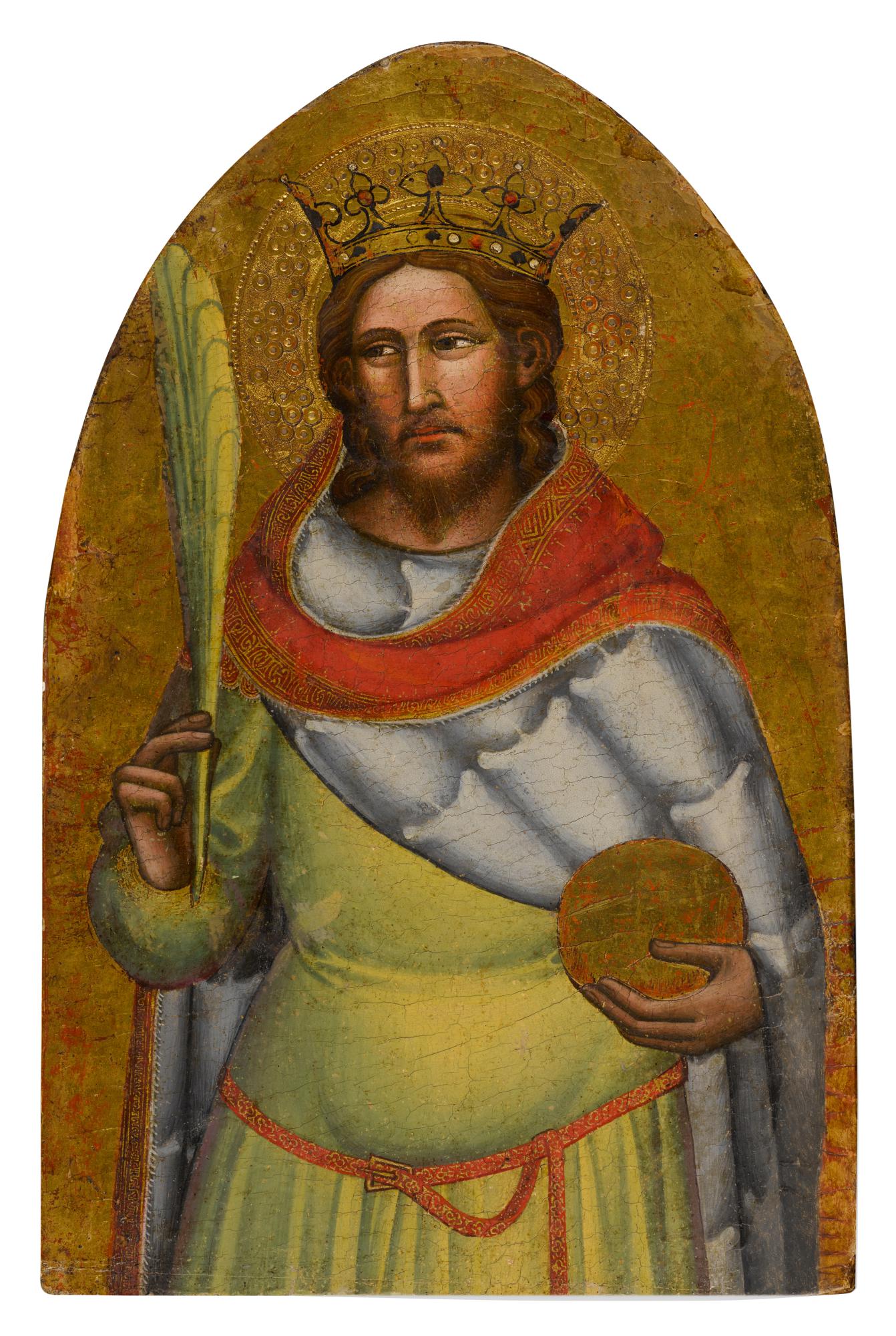
Niccolò di Pietro Gerini
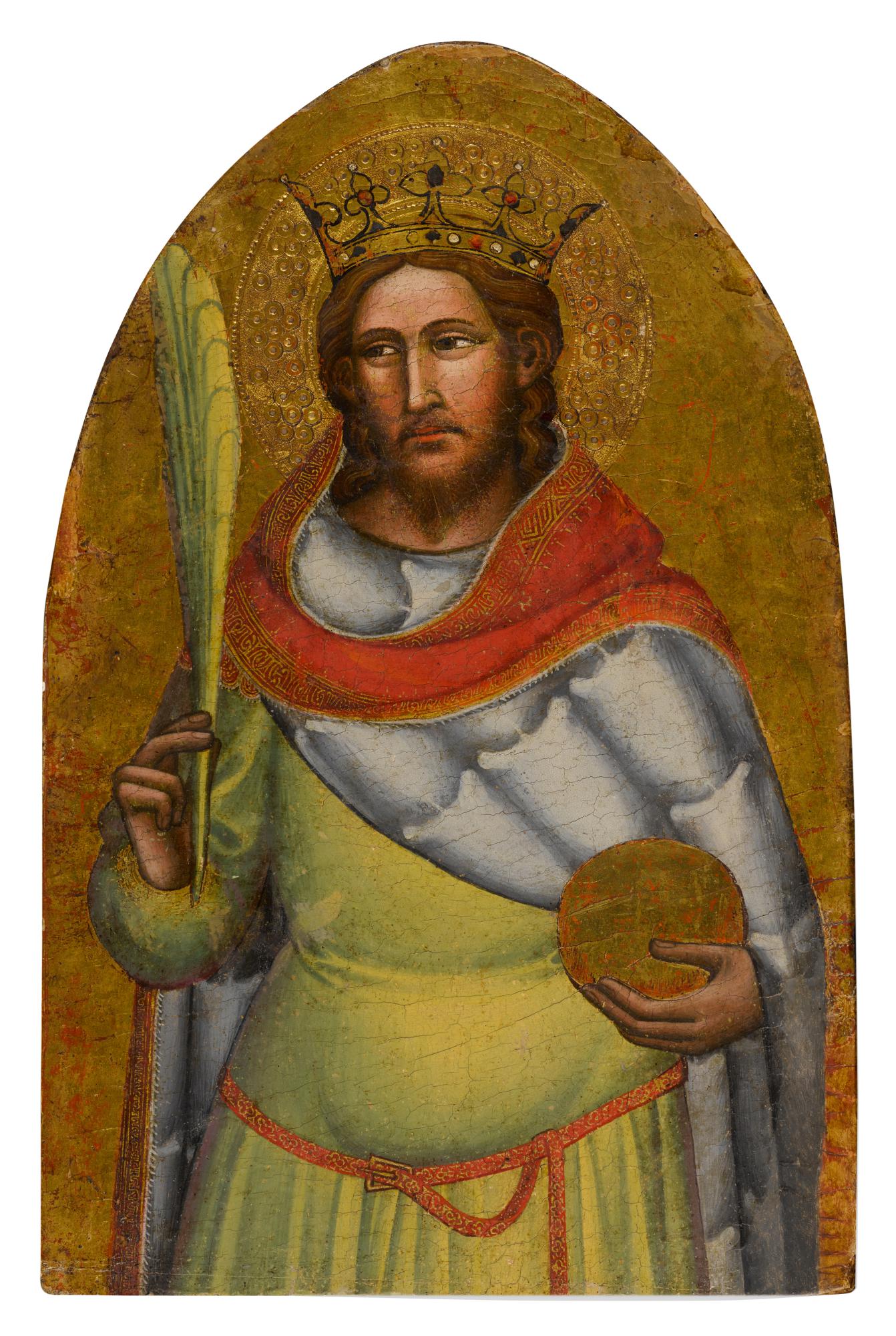
Saint Sigismund
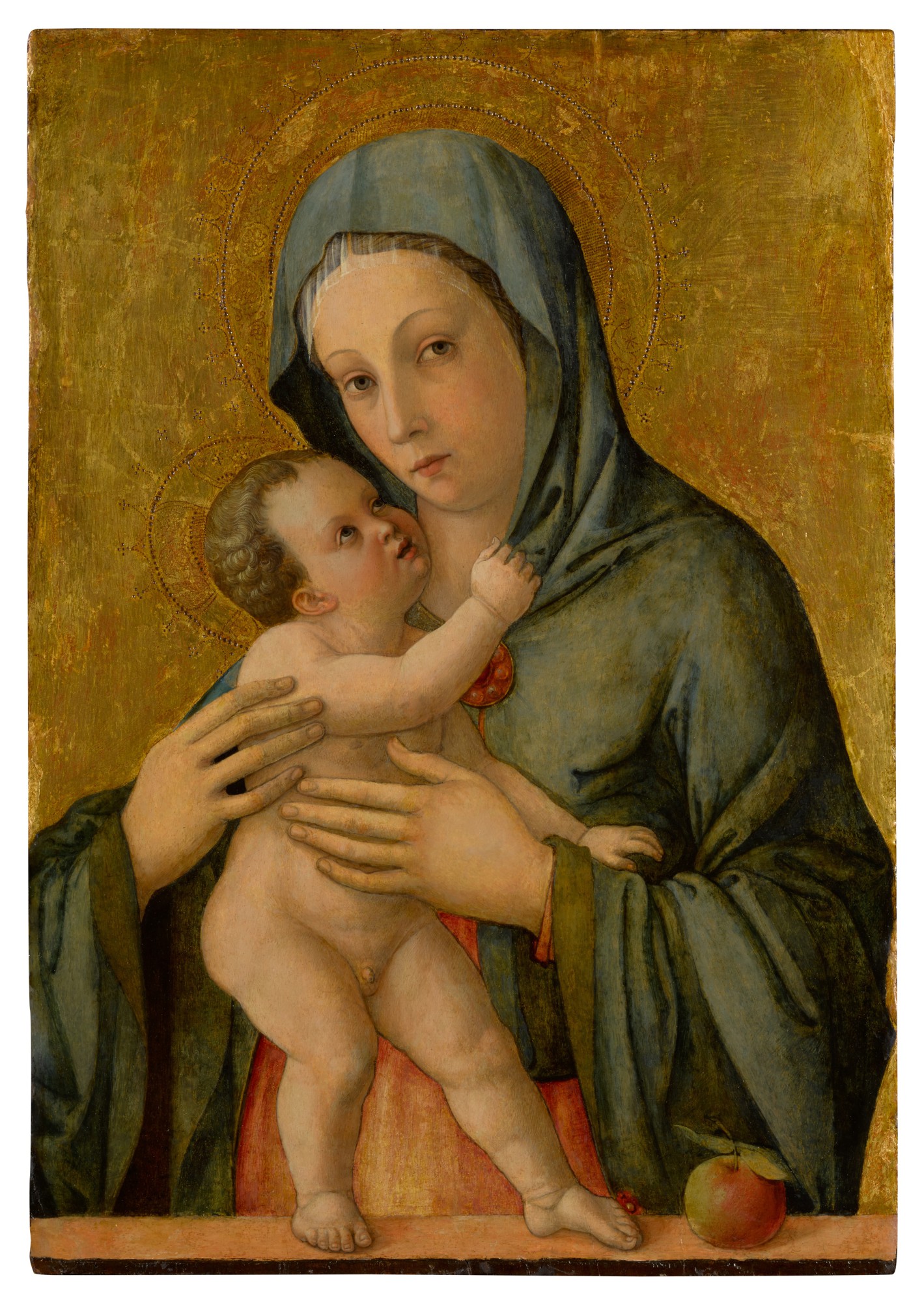
Giovanni Bellini, working in Venice across a career that stretched from the 1460s into the early sixteenth century, brought to the tradition a luminosity particular to a city built on water and accustomed to the shimmering instability of reflected light. His contemporaries in Tuscany, painters like Neri di Bicci and Niccolò di Pietro Gerini, worked closer to the older Gothic inheritance, producing devotional panels in which gold grounds and flattened hieratic figures still carried enormous spiritual authority. These were not competing impulses so much as a productive tension the period never quite resolved, and that tension is a great deal of what makes the work endlessly interesting. The question of attribution and artistic identity is one the Renaissance itself raised in acute form.
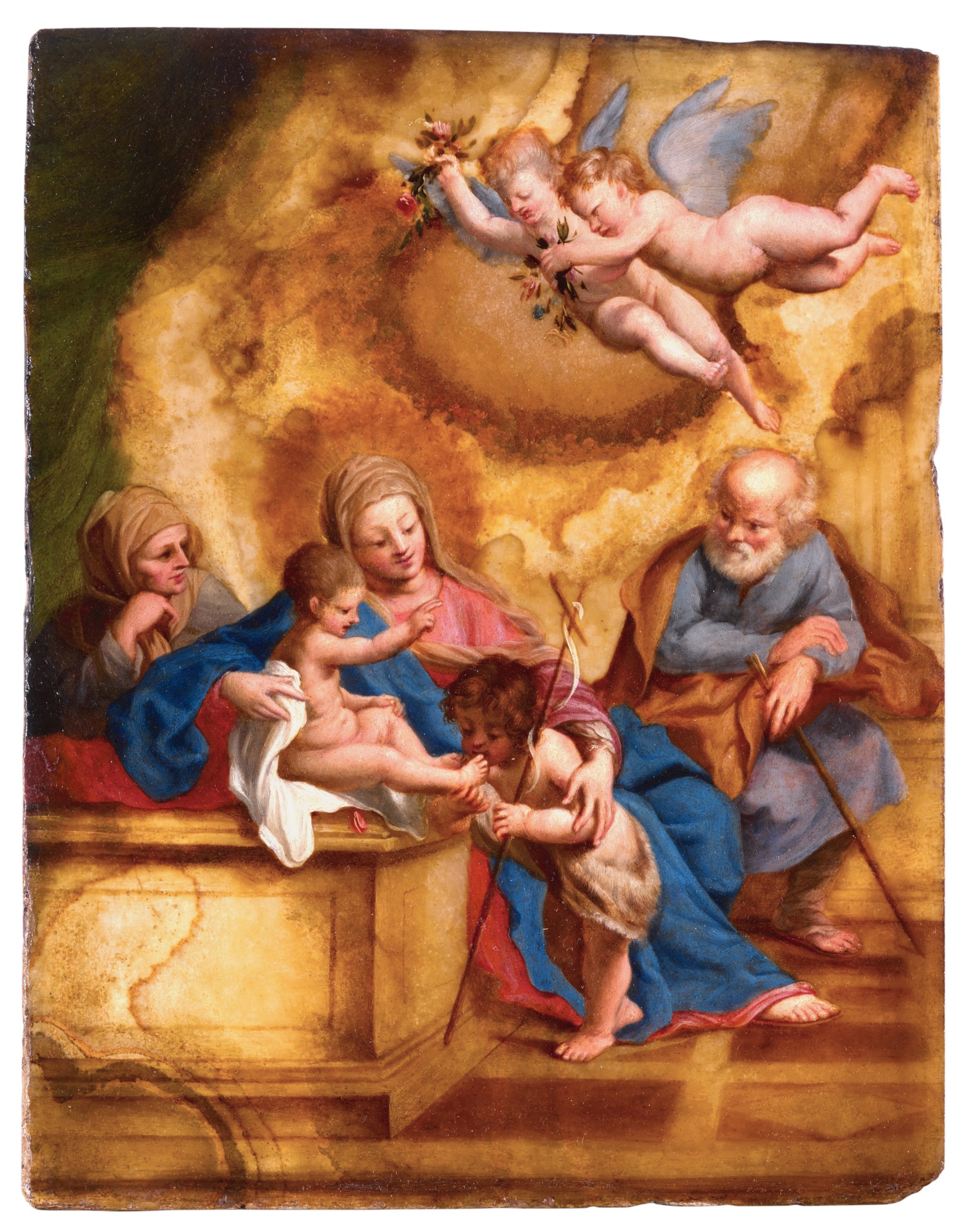
Giorgio Vasari's Lives of the Artists, published first in 1550 and revised in 1568, gave posterity the very framework through which we still understand these figures, organized around biography, genius, and the idea of progressive artistic development toward a summit embodied by Michelangelo. But the workshop system of the period produced a more complicated reality. Paintings emerged from collaborative processes, from the hands of masters and their apprentices working in close proximity, and the categories we now use, such as Circle of Giorgio Vasari or Pseudo Granacci or Imitator of Fra Angelico, are not failures of knowledge so much as honest acknowledgments of how art was actually made. An attribution to the Circle of Guido Reni or to the Central Italian School carries real information about a work's visual language, its devotional function, and its moment, even when a single authorial name cannot be fixed with confidence.
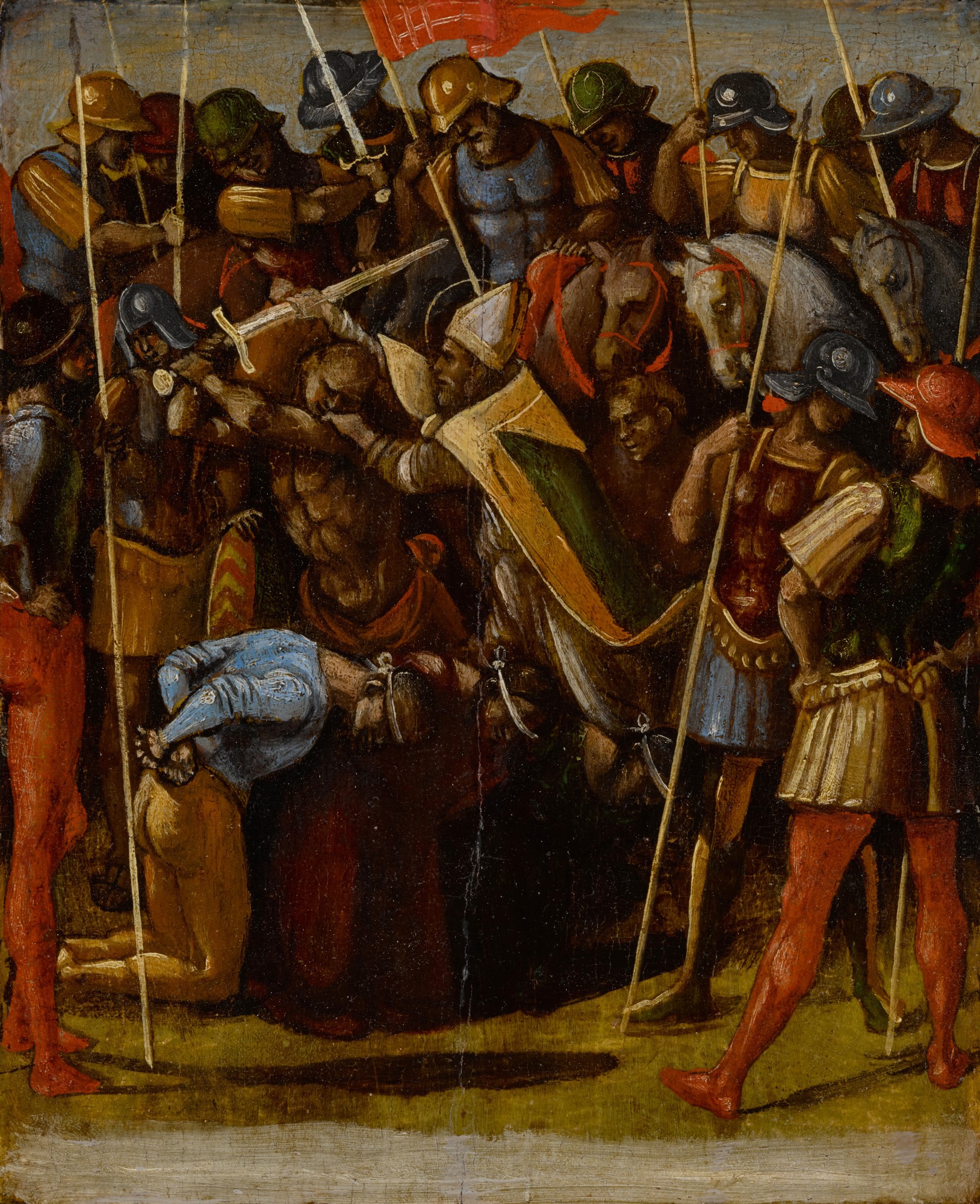
Luca Signorelli
Saint Nicholas of Bari saving three knights from execution
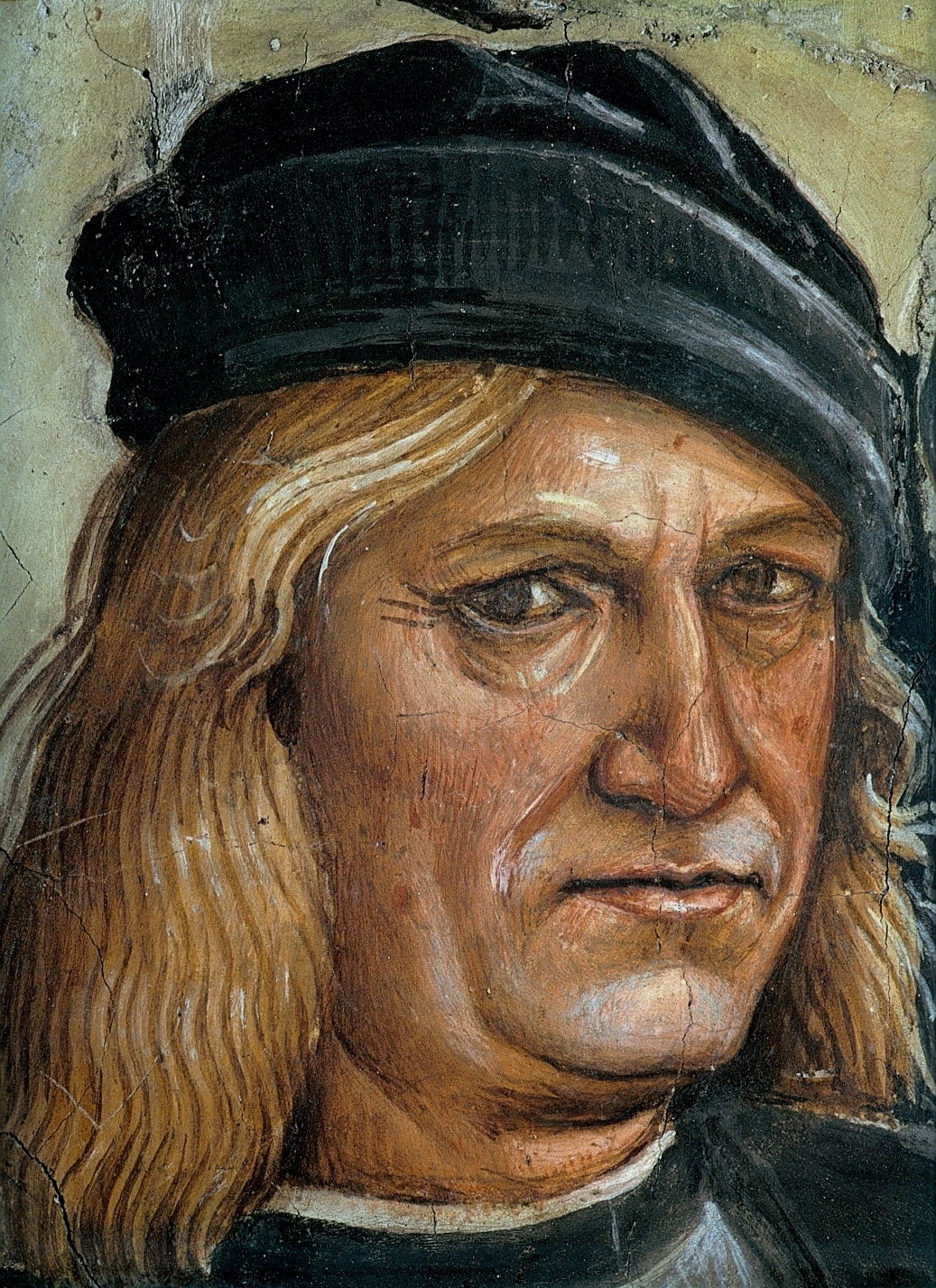
The technical ambitions of Renaissance painters remain staggering when examined closely. The shift from egg tempera to oil, which moved through Italian studios during the latter half of the fifteenth century partly in response to Flemish example, allowed for a new kind of atmospheric depth and a new handling of flesh. Artists like Luca Signorelli, whose draftsmanship was celebrated even by Michelangelo, used the human figure as a vehicle for theological and philosophical argument. The work of painters such as Benvenuto Tisi, called Garofalo, working in Ferrara in the early sixteenth century, shows how thoroughly a provincial center could absorb Roman and Florentine influence and produce something genuinely its own.
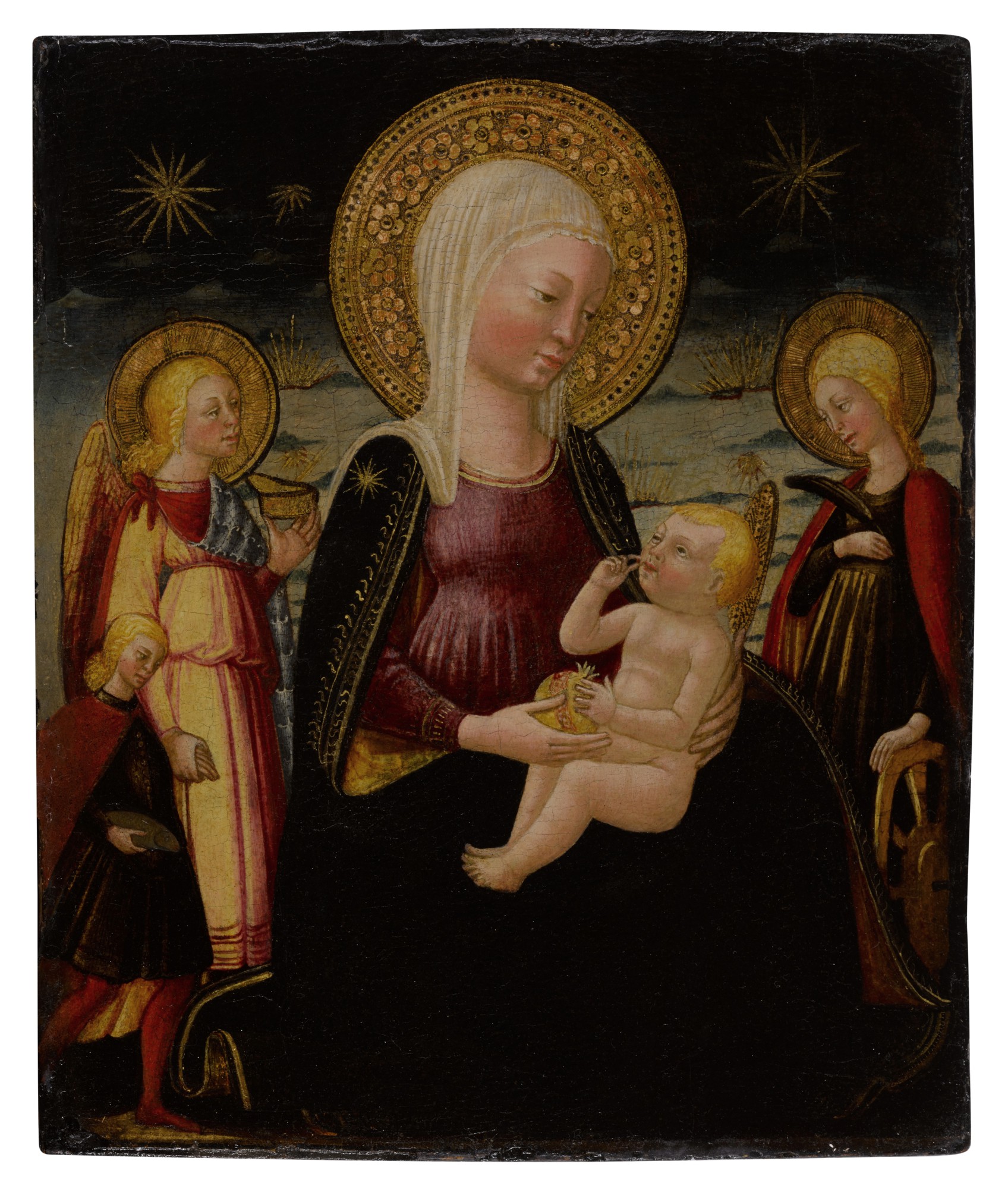
Bartolomeo Passarotti and Giovanni Battista Naldini, both working in the later Mannerist current that extended the Renaissance into the latter half of the sixteenth century, demonstrate how the period's foundational commitments to figure, space, and religious narrative could be pushed toward a new psychological intensity. What these artists shared, across their differences in geography and temperament, was a belief in painting as a discipline of attention. The preparation of a panel with gesso, the grinding of lapis lazuli into the ultramarine that marked the Virgin's robe as an almost incalculable expense, the slow layering of glazes that built a shadow into something you could believe in: all of it required a kind of sustained seriousness that contemporary culture finds both foreign and oddly compelling. Artists such as Sano di Pietro in Siena and Bartolomeo di Giovanni in Florence worked within traditions of devotional image making that had been refined over generations, and their works carry that accumulated intelligence even when individual names have grown obscure.
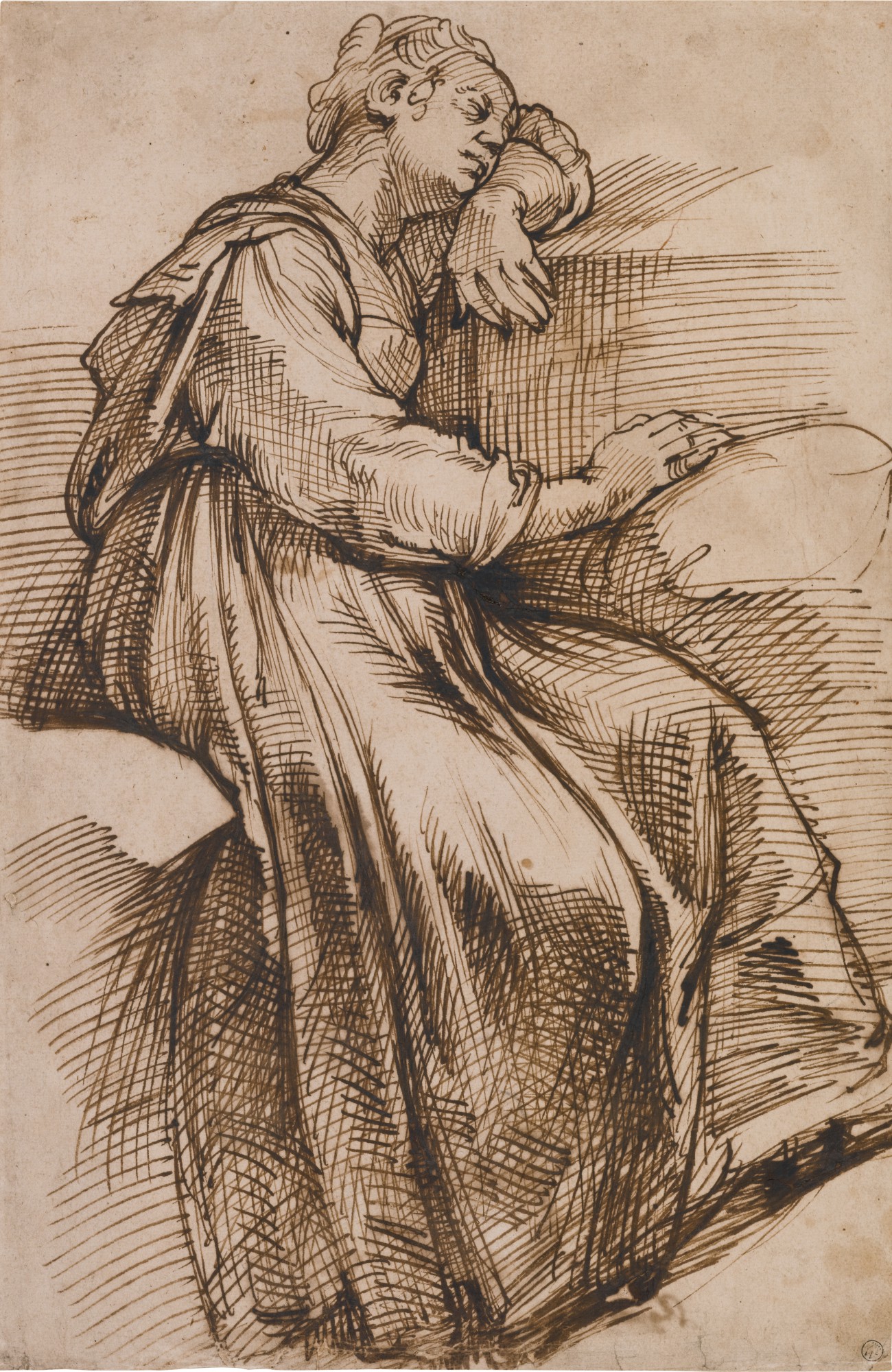
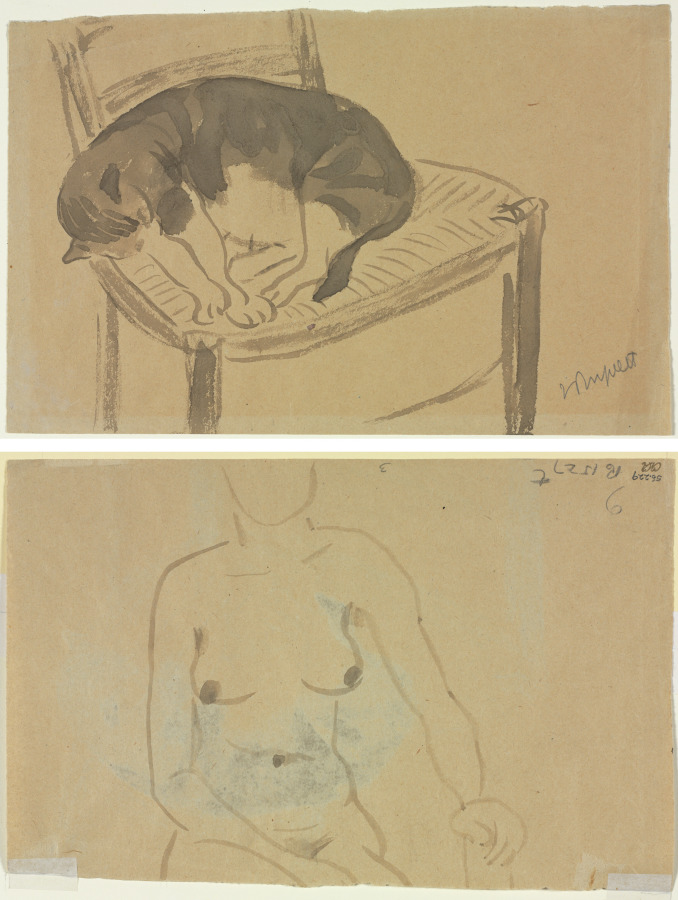
Bartolomeo Passarotti
Study of seated woman sleeping
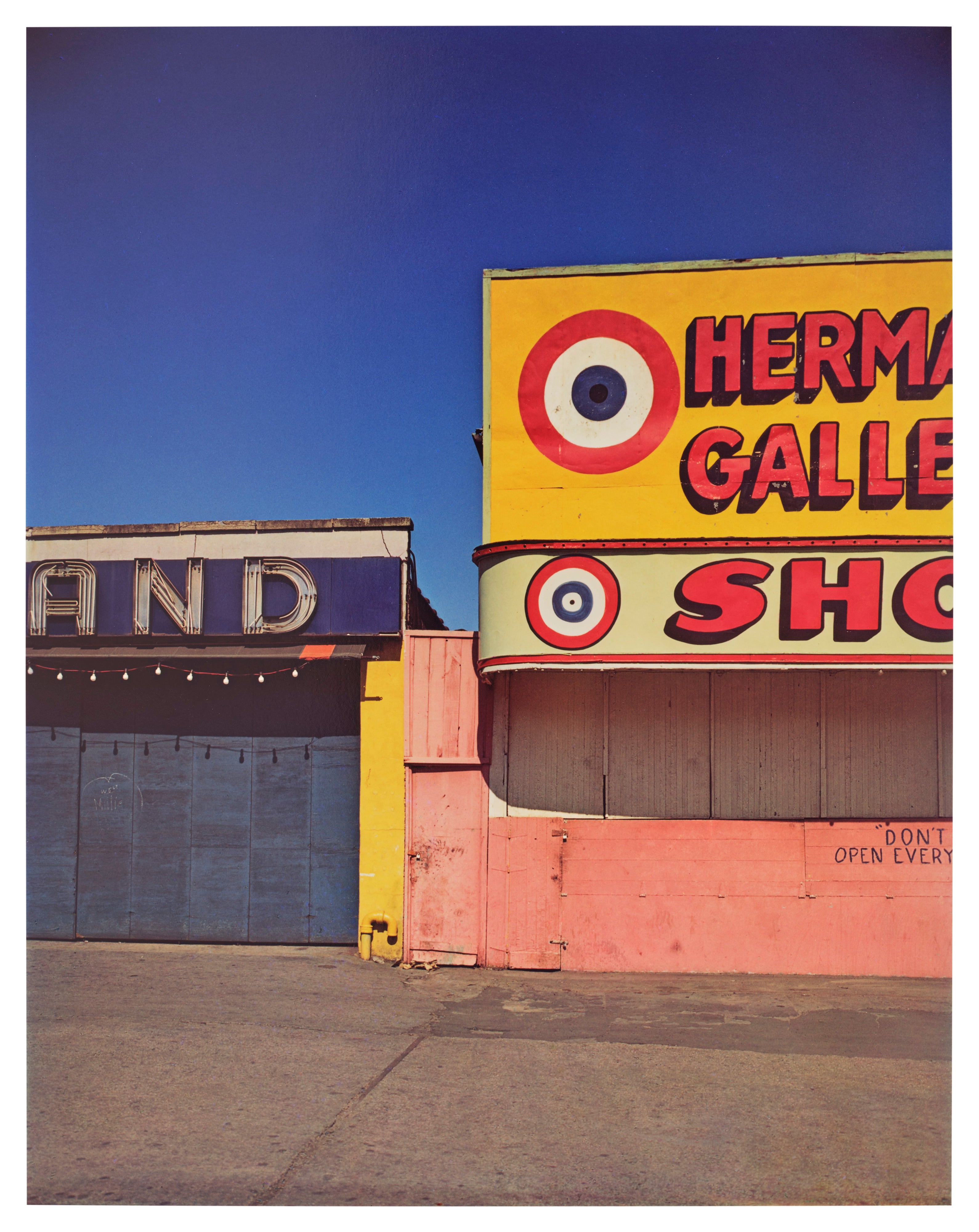
The Renaissance left the Western tradition with a set of problems it is still working through. The idea that a picture should create a convincing illusion of space, that the human body is the most expressive vehicle available to an artist, that painting carries an obligation to the viewer's intelligence: these are all Renaissance propositions, and contemporary art defines itself as much by arguing with them as by extending them. Photographers and conceptual artists have spent decades contesting the Renaissance picture plane, and yet the terms of the debate remain the ones Alberti laid out in his treatise On Painting in 1435. The works on The Collection offer a remarkable window into that origin point, not as museum pieces sealed behind glass but as objects whose questions are still genuinely open.
To collect in this space is to participate in a conversation about representation, devotion, and the stubborn power of the made image that shows no sign of concluding.