International Artists
Various Artists
S.M.S. Portfolios #1-6
Artists
The World Is the Canvas Now
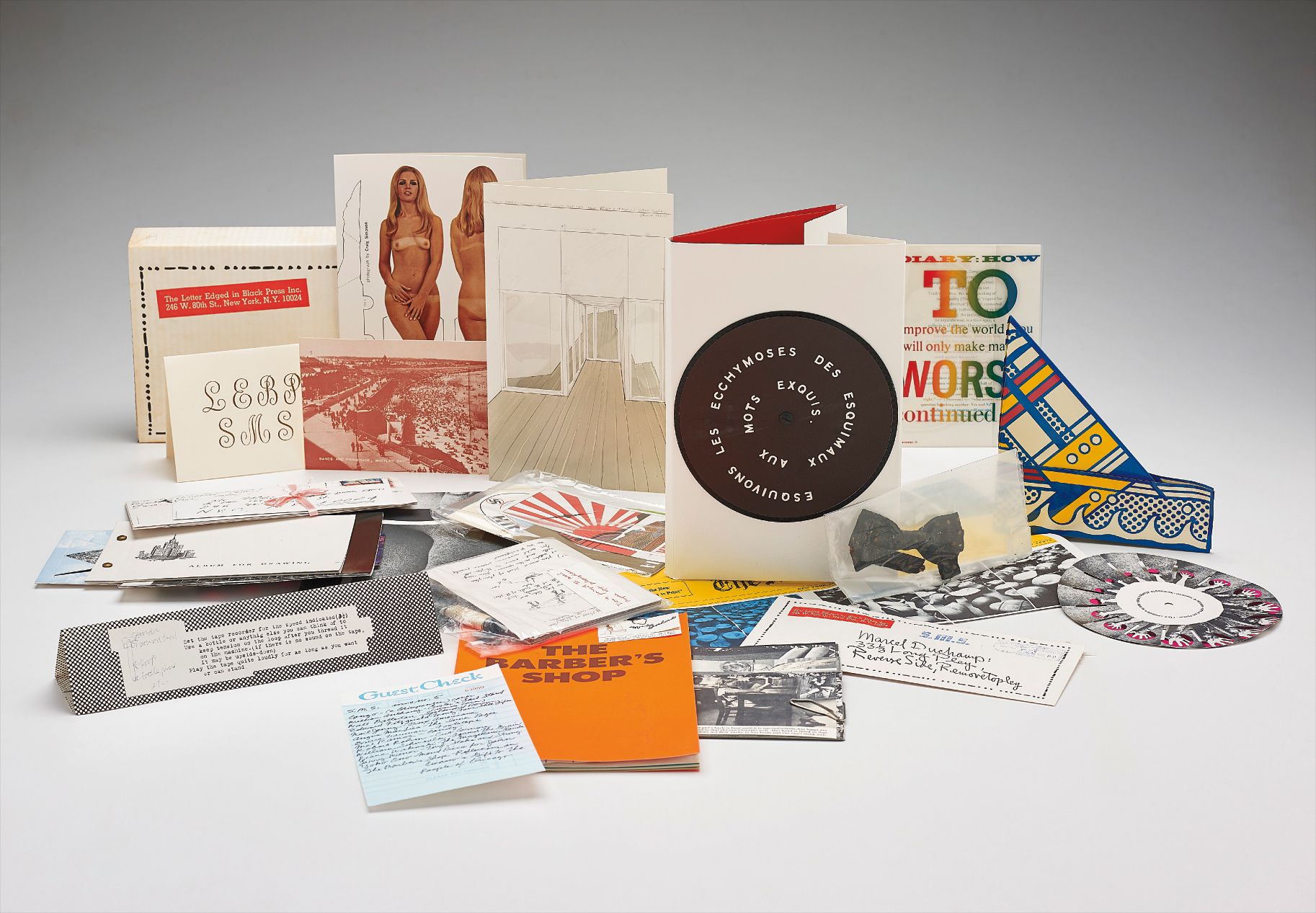
When a work by an artist previously known only to regional specialists suddenly clears seven figures at Christie's or Phillips, the art world pays attention in a particular way. It is not just the number that matters but what the number represents: a consensus forming in real time, collectors from different continents arriving at the same conclusion simultaneously. That convergence is the defining story of the international art market right now, and it is reshaping how institutions collect, how curators write, and how serious collectors think about building a meaningful collection across borders. The appetite for art made outside the traditional Western canon has moved well past the language of discovery.
We are no longer talking about outsiders being welcomed to the table. The table itself has been rebuilt. The most discussed acquisitions of recent years at major institutions have come from artists working in West Africa, Southeast Asia, Latin America, and the Middle East, and the critical frameworks used to understand those acquisitions are no longer borrowed from Eurocentric modernism. That shift in language is as significant as the shift in geography.
Adolphe Giraldon
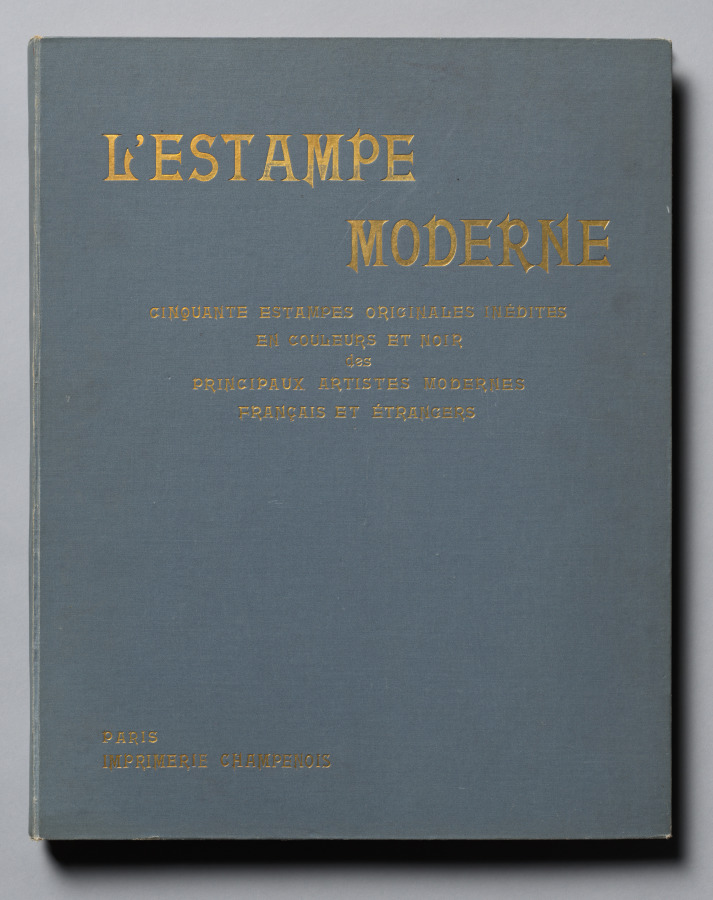
L'Estampe Moderne: Cinquantes Estampes Originales Inédites en Couleur et Noir des Principaux Artistes Modernes Français et Étrangers, Vol. II, 1898
Adolphe Giraldon, the French illustrator and decorative artist active in the late nineteenth and early twentieth centuries, offers an interesting lens through which to consider how international exchange has always animated art practice. Giraldon worked at the intersection of Art Nouveau and the broader Symbolist movement, drawing on visual languages that were already in conversation with Japanese woodblock printing, North African ornamentation, and the kind of eclectic cross pollination that defined the Paris of his era. His work, represented on The Collection, reminds us that the international dimension of art making is not a recent invention but a long conversation that the market is only now learning to value honestly and completely. On the exhibition front, the shows that have most shaped critical conversation in recent years include the Sharjah Biennial, which under various curatorial directions has consistently challenged assumptions about what constitutes a center and what constitutes a periphery.
The 2023 edition, titled "Awst and Walha" and referencing concepts of longing and return, attracted serious attention from curators at MoMA, the Tate, and the Pompidou. Meanwhile the Biennale of Sydney and Art Encounters in Timisoara have given platforms to artists whose work was largely invisible to the auction market as recently as a decade ago. These exhibitions do more than showcase work. They create the critical infrastructure that allows collectors and institutions to engage with confidence.
Various Artists
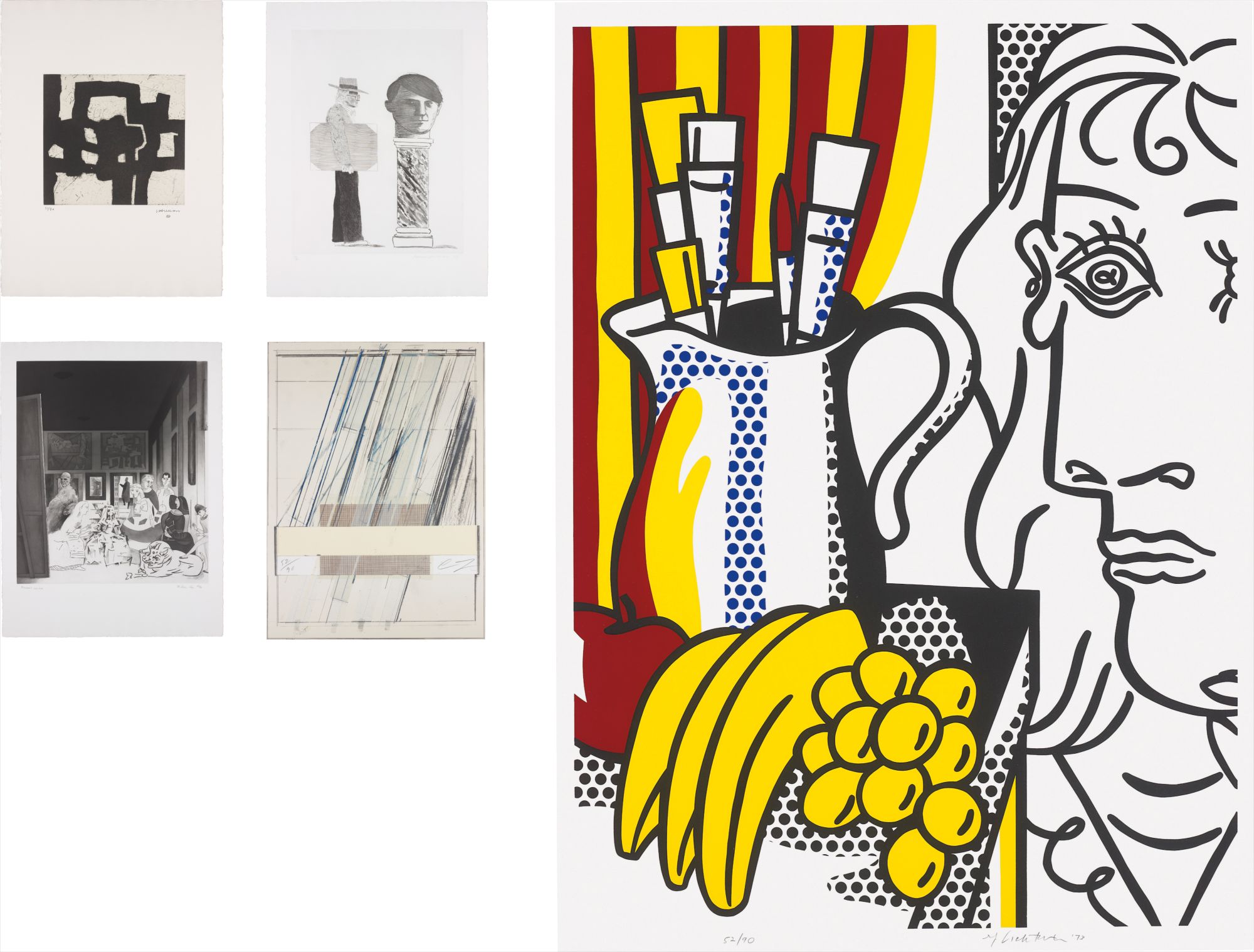
Hommage à Picasso (Homage to Picasso)
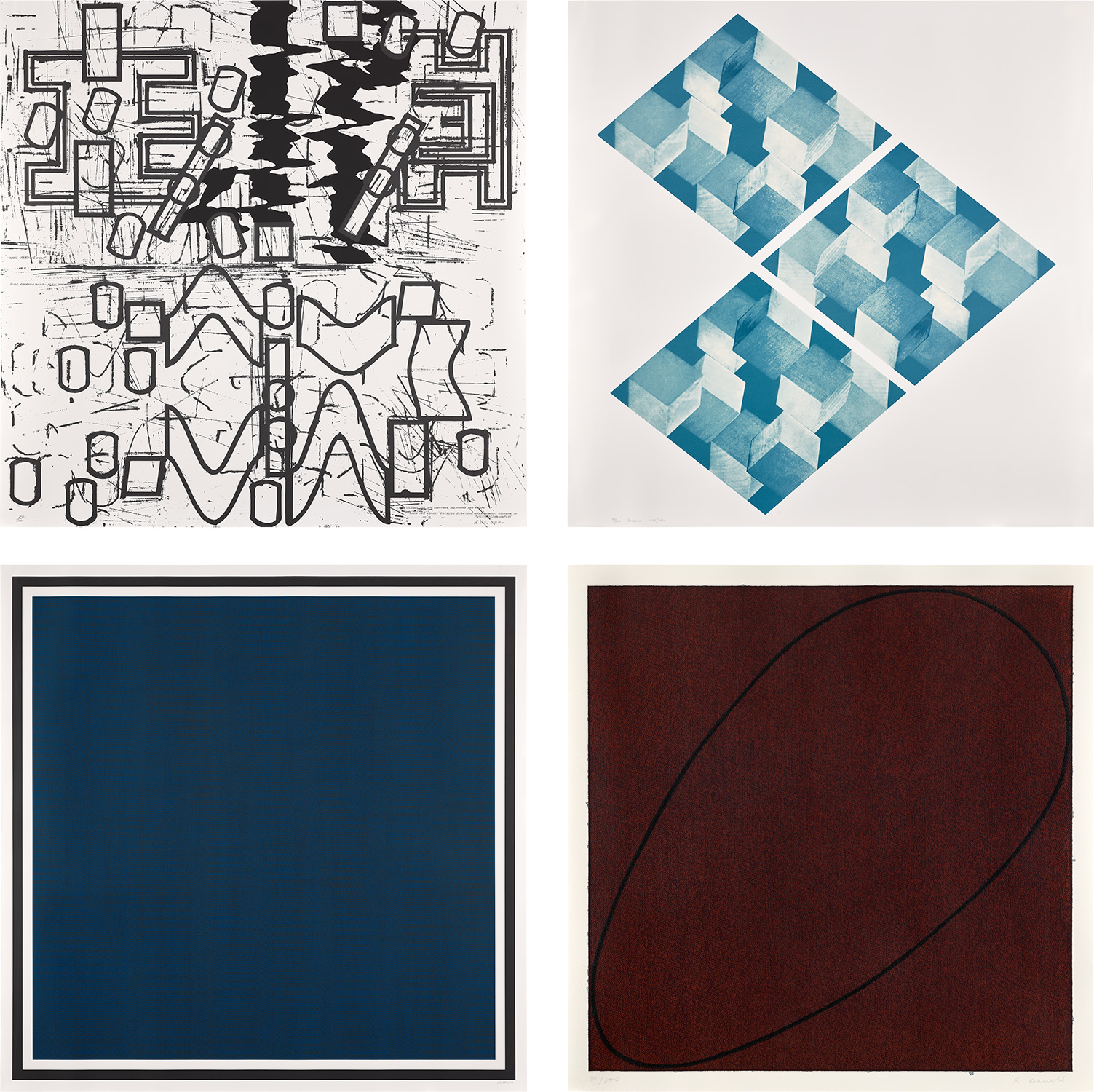
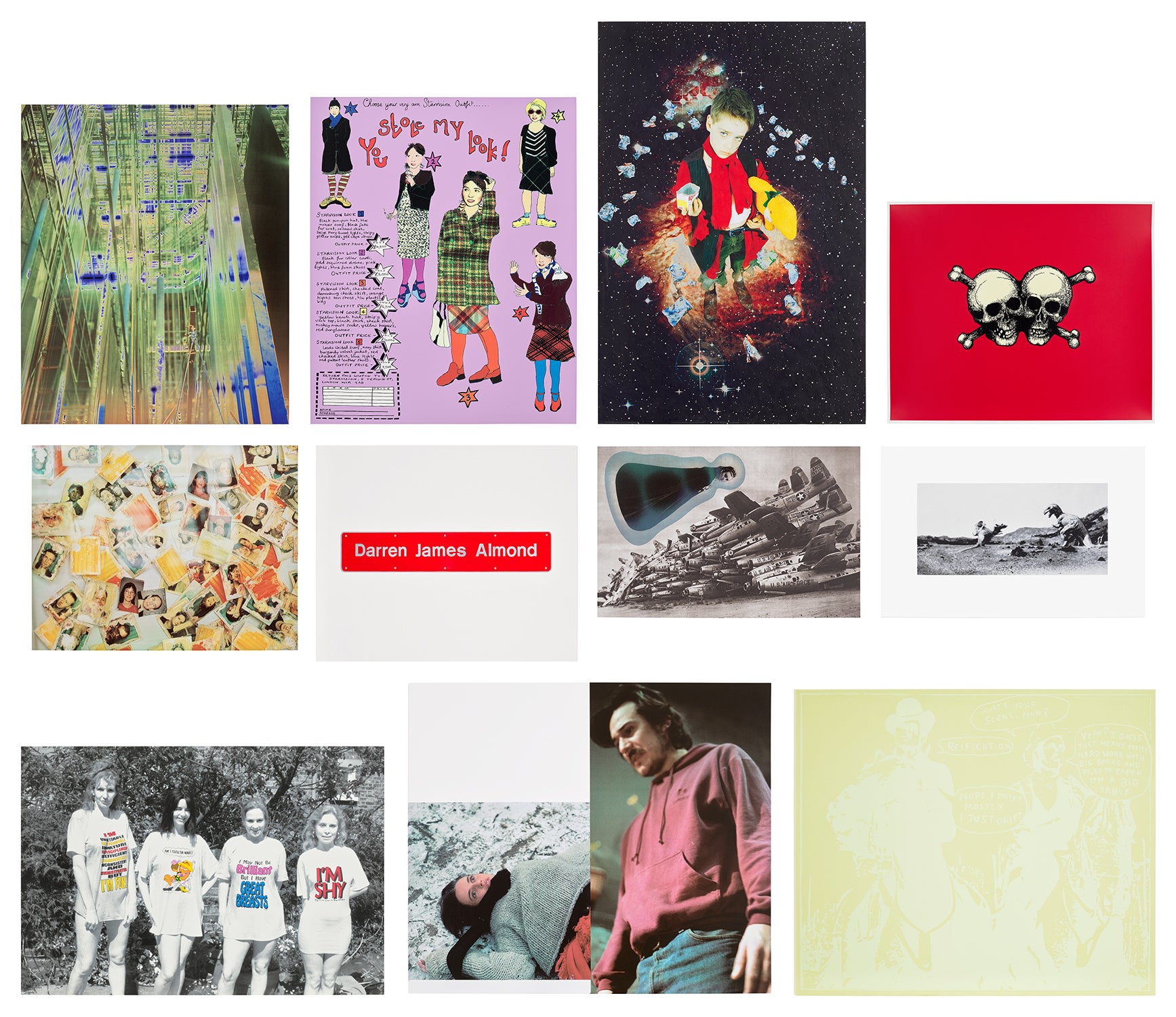
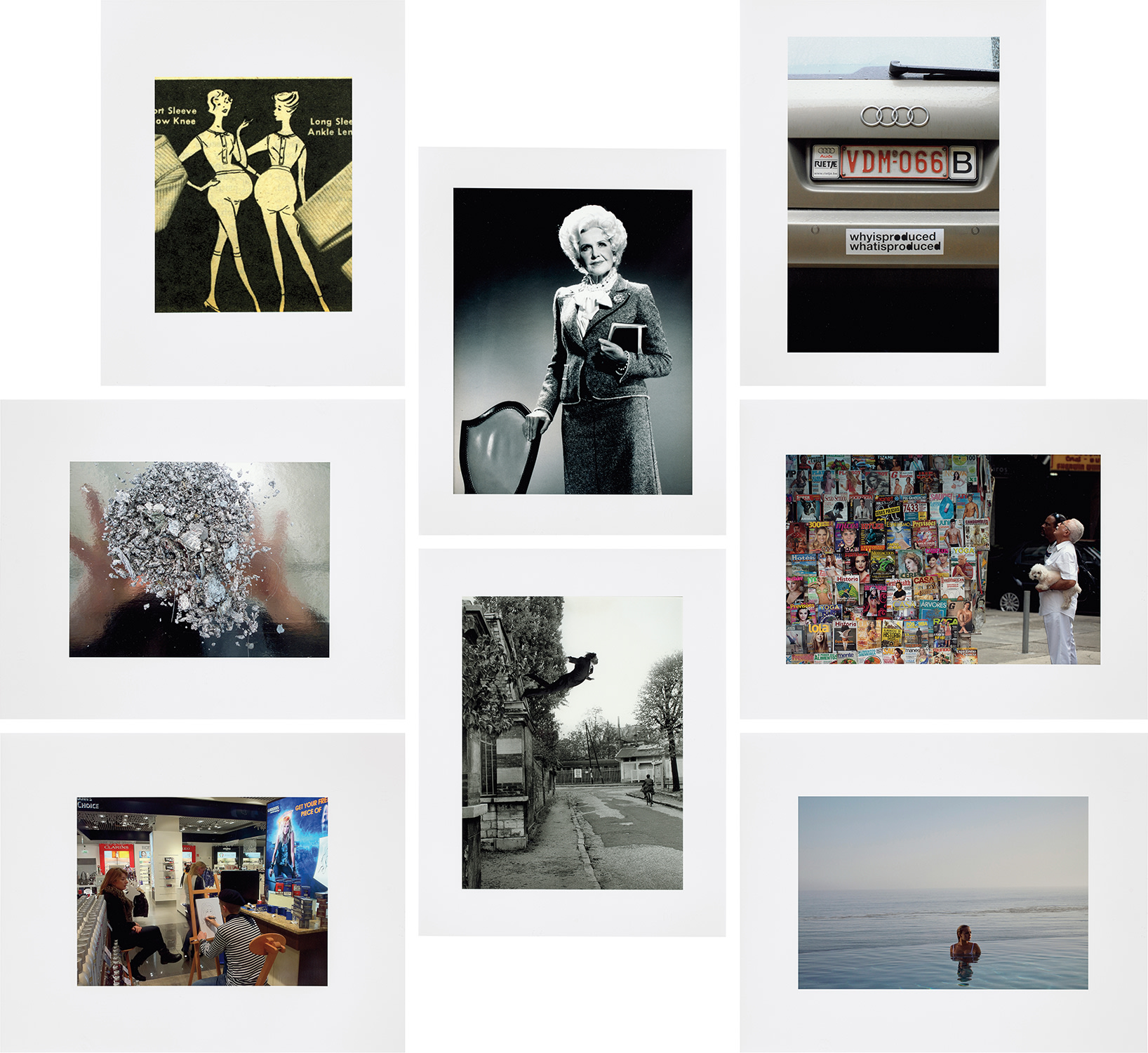
At auction, the results from artists working across international contexts have been genuinely surprising in their consistency. It is not a spike driven by hype but a steady upward revaluation driven by serious institutional buying that signals long term confidence. When a major museum acquires a work, auction houses take note, and the secondary market follows. The works grouped under various international categories on platforms like The Collection reflect this broadening appetite, and the range of sensibilities visible across those works tells you something important about where collector interest is genuinely diversified rather than trend driven.
The institutions doing the most interesting collecting right now include the Museum of Fine Arts Houston, which has long maintained a serious commitment to international acquisition, and the Zeitz Museum of Contemporary Art Africa in Cape Town, which since its opening in 2017 has become a genuine reference point rather than a regional curiosity. In Europe, the Pinault Collection has expanded its lens considerably, and the programming at Palazzo Grassi in Venice has reflected that expanded geography. These are not symbolic gestures. They are statements about where sustained critical and financial investment is being directed.
The critical conversation is being shaped by a generation of writers and curators who are largely uninterested in the old maps. Curator Nataša Petrešin Bachelez, writer and editor Elvira Dyangani Ose, and the ongoing editorial work at publications like Art Agenda and Texte zur Kunst have all contributed to a discourse that takes seriously the idea that modernism was never a single story told from a single place. The catalogs coming out of major biennials are increasingly sophisticated theoretical documents, and collectors who read them carefully gain a real advantage in understanding which artists are likely to enter permanent collections over the next five to ten years. What feels genuinely alive right now is the growing confidence among collectors to buy across categories without feeling the need to justify each purchase within a single historical narrative.
A collector who holds works from artists based in Lagos, Bogotá, Seoul, and Paris is not assembling a survey. They are building an argument about how visual culture actually moves through the world. That argument is becoming more common, and the collectors making it are finding that the market is beginning to reflect their instincts back to them in the form of rising prices and increased institutional interest. What feels settled, in a good way, is the legitimacy of the international category itself.
The debates of the 1980s and 1990s about whether non Western art could be understood outside its cultural context have largely given way to more interesting and more specific questions about individual artistic vision, historical influence, and market maturity. That is a healthy evolution. And what surprises are coming? Watch the secondary market for artists from Eastern Europe and Central Asia, where a generation of rigorous, deeply conceptual practices has been building for decades with relatively little international auction visibility.
The critical infrastructure is being laid. The market will follow, and collectors who are paying attention now will be well positioned when it does.