Furniture Art
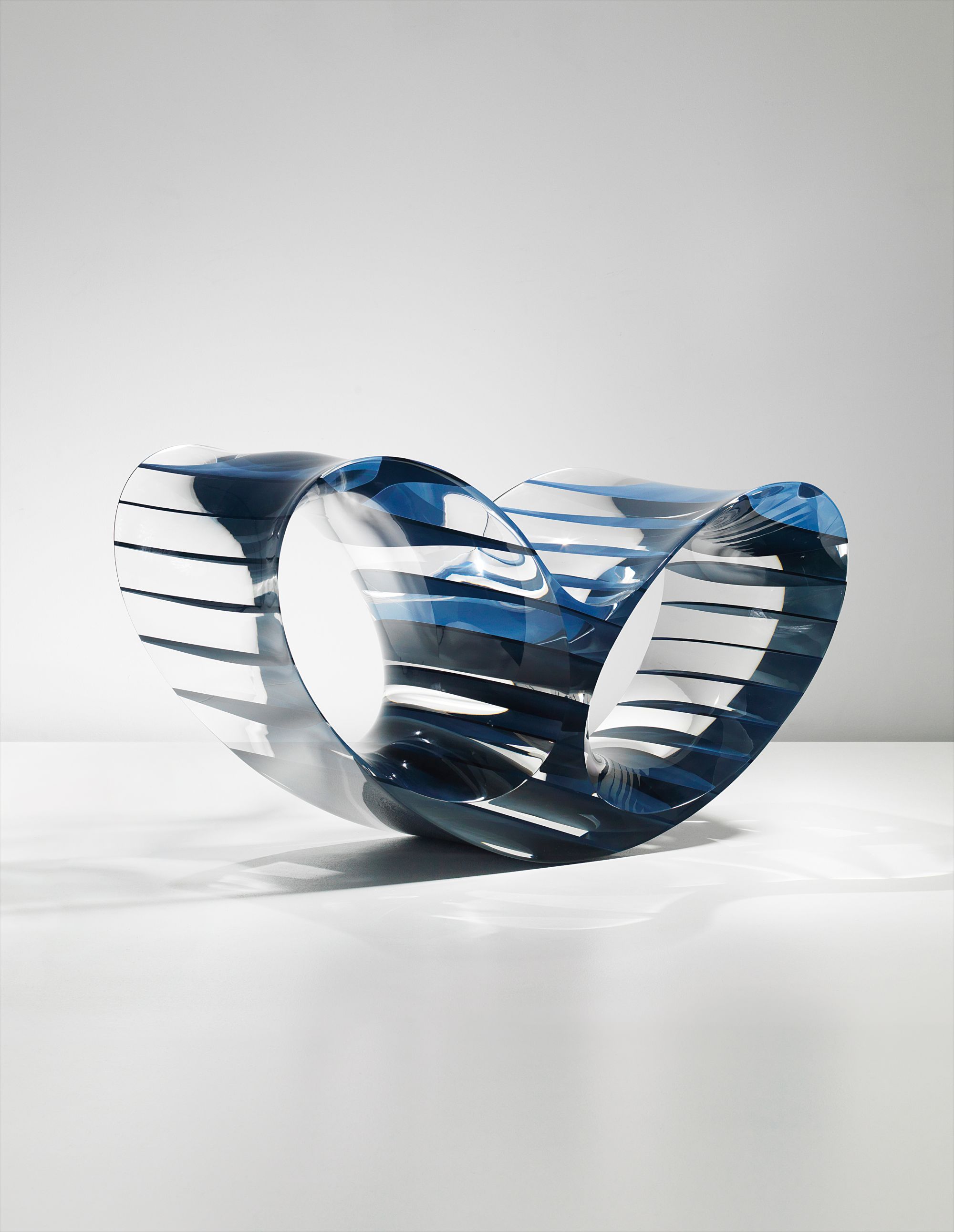
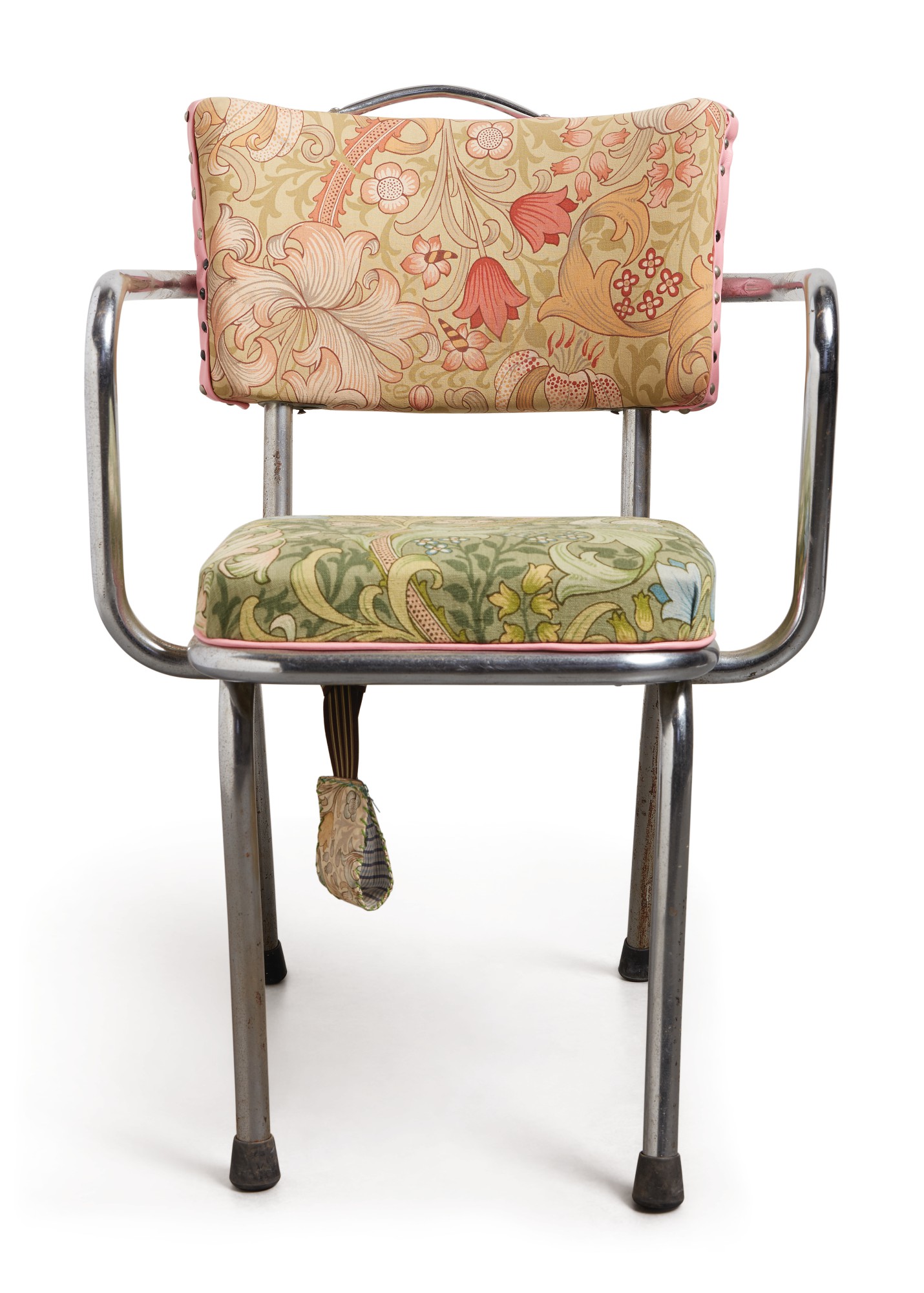
Ron Arad
“Oh-Void 2” chair


Sit With It: Furniture Art Means Business
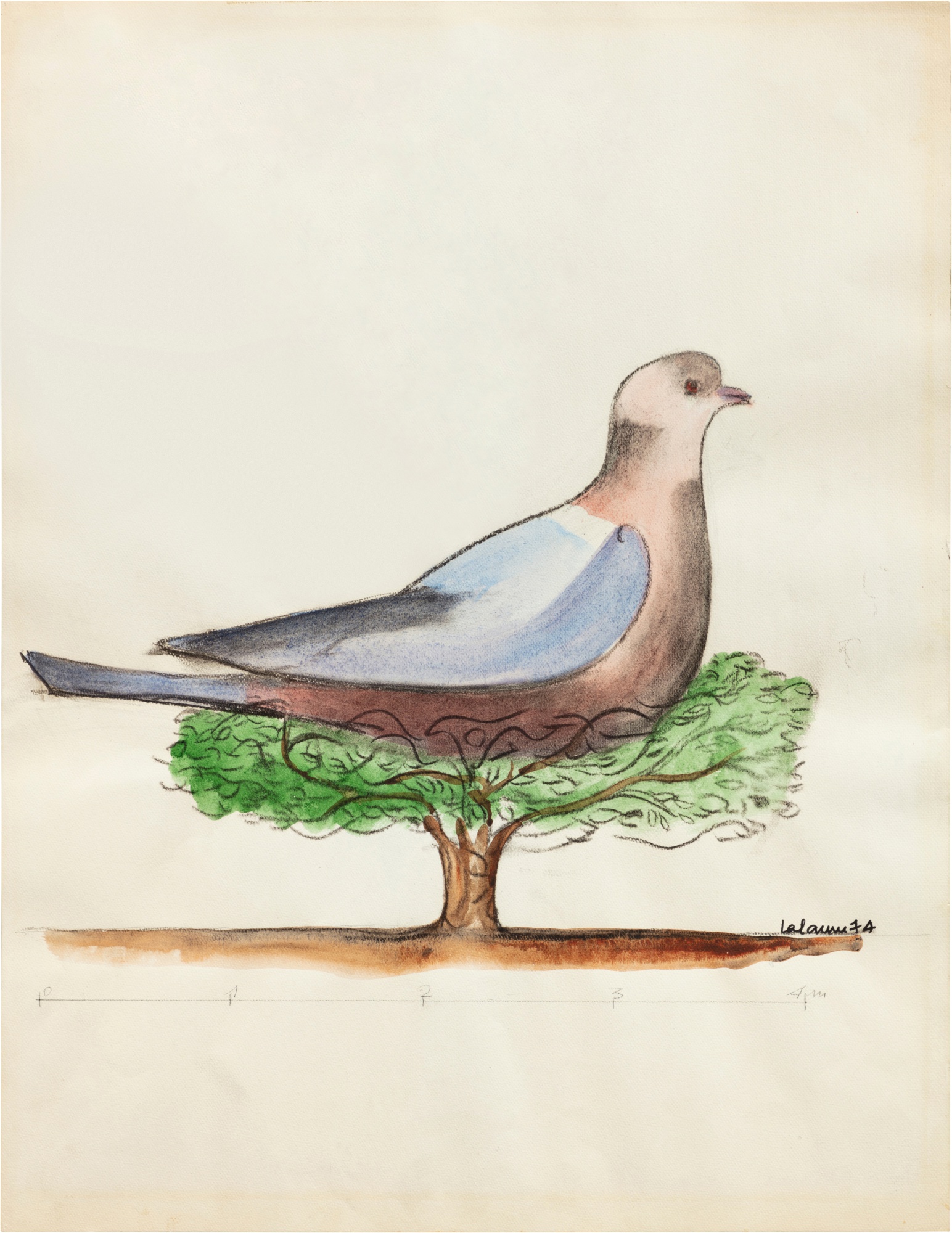
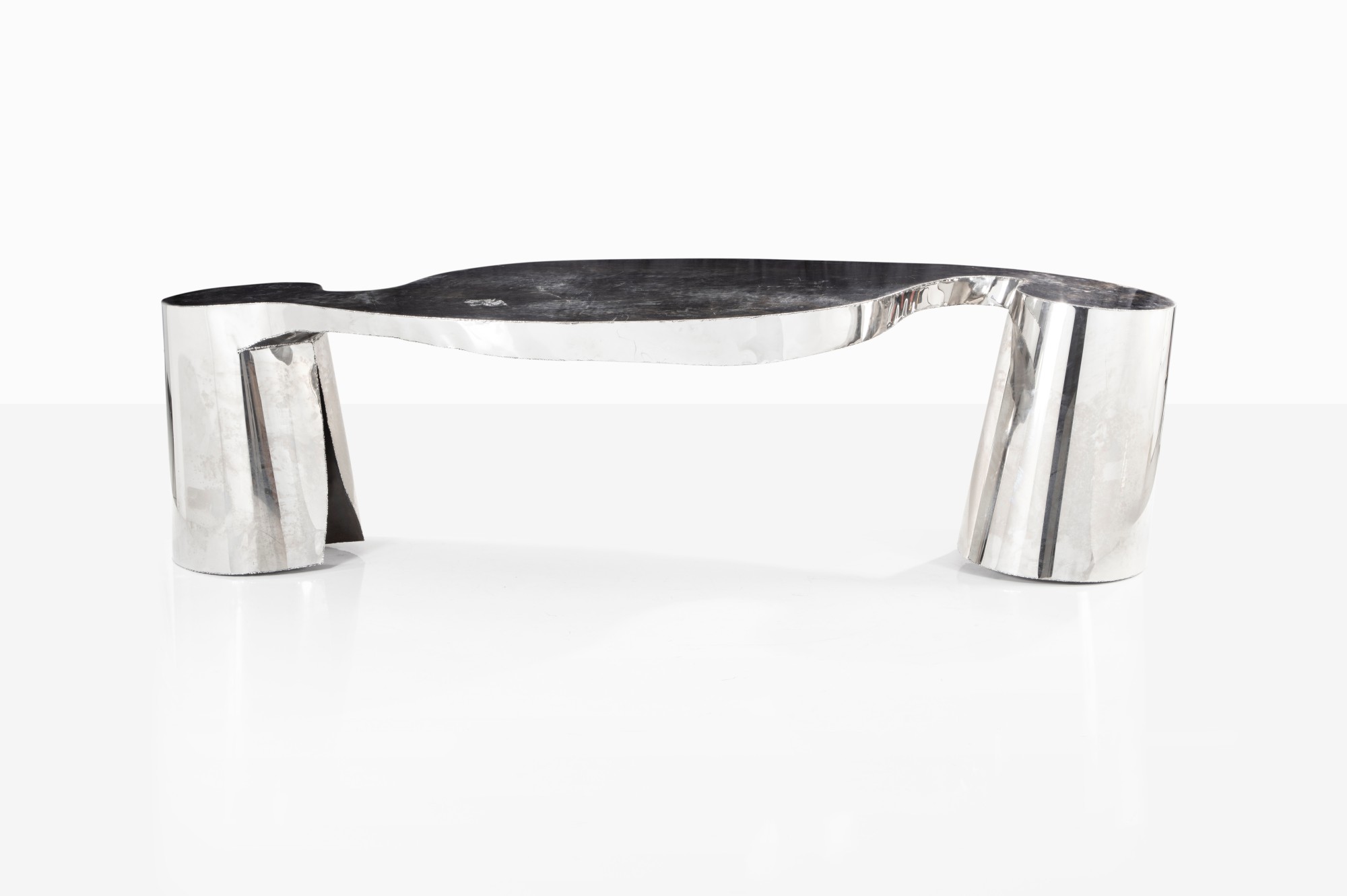
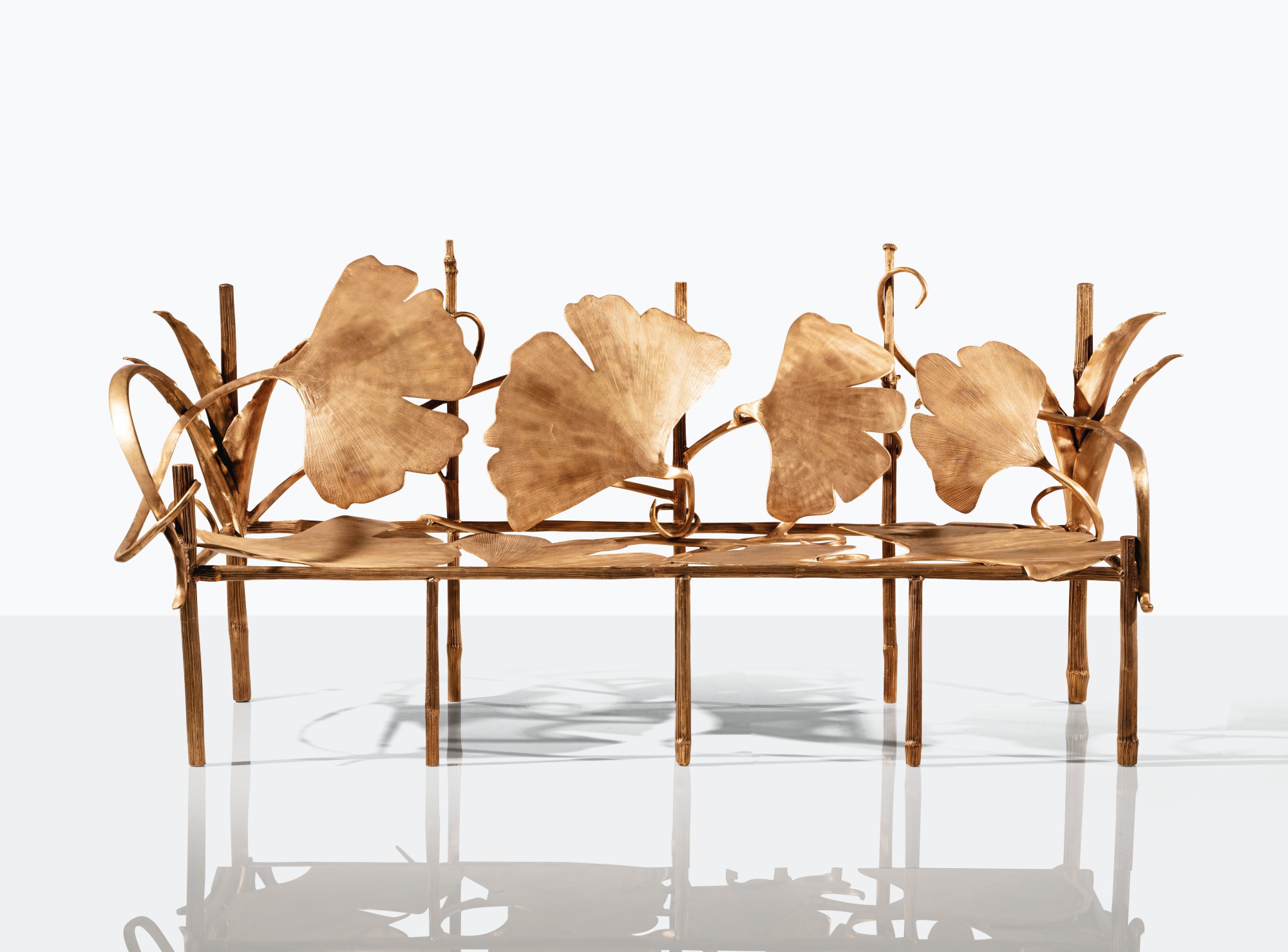
When a Claude Lalanne bronze bench sold at Christie's Paris for well over a million euros a few years ago, the room understood something had shifted. This was not decorative art being tolerated by the fine art world. This was the fine art world paying attention on its own terms, recognizing that Lalanne's biomorphic seats and tables occupy a genuinely irreducible space, objects that cannot be flattened into either category without losing something essential. That result, and the string of strong prices that followed from her estate and from the estate of her husband François Xavier Lalanne, signaled a market appetite that collectors in the know had been quietly acting on for years.
The Lalannes remain the presiding figures in any serious conversation about furniture as art. Their work carries the imprimatur of Surrealism, the craft ambition of the best decorative arts tradition, and a genuine wit that keeps it from ever feeling merely tasteful. François Xavier's sheep, those lacquered and bronze animal forms that function as stools and benches, have become canonical in a way that few objects bridge the gap between museum vitrine and lived domestic space. Both artists are well represented on The Collection, and their presence anchors the broader conversation around what furniture art actually means as a collecting category.
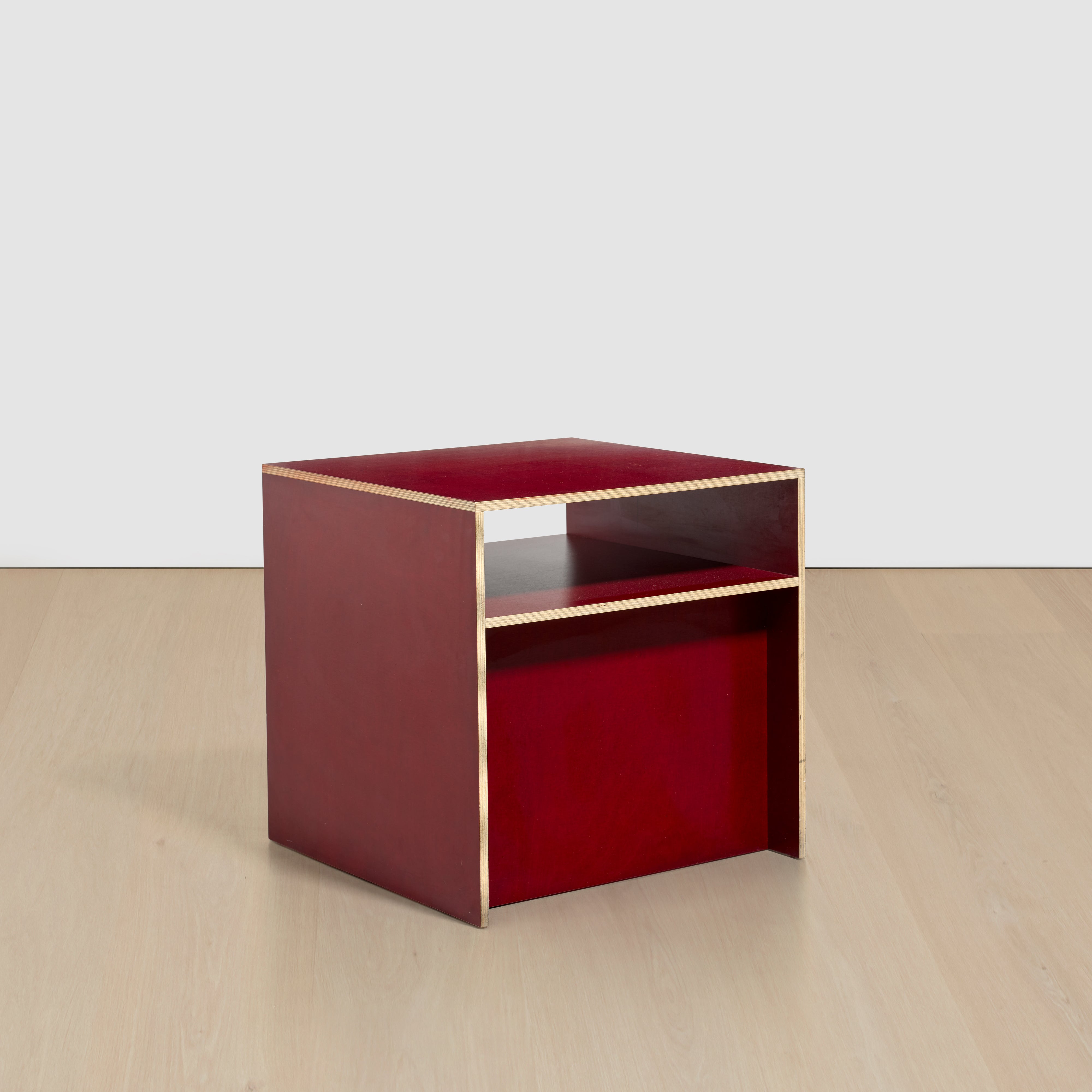
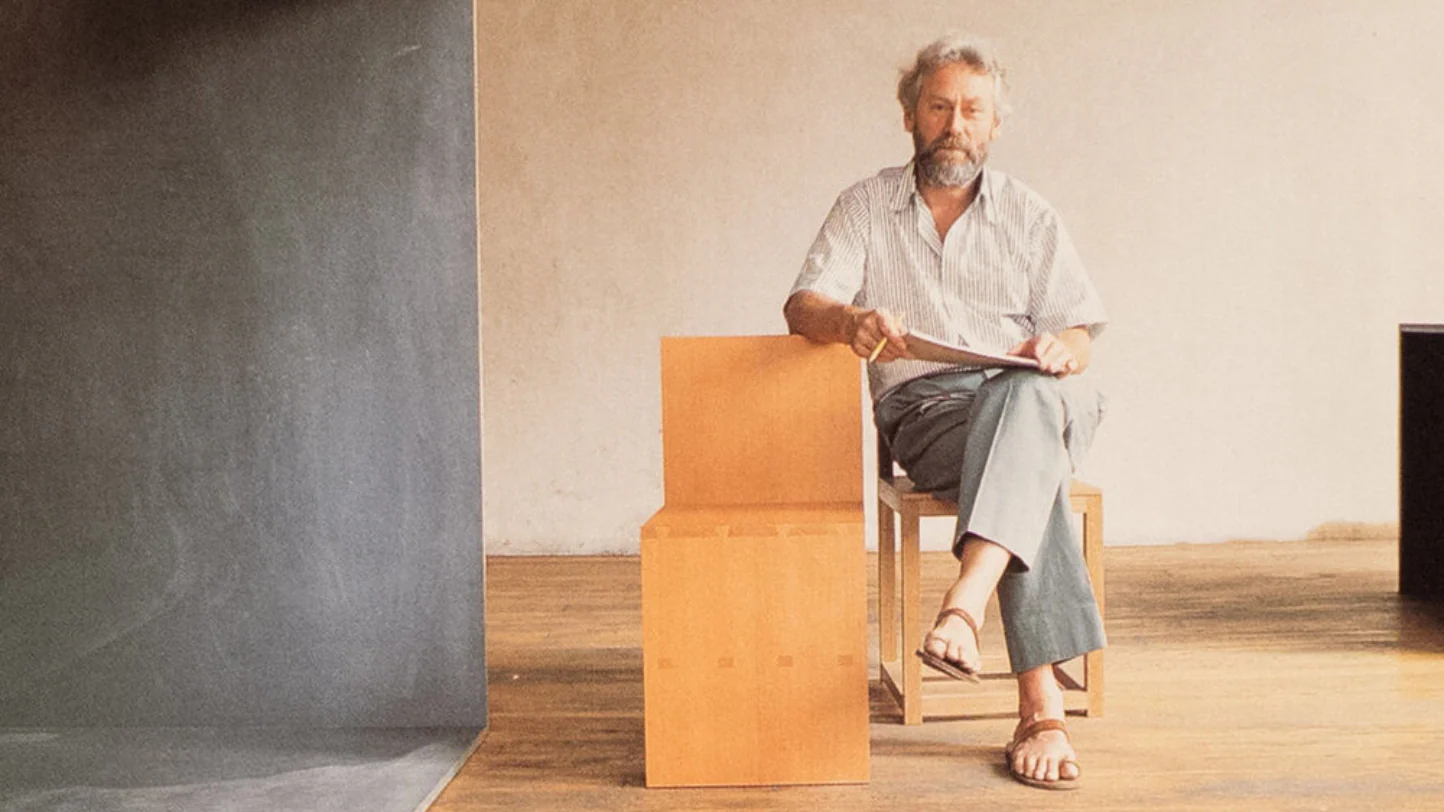
Donald Judd
Shelf Plywood Stool no. 95-3, 2003
Museum shows have done enormous work in legitimizing this space over the past decade. The Centre Pompidou's sustained engagement with design as a fine art practice, and the Vitra Design Museum's long commitment to publishing and exhibiting at the intersection of art and function, have given curators a vocabulary and a precedent. Donald Judd's influence hovers over much of this, and rightly so. His insistence, articulated clearly in his writings from the 1970s onward, that the distinction between art and furniture was arbitrary and ideologically loaded still reads as foundational.
The Donald Judd Foundation's preservation of his spaces in Marfa, Texas, where his furniture exists alongside his sculptures in an environment he designed entirely, has been one of the most visited and discussed pilgrimage sites in contemporary art for serious collectors over the past fifteen years. Ron Arad built his reputation in London during the 1980s and 1990s on exactly this tension, making objects that galleries and museums competed to acquire while the design world simultaneously claimed him. His work on The Collection reflects that dual citizenship. The auction market for Arad's early works, particularly pieces from his Rover Chair period and his welded steel experiments at One Off, has strengthened considerably as institutions have moved to collect them more systematically.
Ron Arad
“Oh-Void 2” chair
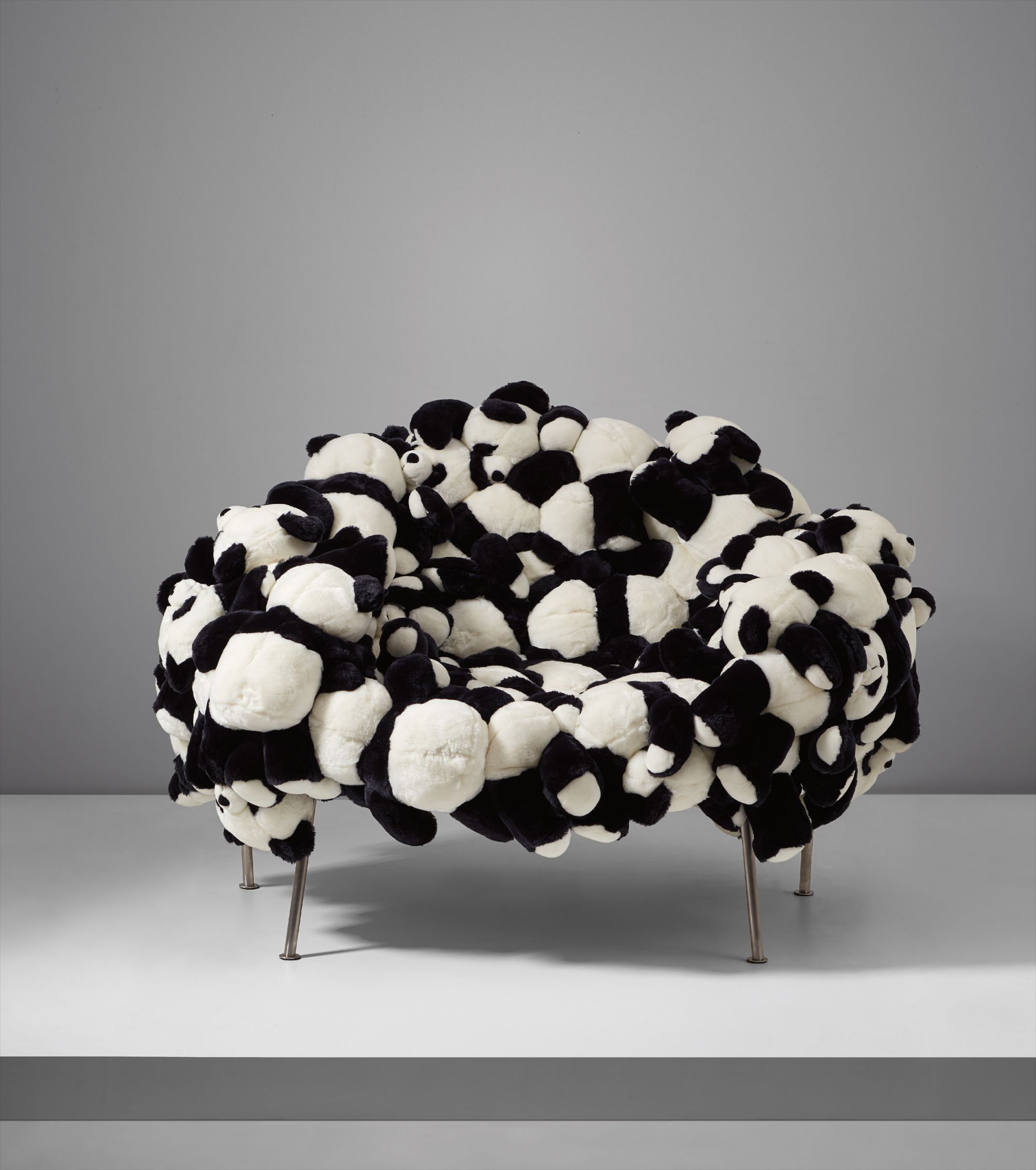
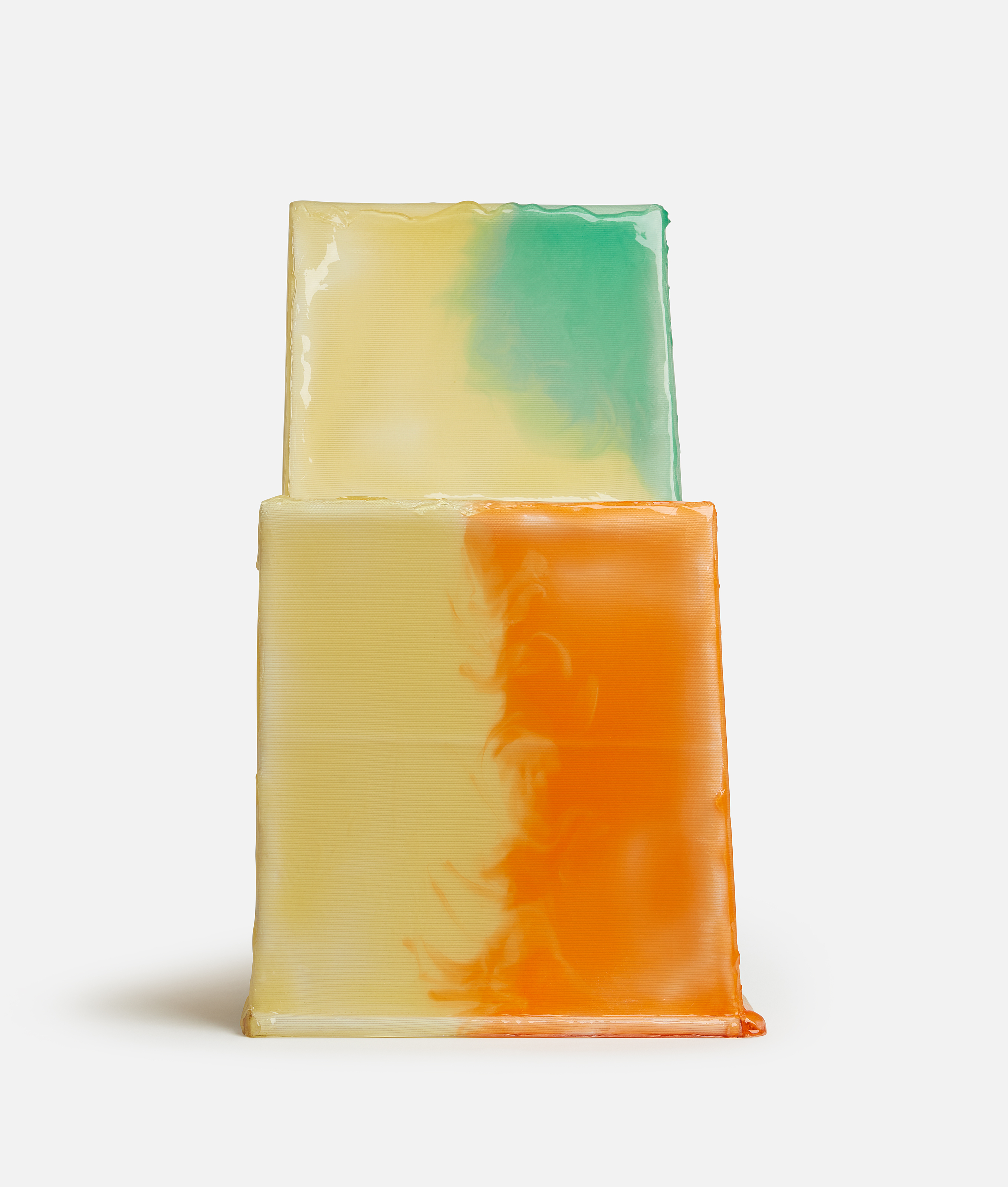
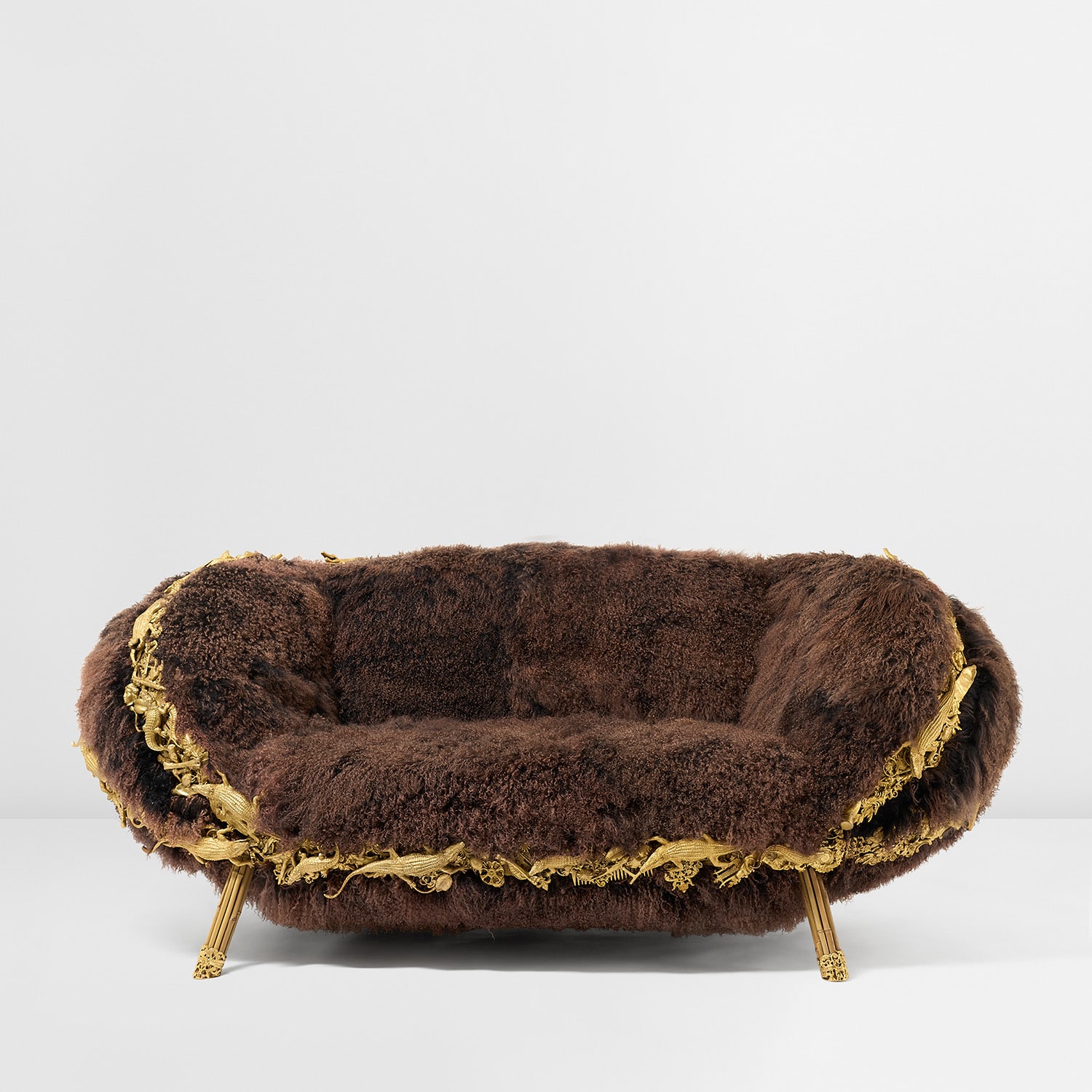
Tate Modern and the Museum of Modern Art in New York both hold significant examples, and when institutional collecting and private collecting align in the same direction, prices tend to follow. Gaetano Pesce operates in a similar register, his resin and polyurethane objects carrying a conceptual charge that the Italian design canon alone cannot contain. The Campana Brothers, Fernando and Humberto Campana, brought a different energy into the conversation, one rooted in Brazilian materiality and a politics of making that complicated the European lineage. Their Favela Chair, constructed from fragments of wood in a way that references both craft tradition and urban precarity, has been collected by MoMA and the Design Museum in London, and it has held its auction value with notable consistency.
Niki de Saint Phalle's furniture works, the Nana chairs and the fantastical garden pieces, carry the full force of her fine art identity while functioning as objects you could theoretically inhabit. The same is true of Vito Acconci's architectural furniture experiments from the 1980s and 1990s, which remain undervalued relative to his reputation and are beginning to attract renewed critical attention. Jeppe Hein's work represents a different contemporary register entirely. His Mirror Benches and interactive sculptural seating blur the line between object and experience in ways that feel very much of this moment, when collectors are drawn to work that performs socially as well as visually.
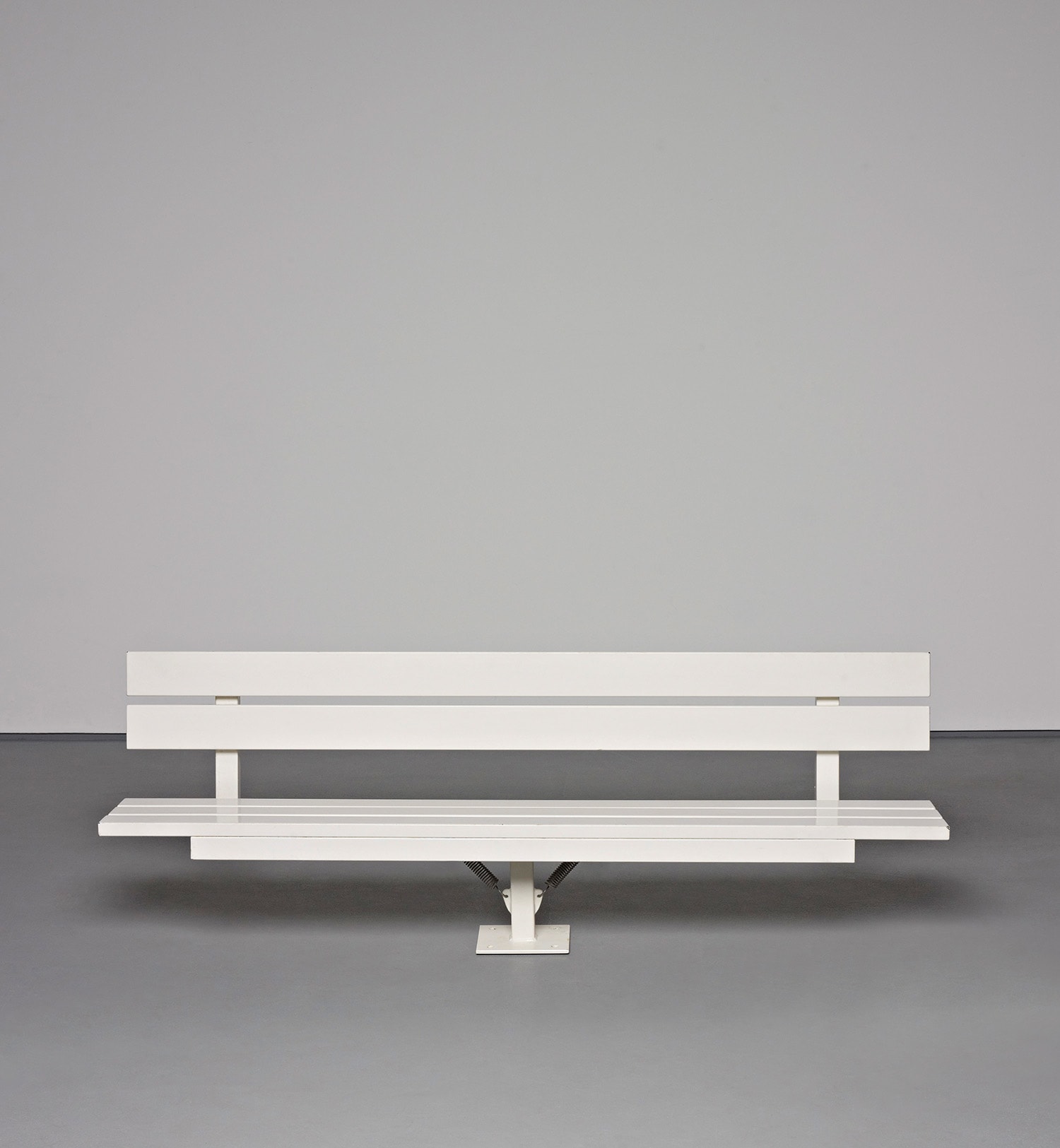
Jeppe Hein
Modified Social Bench #8, 2005
Franz West operated in this territory too, making his Paßstücke, those awkward sculptural objects meant to be held and carried, before turning to furniture scaled works that carried the same insistence on bodily engagement. West's auction trajectory has been one of the more interesting to follow, with his furniture pieces regularly outperforming their presale estimates at Sotheby's and Phillips over the past five years. Ai Weiwei's furniture work draws on a completely different inheritance, his deconstruction and reconstruction of Qing dynasty wooden furniture pieces raising questions about cultural authority, destruction, and historical continuity that no purely functional object could carry. Richard Artschwager's blond wood and formica pieces from the 1960s sit at the absolute origin point of this conversation in American art, his tables and chairs that look like furniture but refuse to function as furniture having influenced almost every subsequent artist working in this space.
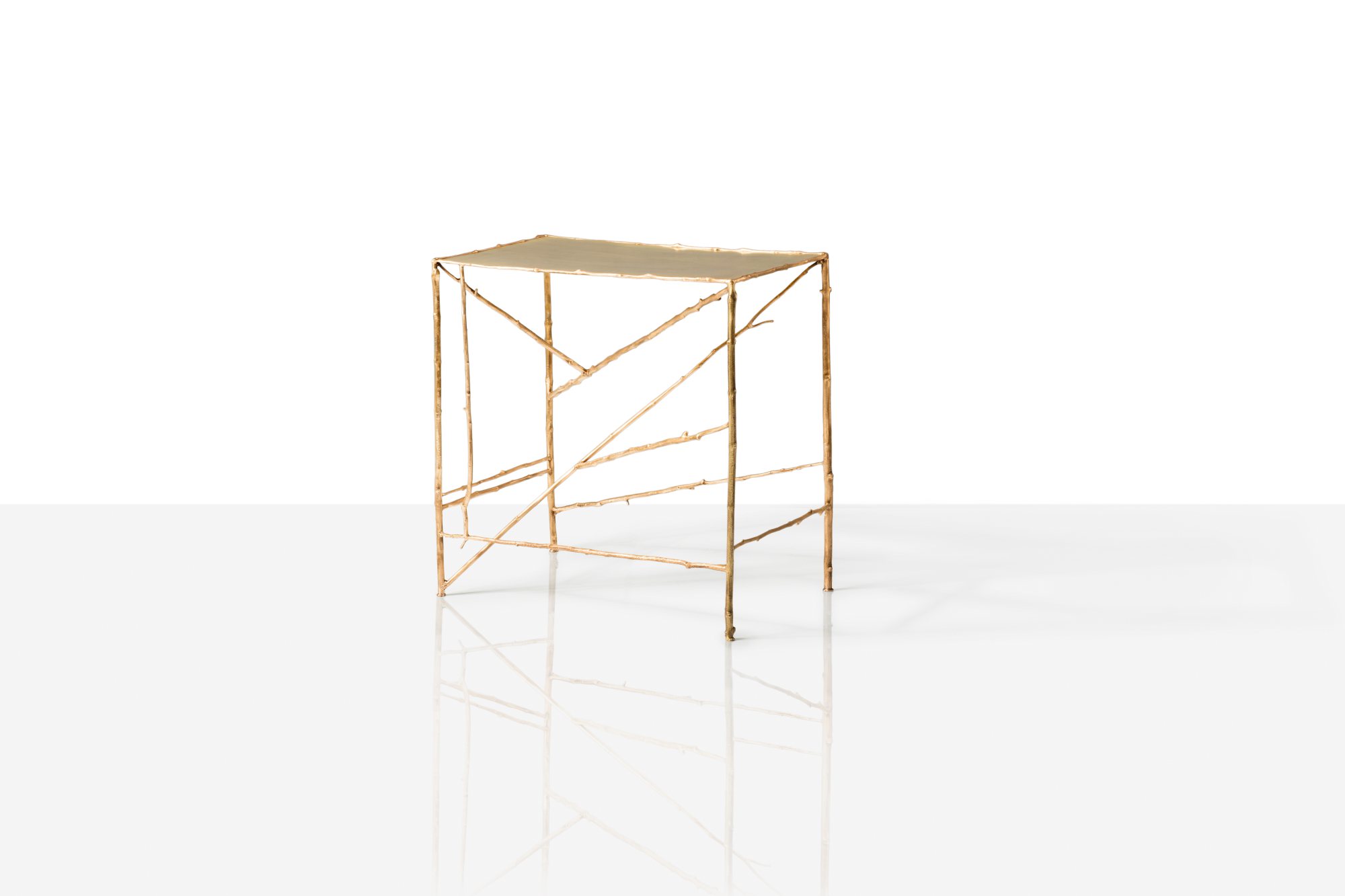
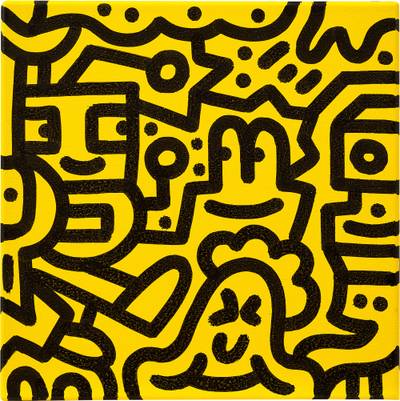
Mr Doodle brings a contemporary energy to the category that connects it to a generation of collectors who arrived through street art and pop culture, his densely illustrated surfaces transforming utilitarian forms into total image environments. The critical conversation is being shaped by a handful of thinkers and institutions that are worth following closely. Glenn Adamson's writing on craft and the decorative arts has been consistently clarifying, and his work at institutions including the Museum of Arts and Design in New York helped elevate the discourse around functional objects as cultural artifacts. The publication Disegno has been doing serious long form journalism on the design and art intersection for years.
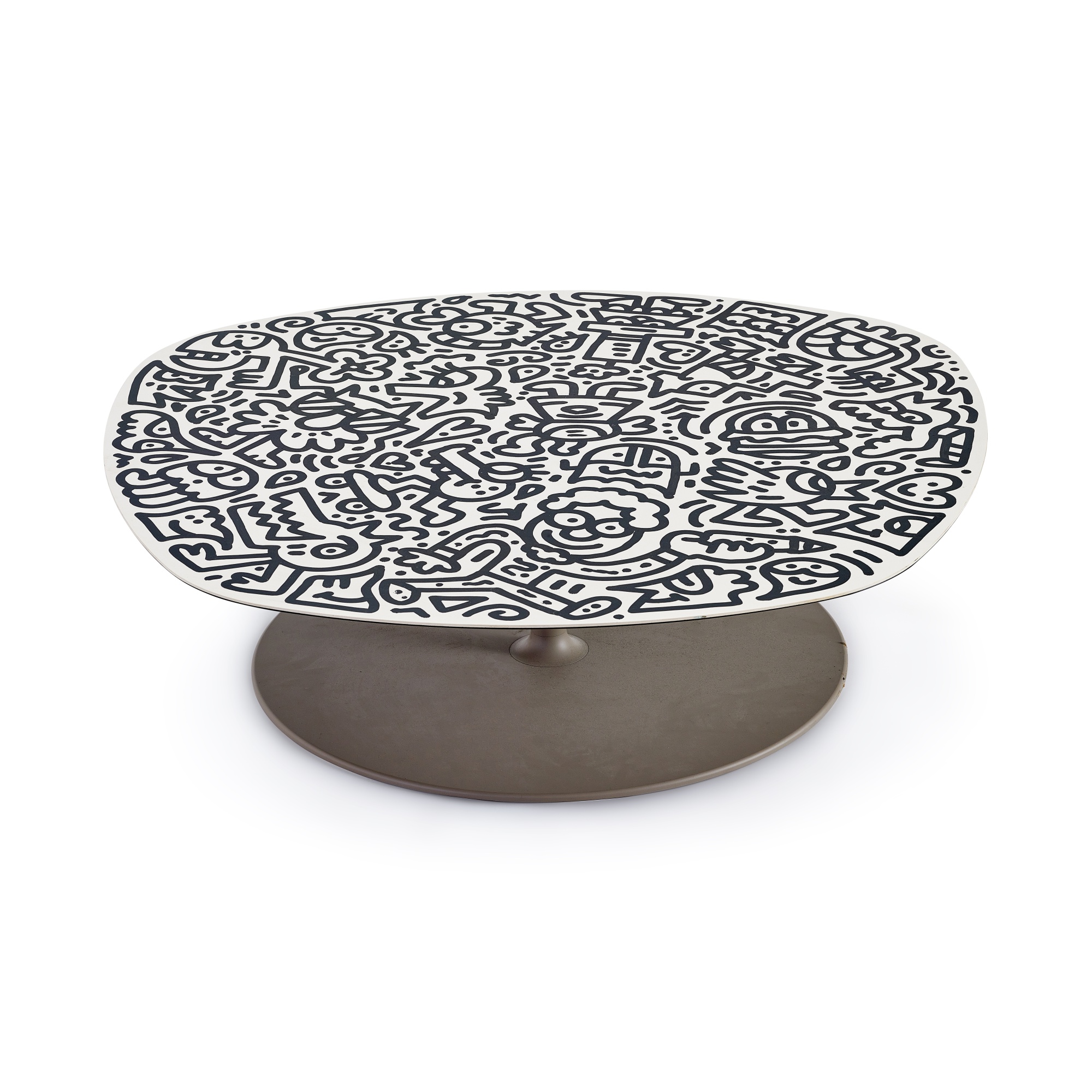
Mr Doodle
塗鴉桌
What feels alive right now is the younger generation of collectors who came of age without the old anxiety about owning things that serve a purpose, who do not feel that usefulness diminishes meaning. What feels settled is the Lalanne market, which has found its level and will hold it. What may surprise is the renewed attention coming to figures like Vito Acconci and Richard Artschwager, artists whose furniture work was long treated as a footnote to their better known practices but which now looks, in retrospect, absolutely central. The category as a whole is in an expansive moment, and collectors who approach it with genuine curiosity rather than category anxiety tend to find the most interesting things waiting for them.