French School
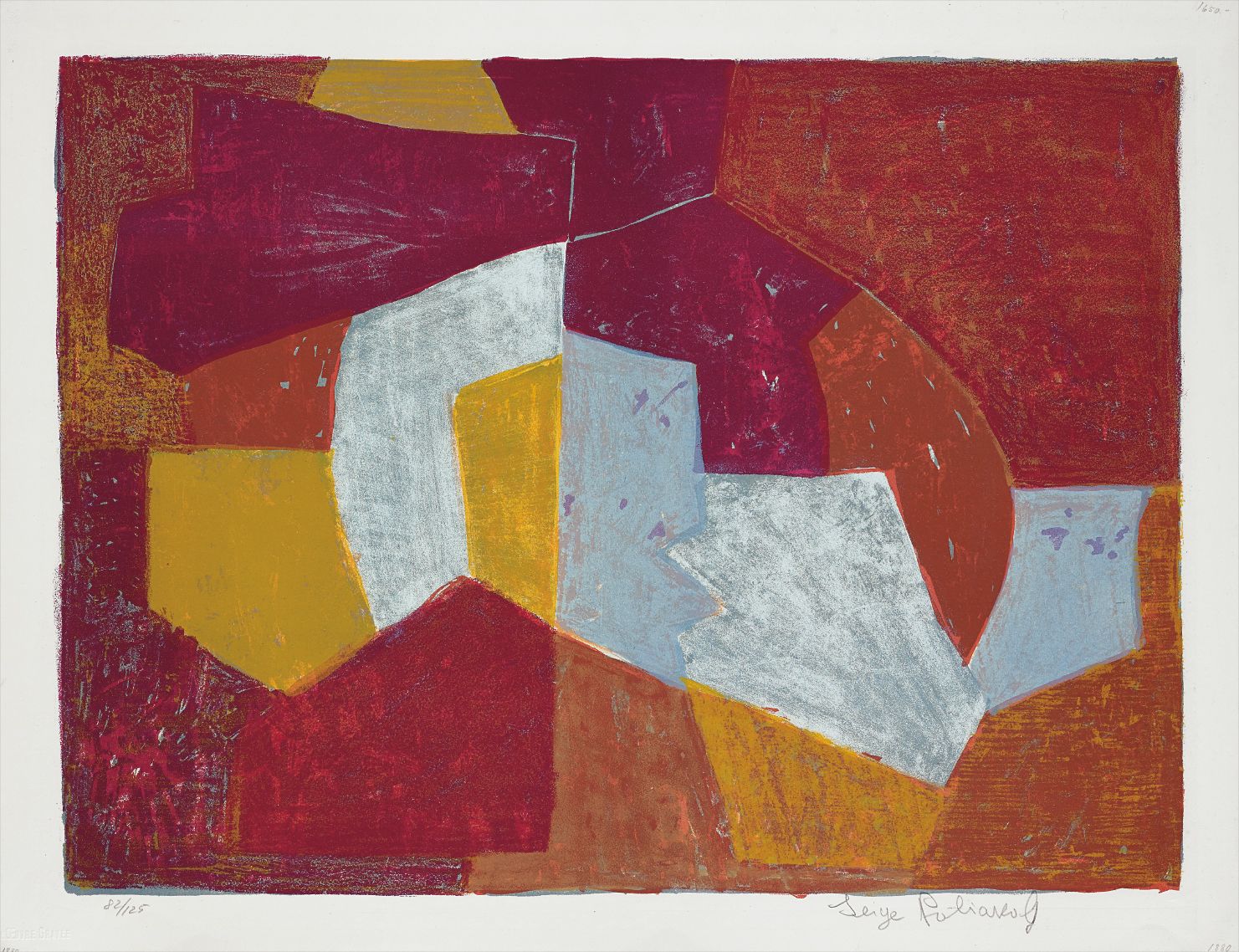
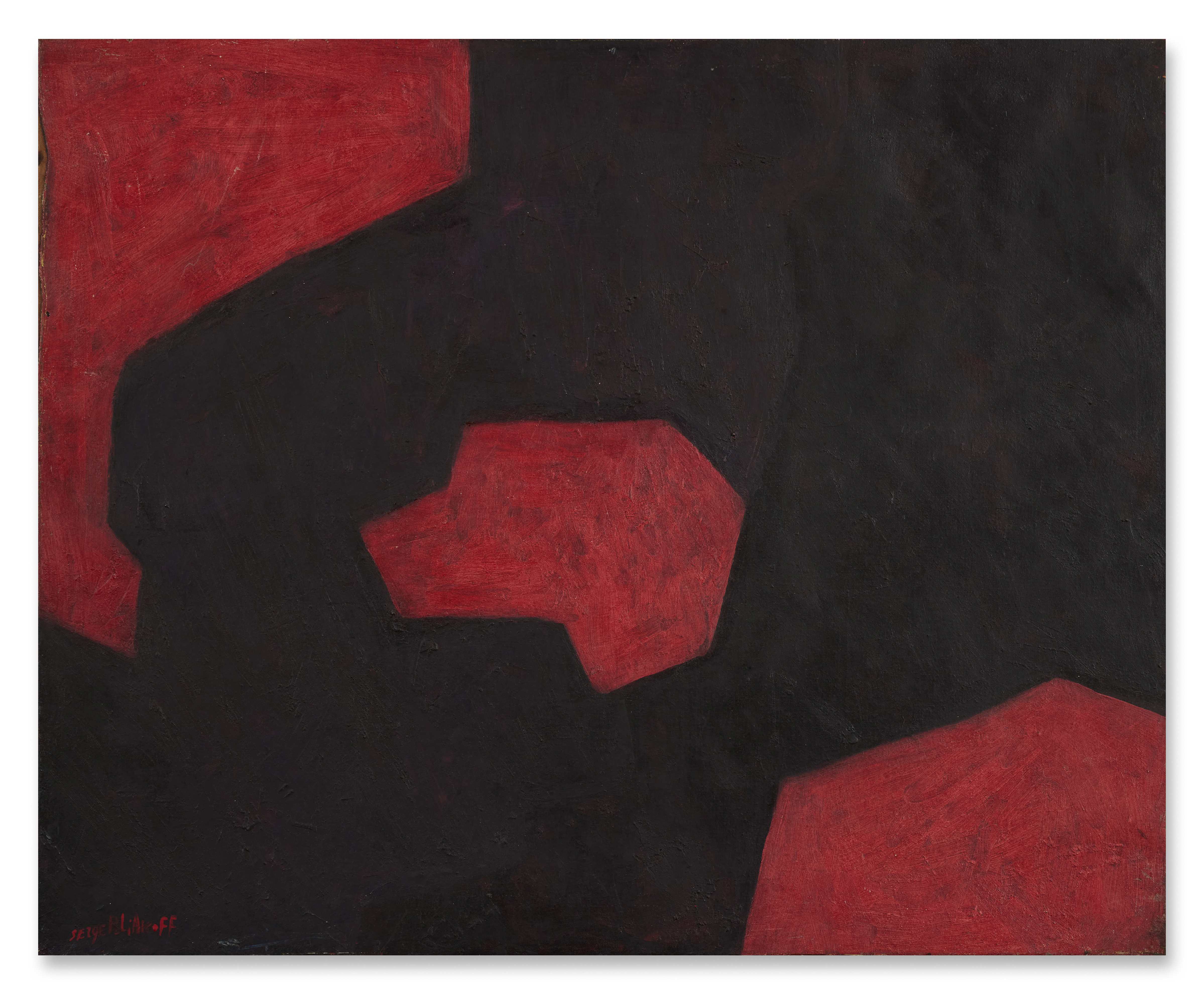
Serge Poliakoff
Composition in Carmine-Red, Brown, Yellow, and Grey
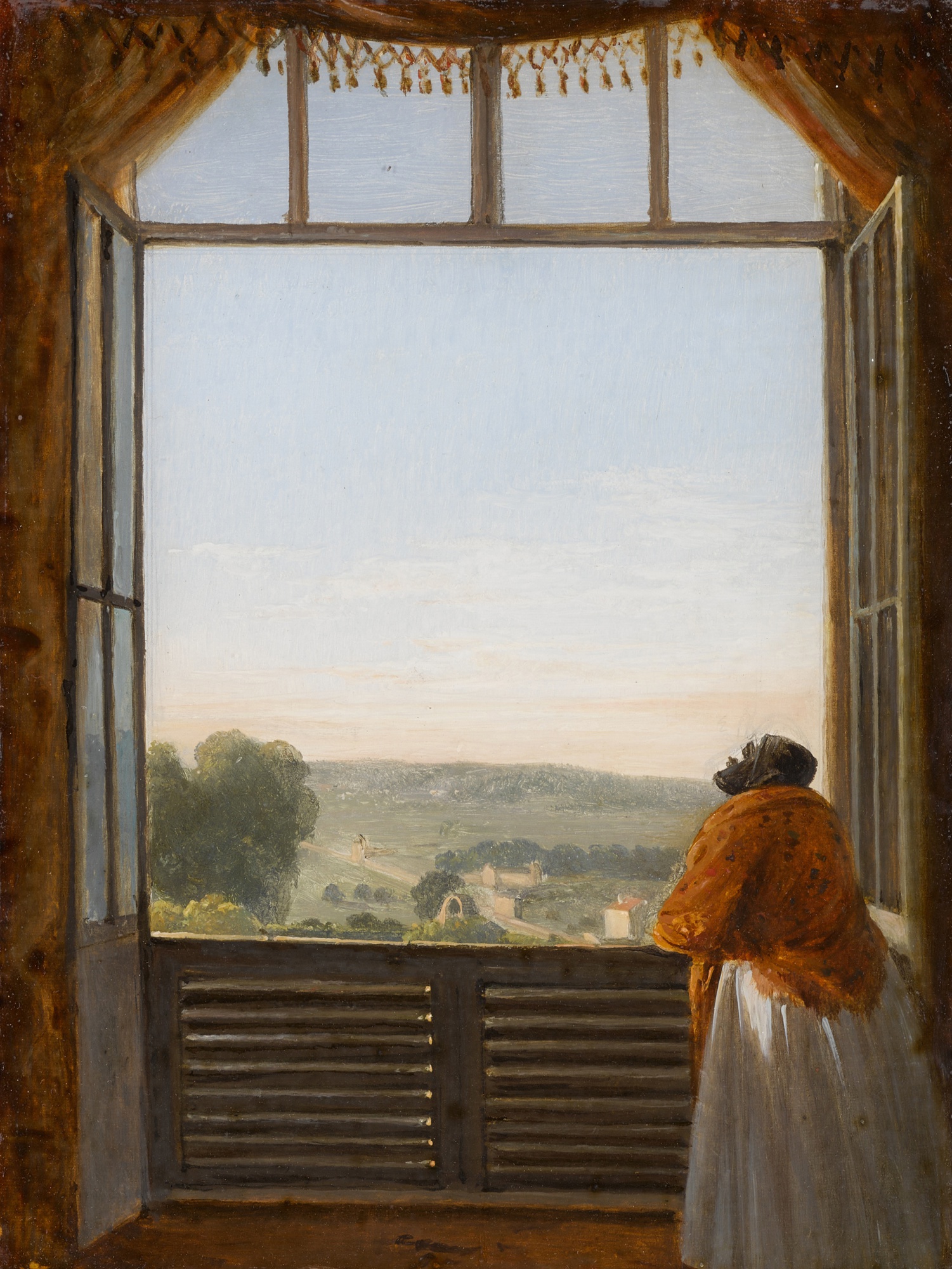
The French School: A Nation Paints Itself
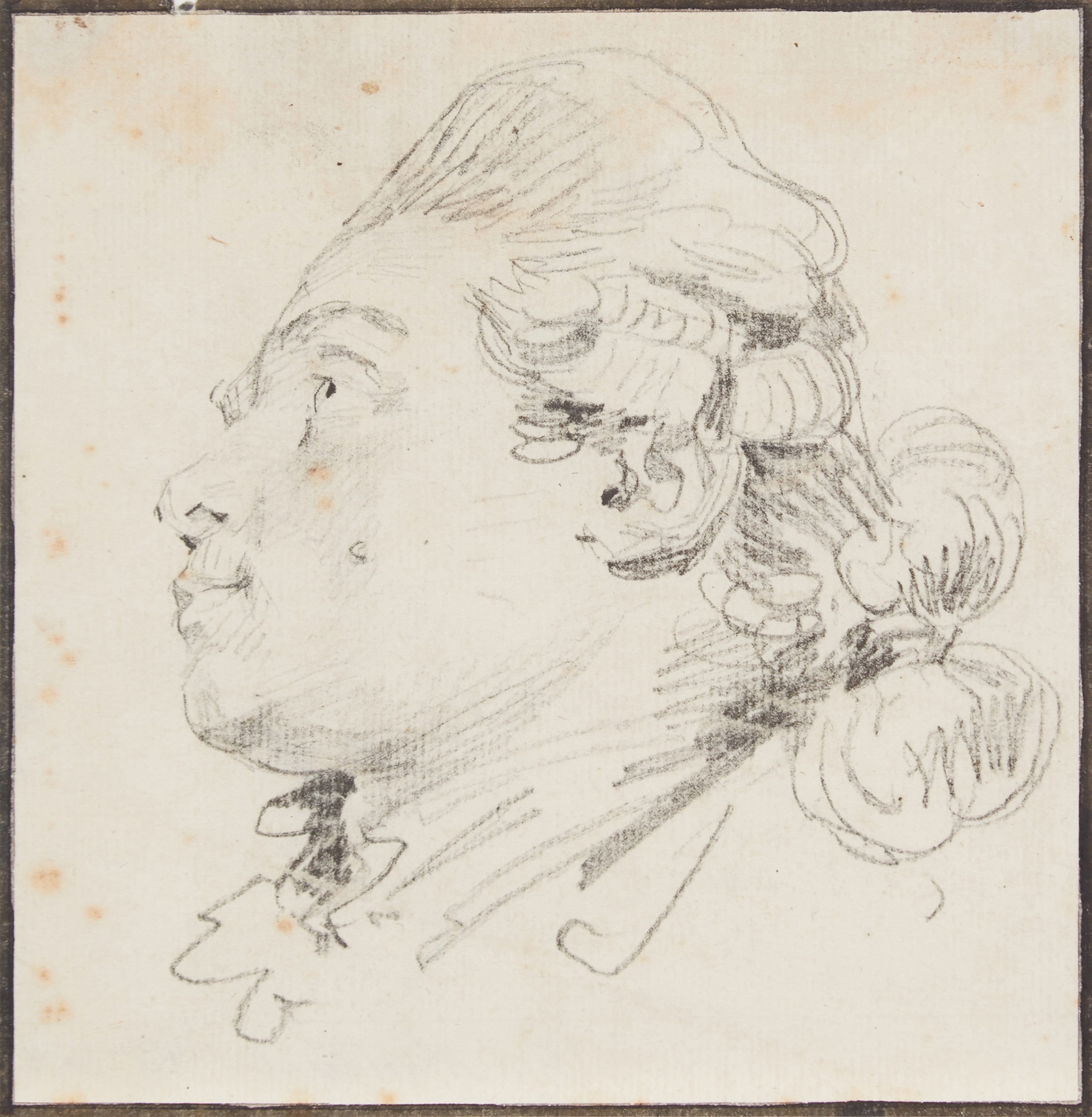
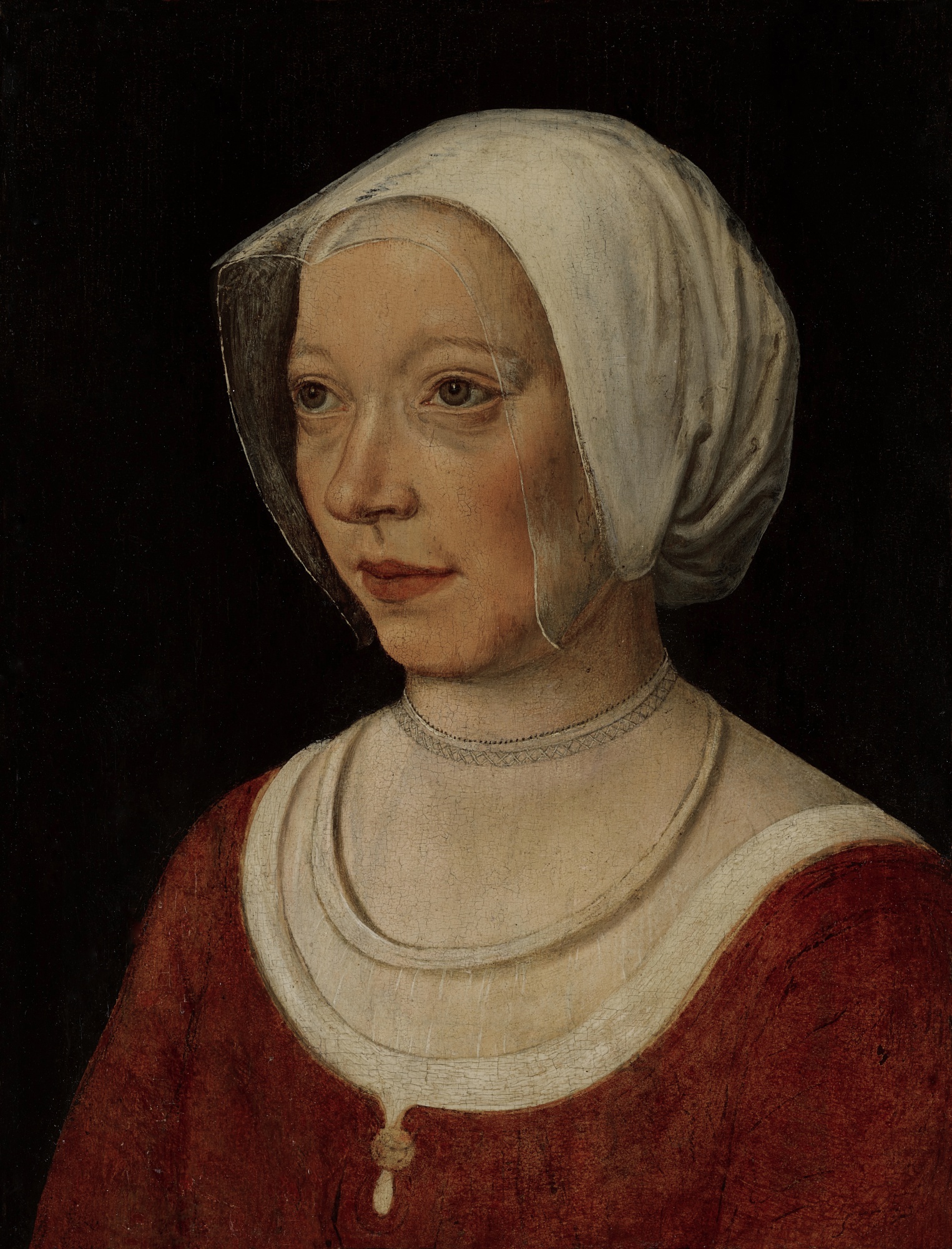
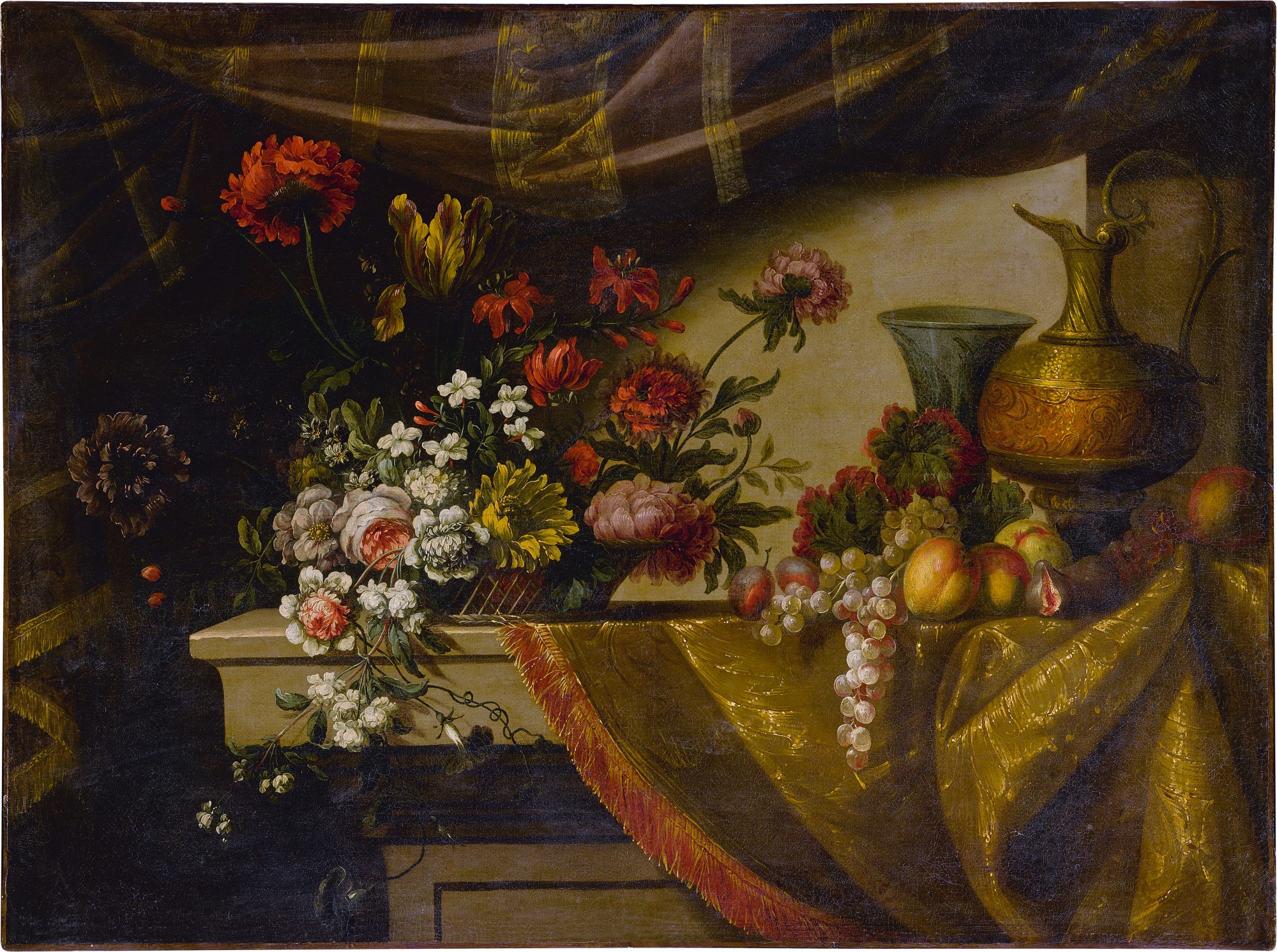
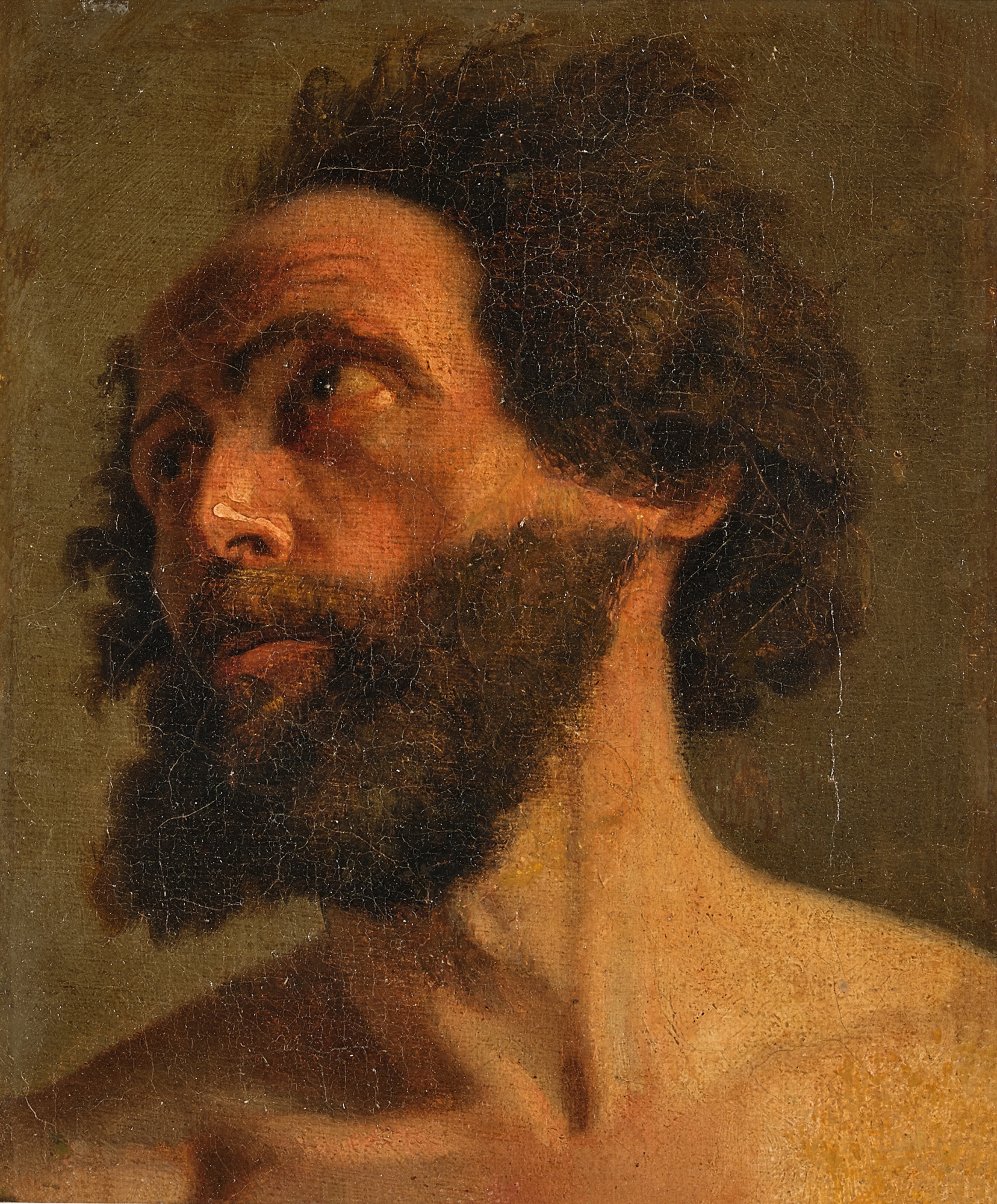
There is a particular kind of pleasure in standing before a painting attributed simply to the French School. No single name to anchor your reading, no biography to lean on. Just the work itself, asking you to look harder. These are paintings that survived without champions, that passed through centuries of hands before finding their way into collections, and yet they carry within them the full weight of one of the most ambitious artistic traditions the Western world has ever produced.
To collect the French School is to collect history in its most intimate form. The story begins well before Versailles, well before the Académie Royale de Peinture et de Sculpture was founded in 1648, though that institution would become the gravitational center around which French artistic identity would orbit for the next two centuries. The works we now group under labels like French School circa 1520 or French School circa 1600 belong to an era when French painters were still absorbing the lessons of the Italian Renaissance, when artists like Jean Clouet and later his son François were establishing a native tradition of portraiture that balanced Flemish precision with a distinctly Gallic restraint. These early works, understated and formally rigorous, laid the groundwork for everything that followed.
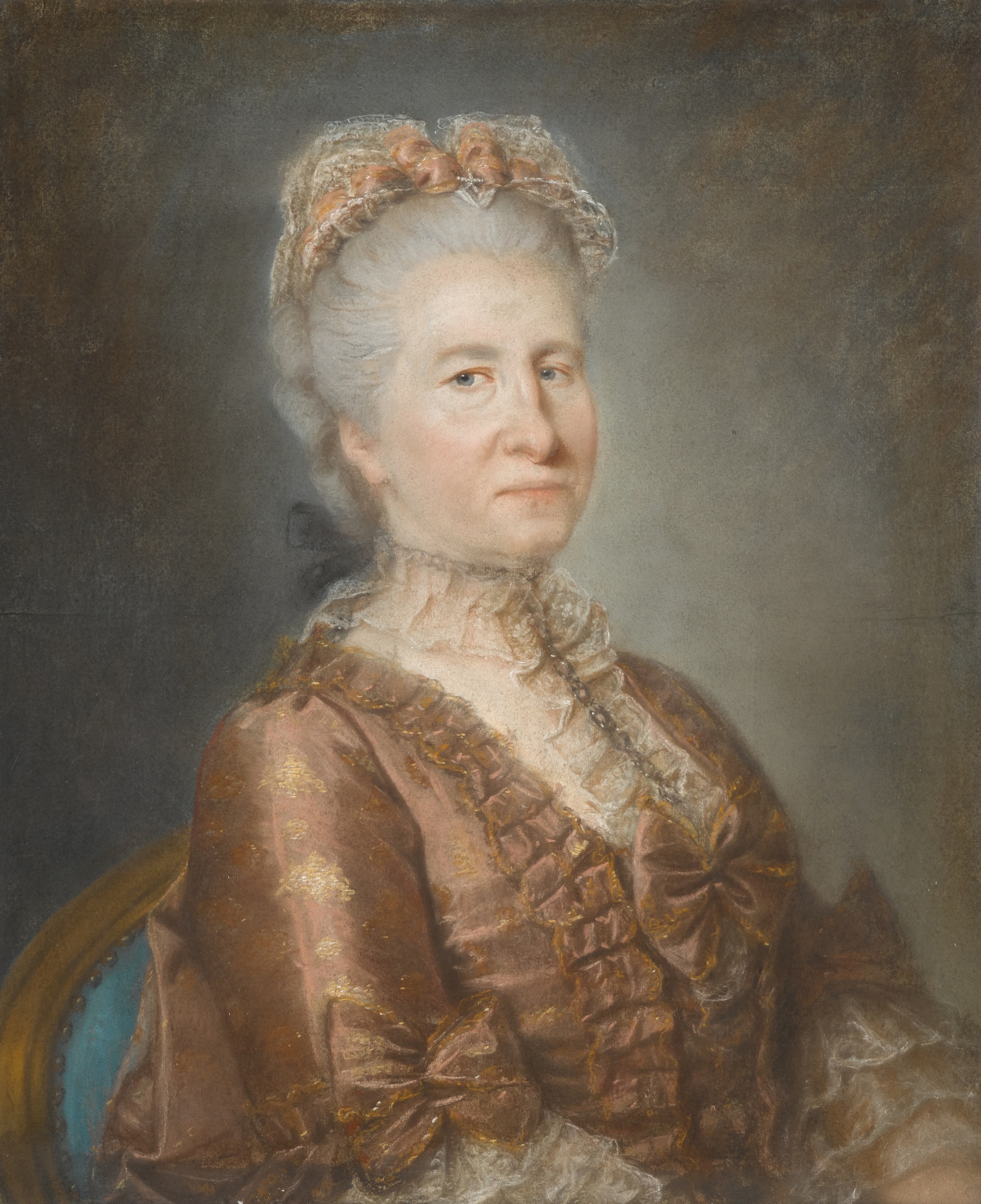
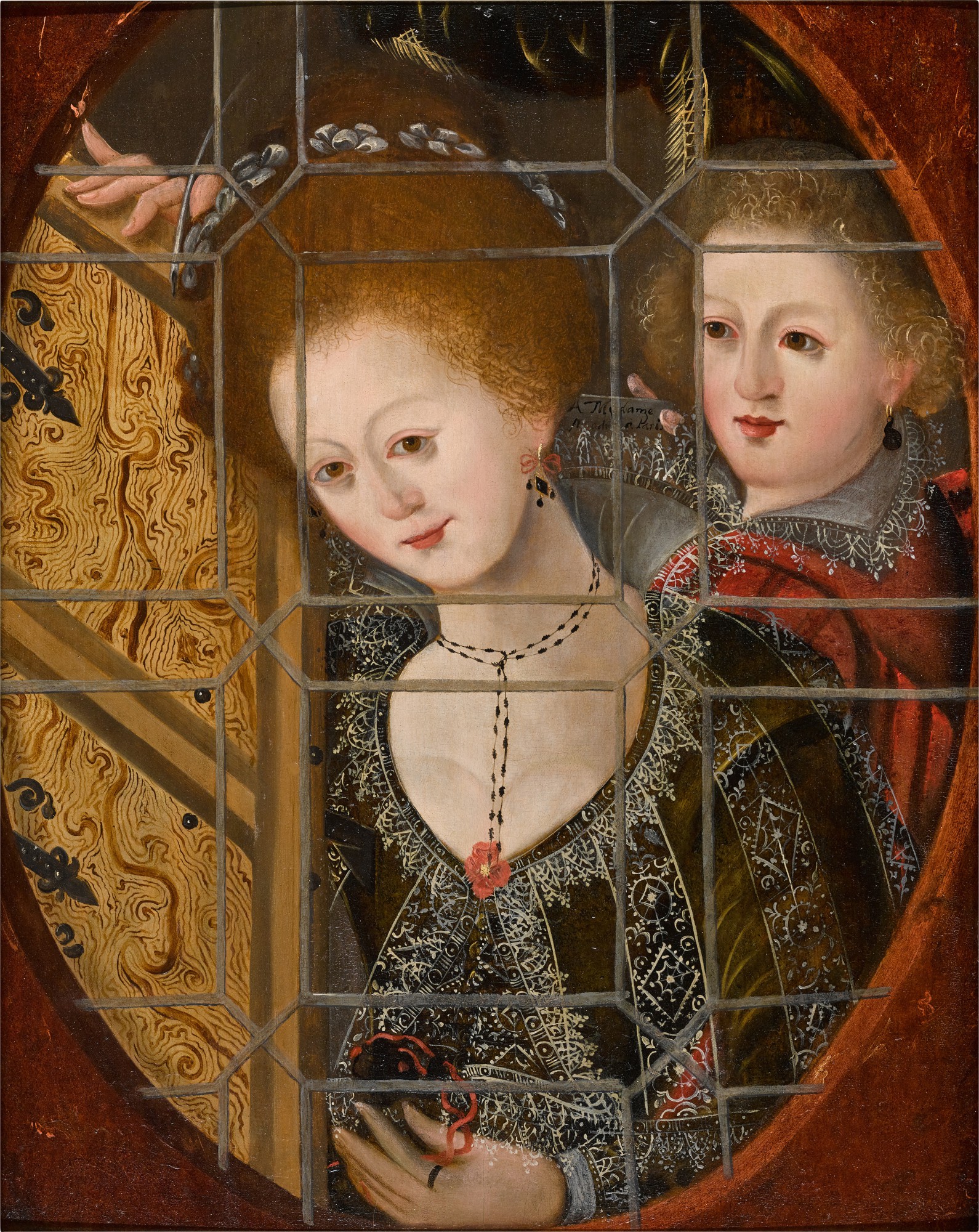
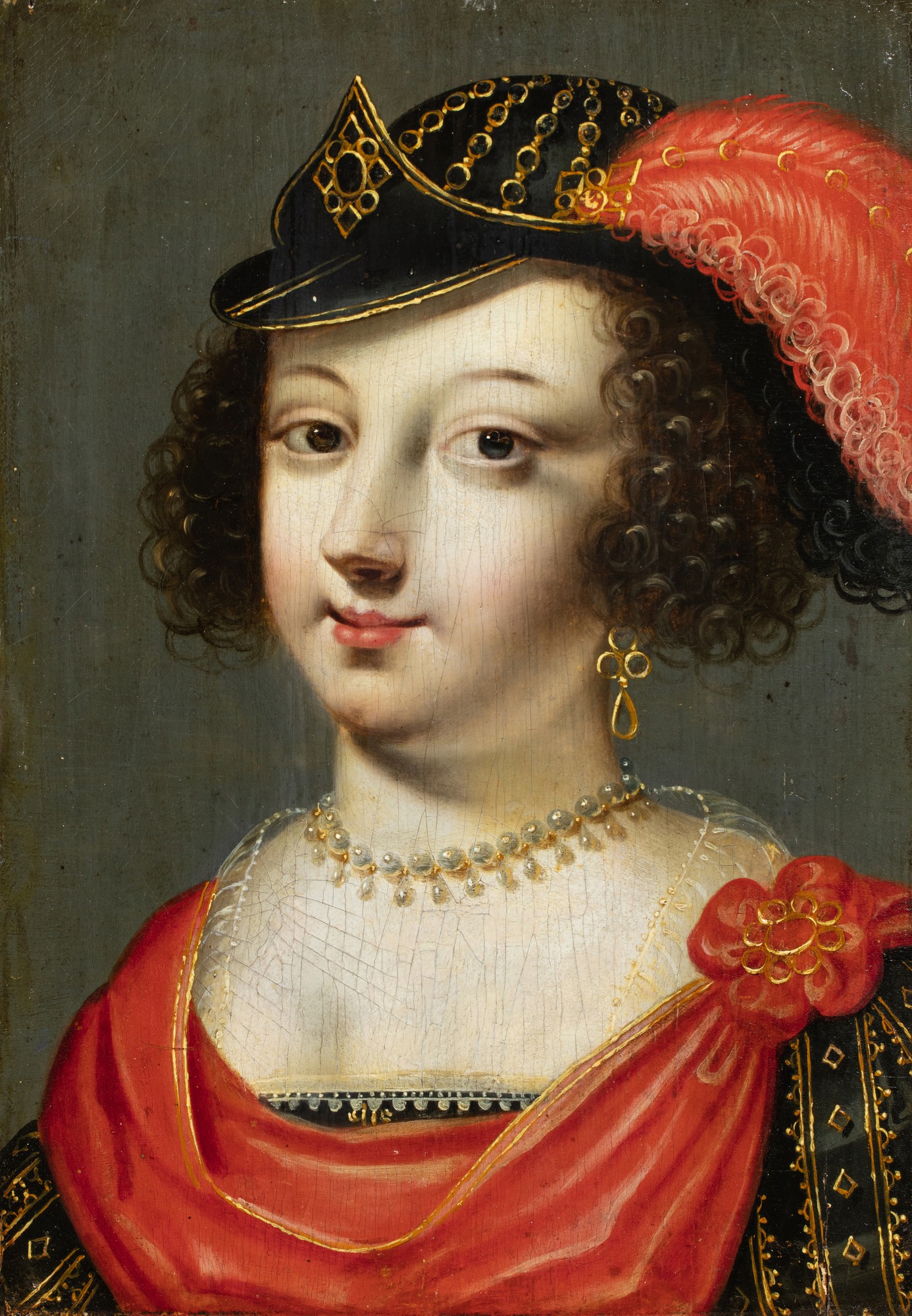
French School, 18th Century
Portrait of a woman, seated, wearing a copper coloured dress adorned with lace
By the seventeenth century, French painting had found its footing and its ambitions had grown considerably. The founding of the Académie created a system of training, patronage, and hierarchy that produced painters of extraordinary technical accomplishment. Works from the French School of the 17th century reflect a culture wrestling with competing influences, the classical sobriety of Nicolas Poussin on one hand and the warmer, more sensuous currents arriving from Flanders and Rome on the other. What emerges from this tension is a body of work that prizes discipline without sacrificing feeling, a combination that would define French painting for generations.
The eighteenth century represents perhaps the most recognizable chapter in the French School's history, the moment when French taste became synonymous with European taste altogether. The Rococo style, associated with artists like Antoine Watteau, François Boucher, and Jean Honoré Fragonard, transformed interiors across the continent and produced a visual language of extraordinary elegance and lightness. Charles Antoine Coypel, who served as First Painter to the King and director of the Académie, exemplifies the ambitions of this era: a painter at the center of institutional power, producing works that moved between grand history painting and the more intimate pleasures of cabinet pictures. Artists working in the orbit of Jean Baptiste Huët brought the pastoral tradition to new heights, filling canvases with landscapes inhabited by animals and figures whose ease feels genuinely envied.
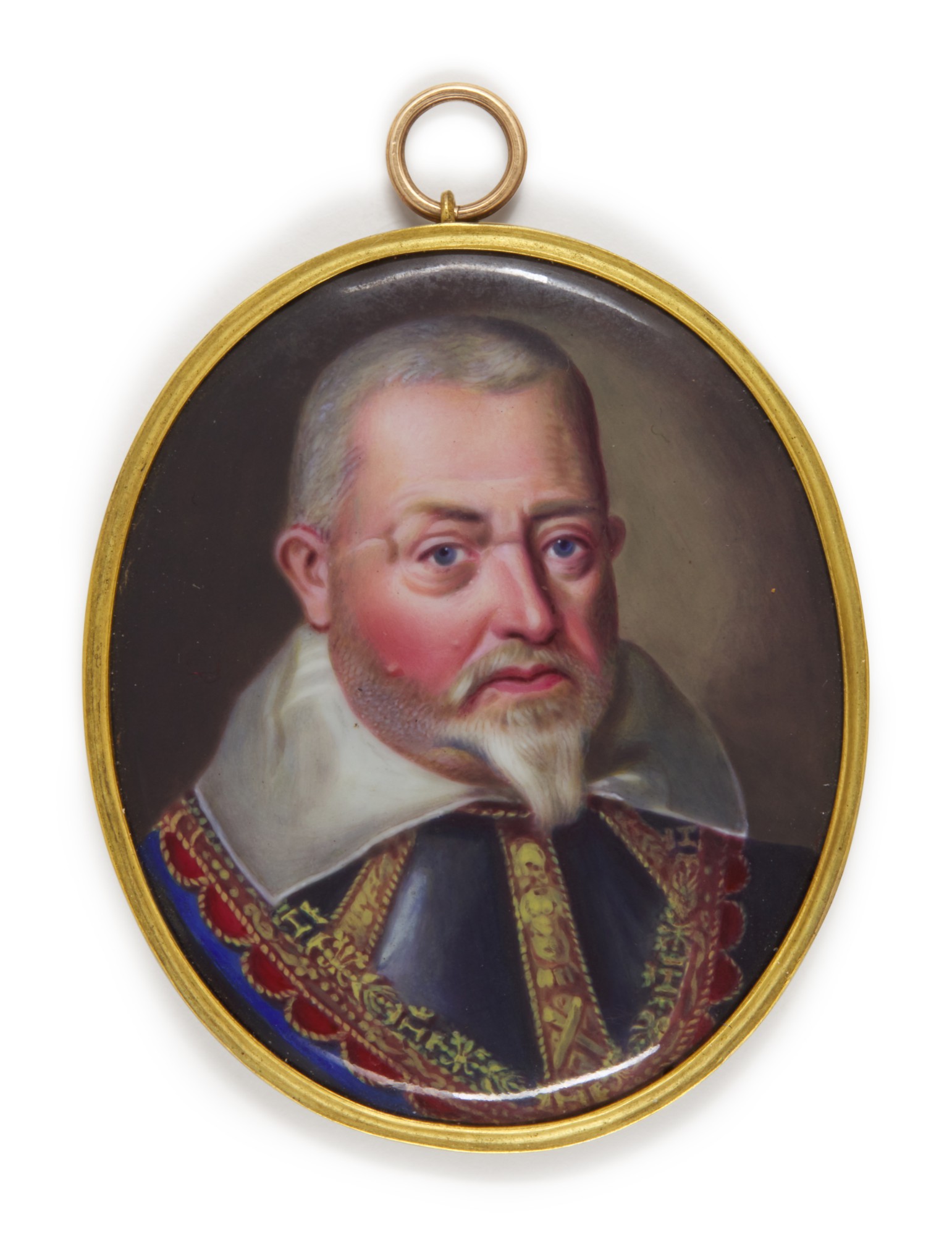
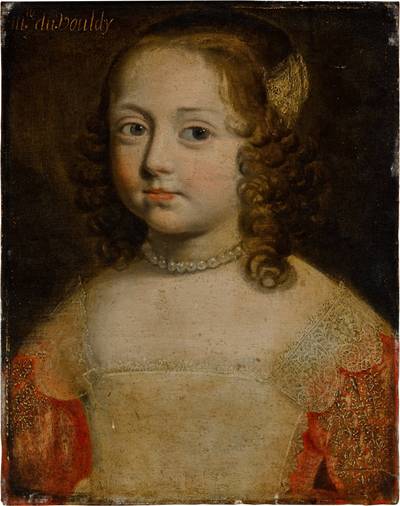
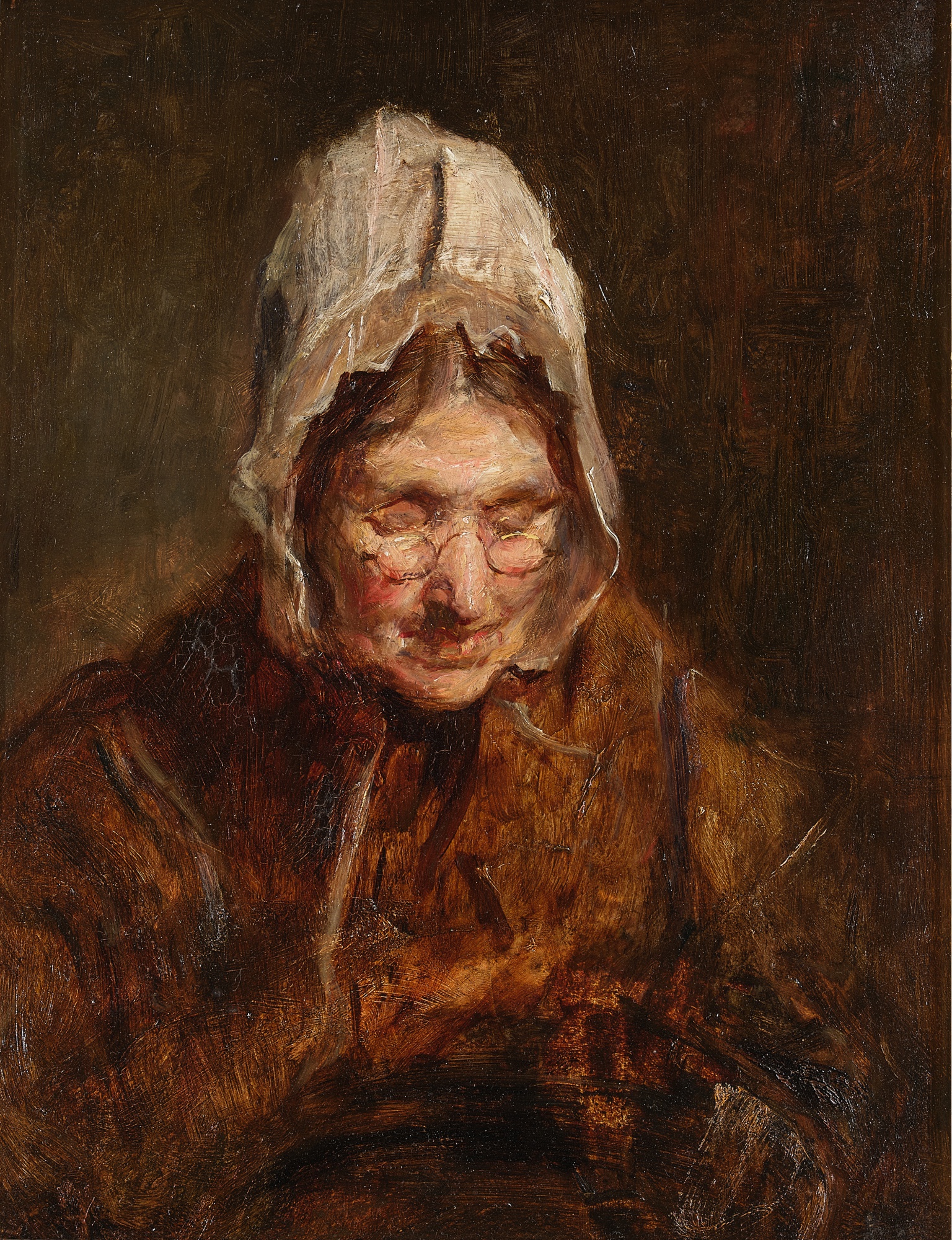
French School, after Louis Lerambert
Portrait of Louis des Balbes de Beston de Crillon (1543-1615)
And the followers and students of Jean Baptiste Greuze remind us that sentiment and moral purpose were never far from the surface even in the most decorative of centuries. Works from the French School of the 18th century on The Collection speak to the extraordinary range this single label can encompass. The period bracketing 1800 marks another significant rupture. The Revolution had dismantled the old patronage structures, and Napoleon's empire demanded a new visual rhetoric.
The French School circa 1800 is a body of work caught between worlds, still drawing on the classical vocabulary that the Académie had codified, but now inflected with a new urgency and a different sense of purpose. David's shadow falls long across this moment, and painters working in his wake produced images of considerable force and seriousness. The early nineteenth century then gives way to Romanticism, to Géricault and Delacroix, and the French School of the 19th century becomes almost impossibly various, containing within it the seeds of Realism, Impressionism, and everything that would eventually explode into modernism. There is something worth pausing on in the taxonomic habit that produces attributions like French School after Louis Lerambert or French School circa 1760 to 1770.
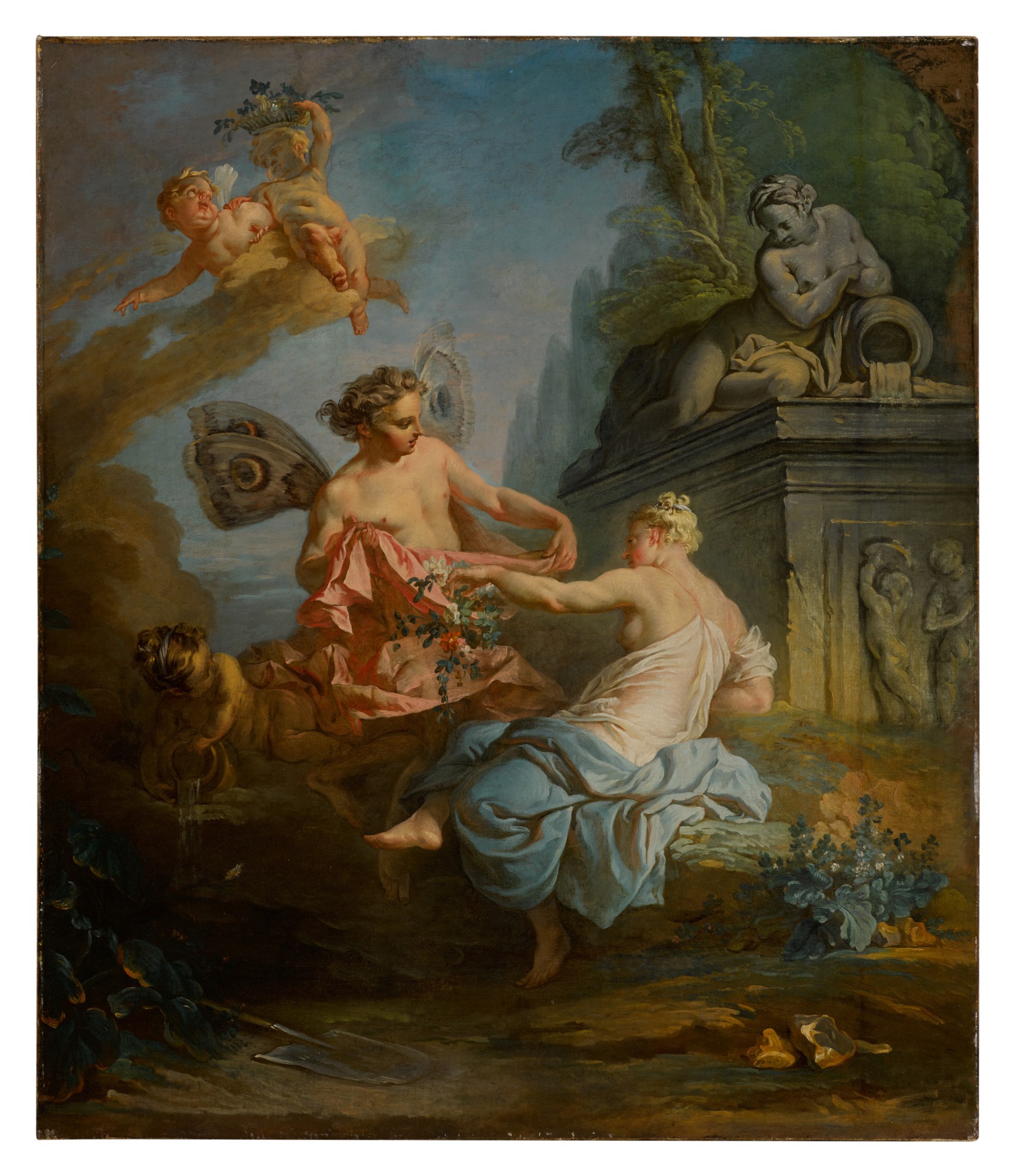
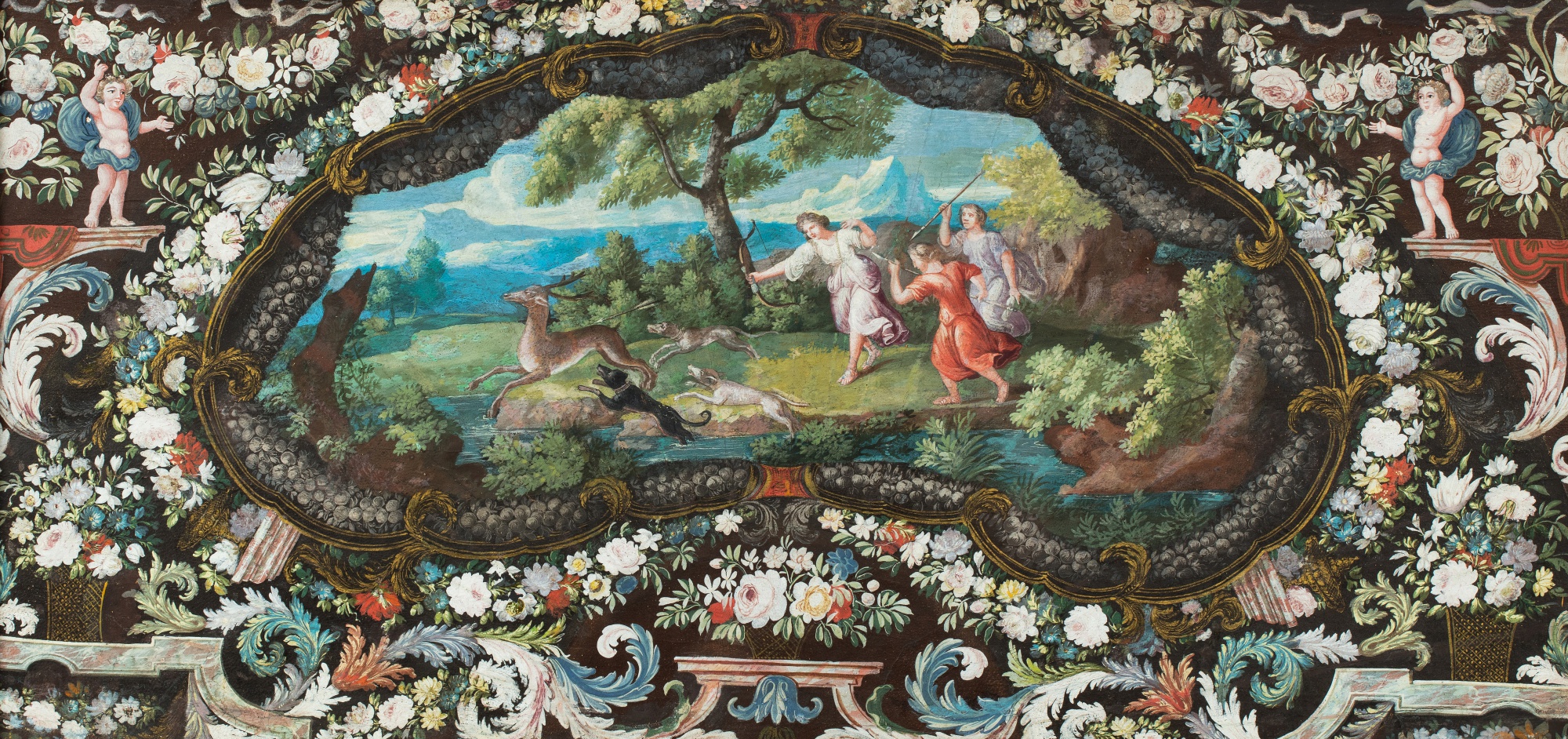
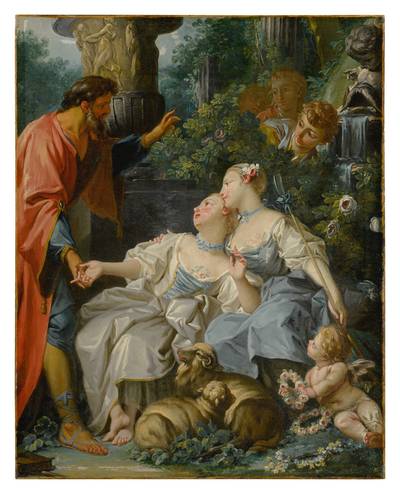
French School, circa 1760-1770
Flora and Zephyr
These designations are not failures of scholarship. They are, in a sense, invitations. They ask us to consider the work on its own terms rather than filtering it through the lens of a celebrated name. A group of paintings designated French School circa 1900 carries within it the turbulent energy of that particular moment, when Paris was simultaneously the capital of academic tradition and the birthplace of avant garde revolt.
That Serge Poliakoff, born in Moscow but forged entirely in Paris, stands as a twentieth century heir to this tradition is a reminder that the French School was always more an idea than a geography. The techniques that define these works are worth understanding not merely technically but as expressions of values. French academic painting placed extraordinary emphasis on the drawn line, on the primacy of disegno, and on the controlled application of oil paint in layers that allowed for both luminosity and precision. The ability to render fabric, skin, and atmosphere with equal convincingness was a core demand of the tradition, and works that bear the French School attribution almost always reward close looking at exactly these passages.
Serge Poliakoff
Composition in Carmine-Red, Brown, Yellow, and Grey
Even where the attribution is loose or contested, the quality of observation tends to be high. For collectors today, the French School presents an opportunity that is genuinely unusual. The canonical names, your Poussins and your Watteaus, have long since entered museum collections and carry prices that reflect their status. But the broader tradition from which those artists emerged, the workshops and followers and accomplished anonymous painters whose work defined the visual culture of three centuries, remains accessible in ways that reward seriousness and patience.
The Collection represents this tradition with real depth, spanning from those early sixteenth century stirrings through to the confident productions of the nineteenth century and beyond. To engage with these works is to engage with the long, extraordinary project of French civilization making itself visible, which is to say, it is to engage with one of the most consequential aesthetic conversations in the history of art.