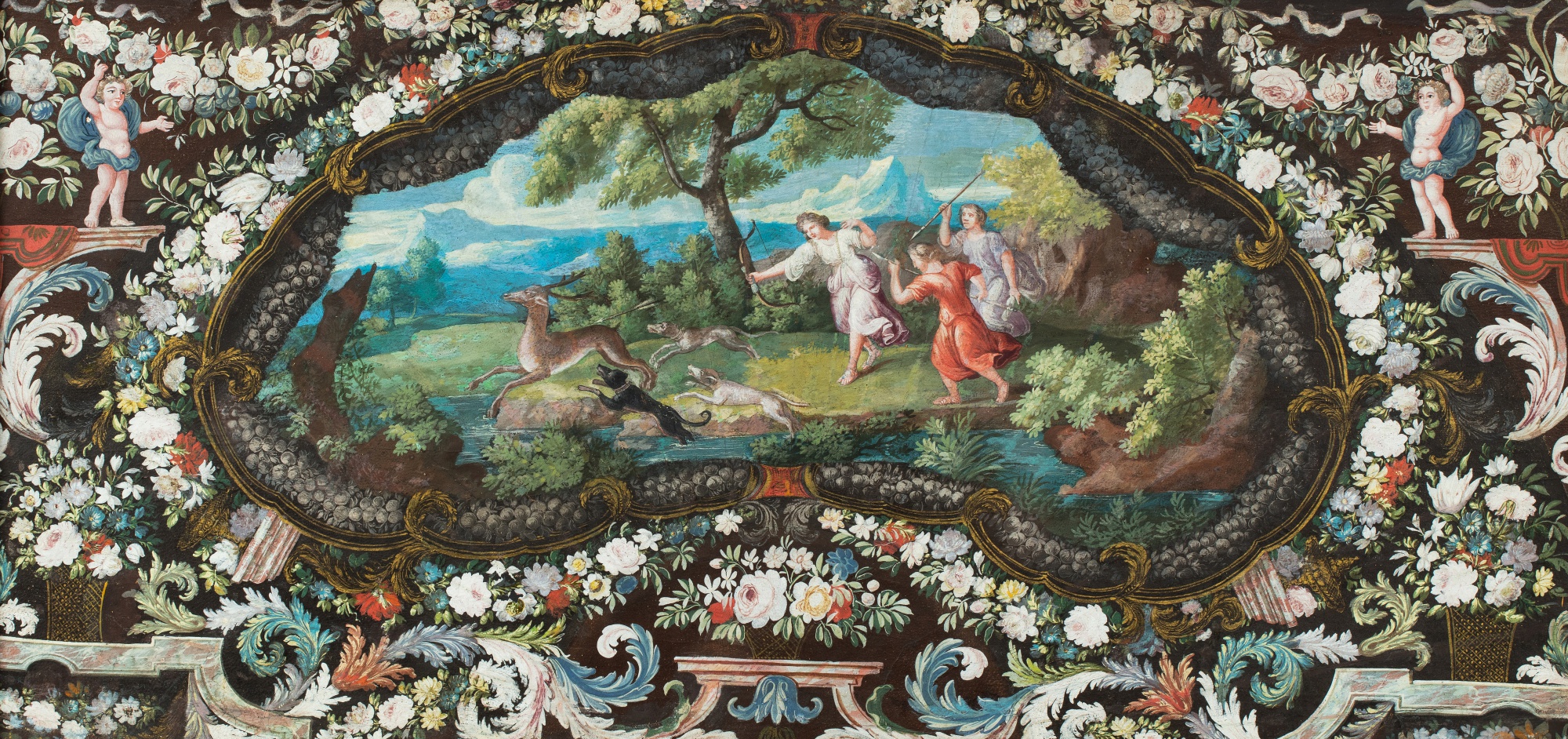
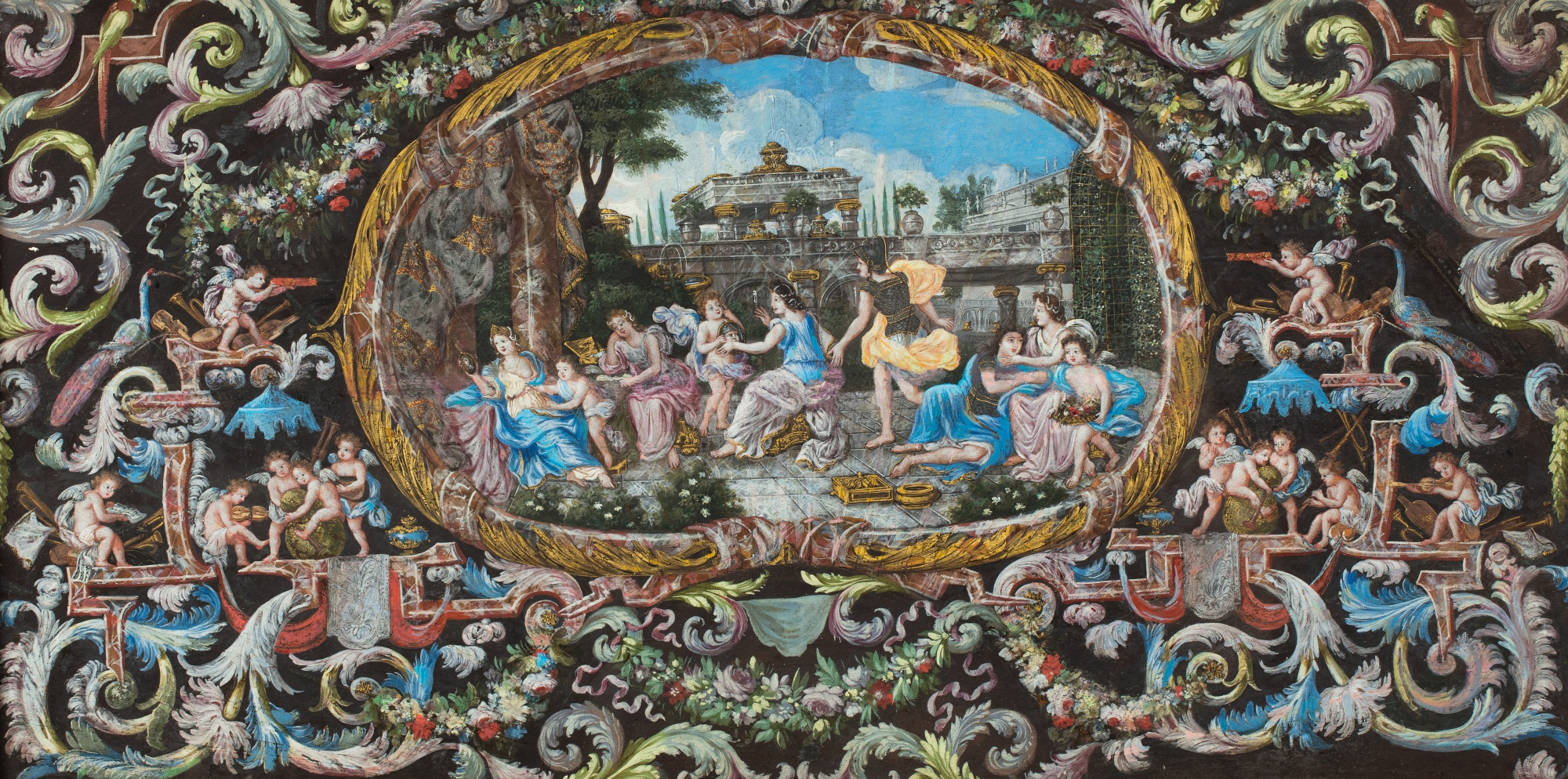
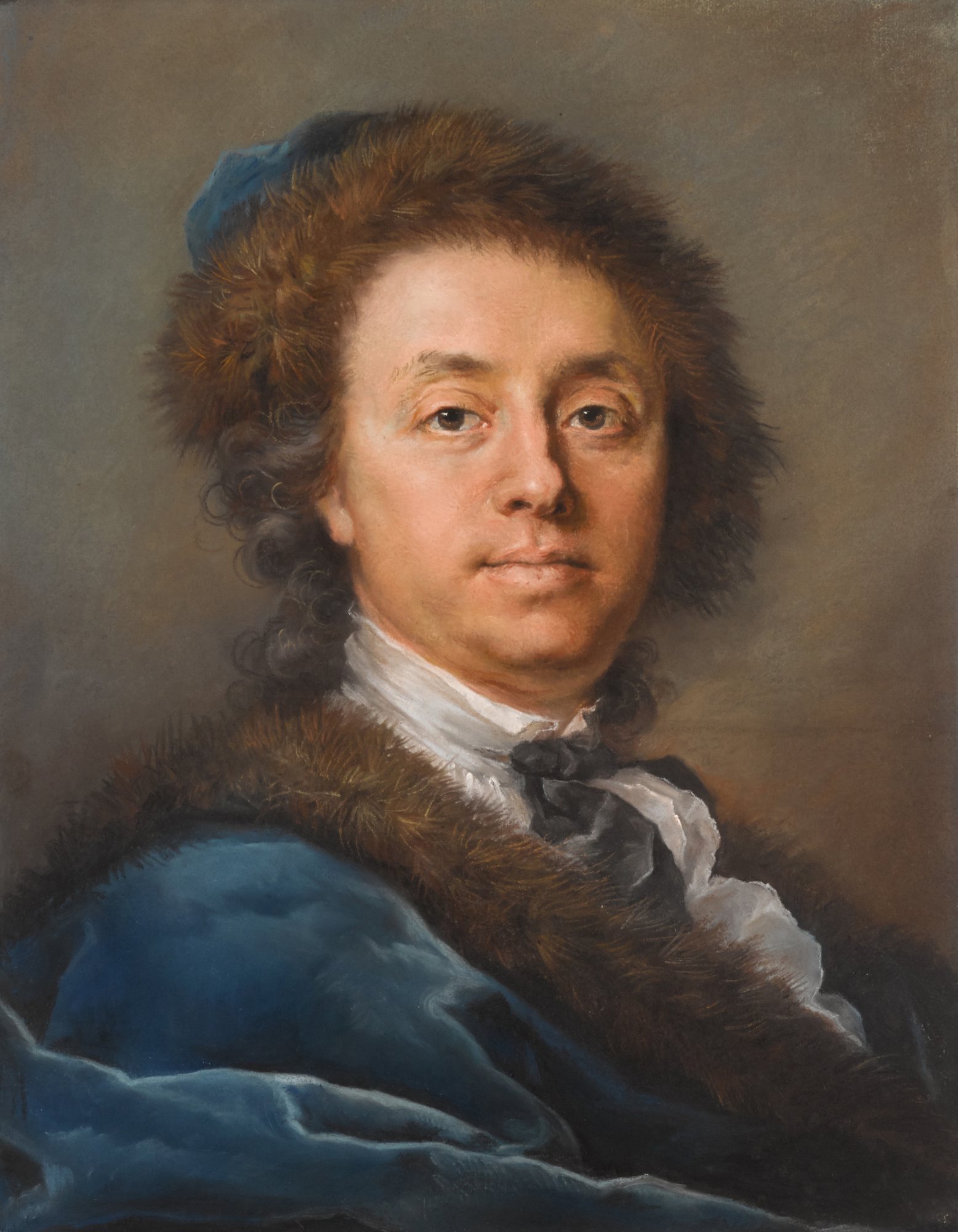
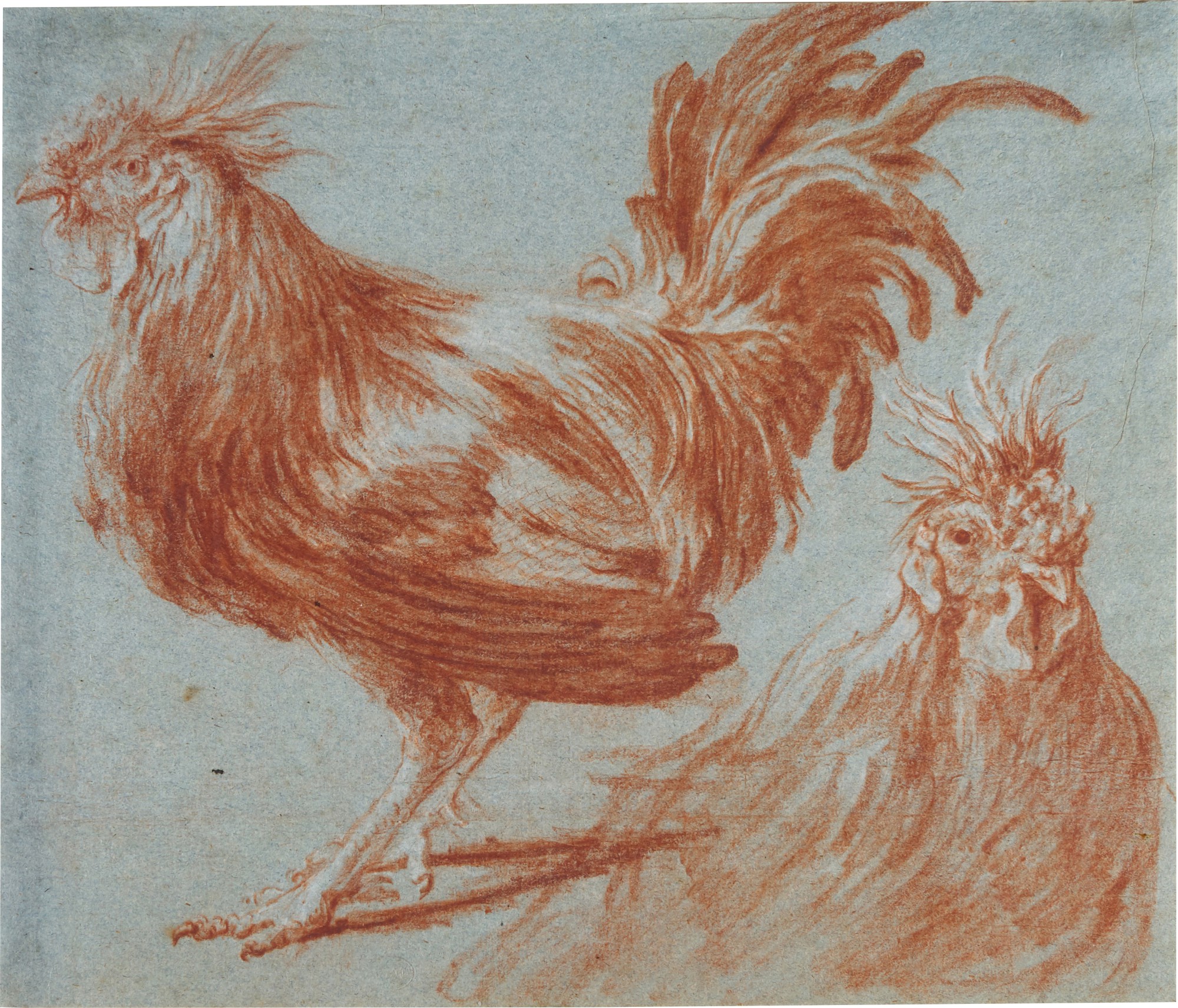
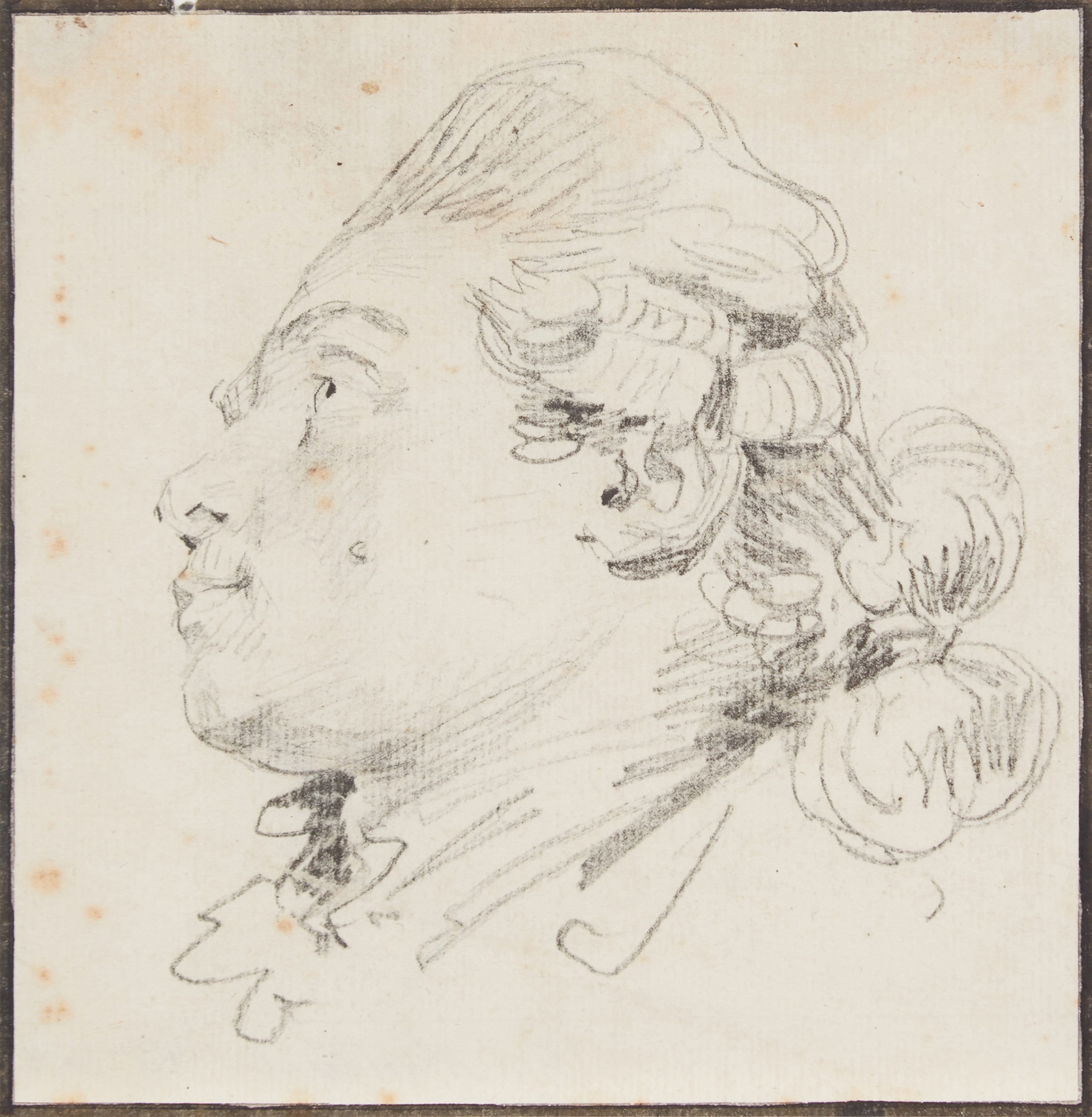
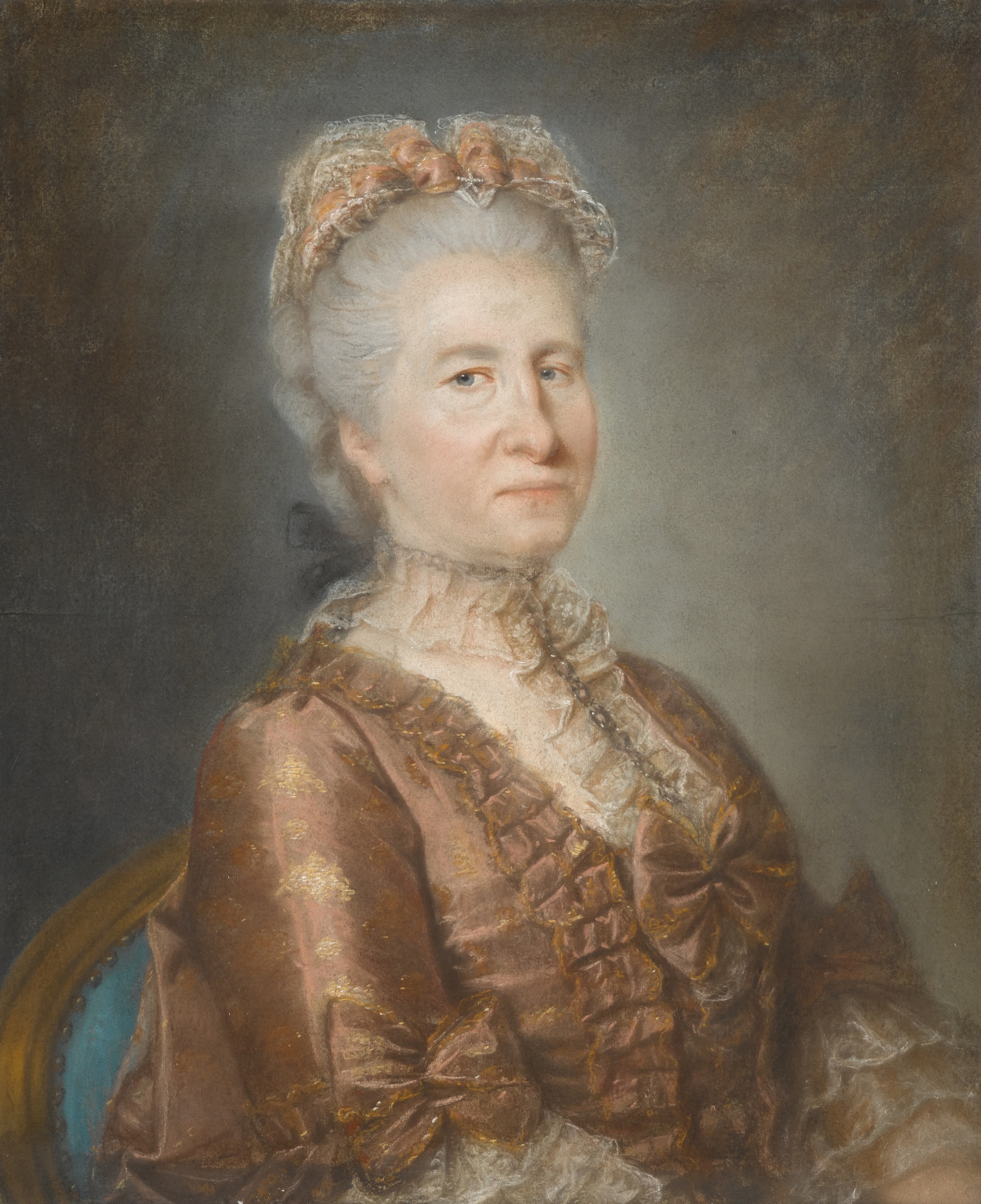
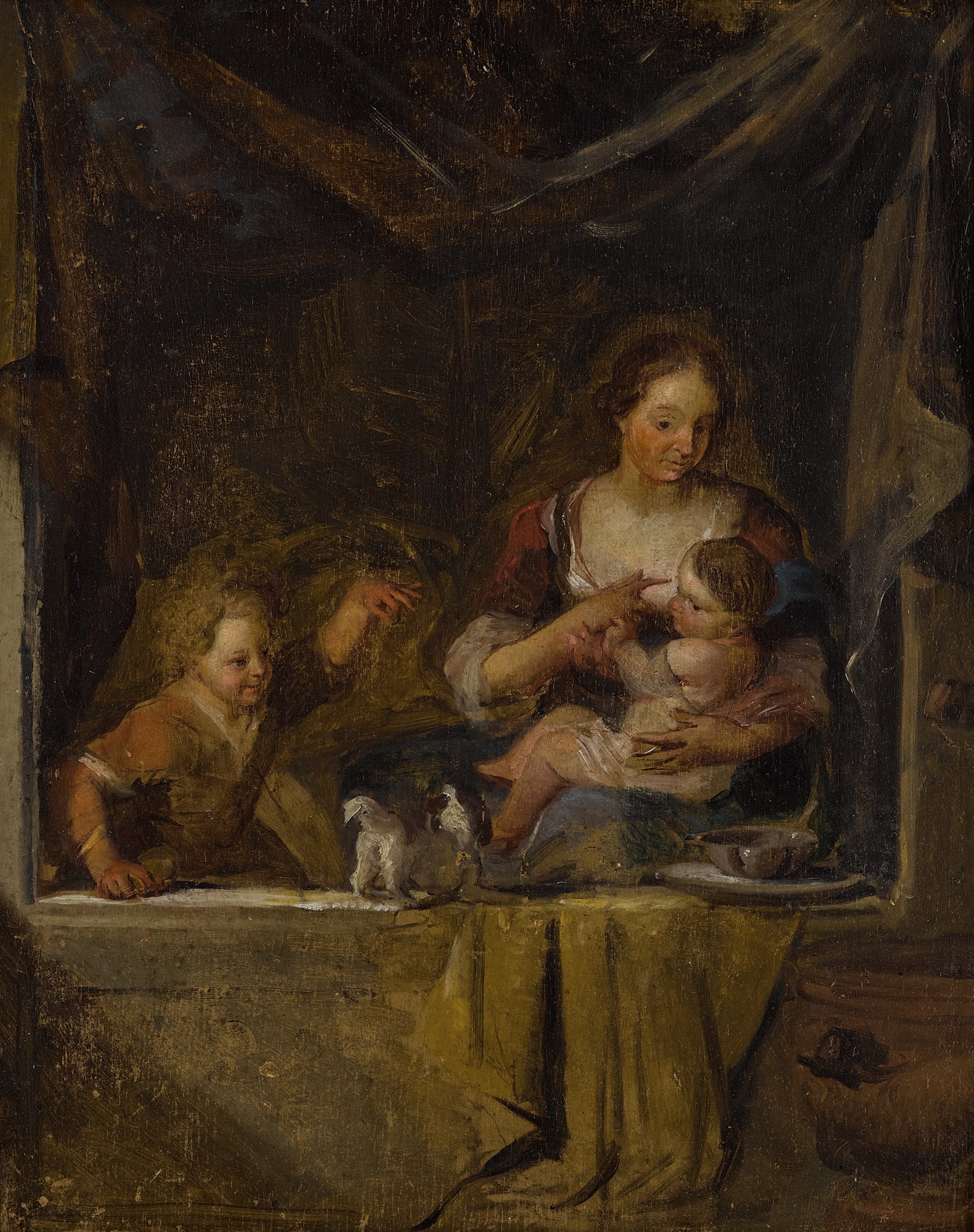
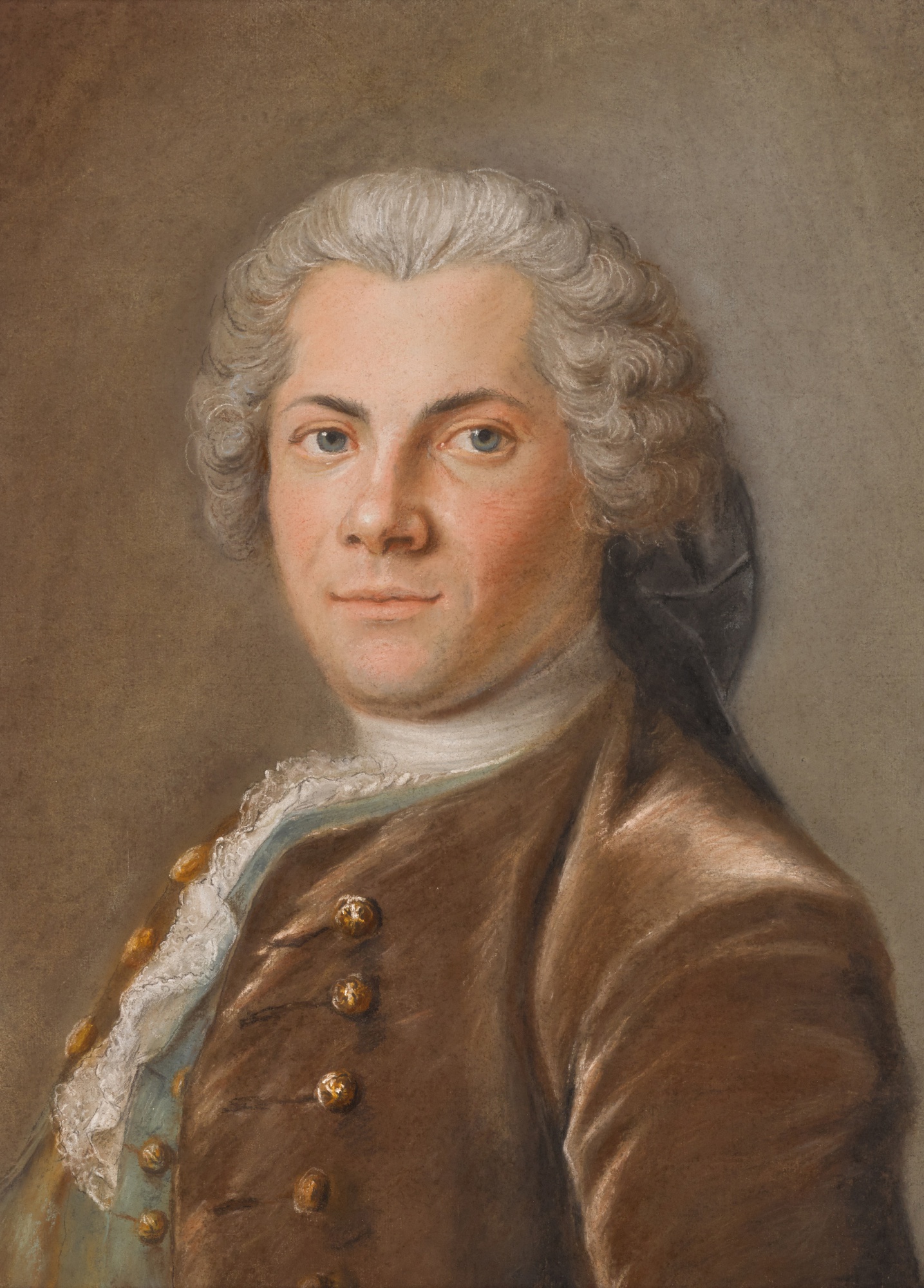
There is a particular thrill that moves through a saleroom when a work attributed to French School, 18th Century comes to the block. The bidding may begin cautiously, but the room invariably warms, drawn in by the unmistakable refinement of gesture, the shimmer of silk rendered in pastel, the golden light of a Rococo fantasy caught on paper or panel. In recent seasons, major auction houses in Paris and London have seen renewed collector appetite for precisely these kinds of works, anonymous yet deeply eloquent, their authorship uncertain but their quality beyond question. The French eighteenth century speaks a language that requires no signature to be understood. To understand French School, 18th Century is to understand one of the most extraordinary cultural ecosystems in the history of Western art. France in the 1700s was the uncontested center of European taste, and the court of Versailles, together with the grand Parisian hôtels particuliers and the thriving Académie Royale de Peinture et de Sculpture, created a world in which beauty was both a political instrument and a daily practice. Artists working in this milieu absorbed their training through a rigorous system of académies and ateliers, learning from masters who had themselves been shaped by the legacy of Le Brun, Watteau, and the great French decorative tradition. Even those painters whose names have been lost to history operated within this intensely cultivated environment, producing works of genuine sophistication. The Rococo sensibility that suffuses so much of French School, 18th Century output was not mere decoration for its own sake. It was a philosophy of pleasure made visible, an insistence that life, at its finest, could be a work of art. The fête galante, the intimate portrait, the exquisitely wrought fan study: these were not trivial genres but the very forms through which aristocratic and bourgeois society understood itself. Works such as "Diane chassant, étude pour un éventail" and "Scène galante, étude pour un éventail", both executed in gouache heightened with gold and scored with the precise arc of the fan form, exemplify this sensibility at its most refined. They are objects made to be held, to be opened in a gloved hand at the opera or in a candlelit salon, carrying within them a whole world of allusion and grace. The portrait tradition represented in French School, 18th Century is equally rich and revealing. Pastels were the preferred medium for intimacy in this era, and works such as "Portrait d'un gentilhomme à la toque de fourrure et à la robe de chambre", "Portrait d'homme en violet", and "Portrait of a woman, seated, wearing a copper coloured dress adorned with lace" demonstrate the extraordinary command these artists brought to the medium. Pastel allowed for a softness of feature and a luminosity of skin tone that oil could rarely match, and the great pastellists of the century, from Maurice Quentin de La Tour to Jean Baptiste Perronneau, set a standard that the broader school enthusiastically absorbed. These anonymous portraits carry the same psychological presence and material splendor as their better documented counterparts. The range of subjects and techniques within this body of work reflects the full ambition of the French eighteenth century. A "Study of Cockerels" in red chalk heightened with white on blue paper speaks to the academic tradition of drawing from nature, a discipline central to French training. "A nursing mother with a young boy and a dog" in oil on panel invokes the tender domestic genre that flourished alongside the grander Rococo fantasies, influenced by the moral seriousness that Jean Baptiste Greuze and others brought to everyday life. "Two views of Rome, one with Grand Tourists in the foreground" in pen, black ink, and watercolor reminds us that French artists of this period were deeply engaged with the Italian journey, the Grand Tour that carried so many painters and draftsmen south to encounter antiquity firsthand. "Le canal", rendered in pen and brown ink, watercolor, black chalk, and heightened with white, shows the landscape tradition at its most atmospheric and poetic. For collectors, works attributed to French School, 18th Century occupy a particularly rewarding position in the market. They offer access to the aesthetic world of one of history's supreme artistic moments, often at prices that remain accessible compared to signed works by major names. The criteria for quality are clear to the educated eye: precision of draftsmanship, the handling of light and material texture, the sophistication of compositional arrangement, and the condition of the support and medium. Provenance research sometimes yields surprises, and works that enter the market as anonymous attributions have occasionally been reattributed to documented artists upon closer study. This makes collecting in this area not merely a pleasure but something of an intellectual adventure. The broader context of French School, 18th Century places it in direct dialogue with some of the most celebrated names in European art history. The influence of Antoine Watteau, whose invention of the fête galante transformed French painting in the early part of the century, is felt across countless works in this tradition. François Boucher's lush mythologies and Jean Honoré Fragonard's breathless romanticism set the tonal register that the broader school absorbed and interpreted. As the century turned toward its close, the rising current of Neoclassicism, championed by Jacques Louis David, introduced a new severity and civic grandeur that reshaped French taste entirely. Works of French School, 18th Century sit within this arc, reflecting one or another of its phases and preserving the visual memory of a civilization at the height of its expressive powers. What makes French School, 18th Century so enduringly compelling is precisely its anonymity, which paradoxically becomes a kind of freedom. These works are unburdened by biography, by the noise of artistic celebrity, and they ask to be encountered purely on their own visual terms. They represent the deep culture of a society rather than the singular vision of a single ego. In a moment when collectors and institutions alike are reconsidering how value and authorship intersect, there is something genuinely moving about a pastel or a gouache that has survived two centuries without a name attached, still radiating the elegance, intelligence, and pleasure that its maker poured into it. French School, 18th Century is not a consolation prize for those who cannot afford the signatures. It is an invitation into the very soul of one of the great artistic civilizations, and it rewards every collector who accepts it.