Figurative Abstraction
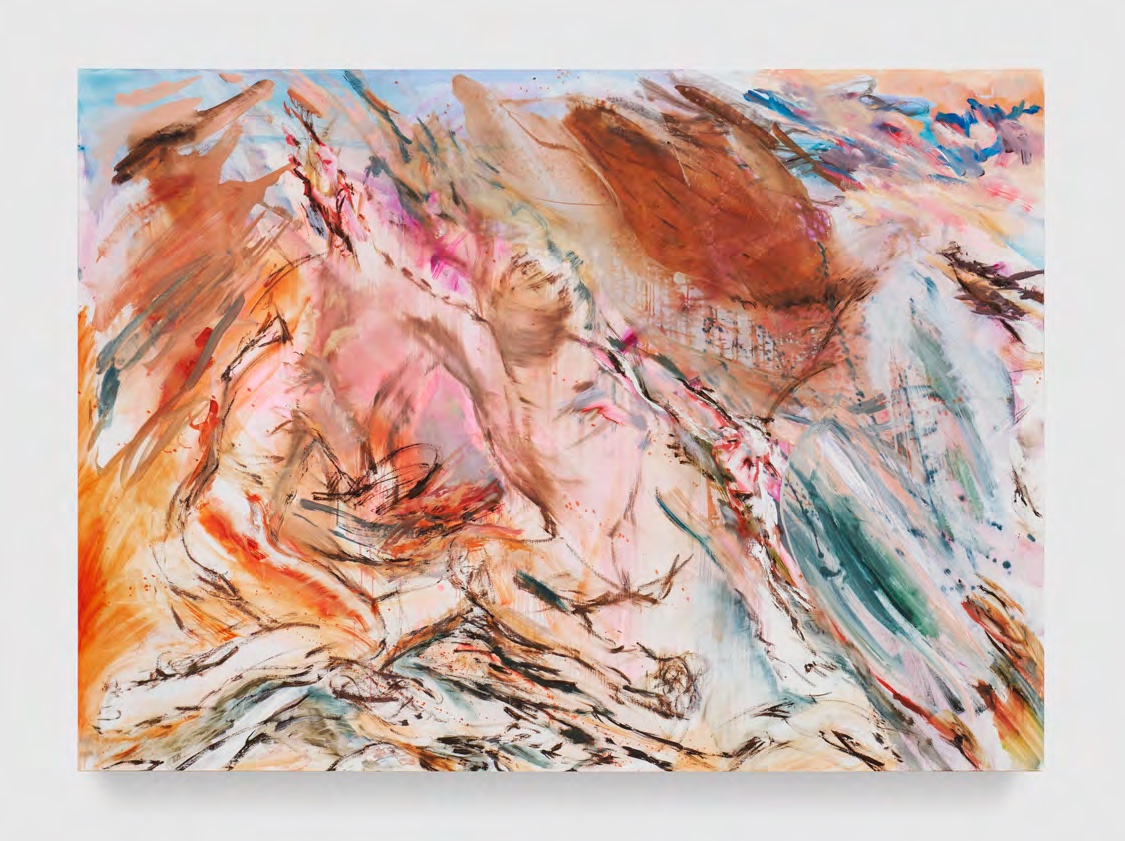
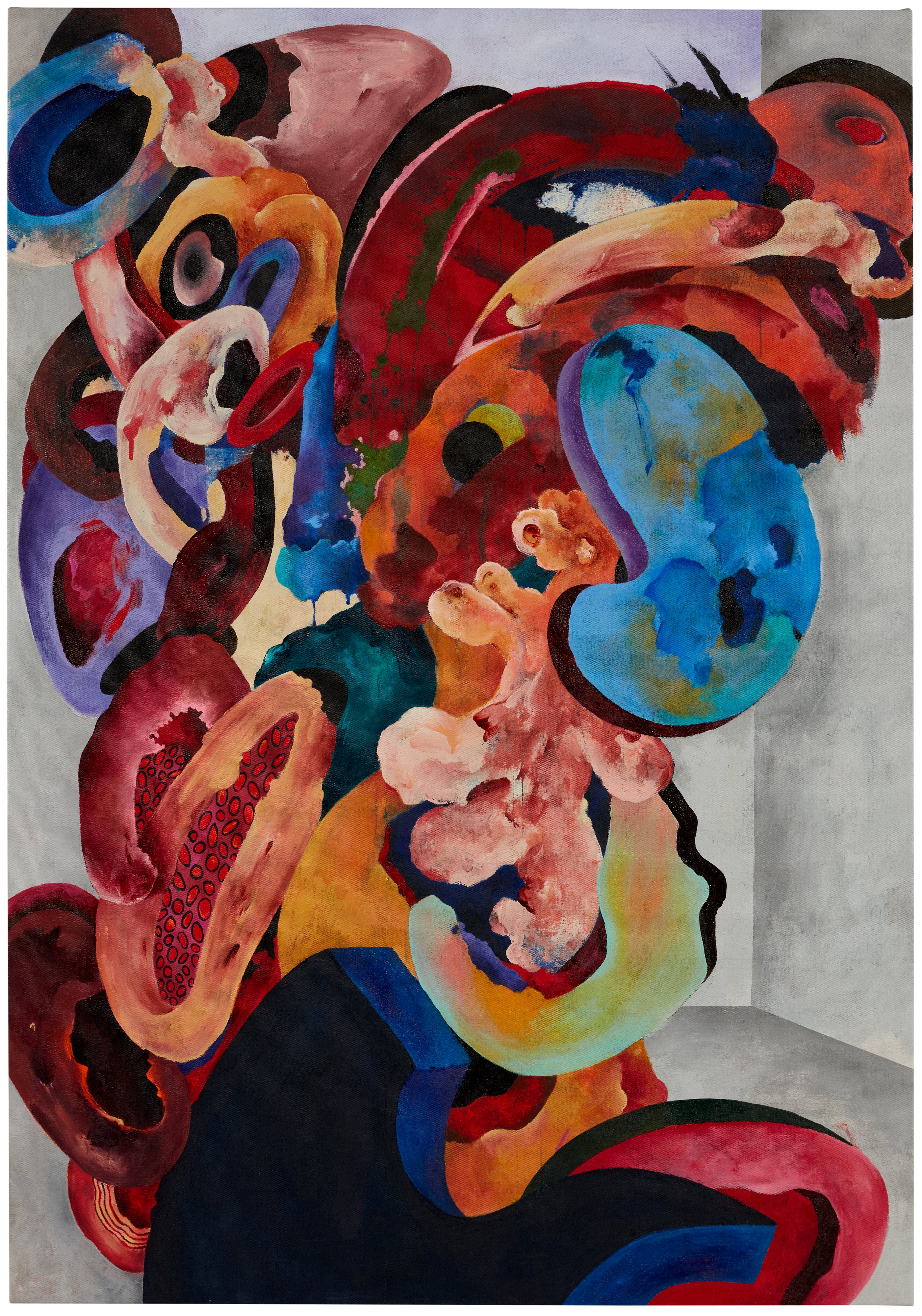
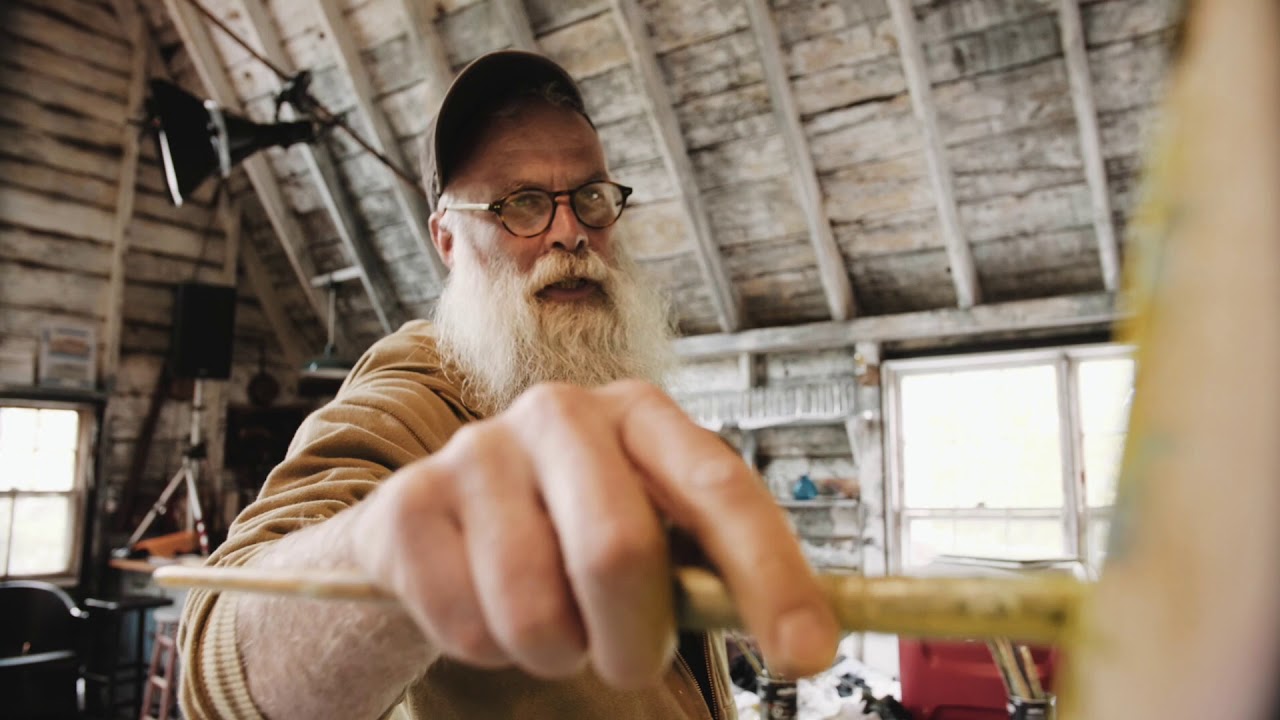
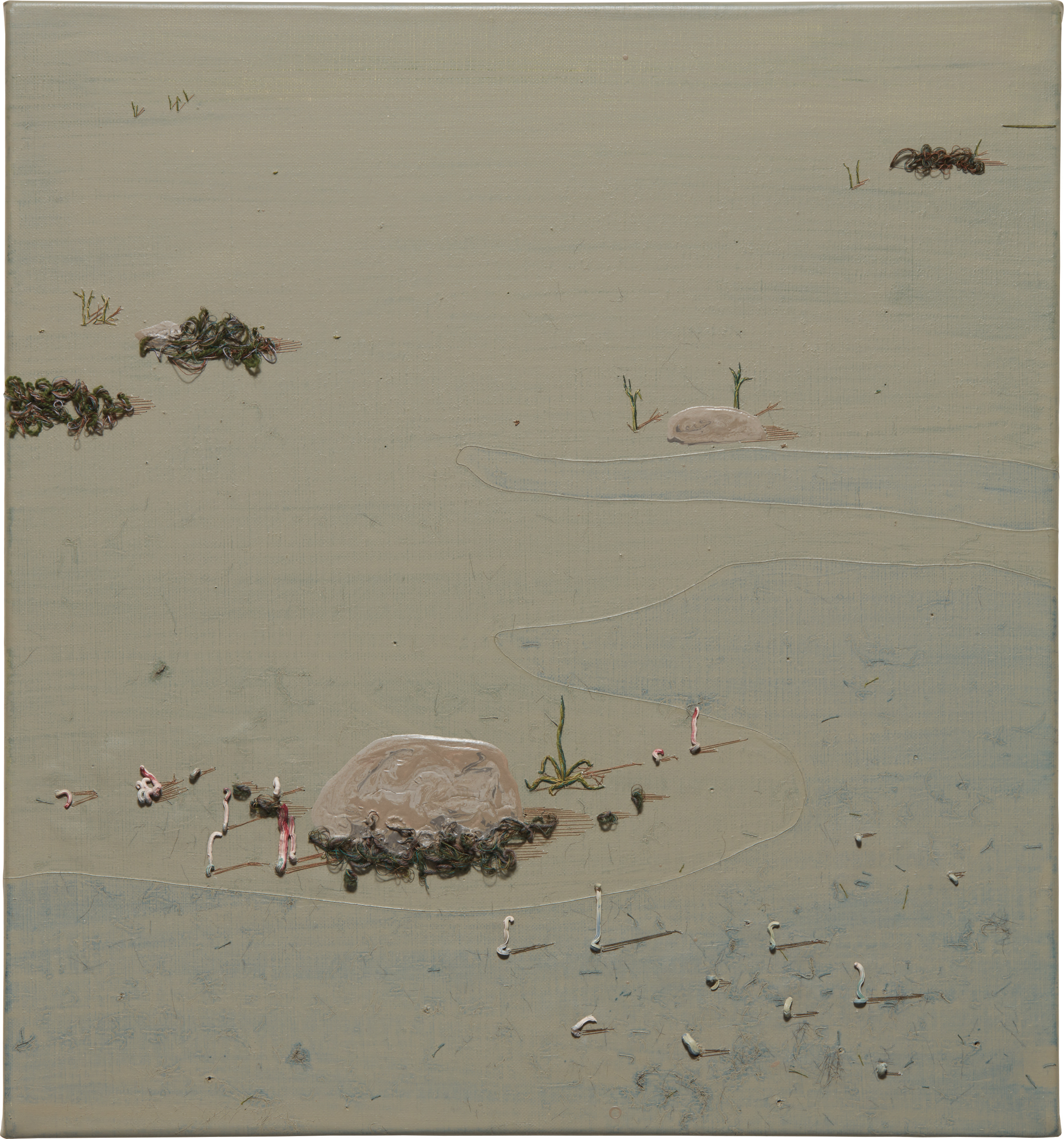
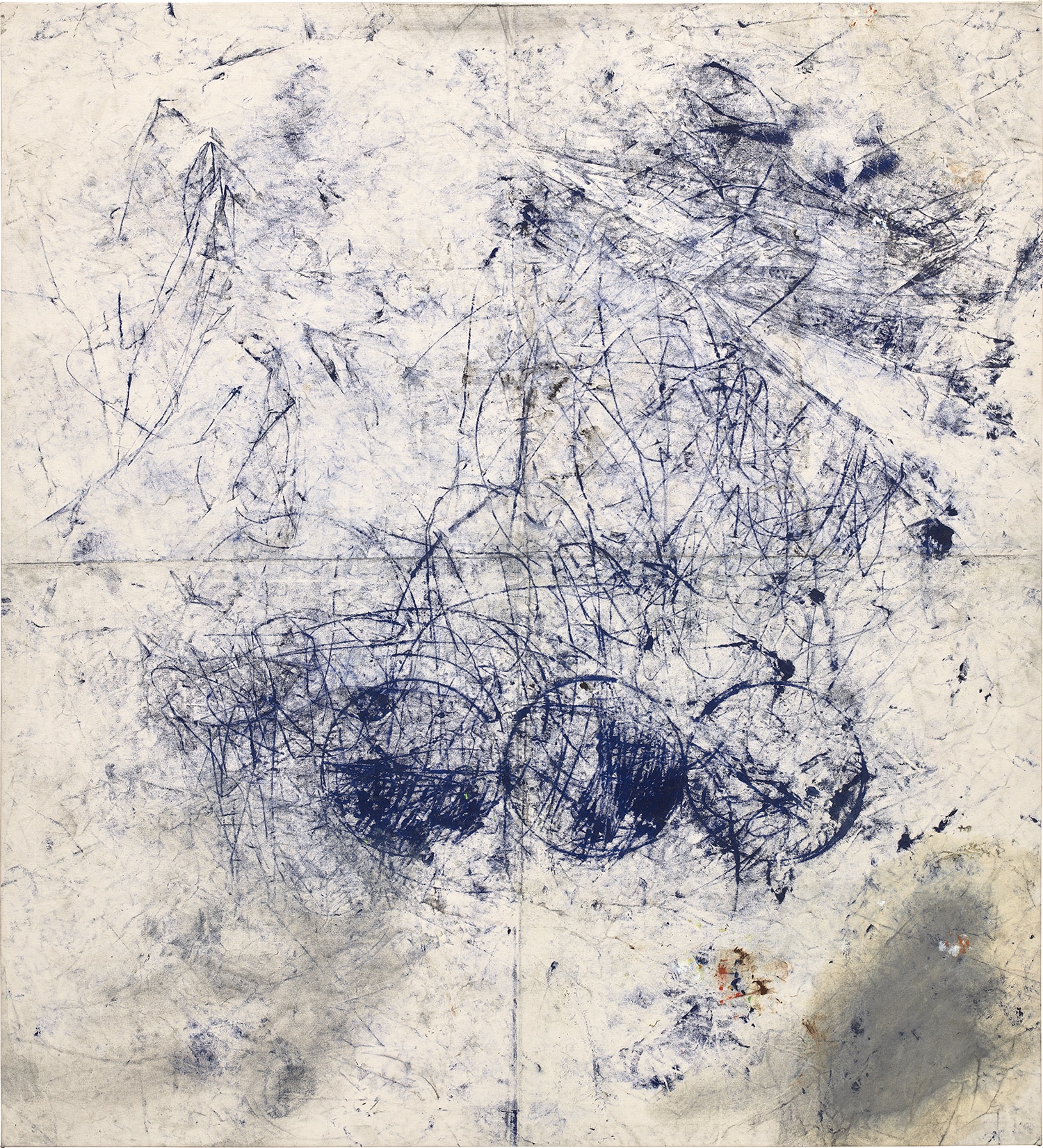
Kylie Manning
Quicksand, 2025


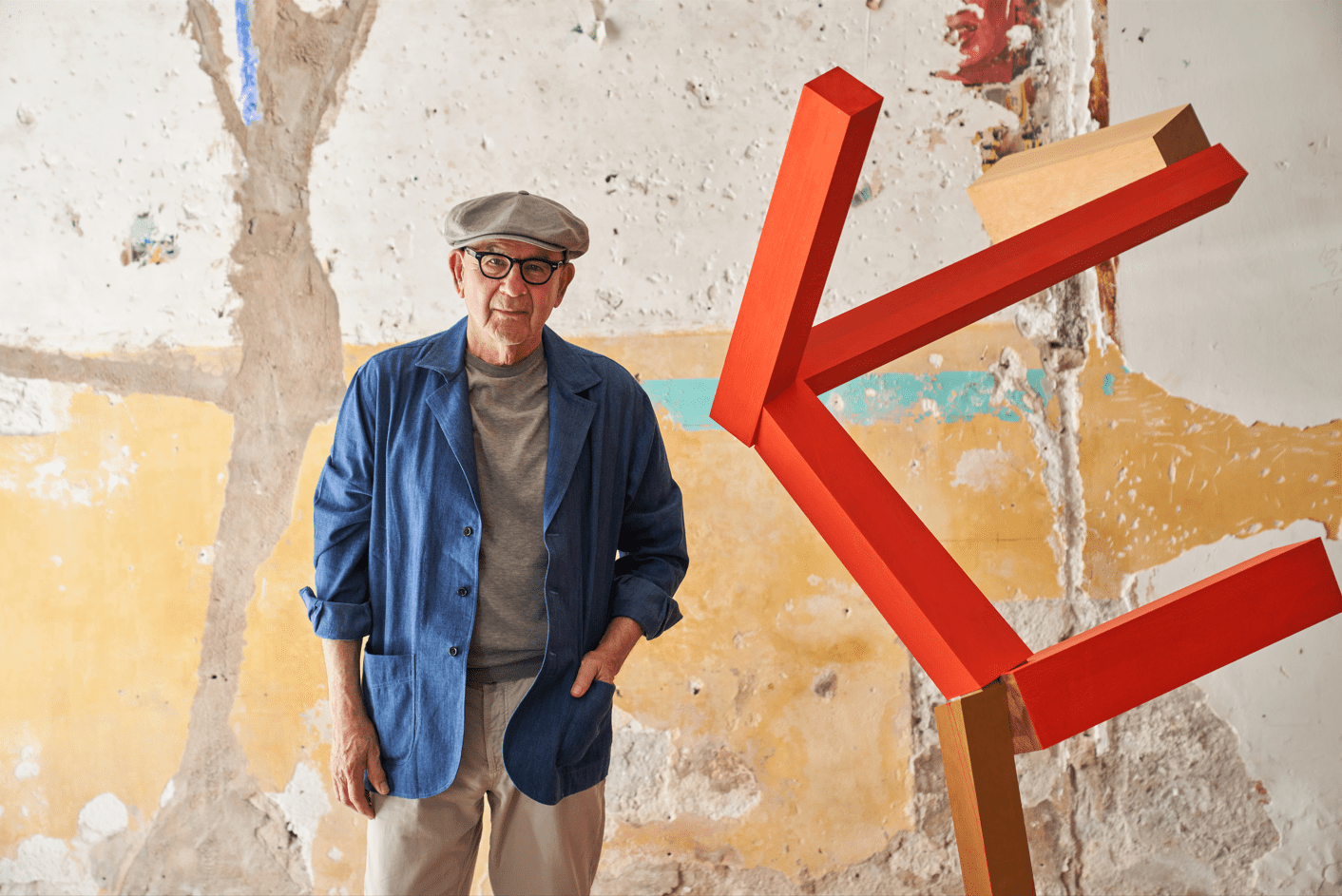
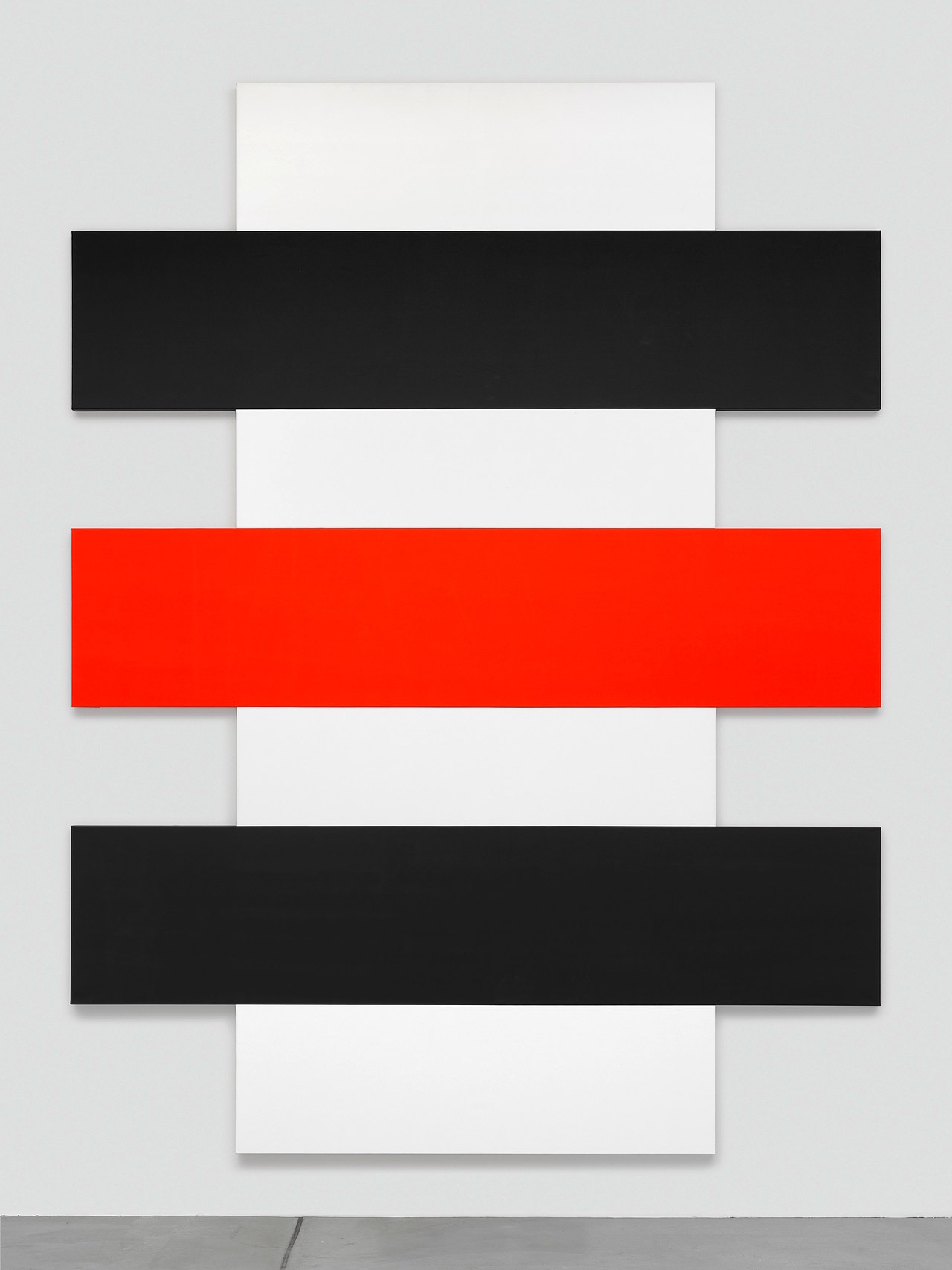
Between the Body and the Void
There is a particular kind of collector who finds themselves drawn, almost inexplicably, to works that refuse to settle. A painting that offers a shoulder, a gesture, a mouth half open in what might be a scream or a laugh, and then dissolves back into paint before you can be certain. Figurative abstraction occupies this territory with a confidence that rewards sustained looking, and it is exactly this quality that makes such works so compelling to live with. Unlike pure abstraction, which asks you to bring everything yourself, or tight representation, which tells you exactly what to think, the figurative abstract work holds a conversation with you.
It meets you halfway, and it changes depending on the day, the light, the mood you carry into the room. The appeal for collectors is partly psychological and partly practical. These works carry emotional weight without being illustrative, which means they function beautifully across a range of domestic and institutional environments. A canvas that hovers between a human form and a landscape, between a face and pure gesture, never becomes overexplained or exhausted.
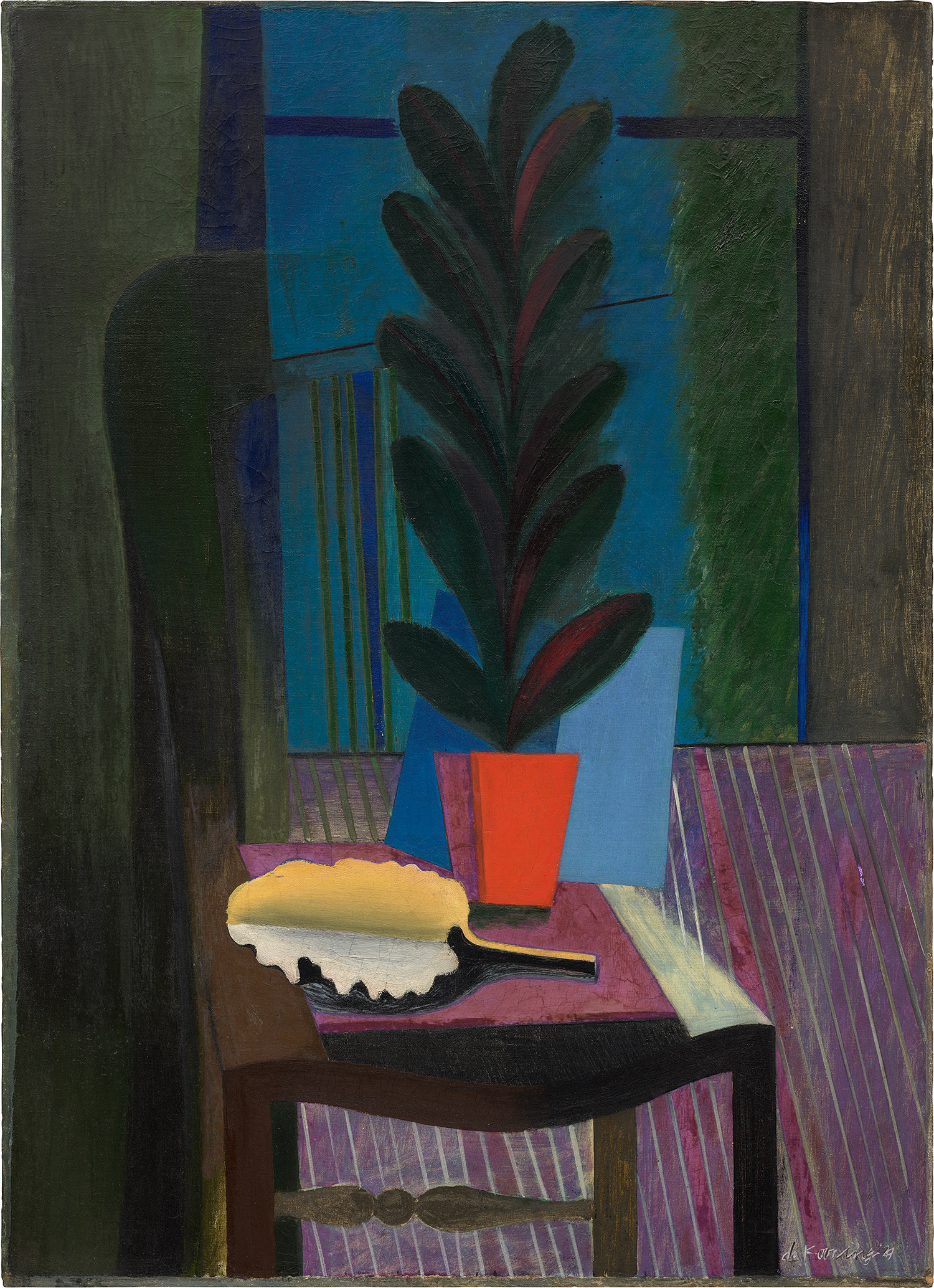
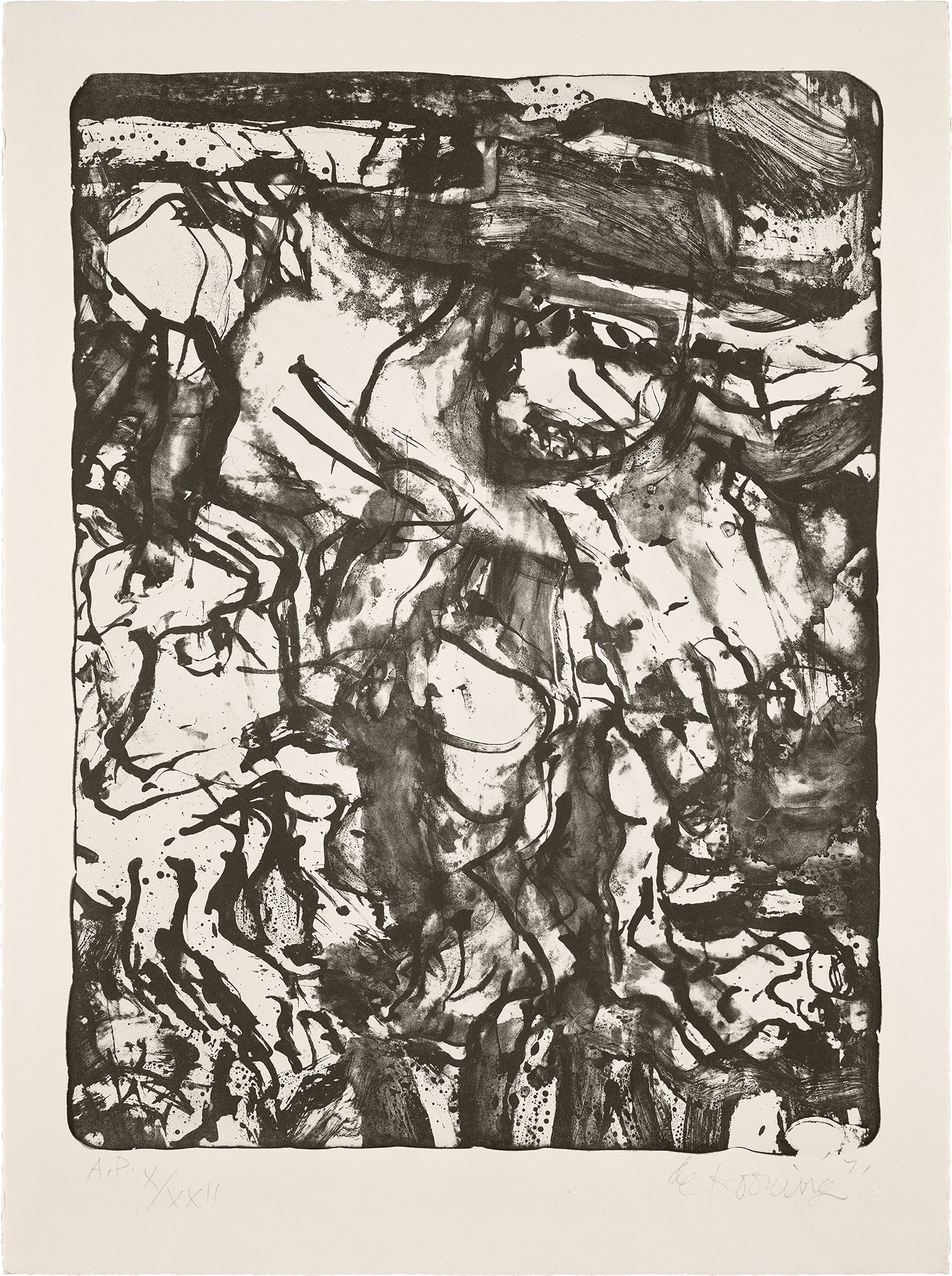
Willem de Kooning
Still Life, 1929
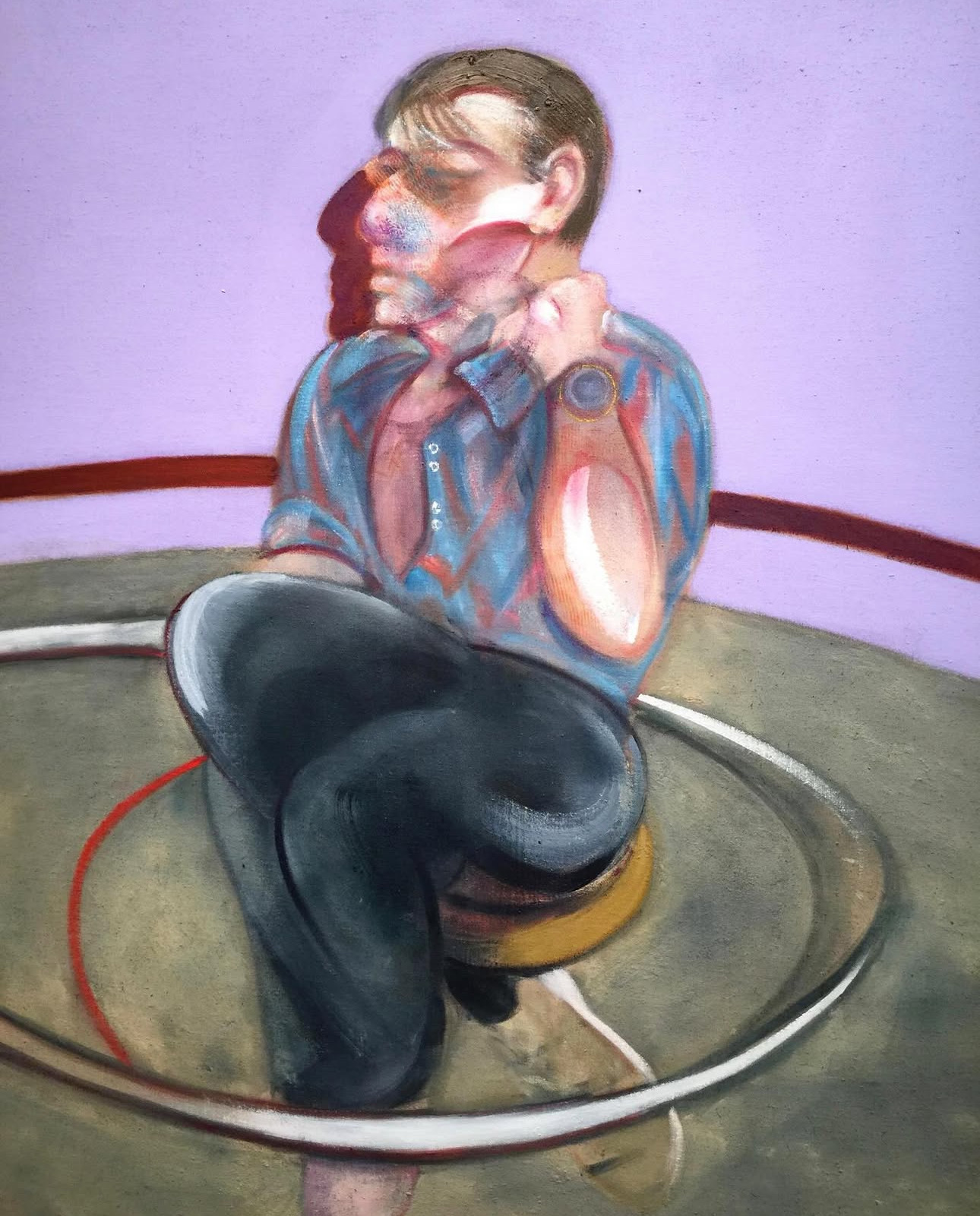
Collectors who have lived with work by Francis Bacon or Willem de Kooning for years consistently describe the same experience: the painting shifts. New details emerge. The relationship deepens rather than flattens over time. That quality of inexhaustibility is arguably the most valuable characteristic a work of art can possess for someone who intends to live alongside it.
So what separates a good work from a great one in this space? The question is worth taking seriously because the category is wide and quality varies enormously. At its weakest, figurative abstraction can feel like hedging, neither committed enough to hold up as pure painting nor specific enough to carry genuine psychological freight. The great works achieve tension, not compromise.
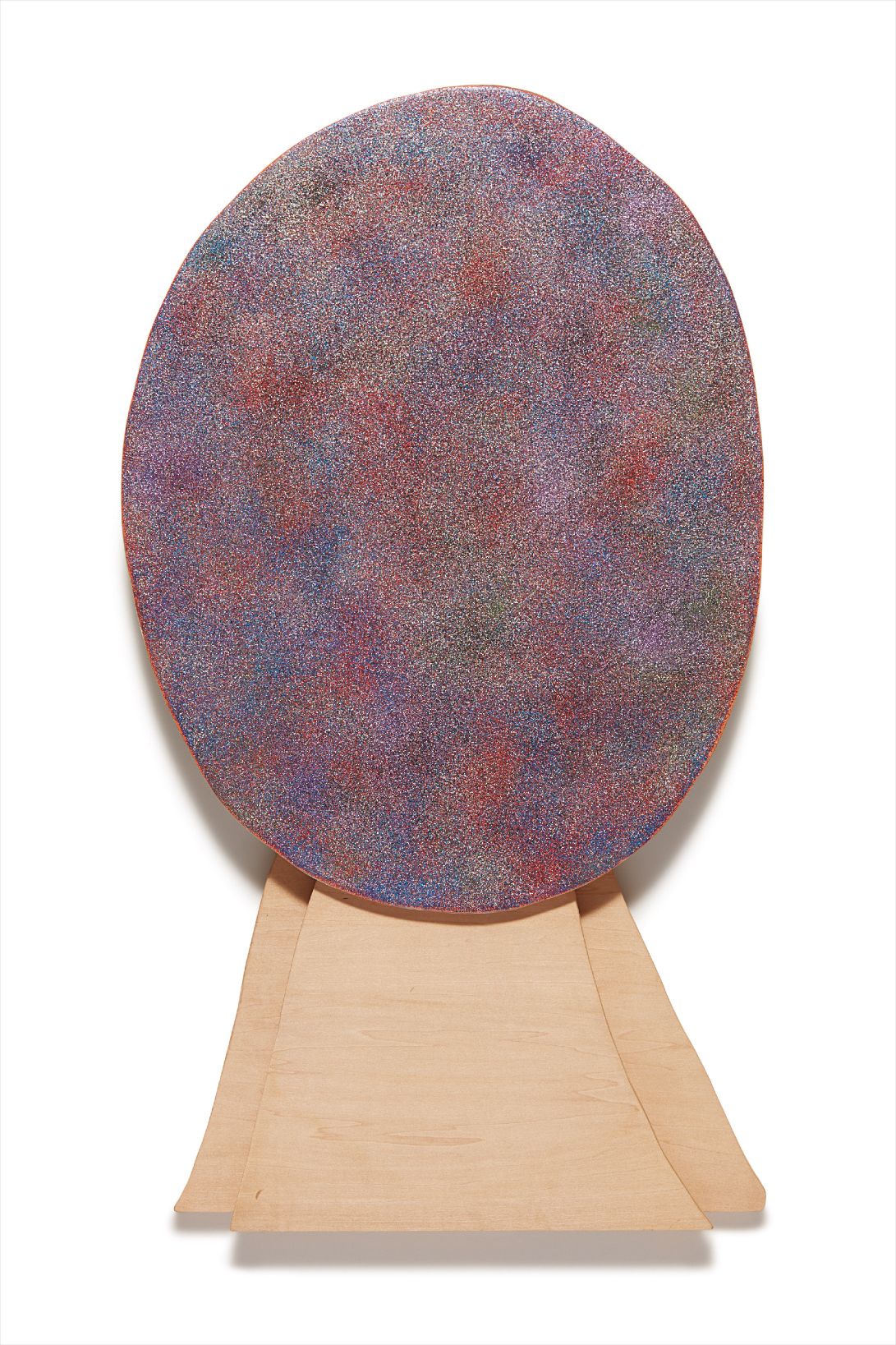
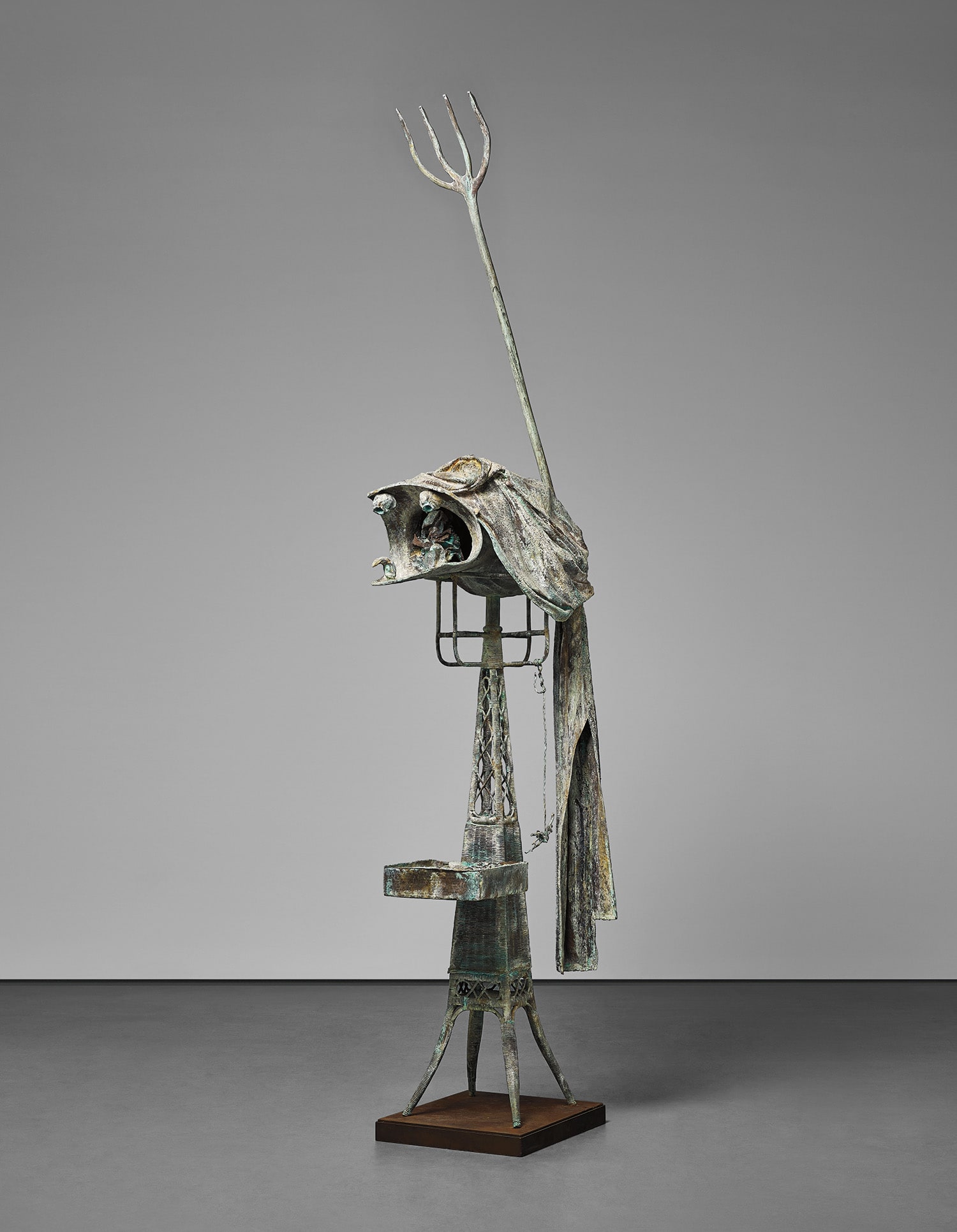
Hiroshi Sugito
the purple tree, 2006
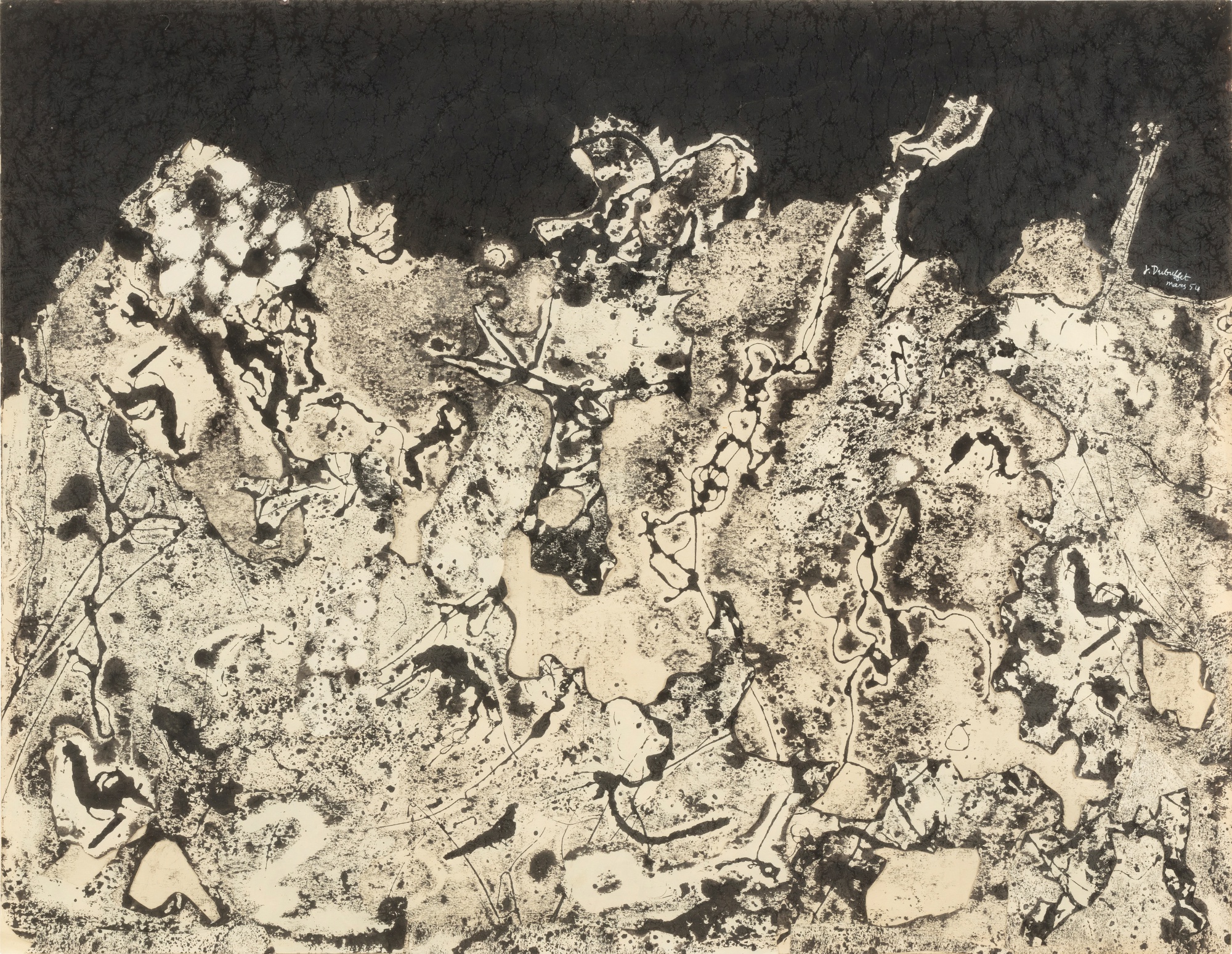
Look for evidence of authentic struggle in the surface: the passage where the artist has pushed through a false resolution toward something more honest. In the work of Jean Dubuffet, for example, that rawness is inseparable from the meaning. His figures, crude and insistent, push against the cultivated elegance of the European tradition in a way that is unmistakably intentional. When you encounter a work where the figuration and the abstraction are genuinely at war with each other rather than politely coexisting, you are likely looking at something worth pursuing.
Among the historically significant artists well represented on The Collection, Joan Miró stands out as a foundational figure whose works operate in this space with extraordinary range. His mature canvases from the 1940s onward hold biomorphic signs, figures that are simultaneously creatures, landscapes, and pure invention, in compositions of deceptive simplicity. De Kooning's Women series, begun in earnest in the early 1950s, remains one of the most visceral demonstrations of what figuration and abstraction can do when pressed against each other at full force. Collectors acquiring works by these artists are entering a market with substantial depth and decades of institutional endorsement, which provides a degree of stability that genuinely experimental work cannot always offer.
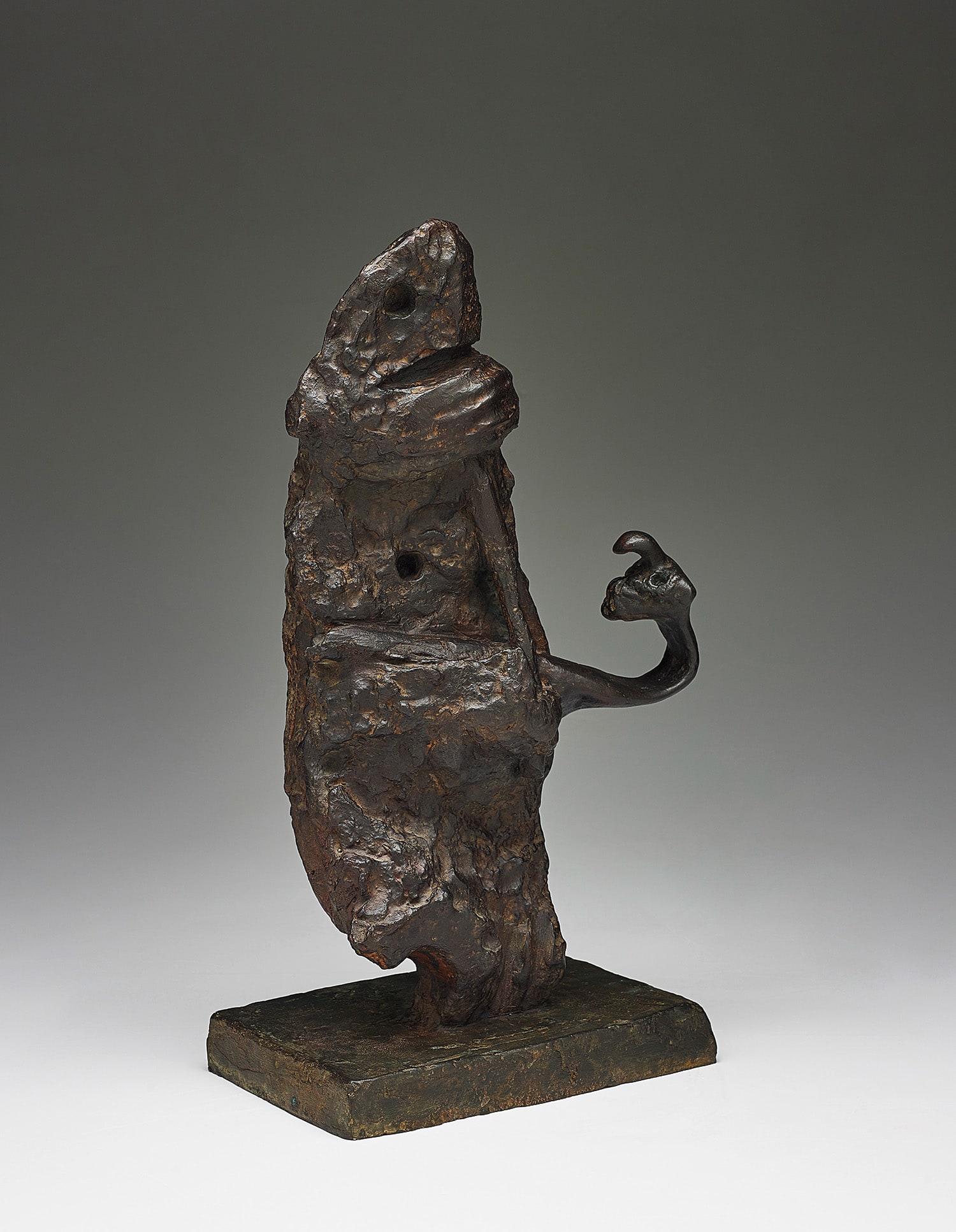
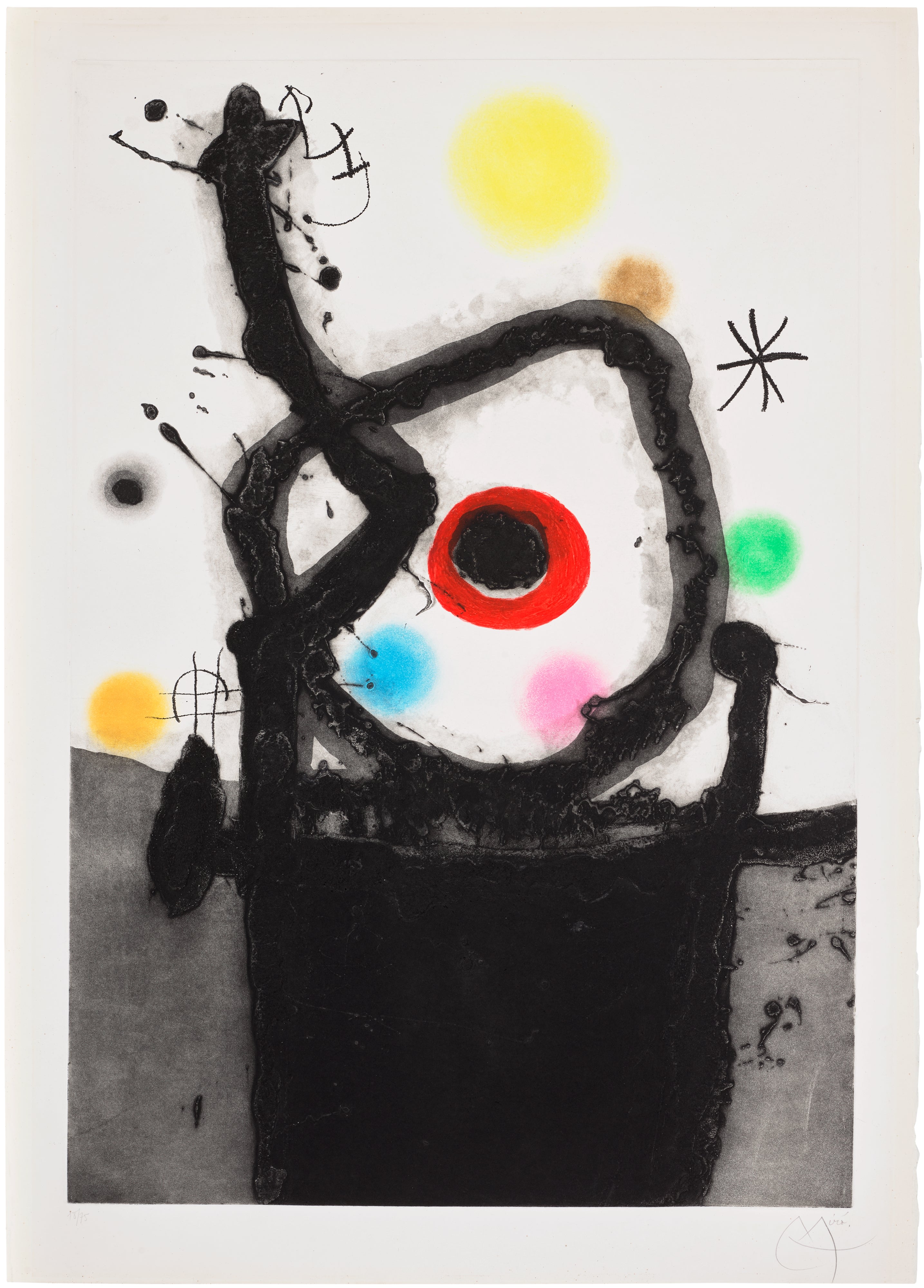
Joan Miró
Maternité, 1981
Howard Hodgkin, whose small panels encode entire emotional histories within fields of brushwork that barely resolve into scene, represents a different but equally valid axis of the same impulse, and his market has strengthened steadily since his death in 2017. For collectors with an appetite for works that are underrecognized relative to their quality, there are genuine opportunities at this moment. Amy Sillman has built one of the most rigorous practices of her generation, her canvases cycling through figuration and abstraction in sequences that feel almost diaristic in their honesty, and critical attention to her work has grown considerably without prices yet reflecting the full weight of her contribution. Lisa Brice, working with figures drawn from art history and vernacular photography, inhabits a compelling space between quotation and original vision.
Oscar Murillo's trajectory has been remarkable, and his canvases, often incorporating text, staining, and the residue of process, carry genuine urgency without sacrificing pictorial intelligence. These are artists whose works are available today at prices that will seem modest in retrospect, and The Collection represents an excellent opportunity to study their practices with care before committing. Auction performance in figurative abstraction has been consistently strong at the top of the market, with works by Bacon, de Kooning, and Miró regularly achieving results at the major houses that confirm their status as blue chip holdings. What is more interesting from a collector's perspective is the behavior of the mid market, where artists like Neo Rauch and Georg Baselitz have demonstrated sustained demand and regular reappearance at auction with results that validate institutional acquisitions and gallery support.
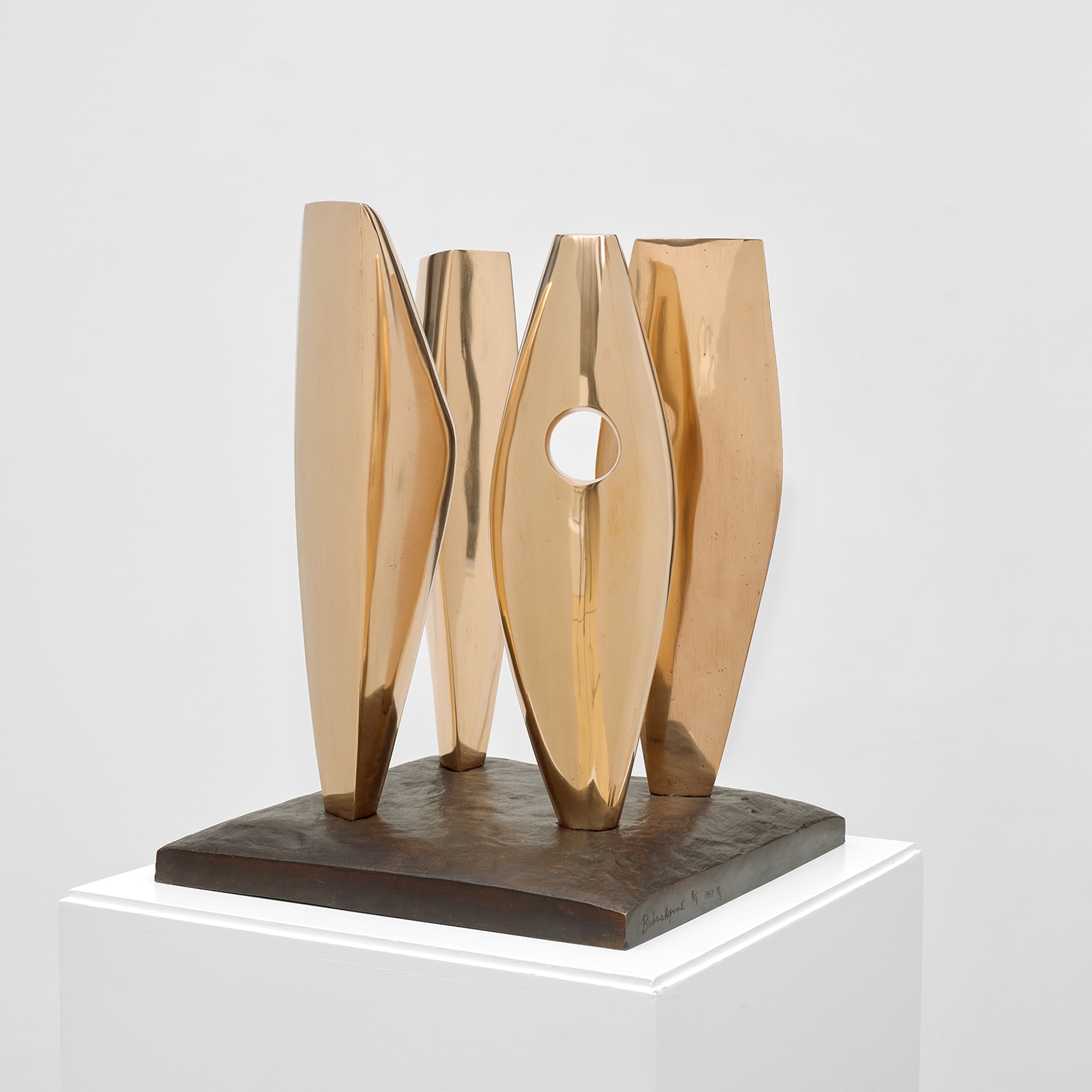
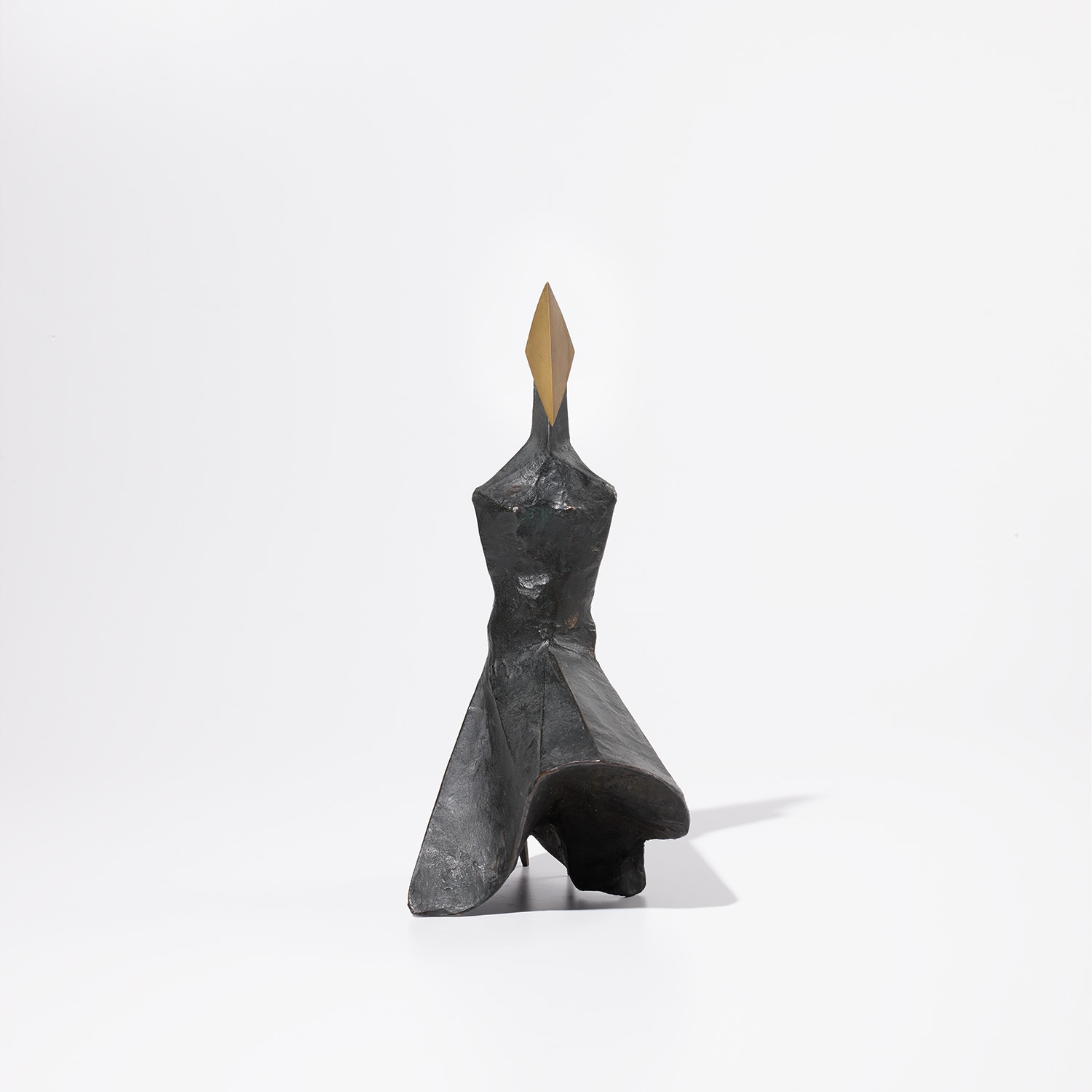
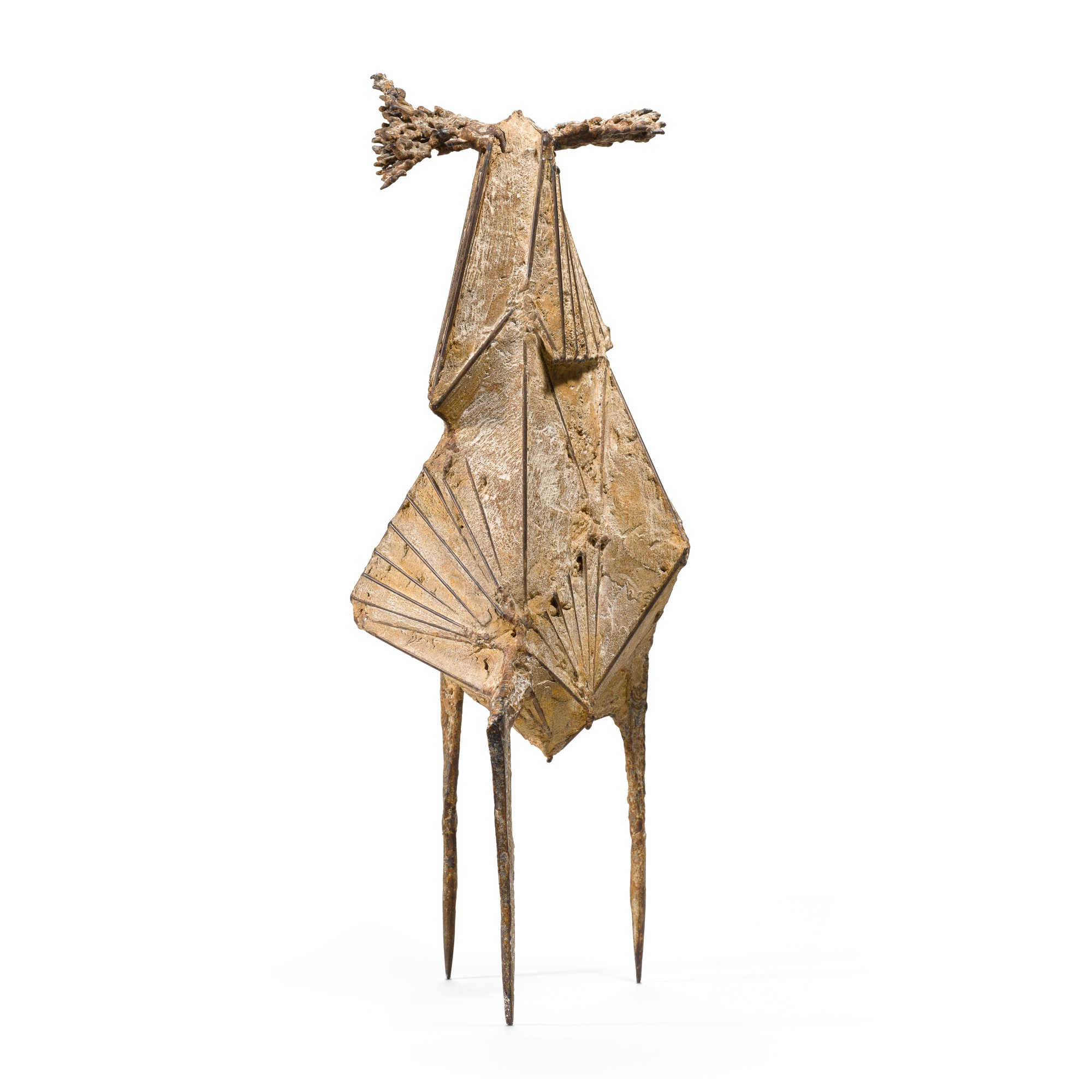
Barbara Hepworth
Four Figures Waiting, 1968
Rauch in particular has built an audience that extends well beyond the usual centers of the market, and works that entered collections in the early 2000s have appreciated considerably. The secondary market for younger artists in this space is thinner but developing, which means that provenance, exhibition history, and the reputation of the acquiring gallery at the time of original sale all carry more weight than they might for more established names. Practically speaking, collectors entering this category should ask galleries a number of pointed questions before proceeding. Ask about the support: canvas or linen, and how the work has been stored.
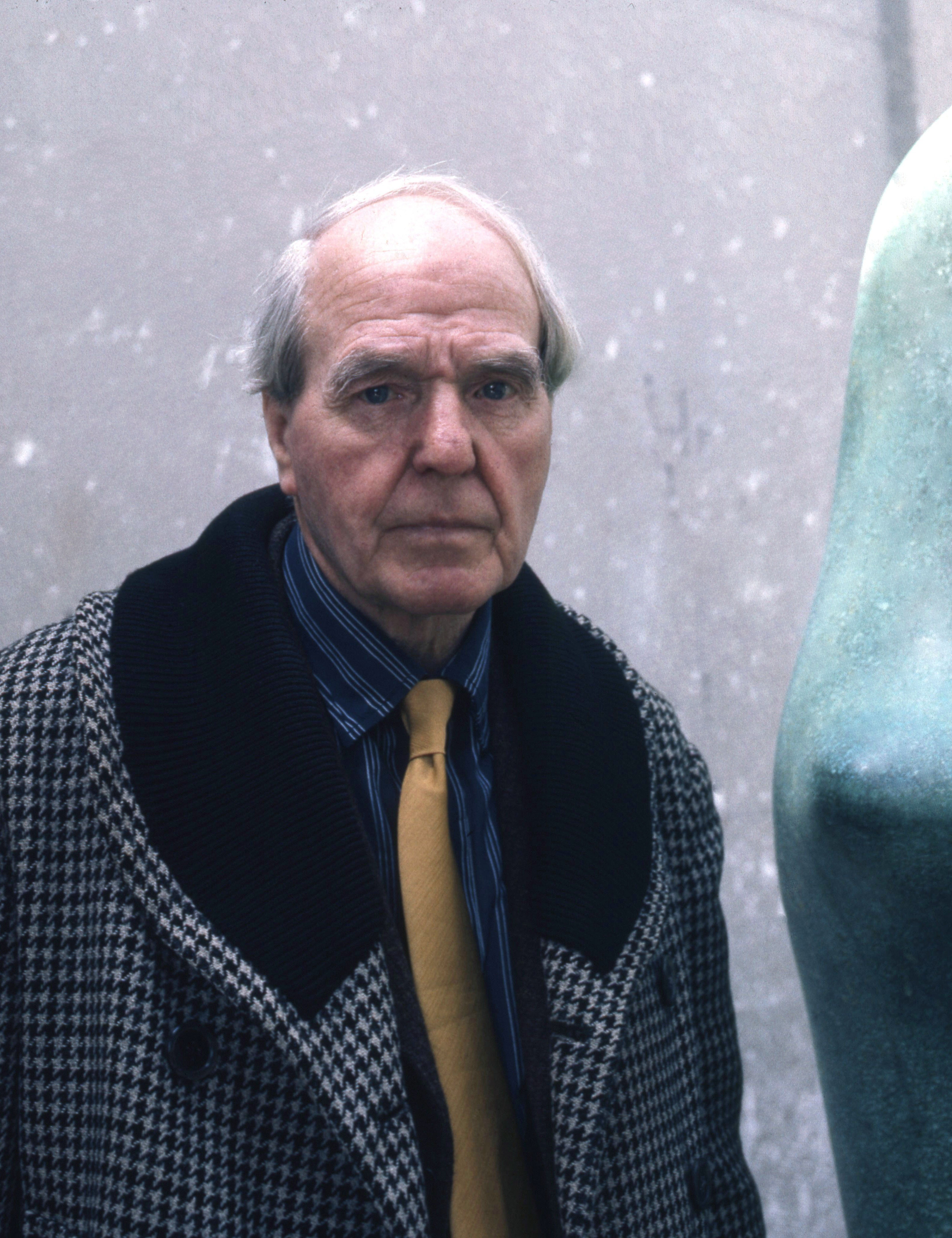
Figurative abstract works, particularly those with heavily worked surfaces, can be vulnerable to cracking if they have spent time rolled or inadequately climate controlled. Ask whether the work has been exhibited and, if so, whether condition reports exist from those loans. For artists who work in editions, including printmaking and sculpture, ask specifically about the number in the edition and whether the edition is complete, as a work from an open or very large edition carries different value than one from a tightly controlled run. Henry Moore and Joel Shapiro both have significant sculpture practices with edition structures worth understanding before buying.
Finally, consider light: many works in this category, particularly those with impasted surfaces and layered glazes, respond dramatically to directional light, and what looks one way in a gallery can transform entirely on your walls. Visit the work at different times of day if you can, or ask the gallery to photograph it under varied conditions. The work that holds up under all of them is the one worth having.