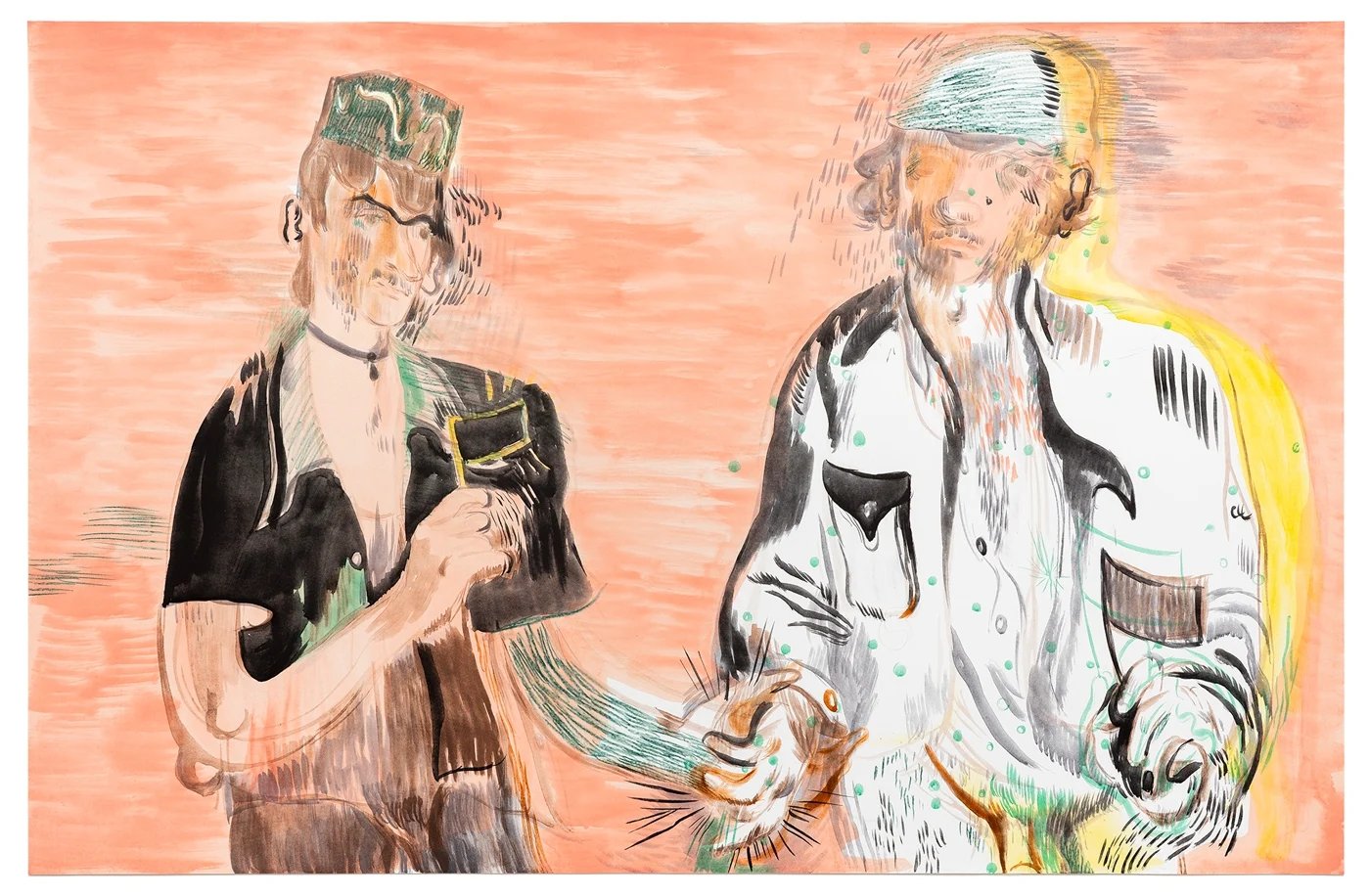
Etching And Aquatint
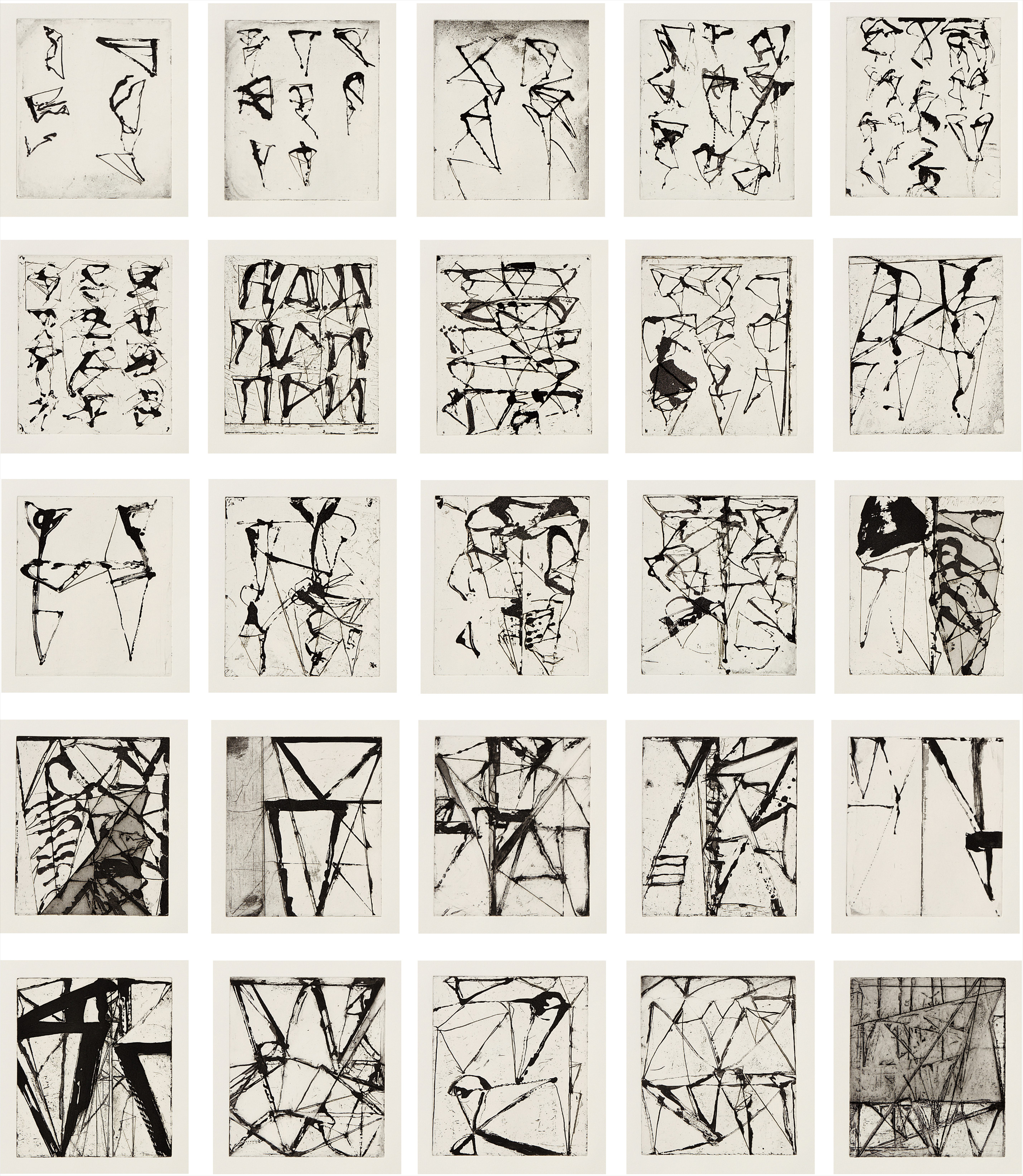
Brice Marden
Etchings to Rexroth




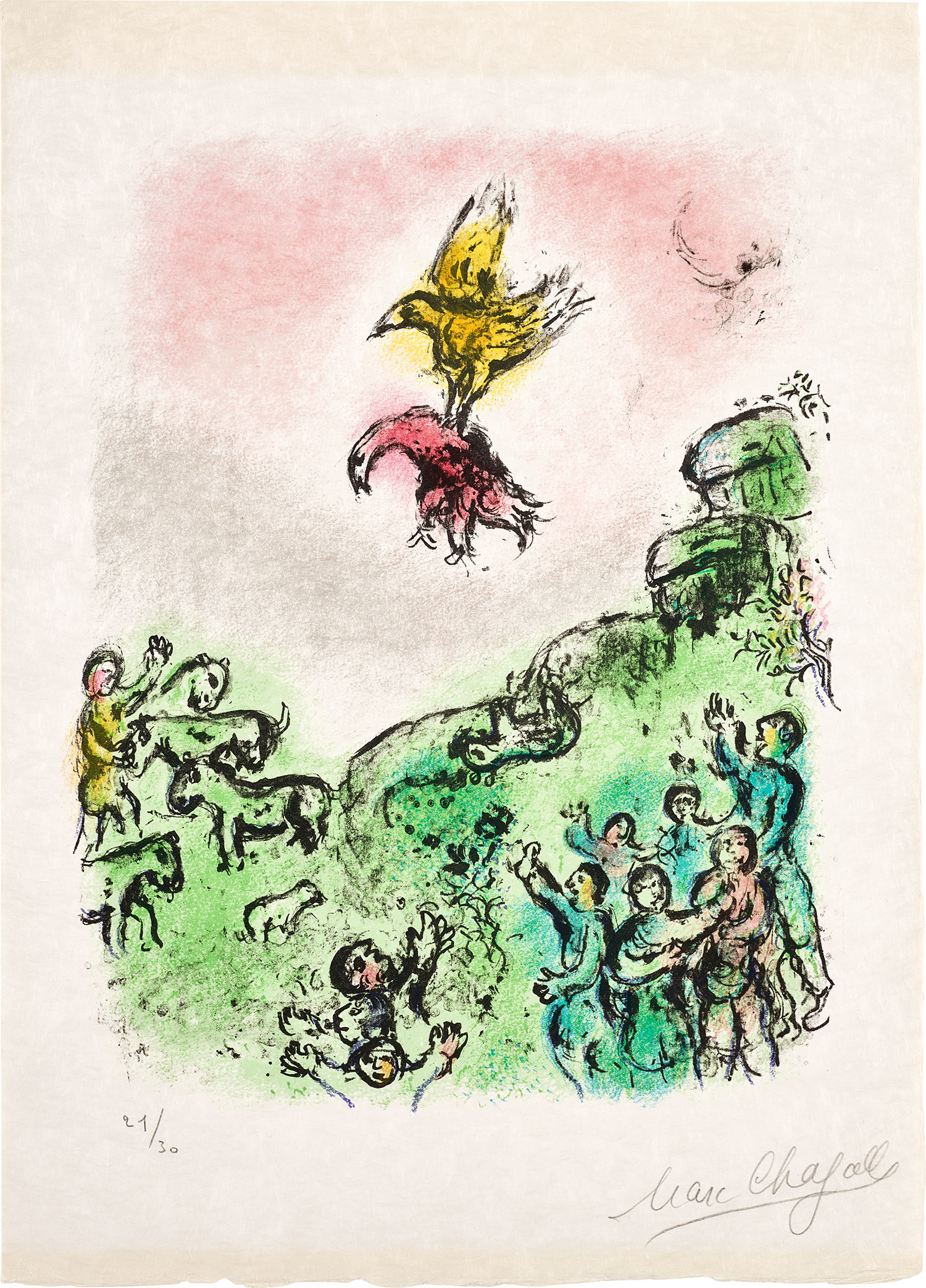
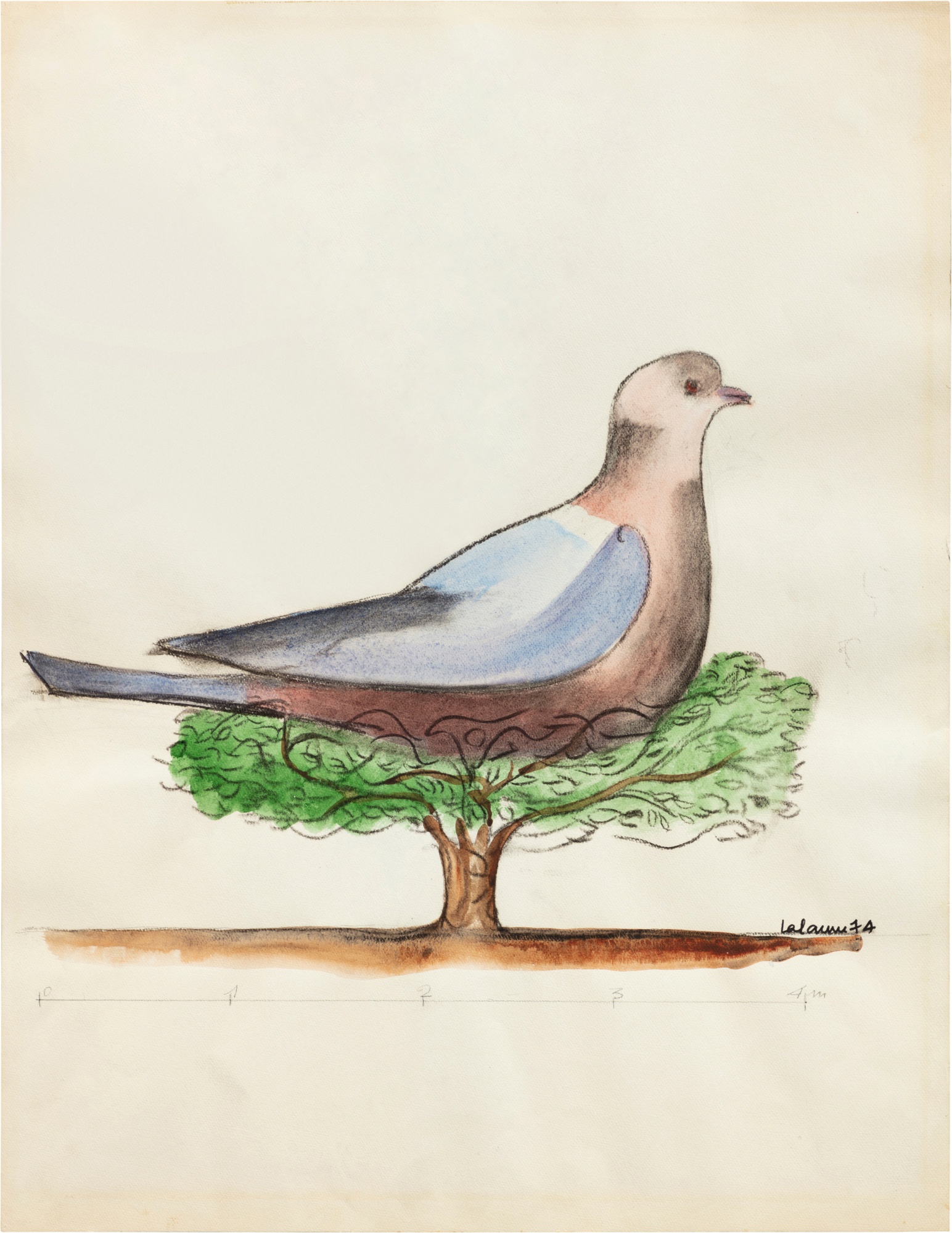
The Intimate Power of Marks Made in Acid
There is something almost confessional about an etching. You are looking at a record of a hand pressing metal into a waxy ground, of acid biting into copper or zinc, of ink being forced into those bitten lines and then transferred onto paper with considerable physical pressure. The result carries a kind of directness that painting sometimes lacks. Collectors who fall for printmaking in general and etching in particular often describe the same thing: they feel closer to the artist.
The work is small enough to be truly lived with, hung at eye level in a hallway or propped on a desk, and the tonal complexity that aquatint adds gives even the most modest composition a richness that rewards sustained looking. This is not a category for the trophy wall. It is a category for the collector who actually looks at their collection every day. The distinction between a good etching and a great one comes down to a handful of qualities that reward patient study.
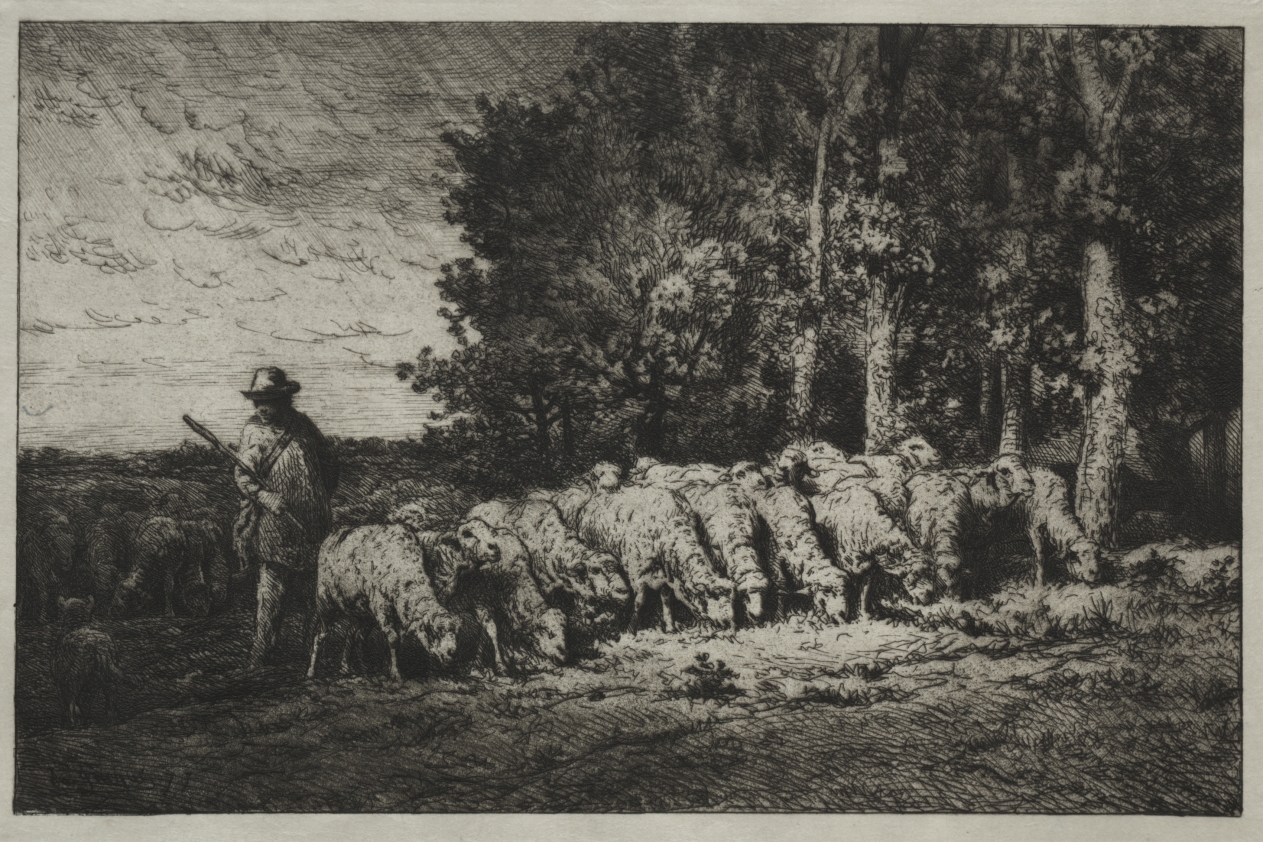
Charles-Émile Jacque
A Herd at the Edge of a Forest, 1880
Plate tone is one of them. When a printer leaves a thin film of ink on the surface of the plate before printing, the result is a warm atmospheric veil across the sheet that early pulls in an edition often preserve beautifully but later pulls may lose entirely. Wiping quality matters enormously. So does paper.
The finest examples are printed on papers with real character, whether a laid Japanese tissue that allows the image to breathe or a heavy European rag sheet that holds the impression with authority. In aquatint specifically, the rosin grain that holds the acid should produce tones of genuine subtlety, graduating from pearl to near black without muddiness. When Goya achieved this in his Disasters of War series in the early nineteenth century, he was demonstrating what the technique could do at its absolute ceiling. That ceiling, it turns out, is very high indeed.
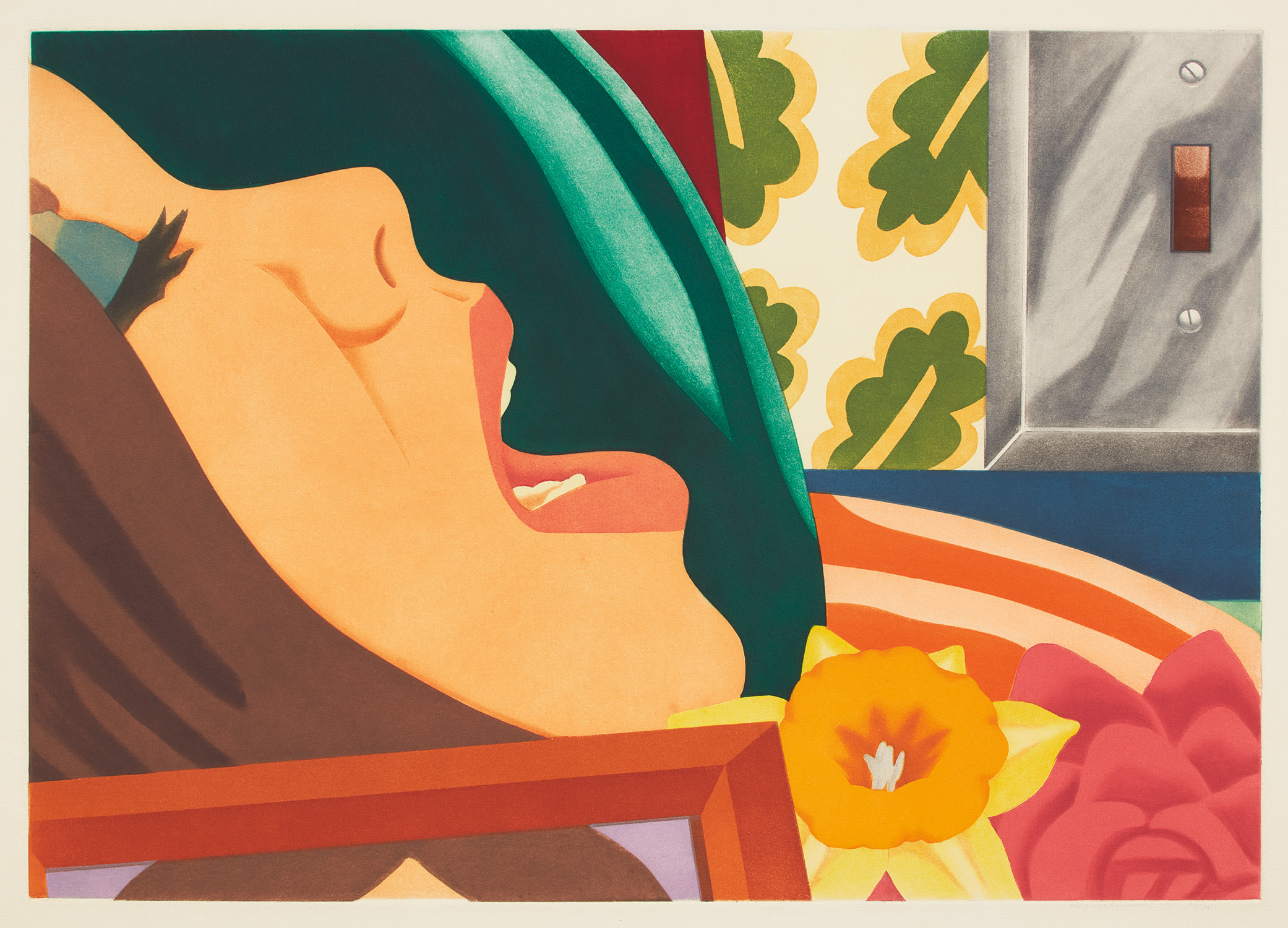
Tom Wesselmann
Bedroom Face
For collectors building a serious collection in this space, Francisco de Goya represents perhaps the most historically significant presence available at this level of the market. His prints are not simply beautiful objects. They are among the most consequential images in Western art, and the gap between their cultural weight and their relative accessibility compared to his paintings is one the market has not fully closed. Works from his major print series appear at auction with some regularity, and while rare early impressions command serious prices, the category rewards the collector who does their homework.
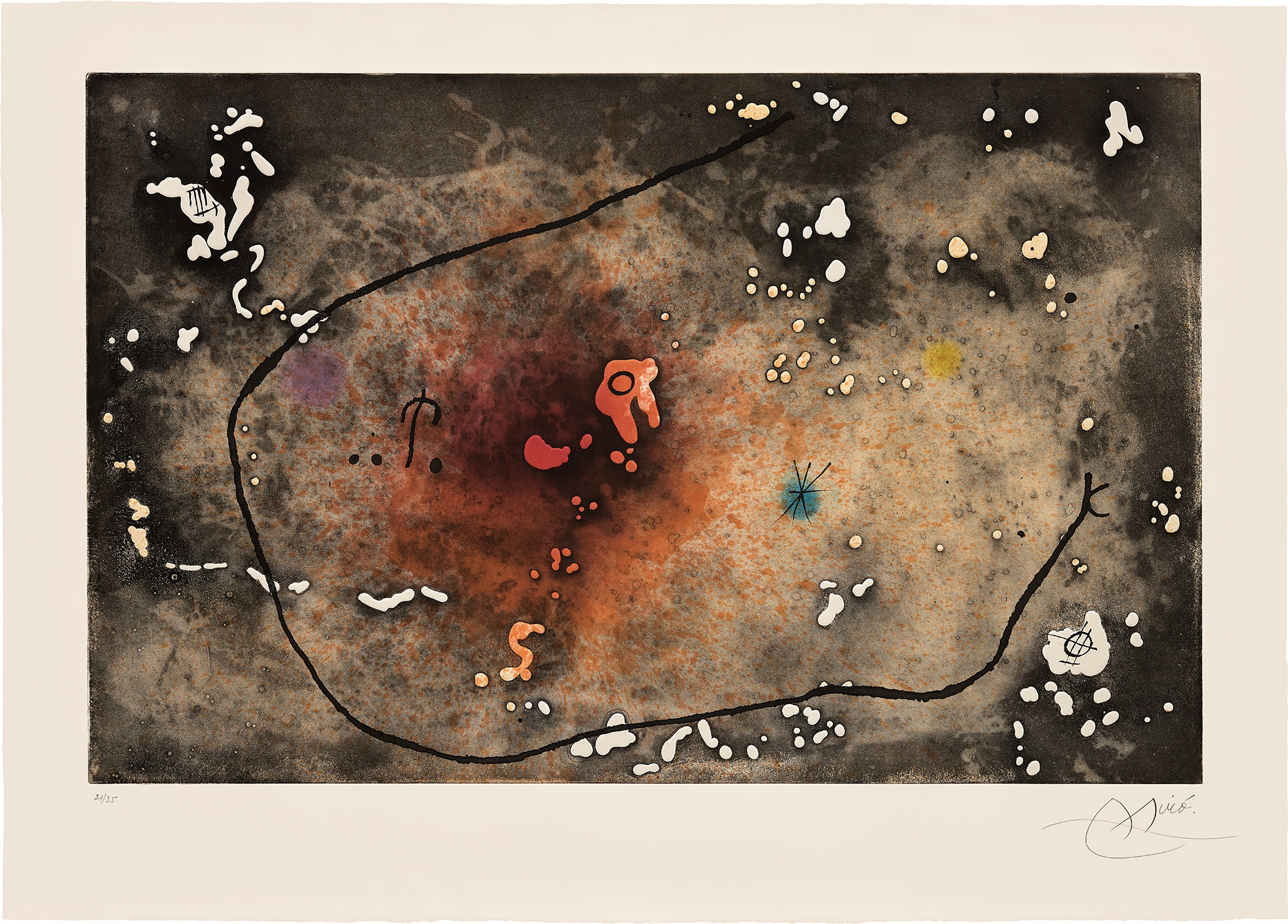
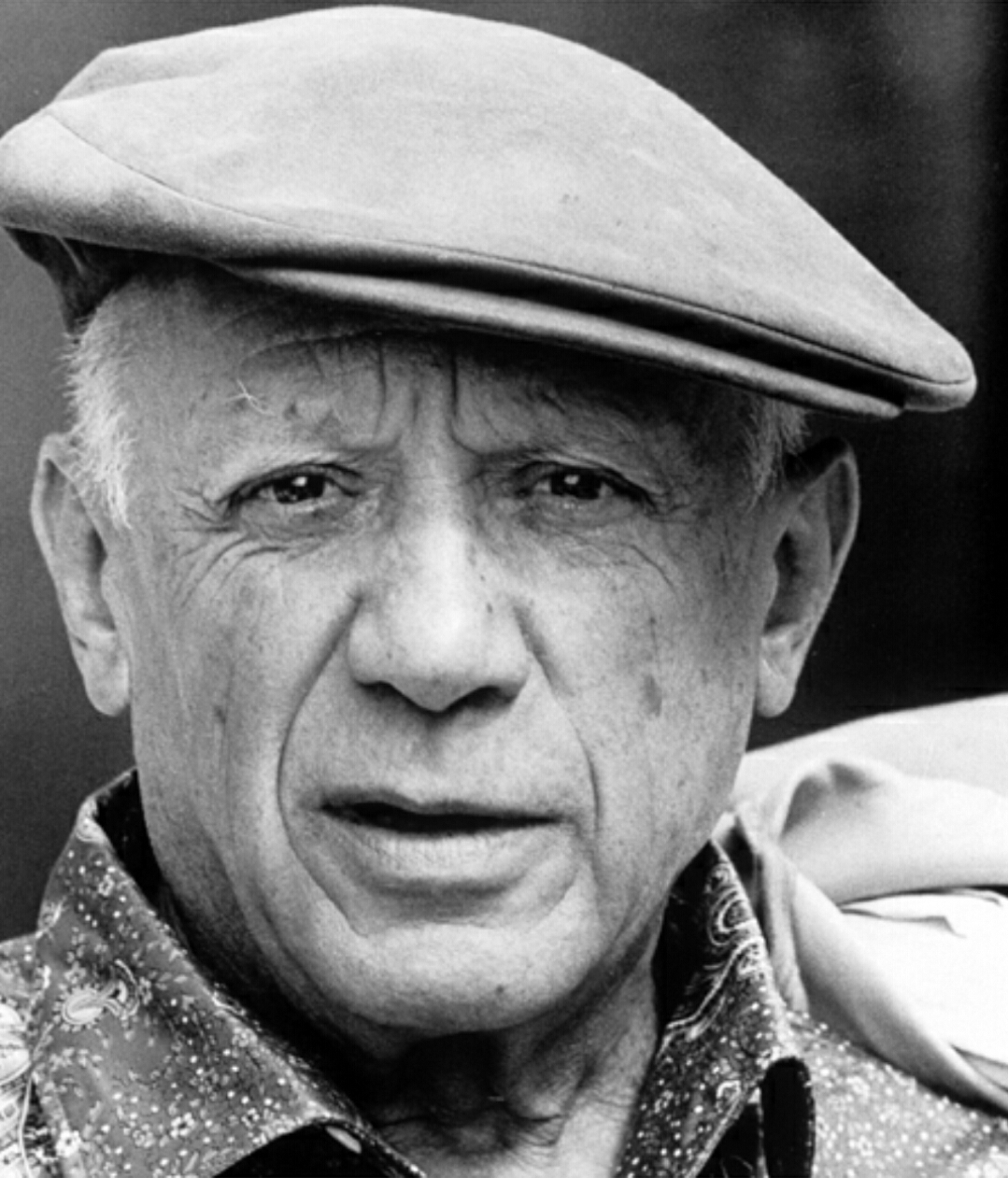
Equally compelling, though operating in an entirely different register, is Joan Miró, whose etchings and aquatints bring his universe of biomorphic signs into an intimate format that feels perfectly suited to the printmaking process. Miró collaborated intensively with the master printer Fernand Mourlot and later with the Barcelona publisher Sala Gaspar, and the technical ambition in his print work is genuinely impressive. Pablo Picasso, whose printmaking across his career represents one of the most sustained engagements with the medium by any major artist, produced etchings that range from classically restrained to wildly experimental, and nearly every period of his work is represented somewhere in the print market. Robert Motherwell brought to etching and aquatint the same commitment to gesture and field that defined his painting practice, and his prints have a monumental quality unusual in the medium.

Joan Miró
Maja Negra (The Black Maja) (D. 577)
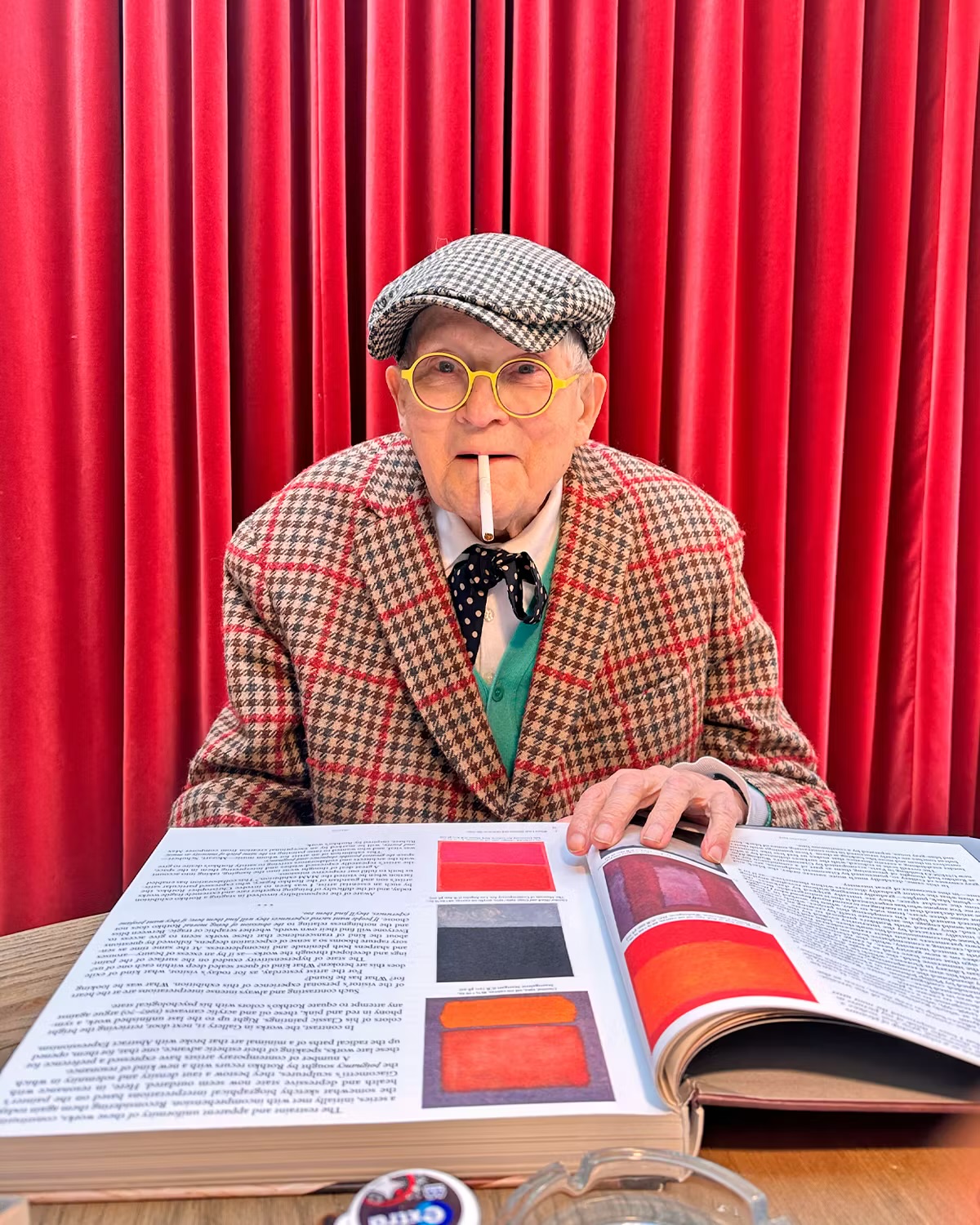
His Elegy series, which preoccupied him across decades, finds a particularly interesting expression in his print work. David Hockney is another figure whose prints repay serious attention. His etchings from the 1960s and 1970s, including his illustrations for Cavafy and his series after Grimm's fairy tales, show a draftsmanship that is witty, precise, and deeply personal. Hockney understood that printmaking offered him a kind of intimacy with an audience that editions make possible in a way unique works cannot.
For collectors who want depth in a body of work, his prints represent outstanding value relative to his paintings and large photo works. Jasper Johns, whose technical rigour in printmaking has influenced generations of artists, produced etchings of extraordinary density and intelligence, works that repay the same slow looking his paintings demand. The category also offers genuine opportunity in artists who have not yet received their full critical reappraisal. Max Klinger, the German Symbolist working in the late nineteenth and early twentieth centuries, created print cycles of visionary strangeness that feel remarkably contemporary in their psychological intensity.
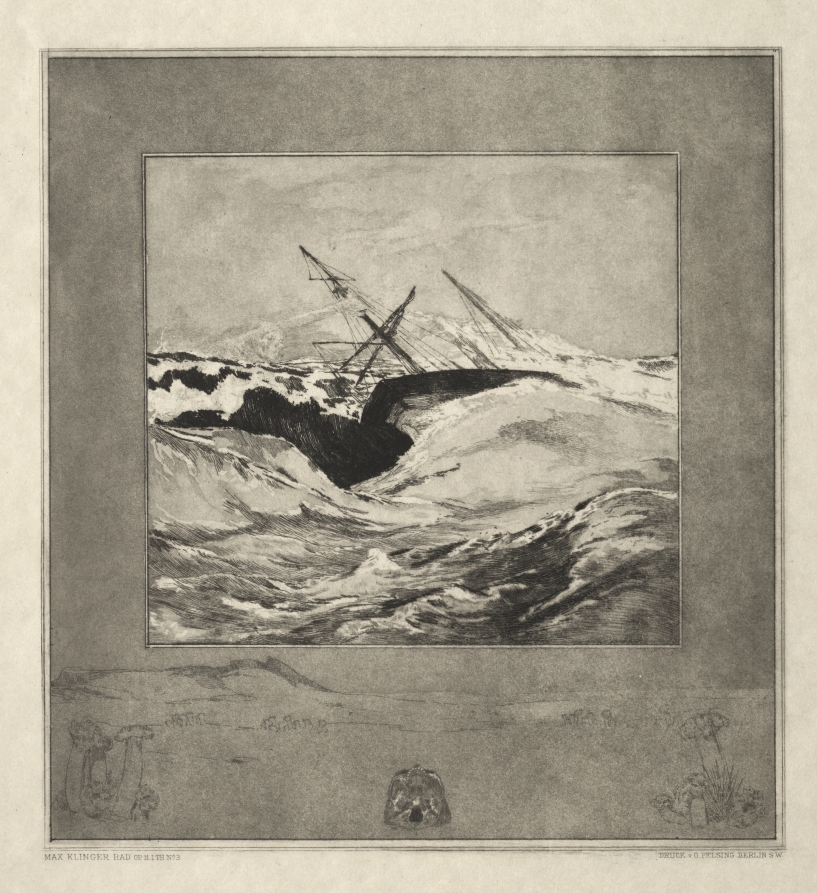
Max Klinger
Vom Tode I, (Opus II, 1889) No. 3, 1889
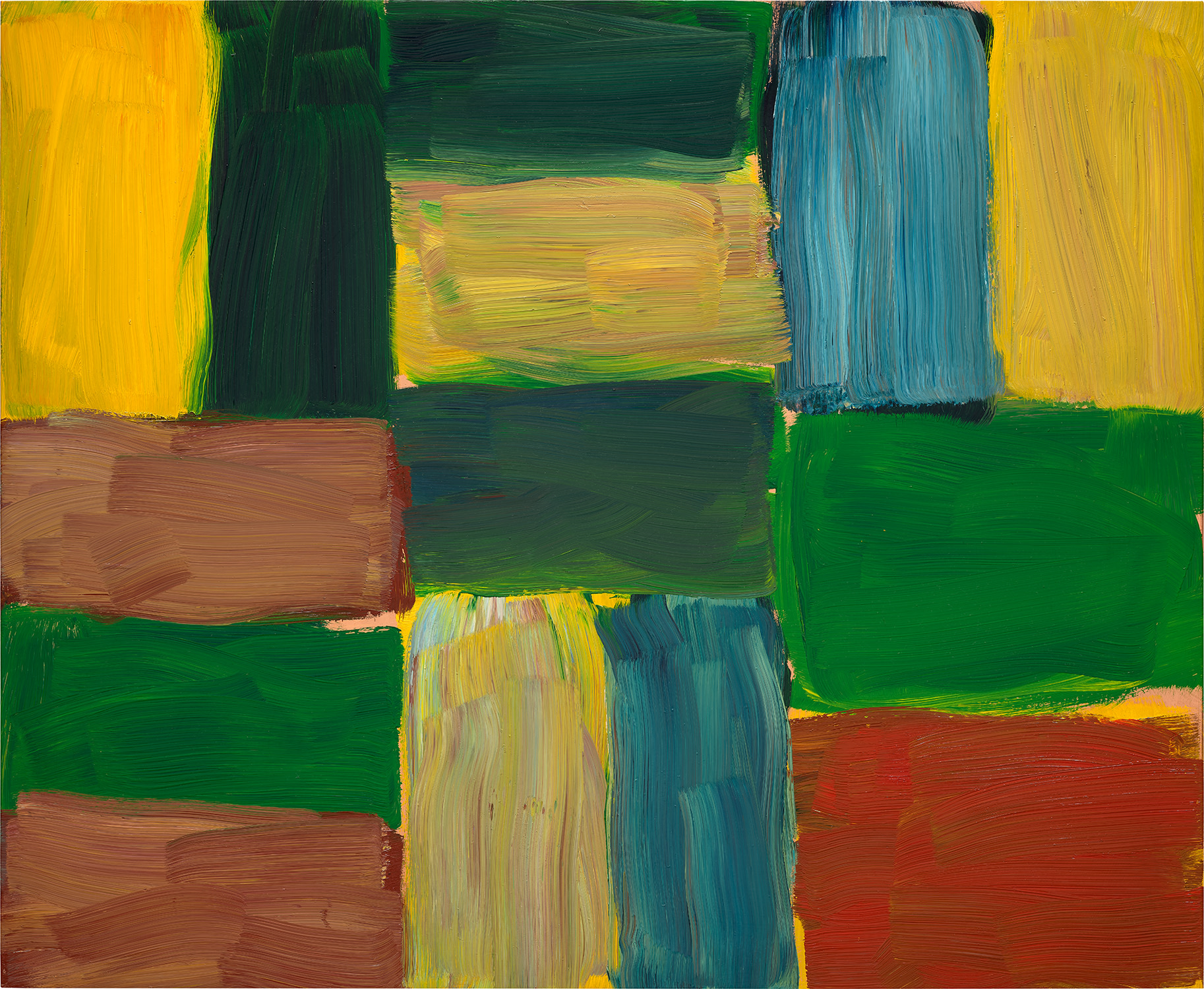
His work is undervalued at auction relative to its ambition and quality. Among living artists, Kiki Smith has developed a print practice of considerable power, and her etchings bring her characteristic preoccupation with the body and transformation into a format that collectors can acquire at price points well below her major sculptures. Sean Scully's prints deserve more attention than they typically receive. His stripped and layered bands, which feel entirely at home in the intimate scale of a print, are available at prices that will not hold indefinitely as his critical reputation continues to consolidate.
At auction, fine impressions of prints by the canonical names in this category have shown resilience across market cycles. The blue chip end, meaning early impressions in fine condition of works by Picasso, Goya, and Miró, tends to hold value reliably because the supply is genuinely finite. Mid market works can be more volatile, and condition is everything. The single most important piece of practical advice for any collector entering this category is to understand what you are looking for in terms of impression quality and edition position before spending meaningfully.
Ask a gallery or specialist dealer to show you two impressions of the same work side by side if you can. The difference between an early pull and a late one can be startling. Ask specifically about plate condition, paper quality, and whether the work carries its full margins. Foxing and mat burn are common problems in works on paper and both affect value and enjoyment.
A conservator's assessment before any significant purchase is not overcaution. It is simply good practice. Display matters too. Works on paper should be behind UV protective glass, away from direct light, and framed with acid free materials throughout.
Treated this way, a fine etching or aquatint will outlast almost everything else you own.