Environmental Art
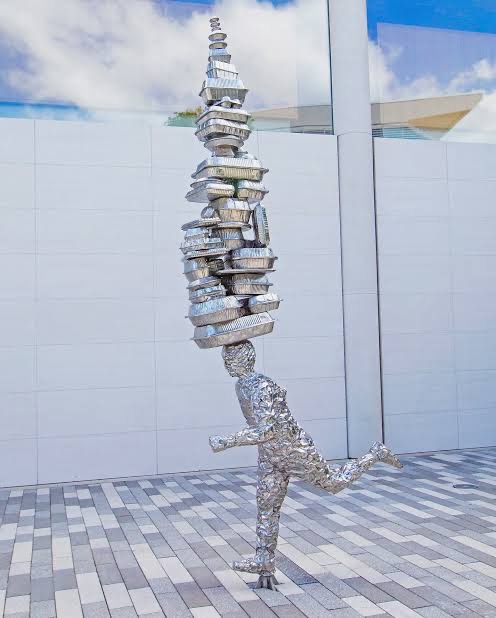
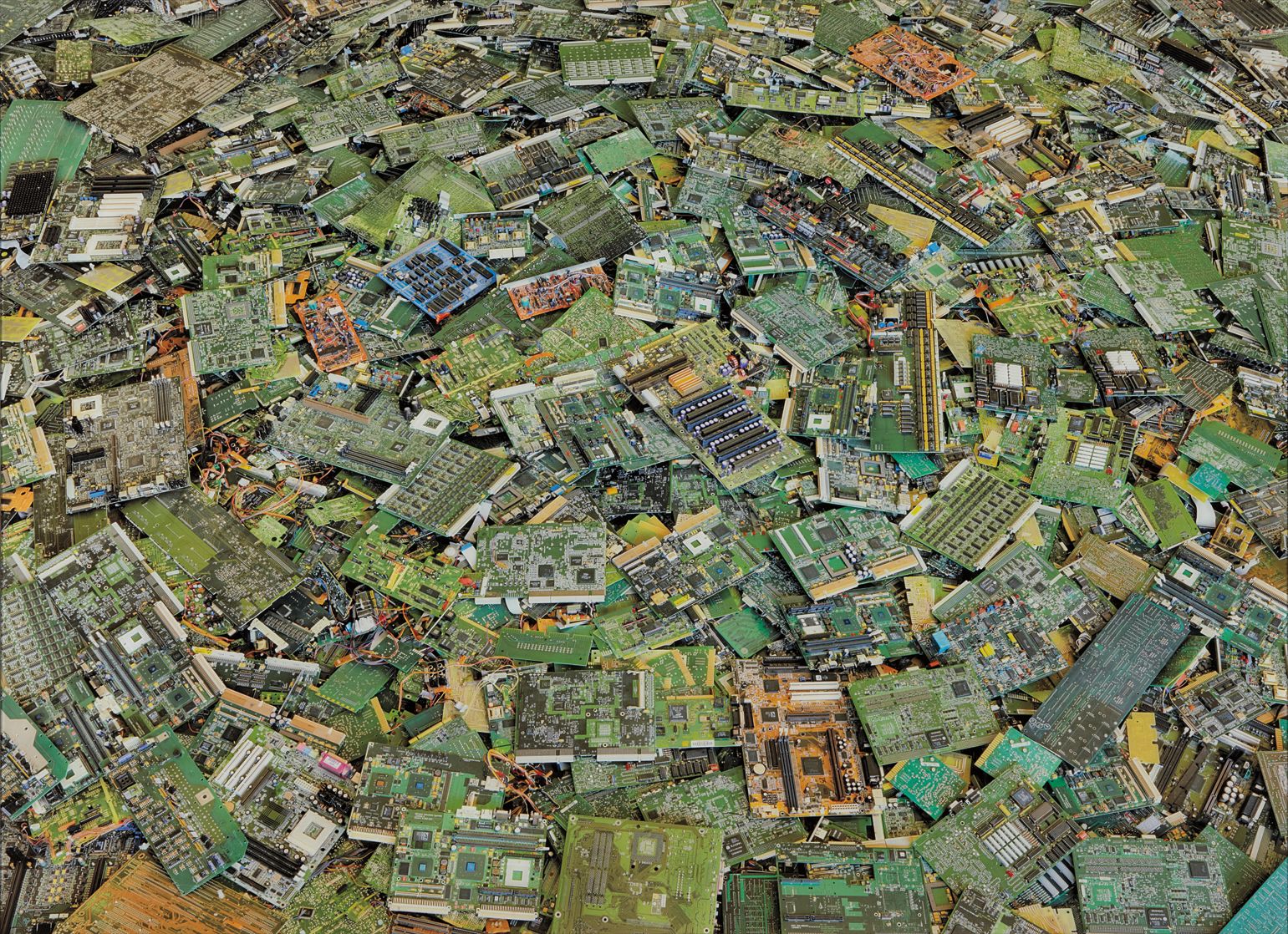
Tom Friedman
Takeaway, 2018

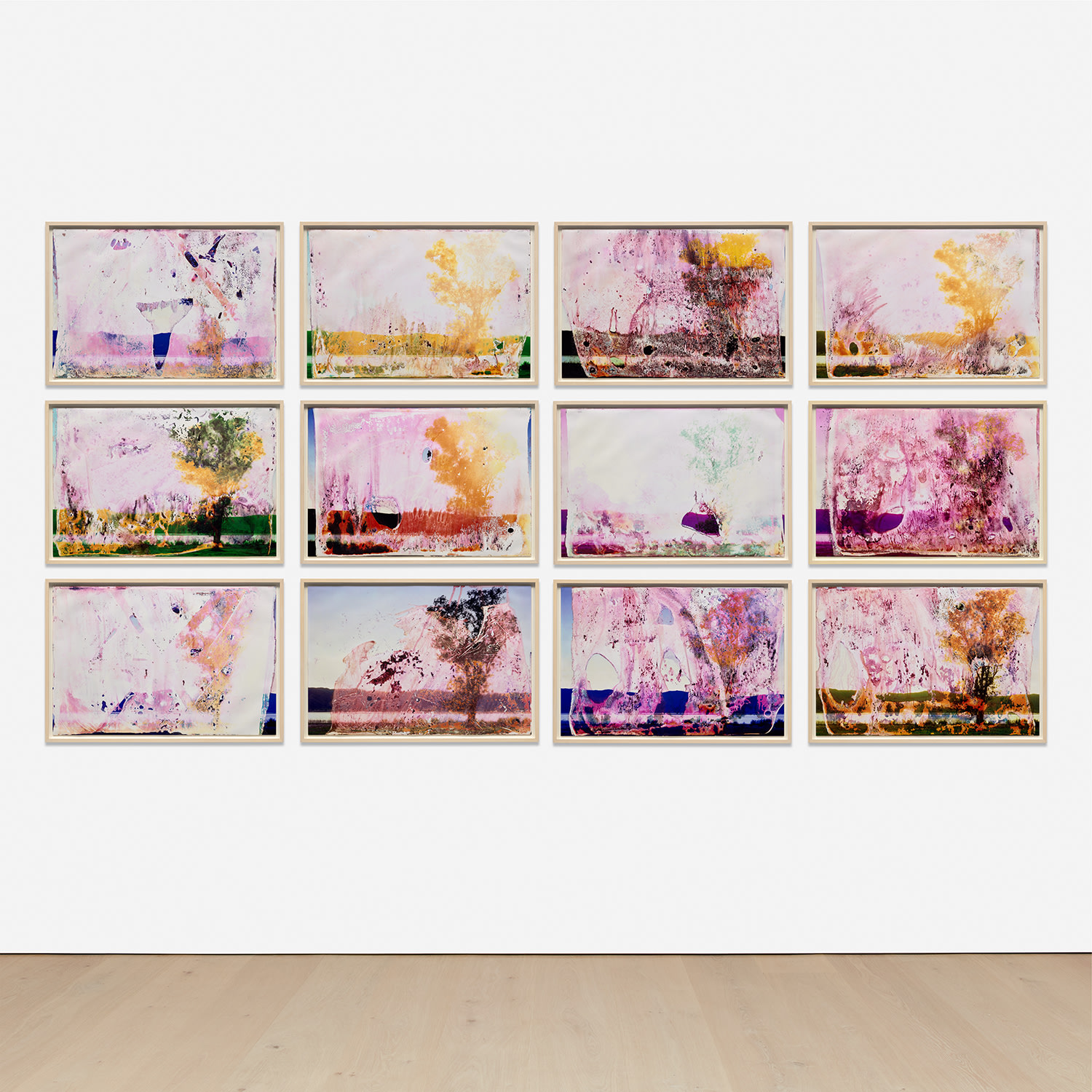


The Earth Is the Canvas. Now What?
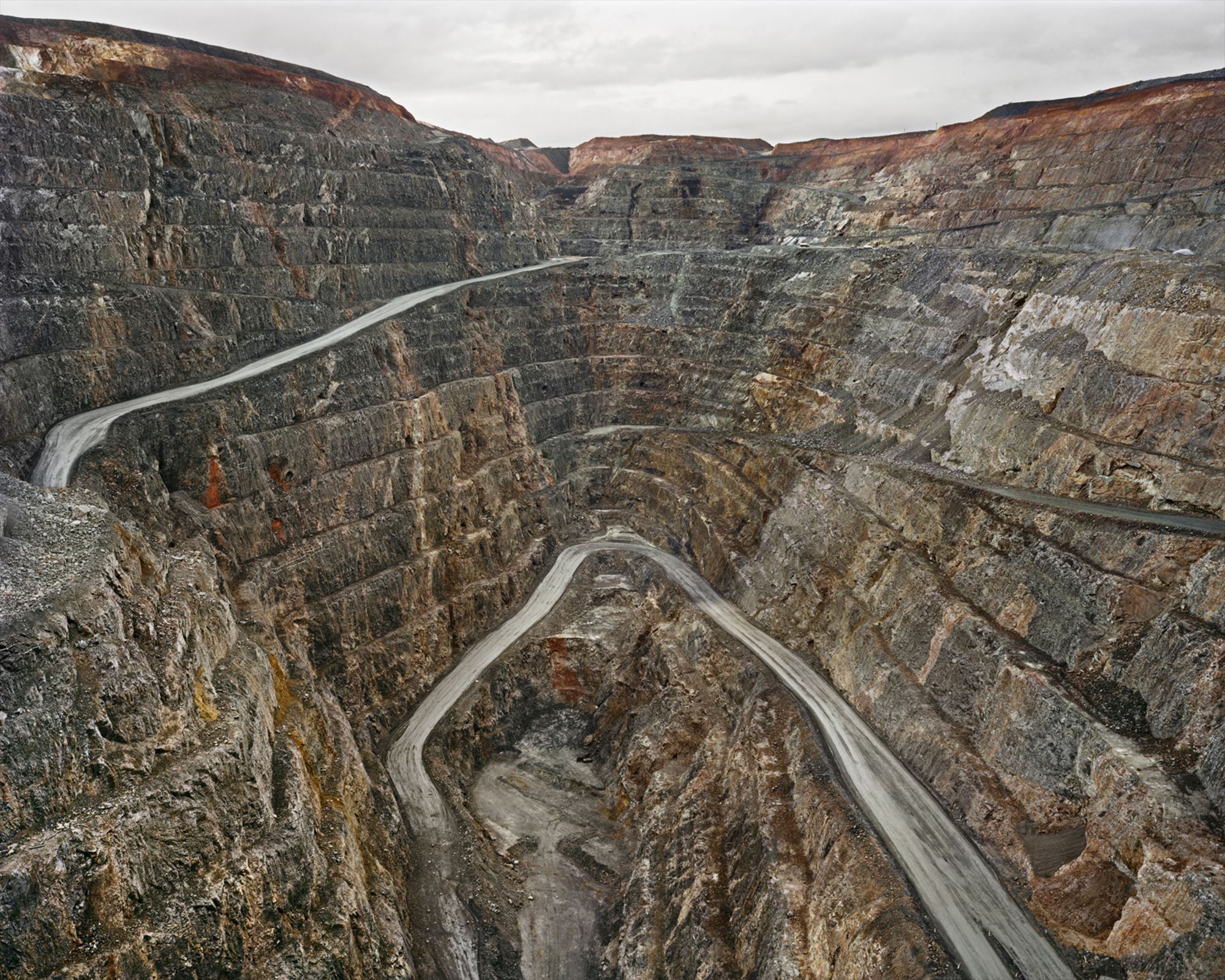
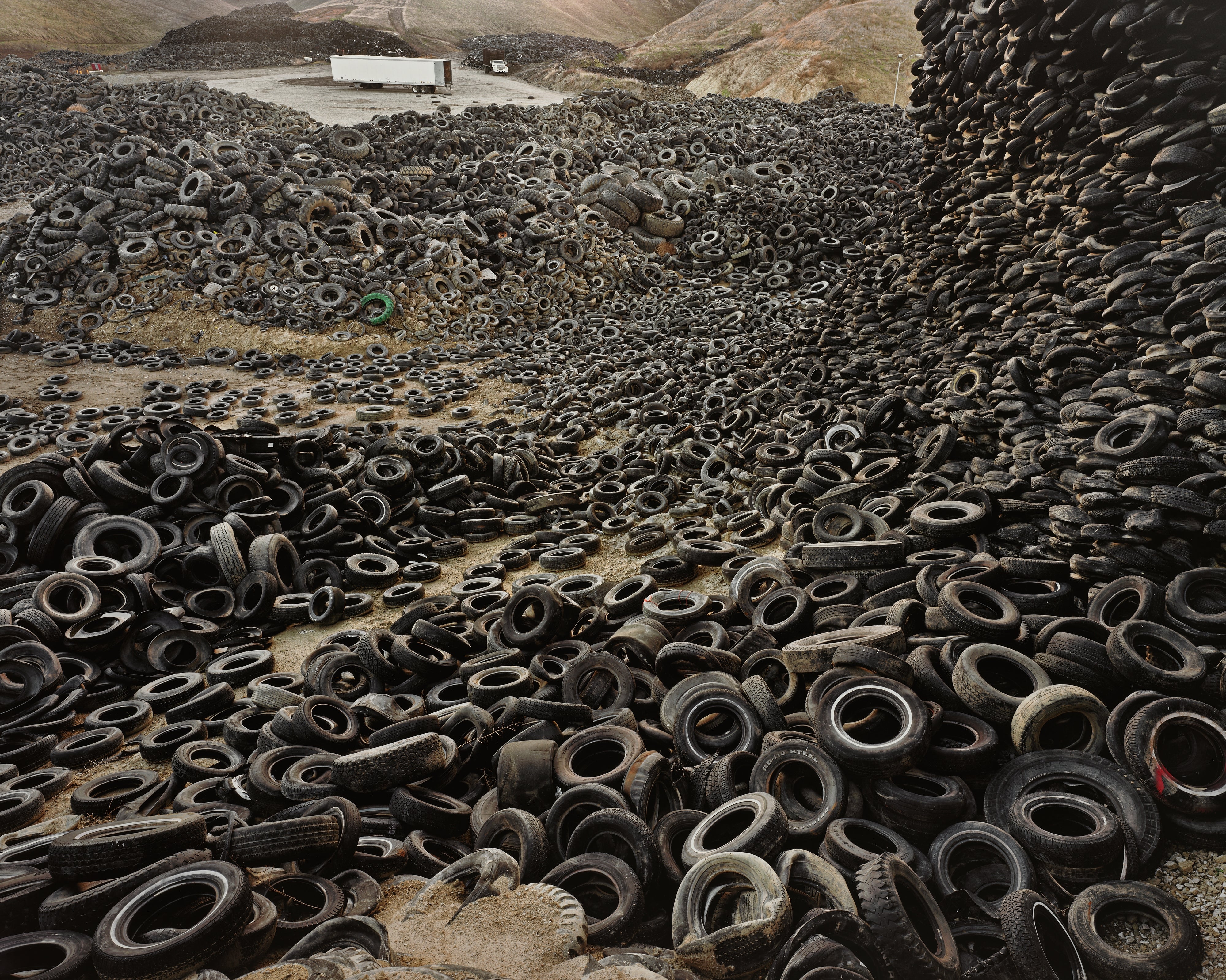
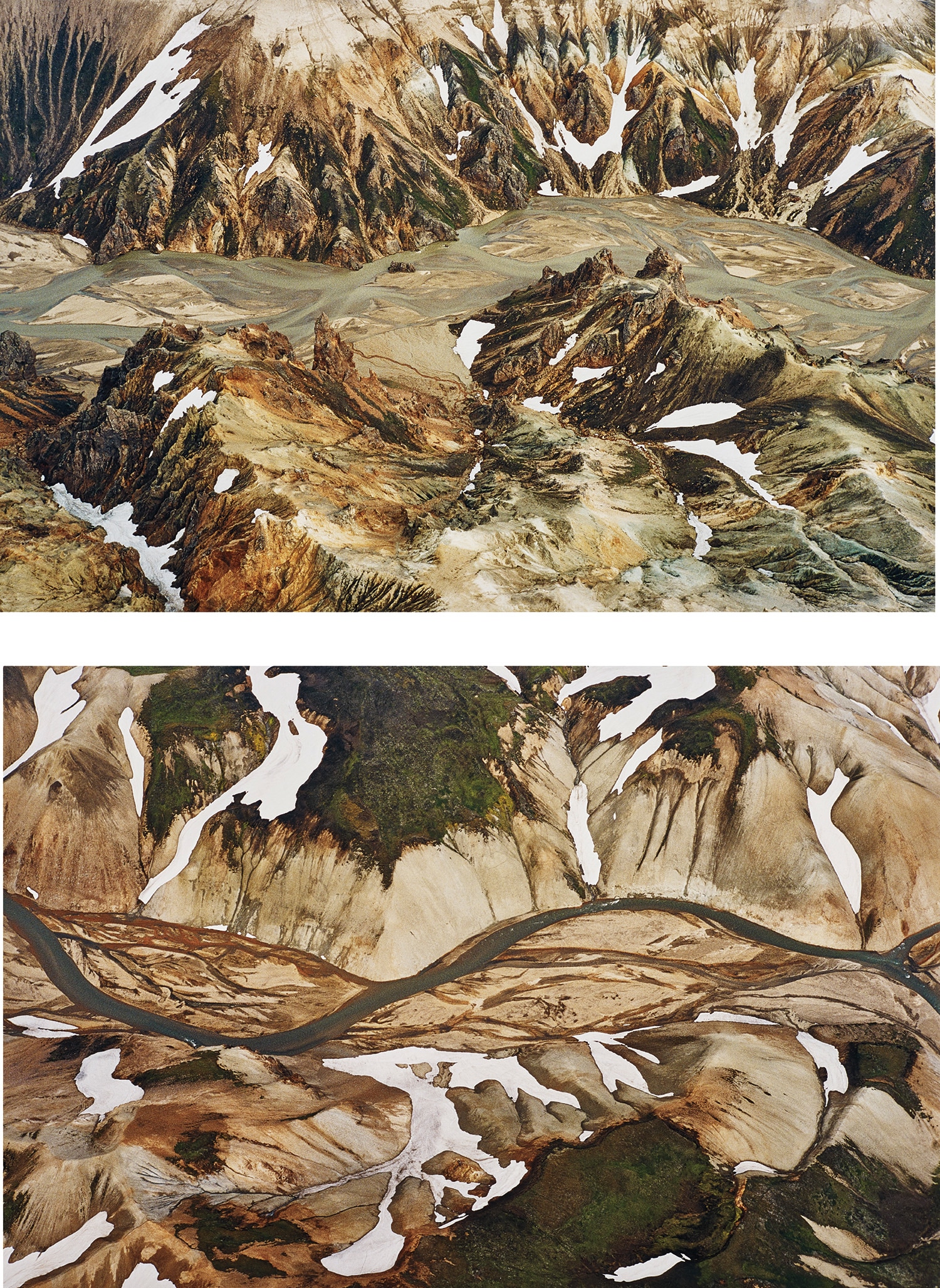
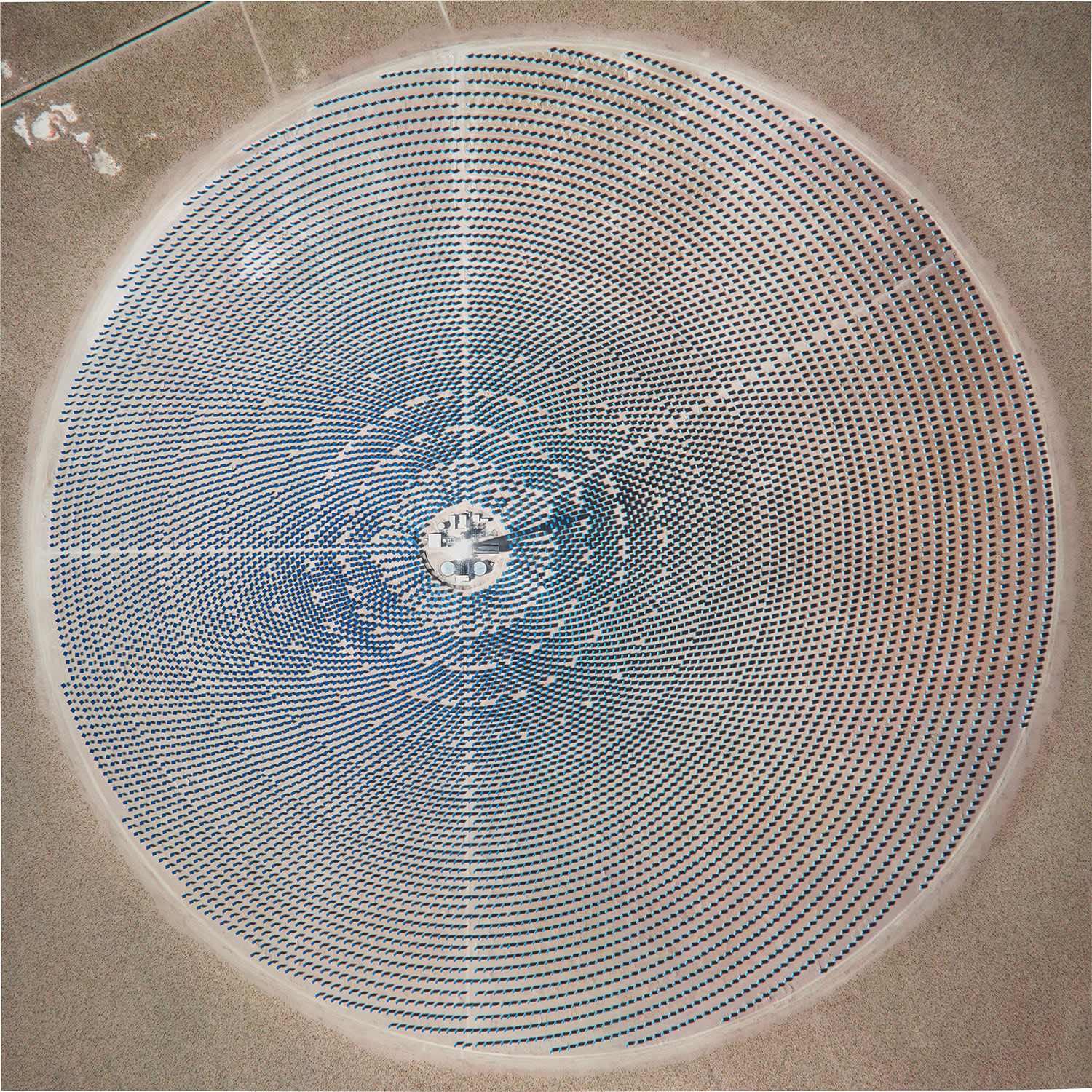
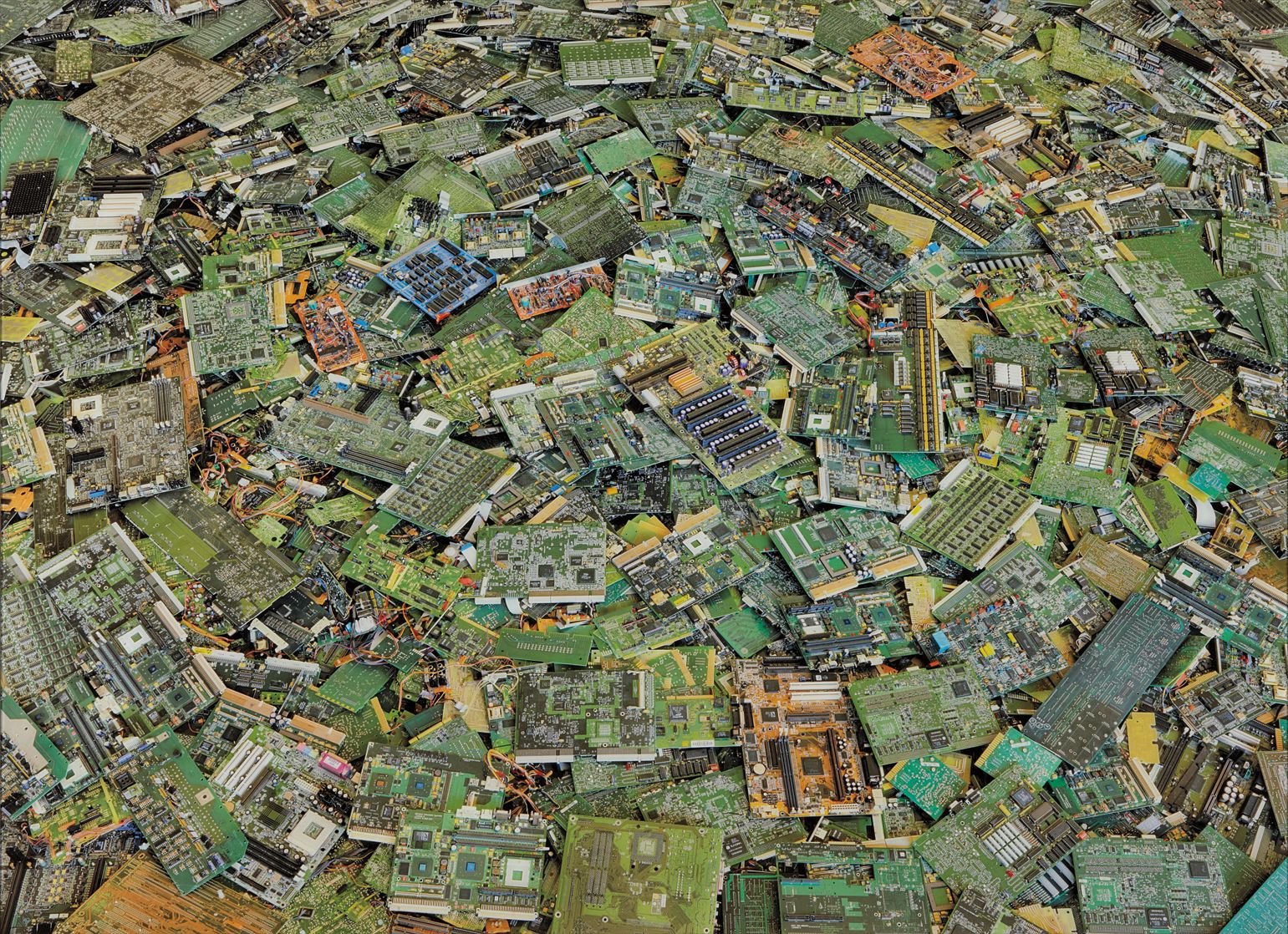
There is a particular kind of collector who finds themselves standing in front of an Edward Burtynsky photograph and feeling something shift. It is not comfortable, exactly. The image is too beautiful for that, and too disturbing, and the tension between those two things is precisely where the work lives. Environmental art, in its broadest and most interesting sense, pulls collectors toward the edges of what art is supposed to do.
It asks to be lived with rather than simply admired, and that demand is its greatest appeal. What draws serious collectors to this category is not guilt, though that reading gets applied too often. It is something closer to urgency. These works are in conversation with the defining condition of our time, and collectors who engage with them are building collections that will only grow more resonant as the decades pass.
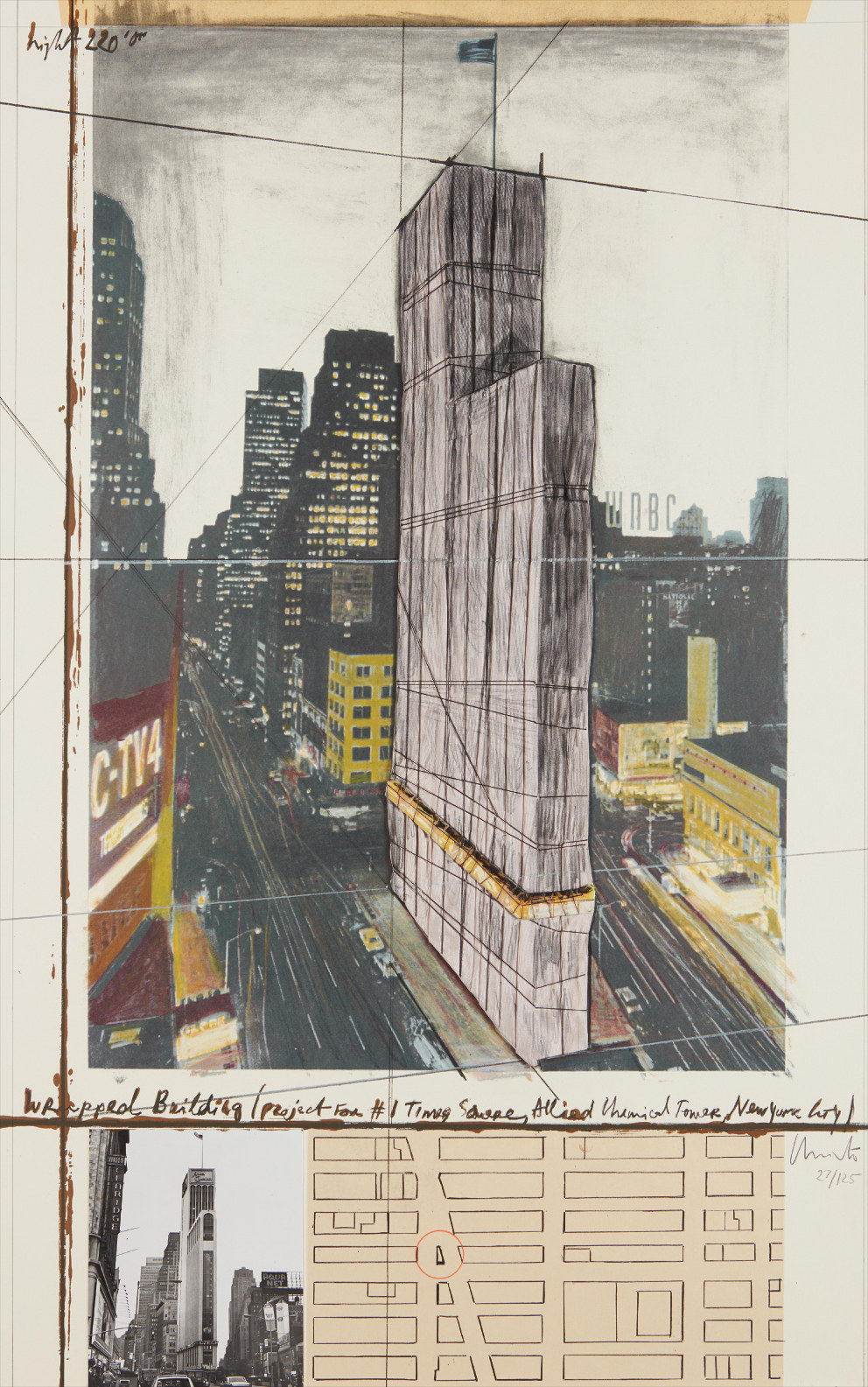
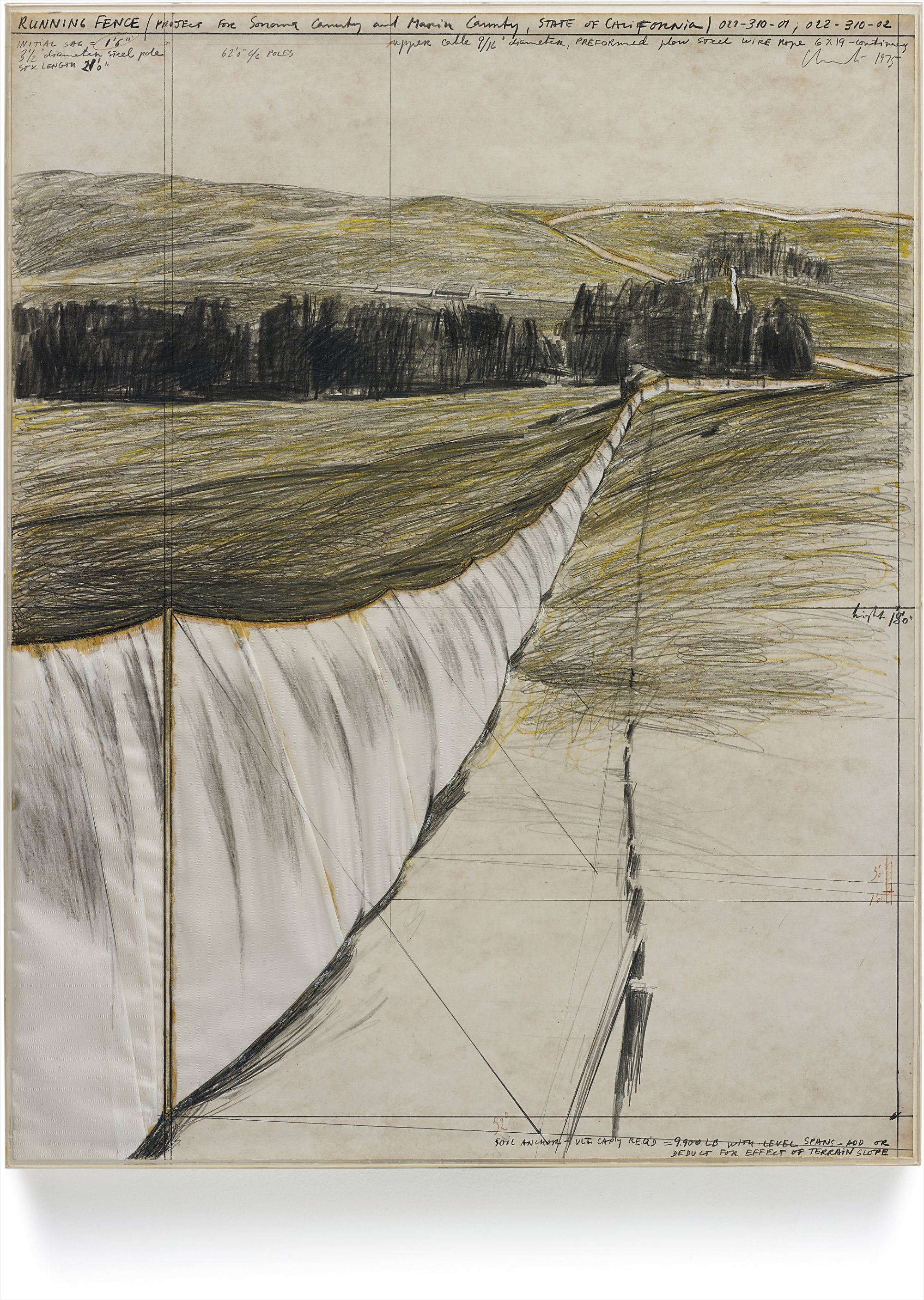
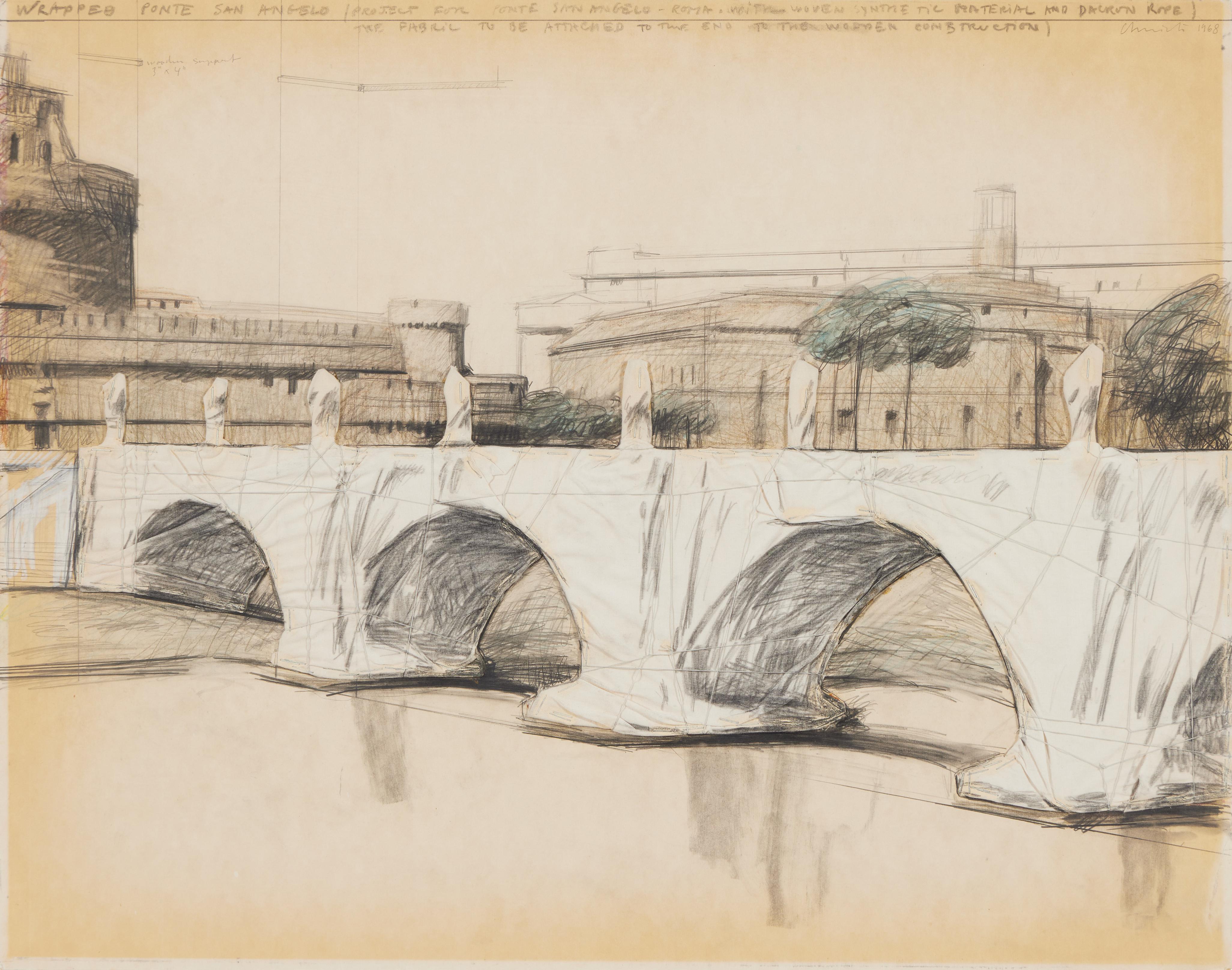
Christo
Wrapped Building, Project for #1 Times Square, Allied Chemical Tower, New York
There is also, if we are honest, an aesthetic dimension that is genuinely hard to match. The scale, the ambition, the willingness to treat the planet itself as material: all of this produces work that commands a room, and a mind, in ways that more decorative categories rarely achieve. So what separates a good work from a great one in this space? The answer almost always comes down to specificity versus generality.
Environmental art that gestures toward concern without grounding itself in a particular place, a particular system, or a particular material tends to flatten into illustration. The strongest works are those where the formal and the conceptual are genuinely inseparable. When Christo and Jeanne Claude wrapped the Reichstag in 1995, the meaning of the work could not be extracted from its physical presence. The fabric was not a symbol of transformation.
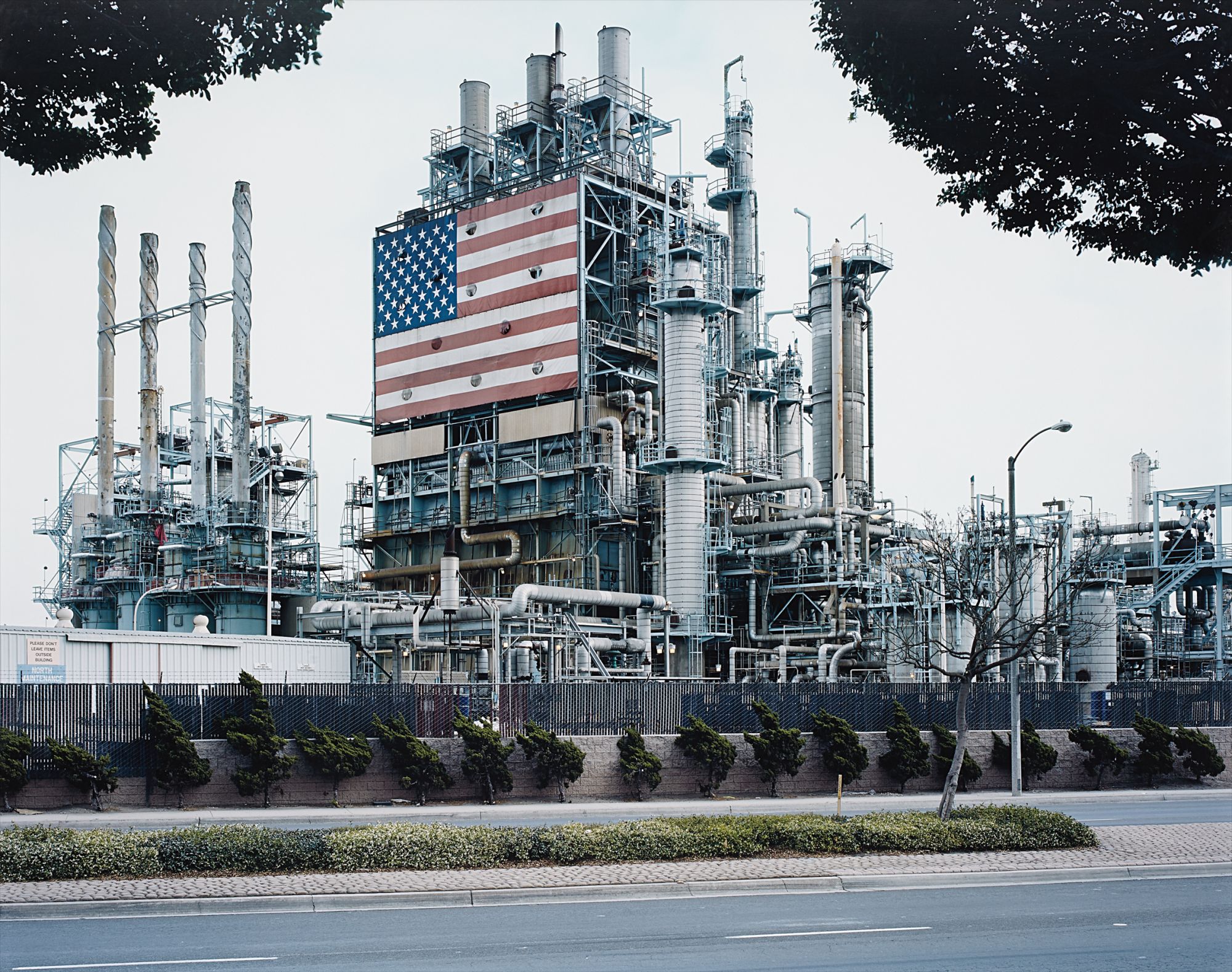
Mitch Epstein
BP Carson Refinery, California from American Power
It was transformation. Collectors should look for that quality of irreducibility, the sense that nothing in the work could be swapped out without losing everything. The question of who represents the strongest value in this category is one worth sitting with. Christo's work, both the pieces made with Jeanne Claude and the preparatory drawings and collages he produced throughout his career, holds a position in art history that feels more secure with each passing year.
The works on The Collection give a real sense of the range here. Similarly, Burtynsky occupies a rare position: he is both a critical and a market success, and his large format photographs of industrial landscapes have proven themselves as serious long term holdings. Ólafur Elíasson is another name that rewards close attention. His work engages ecological systems not as subject matter but as actual material, and his institutional standing following major retrospectives in recent years gives collectors real confidence about where his market is headed.
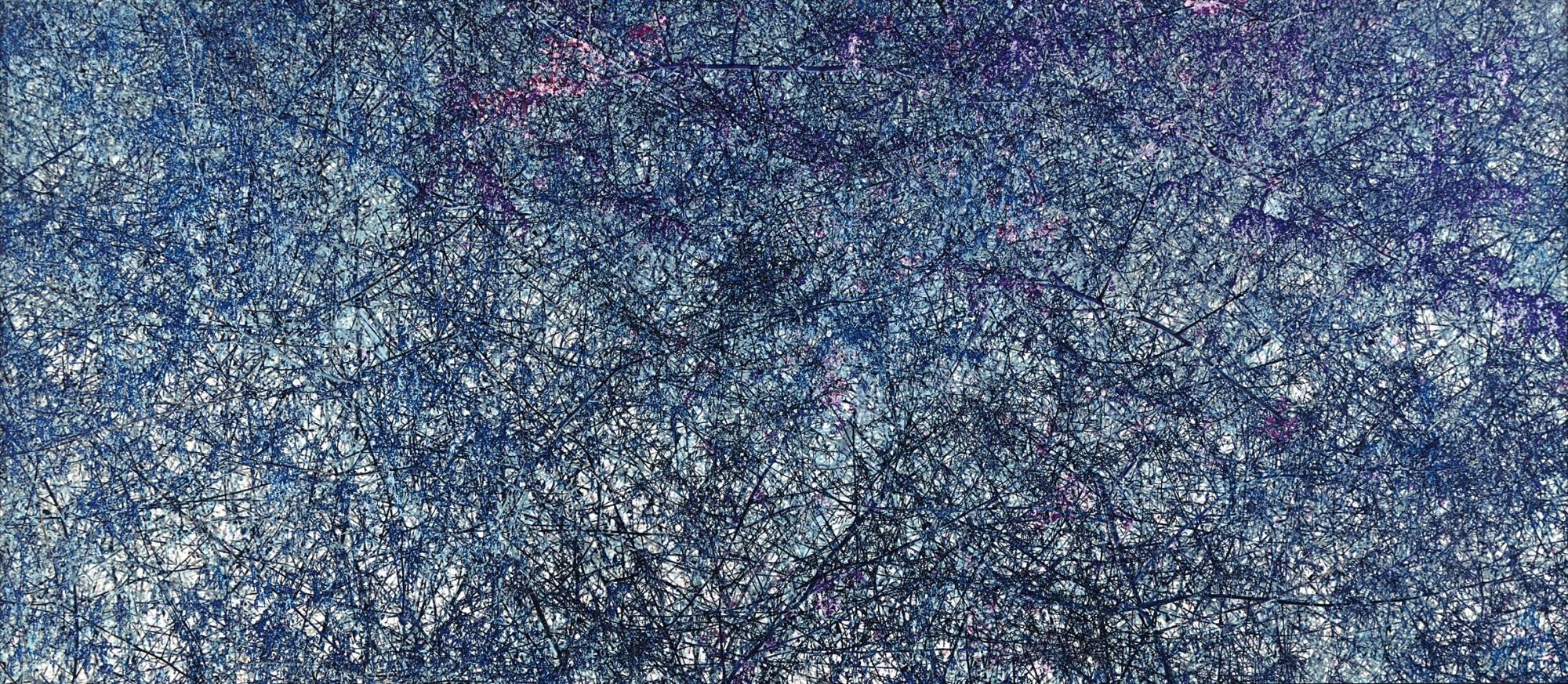
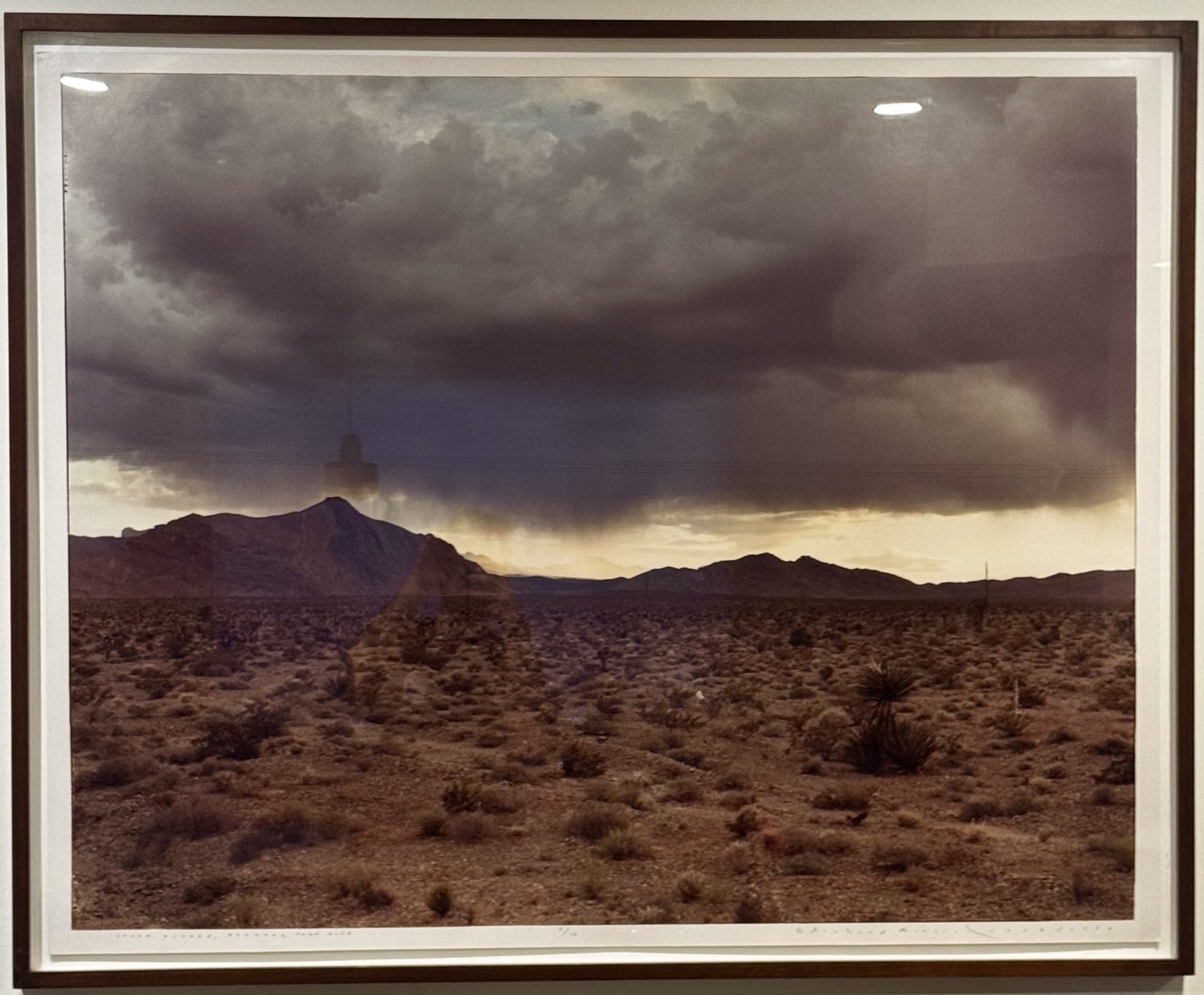
Richard Misrach
Richard Misrach
For those looking further afield, the opportunities are genuinely exciting. Serge Attukwei Clottey works with repurposed yellow jerry cans, objects that carry enormous social and ecological weight in West African contexts, and his practice brings a dimension to environmental discourse that Western art has historically underserved. Matthew Brandt makes photographs using physical materials derived from his subjects, lake water to develop images of lakes, ash to process images of fire. The results are objects that collapse the distance between representation and reality in ways that feel conceptually rigorous and visually arresting.
John Gerrard, whose digital simulations of energy infrastructure and atmospheric data occupy a strange and compelling place between documentary and speculative fiction, is another figure whose work rewards serious attention before the broader market fully catches up with his reputation. Auction performance in this category has been notably robust over the past decade, and the dynamics are worth understanding. Burtynsky's large prints have performed consistently at major houses, with strong results at Christie's and Phillips driven partly by institutional interest and partly by a collector base that spans the art world and the design world simultaneously. Works by Christo, especially the preparatory drawings and wrapped objects, have seen sustained demand that reflects both scarcity and the irreplaceable nature of the archive now that he is no longer living.
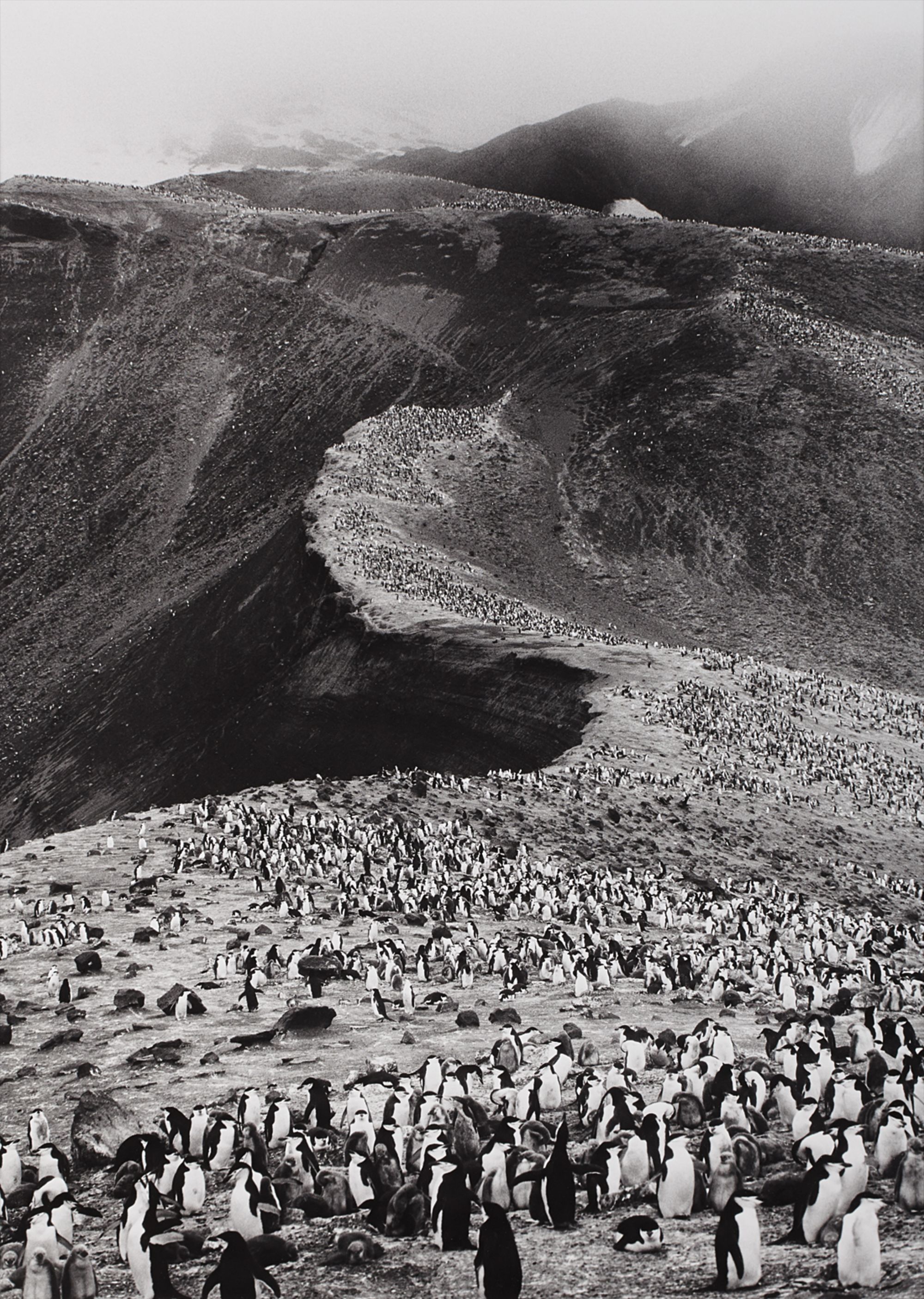
Sebastião Salgado
Chinstrap Penguins (Pygoscelis Antarctica), Deception Island, Antarctica
What the secondary market rewards here is documentation and provenance: works that come with strong exhibition history, careful condition records, and clear chains of ownership tend to outperform comparable pieces that arrive without that context. Condition is a more complex question in environmental art than in almost any other category, and collectors should go into acquisitions with their eyes open. Works that incorporate organic material, reclaimed objects, or photographic processes that involve unconventional chemistry require specific storage and display conditions. Andy Goldsworthy's works on paper, for instance, are materially fragile in ways that his outdoor sculptures obviously are not, and the two require entirely different approaches.
When speaking with a gallery, it is worth asking directly about what condition monitoring has been done, whether there is existing conservation documentation, and what environmental parameters the work requires. Do not assume that beautiful presentation at the point of sale means the work is stable in a domestic setting. Editions versus unique works is another conversation worth having explicitly. Many of the most prominent artists in this space, Burtynsky and Elíasson included, work in editions, and understanding the edition size, the number of artist proofs, and the state of the edition at the time of purchase is basic due diligence that galleries should answer without hesitation.
Unique works, whether Christo's collages or a singular piece by David Nash made from living wood, carry a different kind of market logic: scarcity is built in, but so is the full weight of conservation responsibility. Neither is inherently superior. They are simply different propositions, and a clear eyed collector will know which one they are making. The deeper argument for building seriously in this category is not a market argument, though the market case is real.
It is the argument that the most enduring collections are the ones that were paying attention to their moment. Environmental art is where some of the most rigorous thinking about landscape, industry, ecology, and human agency is happening right now. Collections that reflect that thinking will not feel dated in thirty years. They will feel prescient.