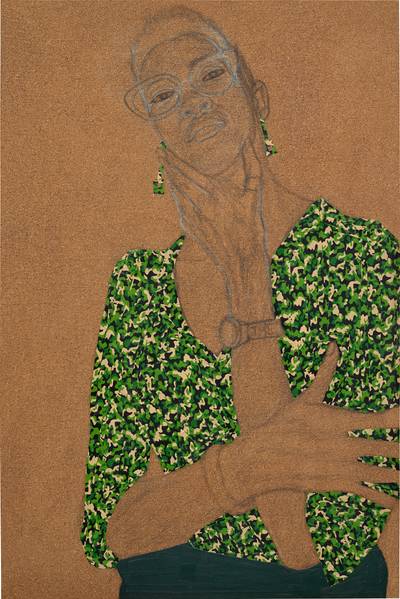
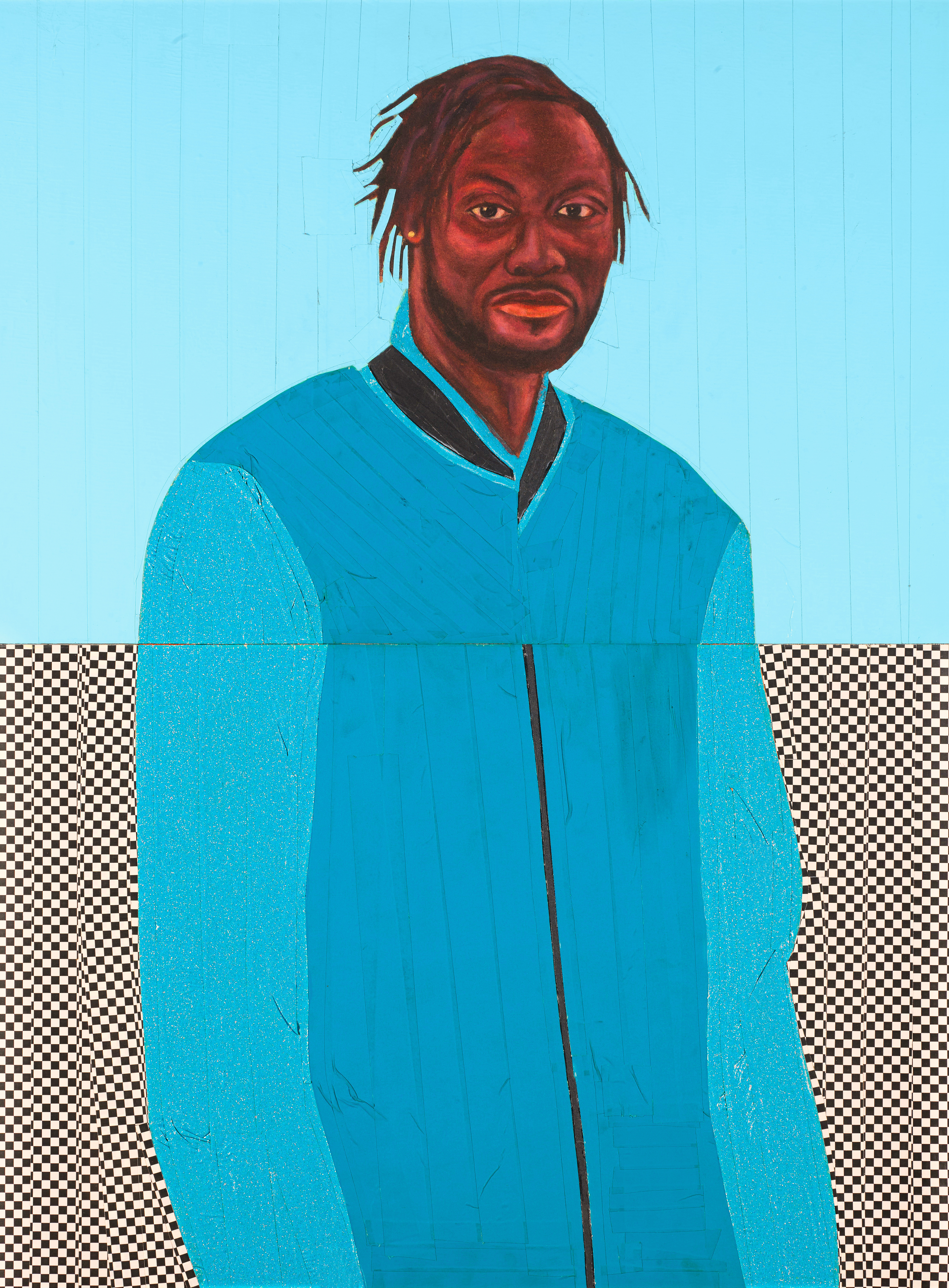
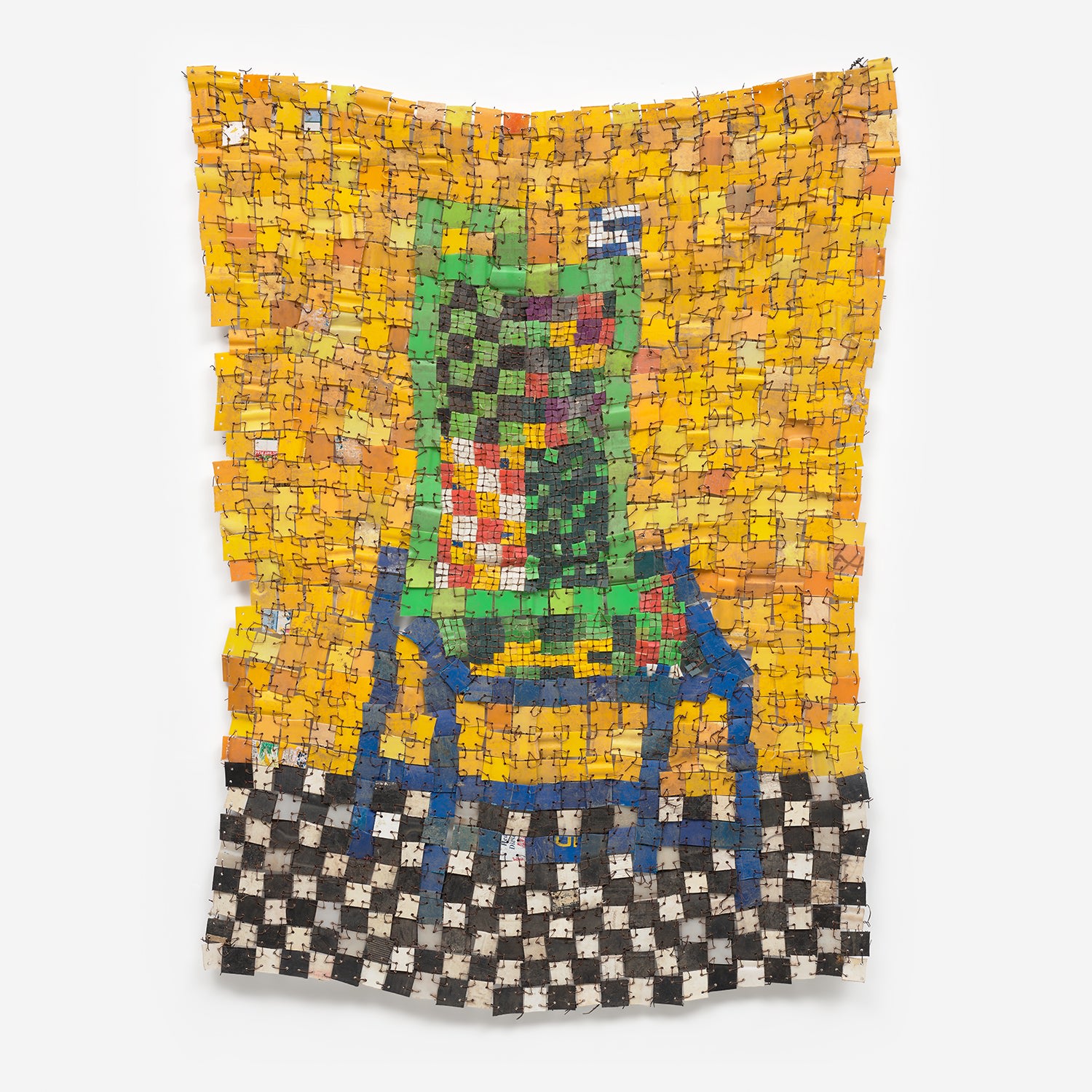
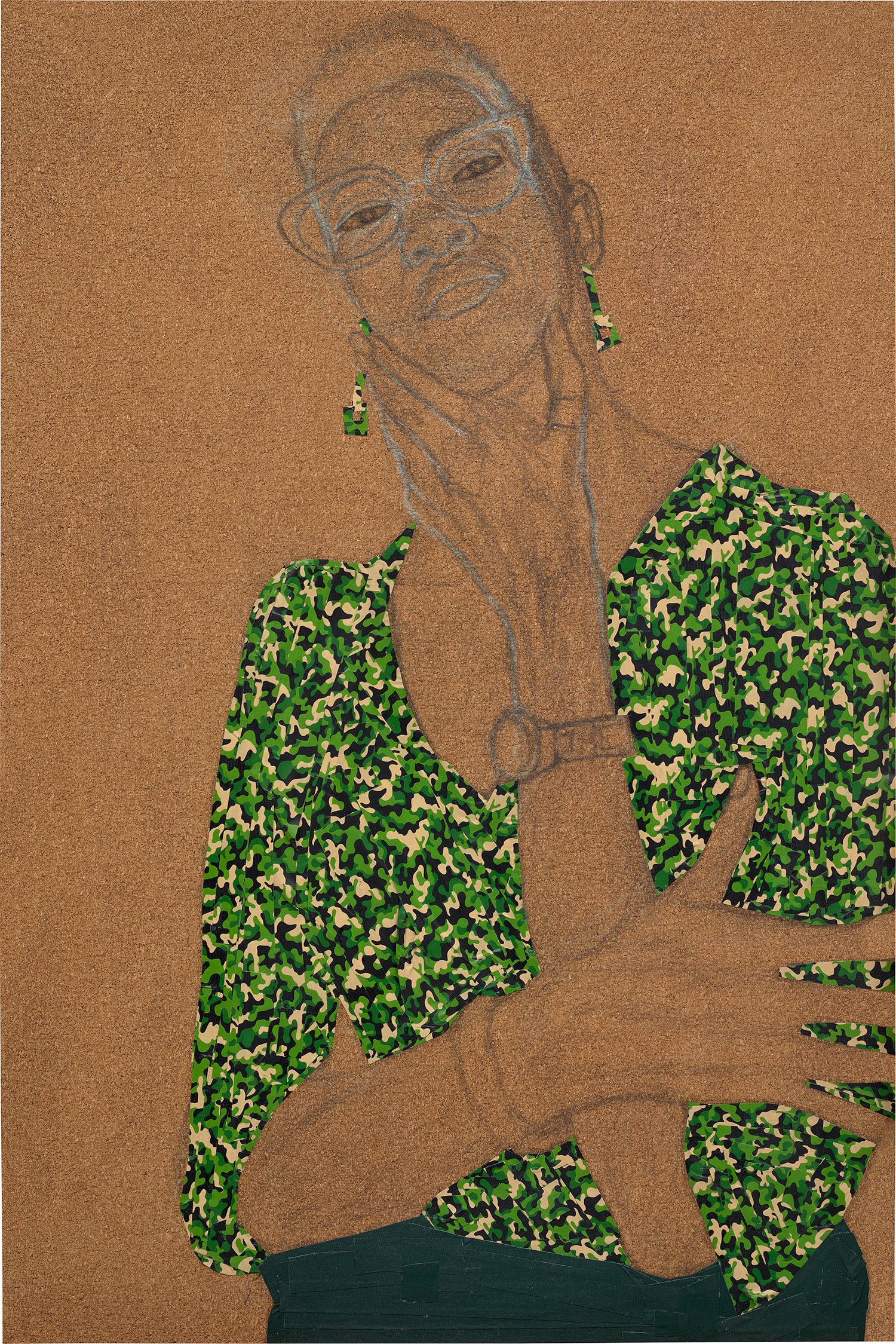
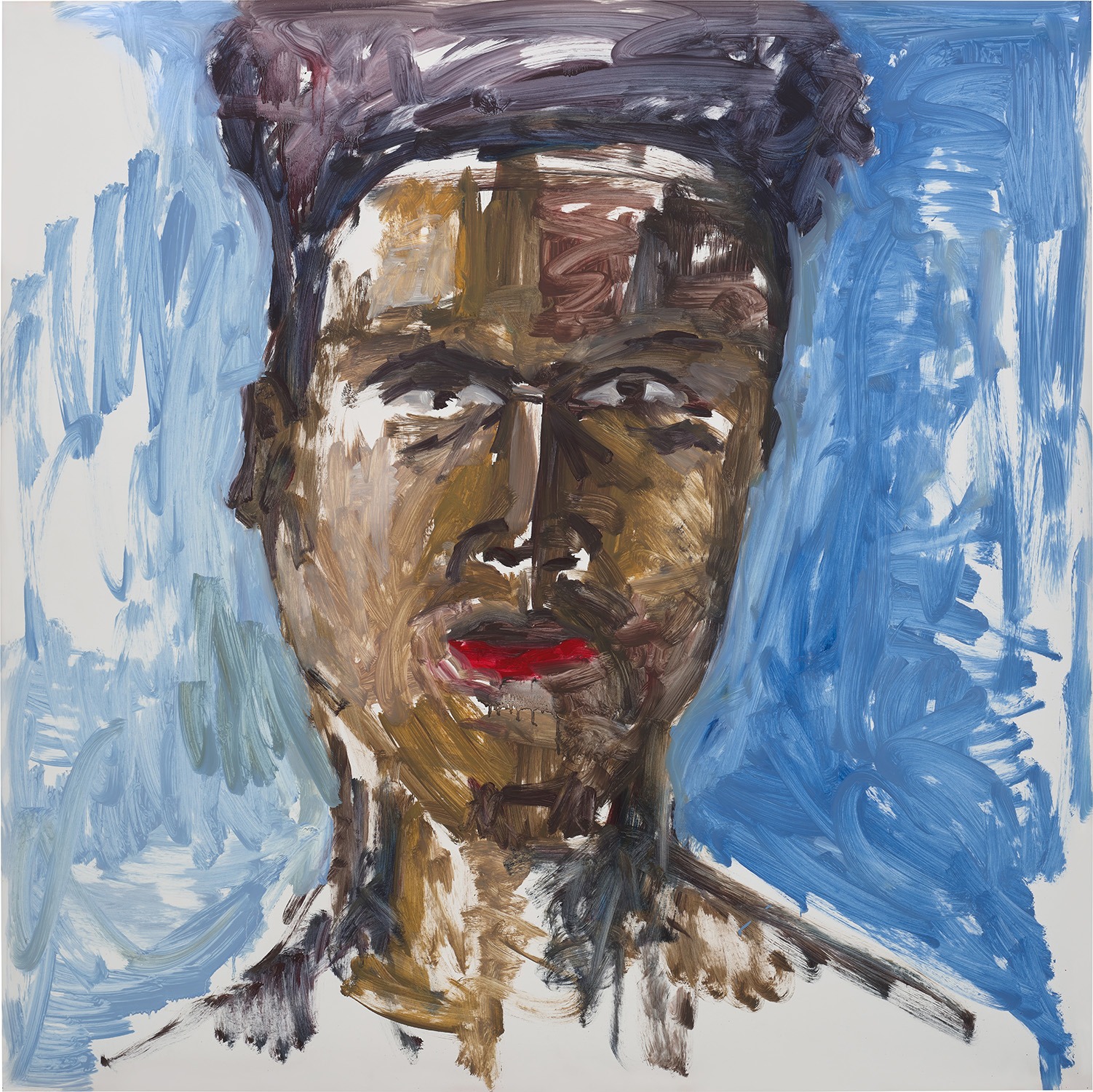
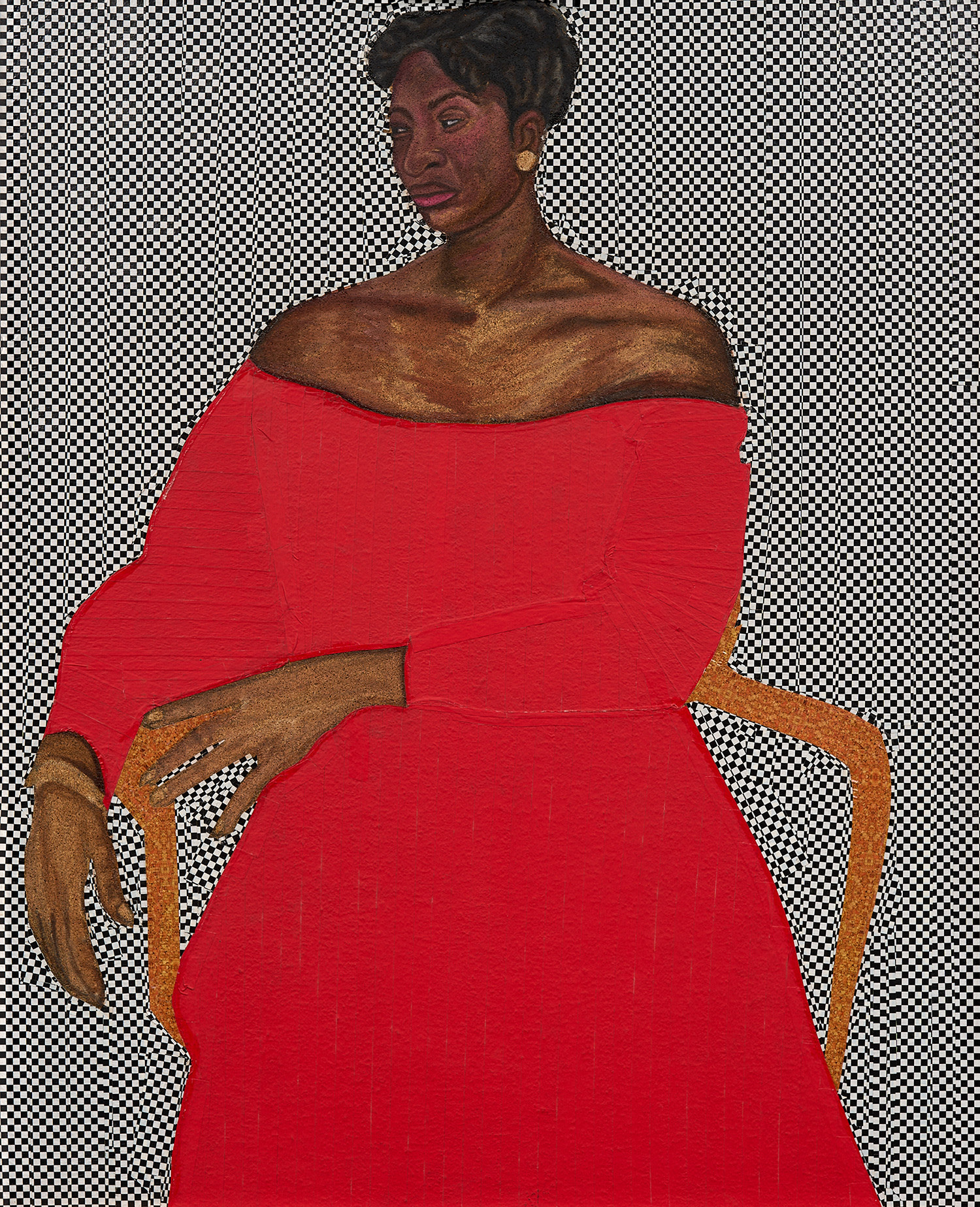
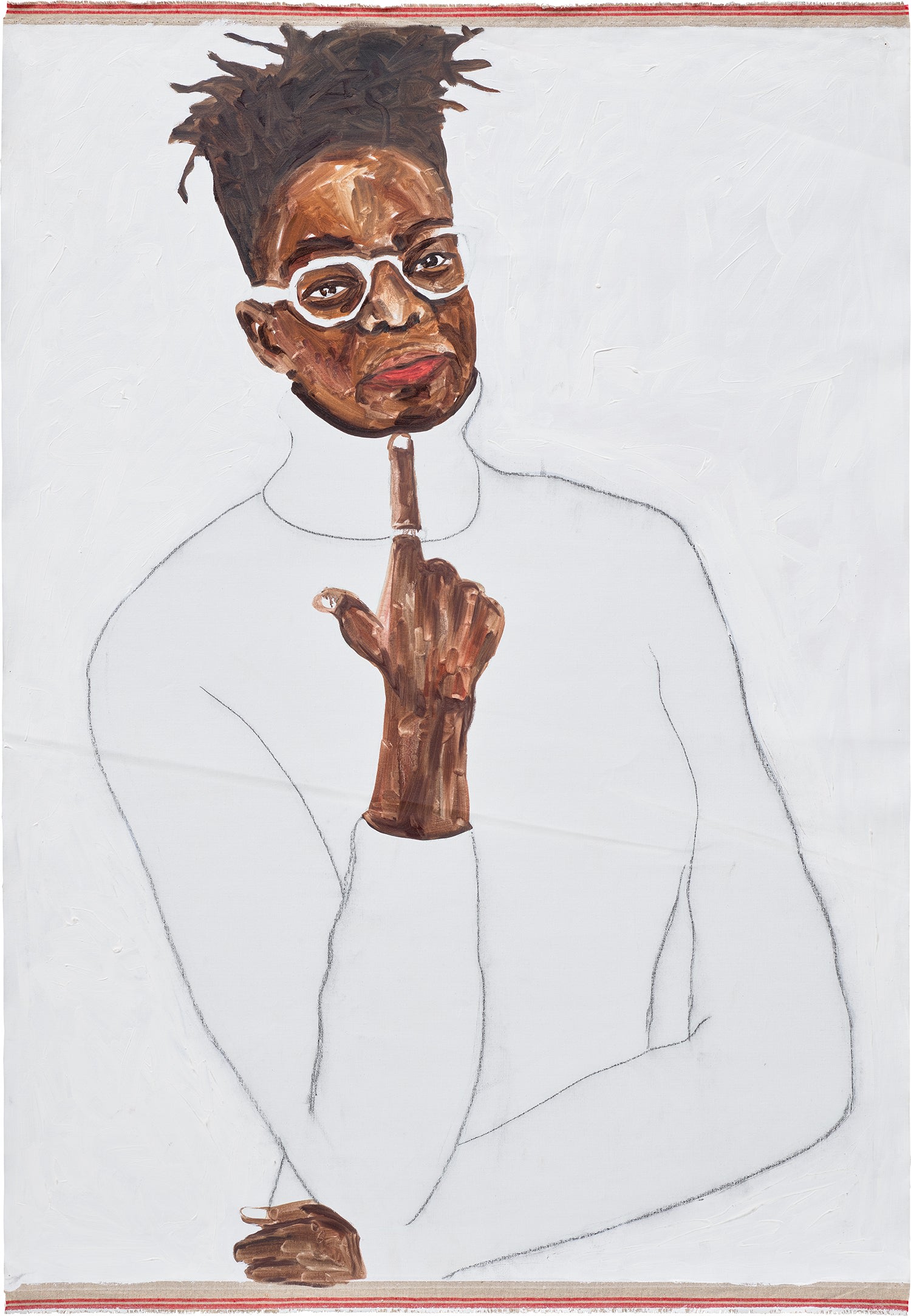
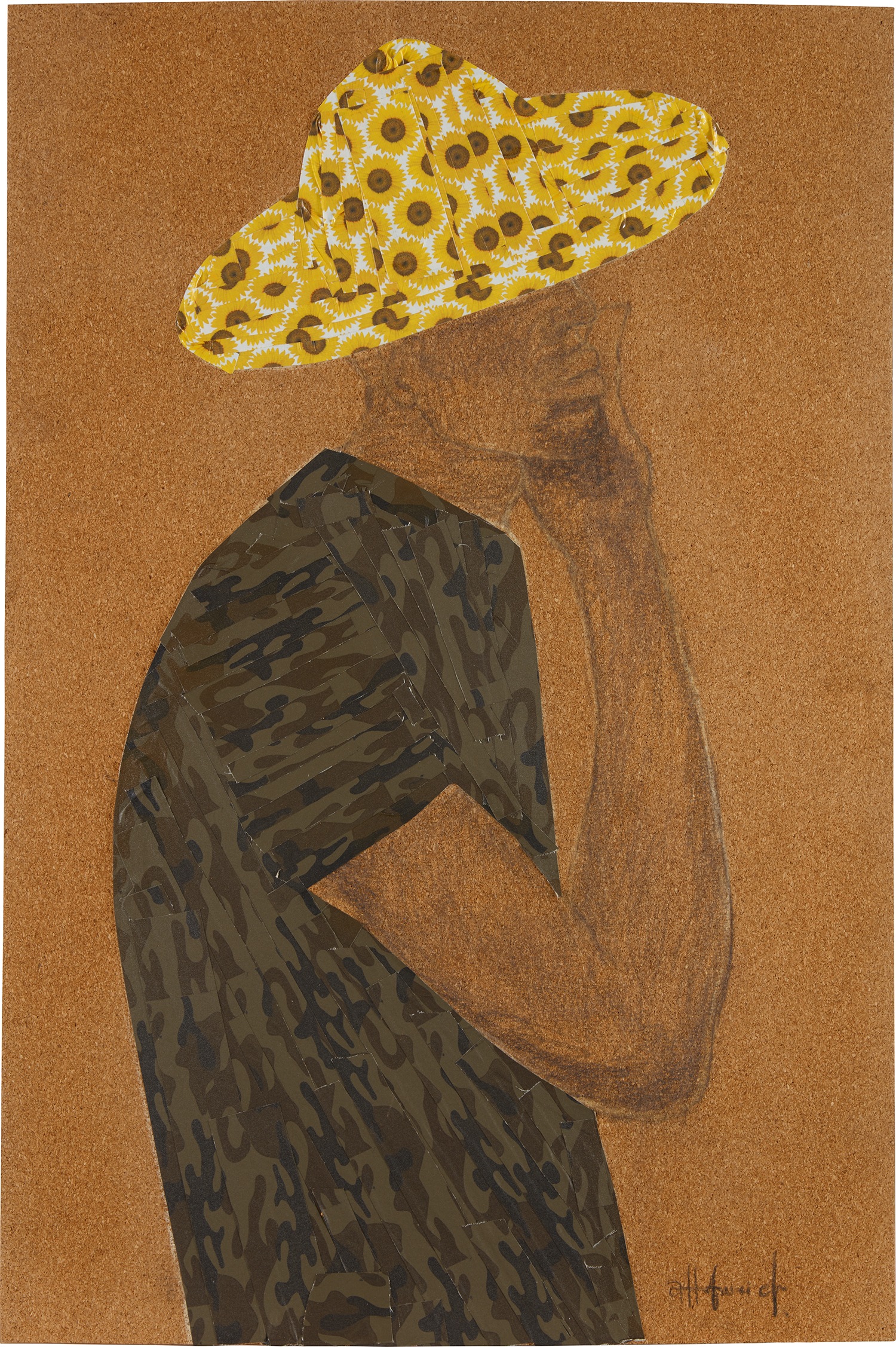
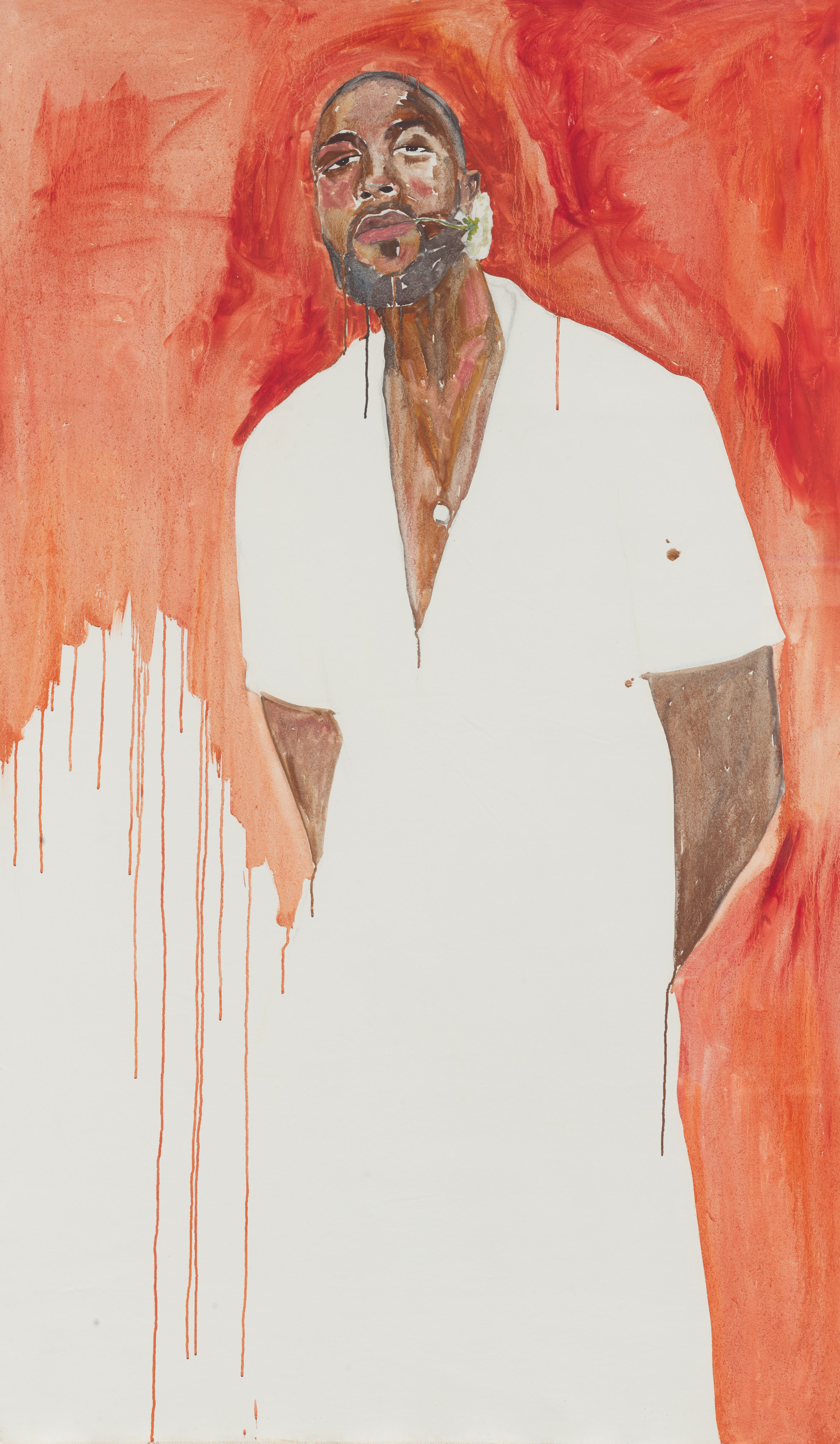
In recent years, few artists working anywhere in the world have commanded the kind of cross continental attention that Serge Attukwei Clottey has earned through sheer force of vision and material ingenuity. His large scale installations have appeared at institutions across Europe, North America, and Africa, and his participation in major international exhibitions has cemented his reputation as one of the most compelling voices to emerge from the Ghanaian contemporary art scene in the twenty first century. At a moment when global conversations about ecology, postcolonialism, and material culture feel more urgent than ever, Clottey's work arrives not as commentary from a distance but as testimony from the inside, rooted in lived experience and charged with political clarity. Clottey was born in 1985 in Accra, Ghana, and grew up in La, a coastal fishing community on the eastern edge of the city. La is a neighborhood with a strong Ga cultural identity, and that sense of place, of belonging to a specific community with its own history, language, and relationship to the sea, runs through everything he makes. His father, Cedi Clottey, was himself an artist, and the family home was a space where creativity and cultural discourse coexisted with the everyday realities of life in urban West Africa. Growing up in a household that took art seriously gave Serge an early framework for understanding that making things could be a form of meaning making, a way of engaging with the world rather than simply observing it. Clottey did not pursue a conventional academic art training in the Western sense, and this has shaped his practice in important ways. He is largely self taught, having developed his artistic language through direct engagement with the materials and communities around him. His founding of GoLokal, a collective based in La that brings together performance, visual art, and community participation, reflects his belief that art is not a solitary pursuit but a social act. Through GoLokal, Clottey has organized large scale performances involving community members carrying and wearing the yellow jerry cans that have become his signature material, transforming public spaces into stages for collective memory and shared reckoning. The yellow Kufuor gallons at the center of Clottey's practice are not simply found objects repurposed for aesthetic effect. These plastic jerry cans, named colloquially after former Ghanaian president John Kufuor and associated with a period of significant water scarcity in the country, carry enormous historical and emotional weight. During that era, many Ghanaian households relied on these containers to fetch and store water, and the cans became an emblem of both resilience and systemic failure. Clottey cuts the gallons into flat sections, wires the pieces together into large panels or sculptural forms, and often paints or marks their surfaces, creating works that shimmer with an almost otherworldly luminosity while remaining unmistakably connected to their origins. The material is the message, and the message is layered: it speaks to water rights, consumer culture, the residue of political decisions on ordinary lives, and the possibility of beauty emerging from necessity. Among the works available through The Collection, the 2015 piece "Missing and Tracing Links IX" stands as a strong example of his mature practice in working with the yellow gallon material, demonstrating his ability to weave together formal rigor and thematic density within a single composition. The 2020 works, including "Glow Girl," "Feeling Cool," "Curious Look," and "Valentine's Day," reveal another dimension of his output entirely, showcasing his facility with drawing, chalk, charcoal, acrylic, and unconventional supports like cork board and foam core. These smaller, more intimate works carry the same intellectual energy as his large installations but distilled into a format that feels immediate and personal, almost like pages from an ongoing visual diary. "Mr Irrelevant" from 2017, executed in charcoal on paper, demonstrates that Clottey's commitment to the human figure remains constant across all scales and materials. Works like "Kwame," "Amoako," and "Auk Shika" suggest a sustained interest in portraiture and named identity, anchoring abstract concerns in specific, dignified human presences. For collectors, Clottey represents a particularly compelling proposition. He is an artist whose critical reputation has grown steadily and whose institutional profile continues to expand, yet his work remains accessible across a range of price points and formats. The variety within his practice, from monumental gallon installations to intimate works on paper and board, means that collectors at different stages of their journey can find a meaningful point of entry. What unites all of his work, regardless of medium or scale, is a quality of intention. Nothing Clottey makes feels arbitrary or decorative. Each piece is rooted in a specific inquiry, a question about history, identity, materiality, or community, and that rootedness gives the work a durability that purely aesthetic objects often lack. Collectors drawn to art that holds its meaning over time, that becomes more resonant rather than less as the world around it shifts, will find much to value here. Within the broader landscape of contemporary African art, Clottey occupies a distinctive position. His work resonates with that of El Anatsui, the Ghanaian sculptor whose monumental tapestries made from bottle caps and copper wire transformed discarded materials into something approaching the sublime and who has long been recognized as one of the major artists of his generation globally. There are also affinities with the practice of Barthélémy Toguo, the Cameroonian artist whose work similarly engages postcolonial history through the lens of migration and the body, and with Ibrahim Mahama, another Ghanaian artist known for large scale installations using jute sacks that carry traces of labor and global trade. Clottey is in conversation with all of these figures, but his voice is entirely his own, shaped by the specific textures of La, of Accra, of the Ga community, and of his own family history. The legacy Clottey is building is one that refuses easy categorization. He is a sculptor, a painter, a performance artist, a community organizer, and a cultural historian all at once. At a time when the art world is genuinely reckoning with whose stories it has historically chosen to tell and whose it has overlooked, Clottey's practice offers not just a corrective but an affirmation: that the materials of everyday life in West Africa are worthy of the same sustained artistic attention as any other tradition, and that the people who have lived with and through those materials deserve to see their experiences rendered with intelligence, care, and beauty. His work does not ask for sympathy. It demands engagement, and it rewards it generously.