Enamel On Steel
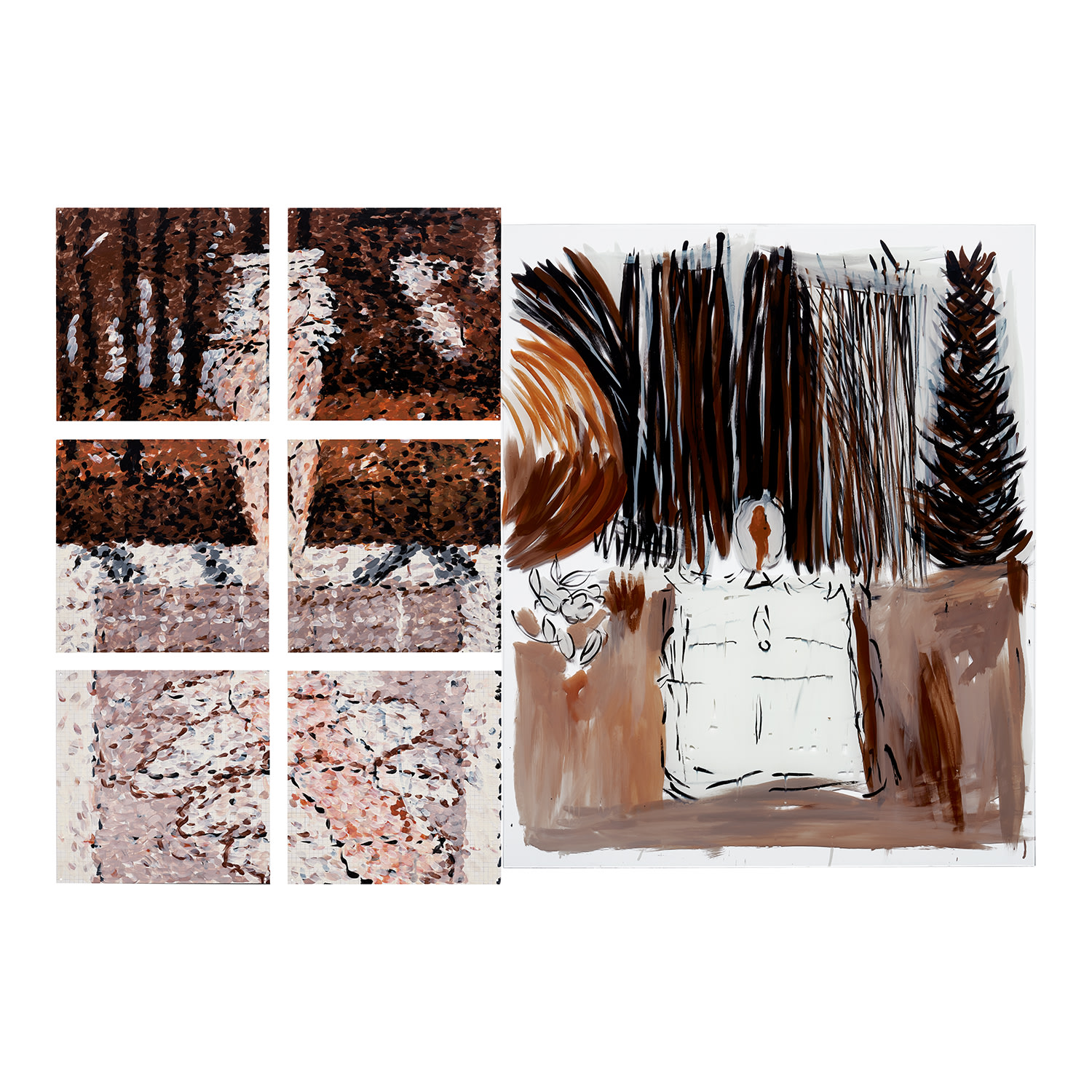
Bruno Ollé
無題, 2015



The Sheet Metal Canvas That Seduced Pop
There is something almost confrontational about enamel on steel. The surface refuses to be gentle. It does not absorb light the way canvas does, does not breathe or age with the same organic intimacy as linen or wood. Instead it throws light back at you, hard and unapologetic, with the confidence of a billboard or a traffic sign.
That quality, that refusal to be merely decorative, is precisely what made the medium irresistible to some of the twentieth century's most restless artistic minds. To work in enamel on steel is to insist that art can live in the same visual register as the commercial world without being diminished by the company it keeps. The history of enamel on steel as an artistic medium is inseparable from the history of industrial manufacturing. Porcelain enamel, which is essentially powdered glass fused to a metal substrate through intense heat, had been used in industrial and domestic applications since the nineteenth century.

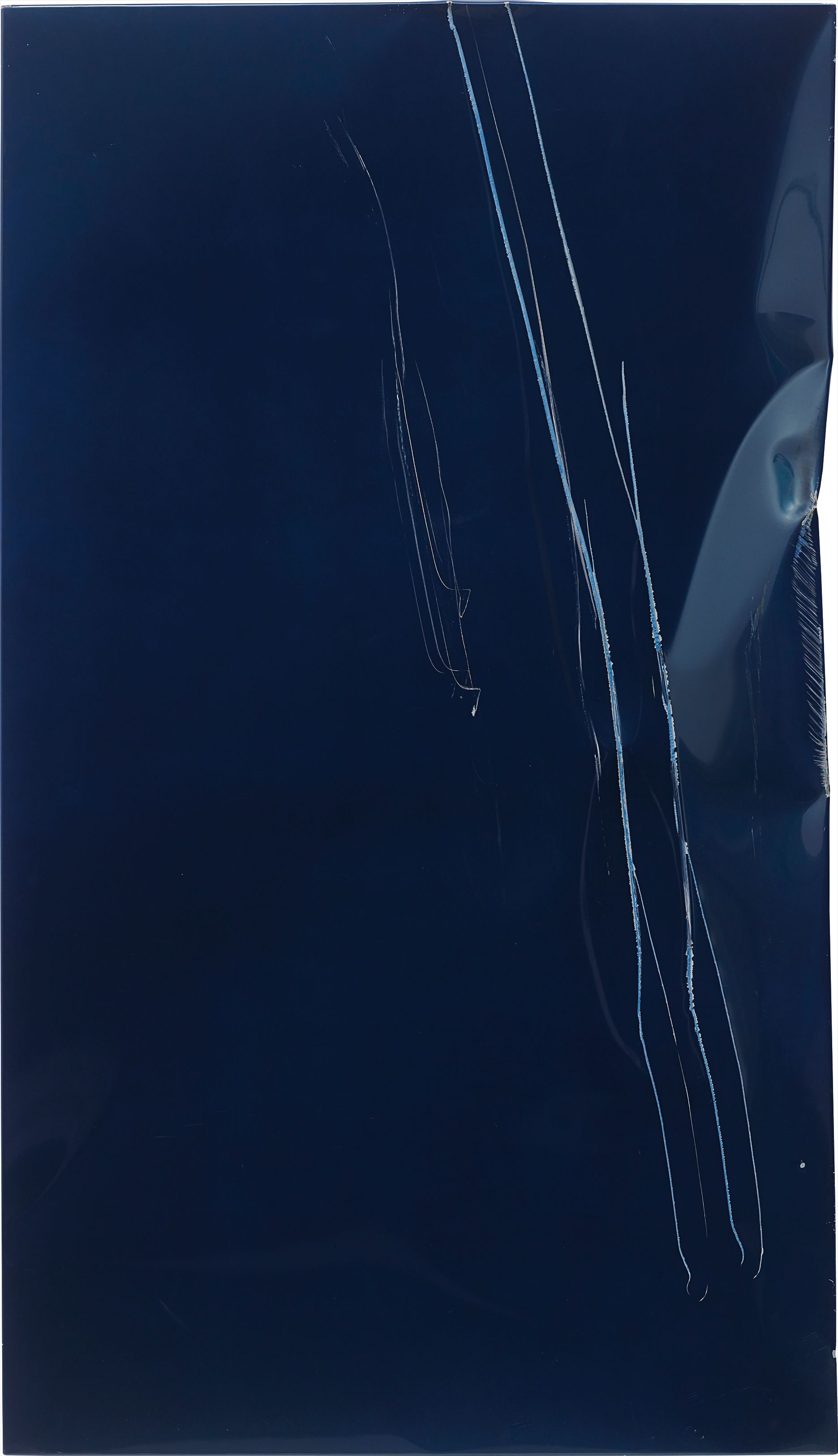
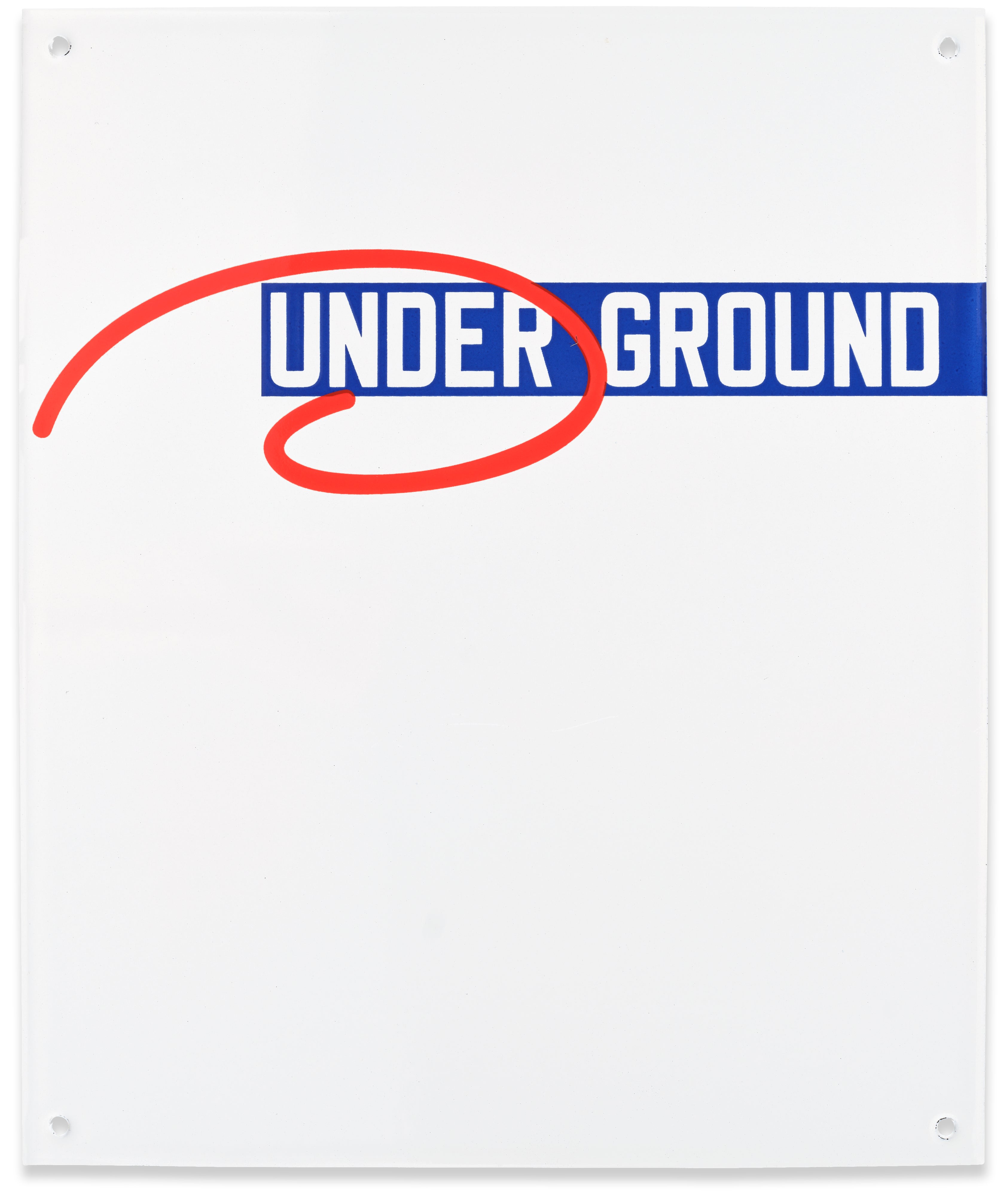
Lawrence Weiner
Shot to Hell...
Gas station signs, kitchen appliances, hospital equipment, railway station nameplates: these were the contexts in which the material proved itself durable, washable, and vividly colored. The art world noticed this pedigree and understood that it carried meaning. When artists began adopting the technique in earnest during the mid twentieth century, they were not simply choosing a novel surface. They were making an argument about where art belonged and what it was allowed to look like.
Pop Art, which crystalized in Britain in the late 1950s and erupted in America through the 1960s, was the movement that most fully recognized what enamel on steel could do conceptually. Roy Lichtenstein, whose work on The Collection demonstrates his enduring market authority, was drawn throughout his career to surfaces and image languages borrowed from mass reproduction. His engagement with the visual rhetoric of commercial printing found a natural echo in the hard, glossy finish of enamel on steel, which shared its origins with signage and industrial display rather than the fine art tradition. The medium was already telling a story before the artist made a single mark on it.

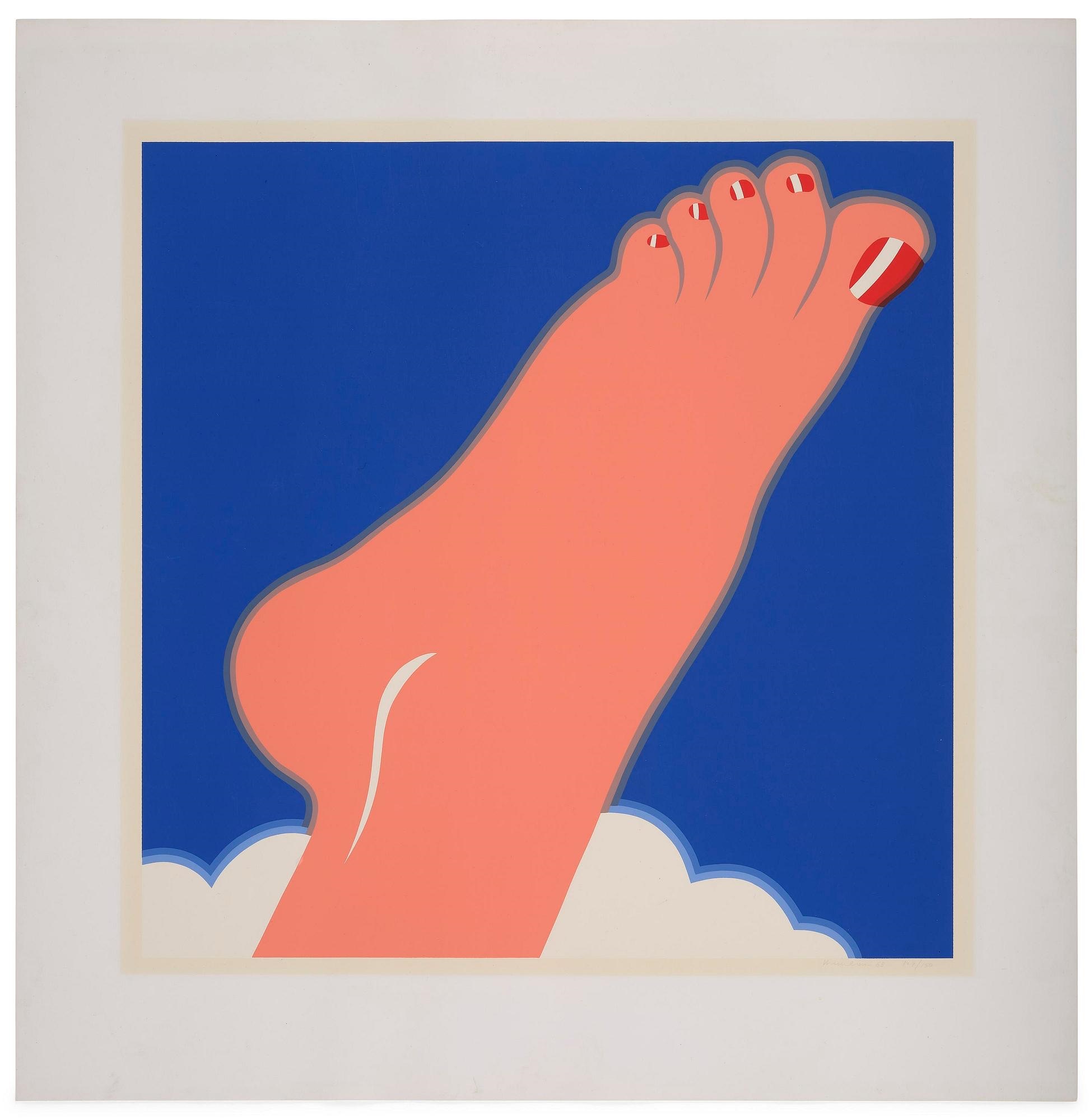
Tom Wesselmann
Country Bouquet (W.P.I. E35)
That layered meaning, where the support itself functions as content, is central to understanding why Pop artists found it so compelling. Tom Wesselmann, whose works appear with notable depth on The Collection, brought a different sensibility to the conversation. His Great American Nude series and his still life compositions of the 1960s and 1970s engaged obsessively with the surfaces of American consumer culture, and his forays into shaped steel works extended that obsession into three dimensions. Wesselmann understood that enamel on steel allowed color to behave differently than it did in paint.
Colors in enamel are not mixed from pigments in the traditional sense. They are fired into the metal at temperatures exceeding 800 degrees Fahrenheit, and the result is a saturation and permanence that oil or acrylic simply cannot replicate. The red of a Wesselmann lip or flower rendered in enamel on steel is not a representation of redness. It is red in a more absolute, almost aggressive sense.

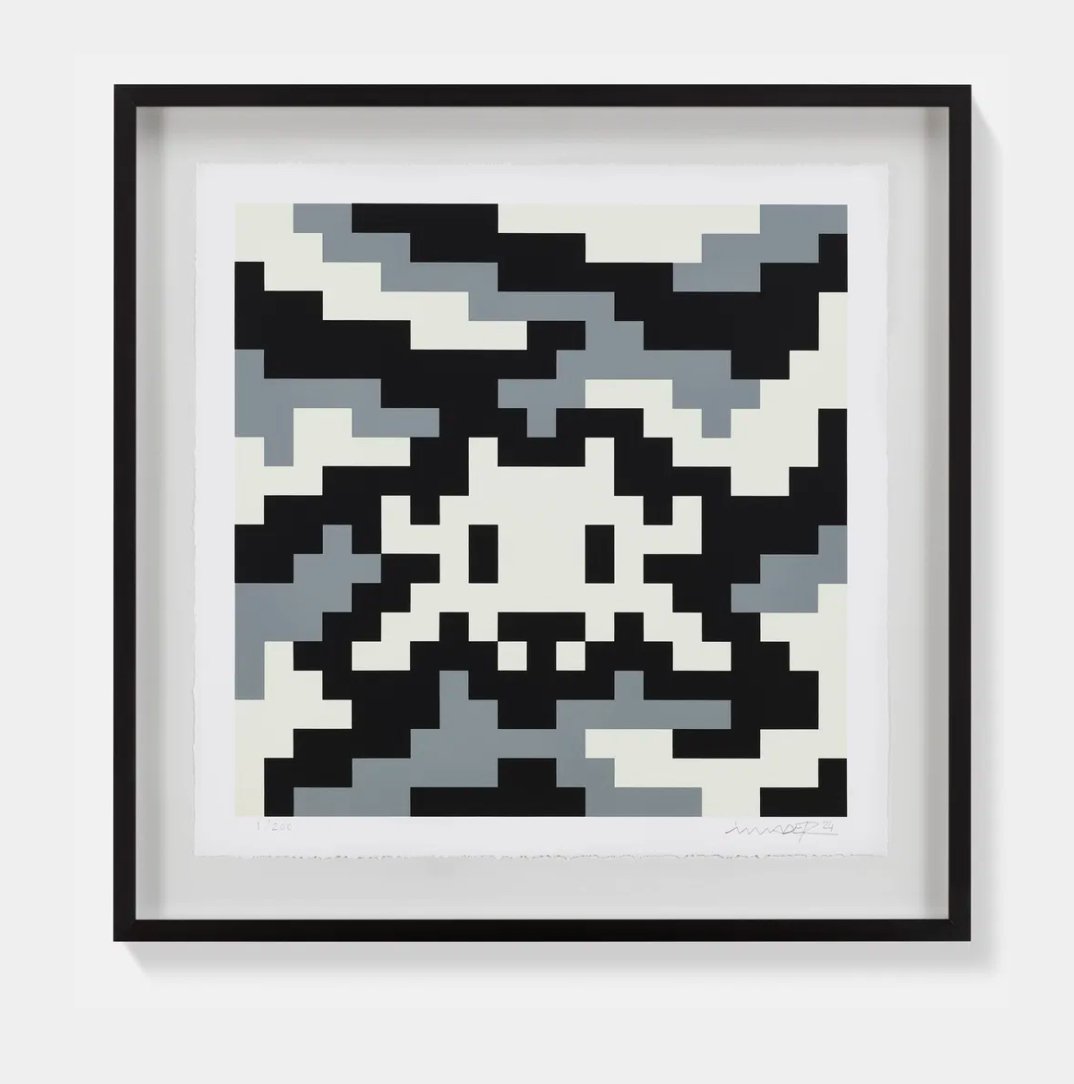
Keith Haring
This work is from an edition of 3.
The technique itself demands both precision and a kind of surrender. An artist working in enamel on steel must account for how colors shift during firing, how multiple layers build depth, and how the steel substrate expands and contracts with heat in ways that can crack or distort the enamel if not carefully managed. Many artists work closely with specialist fabricators who have spent years mastering the kiln and the chemistry. Keith Haring, whose bold graphic vocabulary translated with remarkable authority into enamel on steel, embraced collaboration with fabricators as part of his broader commitment to making art that reached beyond gallery walls.
His imagery, rooted in the visual energy of New York's subway system and street culture, found in enamel on steel a surface that matched its ambitions for durability and public legibility. The conceptual stakes of the medium deepened further in the hands of artists working at the intersection of language and object. Lawrence Weiner, whose presence on The Collection speaks to the platform's commitment to idea driven practice, spent much of his career interrogating the relationship between words, materials, and space. His use of industrial materials and processes aligned philosophically with the enamel on steel tradition even when his chosen surfaces varied.
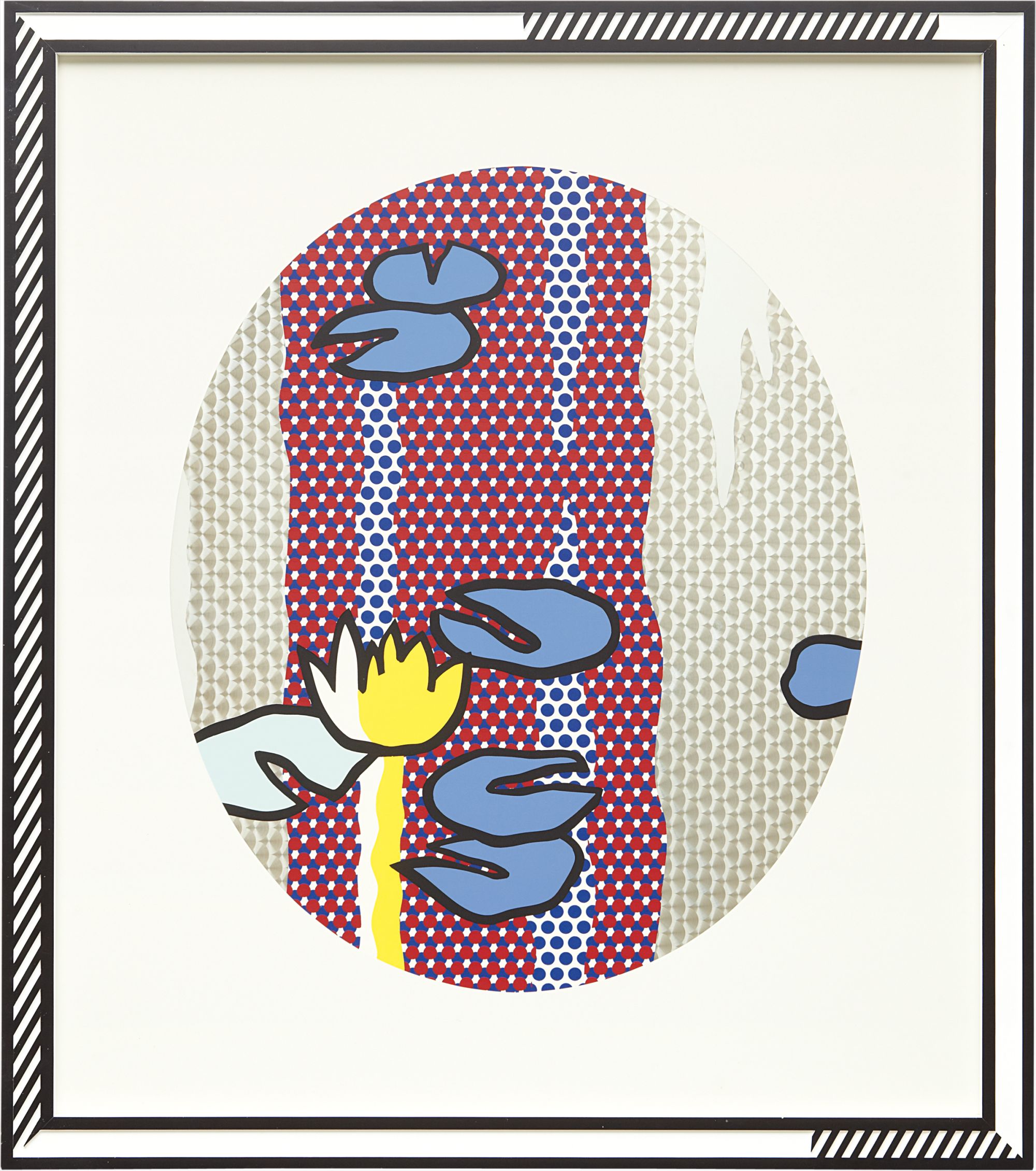
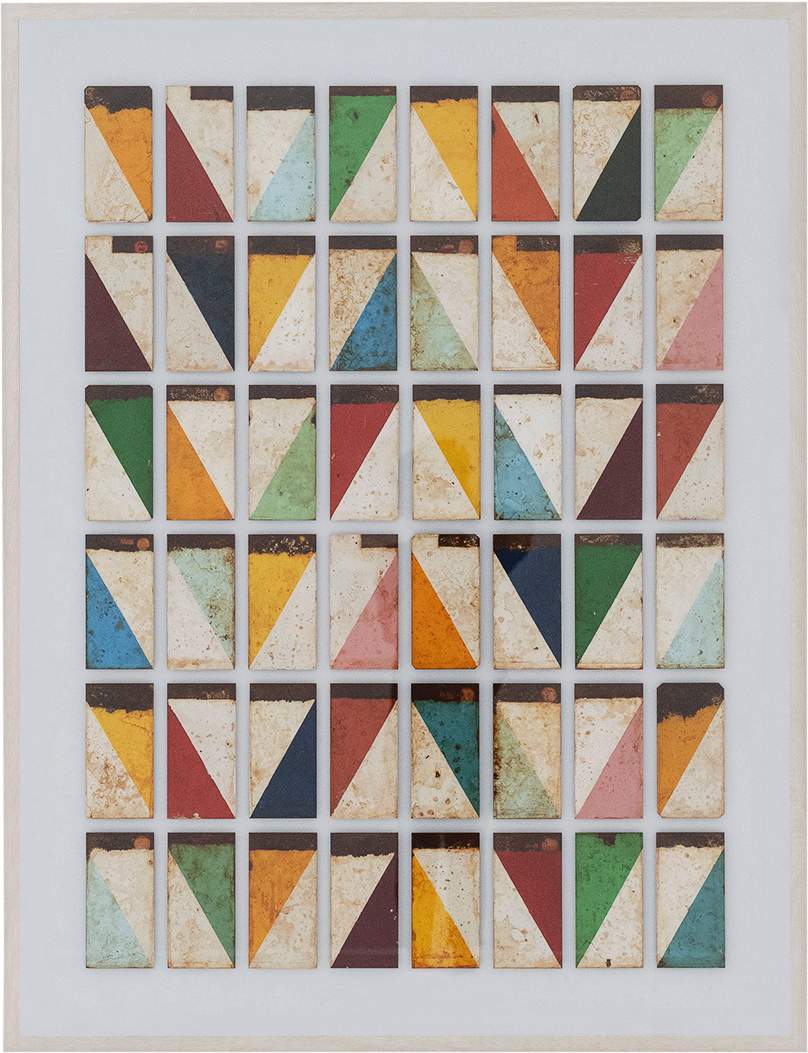
Roy Lichtenstein
Water Lilies--Blue Lily Pads, from Water Lilies series
The medium insists on the object status of art in a way that dematerialized practices often resist. An enamel on steel work cannot be reduced to a photograph or a description. Its physical presence, its weight and shine and resistance, is irreducible. More recent artists have brought fresh perspectives to the tradition without abandoning its essential character.
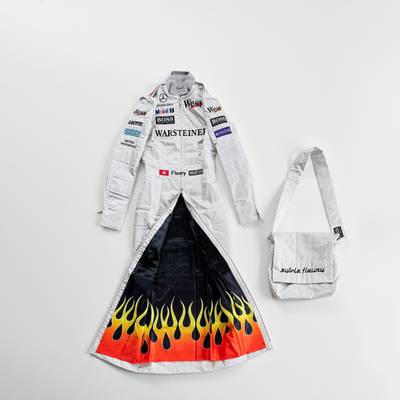
Sylvie Fleury, whose practice engages playfully and critically with luxury, consumerism, and the codes of glamour, has worked with reflective industrial surfaces in ways that feel continuous with the Pop lineage while inflecting it with a sharper feminist consciousness. The collector who acquires an enamel on steel work today is acquiring something with a genealogy that runs from the factory floor through the galleries of Castelli and Ileana Sonnabend and into the most rigorous conceptual discourse of the late twentieth century. That is an unusually rich inheritance for a single material to carry. What remains striking about enamel on steel in the present moment is how thoroughly it has escaped the period flavor that can sometimes date other Pop era materials and techniques.
The medium continues to attract artists who want to make work that is simultaneously beautiful, durable, conceptually loaded, and resistant to the preciousness that can accumulate around painting on canvas. It belongs to the street and to the museum with equal conviction. For collectors drawn to works that hold their nerve under scrutiny, that reward close looking while also commanding a room from a distance, enamel on steel offers something genuinely rare: a support that has earned its authority through a century of honest industrial use and then proved itself, again and again, capable of carrying the full weight of artistic ambition.