Emotionally Charged
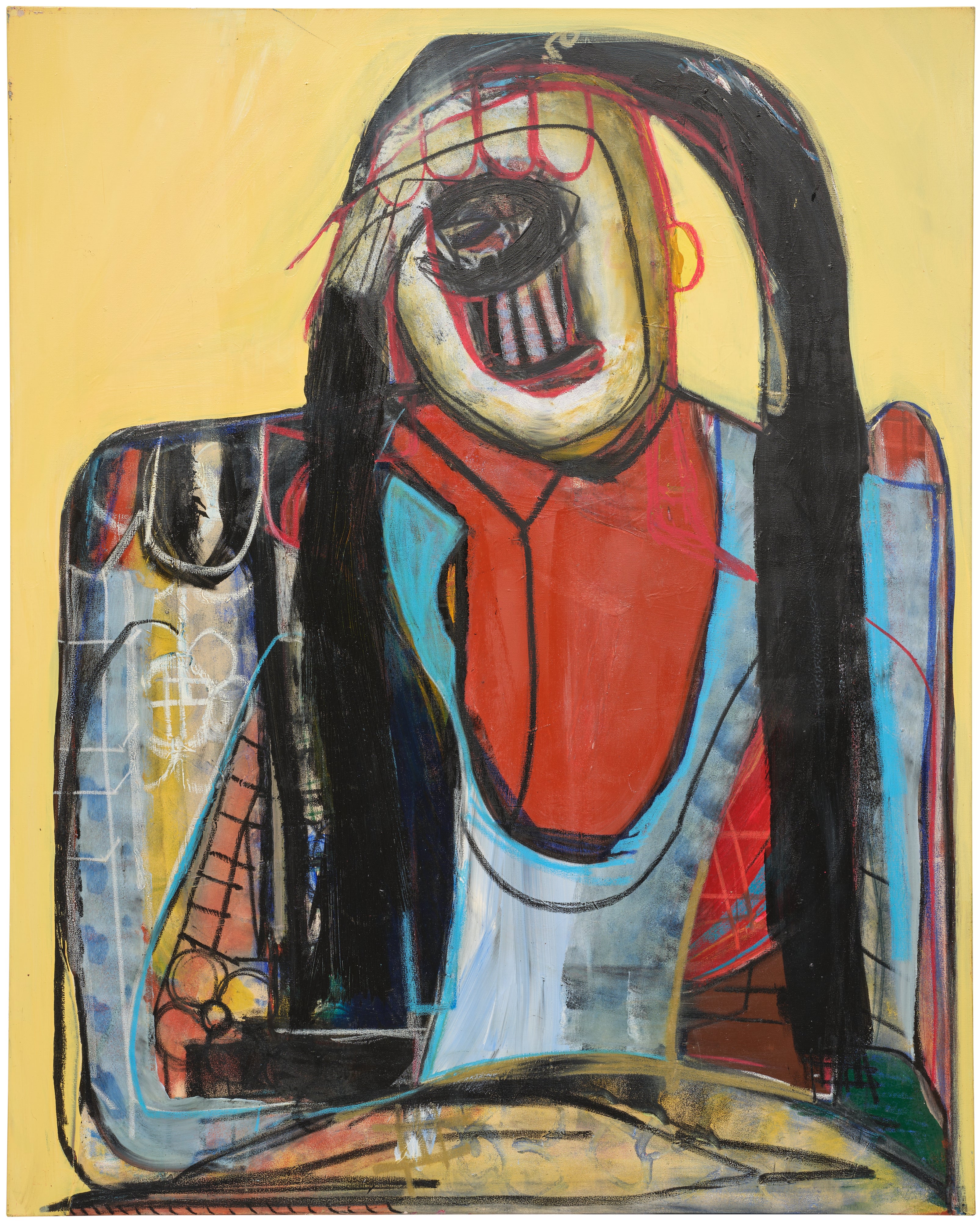
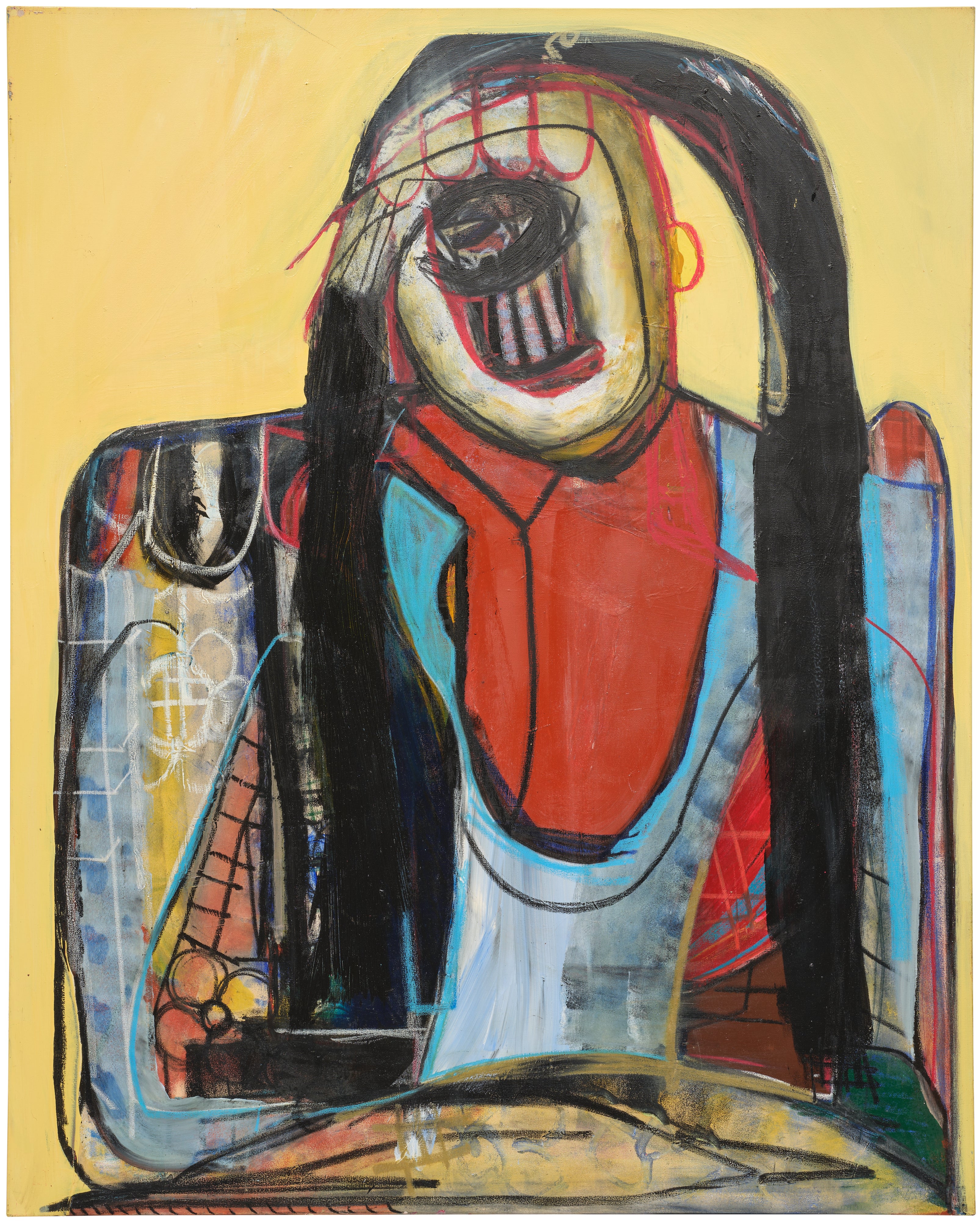
Genesis Tramaine
THIS LOVE OF MINE, 2019
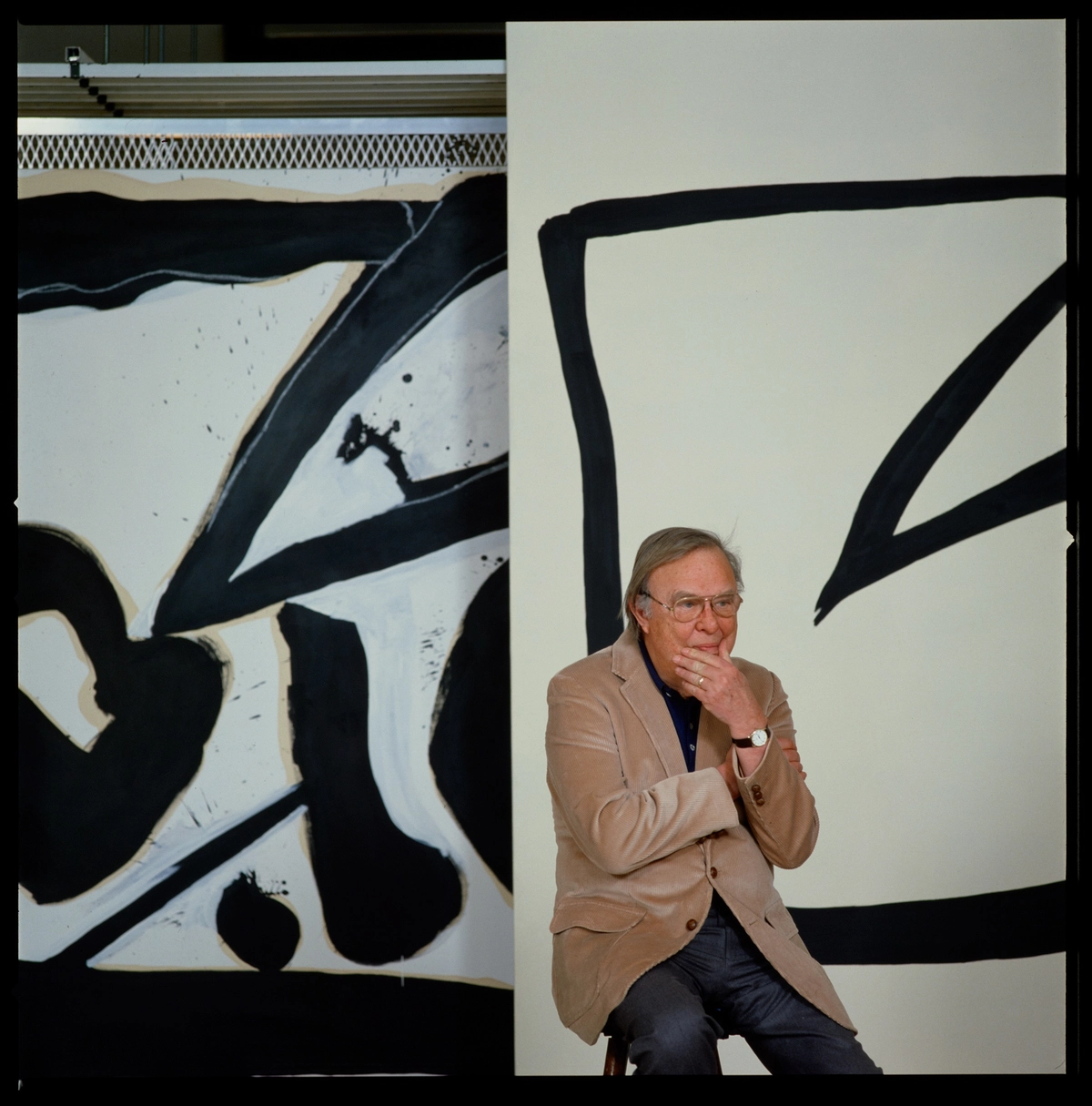
Feeling Everything: The Case for Raw Emotion
There is a particular kind of collector who walks into a room, stops in front of a painting, and feels something shift. Not an intellectual appreciation, not a recognition of technique or provenance, but something more visceral and harder to name. This is the pull of emotionally charged work, and for those who have felt it, no other category of collecting quite satisfies in the same way. Living with art that carries genuine emotional weight is a different proposition entirely from living with the decorative or the conceptually cool.
It asks something of you every morning and rewards you differently every time you look. What makes this category so compelling to collectors is precisely what makes it difficult to define. Emotional charge is not a style or a movement. It cuts across Abstract Expressionism, figuration, outsider art, and contemporary practice alike.
Genesis Tramaine
THIS LOVE OF MINE, 2019
The thread connecting a Willem de Kooning canvas from the 1950s to a Genesis Tramaine painting made today is not formal or historical. It is a quality of urgency, of something being worked out or expressed with a force that the artist could not entirely contain. Collectors who respond to this energy often describe the experience of acquisition in strikingly personal terms. The work chose them as much as they chose it.
Separating a good work from a great one in this space requires a willingness to sit with discomfort. A merely good emotionally charged work performs feeling. It signals rawness through familiar visual languages, gestural marks, heightened color, distorted figures, and you recognize what it is trying to do without being entirely undone by it. A great work operates differently.
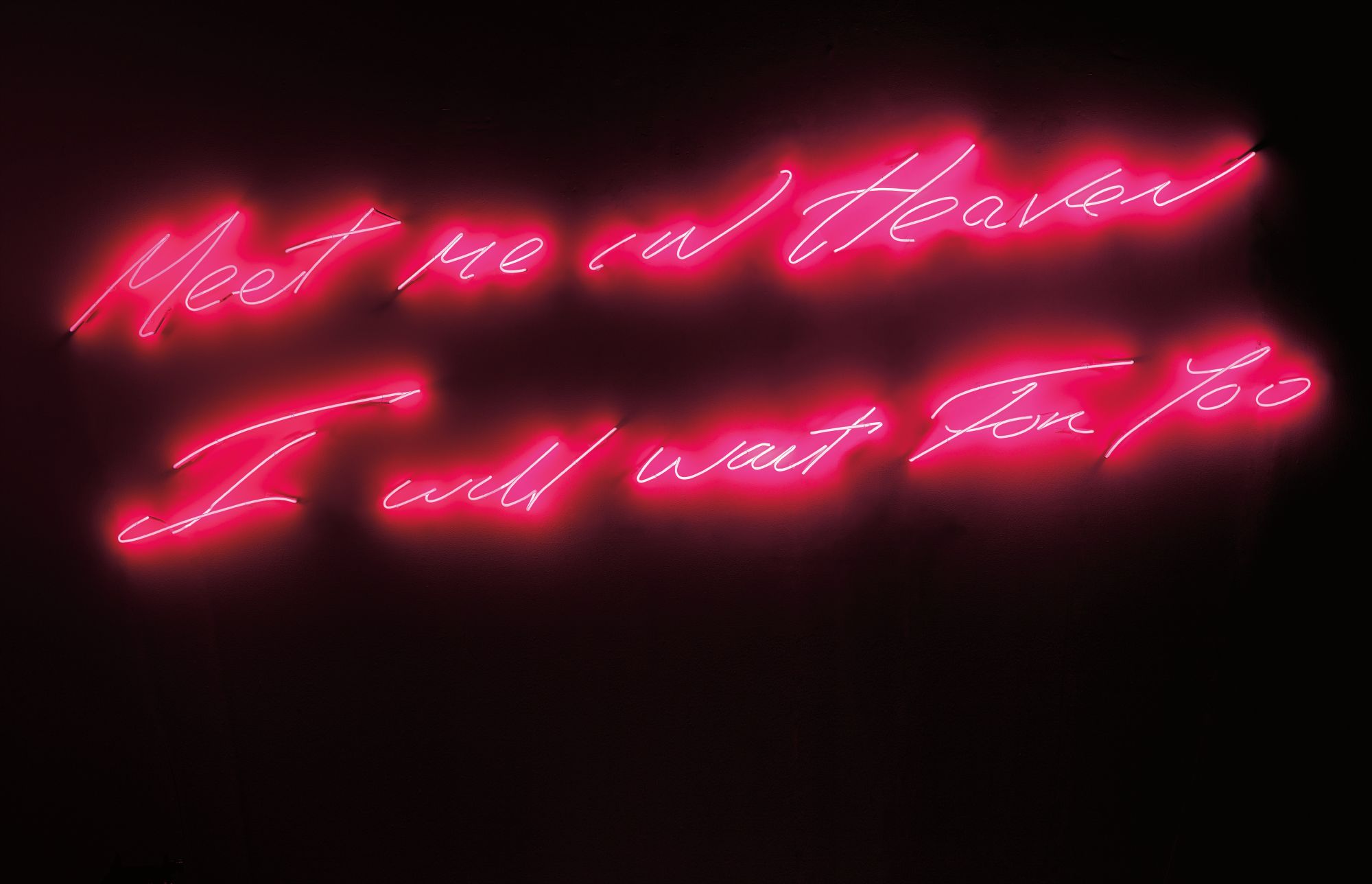
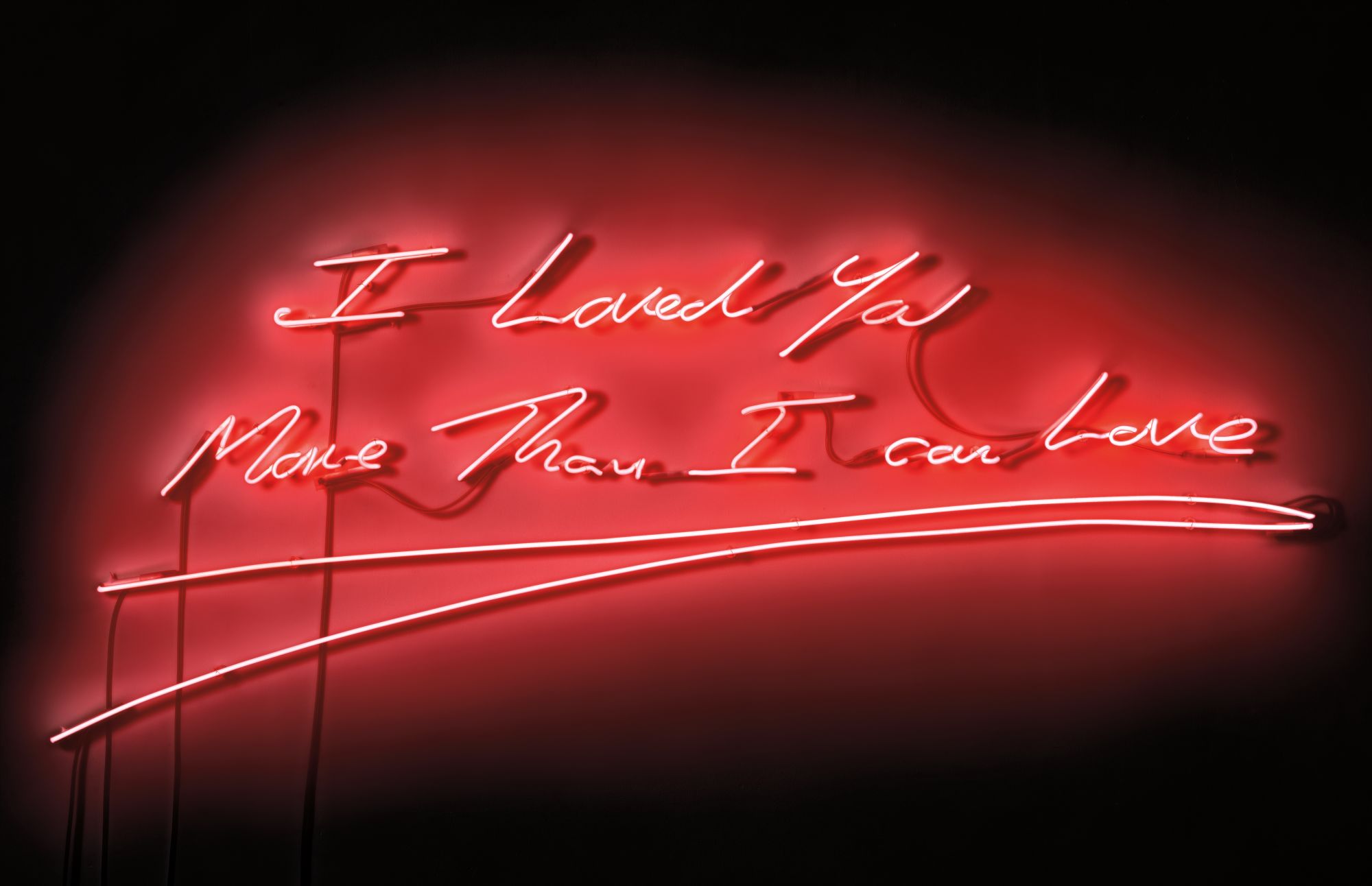
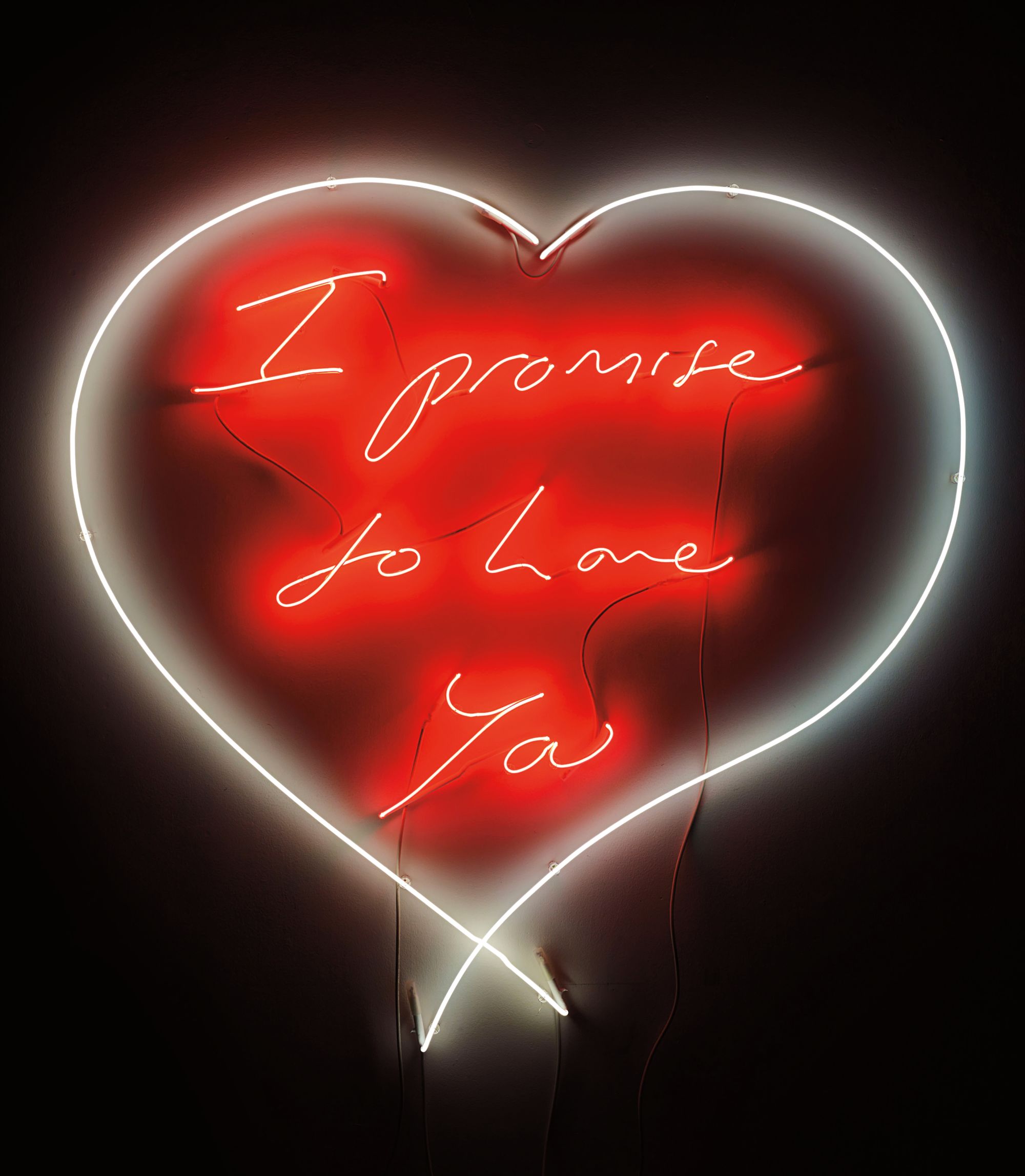
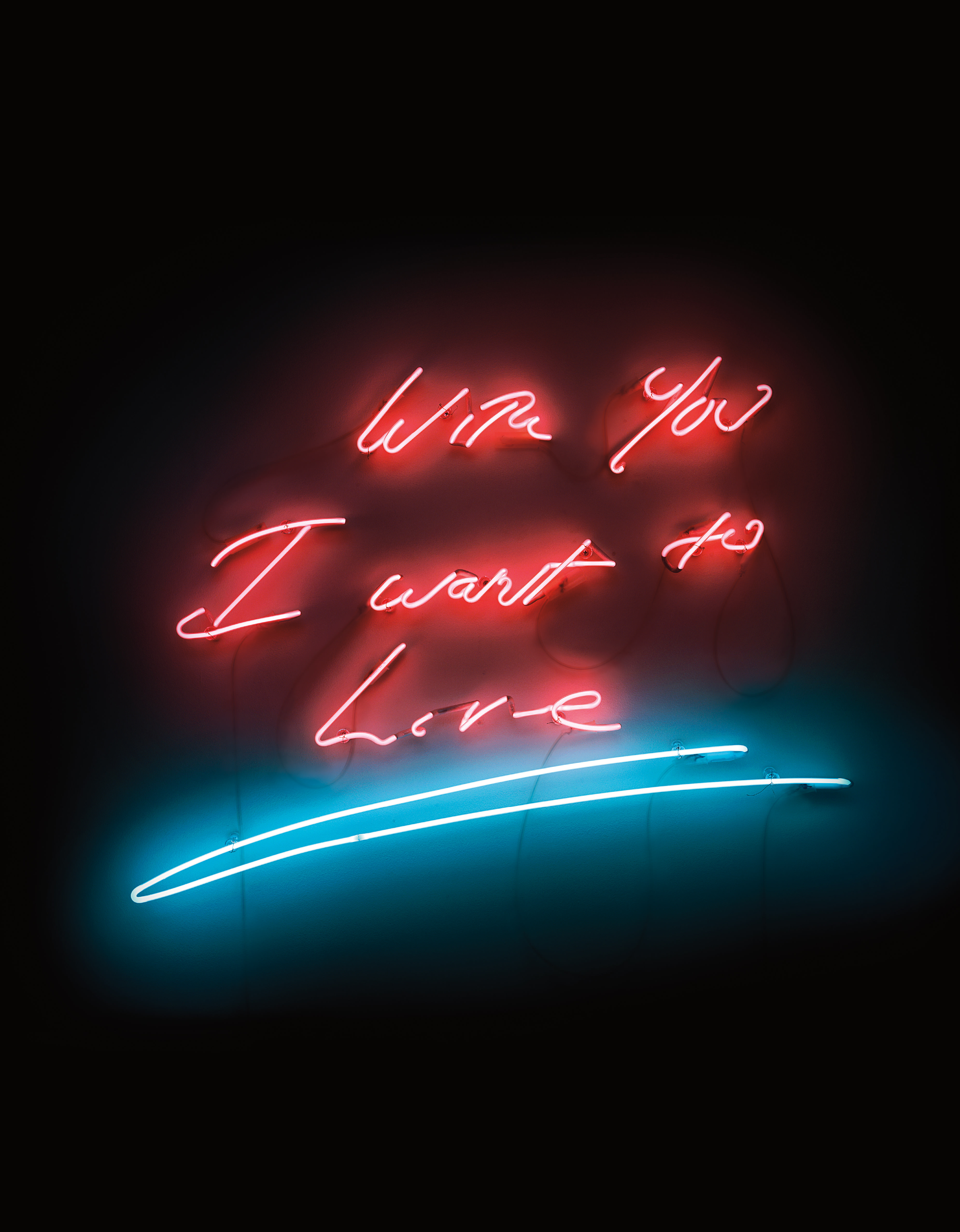
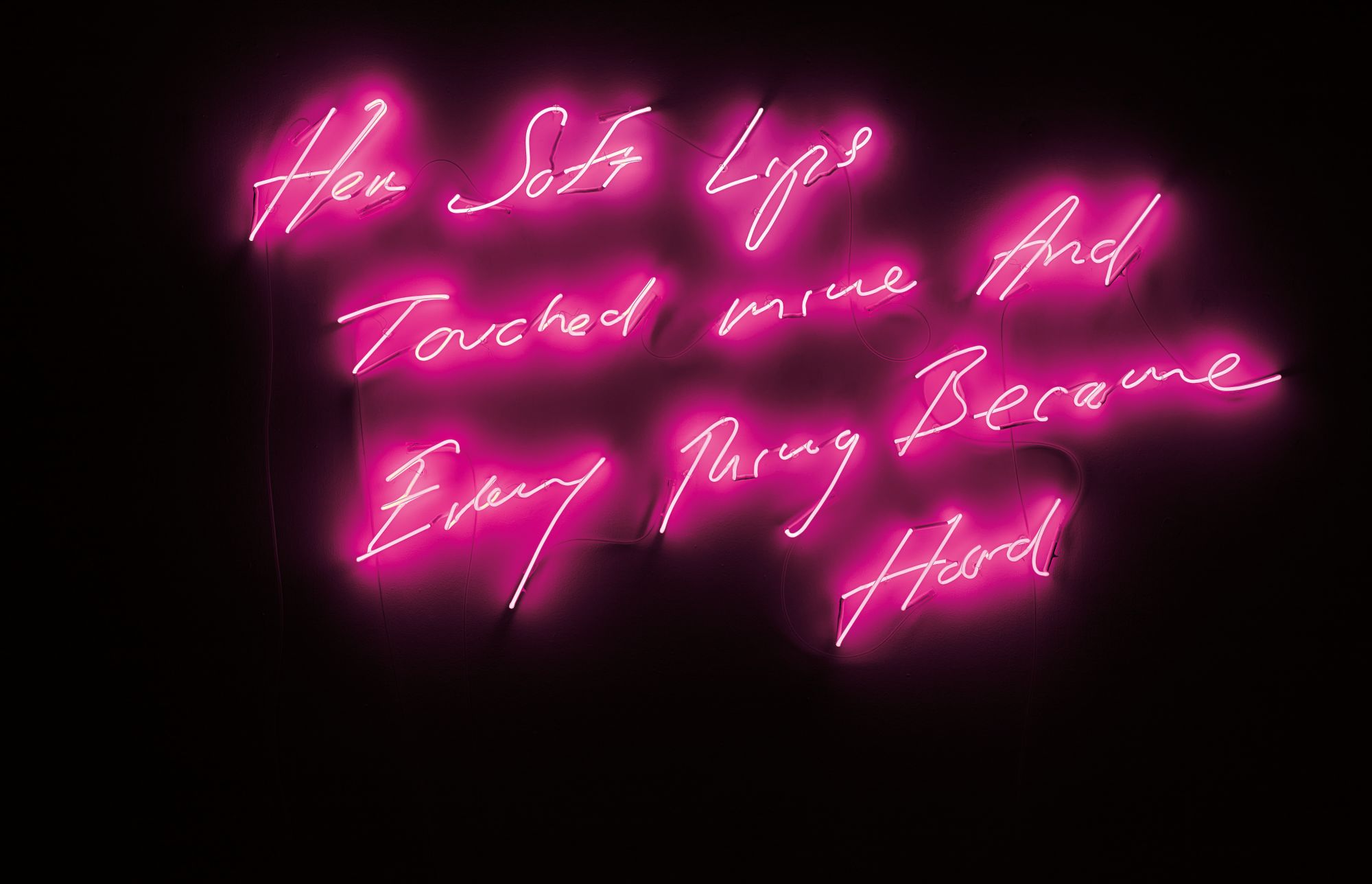
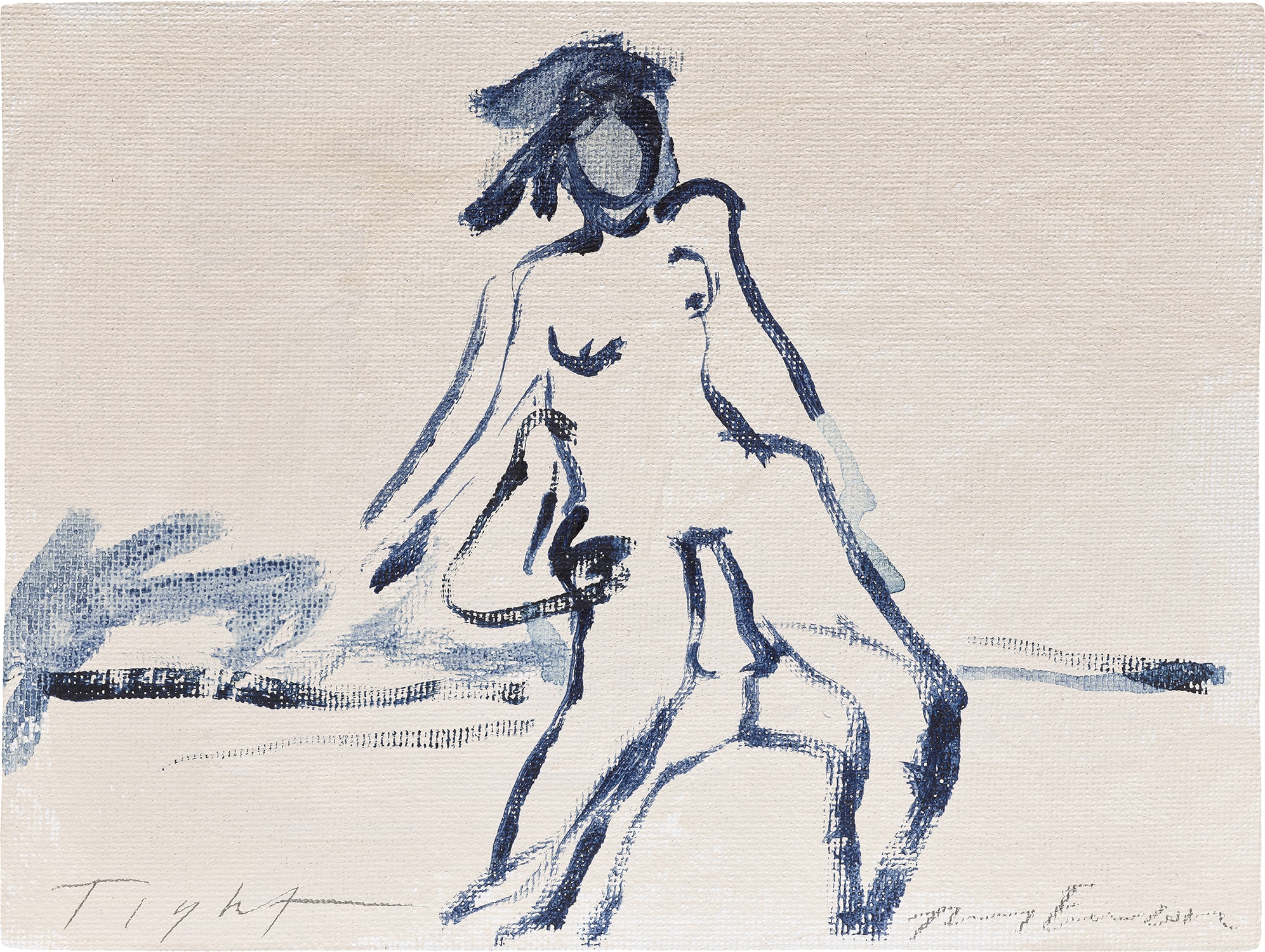
Tracey Emin
Meet Me In Heaven I Will Wait For You
The feeling is structural, embedded in every decision the artist made, and it does not resolve into comfort no matter how long you live with it. When assessing a work, pay attention to whether the emotional content feels discovered or manufactured. The best work in this category gives the impression that the artist was genuinely surprised by what emerged. Tracey Emin is perhaps the most compelling case study in how emotional autobiography can become enduring art historical significance.
Her neon works, her drawings, her embroidered blankets, all carry the charge of lived experience rendered without protective distance. What separates her strongest works from her more commercially accessible ones is the degree to which vulnerability has been transformed rather than simply displayed. The pieces that hold their power over time are the ones where Emin found form for feeling, where the art historical context of confessional practice from artists like Louise Bourgeois met something entirely her own. Her market has deepened considerably since her Royal Academy retrospective in 2020, and serious collectors recognize that her most intimate works remain significantly undervalued relative to her cultural position.
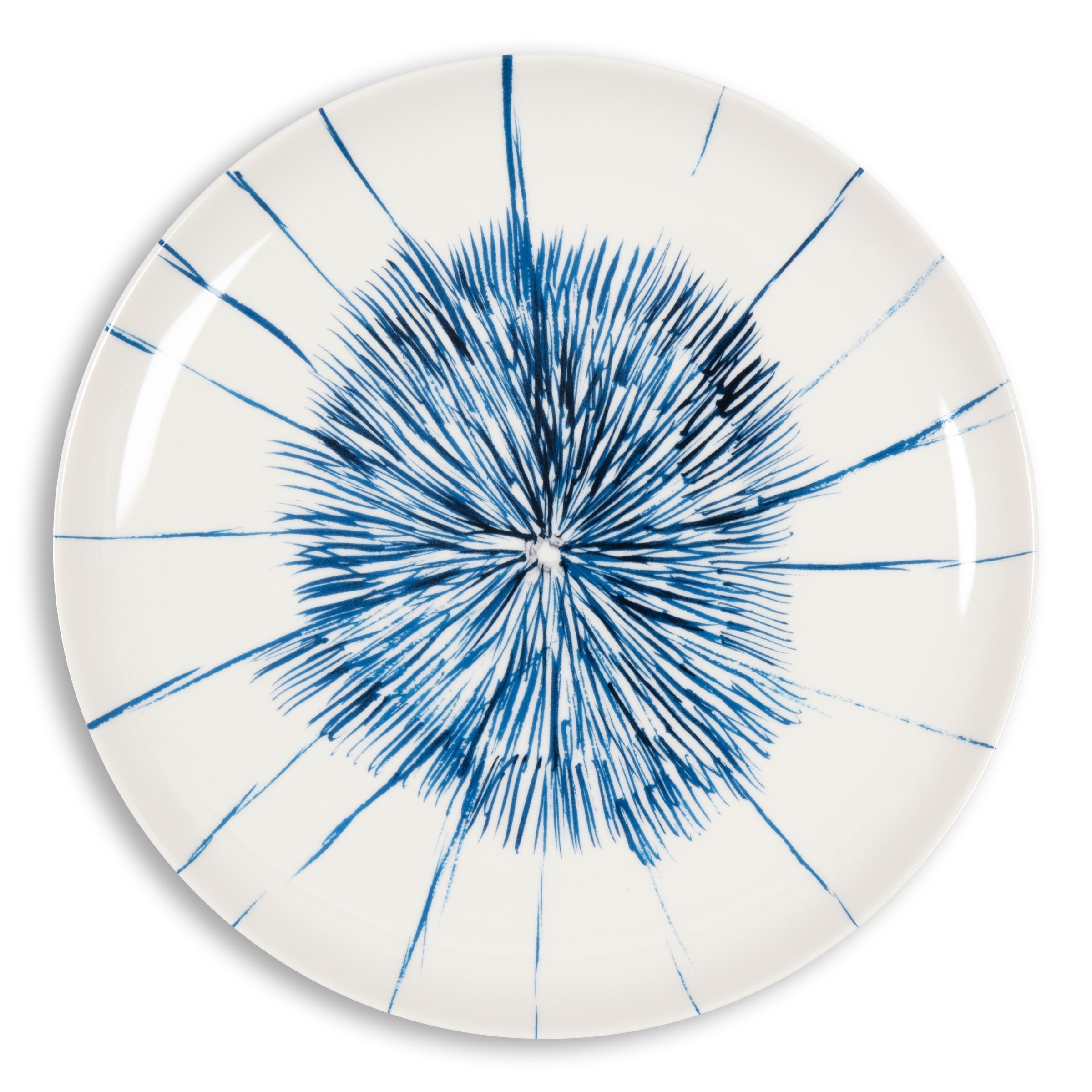
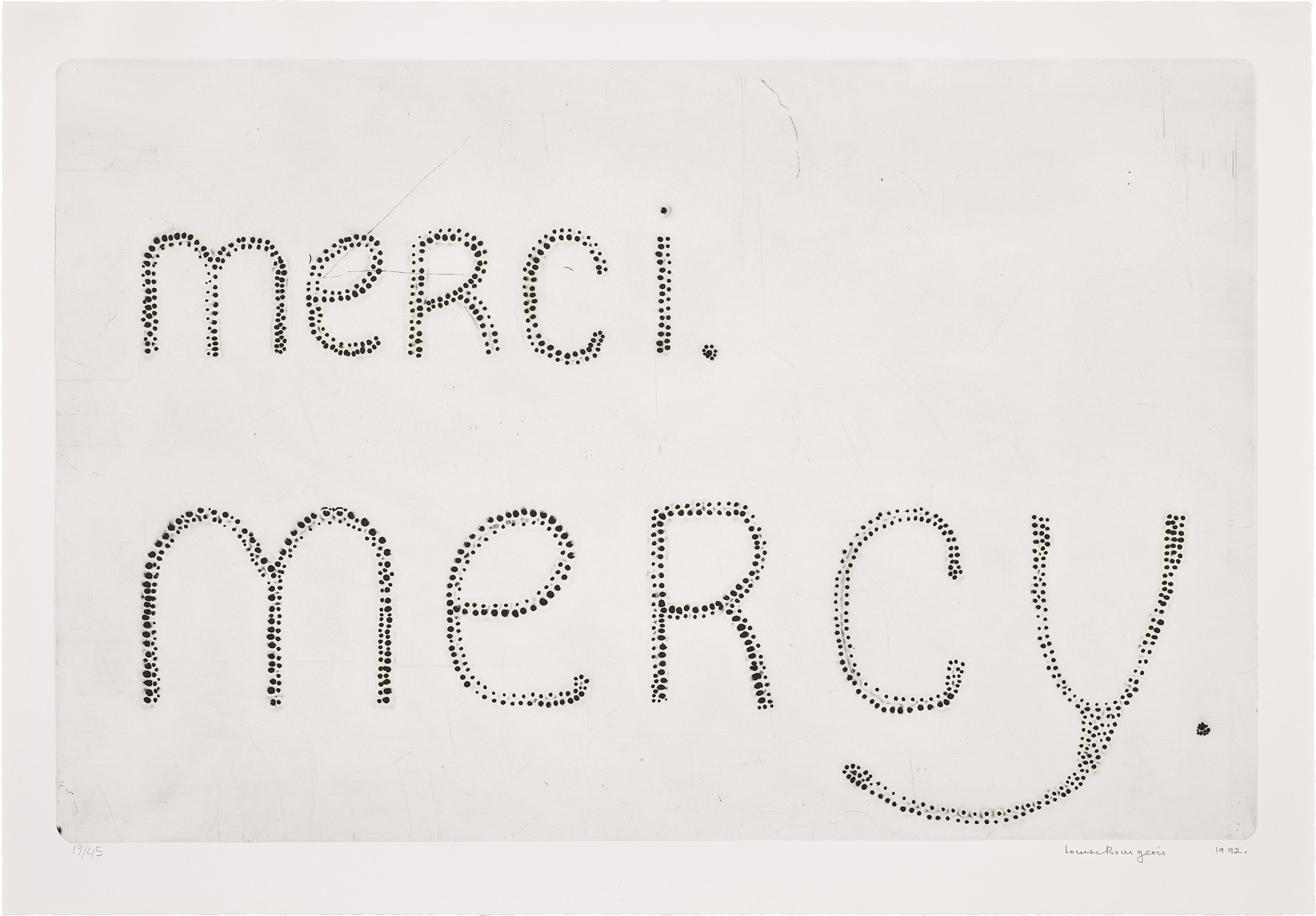
Louise Bourgeois
Je t'aime, 1911
Robert Motherwell represents a different but equally instructive case. His Elegy to the Spanish Republic series, which he worked on for decades from the late 1940s onward, demonstrates how emotional and political charge can fuse into formal rigor without losing urgency. The works are not illustrations of grief or protest. They are grief and protest given abstract form, and the distinction matters enormously in terms of longevity.
Motherwell understood that sentiment without structure collapses into sentimentality, and his auction results have remained robust precisely because the works reward sustained looking. For collectors considering works on paper versus canvas in his output, the works on paper offer a more accessible entry point into his practice without sacrificing the essential qualities that define his contribution. Genesis Tramaine is the name serious collectors should be paying close attention to right now. Working at the intersection of Black spirituality, portraiture, and ecstatic gesture, Tramaine makes paintings that feel genuinely necessary in the current moment while drawing on a long tradition of devotional image making.
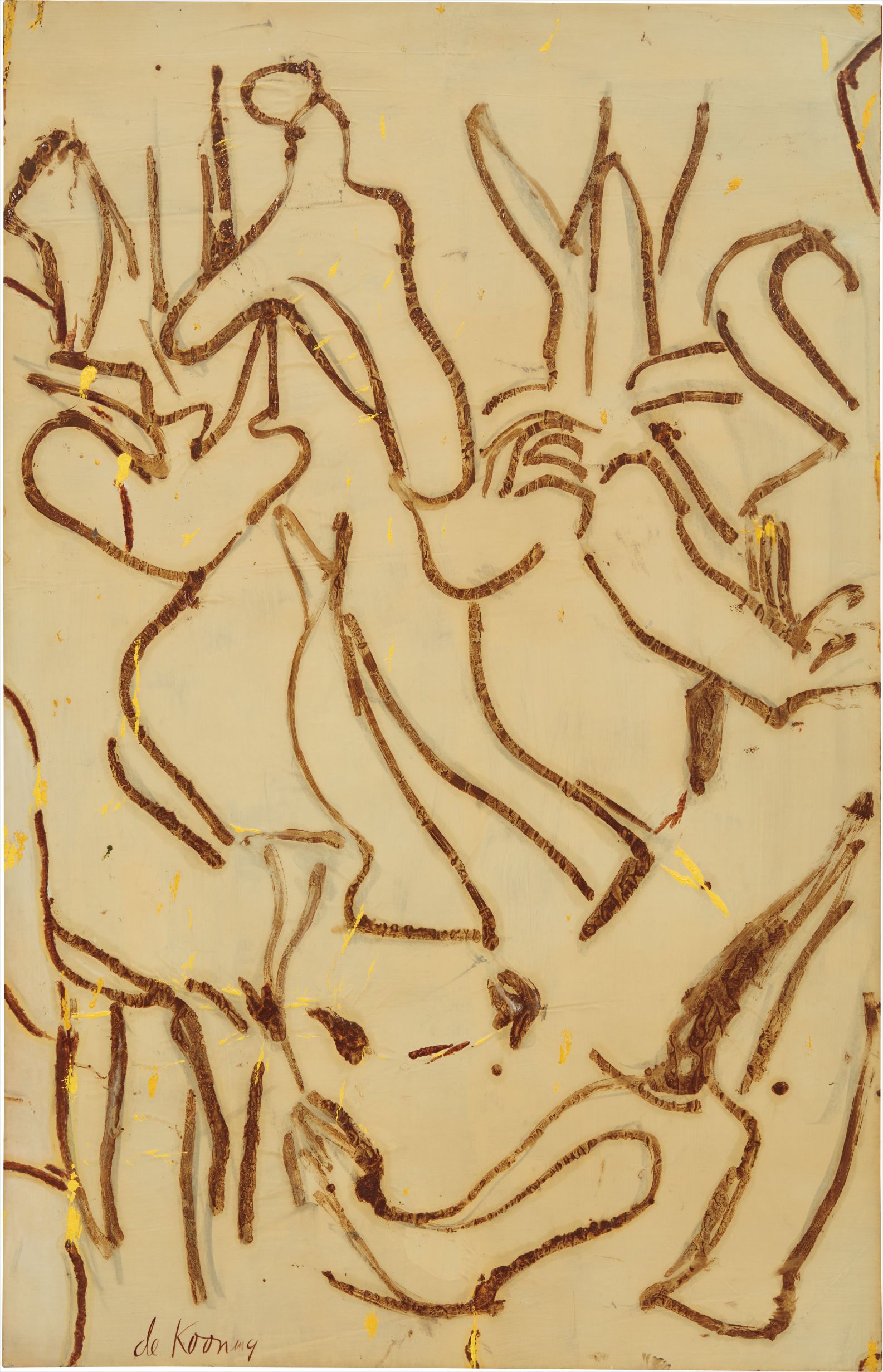
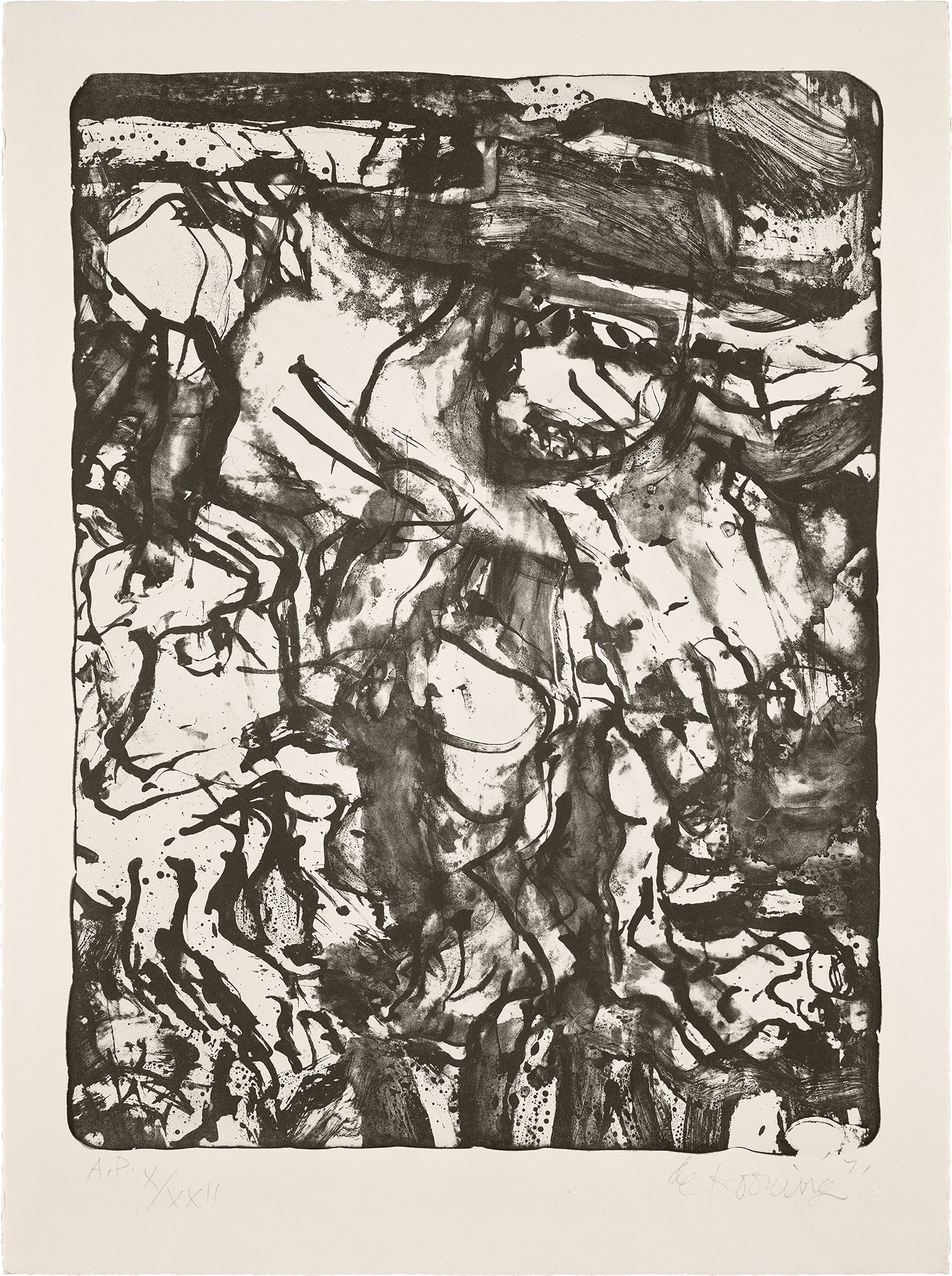
Willem de Kooning
“I’m not interested in 'abstracting' or taking things out or reducing painting to design, form, line, and color. I paint this way because I can keep putting more things in it—drama, anger, pain, love, a figure, a horse, my ideas about space. Through your eyes it again becomes an emotion or idea” Willem de Kooning, 1965
Her work has been exhibited at Fotografiska and collected by major institutions, and the critical consensus around her is building with unusual speed. The emotional register she operates in is not easily categorized. It is at once celebratory and mournful, intimate and monumental. Collectors who acquire now are doing so at a point where the work is still priced well below where the market will eventually settle.
At auction, emotionally charged works have historically shown both strong ceiling prices and wide variance, which reflects the subjective nature of what drives bidding in this category. A work can fail to find its buyer on a given night and then exceed estimate dramatically at a later sale when the right person is in the room or on the phone. This is not a category where condition alone drives value, though condition matters. What moves the needle most dramatically is provenance, exhibition history, and the degree to which a particular work is understood as central rather than peripheral to an artist's practice.
Collectors who buy well in this space tend to buy slowly and with genuine conviction rather than speculatively. Practically speaking, there are questions worth asking before any acquisition. Is this work unique or part of an edition, and if it is an edition, how large. With emotionally charged work in particular, uniqueness tends to amplify the sense of direct contact with the artist's experience, and unique works command a premium that is justified in the secondary market.
Ask the gallery for full condition reports and inquire specifically about light sensitivity and any previous restoration. Many works in this category involve unconventional materials, mixed media, fabric, wax, encaustic, found objects, and each comes with specific display and conservation considerations. Install works away from direct sunlight and in spaces with controlled humidity wherever possible. The deeper question, and the one worth returning to, is what you want art to do in your life.
If the answer has anything to do with feeling more awake, more present, more connected to the range of human experience, then this is the category that will serve you best over the long term. The works that carry genuine emotional charge do not become background. They remain in conversation with you as you change, and that quality, more than any market consideration, is what makes them worth pursuing with patience and seriousness.