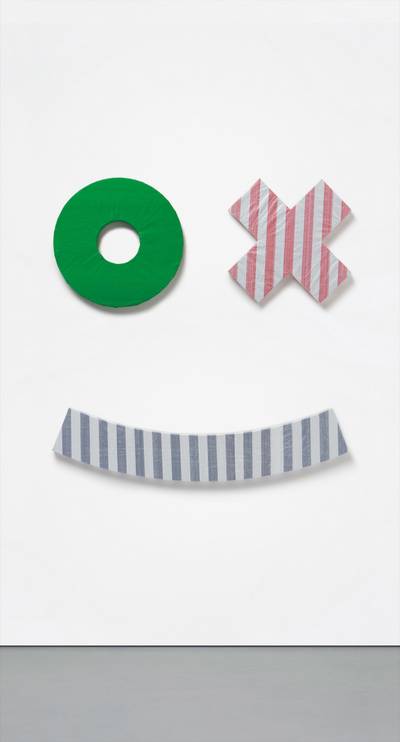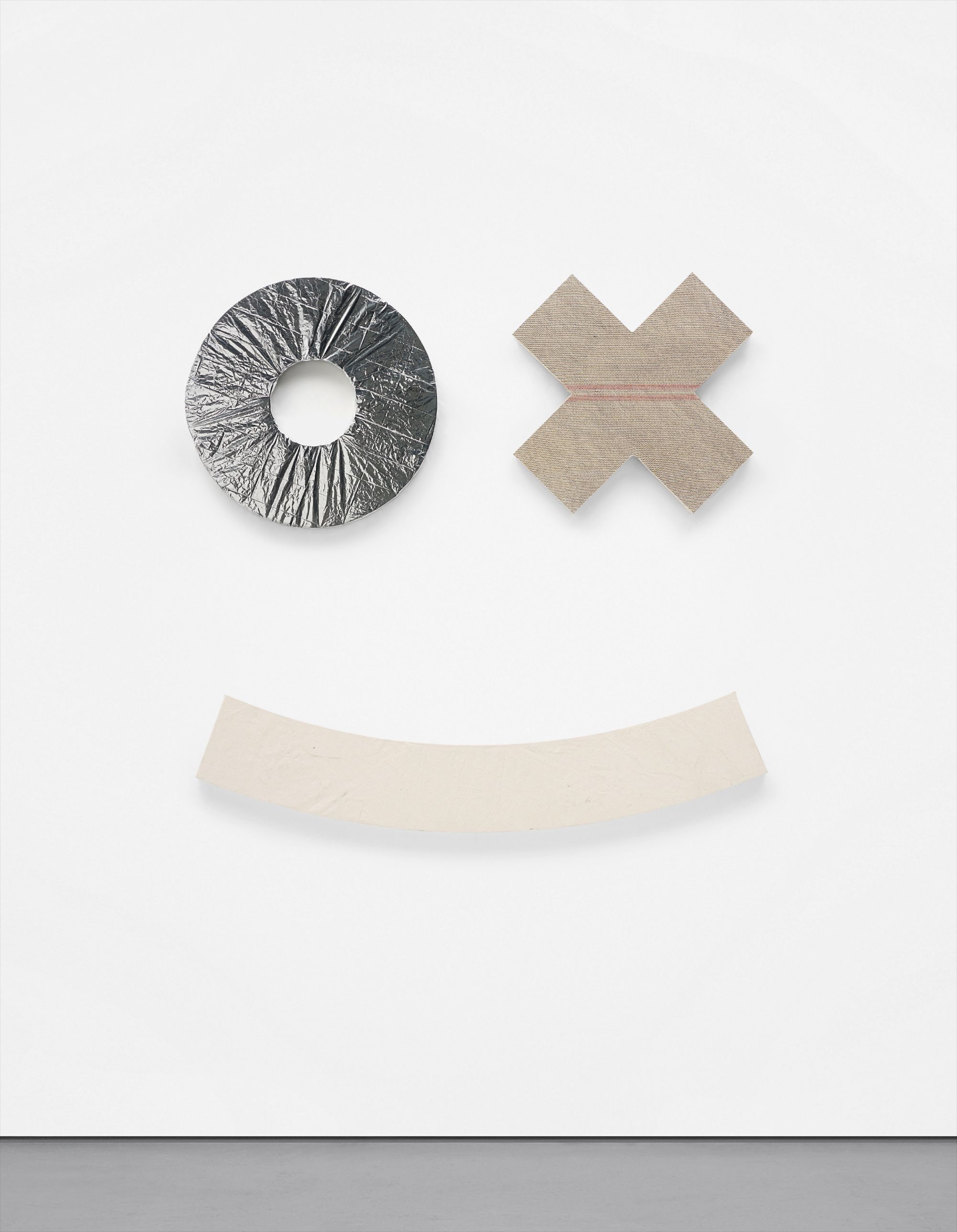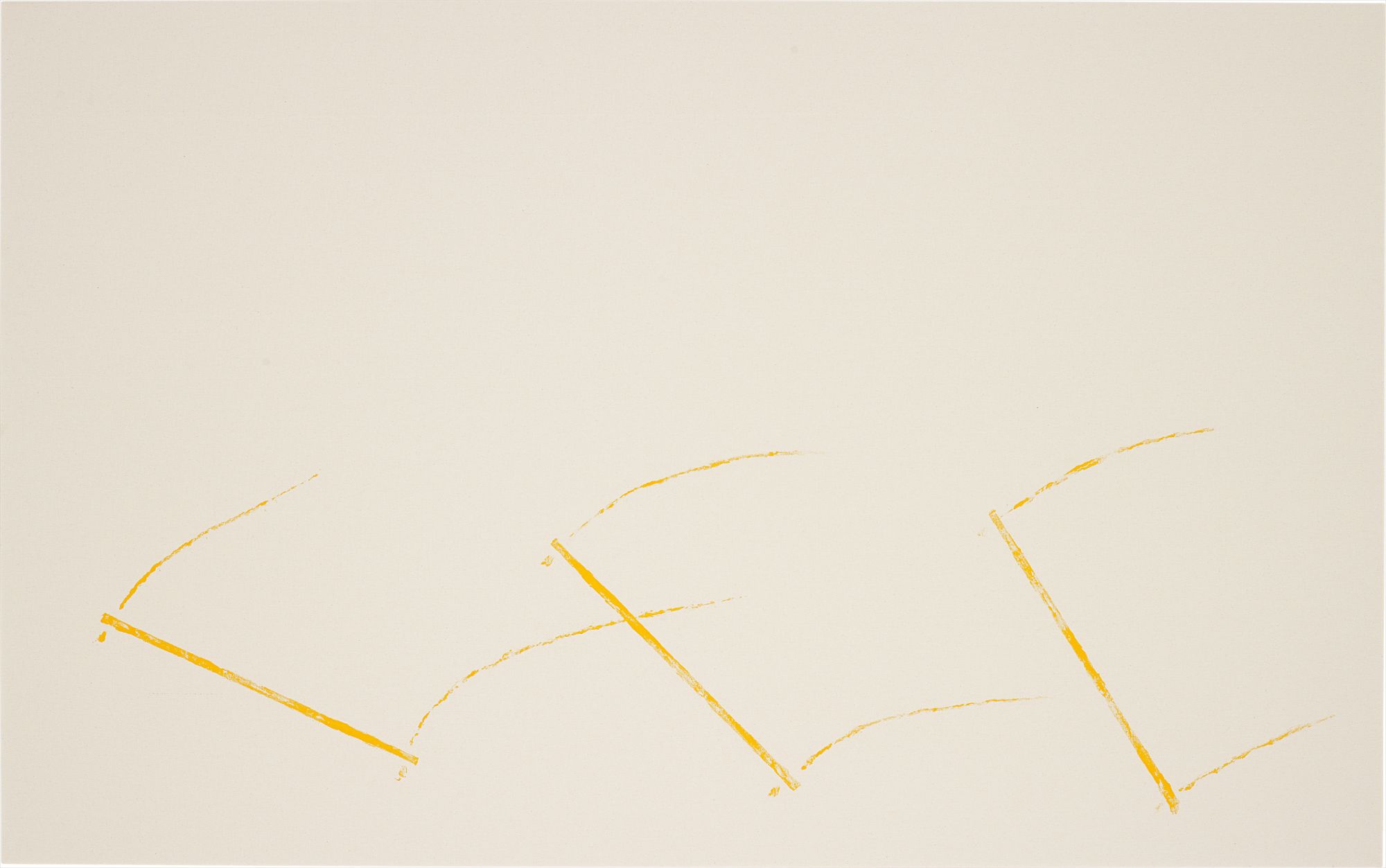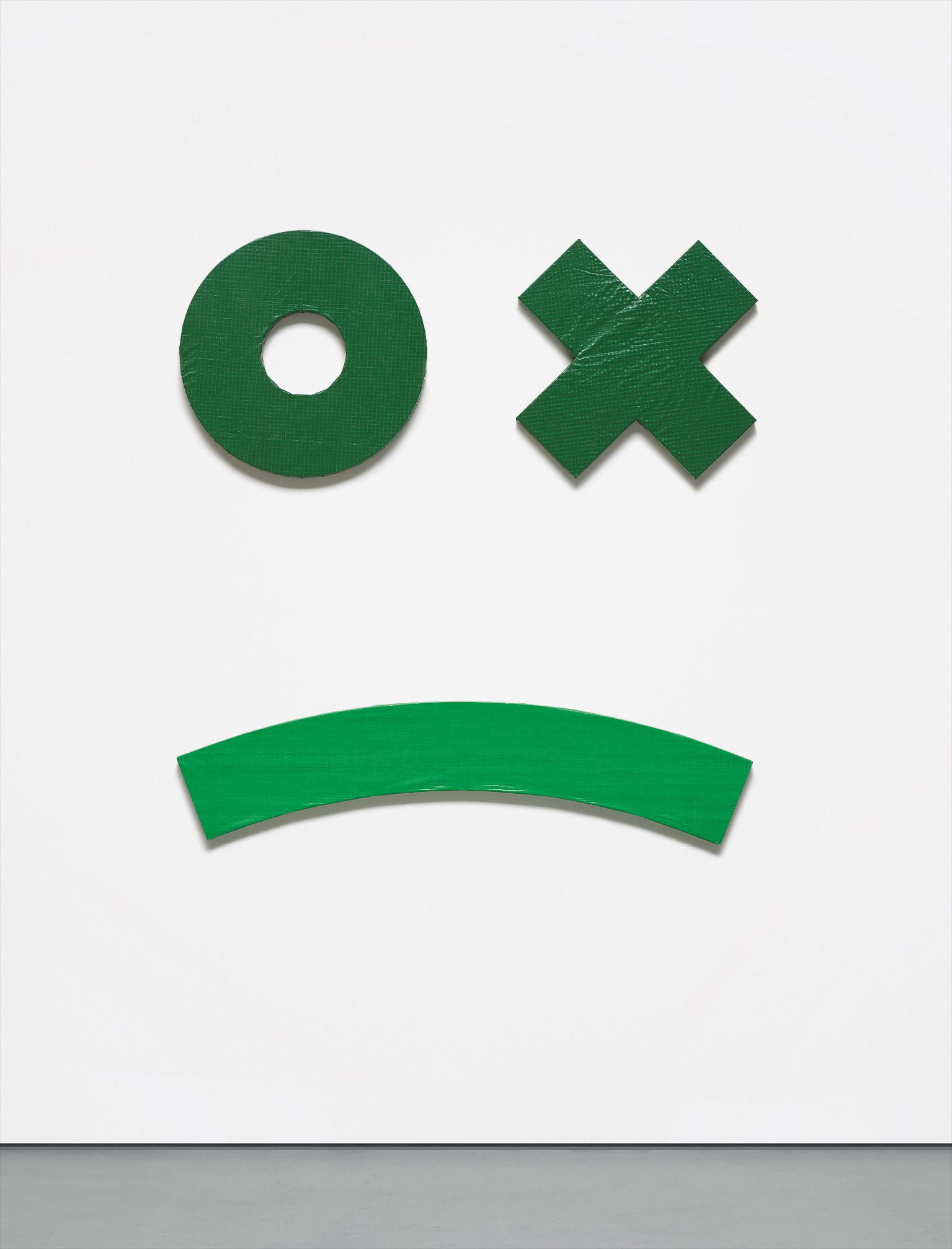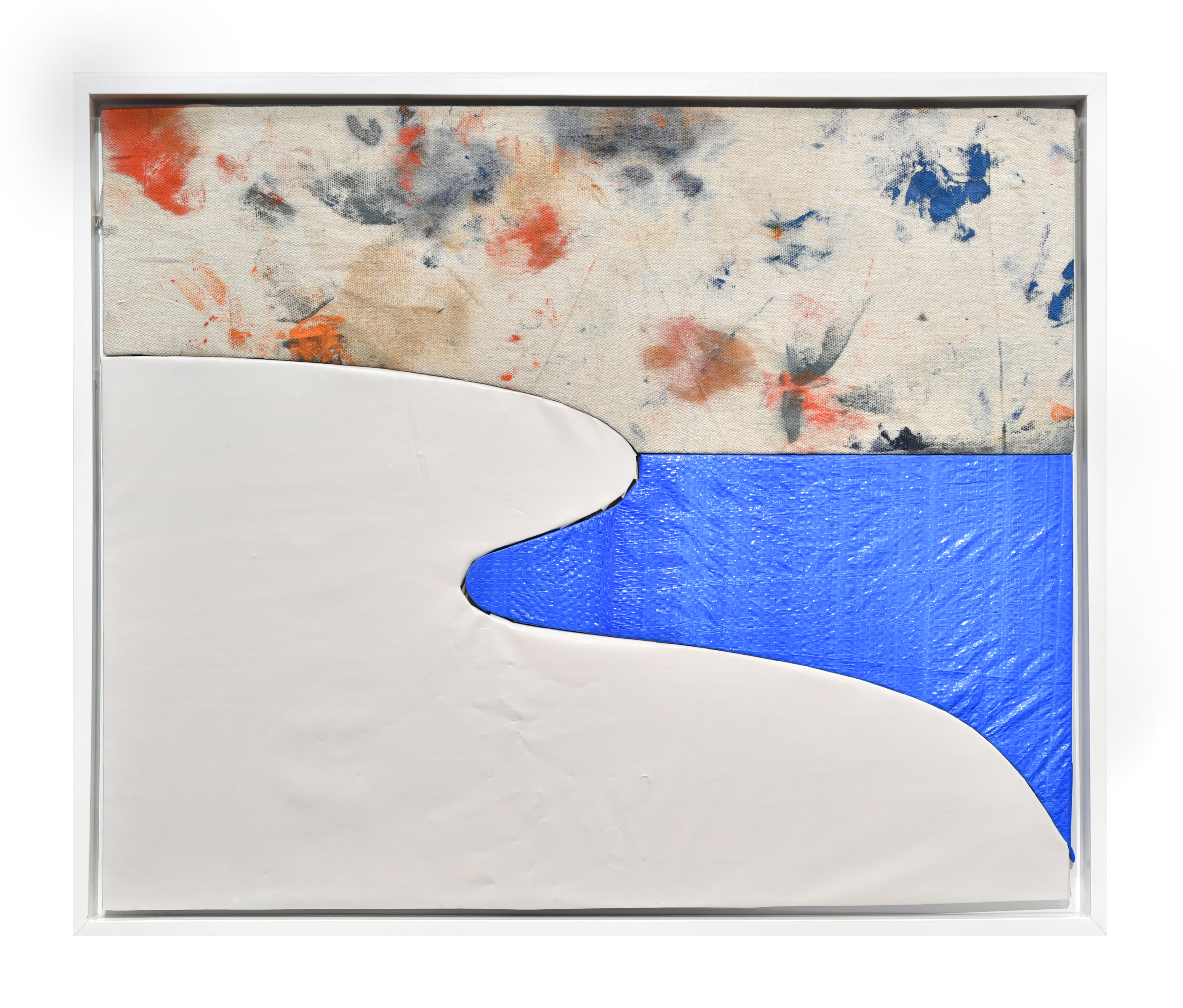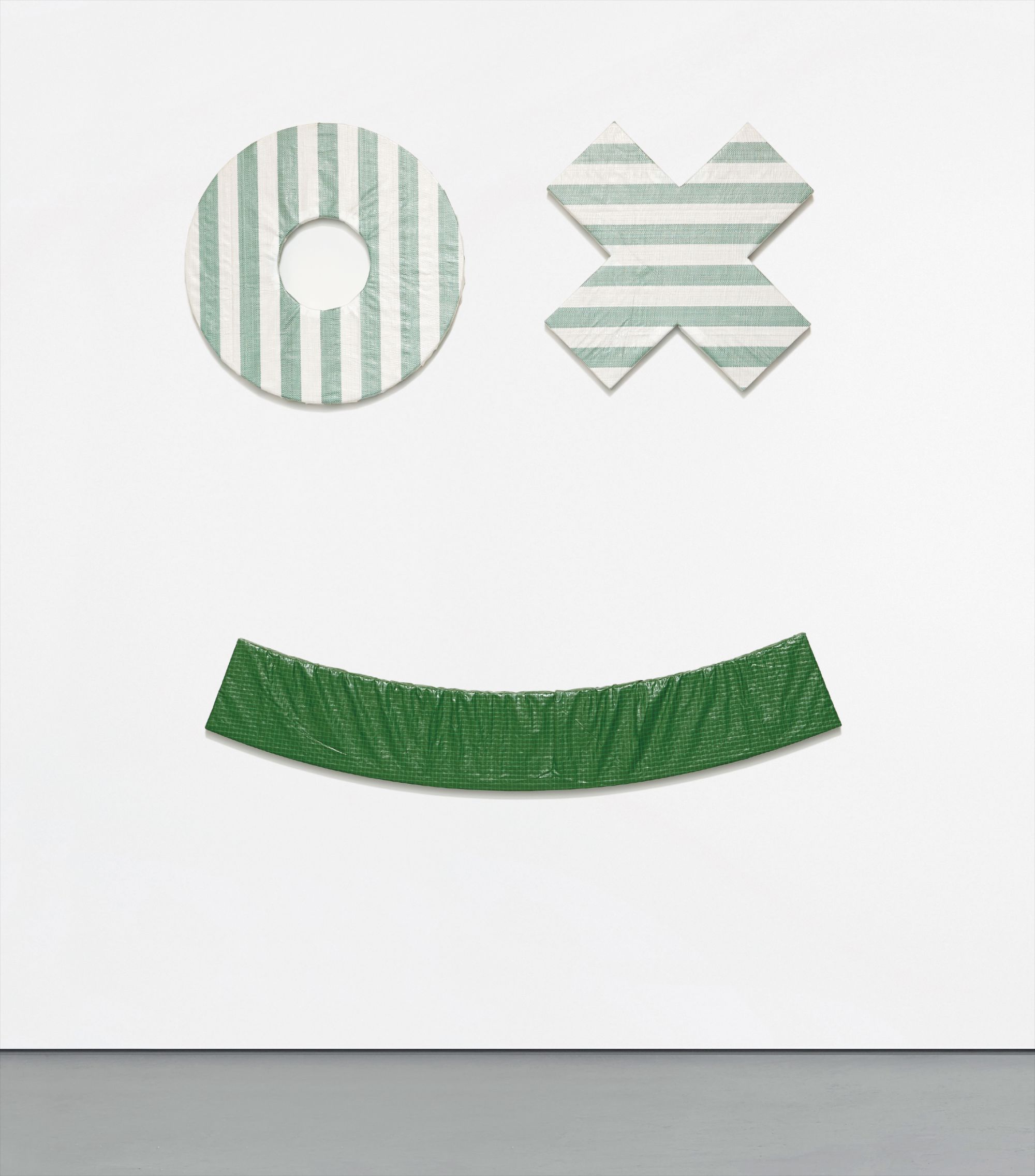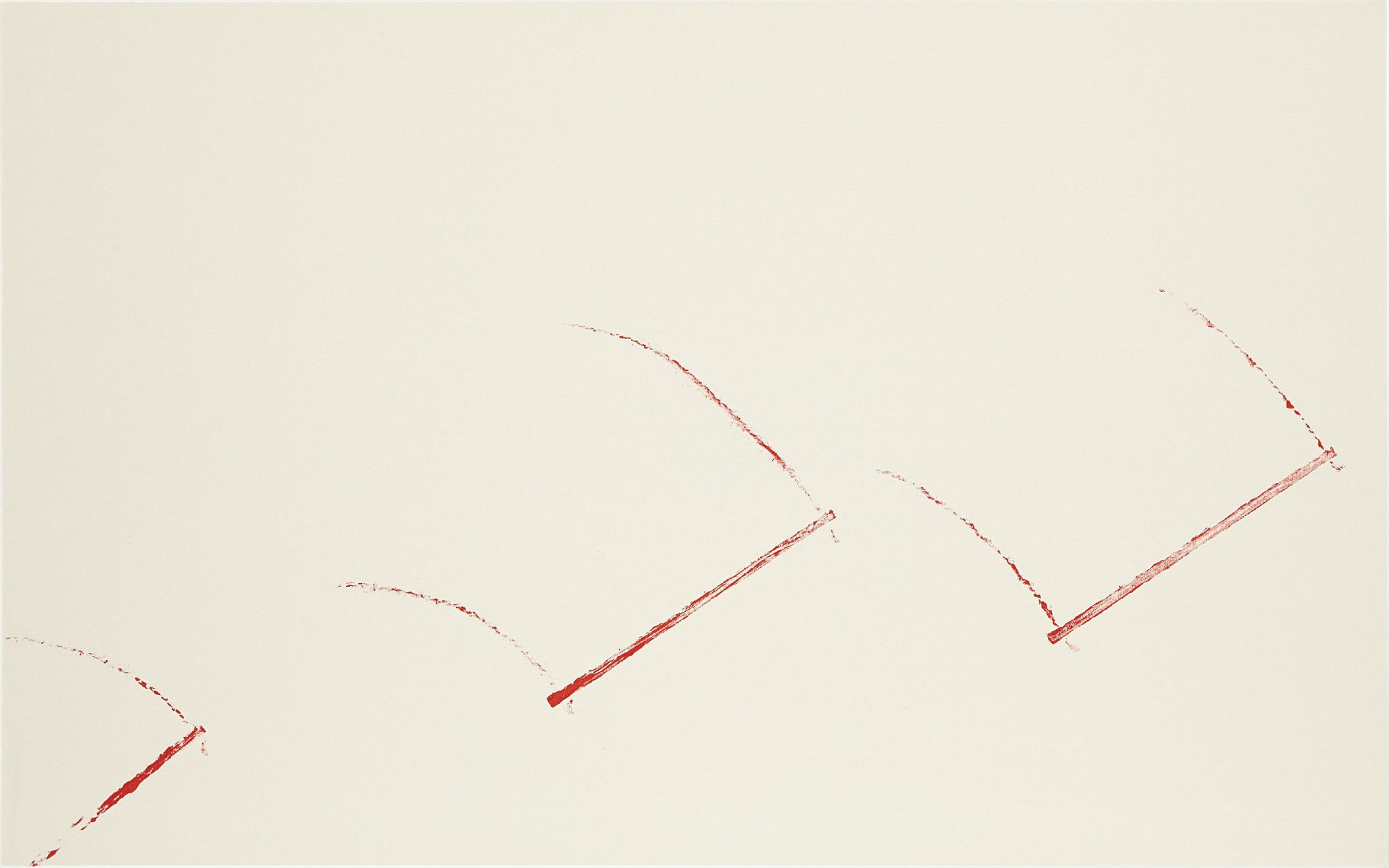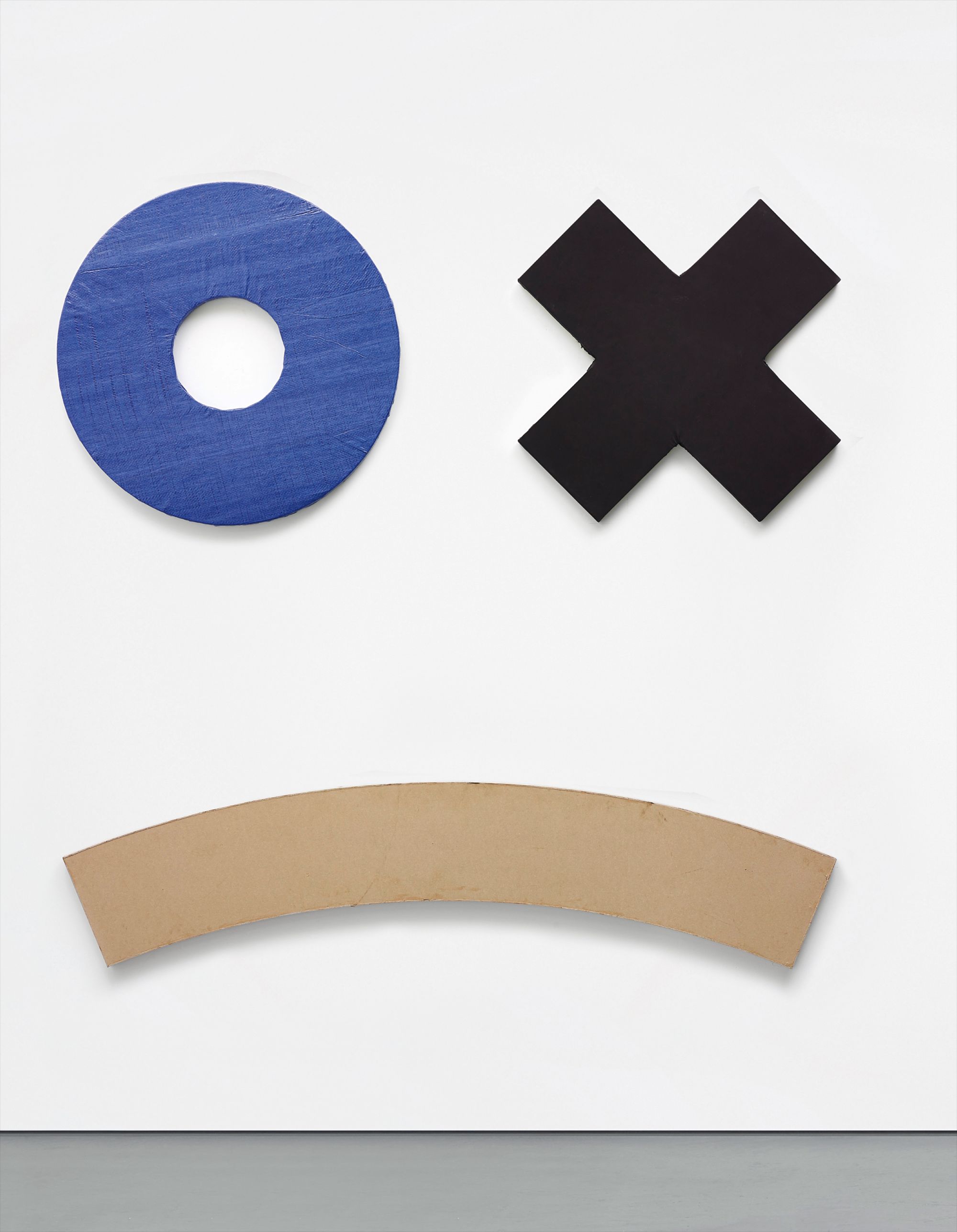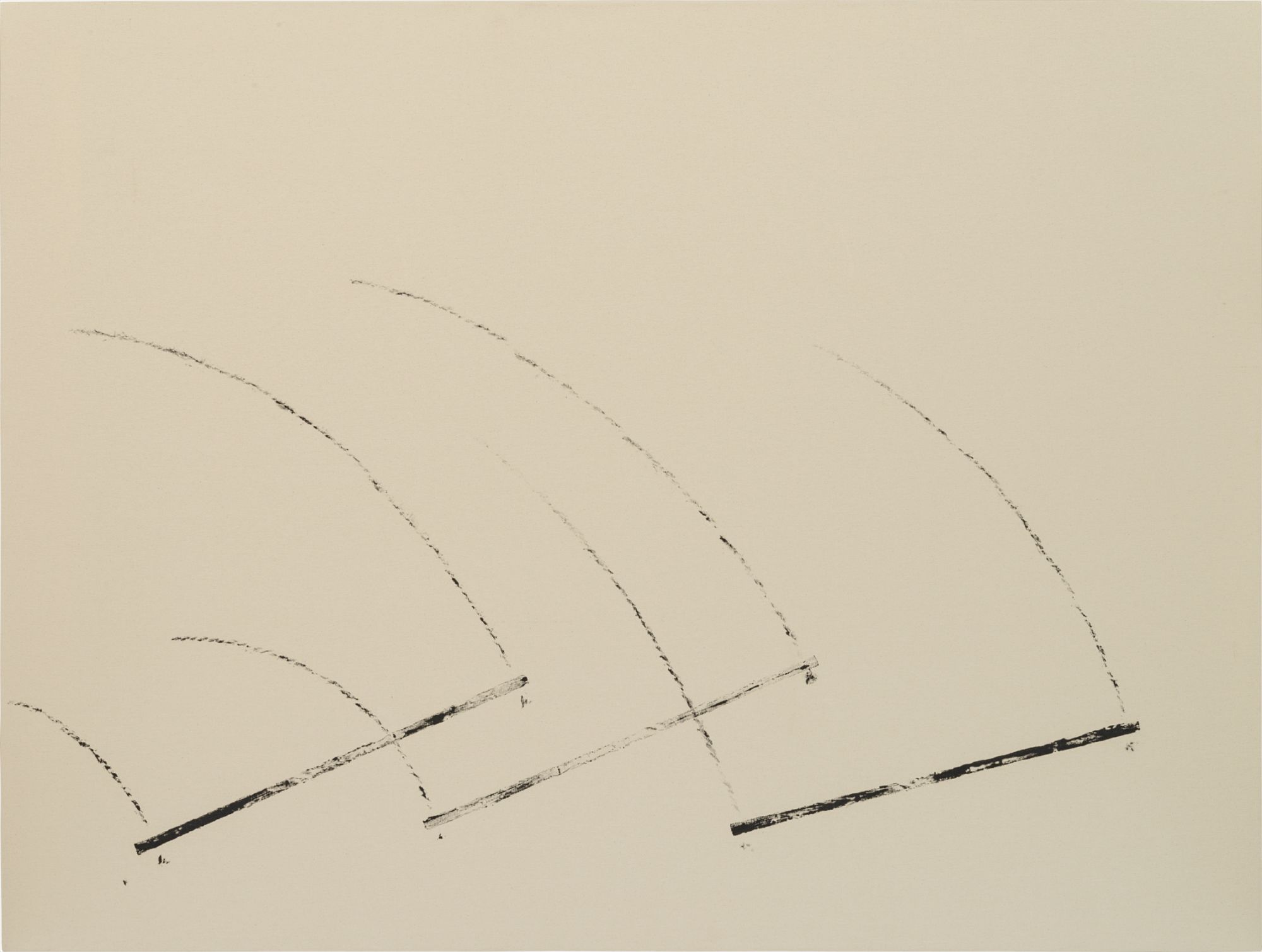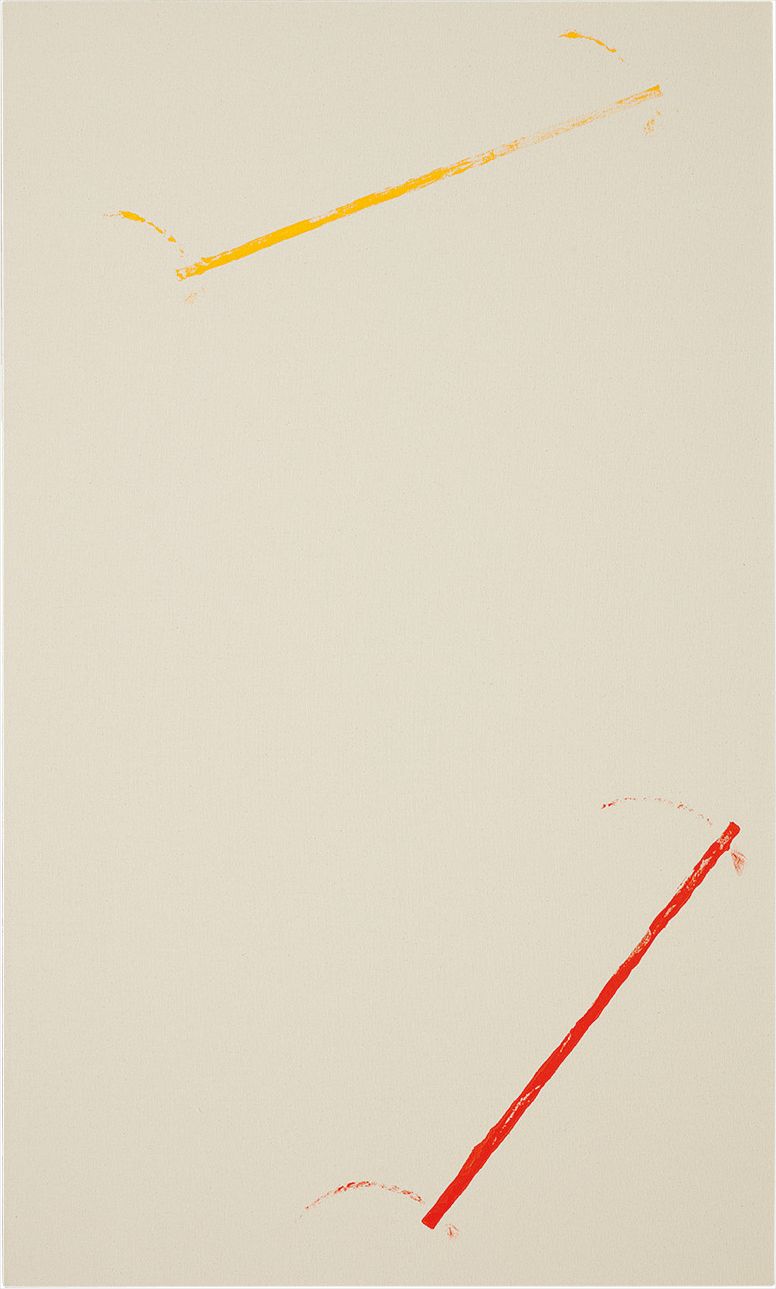
There is a particular kind of painter who resists easy categorization, whose canvases accumulate meaning the way sediment accumulates at the bottom of a river: slowly, organically, with tremendous force. Grear Patterson is that painter. Born in 1988, the American artist has spent the better part of the last decade building a body of work that feels at once urgently alive and quietly monumental, drawing collectors and institutions into a conversation about what painting can still do in the twenty first century. His presence in the contemporary art market has grown steadily and with genuine momentum, with works appearing at major auction houses and in discerning private collections that prize exactly the kind of intellectual and emotional ambition Patterson brings to every canvas. Patterson came of age during a particularly rich and contested moment in American painting, a period when the field was simultaneously declaring its own death and experiencing one of its most exuberant rebirths. That generational context shaped him in ways that are visible in the work: there is a knowing quality to his abstractions, a sense that he has absorbed the lessons of the New York School, of Color Field painting, of the raw gestural energy of the 1980s Neo Expressionist moment, and then set all of it aside in favor of something more personal and more searching. He arrived at his mature practice not through rejection of art history but through a deep and genuine engagement with it, one that allowed him to locate his own voice within a crowded and demanding tradition. What defines Patterson's practice above almost anything else is his commitment to layering, both as a physical process and as a conceptual stance. His canvases are built up over time, with dense applications of paint, material, and mark that accumulate into surfaces of extraordinary complexity. He works with acrylic, but also with unconventional materials, as in the striking triptych "The Turtle and the Hare," which incorporates PVC foil, mesh, and dirt on canvas. That work is a perfect example of his appetite for disruption: the title invokes the familiar, the childhood story everyone carries, and then the materials refuse to behave the way paint is supposed to behave, creating something that is neither purely painting nor purely sculpture but exists in the generative space between the two. It is a restless, inventive approach that keeps the work from ever feeling settled or resolved. The year 2014 appears again and again as a landmark moment in Patterson's output. Works like "Oh My Goodness," "Sam and Dave," "Like A Kid At Christmas," "The Benefit of Dual Perspective," and "Third Base" all date from this period and collectively represent a sustained burst of creative productivity that established the core of his visual language. The titles themselves are worth pausing over: they are warm, often playful, shot through with references to popular culture and shared experience. "Popeye" and "Wendy" invoke cartoon characters and cultural touchstones with a lightness that belies the seriousness of the formal investigation happening on the canvas. "I Got Stripes," from 2013, carries the echo of a Johnny Cash lyric and the swagger that implies. Patterson is an artist who trusts the viewer to meet him halfway, to bring their own memories and associations into contact with his painted surfaces and find something new in the collision. For collectors, Patterson's work offers a rare combination of qualities that are not always found together. His paintings are visually arresting in the way that makes them commanding presences in any room, but they also reward sustained attention over years and decades. The layered surfaces reveal new details with time, new relationships between colors and marks and textures that were not visible on first encounter. Works executed in acrylic on canvas, including "Sam and Dave" and "Wendy," demonstrate his control of the medium even within what appears to be an intuitive, gestural process. The physicality of the work is genuine and substantial, and that materiality is part of what gives the paintings their staying power. Collectors who have acquired Patterson's work early have found themselves holding pieces that continue to appreciate in both financial and personal significance. Within the broader context of contemporary American abstraction, Patterson occupies a compelling and distinctive position. His work invites comparison to artists who have navigated similar territory between figuration and pure abstraction, between material experimentation and atmospheric lyricism. One thinks of the late work of Katherine Bradford, or the layered investigations of Matt Connors, or the memory saturated canvases of Amy Sillman, all artists who have pushed against the boundaries of what painting is permitted to do and found new rooms on the other side. Patterson belongs to this lineage without being derivative of it. He has taken the permissions granted by a generation of experimental painters and used them to build something that is recognizably and entirely his own. What makes Patterson genuinely important is not simply the quality of individual works, though that quality is consistently high. It is the seriousness of purpose that runs beneath the playful surfaces, the sense that each painting is an attempt to locate something true about the experience of being alive and attentive in the world. Memory is a recurring theme in his practice, and the way memory works, fragmentary and associative and sometimes contradictory, seems to inform the very structure of his compositions. The atmospheric color fields that ground his more gestural passages feel like the emotional weather of recollection: present, surrounding, impossible to pin down. That quality of genuine feeling, held in disciplined formal structure, is what separates Patterson from painters who are merely skilled and places him among those whose work will matter long after the current market moment has passed. He is an artist worth knowing now, and worth knowing well.