Diasec

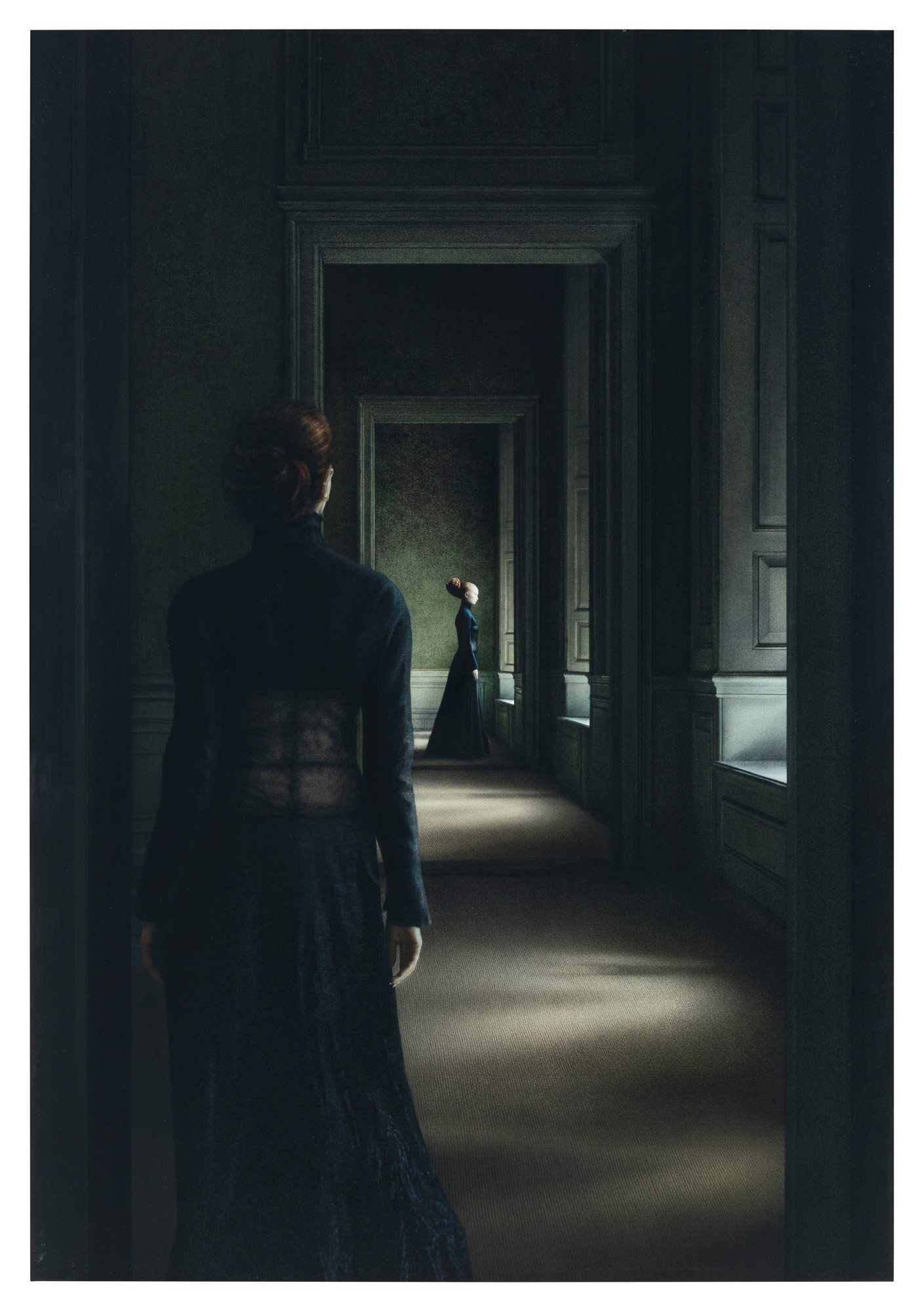
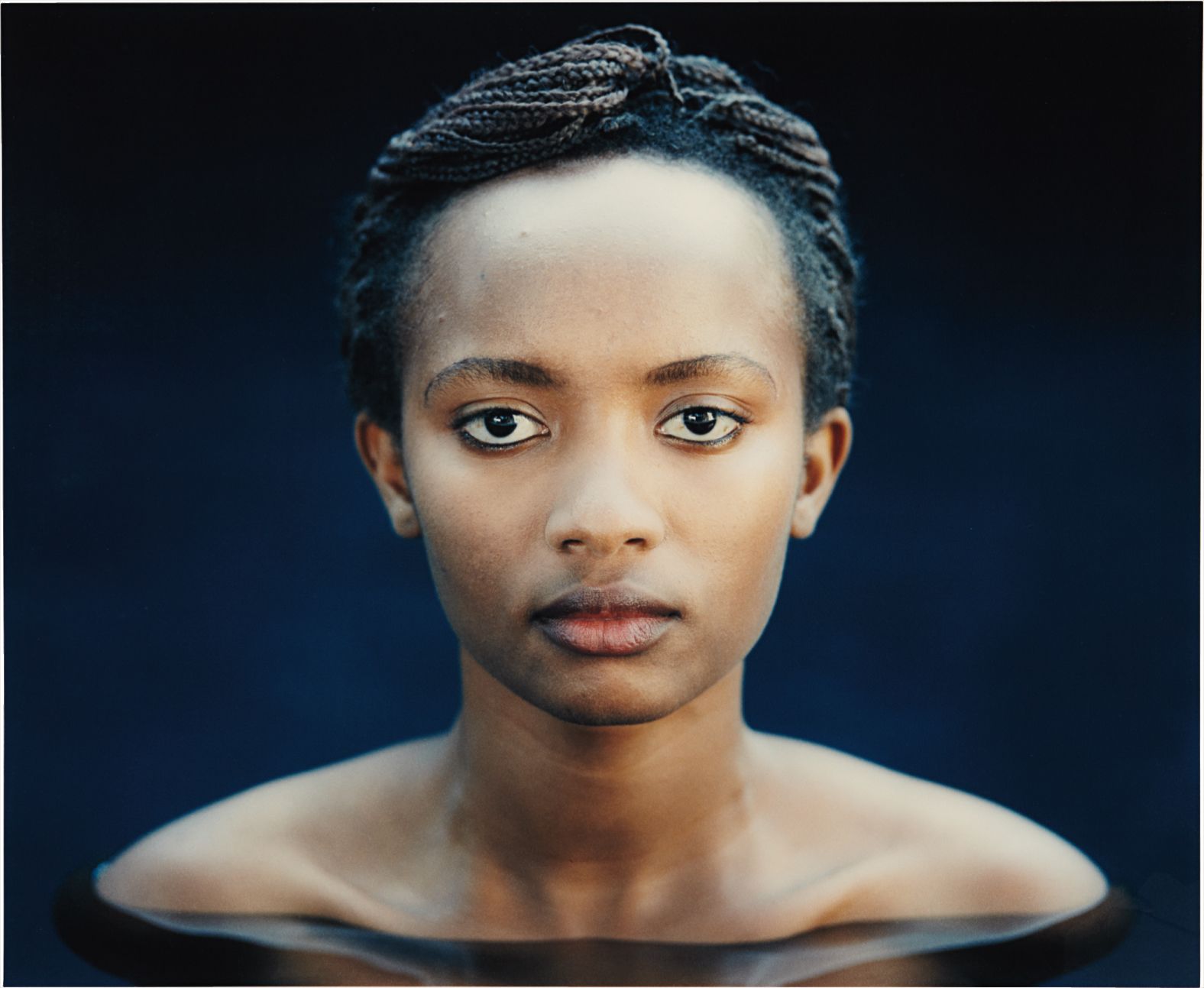
Miles Aldridge
'The Pure Wonder #1', 2005


Glass, Light, and the Art of Permanence
There is a moment, standing close to a Diasec mounted photograph, when you stop thinking about the image and start thinking about the object. The surface does something strange and wonderful: it pulls light into itself, holds it, and returns it to you transformed. Collectors who have lived with works finished this way often describe a quality of presence that conventional framed prints simply cannot replicate. That experience, that sense of a photograph becoming something closer to painting or sculpture, is precisely what draws serious buyers to this finishing technique and keeps them returning to it.
Diasec, developed in the late 1960s and refined into a fine art standard over the following decades, involves bonding a photographic print face first onto acrylic glass using a transparent adhesive, then mounting it to an aluminum backing. The result is a seamless, frameless surface that reads almost like a backlit painting. For photographers working at large scale, and the list of artists who have embraced it reads like a roll call of the most significant lens based practitioners of the last forty years, Diasec offers not just protection but a fundamental transformation of how the image meets the viewer. It is worth understanding this from the outset, because when you are collecting works finished this way, you are collecting a specific vision of how photography can occupy a room.
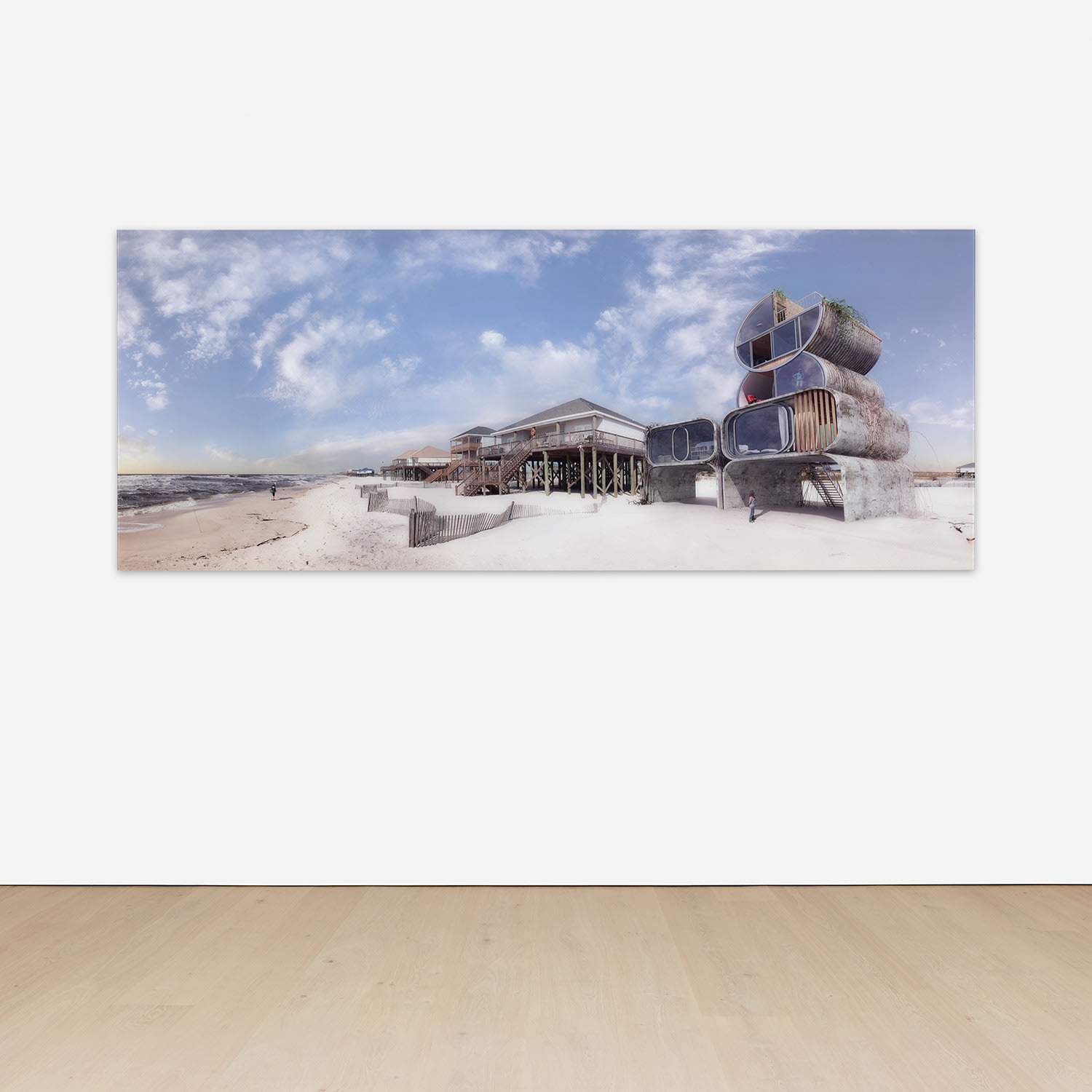
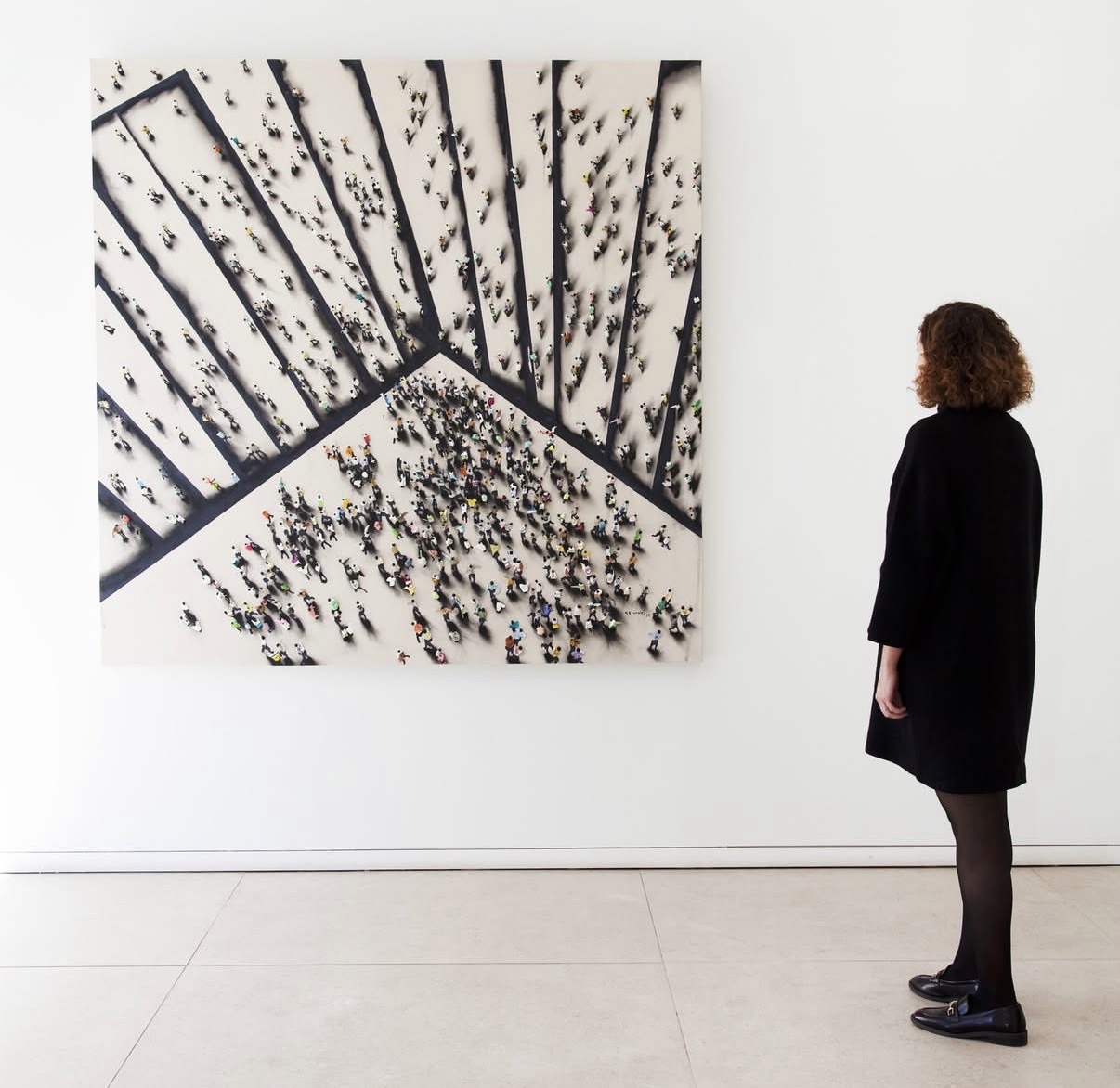
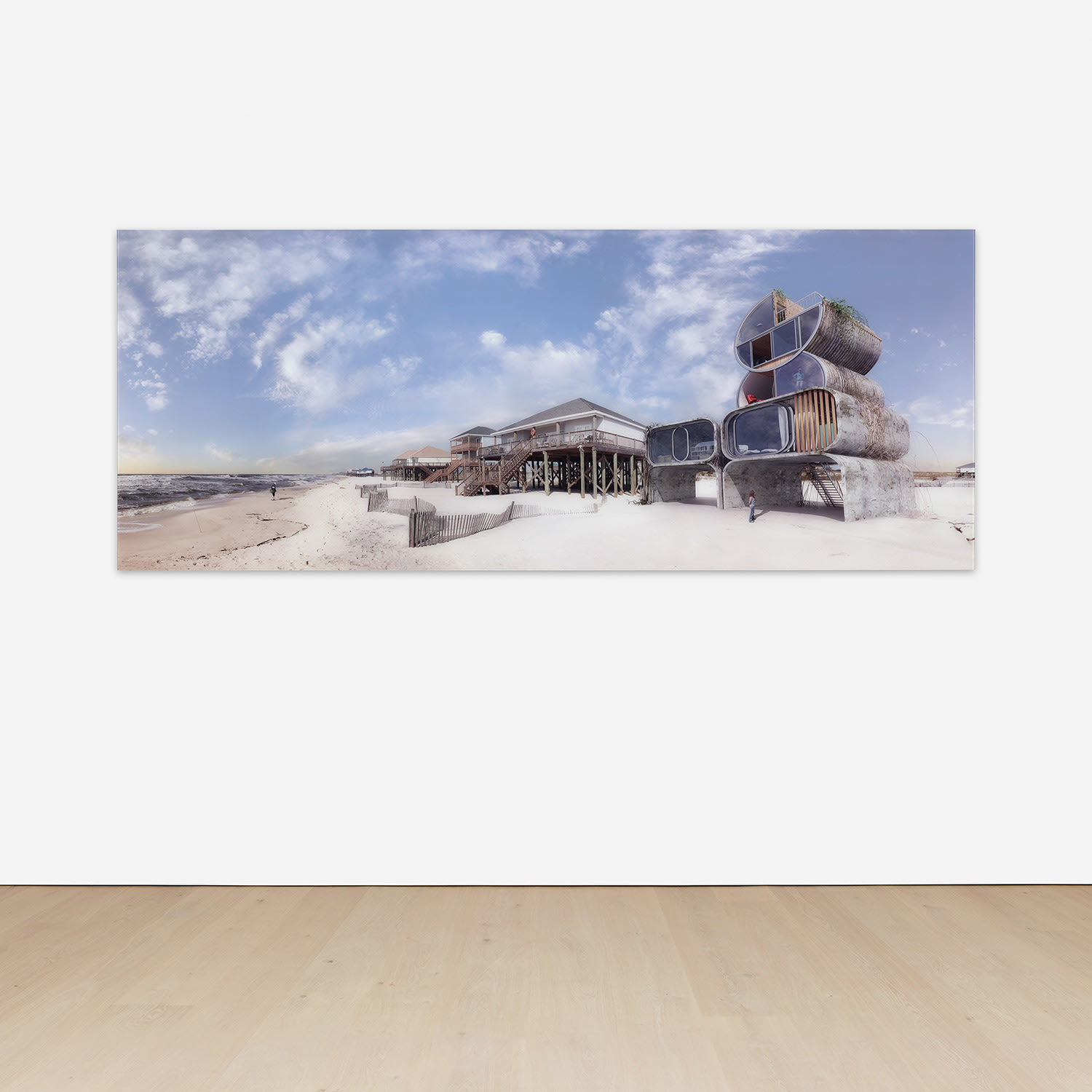
Dionisio González
Dauphin 9, 2011
What separates a good Diasec work from a truly great one begins, as it always does, with the photograph itself. The mounting process amplifies everything: color depth becomes more saturated, tonal transitions more luminous, surface detail more pronounced. A weak image given Diasec treatment is simply a more expensive weak image. But a photograph with genuine visual intelligence, strong compositional logic, and a considered relationship between color and light becomes, under acrylic, something that can hold a wall the way a major painting does.
Collectors should look for editions produced under the artist's direct supervision and printed to archival standards before mounting. Ask the gallery specifically who printed the work, on what substrate, and how the bonding was performed. These details matter enormously over a decade of ownership. Among the artists whose work appears on The Collection, several represent particularly strong cases for the Diasec format.
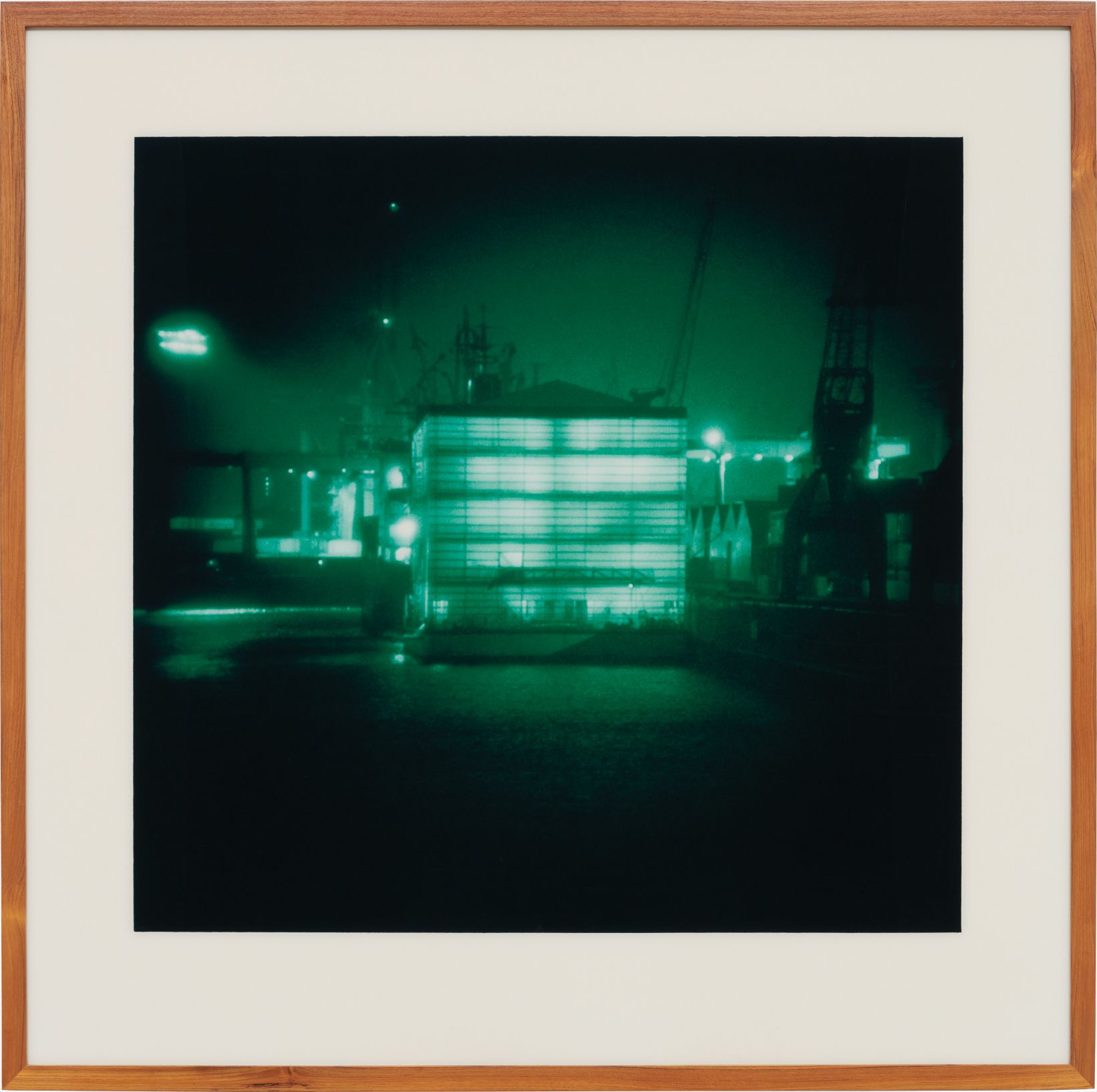
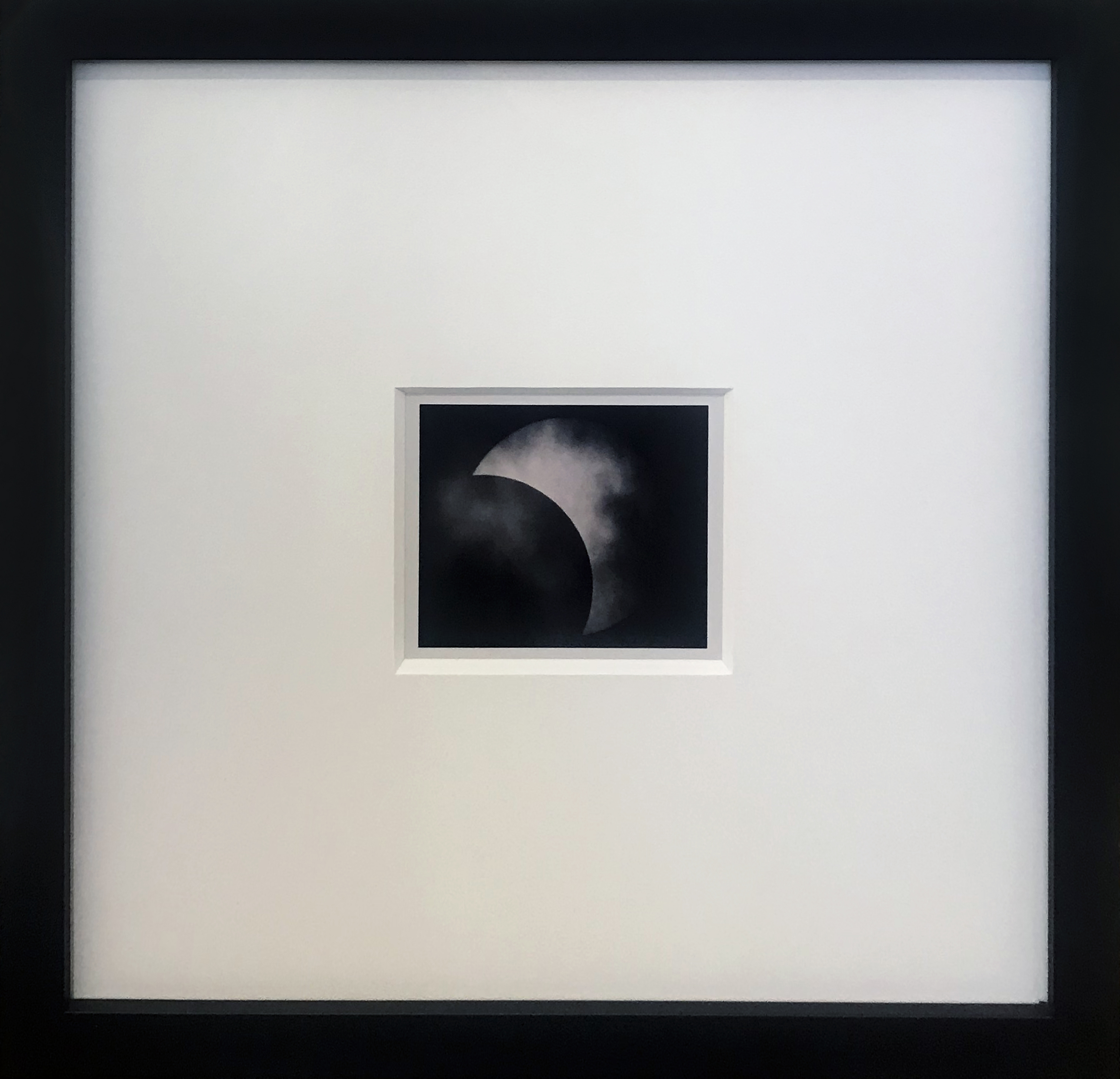
Thomas Ruff
Nacht 11 II, 1992
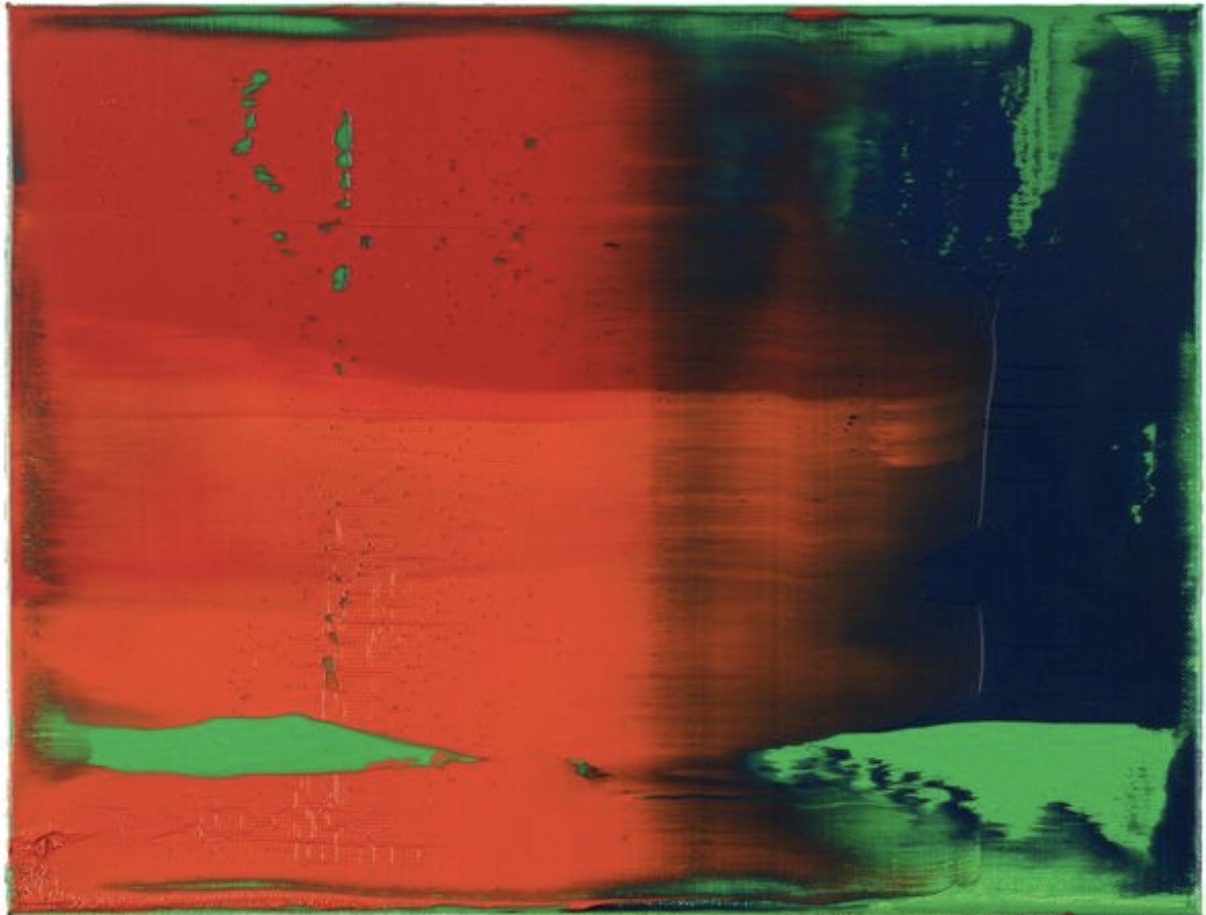
Thomas Ruff has been working with photographic scale and surface since the 1980s, and his understanding of how a large image functions spatially in a room is as sophisticated as any artist working today. Gerhard Richter occupies a position almost without parallel in the postwar market, and works on any support that carry his engagement with the photographic image command sustained attention from institutions and major private collections alike. Roland Fischer, whose pool and facade series established him as a rigorous thinker about surface and depth, is another figure whose work rewards close attention from collectors interested in how Diasec can serve a conceptual rather than merely decorative purpose. The Dutch photographers working in this space are particularly compelling.
Ruud van Empel constructs his meticulously layered digital tableaux with Diasec very much in mind: the technique is not an afterthought but an integral part of how the work is conceived. Desirée Dolron's large scale portraits, with their extraordinary stillness and painterly light, achieve in Diasec a quality that seems to reference the Northern European tradition of portraiture directly. These are works that enter a collection and stay there, appreciated across generations rather than cycled through. Elger Esser, whose landscapes carry a melancholy and historical weight that is rare in contemporary photography, is another figure whose Diasec works have shown consistent institutional interest.
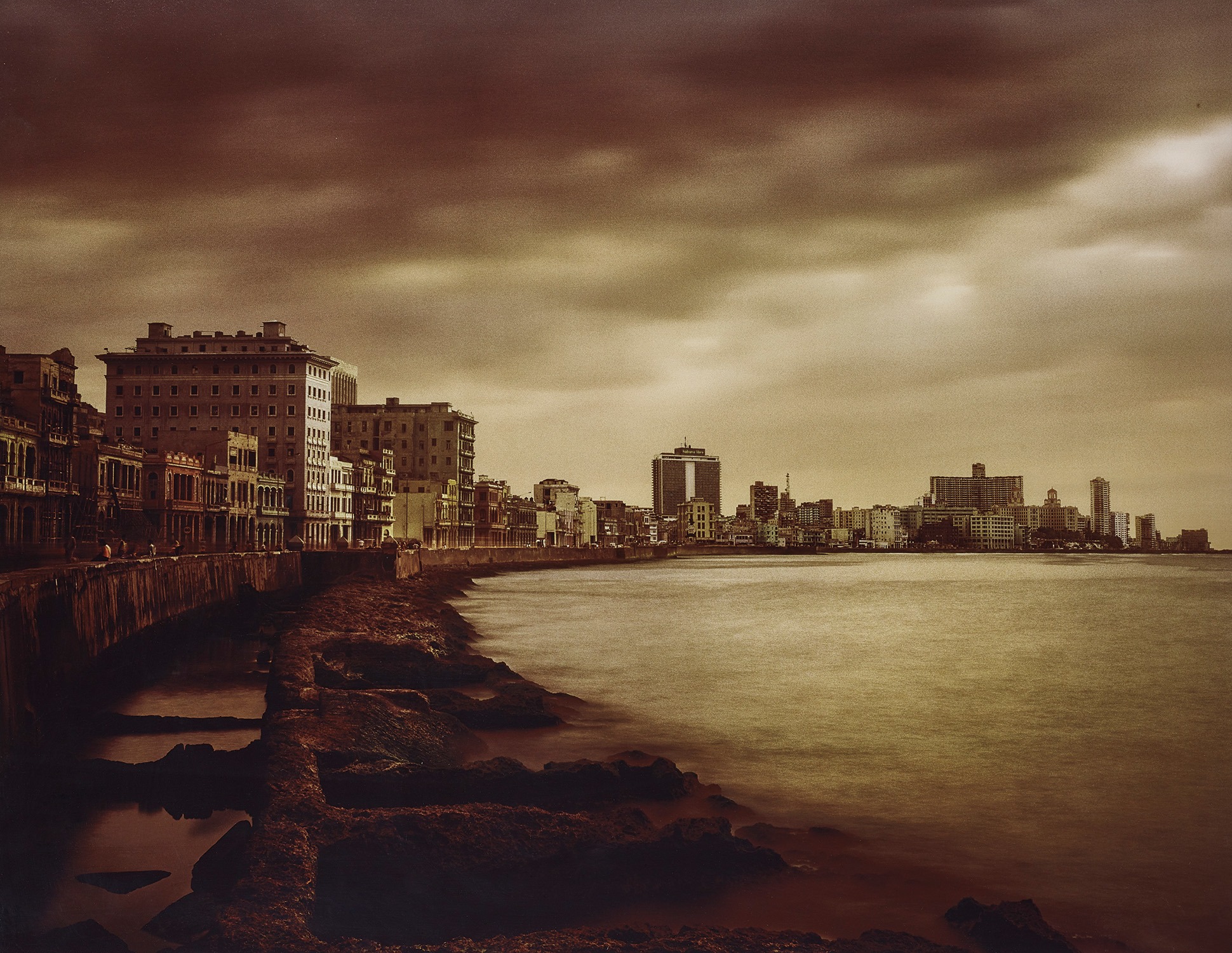
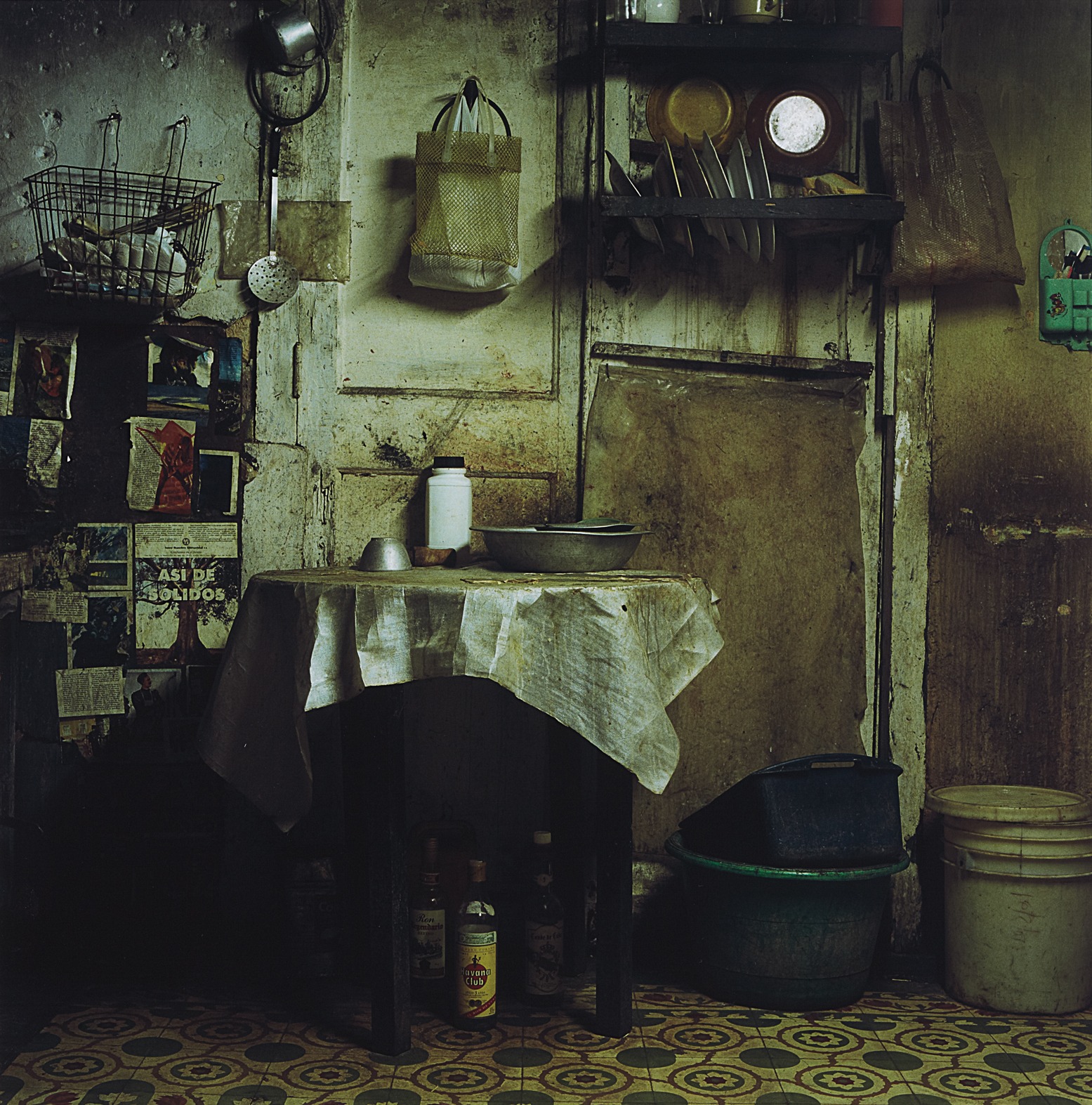
Desirée Dolron
Habana Libre from Te Dí Todos Mis Sueños
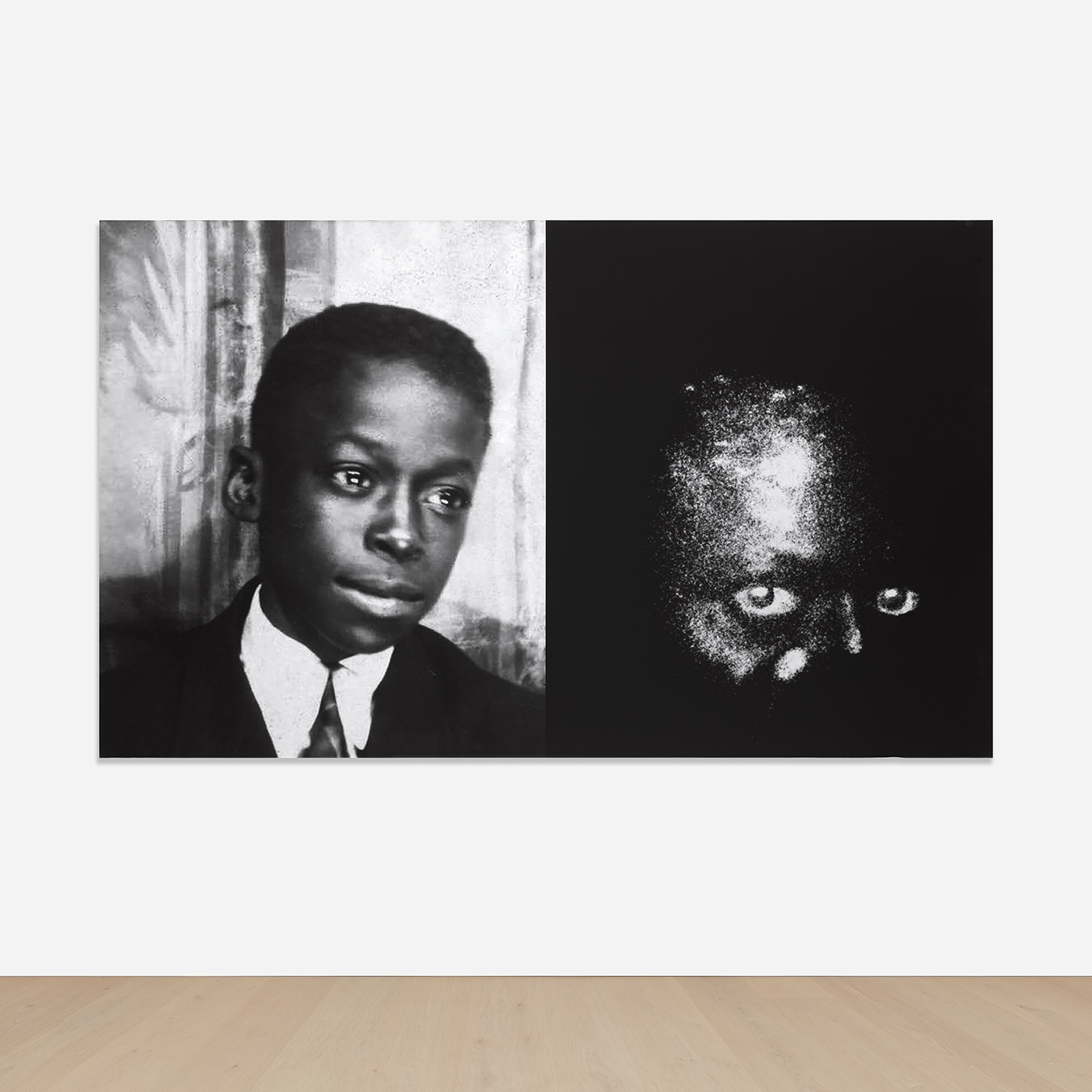
For collectors thinking about emerging opportunities, it is worth paying attention to photographers who are working seriously with constructed or digitally composited imagery, because these are the artists for whom Diasec is most likely to be structurally integral rather than simply a finishing preference. Dionisio González, whose architectural interventions in landscapes and informal settlements combine documentary impulse with a surreal formal intelligence, represents exactly the kind of practice where surface quality and presentational precision are inseparable from meaning. Miles Aldridge, whose saturated cinematic interiors sit somewhere between fashion photography and psychological portraiture, has built a following among collectors who understand that his work demands the kind of color fidelity that only the best digital printing and Diasec mounting can deliver. Arthur Jafa, working across film, photography, and installation, brings a cultural weight to lens based practice that is attracting growing institutional attention alongside serious private interest.
In the secondary market, Diasec works from established artists have generally performed with considerable stability, particularly when the edition size is small and the provenance is clean. Works by Ruff and Richter have consistently achieved strong results at the major auction houses, and prices for key editions from both have risen significantly over the last fifteen years. Condition is the variable that can most dramatically affect secondary market value, and this is where collectors need to be especially attentive. Delamination, which can occur when works are exposed to significant temperature fluctuation or humidity, is the primary risk with Diasec pieces.
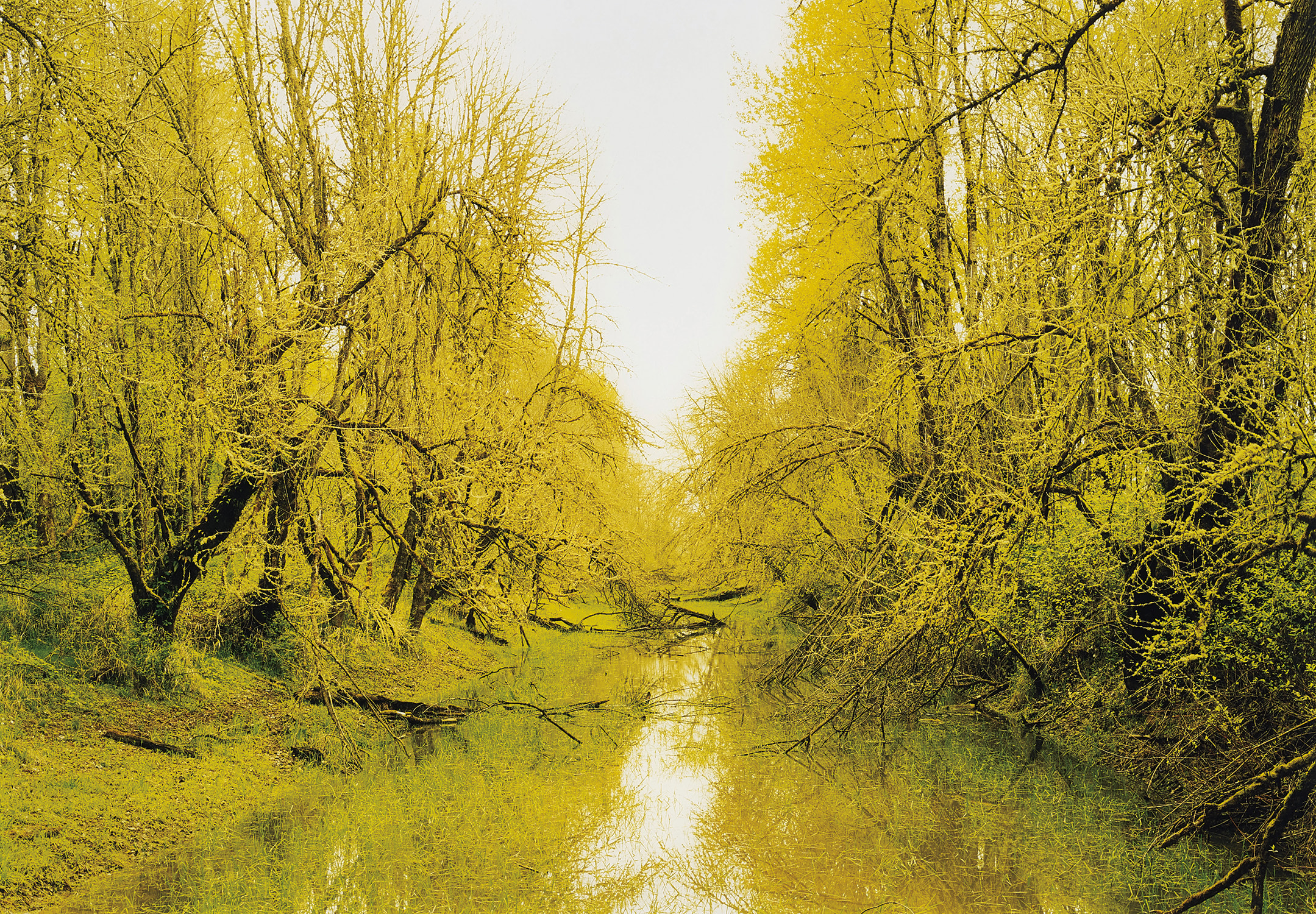
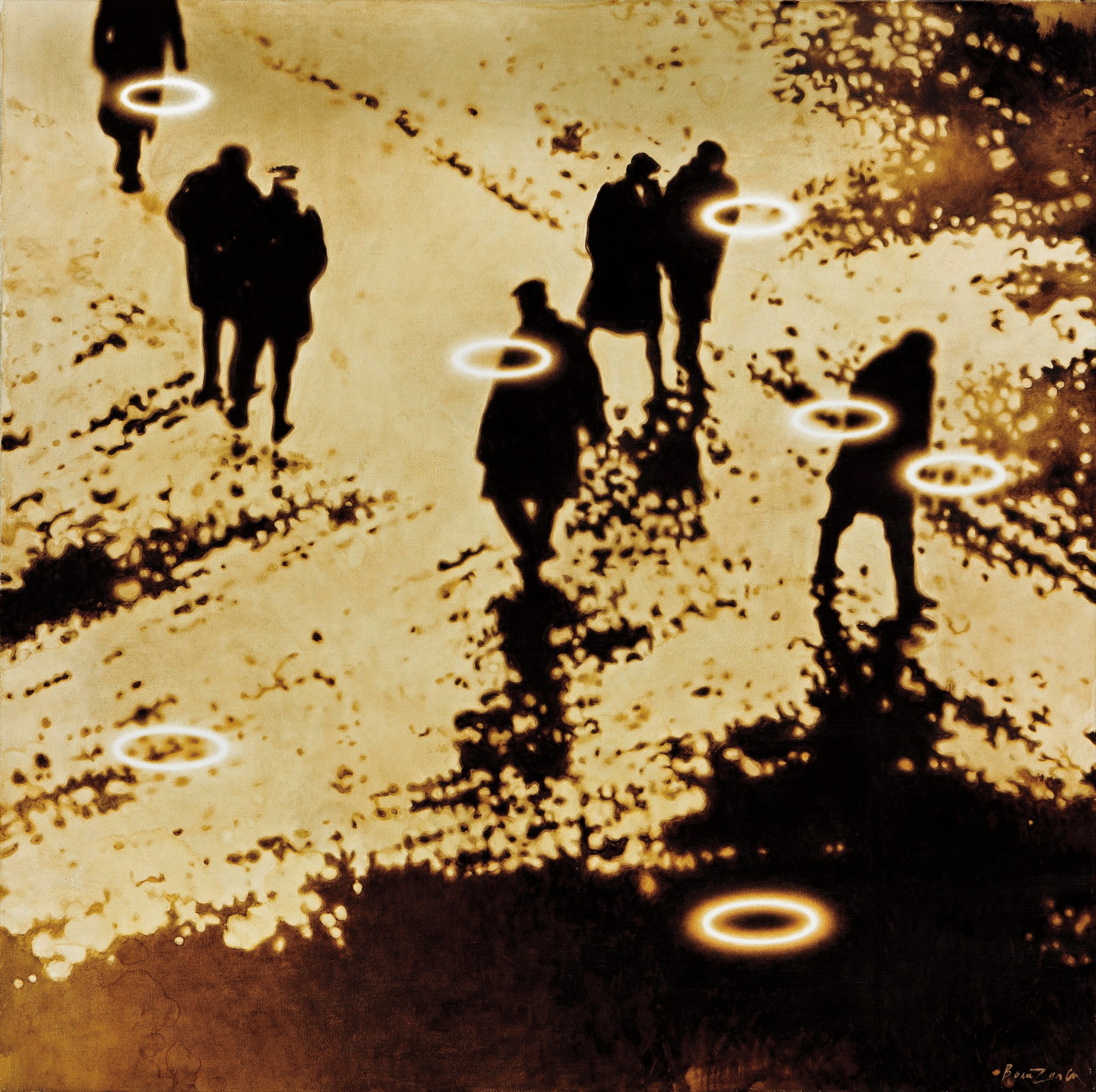
Elger Esser
Puget Island II
Ask the gallery for handling and display guidelines specific to the work, and ensure the piece has been stored and transported correctly before acquisition. Practically speaking, Diasec works are best displayed away from direct sunlight and in spaces where temperature is reasonably controlled. The acrylic surface can attract dust and should be cleaned only with materials recommended by the artist's studio or a qualified conservator. When acquiring an edition, ask to see the certificate of authenticity, confirm the edition number and total edition size, and understand whether artist proofs exist and how they are accounted for.
Unique works in this category are rare but do exist, and when they appear they should be evaluated with particular care regarding condition and institutional exhibition history. Works that have been shown in major museum contexts carry a provenance that translates directly into long term value. The surface of a Diasec piece is an invitation to look carefully, and the best advice for any collector is simply to accept that invitation before anything else.