Dark Themes
Archived article
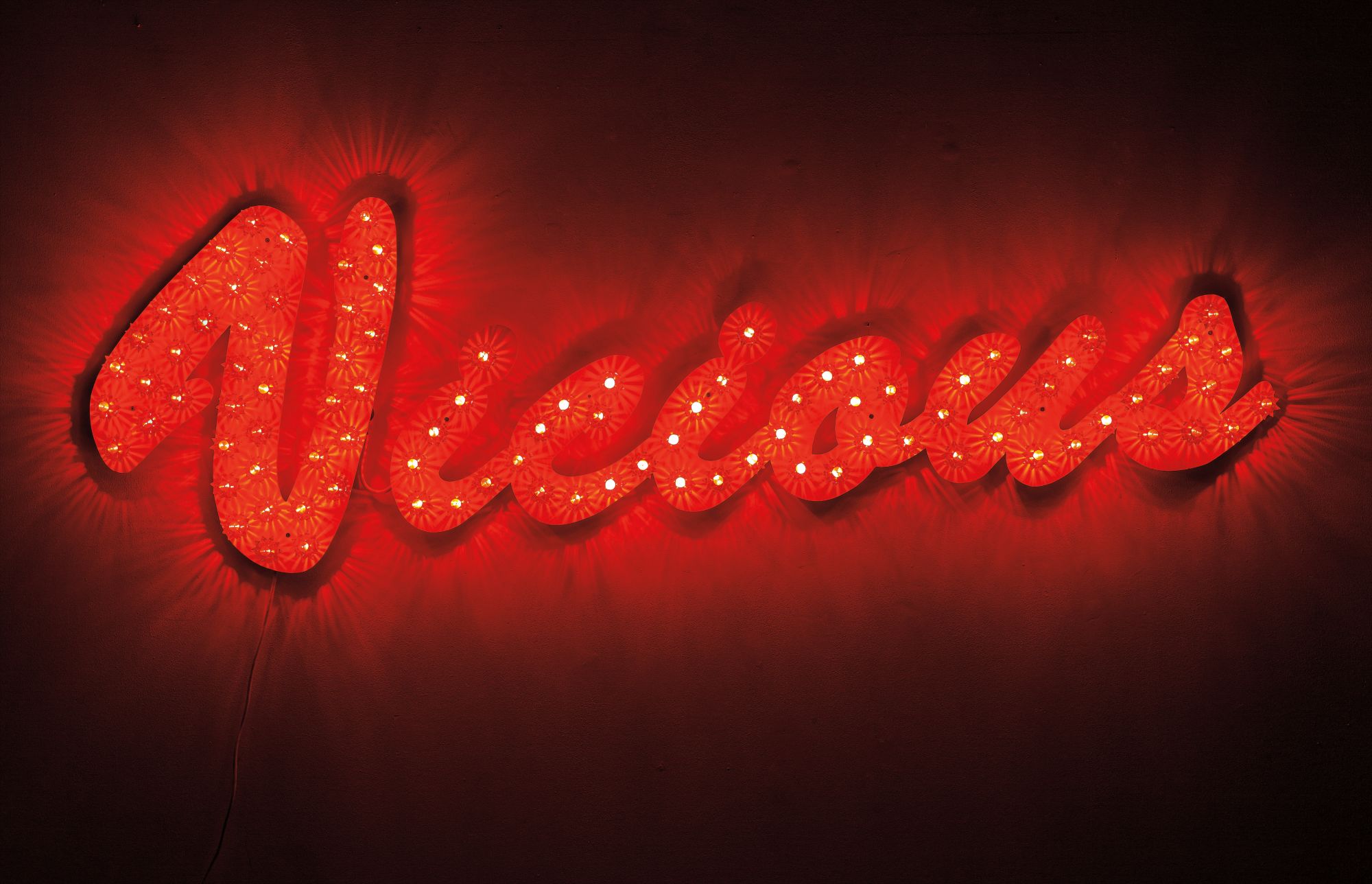
Tim Noble and Sue Webster
Vicious
You are reading a previous version of this article.
Read the latest version```json { "headline": "Why the Darkest Art Holds the Most", "body": "There is a particular kind of collector who walks into a room and gravitates immediately toward the work that unsettles everyone else. Not out of perversity, but out of recognition. The art that engages darkness honestly tends to carry the most psychological weight, the most intellectual density, and ultimately the most staying power on a wall. Living with difficult work is not about punishment or posturing.
It is about choosing to remain in conversation with the parts of human experience that polite culture would prefer to paper over. Collectors who have built strong holdings in dark thematic territory often describe the same thing: the work keeps giving back, keeps shifting, keeps asking something of you years after acquisition.", "The question of what separates a good dark work from a truly great one comes down almost entirely to intentionality and control. Anyone can make something disturbing.
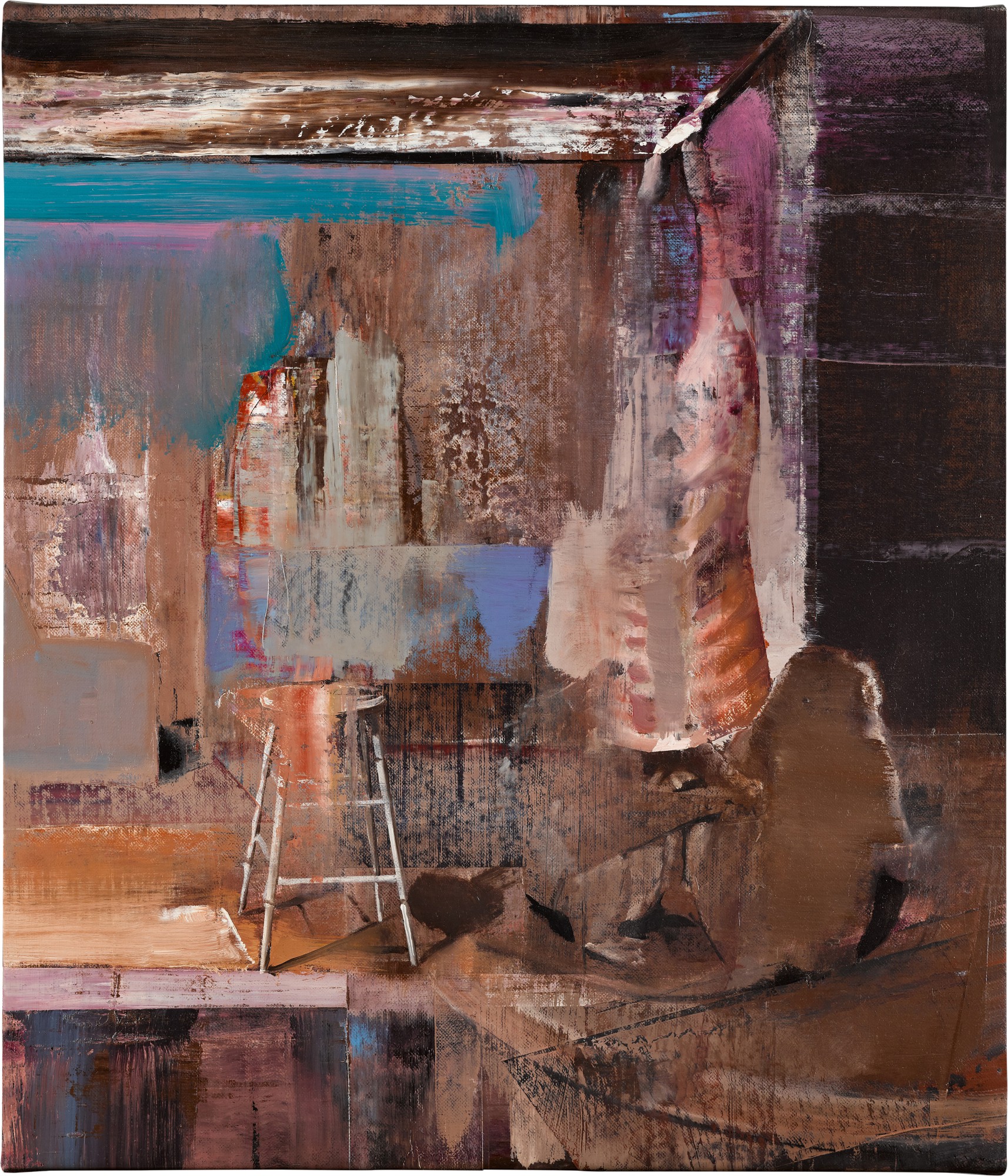
Adrian Ghenie
The Butcher
What is rare is the artist who transforms dread, violence, grief, or moral ambiguity into an aesthetic experience that is simultaneously unbearable and beautiful. The formal qualities matter enormously here. Look at how the composition handles tension, whether the palette deepens the psychological register or merely illustrates it, and whether the darkness serves the work's meaning or exists as its only content. A great work in this territory will make you feel the weight of its subject without explaining it to you.
The moment an artist has to tell you something is dark, the power has already leaked out.", "Among the artists well represented on The Collection, several occupy genuinely significant positions in this conversation. Kara Walker has built one of the most important bodies of work in contemporary art precisely because her silhouette tableaux weaponize beauty against the viewer. The elegance of the form and the brutality of the content create an irresolvable friction that has only deepened her critical standing over time.
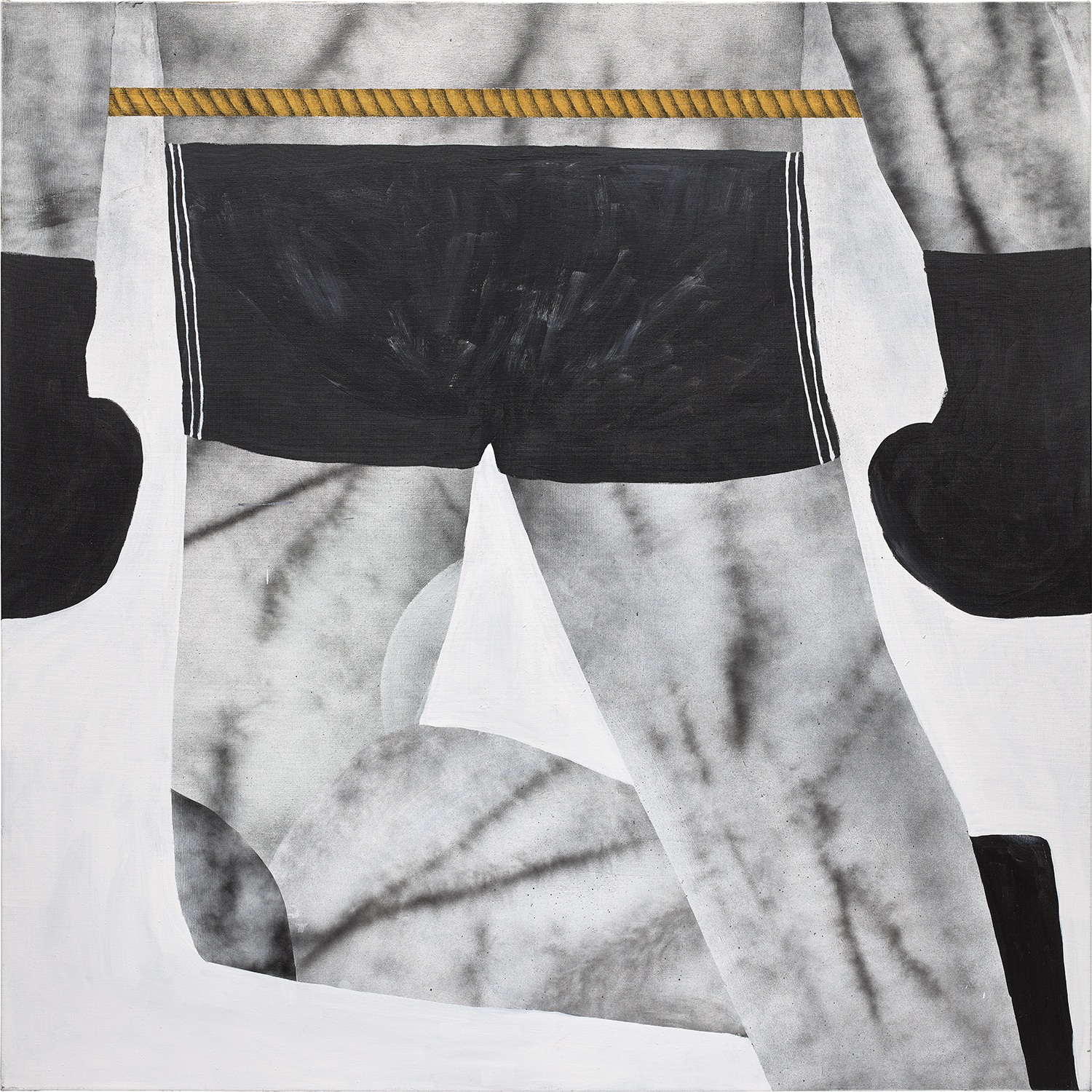
Vojtěch Kovařík
Hanged, 2019
Her market reflects this: major works command serious prices at auction, and institutional demand for her work means that anything on the secondary market moves quickly and with confidence. Adrian Ghenie operates in comparably charged territory, drawing on historical trauma and the language of expressionism to produce paintings that feel simultaneously archival and viscerally present. His auction record has climbed steadily, with major houses reporting strong results particularly for his larger canvases.", "Tim Noble and Sue Webster built their reputation on shadow works that transform accumulated debris into projected silhouettes, a formal conceit that remains striking because the gap between material and image carries genuine philosophical weight about how identity is constructed and perceived.
Their work holds well on the secondary market partly because the concept is so legible and partly because the craft is genuinely demanding to replicate. Berlinde De Bruyckere is another figure whose work rewards serious attention from collectors. Her sculptural practice engages the wounded body, vulnerability, and mortality with a tenderness that is as destabilizing as any more aggressive approach. Her international exhibition history, including strong representation at major European institutions, has solidified her standing considerably.

Wynnie Mynerva
Story of Revenge 2, 2021
", "For collectors with an eye toward emerging value, several artists on The Collection represent compelling opportunities. Wynnie Mynerva, working out of Peru, brings a body based intensity to questions of gender, violence, and transformation that feels both urgent and formally sophisticated. The international art world's attention to Latin American perspectives has grown substantially in recent years, and artists like Mynerva stand to benefit from curatorial and market interest that is still catching up to the quality of the work. Vojtěch Kovařík is another figure worth watching.
His Czech context gives him a particular relationship to surrealism and social unease that reads as both rooted and surprisingly contemporary. When artists from these geographies begin to attract serious gallery representation in New York and London, secondary market prices tend to move faster than collectors expect.", "Auction performance for works with dark thematic content has historically been more volatile than for more decorative or formally neutral work, which is actually an argument in favor of buying carefully and buying early. The peaks can be extraordinary.
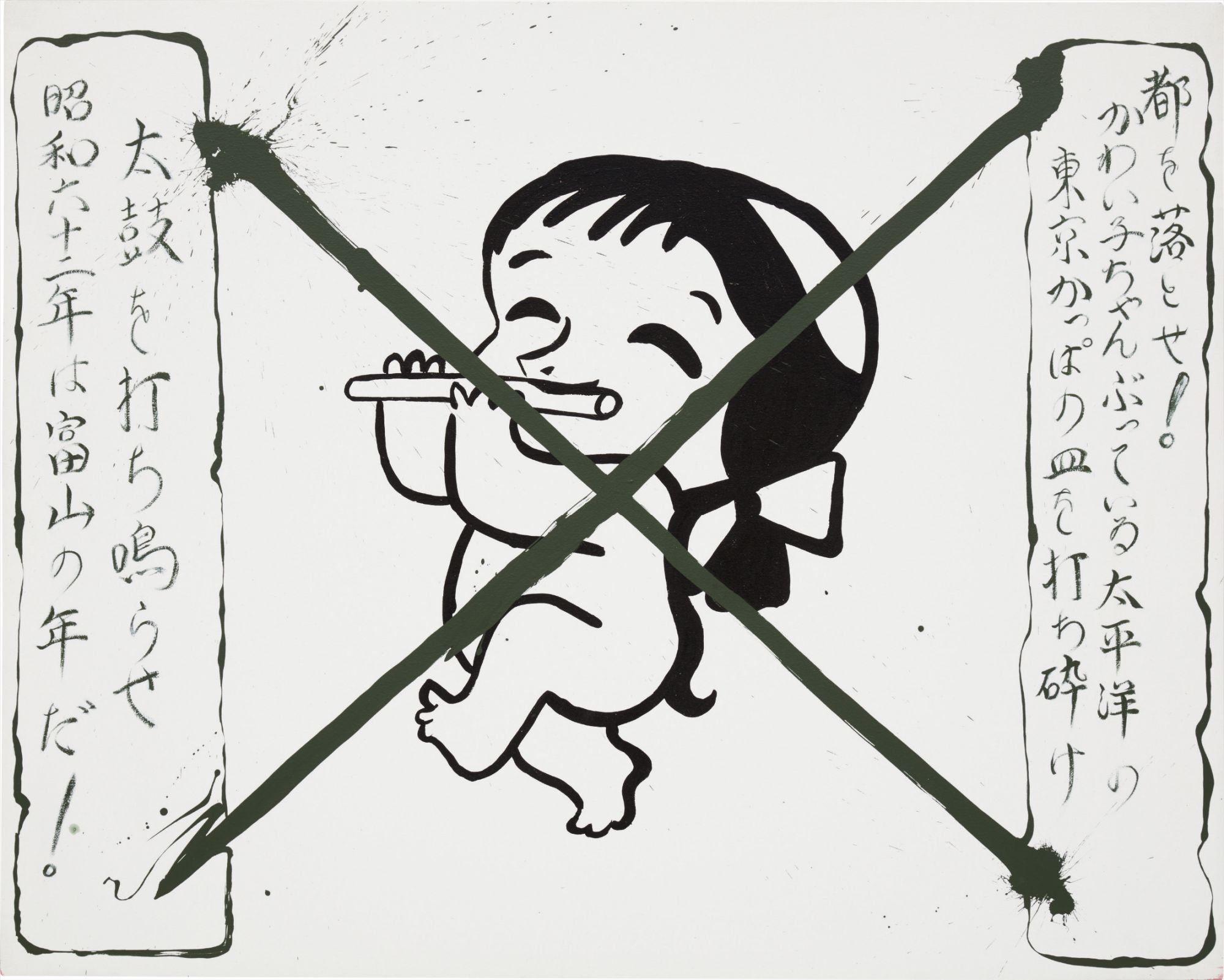
Mike Kelley
Feudal War
Works by Mike Kelley, whose practice engaged trauma, repression, and institutional critique, have appreciated dramatically since his death in 2012. Jordan Wolfson's unsettling video and sculpture practice commands strong prices at auction despite, or more accurately because of, the discomfort his work produces. The lesson here is that critical seriousness tends to translate into market durability. What sells for decoration depreciates in ways that work sold on intellectual conviction rarely does.
", "Practically speaking, collectors considering acquisitions in this territory should ask some specific questions before committing. For works on paper or photography, condition is particularly sensitive: acid migration, light exposure, and improper storage can degrade works in ways that significantly affect value and, in the case of unique works, cannot be remediated. Ask gallerists directly about exhibition history and previous display conditions. For editions, understand exactly where in the edition you are acquiring and what the total run is, since artists like David Levinthal, who works photographically in charged and unsettling territory, produced editions that vary considerably in print quality and size.
For sculptural works, particularly those involving organic or mixed materials as in the practice of Folkert de Jong, ask for detailed conservation notes and understand what ongoing maintenance the work may require.", "Display deserves real thought. Dark work does not necessarily require dark rooms, and in fact many collectors make the mistake of over dramatizing the installation context. A Damien Hirst spot painting and a work engaging mortality can live in the same collection without either dominating the other, but works with genuine psychological intensity often need space around them, both physical and compositional.
Cramming difficult work into a dense hang diffuses exactly the tension that makes it valuable. If you are living with something by Rob Pruitt, whose practice moves between irony and genuine melancholy, or with Conrad Botes, whose graphic work carries a specific South African darkness rooted in historical violence, give the work room to breathe and room to be encountered on its own terms. The best collections in this space feel considered rather than accumulated, and that sense of intention is what makes them, and the works within them, genuinely worth spending time with.
Works tagged Dark Themes
Tim Noble and Sue Webster
Vicious
Vojtěch Kovařík
Hanged
Wynnie Mynerva
Story of Revenge 2

David Mach
A Nasty Piece of Work
Mike Kelley
Feudal War
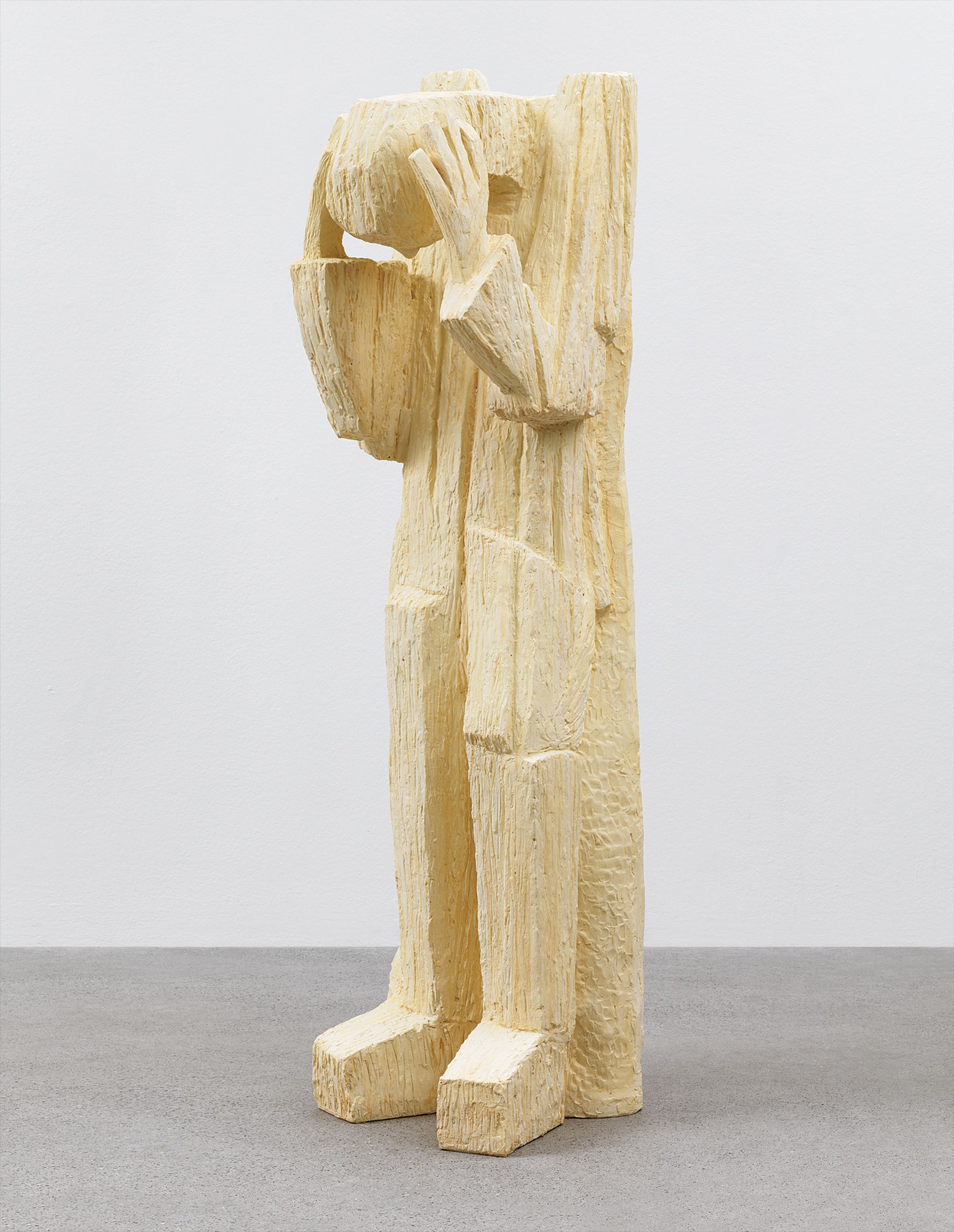
Valentin Carron
Gefoltert
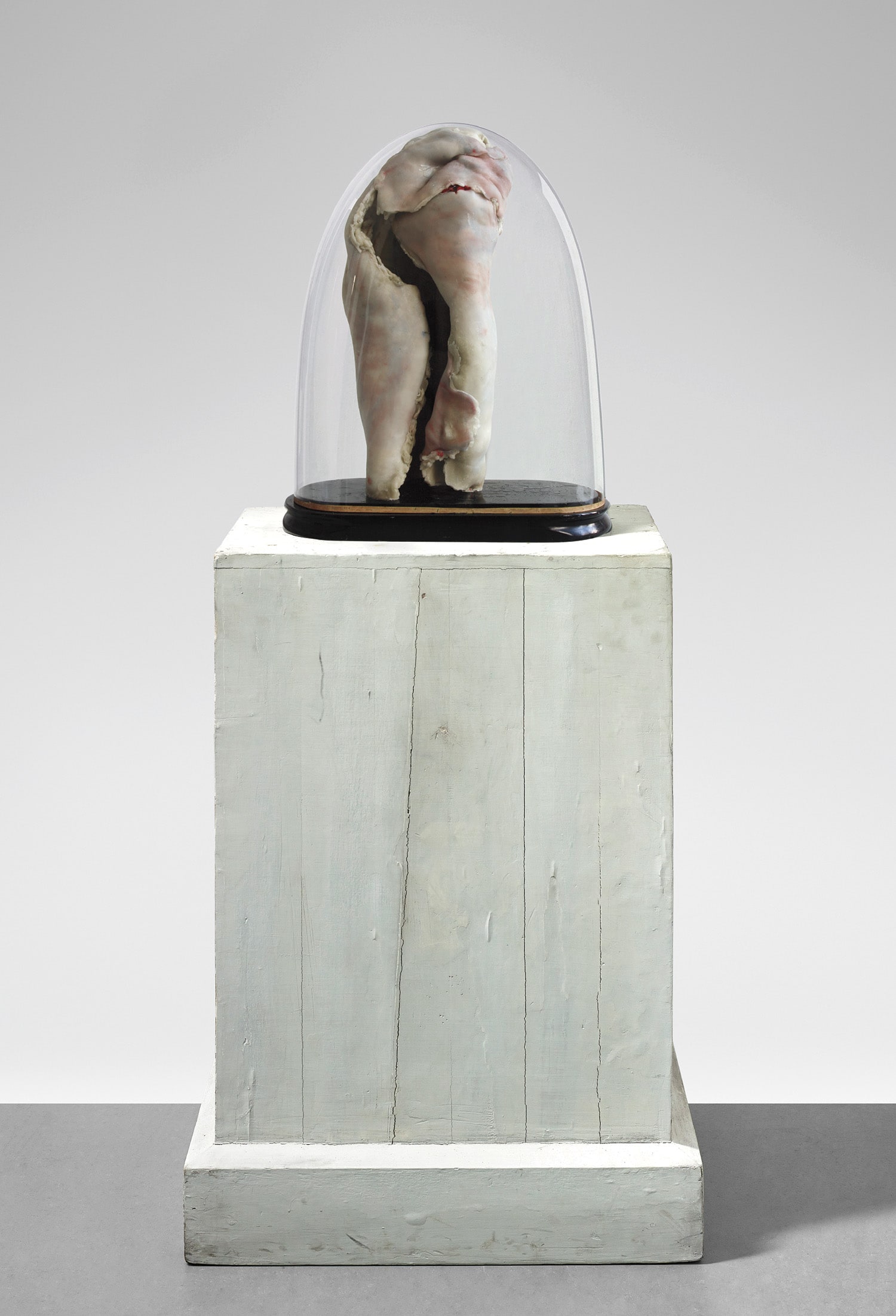
Berlinde De Bruyckere
Detail Quan, 2010
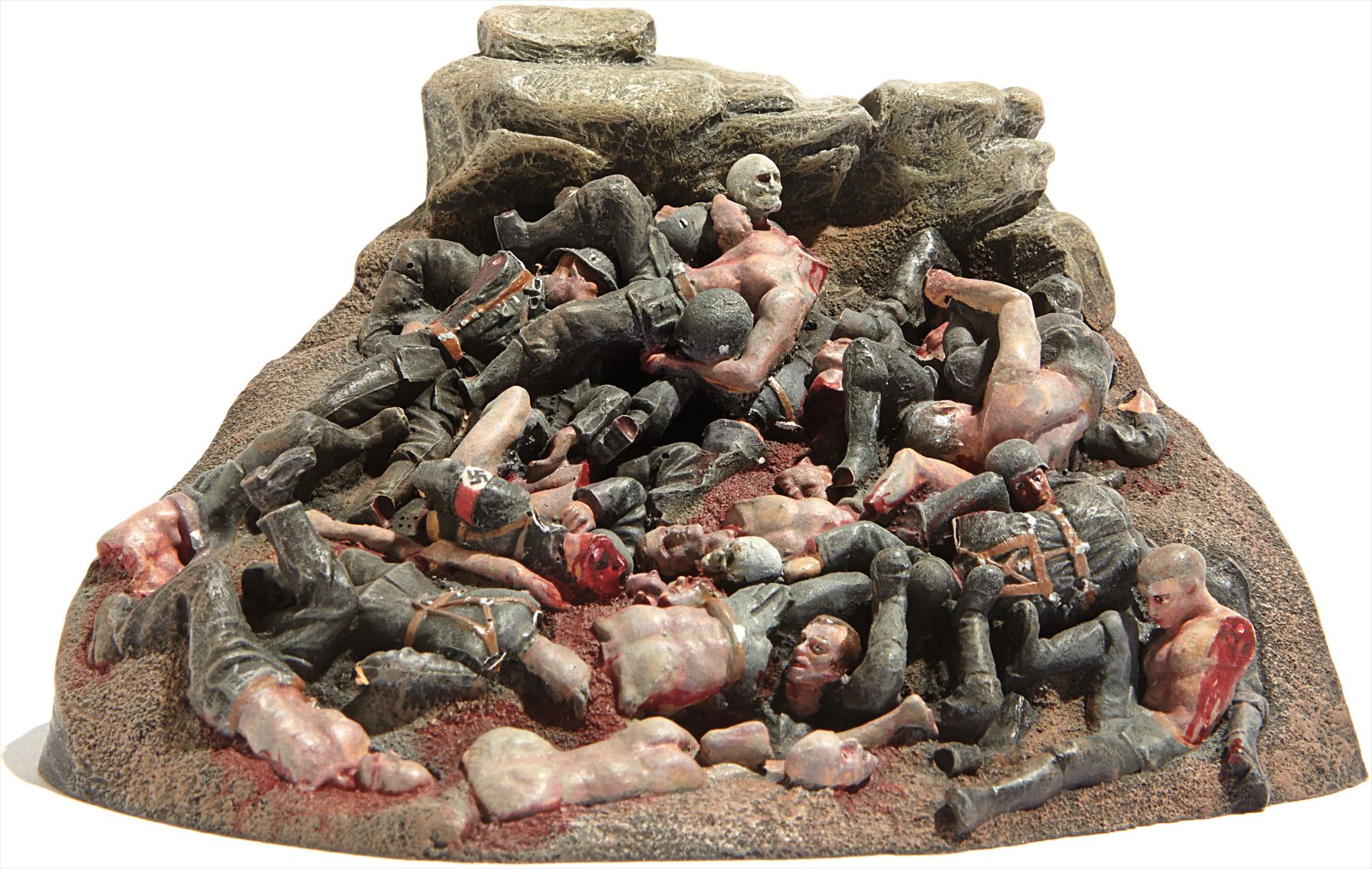
Jake
Hell Hole
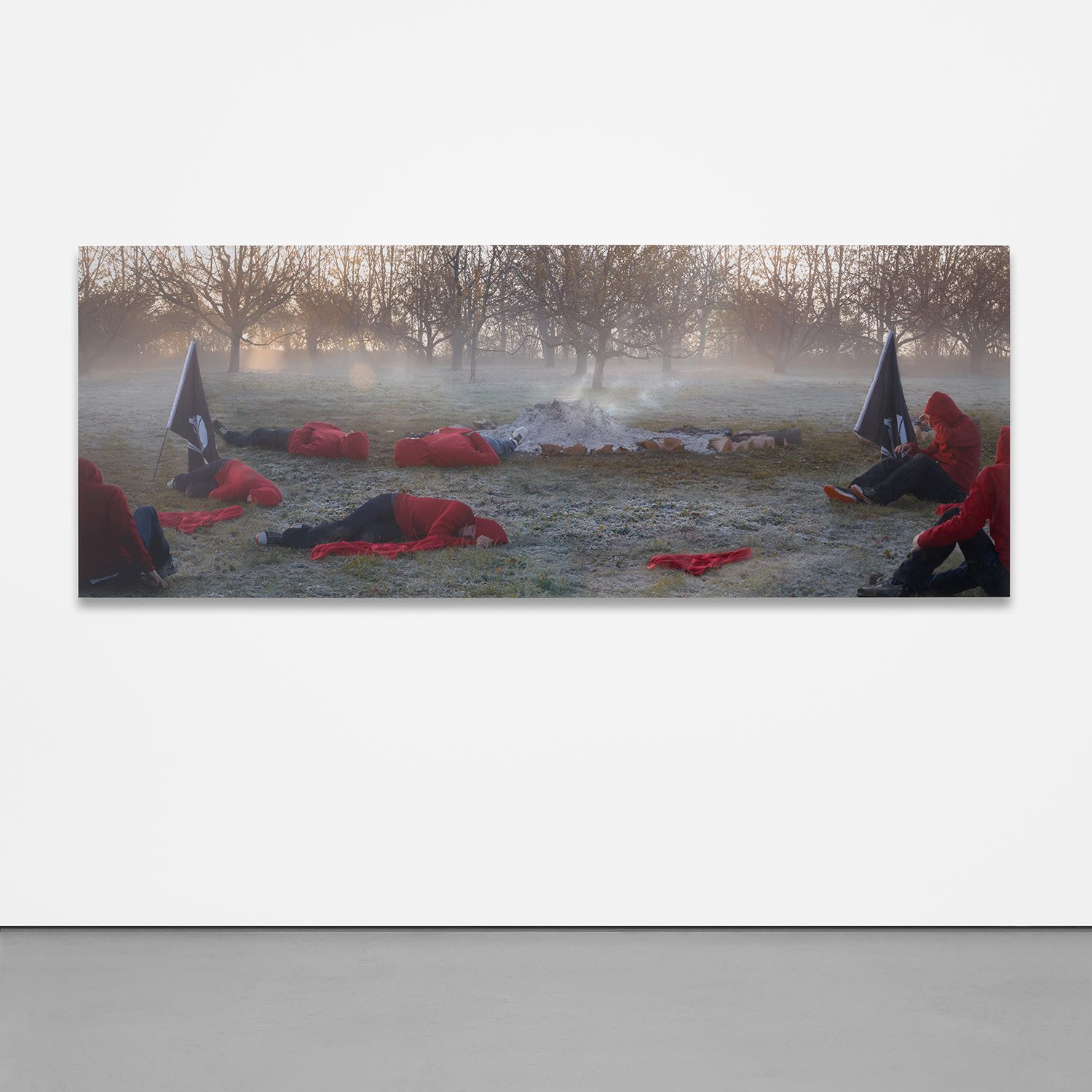
Anthony Goicolea
Morning Sleep from Kidnap
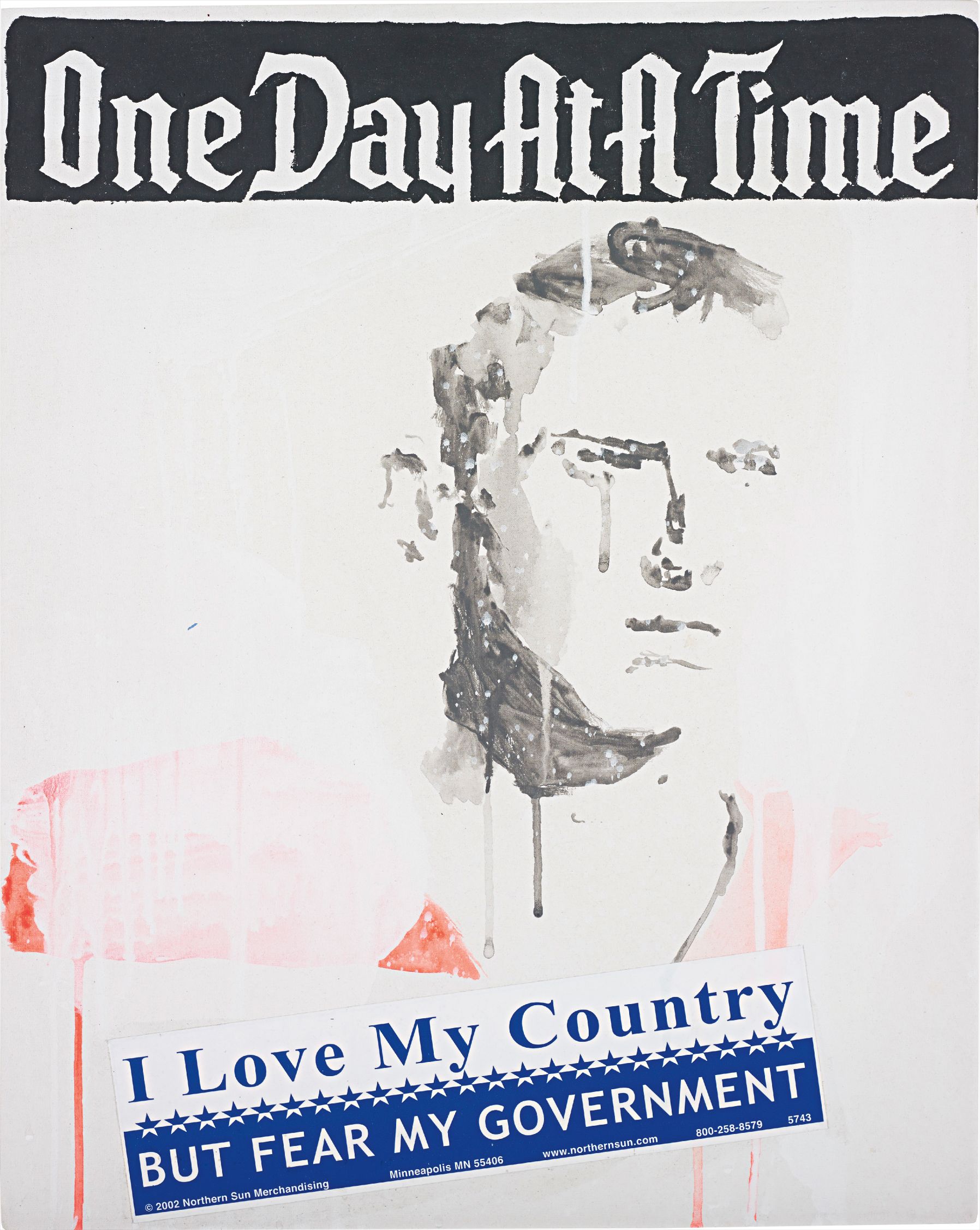
Nate Lowman
God Bless the Dead
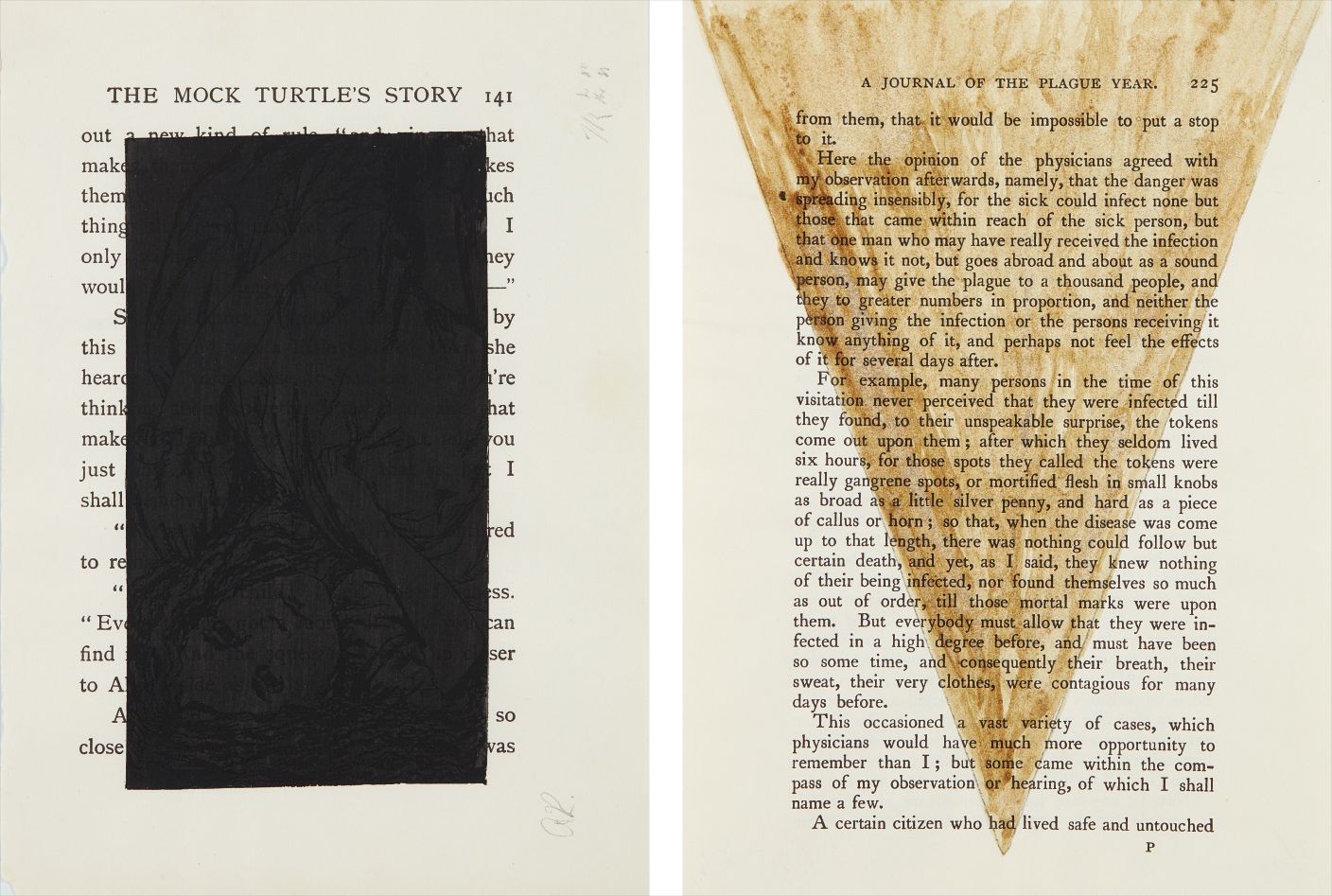
Tim Rollins and K.O.S.
Black Alice; and A Journal of the Plague Year
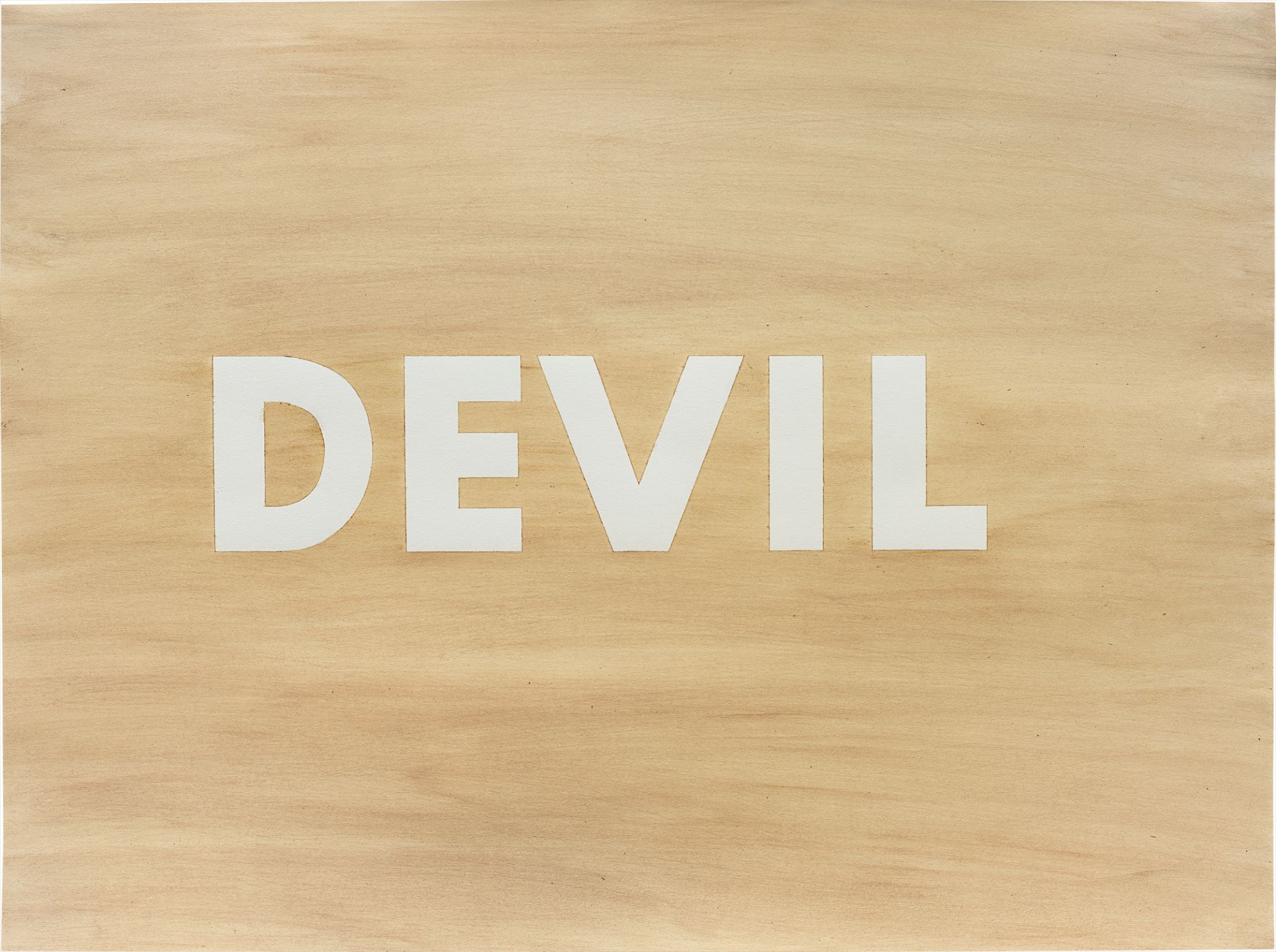
Ed Ruscha
Devil
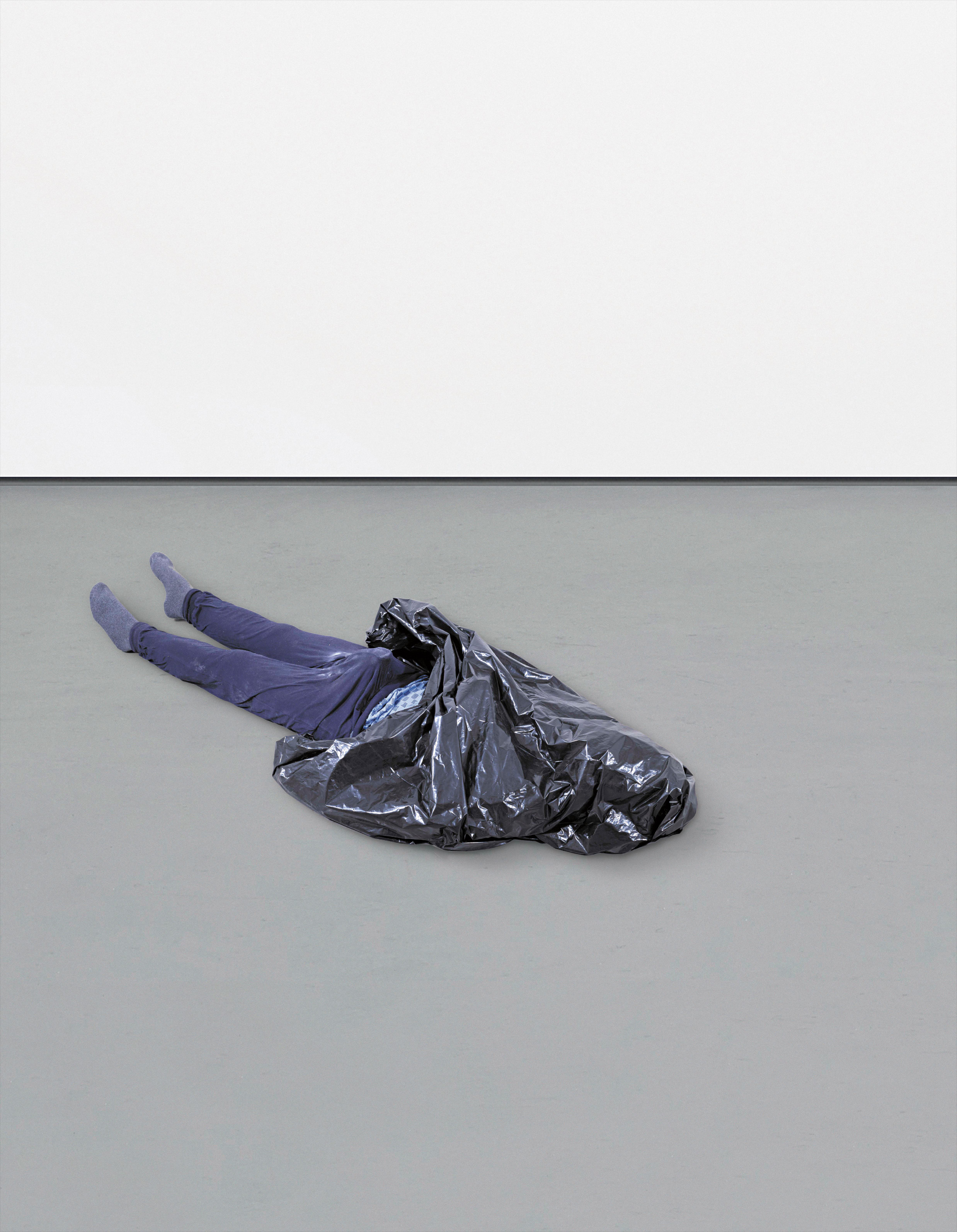
Gregor Schneider
Man with Cock

Jordan Wolfson
Neverland
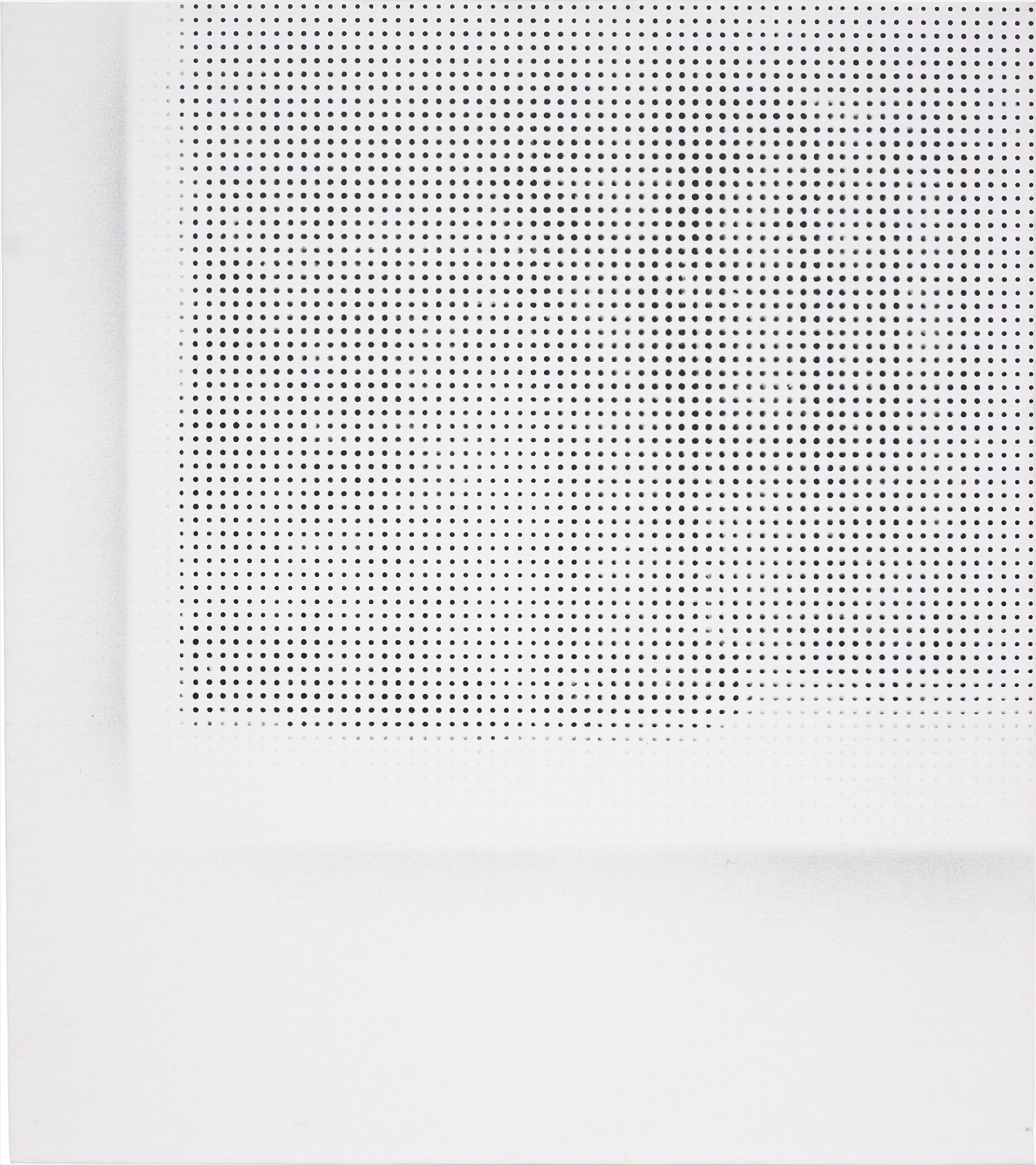
Michael Krebber
Vampire?
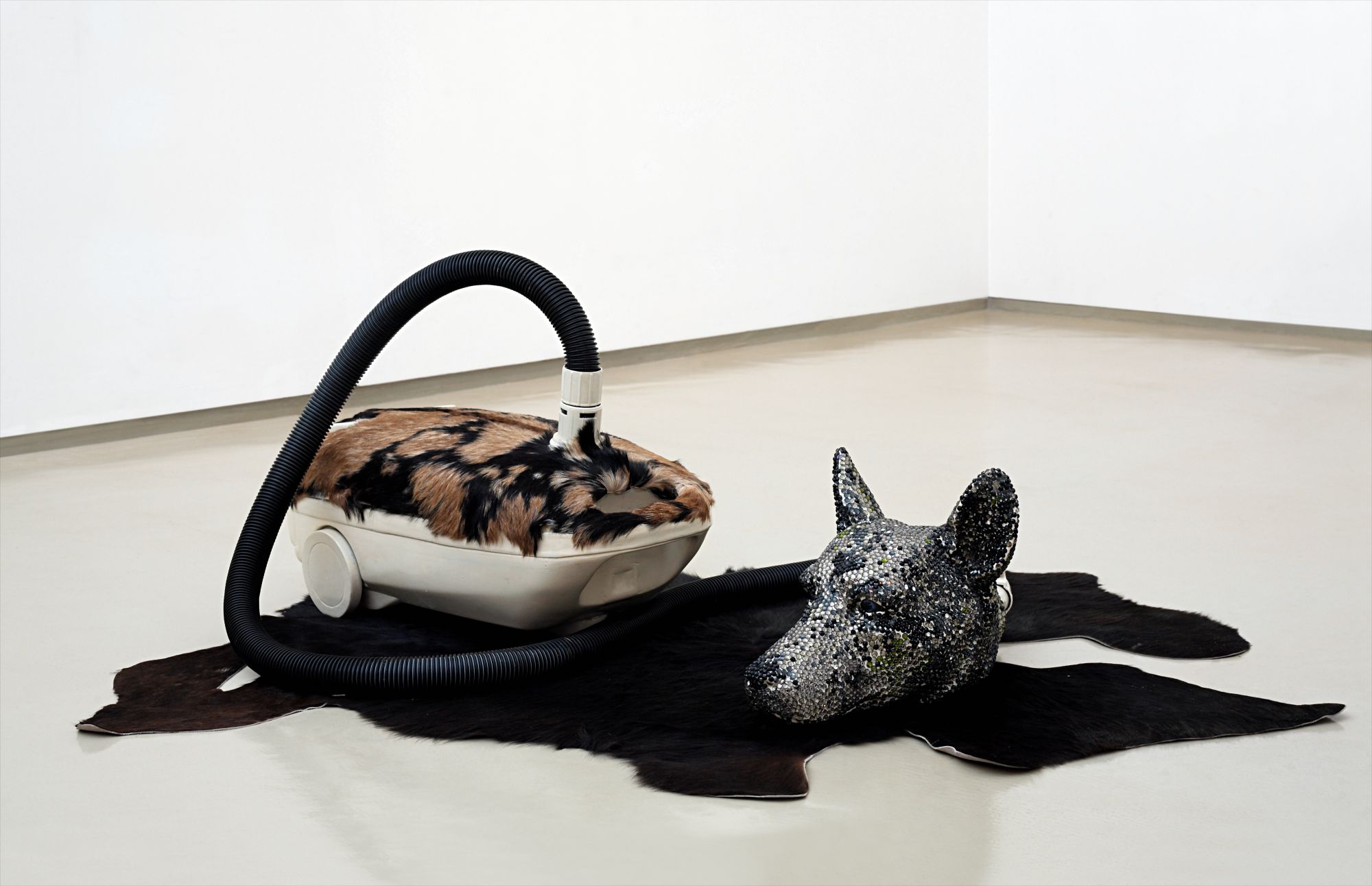
Bharti Kher
Hungry Dogs Eat Dirty Pudding
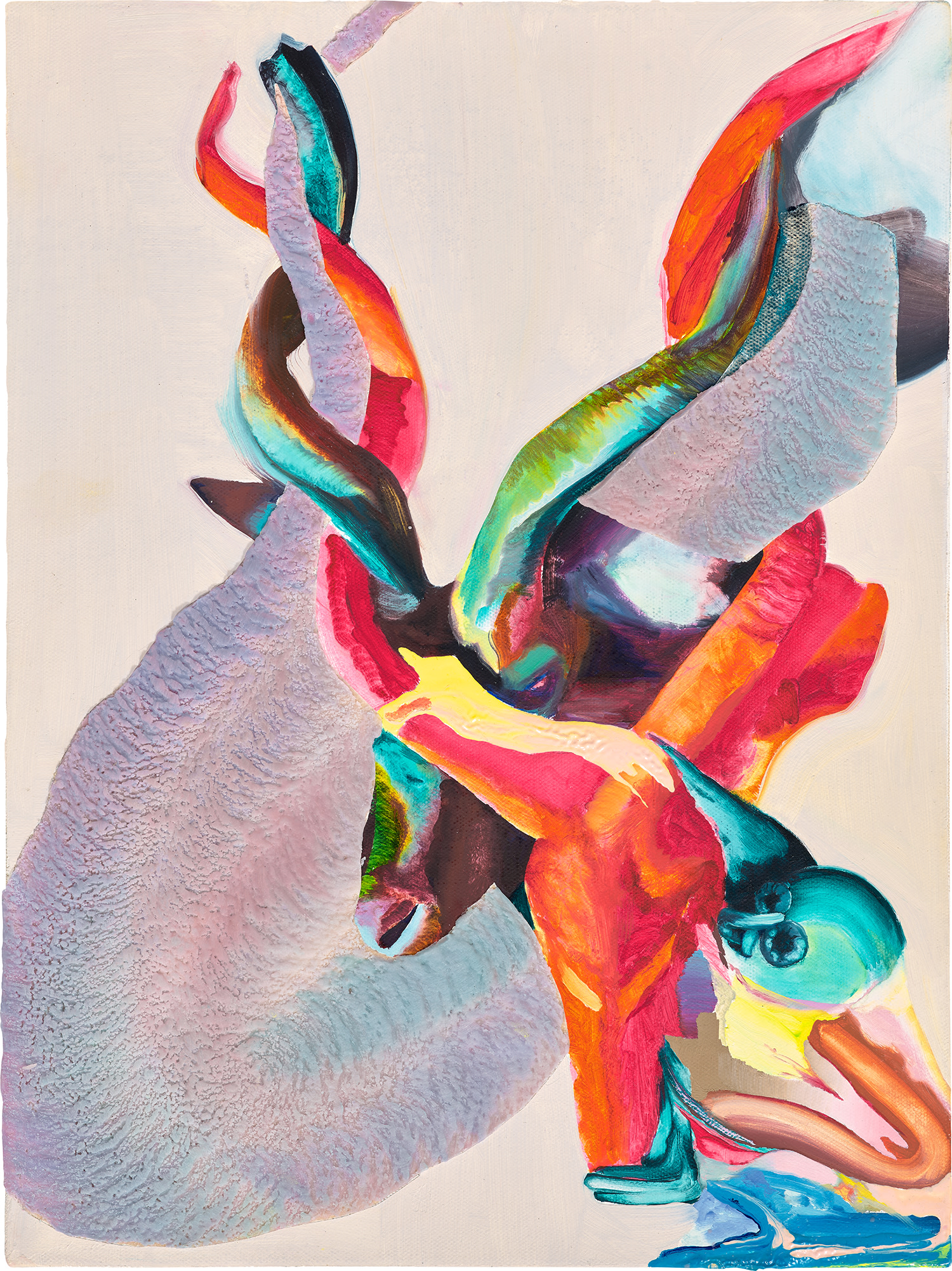
Marco Pariani
Devil Side

Rob Pruitt
Suicide Painting XXV
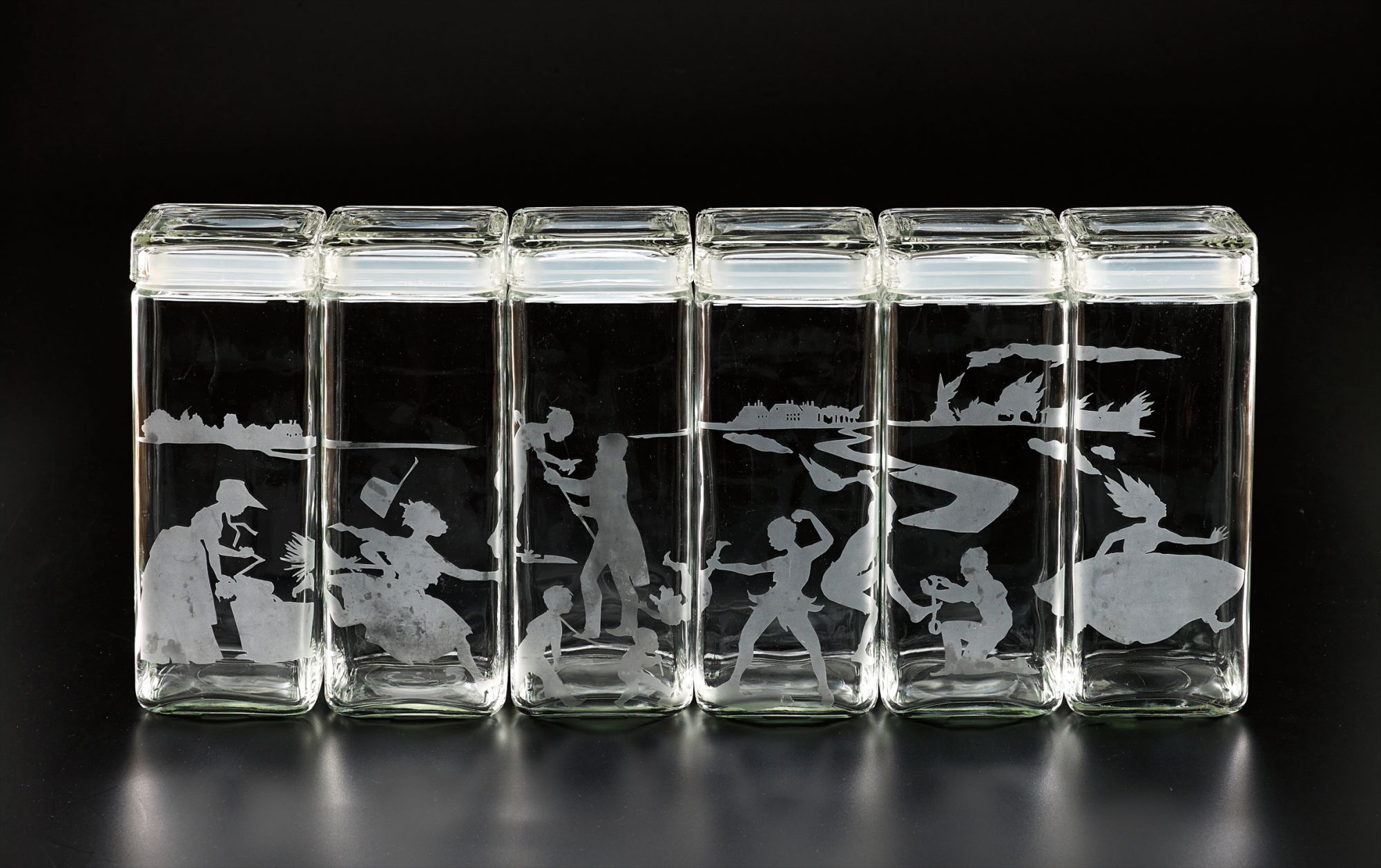
Kara Walker
Canisters
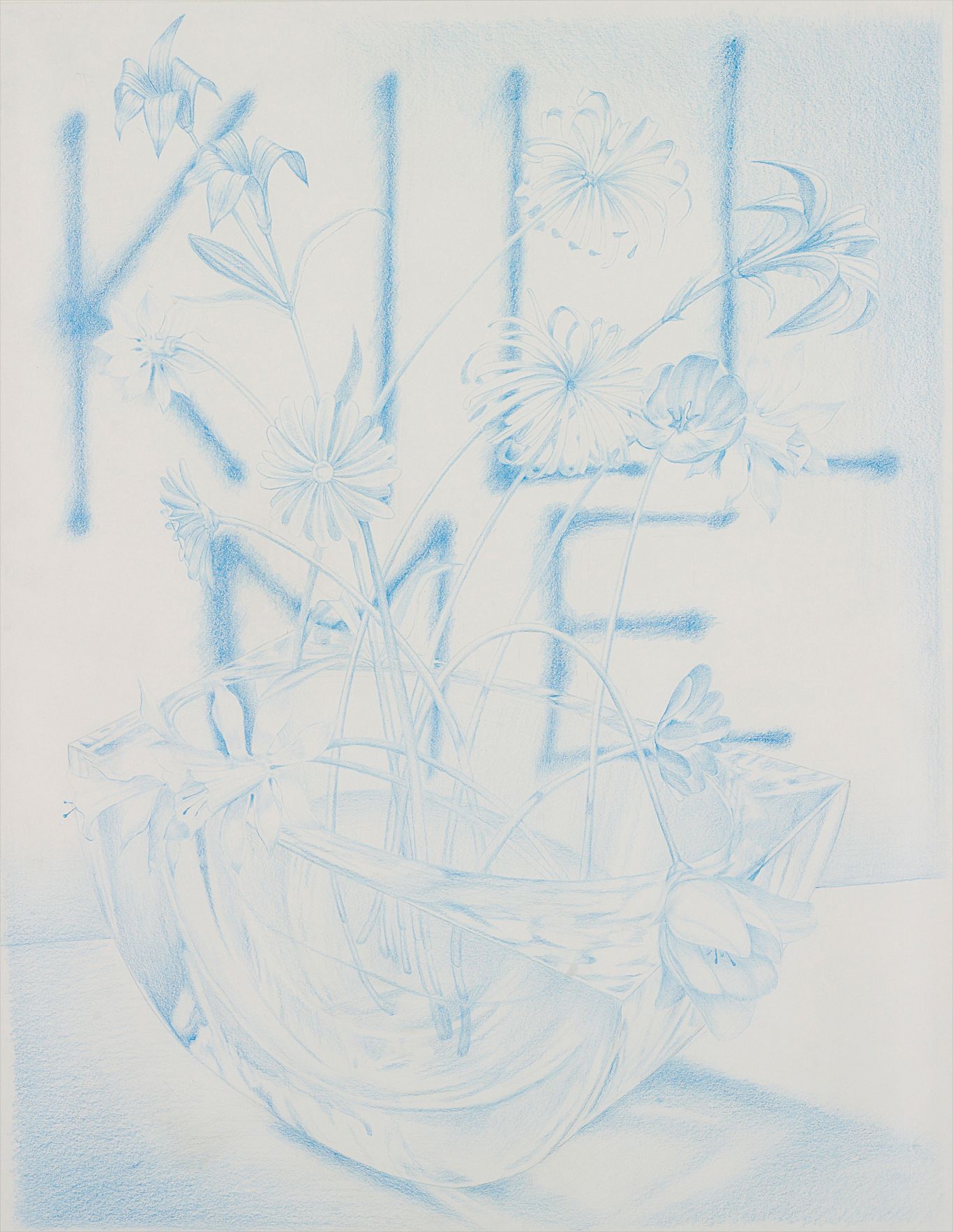
Gerald Davis
Kill Me
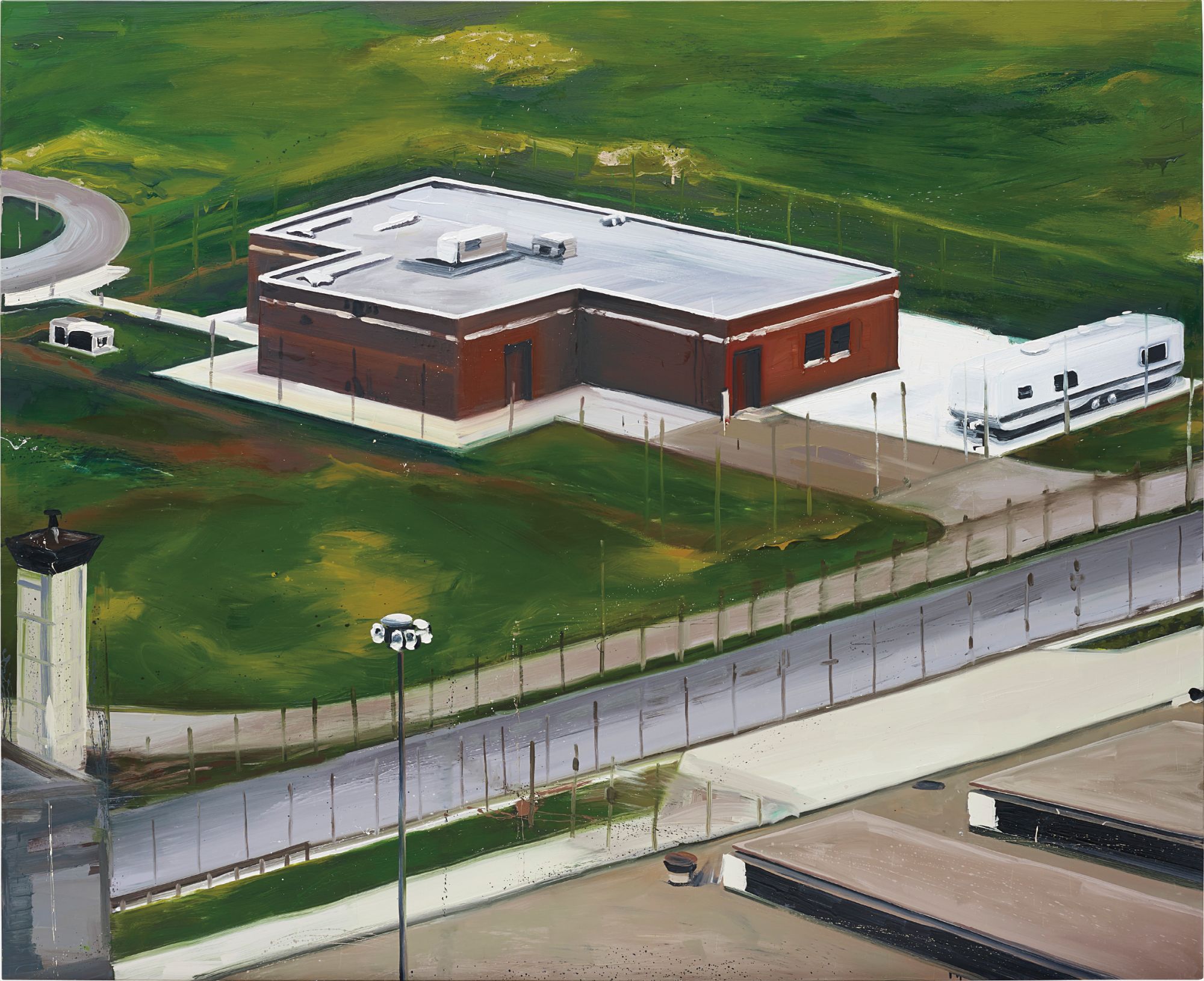
Dirk Skreber
McVeigh
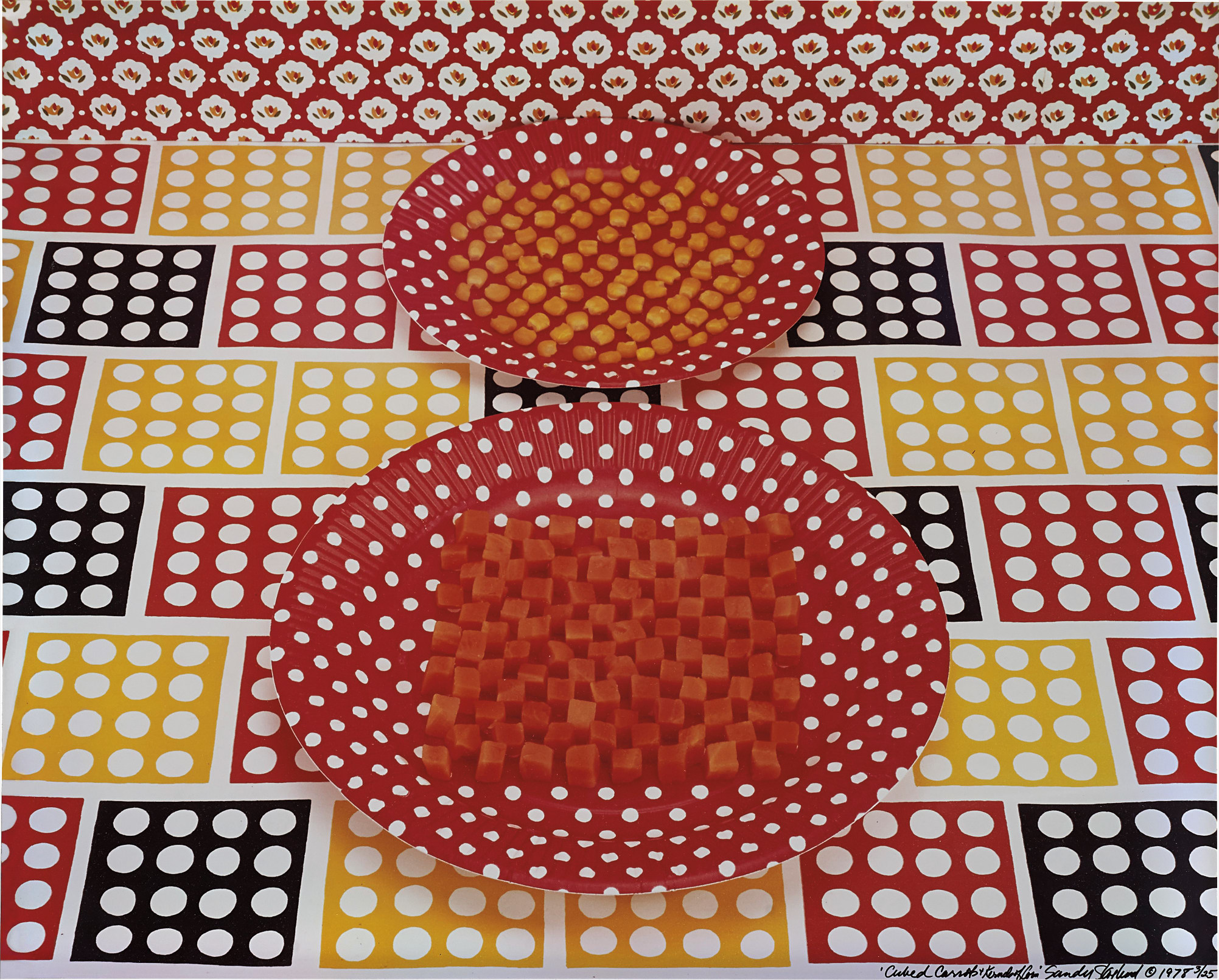
Scott Campbell
Trust Me
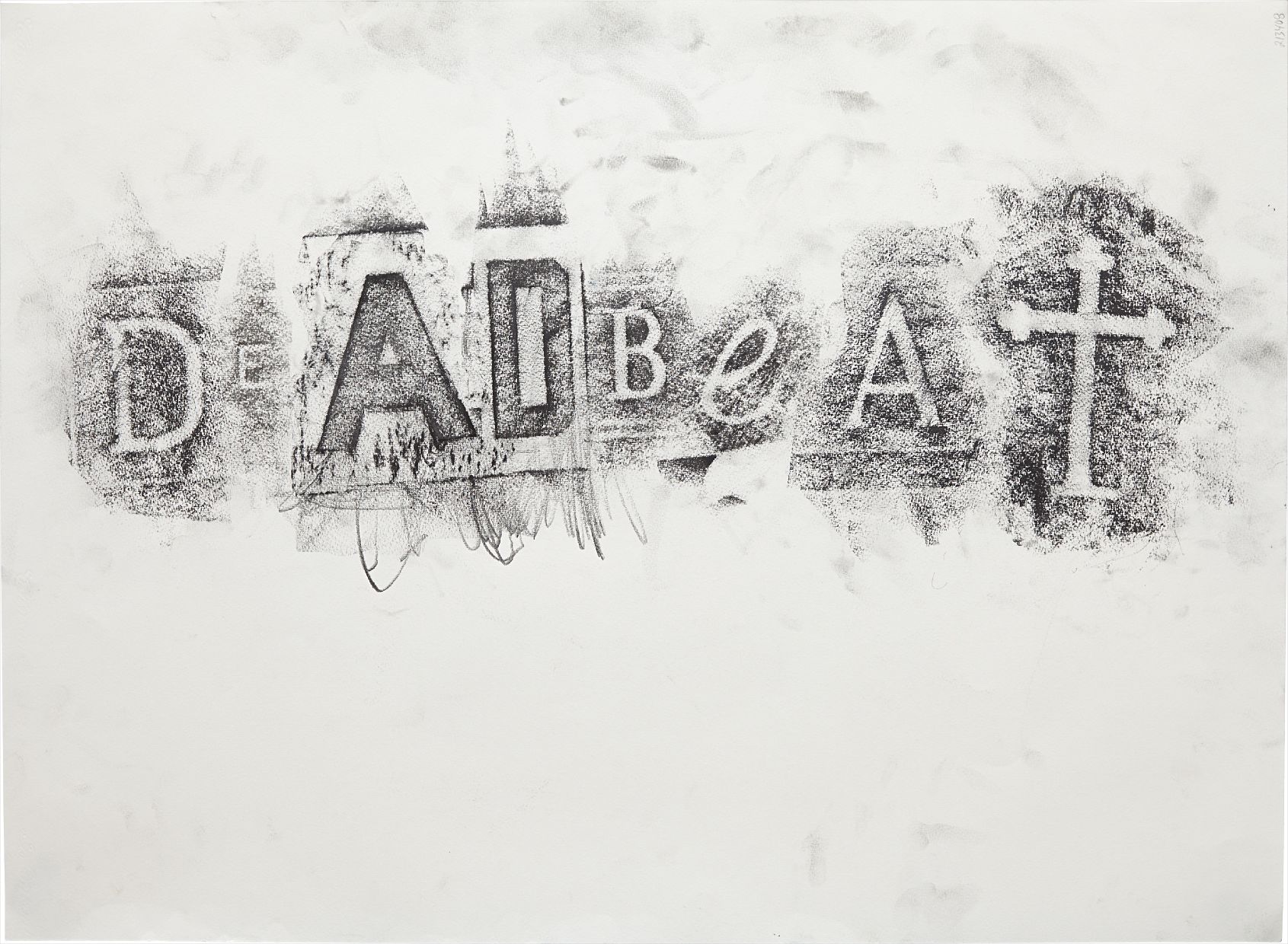
Dan Colen
Dead Beat
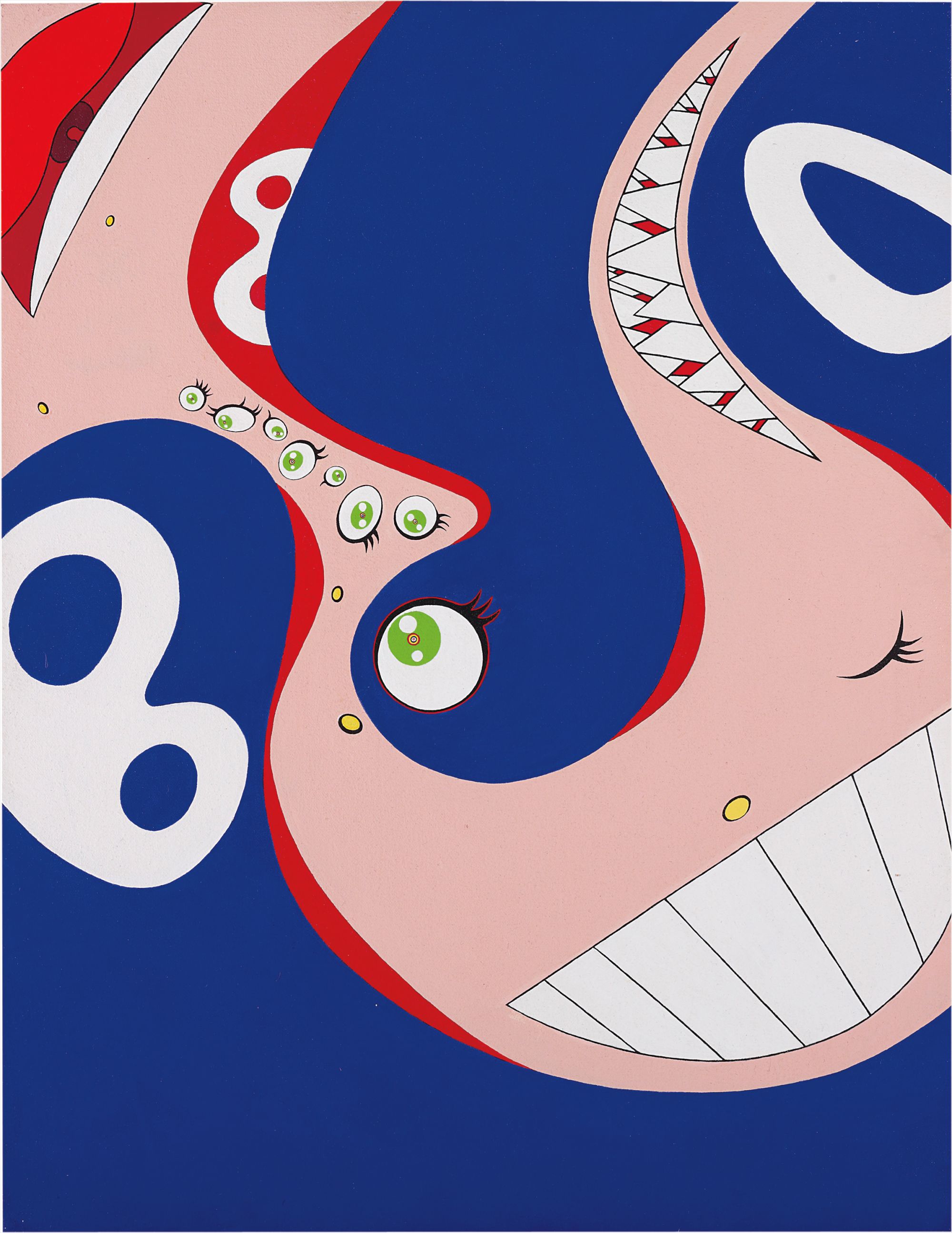
Takashi Murakami
Born to kill! - M. Matsubara