Dark Themes
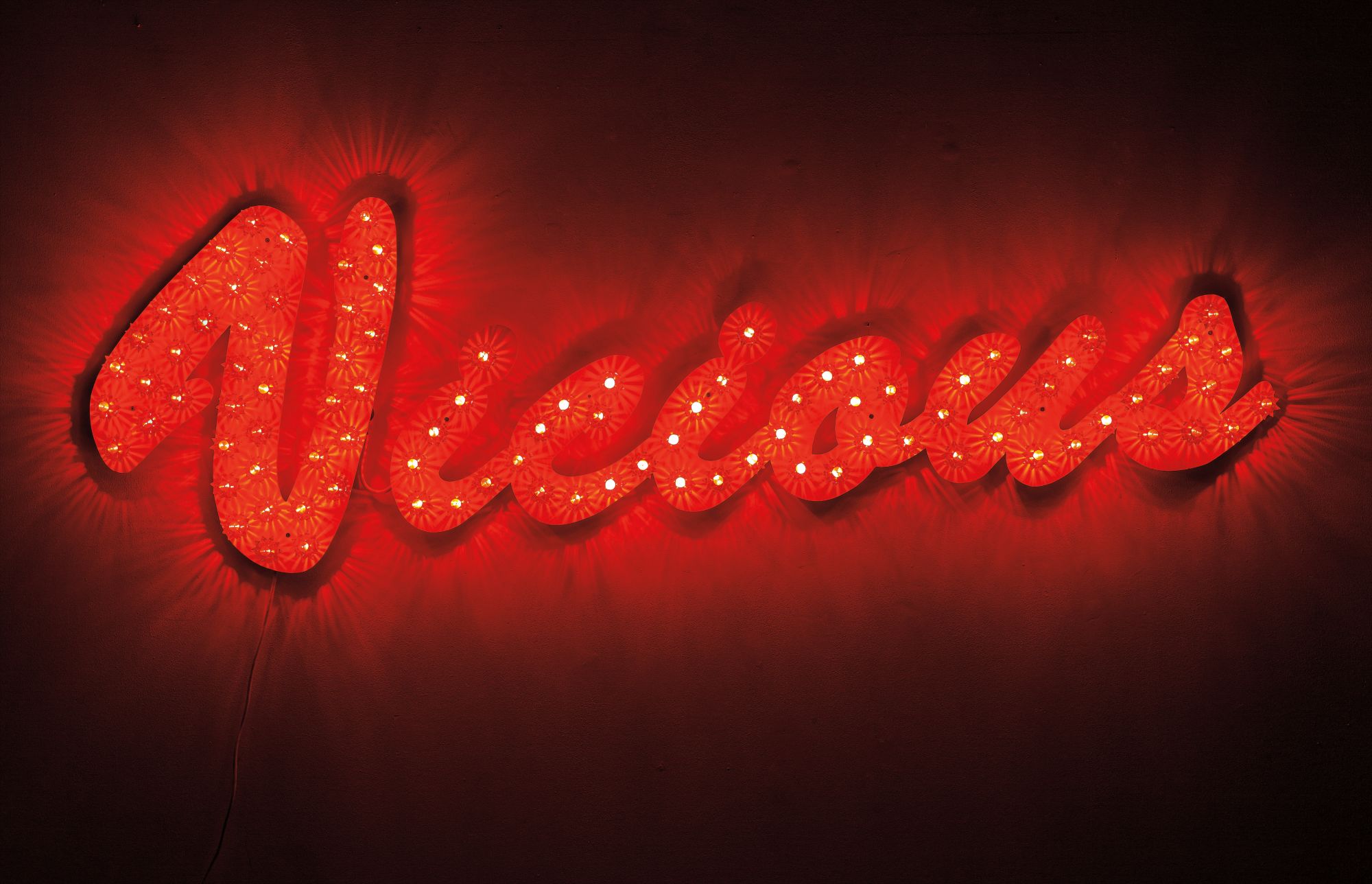
Tim Noble and Sue Webster
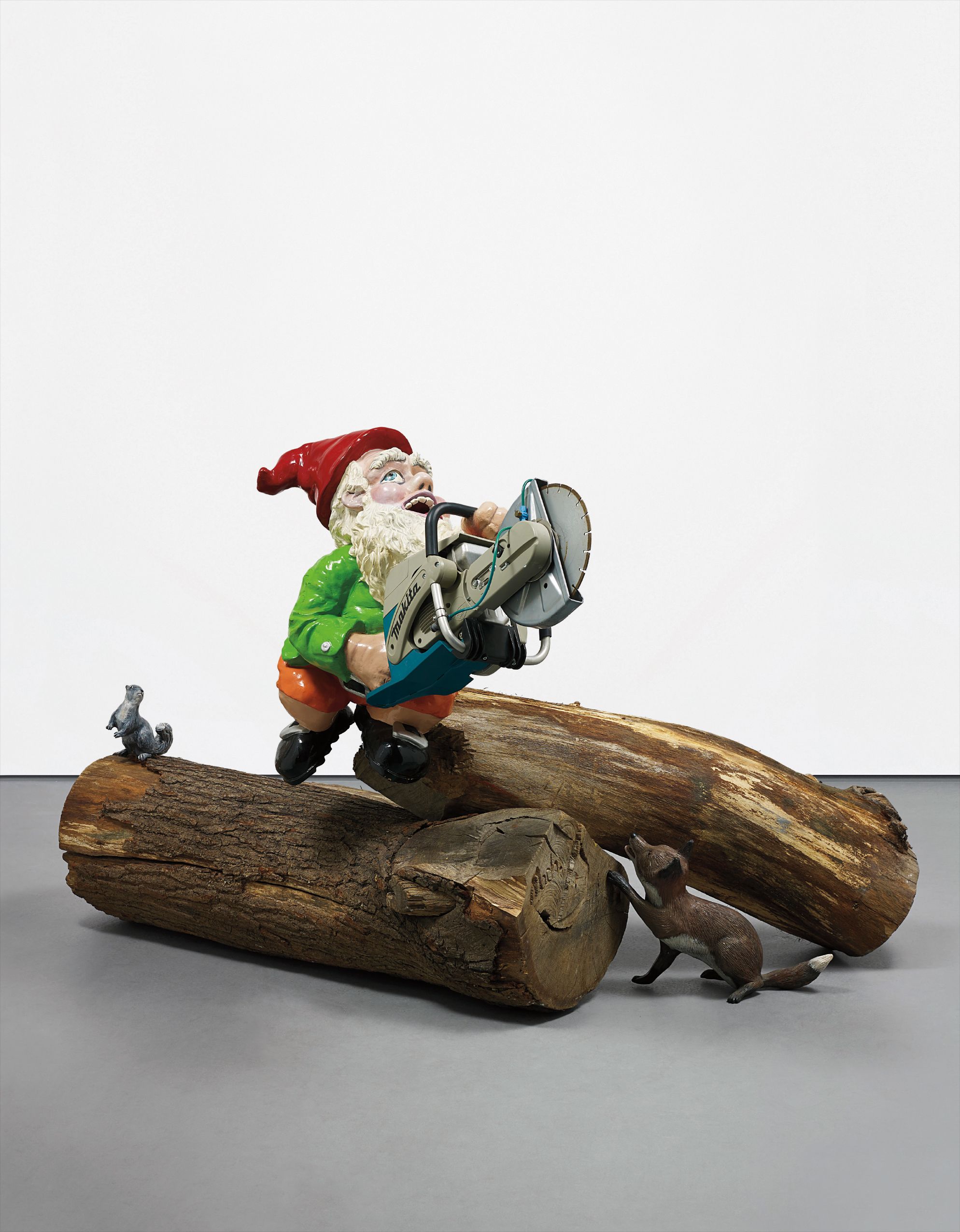
Vicious, 1999







The Art of Living With Beautiful Darkness
There is something deeply honest about a collector who gravitates toward dark work. They are not decorating a room or signaling status in any conventional sense. They are making a statement about what they believe art is actually for: the excavation of things we would rather not look at directly, the naming of fears, the rendering of grief and violence and mortality into something that can be contemplated rather than fled. Collectors who live with this kind of work tend to describe an intimacy with it that feels different from anything else on their walls.
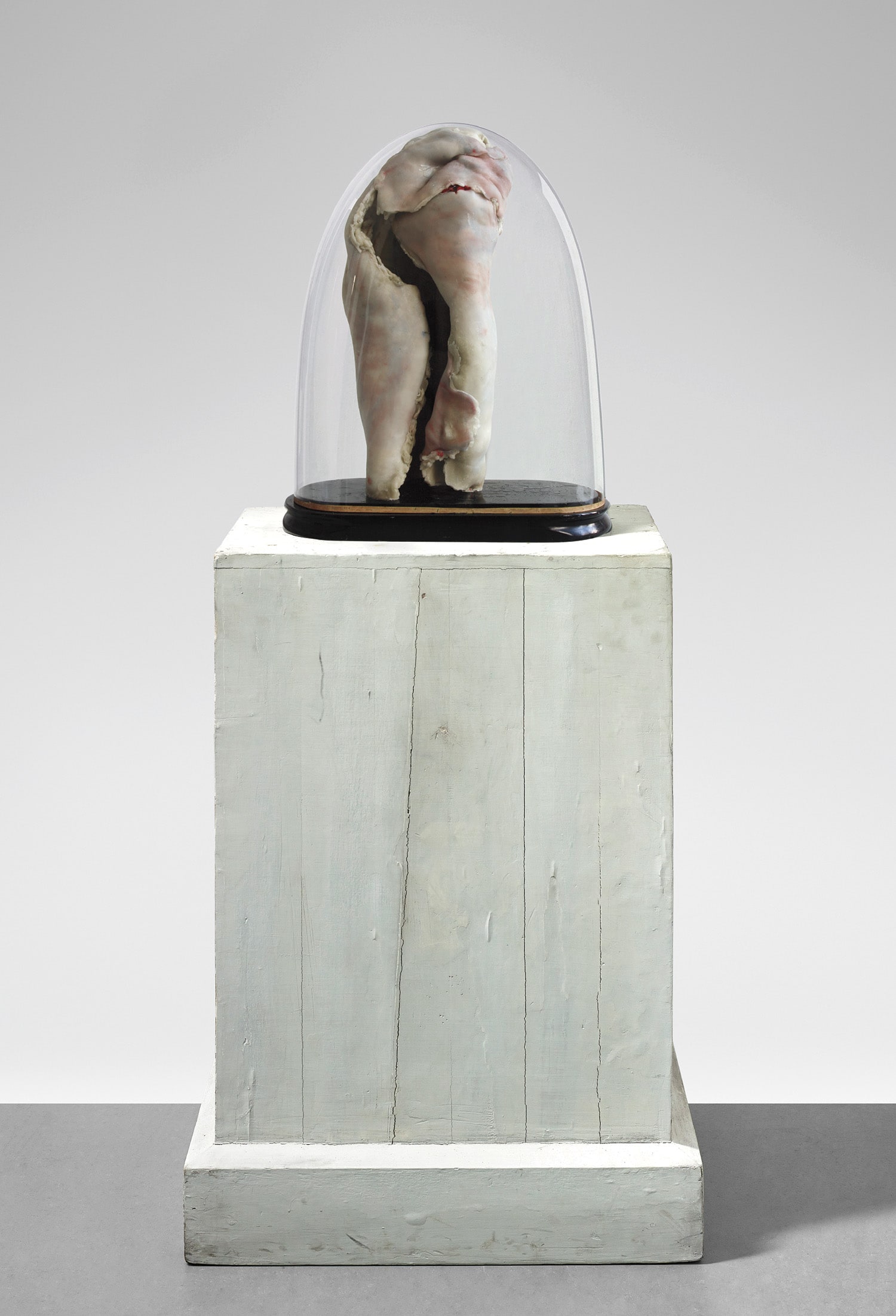
It asks something of you every time you walk past. What draws serious collectors to dark themes is partly the same quality that draws serious readers to tragedy. There is a catharsis available in art that refuses comfort. A work by Berlinde De Bruyckere, with its shrouded, wounded forms that seem to exist somewhere between flesh and driftwood, does not offer resolution.
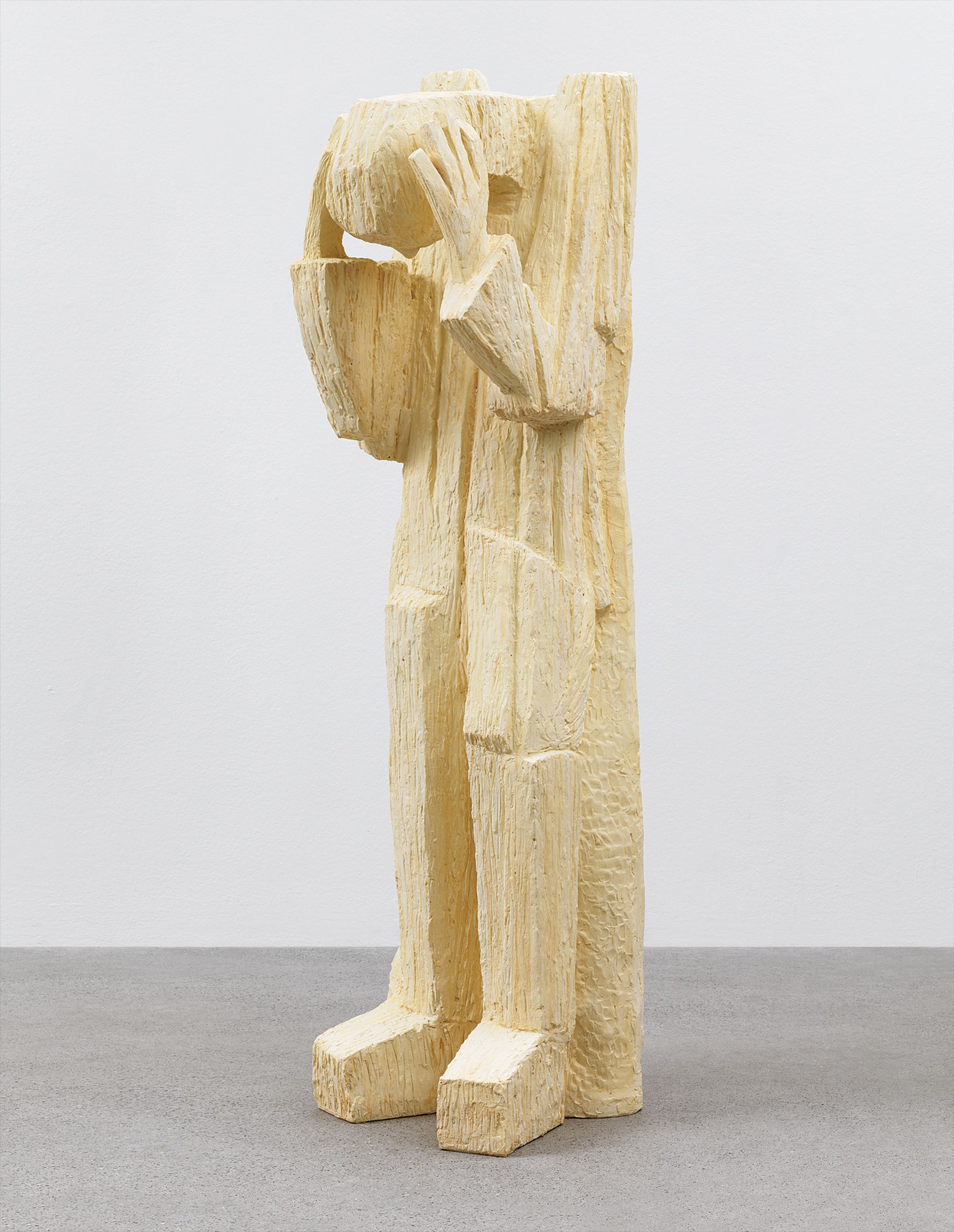
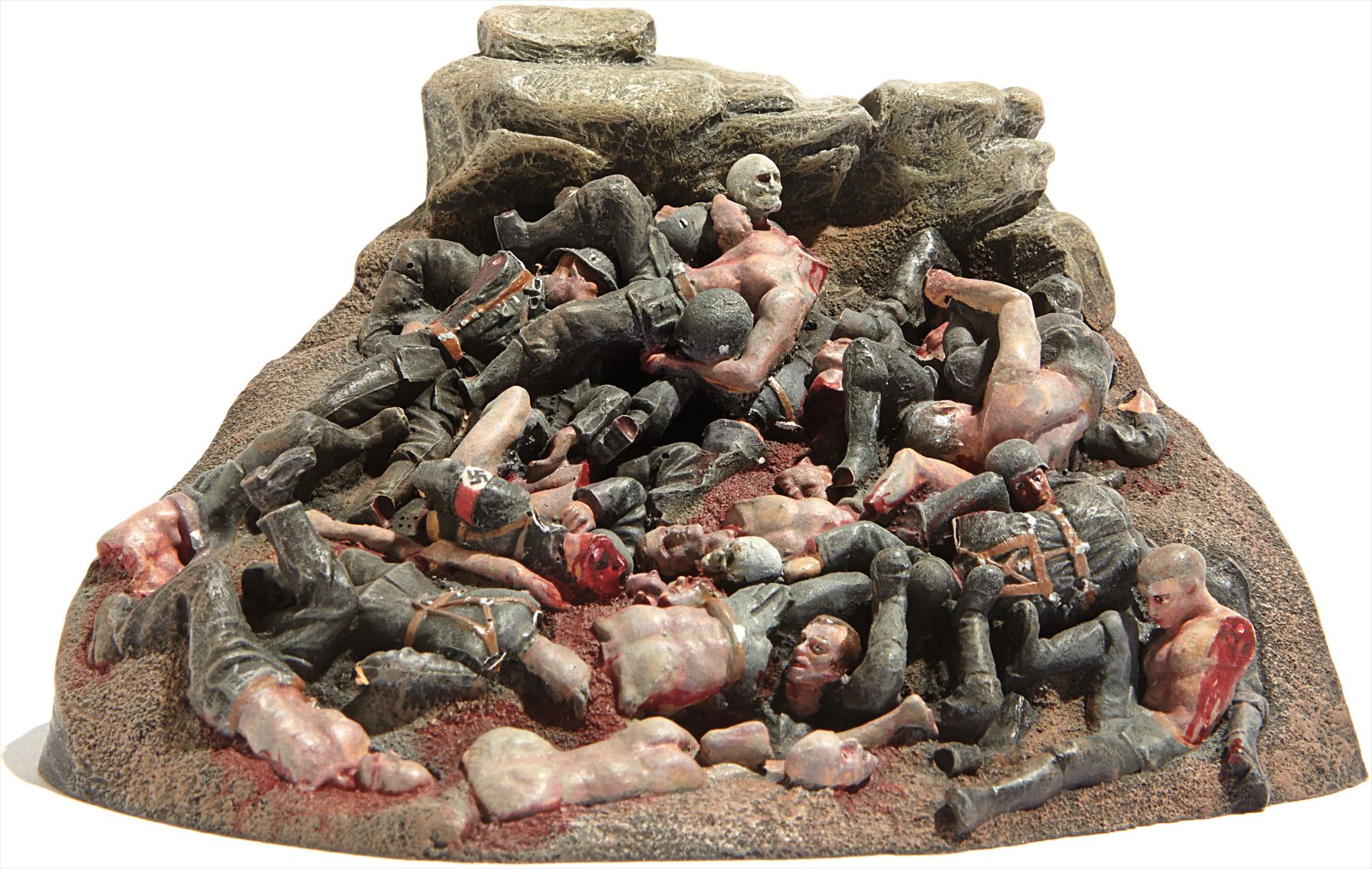
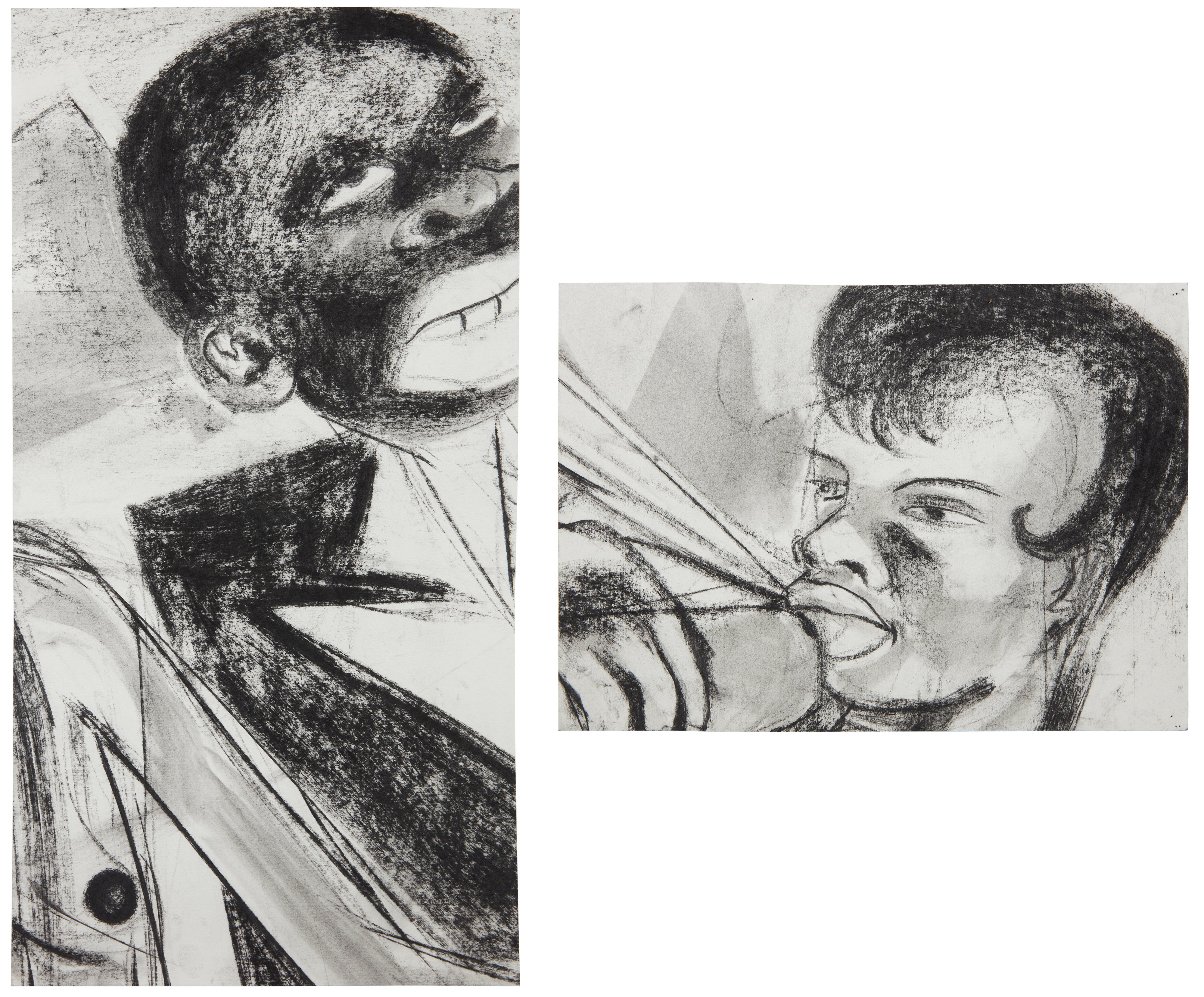
Vojtěch Kovařík
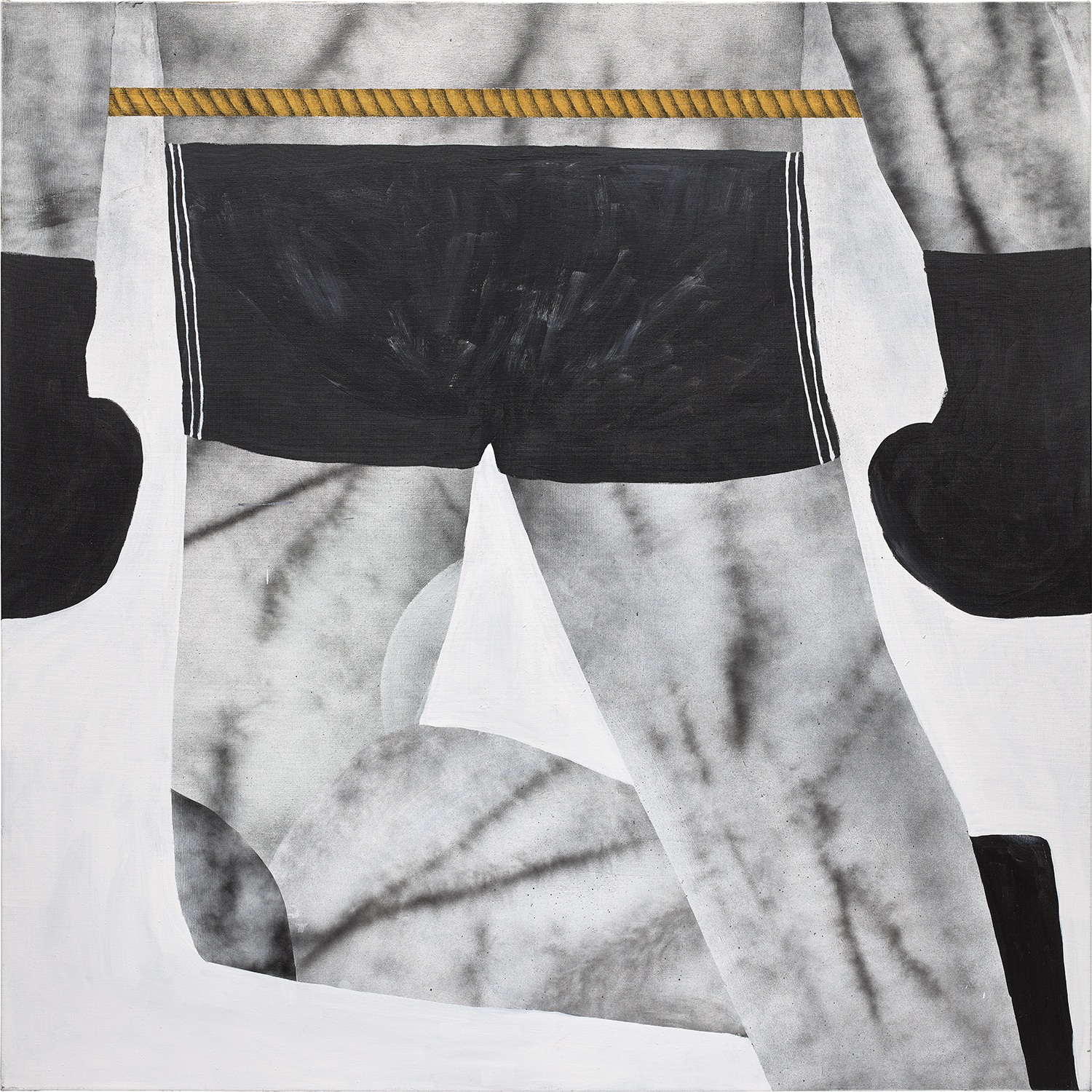
Hanged, 2019
It offers presence. That sustained discomfort is, for the right collector, exactly the point. The work holds open a space for reflection that more decorative or formally resolved pieces simply cannot access. The difference between a good work and a great one in this territory comes down to intention and control.
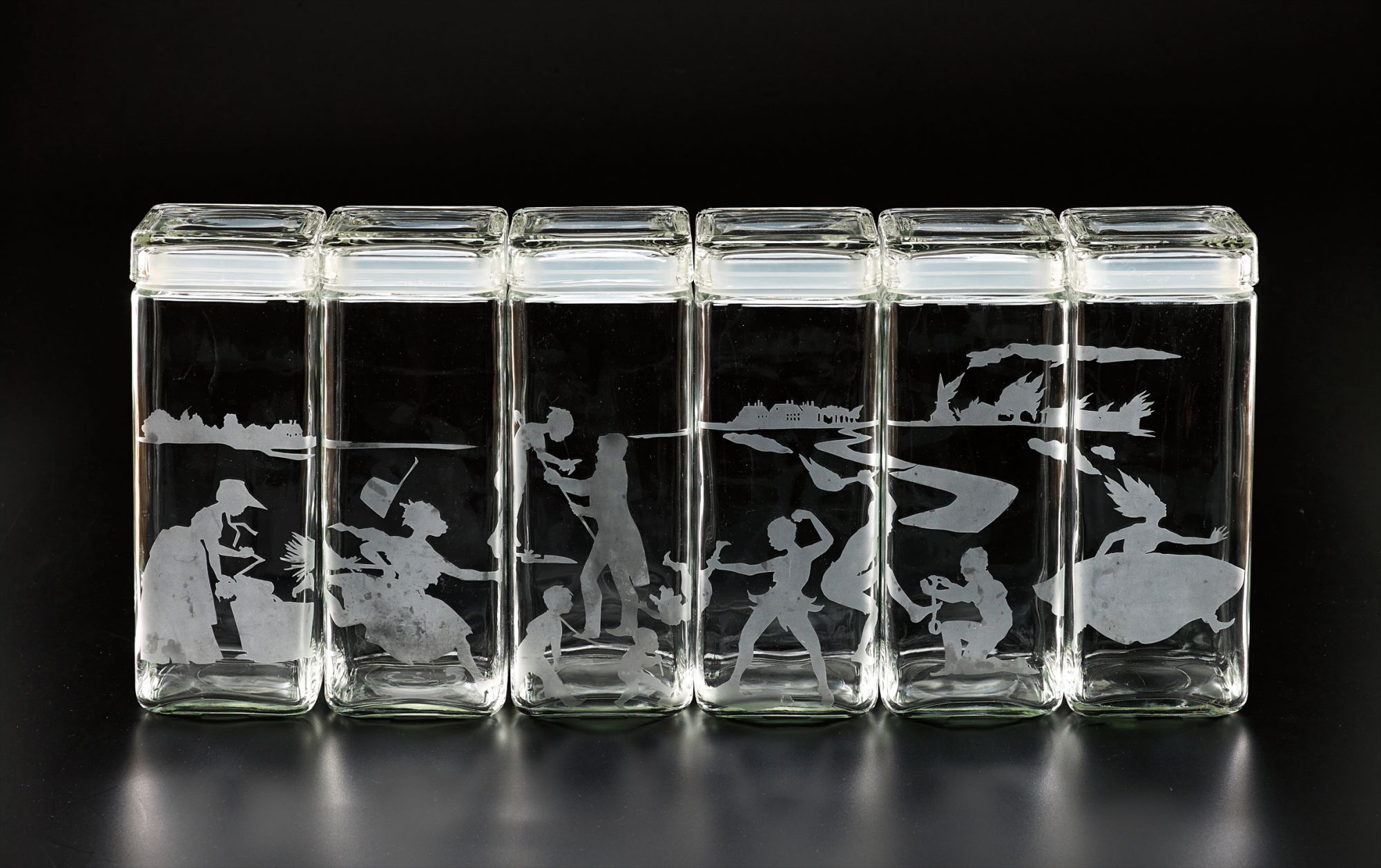
Dark imagery without rigor collapses into shock or sentimentality, and experienced collectors learn to distinguish quickly between work that unsettles because it is genuinely thinking and work that merely performs darkness for effect. The strongest pieces tend to operate through indirection: Kara Walker's silhouettes are one of the great examples, using the genteel language of nineteenth century parlor decoration to stage scenes of unbearable historical violence. The formal elegance makes the content more devastating, not less. That tension between surface and meaning is what separates work with lasting power from work that simply makes you uncomfortable.
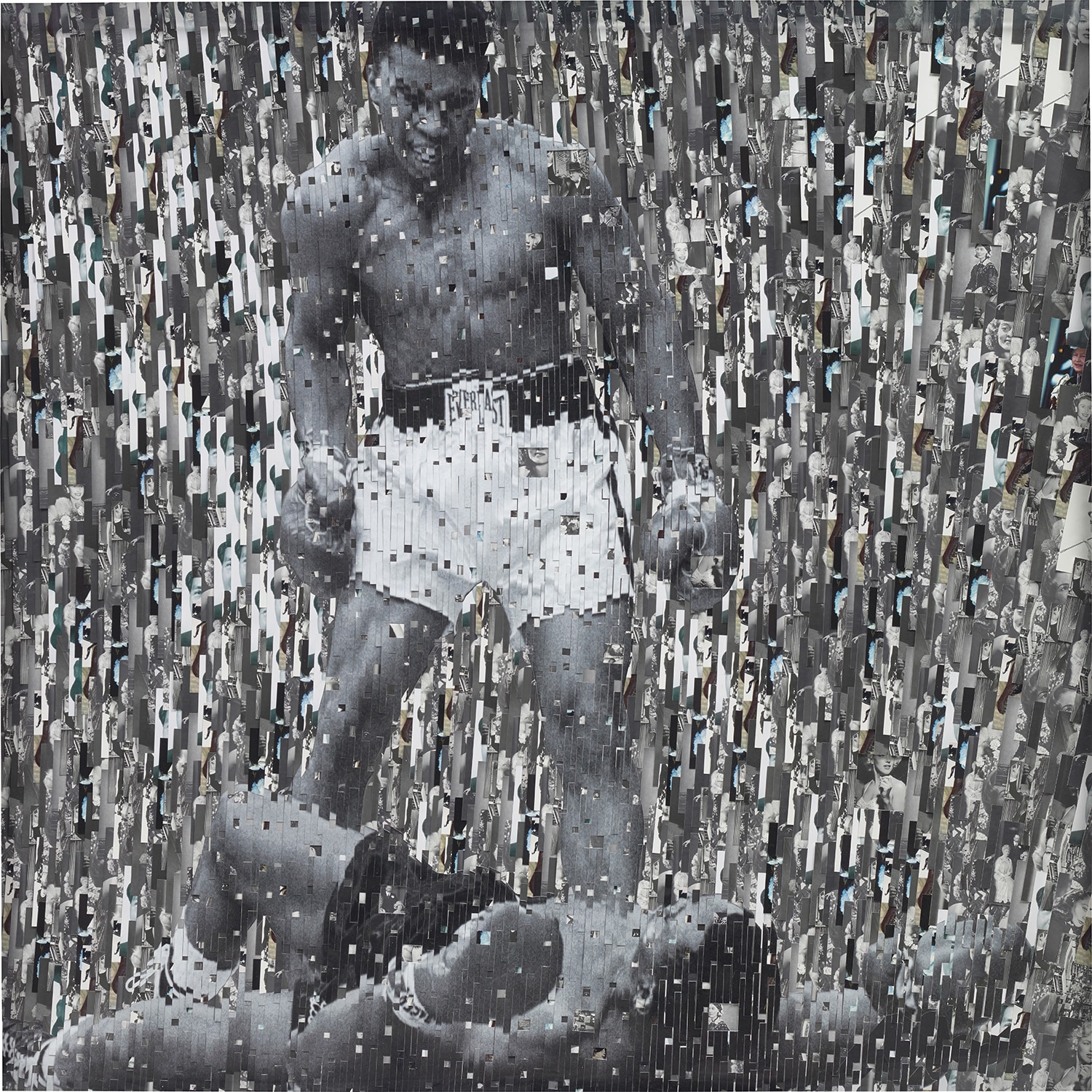
Kara Walker
Canisters
Condition and medium matter enormously in this space, more perhaps than in almost any other collecting category. Many artists working with dark themes are drawn to materials that carry their own vulnerability: wax, latex, taxidermy, found objects, unstable pigments. Collectors should ask galleries directly about conservation requirements before acquiring. A work by Damien Hirst involving organic or chemical materials demands a different conversation than a painting by Adrian Ghenie, whose densely worked surfaces are more forgiving but still require careful attention to light levels and humidity.
Tim Noble and Sue Webster have worked extensively with light and found materials, and any acquisition in that area should come with thorough documentation of the technical specifications. Darkness as a theme and darkness as a literal condition of display are often intertwined, and it is worth planning for how a work will actually live in a space before the purchase is made. In terms of artists representing strong value on the market right now, Adrian Ghenie stands out as a figure whose critical and commercial reputation has grown in tandem in a way that rarely happens. His paintings, referencing twentieth century horror both historical and psychological, have performed consistently well at auction since his breakthrough years in the early 2010s.
Tim Noble and Sue Webster
Vicious, 1999
Kara Walker needs little introduction in terms of institutional validation, but her works on paper and artist books represent a more accessible entry point for collectors who cannot reach the prices her major silhouette installations command. Jordan Wolfson is another figure whose market trajectory has been steep and whose work, confrontational and often genuinely disturbing, has moved from art world conversation piece to serious collection anchor in a relatively short period. The secondary market for all three rewards patience, and acquiring on the primary market through gallery relationships remains the stronger long term strategy. For collectors interested in emerging positions, several artists on The Collection represent genuine opportunities.
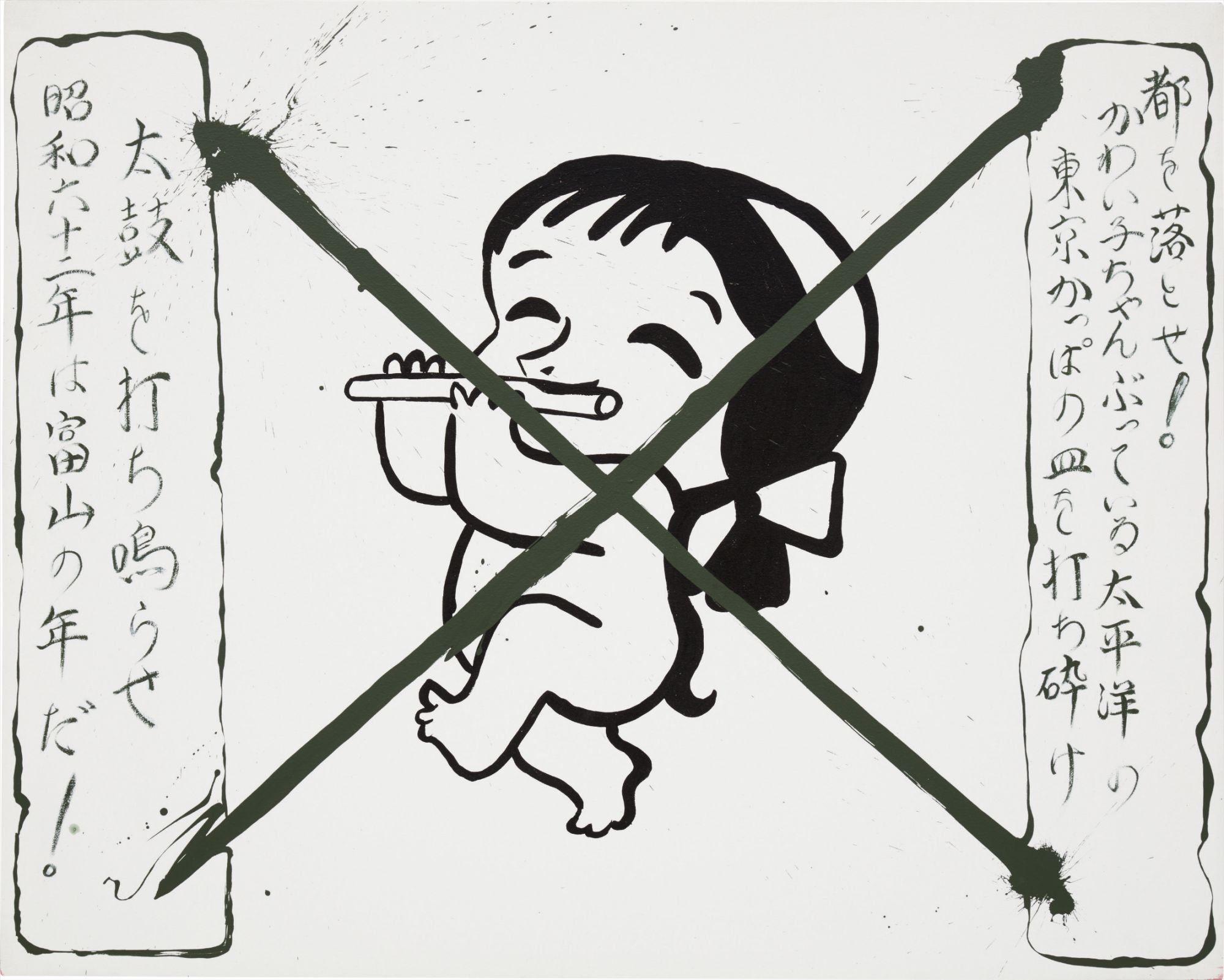
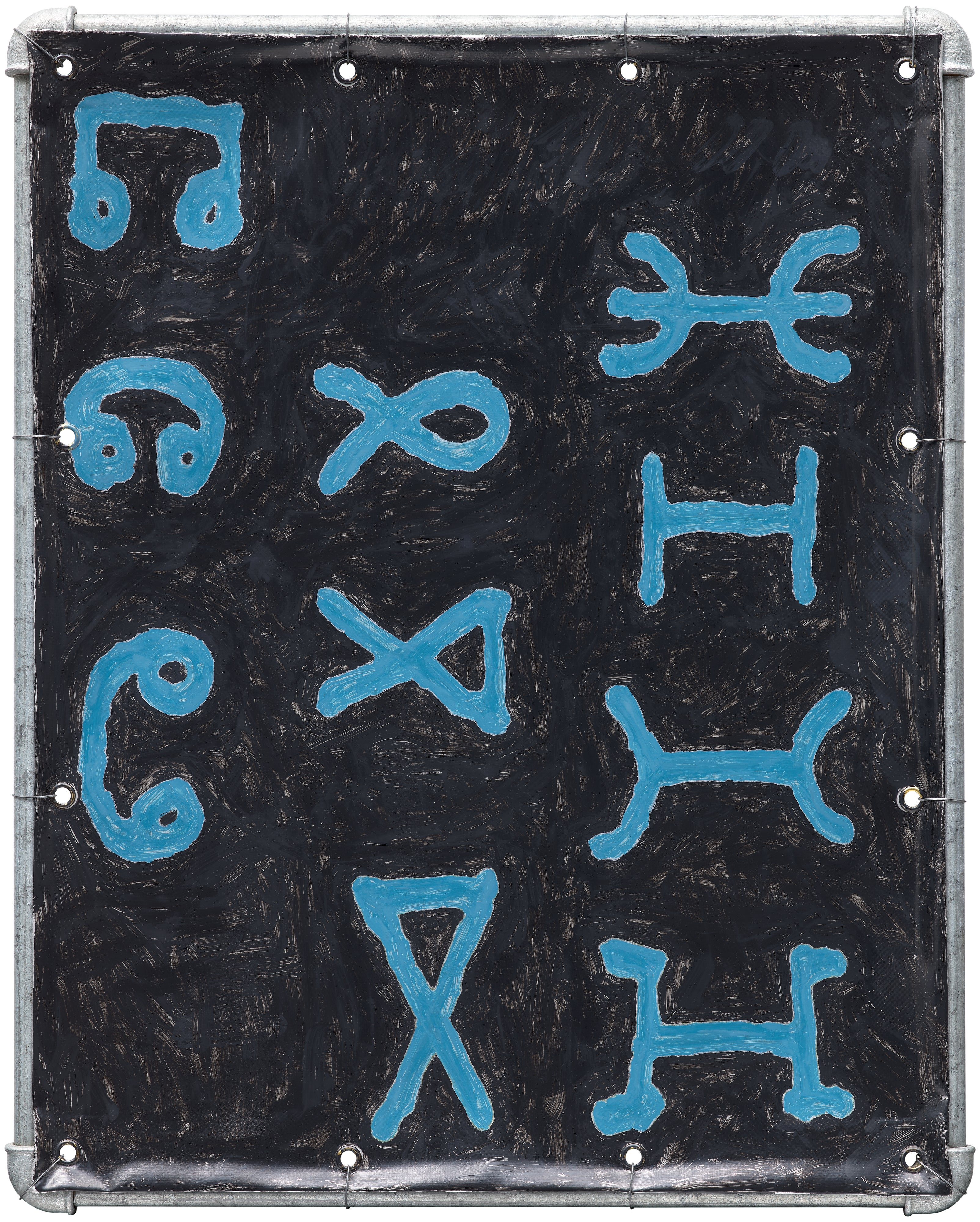
Wynnie Mynerva, the Peruvian artist whose work engages directly with bodily violence and political trauma through painting and performance documentation, has been building a serious international exhibition history and the critical attention is accelerating. Vojtěch Kovařík brings a Central European sensibility to figuration that draws on art history with real sophistication, and his prices remain at a level where a considered acquisition still feels like a discovery rather than a validation of someone else's taste. Conrad Botes, the South African artist long associated with underground comics and graphic culture, makes paintings and drawings that are genuinely strange and genuinely accomplished. His relative underrecognition outside his home region will not last indefinitely.

Wynnie Mynerva
Story of Revenge 2, 2021
At auction, works with dark themes have historically tracked behind more immediately palatable material during periods of market uncertainty, and this dynamic is worth understanding. Collectors looking at the secondary market for this category should treat softer moments as opportunities rather than warnings. The works that hold value over decades in this space are those with clear critical narratives, strong institutional exhibition histories, and the kind of formal ambition that keeps scholars and curators returning. Works that achieved prices on trend or celebrity alone tend to correct more sharply.
The fundamentals of condition, provenance, and the quality of the specific work within an artist's larger practice matter more here than in almost any other category. Practical advice for anyone deepening a collection in this area: ask your gallery contact for the conservation report, not just the condition report. Ask about editions carefully, because some of the most significant dark work exists in multiple forms and the distinctions between an artist's proof and a standard edition can affect both value and desirability over time. Think seriously about display, not as an afterthought but as part of the acquisition decision.
A work by Gregor Schneider or Mike Kelley that cannot be given adequate space and considered installation is a work that will never fully realize itself in your collection. The artists who work in this territory are almost always thinking about the physical and psychological conditions of encounter. To collect them well is to think that way too.