Commercial Photography
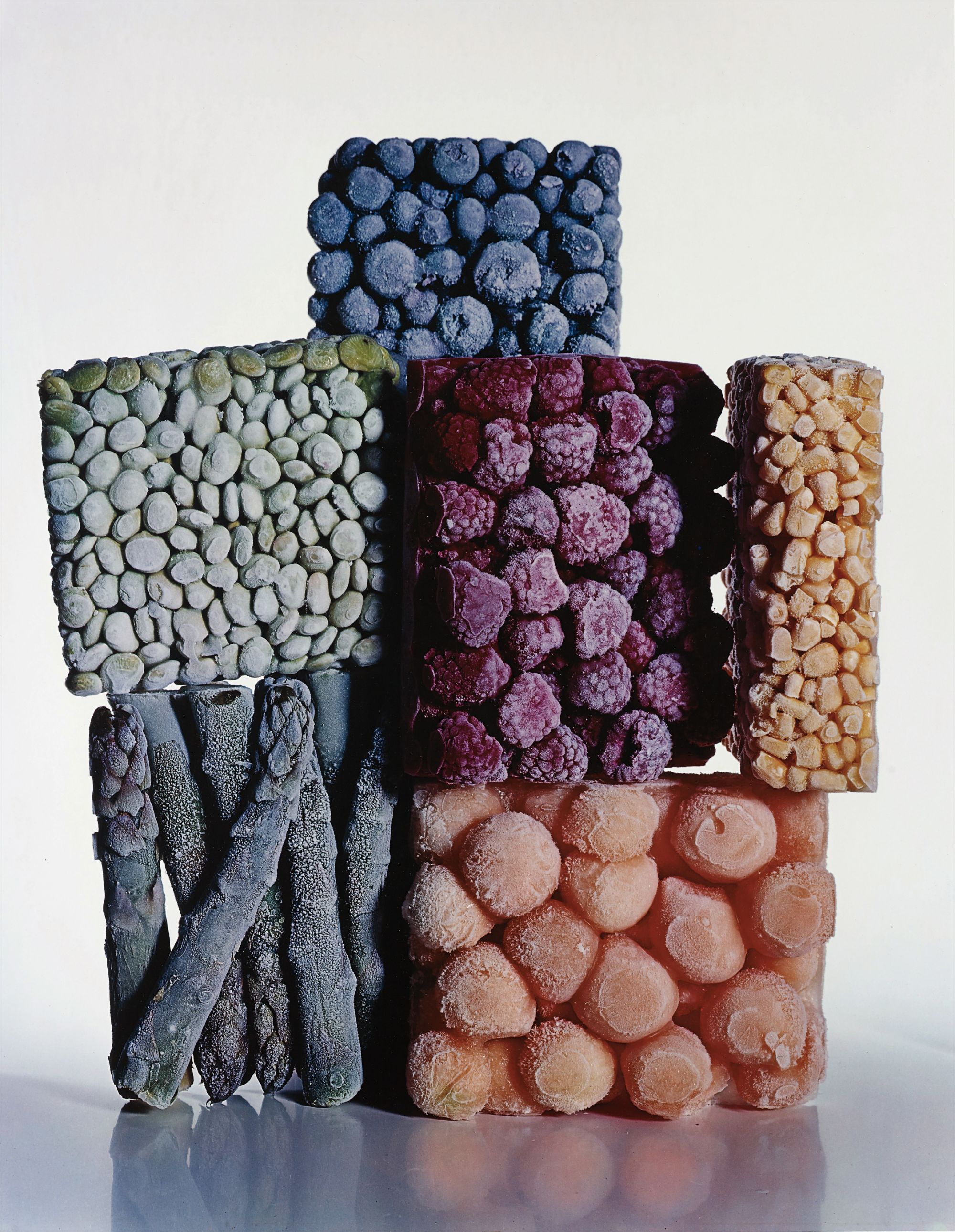
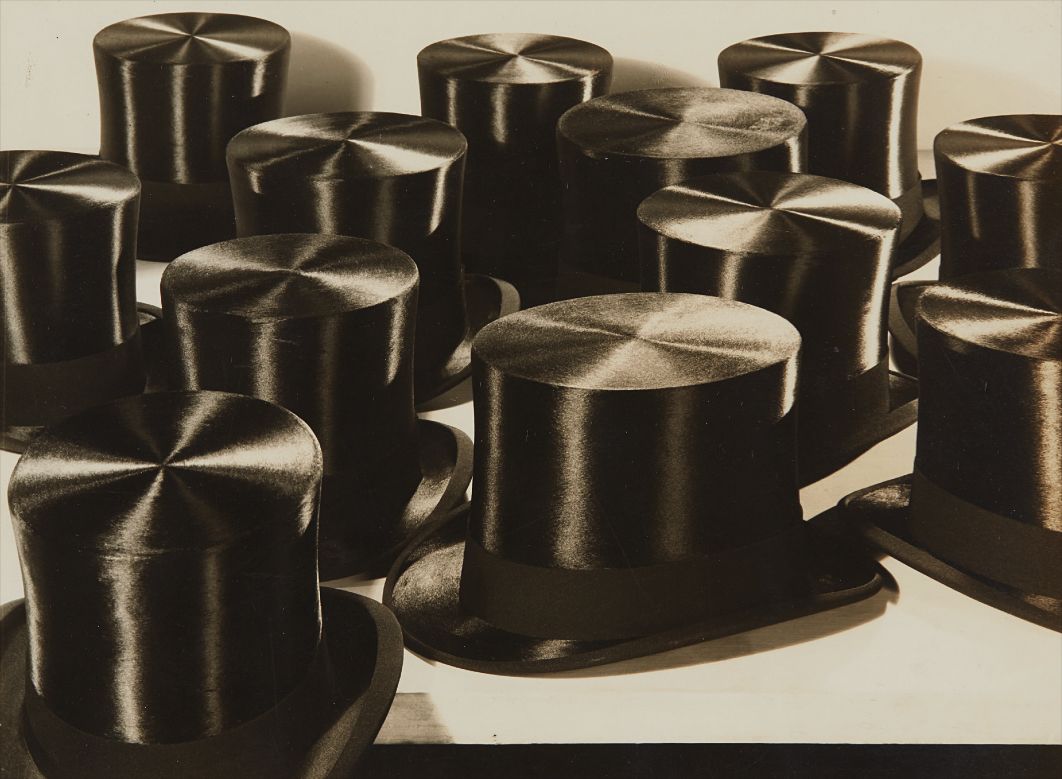
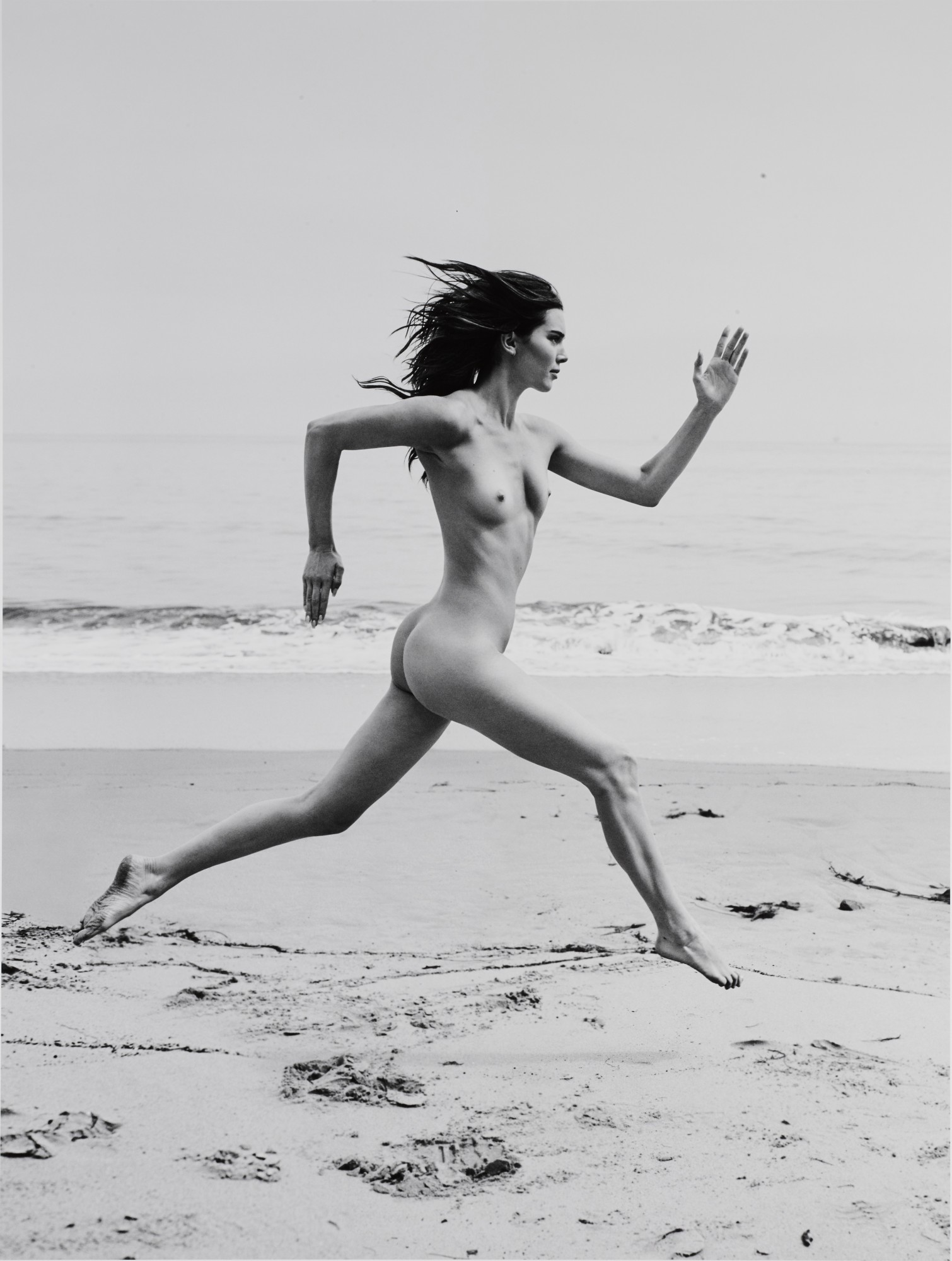
Irving Penn
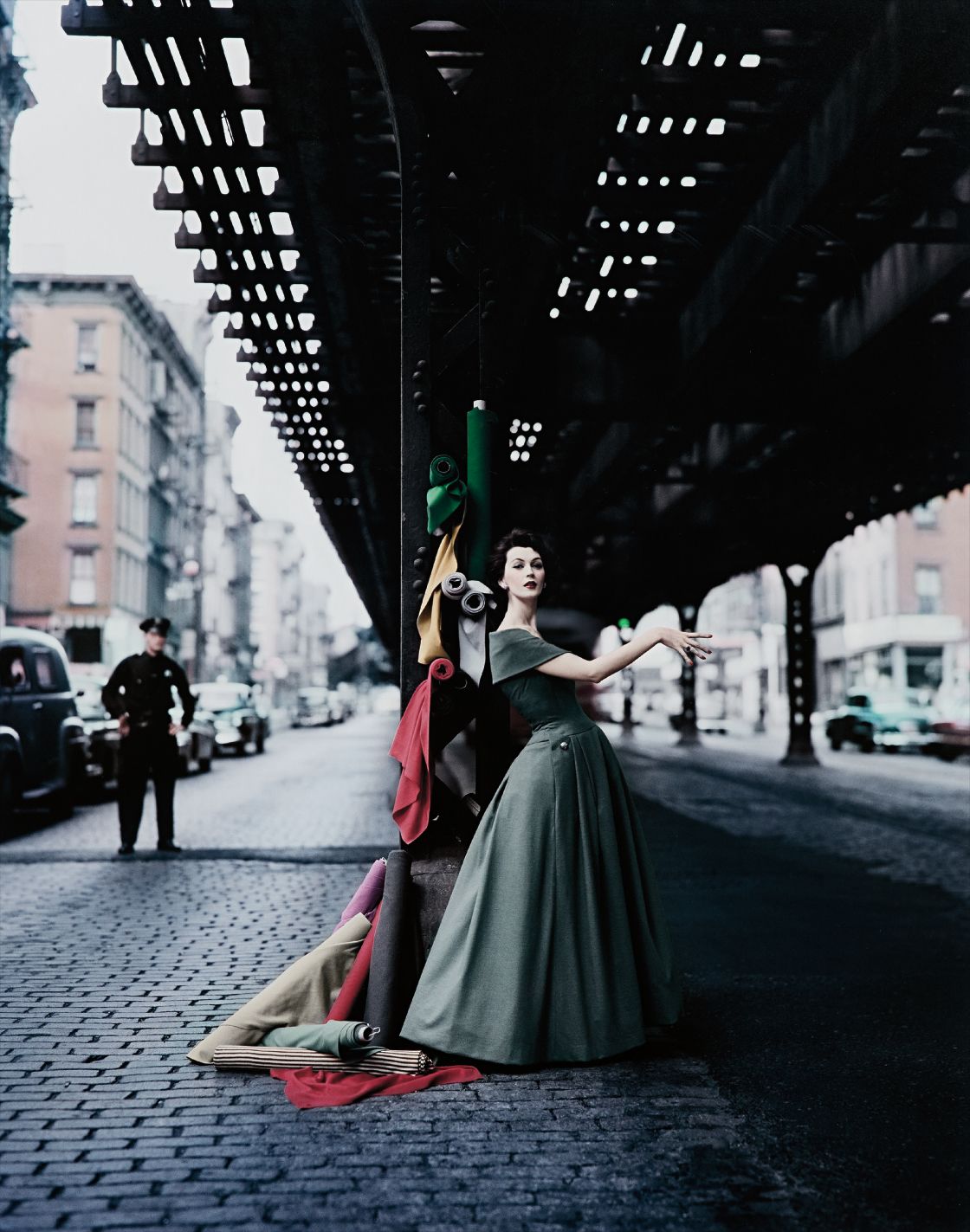
Frozen Foods, New York
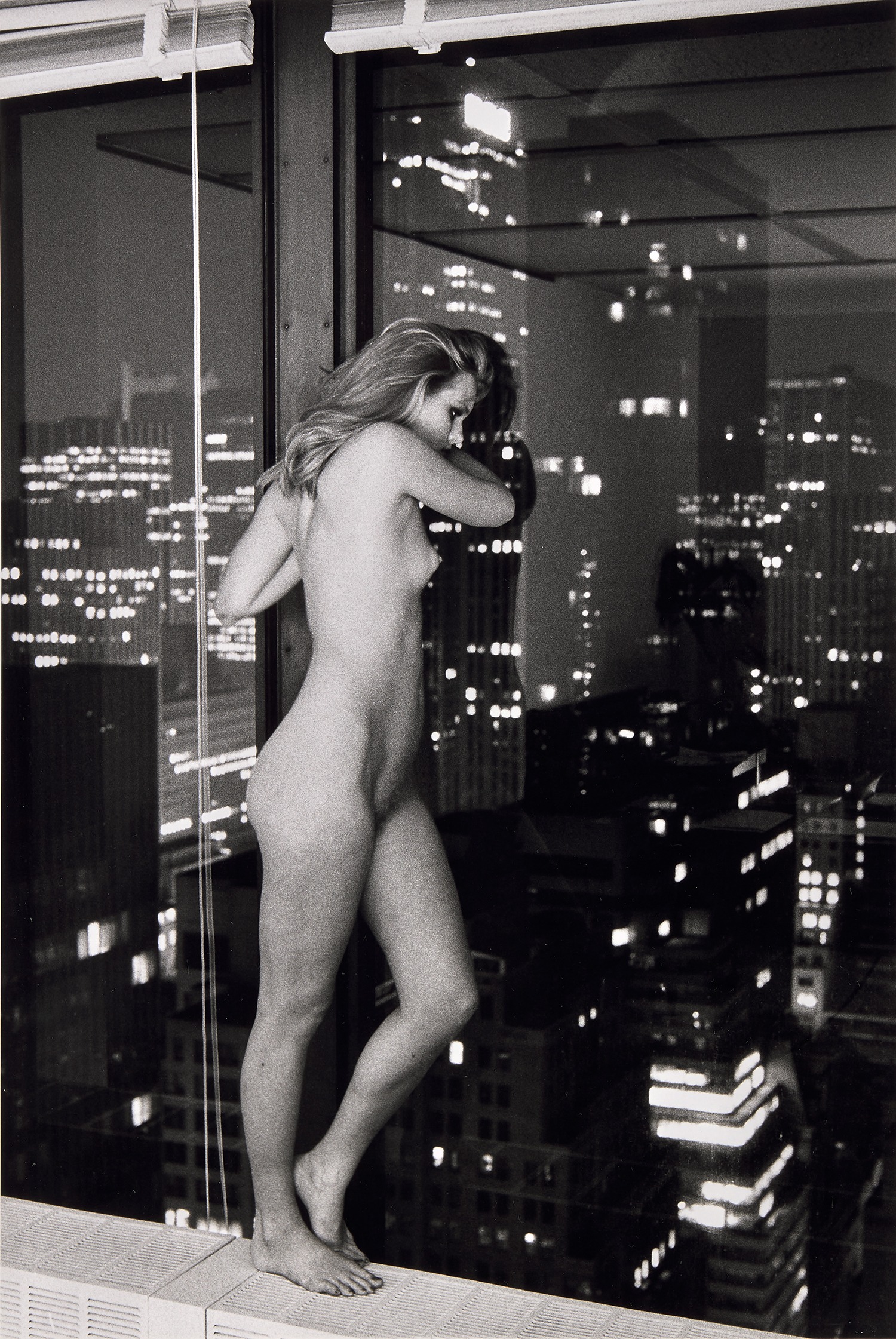
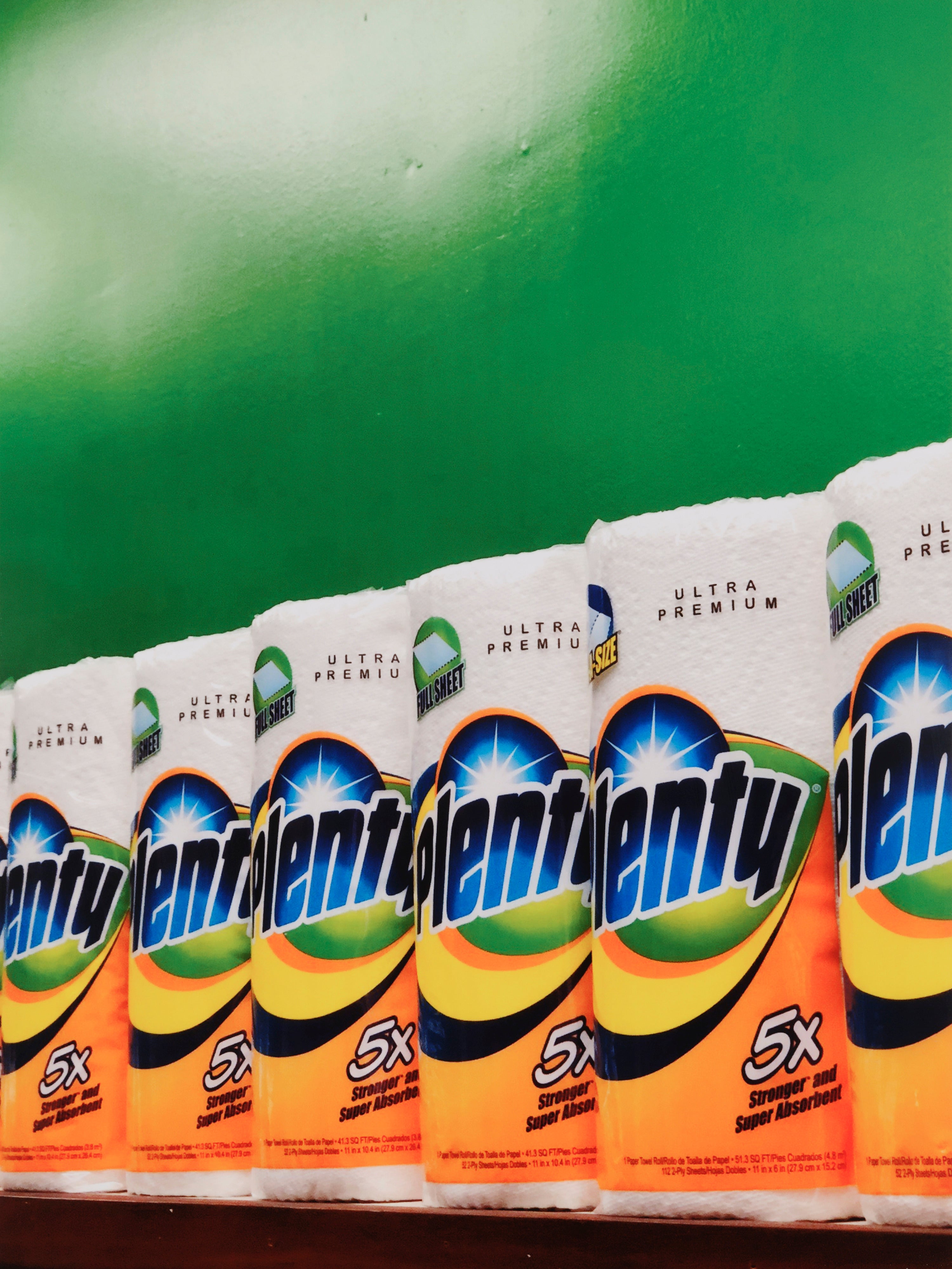
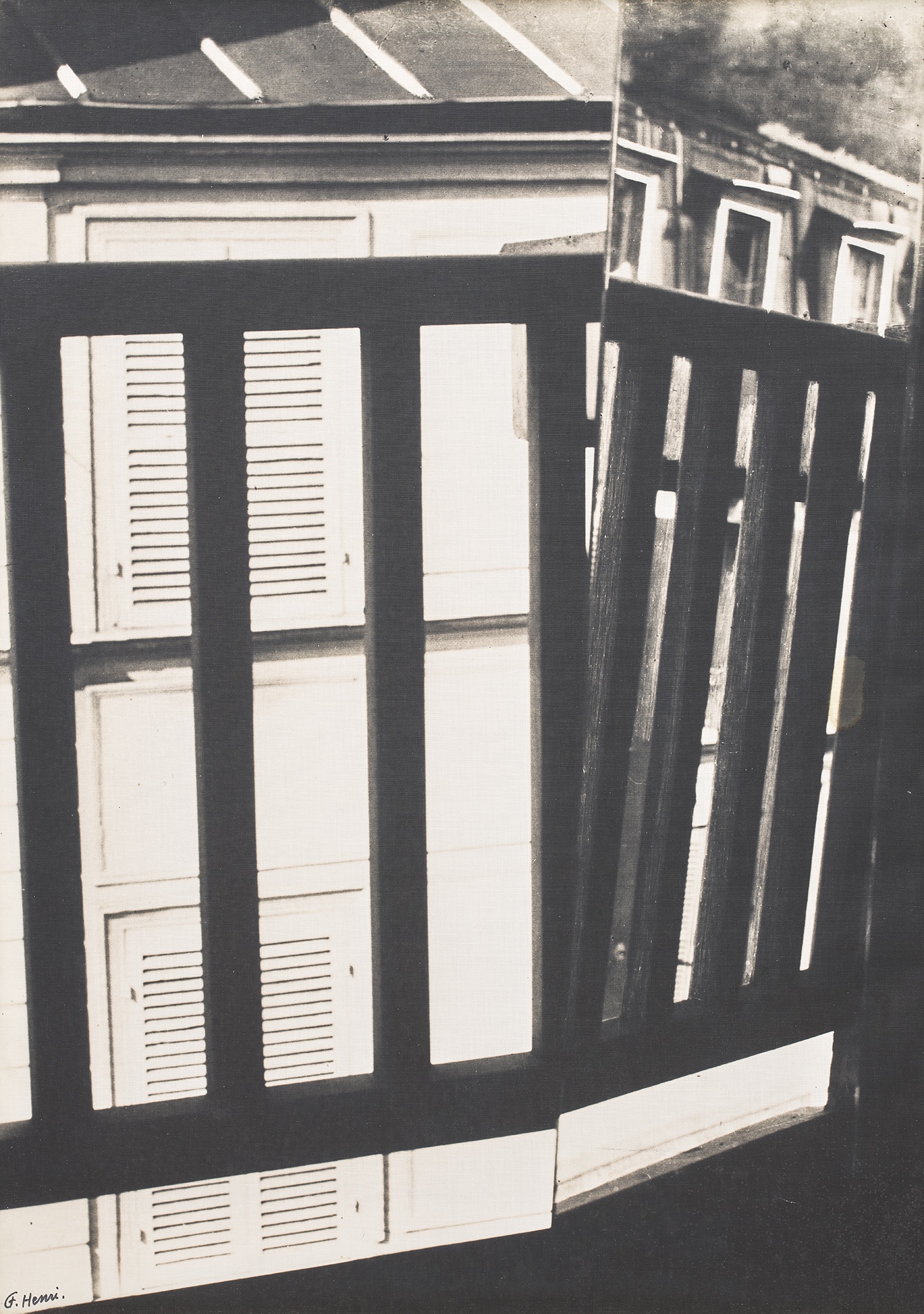
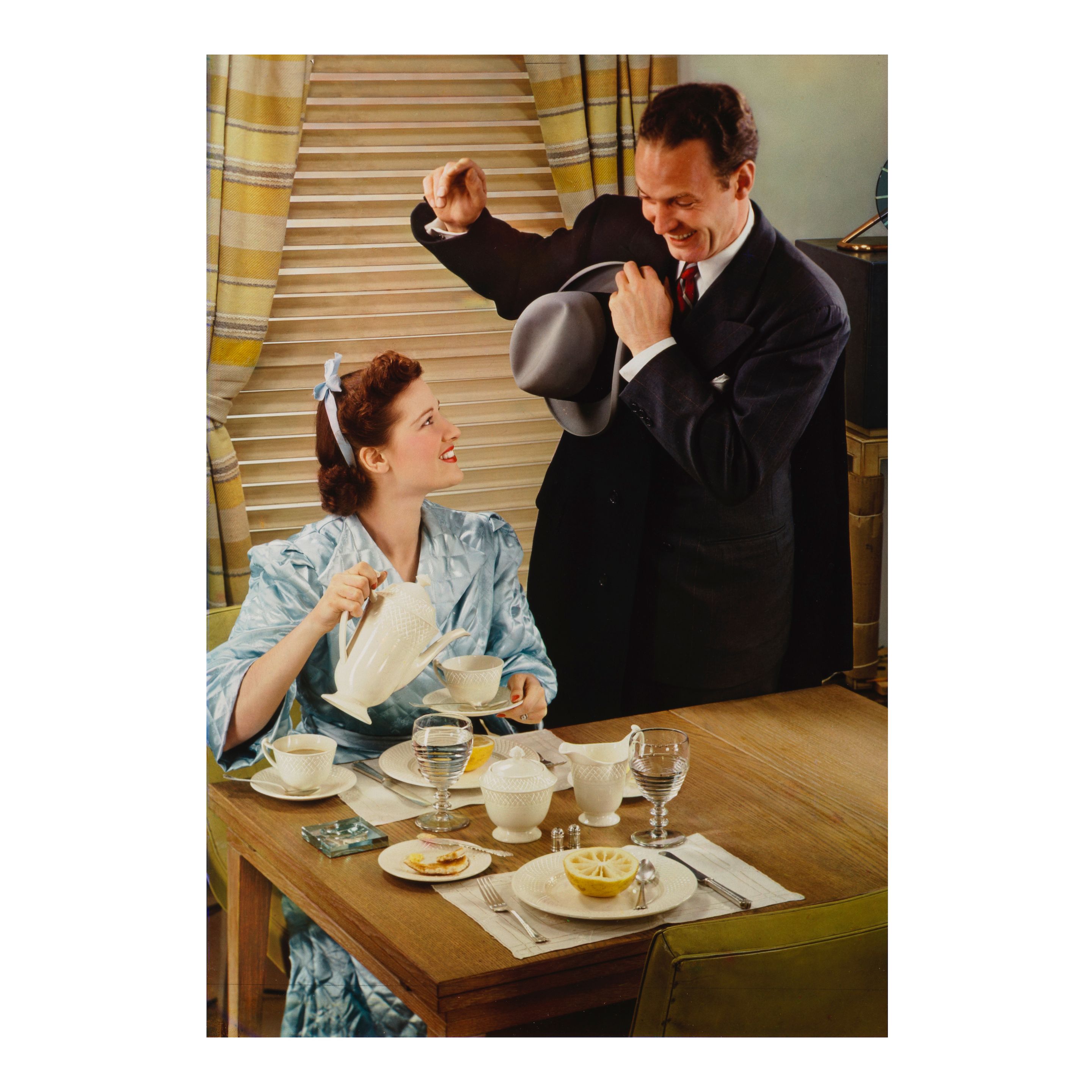
Selling Beauty: When Commerce Becomes Art
There is a particular pleasure in living with commercial photography, and collectors who have discovered it tend to become quietly obsessive about the category. Part of it is the sheer visual confidence of the work. These images were made to stop people in their tracks, to sell something, to lodge in the memory, and that same arrested quality translates remarkably well to a domestic or institutional wall. Unlike photographs made purely for exhibition, commercial work carries an embedded purpose that gives it a kind of kinetic energy, a sense that something is at stake beyond the aesthetic.
Collectors often describe the experience of hanging a great fashion or advertising photograph as similar to living with a very good film still: the world it conjures keeps revealing itself. What makes a work in this category genuinely great rather than merely skillful is harder to articulate but easier to feel. The best commercial photographs succeed on two registers simultaneously. They do the job they were commissioned to do, communicating desire or aspiration or brand identity with economy and force, and then they do something more: they exceed their brief and arrive at something that feels universal.
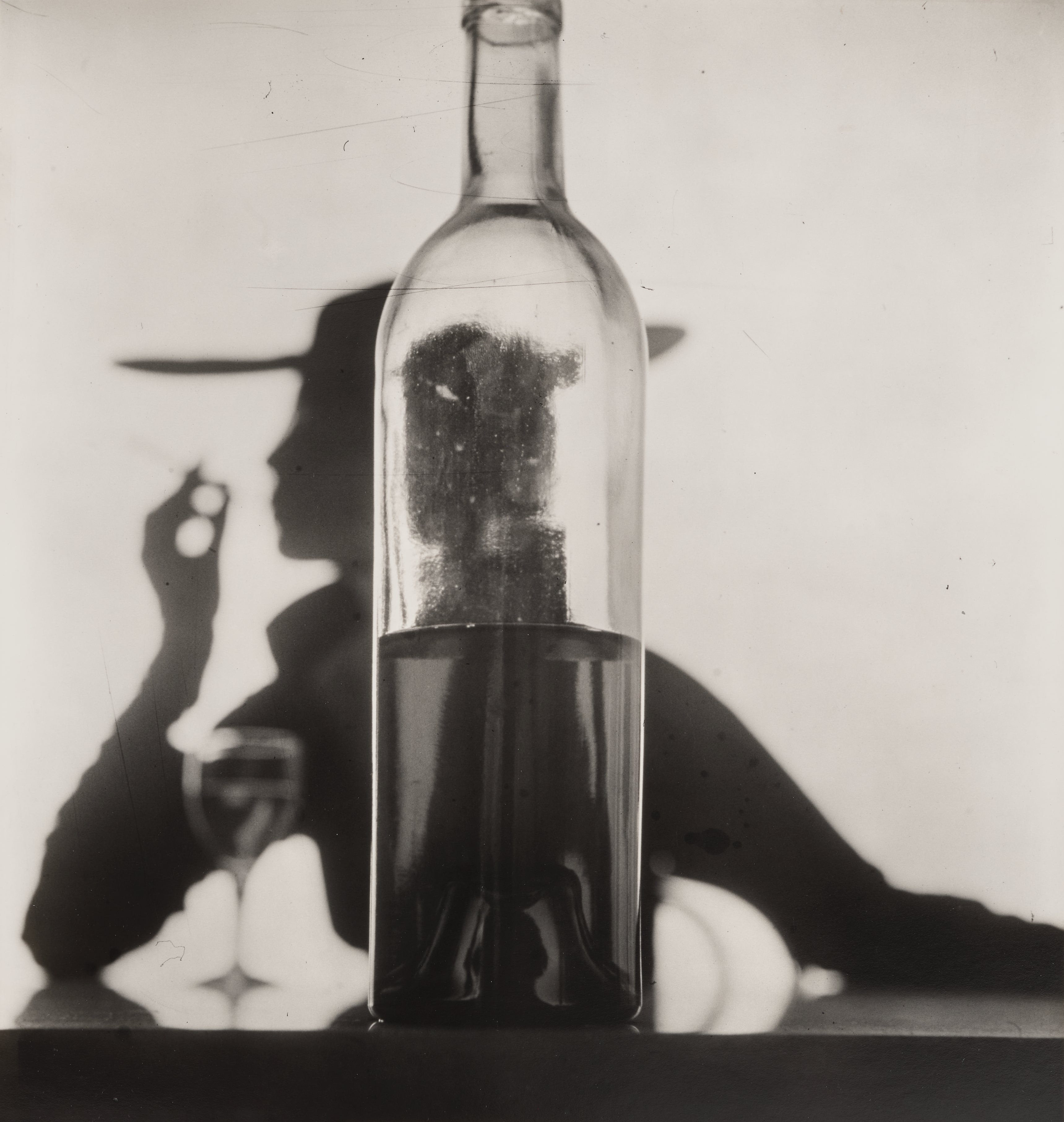
Irving Penn
Frozen Foods, New York
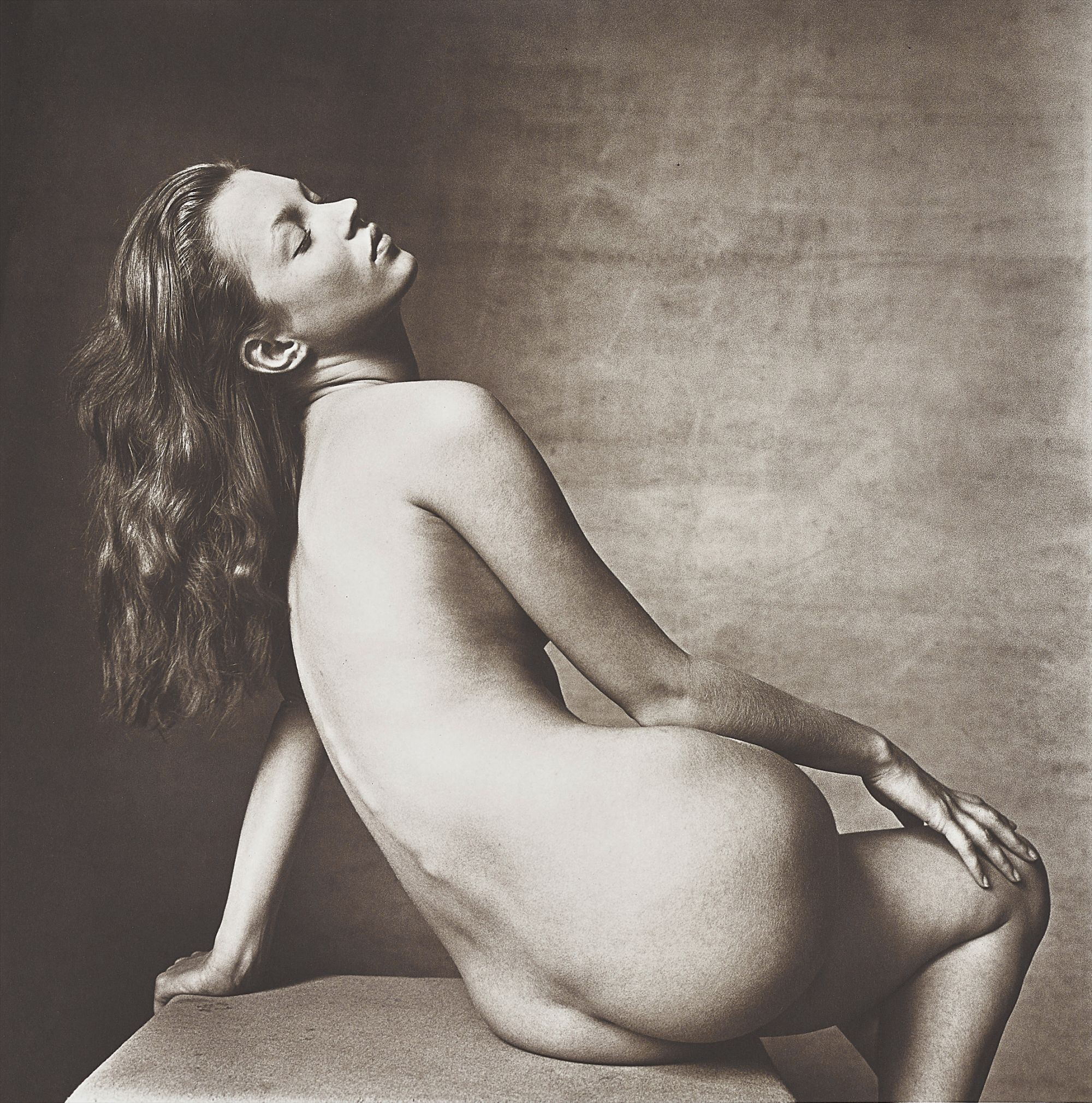
Irving Penn understood this better than almost anyone. His still lifes and fashion work for Vogue possess a formal austerity that belongs to the same conversation as Josef Albers or Giorgio Morandi. The cigarette series, the Worlds in a Small Room portraits, the platinum prints made late in his career from early negatives: all of it demonstrates that the border between commercial assignment and artistic statement was, for Penn, a fiction he declined to honor. For collectors assessing quality, provenance and print history matter enormously in this space.
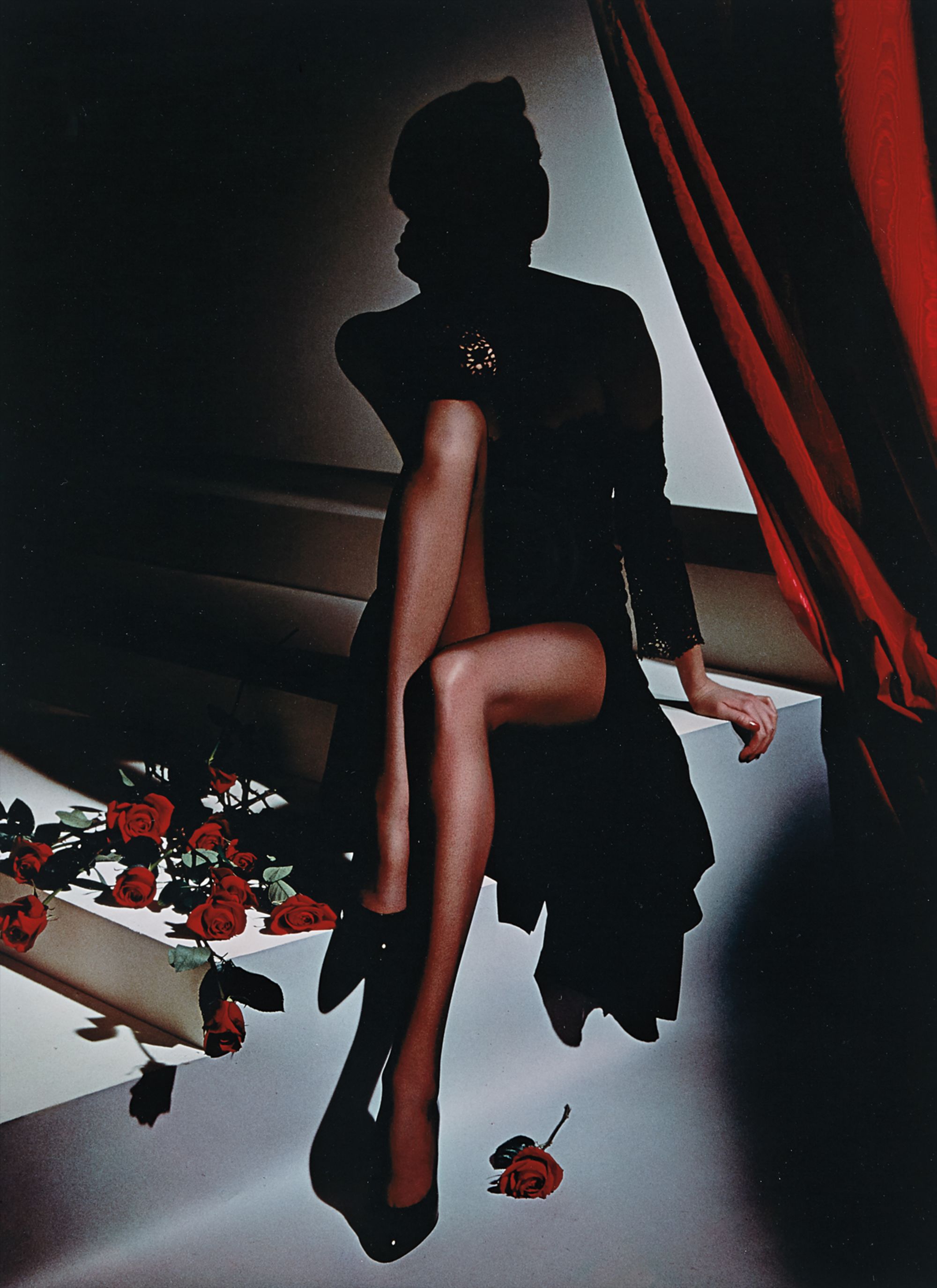
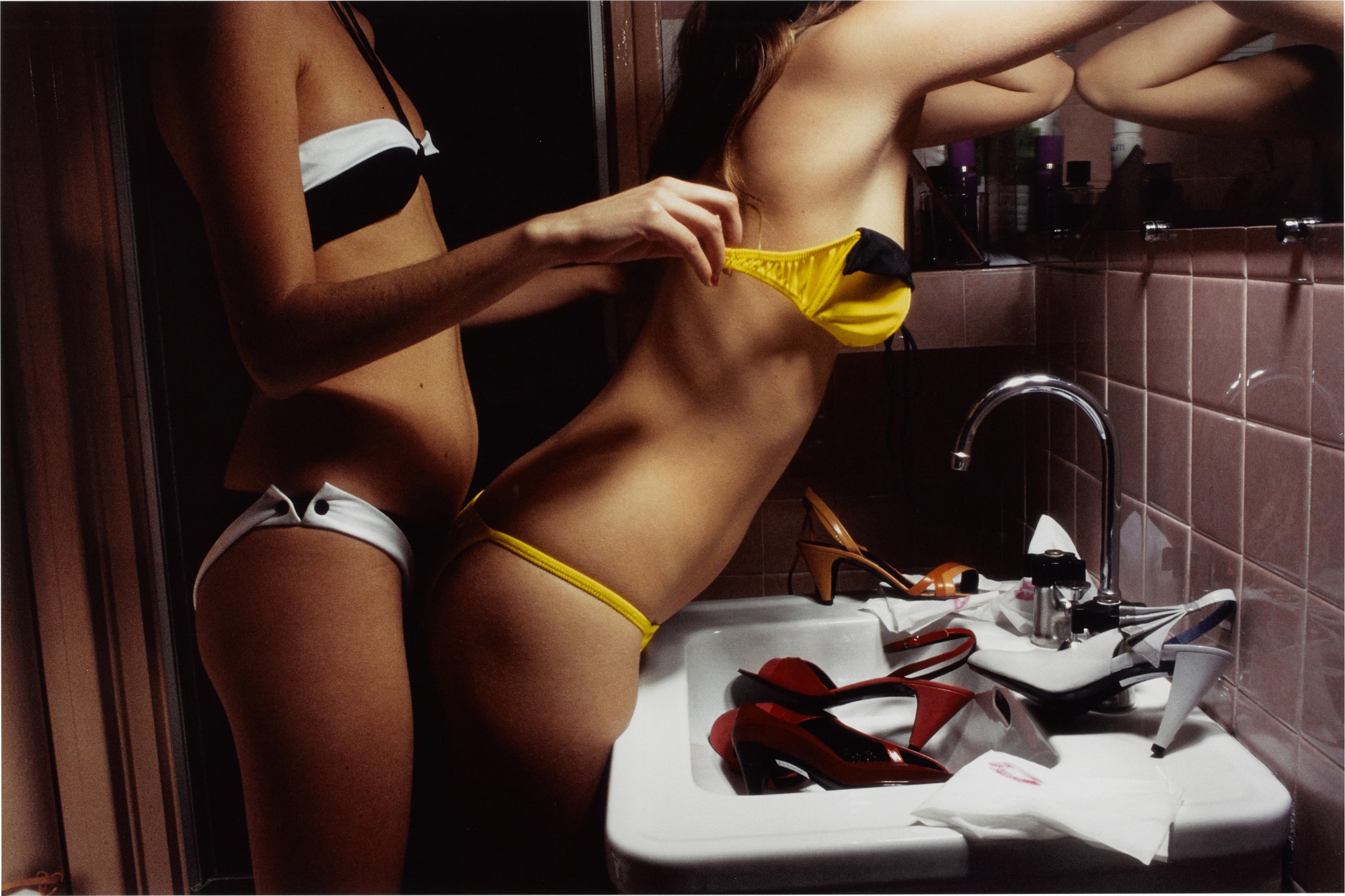
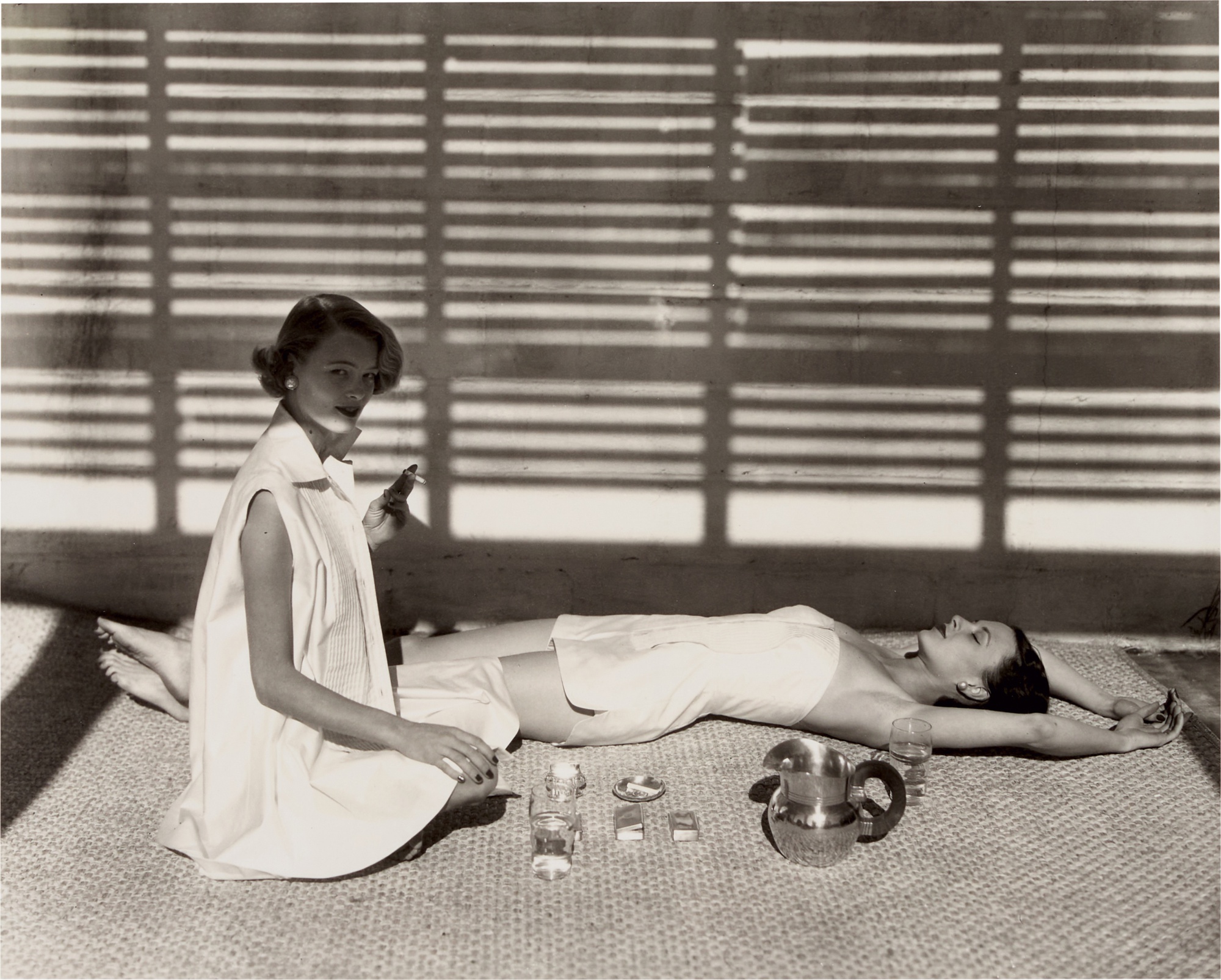
A vintage print made close to the date of the original assignment carries different weight from a later studio print or an estate print authorized posthumously. Guy Bourdin, whose work for Charles Jourdan in the 1970s remains some of the most psychologically charged advertising imagery ever produced, left a complex print legacy, and buyers should ask hard questions about edition status and who controlled production. The same due diligence applies across the category. William Helburn, who worked prolifically for American magazines in the 1950s and 1960s and is now receiving serious institutional attention, represents the kind of figure where early acquisition still makes genuine financial and curatorial sense.
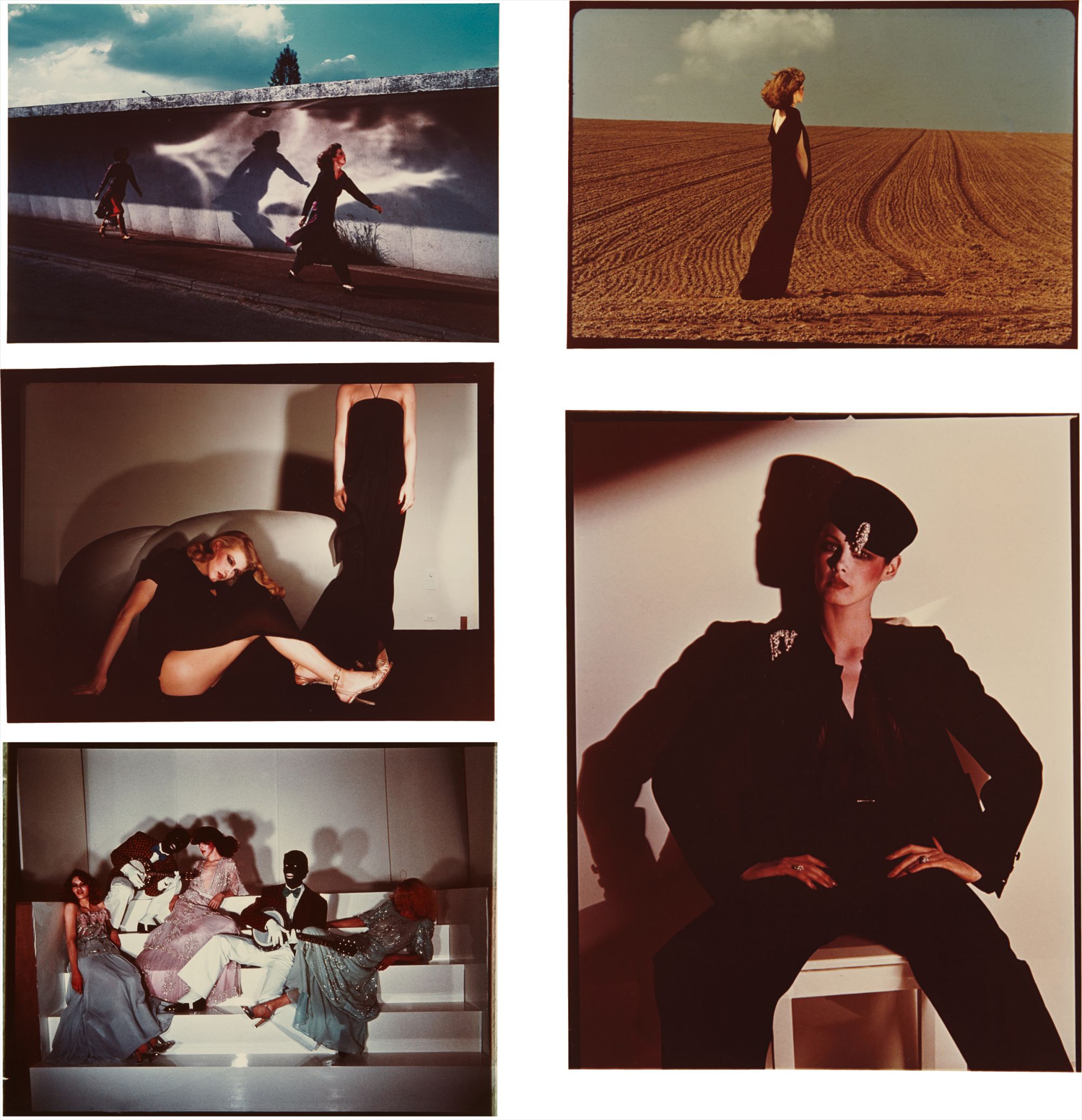
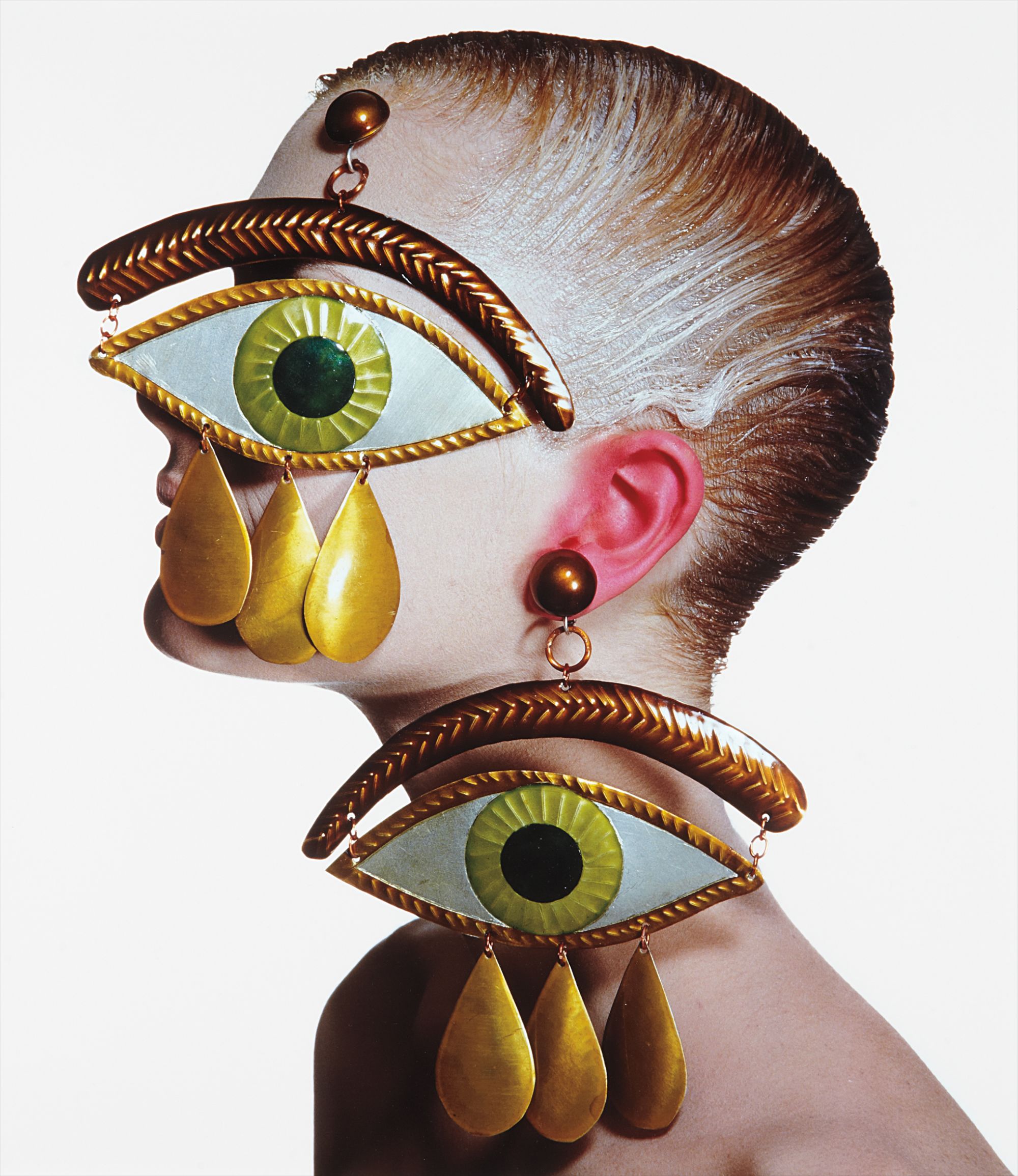
Guy Bourdin
Selected Images
His ability to synthesize midcentury optimism with real graphic sophistication gives his work a durability that rewards close looking. The question of which artists represent the strongest long term value is one that the market has been answering with increasing clarity. Penn sits at the apex, with auction records that reflect both his critical standing and the relative scarcity of pristine vintage material. Horst P.
Horst, whose surrealist inflected studio work for Vogue in the 1930s and 1940s helped define what fashion photography could aspire to, has seen sustained demand across major houses. Helmut Newton remains a polarizing but persistently bankable figure: his work is controversial in ways that guarantee continued critical attention, and controversy in photography tends to sustain market interest rather than suppress it. For collectors willing to look slightly further from the canonical center, Anton Bruehl offers extraordinary historical depth. His color work for Condé Nast publications in the 1930s sits at the intersection of photography, design, and the decorative arts in ways that feel genuinely ahead of their time, and the market has not fully caught up to his importance.
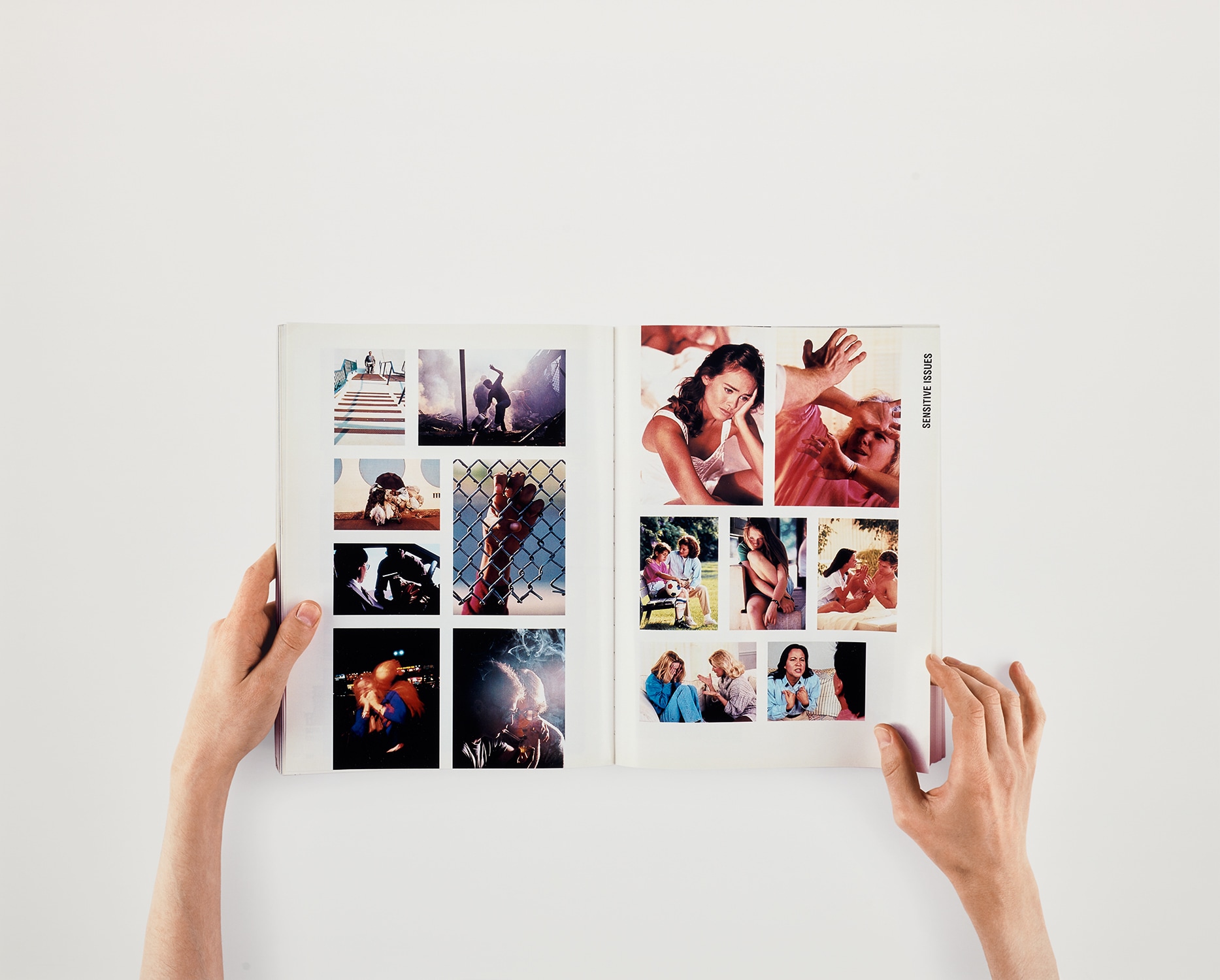
Anne Collier
Stock Photography (Sensitive Issues)
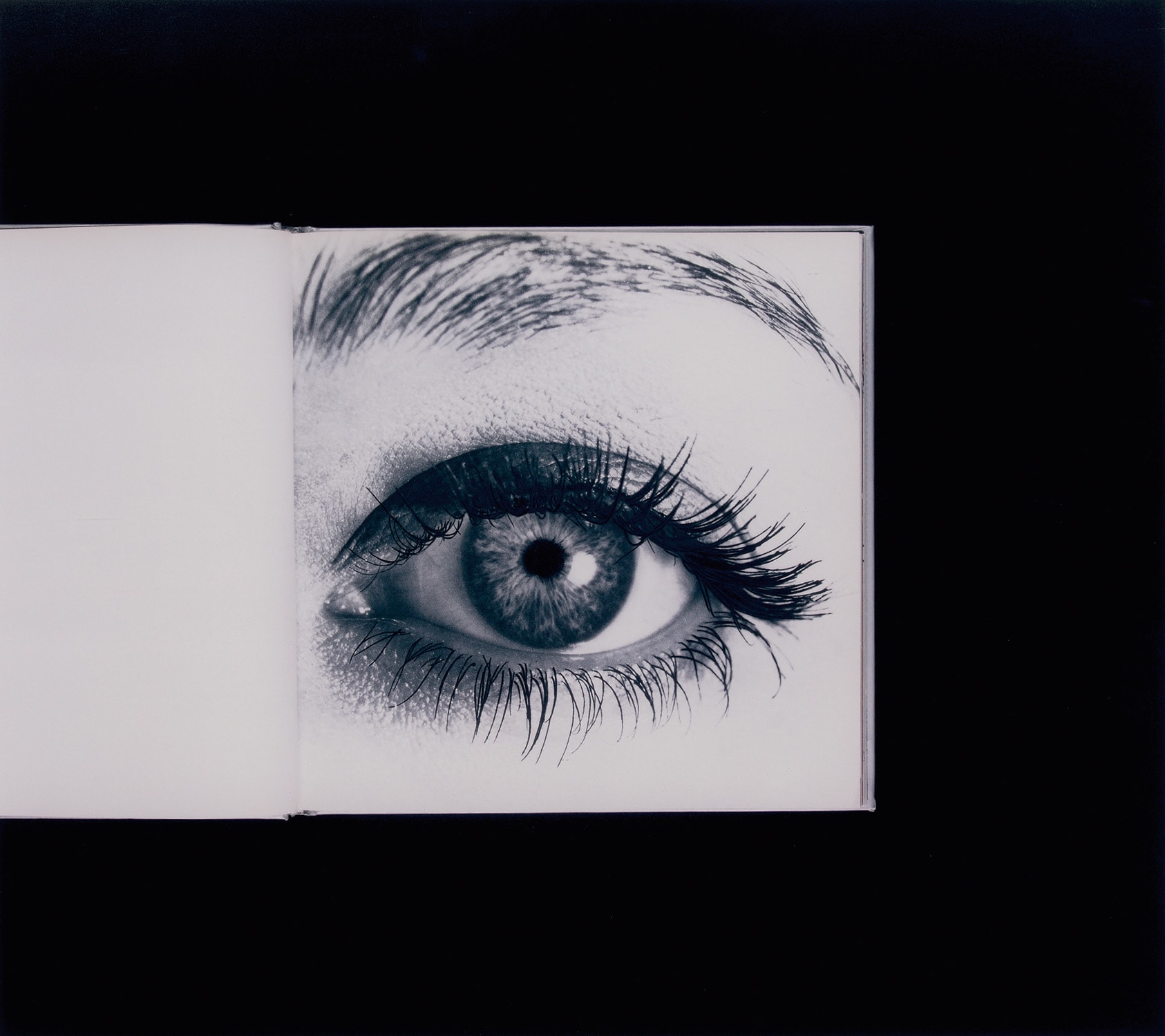
Younger and less recognized figures are where the real opportunity lies for collectors with patience and curiosity. Roe Ethridge occupies a fascinating position: he moves fluidly between commercial commissions and gallery work, and his photographs deliberately blur the institutional categories that the art world uses to assign value. That blurring is itself the subject of his practice, which makes him a natural heir to the conceptual tradition of artists like Walker Evans, who famously refused the distinction between documentary and artistic intent. Anne Collier works differently but with related preoccupations, using commercial and vernacular photographic material as raw subject matter and asking what happens to an image when you photograph a photograph.
Both artists are well represented on The Collection and reward sustained attention from collectors building a coherent thematic argument about the genre. At auction, commercial photography has proven more resilient than skeptics predicted when the category first began moving through the major houses in significant volume. Penn's platinum prints have achieved results well into six figures at Christie's and Sotheby's, and even secondary market offerings of his dye transfer prints, which were themselves production objects, have found strong buyers. The general pattern holds that works with a clear exhibition history, published in monographs or featured in significant institutional shows, perform considerably better than comparable works without that documentation.
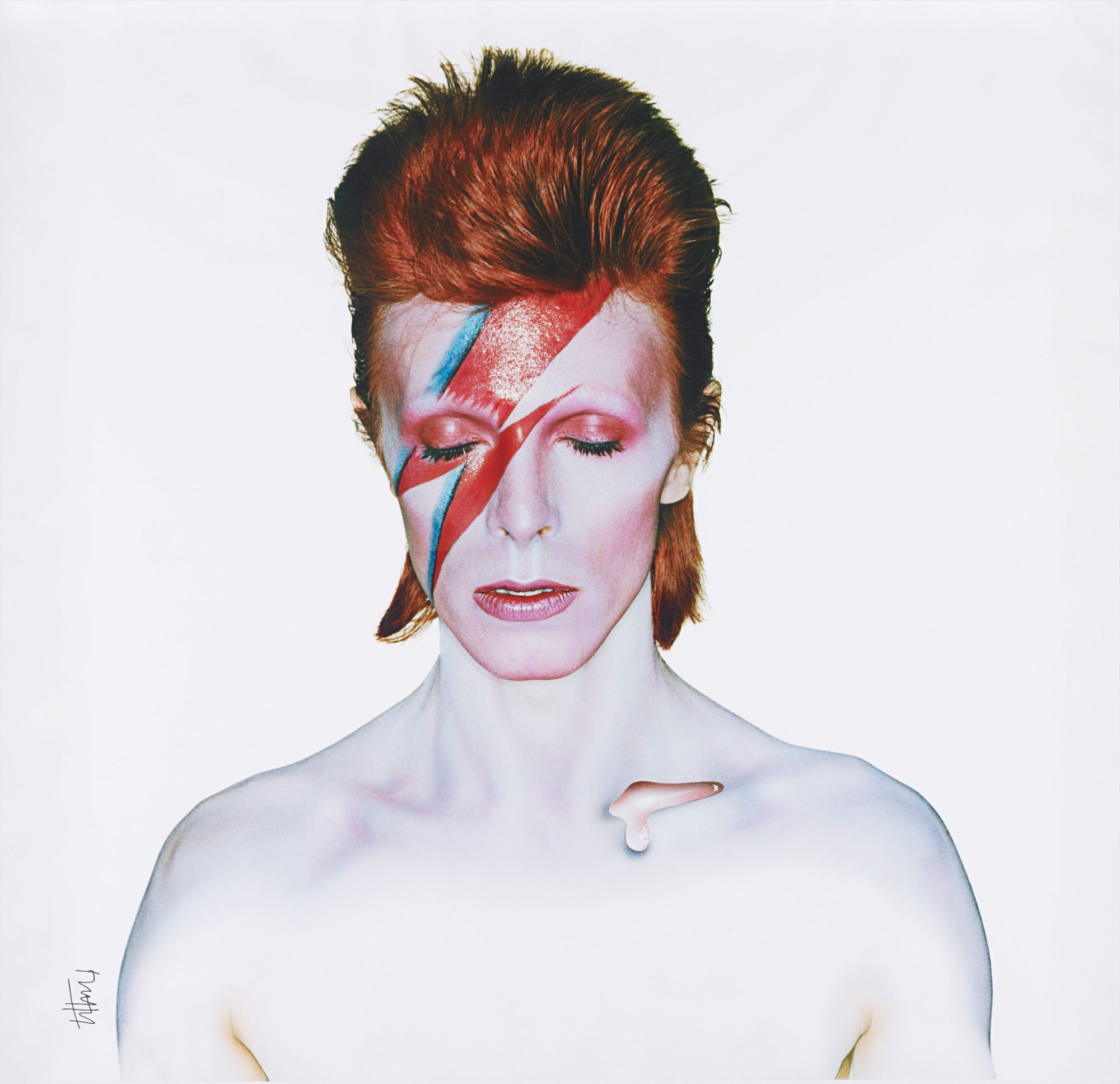
Brian Duffy
David Bowie
Brian Duffy, the British fashion photographer whose archive was thought destroyed until its rediscovery in the 2000s, is a case study in how institutional rehabilitation can reshape market dynamics quickly. For collectors approaching the category practically, a few principles are worth holding. Edition size and print type are the first questions to ask any gallery or dealer. A unique vintage print is a fundamentally different object from an open edition digital reproduction, even when the image is identical, and the price should reflect that difference.
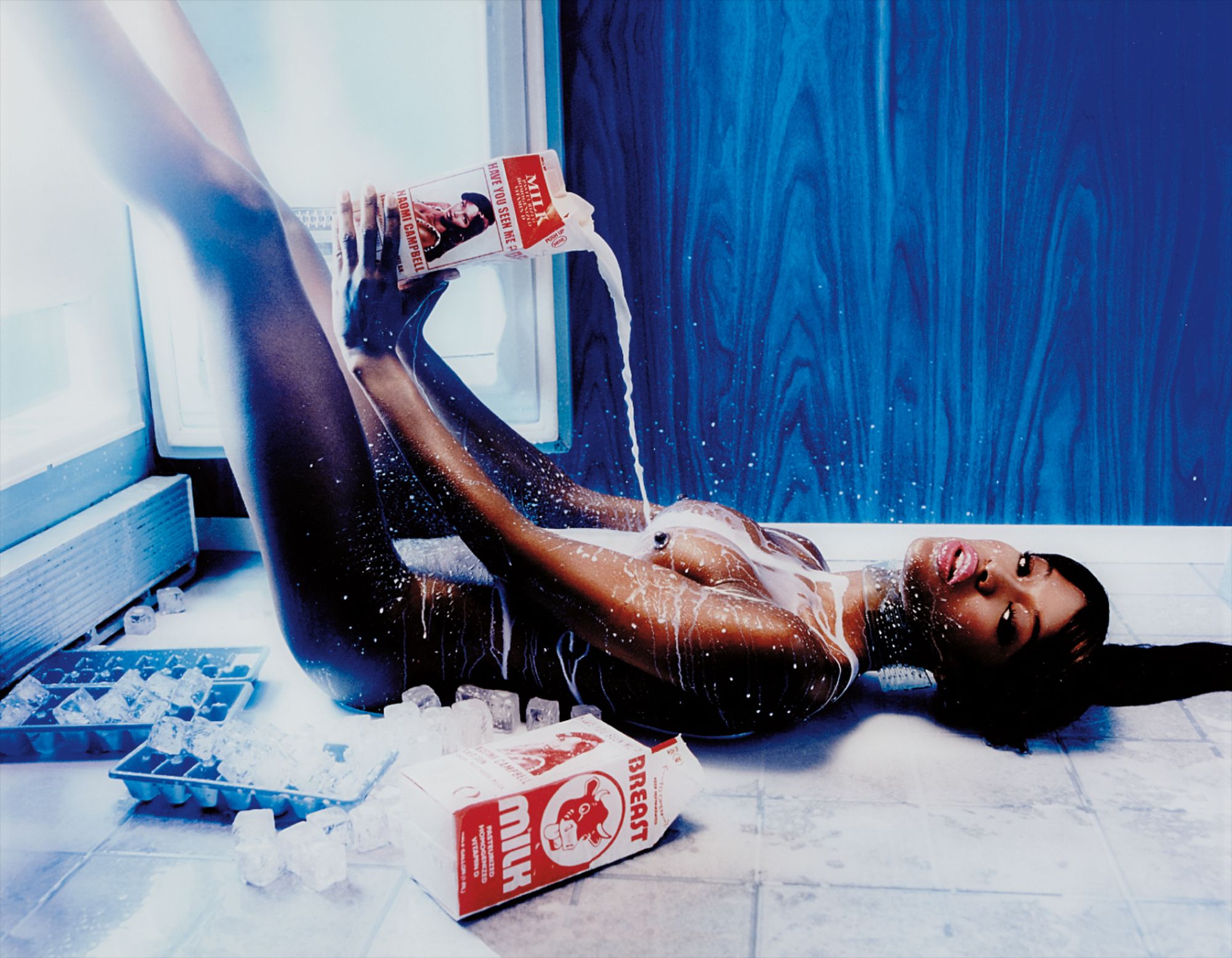
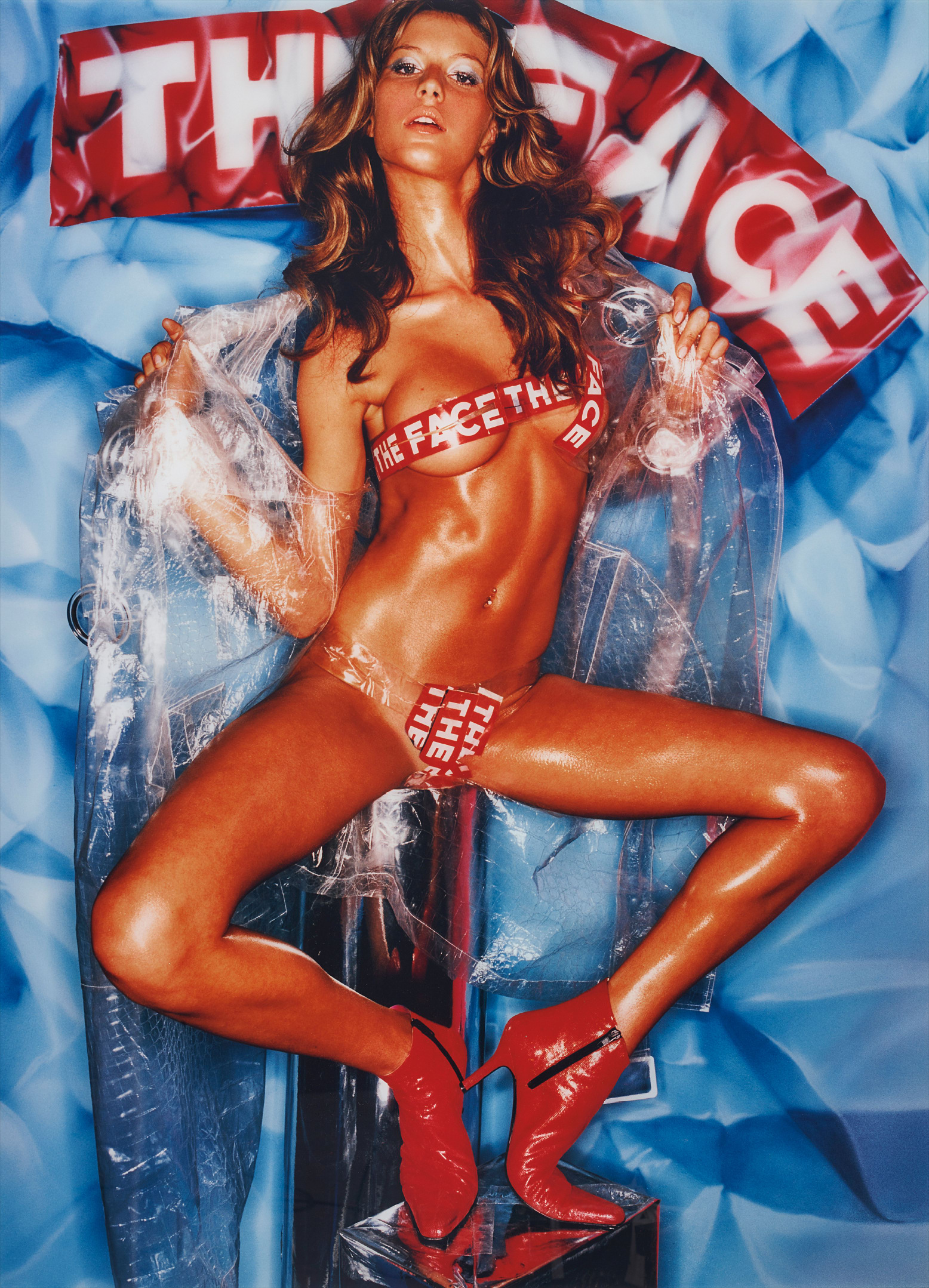
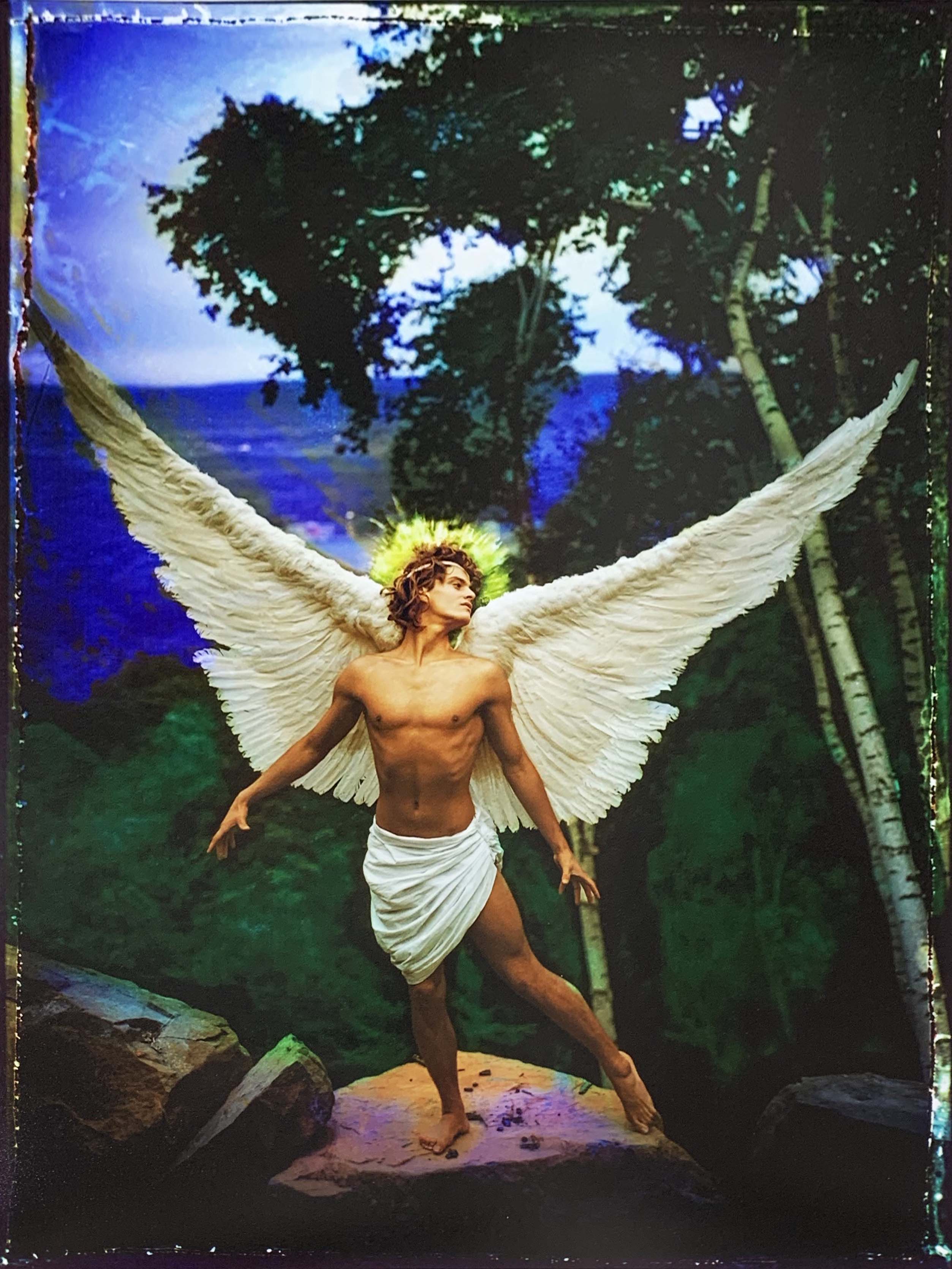
Condition in photography is everything: fading, silver mirroring, and foxing can be difficult to reverse and dramatically affect value. David LaChapelle's large scale chromogenic prints, visually overwhelming in their saturated intensity, require particular attention to display conditions because prolonged exposure to direct light accelerates dye instability. For works on paper or mounted to board, climate control is not optional. Ask about the exhibition history, ask about the printing process, and ask whether the artist or estate authorized the print directly.
The answers to those three questions will tell you most of what you need to know before committing to a purchase that you intend to live with for years.