Cinematic Imagery
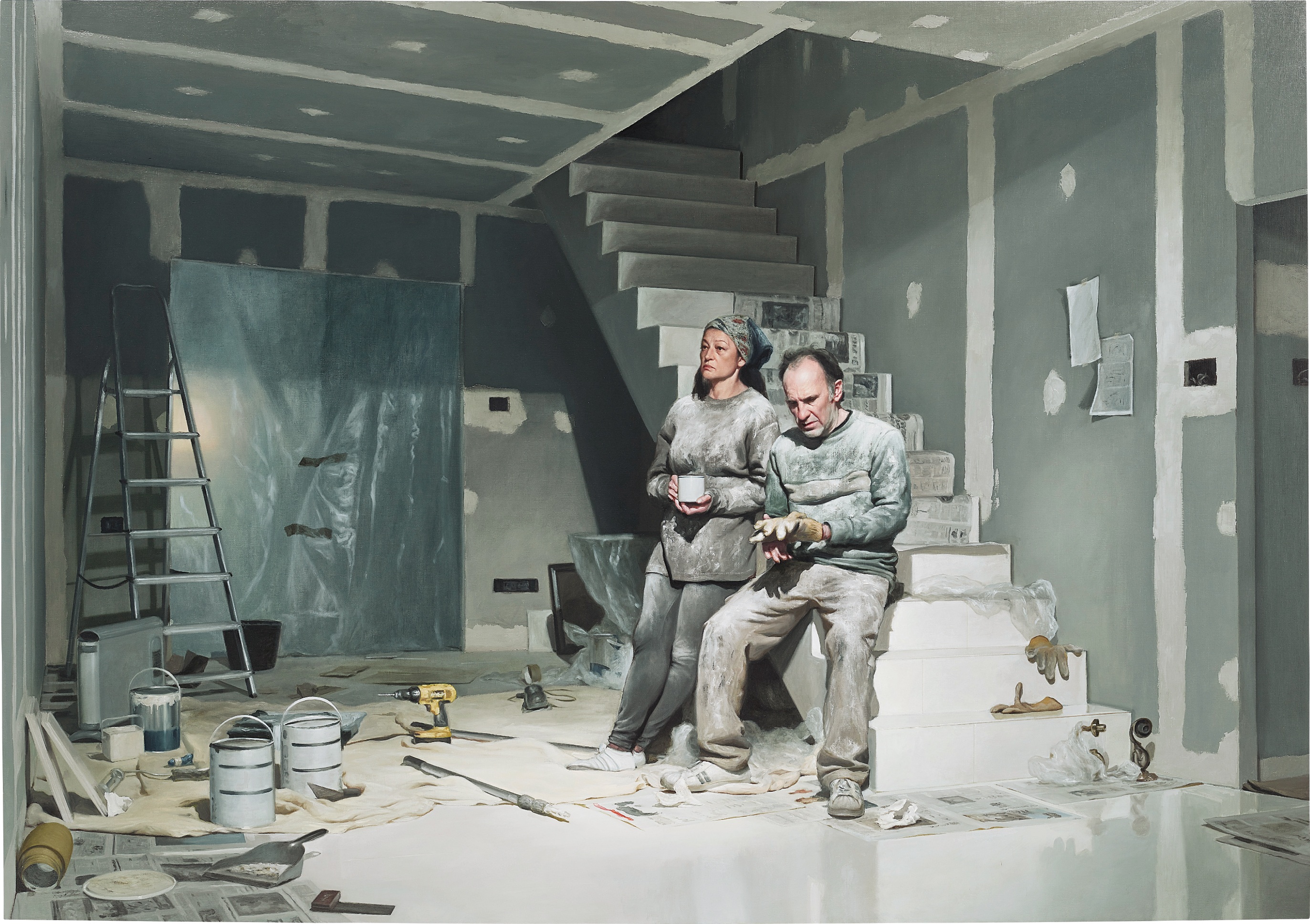
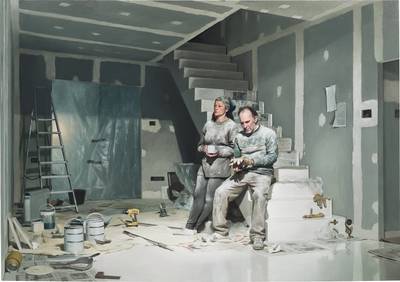
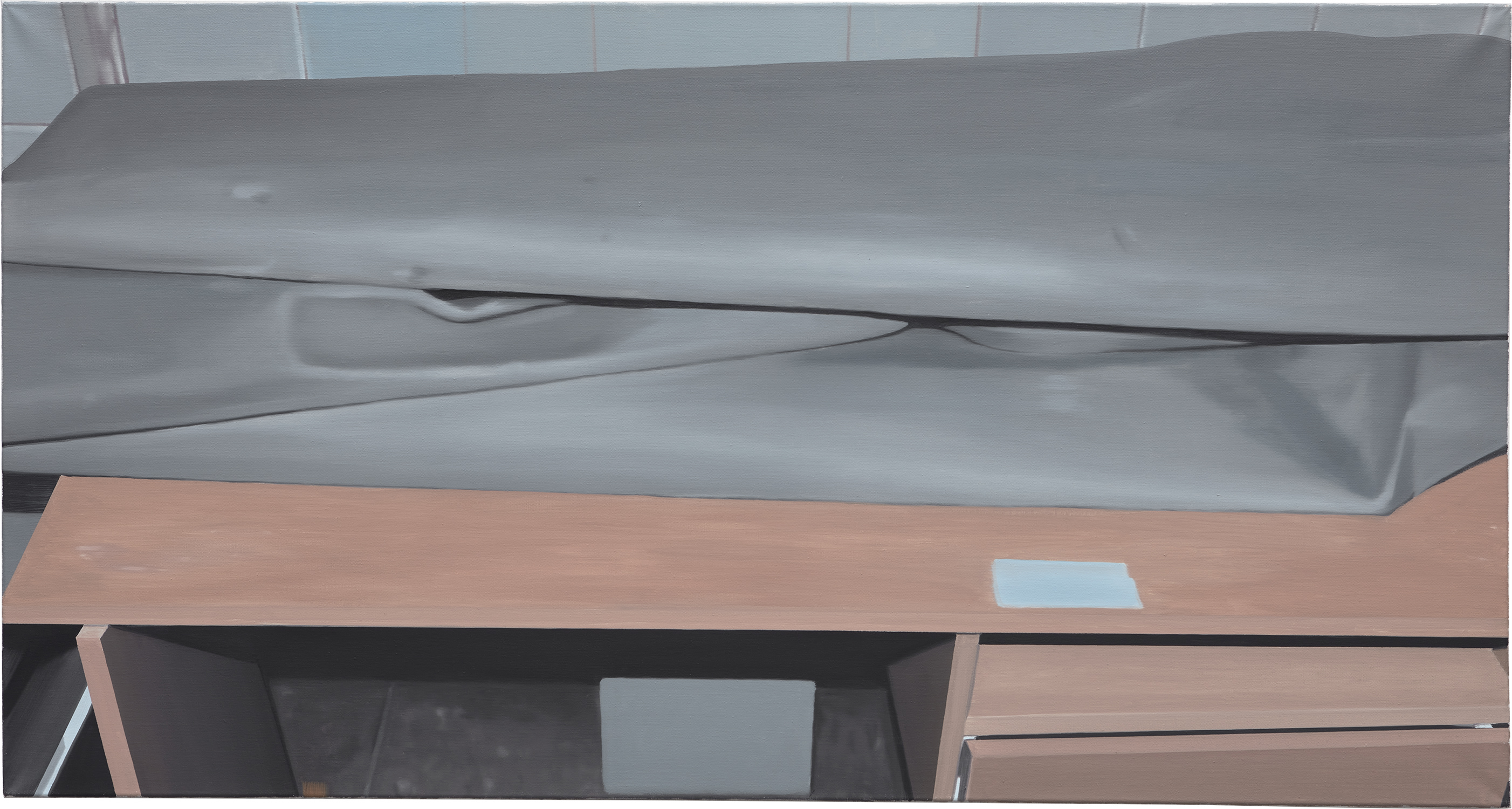
Jonathan Wateridge
Repainting, 2011

The Frame Within the Frame
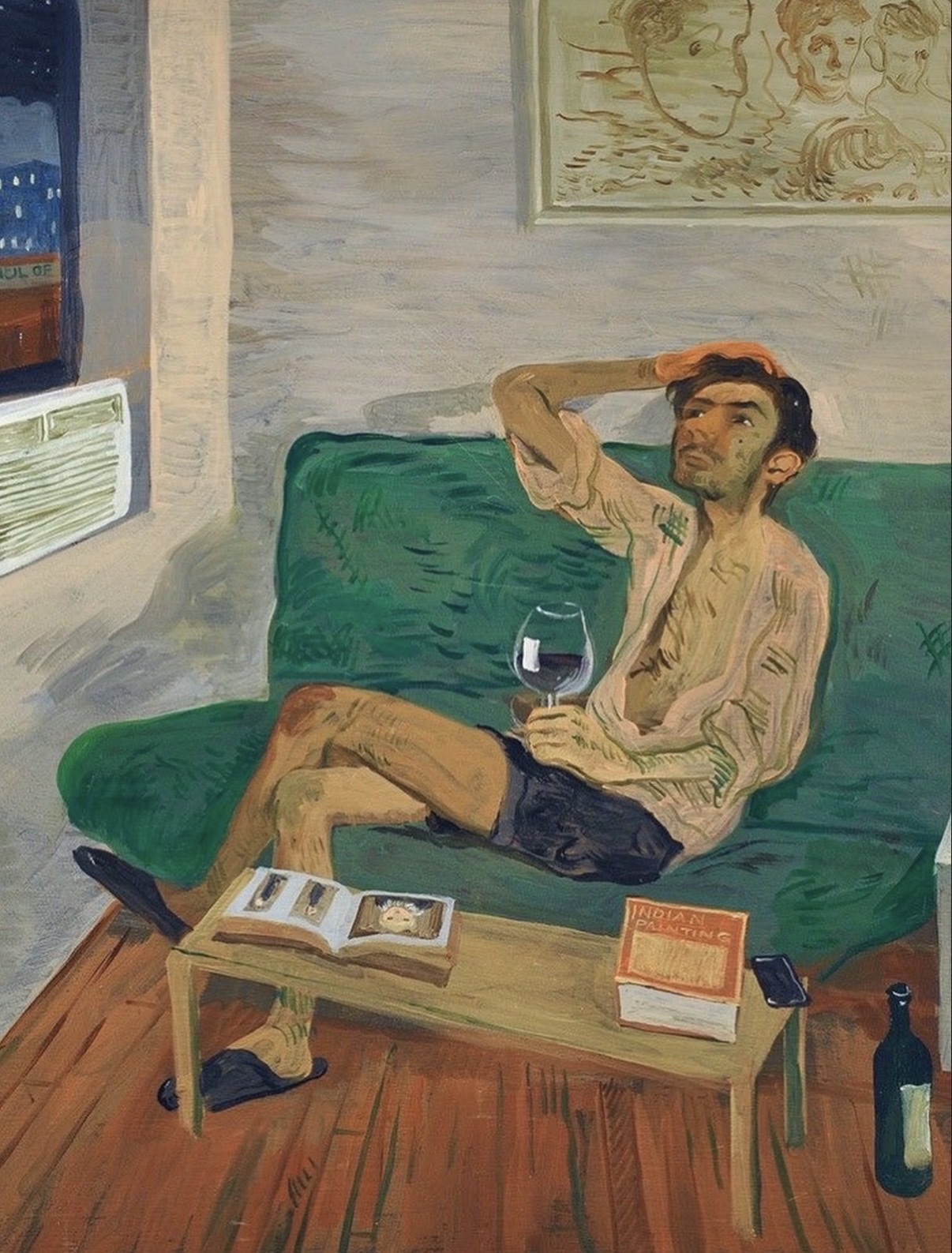
There is something particular that happens when a painting or photograph makes you feel like you have walked into a darkened cinema and taken your seat. The image asks you to suspend disbelief. It holds you in a kind of attentive suspension that is different from the contemplative drift that a landscape or still life might invite. Collectors who are drawn to cinematic imagery tend to describe it in almost physical terms: the sense of having been caught mid scene, of arriving just after something significant has happened or just before something is about to.
That tension is what makes these works so compelling to live with, and also, frankly, why they can be so difficult to forget once you have encountered them. Living with a cinematic work is not passive. Unlike quieter genres, these paintings and photographs press on you. They have a quality of narrative insistence that means you return to them differently on different days, reading new things into figures and shadows depending on your own mood and circumstance.
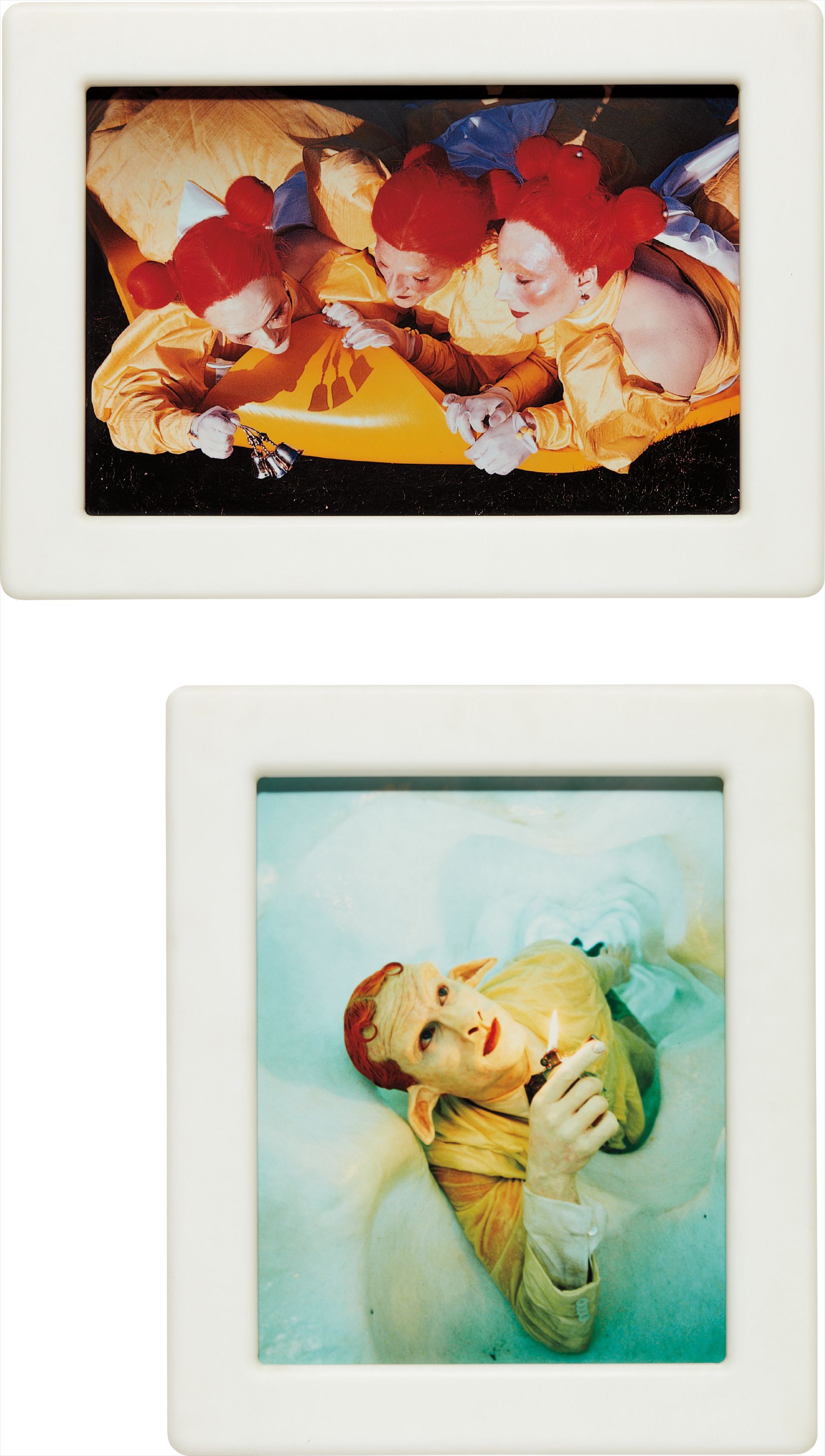
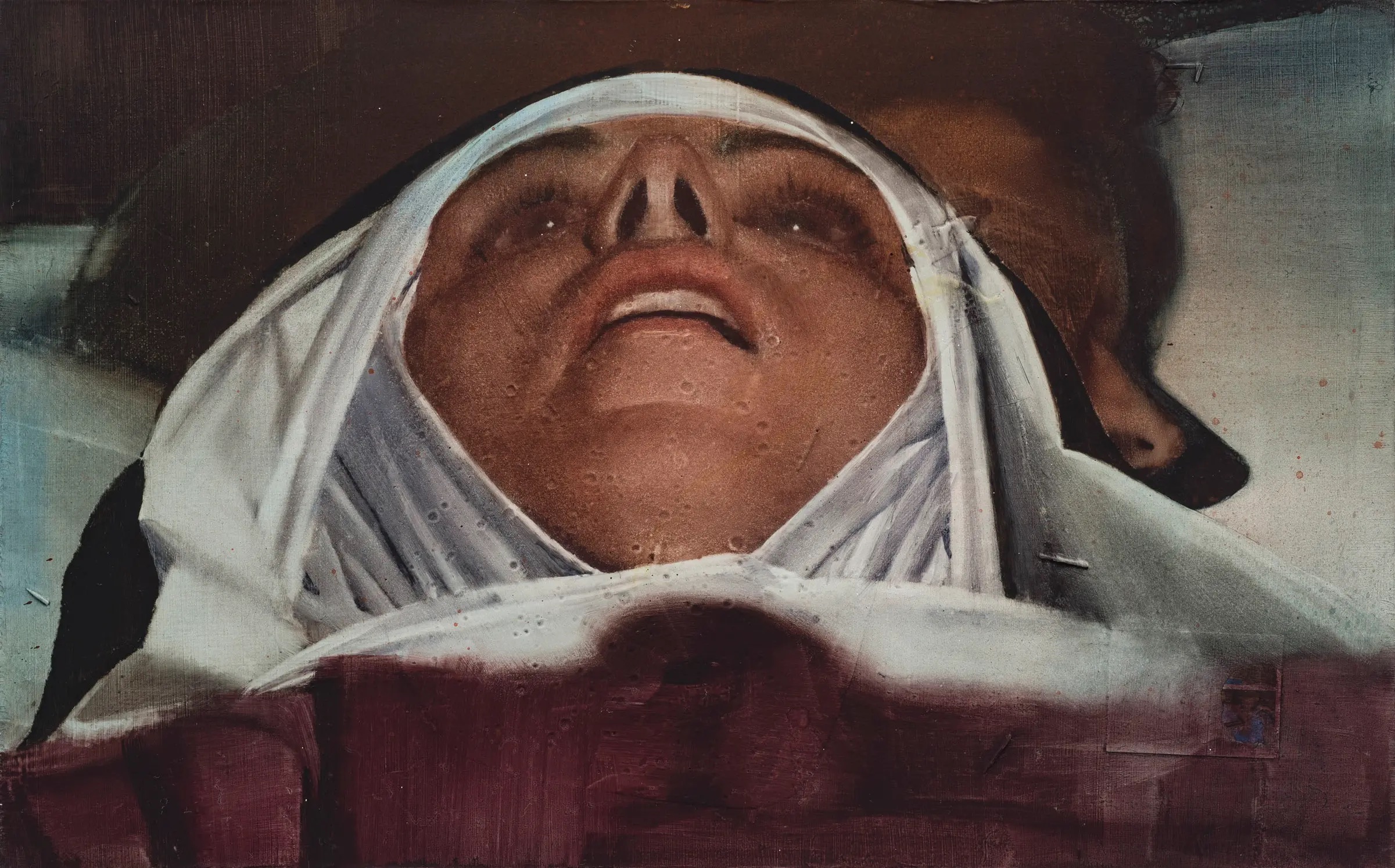
Matthew Barney
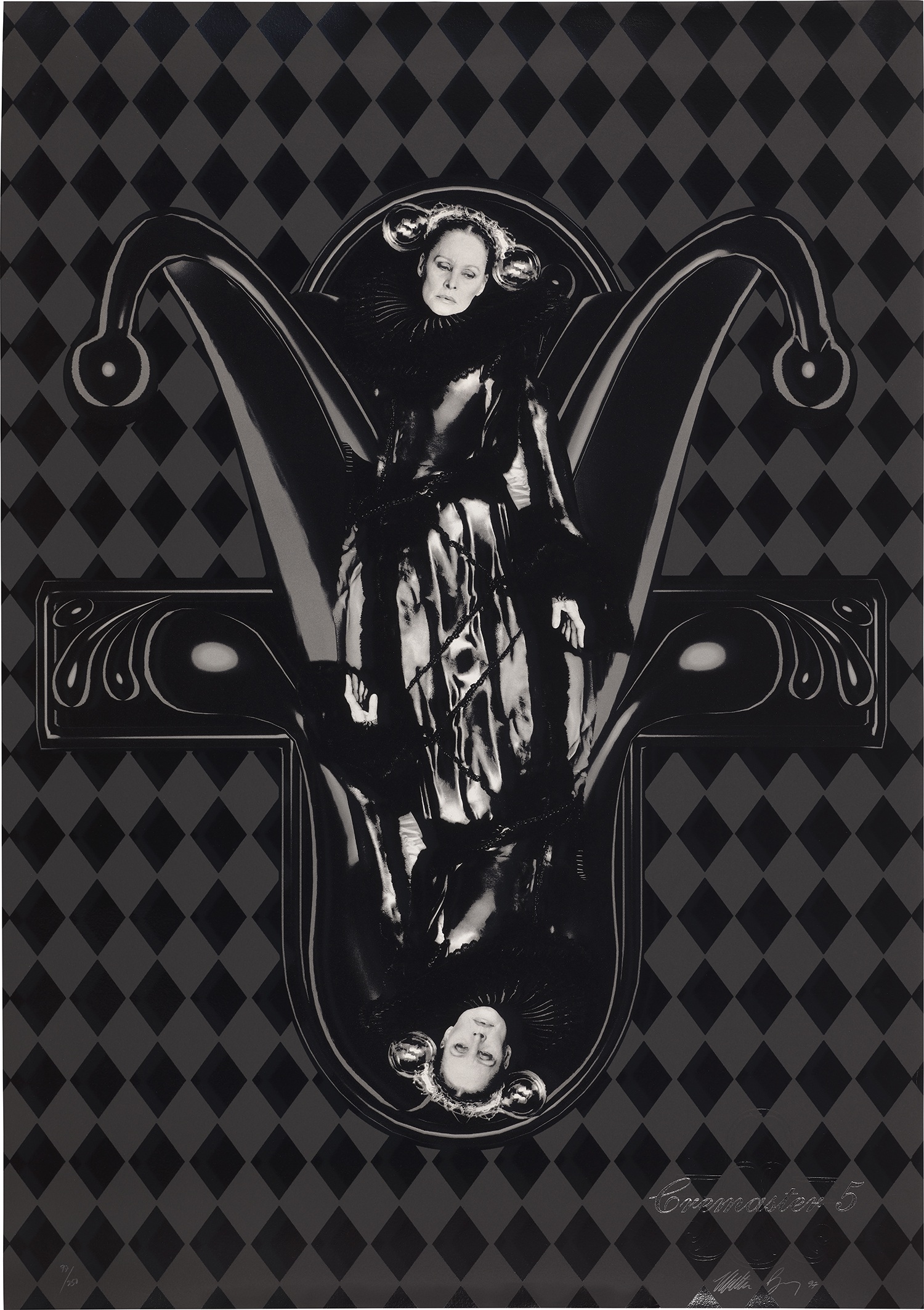
Cremaster 4: Field of the Ascending Faerie (Diptych), 1994
Collectors often find that works with this quality become anchors in a collection, pieces that other acquisitions end up in conversation with whether intended or not. The best of them have an uncanny ability to feel simultaneously familiar and completely unresolved, which is a rare and valuable thing in any artwork. So what separates a good cinematic work from a truly great one? The most important quality is probably restraint.
The temptation in this mode is to over explain, to tip the narrative too far in one direction so that the viewer is given a story rather than a situation. The greatest works in this space leave a gap, a silence at the center of the image that the viewer must inhabit. You are looking for psychological density without melodrama, and for a compositional intelligence that understands how cinema uses framing not just to show but to withhold. When you are standing in front of a potential acquisition, ask yourself whether the image would still hold you on your hundredth viewing or whether it resolves too quickly.
Jonathan Wateridge
Repainting, 2011
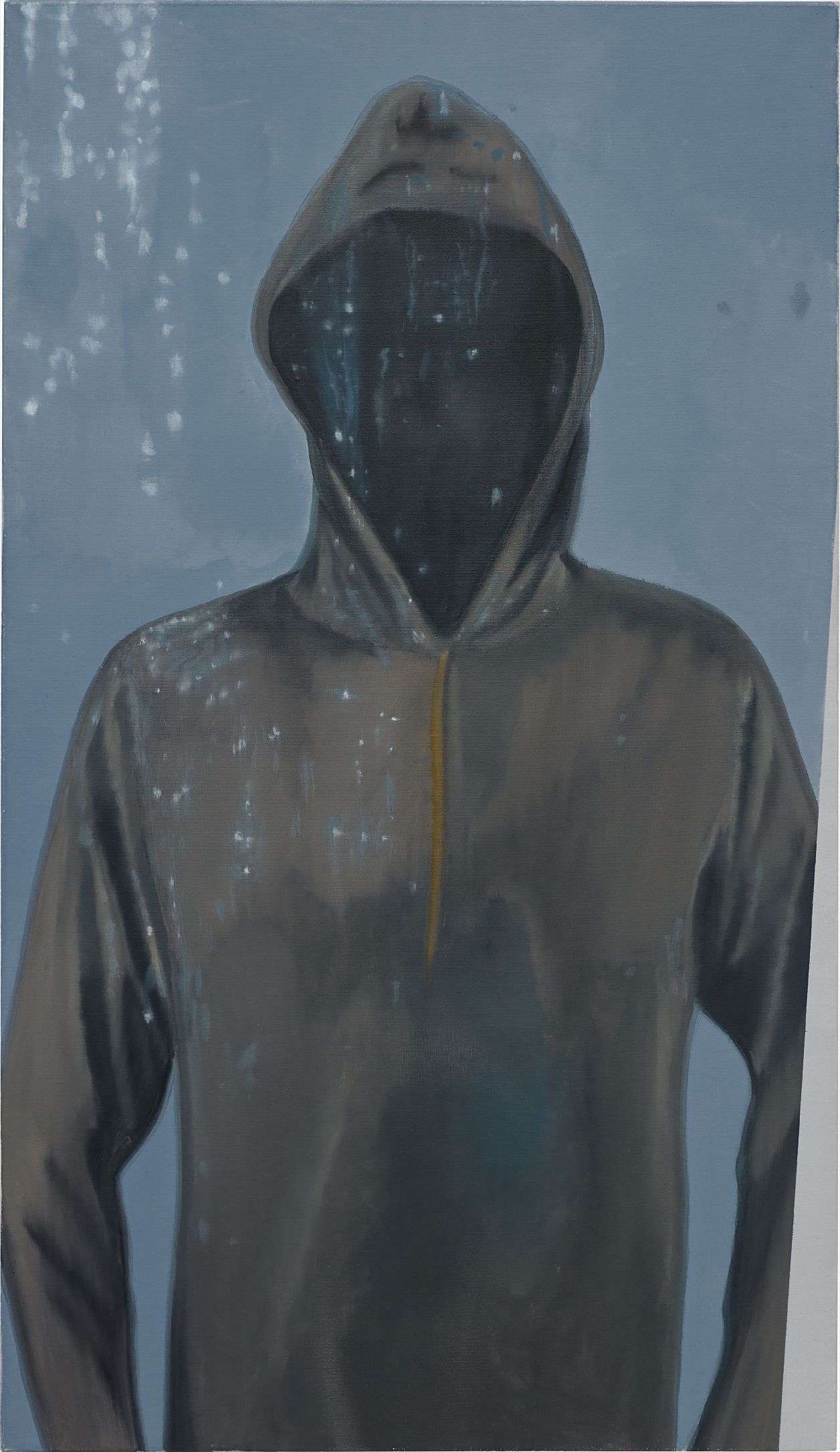
Among the artists well represented on The Collection, Jonathan Wateridge is one of the most interesting cases for collectors to understand. His large scale paintings draw directly on the visual language of film production, staging figures in constructed environments that read like moments lifted from movies that never quite existed. There is something deeply strange about his surfaces, a combination of hyperreal attention and emotional blankness that puts you in mind of both Richter and certain cinematographers of the 1970s. For collectors who can accommodate scale, his works offer something that the secondary market is increasingly recognizing: a sustained and coherent vision that rewards long term ownership.
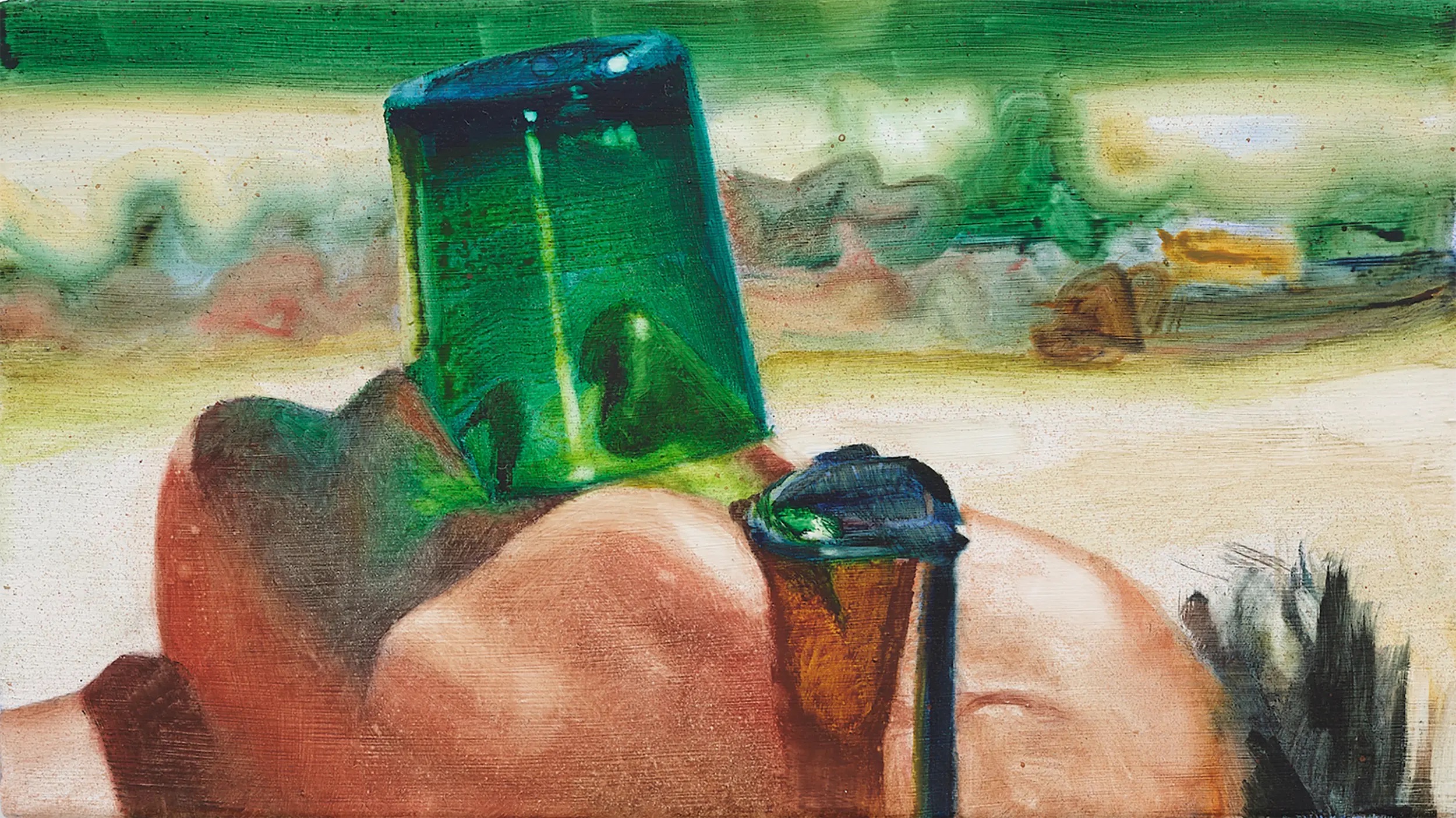
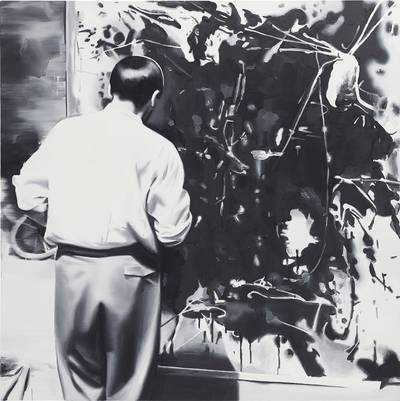
Wilhelm Sasnal operates in related territory but from a very different angle, using painting to process film stills, news imagery, and personal memory in a way that feels compressed and urgent. His works have a rawness that contrasts productively with Wateridge's cool distance. Matthew Barney represents a different register entirely. His practice is cinematic in the most literal sense, rooted in the Cremaster cycle, the epic film series he produced through the 1990s and into the 2000s, which remains one of the most ambitious intersections of visual art and moving image in recent decades.
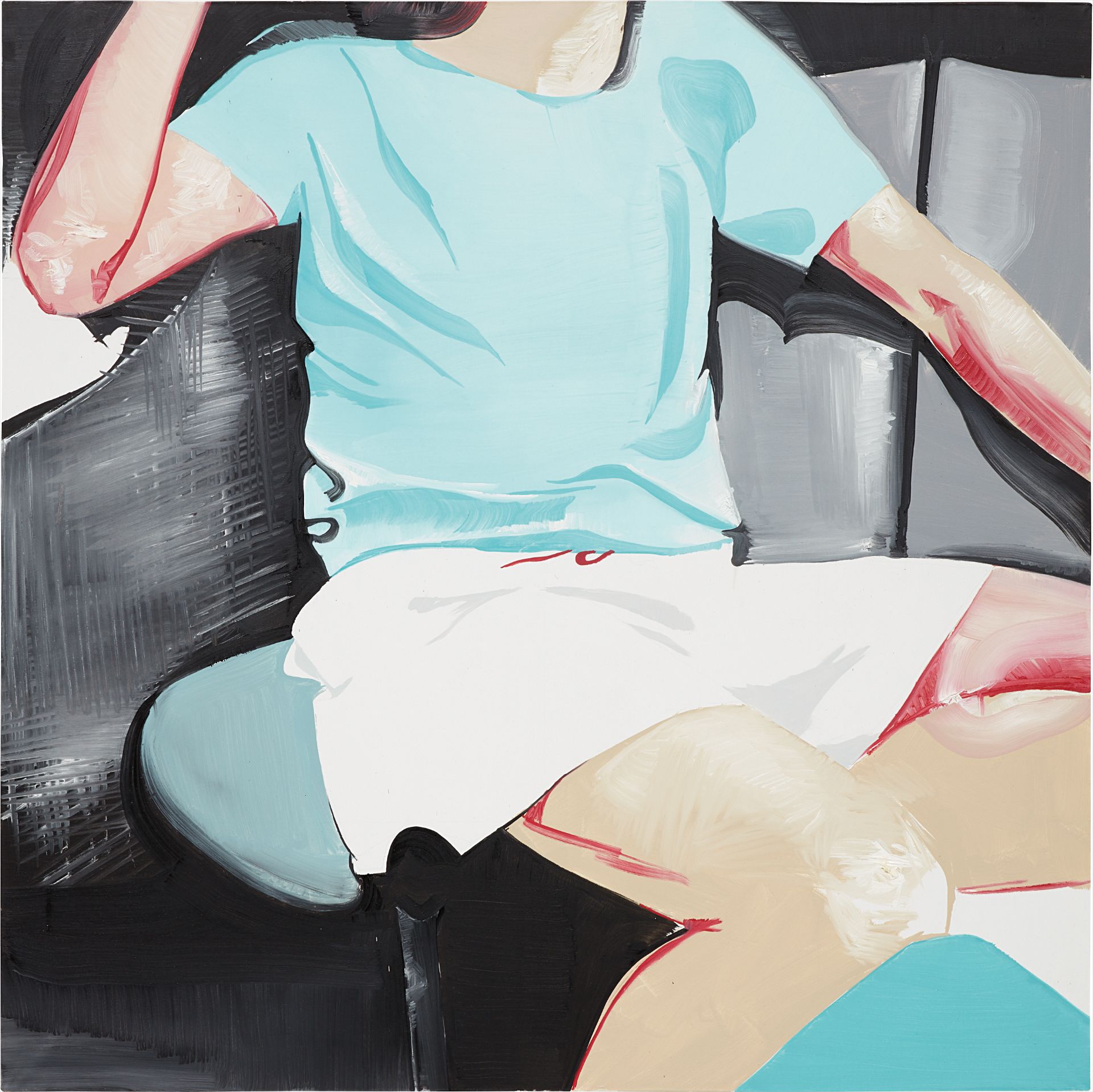
Wilhelm Sasnal
The Passenger
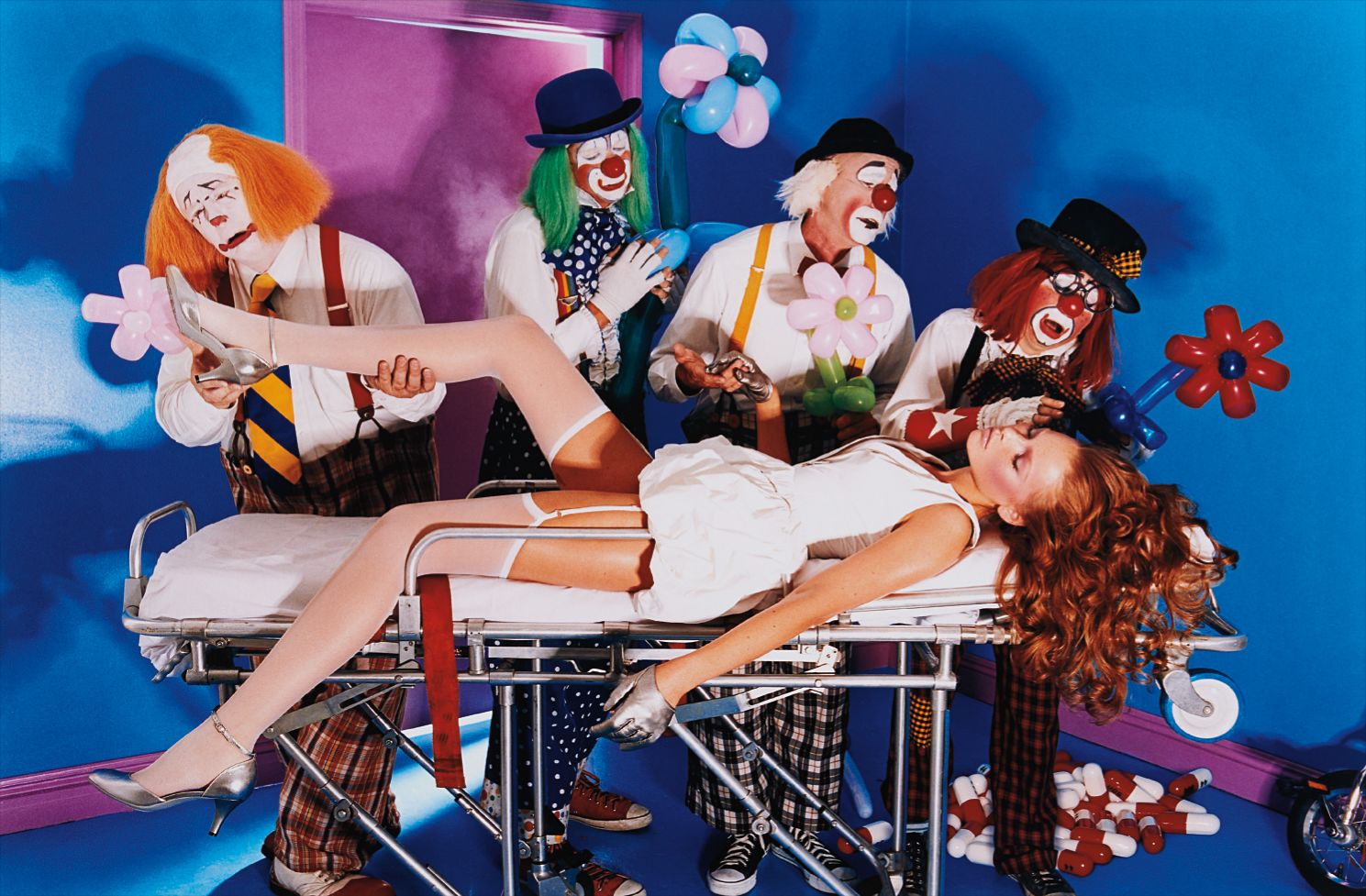
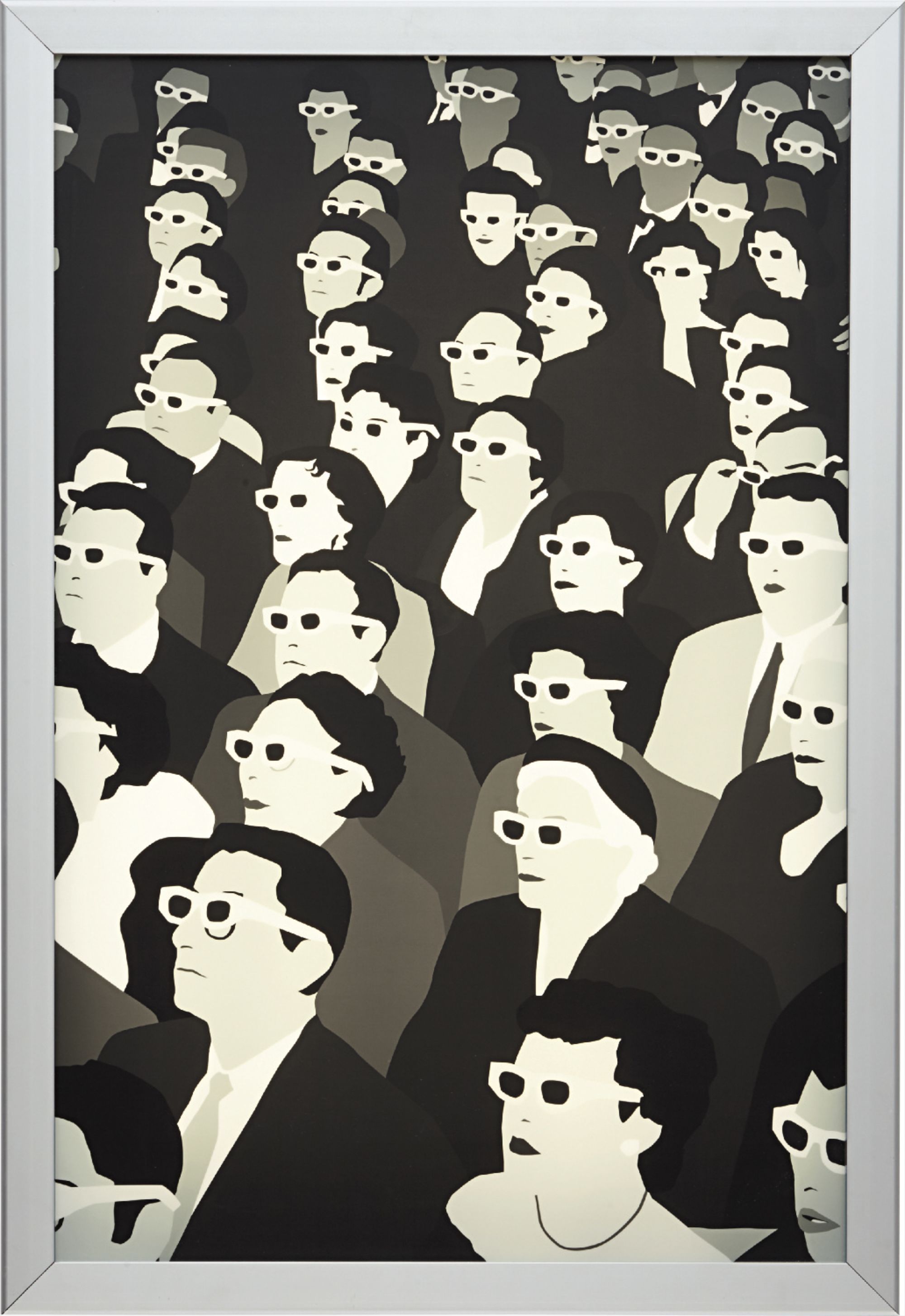
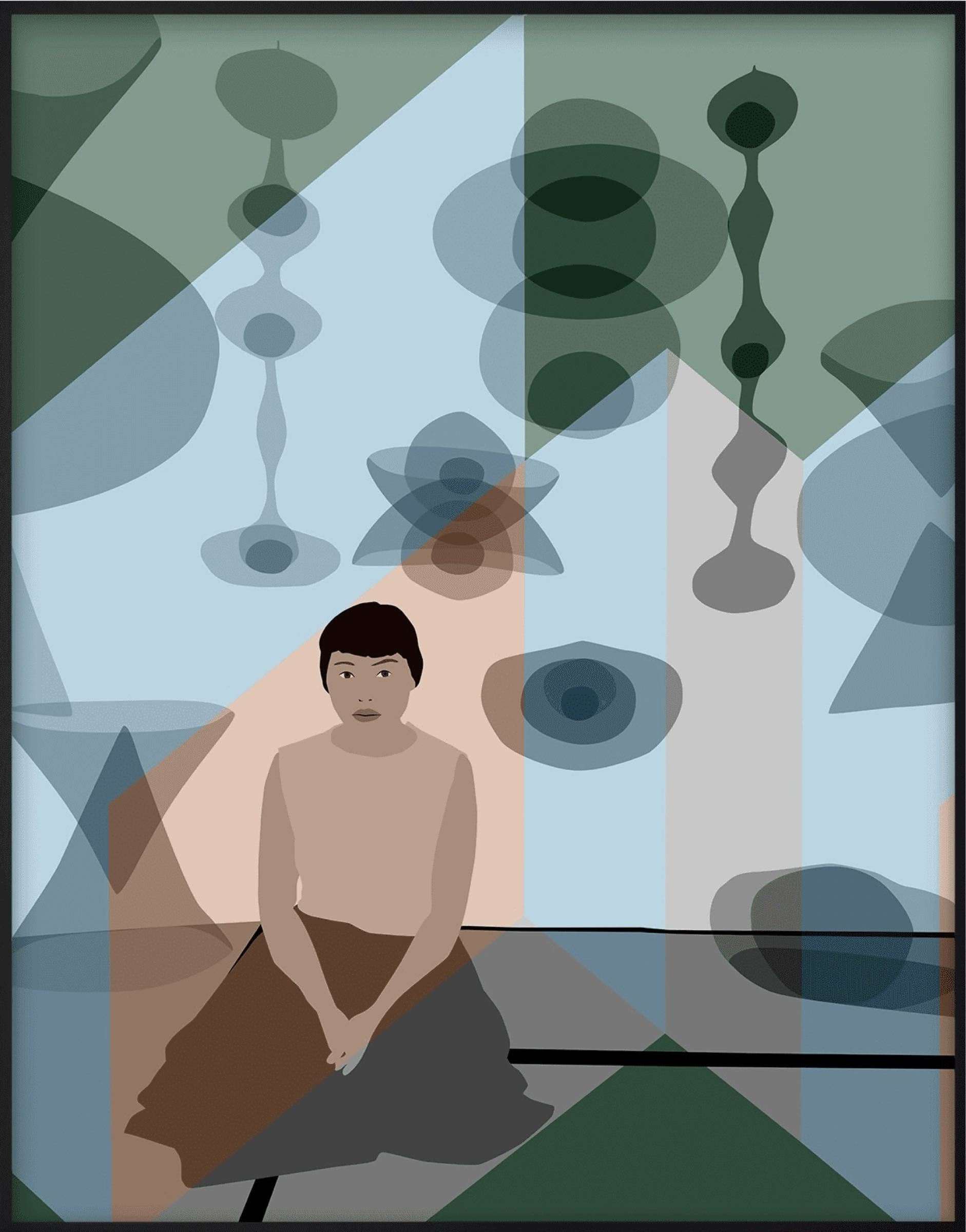
Collecting works on paper or sculpture related to that project means acquiring something with strong institutional backing and an art historical context that is already well established. David LaChapelle brings a completely different cinematic sensibility, one rooted in the visual excess of advertising and music video culture, with a surface sumptuousness that collectors either find irresistible or overwhelming. His market has been volatile but the strongest works hold well, particularly those with clear connections to specific cultural moments. For collectors with an eye on emerging value, Kota Ezawa deserves serious attention.
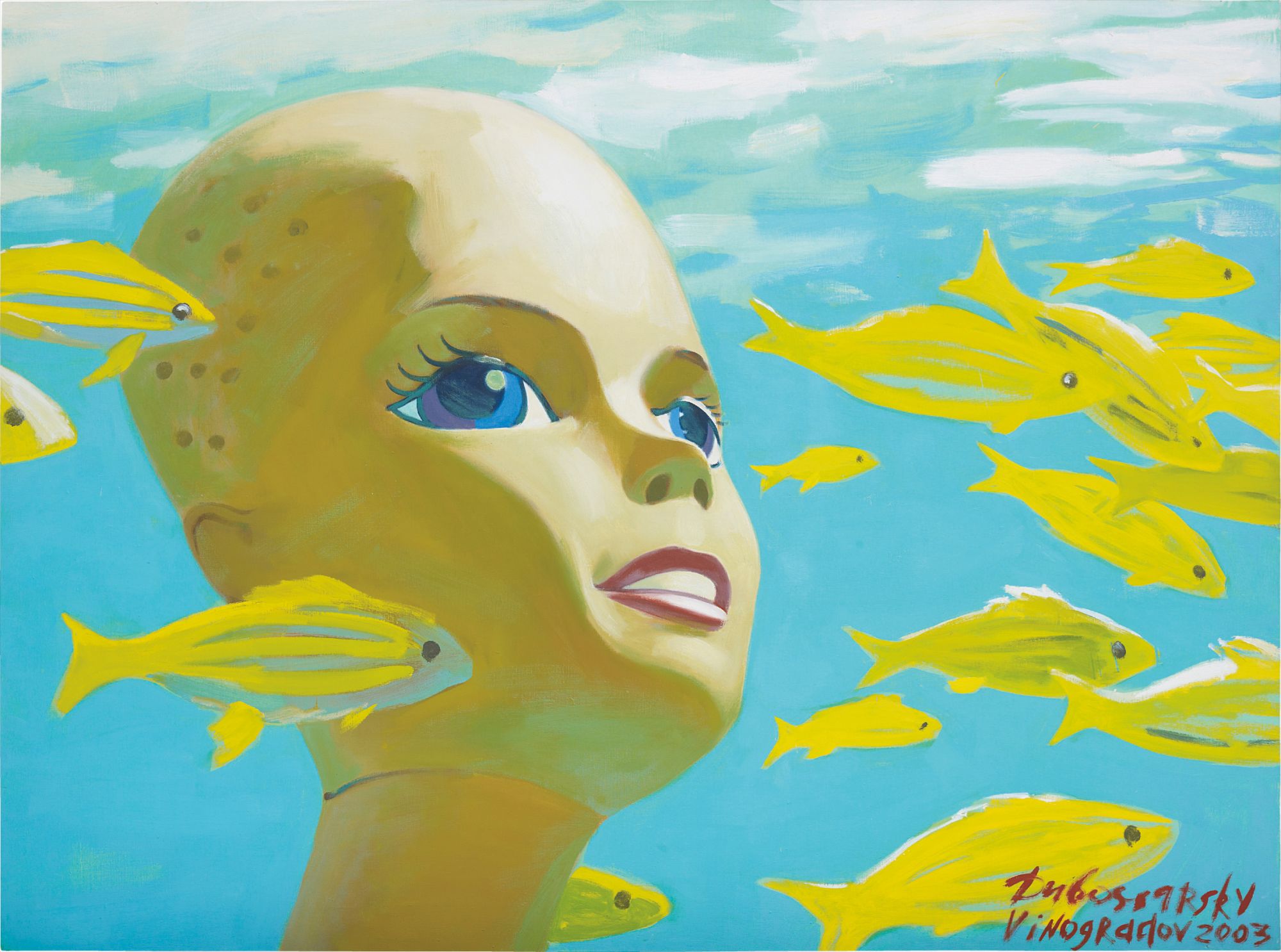
His practice of re drawing film stills and news footage as simplified vector images has a quiet conceptual precision that puts him in conversation with both appropriation art and animation history, without being reducible to either. His works are still accessible relative to where they seem headed institutionally. Marcin Maciejowski and Eberhard Havekost also offer compelling entry points: Maciejowski with his deadpan Eastern European humor and his paintings sourced from tabloids and soap operas, and Havekost with his distorted photographic sources rendered in cool, slightly airless paint that makes the familiar feel genuinely unsettling. At auction, cinematic works have shown strong performance particularly when there is a clear critical narrative attached to the artist and when the work in question has good exhibition provenance.
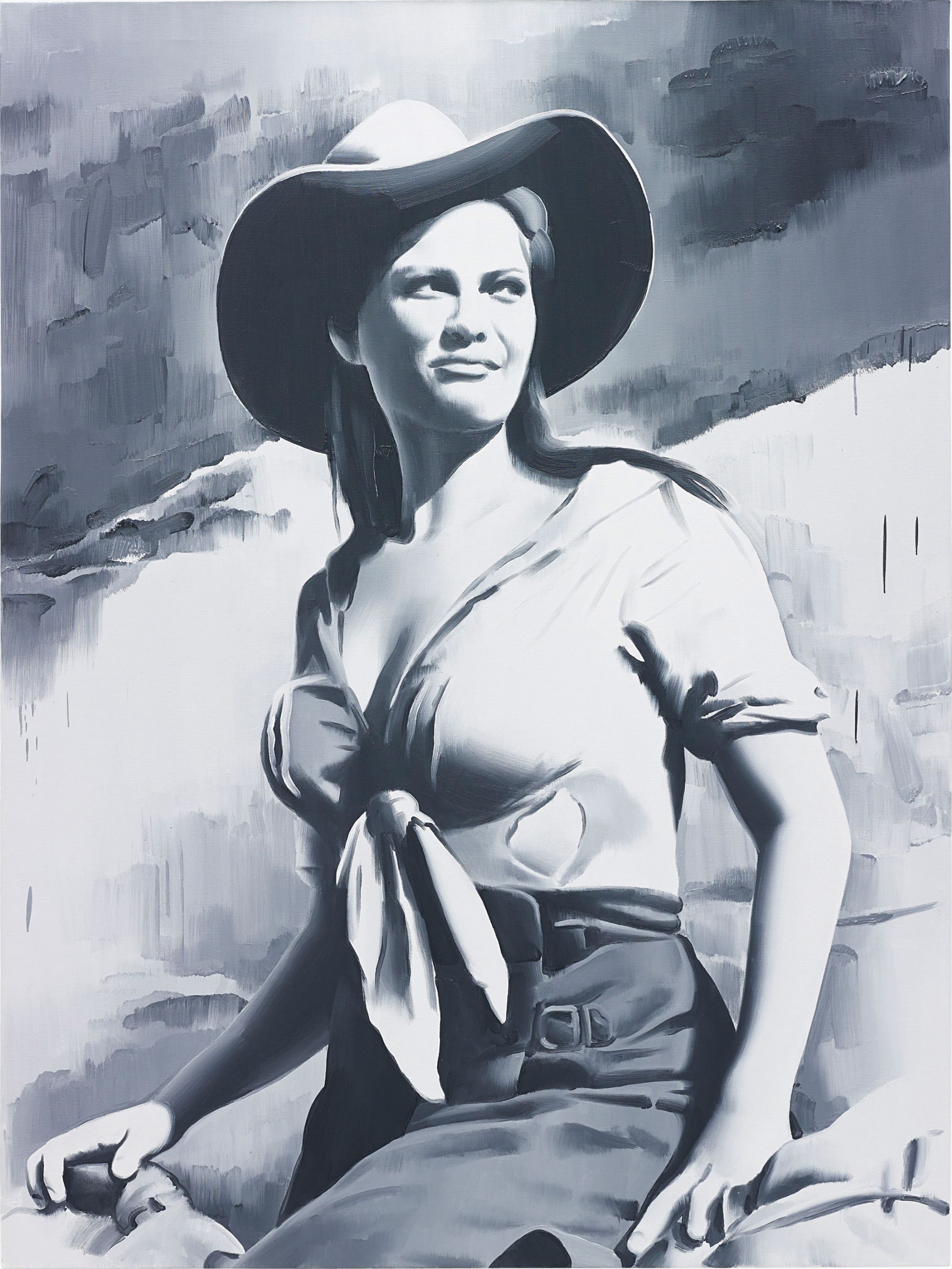
Marcin Maciejowski
Maria Grand (Claudia Cardinale)
Works that have been shown in institutional contexts tend to carry a premium, and rightly so: institutional validation matters in this category more than in some others because the mode itself is sometimes still treated with skepticism by more conservative collectors. The secondary market for artists like Sasnal has been particularly active in the past decade in European sale rooms, and there is evidence of growing American institutional interest that typically precedes broader market strengthening. On practical matters: condition is paramount with photographic and film based works. Always ask for a full condition report and confirm that any photographic works are printed to archival standards.
For editions, understand exactly where a work sits in the edition, because the difference between number three and number forty of the same print can be significant in terms of future liquidity. For unique paintings, provenance documentation and conservation history matter enormously. When speaking to a gallery, ask directly about any known exhibition history, whether the work has ever been restored, and what the artist's current institutional relationships look like. The latter is a reliable indicator of where a career is heading.
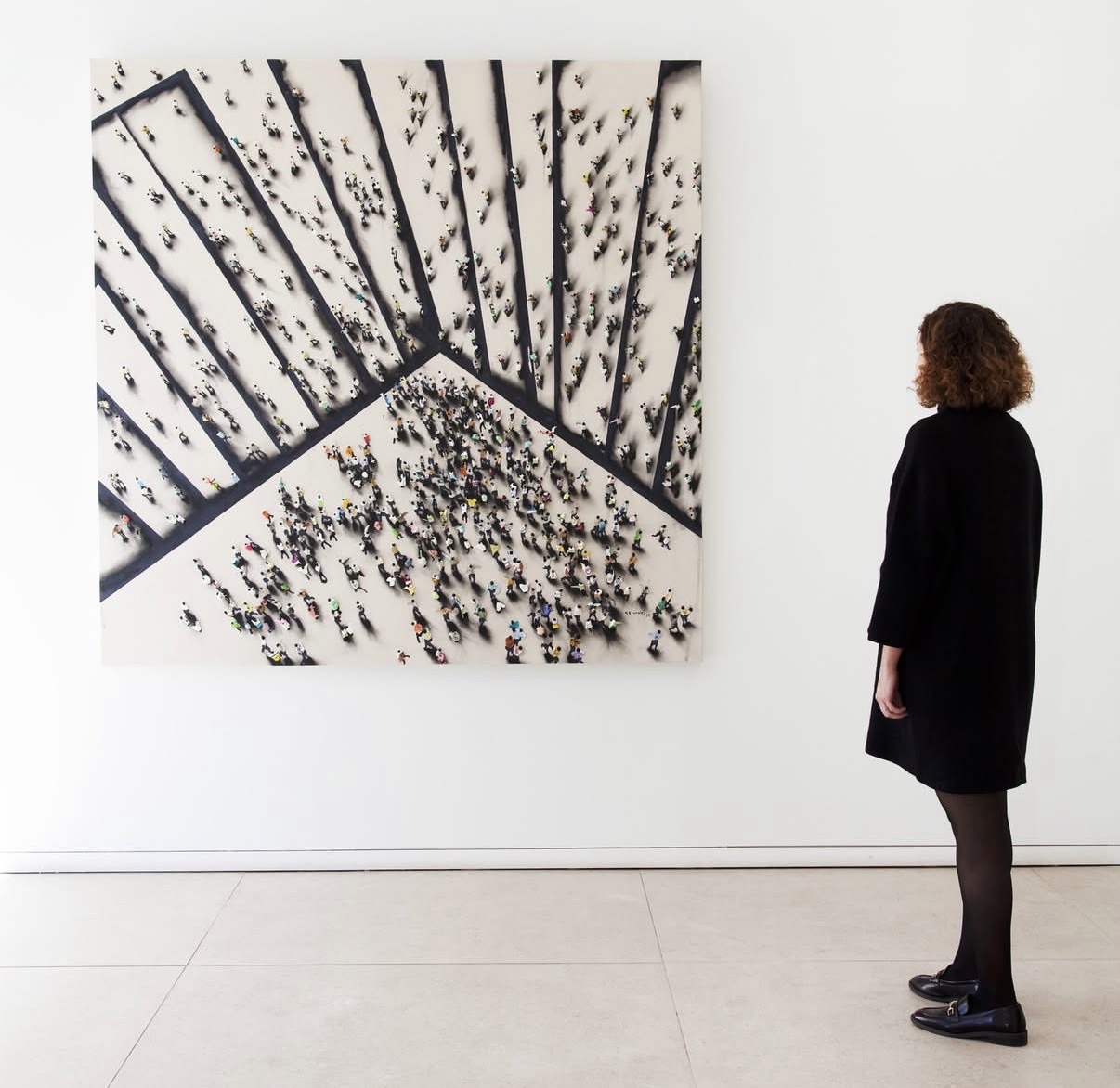
Display considerations are also real: some of the most powerful works in this mode require significant wall space and controlled lighting to read properly. Do not underestimate the installation question before you commit. What unites all the best work in this space is a belief that painting and photography can do something that cinema itself cannot: hold a moment indefinitely, refuse resolution, and make the viewer a permanent and active participant in a narrative that never concludes. That is an extraordinary thing to invite into a home, and for collectors who are ready for it, cinematic imagery rewards commitment in ways that are difficult to find elsewhere.