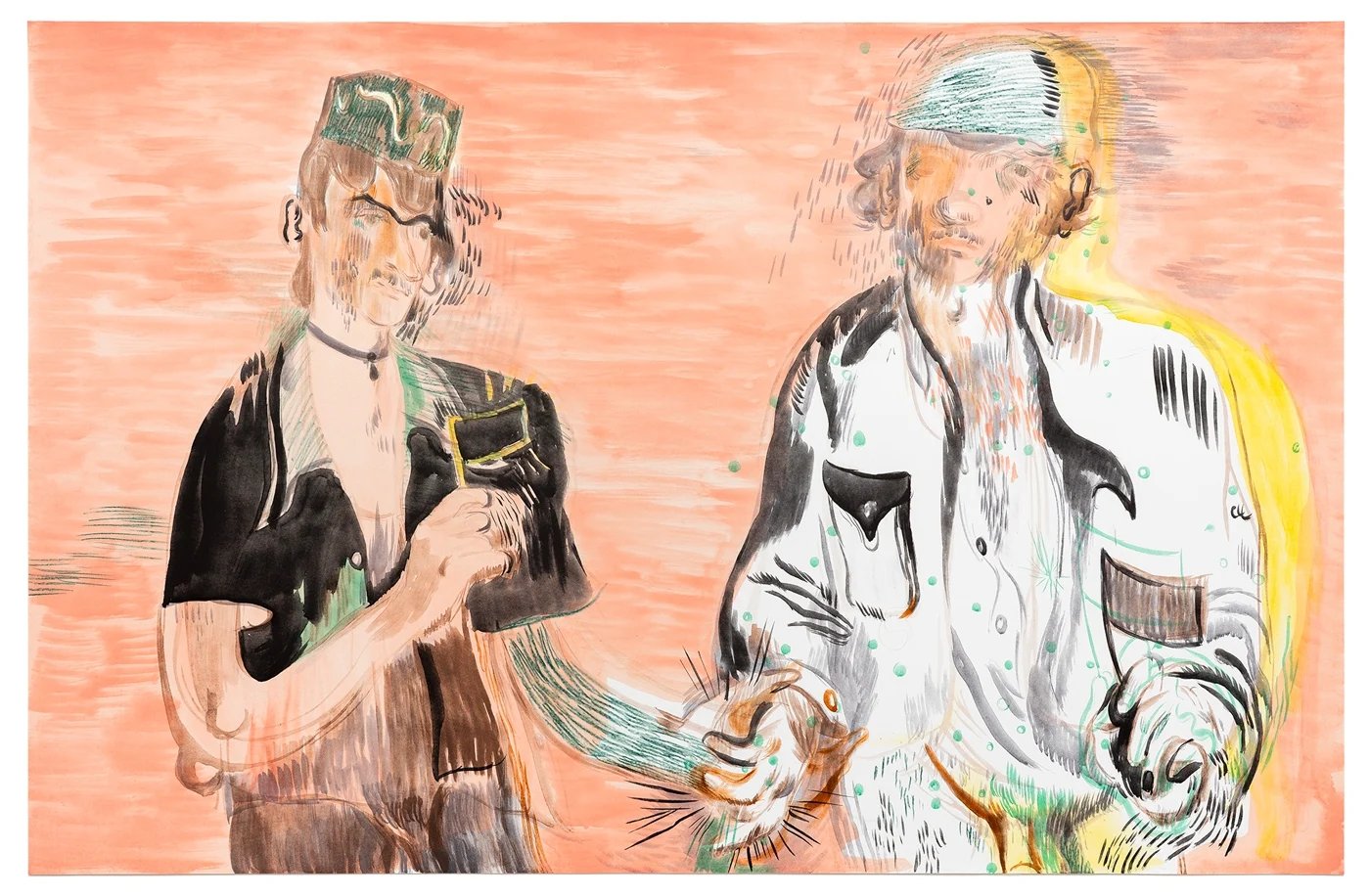
Cabinet Card
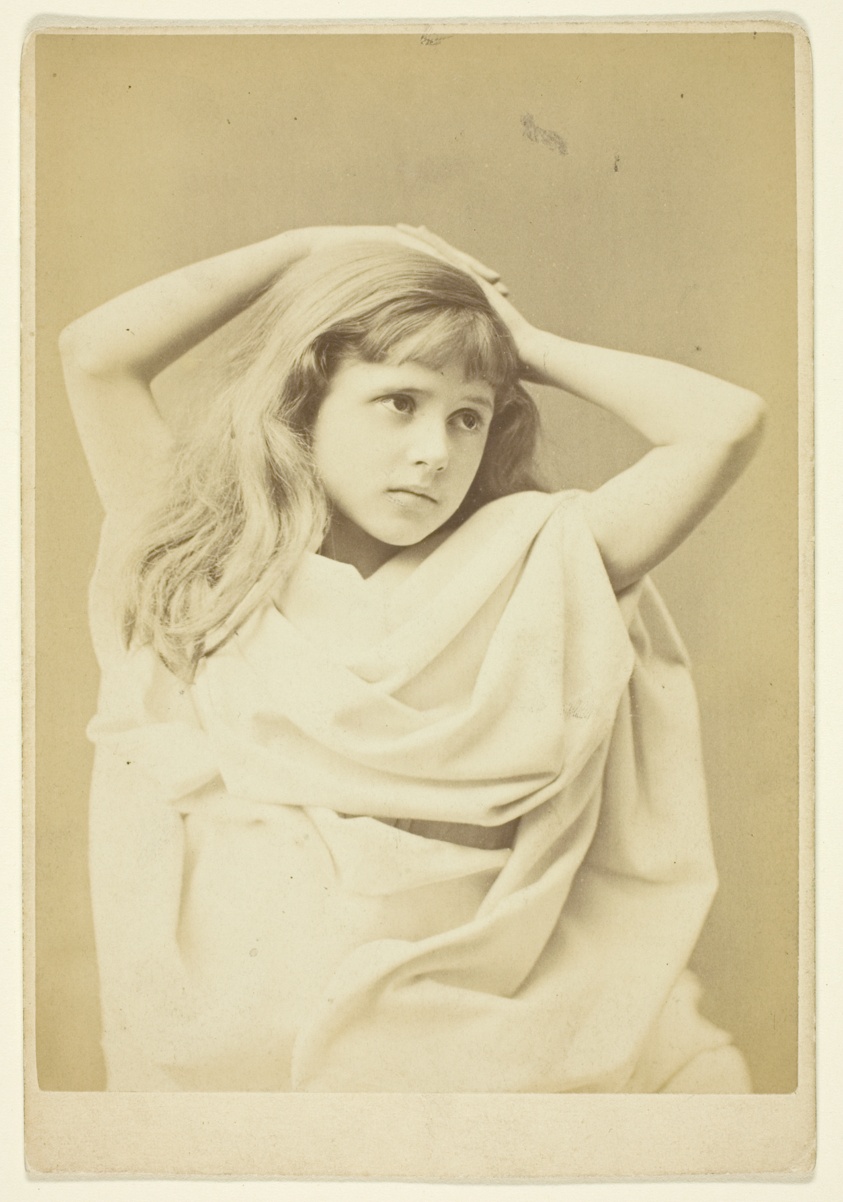
Elliott & Fry
Portrait of Miss Constance MacDonald Gilchrist, 1877
Artists
The Face in the Drawer Speaks Again
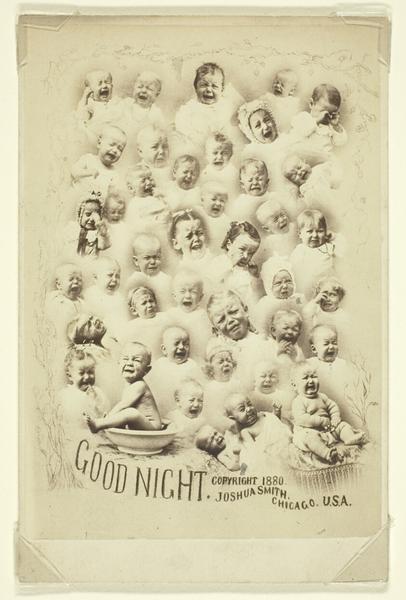
At a Swann Auction Galleries sale in New York not long ago, a collection of Victorian cabinet cards sold well above estimate, drawing bidders who had no particular connection to the sitters and no documentary reason to care. What they cared about was something harder to name: the uncanny weight of a photograph that was made to be held, passed around, slipped into an album, and treasured. The cabinet card, that elegant survivor of the 1860s through the early 1900s, is having a serious cultural moment. Not a nostalgia revival, exactly.
Something more considered than that. The format itself is deceptively simple. A photograph mounted on a stiff card backing, typically measuring around four by six and a half inches, the cabinet card was introduced around 1866 as a larger successor to the carte de visite. It was designed to be displayed on the shelves and in the cabinets of domestic interiors, hence the name.
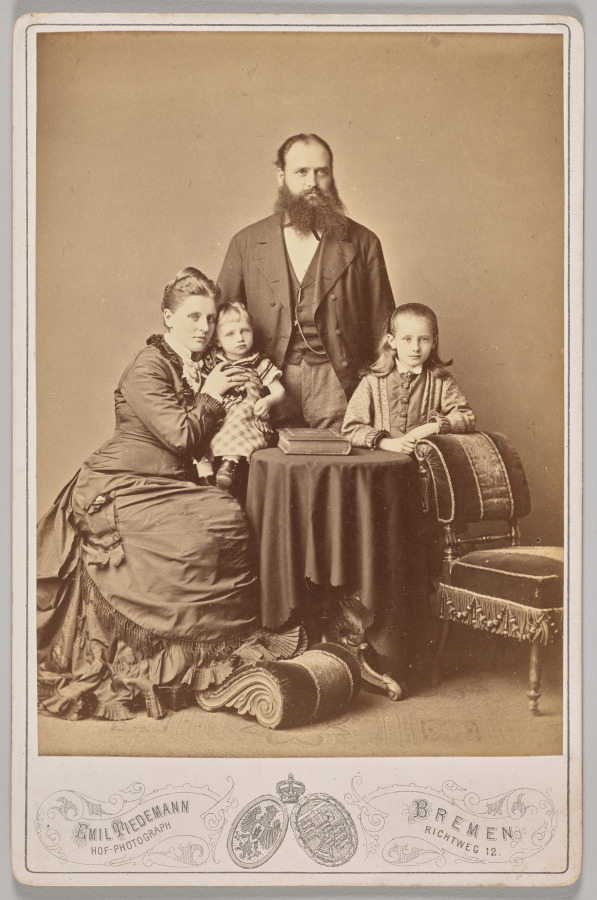
Emil Tiedemann
Untitled (studio portrait of a family), 1870
Studios across Britain, Europe, and North America produced them by the millions, and the most accomplished practitioners turned what could have been a mechanical trade into something genuinely artistic. The London firm Elliott and Fry, established in 1863, built a reputation that drew everyone from politicians to royalty through their Baker Street doors, and their work represented on The Collection demonstrates exactly why their name still carries weight in the saleroom today. The market for cabinet cards has matured considerably over the past decade. For a long time these objects lived in the grey zone between photography collecting and ephemera dealing, more likely to be found in a flea market box than a white glove auction lot.
That has shifted. Christie's and Bonhams have both seen strong results for studio portrait photography from this period when it comes attached to a known provenance or a distinguished studio imprint. The name on the card matters enormously. A portrait by a documented studio like Elliott and Fry or the Norwegian photographer Emil Tiedemann carries authentication built into its own object.
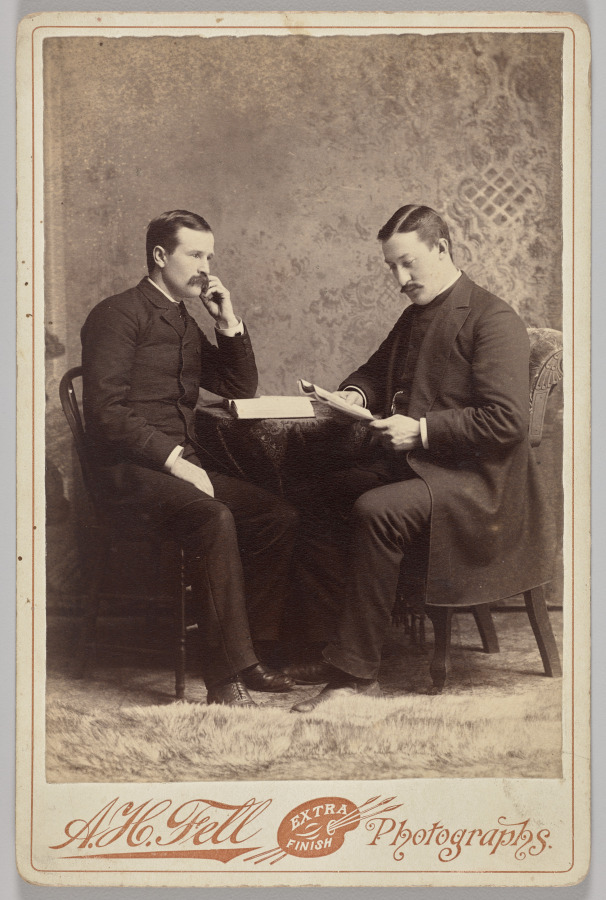
A.H. Fell
Untitled (seated portrait of two men, one with a book, the other reading a magazine), 1880
Tiedemann, who worked in Christiania in the latter half of the nineteenth century, produced portraits of remarkable psychological acuity, and collectors who have found their way to his work tend to pursue it seriously. Institutional interest has been the real signal. The National Portrait Gallery in London has long held cabinet cards in its permanent collection, but the framing around them has changed. Where they were once treated as documents, supplementary to painting and sculpture, curators now treat them as primary objects in their own right.
The Getty Museum in Los Angeles has been particularly active in this reframing, with acquisitions and exhibitions that position Victorian and Edwardian studio photography as a sophisticated visual culture deserving the same critical apparatus as any other medium. When institutions of that caliber start writing acquisition budgets around this material, the private market follows within a few years. We are in that window right now. The critical conversation has been shaped by a handful of influential voices.
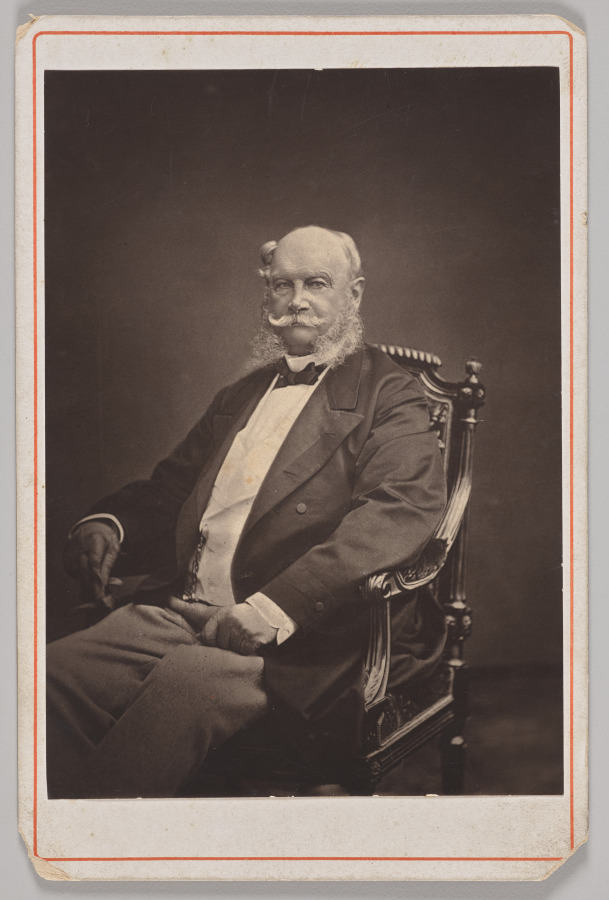
Unknown Artist
Wilhelm I, King of Prussia, 1870
Geoffrey Batchen, whose writing on early photography consistently resists the temptation to treat photographs as transparent windows onto history, has done much to establish the theoretical grounds for taking studio portraiture seriously as a formal and social practice. The photographer and critic Val Williams brought British studio photography into serious critical focus through her writing and curatorial work. More recently, younger scholars working at the intersection of queer history and photographic archives have found cabinet cards to be extraordinarily generative objects. The posed body, the chosen costume, the deliberate construction of a public self: these are not limitations of the medium but its very subject.
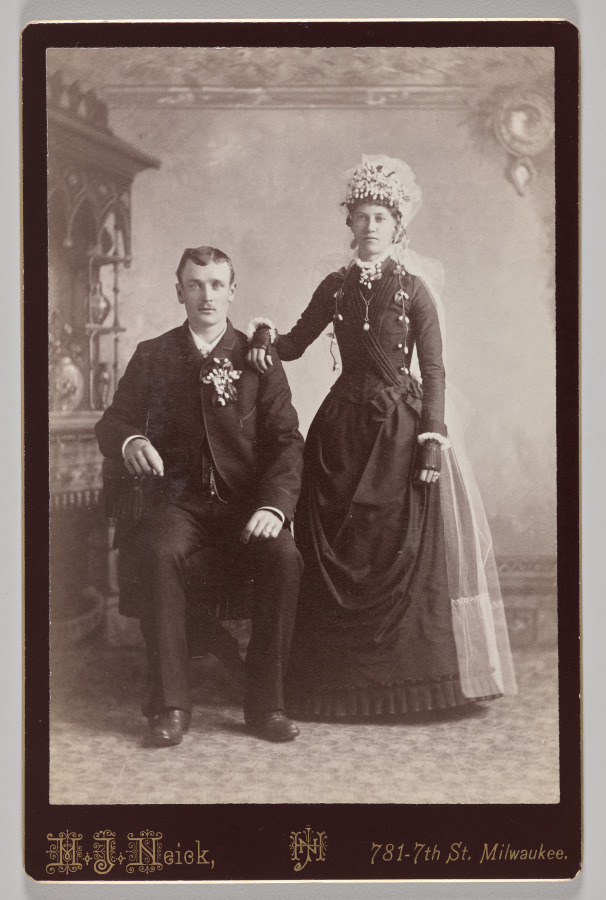
Studios like A.H. Fell and H.J.
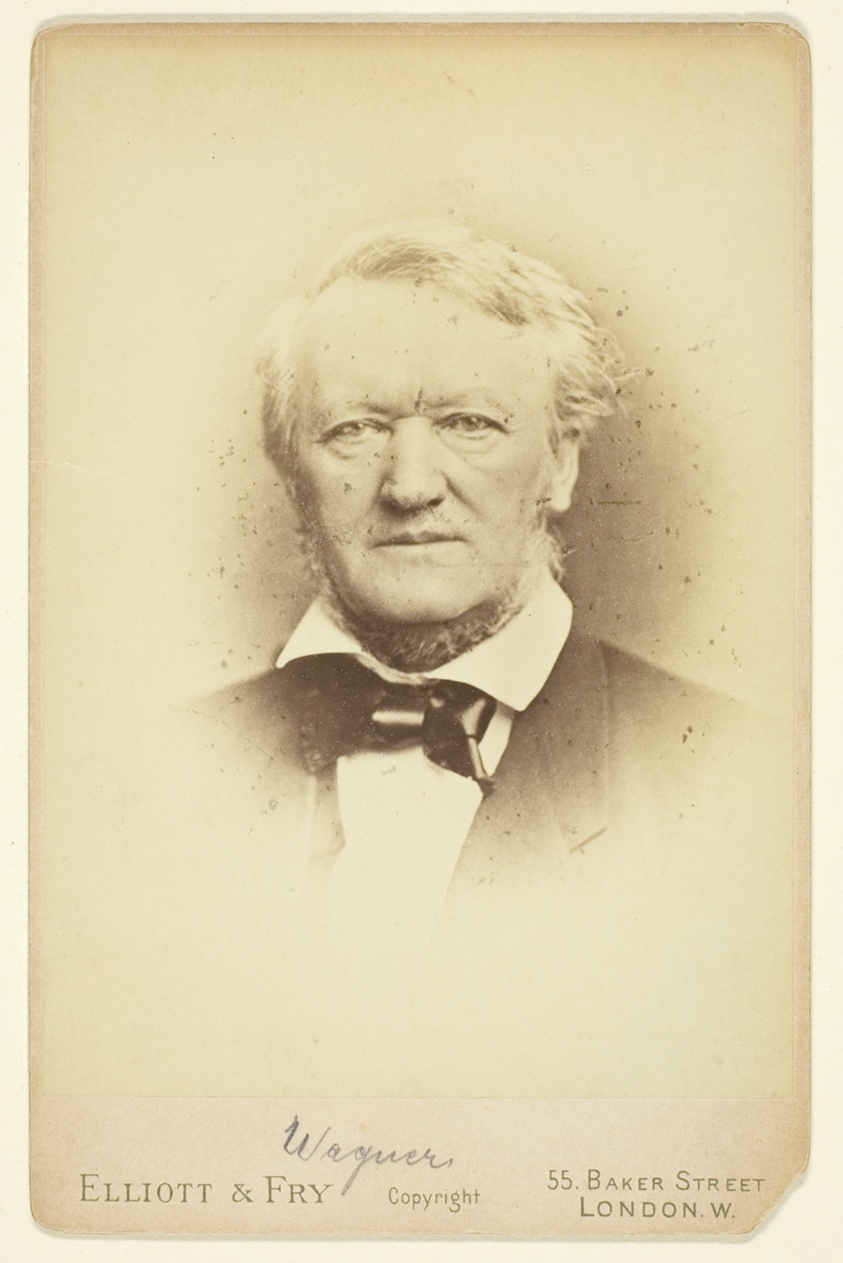
Elliott and Fry
Portrait of Wagner, 1877
Neick, whose surviving work offers glimpses into regional portrait culture, become newly interesting when read through this lens. What is surprising, and genuinely exciting, is how the market for anonymous cabinet cards has developed alongside the named studio market. The Unknown Artist, so to speak, has become a category unto itself. Collectors drawn to vernacular photography, to the faces of people whose names were never recorded, have created real demand for cabinet cards chosen purely on formal or emotional grounds.
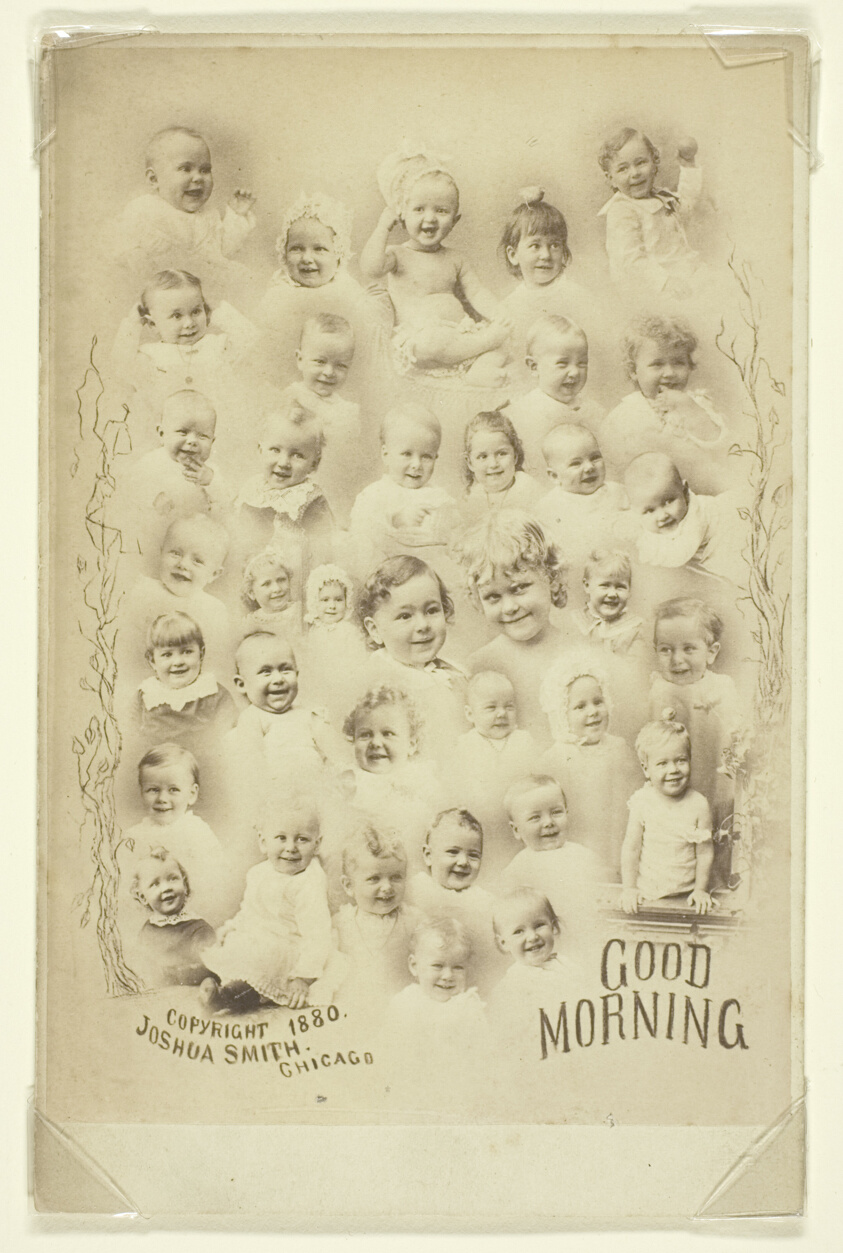
A portrait by Joshua Smith of a woman in three quarter profile, lit with unusual care, can command serious attention now not because of what we know about the sitter but because of what the photograph itself does. This is a relatively new development in how collectors think, and it reflects a broader shift in the photography market toward what the image achieves rather than what it documents. The energy in this space right now feels genuinely open. There is no single dominant narrative, which is actually where the most interesting collecting tends to happen.
You have the connoisseurship strand, focused on named studios and verifiable provenance. You have the vernacular strand, interested in the democratizing accident of beauty in anonymous work. You have the archival and political strand, recovering histories that studio photography both constructed and concealed. All three are active simultaneously, and the collectors who are paying closest attention are finding ways to hold all three in mind at once.
The works available through The Collection reflect this range, from the well documented studios of London and Europe to singular portraits whose power needs no credential. If there is a single thing that drives the continued appetite for cabinet cards beyond market mechanics, it is something that resists easy articulation. These objects were made to create intimacy across distance and time. They were intended to be intimate, to stand in for a person who was absent.
That original function has not expired. If anything, in a moment when we are deeply suspicious of digital images and their instability, the weight of a mounted photograph from 1880 feels startlingly trustworthy. It does not update. It does not disappear.
It simply holds its face toward you and asks to be seen.