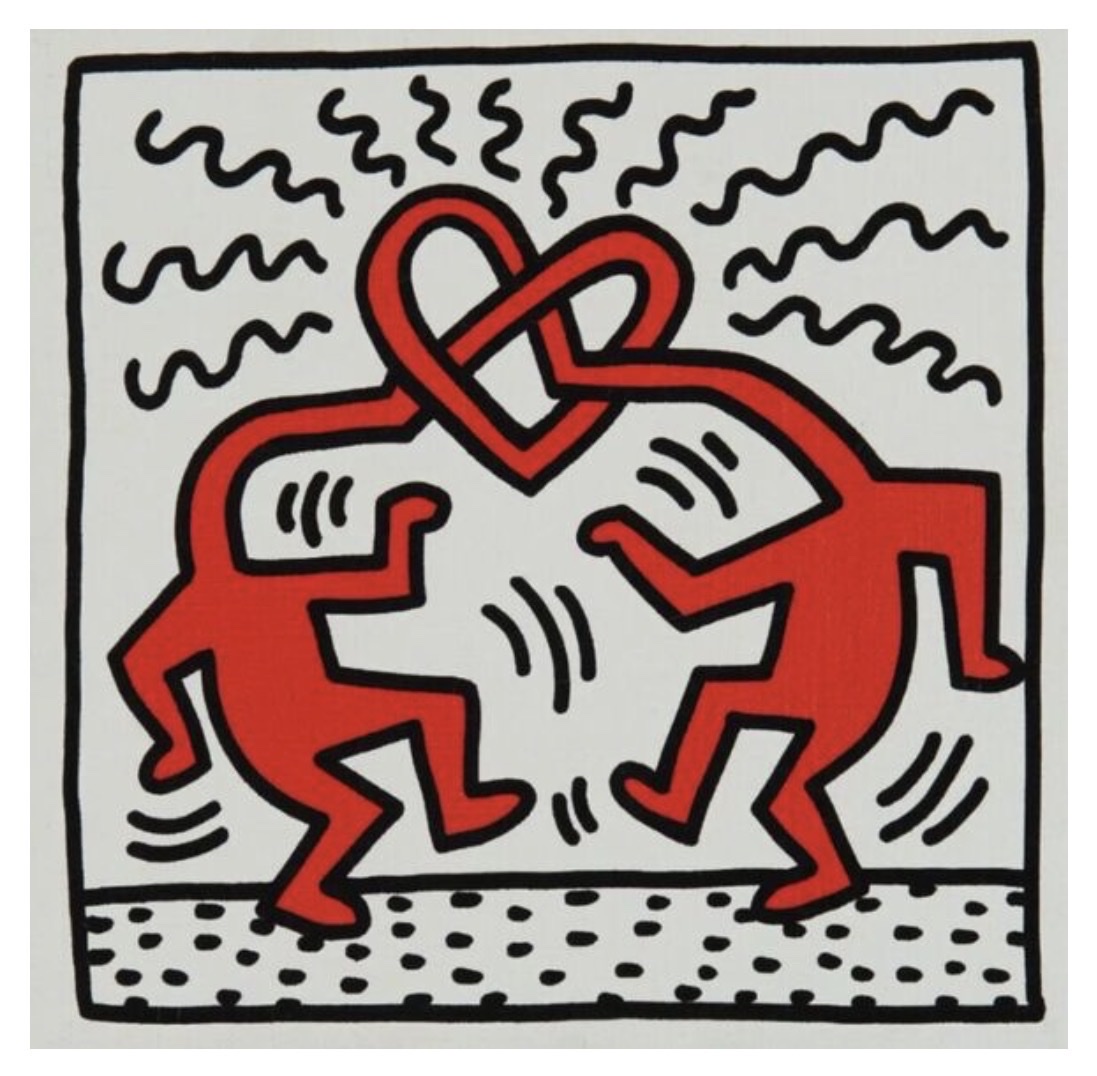
Botanical Study
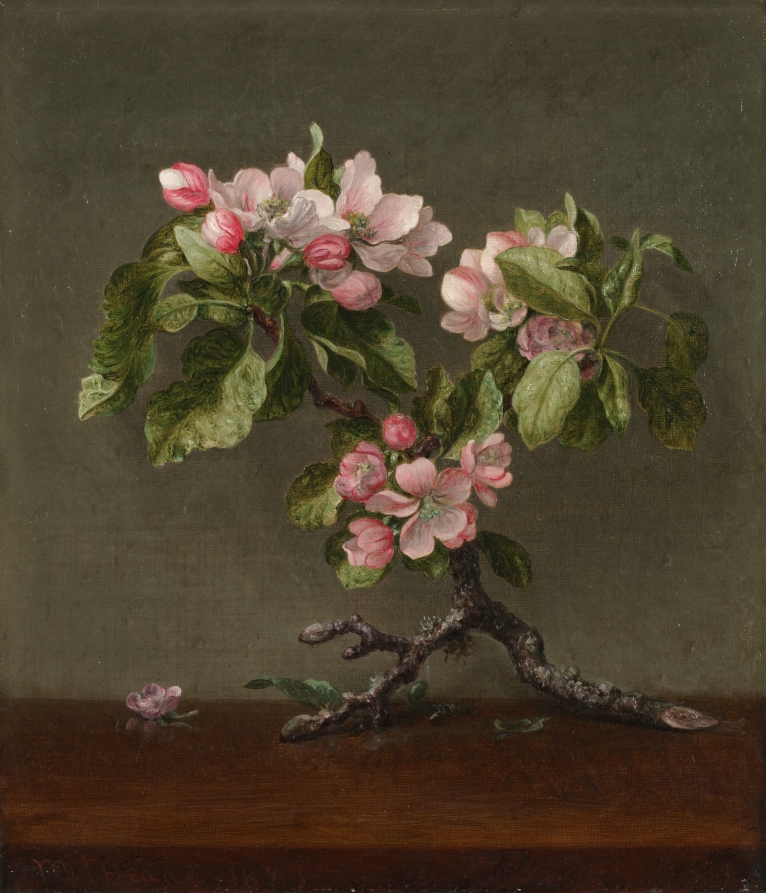
Martin Johnson Heade
Apple Blossoms, 1873
The Flower Has Never Been Innocent
When Robert Mapplethorpe's photograph of a single calla lily sold at Christie's for well above its estimate a few seasons ago, it confirmed something collectors had been sensing for years: botanical imagery, long dismissed as decorative or domestic, had become one of the most contested and intellectually serious categories in the market. The image, austere and almost confrontational in its beauty, reminded viewers that a flower in the right hands is never simply a flower. It is a body, an argument, a provocation. The room understood this, and the bidding reflected it.
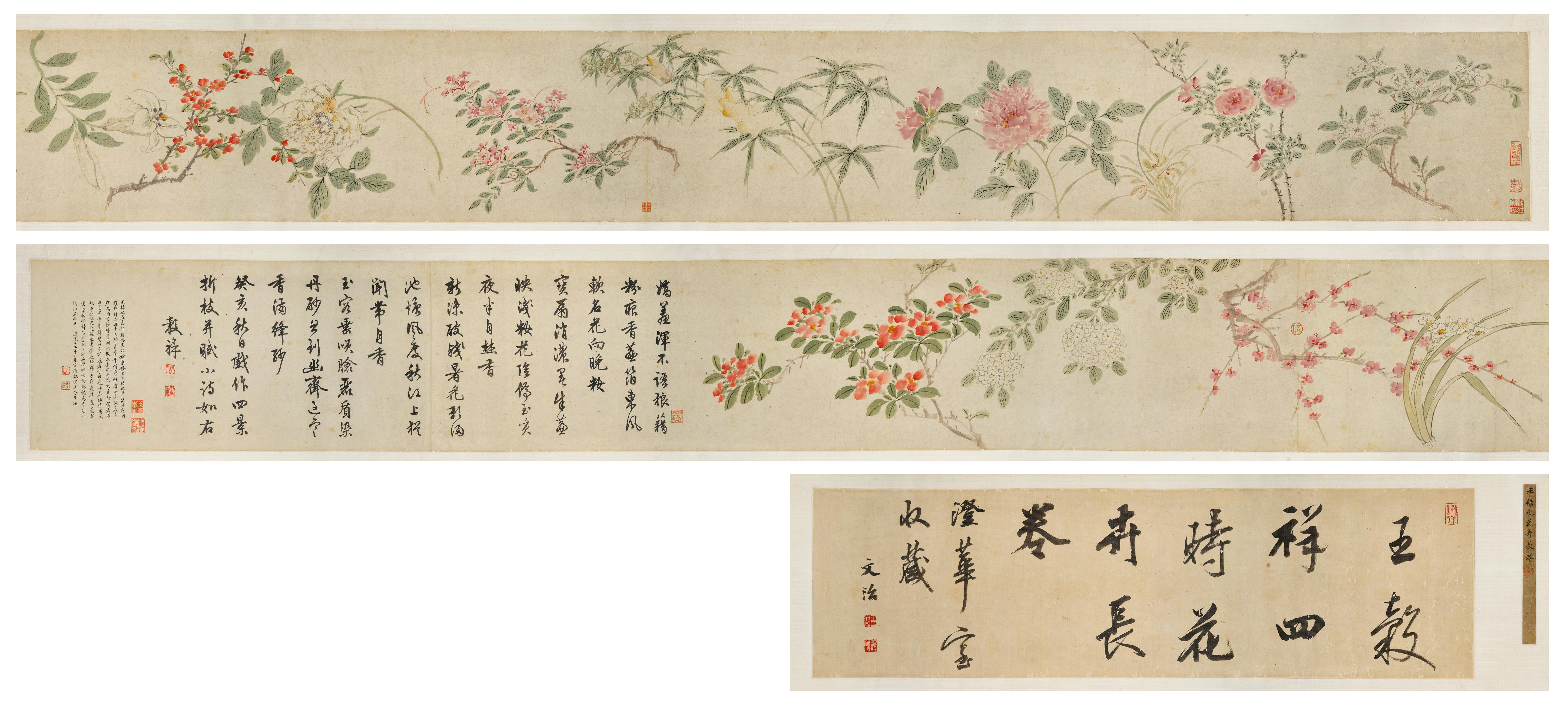
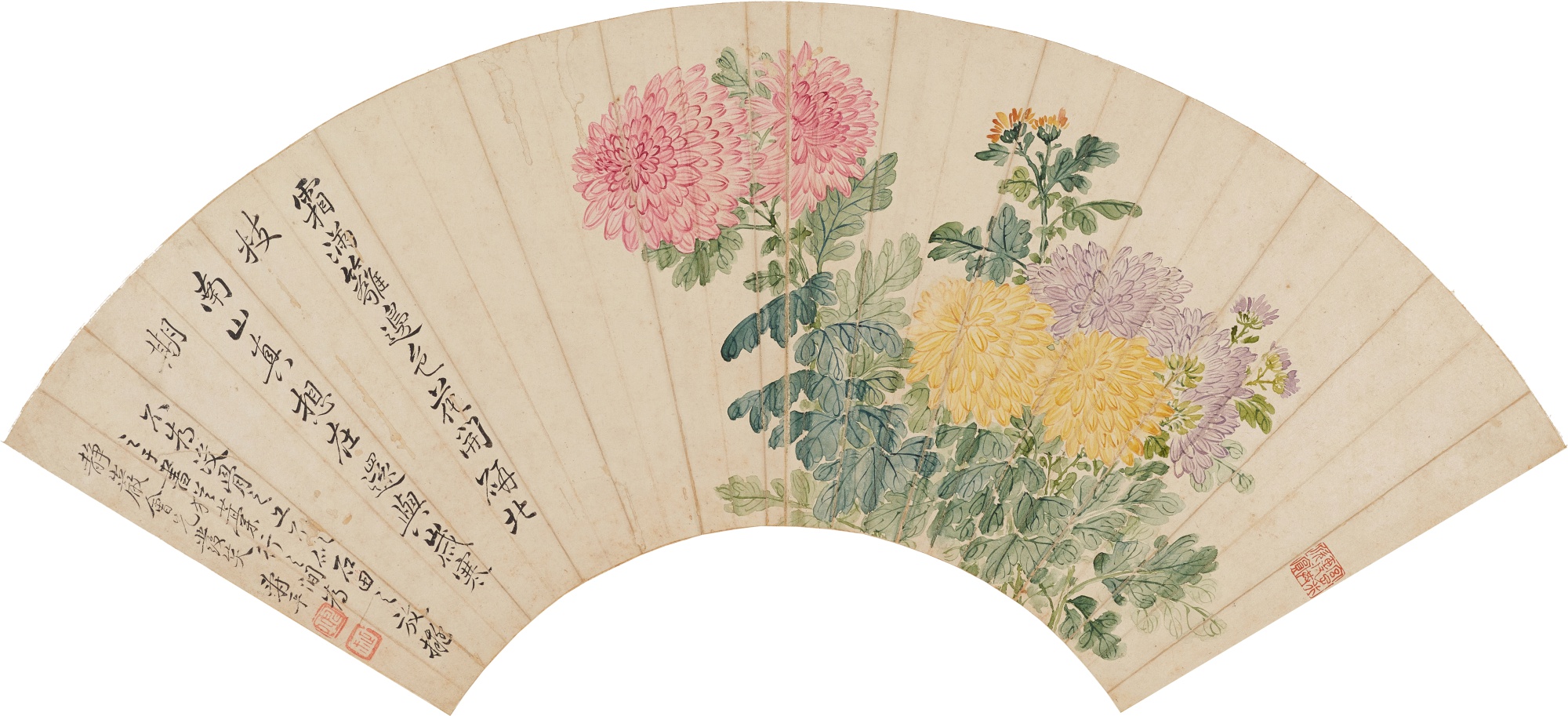
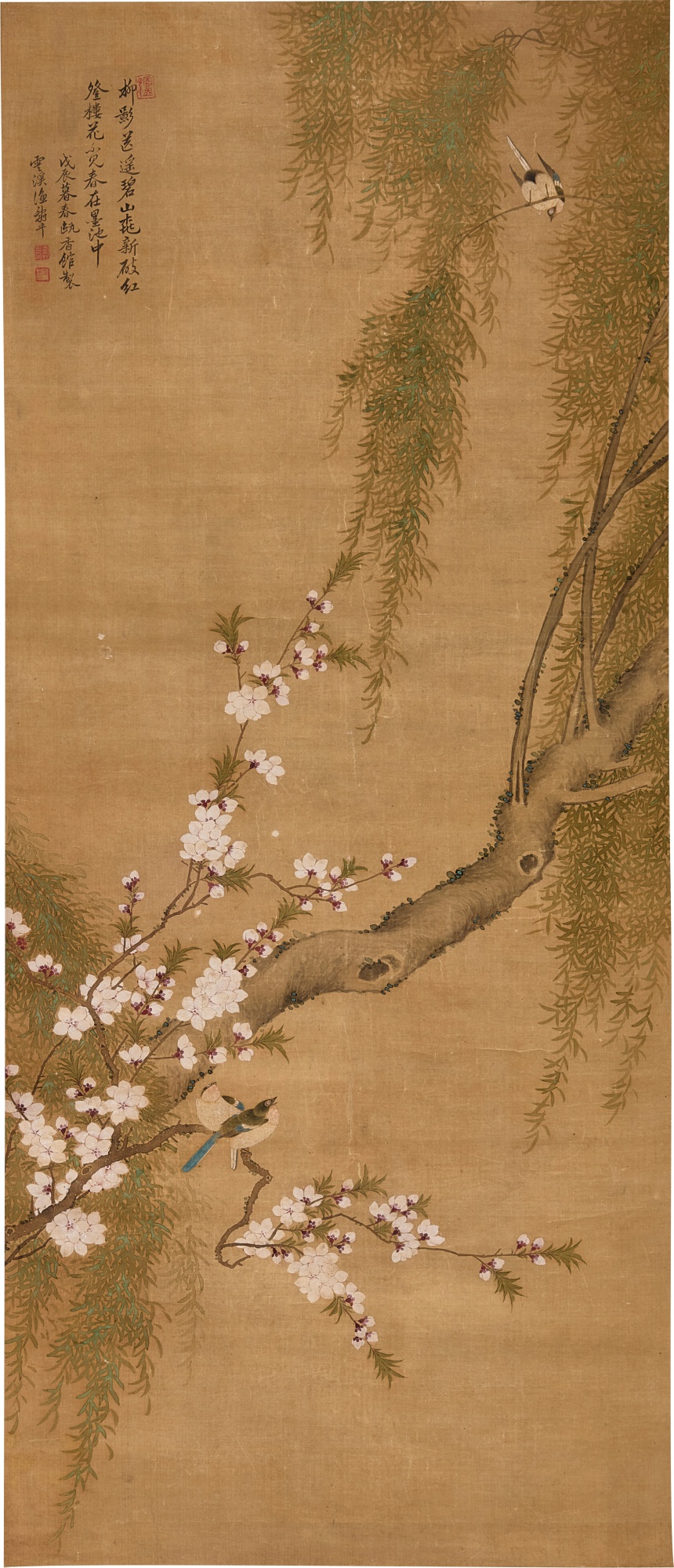
The renewed appetite for botanical work cuts across centuries and continents in ways that feel genuinely surprising. At major auction houses, 17th century Chinese flower paintings by artists working in the boneless technique, applying color directly without ink outlines, have drawn serious competition from collectors who a decade ago were focused exclusively on Western modernism. Works by Yun Shouping, whose luminous compositions influenced Chinese flower painting for generations after his death in 1690, now appear in sales alongside Ellsworth Kelly's botanical drawings with a kind of curatorial confidence that signals a market maturing beyond its old boundaries. These are not decorative afterthoughts filling catalogue pages.
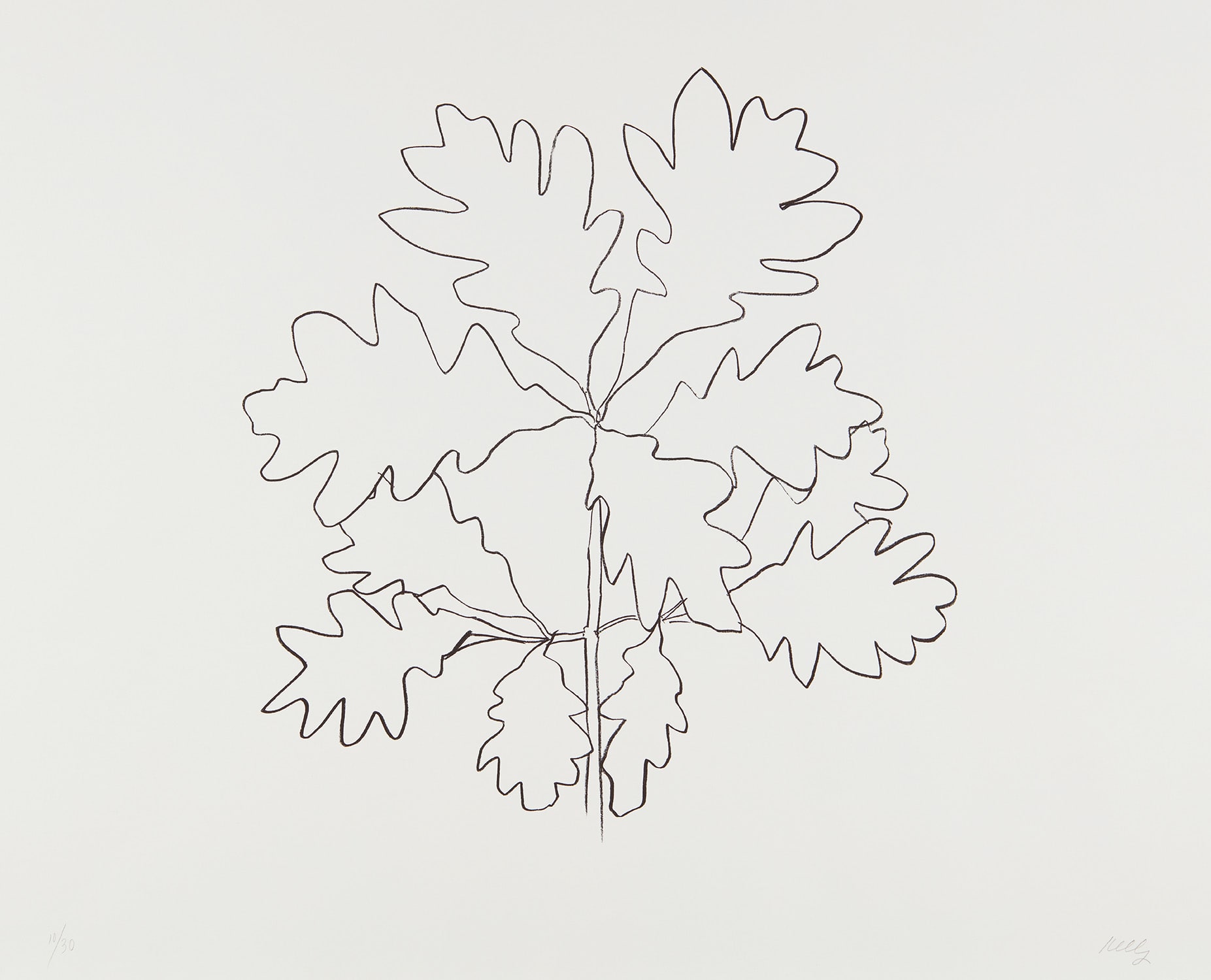
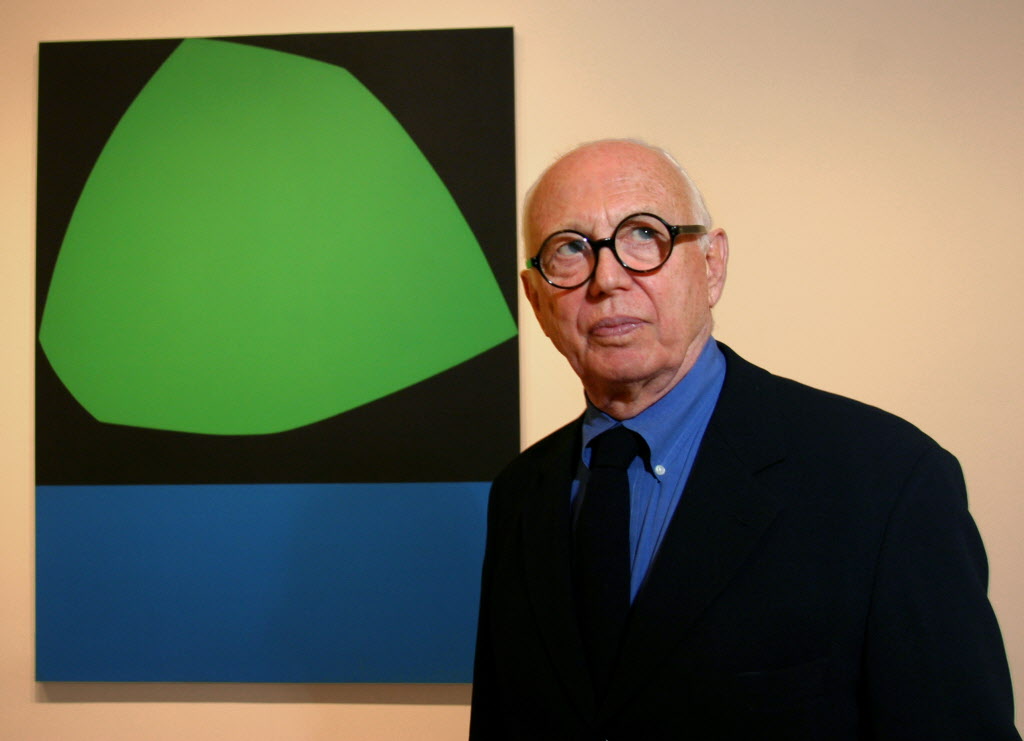
Ellsworth Kelly
Oak VI, from Series of Oak Leaves
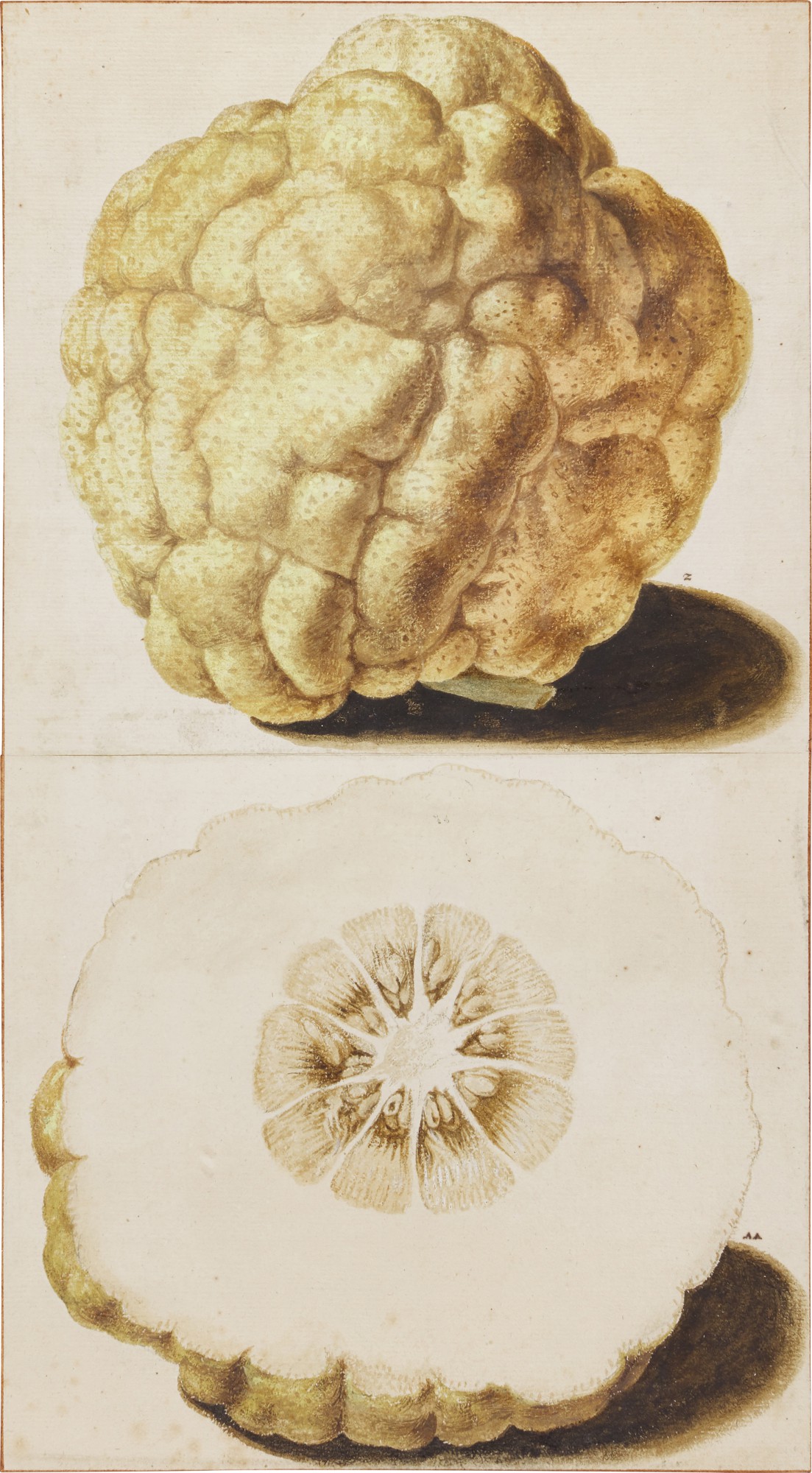
They are the main event. Museum programming has been essential in shifting this perception. The Metropolitan Museum of Art's holdings of Chinese flower albums, including works from artists active during the same extraordinary period that produced Shitao and Wang Guxiang, have received renewed scholarly attention and more prominent gallery placement in recent years. The Getty mounted a thoughtful show examining European natural history illustration that put figures like Vincenzo Leonardi in conversation with the scientific ambitions of the 17th century Roman academies.
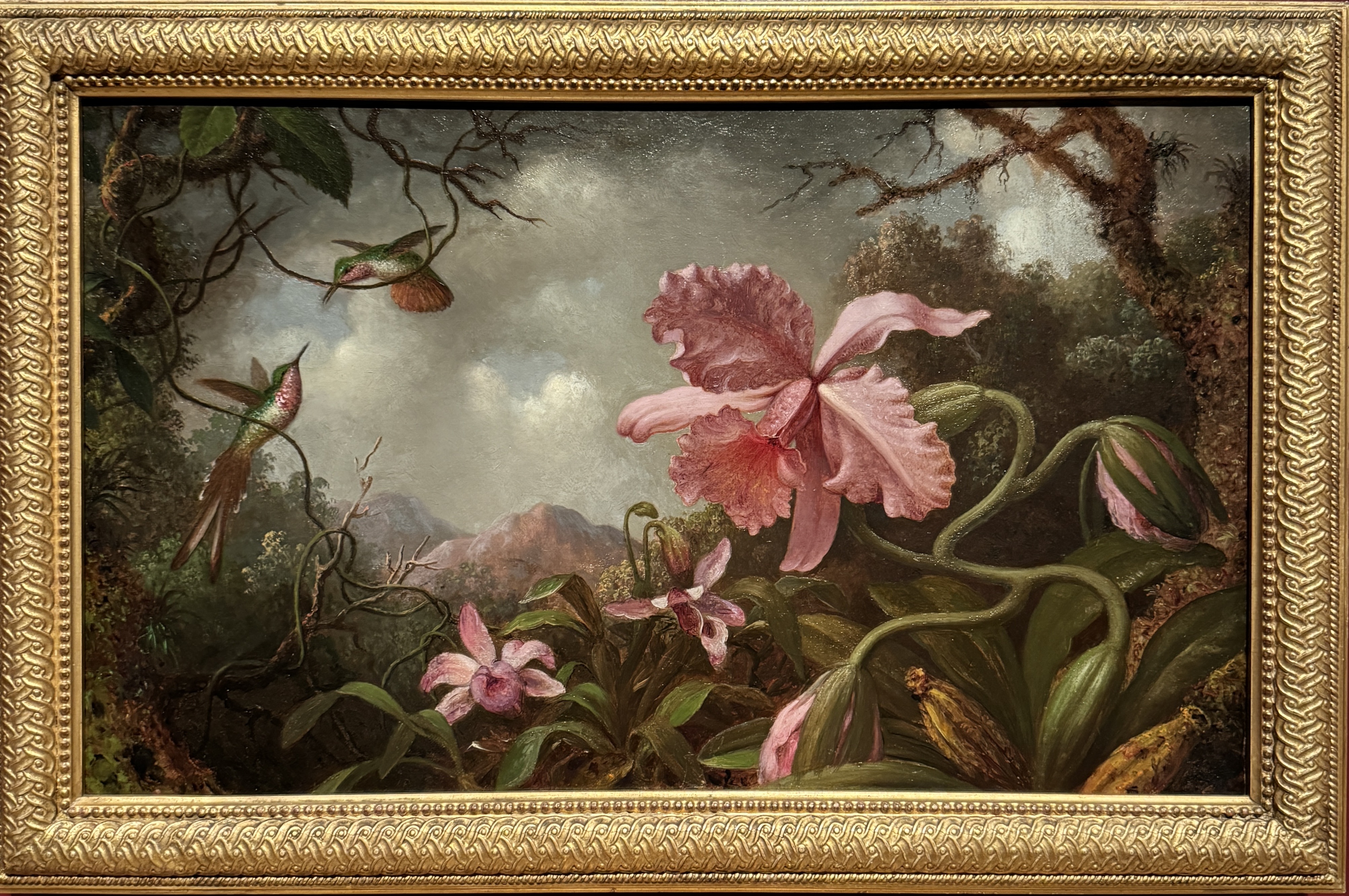
What emerged from that kind of exhibition was a clearer understanding that botanical study was never merely aesthetic. It was epistemological. These artists were making arguments about how to see, how to know, and what mattered in the visible world. In the American context, Martin Johnson Heade remains one of the most bankable names in this space.
Martin Johnson Heade
Apple Blossoms, 1873
His orchid and hummingbird paintings, with their operatic humidity and strange erotic charge, have consistently performed at the top end of American 19th century sales. Christie's and Sotheby's both treat his tropical studies as anchor lots when they appear, and institutional buyers including the Smithsonian American Art Museum and the Museum of Fine Arts Boston have positioned his work as central to understanding 19th century American naturalism. Heade bridges the scientific impulse and the sublime landscape tradition in ways that feel inexhaustible to critics and collectors alike, which explains why his market has remained so resilient across economic cycles. The critical conversation has been shaped in meaningful ways by a generation of curators willing to argue that botanical imagery demands the same close looking we give to portraiture or abstraction.
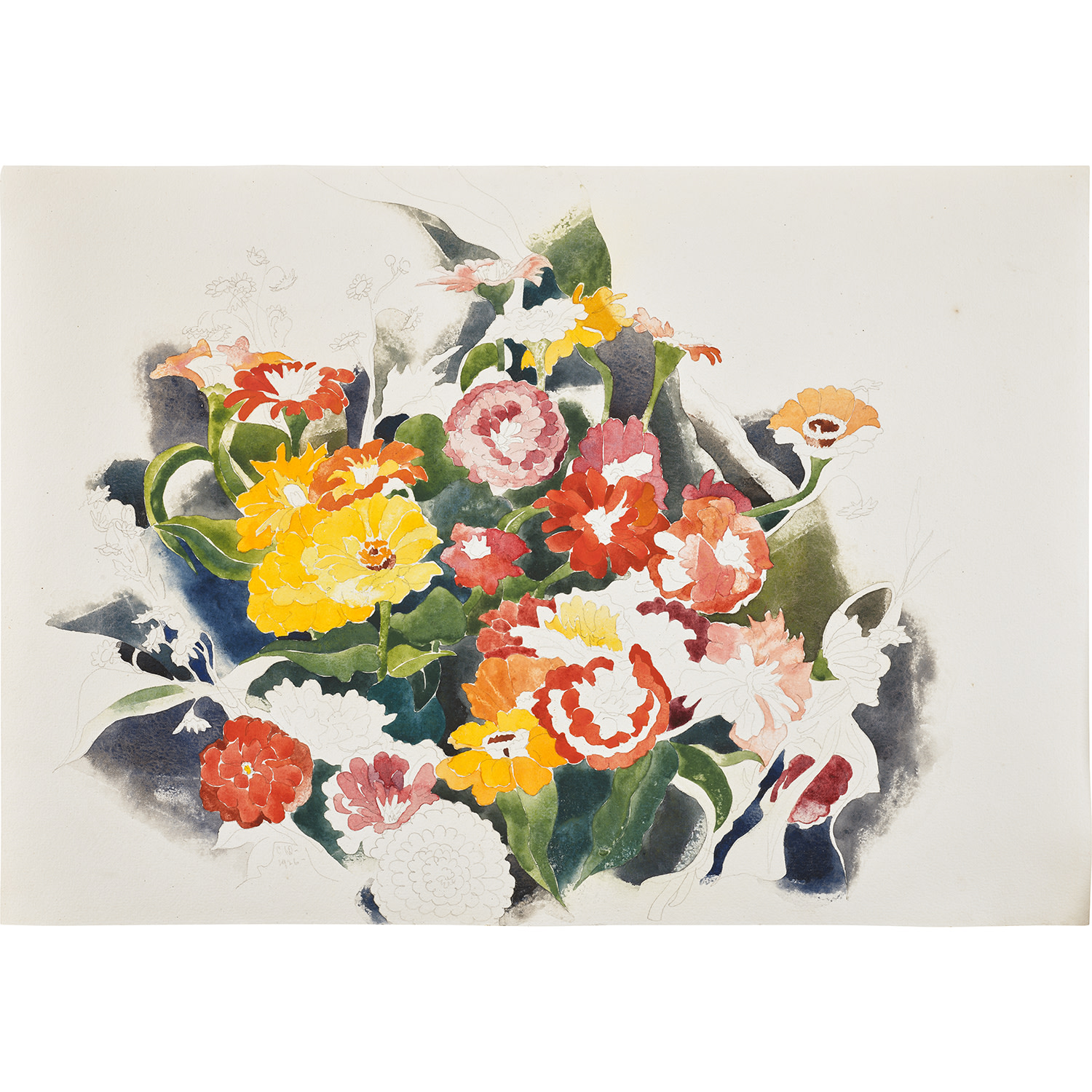
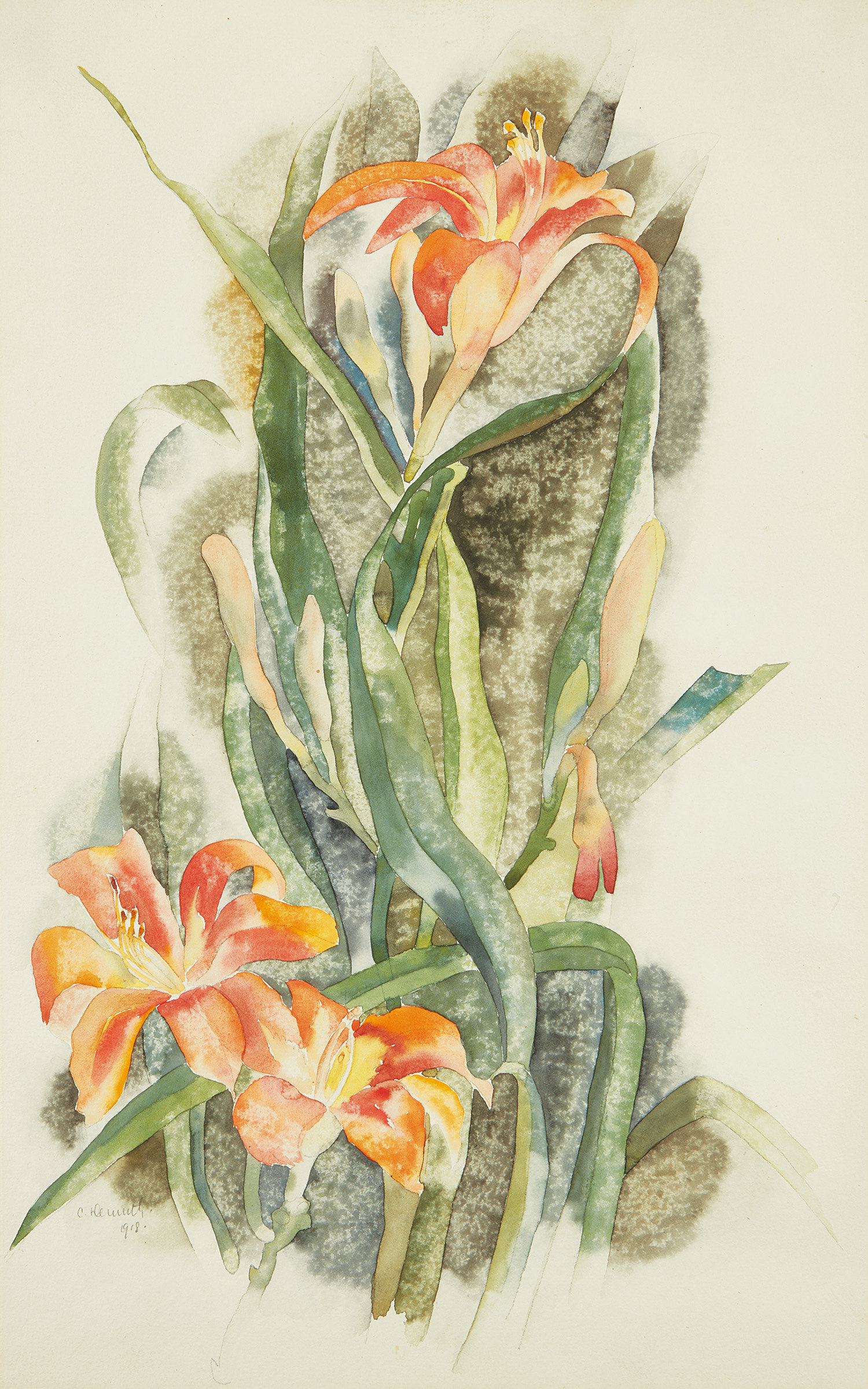
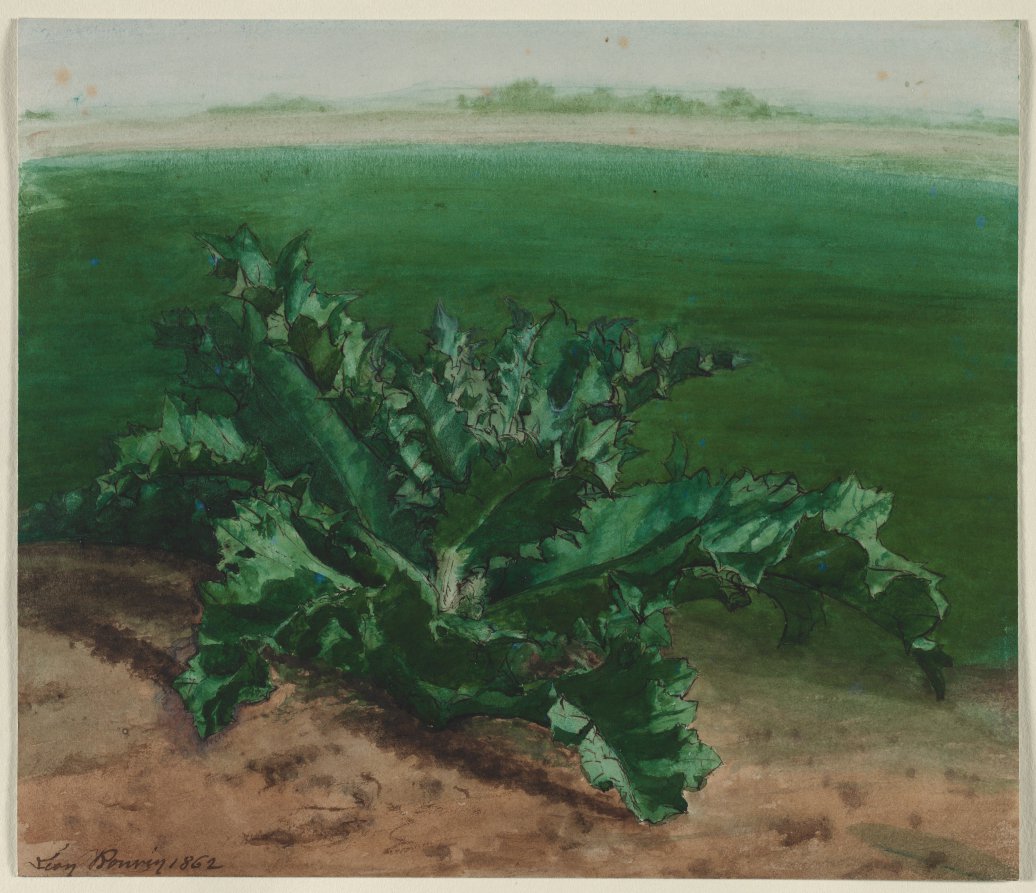
Therese O'Malley at the National Gallery of Art spent years building a scholarly framework around the cultural history of plants and gardens in American art that gave collectors and critics a new vocabulary for this work. Publications including the Burlington Magazine and Studies in the History of Art have dedicated serious pages to questions of observation, labor, and the politics of nature that run through this tradition. When you read that scholarship and then look at a Léon Bonvin watercolor, with its almost heartbreaking precision and its intimate scale, you understand why a work that might once have seemed modest now commands real attention. Charles Demuth's flower watercolors occupy a fascinating middle position in the critical conversation.
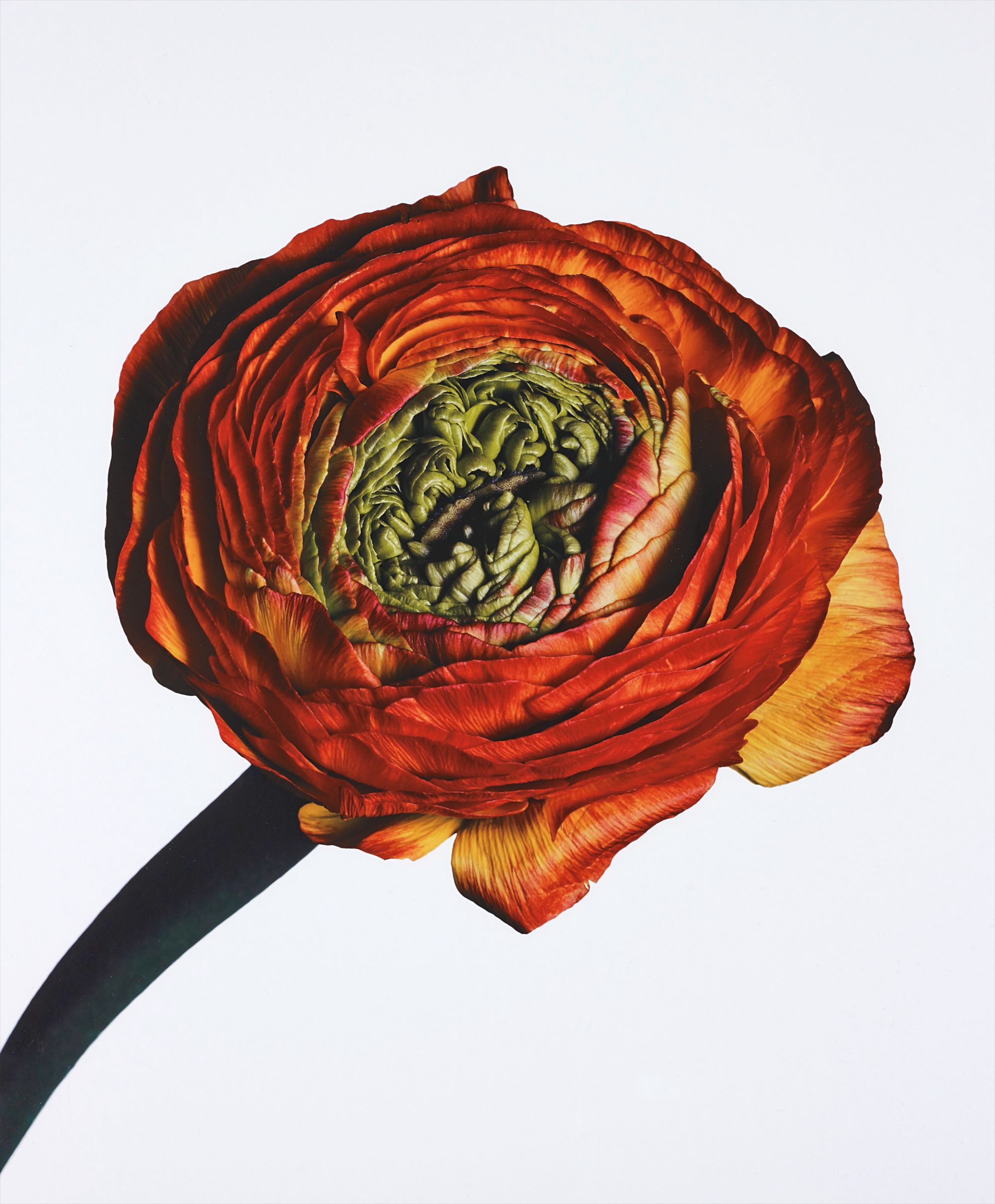
Irving Penn
Ranunculus/ Ranunculus asiaticus: Picotee, New York
Understood for most of the 20th century primarily in relation to his industrial Precisionist paintings, his botanical work has been reassessed as something more central to his vision rather than peripheral to it. Recent scholarship has emphasized the queer subjectivity embedded in his flower imagery, placing him in dialogue with contemporaries and successors who used the floral as a space of private meaning. Irving Penn's flower photographs, which appeared in Vogue and simultaneously in museum collections, performed a similar kind of cultural labor: they were publicly decorative and privately intense at the same time, and the market has come to prize exactly that doubleness. What feels genuinely alive right now is the growing interest in less canonical figures and the connections being drawn between traditions that institutional collecting once kept separate.
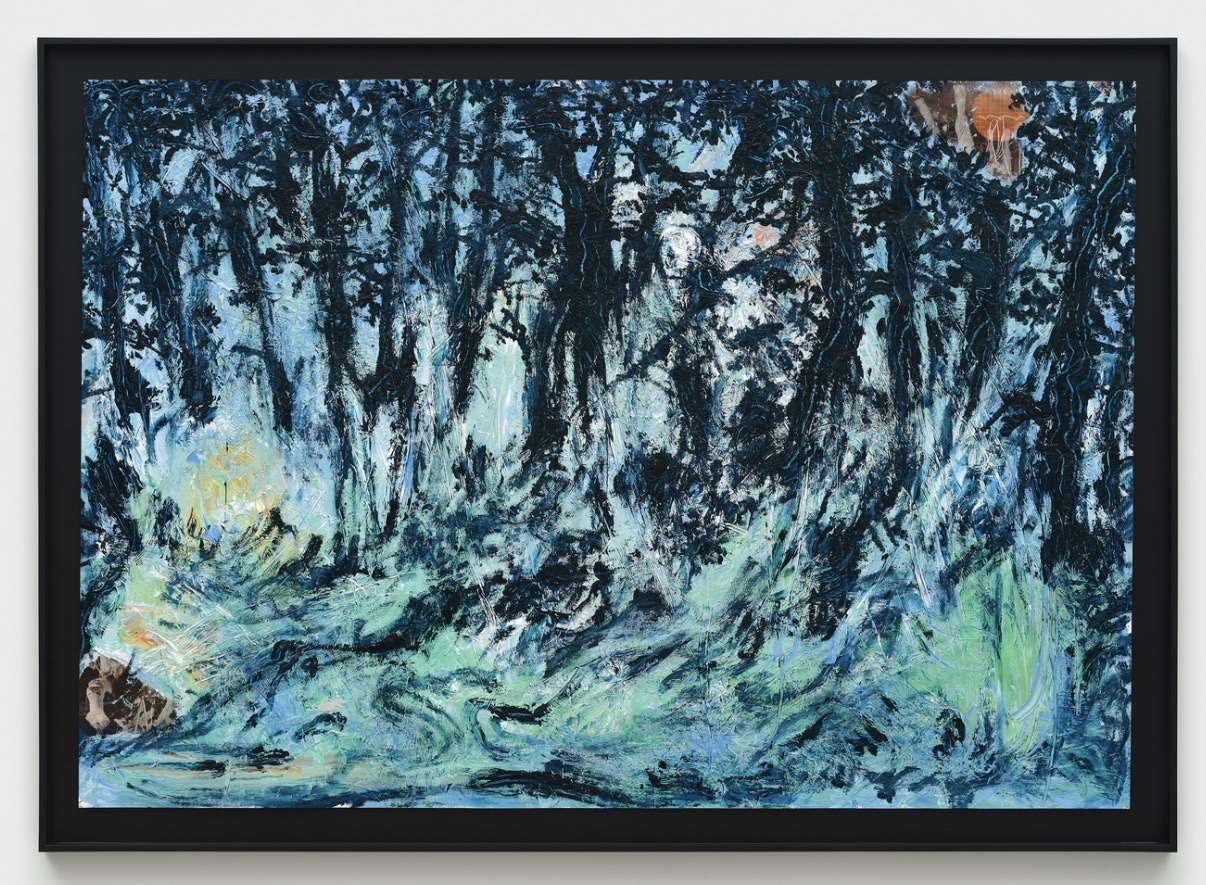
Alejandro Cardenas, working in a more contemporary register, brings a surreal pressure to natural forms that younger collectors find compelling, and his presence in this conversation signals that botanical study is not a historical category awaiting preservation but an active site of visual thinking. The energy in the room at a recent specialist preview in New York was palpable when works spanning Song dynasty album leaves through mid century photography through work made in the last decade were placed in proximity. Collectors who had come for one period left thinking about three others. The surprises coming are likely to involve the further integration of Asian botanical traditions into Western auction contexts where they have historically been siloed.
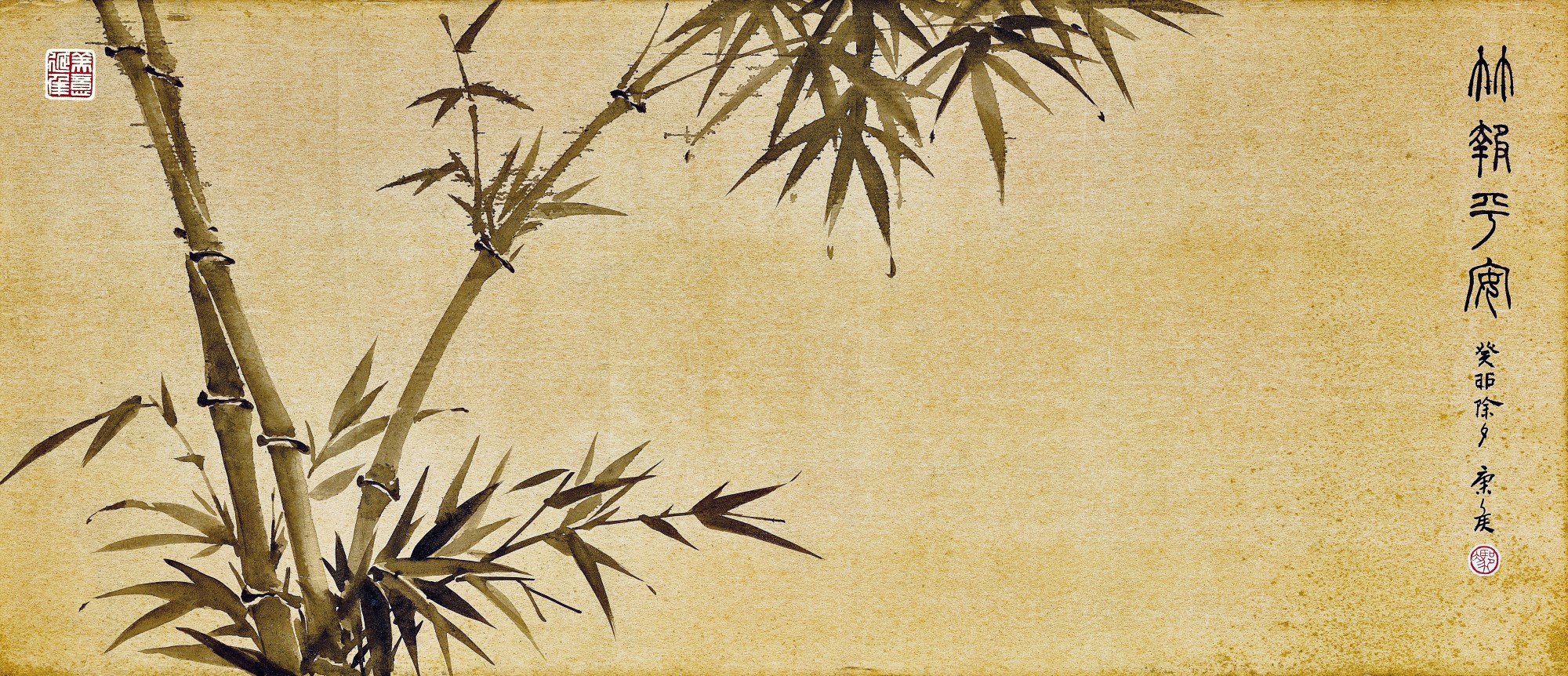
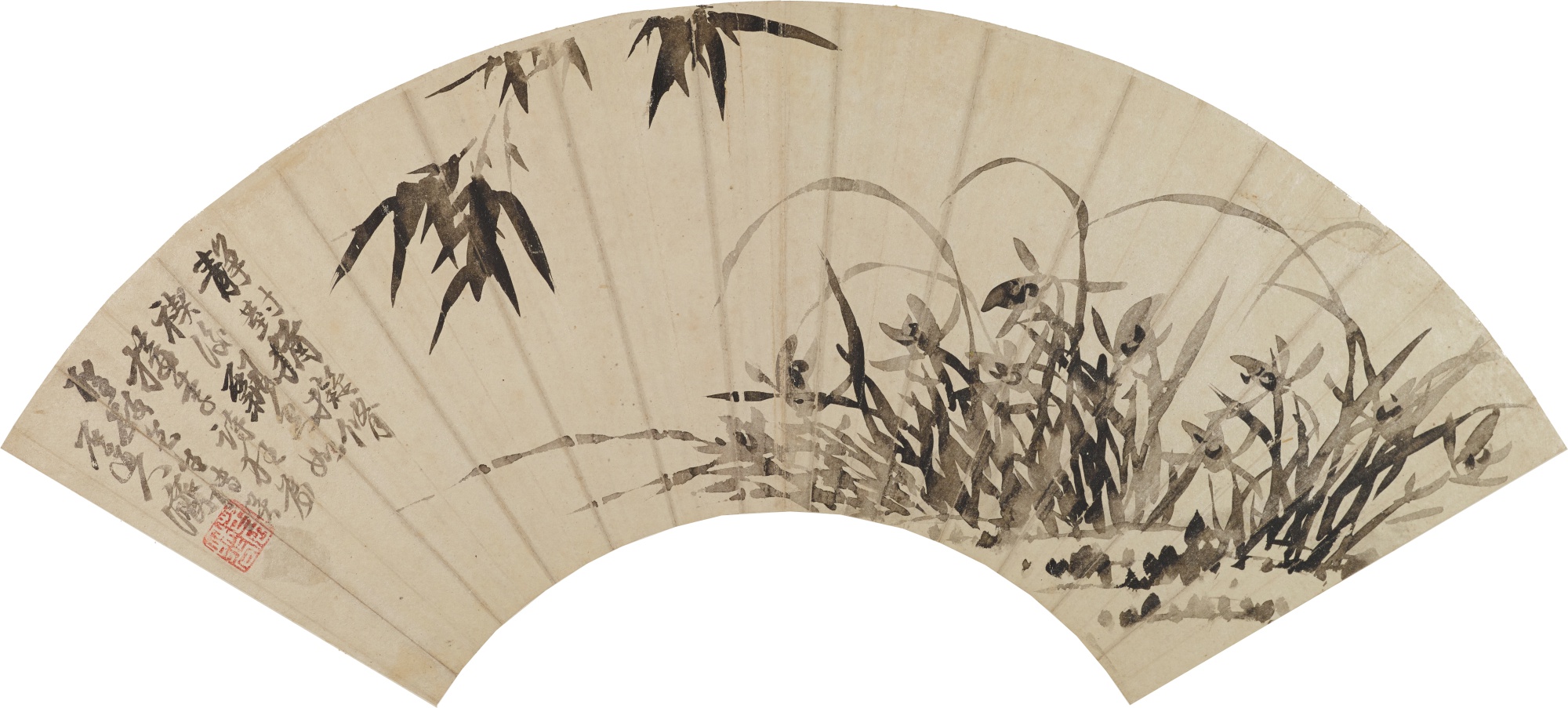
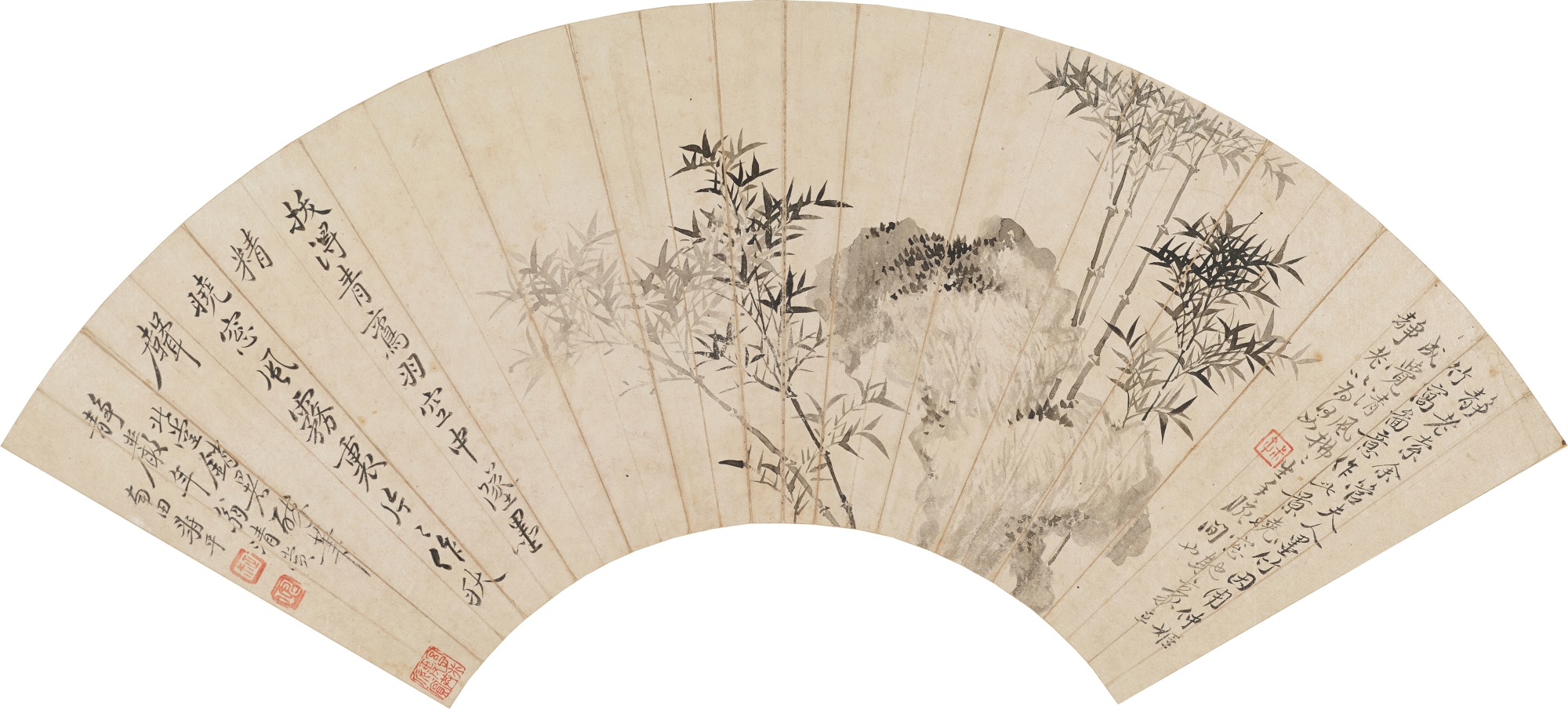
Feng Kanghou
Feng Kanghou, Bamboo
Works by artists like Wu Rangzhi and Feng Kanghou have lived primarily in specialist sales and dedicated Asian art auctions, but there is a visible appetite from major generalist collectors to bring these into broader conversations. When a collector building a serious holding in botanical work encounters pieces on The Collection from across these traditions, including the extraordinary range from classical Chinese masters to American modernists to contemporary voices, the category begins to feel less like a niche and more like one of the essential languages of visual culture. That is a shift worth paying attention to.