Atmospheric Landscape
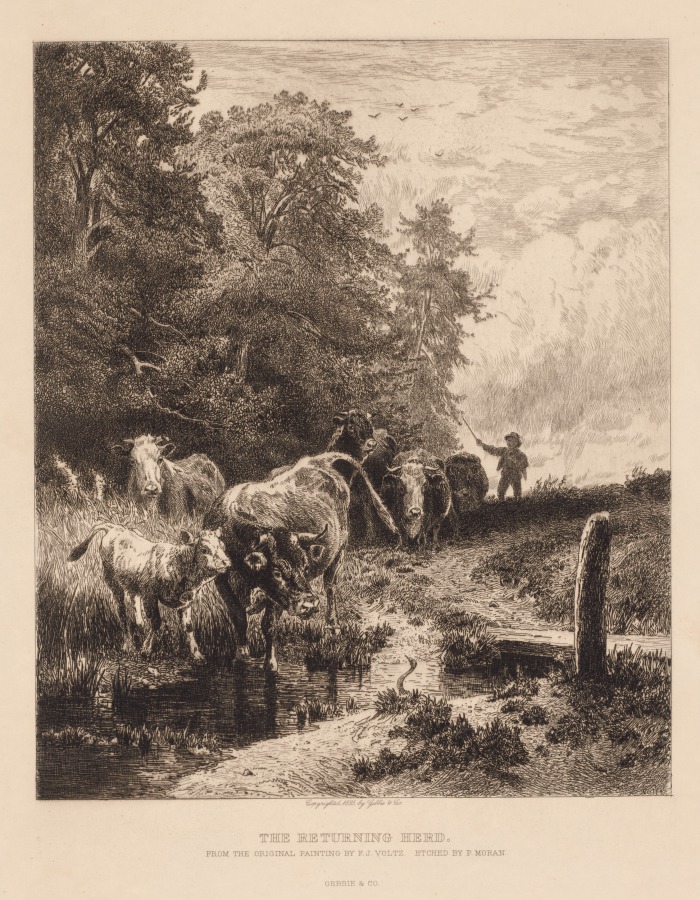
Peter Moran
The Returning Herd, 1885
Weather as Feeling: Collecting the Atmospheric Landscape
There is a particular kind of morning when the light does something unexpected to a painting hanging in your home. The air shifts, the room changes quality, and suddenly the work on the wall is no longer background. Collectors who live with atmospheric landscapes know this experience intimately. It is precisely why they seek these works out, not for decoration, but for the way they metabolize the mood of a room, expanding or deepening the emotional register of a space in ways that more literal, object driven art rarely achieves.
The appeal of the atmospheric landscape runs deeper than beauty, though beauty is certainly part of it. These are works that operate at the threshold of perception, where representation begins to loosen and feeling takes over from description. Fog, dusk, snow filtered through trees, water catching light at the edge of evening: the best atmospheric landscapes hold you in a state of productive uncertainty. You are never quite sure what you are seeing, and that ambiguity is the point.
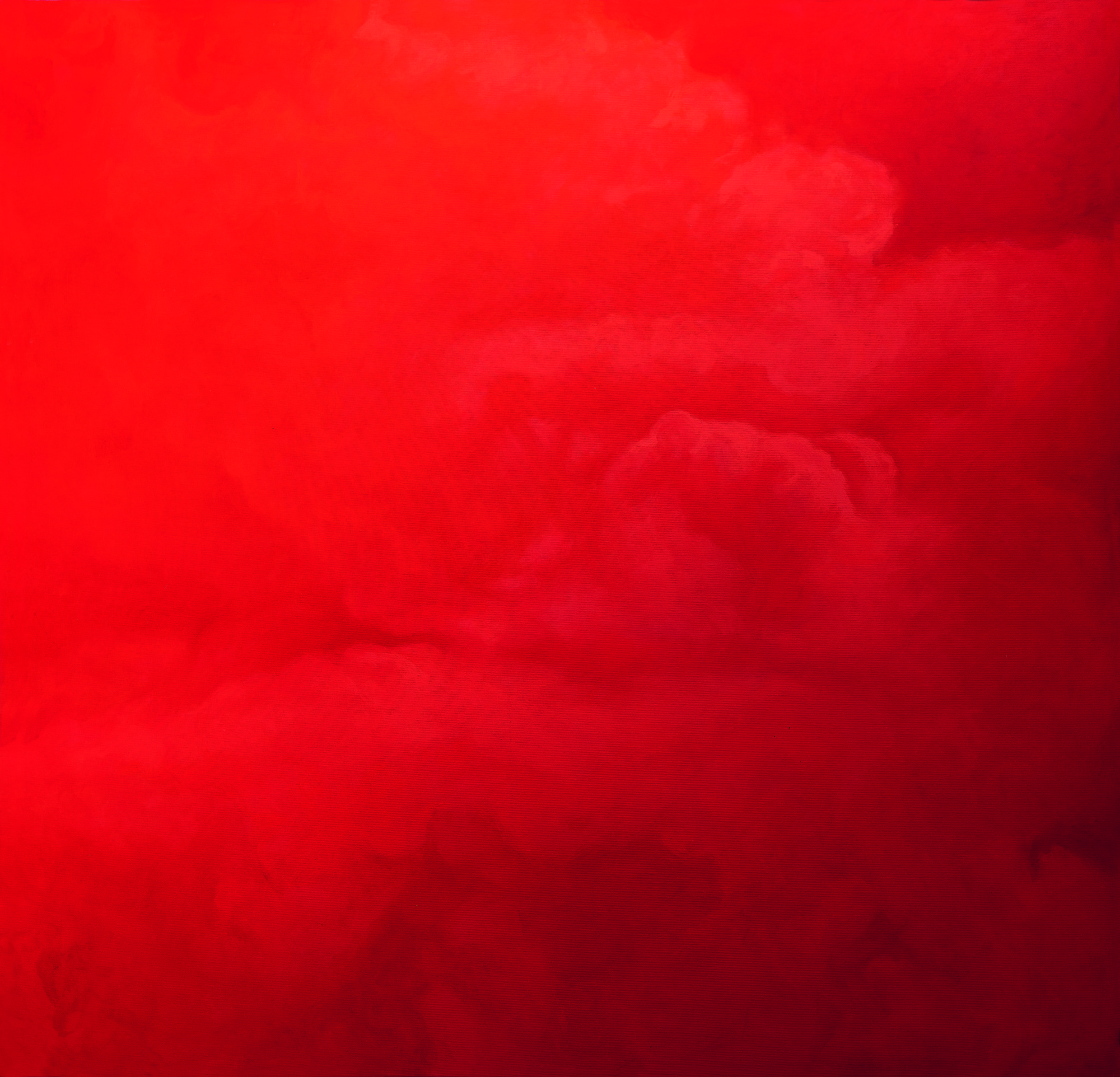
Ti-a Thuy Nguyen
Scarlet Mist, 2018
Collectors who respond to this genre tend to be people who are comfortable sitting with questions, who find more meaning in a suggested horizon than in a precisely rendered one. So what separates a good atmospheric landscape from a truly great one? The answer lies in conviction. A great work in this genre commits fully to its conditions.
The light is not approximated but felt. The weather is not illustrated but inhabited. Look closely at how an artist handles the transition zones in a composition, the places where sky meets land, where near dissolves into far. In weaker works, these passages are fudged or avoided.
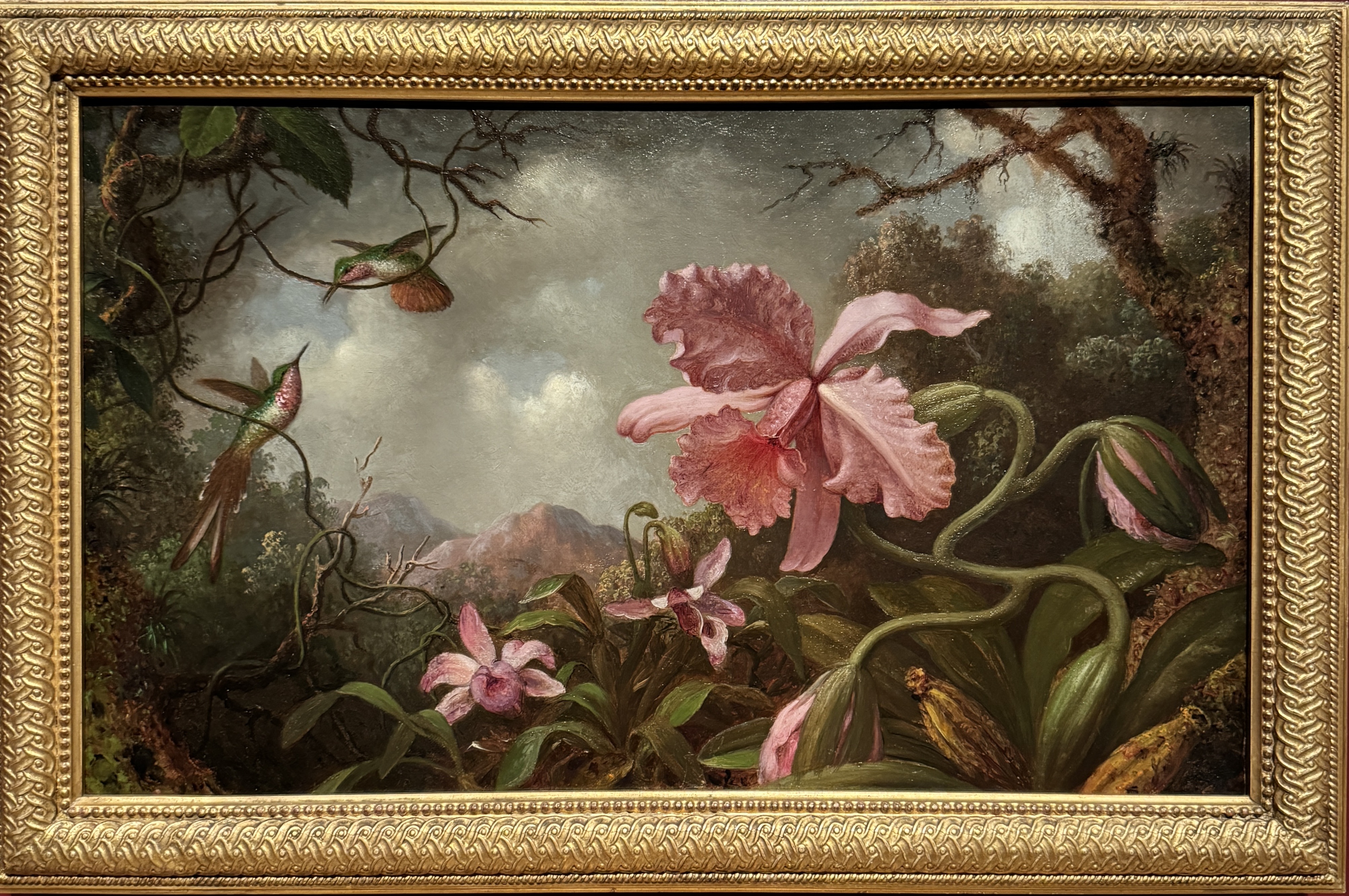
Unknown
Untitled
In the finest examples, they are where all the meaning lives. A collector should also be attentive to internal consistency: does the light in one corner of the canvas agree with the light in another? Atmospheric coherence is surprisingly rare, and when you find it, you are usually looking at an exceptional painter. Scale matters in this genre more than in almost any other.
An atmospheric landscape that commands a large canvas earns its scale through the ambition of its spatial claim. Works that feel properly sized for their subject, neither too cramped nor inflated beyond what the image can support, tend to hold attention over years in ways that decoratively sized pieces do not. When considering a work, ask yourself whether the format feels like a decision or a convenience. The best artists in this space are acutely conscious of scale as a component of meaning, not merely presentation.
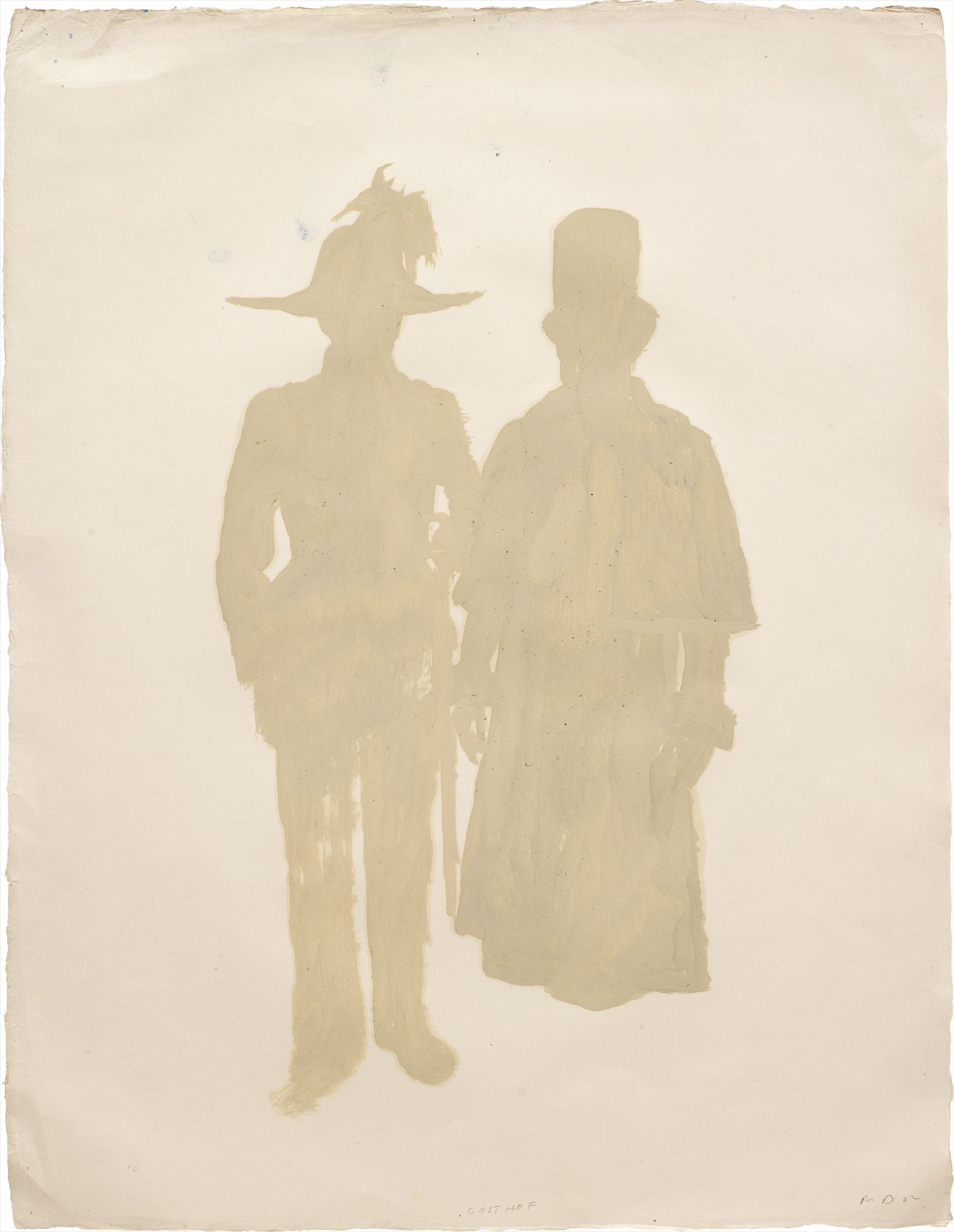
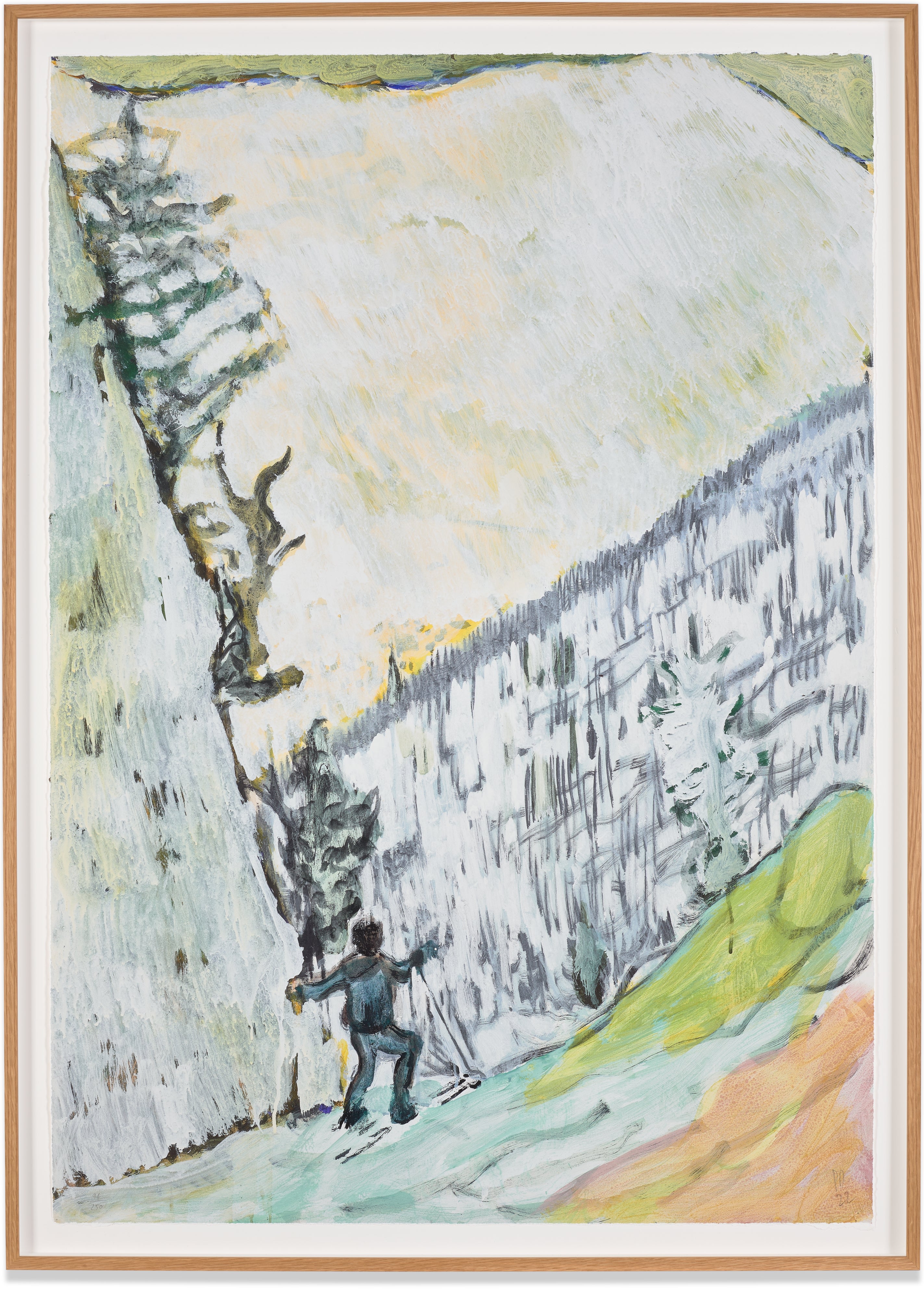
Peter Doig
Gasthof
Among the artists represented on The Collection, several are doing genuinely interesting work within this space. Peter Doig remains one of the most significant painters working anywhere in the world, and his relationship to landscape is as atmospheric as it gets. His surfaces blend memory, cultural residue, and raw weather into images that feel simultaneously ancient and contemporary. Doig's work at auction consistently demonstrates that serious collectors recognize the rarity of a painter who can sustain that level of ambiguity without losing structural control.
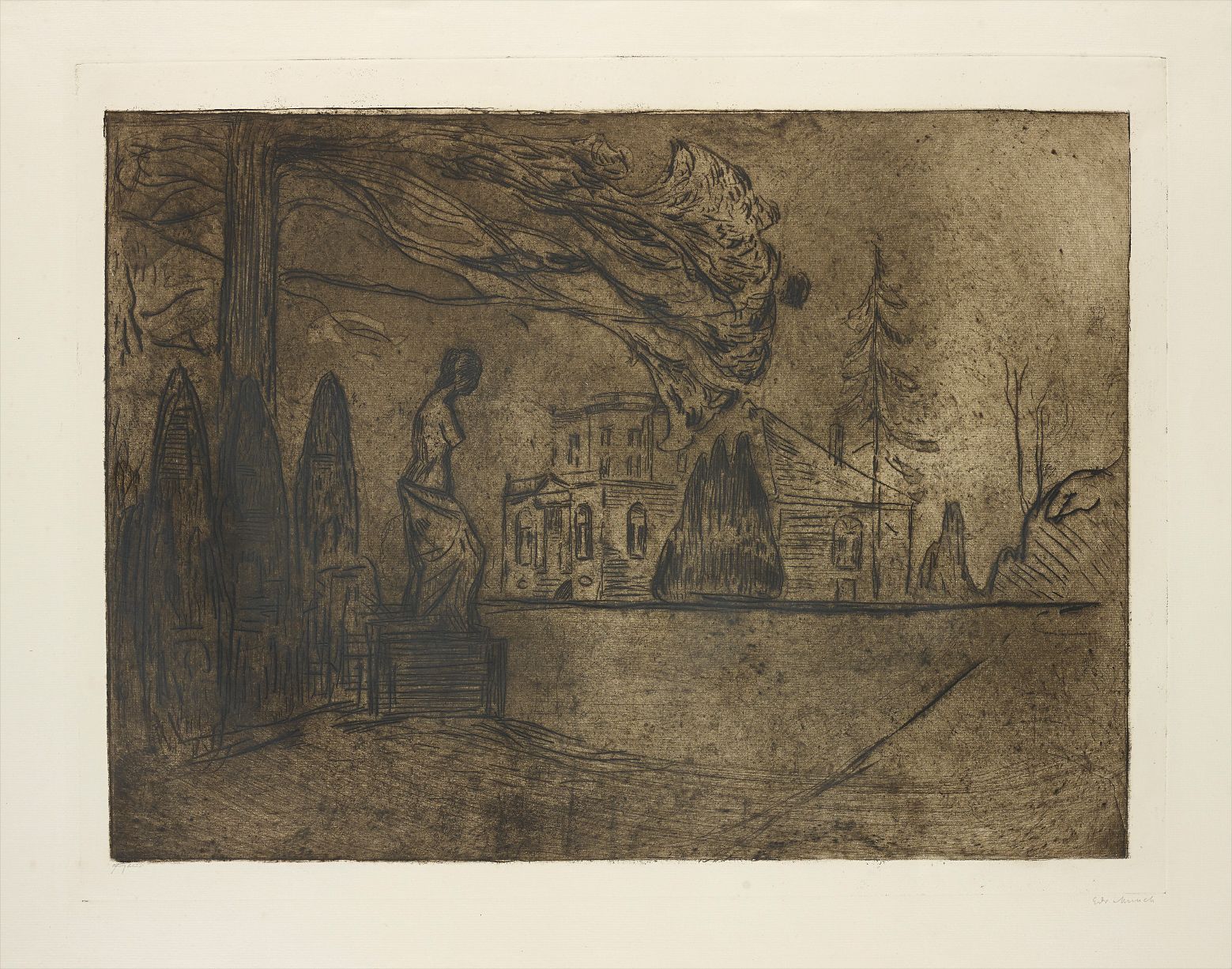
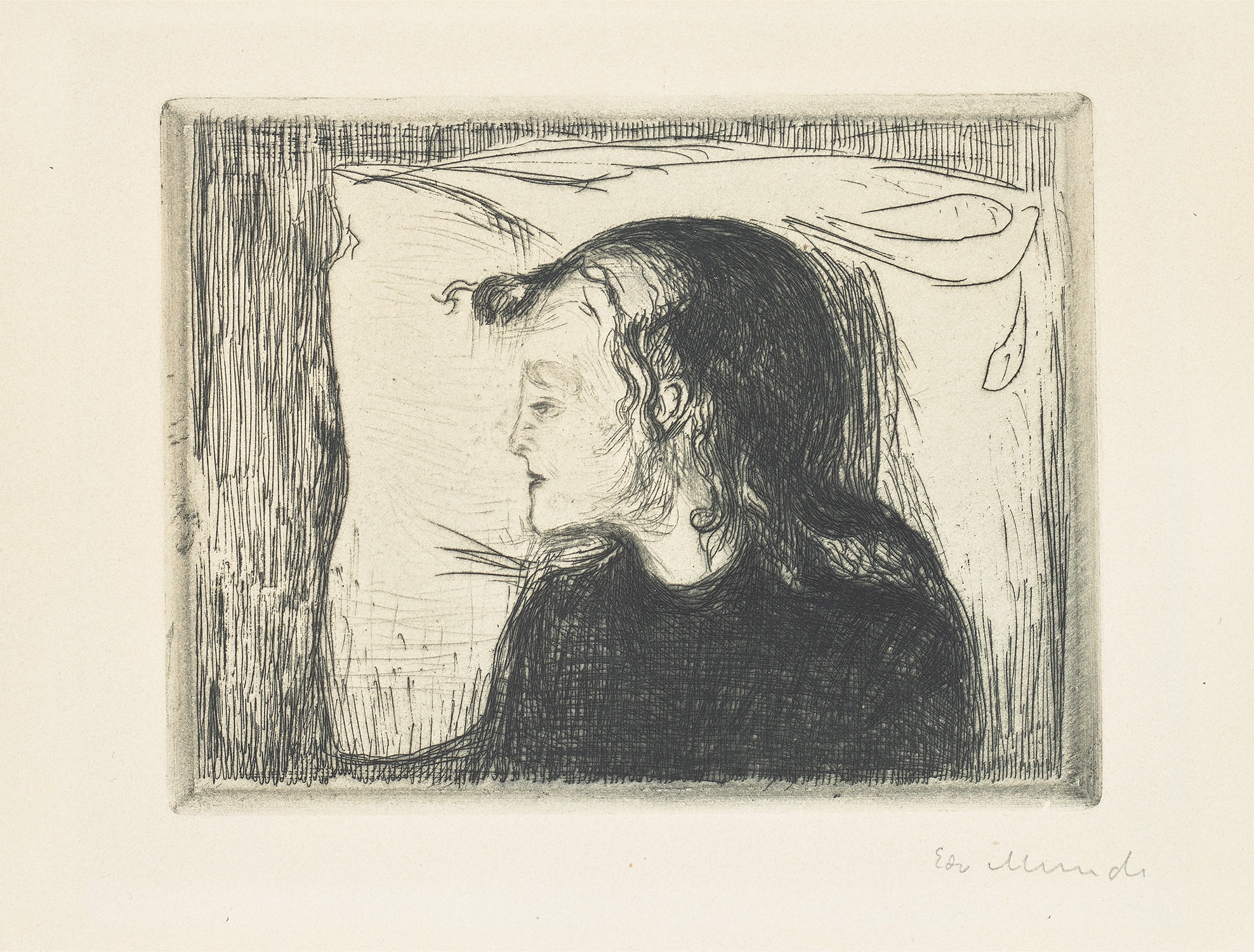
His prices reflect genuine critical consensus, not market speculation alone. Edvard Munch is another figure whose presence in this context is instructive. Although Munch is best known for figurative works, his landscapes, particularly those made in the years after 1900, are among the most psychologically charged atmospheric paintings in the canon. A Munch landscape at auction carries the full weight of his critical reputation and the scarcity that comes with a historical figure whose works are largely held in institutional collections.
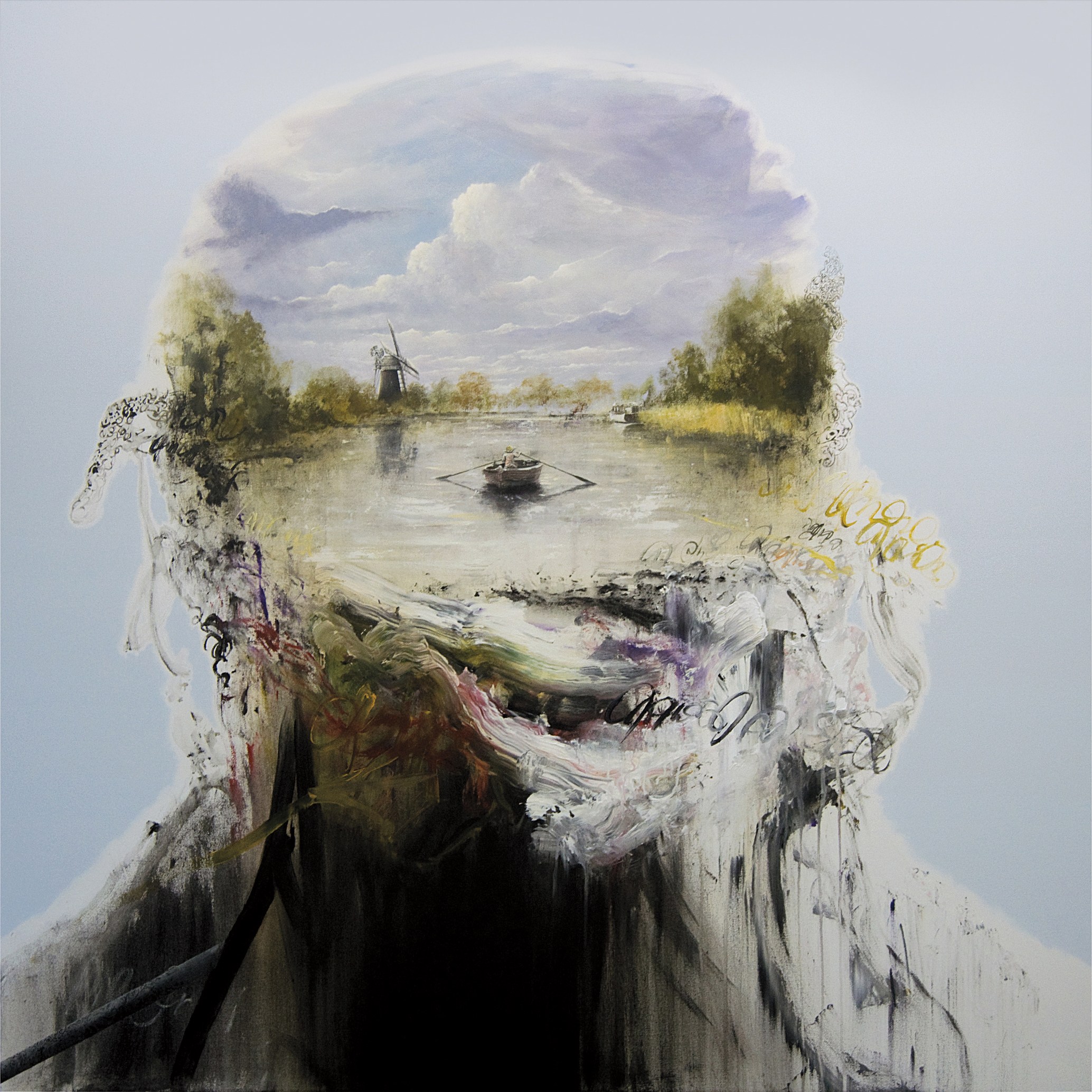
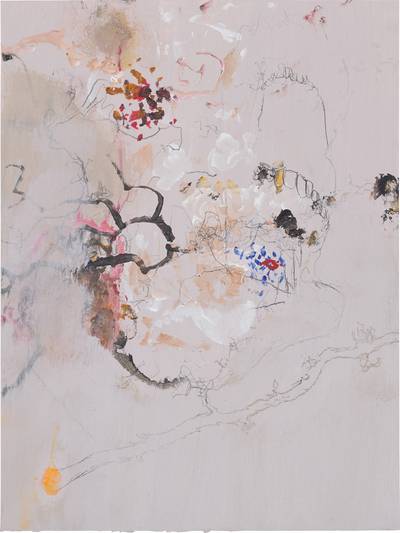
David Kim Whittaker
Self Portrait Four, Jewel Box (The Broads, Thunder Showers, Late Afternoon, A Young Girl in Reflection, Poetics of the Past Never Forgotten), 2011
David Kim Whittaker represents a compelling case for collectors interested in the contemporary end of this conversation. Working in a mode that draws on the tradition of Northern European landscape painting while pushing into more abstracted territory, Whittaker makes works that reward extended looking. Ti a Thuy Nguyen brings a different sensibility entirely, one shaped by the intersection of personal memory and geographical displacement. The atmospheric quality in Nguyen's work often feels rooted in specific climatic and emotional conditions, which gives individual pieces a kind of documentary intimacy that purely abstract atmospheric work can sometimes lack.
Both are artists whose market positions have not yet caught up with the quality and ambition of their practice, which makes this a relatively rare opportunity for collectors to position themselves ahead of broader recognition. On the secondary market, atmospheric landscapes perform with notable consistency, though they can be sensitive to presentation quality and condition in ways that more graphically assertive works are not. A work that photographs beautifully but reads as muddy or flat in person will not hold its value at resale, while works that carry their atmospheric quality even in reproduction tend to find eager buyers. Canvas works in this genre should be examined carefully for surface cleaning, which can strip the delicate glazes and thin passages of paint that create aerial effects.
This is especially important with older works. Ask any gallery or dealer directly whether the work has been cleaned, and if so, by whom and when. A reputable seller will have this documentation readily available. Display considerations are worth taking seriously.
Atmospheric landscapes are among the most lighting sensitive works you can own. Natural light is their ideal companion, but it must be managed. Harsh raking light from a single source will flatten the very qualities that make these works compelling. Diffuse, balanced illumination, ideally adjustable, allows the work to breathe and change across the course of a day in the way it was intended to.
When asking a gallery about a work, inquire specifically about the conditions in the artist's studio. Understanding the light environment in which a work was made gives you useful guidance about the conditions in which it will perform best in your home. These are not passive objects. They are, at their finest, living instruments of atmosphere, and treating them as such is the beginning of a genuinely rewarding collecting relationship.