Art Market
Unknown
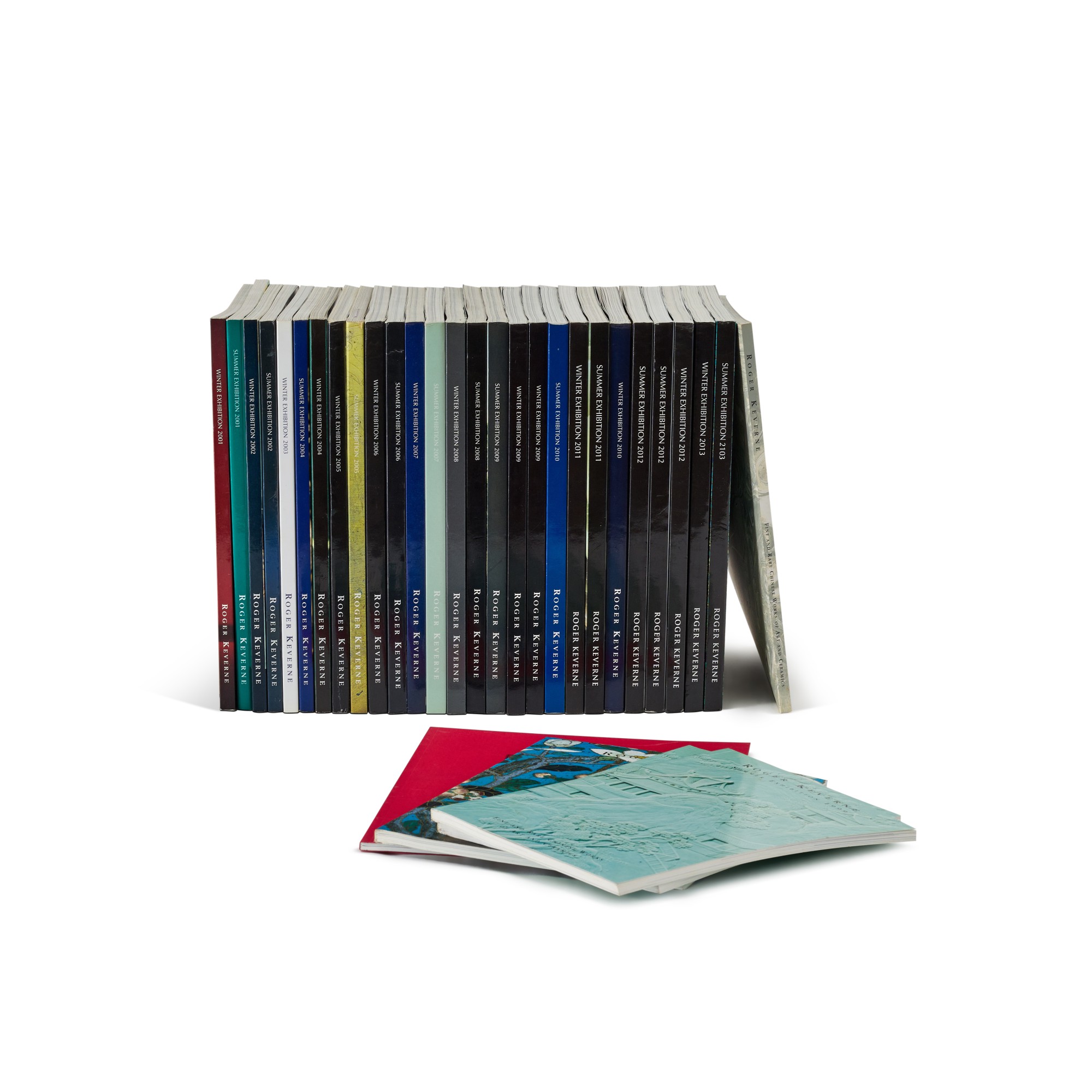
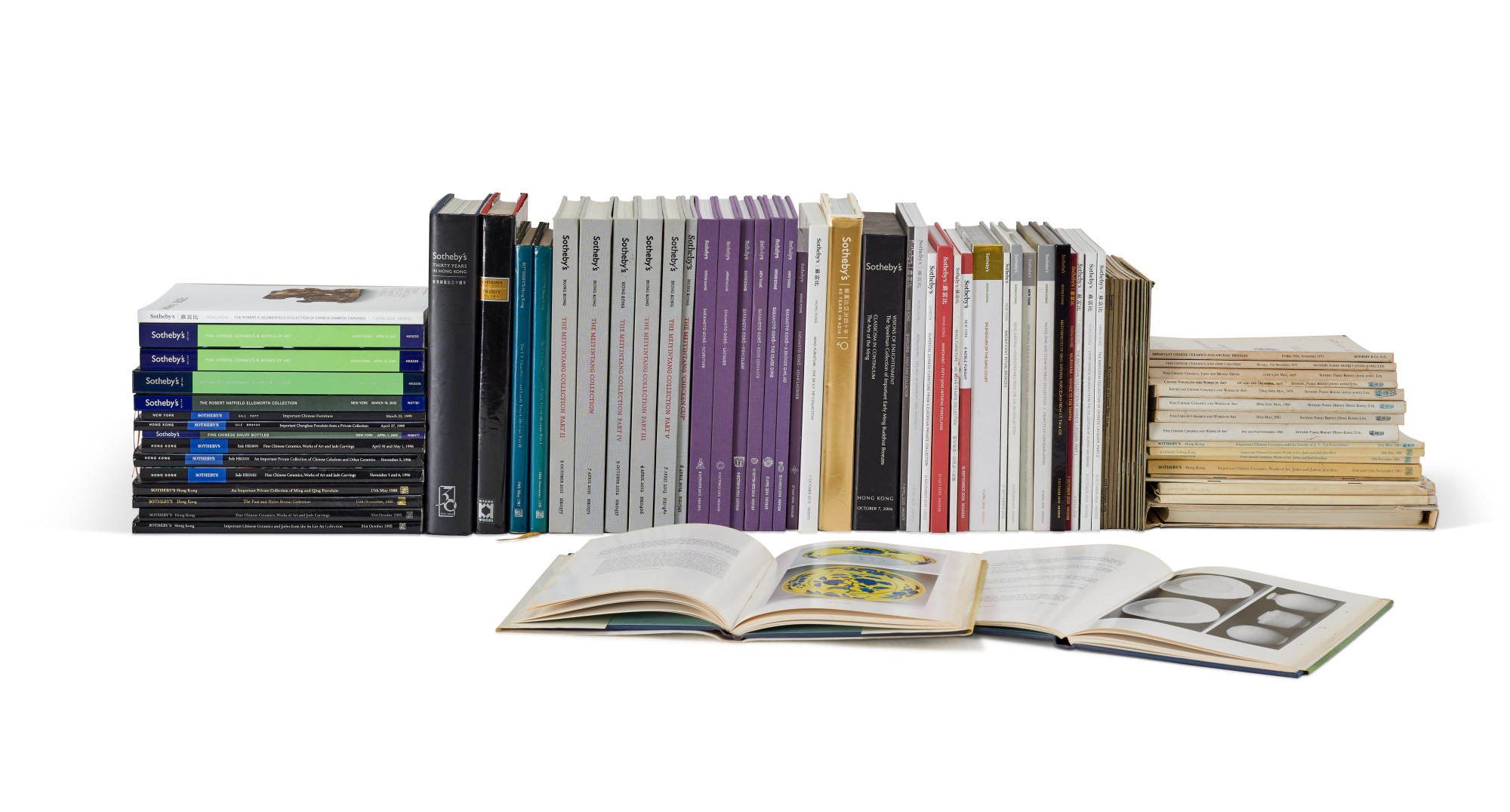
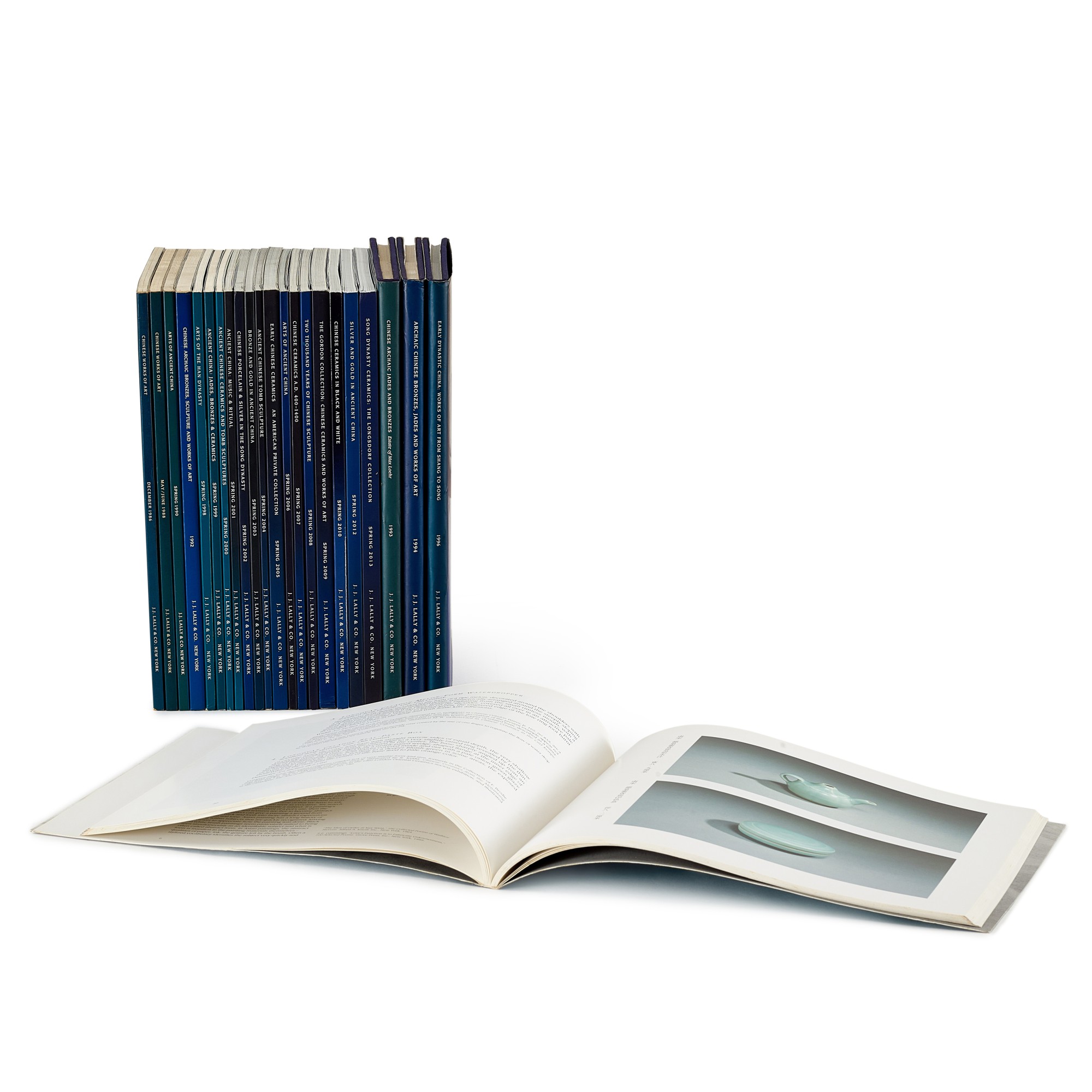
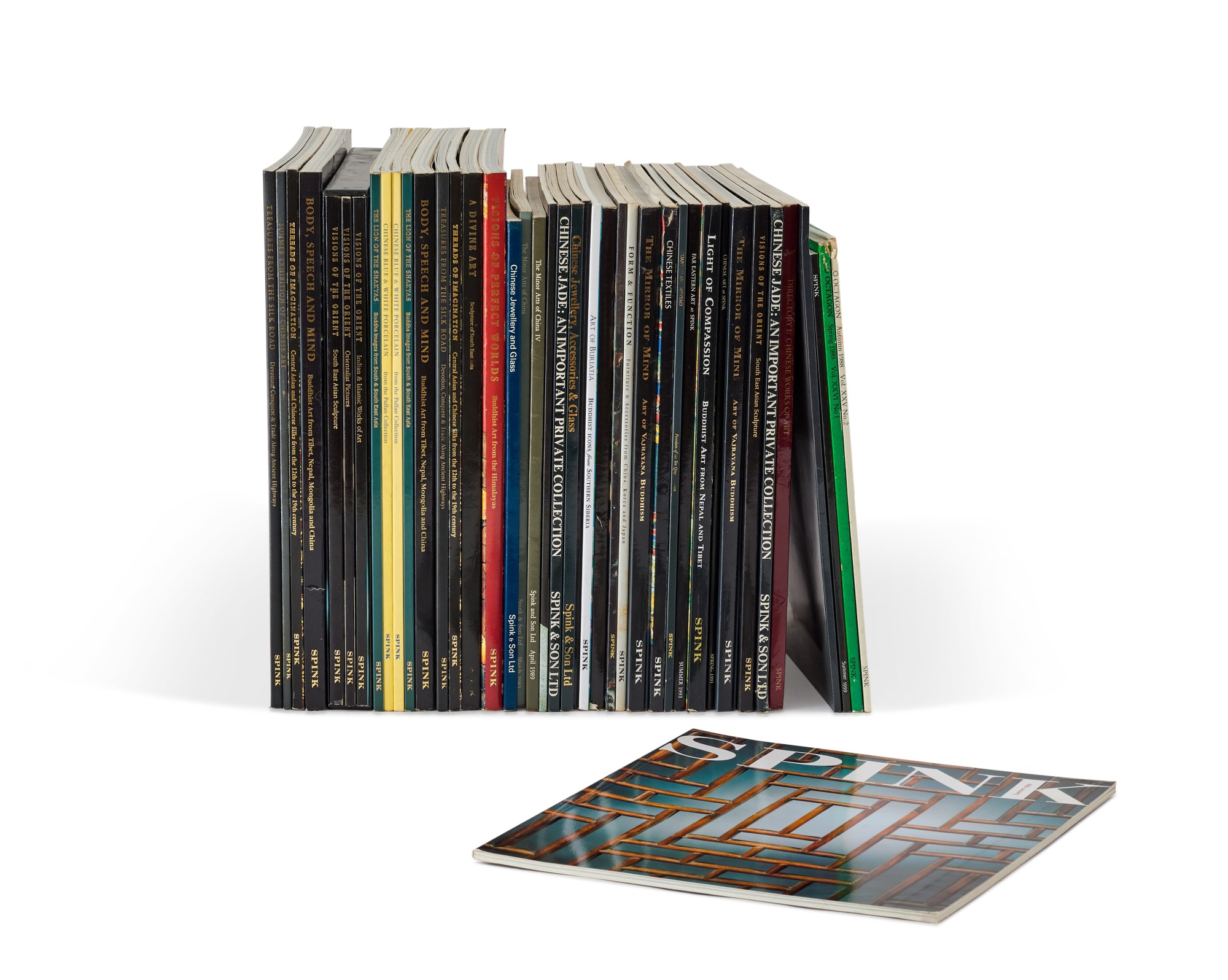
A collection of Spink & Son catalogues on Chinese art 古董商Spink & Son圖錄一組約40冊

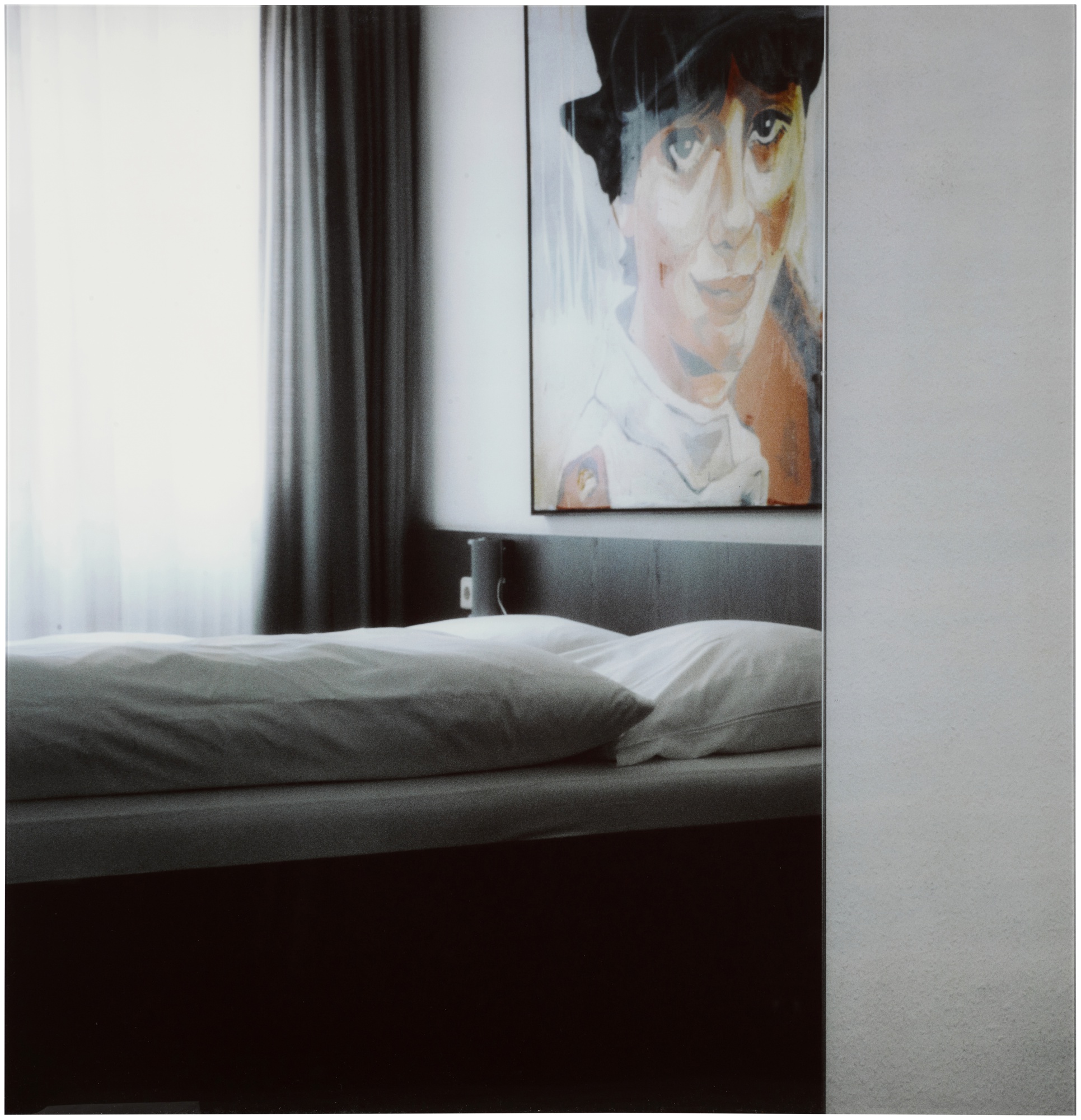
The Market Knows Before You Do
There is a particular kind of collector who walks into a room and feels something shift before they can name it. Before the research, before the provenance check, before the conversation with the gallery, something in the work demands attention. This instinct, refined over years of looking, is at the heart of what makes art collecting so genuinely addictive. The art market, for all its opacity and occasional theater, rewards this quality of attention more than almost any other factor.
To collect seriously is to train yourself to see what others have not yet learned to value. What draws people to collecting in the current market is partly the pleasure of ownership and partly something harder to articulate. Living with a great work changes how you move through a space. It asks questions of you on a Tuesday morning that no other object in your home would bother to raise.
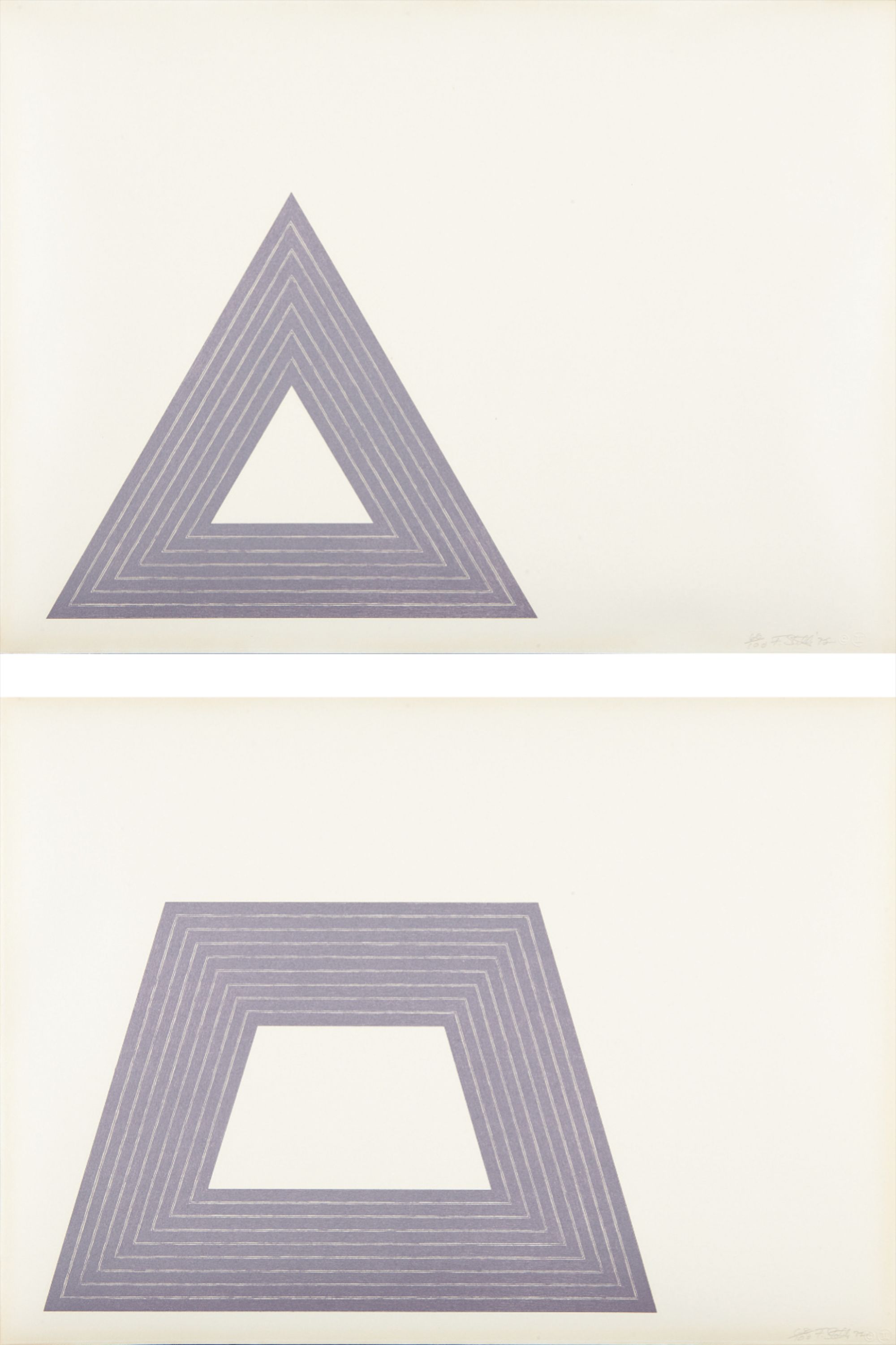
Frank Stella
Ileana Sonnabend; and Leo Castelli, from Purple series
The best collectors will tell you that their most significant acquisitions are also their most demanding companions, works that refuse to recede into decoration. This dynamic quality, the sense that a work remains alive and generative over time, is one of the most reliable signals that you are looking at something worth serious consideration. Separating a good work from a great one requires a certain ruthlessness of eye. In any collecting category, there are works that represent an artist at their most ambitious and works that represent them at their most comfortable.
The difference is usually visible, even if it takes experience to name it. A great work carries internal tension, a sense that the artist was solving a problem rather than repeating a solution. It also tends to carry historical specificity, meaning you can place it within a conversation that extends beyond the studio and into the broader culture. Condition, provenance, and exhibition history all matter enormously, but they are secondary to that fundamental quality of necessity.
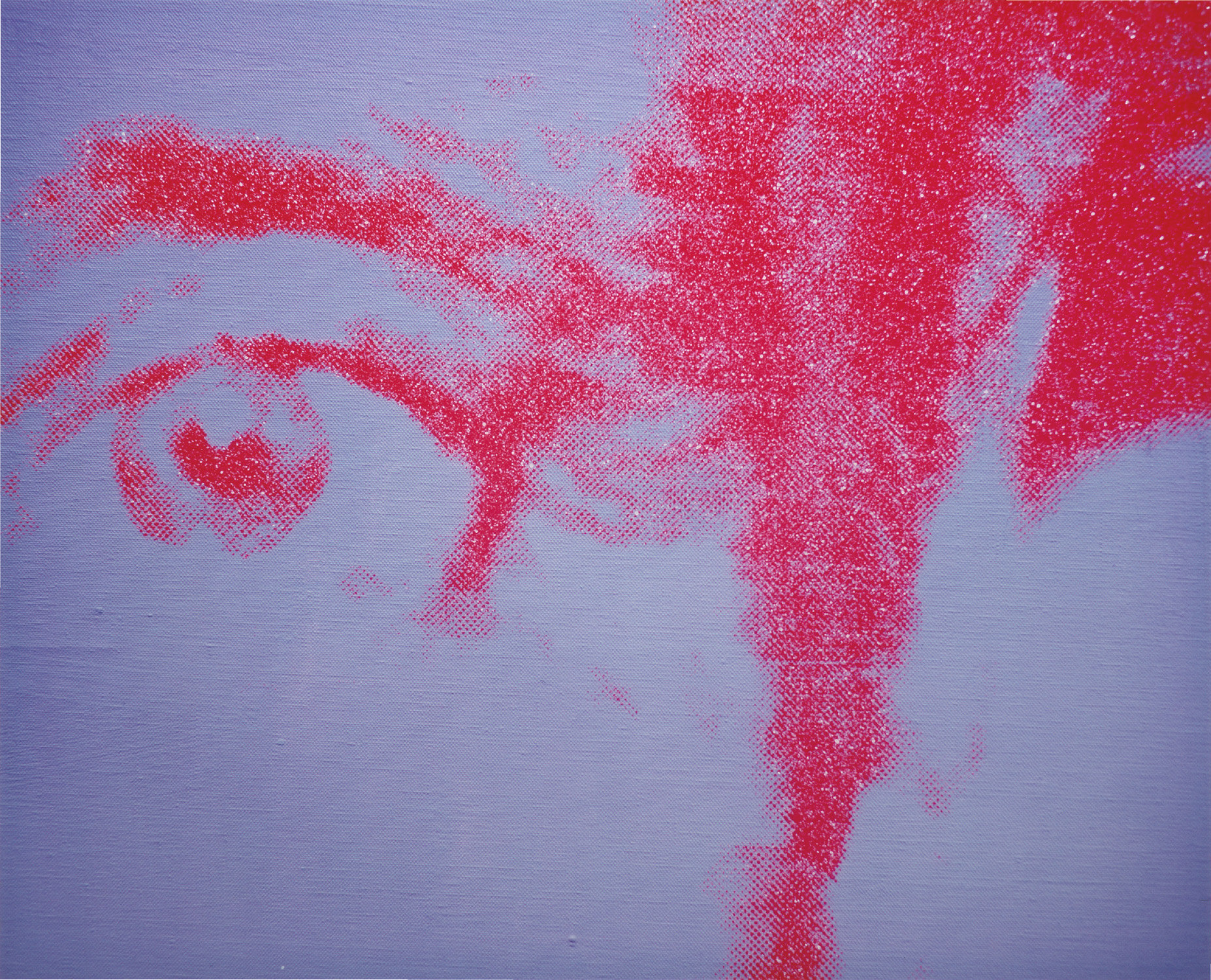
Louise Lawler
Hedge Fund (Here's Looking), 2008
Does the work feel like it had to exist? Frank Stella is an instructive case study in how a major career creates a complex market. His early Black Paintings from the late 1950s and his Minimalist stripe works of the 1960s represent him at his most rigorous and conceptually tight. These works changed what painting was allowed to do, and the market has long reflected their importance, with significant institutional and private demand keeping prices consistently strong.
His later Maximalist reliefs and protractor series occupy a different position, beloved by some collectors and viewed skeptically by others who prefer the austerity of his earlier work. Understanding where within a major career to focus your attention is one of the most valuable skills a collector can develop, and Stella rewards that kind of close study. Louise Lawler occupies a position in the market that is both critically prestigious and, relative to her importance, still undervalued by many collectors who have not yet caught up with the critical consensus. Her photographs of artworks in situ, capturing how collecting institutions and private homes frame and contextualize objects, have a conceptual richness that compounds over time.
Unknown
A collection of Spink & Son catalogues on Chinese art 古董商Spink & Son圖錄一組約40冊
Lawler emerged from the Pictures Generation alongside Cindy Sherman, Richard Prince, and Sherrie Levine, a group whose market has strengthened considerably since the major 2009 survey at the Metropolitan Museum of Art. Collecting Lawler is also, pleasingly, a kind of meta act. You are acquiring a work that is itself a meditation on what it means to display and possess art. The category of works attributed to unknown artists presents its own particular market logic, and it is one that sophisticated collectors have always navigated with a mixture of caution and genuine excitement.
An attribution to an unknown maker does not diminish a work's power or its investment potential. Some of the most significant market discoveries of recent decades have involved works that spent years in relative obscurity before closer scholarly attention revealed their importance. The key is to focus on formal and material quality rather than relying entirely on attribution as a proxy for value. A strong unknown work, well documented and in excellent condition, can appreciate significantly as attributions are refined and art historical attention shifts.
At auction, works in this space tend to perform most strongly when the art historical moment is right and when institutional momentum is behind an artist. Major retrospectives reliably drive secondary market prices upward, often in the year preceding and the two years following a significant museum show. Collectors who track exhibition schedules with genuine attention gain a real advantage. It is also worth noting that private sales now account for an enormous proportion of significant transactions.
The major houses, Christie's, Sotheby's, and Phillips among them, have all expanded their private sale operations considerably over the past decade, which means that auction results represent only a partial picture of where the market is genuinely moving. Practically speaking, there are questions every serious collector should ask before acquiring a work in any category. For editions, you want to know the total edition size, the number of artist's proofs, and where your piece falls within the sequence. Earlier pulls from a print edition tend to be sharper, and lower numbers within an edition carry psychological value in the market even when physical differences are minimal.
For unique works, condition is paramount. Ask directly about any restorations, ask to see the work under raking light if possible, and request a full condition report before committing. For works on paper and photographs, ask about how the work has been stored and displayed, since light exposure is the enemy of longevity. Display matters more than collectors sometimes acknowledge, both for the work's preservation and for its market life.
Works that have been consistently well framed, properly lit, and climate controlled retain their condition in ways that directly translate to resale value. But beyond the practical consideration, display is also how you deepen your relationship with what you own. The works represented on The Collection span a range of scales, mediums, and conceptual registers, and the collectors who get the most from them are invariably those who commit to living with them actively, not storing them, not rotating them into dark corners, but placing them where they can continue to ask their questions every morning.