Anxious
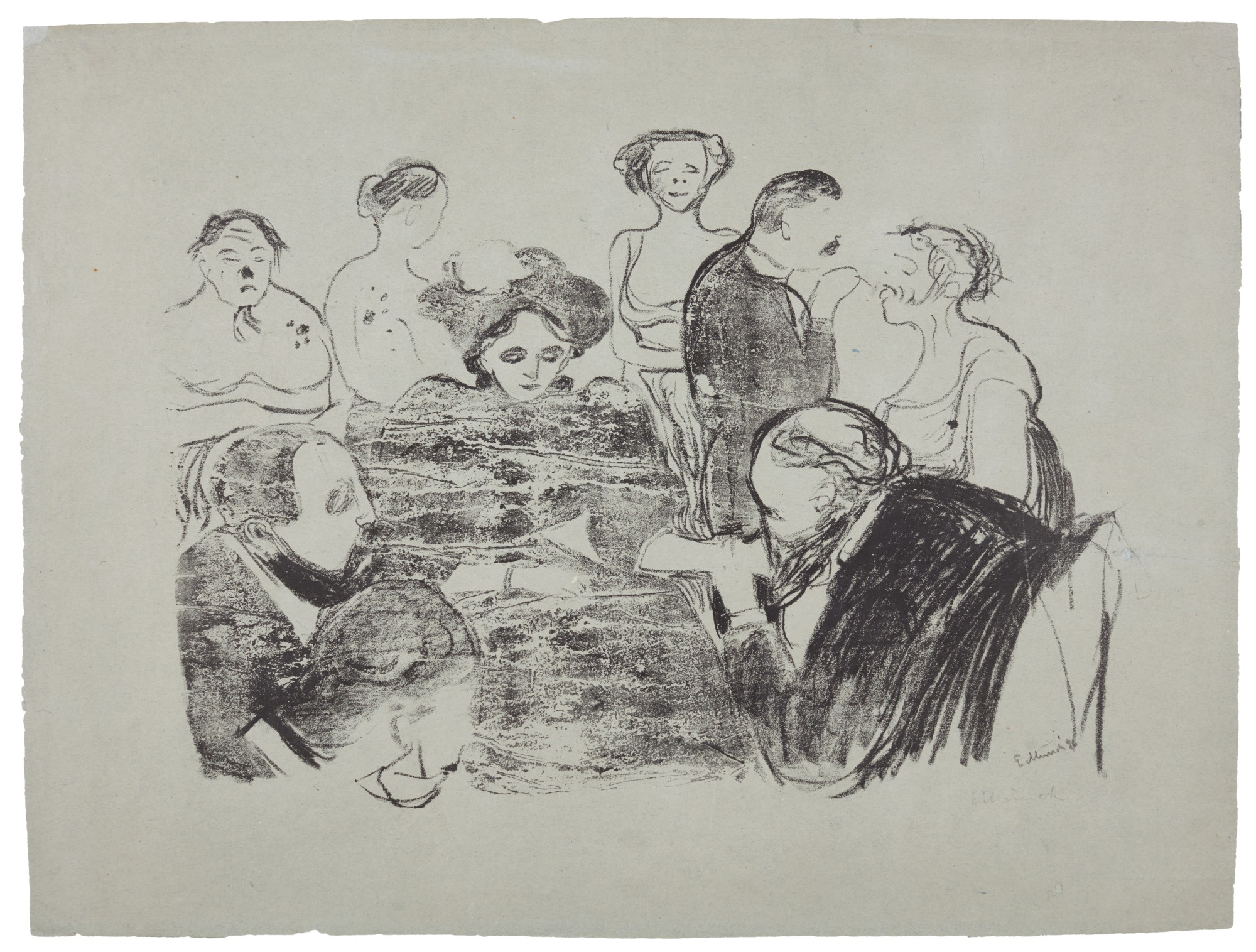
Edvard Munch
Women in the Hospital (W. 71)
The Art World Finally Catches Up With Anxiety
When Edvard Munch's "The Scream" sold at Sotheby's New York in May 2012 for just under 120 million dollars, it became the most expensive artwork ever sold at auction at that time. The room was electric, and the result felt seismic. But what was most revealing was not the number itself. It was what the number meant: that an image of pure psychological terror, a figure dissolving into a landscape of dread, had become the most commercially legible artwork on the planet.
Anxiety, it turned out, was not a liability in the market. It was the whole point. That result reframed something collectors and curators had been quietly registering for years. The visual language of unease, of the body under psychic pressure, of the mind turning against itself, had moved from the margins of art historical respectability to its very center.
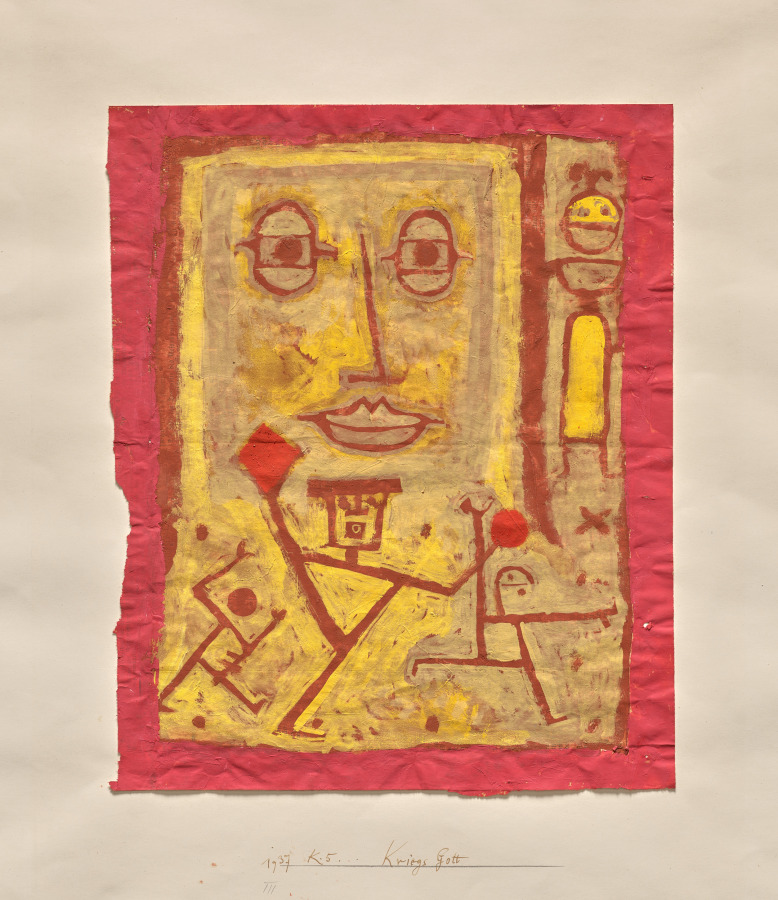
Paul Klee
God of War, 1937
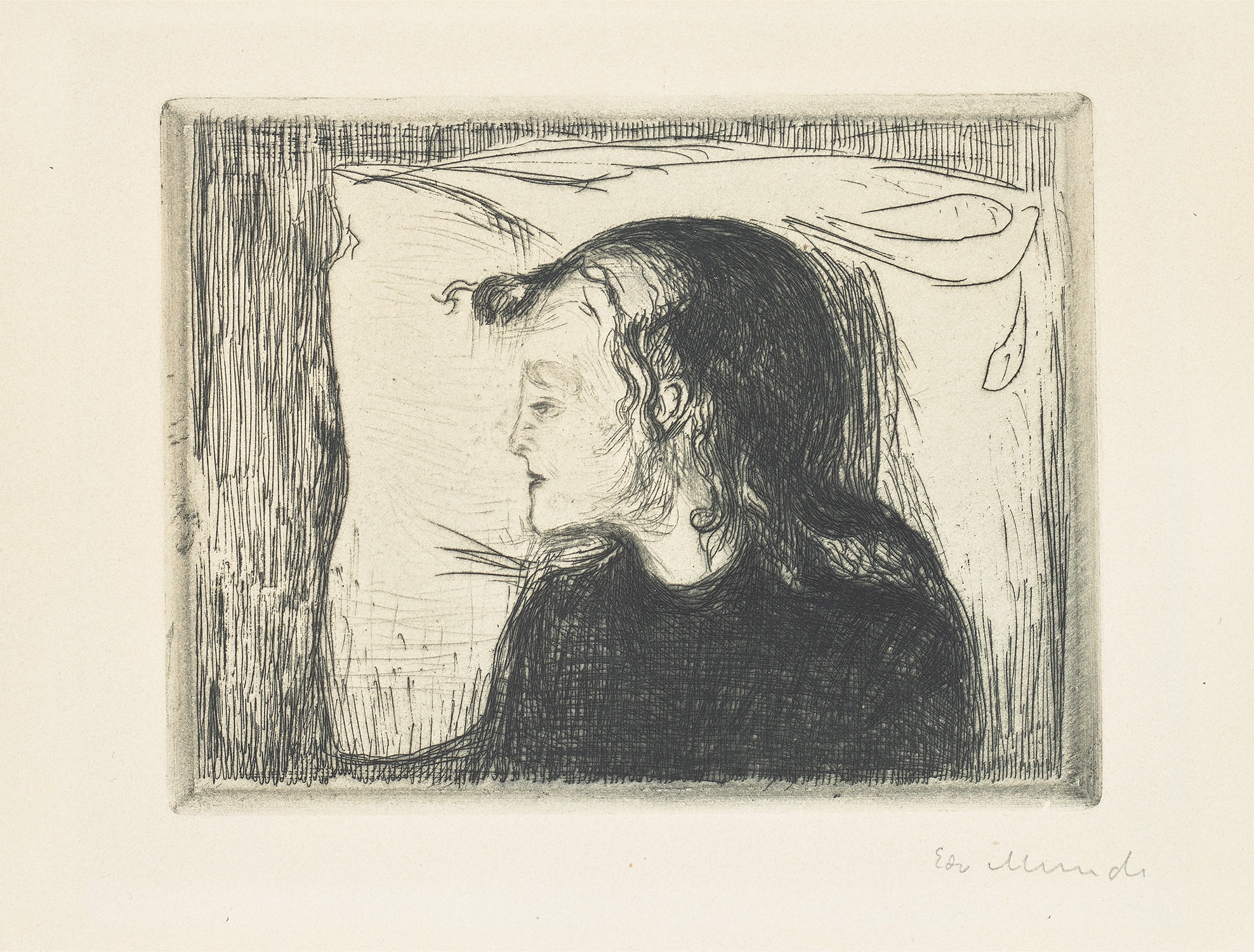
Munch, long treated as a precursor to Expressionism rather than a master in his own right, was suddenly understood as the figure who had seen it all coming. His work on The Collection speaks to exactly this: the raw, almost unbearable directness of his image making, the sense that he was not illustrating anxiety but transmitting it. The institutional appetite for this territory has been unmistakable over the past decade. The Van Gogh Museum in Amsterdam mounted a landmark exhibition in 2020 pairing Munch and Van Gogh, tracing the shared nervous energy between two painters who both understood that color and line could carry emotional voltage beyond anything language could manage.
The show drew enormous attendance and generated serious critical reconsideration of both figures as psychologically modern in ways that still feel urgent. Around the same time, MoMA deepened its engagement with the broader tradition of anxiety in art, framing works from its permanent collection in ways that acknowledged the emotional crisis of the contemporary moment without being heavy handed about it. Paul Klee, whose work also appears on The Collection, offers a very different but equally compelling register of unease. Klee's anxiety is never operatic.
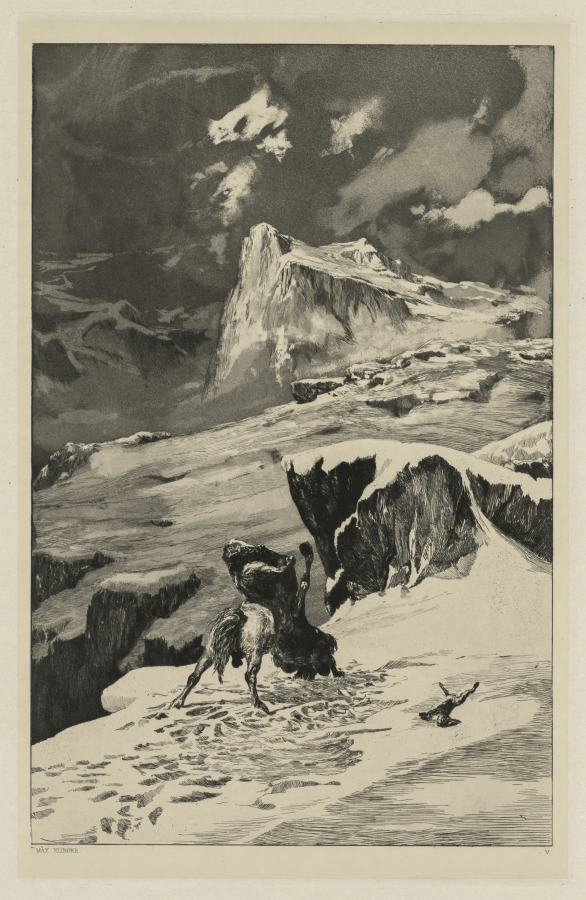
Max Klinger
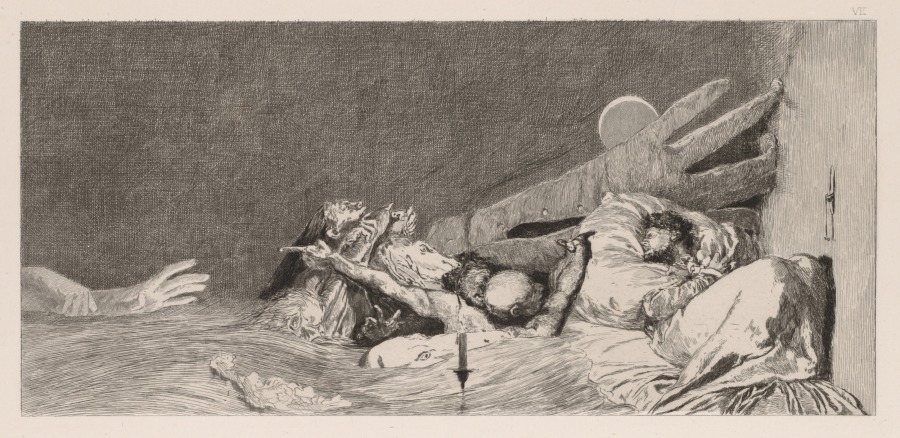
A Glove: Anxieties, 1880
It is quiet, almost whimsical on the surface, but underneath there is a persistent strangeness, a sense that the world is slightly wrong in ways that cannot quite be named. The Zentrum Paul Klee in Bern has continued to be the definitive institutional home for his legacy, and recent scholarship has pushed back against the idea of Klee as a purely playful or pedagogical figure. He was teaching at the Bauhaus when the political atmosphere in Germany was curdling into something genuinely terrifying, and his late work, made after he was expelled from his teaching post and diagnosed with the illness that would kill him, has an almost unbearable poignancy. Max Klinger, less immediately famous but deeply influential, brings yet another dimension to this conversation.
His printmaking practice in the late nineteenth century explored the territory of nightmare and obsession with a forensic intensity that anticipates Surrealism by several decades. His series "A Glove," completed in 1881, reads like a fever dream compressed into etched plates: erotic, threatening, and shot through with the kind of logic that belongs only to dreams. Institutions in Germany and Austria have been revisiting Klinger's work with renewed seriousness, recognizing that his visual language of dread was not merely decorative Gothic but something far more psychologically precise. The critical conversation has been shaped in meaningful ways by writers who have pushed anxiety out of the realm of diagnosis and into the realm of aesthetics.
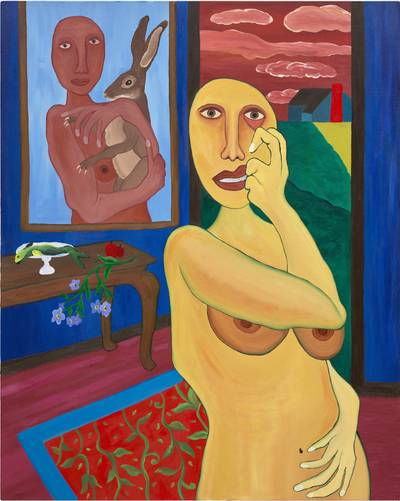
Mickey Lee
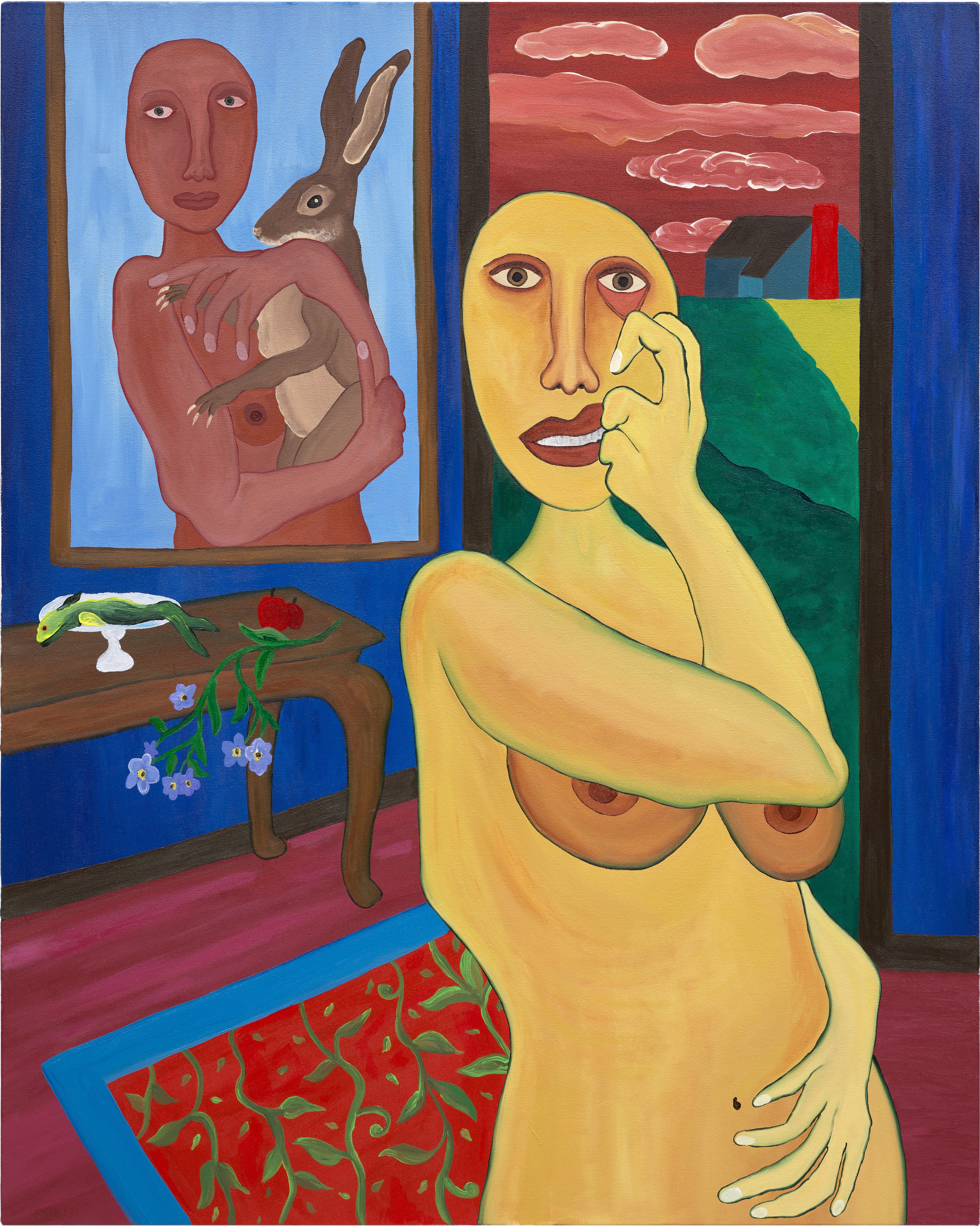
Apprehension, 2022
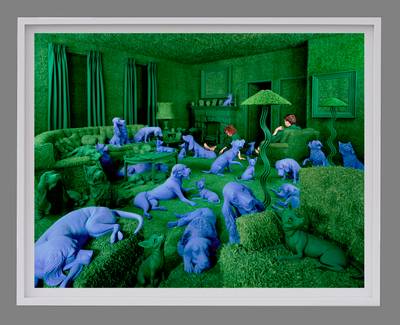
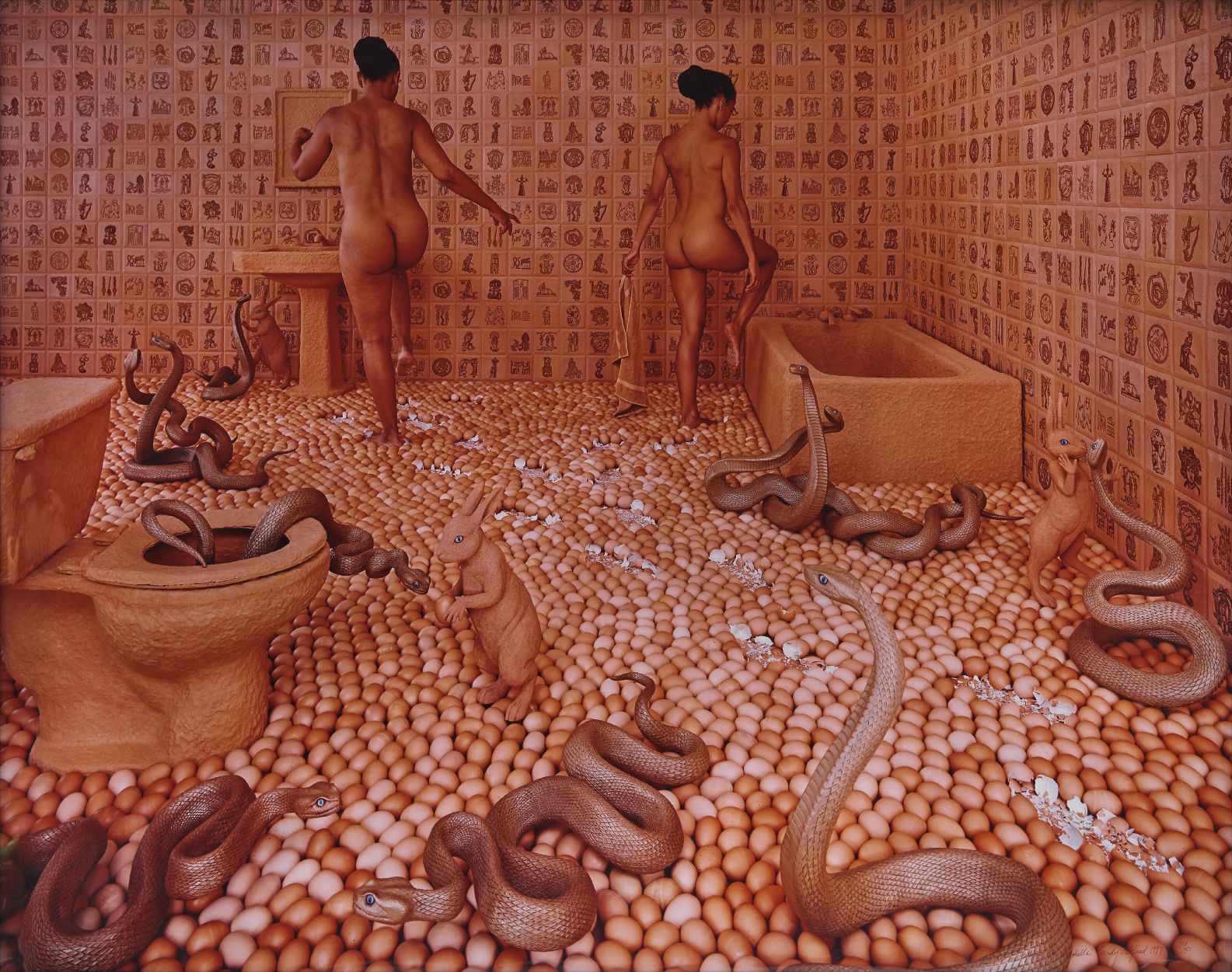
The philosopher and cultural critic Mark Fisher, whose work on hauntology and capitalist realism resonated deeply before his death in 2017, gave many in the art world a new vocabulary for thinking about dread as a structuring condition of contemporary life rather than an individual pathology. His influence is felt in how curators now frame shows dealing with psychological states, and his writing continues to circulate widely among artists and collectors alike. Publications including Frieze and Artforum have dedicated significant editorial space to this conversation, often linking historical precedents to contemporary practice in ways that feel genuinely illuminating rather than forced. Sandy Skoglund and Mickey Lee represent two very different points on the contemporary end of this conversation.
Skoglund's elaborately constructed photographs, with their saturated color and uncanny domestic scenarios, create an anxiety that is almost pleasurable in its intensity. Her work from the 1980s and 1990s has aged remarkably well, and there has been renewed collector interest in her practice as the photographic market continues to mature. Mickey Lee brings a rawer, more immediate energy to similar psychological territory, and the work on The Collection suggests an artist working with a real sense of urgency about what it means to make images under conditions of genuine uncertainty. The auction market has continued to reward this territory generously.
Sandy Skoglund
Walking on Eggshells
Works by artists associated with psychological intensity and Expressionist or post Expressionist traditions have performed consistently at the major houses, with Munch remaining a bellwether for how seriously the market takes emotional extremity. Collectors who have built focused holdings in this area have generally found that institutional support tends to follow: museums are actively seeking work that addresses the inner life, and curatorial language around mental states, embodied experience, and psychological landscape has never been more prevalent or more sophisticated. What feels genuinely alive right now is the conversation between historical anxiety and its contemporary equivalents. Curators are not simply historicizing this territory.
They are asking what it means to look at Munch or Klinger or Klee in a moment when collective unease is so palpable and so widely shared. The surprise, perhaps, is how few surprises there are: these artists saw something true, and the rest of us are still catching up with what they knew.