Ambrotype
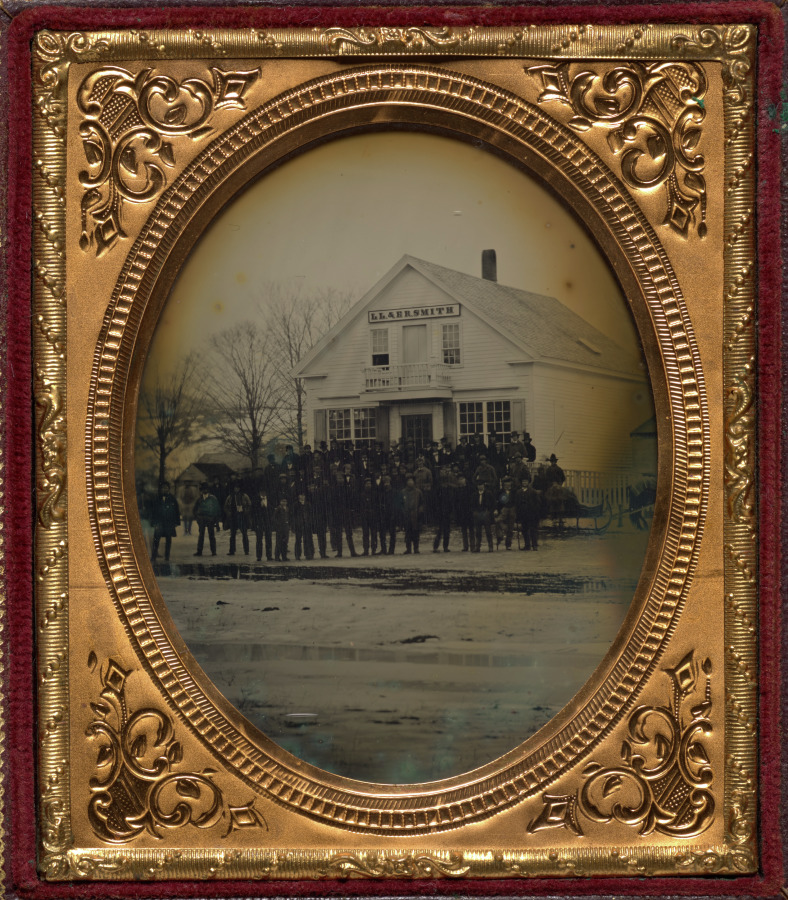
Unknown Artist
Crowd with sleigh in front of LL & ER Smith store, 1858
Frozen in Glass: The Ambrotype's Quiet Permanence
There is something almost unbearable about looking at an ambrotype. The face staring back at you from beneath the glass is not a reproduction, not a copy filtered through ink or pigment. It is a direct chemical record of light that once fell on a human being, a moment so specific it can never be reconstructed. This is what separates the ambrotype from nearly every other object in the history of image making, and why collectors who encounter one for the first time tend to go quiet.
The ambrotype emerged in the early 1850s, born from the same restless experimental culture that produced the daguerreotype and the calotype. In 1851, Frederick Scott Archer published his wet collodion process, which coated glass plates with a mixture of collodion and silver salts. When underexposed and placed against a dark backing of black velvet, paper, or japanned metal, the resulting negative read to the eye as a positive image of striking clarity. James Ambrose Cutting of Boston patented a variation of this technique in 1854 and gave it the name we still use today, derived from the Greek ambrotos, meaning immortal.
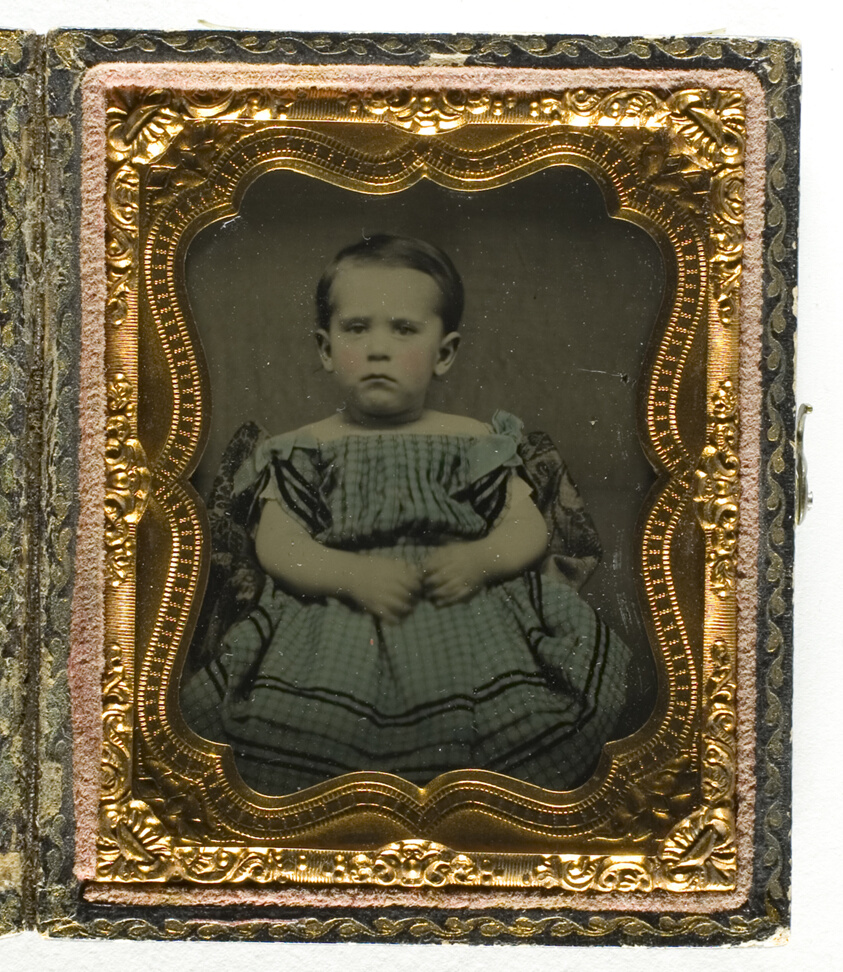
Artist unknown
Untitled (portrait of a child)
The timing was propitious. The daguerreotype was expensive, fragile, and difficult to reproduce. The ambrotype offered something the public desperately wanted: a portrait that looked refined but cost a fraction of the price. The decade between 1854 and the mid 1860s represents the ambrotype's great flourishing.
Studios across the United States and Britain filled their windows with samples, and working people who had never owned a portrait of any kind suddenly could. Samuel J. Miller, the Ohio photographer who made what is widely considered the first photographic portrait of Frederick Douglass in 1847, worked in a milieu that embraced these new collodion processes eagerly. Platt D.
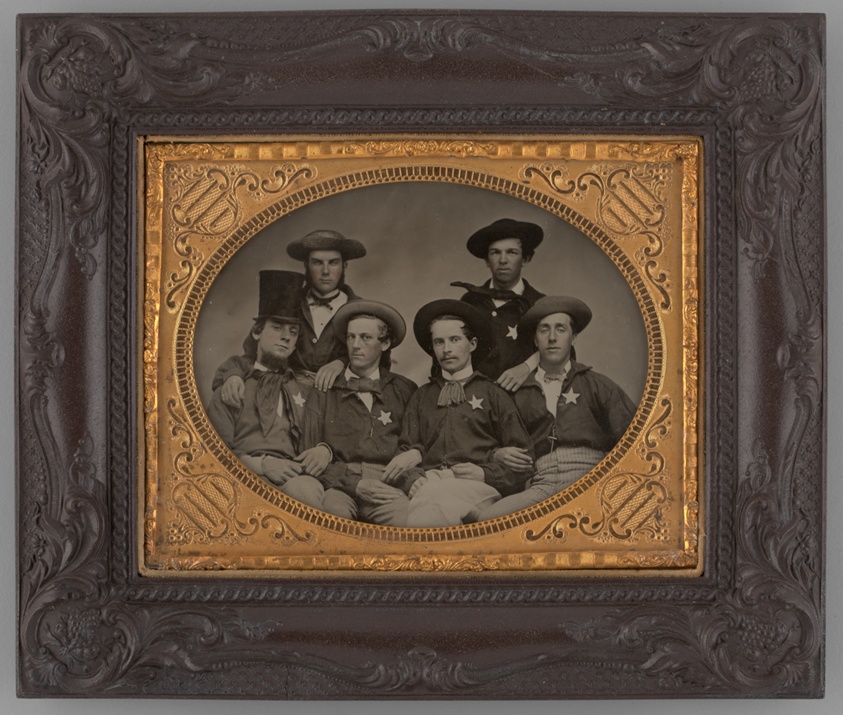
Unknown maker
Untitled (Portrait of Six Men), 1870
Babbitt, who became famous for his Niagara Falls views, understood better than most how the wet plate process could capture atmosphere and scale in ways the daguerreotype struggled to achieve. Isaac Rehn, a Philadelphia practitioner with a refined eye, brought a painter's sensitivity to the studio portrait tradition at precisely the moment the ambrotype was reshaping what portraiture could mean for ordinary Americans. What strikes the contemporary collector is how the ambrotype's technical constraints became its aesthetic virtues. The wet collodion process required the photographer to coat, expose, and develop the plate while it remained moist, typically within ten to fifteen minutes.
This urgency produced images with a directness that later, more forgiving processes sometimes lost. The tonal range is compressed compared to a daguerreotype, the shadows dense, the highlights soft. And yet this compression gives ambrotypes a painterly quality that feels less like a photograph and more like a small luminous object unto itself. Makers like Thomas Faris in Cincinnati and the studio partnership of B and G Moses understood how to work within these limitations to produce images of genuine formal beauty.
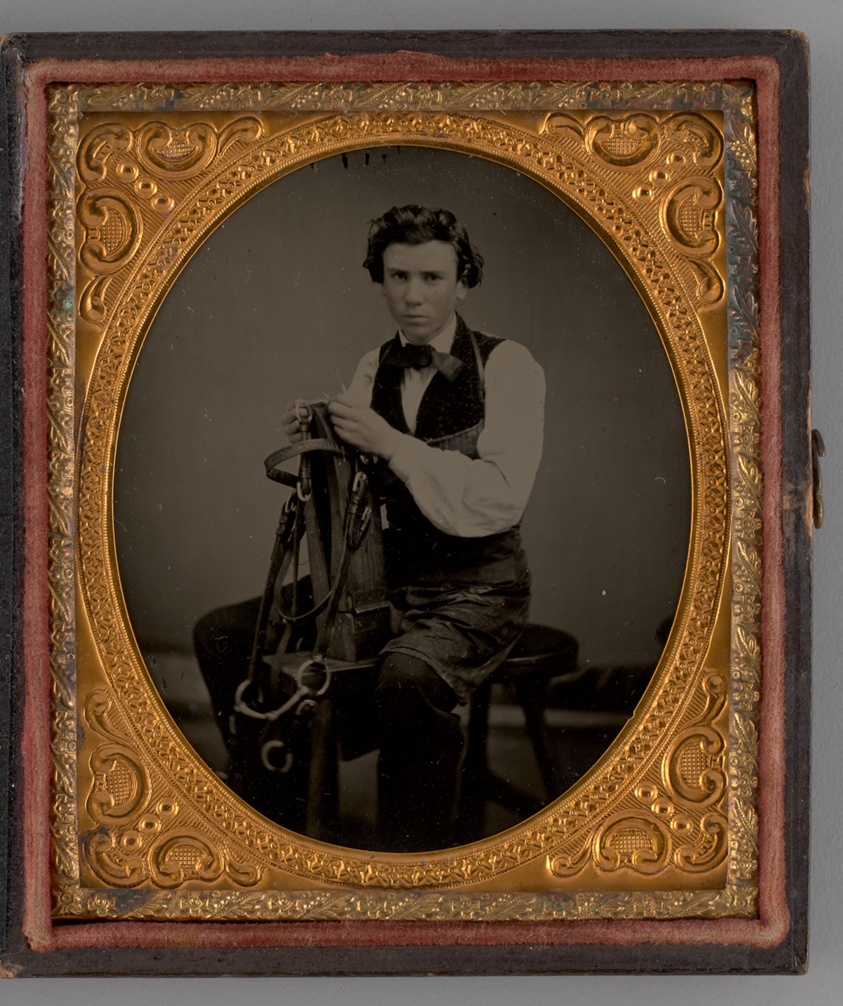
Wade P. Canal
Untitled (Edward France, Harness Maker), 1860
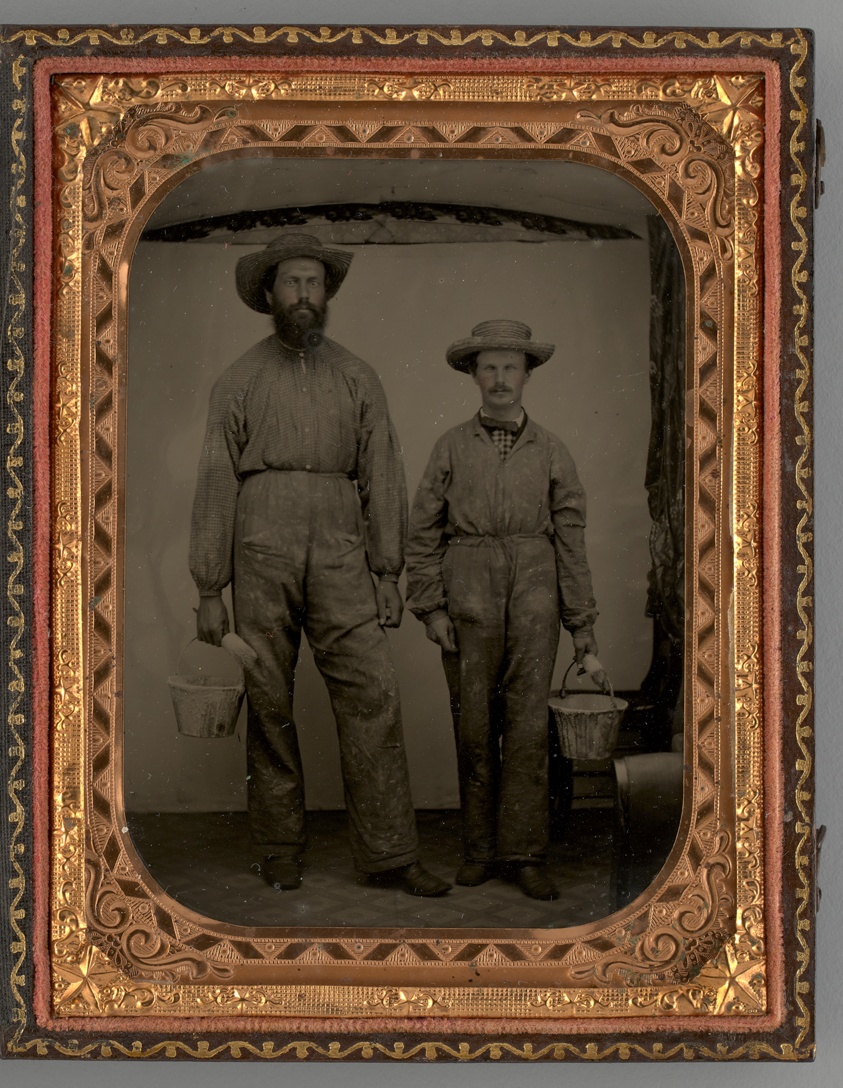
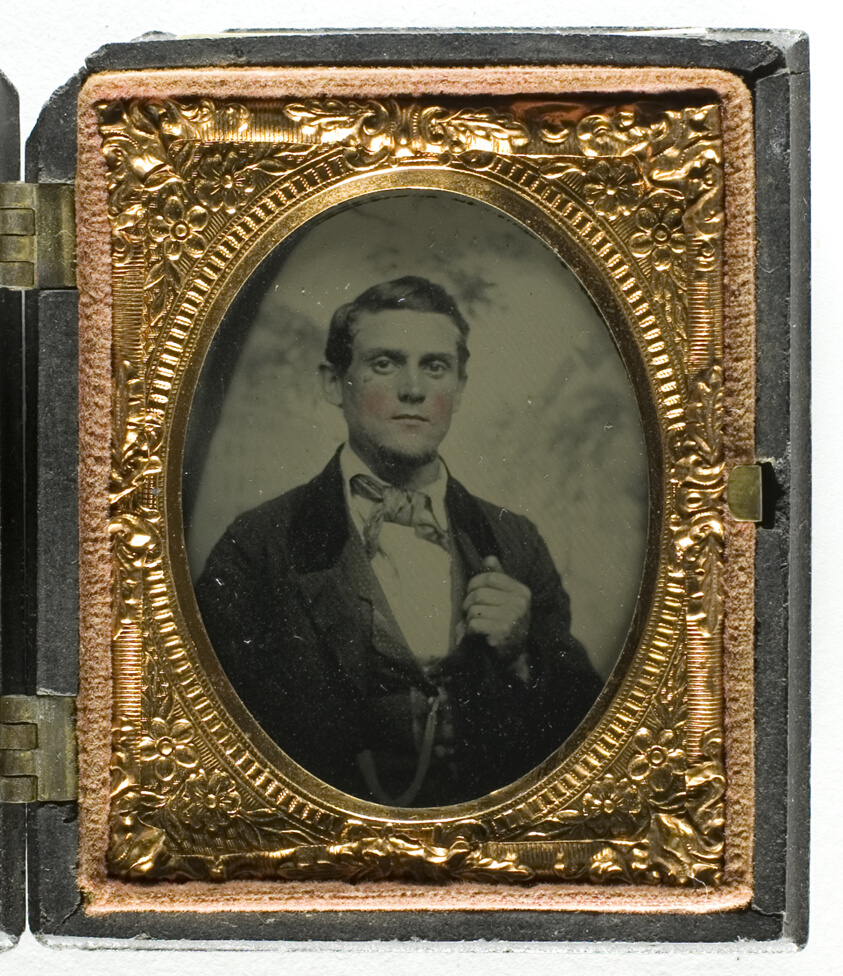
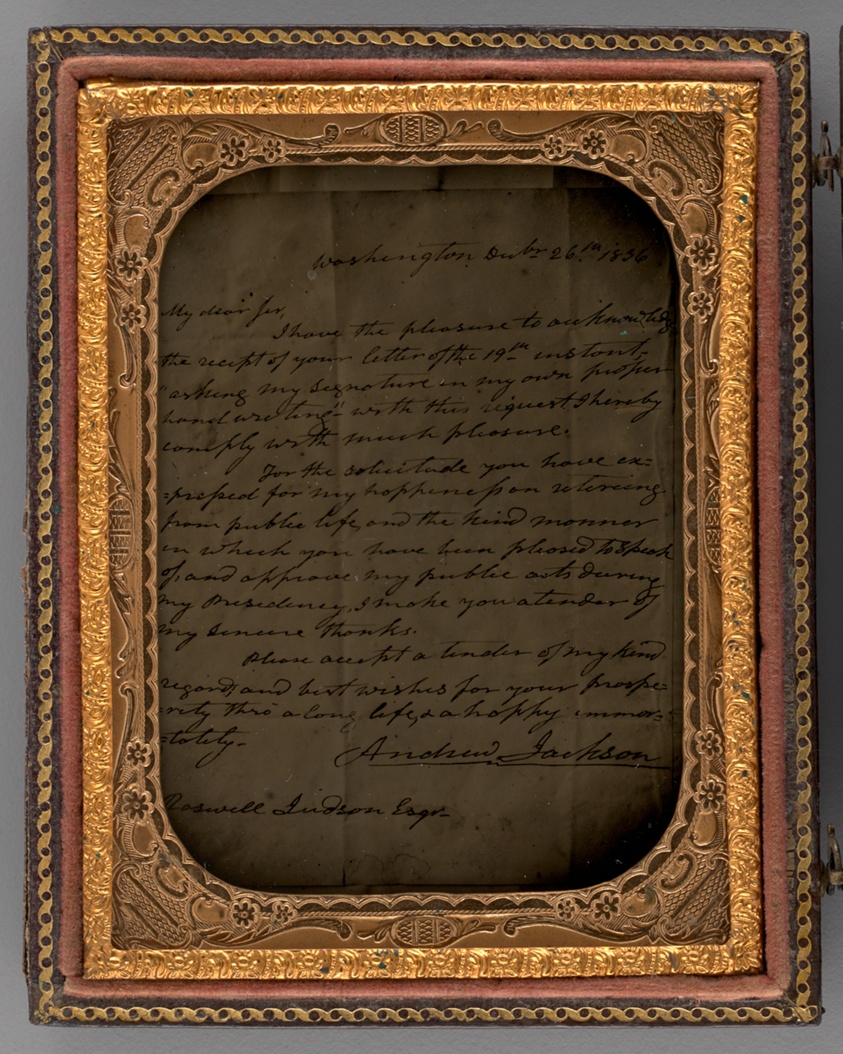
The case, too, is part of the object. Ambrotypes were almost always housed in the same style of hinged, velvet lined union cases developed for daguerreotypes, often decorated with elaborate thermoplastic designs featuring patriotic imagery, floral motifs, or classical scenes. The experience of opening one is tactile and intimate in a way that scrolling through digital images simply cannot replicate. You are handling the thing itself.
Many of the works represented on The Collection carry the marks of this tradition, bearing the names of regional studios like Dunshee and Co. or individual practitioners like G. W. Collins and W.
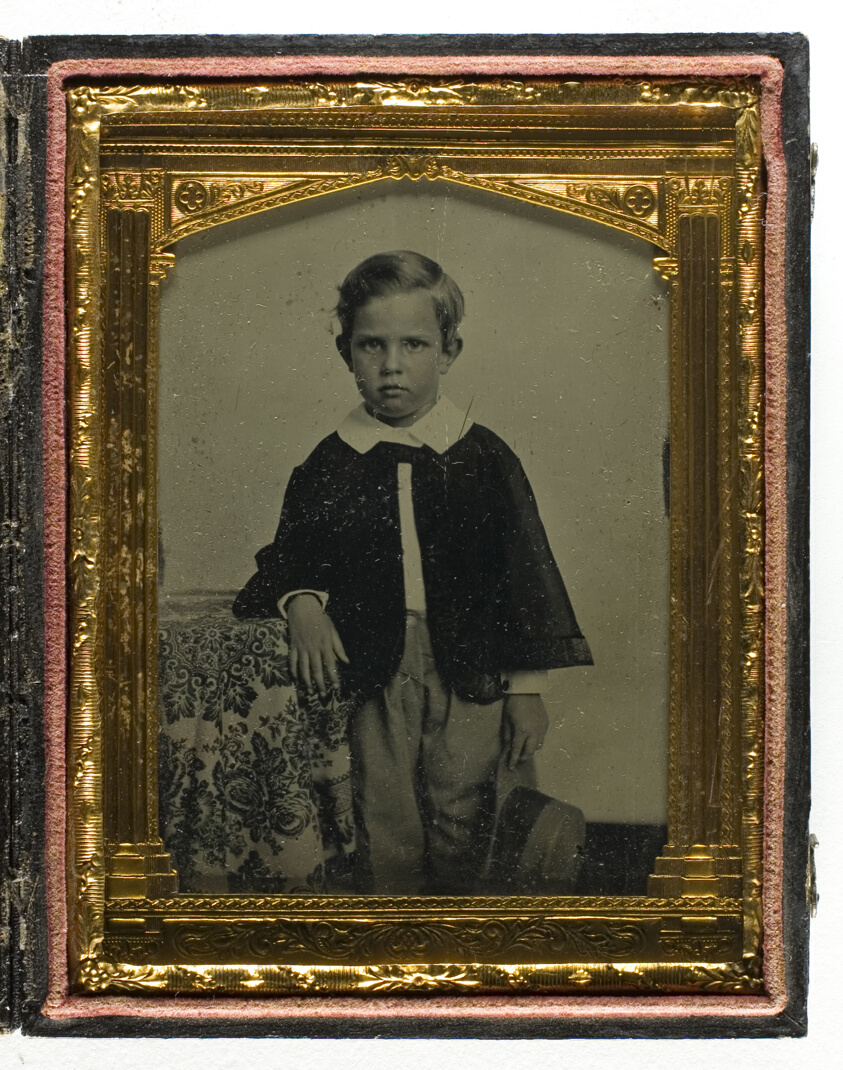
B & G Moses
Untitled, 1857
Lucas, men who built their livelihoods on the promise of permanence at a price families could afford. Because so many ambrotypes were made by small commercial studios or itinerant photographers, a significant portion of surviving examples carry no maker's attribution at all. The substantial presence of unknown makers among the ambrotypes on The Collection is not a gap in the record so much as an honest reflection of how this medium actually operated. The ambrotype was democratic by design.
It was made in back parlors and temporary booths and storefronts that vanished with their owners, leaving behind only the image and the face. Wade P. Canal represents the kind of regional practitioner whose work survives even when the biographical details do not, a reminder that the history of photography is full of significant makers whose names we are still piecing together. The ambrotype's dominance was brief.
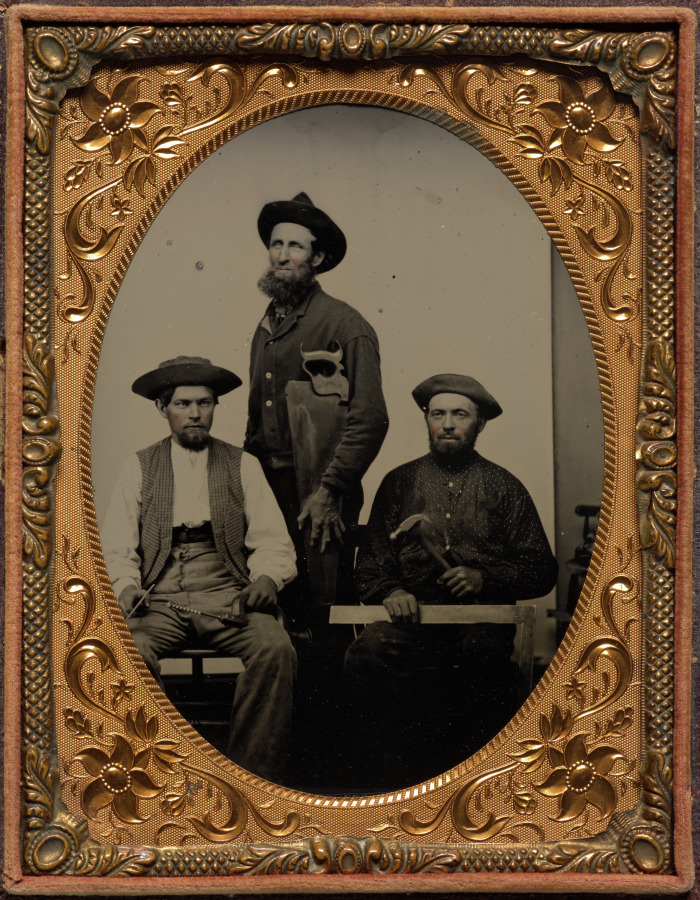
By the mid 1860s the tintype had taken its place at the lower end of the market, cheaper and more durable, while the albumen print on paper had captured the upper end with its capacity for multiple copies and larger formats. Yet this brevity is part of what makes the ambrotype so charged as a collecting category. It represents a specific window in time, a decade when photography was still intimate enough to feel handmade but widely available enough to document whole strata of society that had never before been seen. Civil War era ambrotypes of soldiers, families, and laborers constitute a visual archive of nineteenth century life that no other medium produced with quite the same combination of scale and intimacy.
Today the ambrotype occupies a meaningful place in both institutional collections and the work of contemporary artists drawn to historical photographic processes. Photographers associated with the alt process revival have returned to wet collodion not out of nostalgia but because the process demands a quality of attention that digital workflows discourage. The image and the object become one thing. For collectors, the ambrotype offers something rare in any market: a work that is historically significant, formally beautiful, materially singular, and still genuinely accessible.
To hold one is to understand, without being told, why photography was once considered a kind of miracle.