Altarpiece

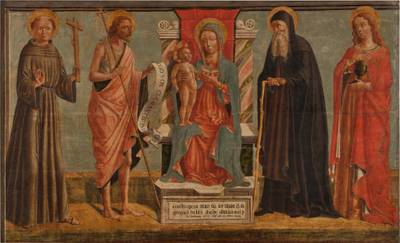
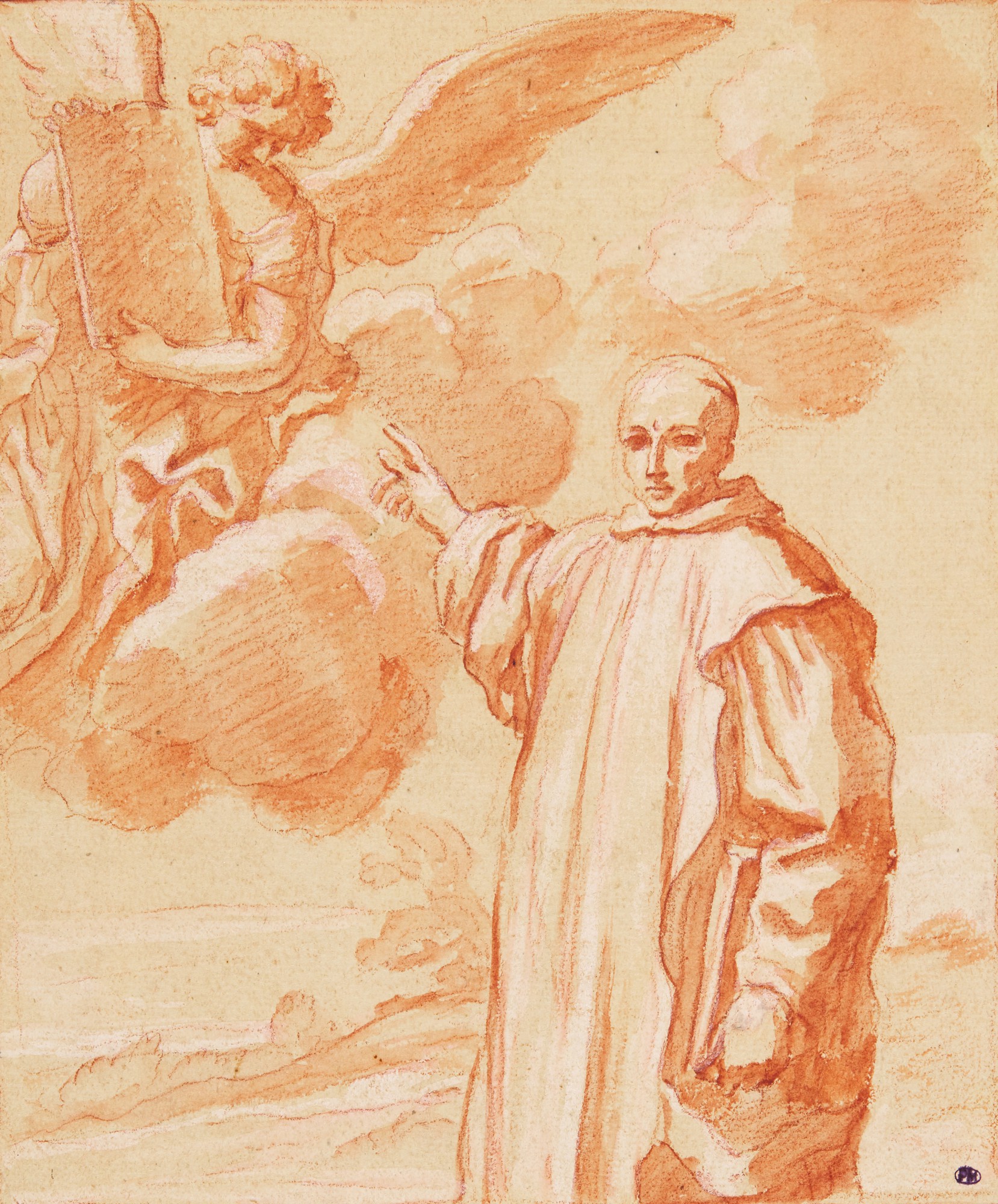
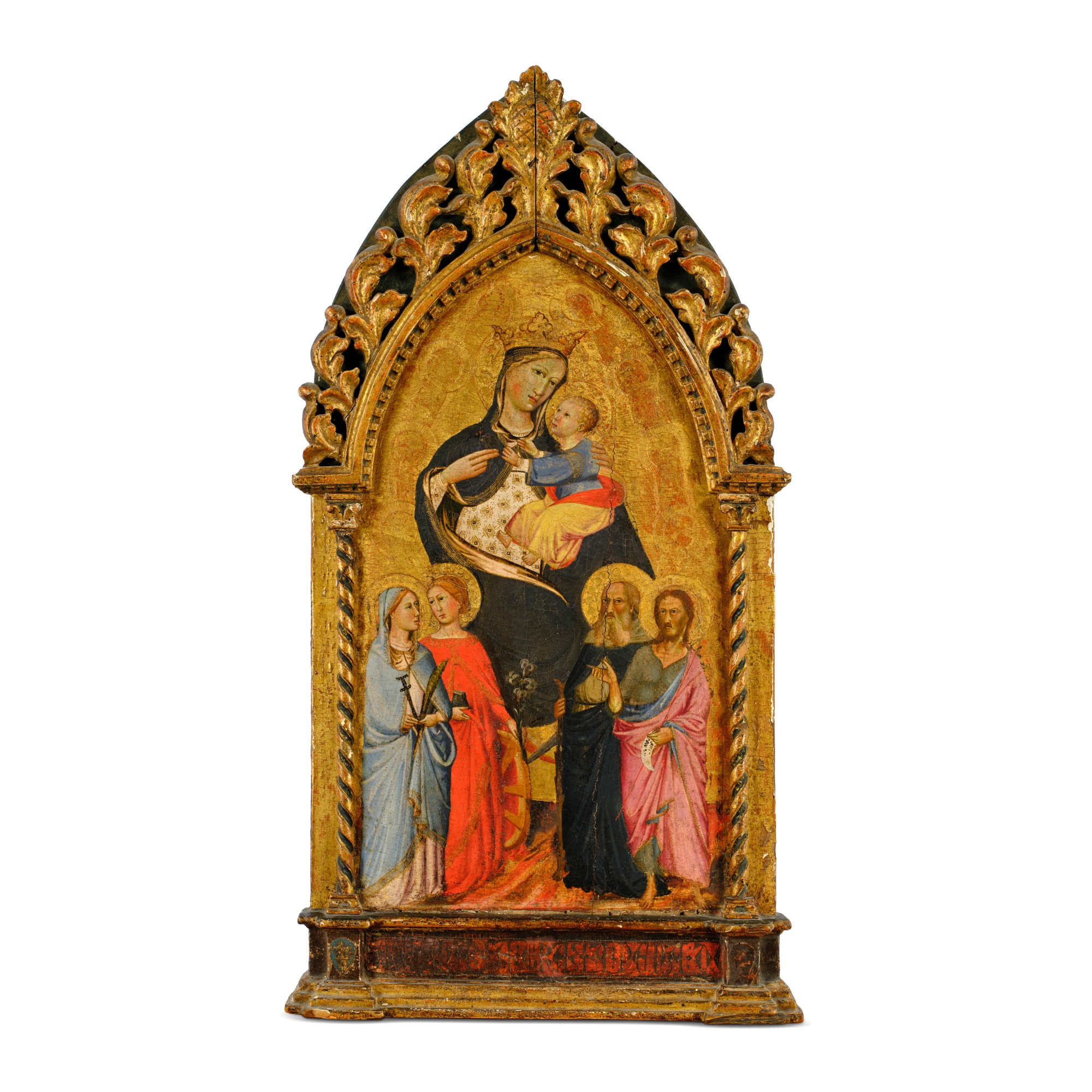
Andrea Previtali
Saint Augustine enthroned with Saint Anthony Abbot and another saint

The Sacred Object That Commands Every Room
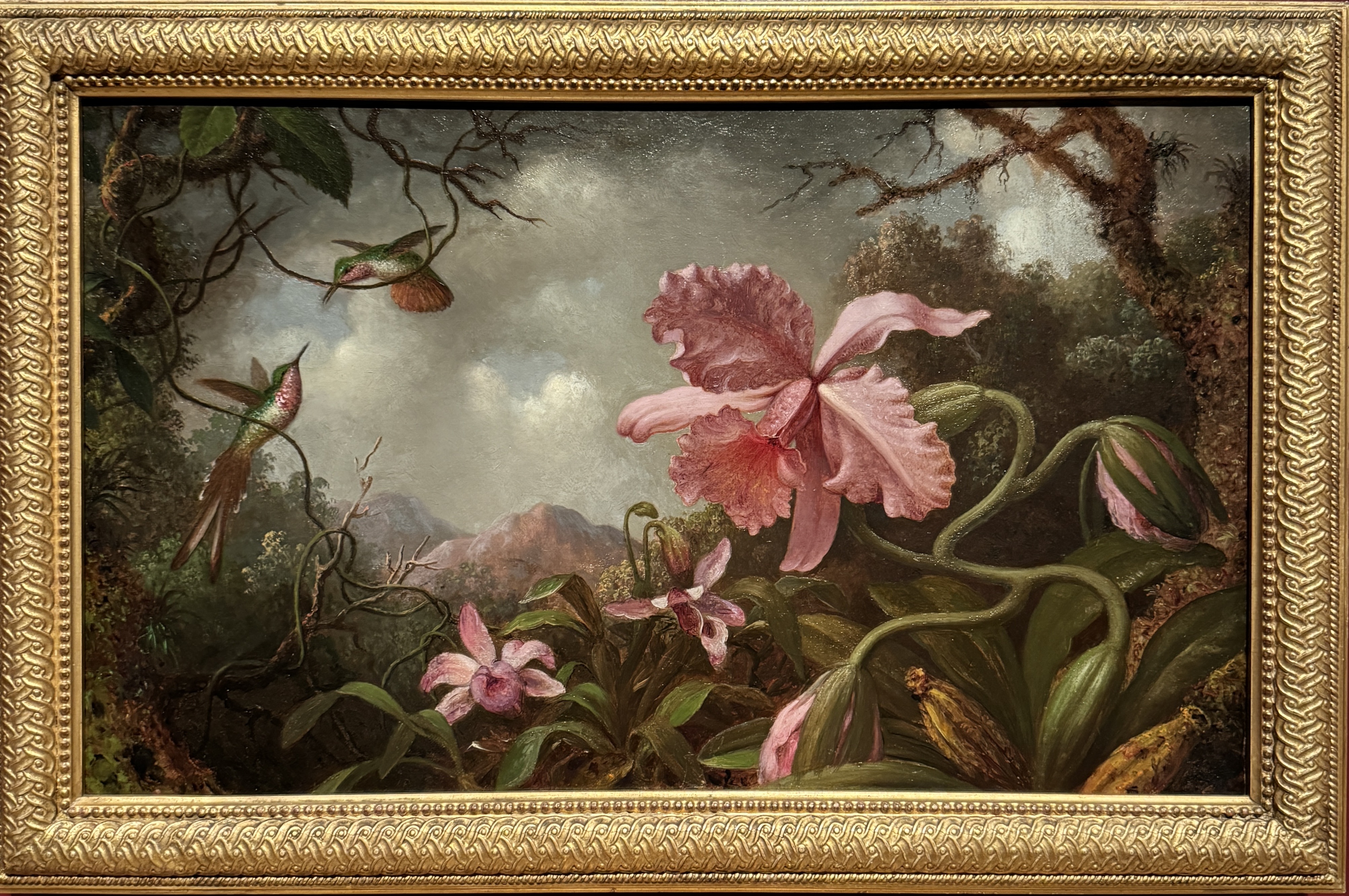
There is something particular that happens when a collector brings an altarpiece into a domestic space. The work does not simply hang on a wall. It reorganizes the room around itself, pulling light and attention inward the way it was always designed to do, centuries before anyone imagined it might end up in a townhouse in London or a villa outside Florence. Collectors who have lived with these objects often describe a quality of presence that is difficult to articulate and nearly impossible to replicate with other categories of early panel painting.
That quality is not accidental. It was engineered into the object from the moment of its commission, and it endures. The appeal for serious collectors goes beyond aesthetics, though the aesthetics are considerable. An altarpiece carries within it an entire social and devotional world.
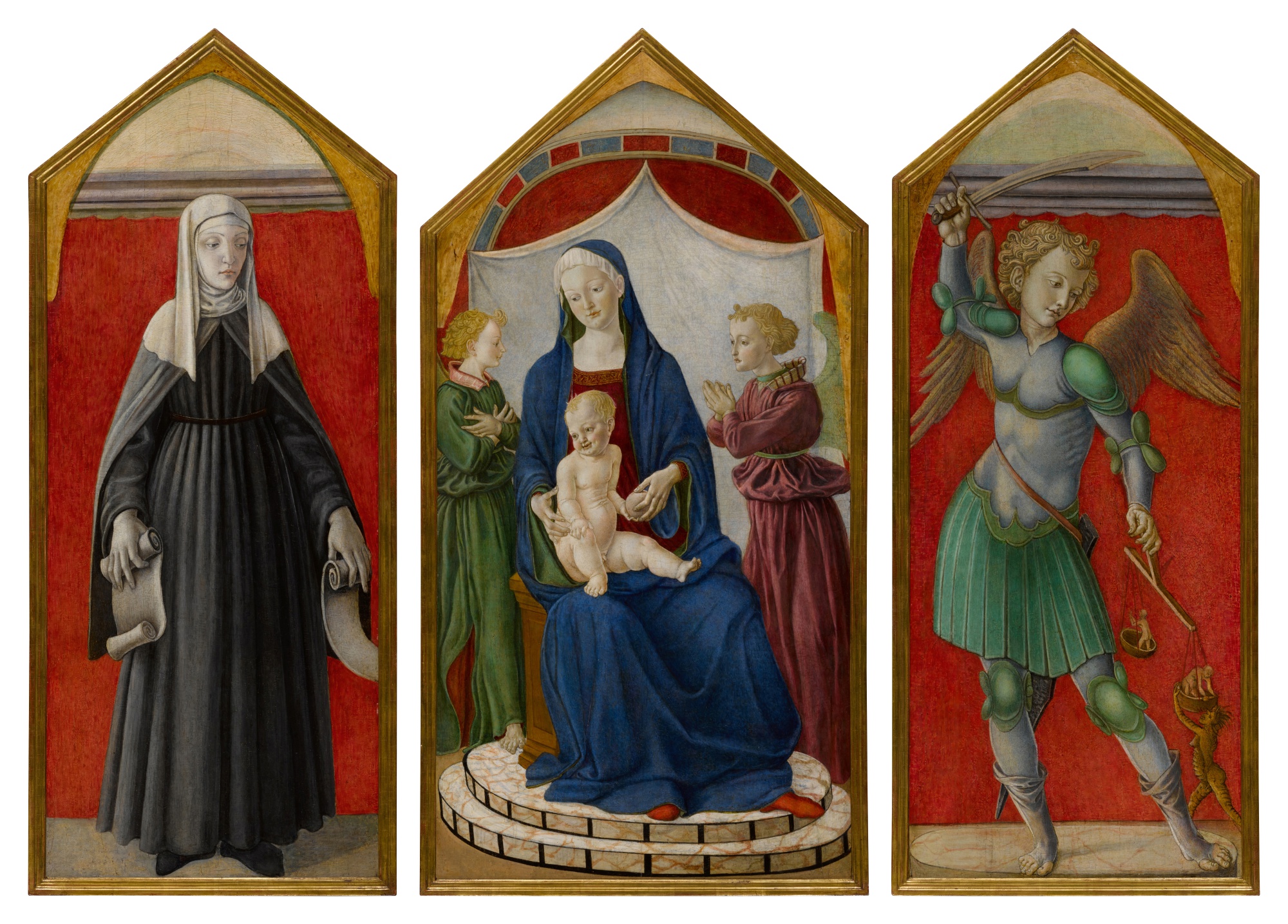
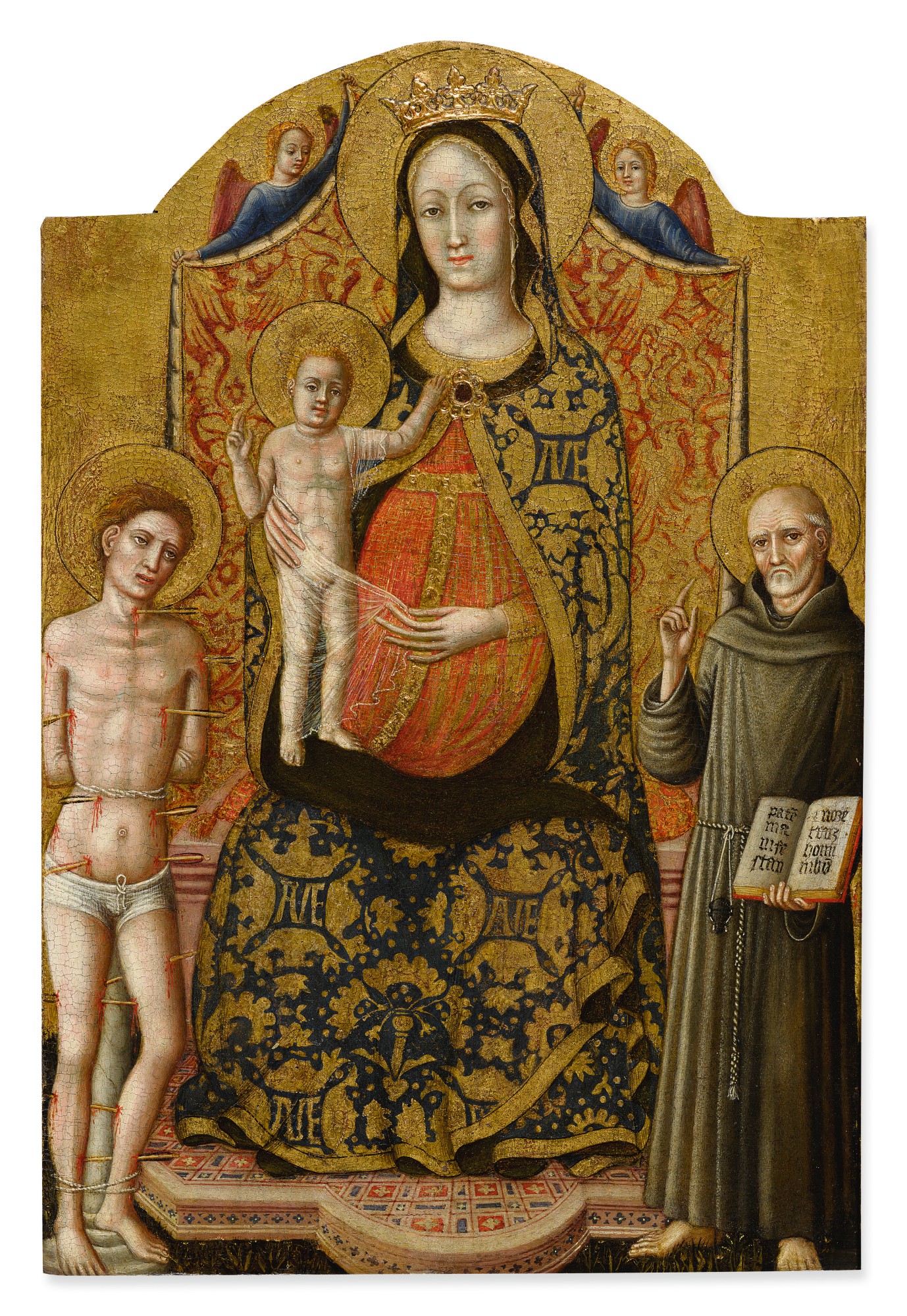
Master of Pratovecchio
Madonna and Child Enthroned with Angels and Flanked by Saint Bridget of Sweden and the Archangel Michael
Who commissioned it, for which chapel, in honor of which saint, under what circumstances of patronage and piety. These questions are not merely academic. They are part of what you own when you acquire such a work, and the depth of that context is part of what separates the category from almost anything else available on the market. You are not simply buying a beautiful object.
You are buying a record of belief, power, and artistic ambition at a particular moment in European cultural life. When it comes to distinguishing a good work from a great one in this category, condition is paramount but it is not the whole story. Many altarpieces have been separated from their original frames, divided from their predella panels, or heavily restored during the nineteenth century when the market for early Italian and Northern European devotional works was at its most voracious and least careful. What you are looking for is integrity: works where the paint surface retains genuine vitality, where the gold ground has not been entirely replaced, and where the attribution is secure enough to give you confidence in the scholarly record.
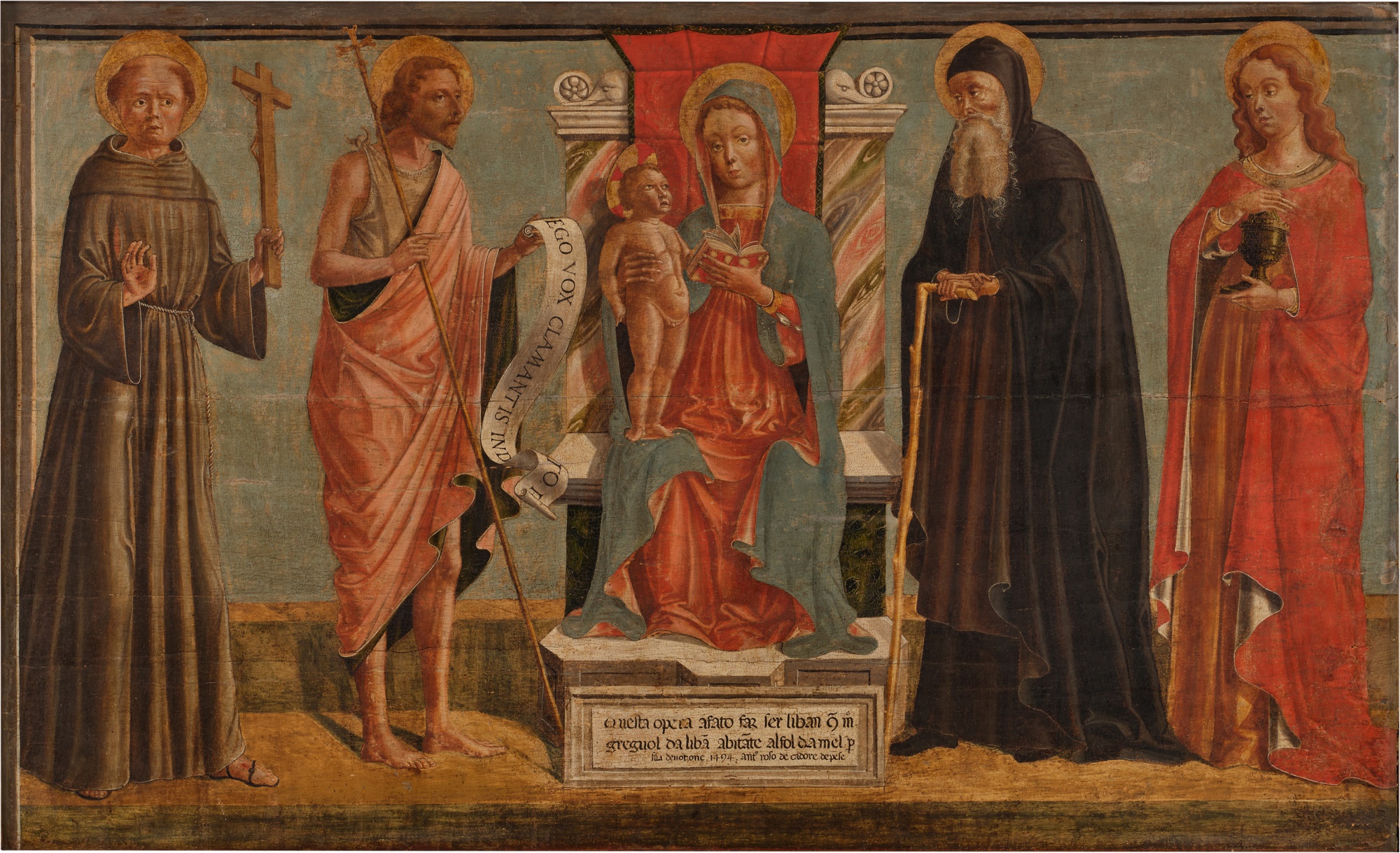
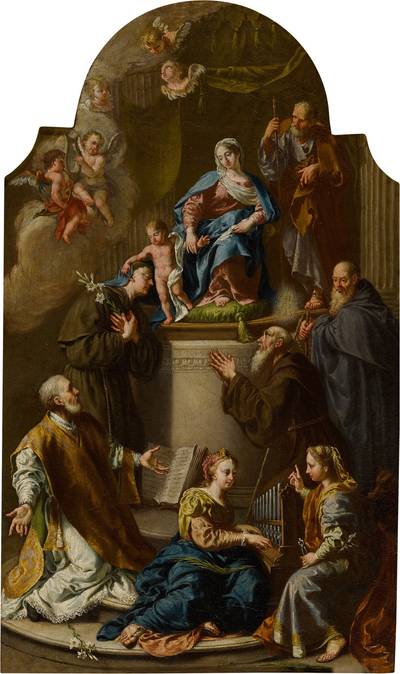
Andrea Previtali
Saint Augustine enthroned with Saint Anthony Abbot and another saint
A work by a named master, even one known only by a conventional label, will always perform better over time than an anonymous attribution with unclear provenance. Among the artists represented on The Collection, several names reward particular attention. Andrea Previtali, a Bergamo painter who worked in the orbit of Giovanni Bellini in the early sixteenth century, occupies a position that the market has not yet fully recognized. His Venetian training gives his work a luminosity and compositional sophistication that places him well above the regional category he is sometimes assigned to.
Similarly, Bartolomeo di Giovanni, a Florentine painter active in the late fifteenth century who collaborated with Domenico Ghirlandaio, represents strong value precisely because his name carries genuine historical weight without yet commanding the premium of the first tier. Giovanni di Tano Fei, working in Siena in the fourteenth century, offers access to the Sienese tradition at a price point that reflects the relative obscurity of his name rather than the quality of his work. The convention of the named master presents its own collecting logic. Artists catalogued under designations like the Master of the San Niccolò Altarpiece or the Master of Staffolo were given these scholarly names precisely because their work was distinctive and consistent enough to be grouped.
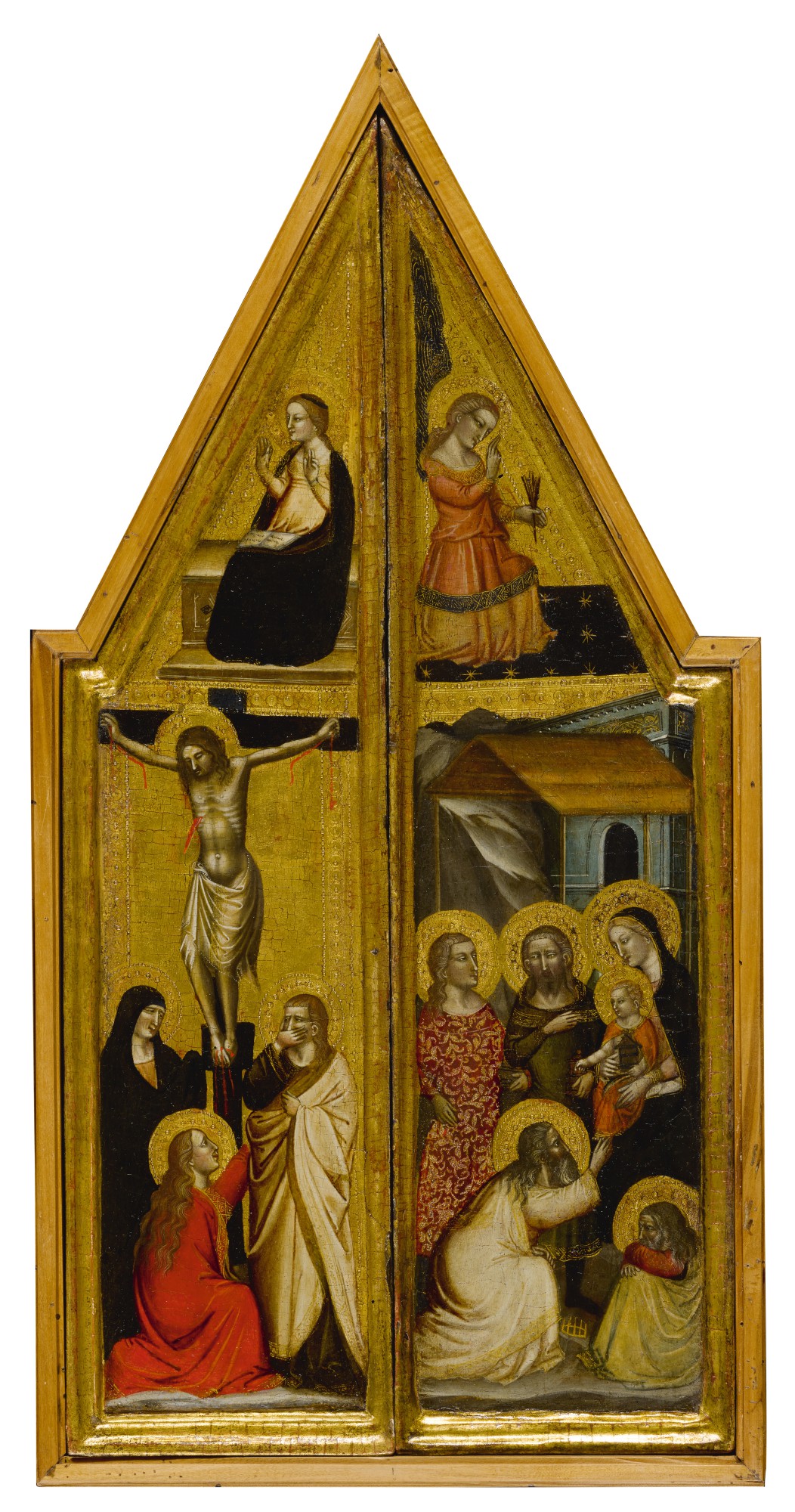
Master of the San Niccolò Altarpiece
The Crucifixion and Adoration of the Magi, with the Annunciation above
That distinctiveness is a form of quality assurance. The Circle of the Master of the Saint Bartholomew Altarpiece, active in the Netherlands around 1480, represents an entry point into one of the most visually compelling traditions in Northern European painting, at a fraction of the cost of a fully attributed work. The same logic applies to the North Netherlandish School, probably Leiden, circa 1510, where the market rewards patience and genuine connoisseurship. At auction, altarpieces and devotional panels occupy an interesting position.
The category has shown consistent resilience over the past two decades, with strong results at Christie's, Sotheby's, and Dorotheby's Old Masters sales, particularly for works with clean institutional provenance. The secondary market rewards documentation heavily in this area. A work that passed through a significant collection, appeared in a major exhibition catalogue, or carries a published scholarly opinion will command a measurable premium over a comparable work without that paper trail. This is a category where due diligence is not optional; it is the foundation of value.
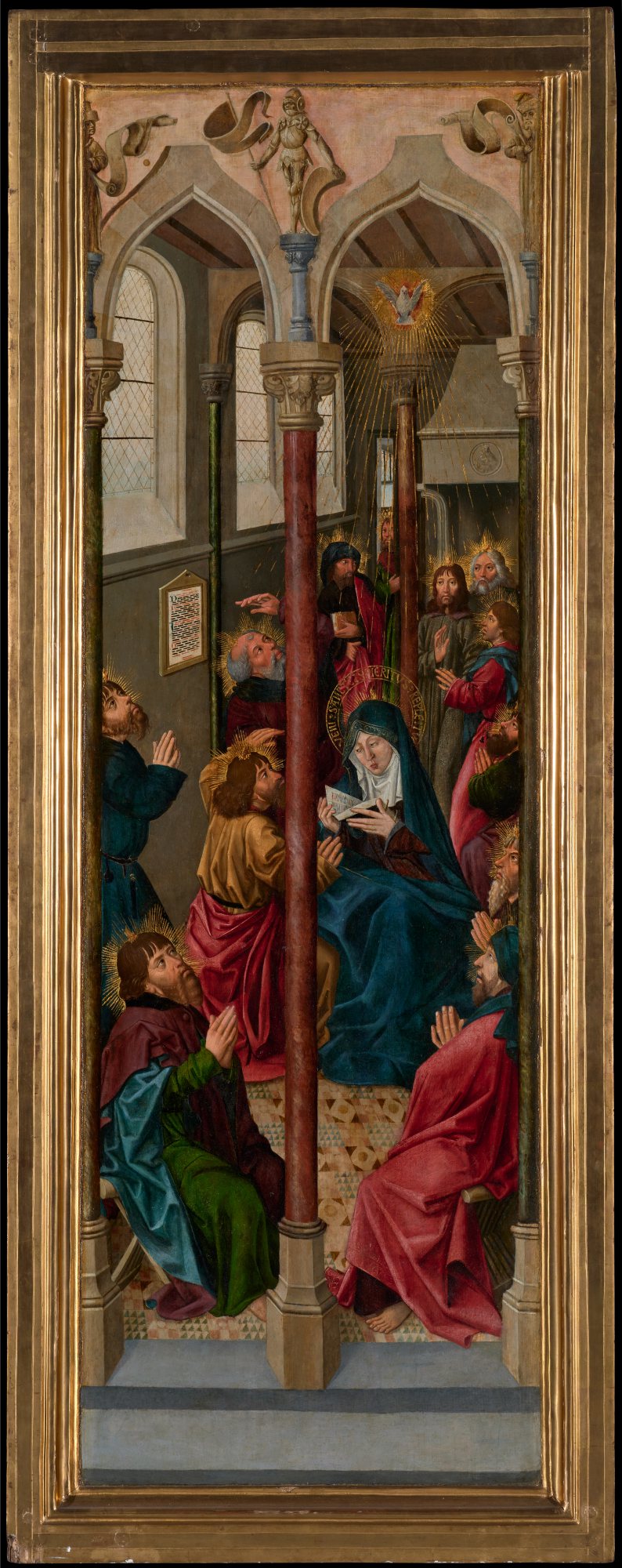
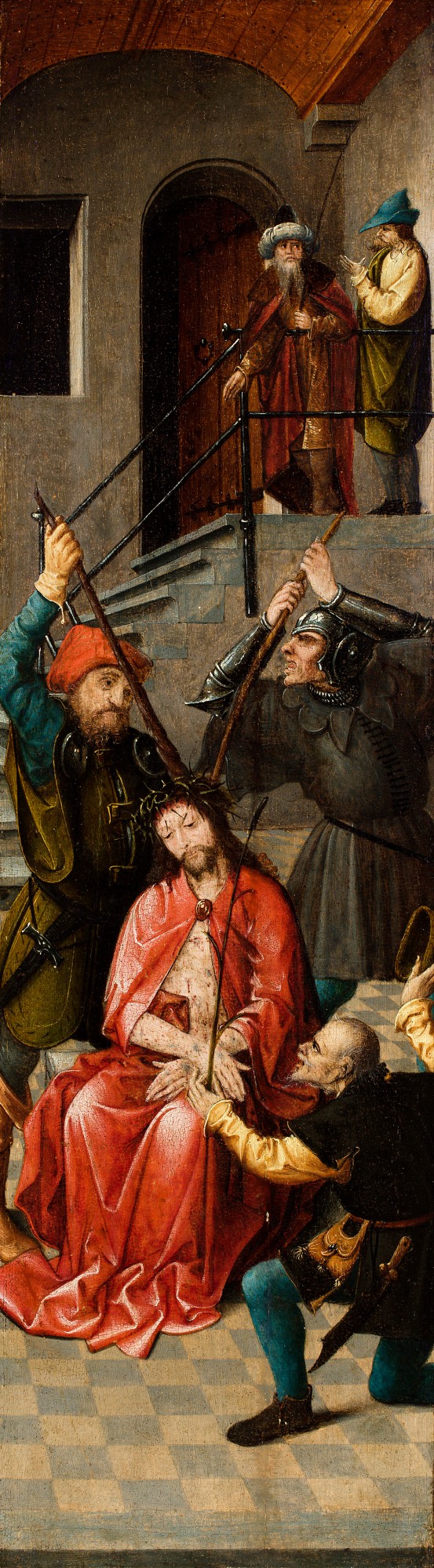
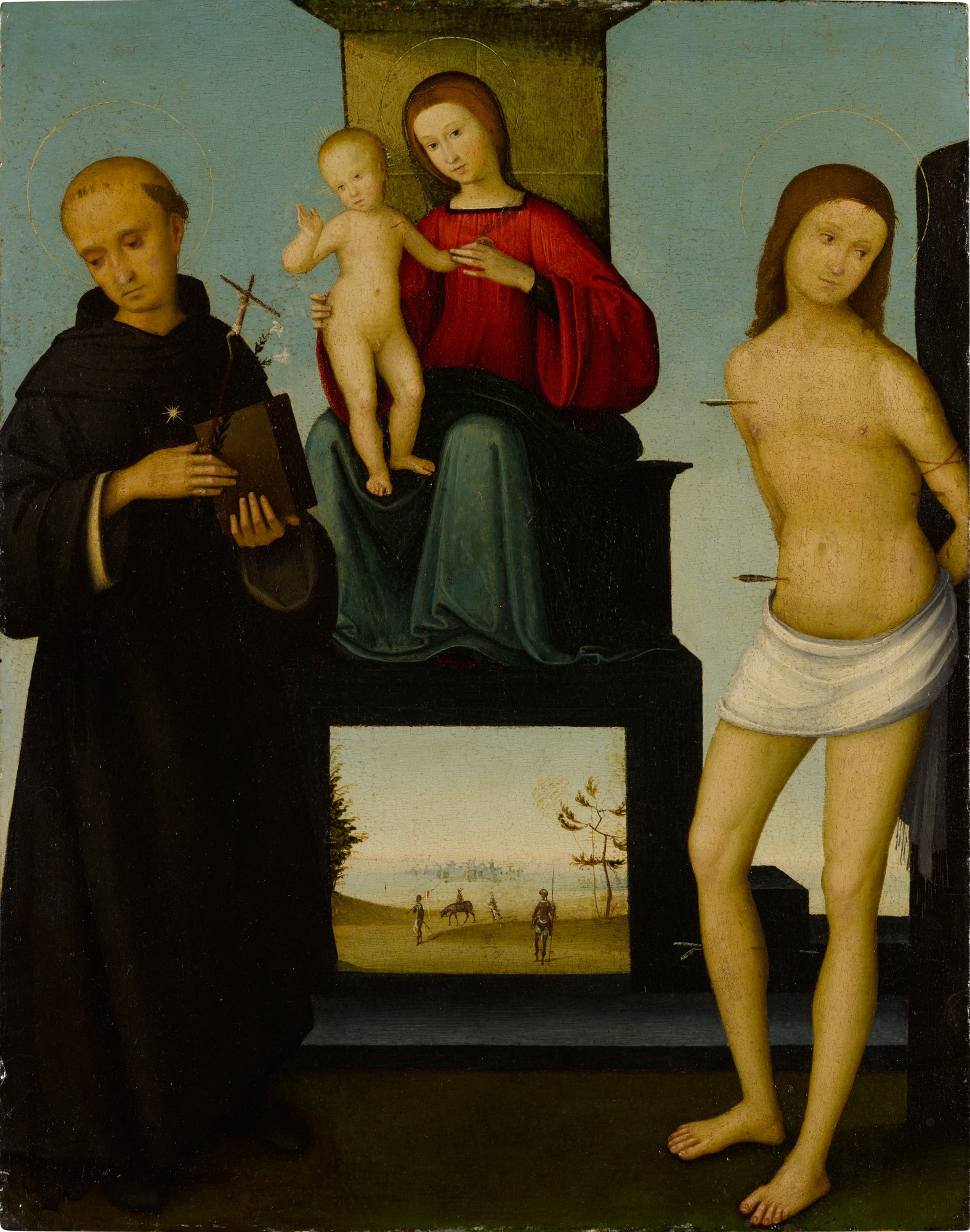
Hispano-Flemish School, early 16th century
Panneau de retable
For collectors approaching this market for the first time, the practical considerations are numerous and worth taking seriously. Condition reports should always be read in conjunction with ultraviolet examination results, which will reveal the extent of past restoration in ways that daylight inspection cannot. Panel paintings are sensitive to humidity and temperature fluctuation in ways that canvas works are not, and display environments should be stable. Central heating is a genuine enemy of early panel painting.
Climate controlled rooms, or at minimum consistent conditions, are strongly advisable. When speaking with a dealer or gallery, ask specifically about the provenance chain after 1933, ask whether the work appears in any catalogue raisonné, and ask whether there are any outstanding scholarly debates about the attribution. A reputable dealer will welcome these questions. The opportunity that exists right now in this category is real and it is time sensitive.
Taste in the Old Masters market moves in longer cycles than contemporary art, but it moves. The early Italian and Northern European devotional traditions are currently undervalued relative to their historical importance and their visual power. Works by Anton Kern and Giovanni Maria Morandi, both operating in traditions that connect to the altarpiece format, are available at prices that will look remarkable in retrospect. Tommaso d'Antonio Manzuoli, known as Maso da San Friano, a Florentine Mannerist with genuine invention in his handling of color and figure, represents the kind of artist whose market position should be considerably stronger than it currently is.
The collectors who act on that disparity now are the ones who will be pleased with themselves in twenty years.