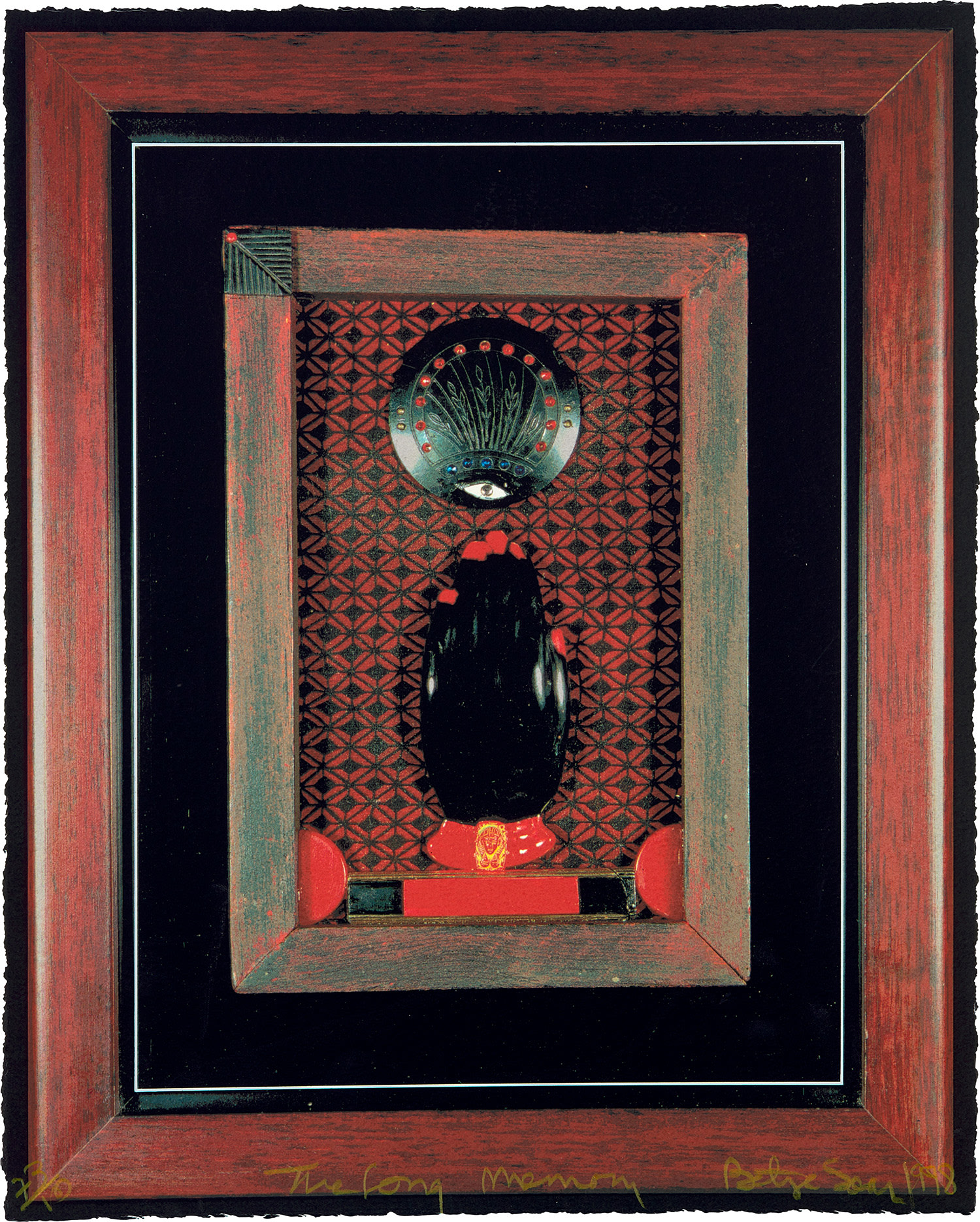
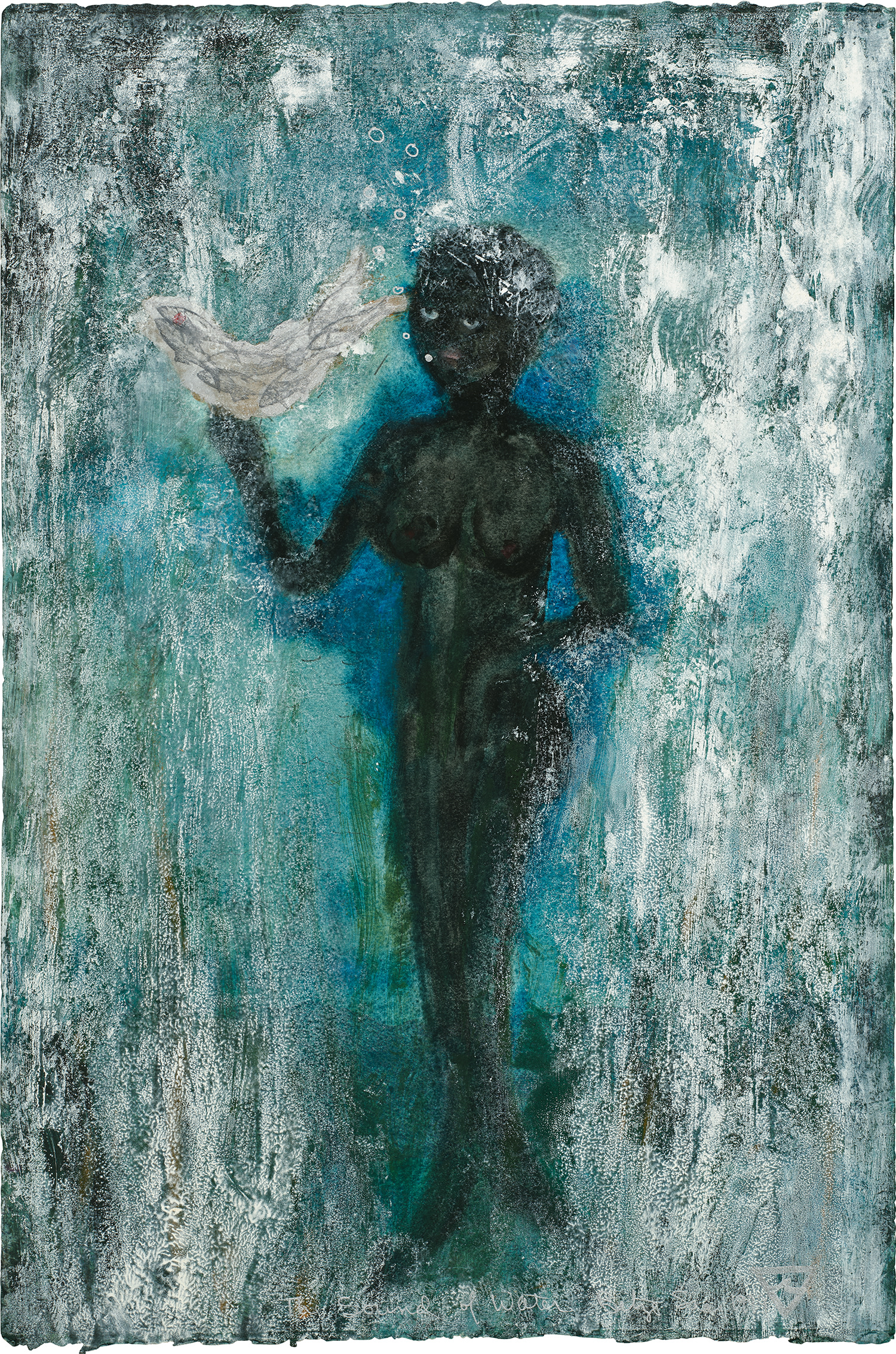
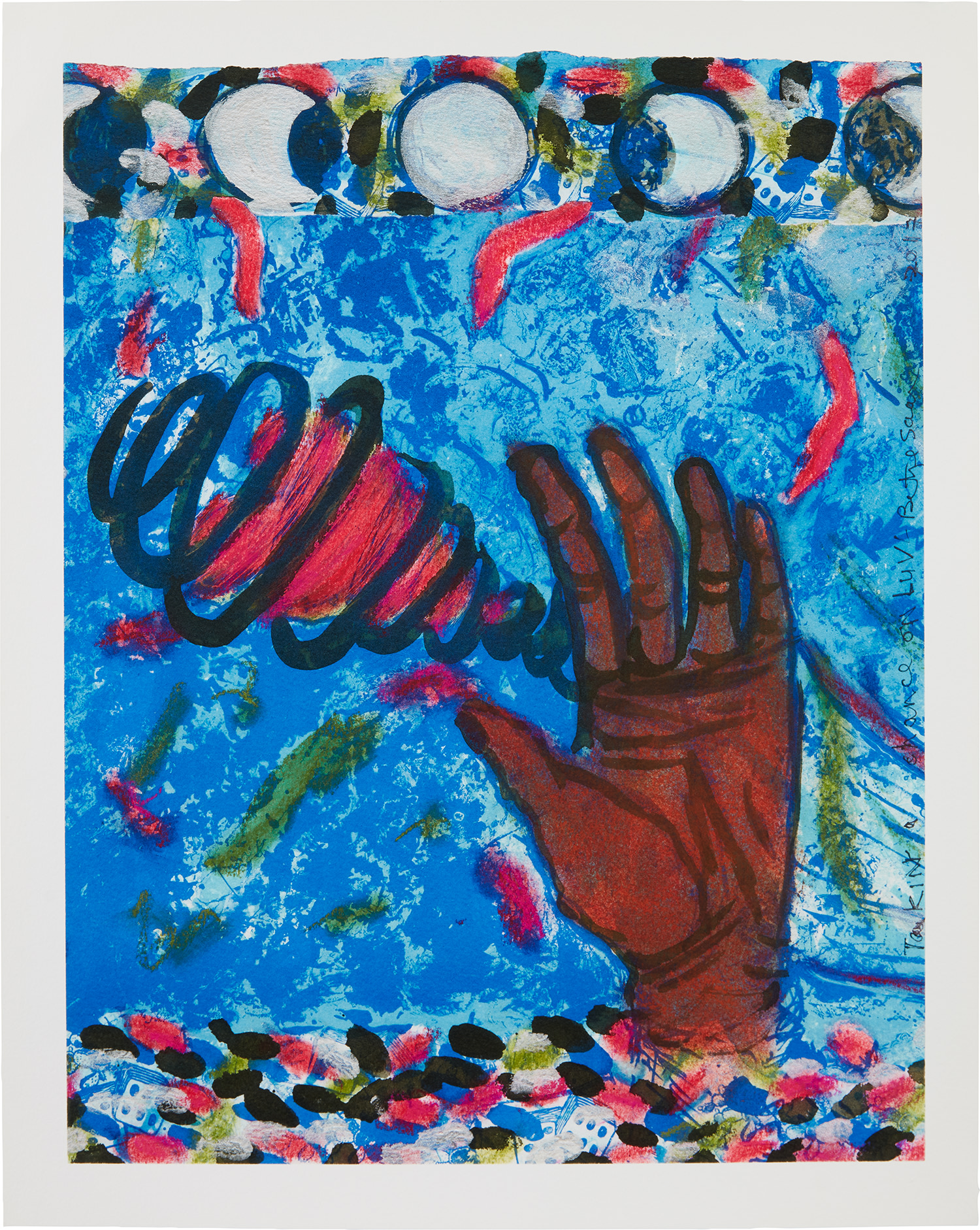
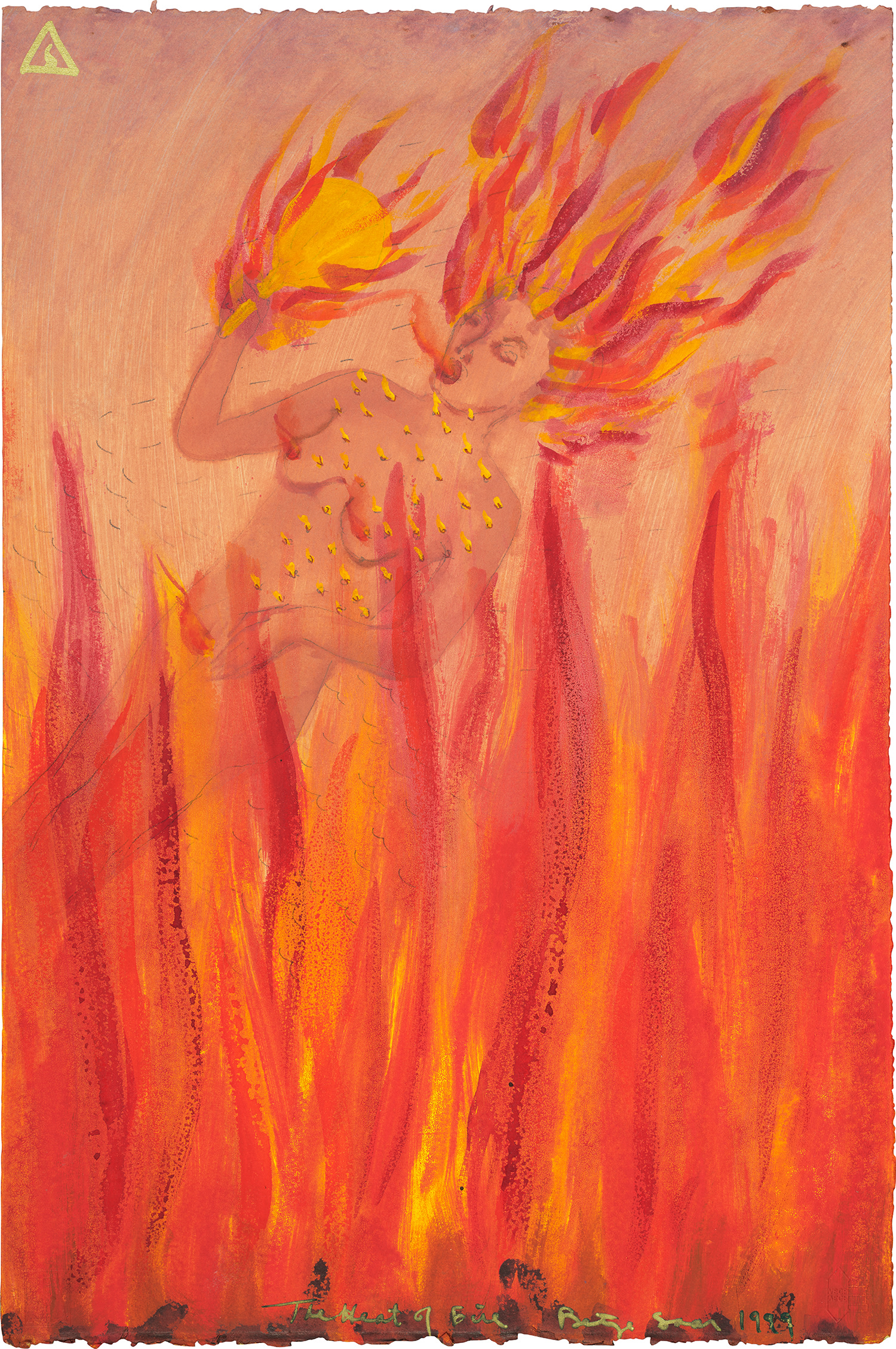
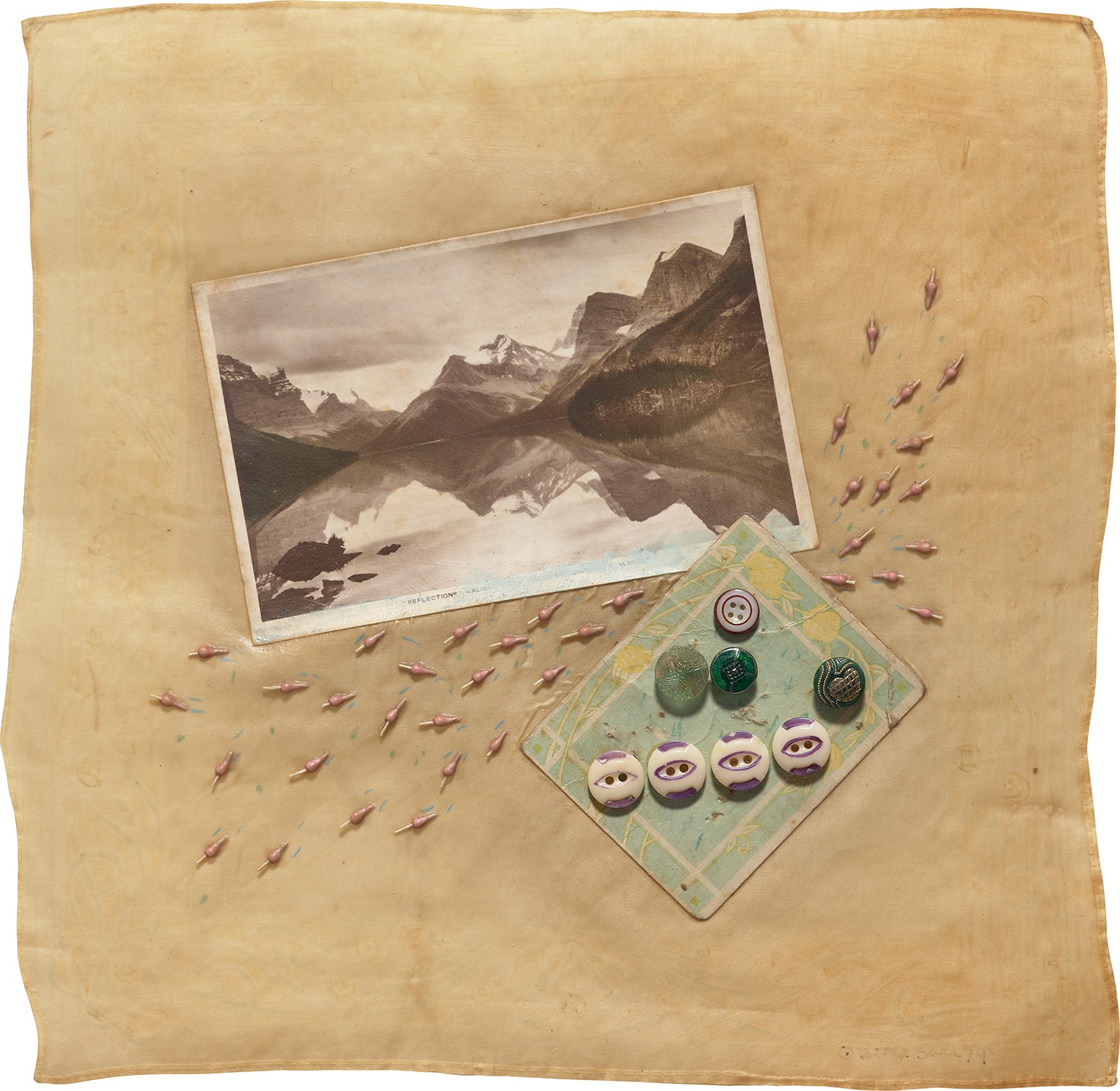
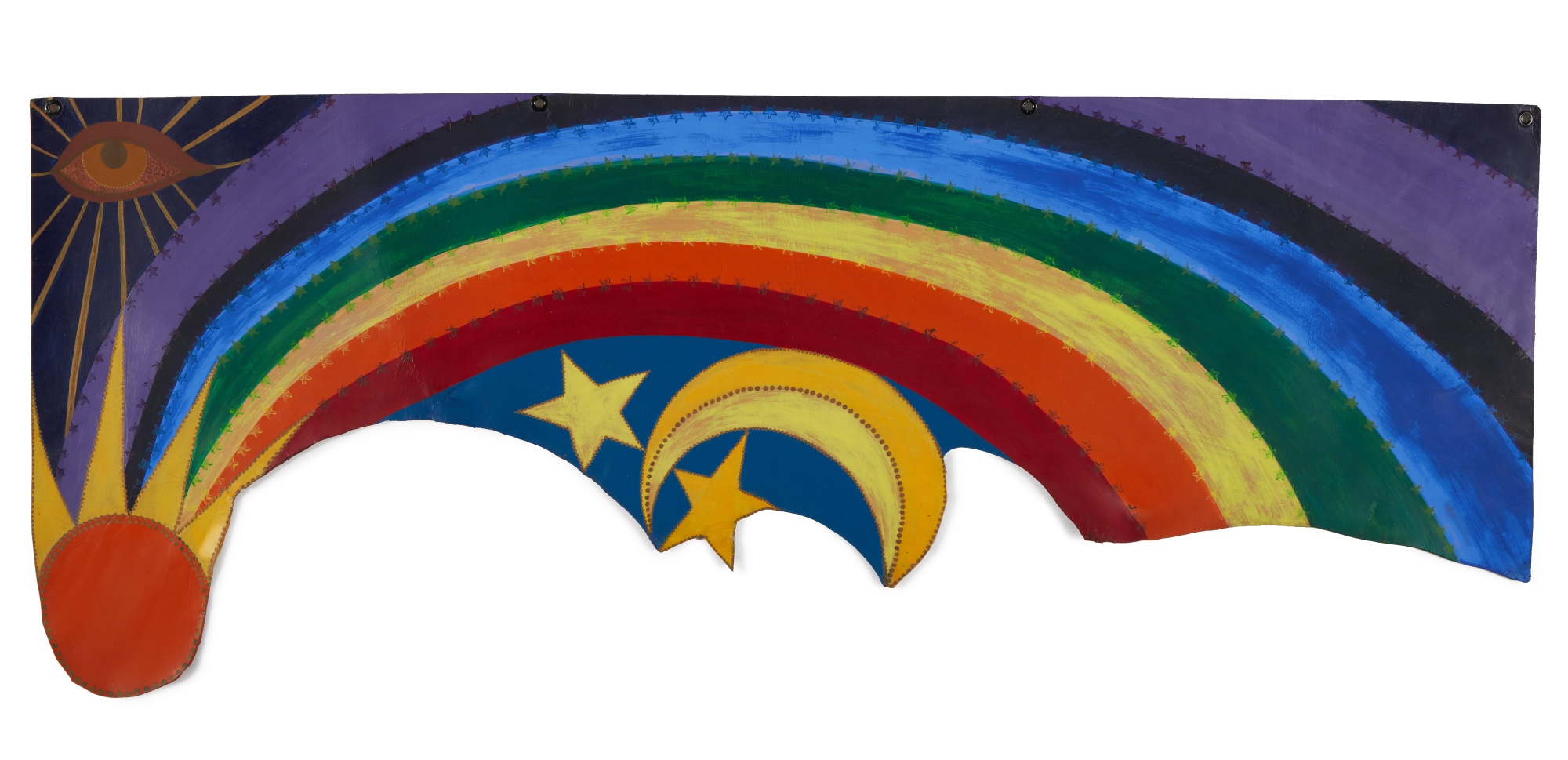
When the Museum of Modern Art in New York presented a major survey of Betye Saar's work, it confirmed what collectors and curators had long understood: that this Los Angeles artist, now in her late nineties, is one of the most visionary and enduring figures in American art history. Her presence in the permanent collections of MoMA, the Los Angeles County Museum of Art, and the Whitney Museum of American Art speaks not only to institutional recognition but to something deeper, a sense that her work is genuinely irreplaceable. Saar has spent more than six decades building a practice that refuses easy categorization, threading together the personal and the political, the sacred and the everyday, with a hand that is at once exacting and deeply intuitive. Betye Irene Saar was born in Los Angeles in 1926, and the city would remain central to her imagination and her identity throughout her life. She spent part of her childhood in Watts, where she was profoundly shaped by early encounters with the assemblage work of Simon Rodia, the self taught builder of the Watts Towers. Those spiraling structures, made from broken tile, glass, and salvaged materials, planted a seed in young Betye about the transformative power of found objects, the idea that discarded things could be remade into something transcendent. She went on to study design at UCLA, graduating in 1949, and later pursued printmaking and further study at California State University Long Beach and the University of California. For much of the 1950s and into the 1960s, Saar worked primarily as a printmaker and designer, raising three daughters and absorbing an extraordinary range of influences. She was drawn to astrology, mysticism, tarot imagery, and the occult traditions that ran through African diasporic spiritual practice. The death of assemblage artist Joseph Cornell in 1972 moved her deeply, but by then she had already been working in assemblage for several years, transforming old windows, wooden boxes, and cabinets into altars of memory and meaning. Her early works from this period, dense with amulets, feathers, found photographs, and symbolic imagery, established the visual language she would carry forward for decades. The pivotal moment in Saar's public recognition came in 1972 with the creation of "The Liberation of Aunt Jemima," a work that stunned the art world and reframed what political art could look like. Taking the ubiquitous and demeaning mammy figure from American commercial culture, Saar placed a broom in one hand and a rifle in the other, recasting a symbol of racial subjugation as an icon of militant resistance. The work was made in direct response to the civil rights movement and to the assassination of Dr. Martin Luther King Jr. in 1968, and it coursed with a righteous, transformative energy. It remains one of the most important works of American art from the twentieth century, a piece that still commands attention and sparks conversation in equal measure. Saar's practice expanded throughout the 1970s and 1980s to encompass large scale installations, works that invited viewers to enter fully into her world of layered symbolism and reclaimed material. She became known for her ability to hold multiple traditions simultaneously: African spirituality, Western occultism, the African American folk tradition, and the formal concerns of modernist sculpture all live together in her work without contradiction. Works such as "Reflection" from 1979, a mixed media assemblage available through The Collection, reveal the quiet intimacy of her approach. These smaller works reward sustained looking, revealing new details and new meanings the longer one spends in their presence. For collectors, the breadth of Saar's output offers genuine range. Her printmaking practice, which she never abandoned, produced works of exceptional delicacy and power. Pieces such as "The Long Memory," a screenprint in colors on heavy wove paper, and the monoprints "The Sound of Water" and "The Heat of Fire" demonstrate her mastery of color, texture, and layered imagery in works on paper. "Rainbow Mojo" from 1972, executed in acrylic on cut leather, shows the material inventiveness that runs through every corner of her practice. These works on paper and mixed media pieces offer collectors a meaningful way to engage with Saar's vision at various price points, and they carry the full weight of her ideas and sensibility. Within art history, Saar occupies a singular position, though she is most productively understood alongside artists who also used assemblage and found materials to interrogate American identity and history. Her work shares a conceptual kinship with that of Faith Ringgold, whose narrative quilts similarly reclaim Black women's history, and with the assemblages of David Hammons, who also transforms everyday objects into potent cultural commentary. Saar was a foundational figure in the Black Arts Movement of the late 1960s and 1970s, and her influence is visible in the work of a younger generation of artists including Kara Walker and Lorna Simpson, both of whom engage with questions of representation, history, and the Black female body. She was also a vital presence in the feminist art movement centered in Los Angeles, alongside artists such as Judy Chicago and Miriam Schapiro. The art market has steadily recognized what critics and curators have long celebrated. Saar's works have appeared at major auction houses including Christie's and Sotheby's, where her mixed media pieces and works on paper have achieved results that reflect their increasing rarity and historical importance. As museums deepen their commitments to building more representative collections, Saar's work has become a priority acquisition for institutions across the country and internationally, which has in turn sharpened collector interest at every level. What makes Betye Saar so enduringly compelling is not only the brilliance of any single work but the consistency and integrity of a vision sustained across nearly seven decades. She has continued to create well into her nineties, and her later work shows no diminishment of curiosity or ambition. She has said that she thinks of her studio as a sacred space, and that feeling of ritual, of intentional making and careful attention, is palpable in everything she produces. To collect Saar is to participate in a living conversation about history, beauty, resistance, and the stubborn persistence of the human spirit. Her work does not merely document American experience. It transforms it.