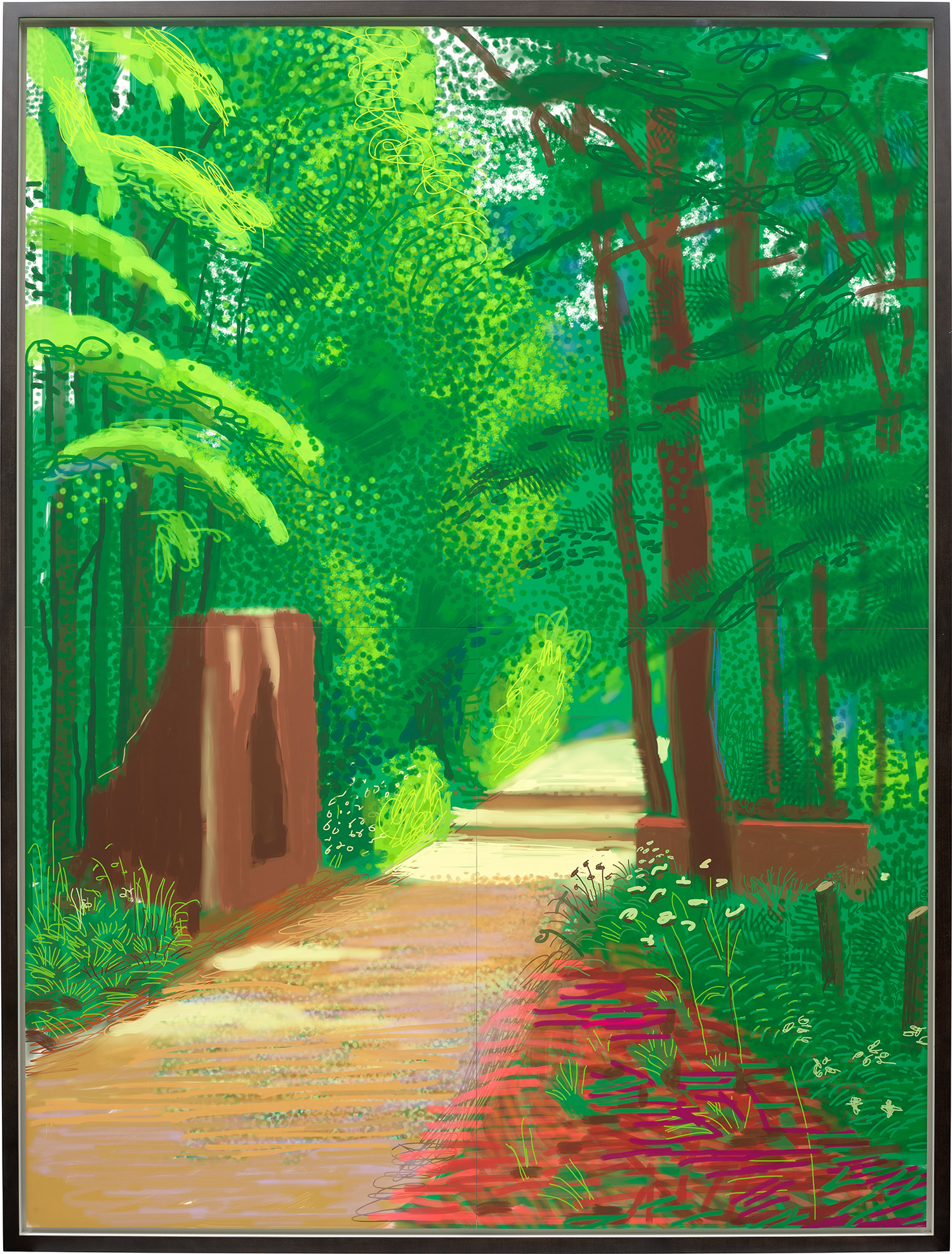
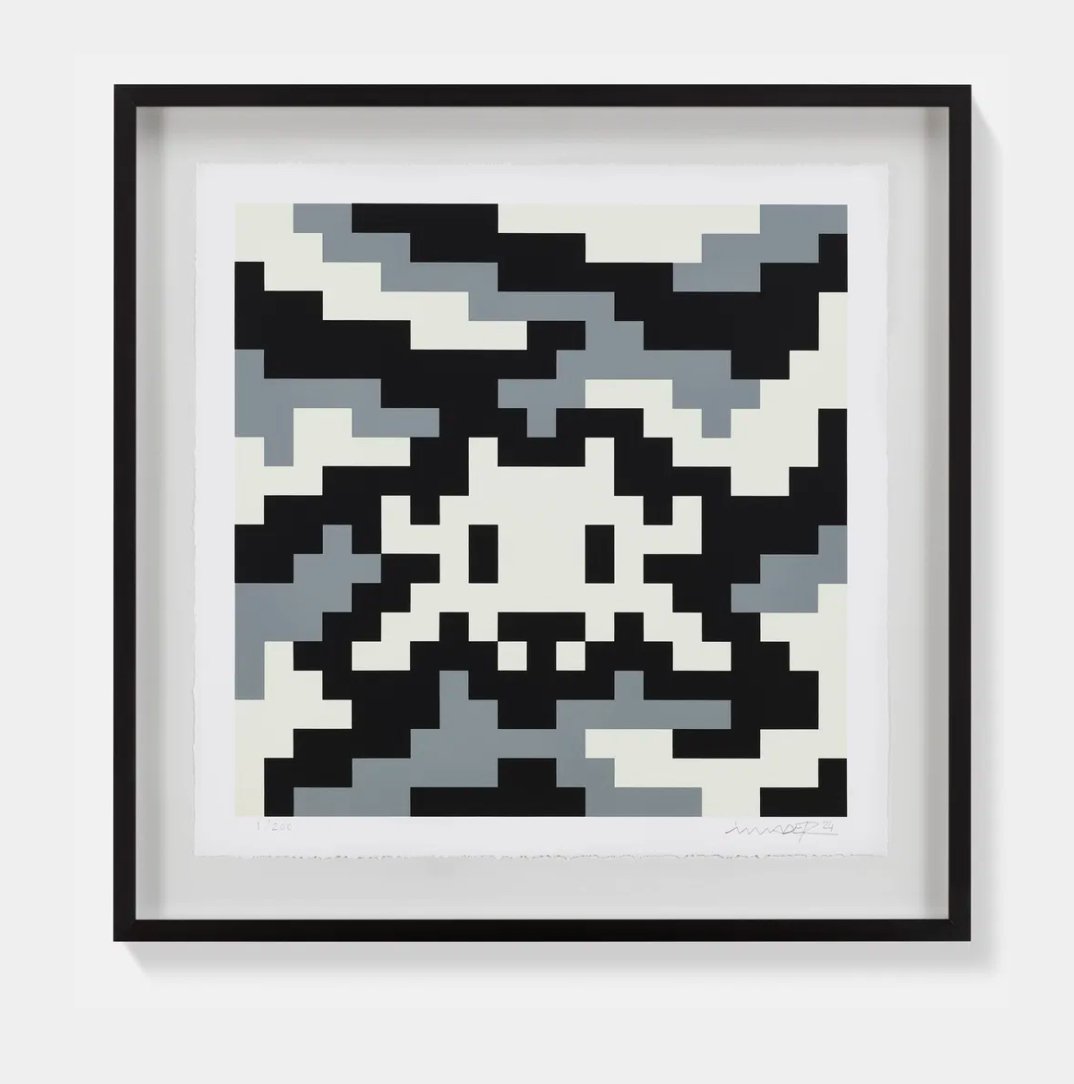
Abstract Print
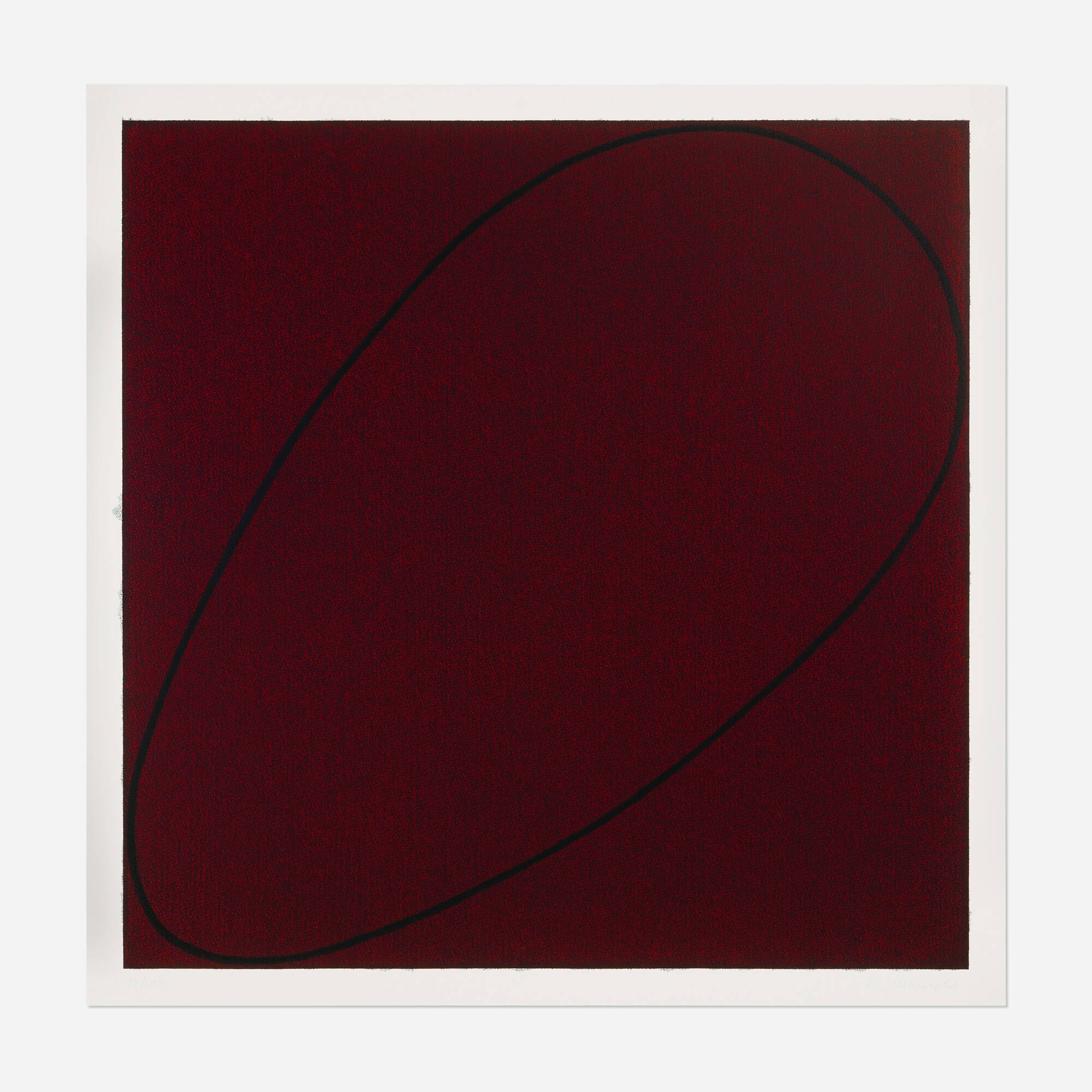
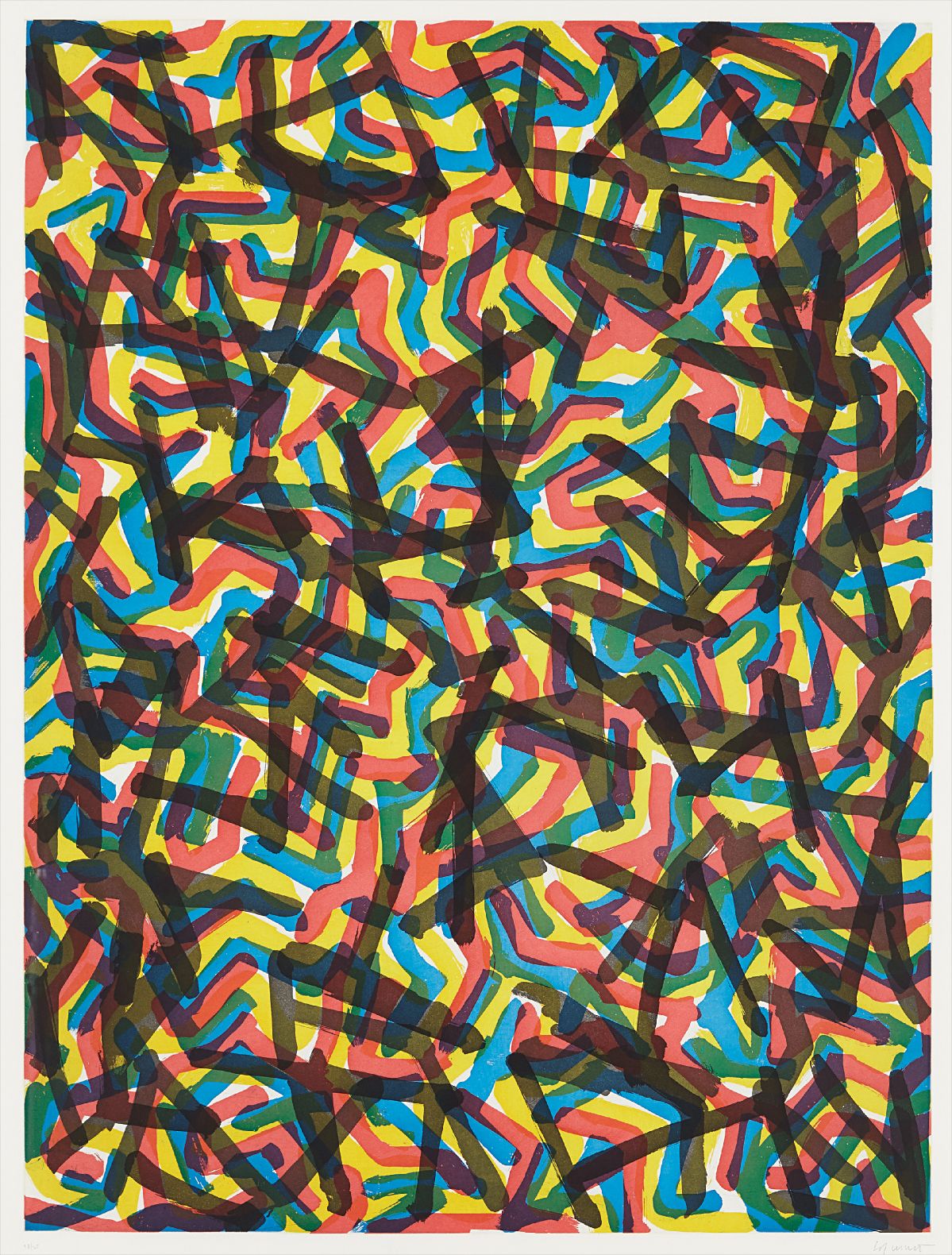
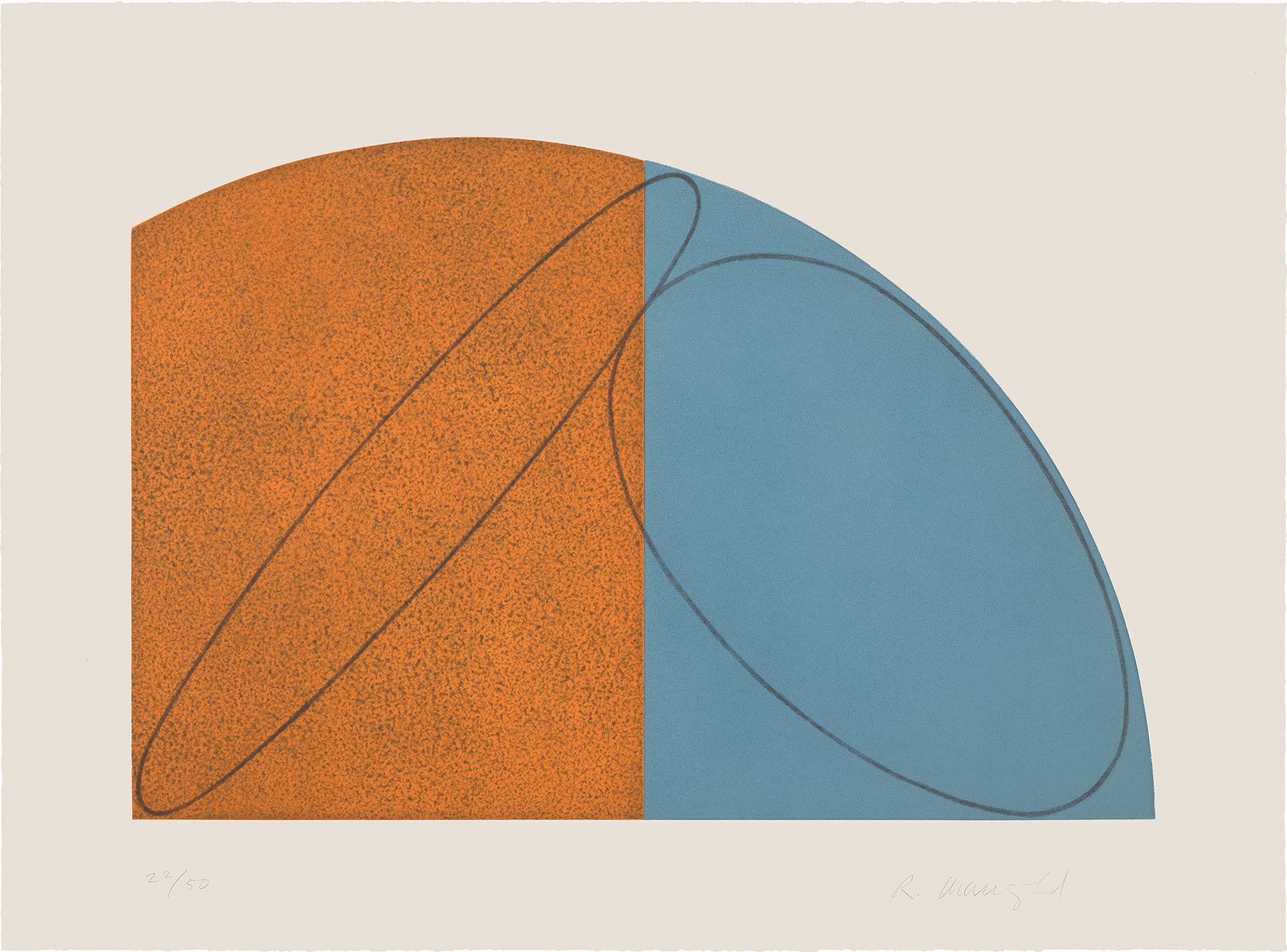
Robert Mangold
Untitled (from the 4 x 4 x 4 series), 1990
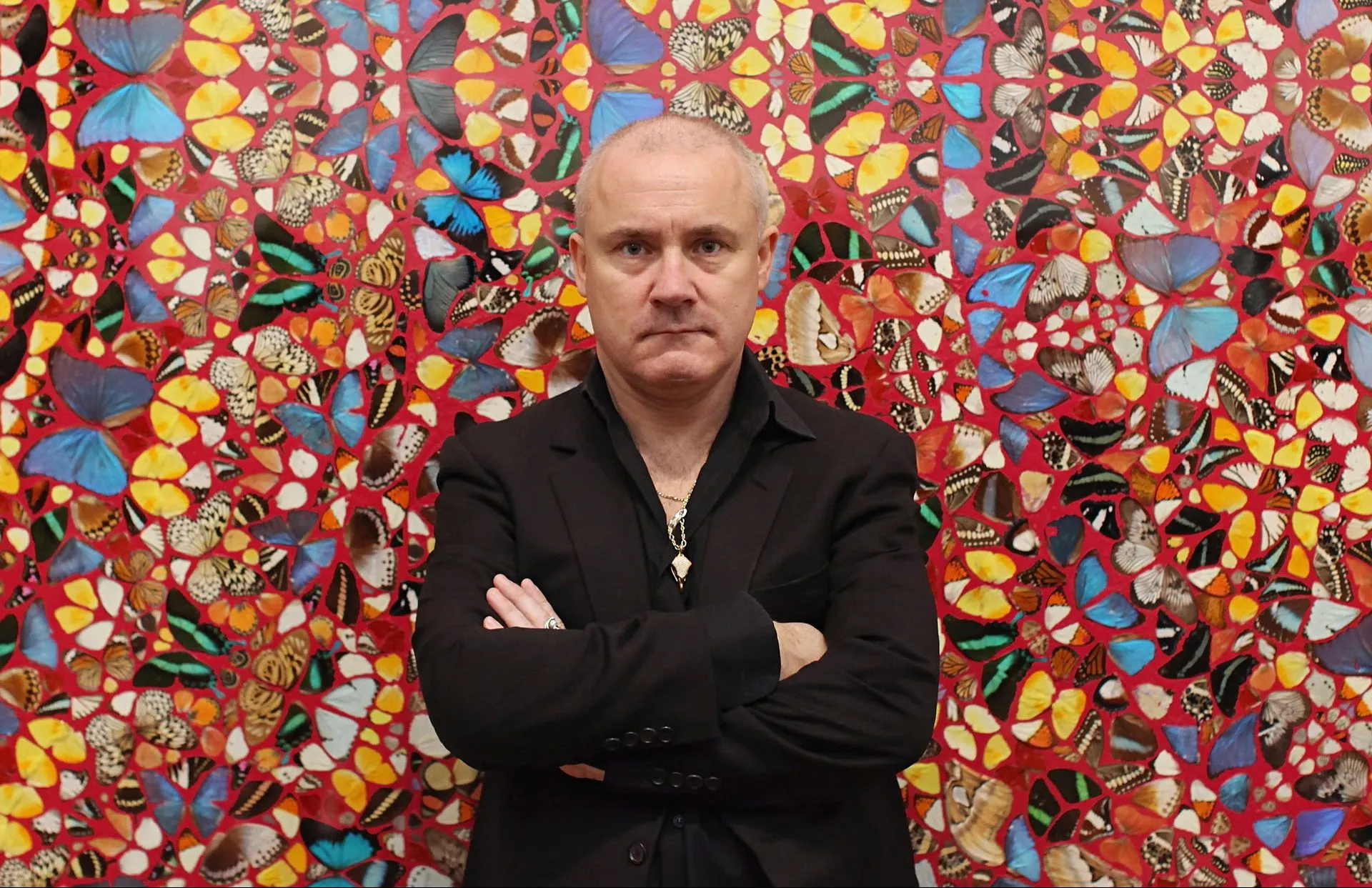
The Print That Refuses to Stand Still
When a Robert Motherwell screenprint sold at Christie's New York for well above its high estimate a few seasons ago, the room took notice in a particular way. It was not simply the price, though that was significant. It was the quality of attention in the room, the sense that serious collectors had come specifically for this work, not as a consolation prize when paintings go too high, but as the thing itself. Abstract prints have spent decades being treated as the younger sibling of painting and sculpture, and that conversation is finally, decisively over.
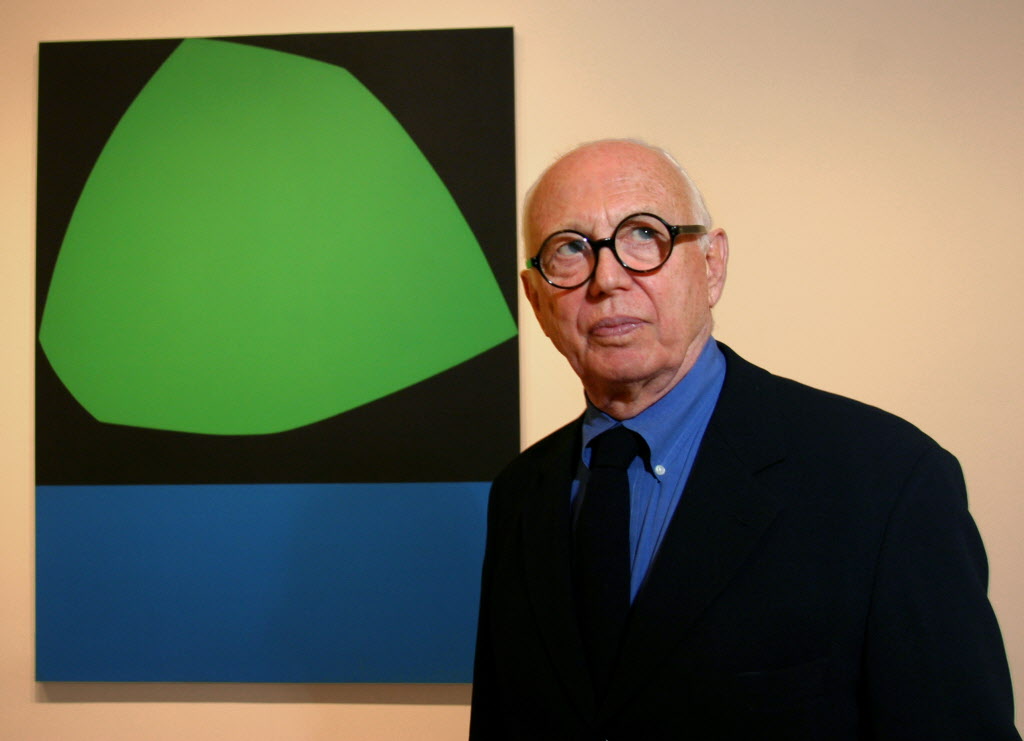
The market for abstract prints has been building quietly but with real conviction. Works by Ellsworth Kelly command serious prices at auction precisely because his prints are not reproductions of ideas developed elsewhere. They are the ideas, complete and fully realized in the medium. His color lithographs and screenprints, many produced in close collaboration with master printers at Gemini G.
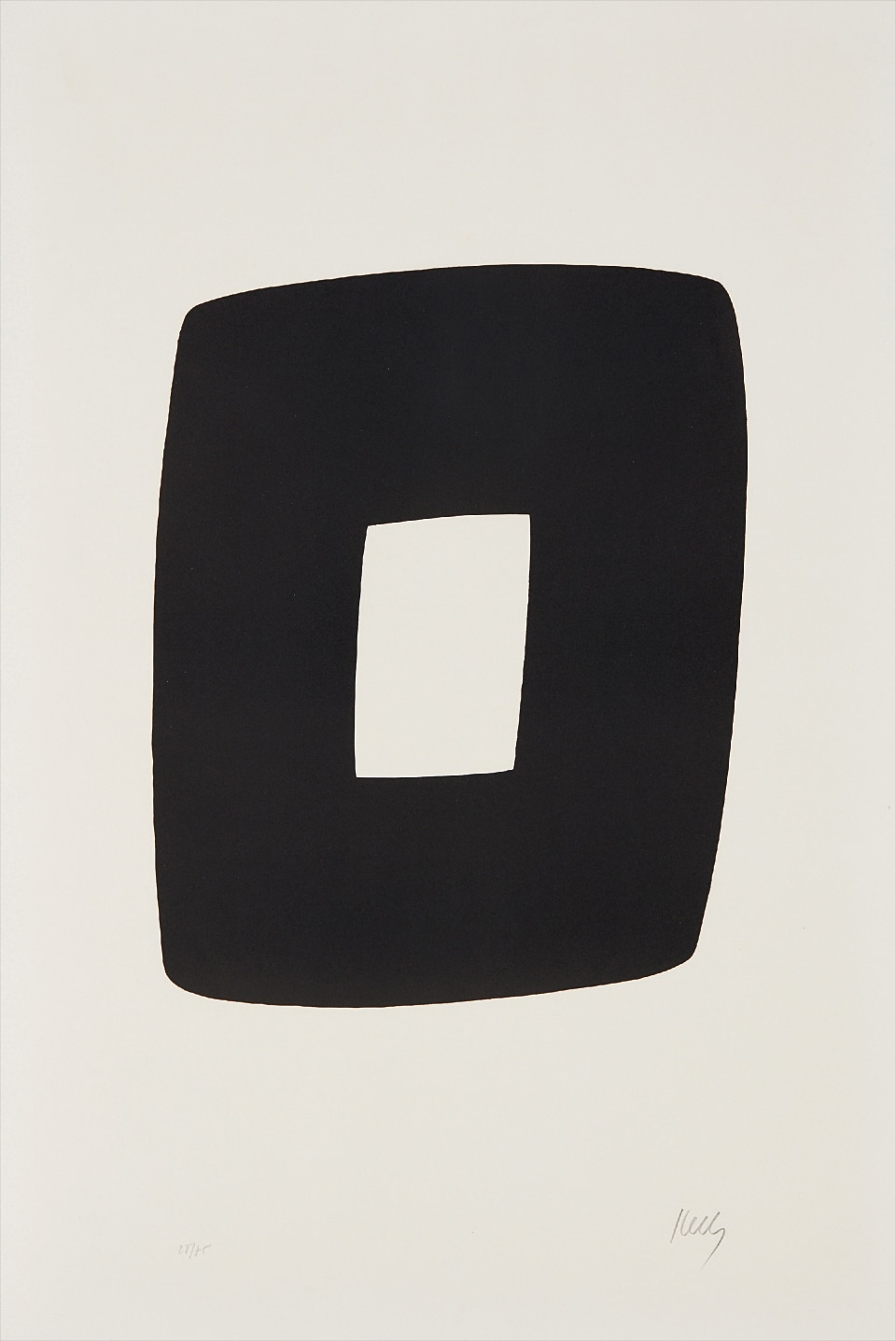
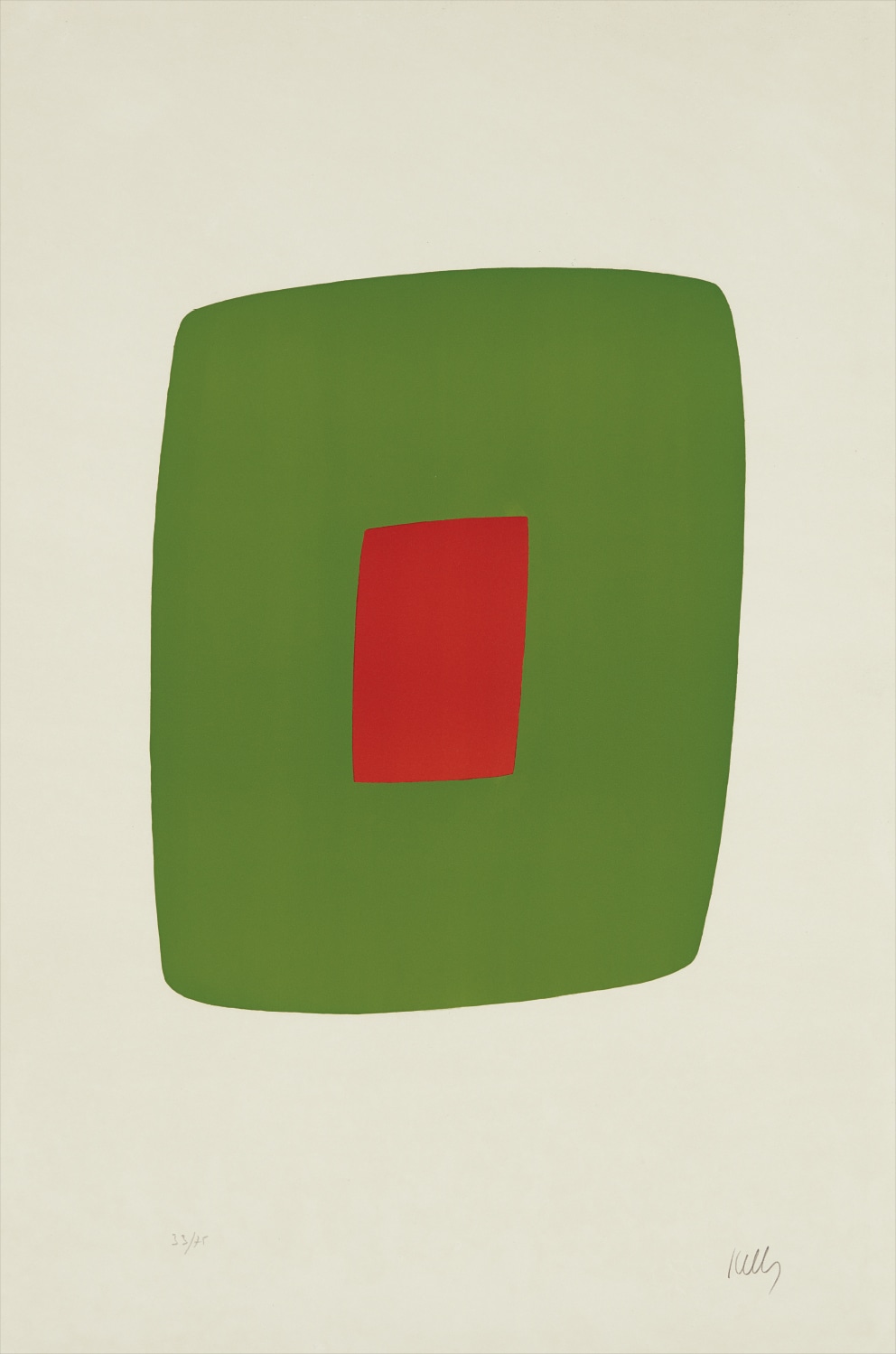
Ellsworth Kelly
Black with White
E.L. and other workshops in Los Angeles and New York, carry the same visual authority as his canvases. Collectors who have lived with them understand this.
Auction specialists have understood it for some time. The broader market is catching up. The major print workshops have always been the quiet infrastructure of this world. Gemini G.
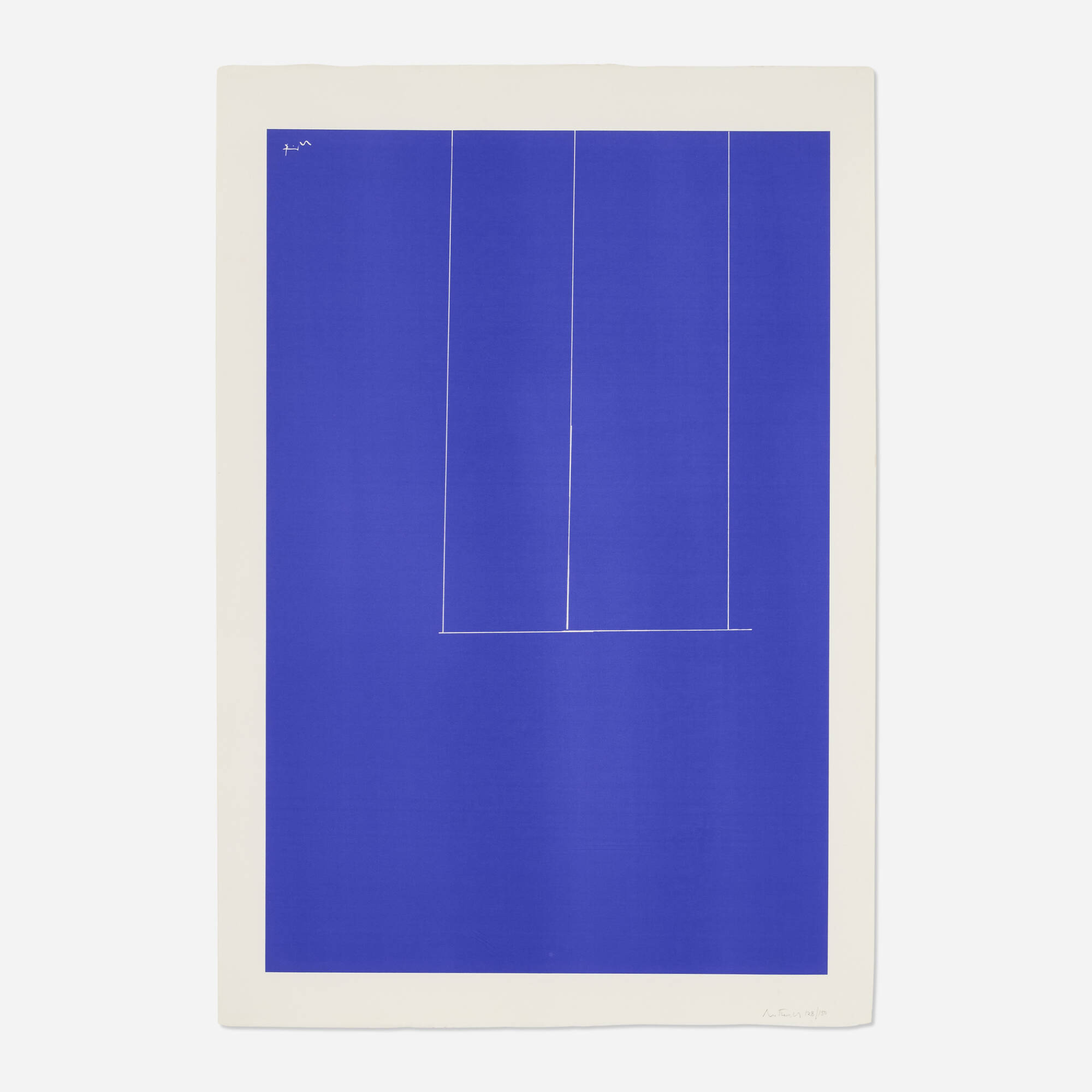
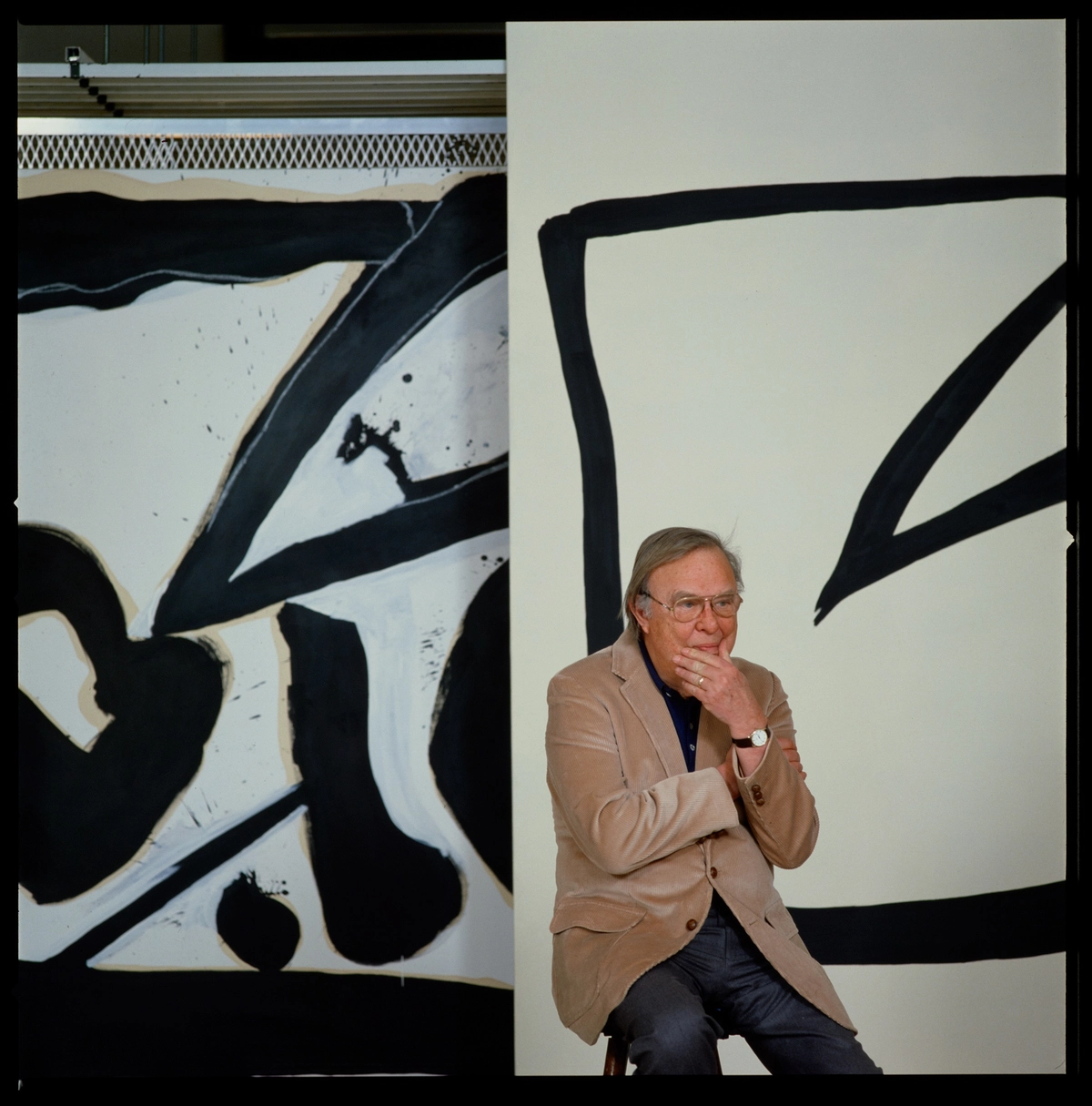
Robert Motherwell
London Series I: Untitled (Blue), 1971
E.L. in Los Angeles, founded in 1966, and Universal Limited Art Editions on Long Island, founded by Tatyana Grosman in 1957, created the conditions under which painters became printmakers in the most serious sense. Robert Motherwell worked extensively with both.
His Elegy series, which he explored across decades in paint, found a parallel life in print editions that allowed the same brooding architecture of black and white to move through the world in multiples. Owning a Motherwell print is not a compromise. It is entry into a sustained meditation. Museum shows in recent years have done important work repositioning the abstract print in critical terms.
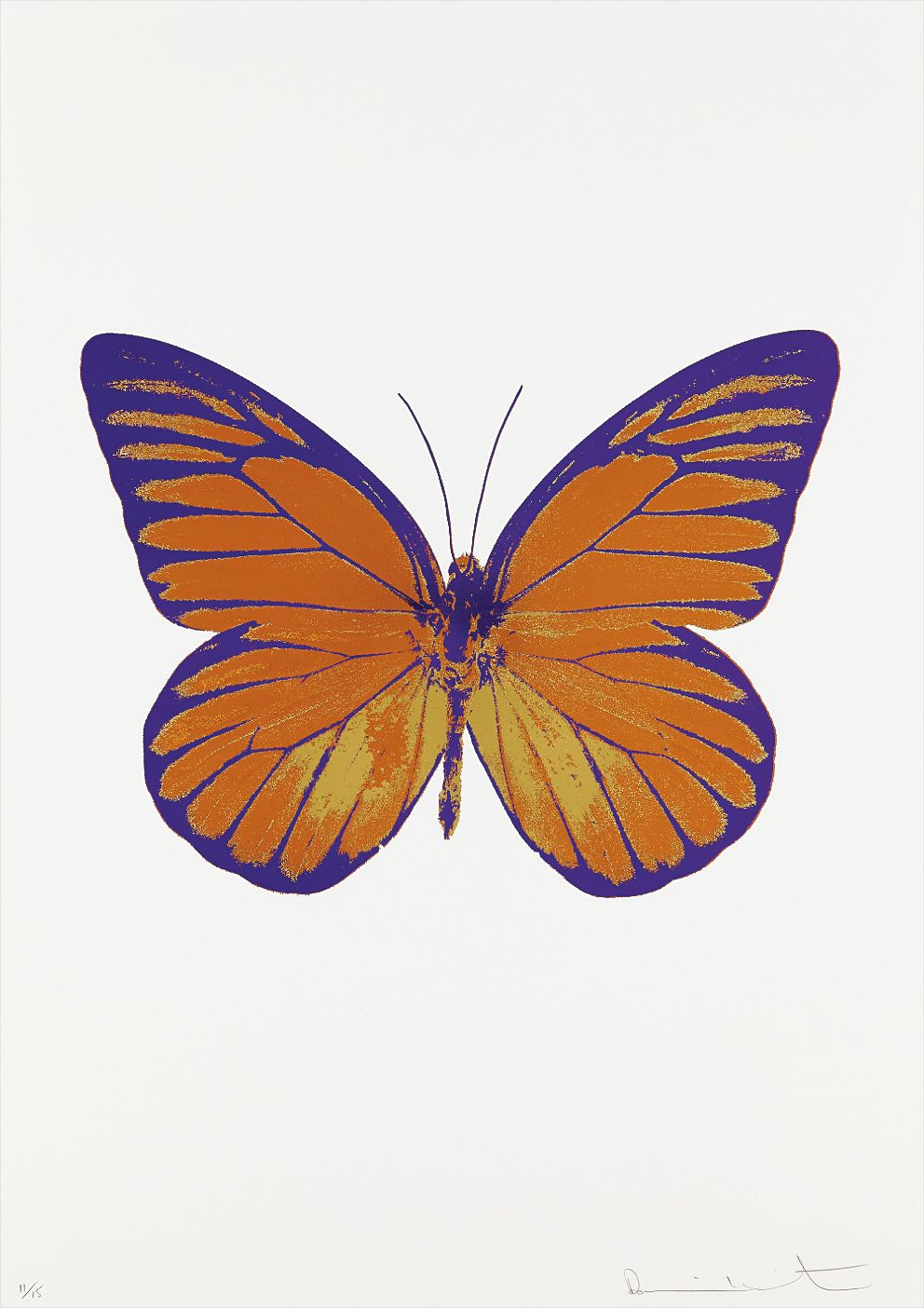
Damien Hirst
Prairie Copper/Oriental Gold/Imperial Purple, from The Souls I
The Museum of Modern Art has maintained a serious ongoing commitment to works on paper and prints within its broader collection presentations, and institutions like the Art Institute of Chicago and the Philadelphia Museum of Art have mounted dedicated exhibitions that trace the intersection of abstraction and printmaking with real scholarly rigor. The 2018 touring exhibition on Sol LeWitt's prints and drawings, which passed through several venues, reframed his work in ways that demonstrated how deeply the medium was embedded in his conceptual project rather than peripheral to it. LeWitt's instructions, his systems, and his grids find perhaps their clearest expression in print precisely because the medium demands a kind of structural commitment that painting can sometimes evade. Damien Hirst occupies an interesting and contested position in this conversation.
His spot prints and spin works have been produced in enormous editions and sold through his own infrastructure as much as through traditional gallery channels. The critical conversation around Hirst and print is frankly unresolved. Some serious collectors find his multiples too close to product. Others argue, with some force, that the sheer visual pleasure of his color relationships earns its place alongside more austere abstraction.
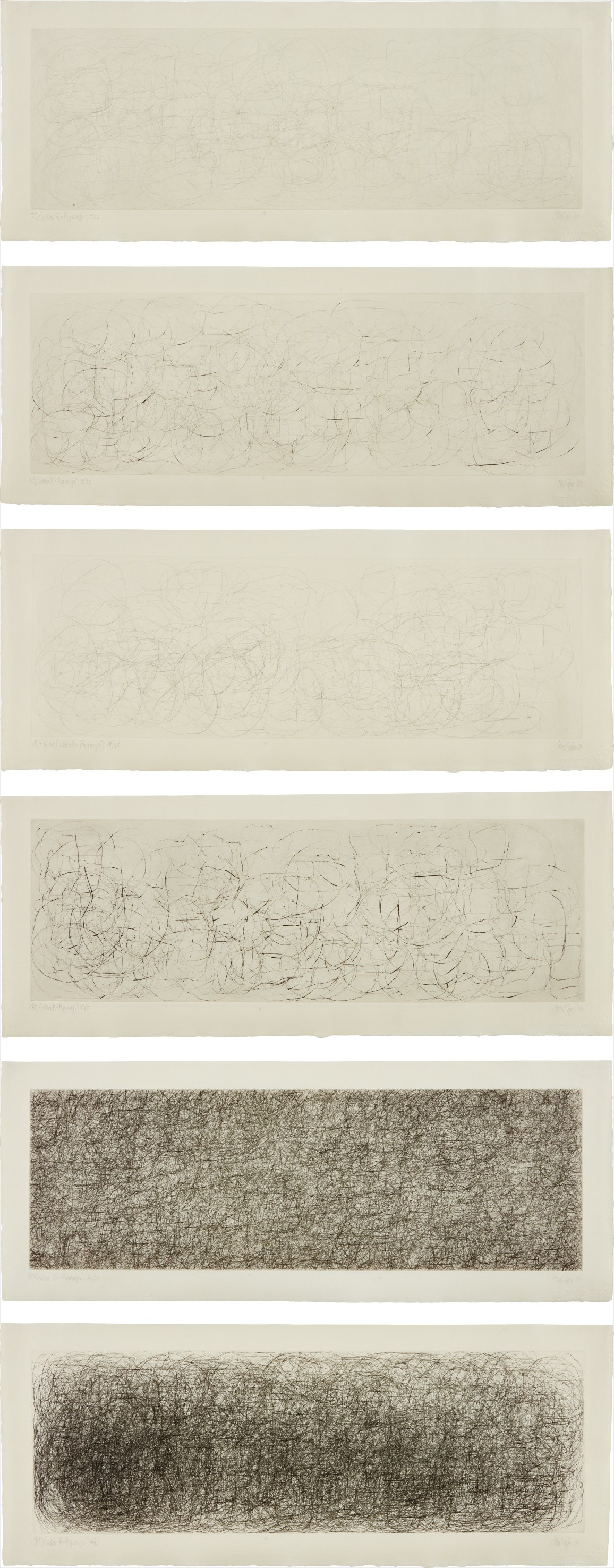
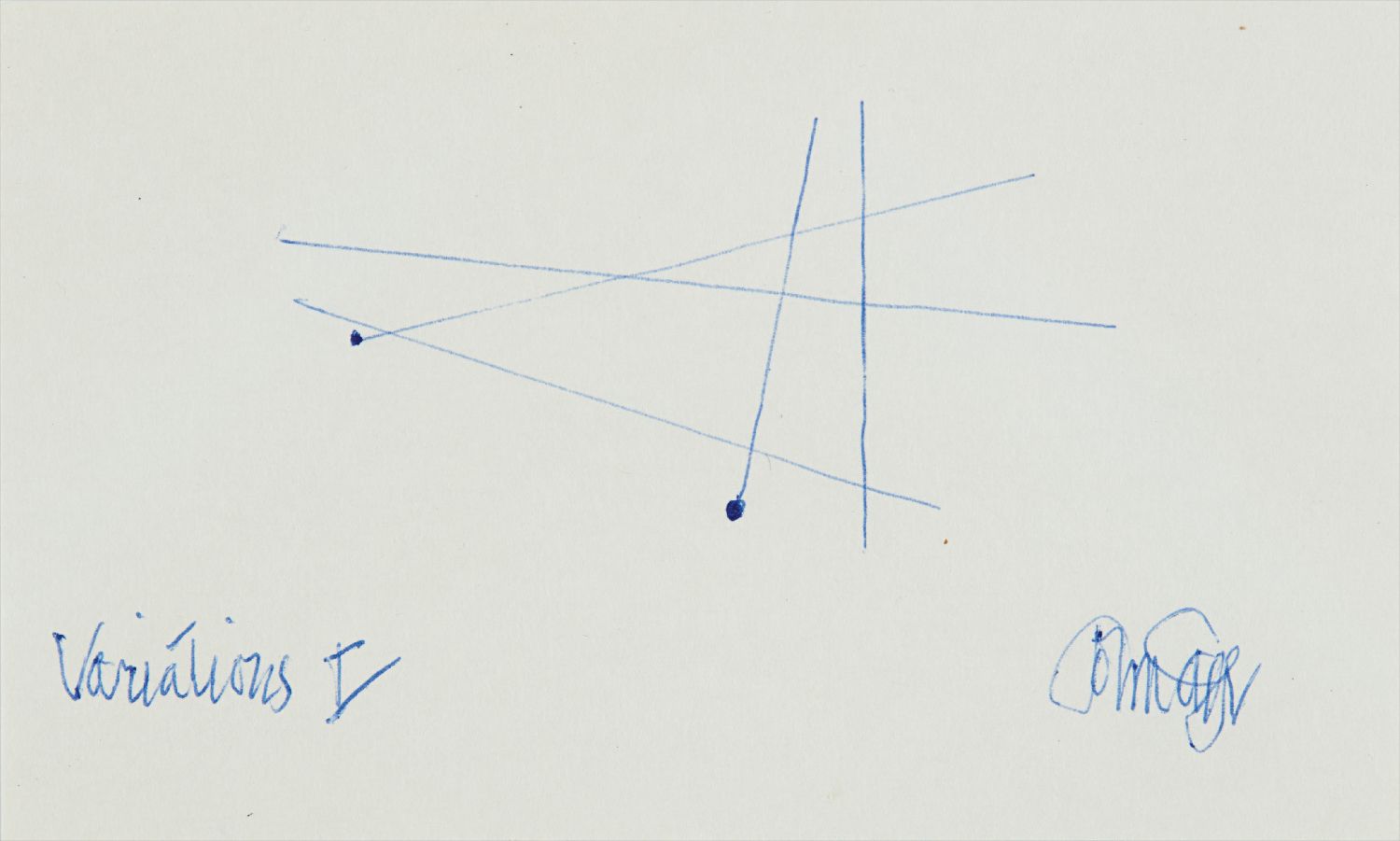
John Cage
2R + 13.14 (where R=Ryoanji); R2/2 (where R=Ryoanji); R3 (where R=Ryoanji); R2/3 (where R=Ryoanji); R2/1 (where R= Ryoanji); and (R3) (where R=Ryoanji)
What is undeniable is that his presence in the market demonstrates how the appetite for abstract prints extends well beyond the strictly art historical and into something more populist and decorative without that word being entirely a dismissal. The critical writing around abstract prints has grown sharper and more ambitious. Publications like Print Quarterly, which has been publishing serious scholarship on the medium since 1984, continue to provide the intellectual framework that allows collectors and curators to make distinctions that matter. Curators like Deborah Wye, who spent decades building and interpreting the print collection at MoMA, shaped how an entire generation of museum professionals understood what prints could do and what they demanded of their audience.
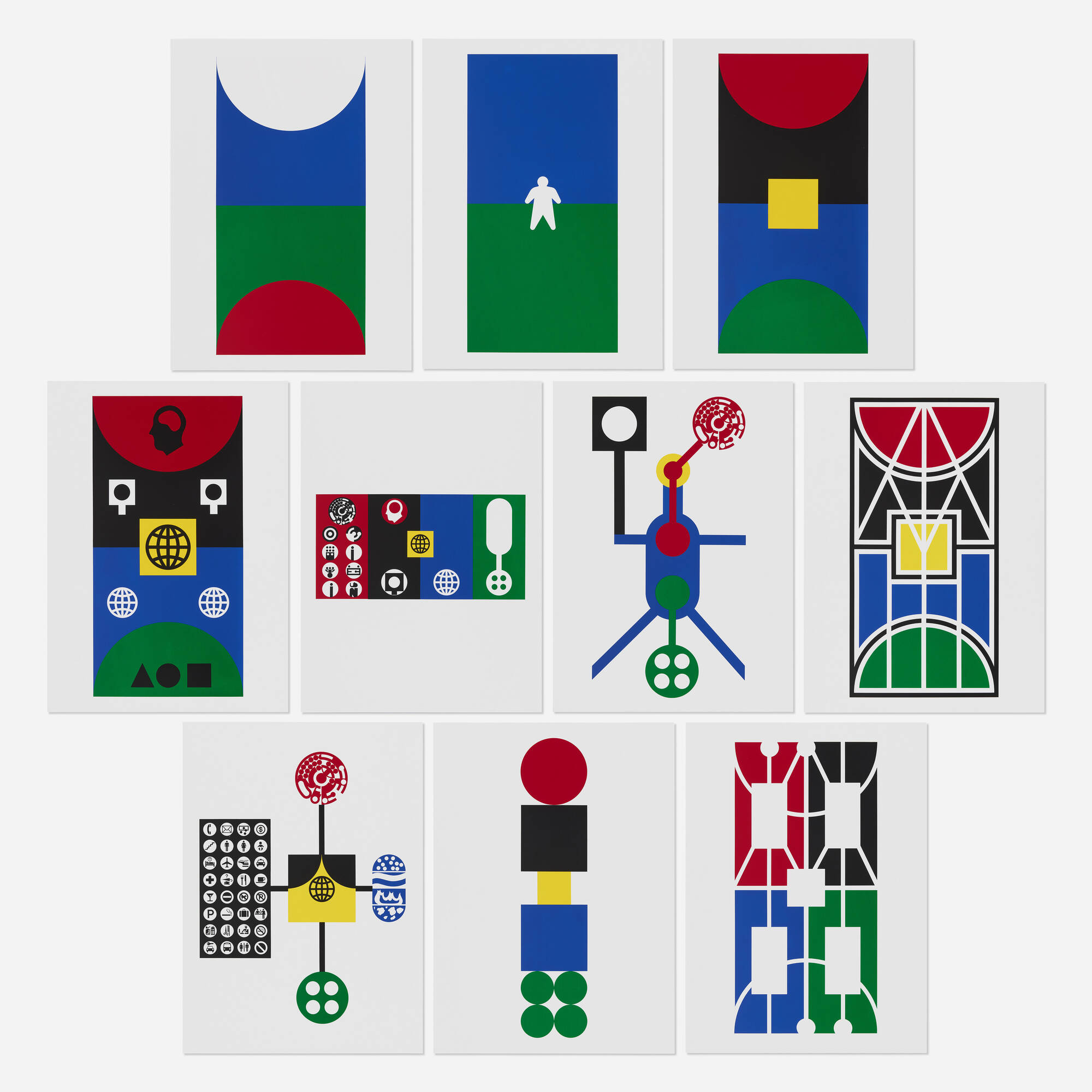
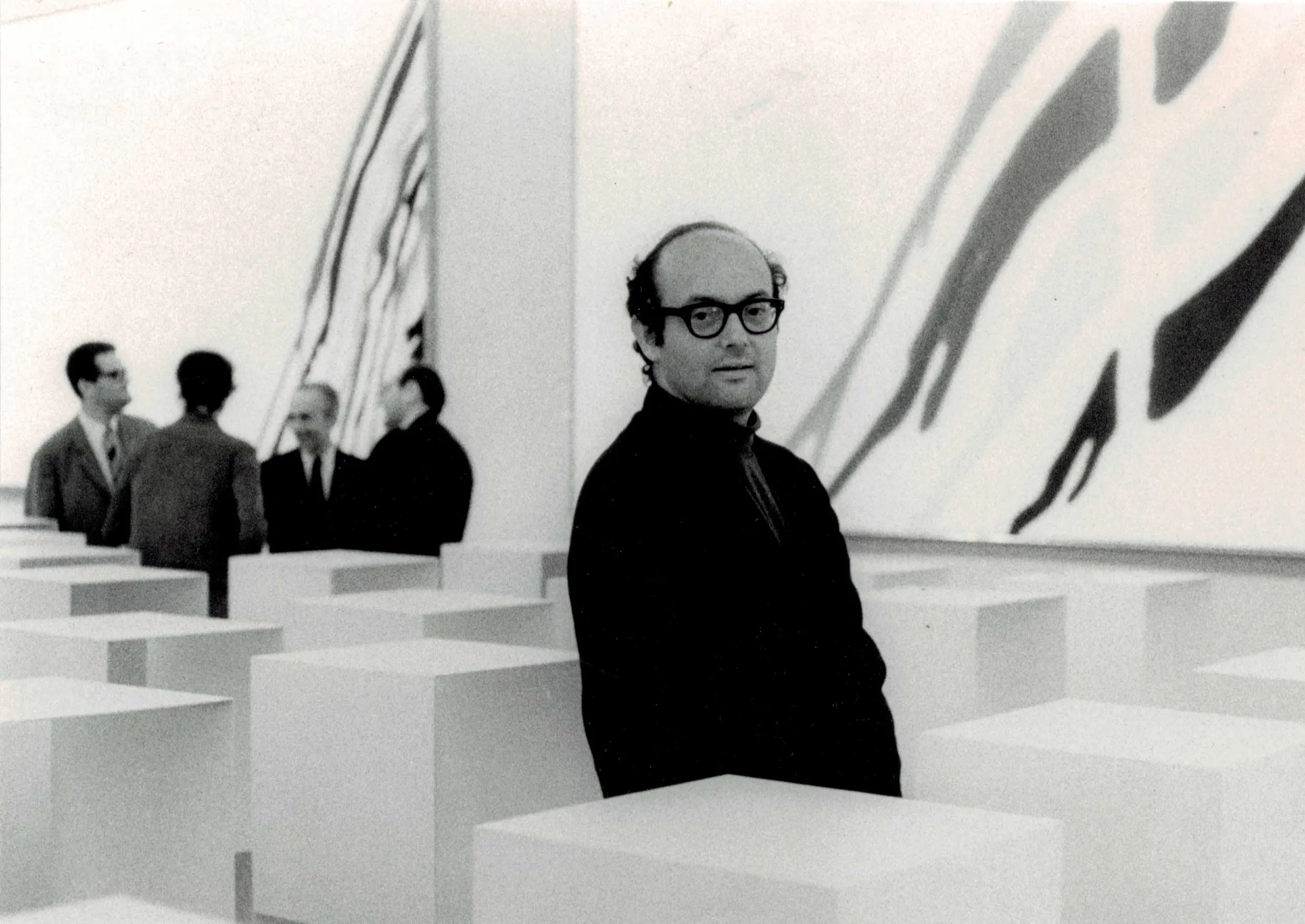
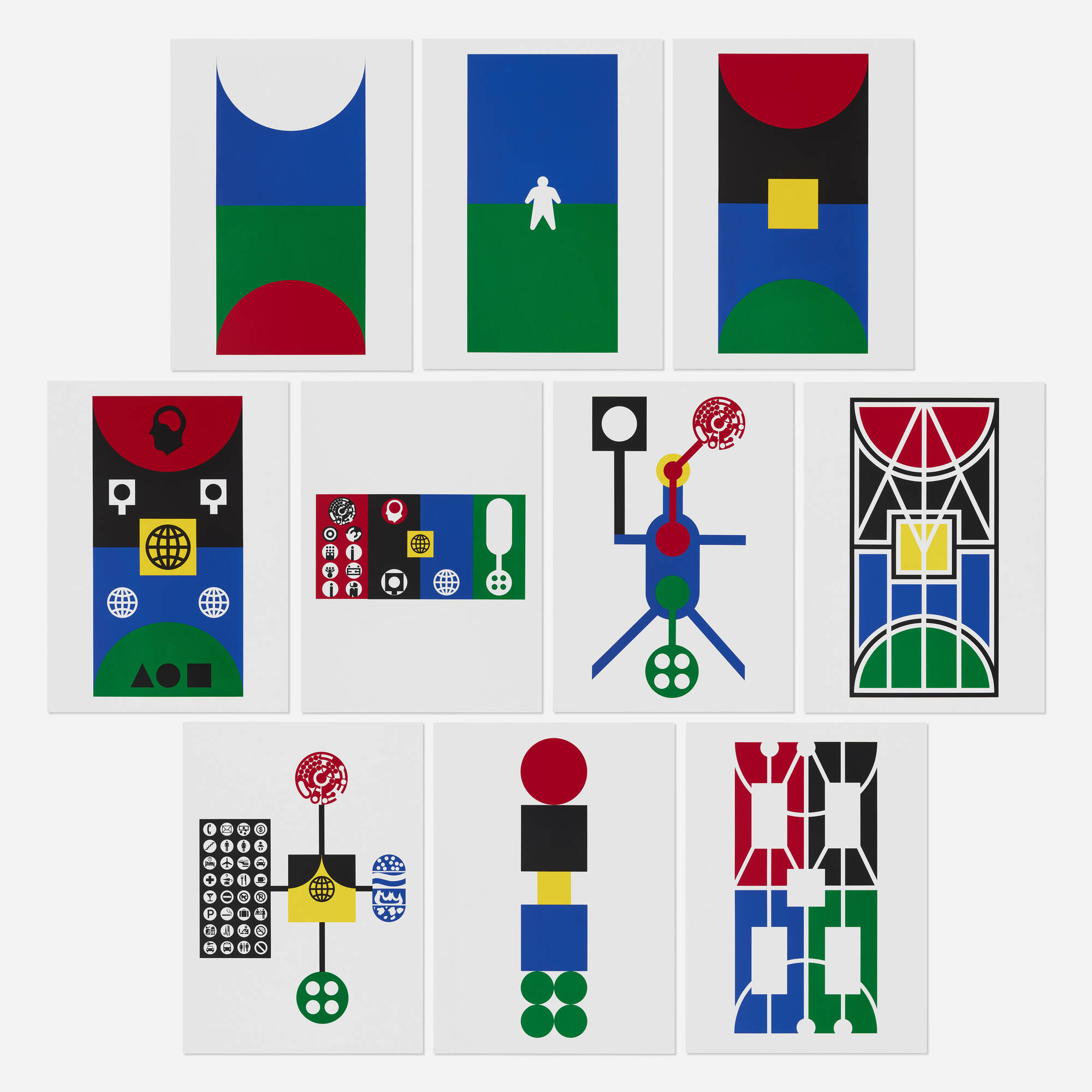
More recently, younger curators at institutions like the Hammer Museum and the Whitney have brought the abstract print into dialogue with questions of process, labor, and materiality that feel genuinely current rather than nostalgic. John Cage and Matt Mullican both represent a strain of abstract print practice that resists easy categorization, which is precisely where the most interesting collecting happens. Cage's visual work, rooted in chance operations and his engagement with Eastern philosophy, produced prints that feel like notations from another system of knowledge. Mullican's cosmological imagery, his obsessive mapping of symbolic systems, operates at a register somewhere between diagram and vision.
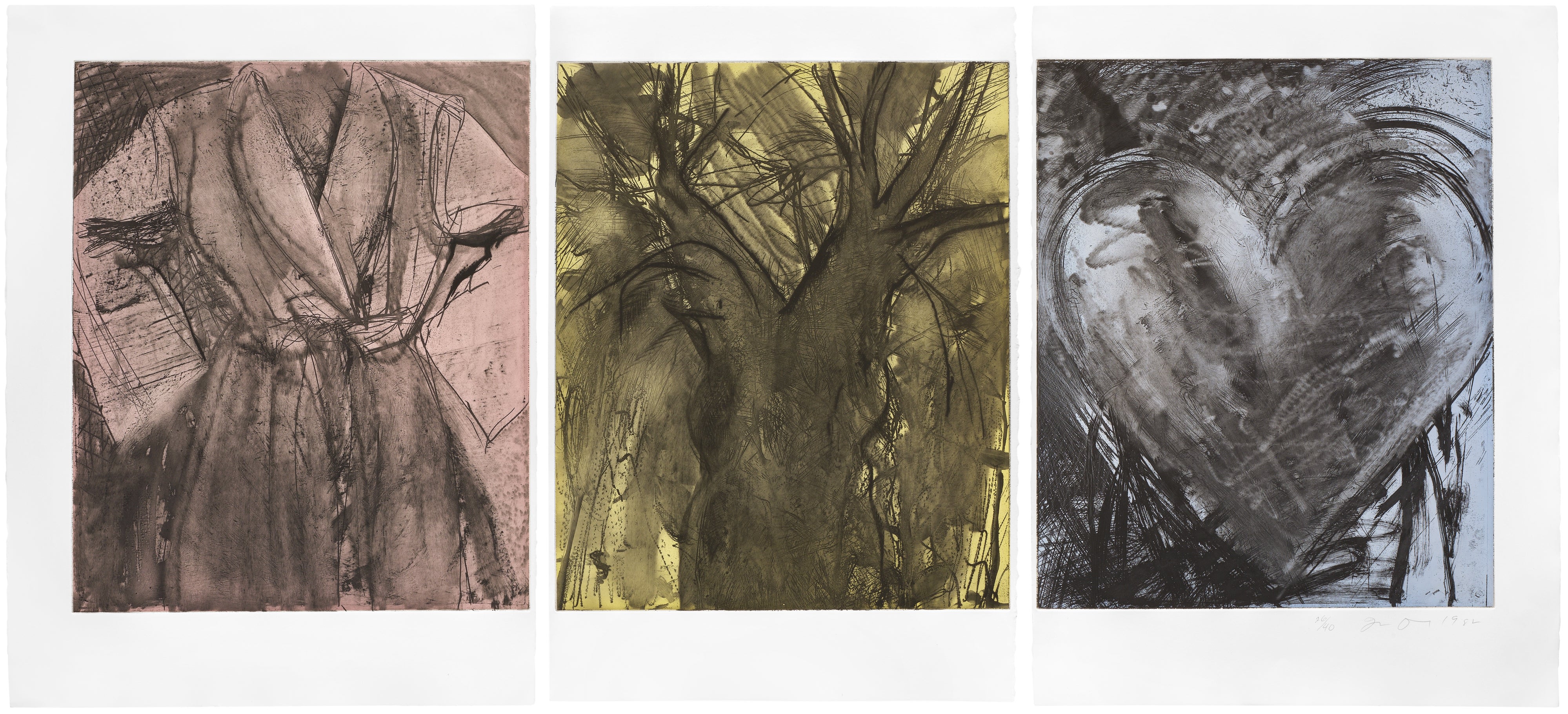
Collectors drawn to these artists are often collectors who want the print to do philosophical work as well as visual work, and that ambition is increasingly recognized rather than treated with suspicion. Robert Mangold and Jim Dine represent two quite different poles of the abstract print world. Mangold's quiet geometries, his curved planes and divided fields, have found consistent homes in serious institutional collections including the Dia Art Foundation and the San Francisco Museum of Modern Art, which signals something important about how durably his work operates. Dine moves between abstraction and something more personal and symbolic, his heart motifs accumulating meaning over decades of repetition.
Both artists demonstrate that the abstract print can sustain a long practice, that editions produced over a career form a body of work with its own internal coherence and development. Where is the energy heading? There is a growing appetite among younger collectors for exactly the kind of work that spent years seeming unfashionable: rigorous, formally committed abstraction made with real attention to the specific qualities of the medium. The works available through The Collection reflect this appetite honestly.
The artists represented here, from Kelly and Motherwell to LeWitt and Mangold, are not names that cycle in and out of fashion. They anchor a way of understanding what abstract art can do when it commits fully to the conditions of its making. That commitment is what makes a print last, on the wall and in the mind of whoever lives with it.