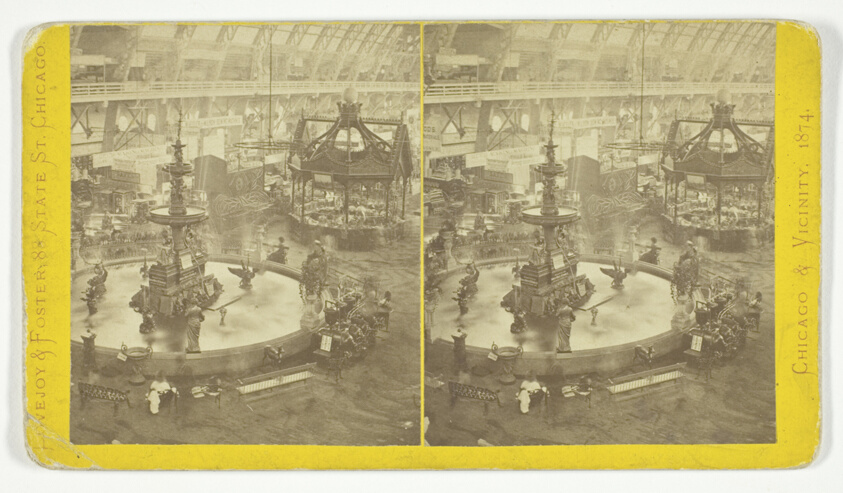
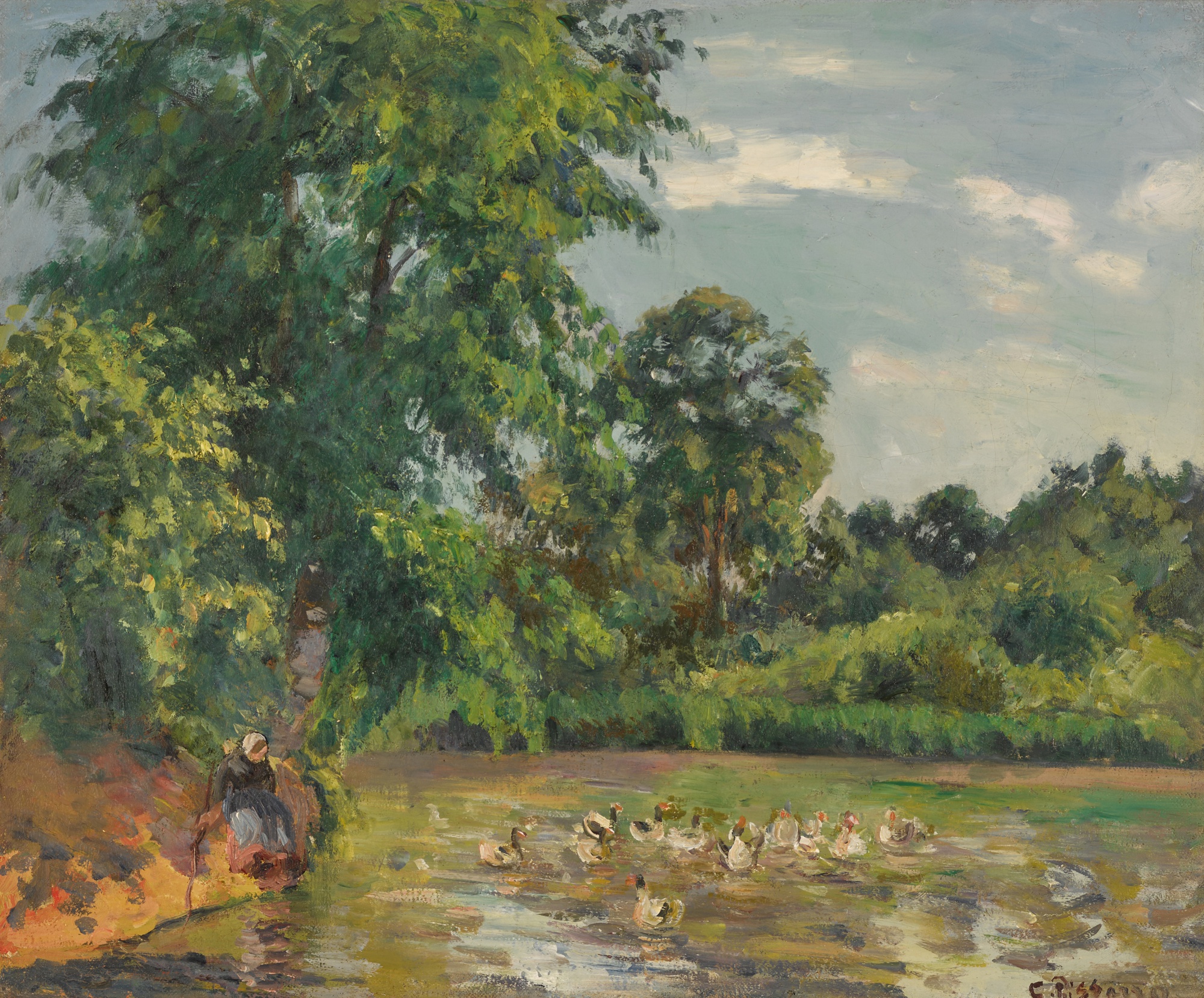
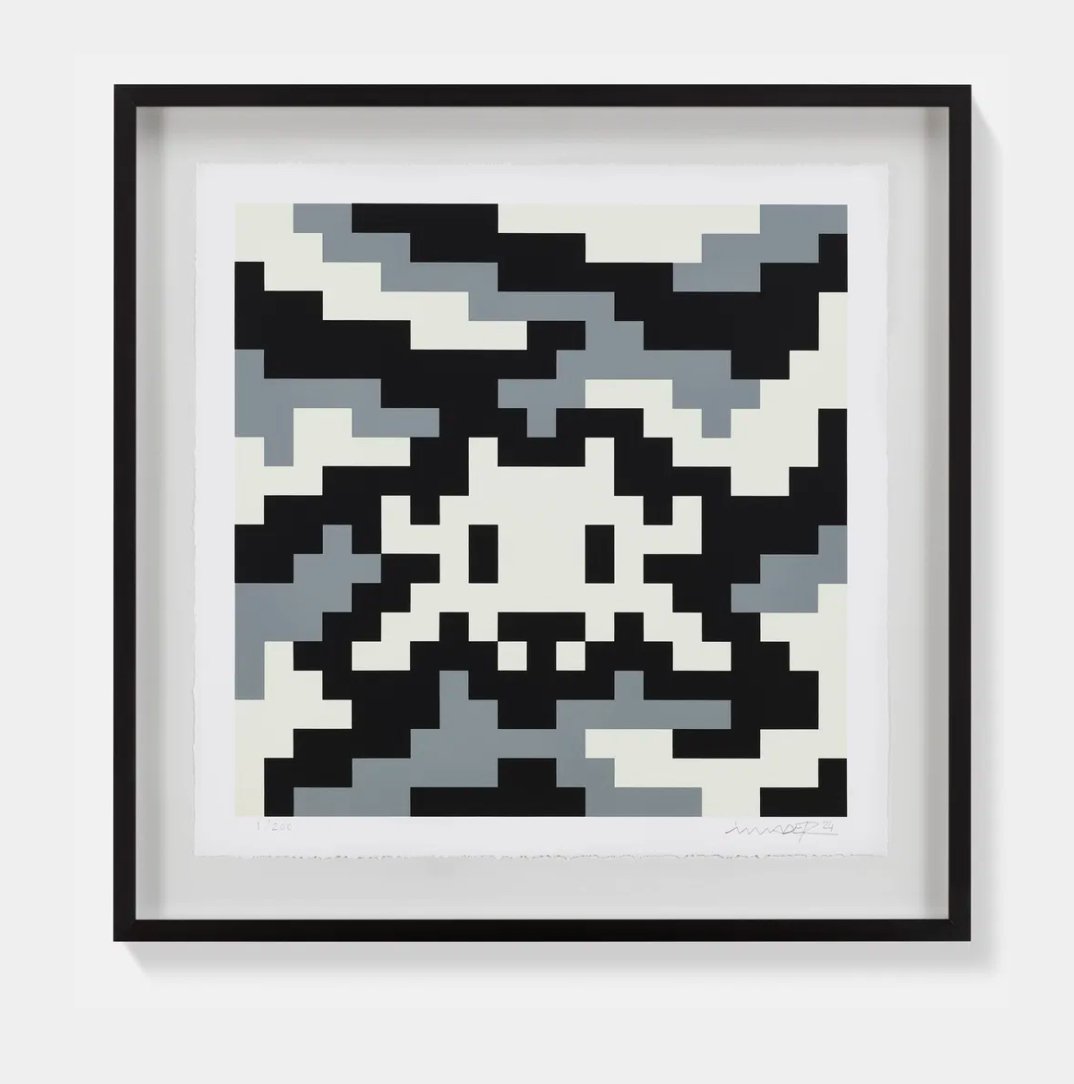
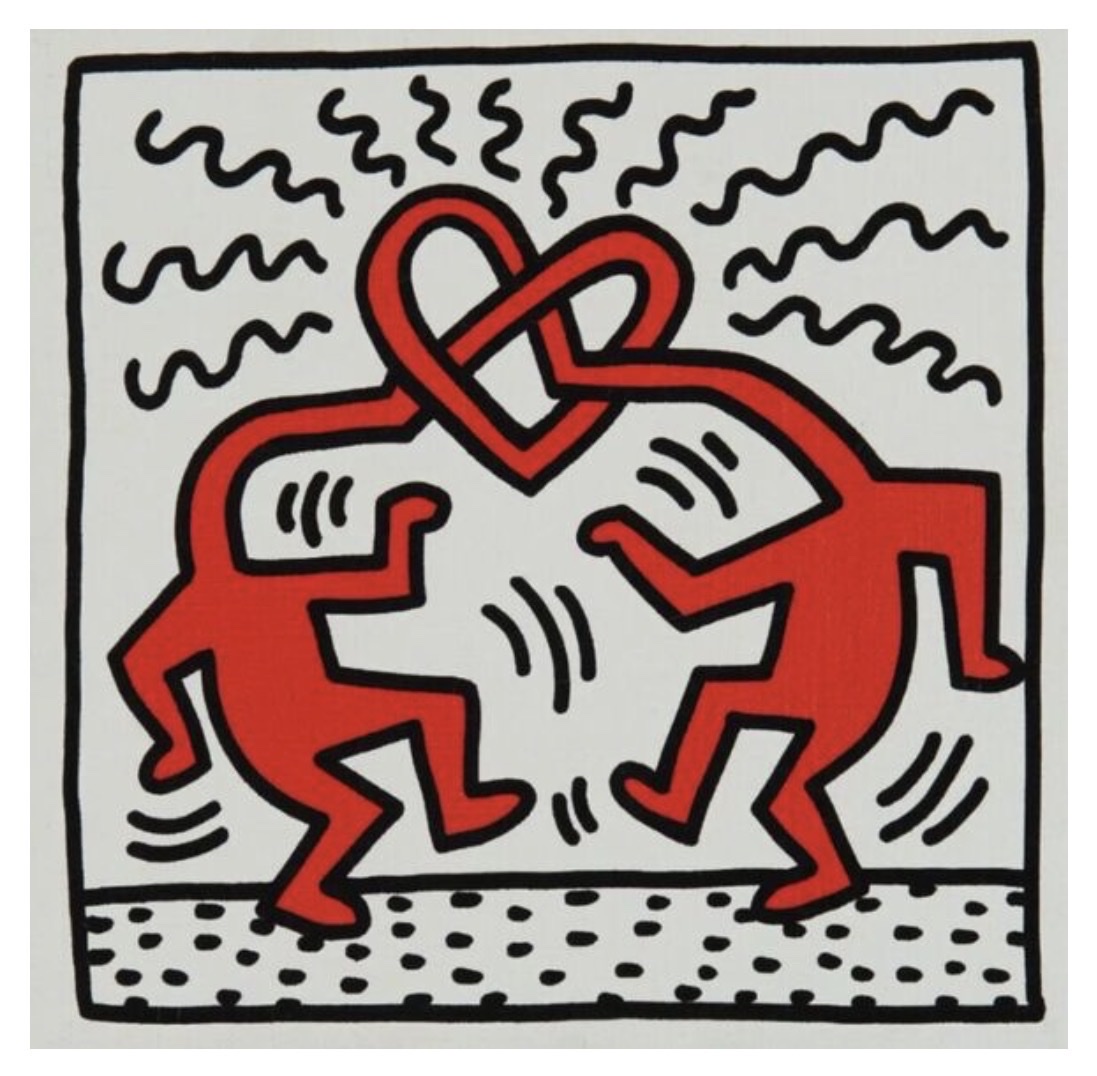
1870s
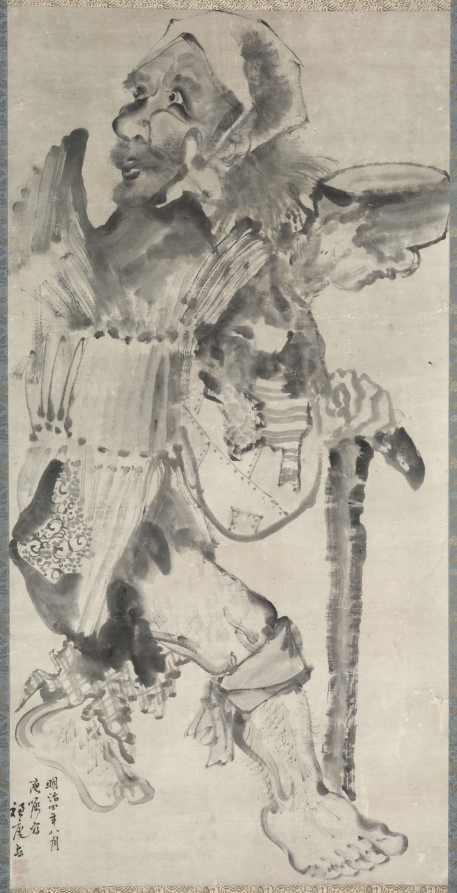
Hirafuku Suian
Beggar (Kojiki), 1871
```json
{ "headline": "The Decade That Saw Everything First", "body": "There is something unusually intimate about living with work from the 1870s. This was a decade that felt the ground shifting beneath it, when photography was still young enough to carry genuine wonder, when painters were arguing loudly about light and surface and what it meant to look honestly at the world. Collectors who are drawn to this period tend to describe a similar sensation: that the works feel simultaneously distant and immediate, like correspondence from someone who was paying very close attention. That tension, between a world that no longer exists and a visual intelligence that feels entirely contemporary, is what keeps serious collectors coming back.
", "The 1870s was a decade of rupture and reinvention across every visual medium. In France, the first Impressionist exhibition opened in 1874, and the arguments that followed were not merely aesthetic but deeply political, touching questions of patronage, institutional authority, and what counted as finished. Meanwhile, in America and across the colonial world, photographers were doing something equally radical: treating the camera as a tool for both document and elegy. To collect work from this decade is to collect from a moment when artists across disciplines were reconsidering the most fundamental questions about representation.
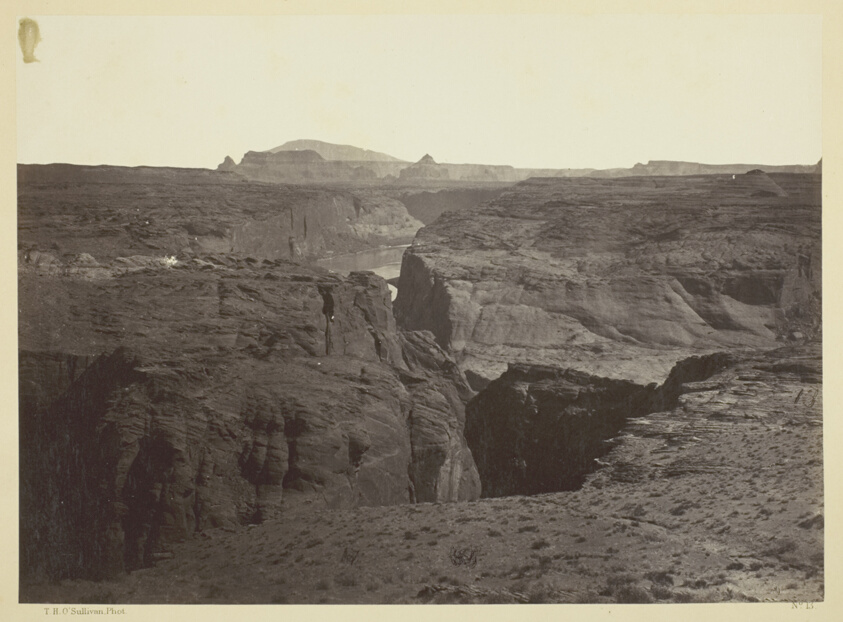
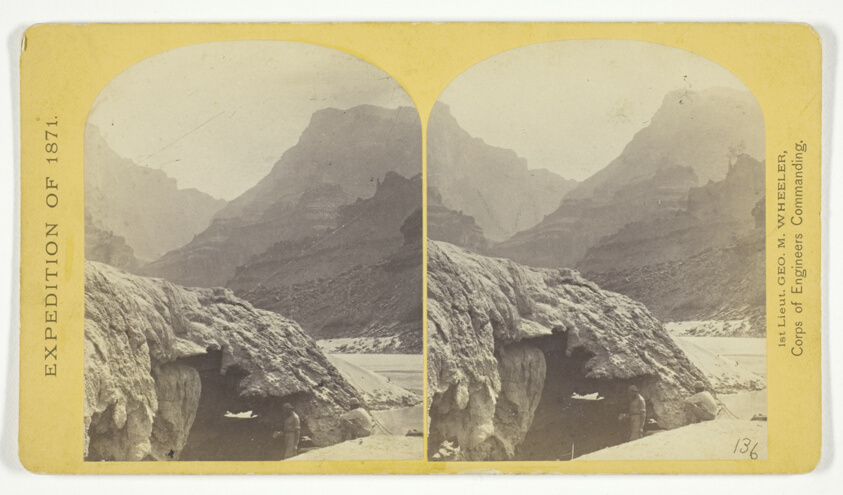
Timothy O'Sullivan
Cañon of the Colorado River, near Mouth of San Juan River, Arizona, 1873
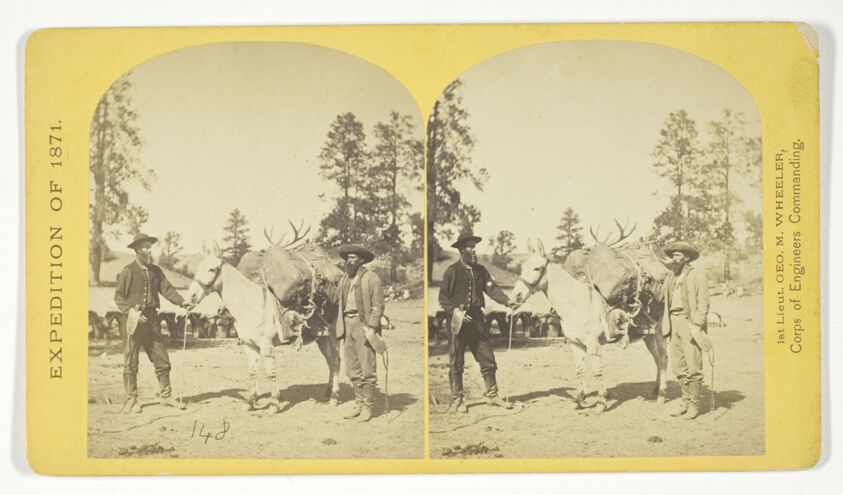
That self consciousness gives the best works an edge that later, more settled periods sometimes lack.", "When it comes to distinguishing a good work from a great one in this category, context and intention are everything. In photography, what separates the merely competent from the genuinely compelling is usually a sense of formal awareness, of a photographer who understood that the camera was making an argument, not just a record. Timothy O'Sullivan, who documented the American West with the Wheeler Survey expeditions in the early 1870s, produced images that remain among the most psychologically charged landscapes in the history of the medium.
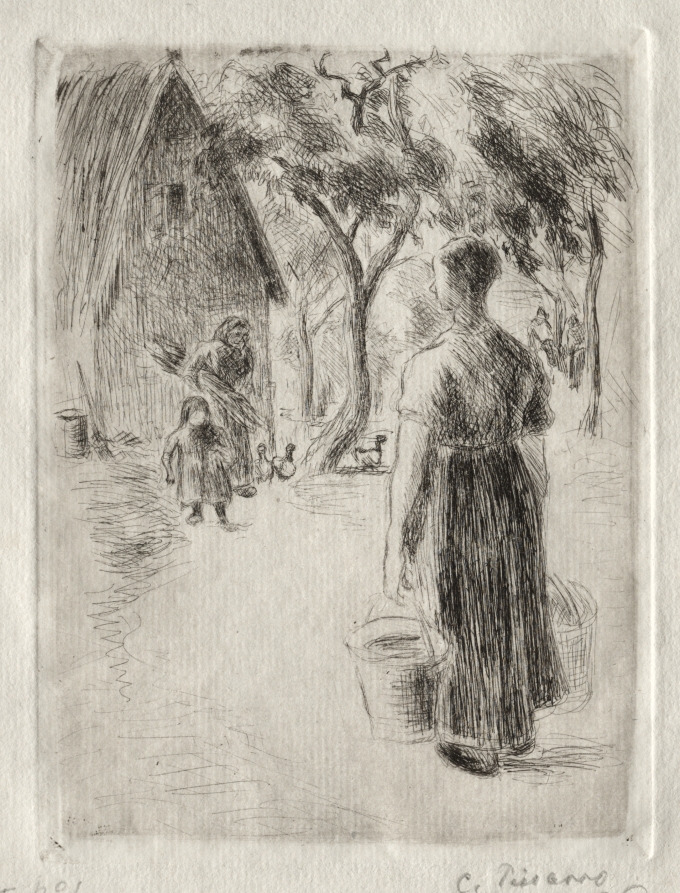
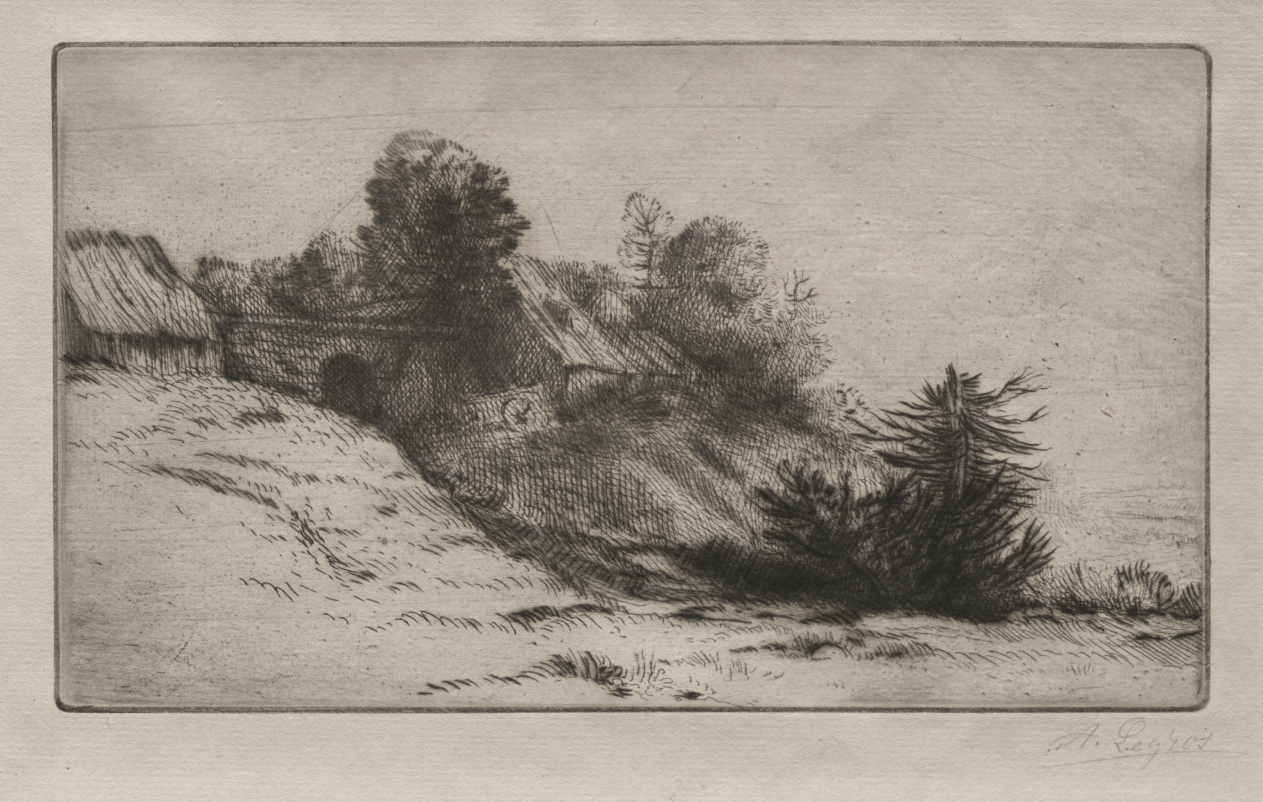
His albumen prints reward close looking: the tonal range, the compositional intelligence, the way emptiness functions as a kind of pressure. A well preserved example in strong condition will always hold its place in a serious collection. The same applies to prints and works on paper from the decade. A Camille Pissarro etching or a work by Maxime Lalanne demands attention to line quality, plate wear, and impression order.
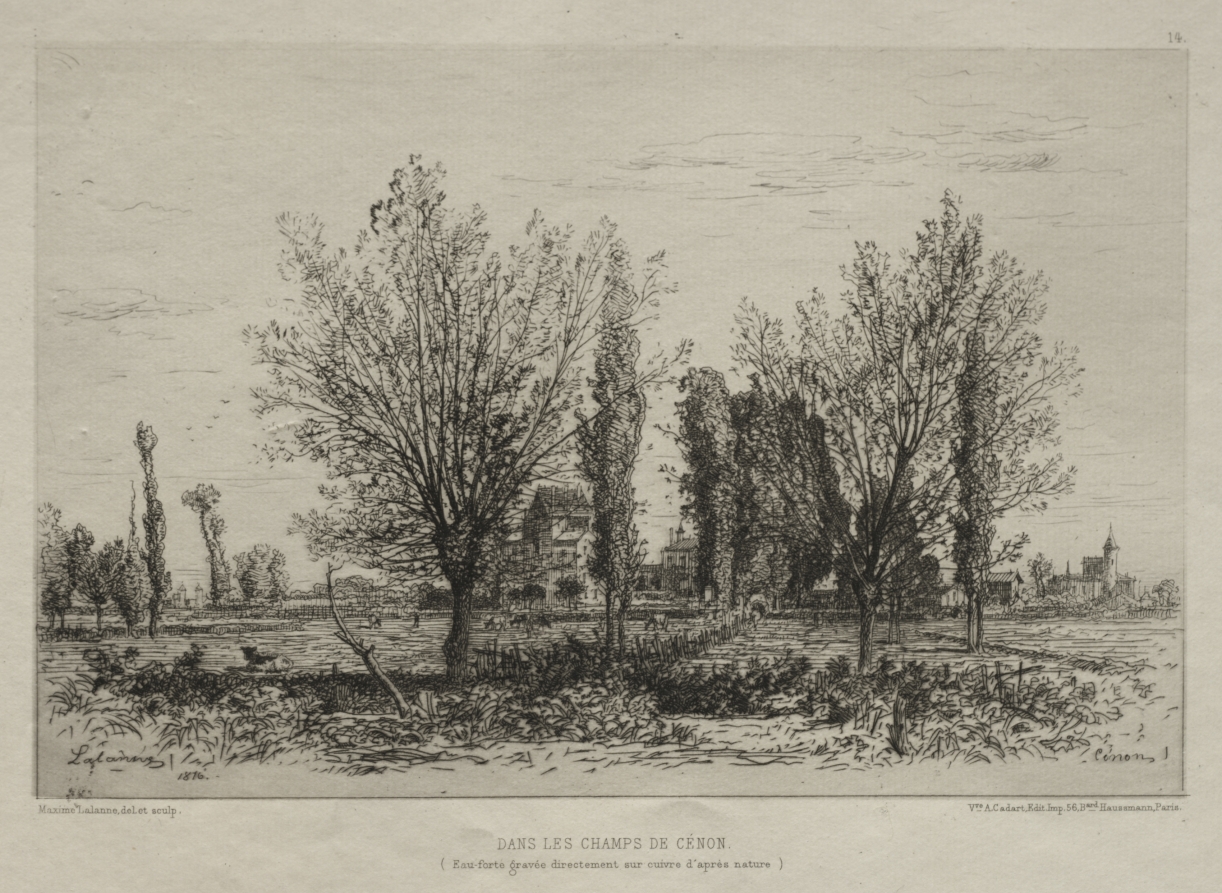
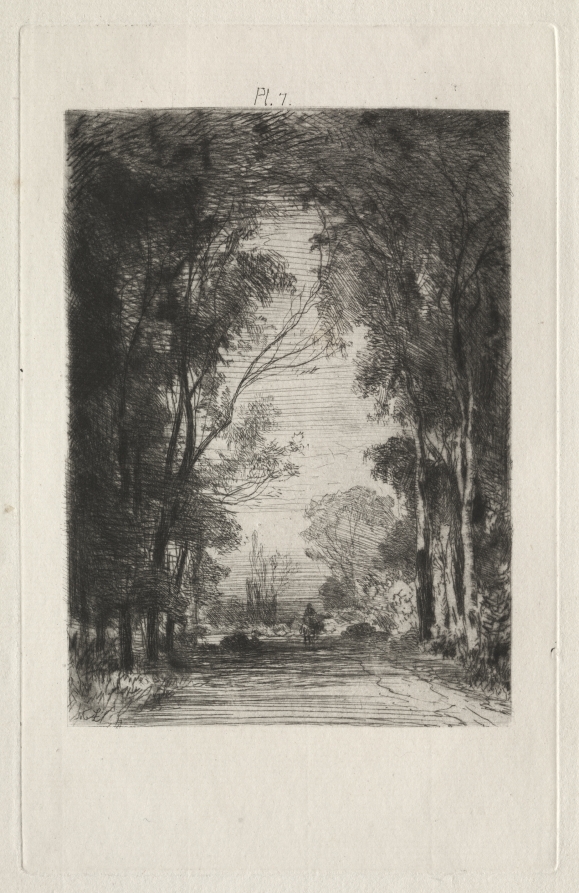
Maxime Lalanne
Dans les Champs de Cénon, 1876
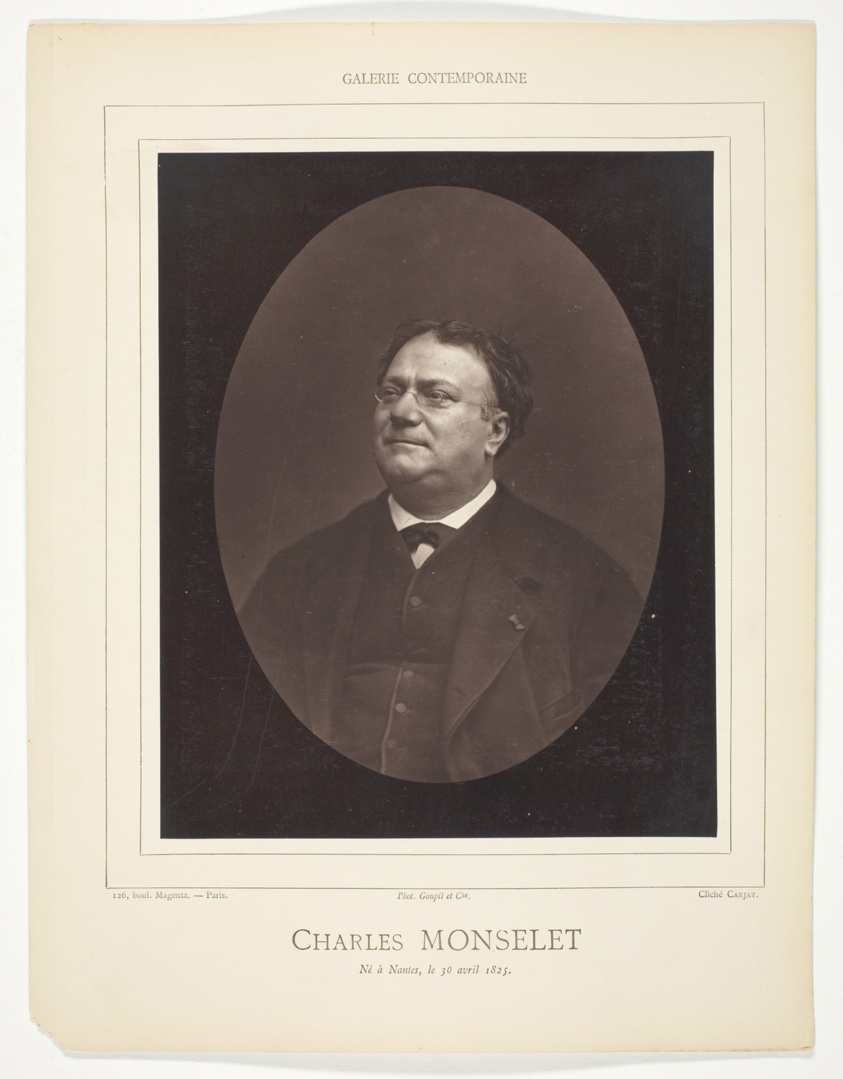
Early impressions from strong plates are the ones worth pursuing.", "The photographers working in documentary and portrait traditions during this decade represent some of the strongest value available to collectors right now. Julia Margaret Cameron, who was working intensively through the early part of the decade before her death in 1879, commands significant institutional attention and her market has been resilient across auction cycles. Etienne Carjat's portrait photographs, including his famous images of writers and artists taken through the 1860s and into the 1870s, are still undervalued relative to their art historical importance.
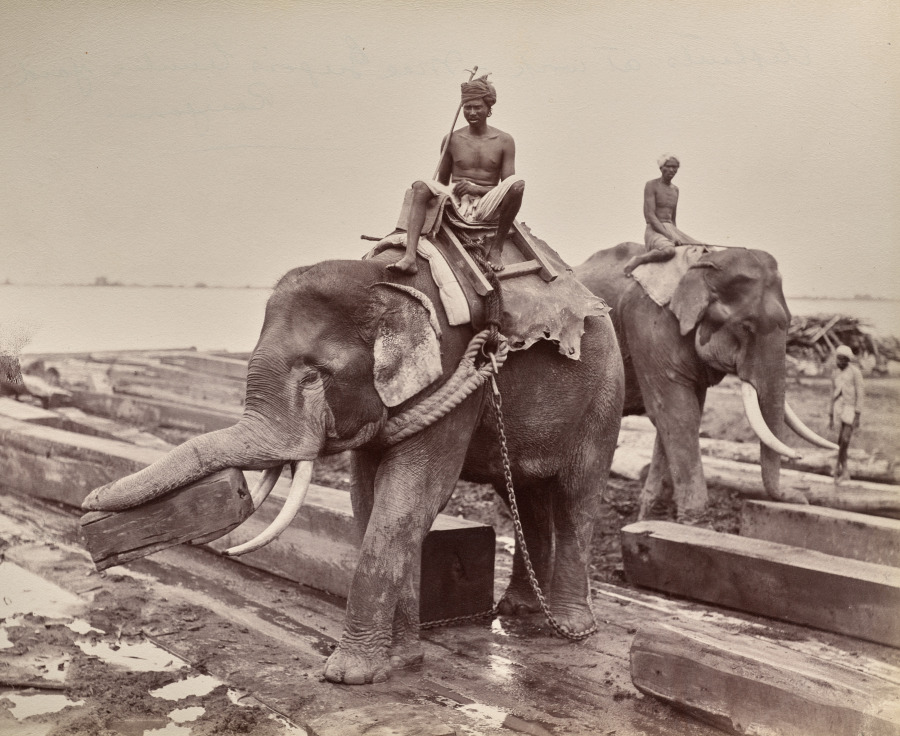
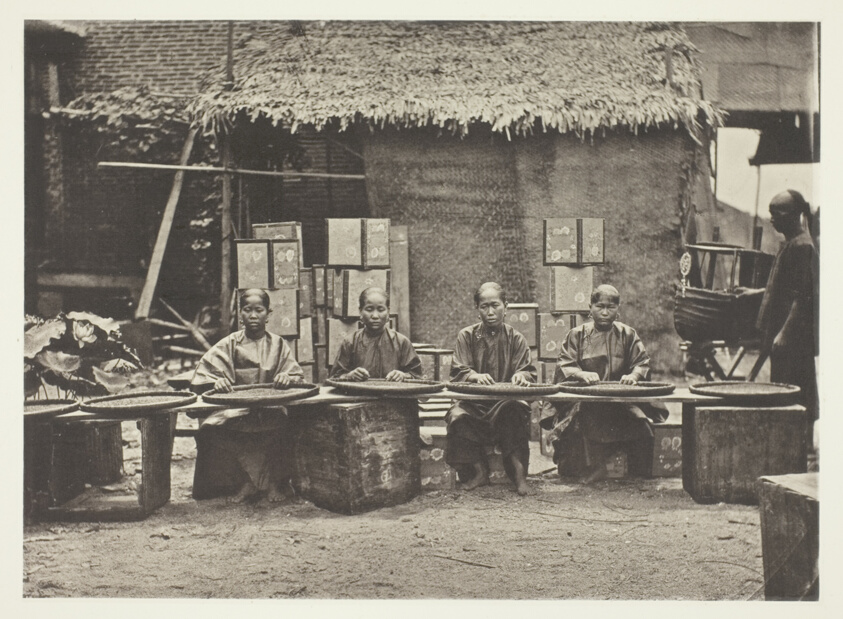
John Thomson, who produced his landmark series on street life in London in the early 1870s, sits at a compelling intersection of documentary ambition and genuine photographic artistry. His work is well represented on The Collection and remains an intelligent entry point for collectors who want depth without paying purely for name recognition.", "The more interesting opportunity at the moment lies with makers who operated in the colonial and commercial photographic studios of the period. Studios like Bourne and Shepherd, working in India, and photographers like Henri Béchard documenting Egypt, produced images that are now being reconsidered through the lens of both art history and postcolonial scholarship.
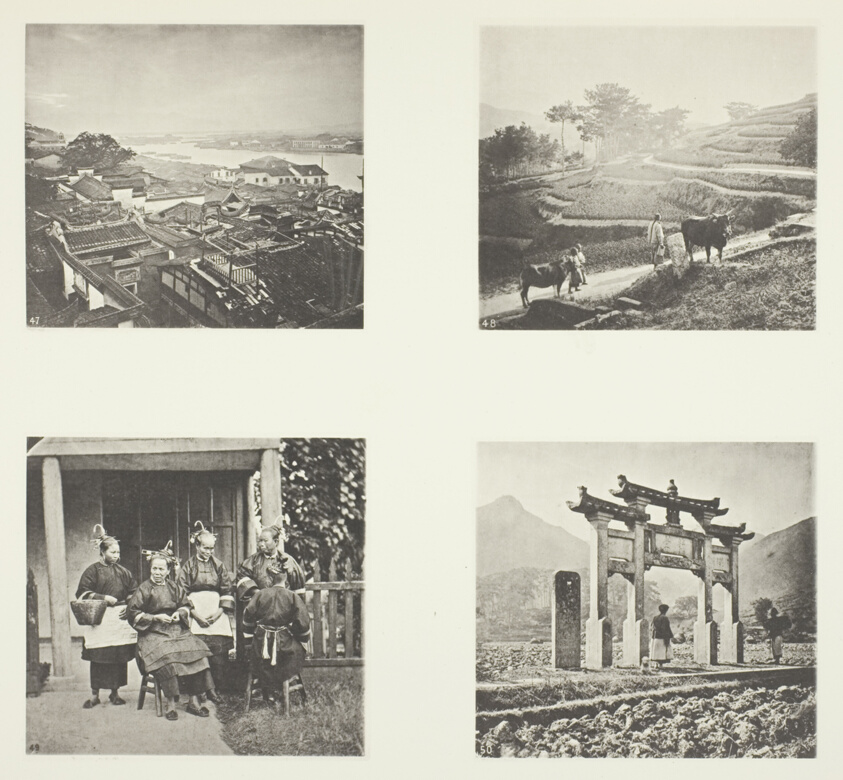
John Thomson
Part of Foochow Foreign Settlement; Terracing Hills; Foochow Field Women; A Memorial Arch, 1868
That critical reexamination tends to drive institutional interest, and institutional interest has a reliable way of moving markets. Works attributed to Jean Geiser, who operated a studio in Algiers, or to Ferdinand Mulnier in Paris, occupy a productive middle ground: historically significant, not yet fully priced by the market, and genuinely absorbing to live with. Collectors who do the research now will be well positioned as museum and gallery programming catches up.", "At auction, works from the 1870s in photography have shown steady appreciation over the past decade, with premium examples by recognized names achieving strong results at Christie's, Sotheby's, and specialized houses like Swann.
The broader category of 19th century photography has benefited from renewed institutional enthusiasm, with major retrospectives and acquisitions at the Metropolitan, the Getty, and the V and A driving collector awareness. Works on paper from the decade, particularly etchings and prints in the orbit of the etching revival that James McNeill Whistler helped catalyze during this period, have also performed consistently. Whistler's work from the 1870s, when he was refining his nocturne series and producing some of his finest prints, remains a benchmark for quality in the category.", "Practically speaking, condition is the central issue with works from this period and collectors should approach it with rigor.
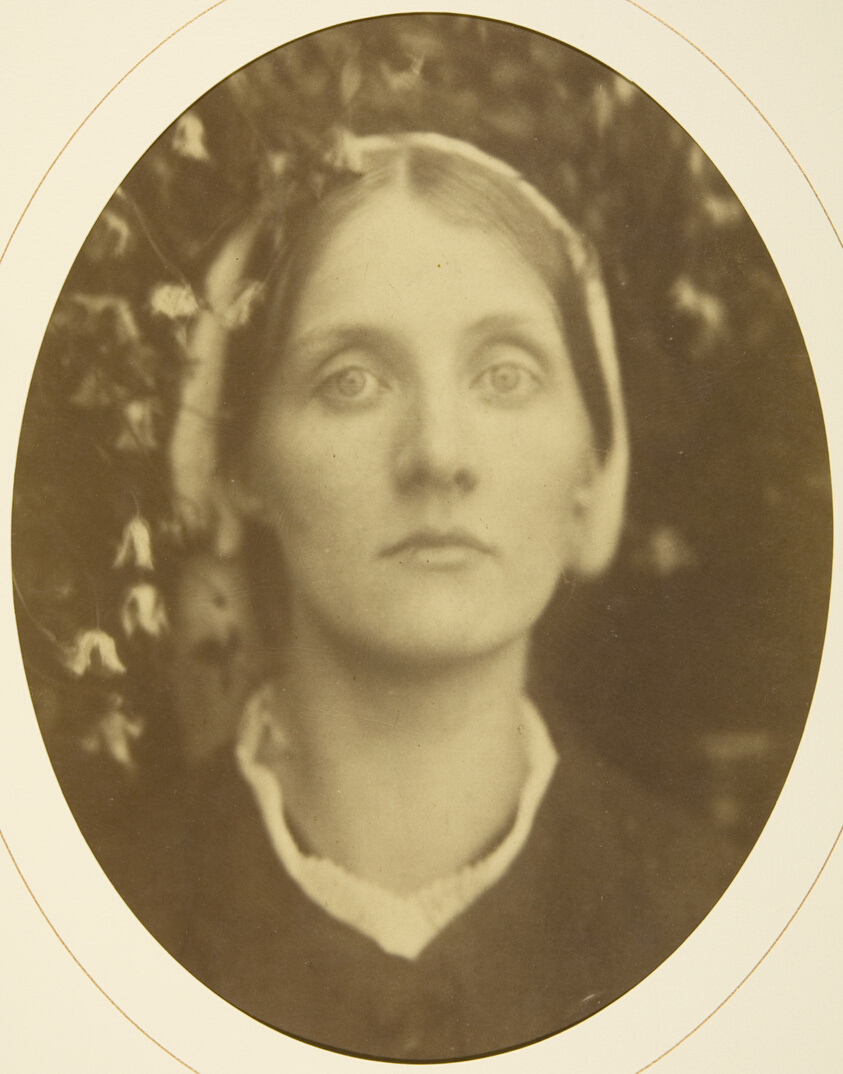
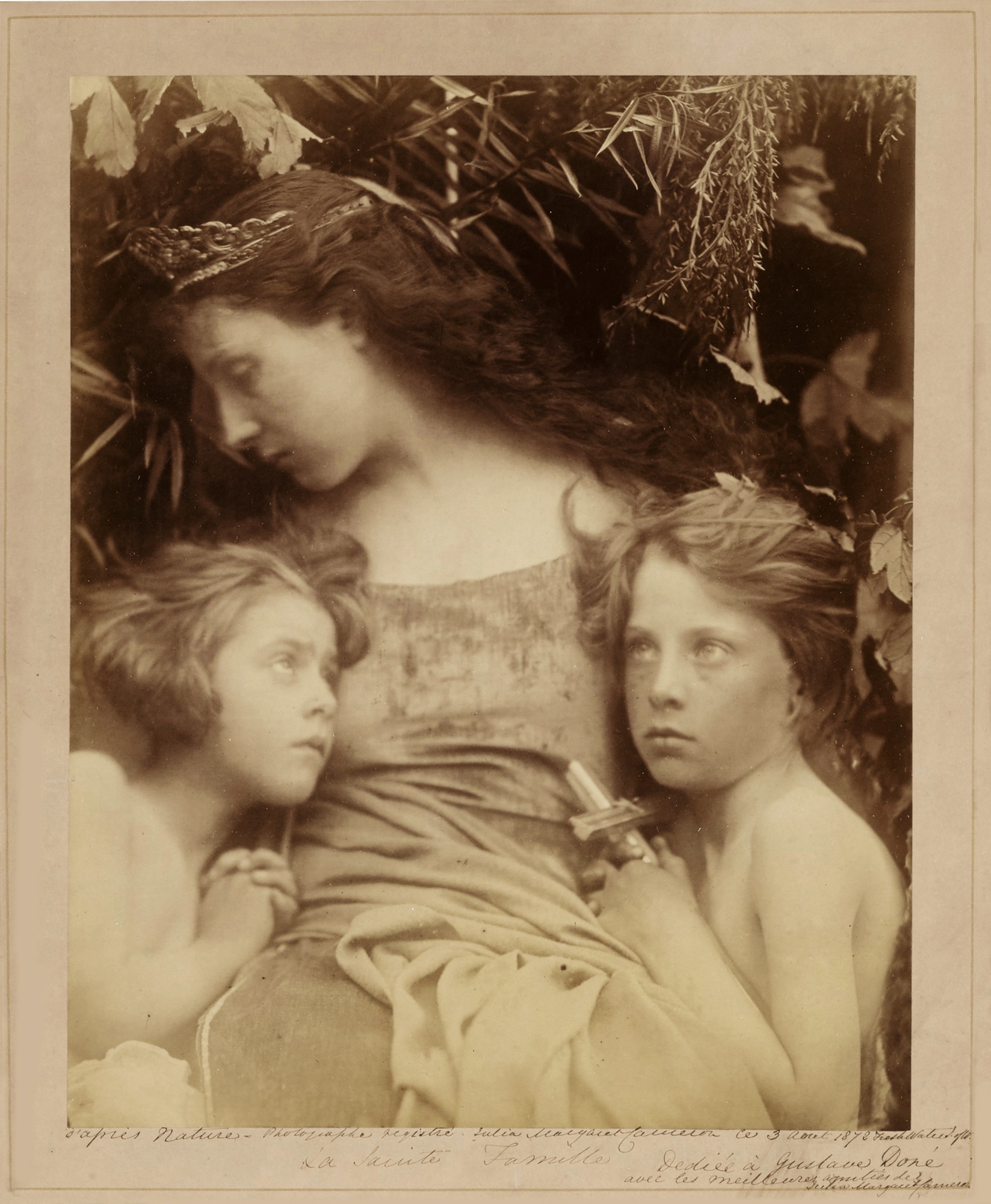
Julia Margaret Cameron
Mrs. Herbert Duckworth, ("A Beautiful Vision"), 1872
Albumen prints are especially sensitive to light exposure and fluctuations in humidity: fading along edges and overall yellowing are the most common problems, and they are essentially irreversible. Ask to see works in strong raking light and, where possible, request condition reports from conservators rather than relying on gallery descriptions alone. For prints and works on paper, foxing and acid damage from poor mounting materials are common and should factor into any valuation conversation. On the question of editions versus unique works: in photography from this decade, the concept of edition is largely anachronistic, since prints were often made in varying numbers and at different times from the same negative.
Provenance matters enormously here. A print with a documented early exhibition history or institutional ownership in its background is always preferable to one with a murky chain of custody. Ask the gallery directly where the work has been, and if they cannot tell you, that itself is useful information.