Join The Collection to save, track, and explore works like this.

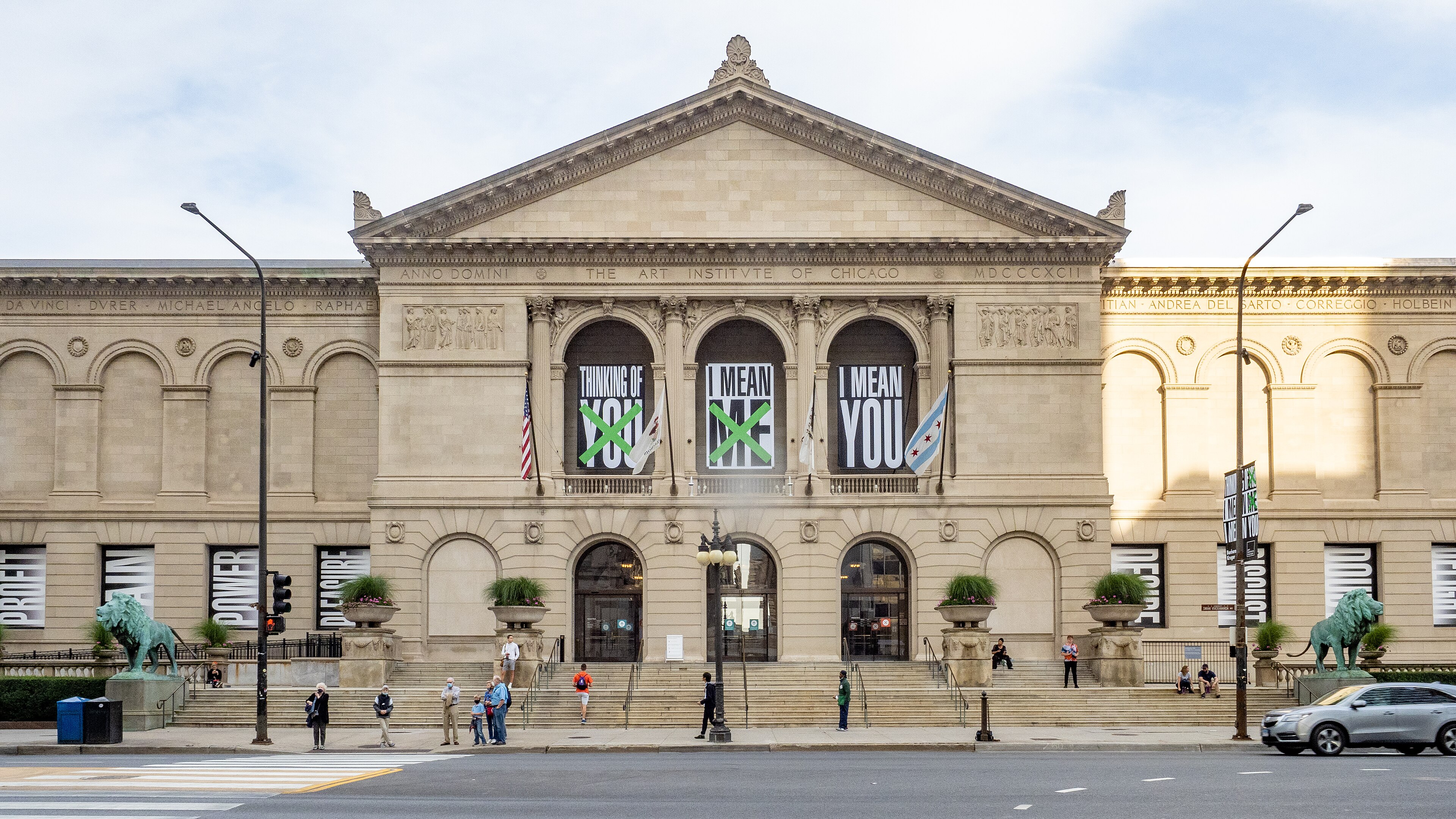
Art Institute of Chicago

Spotted

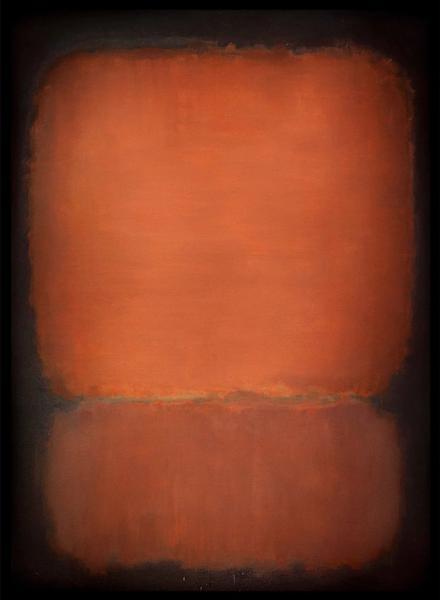
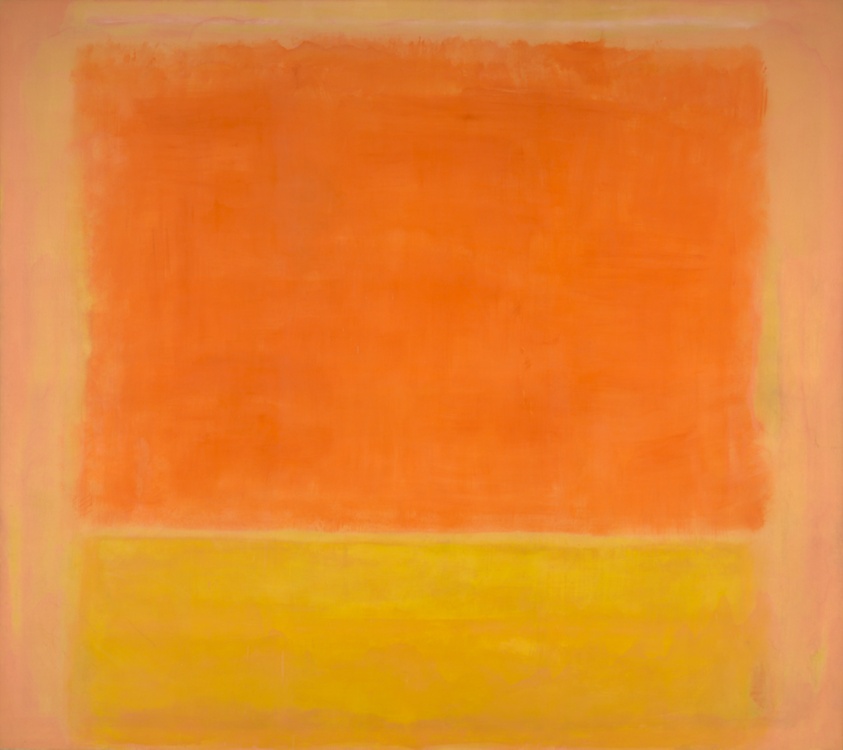
Mark Rothko — Untitled (Painting)
Mark Rothko

Untitled (Painting)

1953

Known for an impassioned form of painting predicated on the poetics of color, Mark Rothko was one of the leading proponents of color-field painting, a type of nongestural Abstract Expressionism that entailed large canvases distinguished by monumental expanses of form and tone. The canvas of Untitled (Painting) burns with subtle variations of orange and yellow hues. The painting follows the characteristic format of Rothko’s mature work, according to which stacked rectangles of color appear to float within the boundaries of the canvas. By directly staining the fabric of the canvas with many thin washes of pigment and by paying particular attention to the edges where the fields interact, he achieved the effect of light radiating from the image itself. This technique suited his metaphysical aims: to offer painting as a doorway into purely spiritual realms, making it as immaterial and evocative as music, and to communicate directly the most essential, rawest forms of human emotion. Rothko described his art as the “elimination of all obstacles between the painter and the idea, between the idea and the observer.” In place of overt symbolism, he used color, overwhelming scale, and surface luminosity to elicit an emotive, profound response from the viewer.

Medium
Oil on canvas
Dimensions

Start the Discussion

Request access to join the discussion

About this work

Mark Rothko, Untitled (Painting), 1953

Known for an impassioned form of painting predicated on the poetics of color, Mark Rothko was one of the leading proponents of color-field painting, a type of nongestural Abstract Expressionism that entailed large canvases distinguished by monumental expanses of form and tone. The canvas of Untitled (Painting) burns with subtle variations of orange and yellow hues. The painting follows the characteristic format of Rothko’s mature work, according to which stacked rectangles of color appear to float within the boundaries of the canvas. By directly staining the fabric of the canvas with many thin washes of pigment and by paying particular attention to the edges where the fields interact, he achieved the effect of light radiating from the image itself. This technique suited his metaphysical aims: to offer painting as a doorway into purely spiritual realms, making it as immaterial and evocative as music, and to communicate directly the most essential, rawest forms of human emotion. Rothko described his art as the “elimination of all obstacles between the painter and the idea, between the idea and the observer.” In place of overt symbolism, he used color, overwhelming scale, and surface luminosity to elicit an emotive, profound response from the viewer.

Medium
Oil on canvas
Dimensions
265.1 x 298.1 cm
Year
1953
Seen at
Art Institute of Chicago, Chicago, IL

Related themes

Transcendent, Serene, Minimalist, American, Red, Emotional, Abstract Expressionism, Color Field, Modern, Oil on Canvas

More works by Mark Rothko

Collected by

Carolyn Lynx, Sebastián Naranjo, Derek Jones, Art Institute of Chicago