Emotional
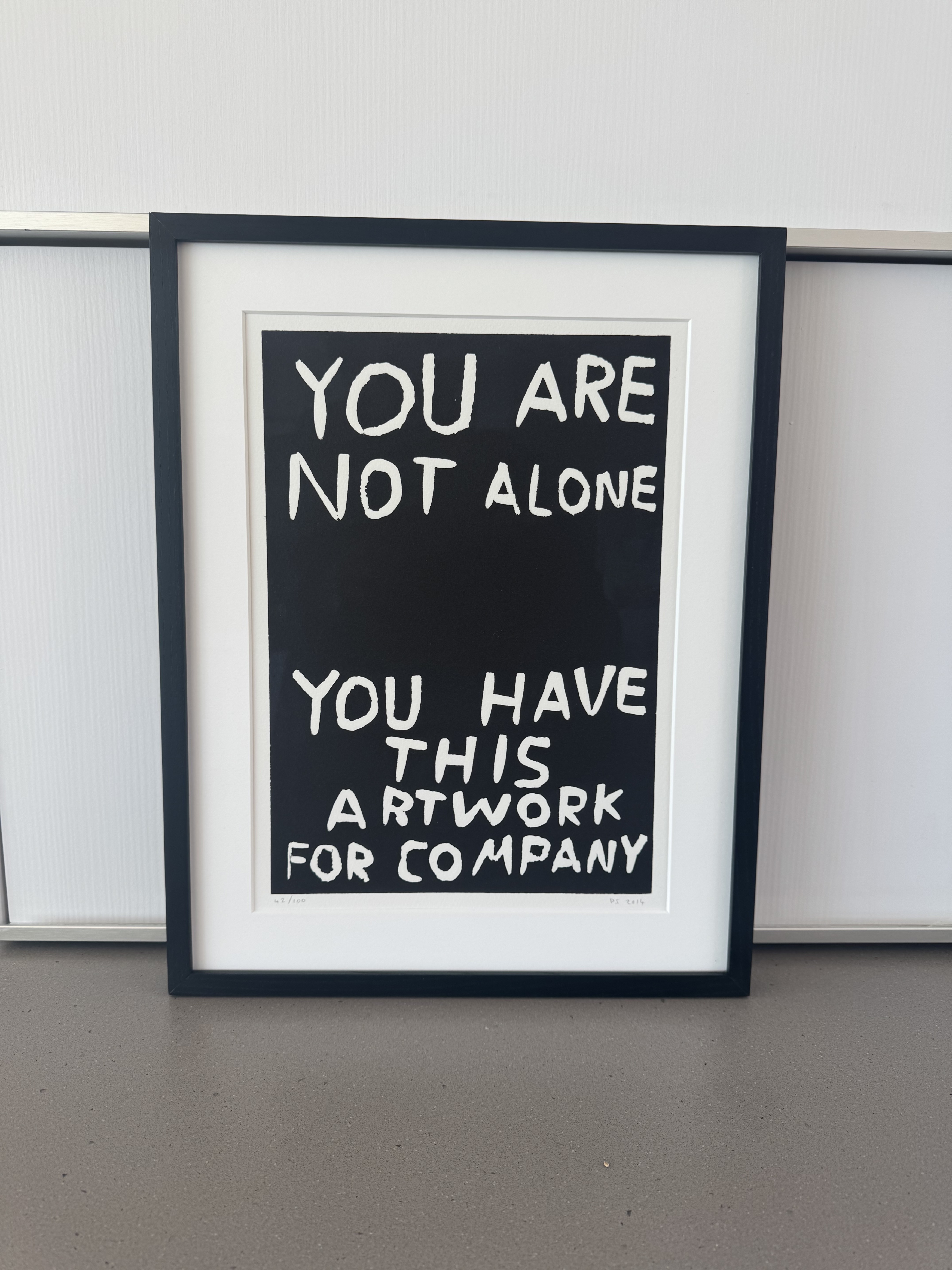
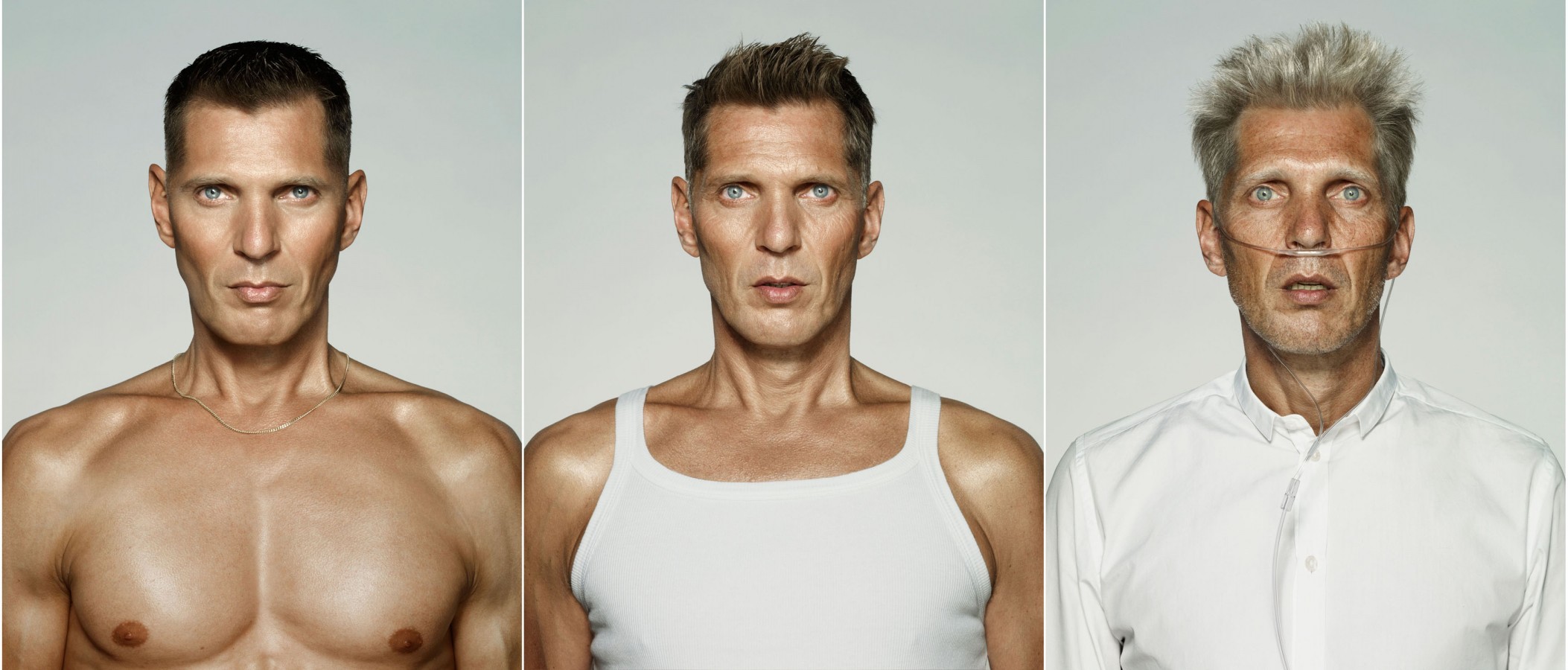
David Shrigley
You Are Not Alone (You Have This Artwork For Company), 2014
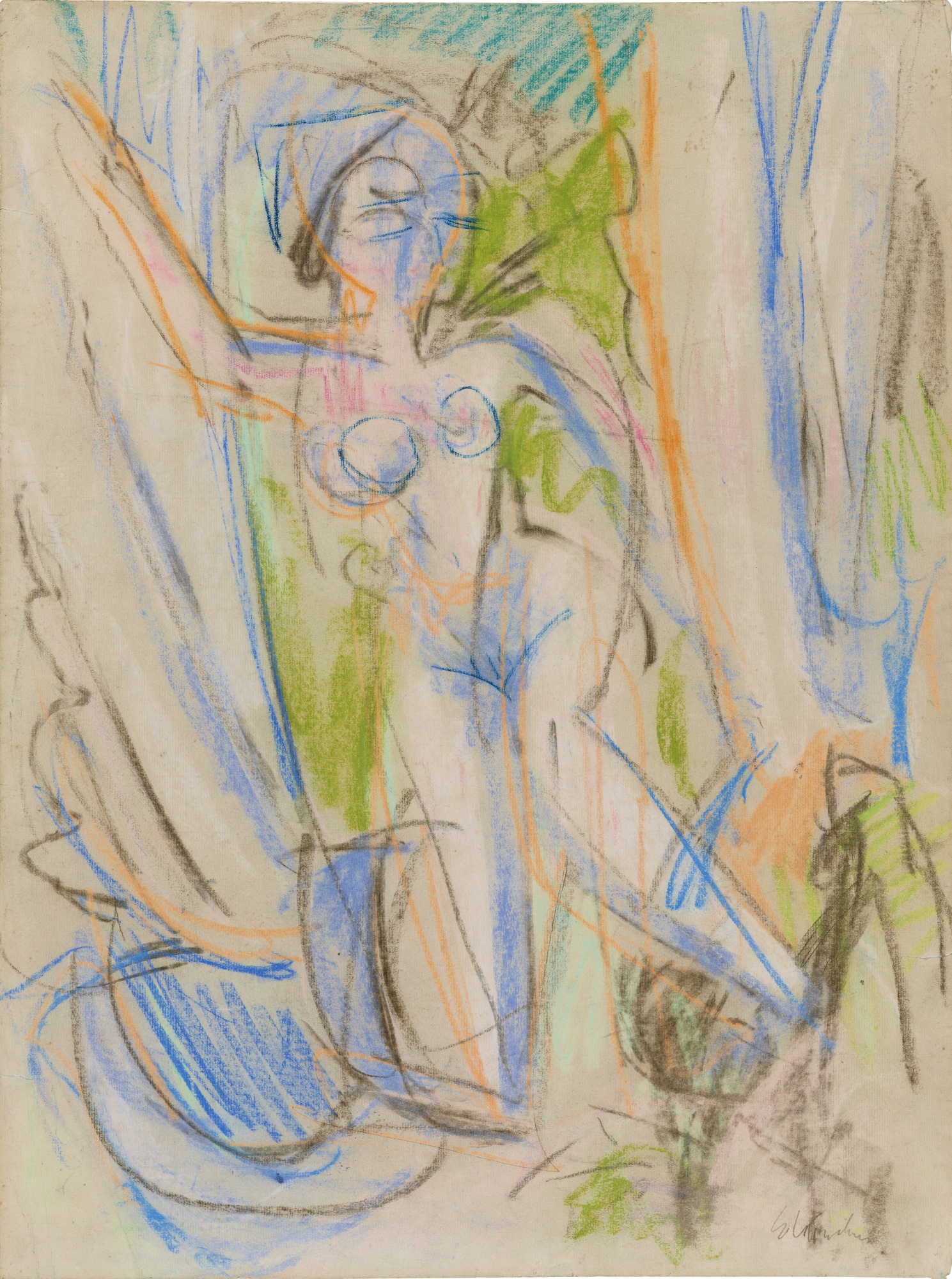
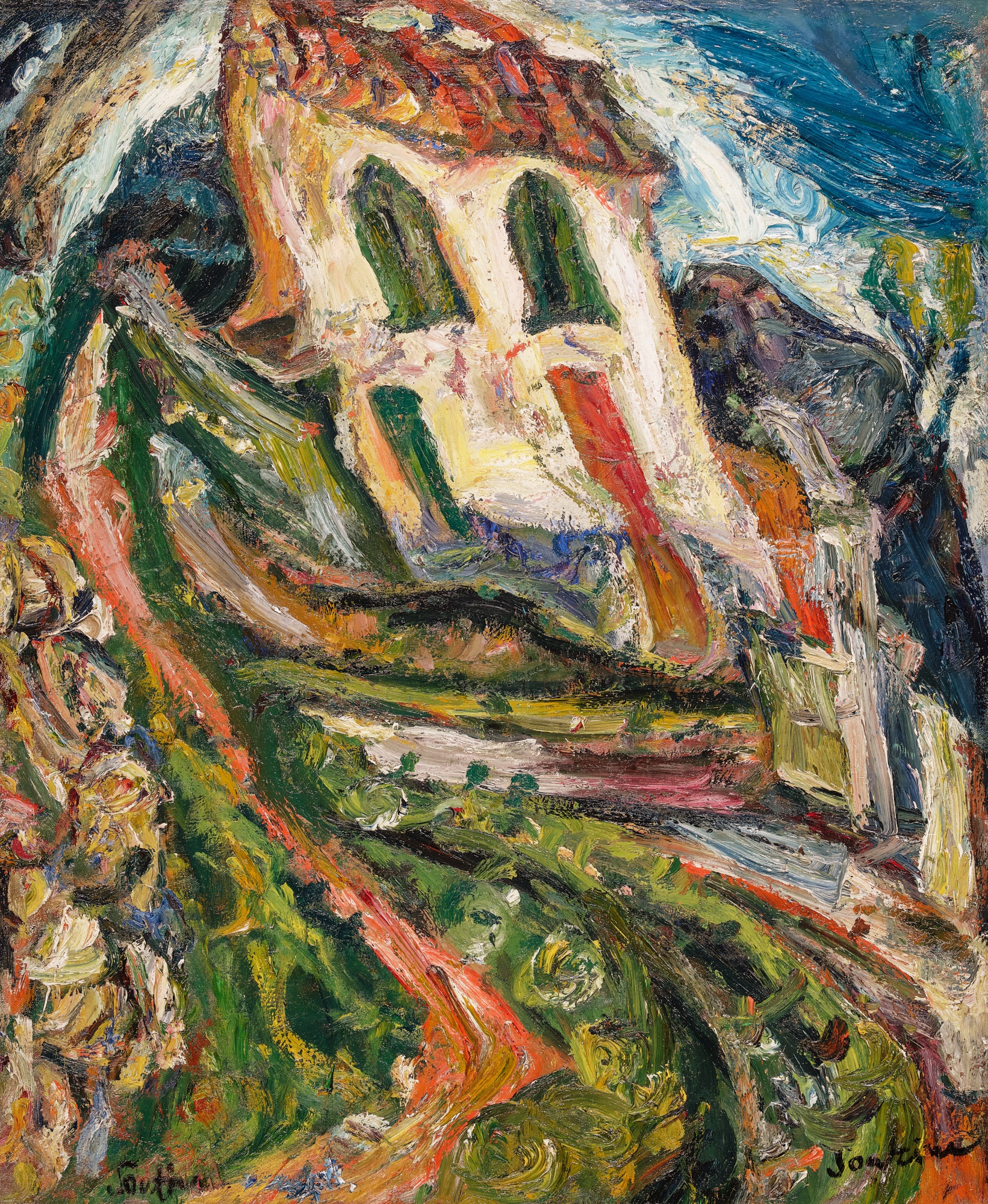
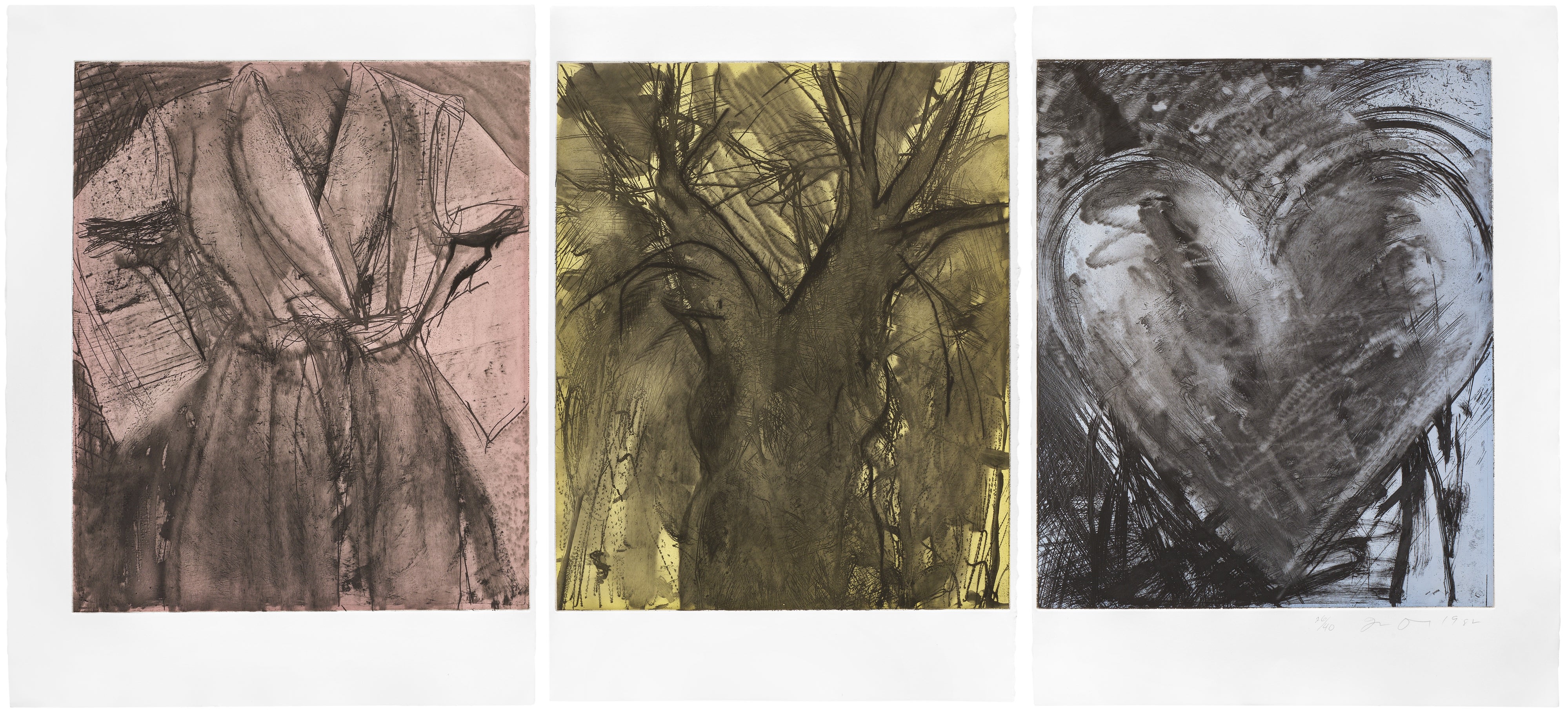
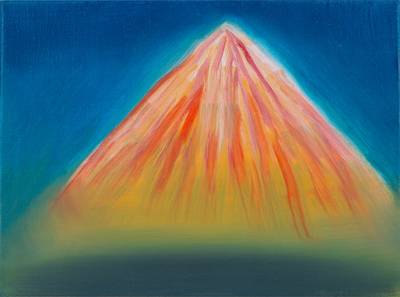
Feeling Everything: Art That Refuses to Look Away
There is a particular kind of art that you cannot keep at a polite distance. It moves toward you, sometimes uncomfortably, sometimes with the force of something you have been waiting your whole life to see articulated. This is emotional art in its truest sense, not merely art that depicts feeling, but work that transmits it, that collapses the gap between the canvas and the chest. To collect in this register is to accept that you are not simply acquiring objects.
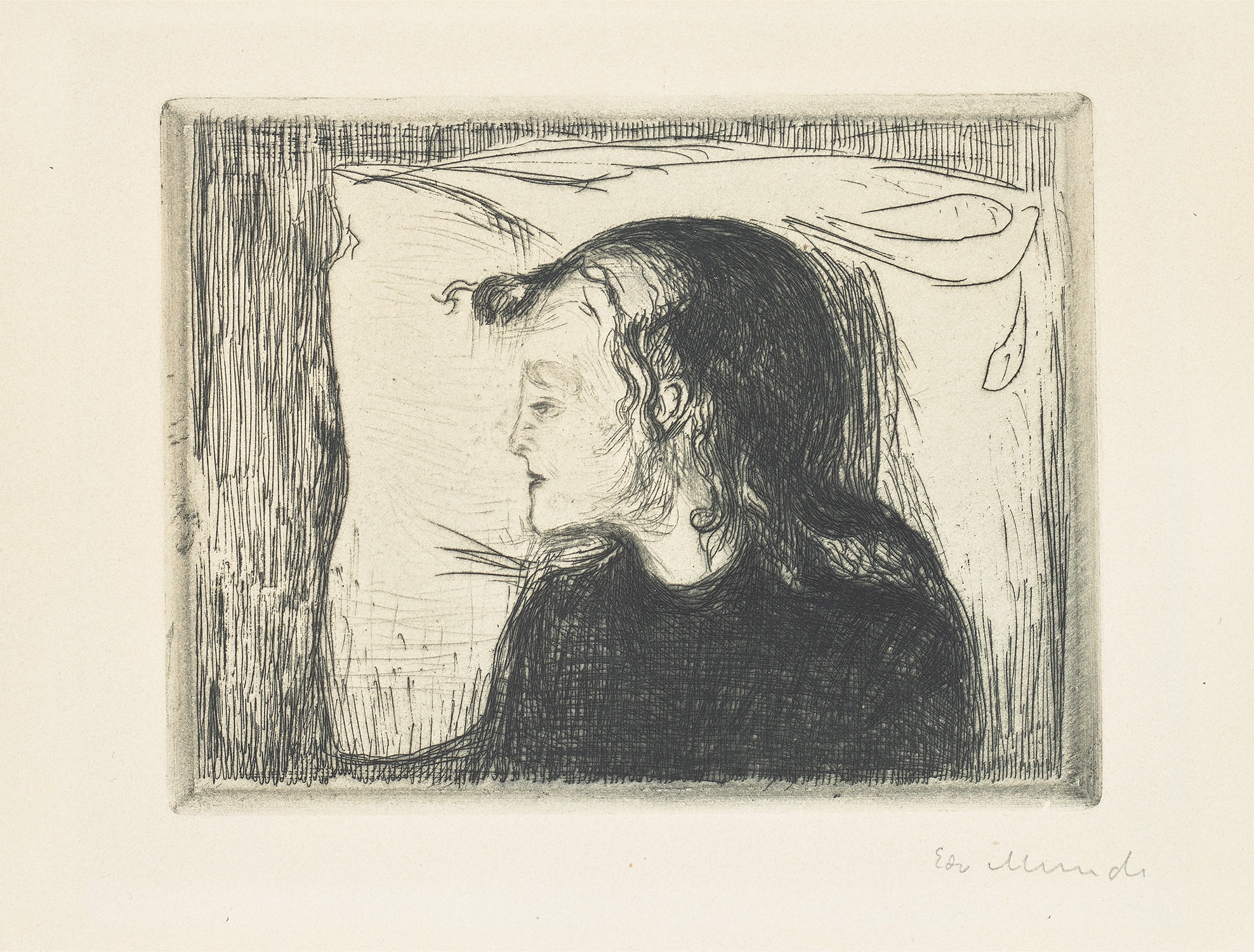
You are inviting something alive into your home. The story of emotionally charged art is inseparable from the rupture of the late nineteenth century, when artists began to question whether painting's purpose was representation at all. In 1893, Edvard Munch completed The Scream, a work that became one of the most legible images of interior anguish ever produced. But Munch was doing something more precise than illustration.
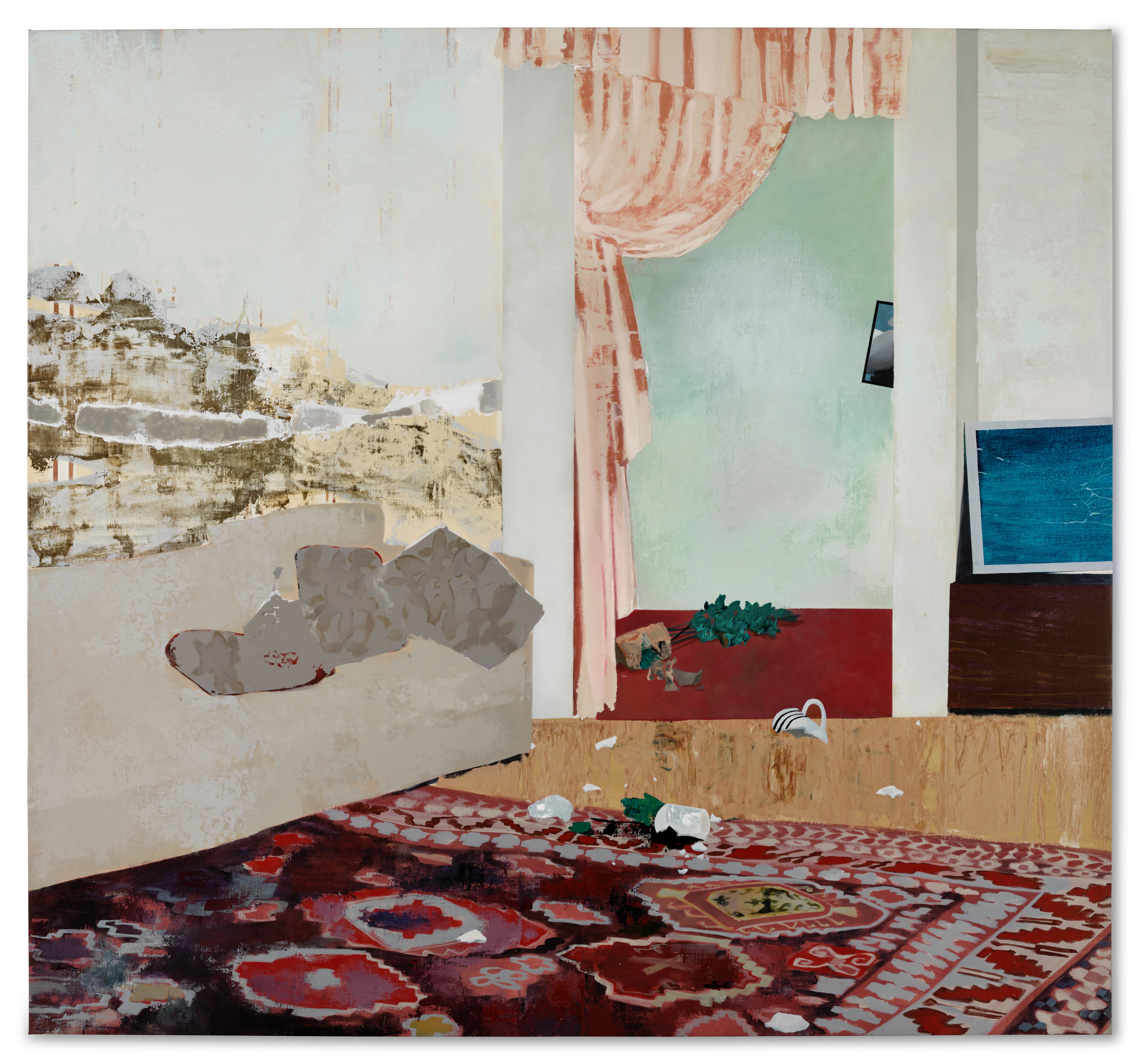
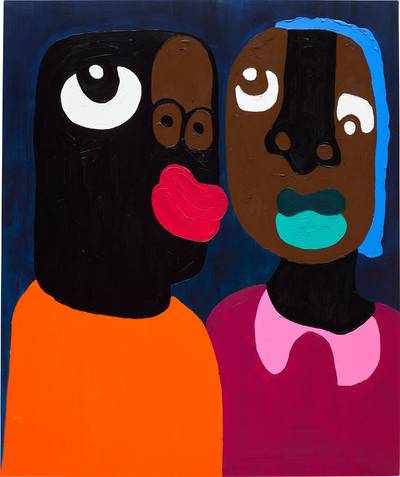
Mohammed Sami
Family Issues I, 2019
He was translating nervous experience into color, line, and spatial distortion. His skies curl and pulse. His figures dissolve at the edges. The works on The Collection from Munch carry this same quality of the psyche made visible, a world filtered entirely through the pressure of feeling.
The early twentieth century formalized this impulse into a movement. German Expressionism, emerging from Dresden and Berlin around 1905, insisted that the painted surface should register emotion the way skin registers fever. Ernst Ludwig Kirchner and the group Die Brücke believed that raw, unbeautified mark making was closer to the truth of modern experience than academic refinement could ever be. Around the same time, Emil Nolde was working in radical color, his canvases burning with spiritual intensity and psychological heat.
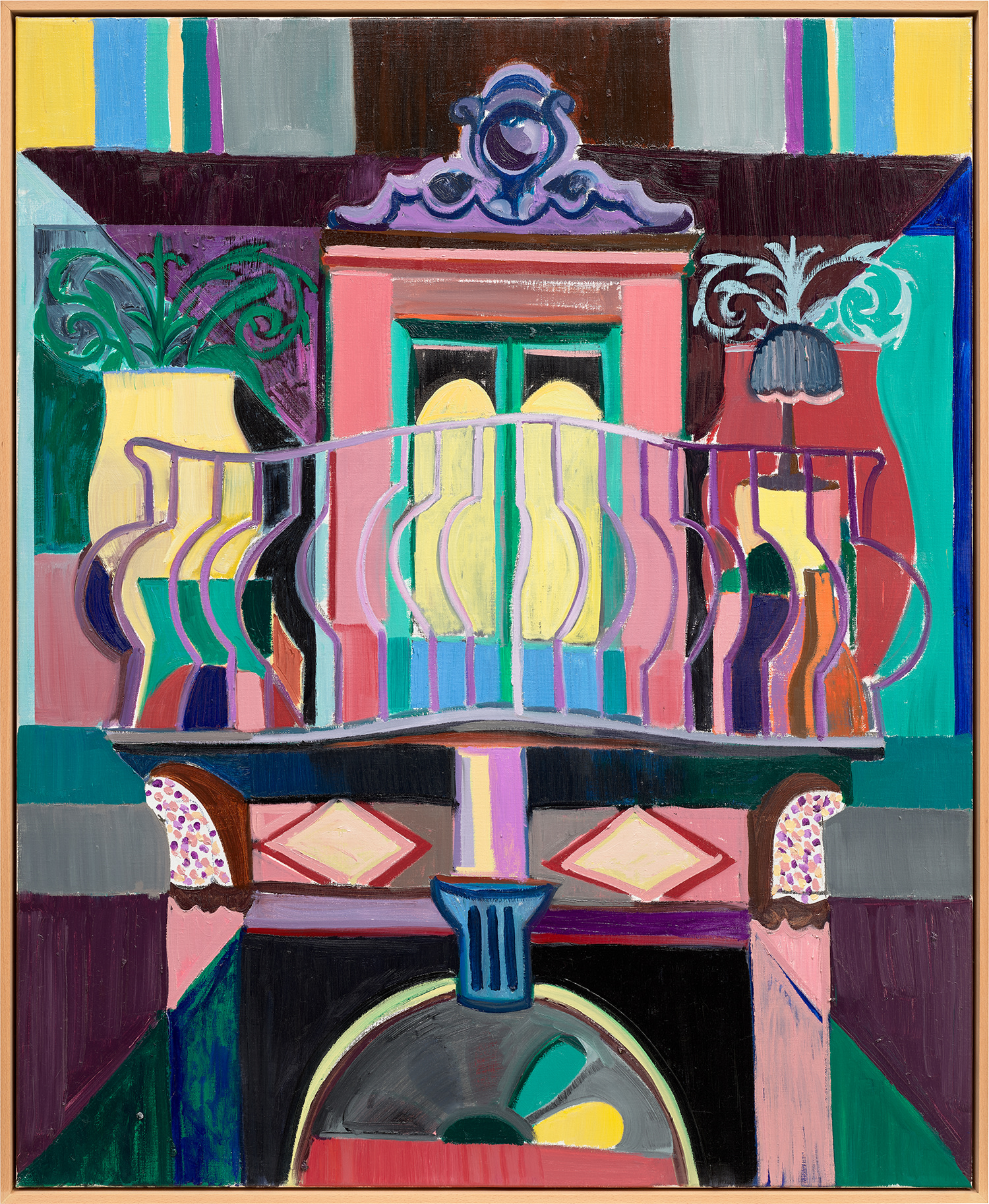
Amber Andrews
Where It All Began, 2020
Both Kirchner and Nolde are represented on The Collection, and seeing their work alongside one another clarifies how Expressionism was never a single voice but a chorus of urgencies. In Paris, the School of Paris painters were arriving at similar territory through different routes. Chaïm Soutine applied paint as if the act were physical necessity rather than artistic choice. His portraits seem to vibrate with an anxiety that precedes language.
Georges Rouault worked in dense, jewel dark outlines that gave his figures the weight of medieval stained glass but the pathos of someone who had seen the worst of the twentieth century coming. Alexej von Jawlensky, working at the intersection of Fauvism and spiritual abstraction, reduced the human face to its essential emotional frequencies. These painters understood that distortion was not failure. It was fidelity to something truer than appearances.
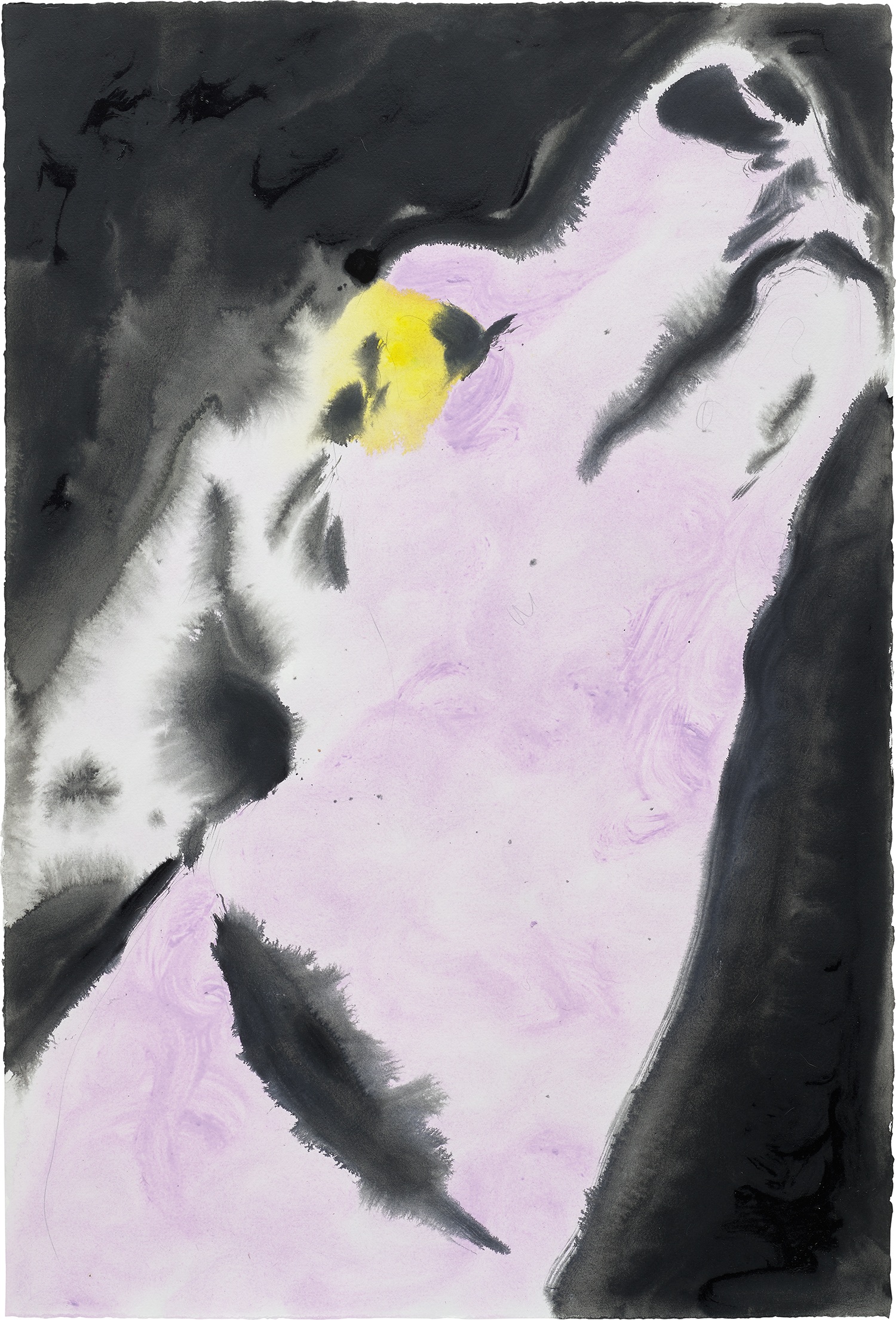
Anthony Cudahy
Howling, 2021
The mid century brought new methods and new anxieties. Abstract Expressionism, which exploded in New York in the late 1940s and 1950s, proposed that emotion could exist in painting without any figurative anchor at all. The gesture became the subject. But the figurative emotional tradition never died.
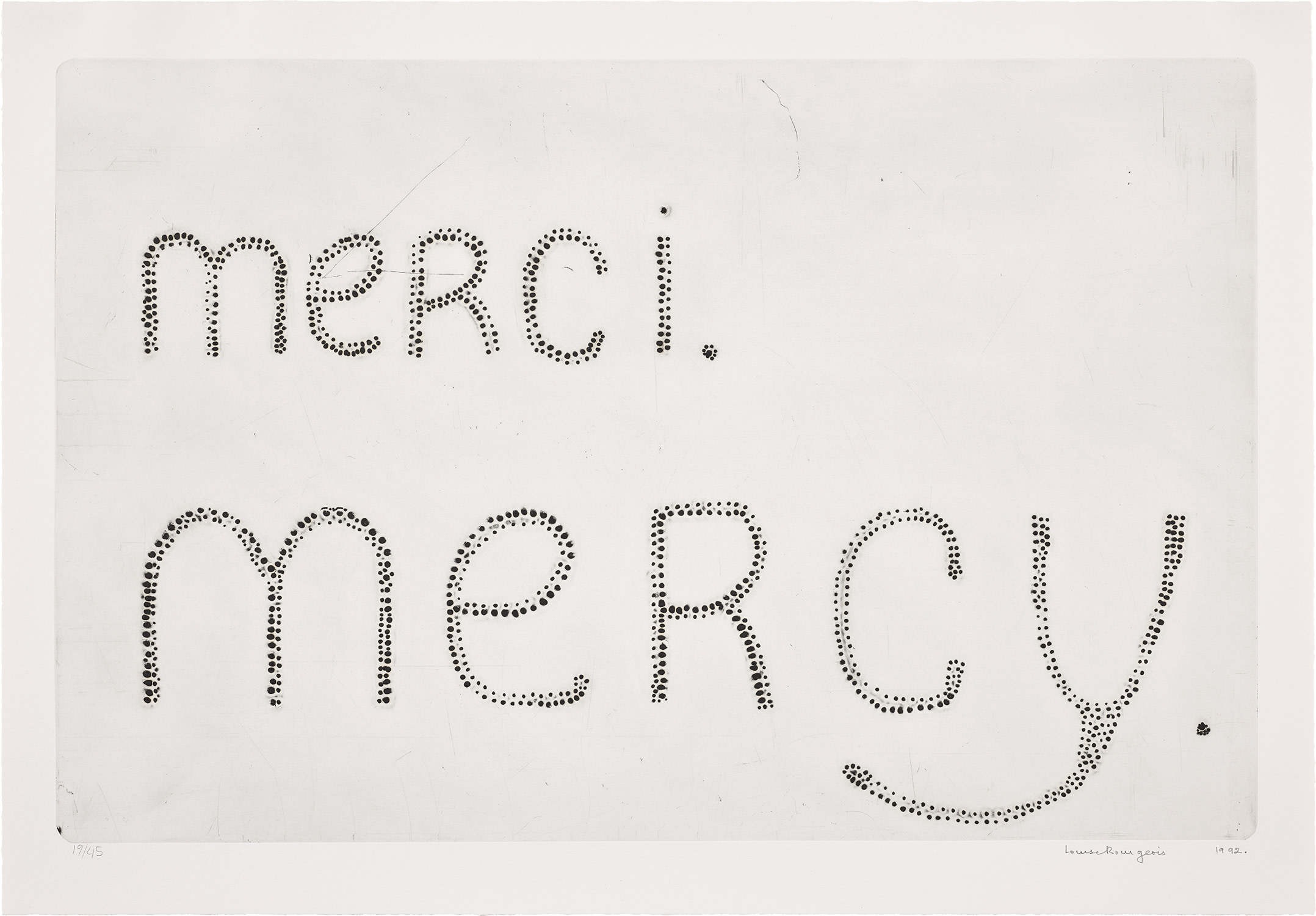
It simply waited. Francis Bacon was making his screaming figures throughout the 1950s and 1960s. Louise Bourgeois was building sculptures from memory and fear and childhood wound, work that eventually received its full recognition with her legendary 1982 retrospective at the Museum of Modern Art in New York. Bourgeois understood that emotion is not a surface condition but something structural, something that shapes the very architecture of a life.
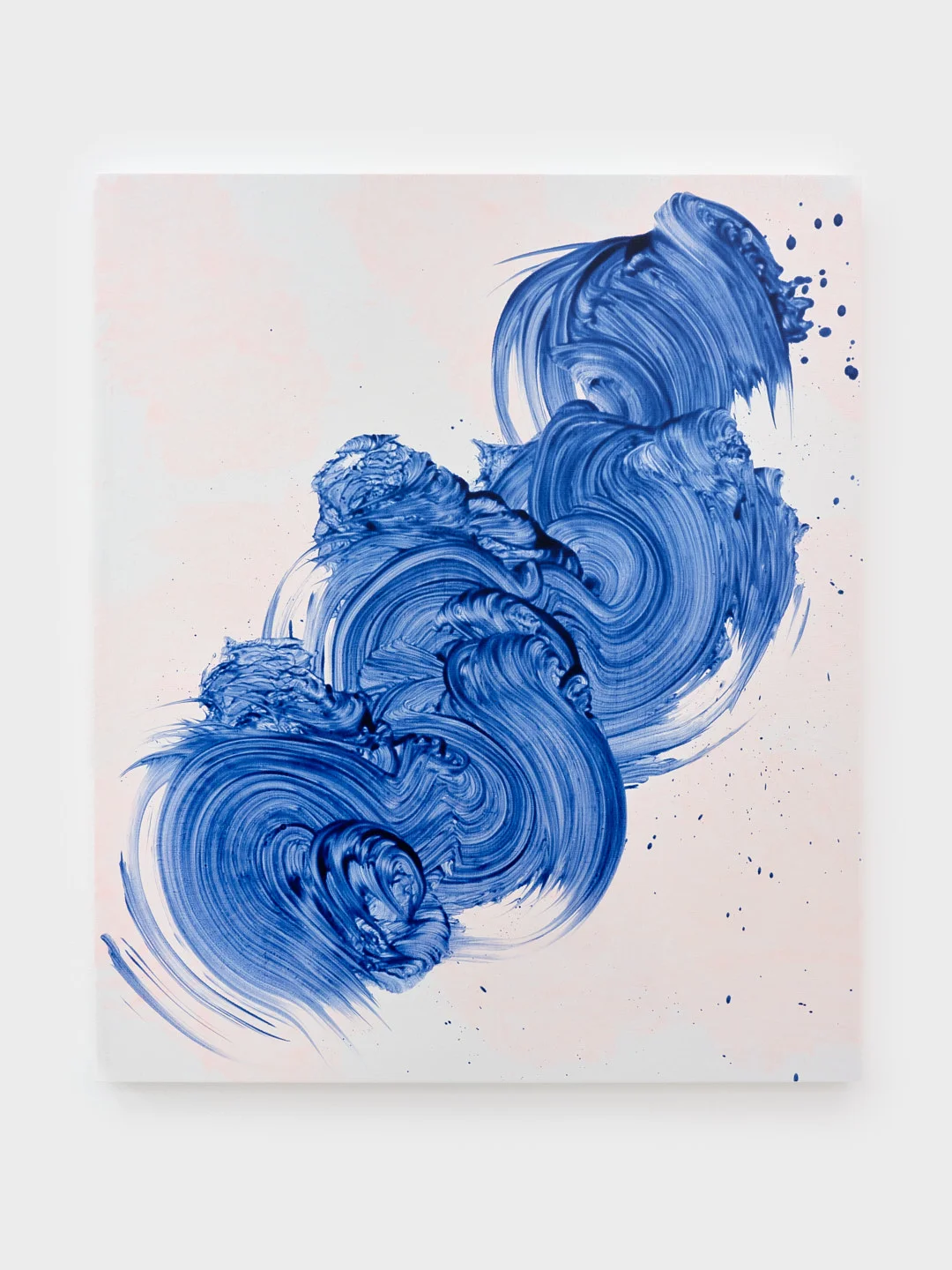
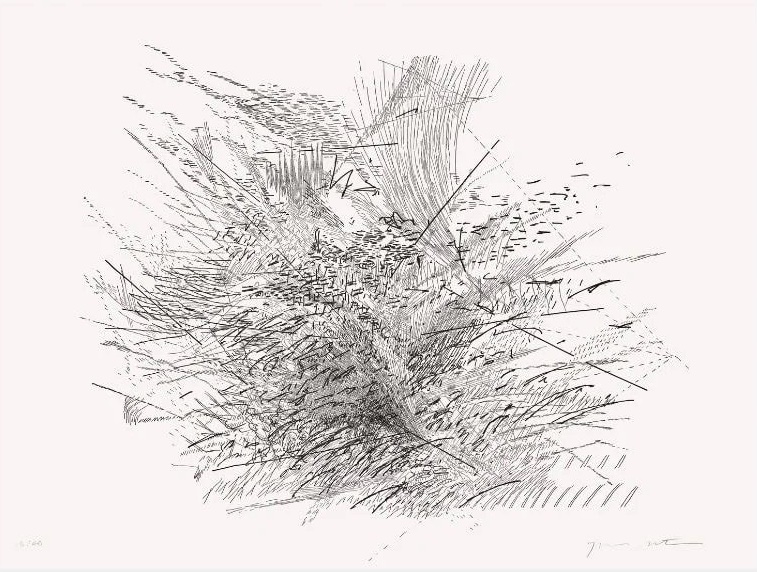
Jamie Nares
Allese, 2026
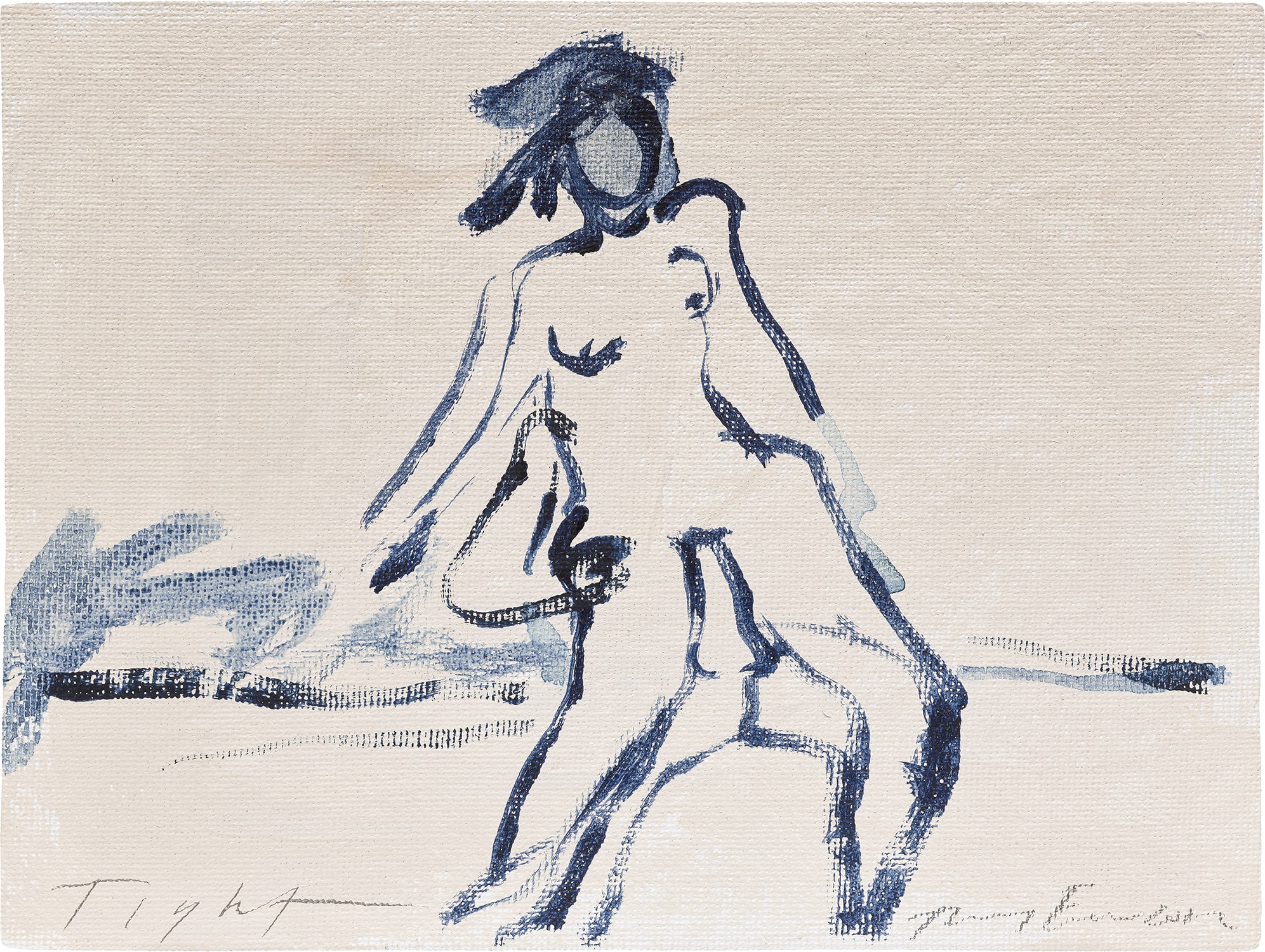
Her works on The Collection carry exactly this sense of feeling as foundation. Tracey Emin, who is exceptionally well represented on The Collection, brought emotional rawness into a new cultural context in the 1990s. Her contribution to the 1997 Sensation exhibition at the Royal Academy announced a generation willing to make autobiography the primary material of art practice. Emin does not aestheticize pain so much as insist on its legitimacy as subject matter.
Her neon works, her drawings, her tent, her unmade bed, all of it proposes that the personal is not a lesser register but the most honest one available. In this she stands in a long lineage that includes Munch, Soutine, and Bourgeois, while remaining entirely and recognizably herself. Contemporary artists have continued to push this emotional inheritance in fresh directions. Nan Goldin, whose documentary photography since the 1970s has functioned as an ongoing record of love and loss and survival, turned personal grief into public testimony through her activist work against the Sackler family in recent years.
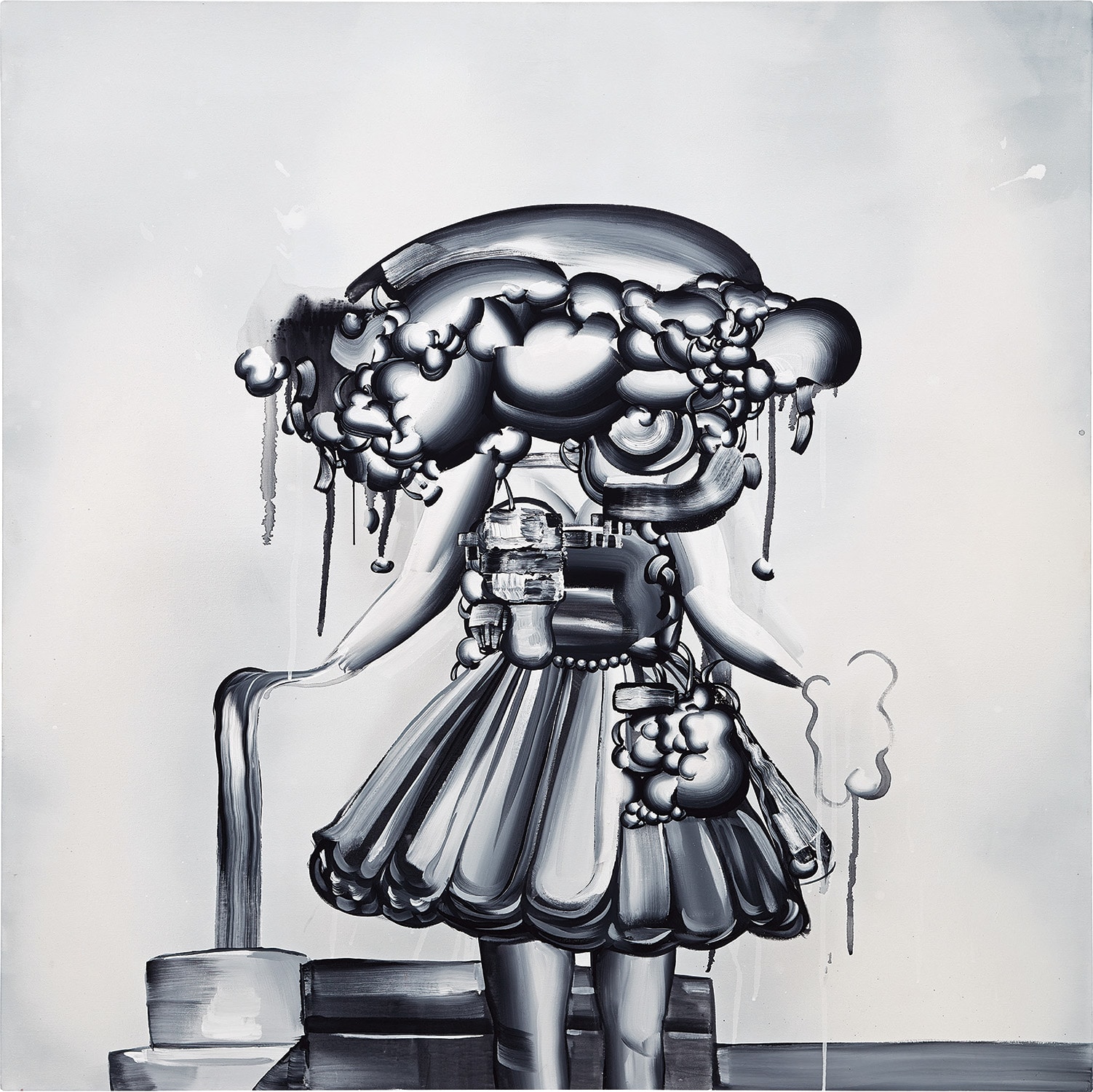
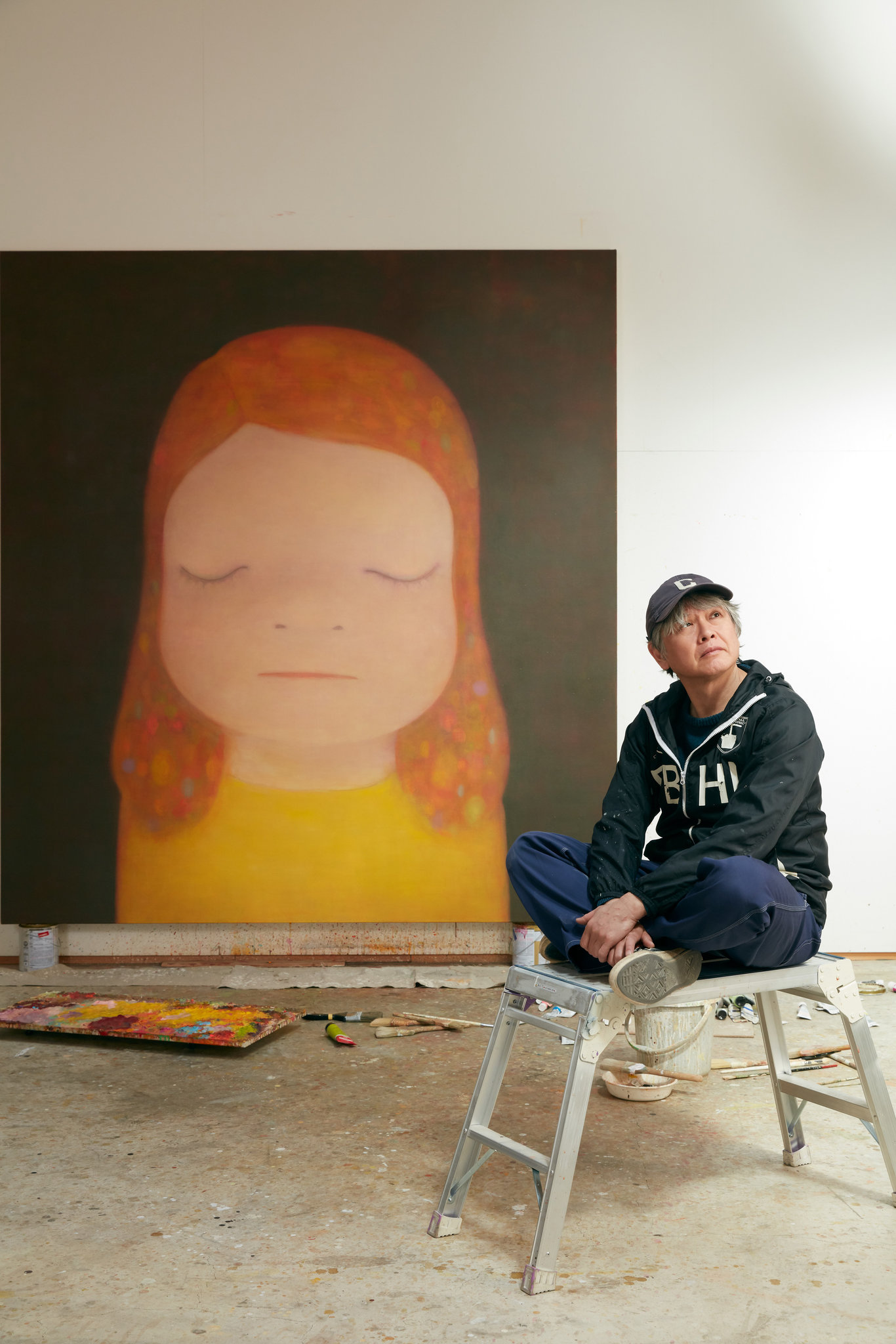
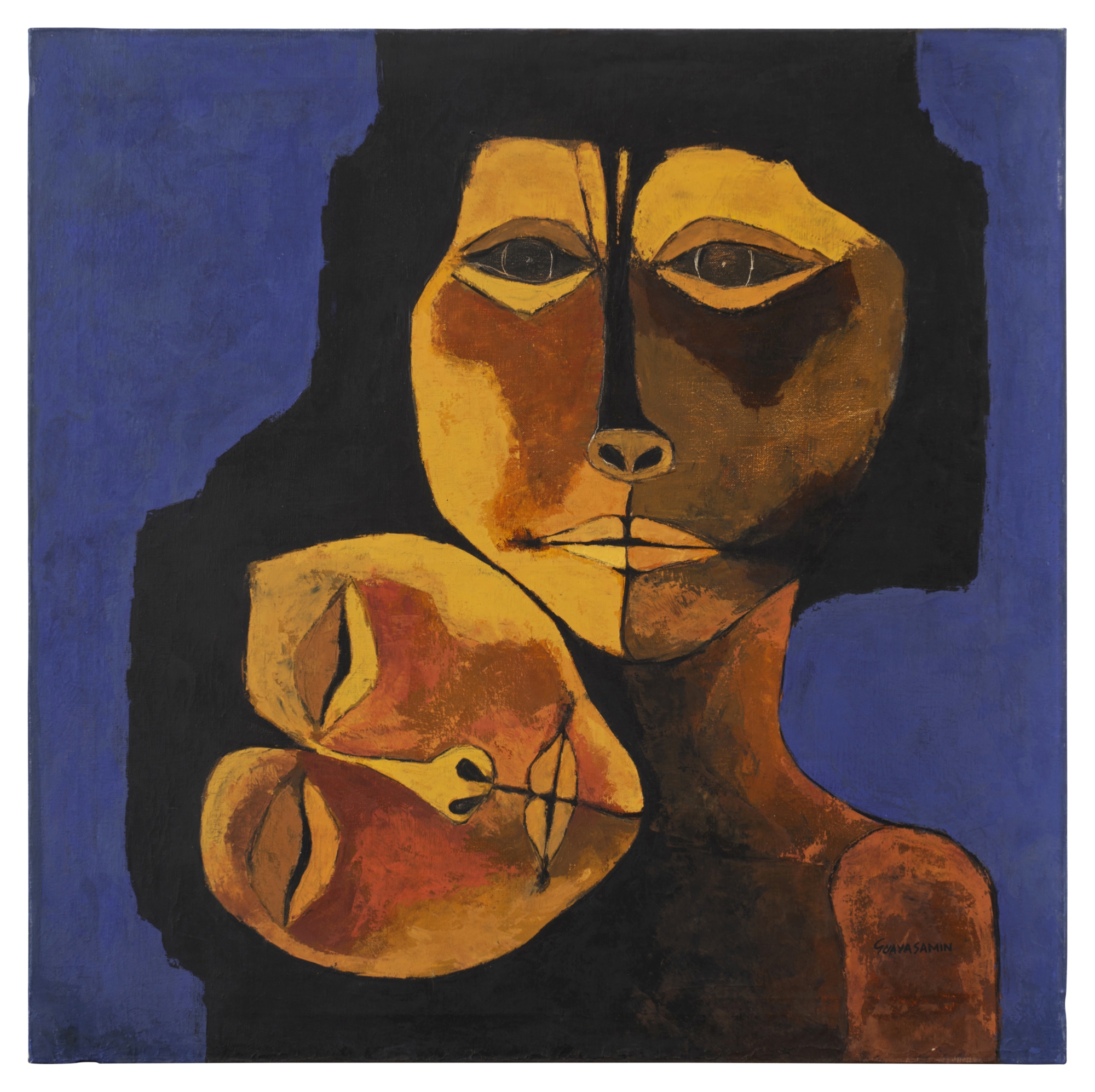
William Kentridge, working in drawing, film, and theater, addresses historical trauma through a practice suffused with melancholy and moral seriousness. Yoshitomo Nara creates figures that seem deceptively simple until you notice the sorrow or defiance in their eyes. Oswaldo Guayasamín spent his career painting the suffering of Latin American peoples with a directness that never tips into sentimentality. Each of these artists, represented on The Collection, is doing something emotionally demanding: they are asking viewers to stay present with difficult feeling rather than aestheticize it into comfort.
What unites this lineage across more than a century is not a shared style but a shared insistence. Artists from Miriam Cahn, whose raw, urgent figures address violence and vulnerability with uncompromising honesty, to Michaela Yearwood Dan, whose lush, tender paintings explore intimacy and care, to Isshaq Ismail, whose figurative work carries the emotional weight of personal and cultural history, all share a commitment to feeling as something worth taking seriously. George Rouy uses smeared, spectral paint surfaces to locate emotion somewhere between recognition and dissolution. Anna Weyant finds quiet psychological unease in deceptively classical compositions.
Oluwole Omofemi renders Black figures with a luminous emotional presence that insists on full, complex interiority. To engage with emotional art as a collector is to develop a particular kind of literacy, one that reads not just what is depicted but what is transmitted. The best works in this register do not tell you how to feel. They create the conditions in which you discover something you already felt but had not yet found words for.
That, ultimately, is the irreplaceable function of art made at this pitch of feeling. It does not decorate the room. It changes the temperature of it.