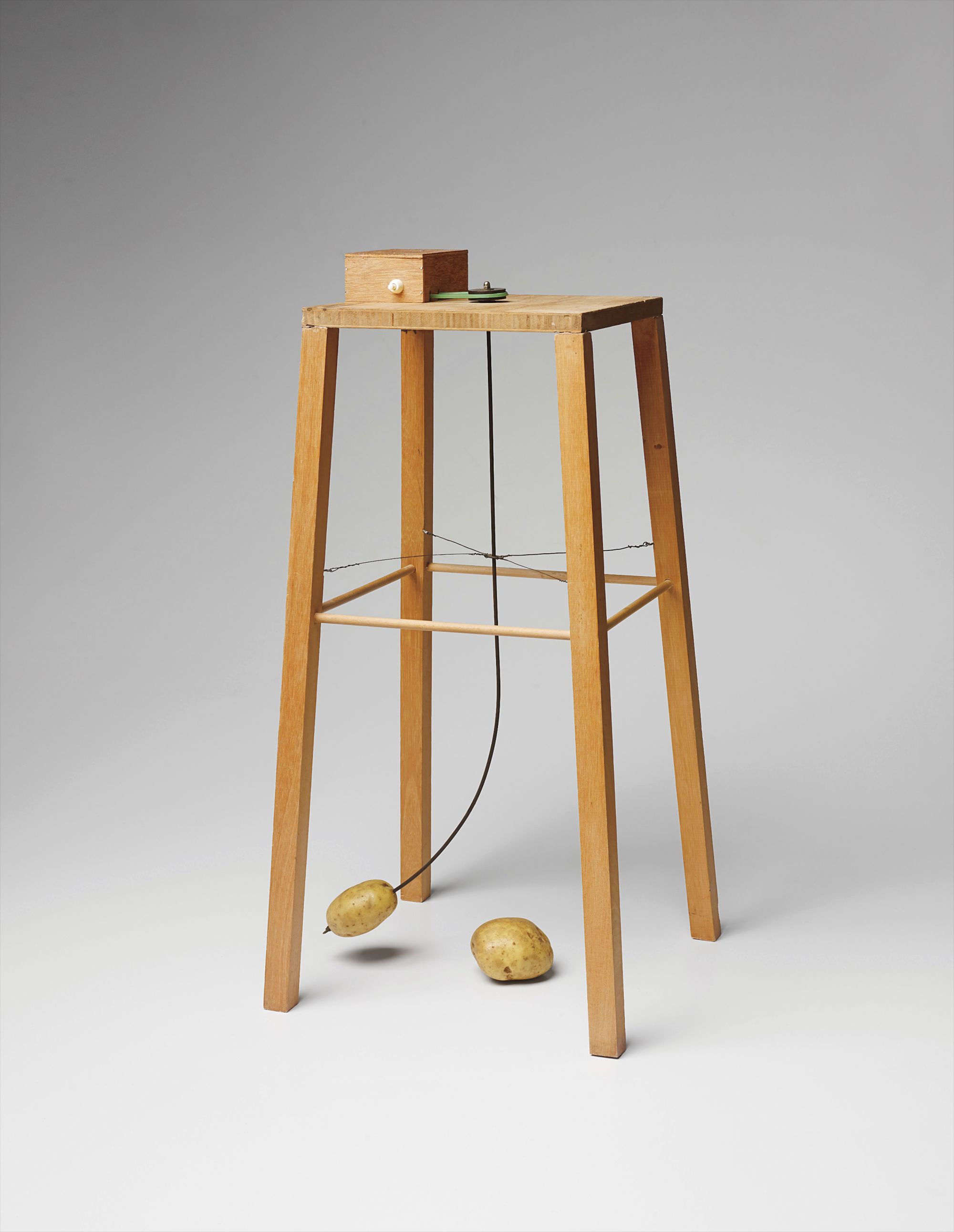
Apparat, mit dem eine Kartoffel eine andere Kartoffel umkreisen kann (Apparatus Whereby One Potato Can Orbit Another)
In this characteristically irreverent work, Sigmar Polke presents a humble potato mounted on a simple mechanical apparatus, embodying his playful subversion of artistic conventions and consumer culture. Created in 1969, the piece humorously mimics the language of scientific instruments and space-age technology — a nod to the era's obsession with orbital mechanics — while elevating an utterly mundane object to the status of serious artistic inquiry. The work exemplifies Polke's signature wit and his engagement with Capitalist Realism, transforming the ordinary into the absurd with deadpan precision.
- Medium
- signed in black ink on the top, below this, traces of a second signature, a partial date '*969' and the edition number 3/30, from the early part of the edition of 30, registered as number 12/00927 with the artist's estate, with the accompanying Certificate of Authenticity, published by Edition Tangente, Heidelberg (later Edition Staeck) (with their blindstamp on the underside of the seat).
- Location
- Phillips, Salt Lake City, UT
- Spotted At
- Auction House · PhillipsView on map
🔨 Auction Lot
Evening & Day Editions
January 22, 2015
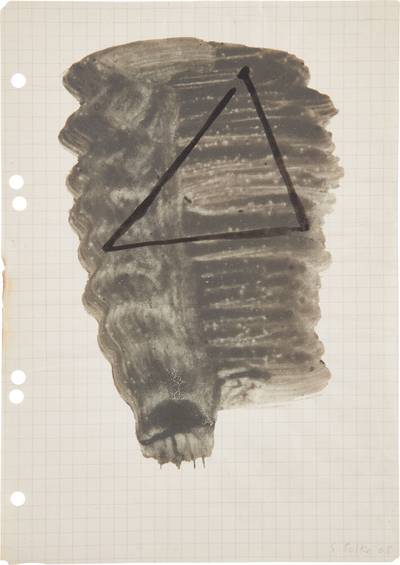
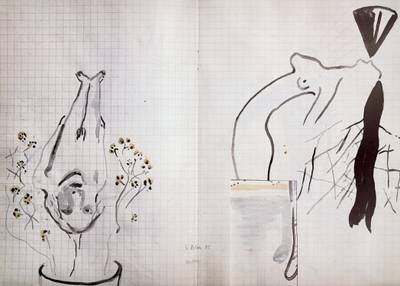
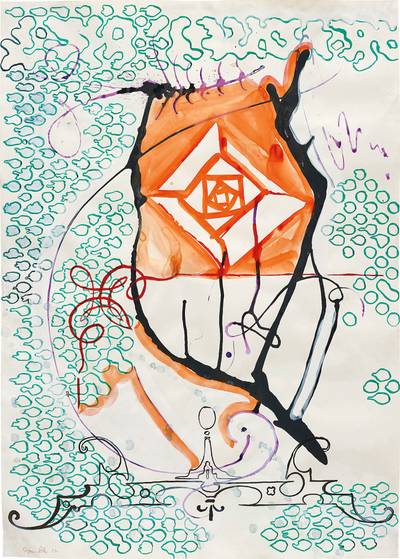
Spotted works by Sigmar Polke
Artists in conversation
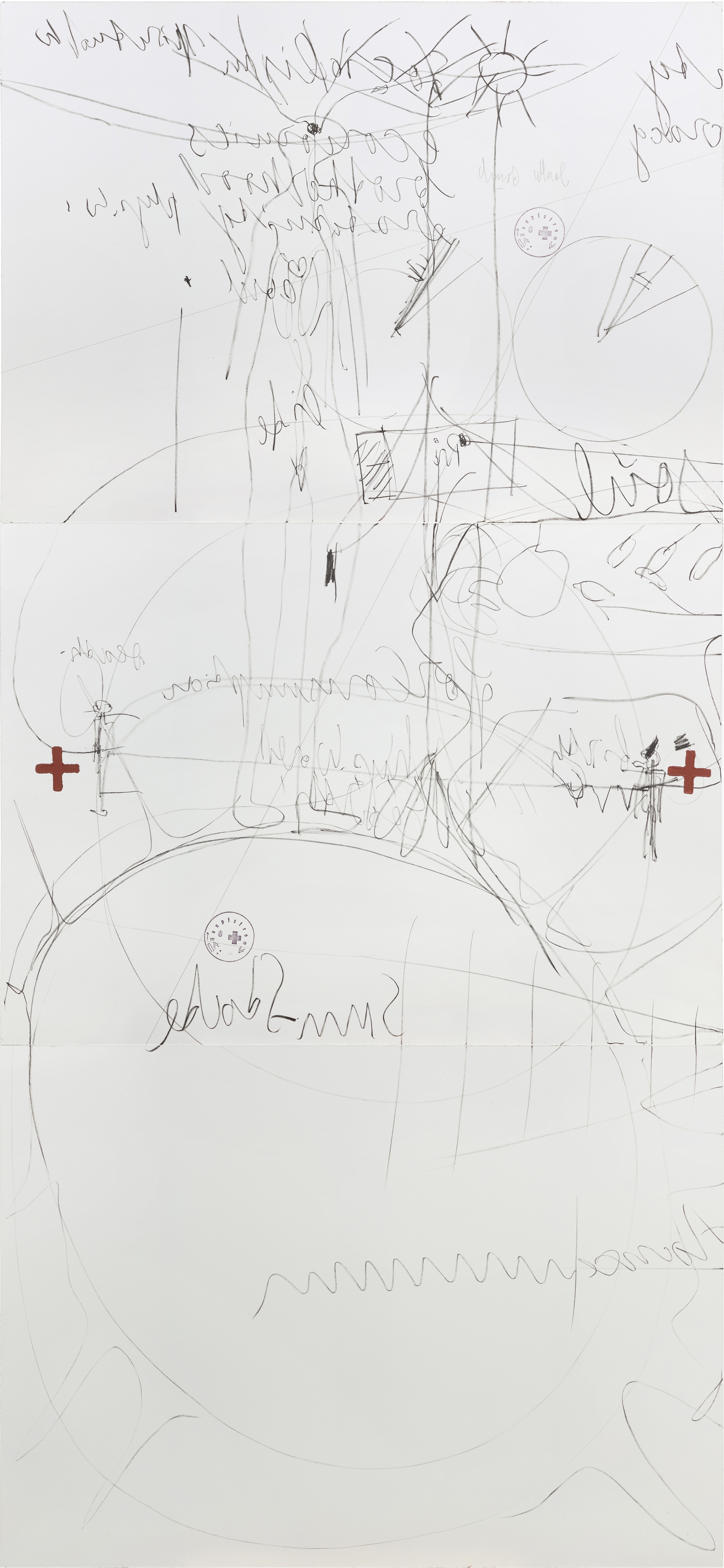
Joseph Beuys
German · b. 1921
Beuys similarly elevated humble, earthy materials like fat and felt into conceptual sculptural objects with political and philosophical weight, sharing Polke's German postwar context and his instinct to subvert expectations about what constitutes serious artistic inquiry.
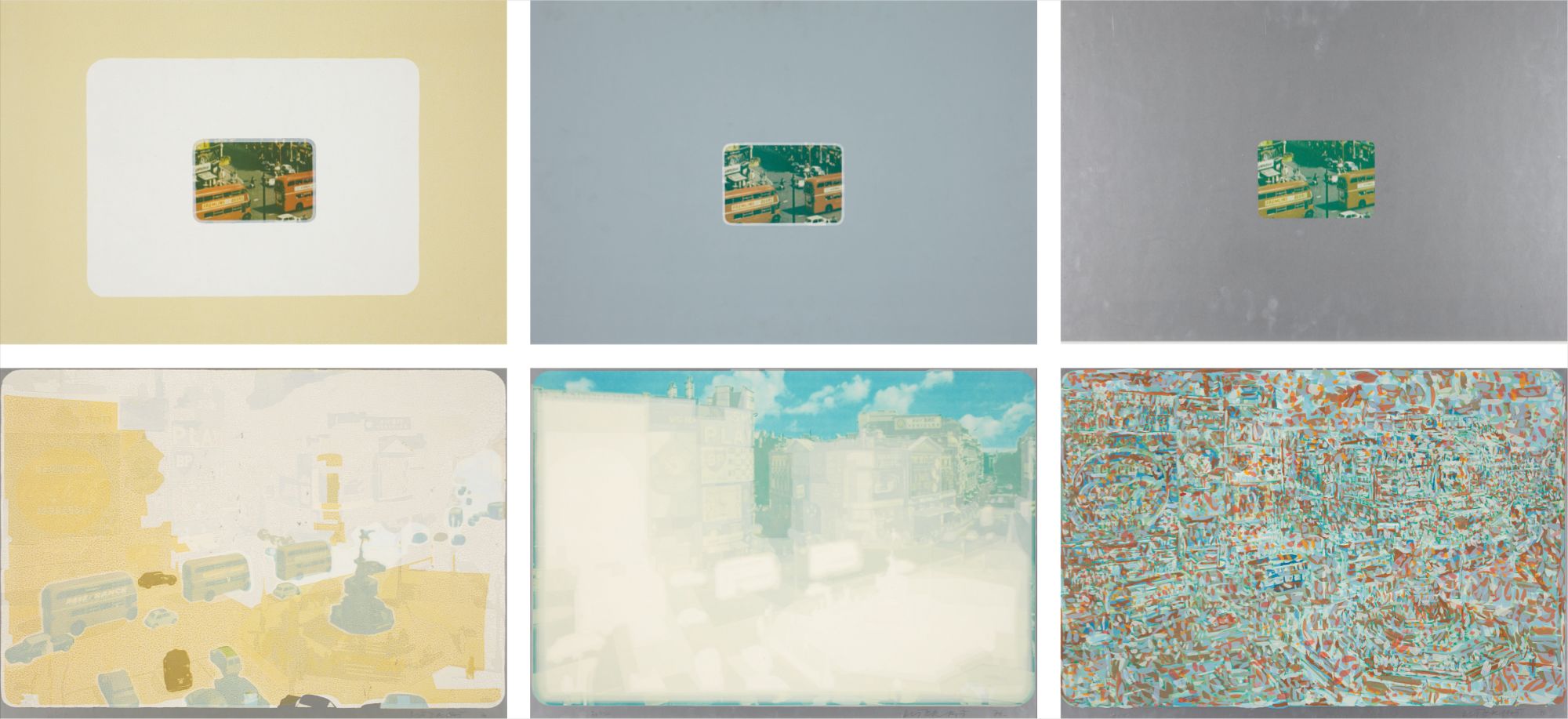
Dieter Roth
German-Swiss · b. 1930
Roth consistently used perishable and absurd everyday objects including food as sculptural material, combining humor, irreverence, and Fluxus influenced sensibility in limited edition works that mock the pretensions of both consumer culture and the art world.

Claes Oldenburg
Swedish-American · b. 1929
Oldenburg shared Polke's strategy of taking utterly mundane objects and recontextualizing them as serious sculptural propositions, using absurdist humor and Pop Art sensibility to satirize consumer culture and question the boundaries between art and everyday life.
Start the Discussion
Request access to join the discussion