The Calling of Saint Matthew
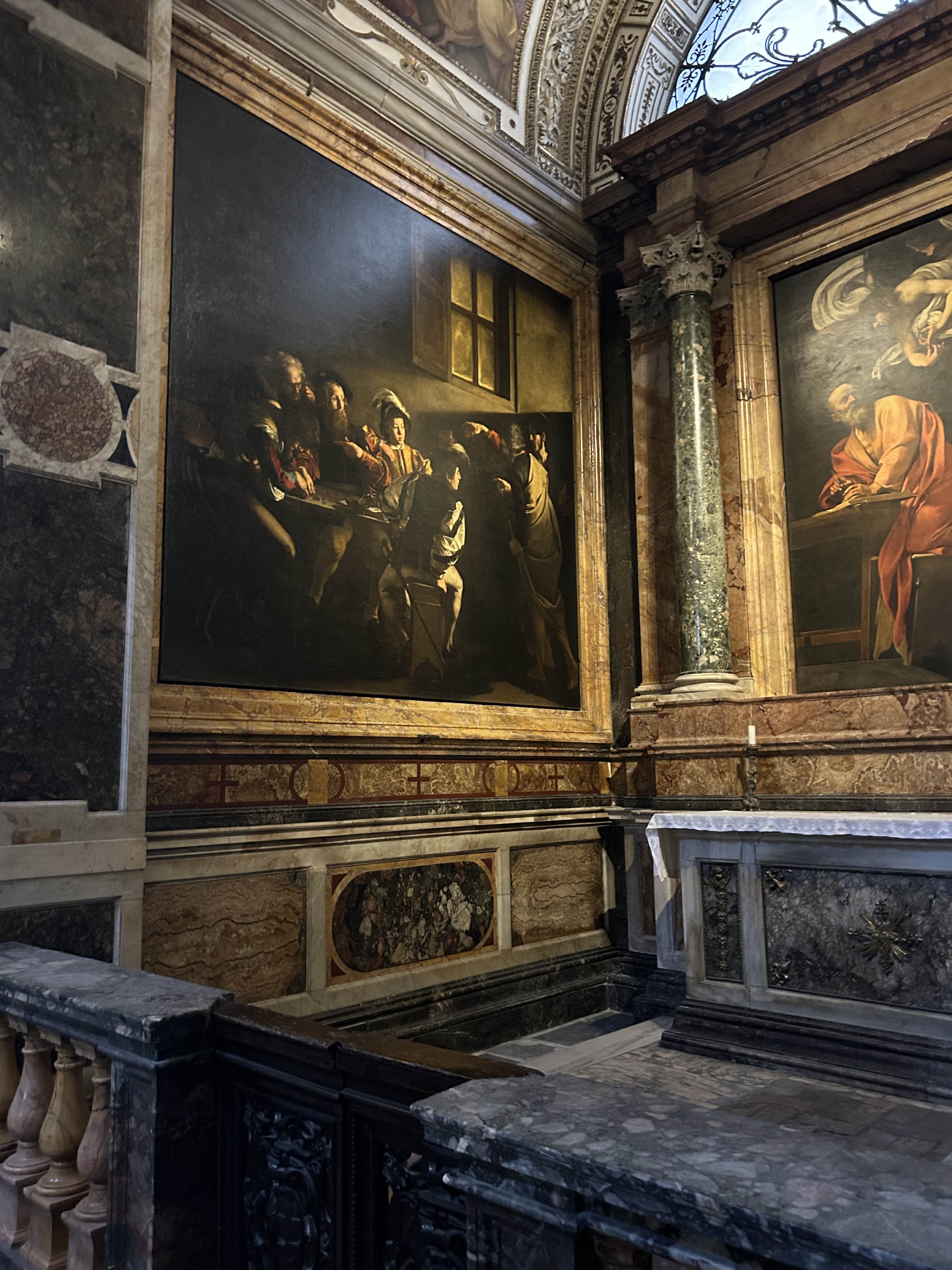
Caravaggio's The Calling of Saint Matthew, painted around 1599 to 1600, is among the most celebrated masterworks of the Italian Baroque and remains in situ in the Contarelli Chapel of San Luigi dei Francesi in Rome. The painting captures the precise divine moment when Christ summons Matthew the tax collector, a future apostle and evangelist, from his counting table, rendered with Caravaggio's signature chiaroscuro that dramatically isolates figures from deep shadow. Collectors and institutions prize this composition for its revolutionary naturalism and psychological immediacy, qualities that permanently transformed the course of Western painting. Witnessing it in its original architectural context underscores the extraordinary ambition of the commission and the unmatched genius of its creator.
- Medium
- Oil on canvas
Spotted works by Caravaggio
Artists in conversation
Gerrit van Honthorst
Dutch · b. 1592
Honthorst was among the most devoted followers of Caravaggio's tenebrism, painting dramatic religious and figural scenes with intense candlelight or single light sources that carve figures from deep shadow in the same manner as The Calling of Saint Matthew. His multi figure biblical narratives share the same theatrical illumination, naturalistic faces drawn from common people, and charged narrative tension.
Jusepe de Ribera
Spanish · b. 1591
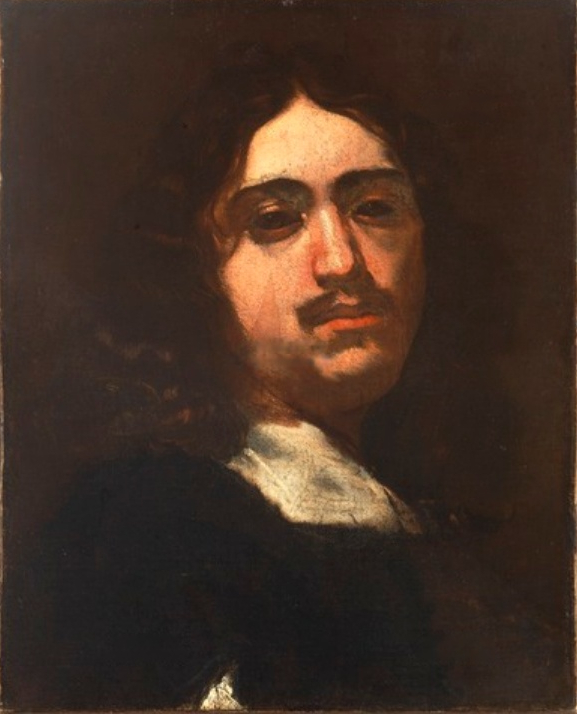
Ribera absorbed Caravaggio's chiaroscuro directly while working in Naples and applied it to sacred figurative narratives featuring apostles and saints rendered with gritty naturalism and psychological intensity closely aligned with The Calling of Saint Matthew. His darkly lit religious scenes featuring aged, weathered figures emerging from shadow share the same Counter Reformation spirituality and dramatic light geometry.
Hendrick ter Brugghen
Dutch · b. 1588
Ter Brugghen spent years in Rome absorbing Caravaggesque technique and directly painted the same subject of The Calling of Saint Matthew, rendering the tax collector scene with the same strong lateral light source, humble ordinary figures grouped around a table, and deep shadowed backgrounds that define this specific Caravaggio composition.
Start the Discussion
Request access to join the discussion