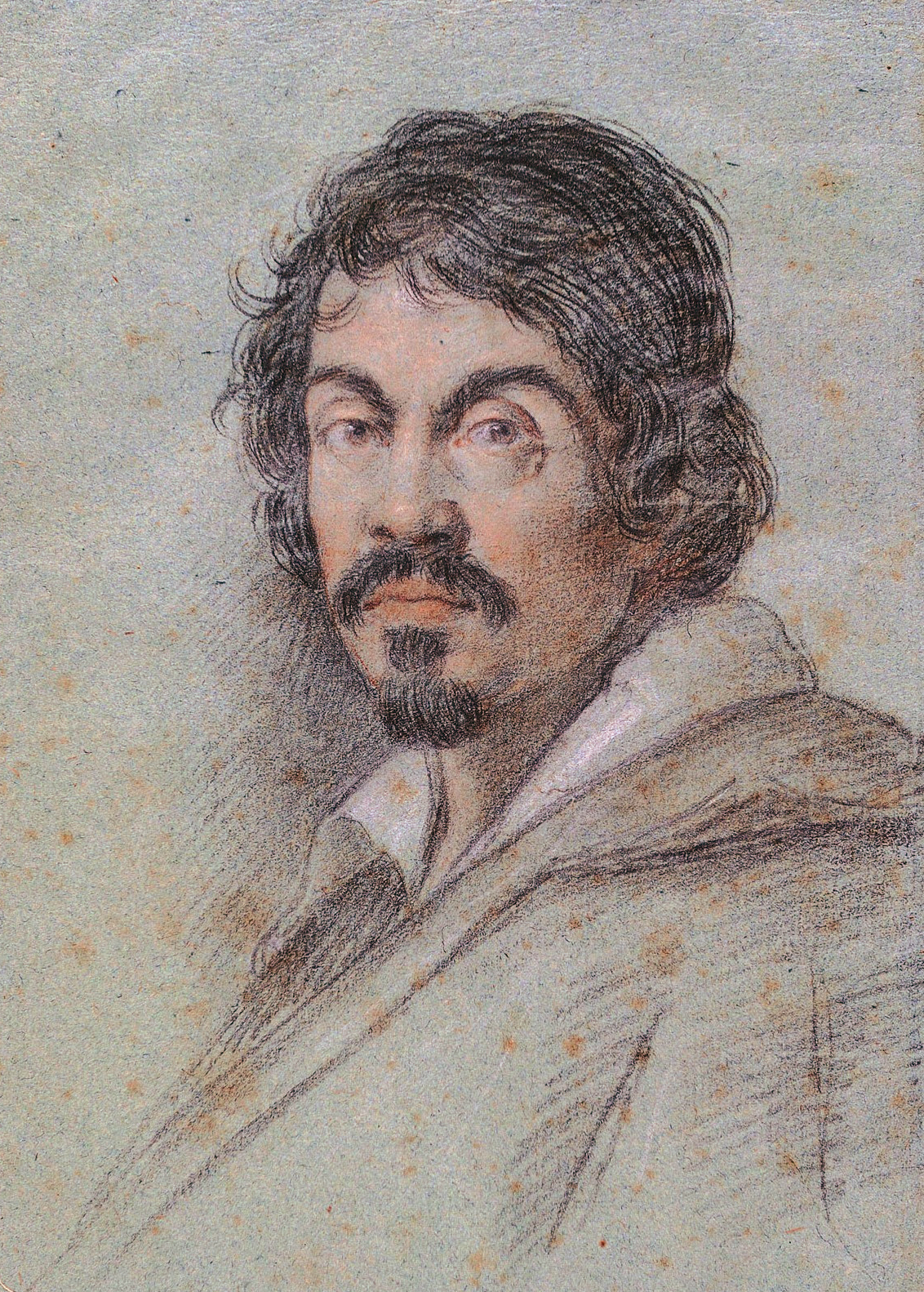
Caravaggio
1
Works
Michelangelo Merisi da Caravaggio was one of the most revolutionary and influential painters of the late Renaissance and early Baroque period. Born in Milan in 1571, he trained under Simone Peterzano before moving to Rome in the early 1590s, where he would produce the works that transformed Western painting. His most celebrated contribution to art history is the dramatic use of chiaroscuro, the radical contrast between intense light and deep shadow, a technique that came to be known as tenebrism. This approach gave his compositions an unprecedented sense of theatricality, psychological depth, and physical immediacy, setting him apart from the idealized beauty favored by his Renaissance predecessors. Caravaggio's major works include the monumental canvases for the Contarelli Chapel in Rome, depicting scenes from the life of Saint Matthew, as well as his celebrated 'The Calling of Saint Matthew' (1600), 'Judith Beheading Holofernes' (circa 1598), 'The Supper at Emmaus' (1601), and 'David with the Head of Goliath' (1610). He was known for using ordinary people, including laborers and street figures, as models for religious subjects, a choice that was considered controversial and sometimes scandalous by Church patrons. His naturalistic, unidealized treatment of sacred narratives challenged prevailing conventions and sparked fierce debate among his contemporaries. Caravaggio's turbulent personal life, marked by brawls, legal troubles, and ultimately a charge of murder in 1606, forced him into exile in Naples, Malta, Sicily, and back to Naples. Despite his fugitive years, he continued to produce masterful work, and his influence spread rapidly through Europe via artists who became known as Caravaggisti. Painters such as Artemisia Gentileschi, Gerrit van Honthorst, and Jusepe de Ribera absorbed and transmitted his innovations. His legacy endures as foundational to the Baroque movement, and his works are housed in major institutions including the Uffizi, the Louvre, the Vatican Museums, and the National Gallery in London.
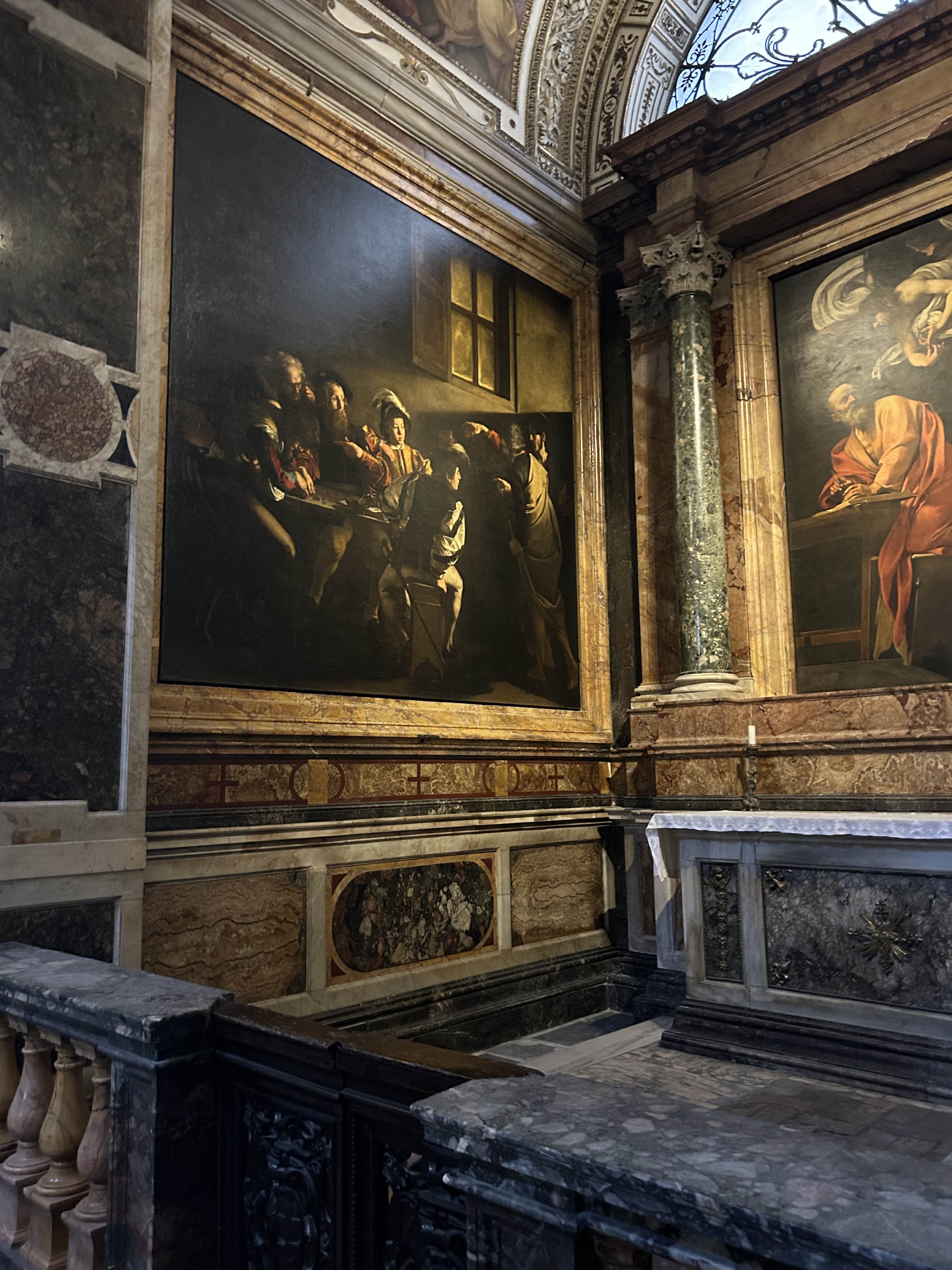
Spotted by
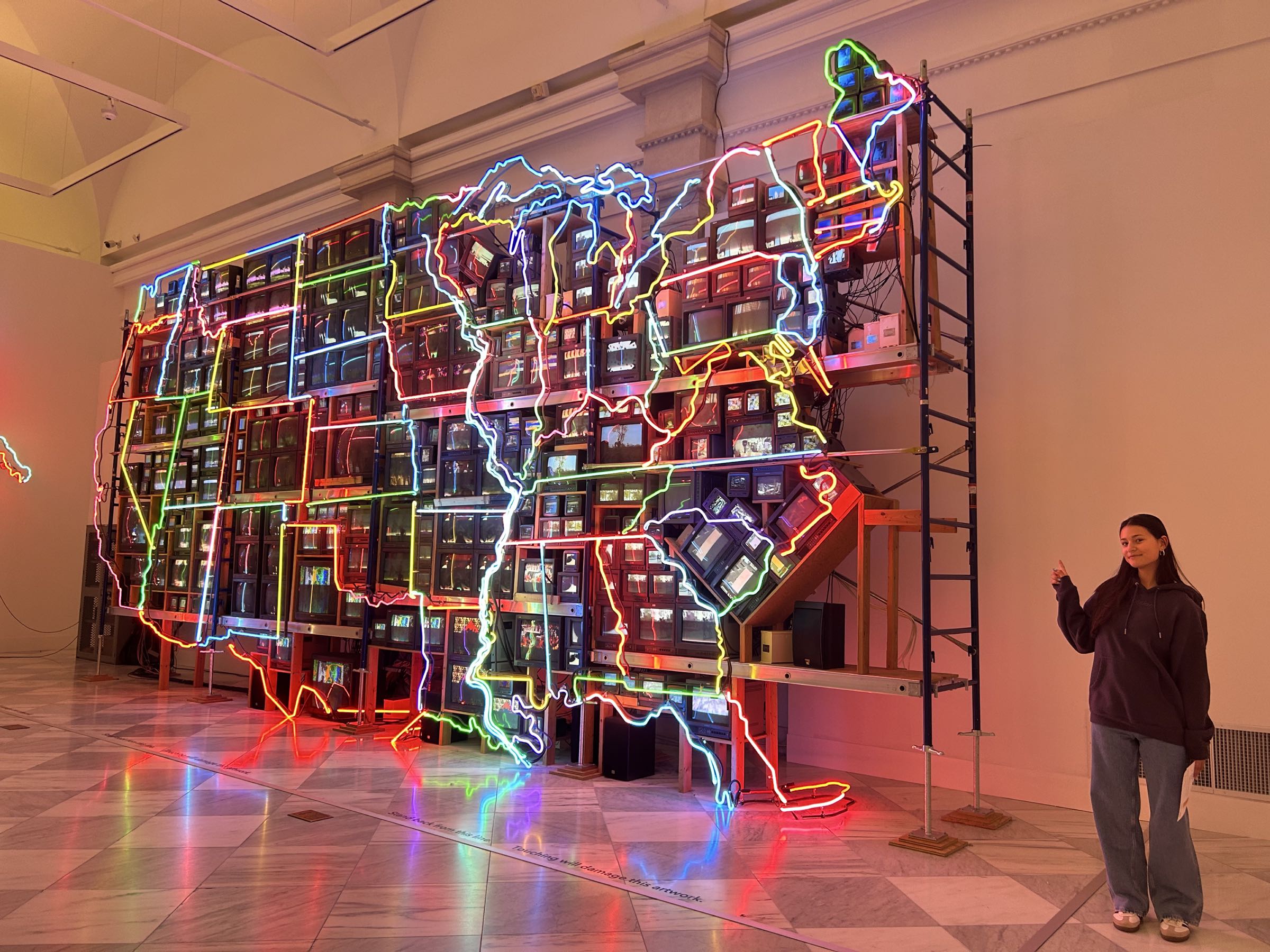
Artists in conversation