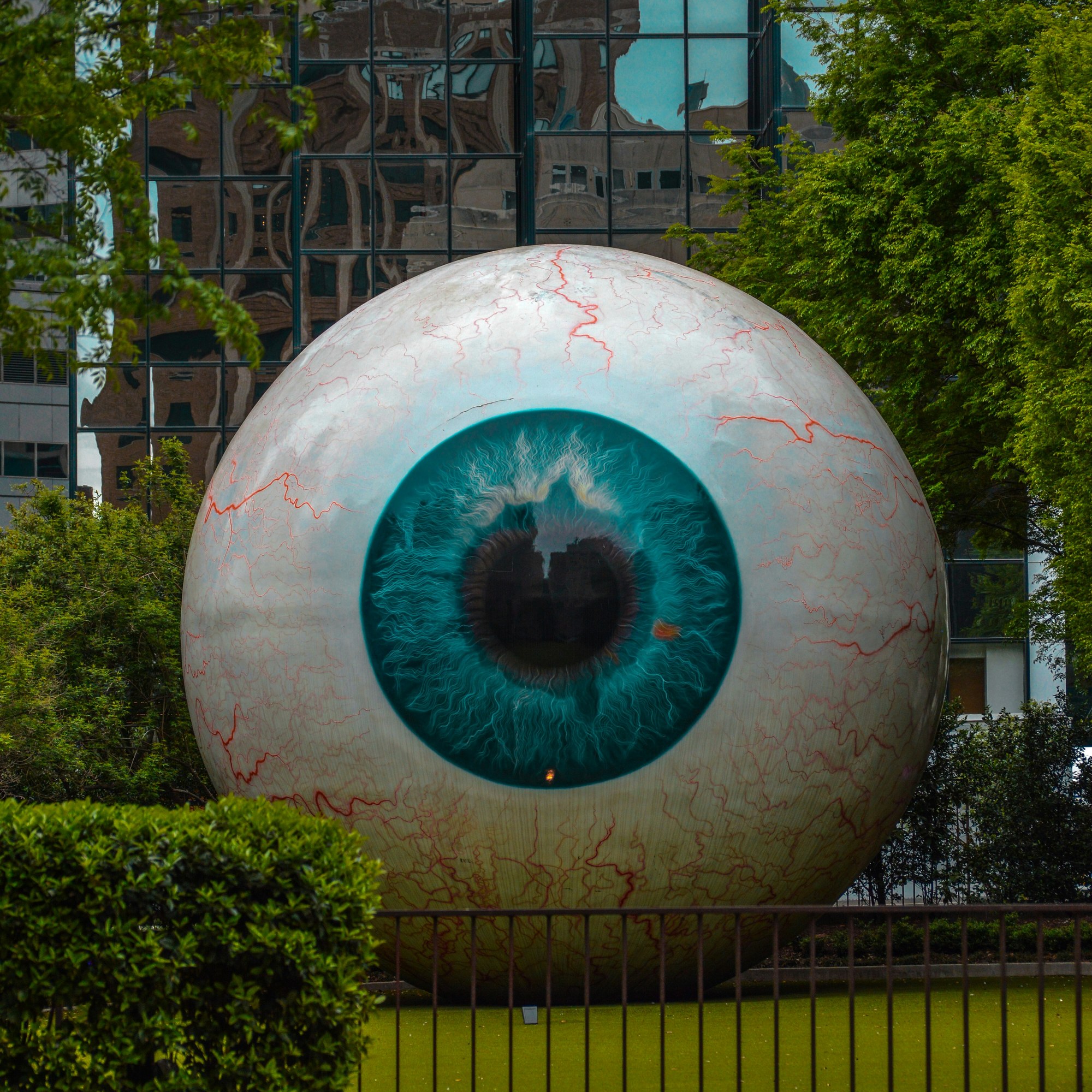
Eye
2007
This monumental spherical sculpture presents a hyperrealistic human eye rendered in fiberglass and resin, commanding attention with its striking turquoise iris and dilated pupil set against a pale white sclera traced with delicate red veins. Created by Tony Tasset in 2007, the work measures approximately 17 feet in diameter and occupies the sculpture garden at the Joule Hotel in Dallas, serving as both a captivating visual centerpiece and a meditation on perception, surveillance, and human vulnerability. The eye's anatomically precise detailing and unsettling scale invite viewers to confront the strange intimacy of being observed by something so monumental and so familiar. Rendered in durable fiberglass and steel, the piece withstands the elements while maintaining its arresting presence amid the urban landscape and surrounding greenery. The work exemplifies contemporary public art that bridges Pop sensibility with conceptual inquiry, transforming a mundane biological feature into an icon of monumentality. Photo by Cole Parks on Unsplash
- Medium
- Fiberglass, resin, and steel
More by Tony Tasset
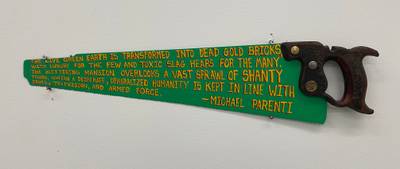
Artists in conversation
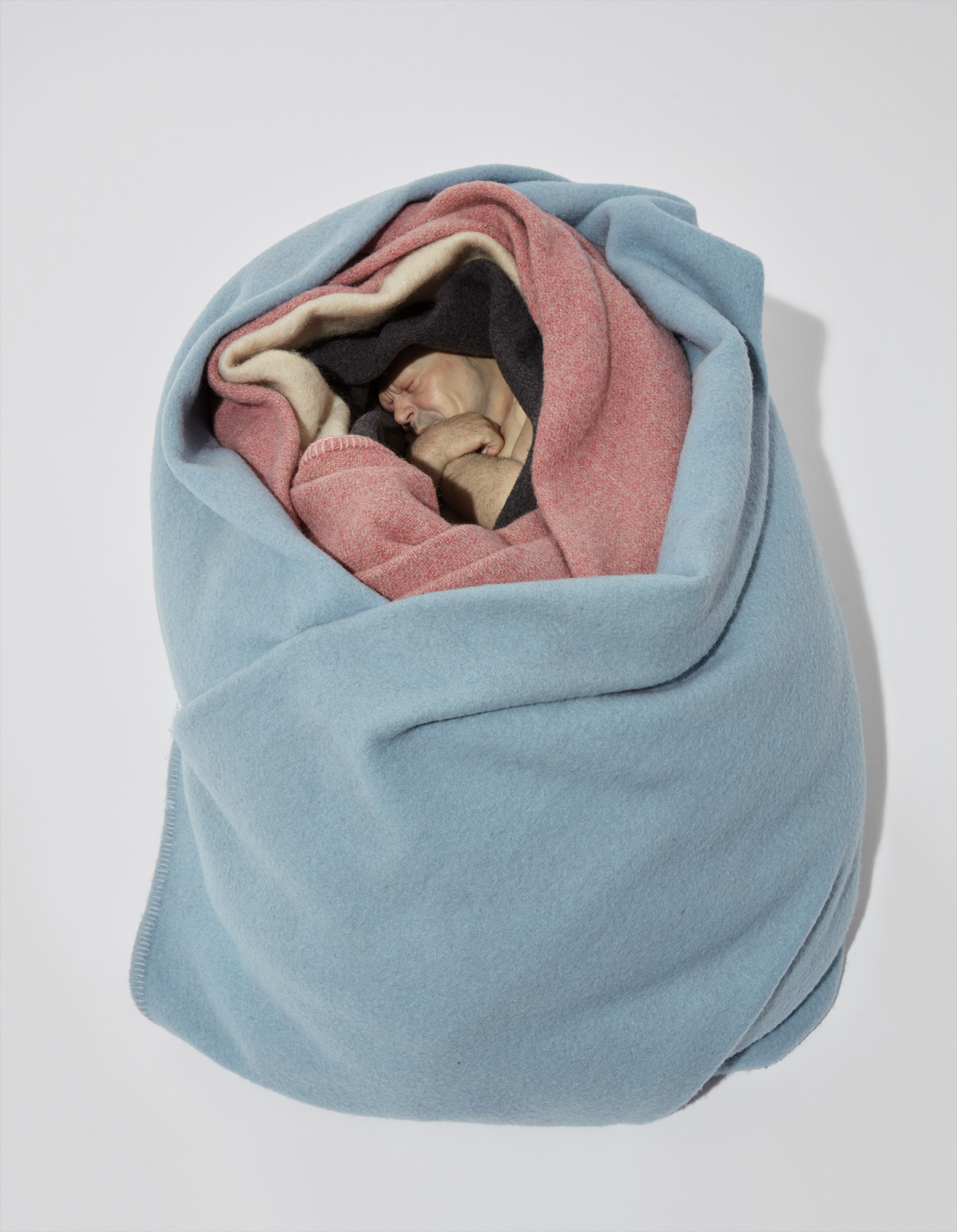
Ron Mueck
Australian · b. 1958
Mueck creates hyperrealistic figurative sculptures at dramatically distorted scales, rendering human anatomy with uncanny precision in resin and fiberglass. His monumental treatment of human body parts shares the same visceral confrontational quality and obsessive surface realism as Tasset's giant eye.

Maurizio Cattelan
Italian · b. 1960
Cattelan creates large scale public sculptures that use hyperrealistic or iconic imagery to provoke meditation on surveillance, vulnerability, and the uncanny in urban settings. His monumental public works share Tasset's strategy of deploying a single confrontational image to unsettle viewers in outdoor institutional spaces.
Patricia Piccinini
Australian · b. 1965
Piccinini works in fiberglass and resin to produce hyperrealistic sculptural works that examine human anatomy, vulnerability, and the boundaries of the body with deeply unsettling verisimilitude. Her meticulous rendering of biological surfaces and her focus on provoking discomfort through extreme anatomical detail closely parallel Tasset's approach in Eye.
Start the Discussion
Request access to join the discussion