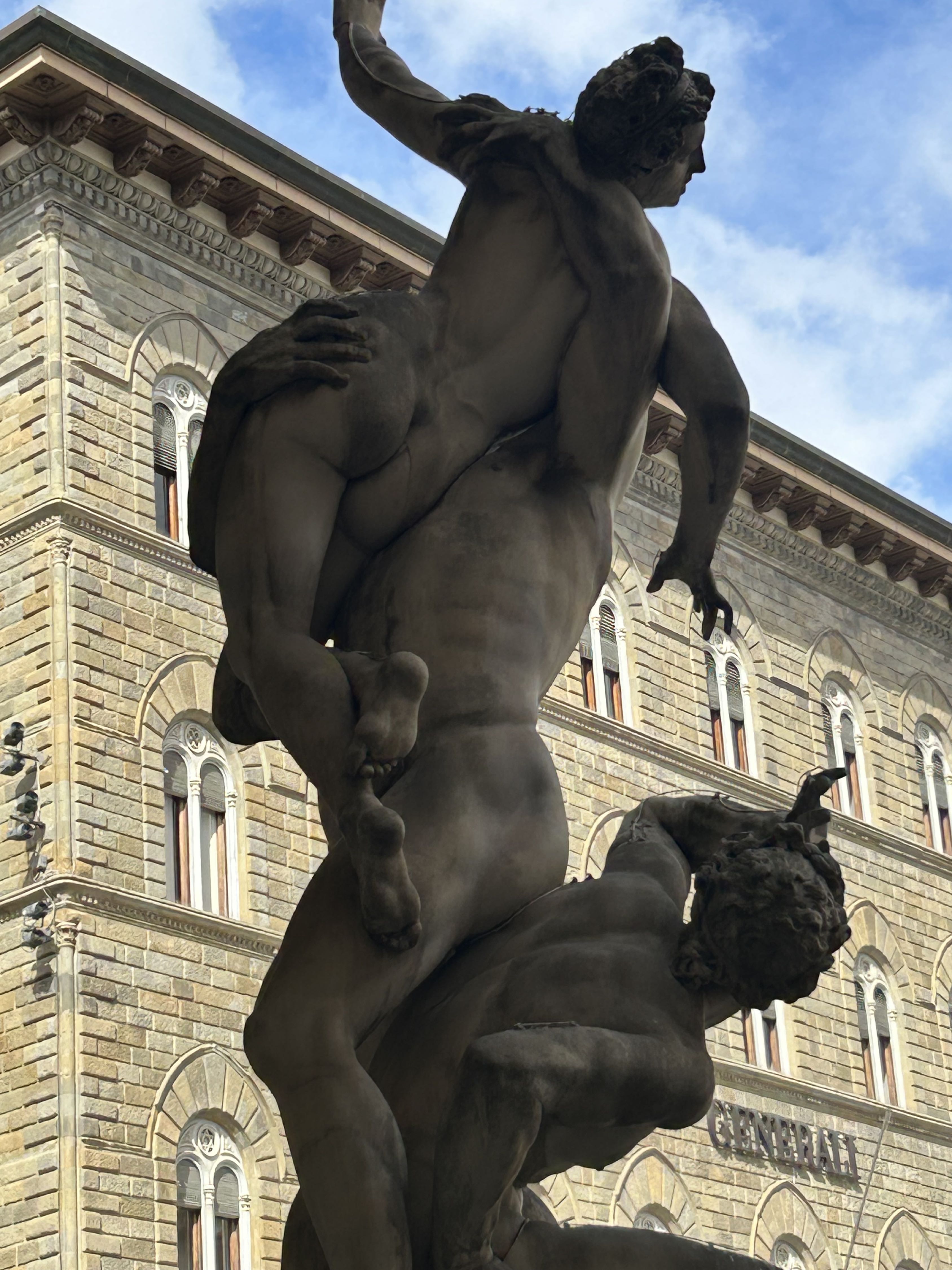
The Rape of the Sabine Women
1583
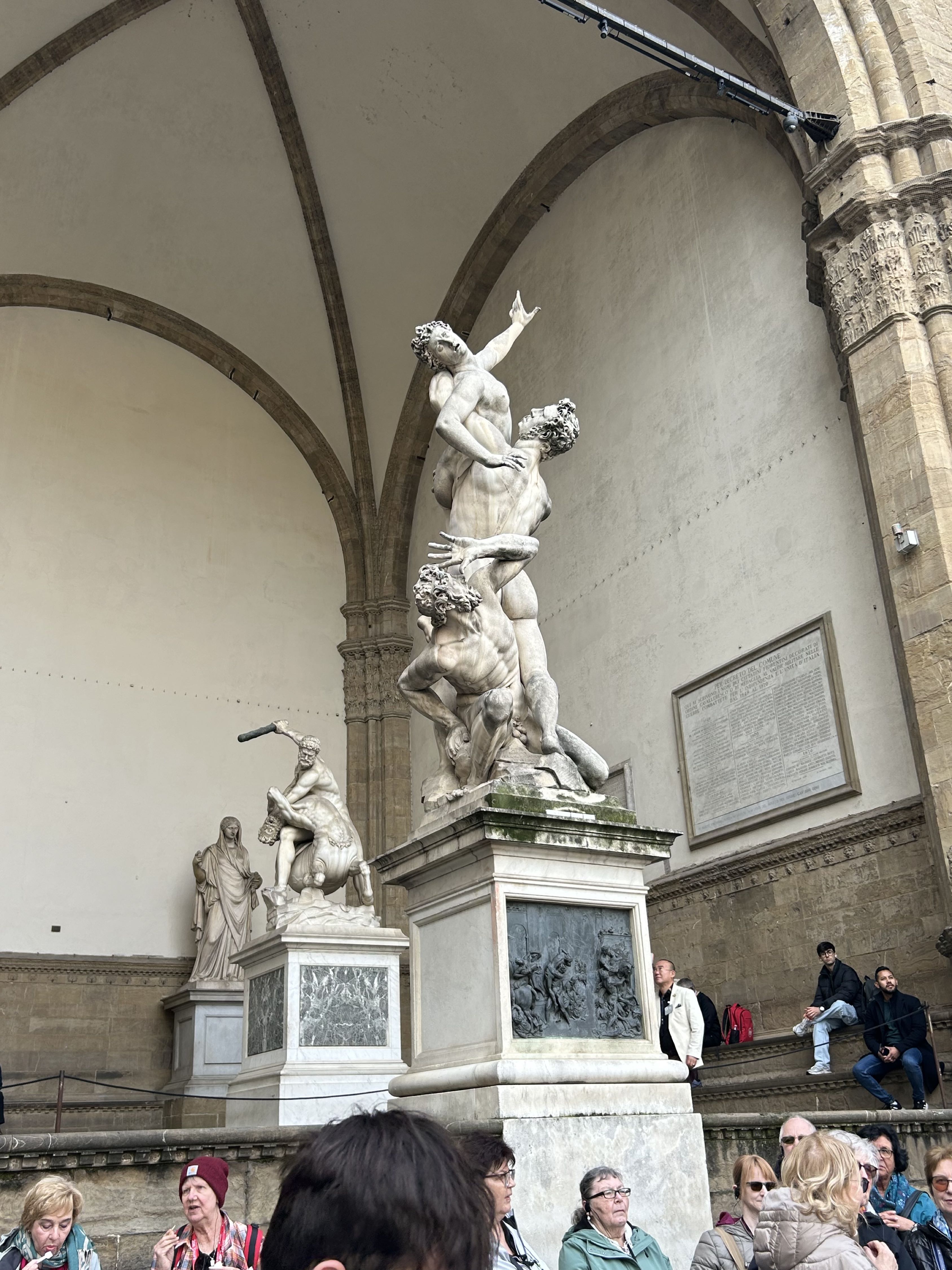
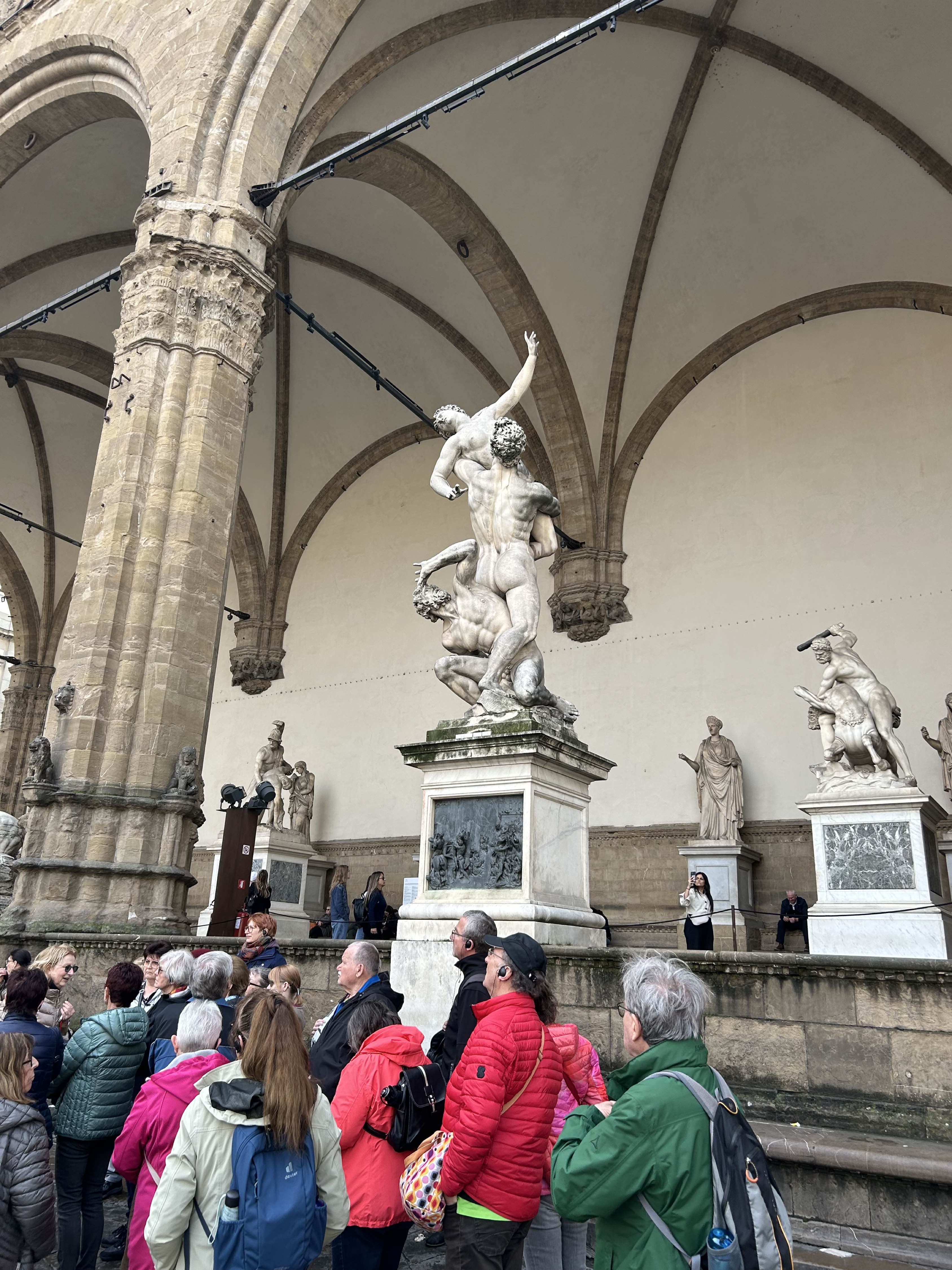
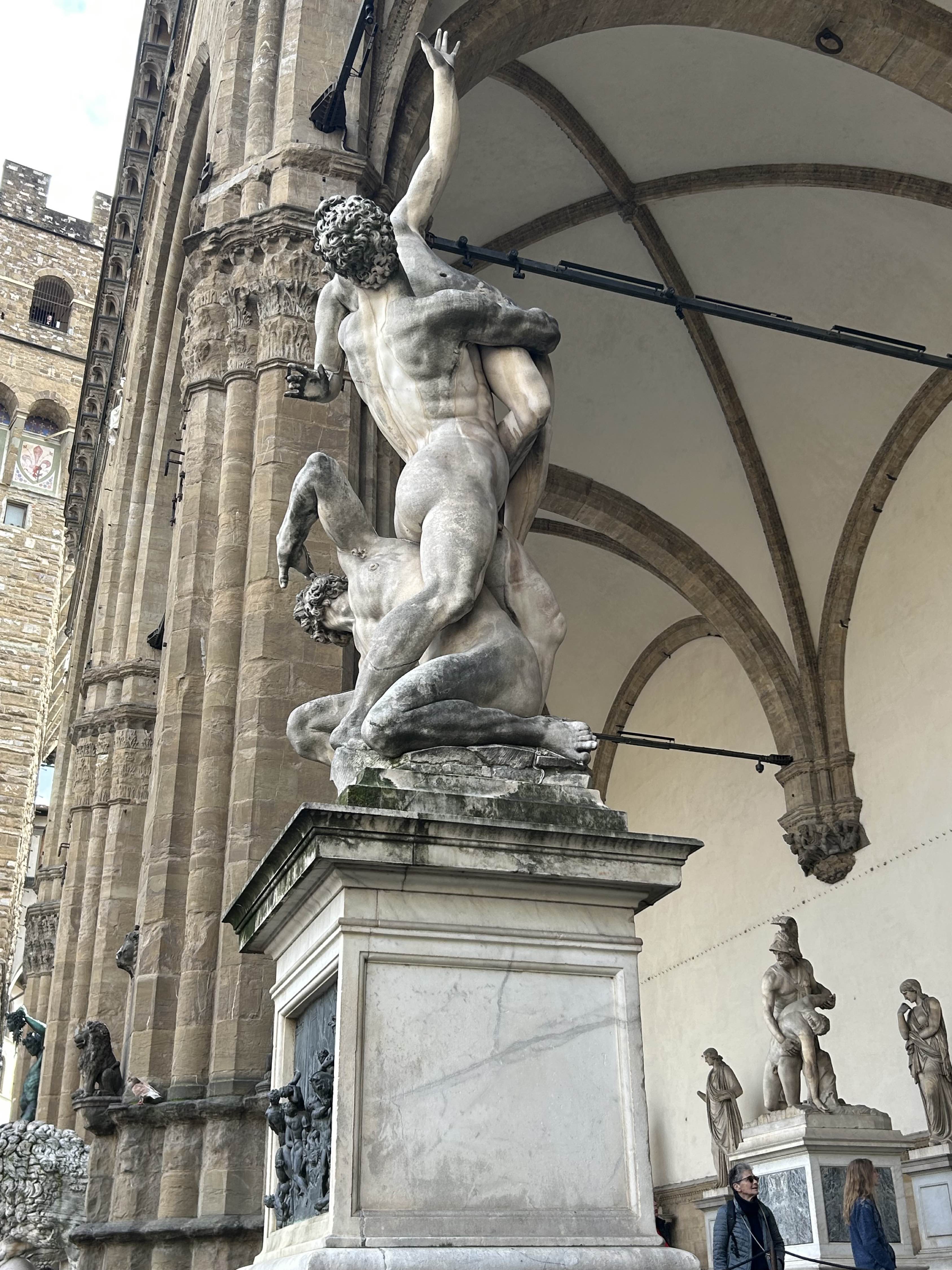
Giambologna's masterpiece The Rape of the Sabine Women is a towering achievement in marble sculpture completed in 1583 and stands as one of the most ambitious multi figure compositions of the Italian Renaissance. Carved from a single massive block of marble and installed permanently in the Loggia dei Lanzi in Florence, this work commands international recognition and represents the absolute pinnacle of Mannerist sculptural achievement. Collectors and institutions worldwide regard it as an essential reference point for understanding the evolution of Western sculpture, as its dynamic upward spiral of three interlocked figures demonstrates a technical virtuosity that has never been surpassed. The bronze relief panels on the base add further narrative depth, making this an extraordinarily complete and historically significant monument.
- Medium
- Marble
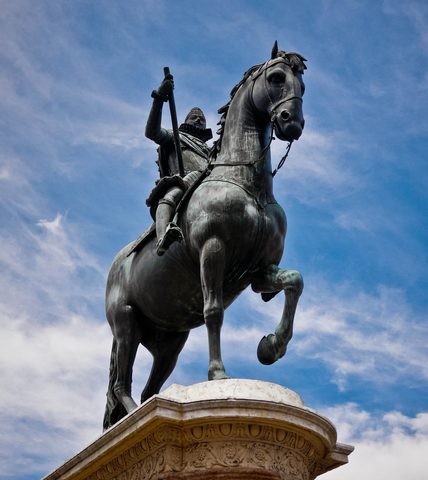
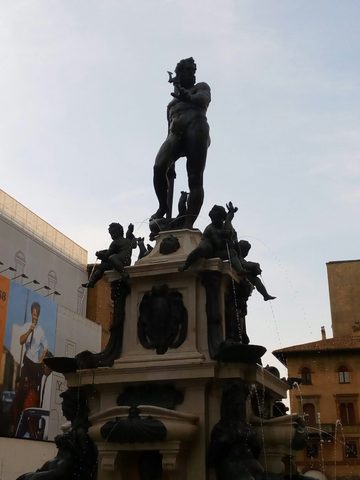
Spotted works by Giambologna
Artists in conversation
Baccio Bandinelli
Italian · b. 1493
Bandinelli worked in marble on monumental multi figure groups in Florence during the same era, most notably his Hercules and Cacus in the Piazza della Signoria, directly adjacent to where Giambologna's work stands. Both artists shared a commitment to dramatic muscular figuration carved from single massive marble blocks in a Mannerist idiom.
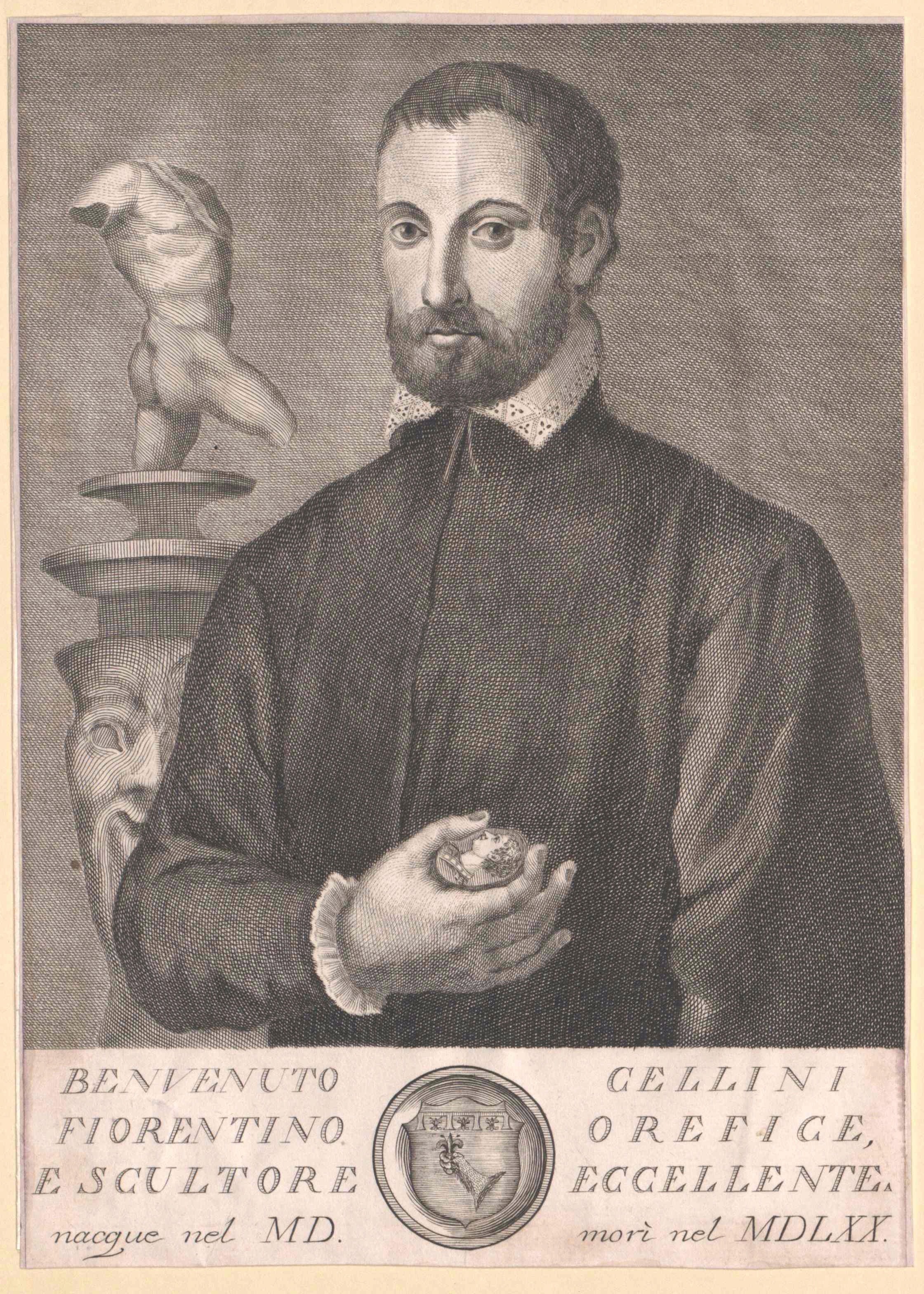
Benvenuto Cellini
Italian · b. 1500
Cellini's Perseus with the Head of Medusa stands in the same Loggia dei Lanzi in Florence and shares Giambologna's emphasis on serpentine multi figure mythological narrative rendered with extreme technical virtuosity. Both artists pushed Mannerist figuration toward dynamic contraposto forms imbued with violent classical subject matter.
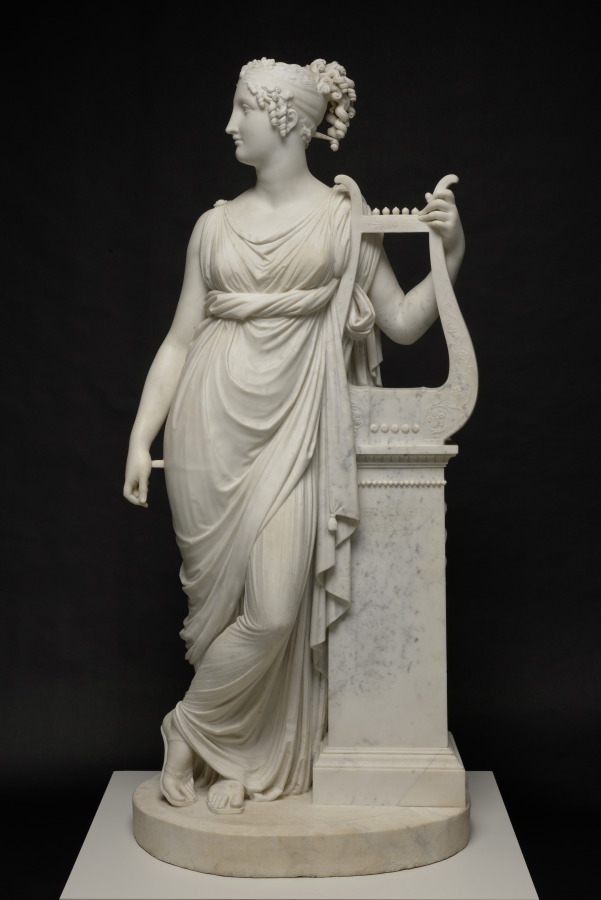
Antonio Canova
Italian · b. 1757
Canova carried forward Giambologna's tradition of large scale marble multi figure mythological compositions with similarly charged physical drama, as seen in works like The Three Graces and Psyche Revived by Cupid's Kiss. His mastery of carving intertwined figures from single marble blocks in narratives drawn from classical mythology directly echoes the formal and thematic ambitions of the Sabine Women.
Start the Discussion
Request access to join the discussion