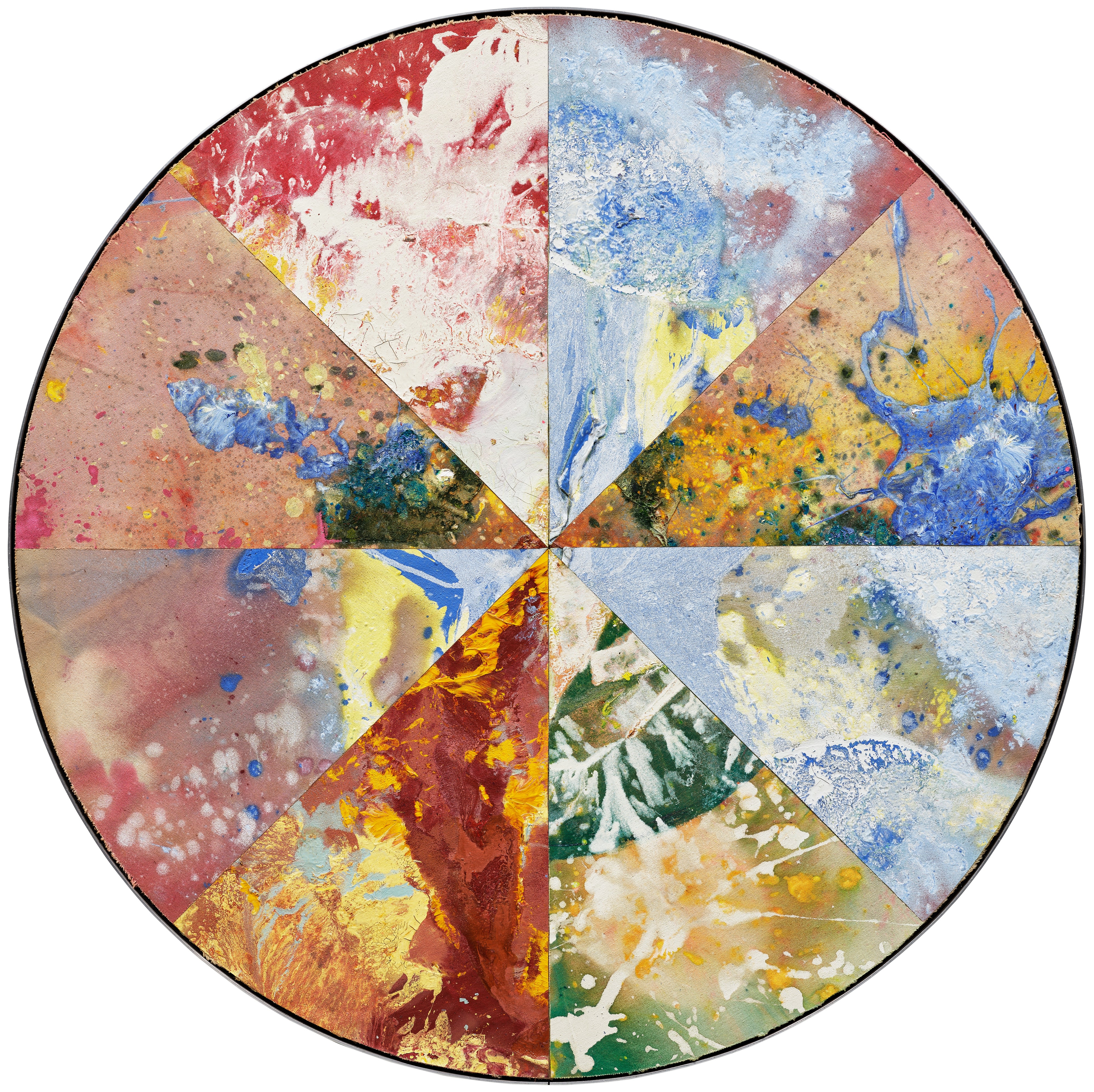
Dew
1974
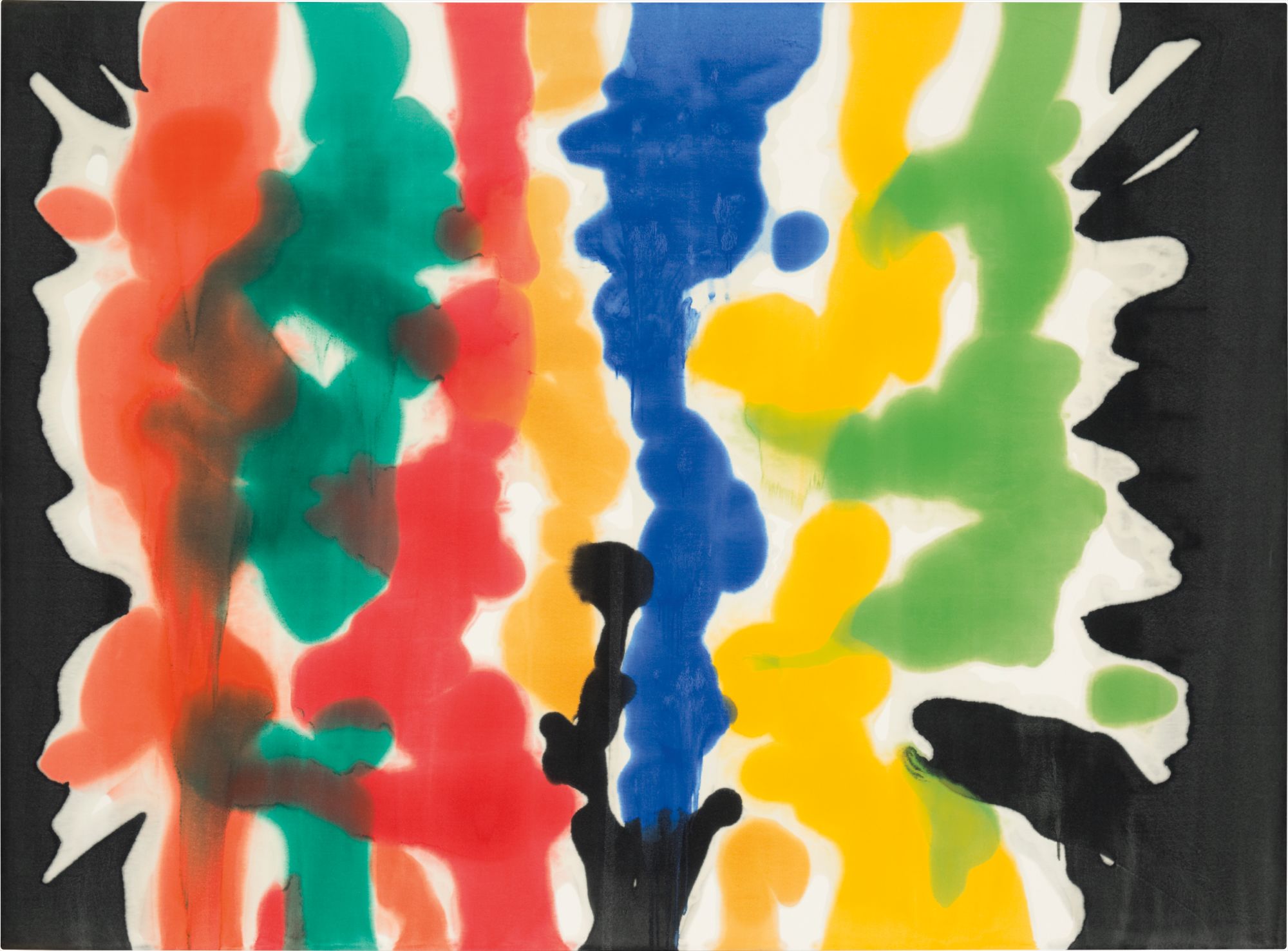
Sam Gilliam's "Dew" exemplifies his innovative approach to abstract painting through the layering of collage, acrylic, dye pigments, and oil glazes on canvas mounted to board. The work demonstrates Gilliam's characteristic exploration of color, transparency, and material texture, techniques he developed as a pioneering figure in Color Field painting and process-based abstraction. The combination of diverse media creates visual depth and luminosity, inviting viewers to contemplate how different materials interact and transform under light.
- Medium
- collage, acrylic, dye pigments and oil glazes on canvas mounted to board
- Signed
- Yes
- Location
- Phillips, Salt Lake City, UT
- Spotted At
- Auction House · PhillipsView on map
Notes
Execution: Executed in 1974-1975. Literature: Benjamin Forgey, "Energy is the Catalyst in Sam Gilliam's Formula," Exhibition History: Washington, D.C., Fendrick Gallery,
🔨 Auction Lot
Modern & Contemporary Art
February 28, 2026
Estimate: $200,000 to $300,000
Sold: $412,800
Lot 15
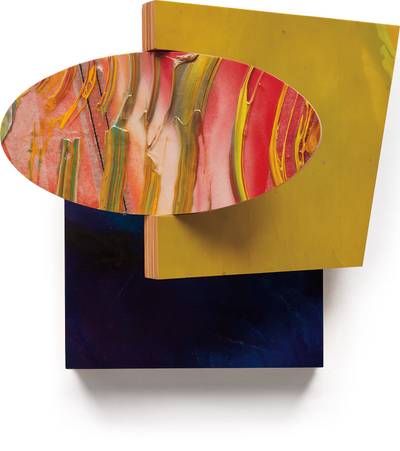
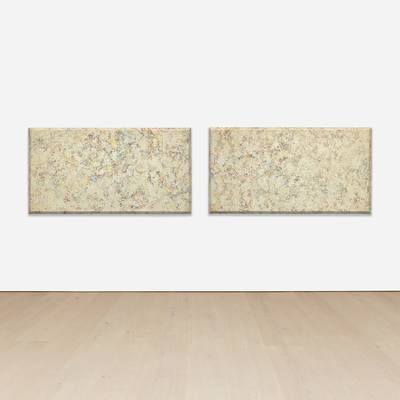
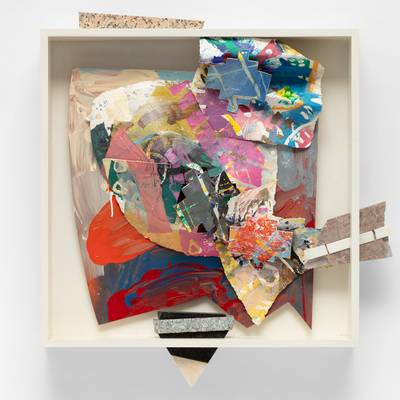
Artists in conversation
Morris Louis
American · b. 1912
Louis pioneered Color Field painting using poured acrylic and dye on unprimed canvas, creating luminous transparent layers of flowing color that directly parallel Gilliam's layered dye pigments and oil glazes in Dew. Both artists treated color as a physical and atmospheric presence rather than a descriptive tool.
Helen Frankenthaler
American · b. 1928
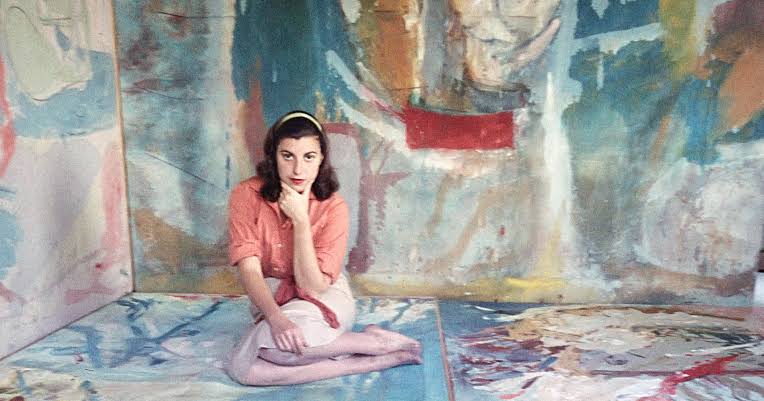
Frankenthaler's soak stain technique produced deeply transparent, fluid color fields on canvas that share the same luminosity and lyrical abstraction visible in Dew. Her layering of paint to create atmospheric depth and contemplative mood closely mirrors the material and emotional qualities of this specific work.
Kenneth Noland
American · b. 1924
Noland worked extensively with acrylic and dye on canvas within the Color Field tradition, exploring how transparent washes of pigment could build visual depth and chromatic intensity in ways that resemble Gilliam's layered approach in Dew. Both artists shared a deep interest in how material processes could generate expressive non representational color relationships.
Start the Discussion
Request access to join the discussion