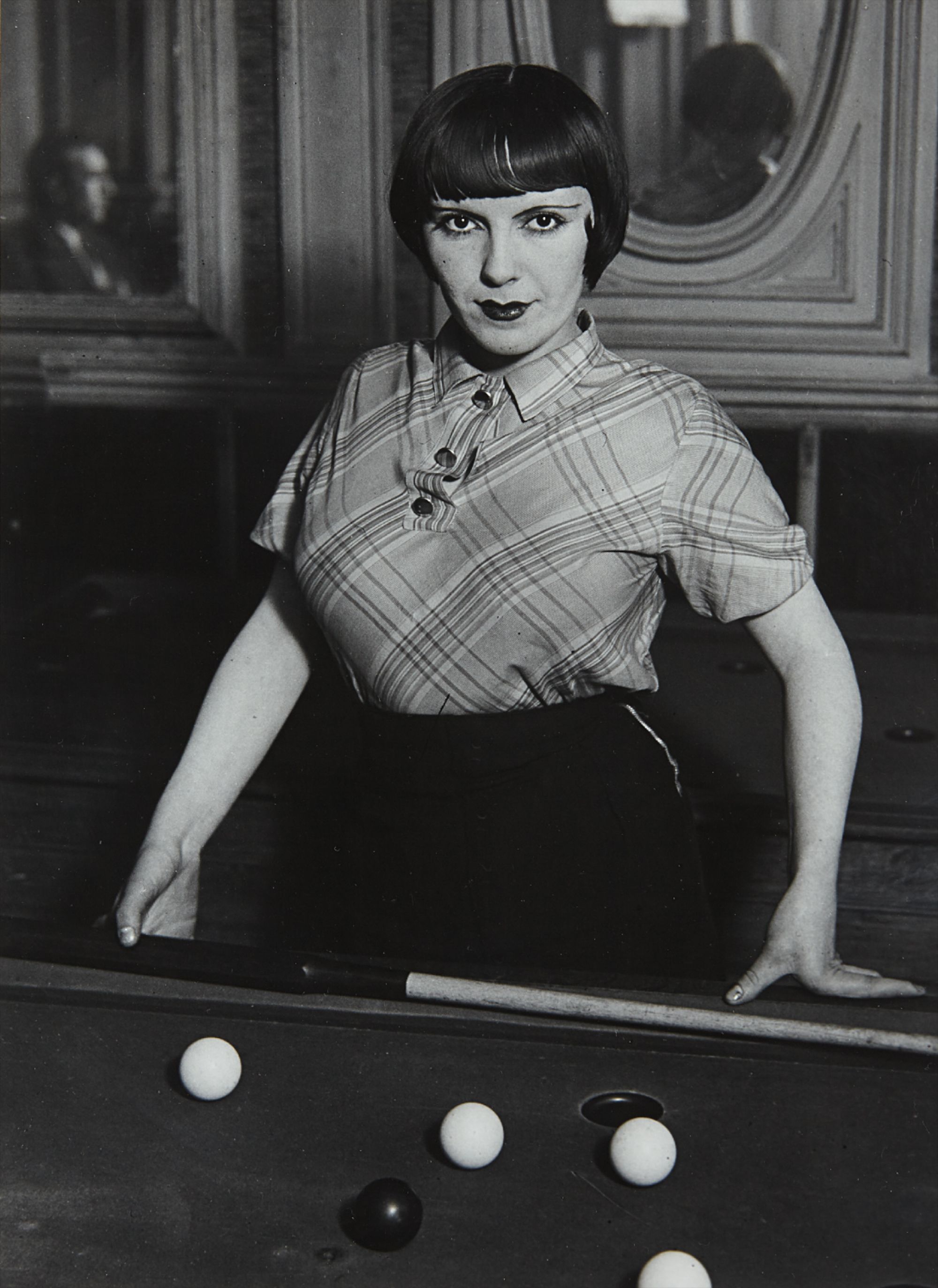
Prostitute Playing Russian Billiards, Boulevard Rochechouart
A lone prostitute leans over a billiard table in a dimly lit Parisian café along the Boulevard Rochechouart, her figure caught in Brassaï's characteristic interplay of shadow and electric light. The image captures the gritty, nocturnal underworld of 1930s Paris with unflinching intimacy, transforming a fleeting moment of leisure into a quietly poignant document of marginal life. Brassaï's masterful use of available light gives the gelatin silver print a luminous, almost theatrical quality that elevates the mundane into something deeply atmospheric and human.
- Medium
- Gelatin silver print, printed later.
- Location
- Phillips, Salt Lake City, UT
- Spotted At
- Auction House · PhillipsView on map
🔨 Auction Lot
Photographs
May 8, 2014
More by Brassaï (Gyula Halász)
Artists in conversation
Weegee
American (born Austrian) · b. 1899
Weegee similarly documented the raw nocturnal underbelly of urban life using available and flash light to create dramatic gelatin silver prints with deep shadows and stark contrasts. His unflinching intimacy with marginal figures, night workers, and street life in 1930s and 1940s New York directly parallels this image of a Parisian prostitute caught in a fleeting, unguarded moment.
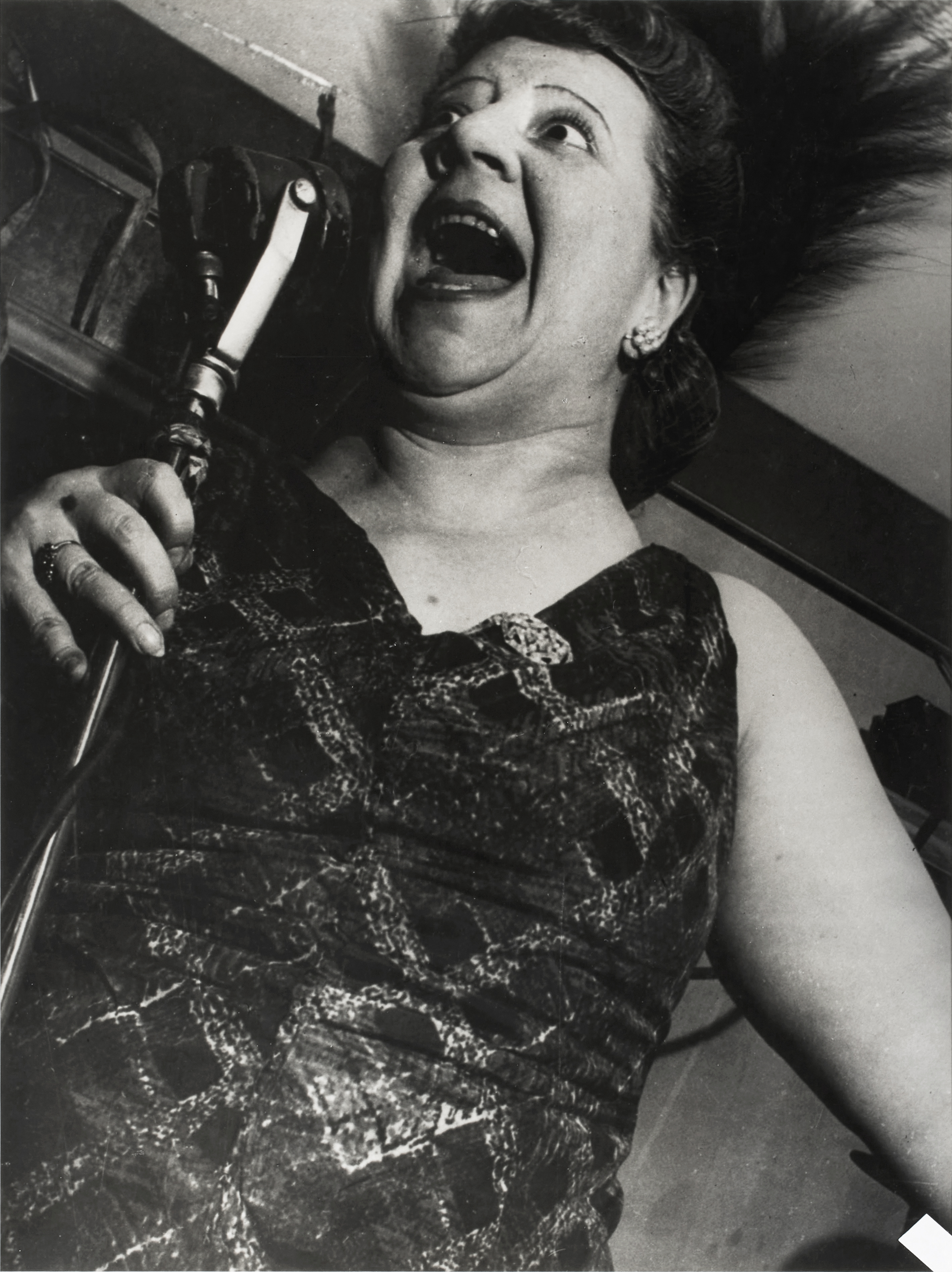
Lisette Model
American (born Austrian) · b. 1901
Model shared Brassaï's dedication to photographing working class and marginal urban figures in cafés, bars, and nighttime social spaces with a similarly gritty and psychologically charged atmosphere. Her black and white work captures the same quiet dignity and raw humanity found in this image of a lone woman in a dimly lit Parisian establishment.
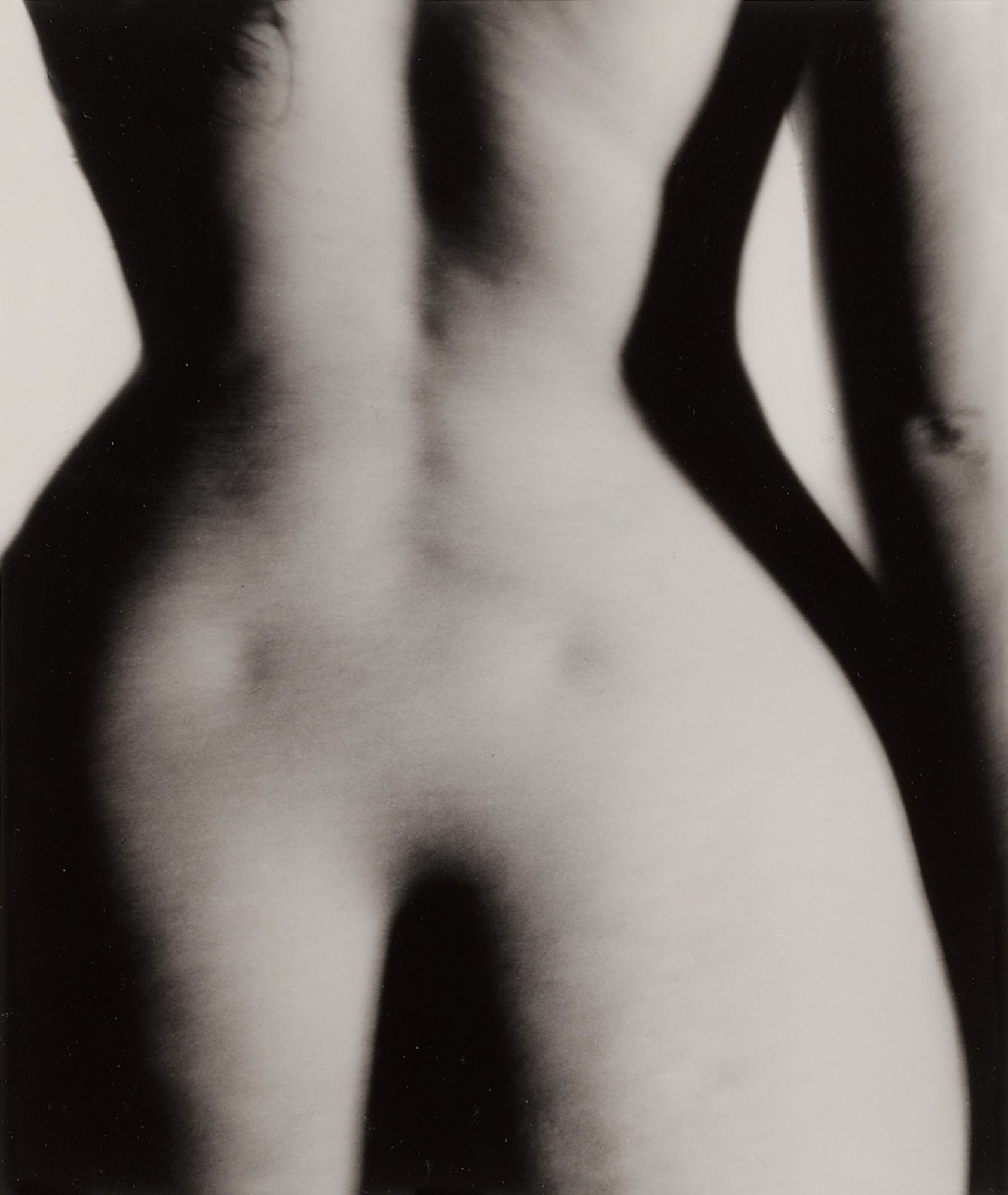
Bill Brandt
British · b. 1904
Brandt documented the nocturnal social landscape of 1930s London with the same atmospheric interplay of electric light and deep shadow found in this Brassaï print, often focusing on working class figures in pubs and nightlife venues. His gelatin silver prints share the theatrical luminosity and documentary intimacy that transforms everyday marginal scenes into quietly poignant social documents.
Start the Discussion
Request access to join the discussion