Philip Lorca Dicorcia
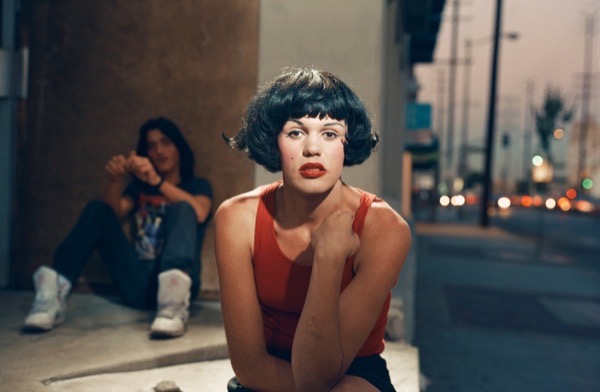
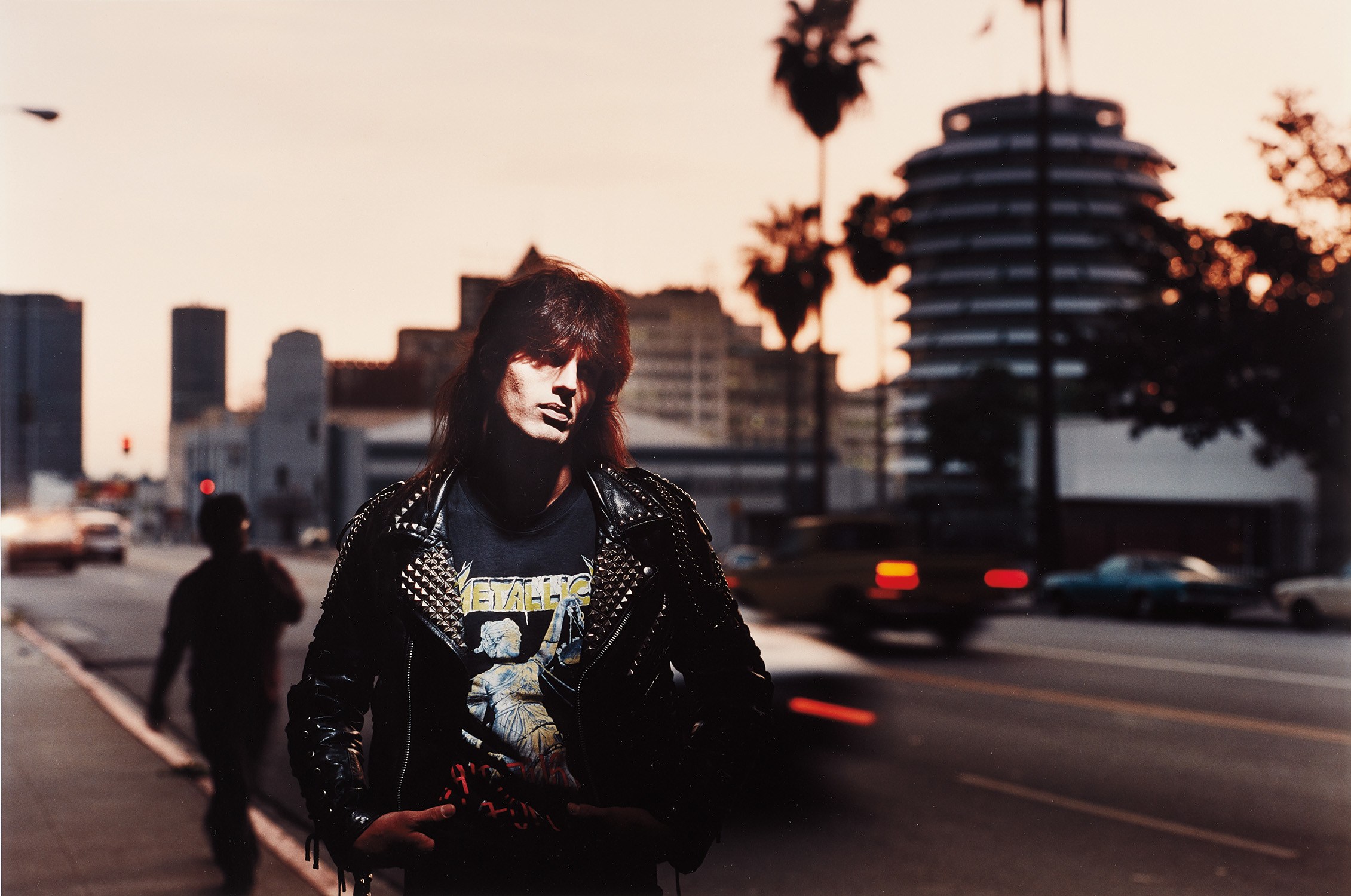
Philip-Lorca diCorcia is one of the most influential American photographers of his generation, known for a body of work that blurs the boundary between documentary photography and staged, cinematic fiction. Born in Hartford, Connecticut in 1951, he studied at the School of the Museum of Fine Arts in Boston and later received his MFA from Yale University. His practice draws on the visual language of film noir and Hollywood cinema, using elaborate artificial lighting setups to transform everyday scenes into images of heightened psychological tension. This approach challenges traditional distinctions between straight photography and constructed imagery, situating diCorcia at a pivotal moment in the medium's conceptual evolution. DiCorcia first gained significant attention with his early series depicting friends and family members in domestic settings, staged to resemble casual snapshots yet imbued with an uncanny, narrative charge. His landmark series 'Hustlers' (1990-1992) featured male sex workers photographed in Los Angeles hotel rooms, combining documentary subject matter with a meticulously lit, theatrical aesthetic. Later, his 'Heads' series (2000-2001) captured unsuspecting pedestrians in New York City using strobe lights triggered from a concealed scaffold, producing strikingly intimate portraits of strangers caught in a moment of private contemplation. This series sparked a notable legal debate regarding photographers' rights to photograph people in public spaces. DiCorcia's work has been exhibited at major institutions worldwide, including the Museum of Modern Art in New York, the Whitney Museum of American Art, and the Museo Nacional Centro de Arte Reina Sofia in Madrid. He has been represented by Pace Gallery and has shown extensively at international art fairs. His photographs are held in numerous prominent public and private collections, and he has received fellowships from the National Endowment for the Arts. Widely regarded as a key figure in the conceptual turn in photography during the 1980s and 1990s, diCorcia continues to be celebrated for his ability to find the extraordinary within the mundane and to charge ordinary human experience with cinematic, emotional resonance.
Collectors
Artists in conversation