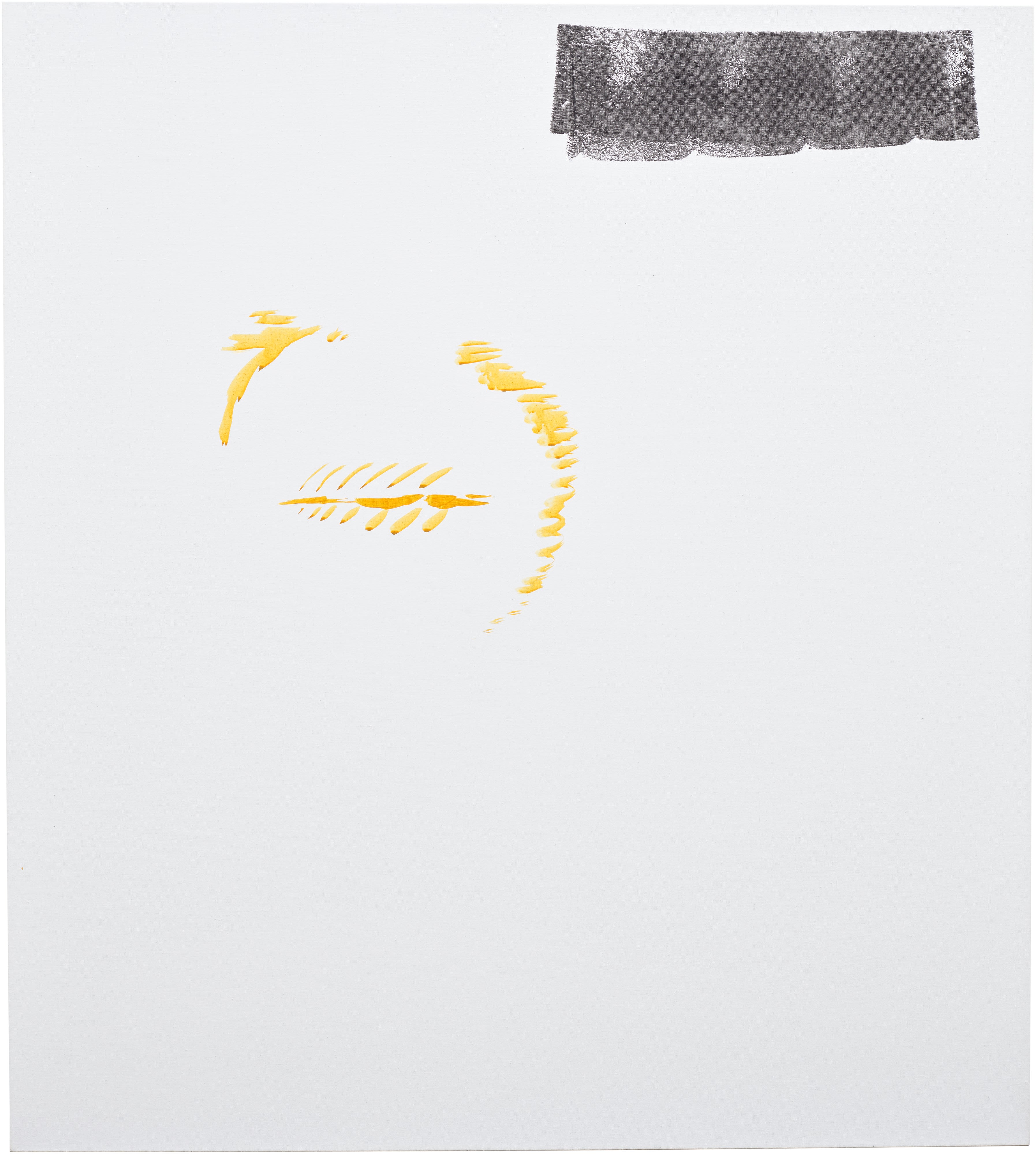
Michael Krebber
Michael Krebber creates paintings and sculptures characterized by irony, negation, and critique of painting itself, often leaving canvases seemingly unfinished or failed. His work influenced a generation of artists through conceptual rigor and anti-expressive gestures. He is collected by MoMA and European institutions.
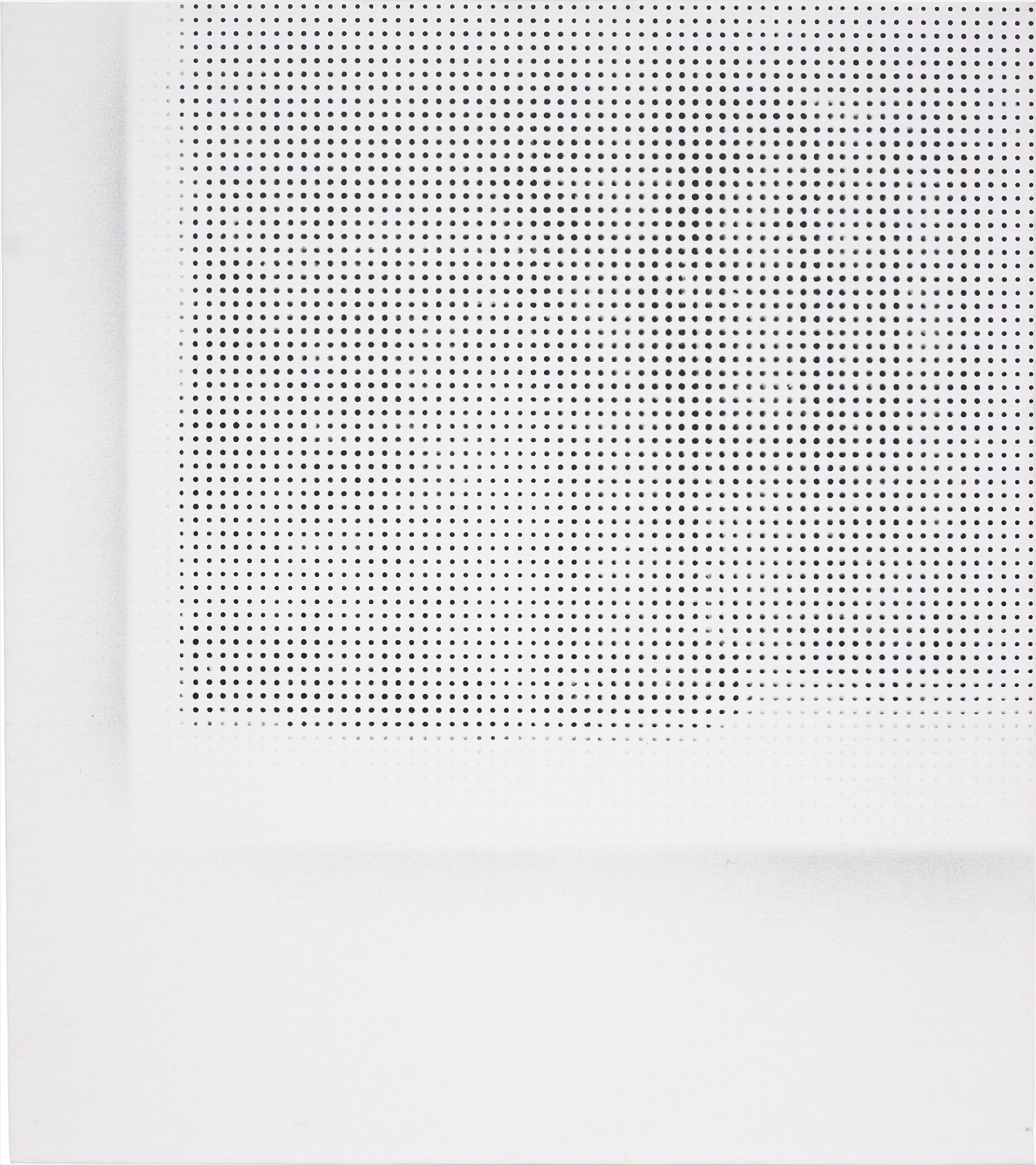
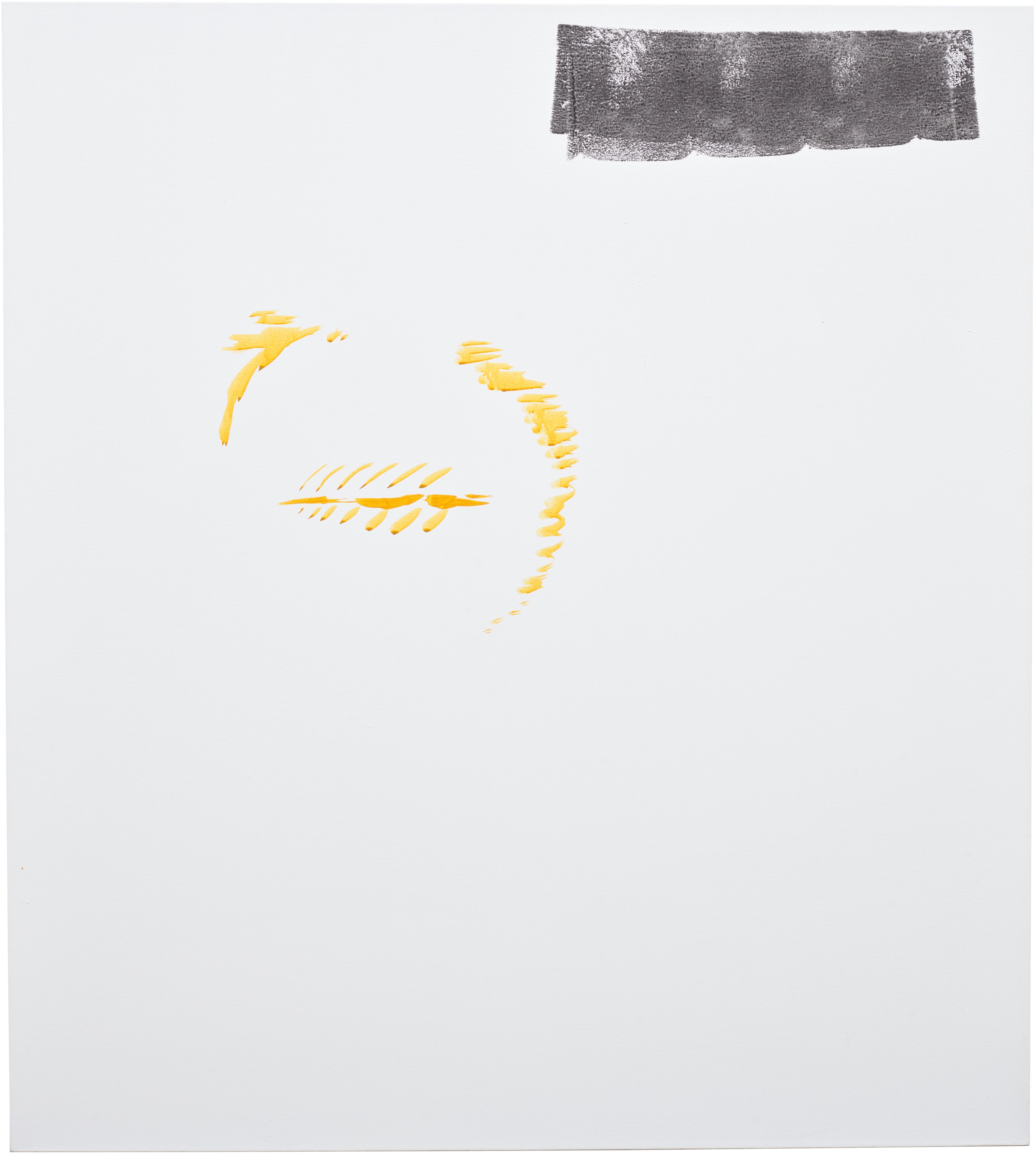
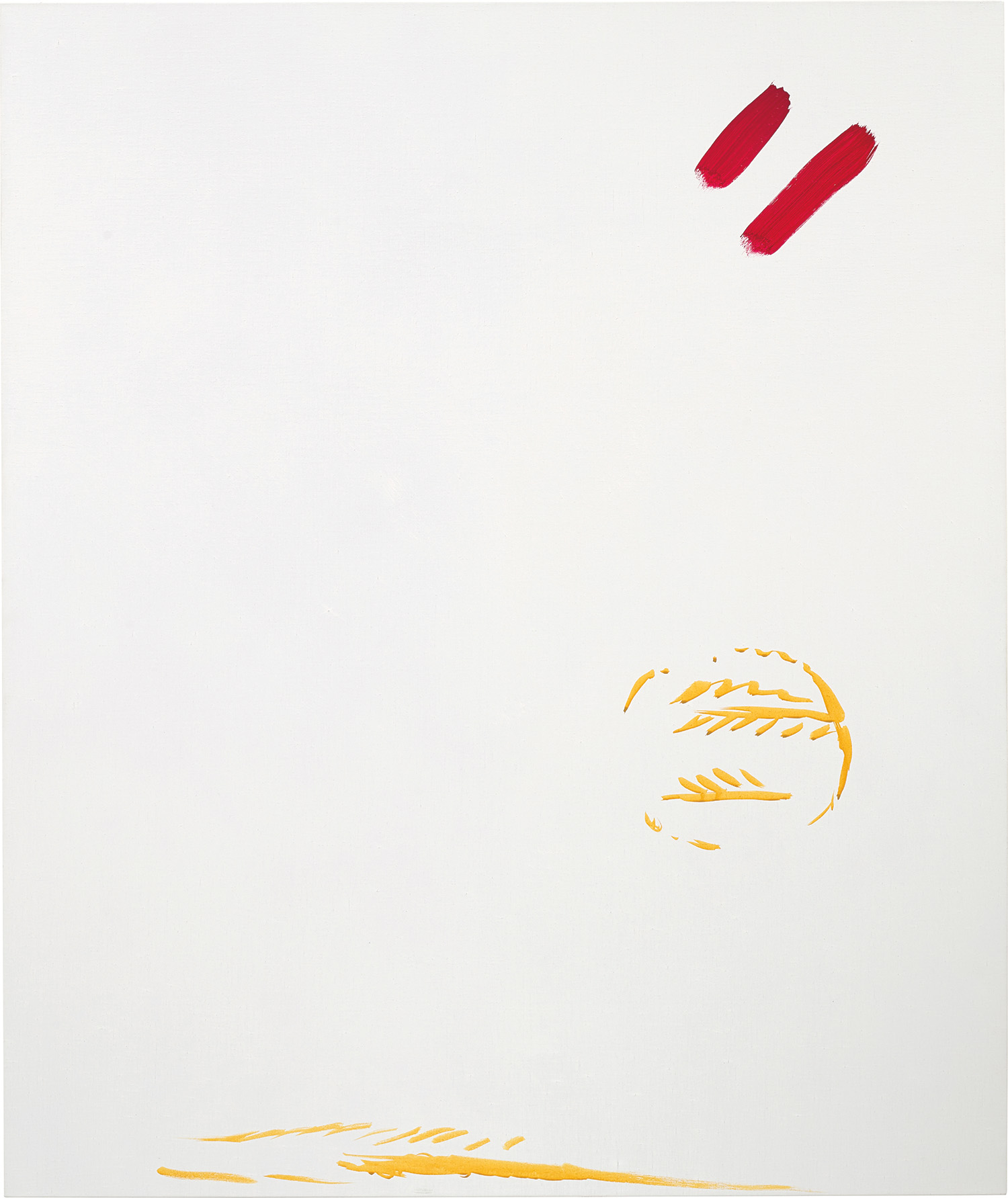
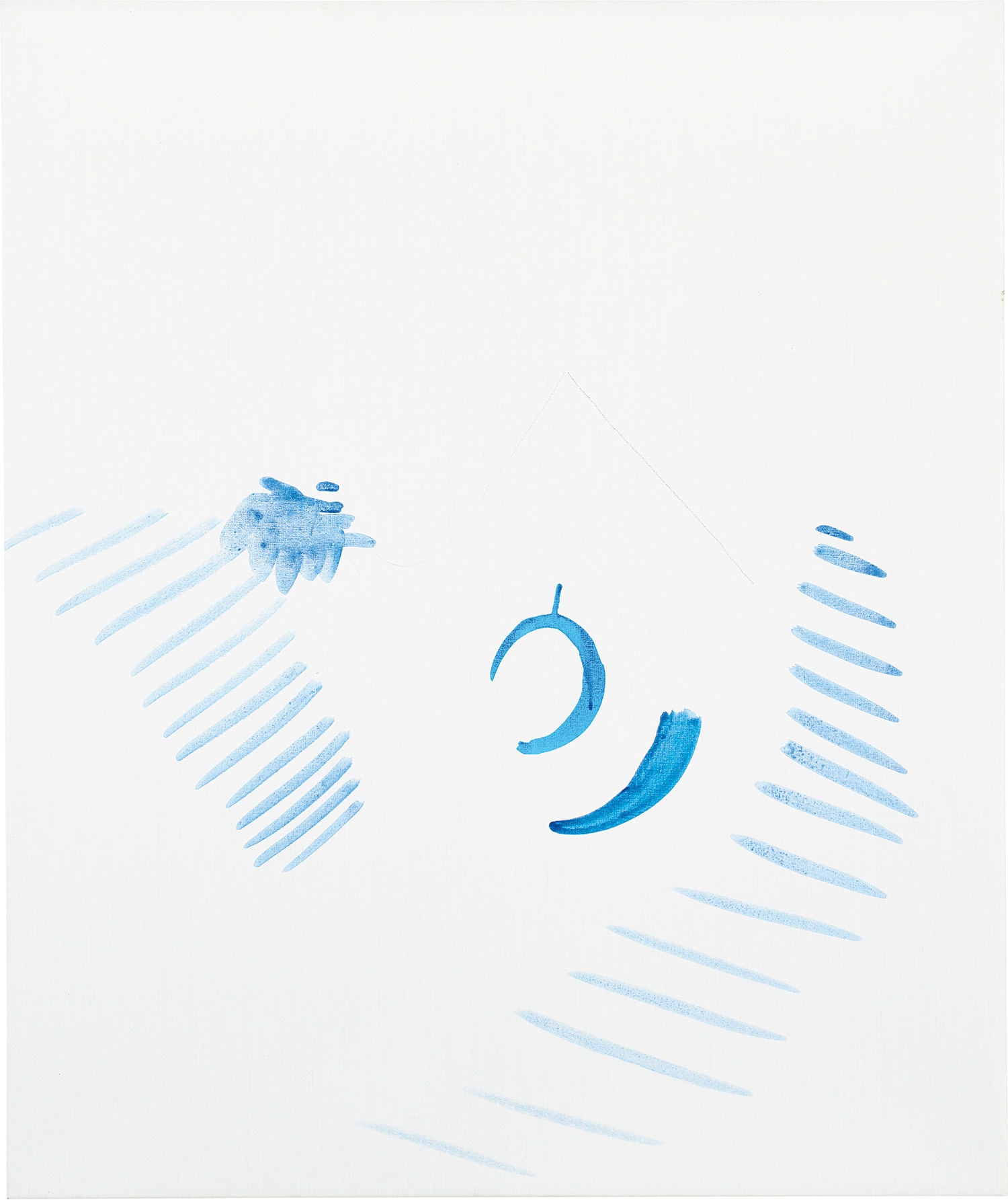
Artists in conversation
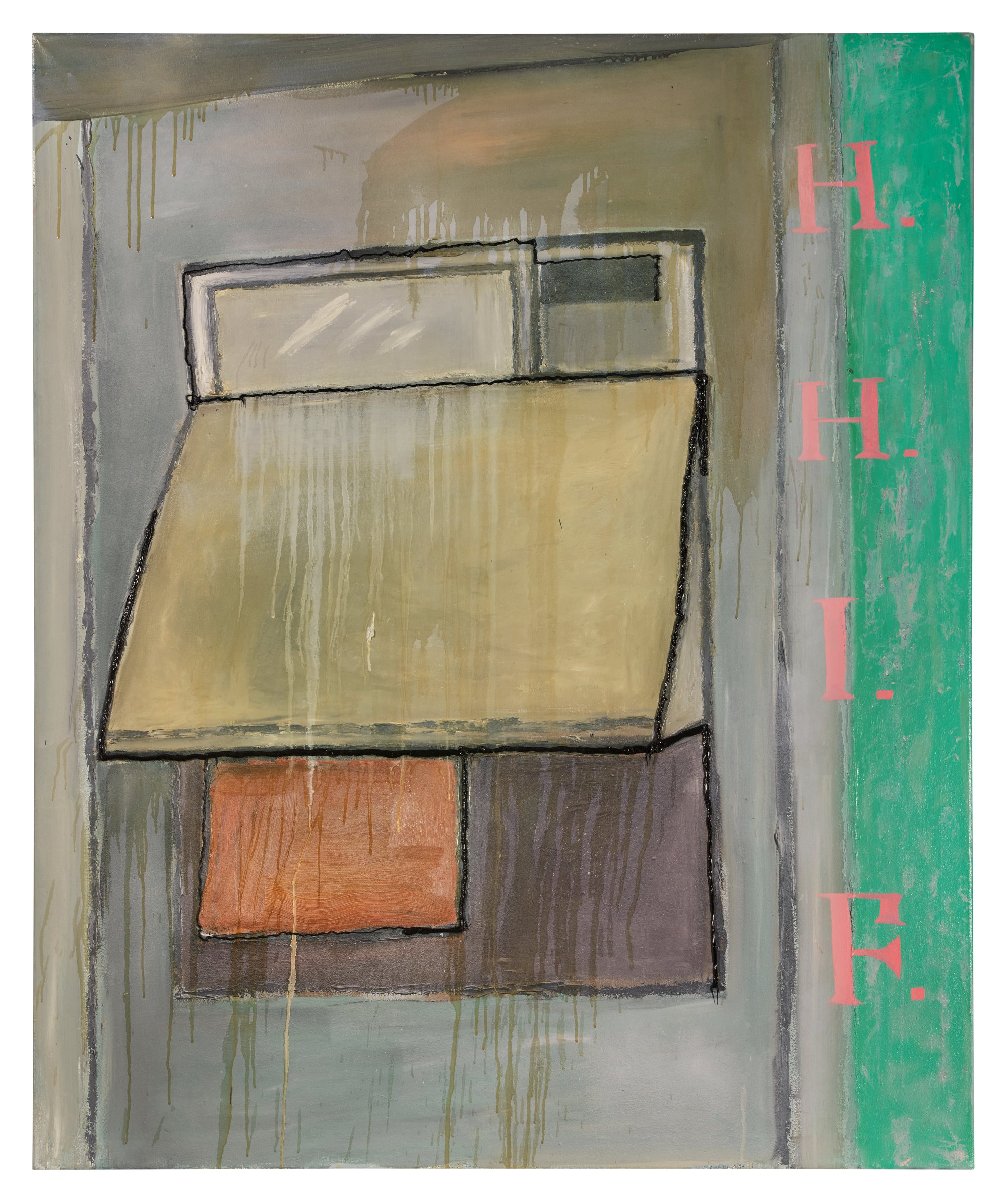
Martin Kippenberger
Kippenberger shared Krebber's irreverent critique of painting conventions and deployed irony and deliberate aesthetic failure as core strategies in his work. Both artists operated within a German context of conceptually charged, self aware painting that questioned artistic sincerity.
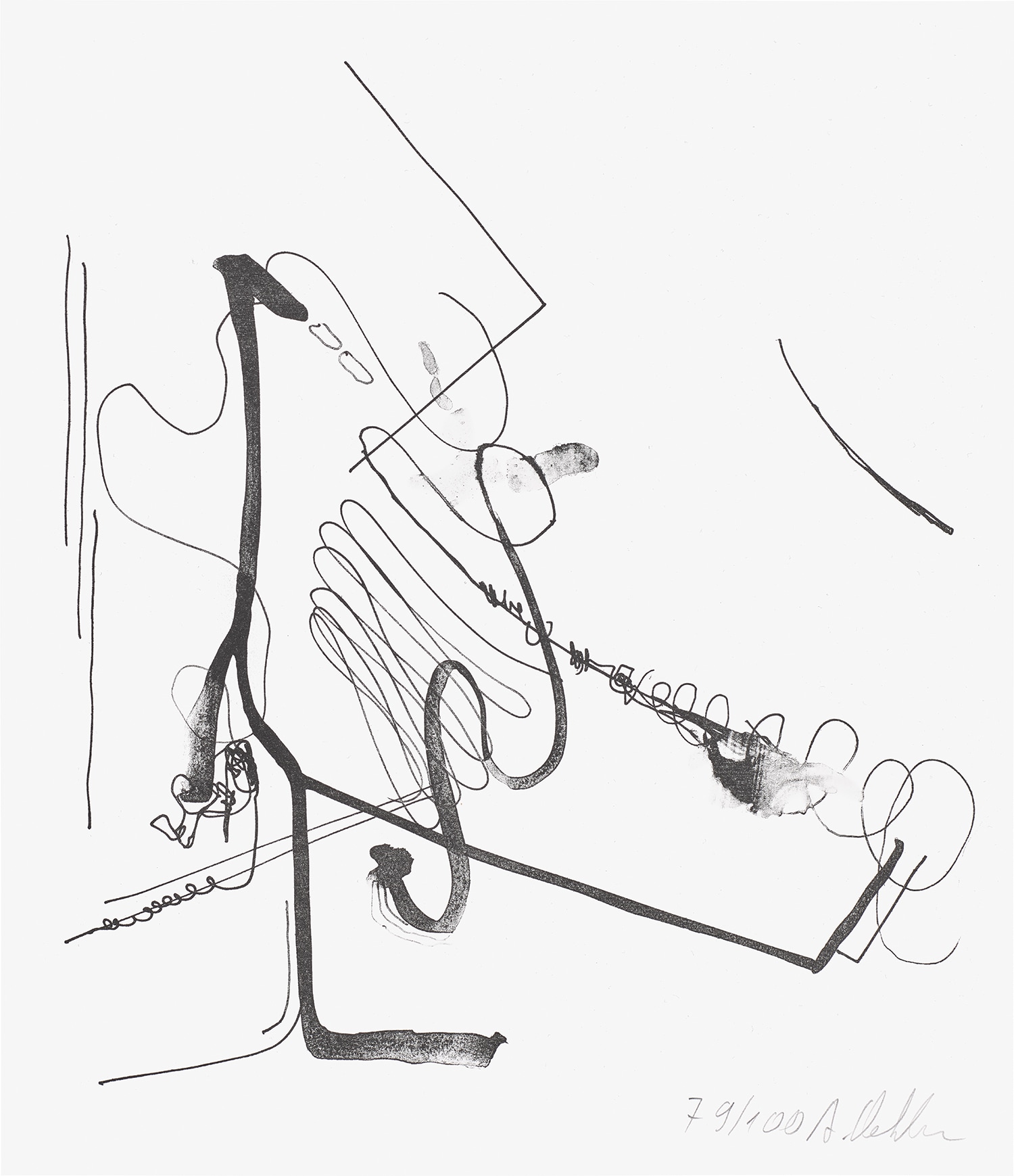
Albert Oehlen
Oehlen similarly interrogates the limits and contradictions of painting through anti compositional gestures and a reflexive skepticism toward expressive mark making. His work parallels Krebber's interest in what painting cannot or should not do.
Martin Kippenberger
Krebber worked as Kippenberger's studio assistant and absorbed his mentor's approach to using irony, institutional critique, and strategic failure as productive artistic tools. Kippenberger's expansive and self deprecating practice was a formative model for Krebber's own development.
Artists who inspired them
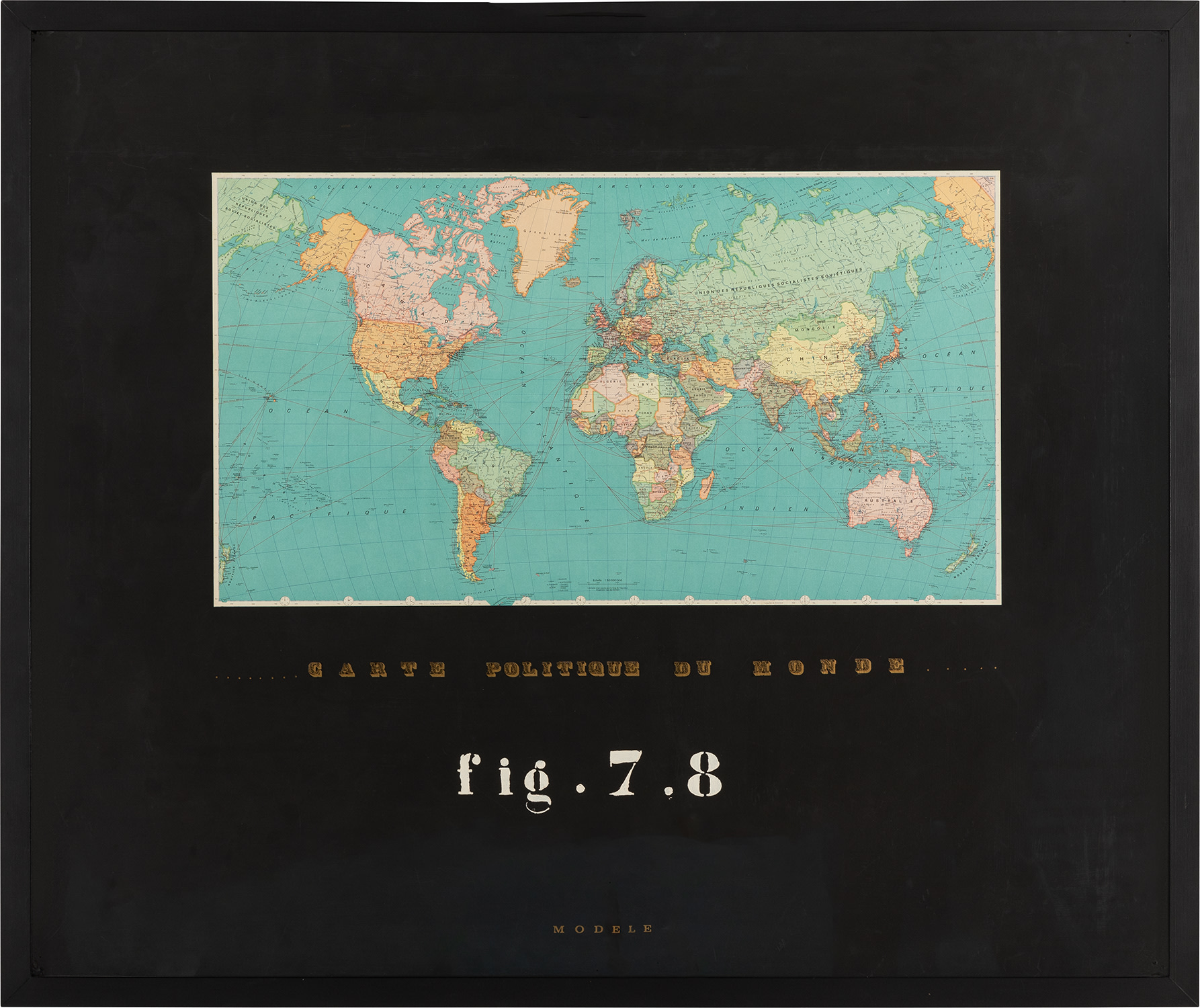
Marcel Broodthaers
Broodthaers's conceptual questioning of the artwork's status and his poetic negation of artistic production provided Krebber with a precedent for treating art as a site of institutional and linguistic interrogation. His skeptical relationship to authorship resonates throughout Krebber's practice.
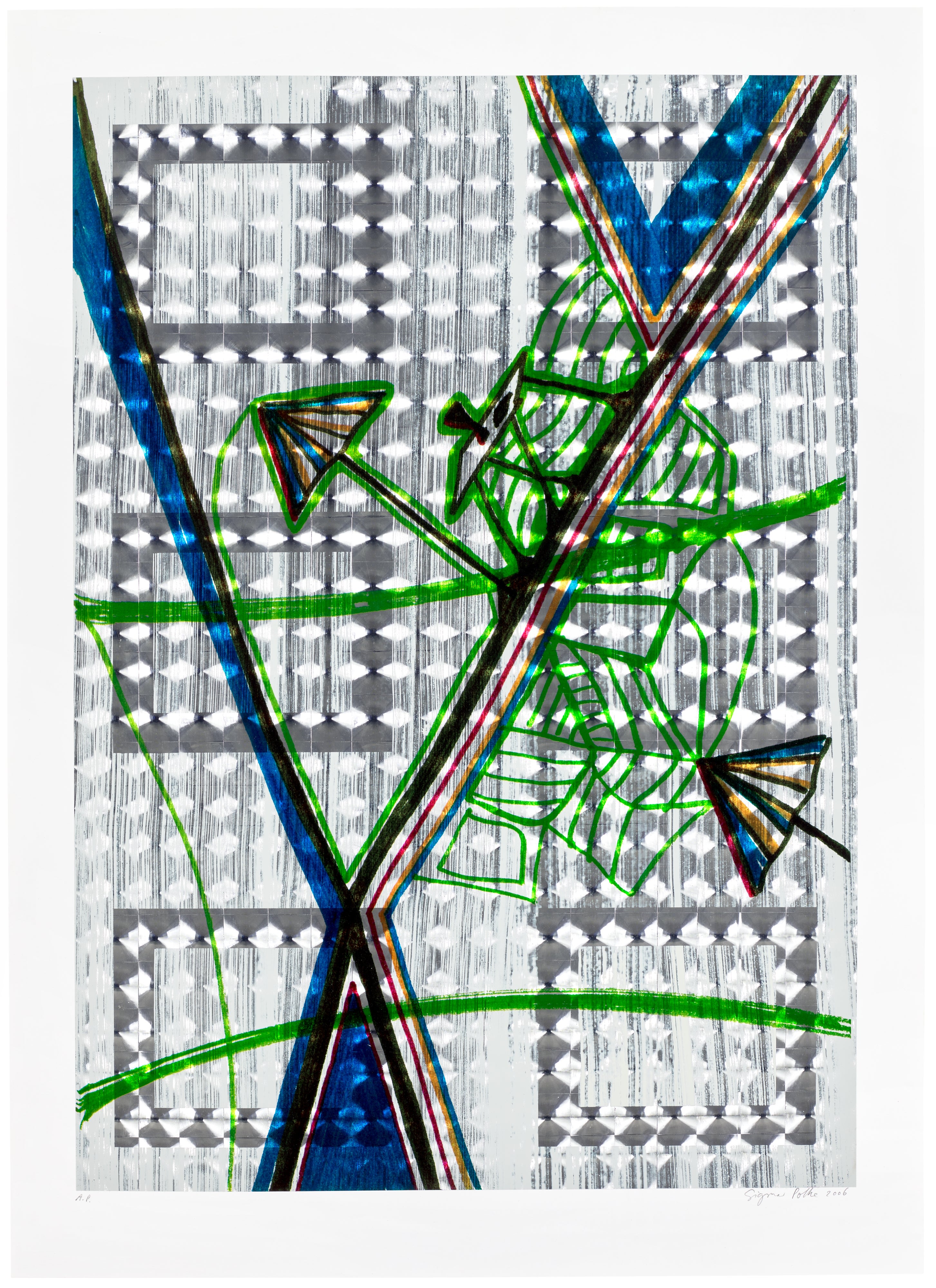
Sigmar Polke
Polke's playful destabilization of painting's materials and meanings offered Krebber a model for approaching the canvas as a space of conceptual uncertainty rather than expressive declaration. His irreverence toward medium and style informed Krebber's anti expressive sensibility.
Artists they inspired

Sergej Jensen
Jensen's sparse, deliberately understated paintings that treat absence and material economy as expressive choices reflect Krebber's influence on younger European painters embracing conceptual reticence. His work demonstrates how Krebber's ethos of the unfinished and the withheld became generative for a subsequent generation.
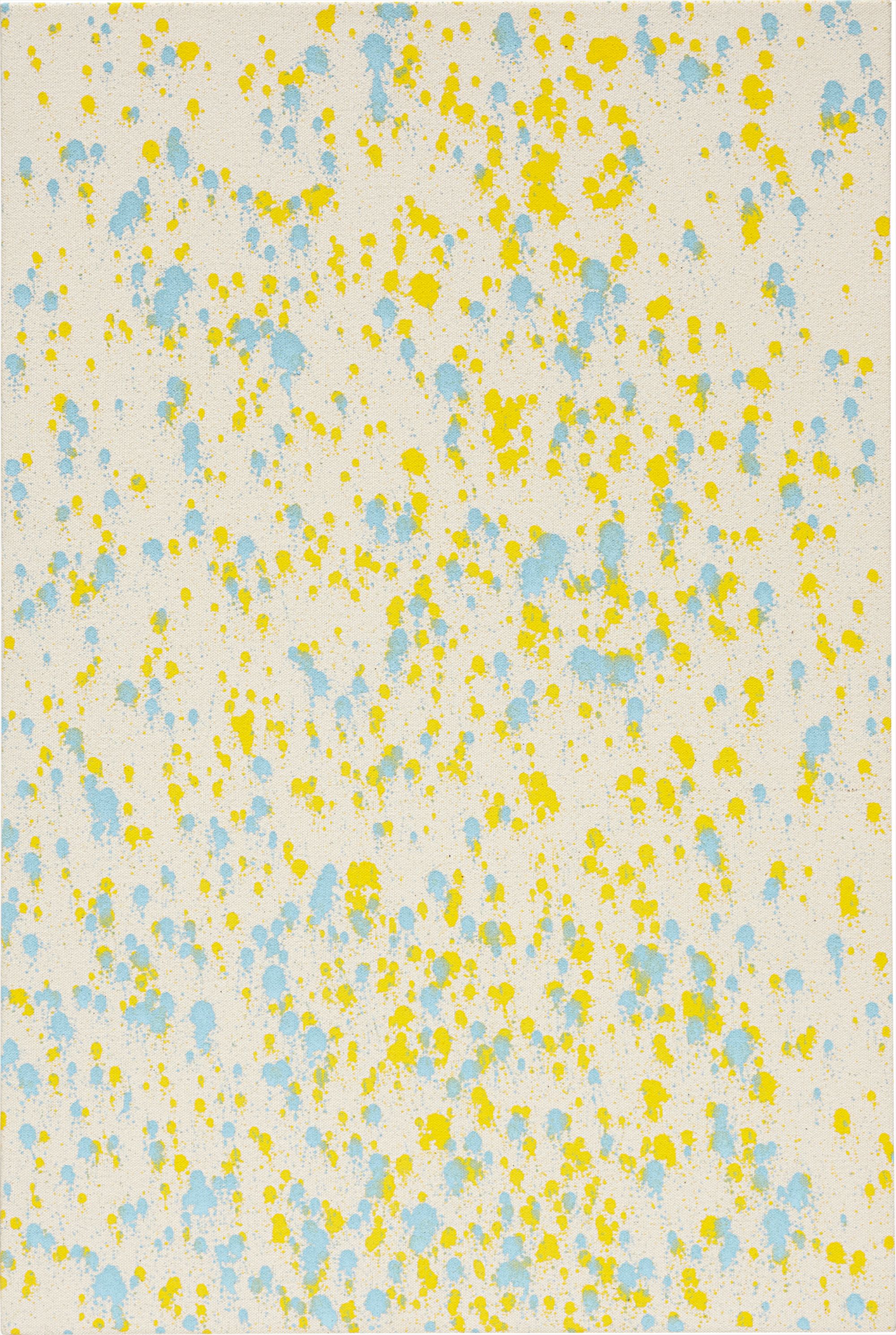
Lucien Smith
Smith emerged in a New York art world where Krebber's critical stance toward painting's sincerity and institutional context had filtered into younger conceptually oriented painters. His engagement with the spectacle and critique of painting shows traces of Krebber's influence on American artists trained in the 2000s.