Kawanabe Kyōsai
3
Works
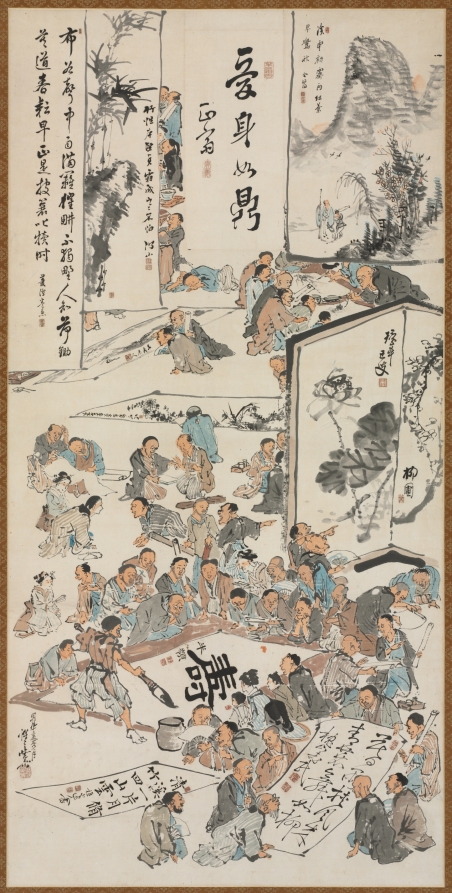
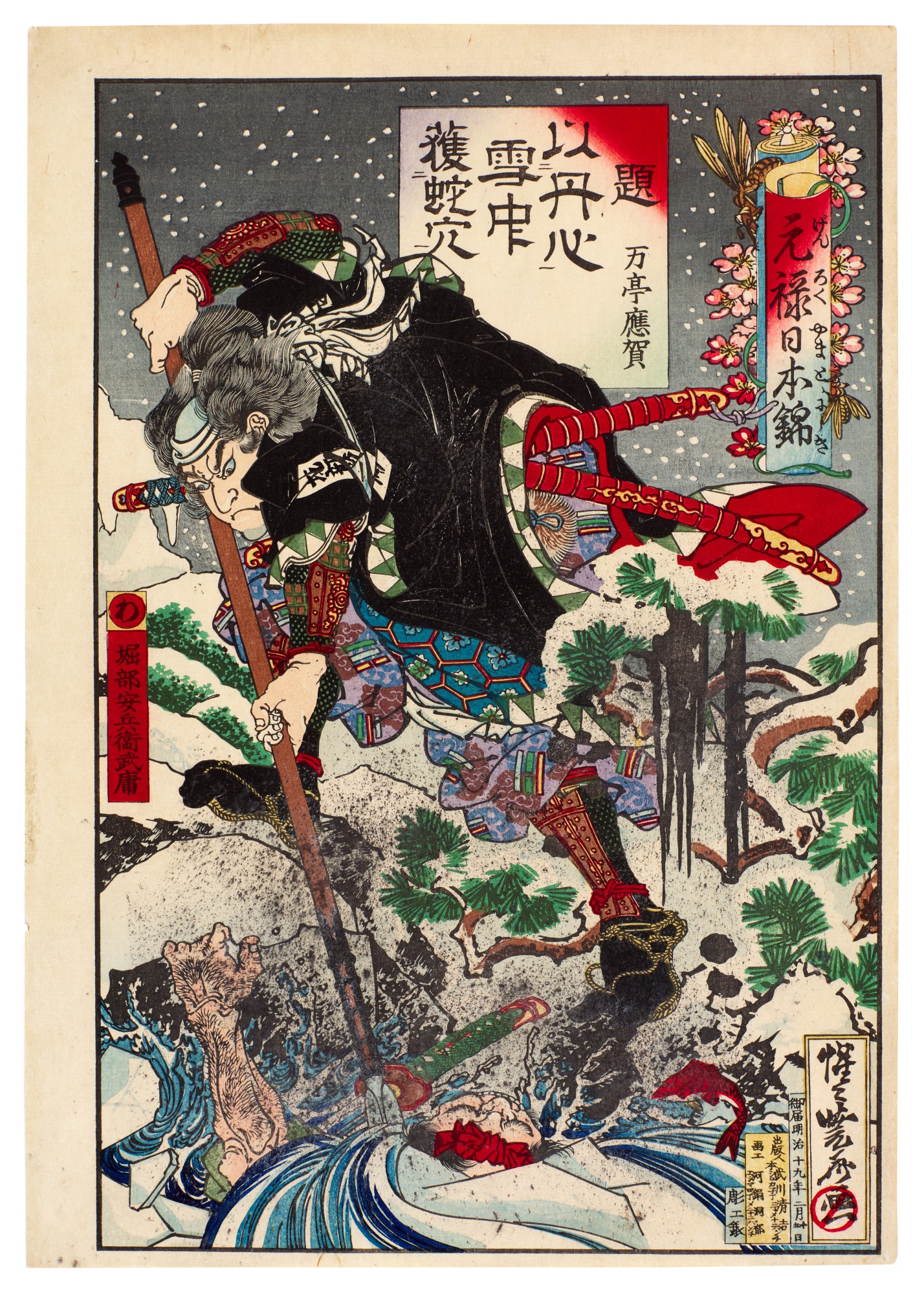
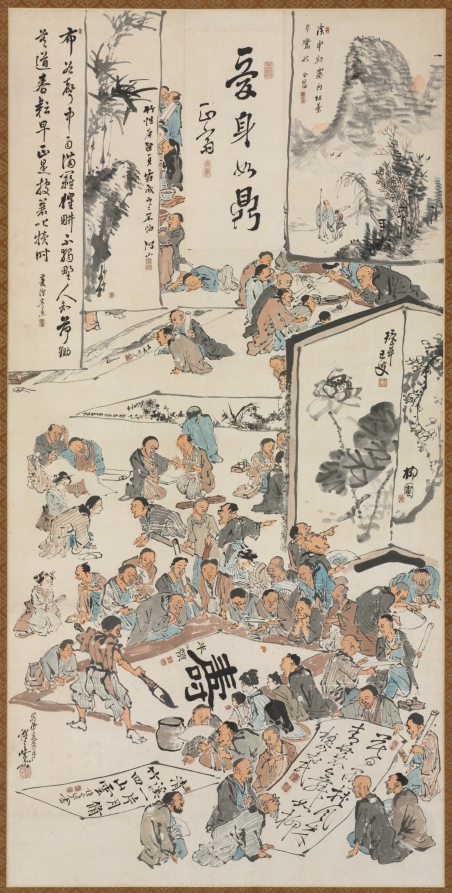
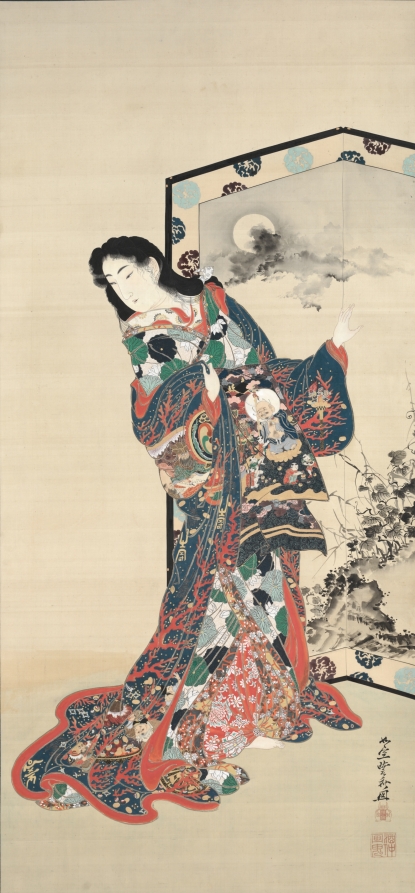
# Kawanabe Kyōsai Kawanabe Kyōsai (1831-1889) was a Japanese painter and printmaker who became one of the most distinctive artistic voices of the Meiji period. Born in Kano school tradition but developing his own transgressive style, Kyōsai mastered multiple genres including ukiyo-e woodblock prints, ink painting, and illustrations. His early training under established masters provided technical foundation, but he deliberately moved away from orthodox conventions to create provocative, imaginative works that challenged contemporary aesthetics and social norms. Kyōsai is best known for his dynamic ink paintings and prints featuring supernatural beings, grotesque creatures, demons, and satirical commentary on human folly. His series and notable works including depictions of yokai, caricatures of political figures, and fantastical narrative scenes demonstrated his exceptional draftsmanship and darkly comedic sensibility. He was instrumental in the kaiga or literati painting movement while simultaneously engaging with popular print culture, creating a unique synthesis that bridged high and low artistic traditions. His willingness to mock authority figures and sacred institutions occasionally resulted in censorship and imprisonment during the Meiji government's early years. Kyōsai's lasting influence fundamentally shaped modern and contemporary Japanese art through his integration of traditional techniques with irreverent subject matter and experimental composition. His work prefigured aspects of surrealism and expressionism, influencing Western artists upon discovery while remaining deeply rooted in Japanese aesthetic traditions. Today, Kyōsai is recognized as a pivotal figure who demonstrated that traditional Japanese art forms could be vehicles for individual expression, social critique, and imaginative exploration rather than mere adherence to established schools and conventions.
Spotted by
Artists in conversation