Francis Picabia
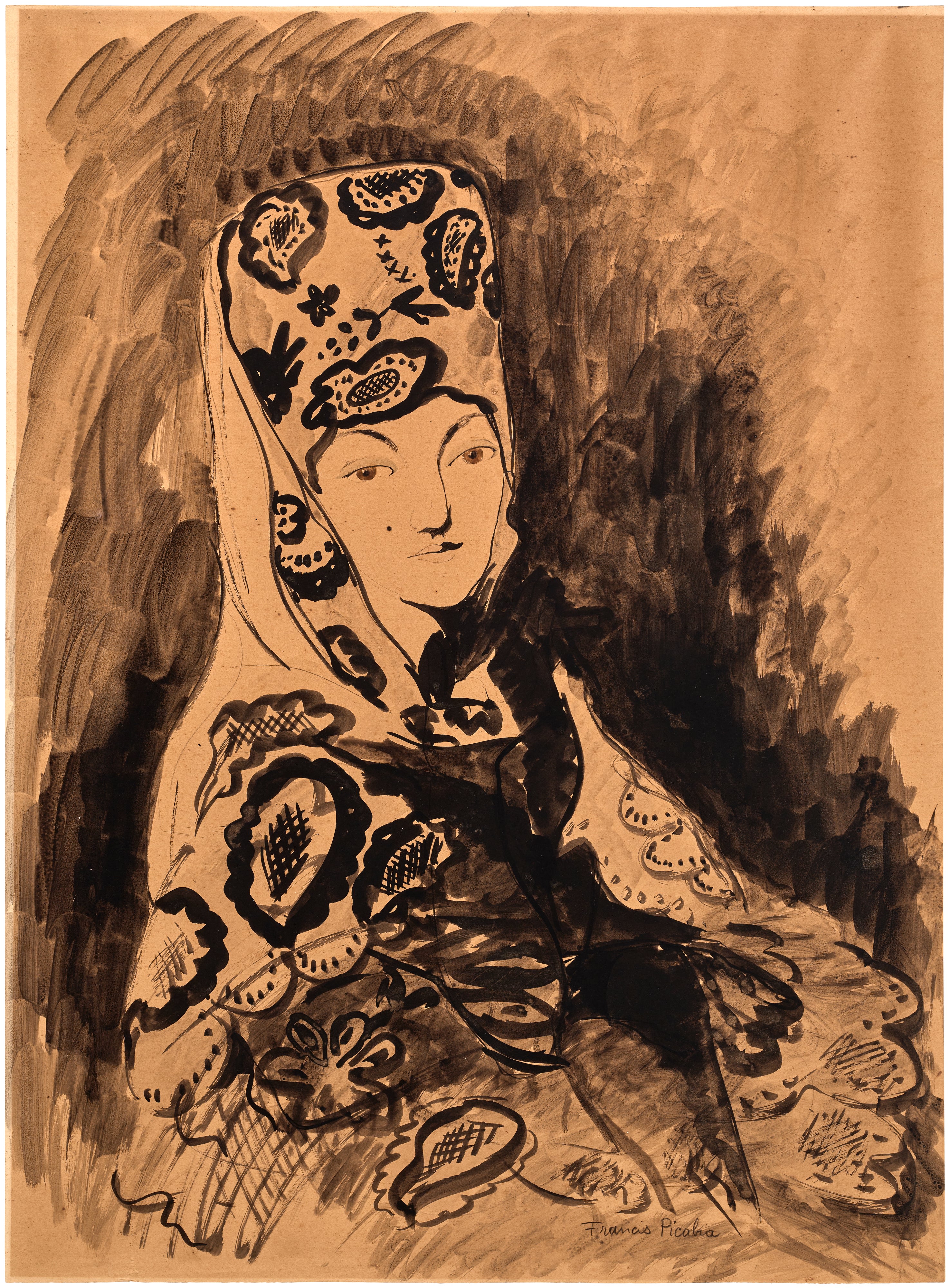
Francis Picabia, Forever Free and Forever Brilliant
Artist Spotlight · The Collection Editorial
“Our heads are round so that thoughts can change direction.”
Francis Picabia
There is a particular kind of artistic courage that refuses to be categorized, that burns through movements and manifestos without ever being fully consumed by them. That courage belonged, above all others, to Francis Picabia. In 2022, the Pompidou Centre in Paris deepened its ongoing scholarly engagement with the artist through a major survey of his late works, and international auction houses have seen renewed appetite for his paintings across every phase of his output, with major works achieving prices well into the seven figures. What these moments confirm is something that serious collectors have understood for decades: Picabia was not simply a participant in the great avant garde upheavals of the twentieth century.
Francis Picabia
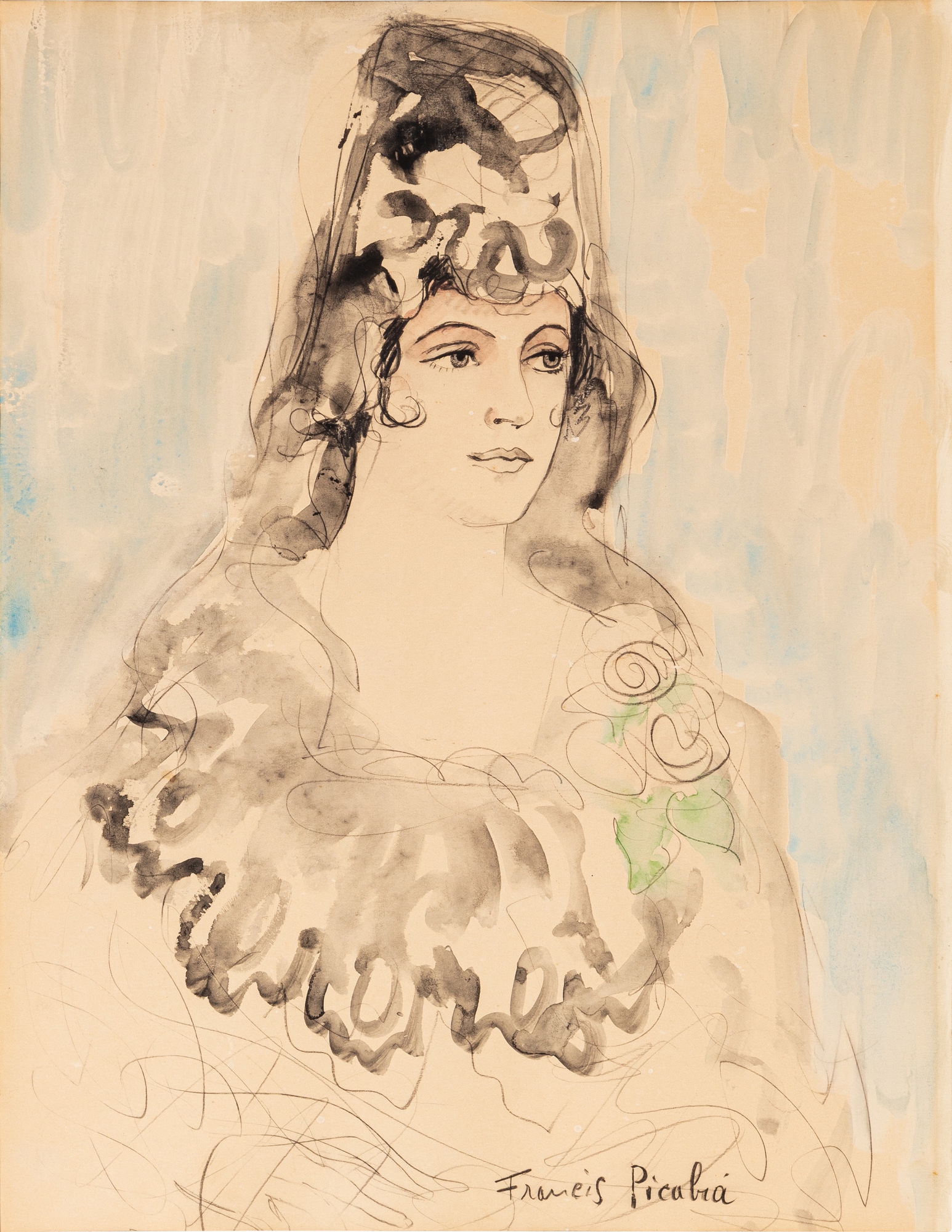
Espagnole, 1926
He was one of its most singular and irreplaceable minds. Francis Marie Martinez Picabia was born in Paris on January 22, 1879, into a world of considerable comfort and cosmopolitan refinement. His father, Francisco Vicente Martínez Picabia, was a Cuban born diplomat of Spanish descent stationed in Paris, and his mother, Marie Cécile Davanne, came from a prosperous French family with connections to photography and the arts. His mother died when he was just seven years old, and Picabia was raised largely by his father and maternal grandfather, Alfred Davanne, an accomplished amateur photographer and member of the Société française de photographie.
That early exposure to the mechanical reproduction of images and to questions of representation would resonate, in surprising ways, throughout his life's work. He enrolled at the École des arts décoratifs in Paris and later studied under the Impressionist painter Fernand Humbert, absorbing the language of light and atmosphere before he was ready to dismantle it. His early career unfolded with almost deceptive ease. Through the first decade of the twentieth century, Picabia produced luminous Impressionist landscapes of remarkable accomplishment, paintings of riverbanks and misty mornings that earned him genuine critical praise and sold with pleasing regularity.
Francis Picabia
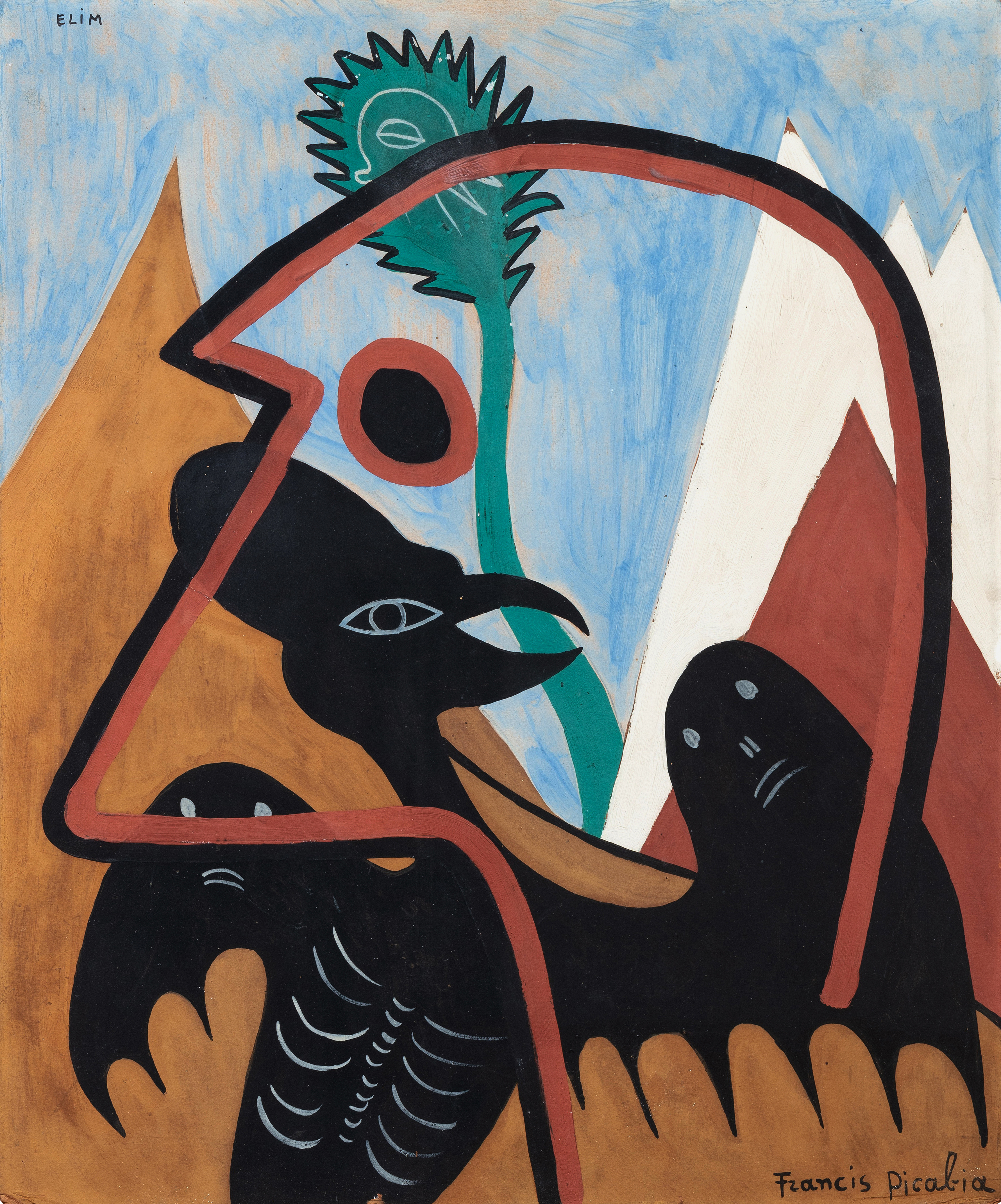
Elim, 1938
Works such as "Bords du Loing à Moret, effet du soleil" and "Effet de brouillard sur les bords de la Loire à Candes," both from 1908, demonstrate the sensitivity and sureness of touch he had developed by his late twenties. They are paintings of real beauty, and they reward close looking, but they also hint at a restlessness that pure plein air fidelity could not contain for long. By 1909, Picabia had discovered Cubism and the work of Paul Cézanne, and his painting began to fracture and accelerate into something far less comfortable and far more electric. The years between 1912 and 1915 represent perhaps the most concentrated period of transformation in his career.
“The only way to save oneself is to commit to no group.”
Francis Picabia
In 1913, Picabia traveled to New York to participate in the legendary Armory Show, that seismic introduction of European modernism to the American public. He became an immediate sensation, not only for his paintings but for his personality, his wit, and his gift for provocation. He formed close friendships with Alfred Stieglitz, the photographer and gallerist who showed his work at the famous 291 gallery, and with Marcel Duchamp, the figure who would become his closest intellectual companion and co conspirator. Together, Picabia and Duchamp developed the foundations of a machine aesthetic, a mode of imagery in which human relationships and psychological states were rendered as diagrams of mechanical components, as though desire and identity were engines awaiting assembly.
Francis Picabia
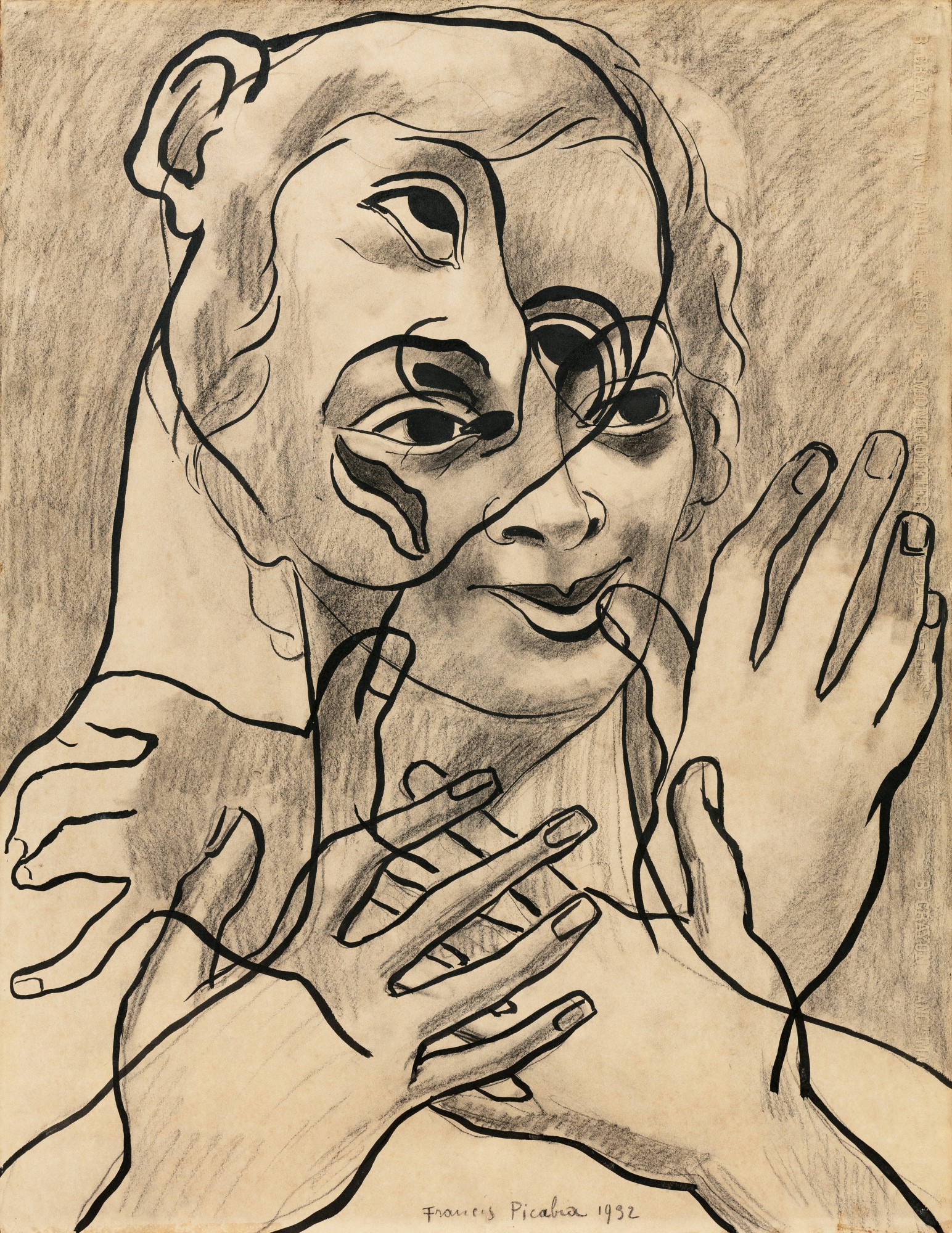
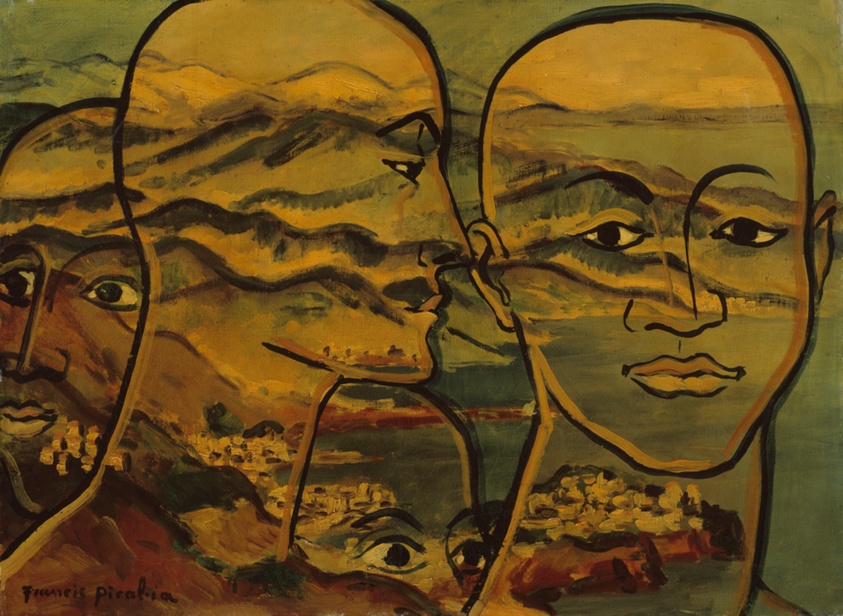
Transparence , 1932
These works, bold and strange and funny, remain among the most prescient images of the modern era. His involvement in the Dada movement, from Zurich to New York to Barcelona and back to Paris, brought him fully into his own as an artist who saw subversion not as a gesture but as a philosophy. The range of Picabia's output across the following three decades is genuinely astonishing. In the 1920s, he produced the Transparencies, layered and luminous paintings in which figurative forms appear to overlap and interpenetrate like multiple photographic exposures stacked one upon another.
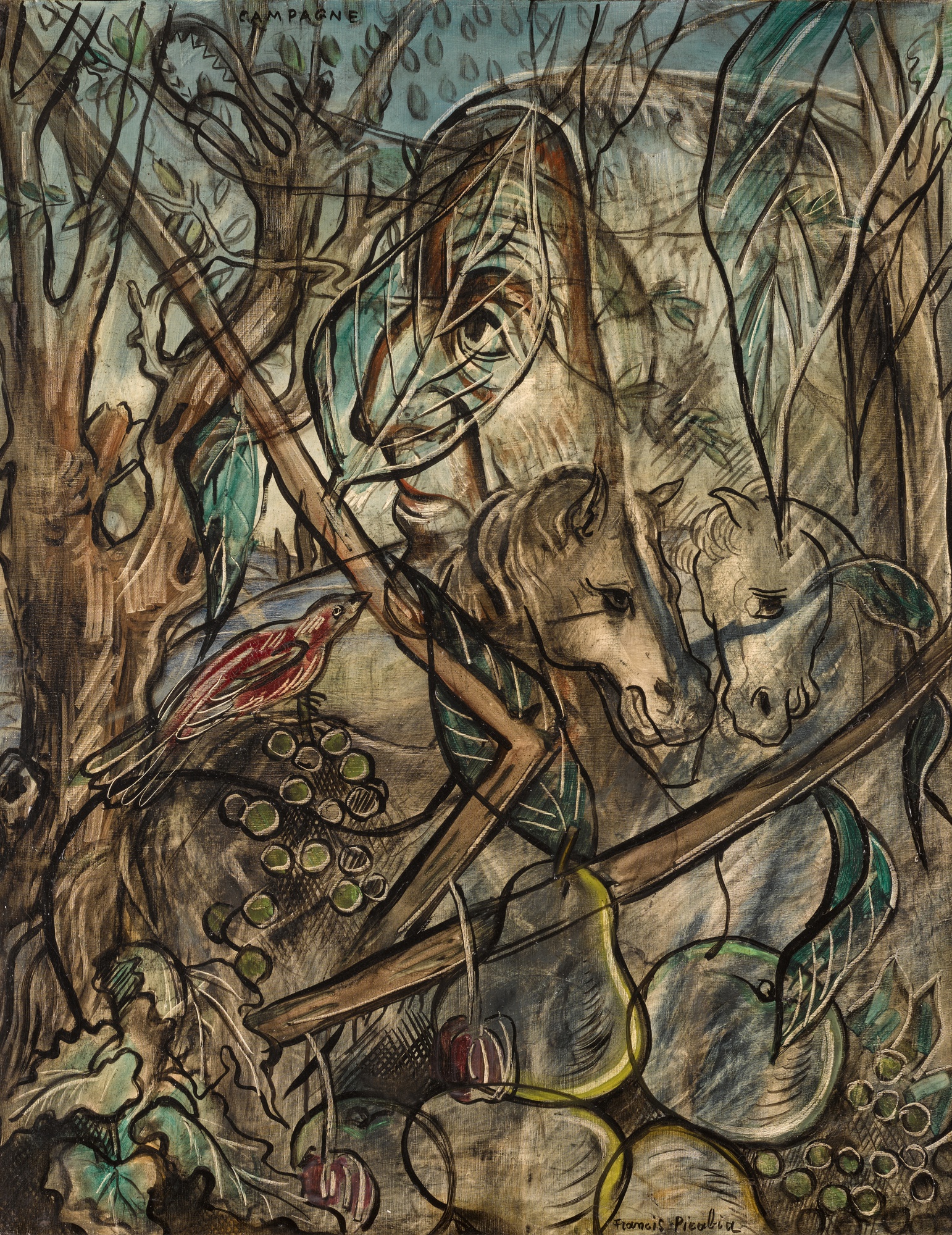
In the 1930s, he moved through periods of figuration that shocked former allies and delighted new audiences, including his so called monster paintings and the richly atmospheric canvases of his time on the French Riviera. Works such as "Linné" from 1933 and "Campagne" from 1932 speak to the sensual richness of this period, while "Tabarin" from 1937 captures a nocturnal world of entertainment and shadow with a painter's instinct for theatricality. His gouaches and works on paper, including "Sans titre" from 1939 and pieces such as the elegantly constructed "Espagnole à la mantille" from 1920, reveal the full range of his draftsmanship and his facility across media. The 1940s brought the nude paintings, large and deliberately provocative figurative works that scandalized many critics at the time but that collectors and curators now read as bold and deeply personal statements, fully confident in their own strangeness.
Francis Picabia
Campagne, 1932
For collectors, Picabia represents one of the great opportunities in the market for early twentieth century European modernism. His work appears regularly at Christie's, Sotheby's, and Bonhams, and the breadth of his practice means that entry points exist across a wide range of price levels and media. Works on paper and gouaches offer an intimacy and freshness that often rival the ambition of his canvases, and the variety of periods means that a thoughtful collection could be built around Picabia alone, tracing the arc from his early Impressionist landscapes through his Dadaist provocations and into the richly strange late figuration. The artists closest to him in spirit and in the market are Marcel Duchamp, of course, and also Man Ray, Fernand Léger, and Jean Metzinger from the Cubist moment, and Max Ernst and Joan Miró in the Surrealist orbit.
He was also a significant influence on American artists who encountered his work in New York, including the generation that would eventually develop Abstract Expressionism. Knowing his work well means understanding the connective tissue of twentieth century art. Picabia died in Paris on November 30, 1953, having spent the final years of his life returning to abstraction, completing a circle that felt less like repetition than like confirmation. His legacy is one of radical freedom exercised at the highest level of technical intelligence, a reminder that genuine originality is not about finding a style and refining it but about following thought wherever it insists on going.
In a cultural moment that increasingly values artists who resist fixed identities and span disciplines without apology, Picabia feels more relevant than ever. He was a painter, a poet, a polemicist, and a wit, and he was all of these things simultaneously and without apparent effort. To collect Picabia is to collect the twentieth century at its most alive.
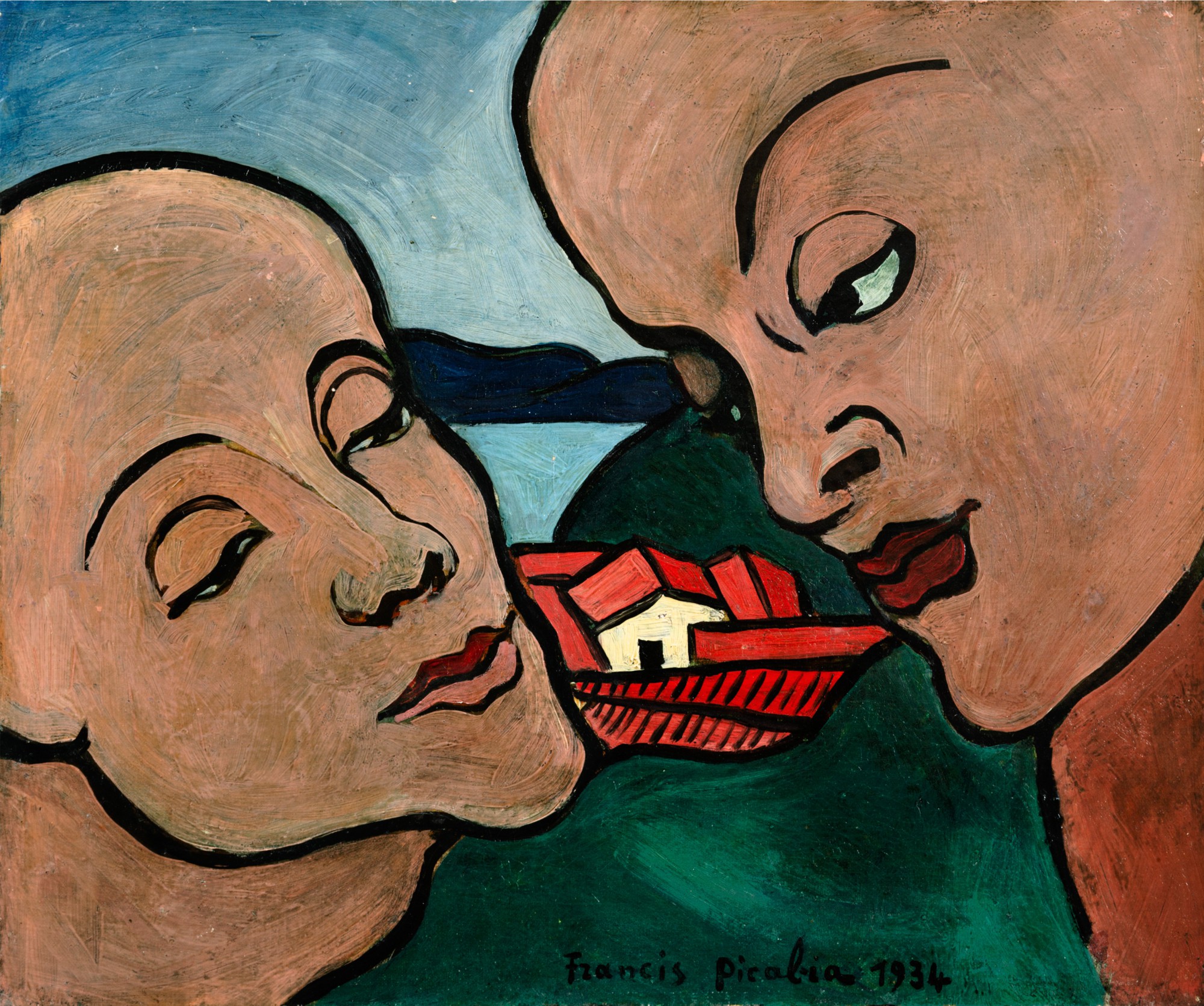
Explore books about Francis Picabia
Francis Picabia
William A. Camfield
Francis Picabia 1879-1953
Centre Pompidou
Picabia
Arnauld Pierre
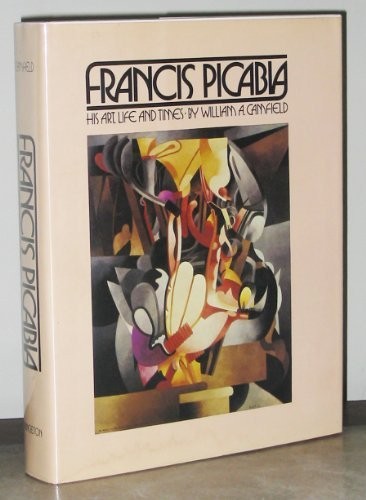
Francis Picabia: His Art, Life and Times
Pierre Daix
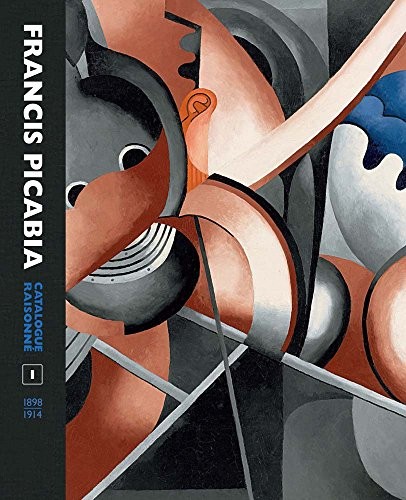
Picabia: Catalogue Raisonné
Gérard Legrand and Alain Joubert
Francis Picabia: Drawings and Watercolors
William A. Camfield
Picabia and Amorpha: Chromatic Fugue
William A. Camfield